European Medieval Swords
Browse our collection of 20 handmade medieval European swords, including longswords and bastard swords forged in carbon steel and manganese steel. For collectors who appreciate blade craft across cultures — from the Japanese katana to the Chinese jian to the European longsword — our medieval sword collection brings the Western tradition into a global sword collection. Every sword ships free to the US with a 30-day satisfaction guarantee.
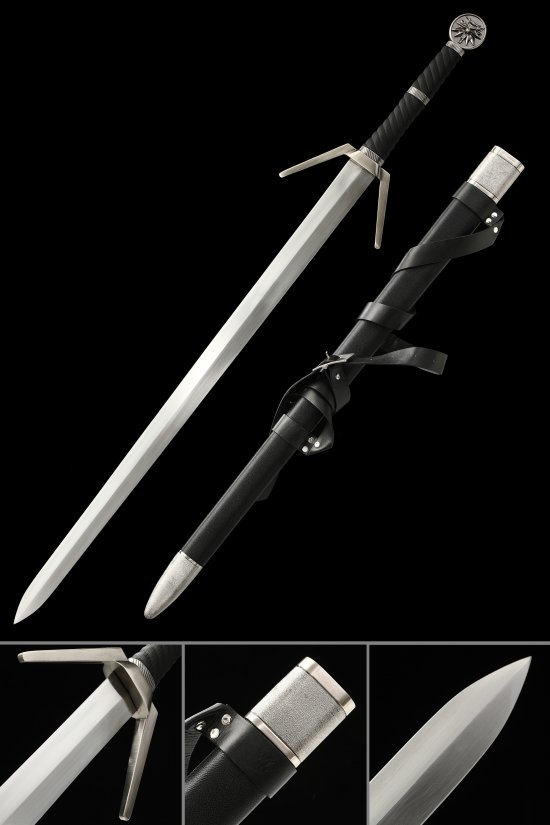
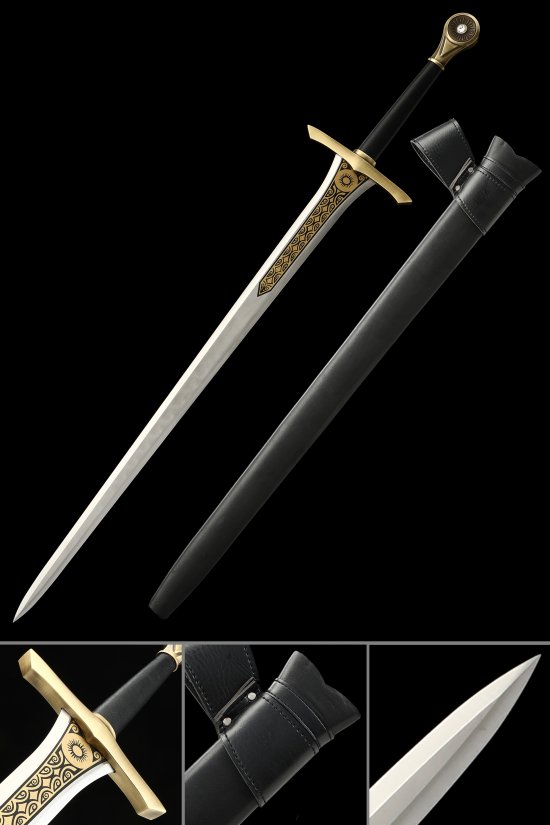
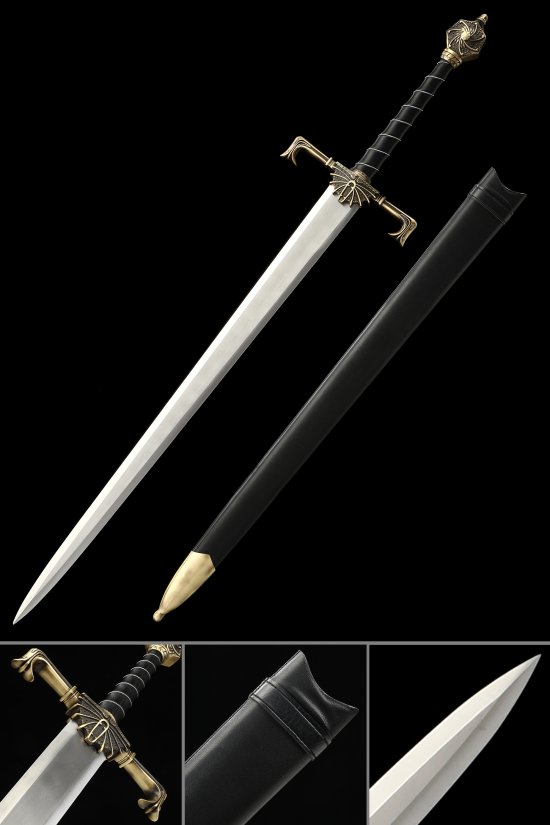
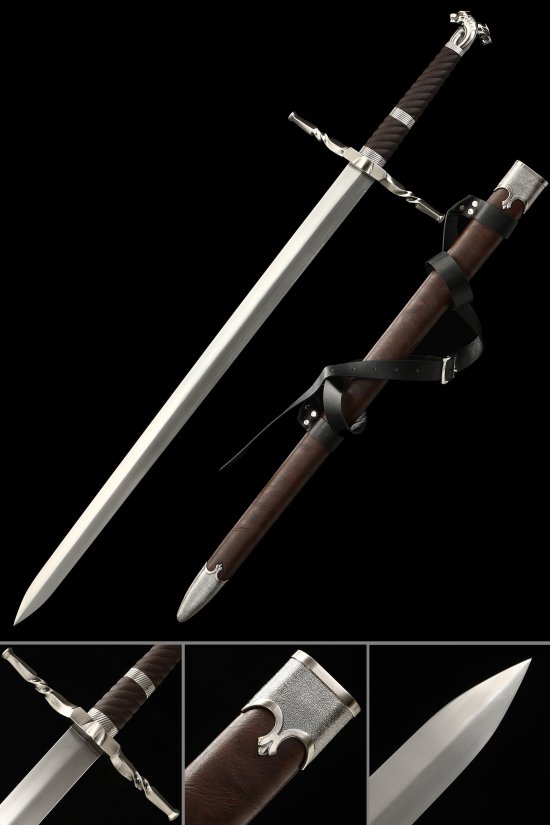
Customer Reviews
Delivered quickly, packaged nicely and quality for price.
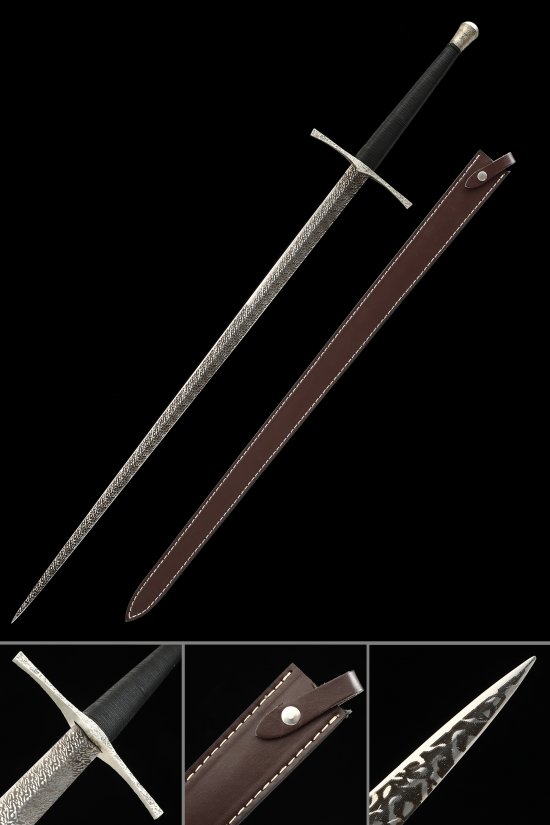
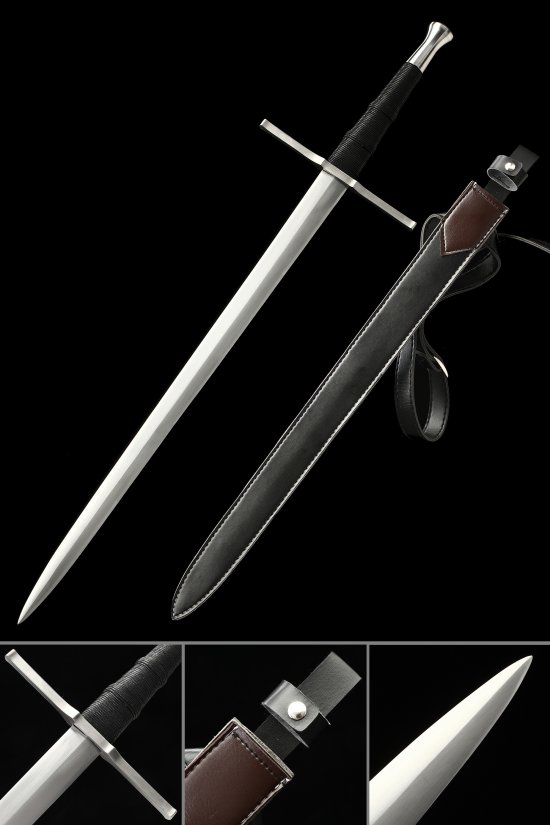
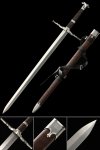 Handmade Medieval Longsword Manganese Steel Blade
Verified Purchase
Handmade Medieval Longsword Manganese Steel Blade
Verified Purchase
Fit and finish looks great. Delivery was quick and easy. Description was pretty accurate but for those who need to know, this is an arming sword (short blade, single handed) but it looks exactly as advertised. Highly recommend this site
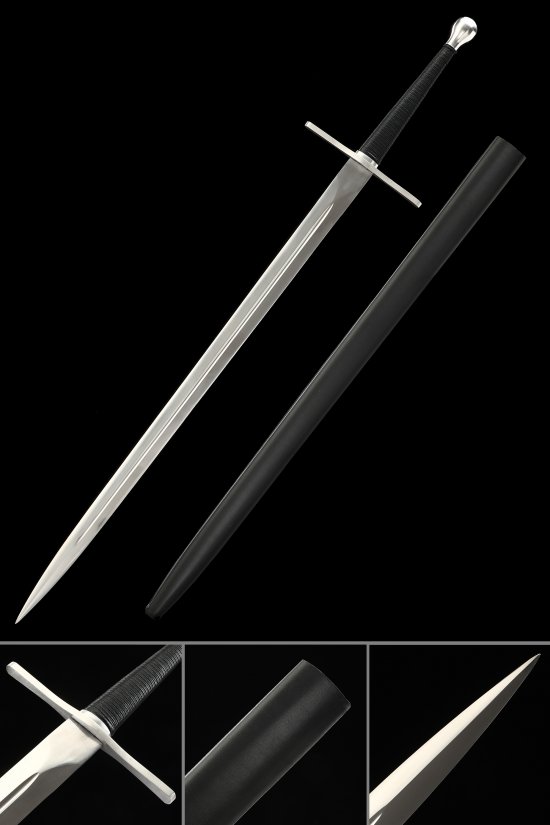
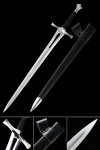 Handmade Medieval Longsword Full Tang
Verified Purchase
Handmade Medieval Longsword Full Tang
Verified Purchase
The design of the sword is absolutely beautiful, an incredible part of my collection. Sword is a bit heavy as I thought it would be, and I thought it may be too short when the package arrived but those fears and worries were erased when I saw and held it. Love it!
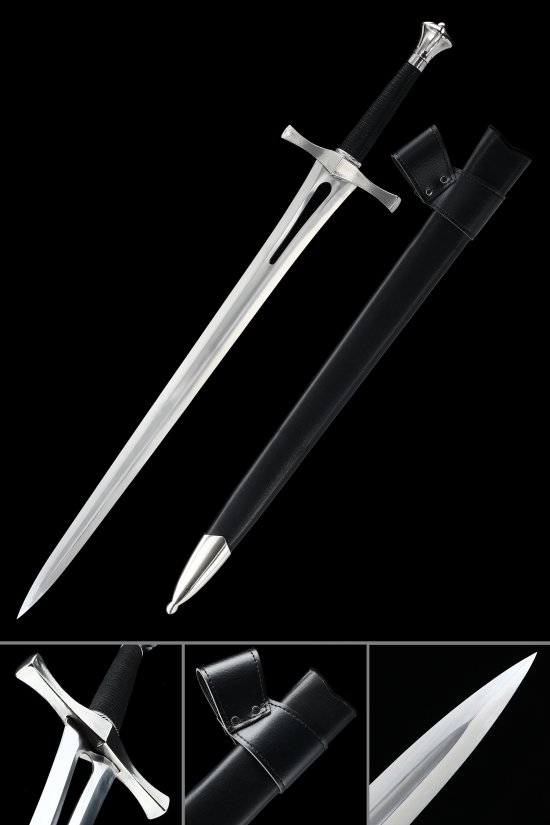
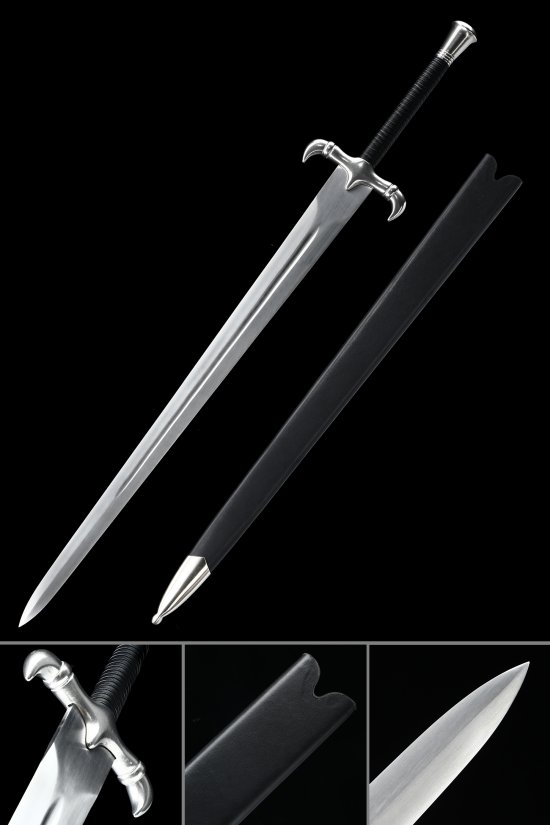
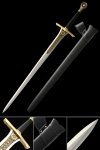 Medieval Knight Bastard Sword Stainless Steel Blade
Verified Purchase
Medieval Knight Bastard Sword Stainless Steel Blade
Verified Purchase
All look to be of great quality as always. Only problem have ever had was shipping handling. Has nothing to do with what i bought. Buy even with that the company fixed all the problem. Thanks Eddie
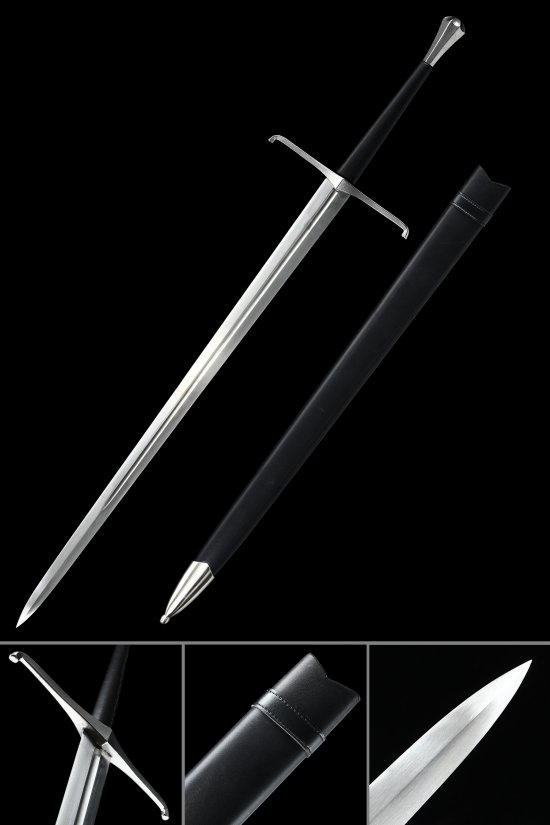
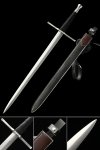 Handmade Medieval Longsword 1090 Carbon Steel Blade
Verified Purchase
Handmade Medieval Longsword 1090 Carbon Steel Blade
Verified Purchase
Finally, I received my 4-sets of high quality sword from True Katana and i am so impressed with the degree of excellence and craftmanship. Every now and then my blade collections getting progressively increasing extent. Sooner or later i will reorder several different designs. HIGHLY RECOMMENDED TRUE KATANA 100% LEGIT
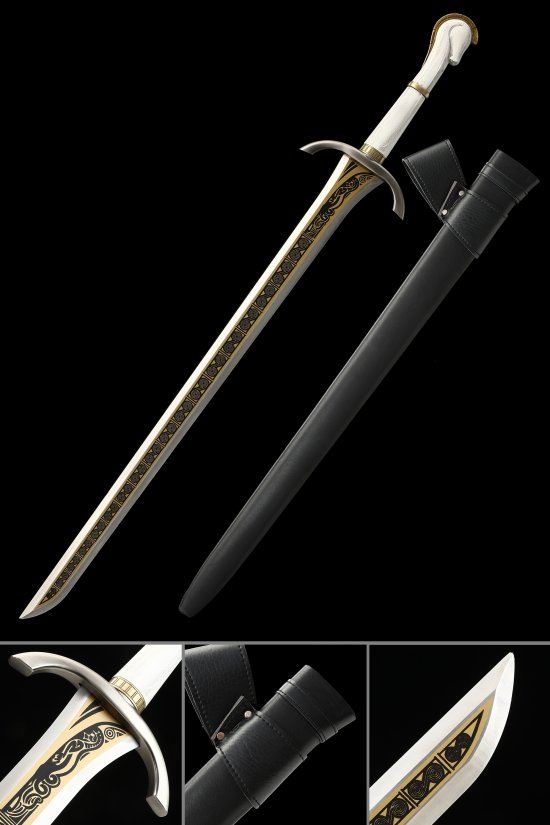
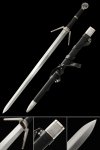 Hand Forged Medieval European Sword Manganese Steel Blade
Verified Purchase
Hand Forged Medieval European Sword Manganese Steel Blade
Verified Purchase
An Absolute beauty, amazing work, I love it so much.
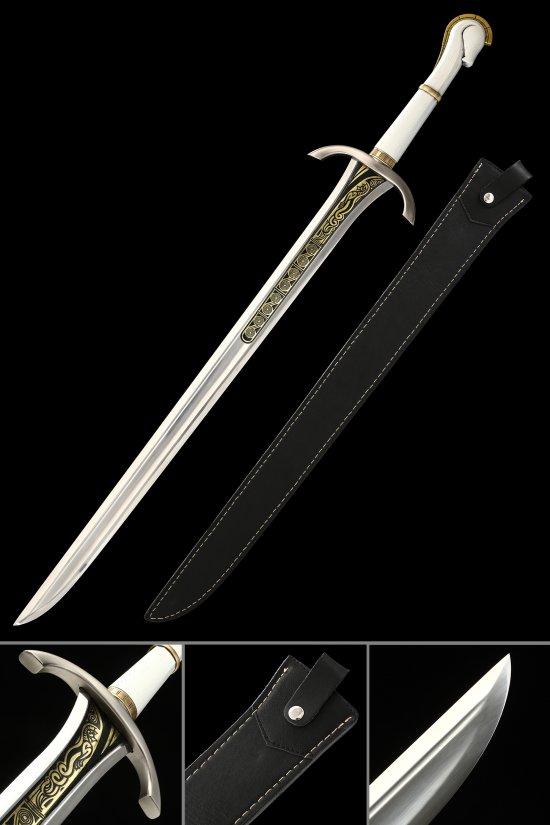
Hand Forged Medieval European Sword Manganese Steel Blade
Verified Purchase