About Our Ninja Swords
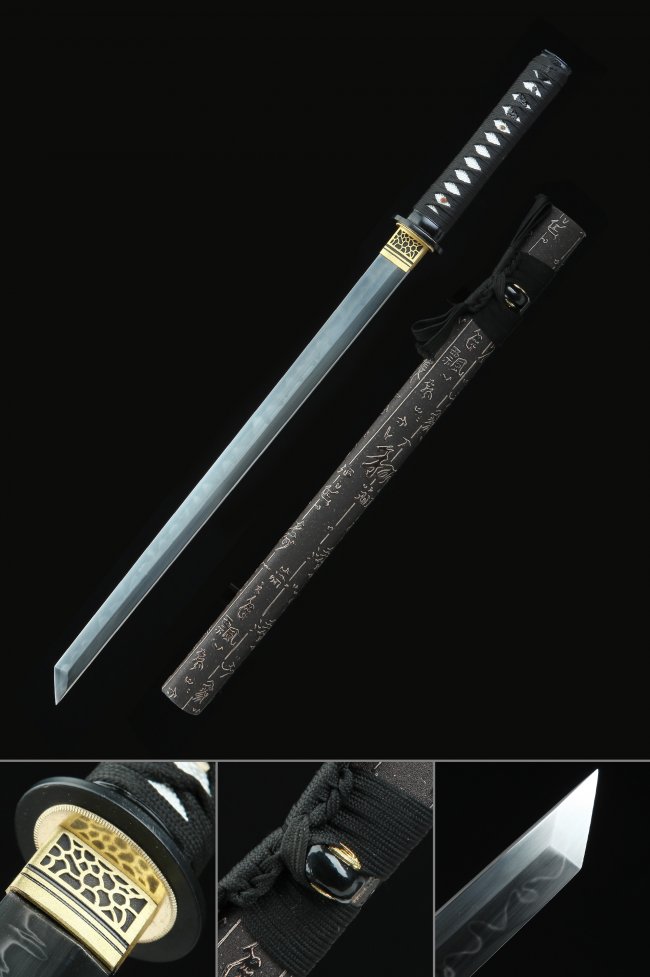
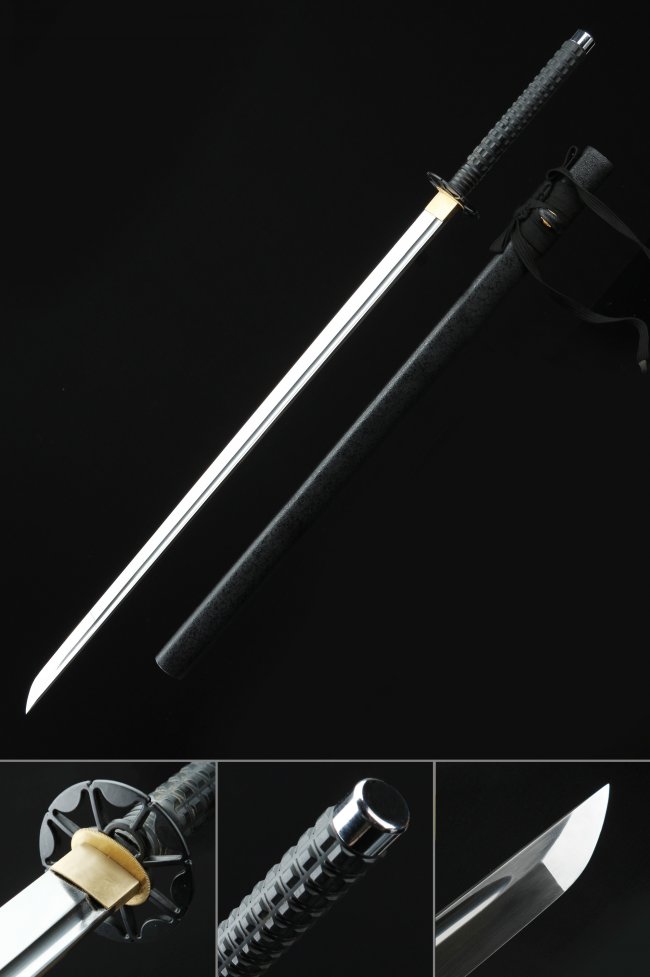
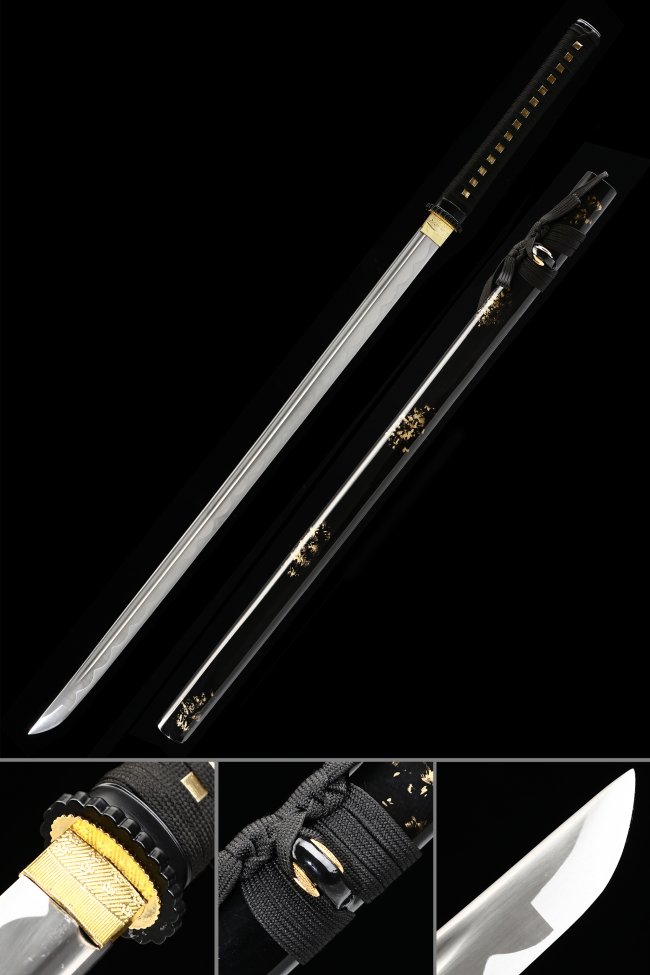
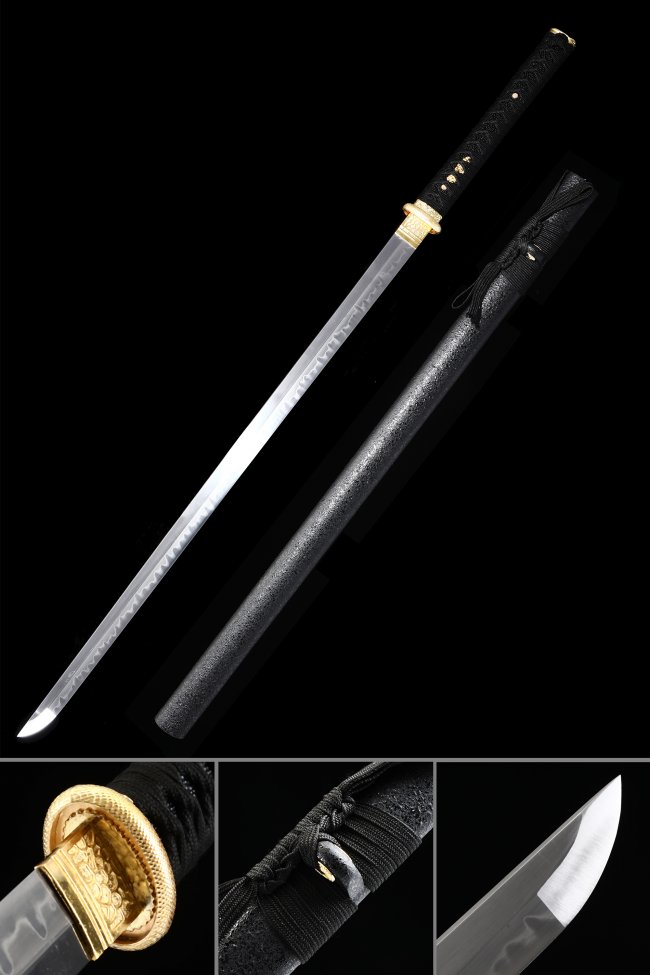
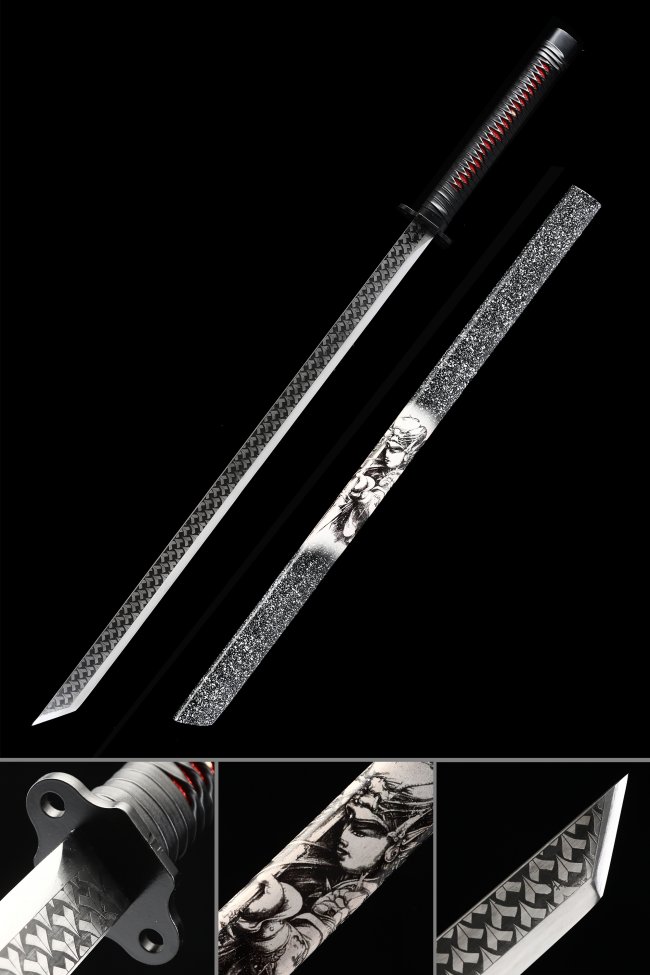
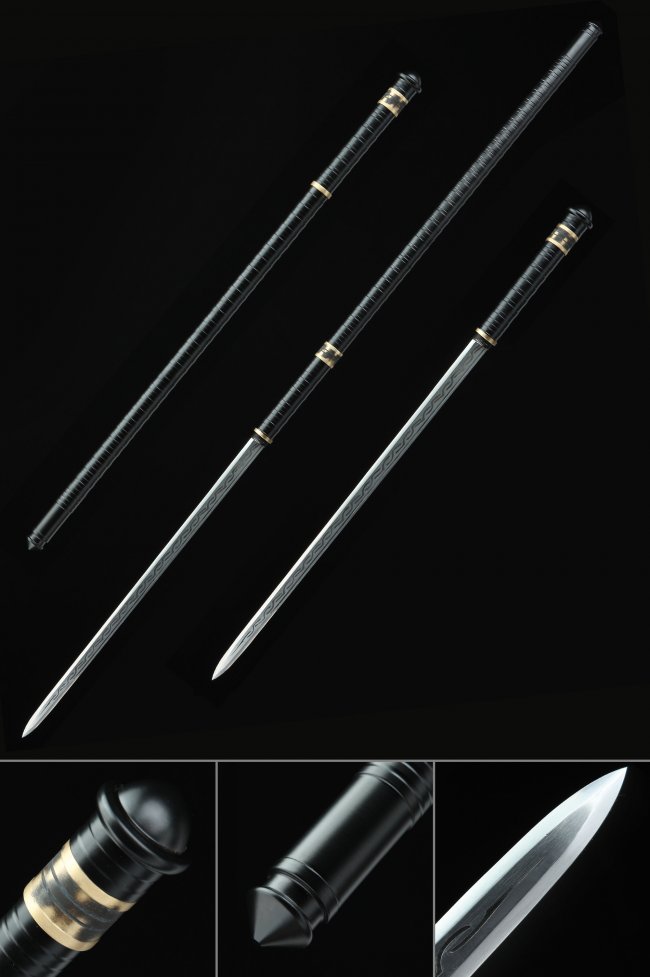
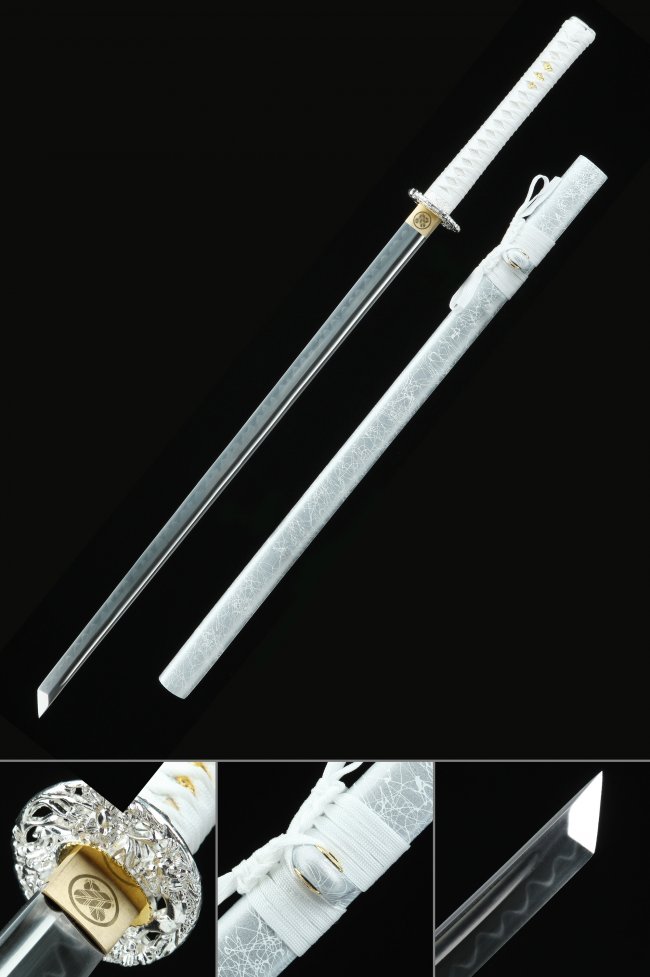
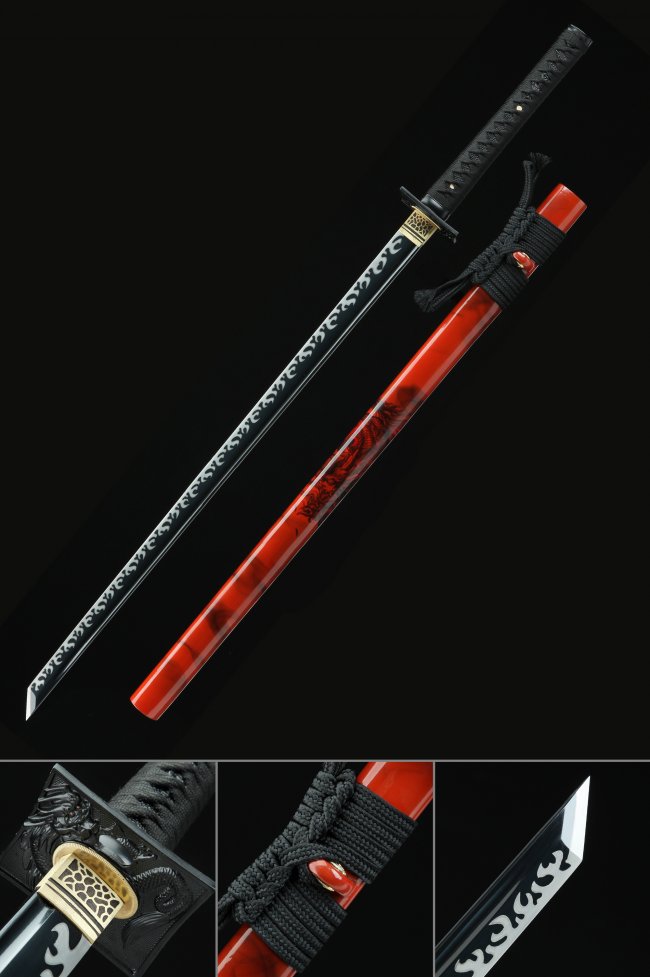
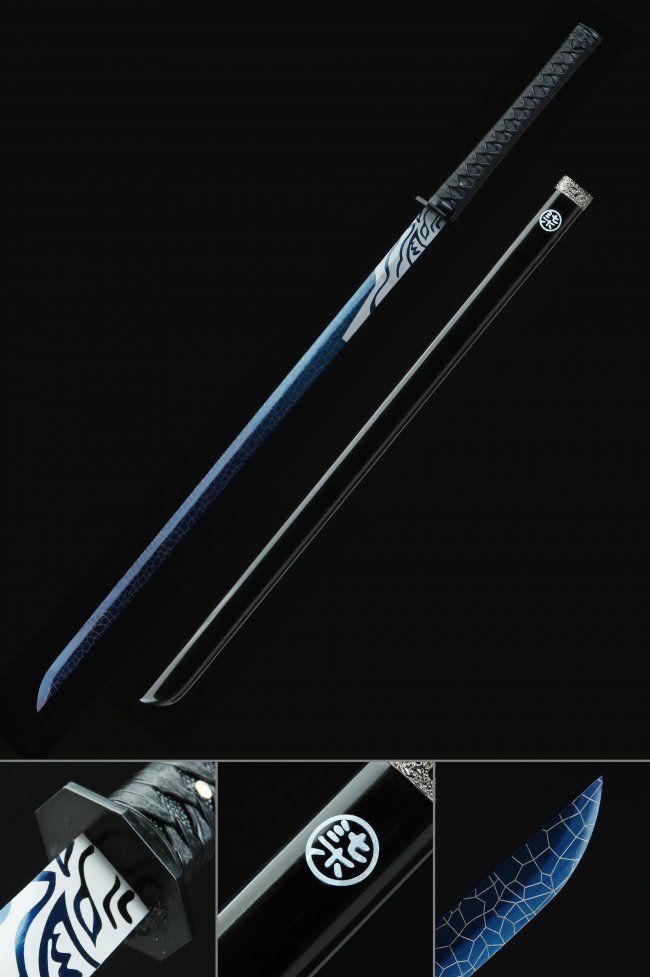
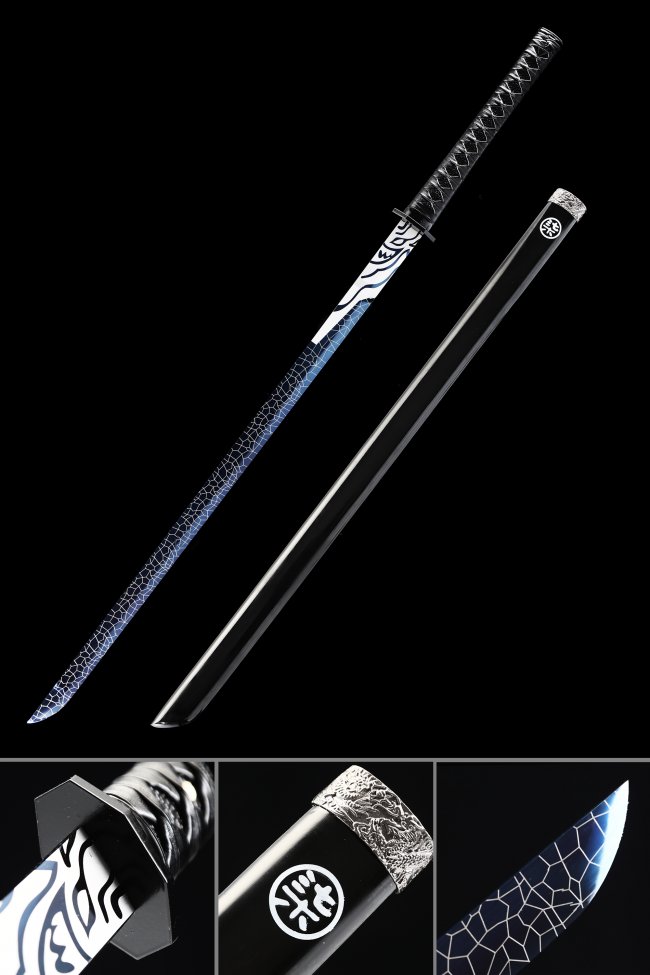
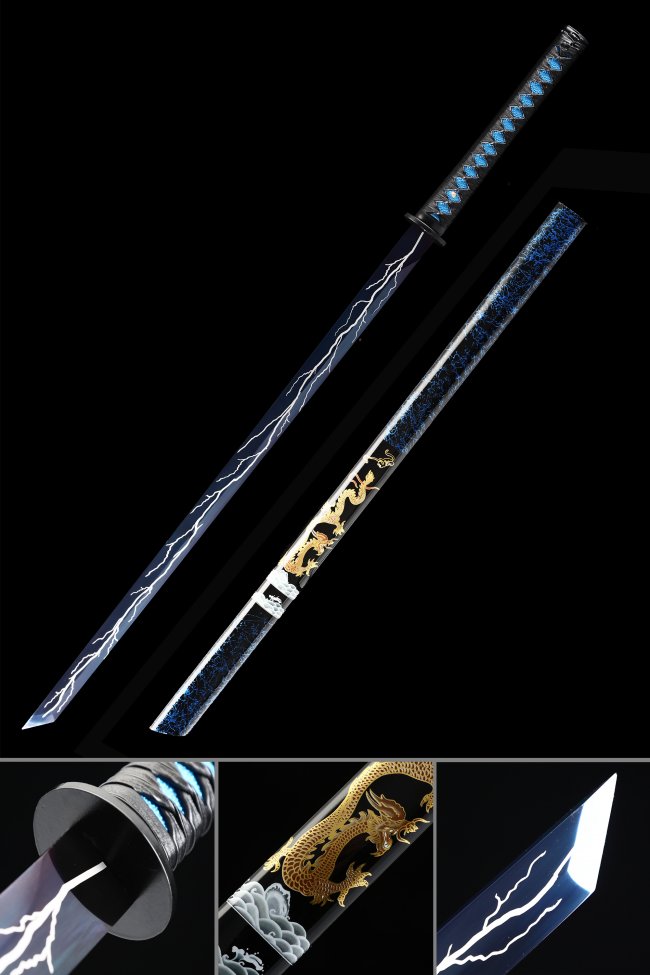
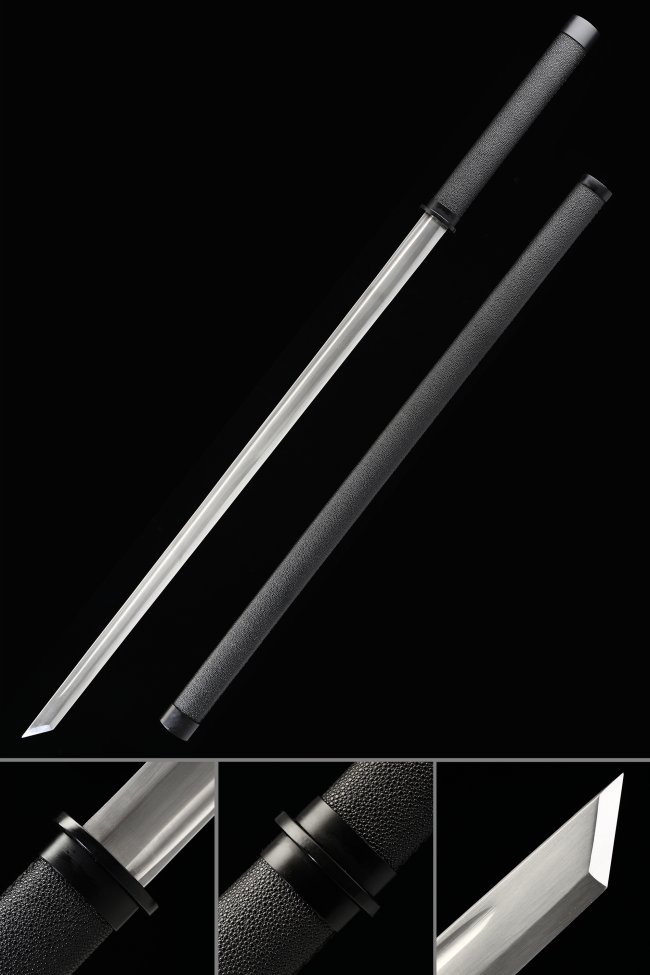
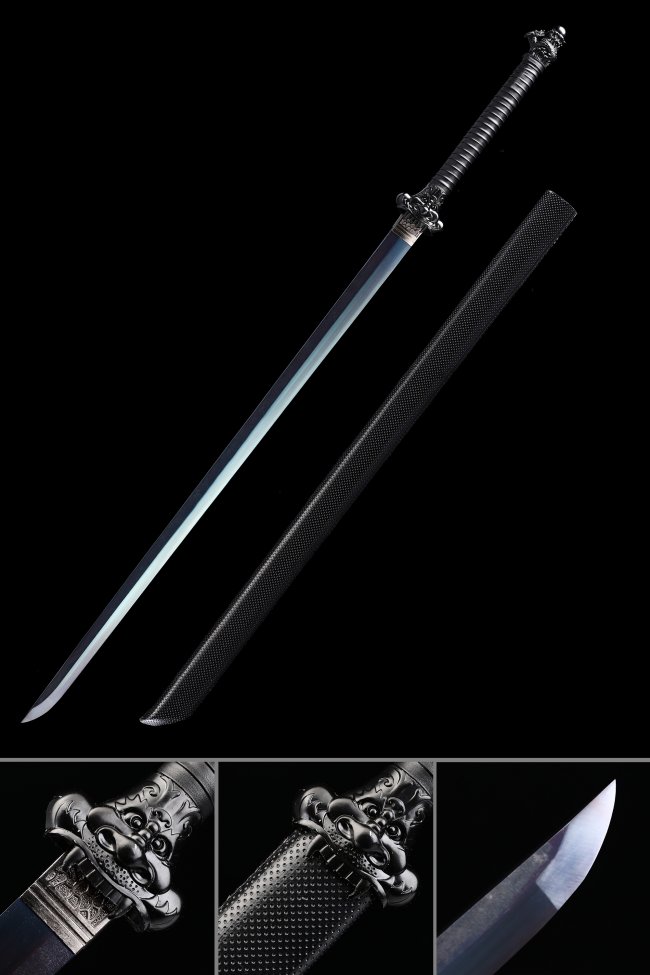
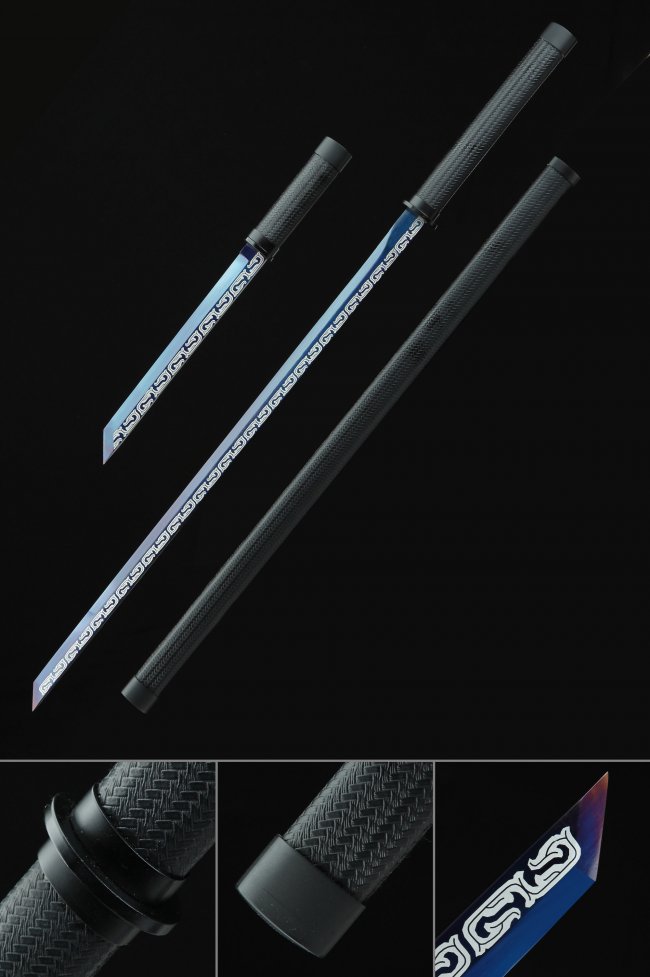
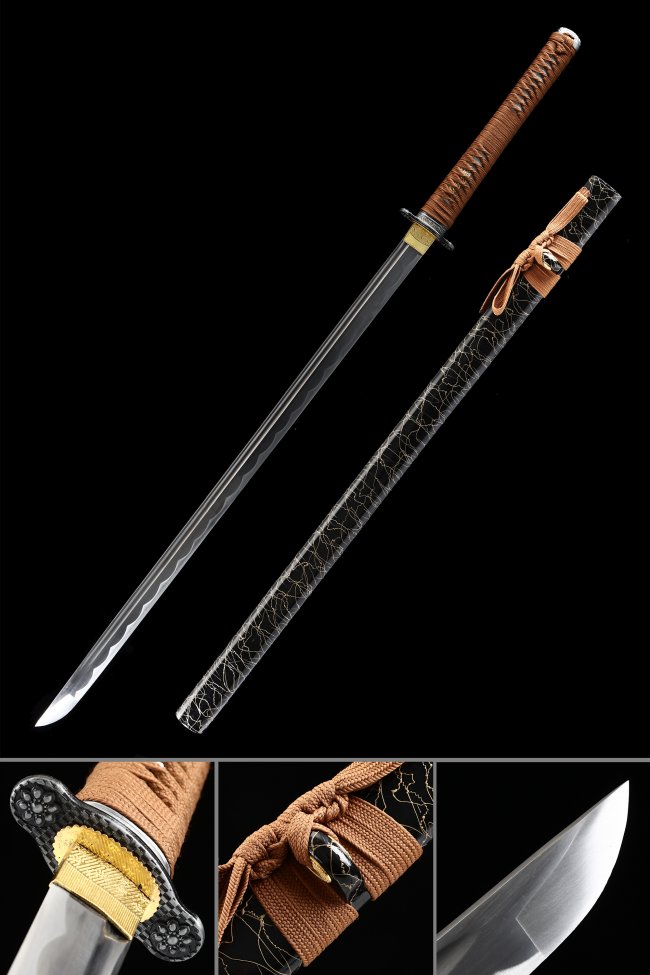
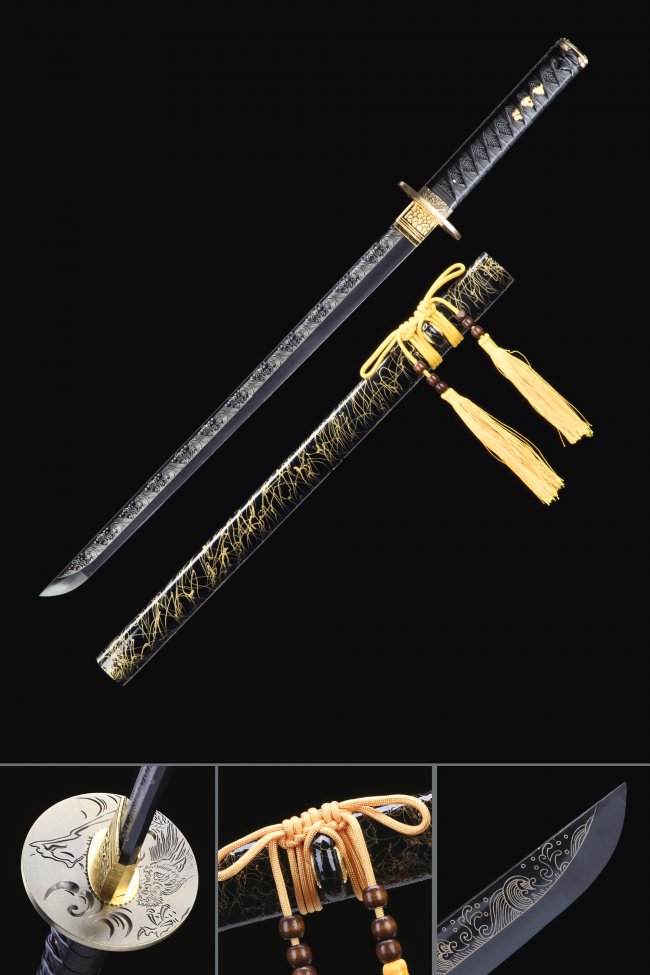
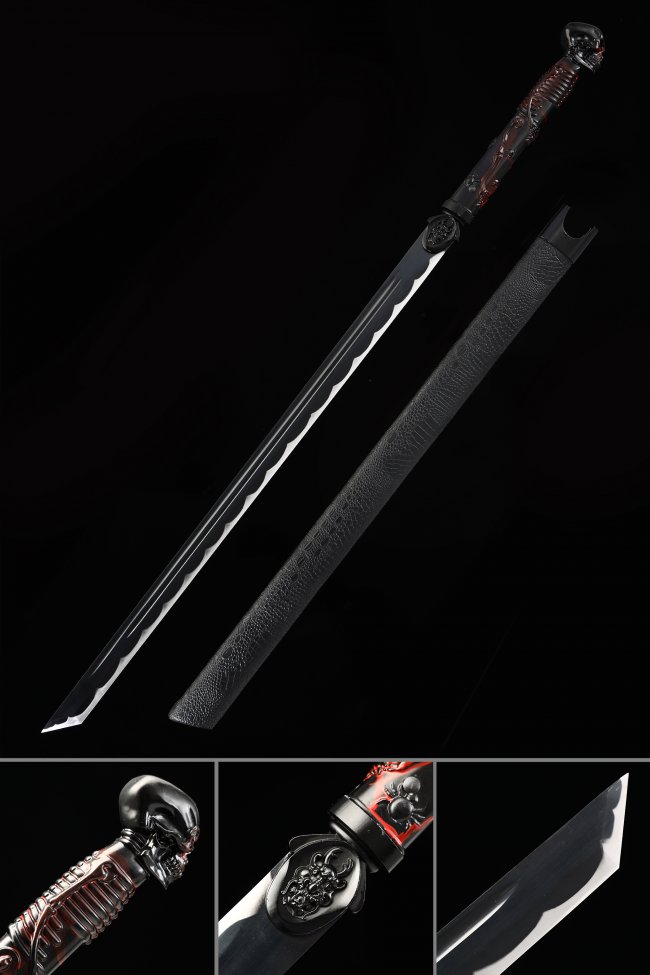
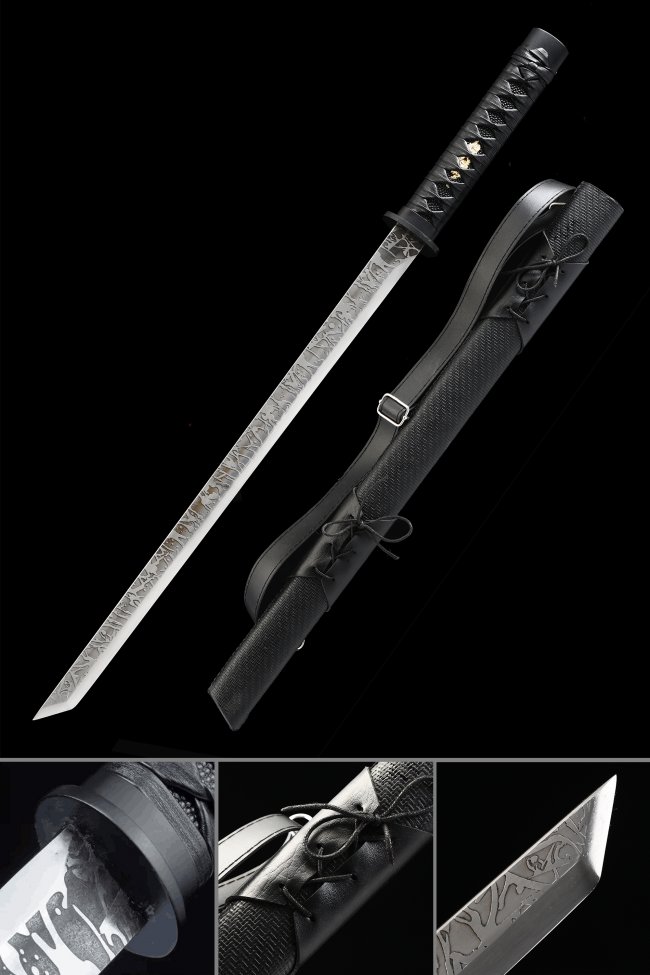
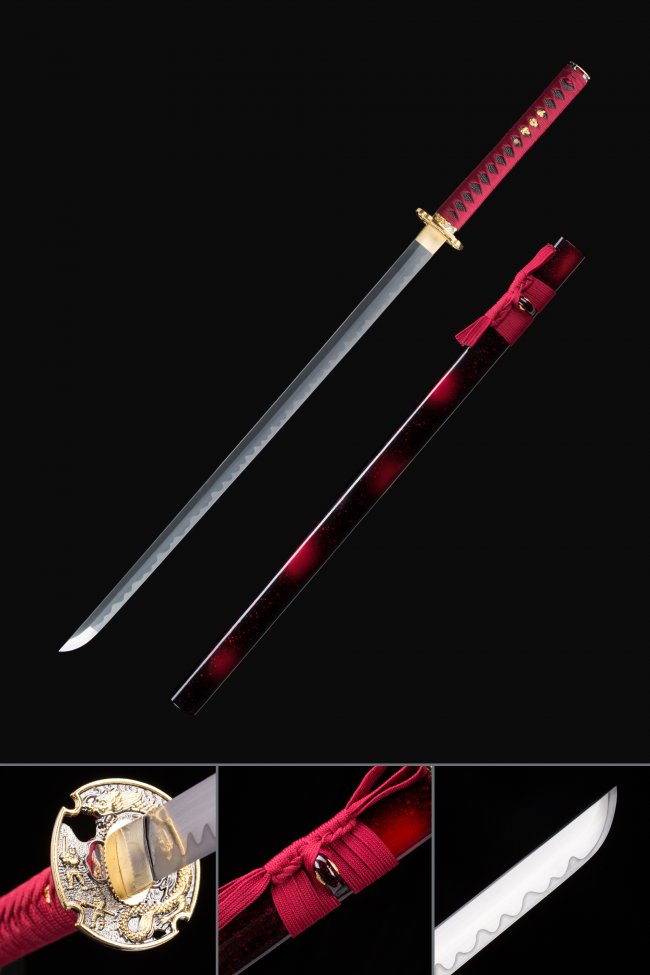
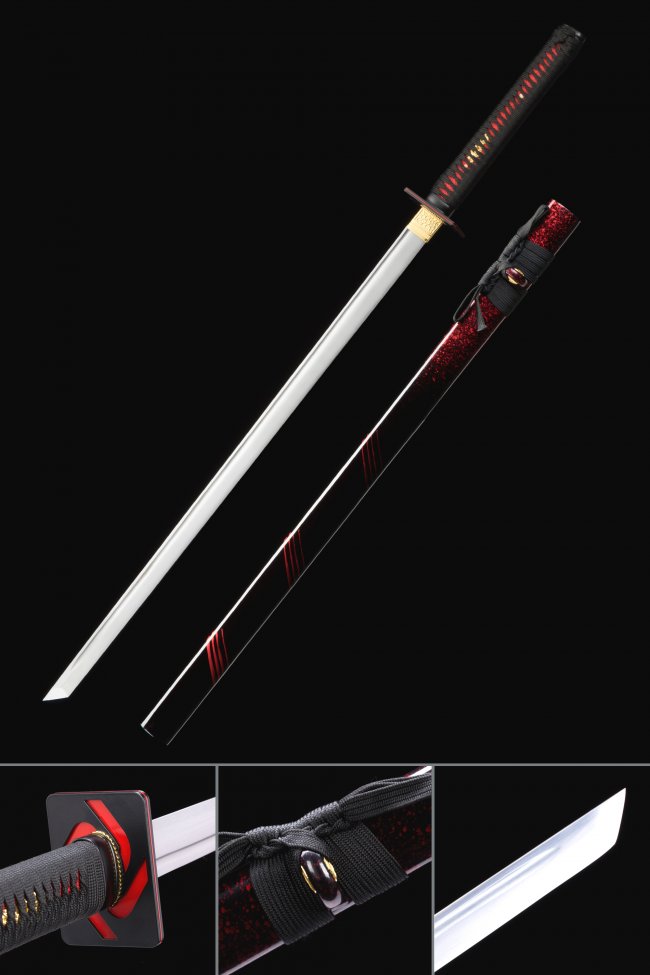
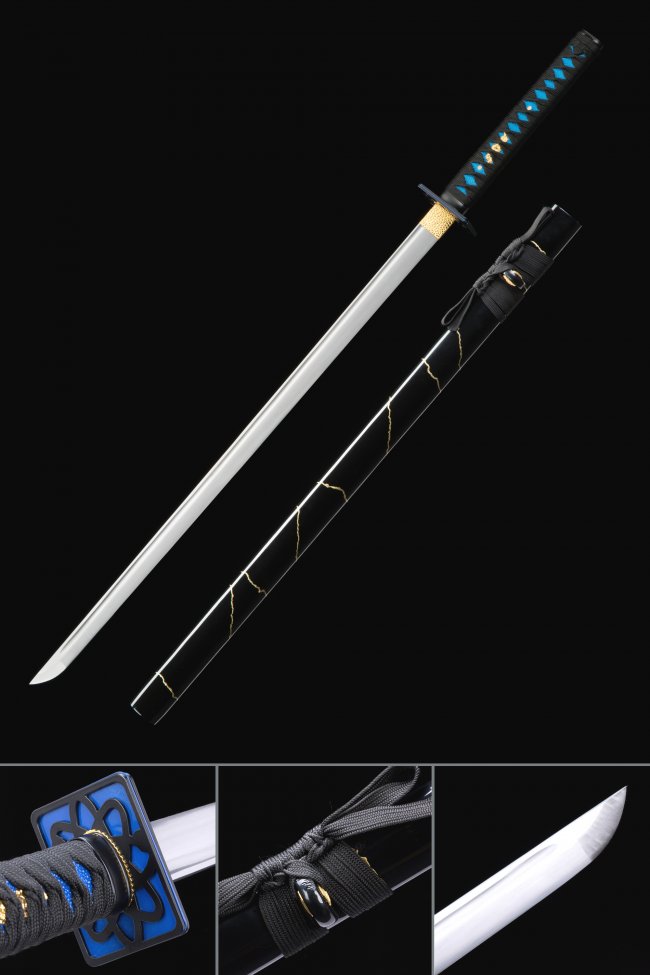
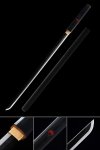
The ninjato — also called ninjaken or shinobigatana — is one of the most recognizable swords in Japanese culture. Known for its straight blade and square tsuba, this sword has become an icon of the shinobi tradition through centuries of legend, literature, and film. At TrueKatana, our ninjato collection features 199 handmade pieces spanning multiple steel types, blade finishes, and handle configurations. Each sword is individually hand-forged by skilled swordsmiths using traditional techniques including clay tempering, folding, and hand polishing.
Choosing the Right Ninja Sword for Your Collection
Entry-Level Ninjato
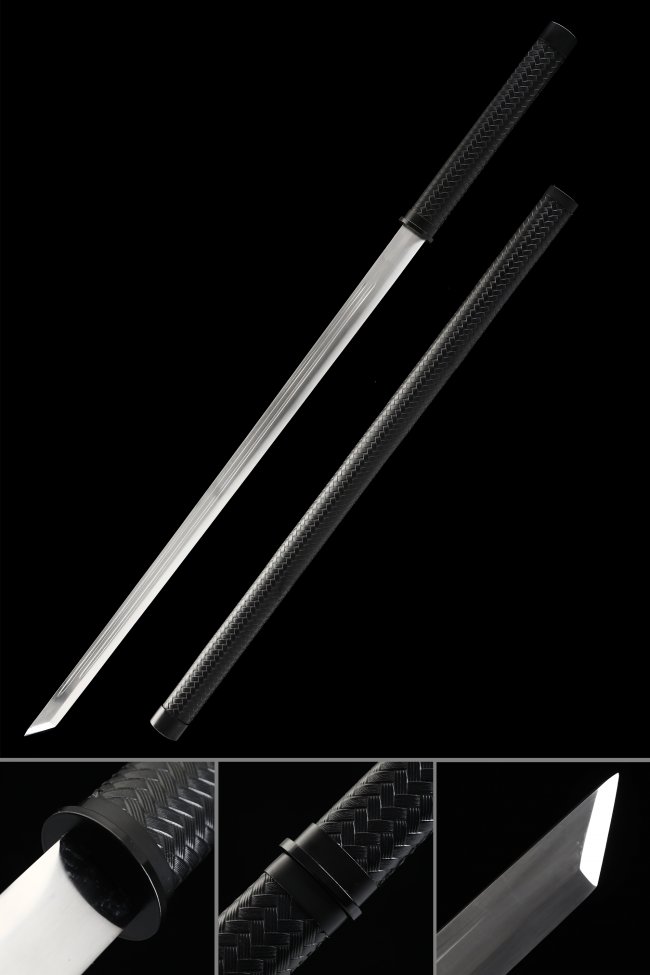
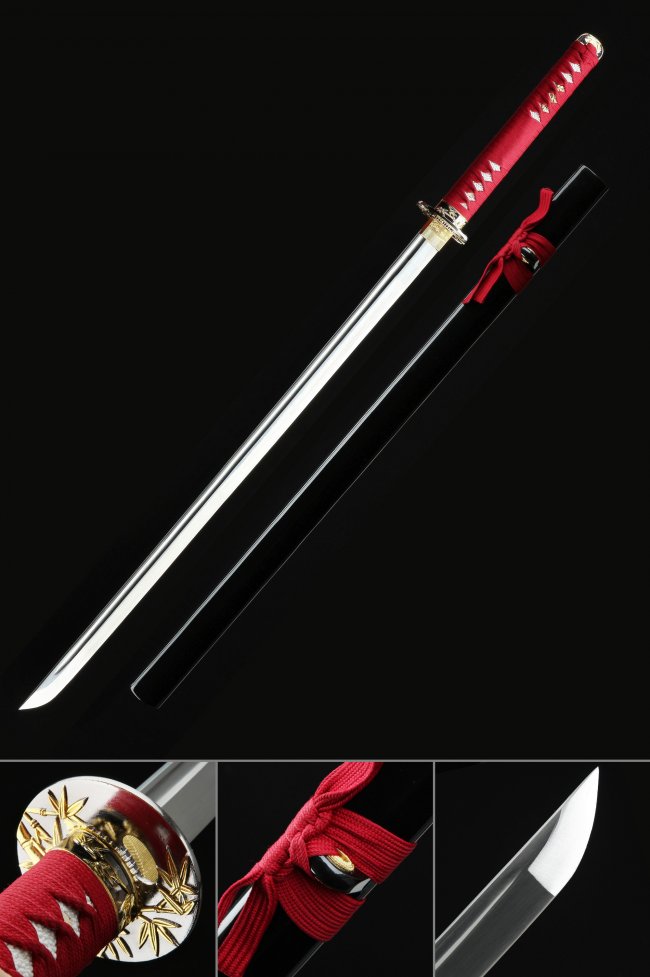
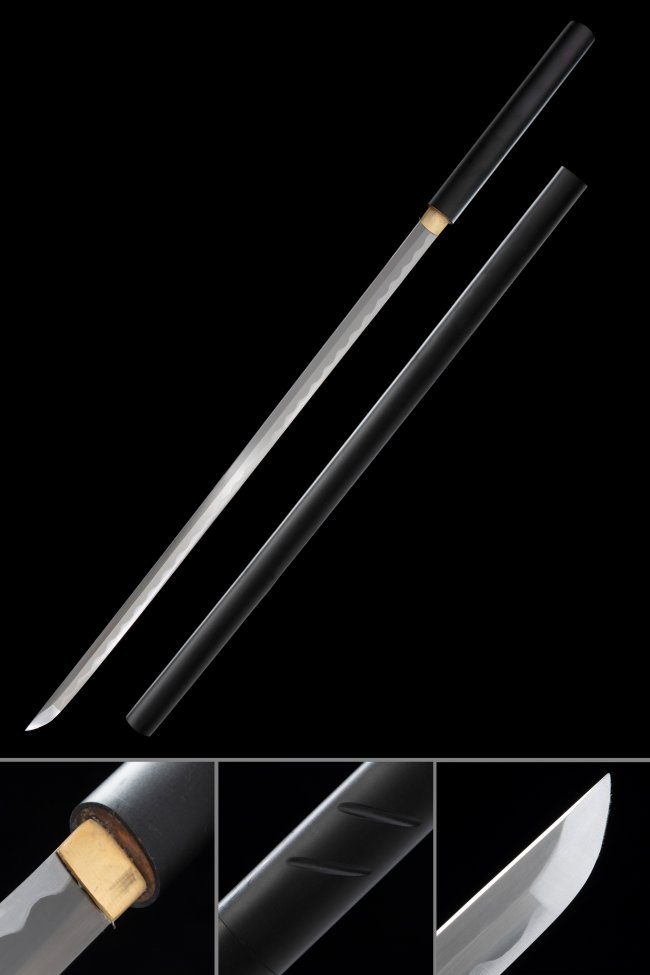
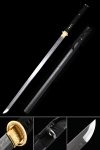
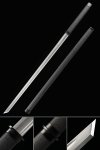
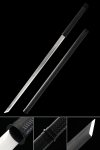
Our 1045 and 1060 carbon steel ninjato swords are ideal for first-time collectors. These steels offer solid durability at an accessible price point, with full tang construction and traditional fittings. Most models in this range feature the classic straight-blade profile with a black-wrapped handle and matching saya.
Mid-Range & Premium Ninjato
For collectors seeking higher-grade craftsmanship, our T10 carbon steel and damascus steel ninjato swords feature clay-tempered blades with real hamon lines. T10 steel holds an edge exceptionally well and produces a distinctive grain pattern after clay tempering. Damascus steel options showcase layered folding patterns that make each blade one of a kind.
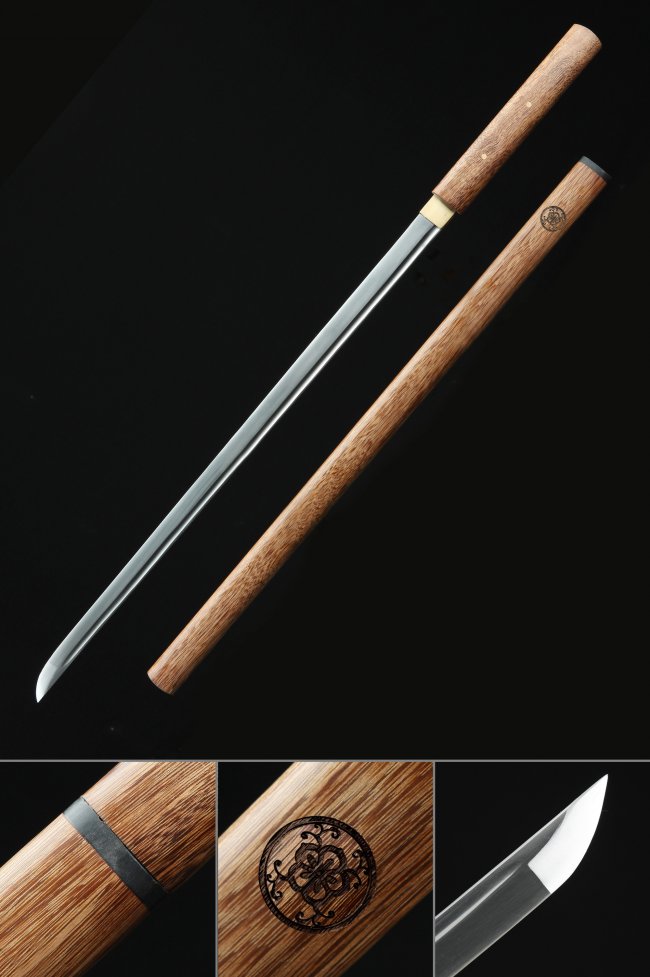
Shirasaya Ninjato
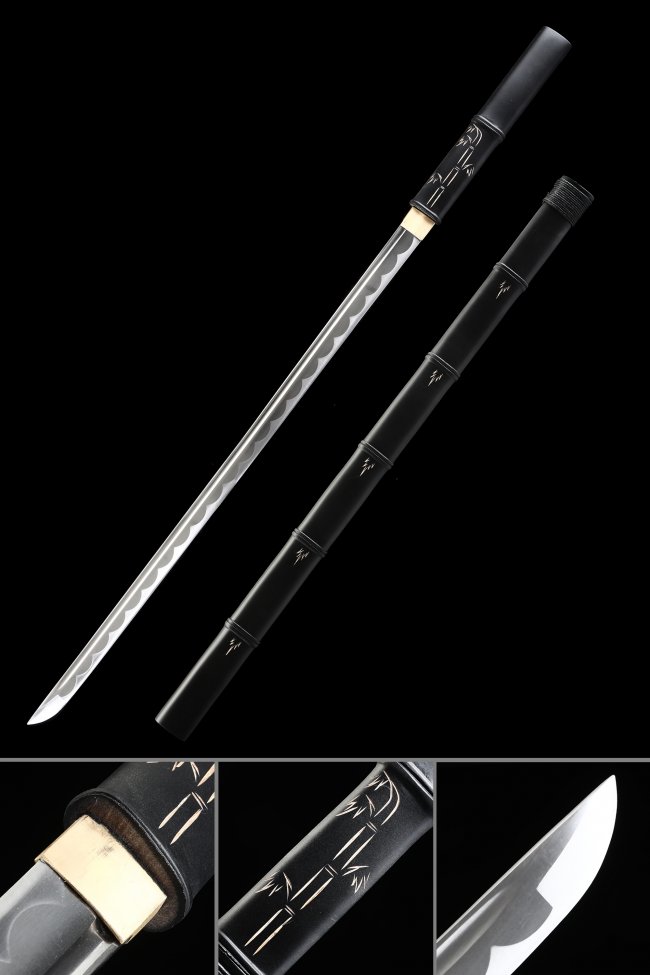
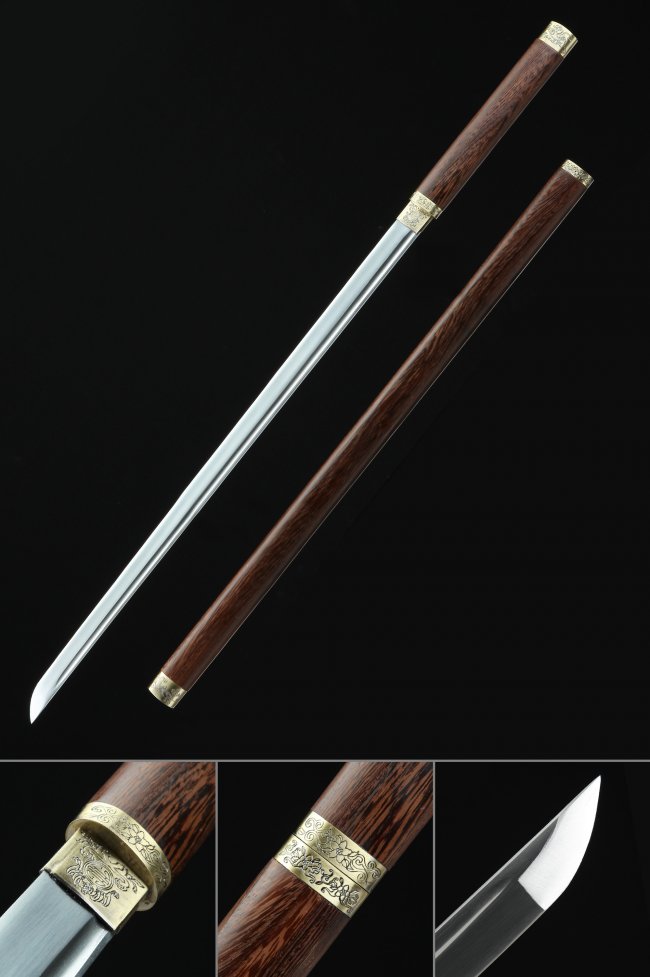
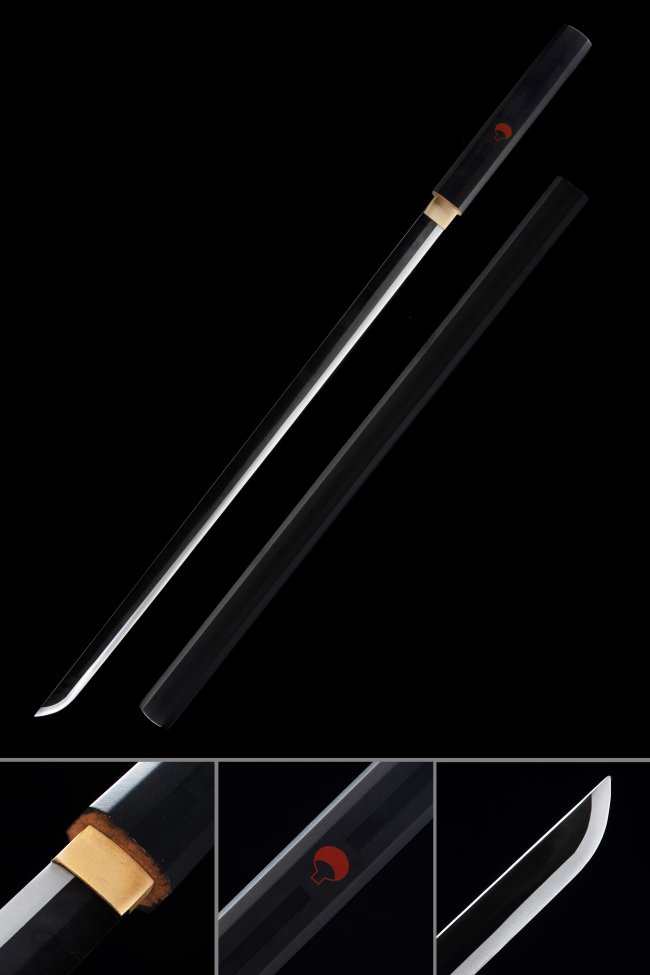
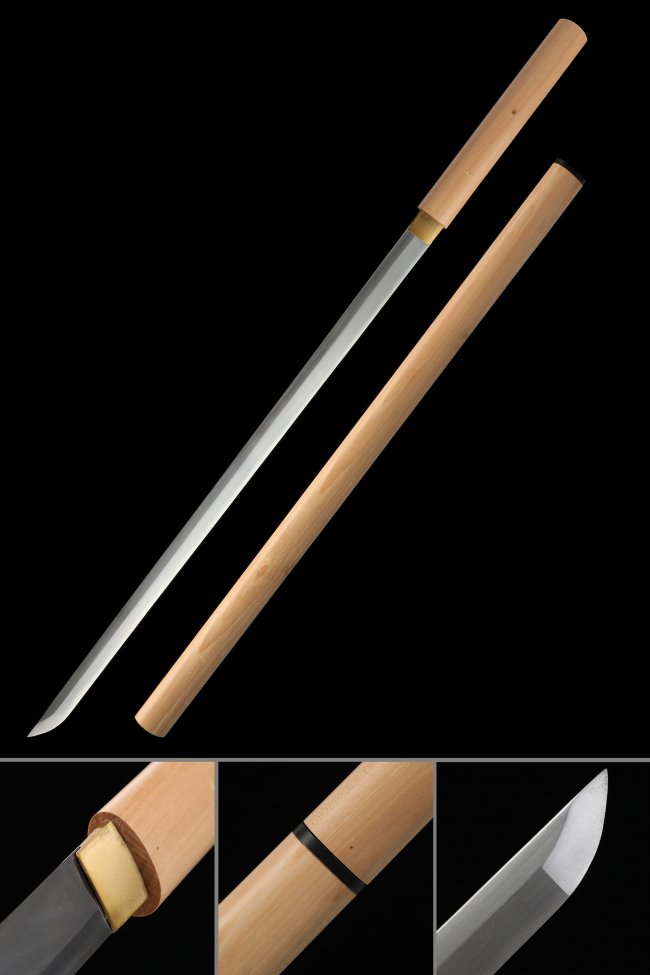
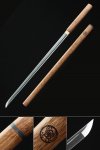
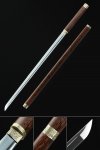
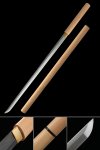
Our shirasaya ninjato collection strips the design down to its essentials — a plain wooden saya and handle without a tsuba. This minimalist style highlights the blade itself and is popular among collectors who appreciate clean, understated aesthetics. Shirasaya mounting is also traditionally used for long-term blade storage and preservation.
Battle Ready Ninjato
Our functional-grade ninjato swords are built with full tang construction, properly tempered blades, and secure fittings designed for martial arts practice and cutting exercises. These pieces use high-carbon or T10 steel with reinforced habaki and tsuka to handle repeated use.
What Makes a Ninjato Different from a Katana
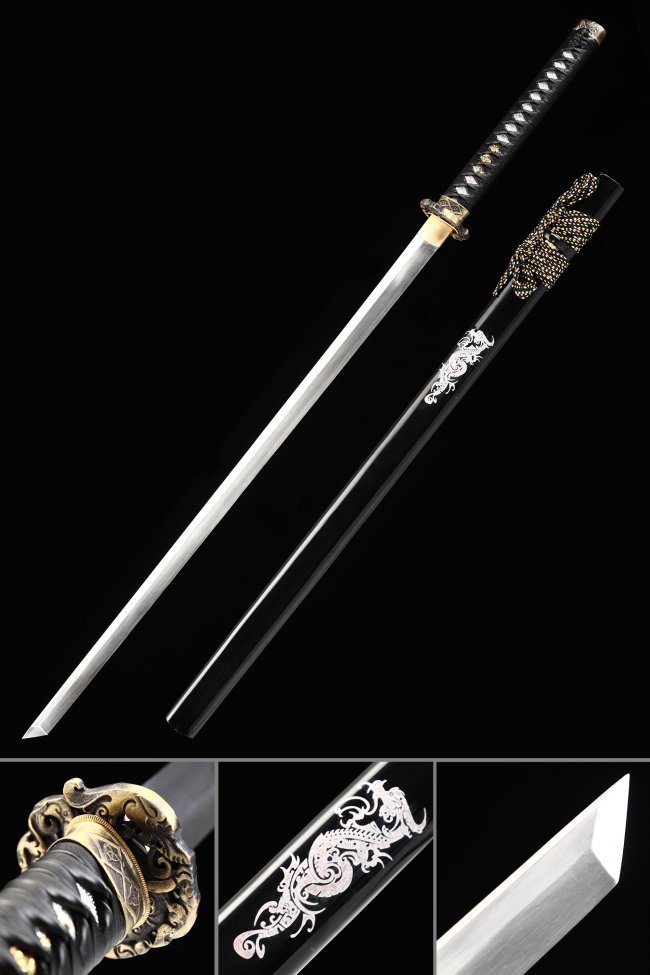
The most obvious difference is the blade shape: a ninjato features a straight blade, while a katana has a curved one. Ninjato swords are also typically shorter — usually under 60 cm in blade length — making them more compact and easier to handle in tight spaces. The tsuba on a traditional ninjato is square rather than round, and the overall design favors simplicity over ornamentation. While the katana was the symbol of the samurai class, the ninjato has become closely associated with the shinobi through popular culture, film, and martial arts traditions.
Ninjato and Chokuto — Japan's Straight-Blade Tradition
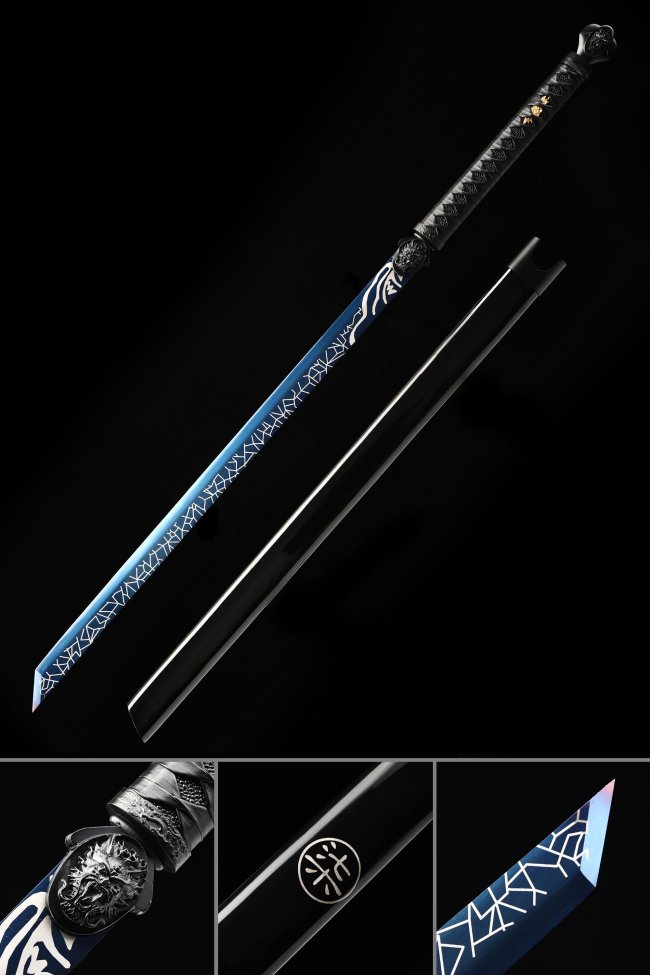
Our collection also includes chokuto-style swords — the ancient Japanese straight blade that predates even the katana. The chokuto originated as early as the 3rd century, influenced by Chinese sword-making techniques, and represents the earliest chapter of Japanese blade craft. Many of our chokuto ninjato pieces combine this ancient straight-blade profile with traditional ninja-style fittings, bridging centuries of Japanese sword history in a single collectible piece.
How Our Ninjato Swords Are Made
Steel Selection & Forging
Each ninjato starts with raw steel — whether 1045 carbon, T10, or layered damascus. The steel is heated, hammered, and shaped by hand into a straight-blade profile. For folded steel models, the billet is repeatedly folded to create visible grain patterns throughout the blade.
Clay Tempering & Hamon
On our clay-tempered models, a layer of clay is applied along the spine before quenching. This creates differential hardness — a hard cutting edge paired with a resilient spine — and produces the hamon line that is prized by collectors. Each hamon is unique to the individual blade.
Mounting & Finishing
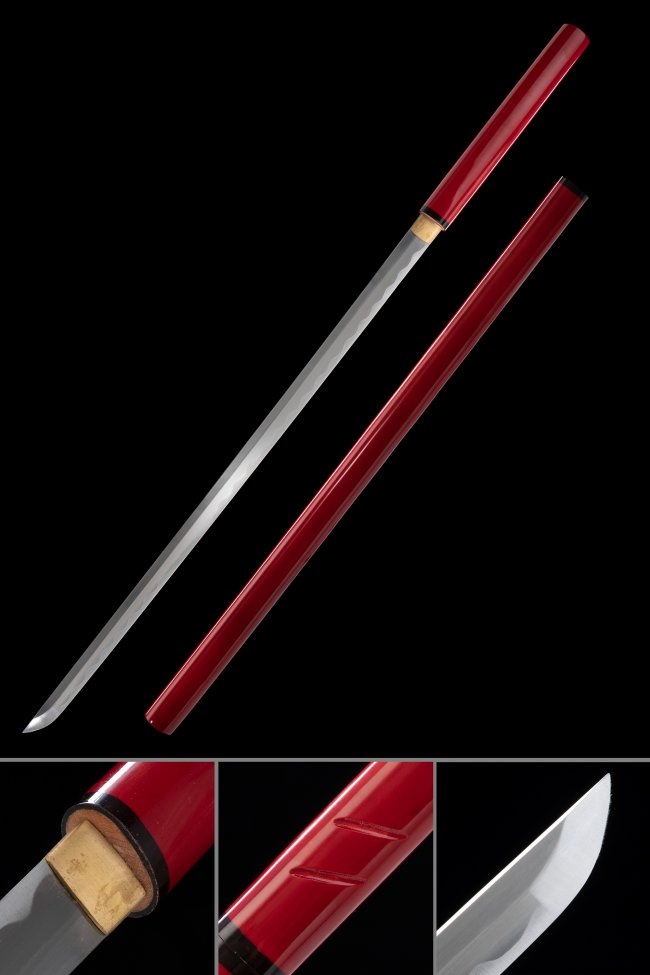
After the blade is polished, it is fitted with a habaki collar, tsuba, and handle wrap. Our ninjato handles use traditional materials including ray skin (samegawa) under silk or cotton cord wrapping. The saya is shaped from wood and finished with lacquer, leather, or specialty coatings depending on the model.