Free U.S. Shipping
Japanese Samurai Swords

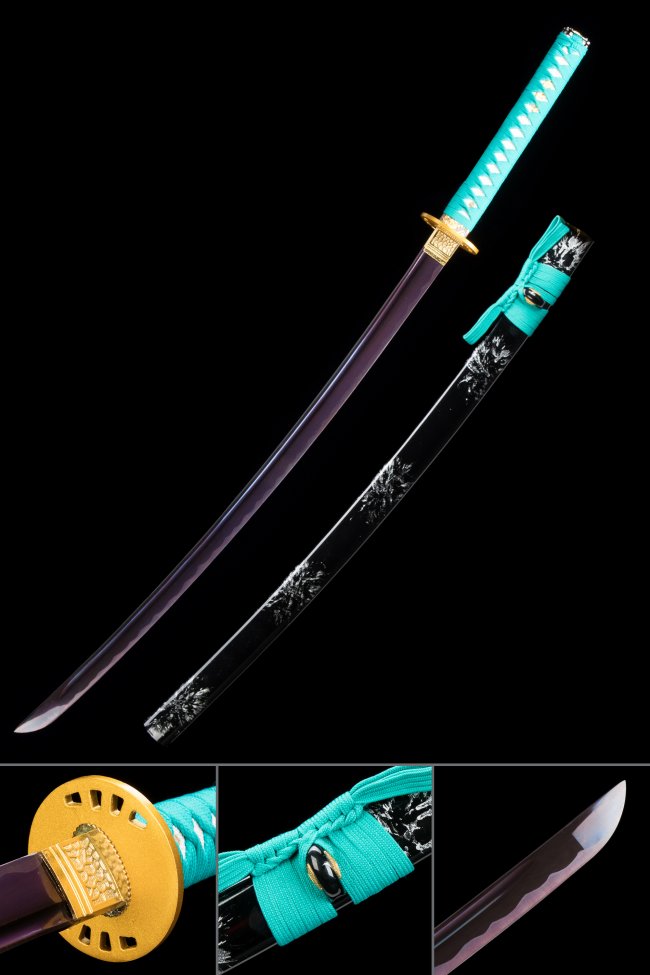
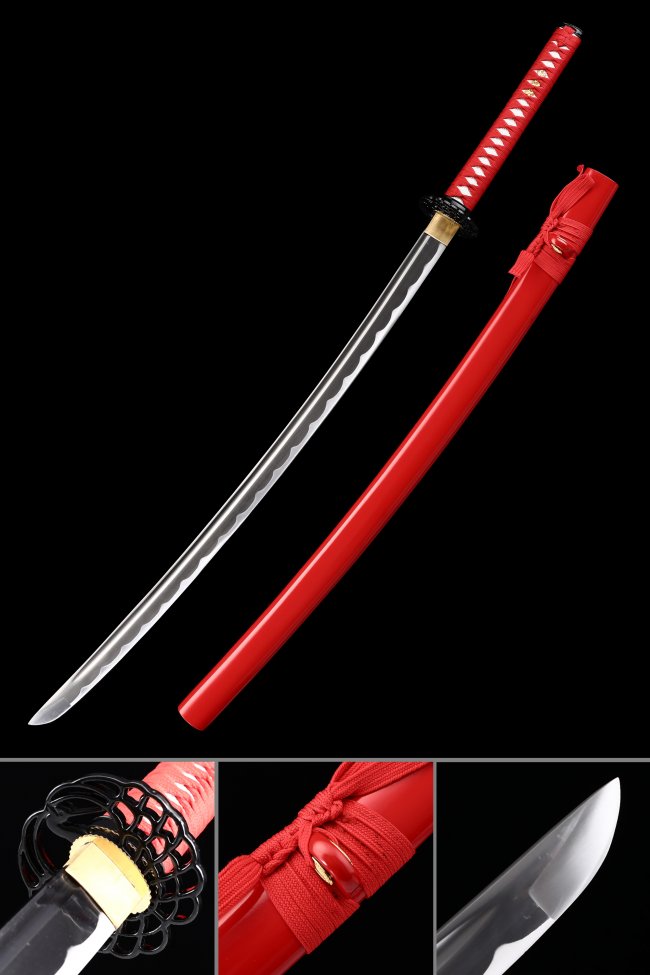
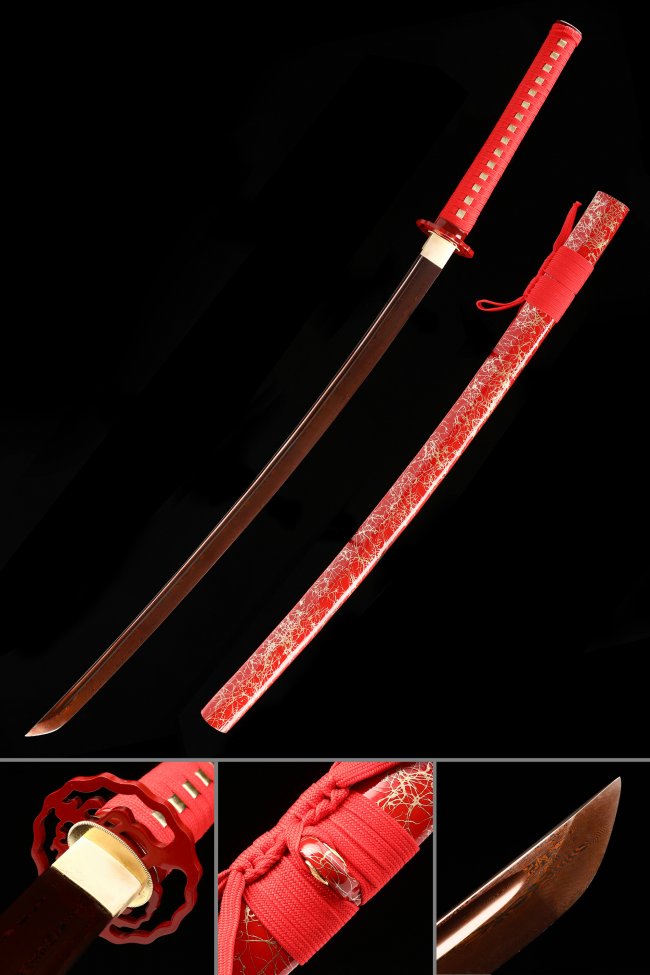
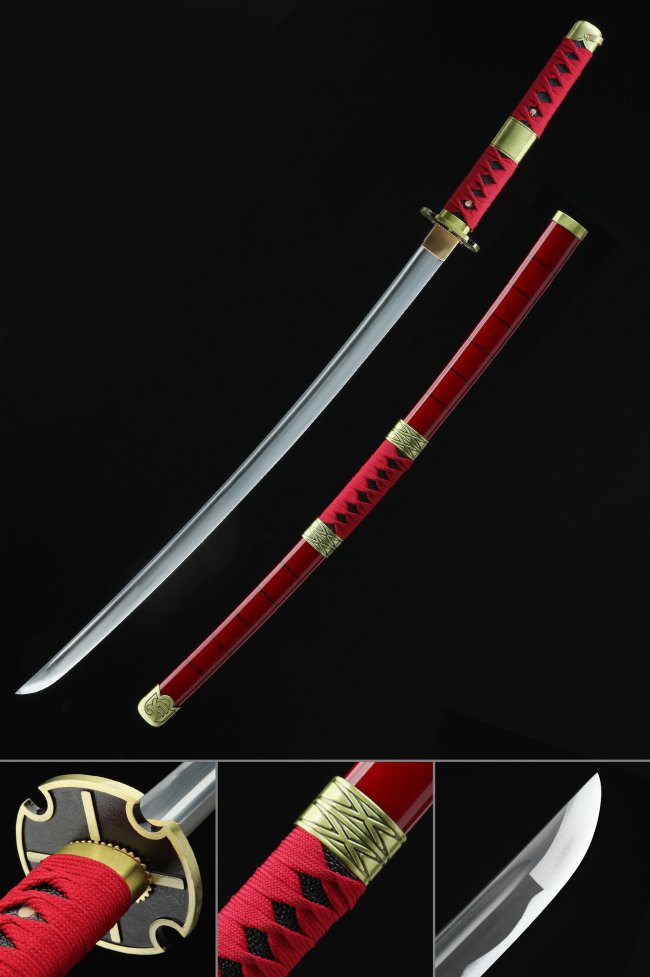
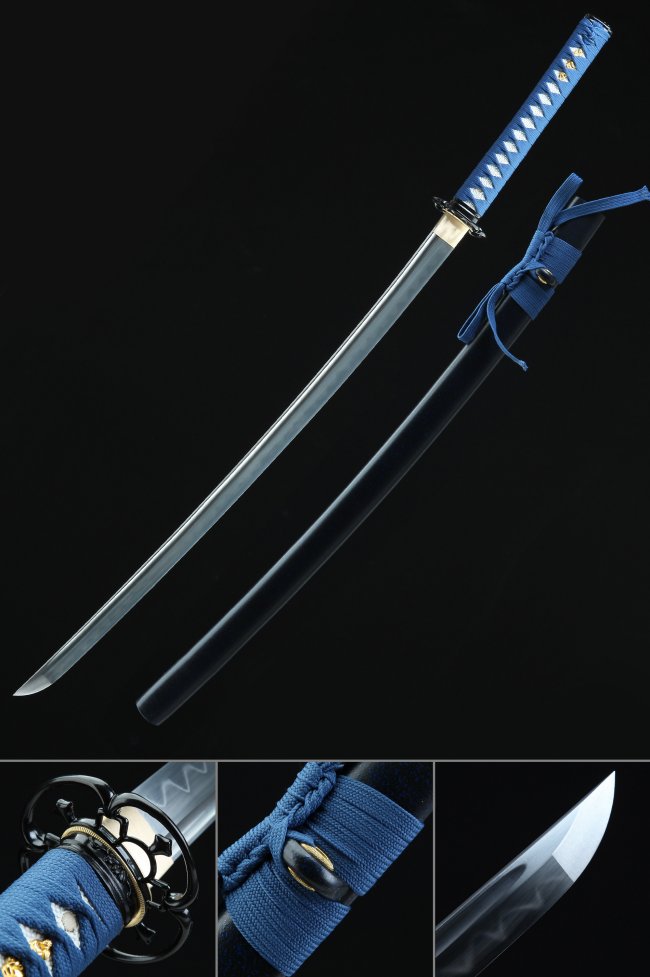
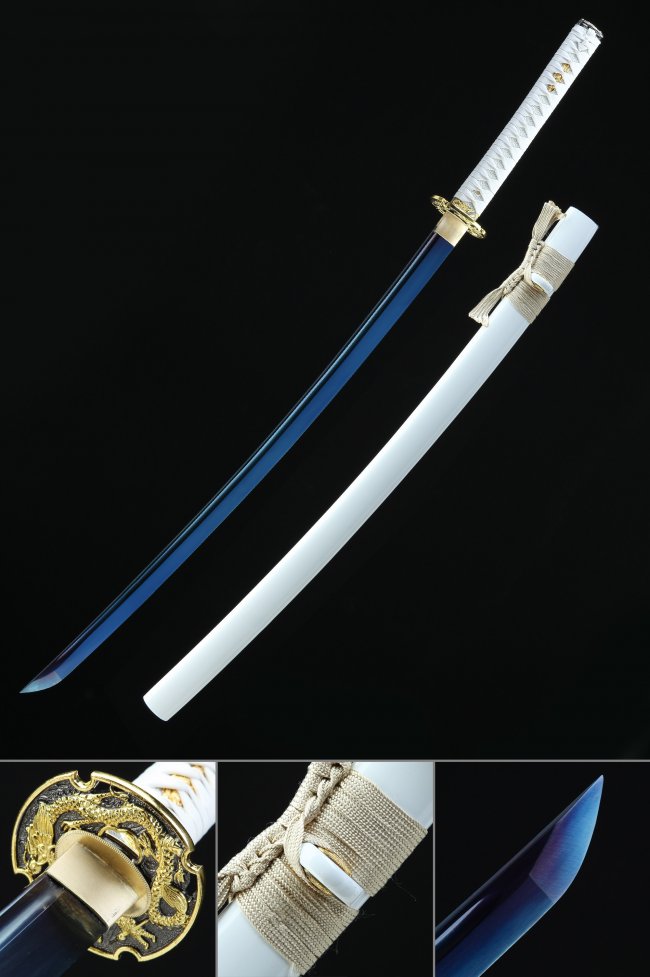
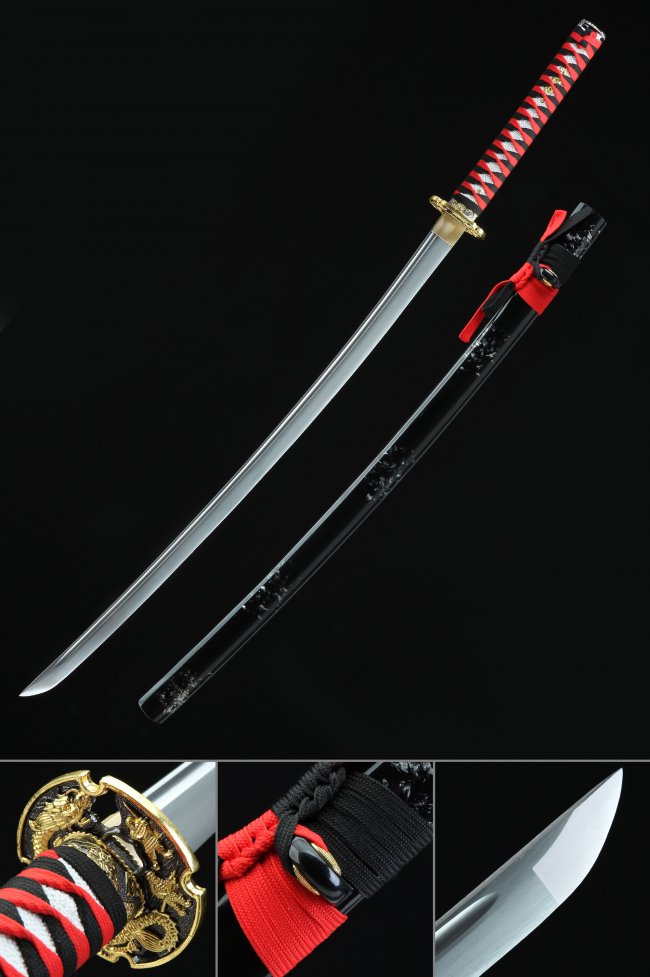
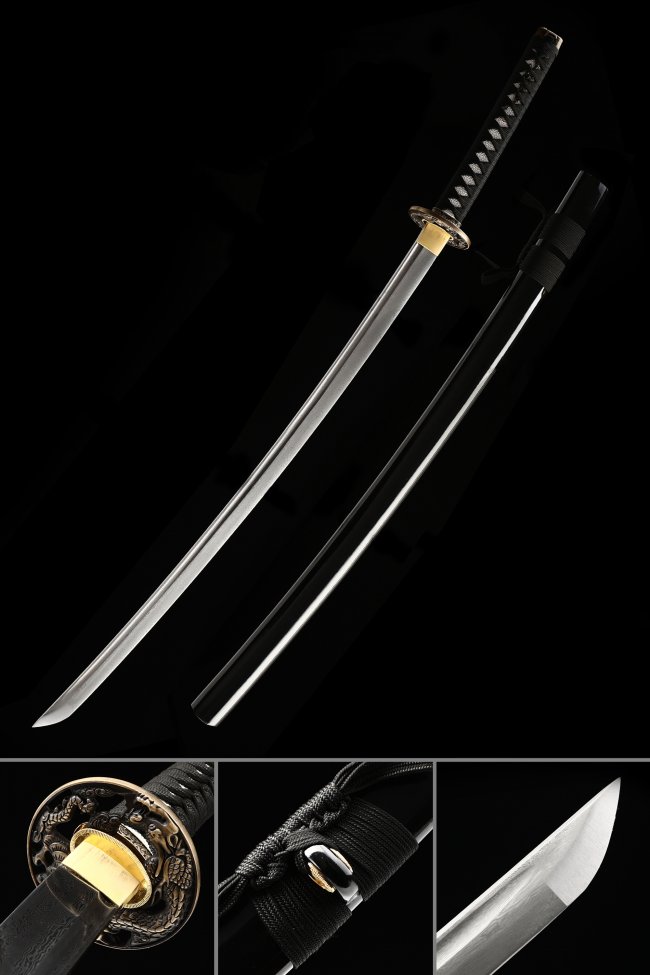
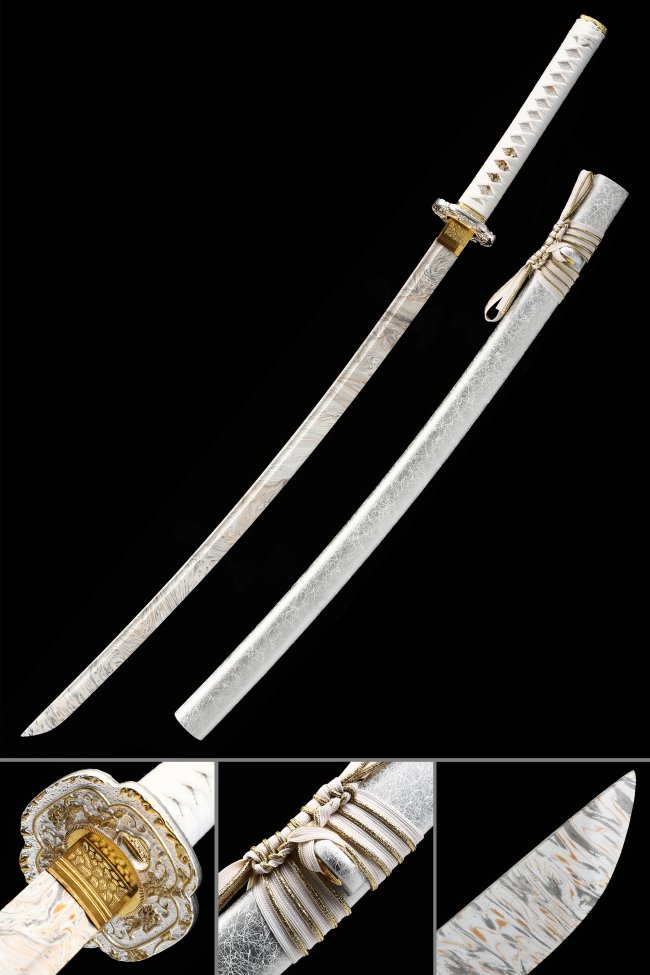
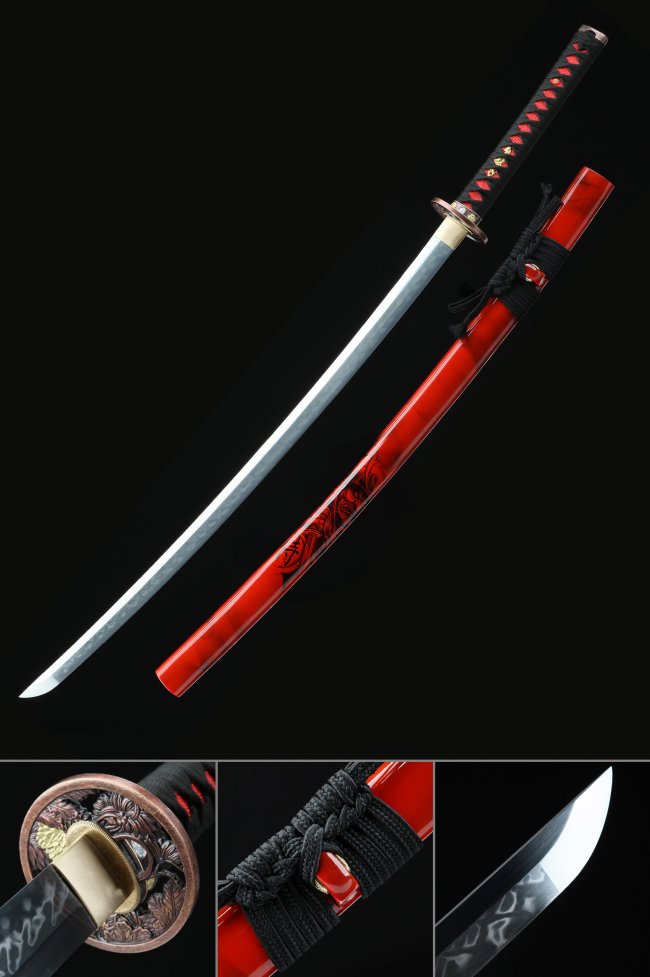
Shop our complete collection of authentic samurai swords — hand-forged katana, wakizashi, tanto, ninjato, tachi, and naginata. Over 2,500 battle-ready and display-grade blades from $89.
Showing 1964 Products
Loading more products...

Frequently Asked Questions

What is the difference between a katana and a tachi?

A katana and a tachi are both Japanese sword types, but they come from different historical styles and are usually worn or mounted differently. A katana is the sword most people associate with samurai, typically worn edge-up through the belt. A tachi is generally an older style that was traditionally worn suspended edge-down, often associated with mounted warriors. In modern collecting, the difference is also visual: tachi mounts, fittings, curvature, and proportions may feel more ceremonial or historical. TrueKatana carries tachi, odachi, nodachi, and kodachi styles in addition to standard katana, so buyers who want something less common than a classic katana may enjoy exploring that category.

What is the difference between a katana and a wakizashi?

The biggest difference between a katana and a wakizashi is size. A katana is the longer sword, often with a blade over 60 cm, while a wakizashi usually has a blade between 30 and 60 cm. The katana was the primary long sword, while the wakizashi served as a shorter companion blade. For modern collectors, a katana gives the classic full-size samurai sword look, while a wakizashi is easier to display, easier to store, and often feels more compact in the hand. Many buyers choose both as a daisho-style set.

What is a samurai sword?

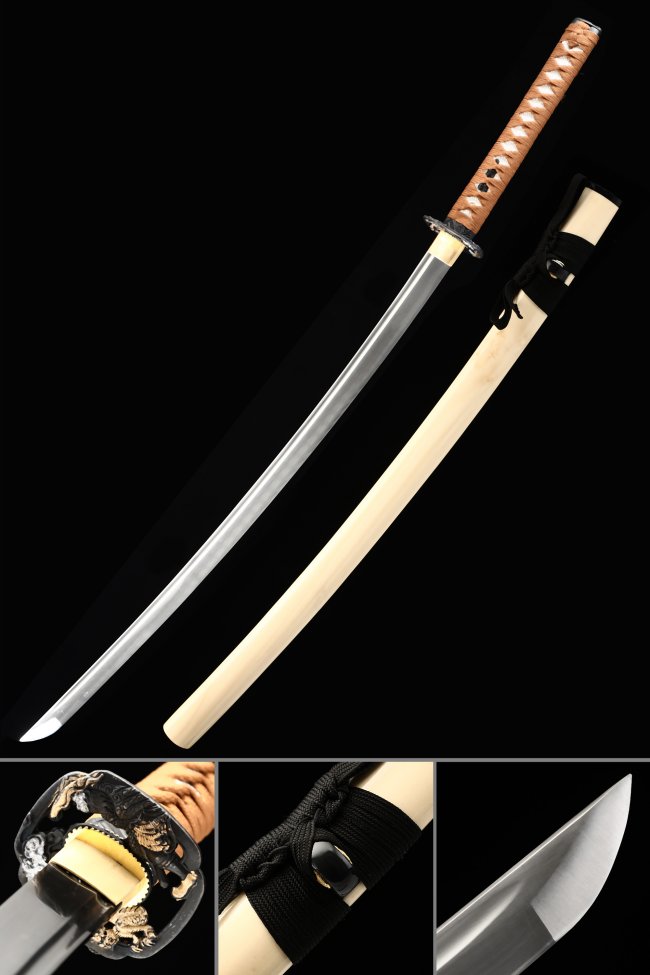
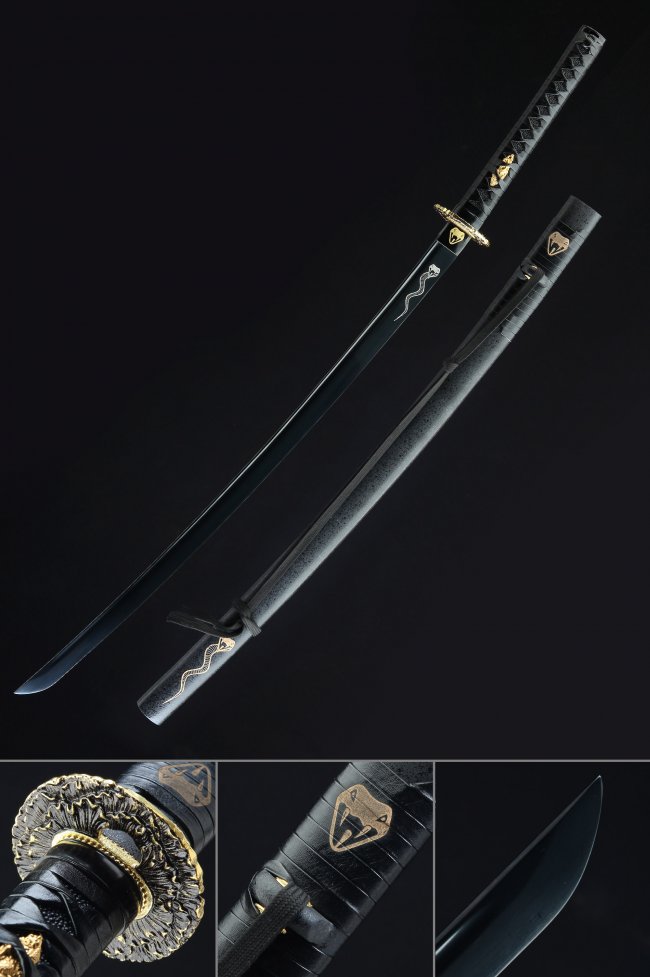
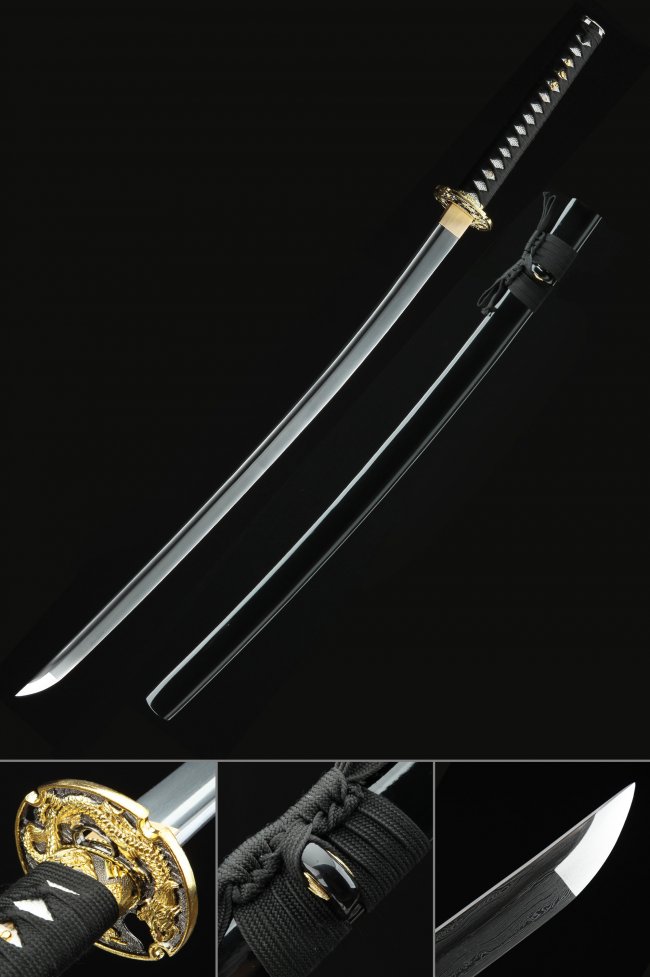
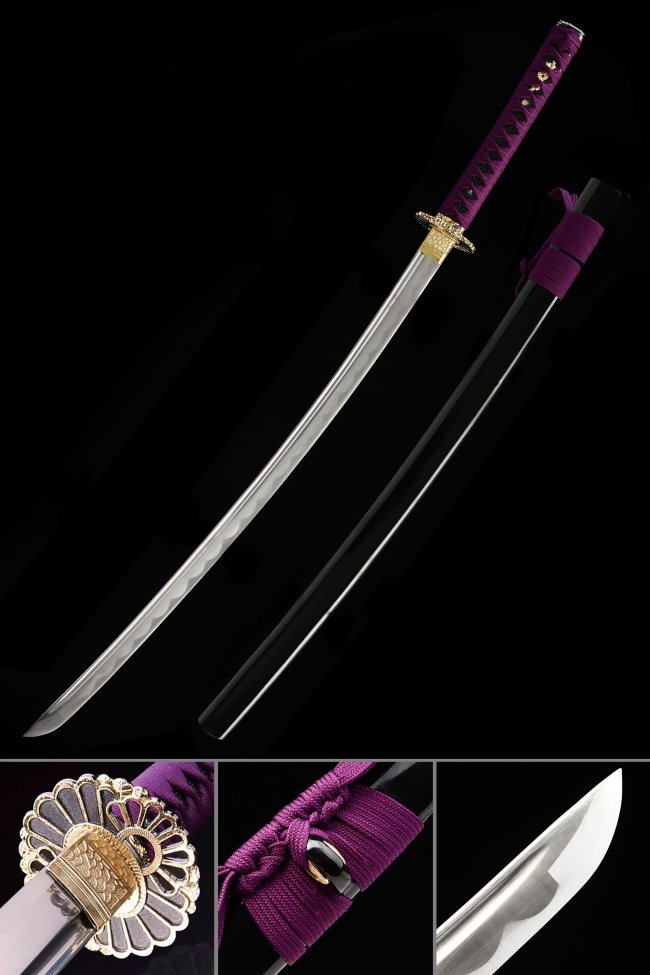
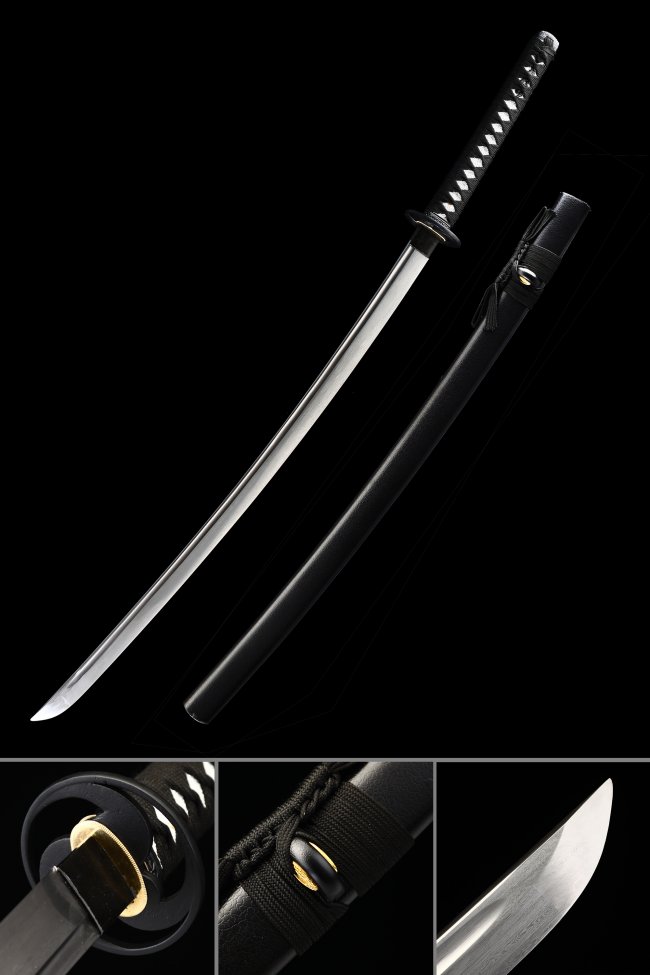
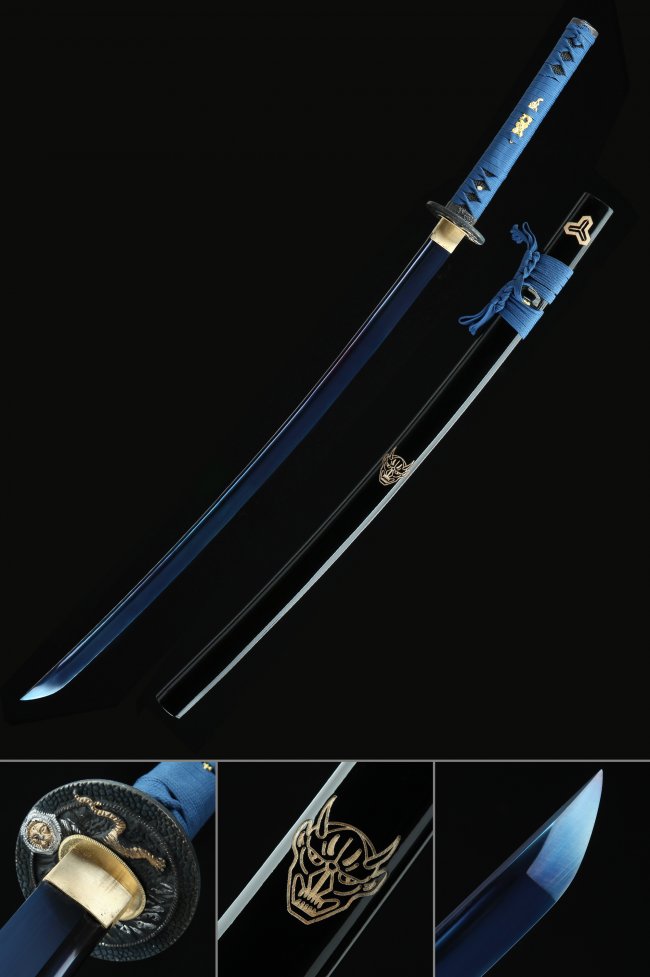
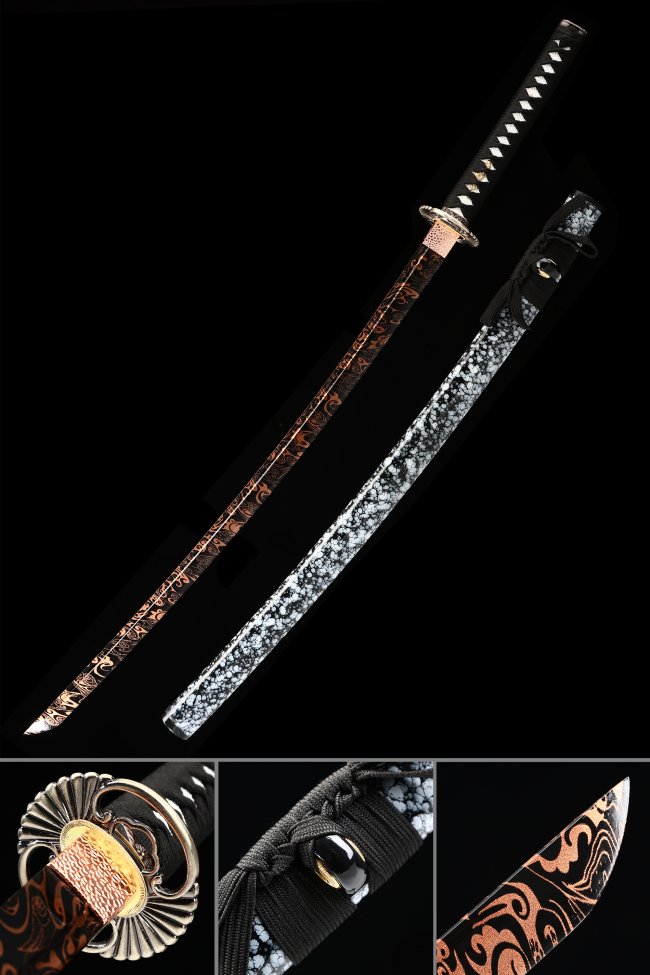
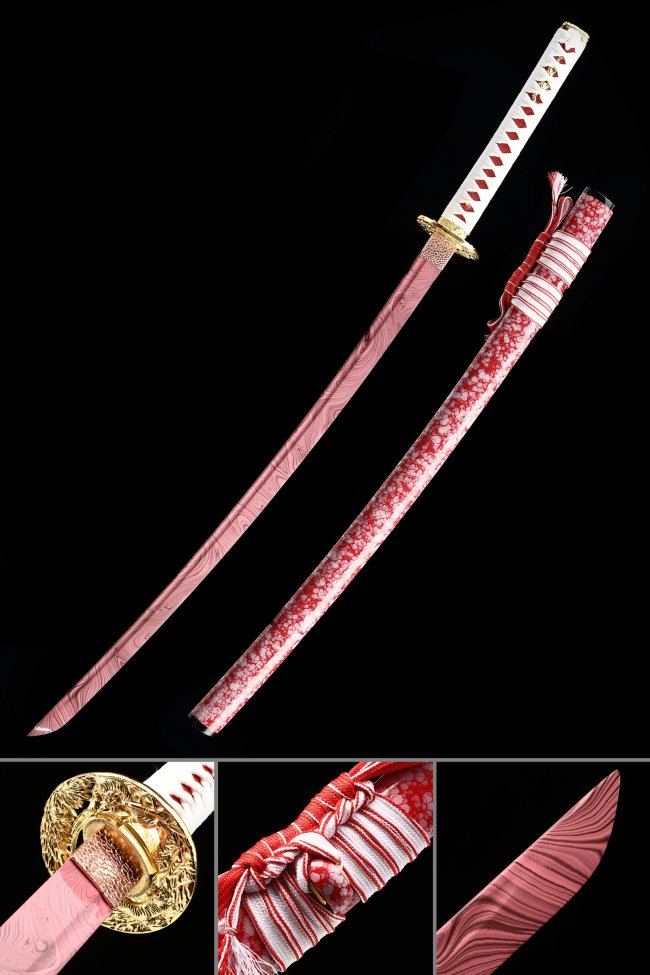
A samurai sword usually refers to a Japanese sword associated with the samurai class, especially the katana. In modern shopping, many people use “samurai sword” and “katana” almost interchangeably, but the samurai sword family is broader. It can include katana, wakizashi, tanto, tachi, odachi, nodachi, and related Japanese blade styles. A katana is typically recognized by its curved, single-edged blade, guard, and long handle for two-handed use. On TrueKatana, the Japanese Samurai Swords category includes many of these styles, so buyers can choose by length, blade steel, display style, anime theme, historical look, or collecting purpose.

What are samurai swords made of?

Modern samurai swords can be made from several types of steel, depending on the model and price range. TrueKatana offers katana and samurai swords in materials such as 1045 carbon steel, 1060 carbon steel, 1095 high carbon steel, T10 tool steel, Damascus steel, folded steel, manganese steel, and even tamahagane options in certain collections. Entry-level swords may focus on affordability and display value, while premium pieces may include clay tempering, real hamon, higher-carbon steel, or more detailed fittings. Steel is important, but it is not the only factor. Buyers should also check full tang construction, heat treatment, blade length, sharpness, handle wrap, tsuba, saya, and intended use.

Are samurai swords full tang?

Yes. TrueKatana swords are full tang, and that is an important feature for anyone buying a real steel samurai sword. Full tang means the blade steel continues securely through the handle area instead of being only lightly attached near the guard. This gives the sword a stronger and more solid structure than many cheap decorative swords. For a katana, full tang construction matters because the sword has a long blade and a handle meant for two-handed grip. Even with full tang construction, buyers should still check each product page for steel type, sharpness, weight, blade length, handle material, fittings, and whether the sword is best suited for display, collection, or controlled cutting practice.

Are samurai swords sharp?

Many samurai swords are sharp, but sharpness can vary by model and product purpose. Some swords are sharpened and made with real steel, while others may be safer display pieces, wooden training swords, or dull practice-style blades. A sharp blade does not automatically mean a sword is functional, well heat-treated, or safe for cutting practice. Buyers should look at the full product details: steel type, full tang construction, blade geometry, edge sharpness, heat treatment, and intended use. TrueKatana product pages should be checked carefully before ordering. If you need a sword to be dull, sharpened, or suitable for a specific purpose, contact support before purchase.

Are samurai swords legal in the US?

Samurai swords are commonly sold in the United States as collectibles, display pieces, martial arts items, and replicas, but laws can vary by state, city, and situation. Owning a sword at home is different from carrying one in public. Some places may restrict long blades, concealed carry, public carry, weapons in schools, government buildings, parks, conventions, or other venues. Before buying or carrying a samurai sword, check your state and local laws. A TrueKatana samurai sword should be treated as a collectible or display item unless the product page clearly states otherwise. Never carry a sword for self-defense, intimidation, or public display without checking the rules first.

Where can I buy a real samurai sword?

You can buy a real samurai sword from specialty sword retailers, Japanese sword shops, martial arts suppliers, or online stores that provide clear product details. TrueKatana offers a large selection of handmade samurai swords, including katana, wakizashi, tanto, tachi, nodachi, wooden katana, anime swords, and custom designs. The page highlights thousands of hand-forged blades, Free U.S. Shipping, and a 30-day satisfaction guarantee. Before buying, check the steel type, full tang construction, sharpness, blade length, fittings, saya, customer reviews, and intended use. A good samurai sword should match your purpose, whether that is display, collection, cosplay photography, gift-giving, or controlled cutting practice.

How much does a samurai sword cost?

The cost of a samurai sword can vary widely. Entry-level modern katana may be affordable for display or beginner collecting, while premium swords cost more because of better steel, full tang construction, clay tempering, real hamon, folded steel, detailed fittings, custom work, or higher-end polishing. A traditionally made Japanese nihonto by a licensed smith is a different category and can be much more expensive. On TrueKatana, samurai swords are offered across different price ranges, so buyers can choose by budget, steel type, style, and purpose. The best approach is to compare product details instead of buying only by price. Look at steel, tang, sharpness, length, fittings, saya, and reviews before ordering.

Customer Reviews

I ordered this for my boyfriend and he absolutely loved it! It came in good condition, nothing was broken or damaged. Minor paint chipping around the hilt but nothing too noticeable honestly where it ruins the design. Shipping was good too, I didn’t expect it to be delivered when it was, I thought it would take way longer. Overall 10 out of 10 experience and I will be ordering from here again because I plan to build his collection!

Rengoku Sword - Kimetsu No Yaiba Flame Hashira Nichirin Replica, 1045 Carbon Steel Rengoku Sword - Kimetsu No Yaiba Flame Hashira Nichirin Replica, 1045 Carbon Steel Verified Purchase
Loading more reviews...

Subscribe to our emails

GET 20% OFF TODAY

Subscribe to our emails to receive the latest special offers and private events. We'll send a coupon code to your email shortly.

Get Coupon Code