About Our Bare Katana Blades
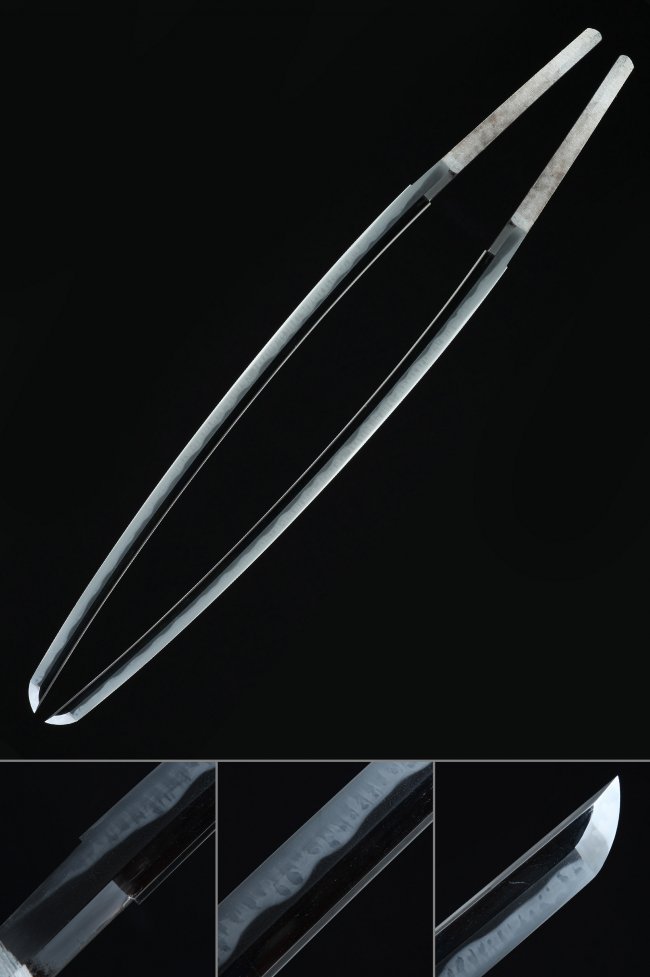
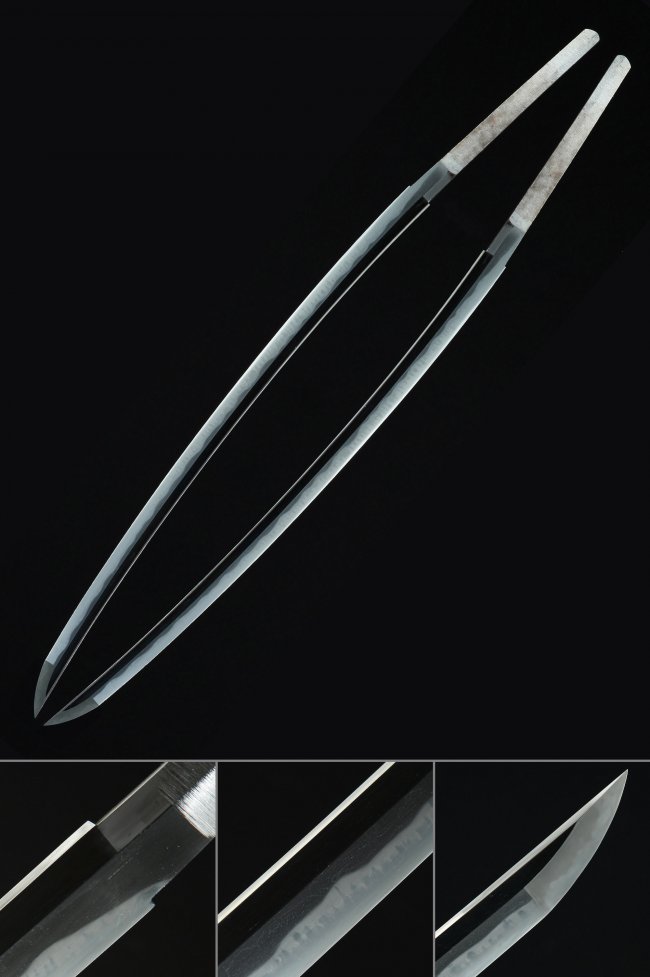
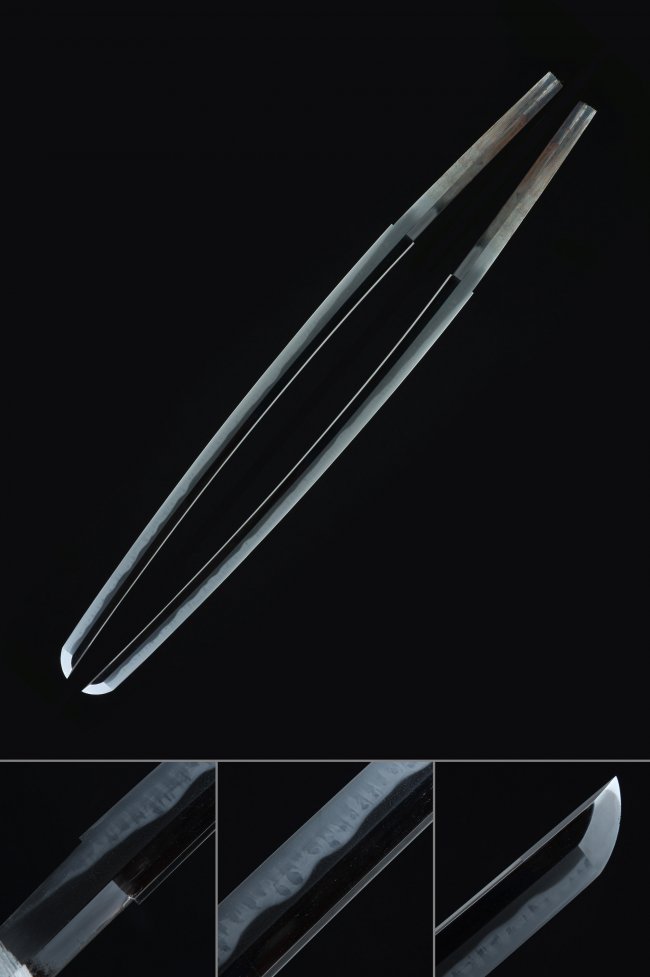
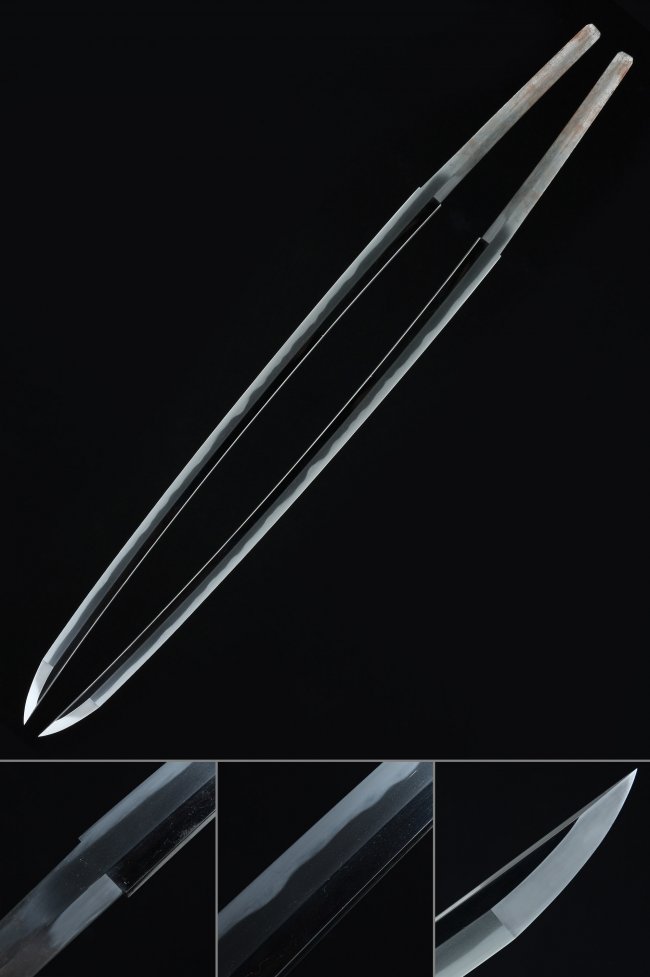
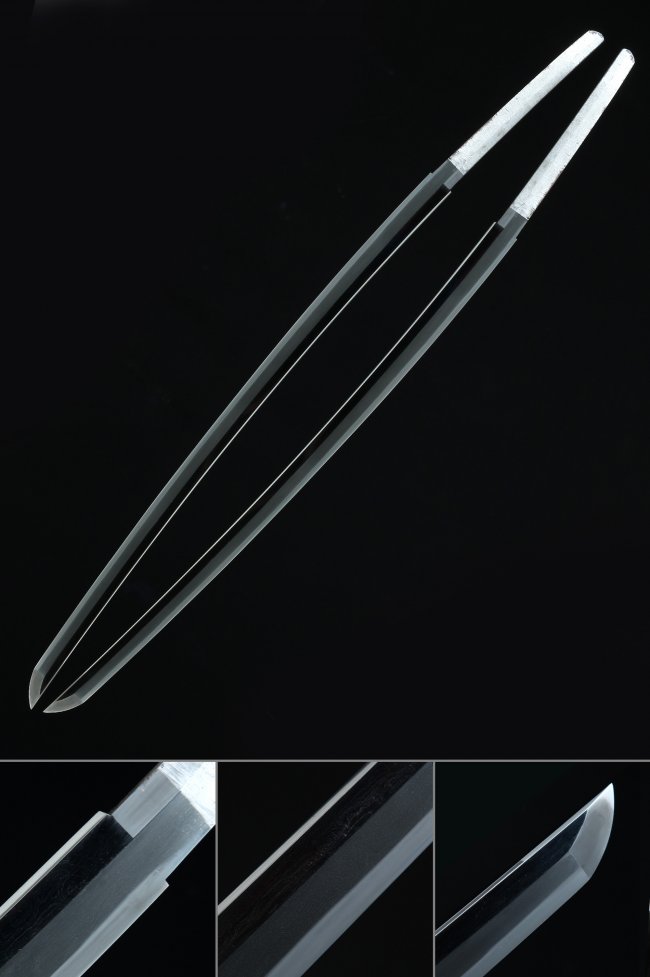
Most katana are sold as finished swords — blade, handle, guard, and scabbard assembled as a complete unit. Our bare blade collection takes a different approach. These are standalone katana blades, hand-forged from premium steel and delivered without mountings. They are designed for a specific type of buyer: the collector, craftsman, or enthusiast who wants full control over the final build. Whether you are sourcing a blade for a custom koshirae project, replacing a blade in an existing mounting, or simply want to study and appreciate the steel itself without the distraction of fittings, our bare blade collection provides the foundation.
Who Buys Bare Katana Blades
Custom Sword Builders
For enthusiasts who want to design every detail of their katana — from the tsuka wrap color to the tsuba design to the saya finish — a bare blade is the starting point. Buying the blade separately allows you to source or commission each component individually, resulting in a sword that is uniquely yours. Our bare blades come with a full tang ready for mounting, so any qualified swordsmith or experienced hobbyist can fit custom koshirae to the blade.
Sword Restorers and Polishers
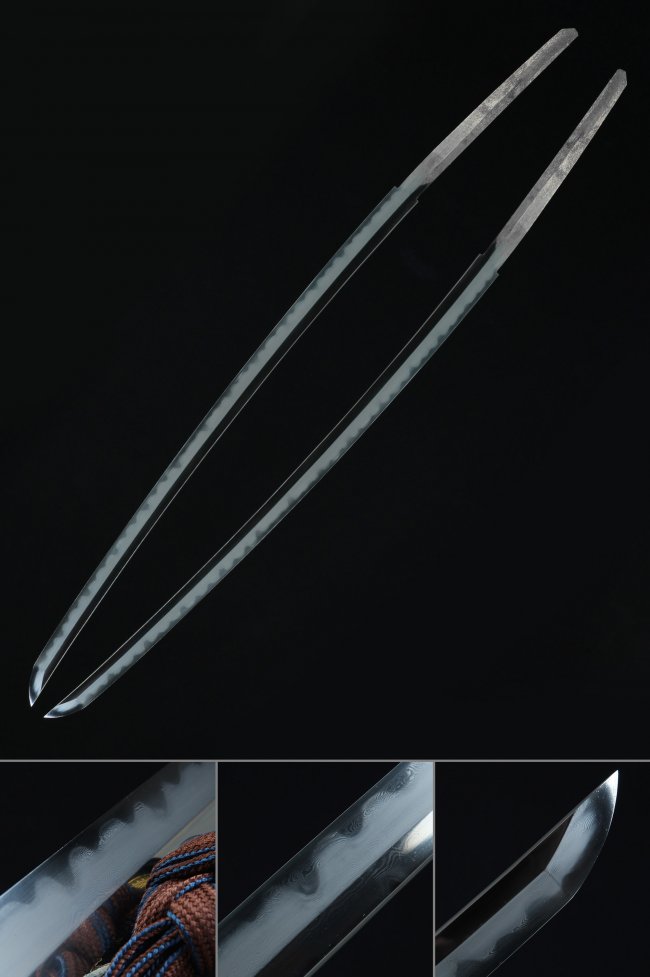
Togishi (sword polishers) and restorers often work with bare blades as part of their craft. A bare blade allows close inspection of the steel's grain structure (jihada), temper line (hamon), and surface condition without the interference of a handle or guard. Our T10 and tamahagane blades feature visible, natural hamon lines produced by traditional clay tempering — not etched or artificially enhanced.
Advanced Collectors
Some collectors are drawn to the blade itself as the primary object of appreciation. In the Japanese tradition, the blade — not the fittings — is the soul of the sword. Evaluating a blade's hamon pattern, jihada texture, curvature (sori), and overall geometry is the foundation of Japanese sword connoisseurship. Our bare blades offer collectors the opportunity to study these qualities directly.
Steel Types in Our Bare Blade Collection
Tamahagane
Tamahagane is the traditional Japanese sword steel, produced by smelting iron sand (satetsu) in a tatara clay furnace. The process yields a heterogeneous steel with natural carbon variation, which skilled swordsmiths then fold and forge into blade form. The folding process creates visible layers in the steel — known as jihada — that give each tamahagane blade a unique grain pattern. Our tamahagane blades are the most premium pieces in the collection, representing the highest level of traditional Japanese blade craft.
T10 Carbon Steel with Clay Tempering
T10 is a high-carbon tool steel with a small tungsten addition that improves edge retention and wear resistance. When clay tempered using the traditional method (tsuchioki), T10 produces a pronounced, natural hamon line and excellent differential hardness. T10 clay-tempered blades are the most popular choice among custom builders who want a blade that performs at a high level while remaining more accessible in price than tamahagane.
Damascus Steel
Our damascus steel bare blades are created by folding and forge-welding multiple layers of steel, producing a distinctive visible pattern throughout the blade. Each damascus blade has a one-of-a-kind surface pattern determined by the number of folds and the forging technique. For custom builders and collectors who want a blade with dramatic visual character, damascus is an ideal choice.
Understanding Bare Blade Specifications
When selecting a bare katana blade, there are several key specifications to consider:
Nagasa (blade length) determines the overall size of the finished sword. Our blades are available in standard katana length (around 28 inches / 71 cm) and shorter options (around 20 inches / 51 cm) for wakizashi-length builds or compact custom designs.
Tang style matters for mounting. Our blades are offered in full tang (no holes) and full tang with preserved nakago. Blades with no pre-drilled holes give the builder maximum flexibility for mekugi pin placement during custom fitting.
Hamon type varies by blade. Real hamon produced by clay tempering is a natural result of differential hardening and is unique to each blade. Folded hamon refers to the visible pattern created by steel folding, distinct from the temper line.
Sori (curvature) affects handling and aesthetics. Each blade has a natural curve set during the quenching process — this is not adjustable after forging and is part of what gives each blade its individual character.
How to Build a Custom Katana from a Bare Blade
Starting with a bare blade, a custom katana build typically involves the following components:
The habaki is a wedge-shaped metal collar that fits at the base of the blade where it meets the tsuba. It secures the blade in the saya and is usually the first fitting added.
The tsuba (hand guard) is selected or commissioned to match the builder's preferred style — from simple iron designs to ornate brass or copper work.
The tsuka (handle) is built over the tang using a wooden core, ray skin (samegawa) wrapping, and silk or cotton cord (tsuka-ito) in the builder's chosen color and pattern.
The saya (scabbard) is carved from wood to match the blade's exact curvature and dimensions, then finished with lacquer, leather, or specialty coatings.
A qualified swordsmith or experienced builder can assemble these components around our bare blade to create a fully custom katana. For builders who are new to the process, we recommend consulting with an experienced togishi or koshirae maker before beginning.