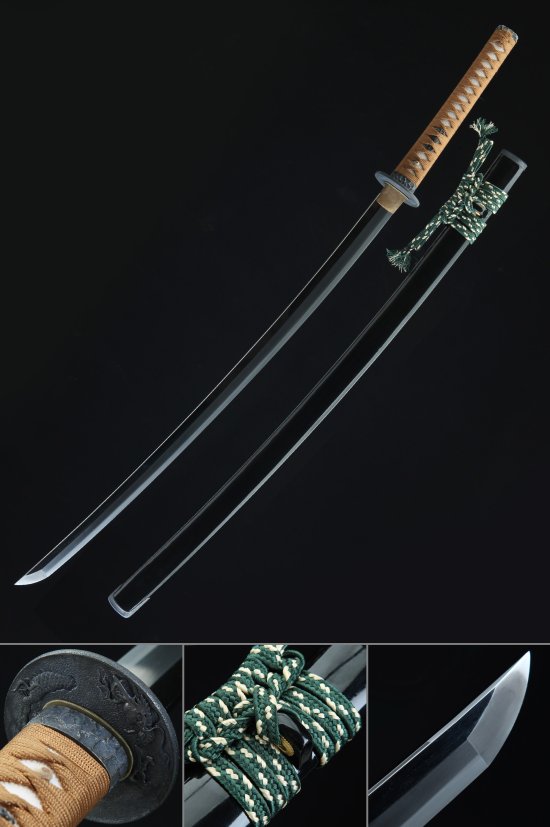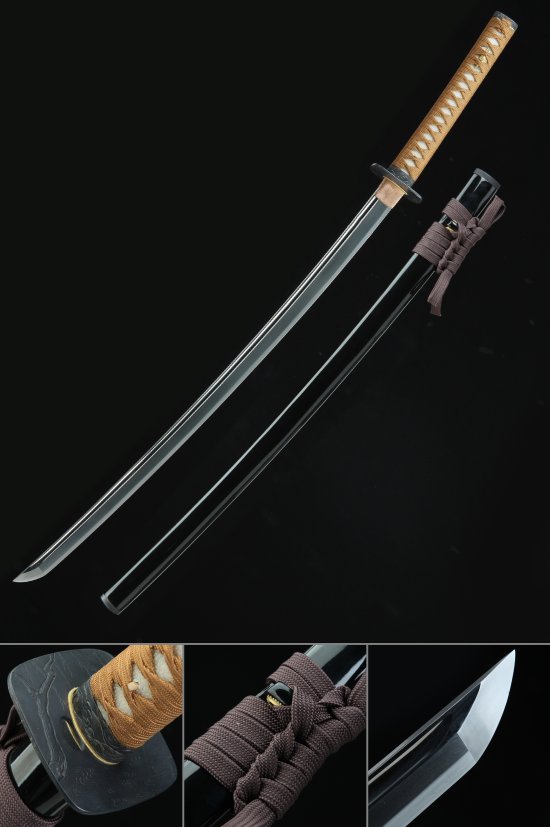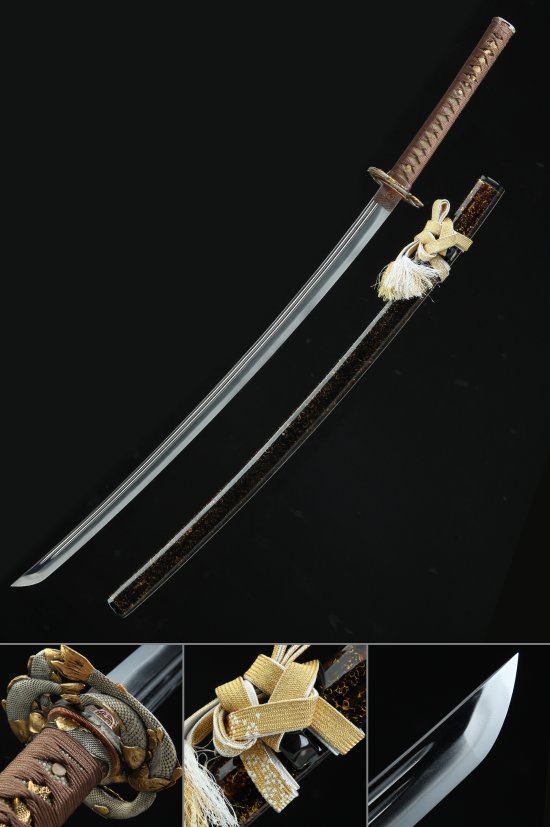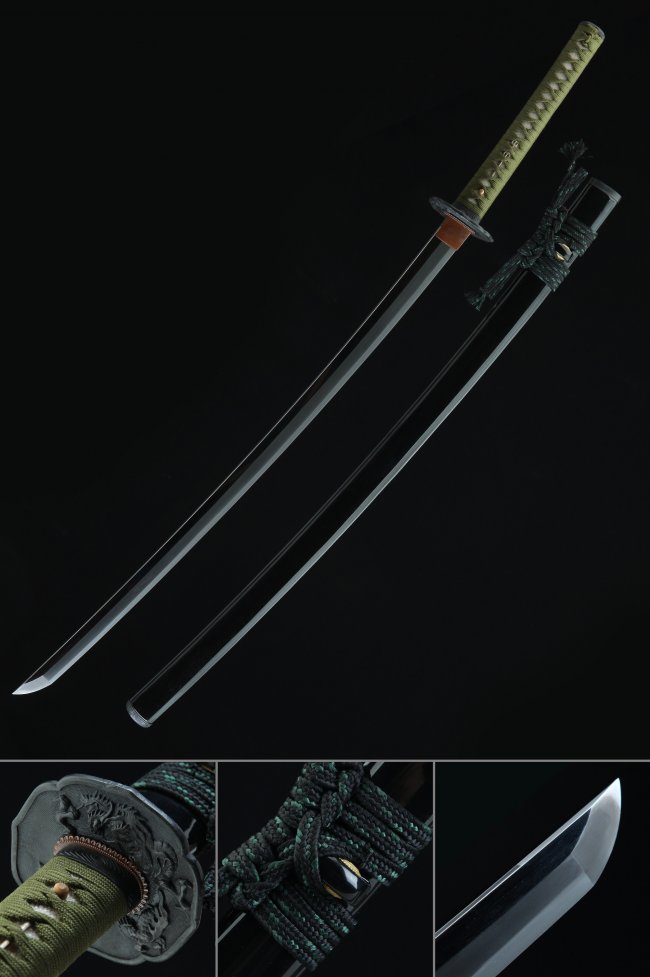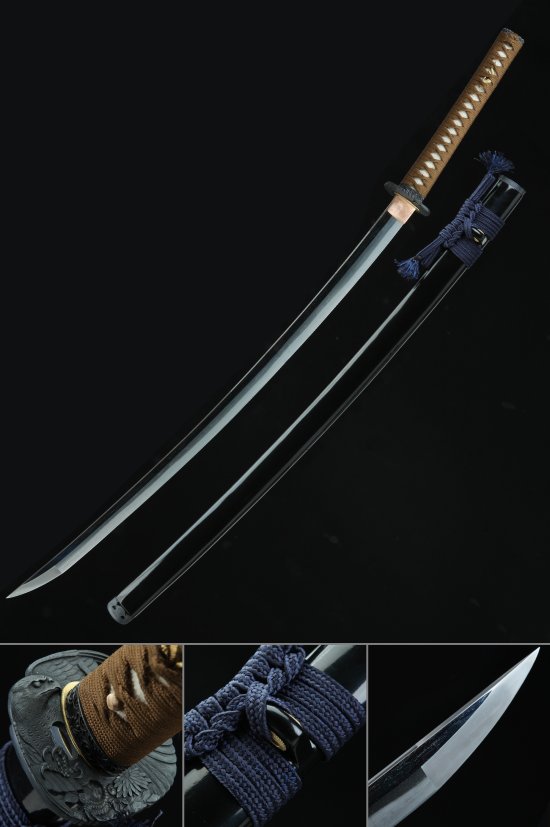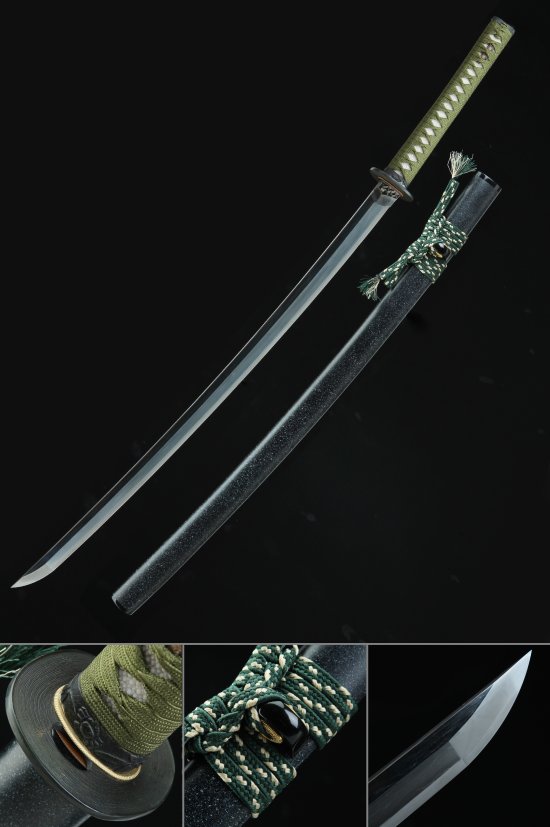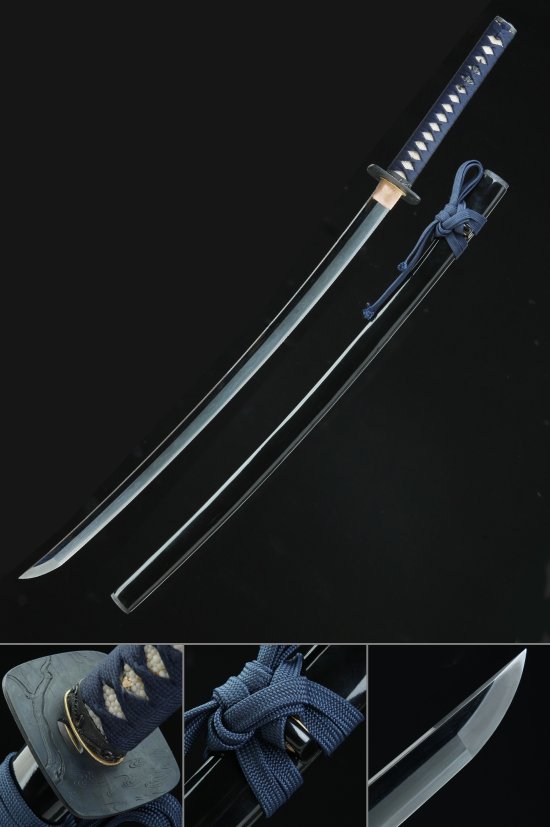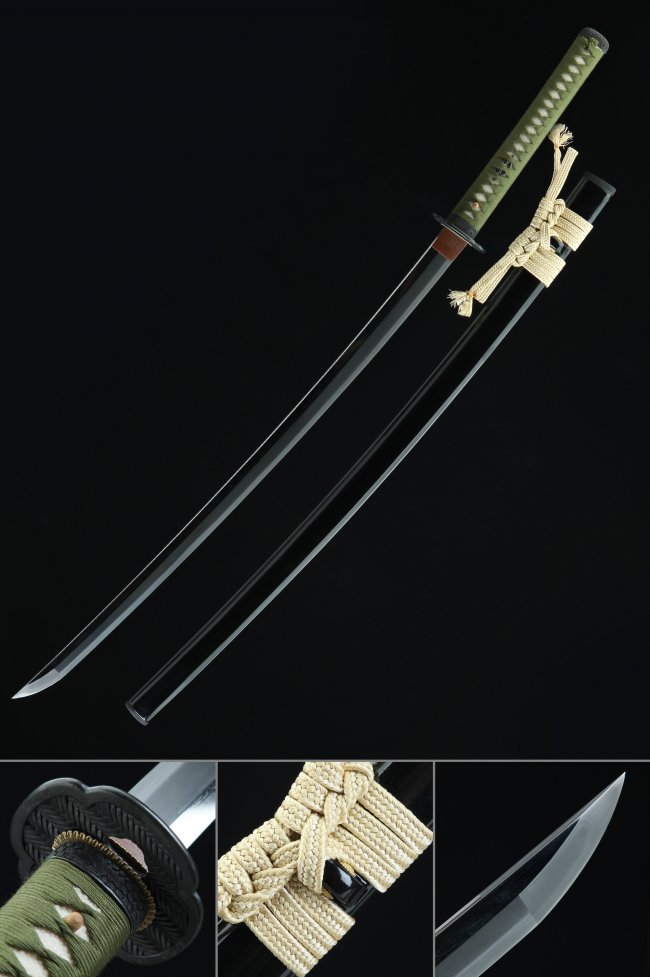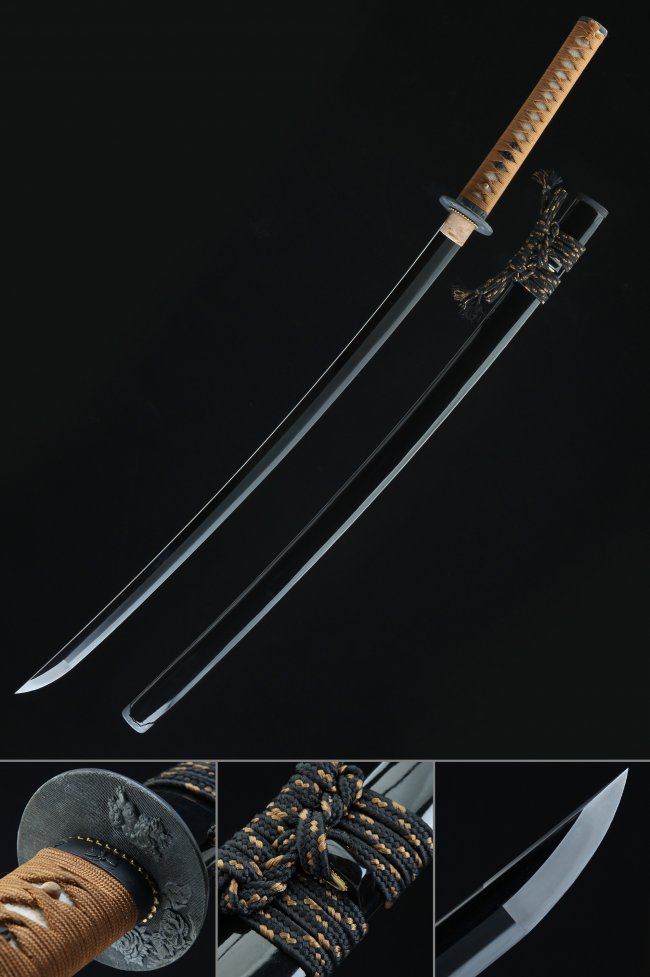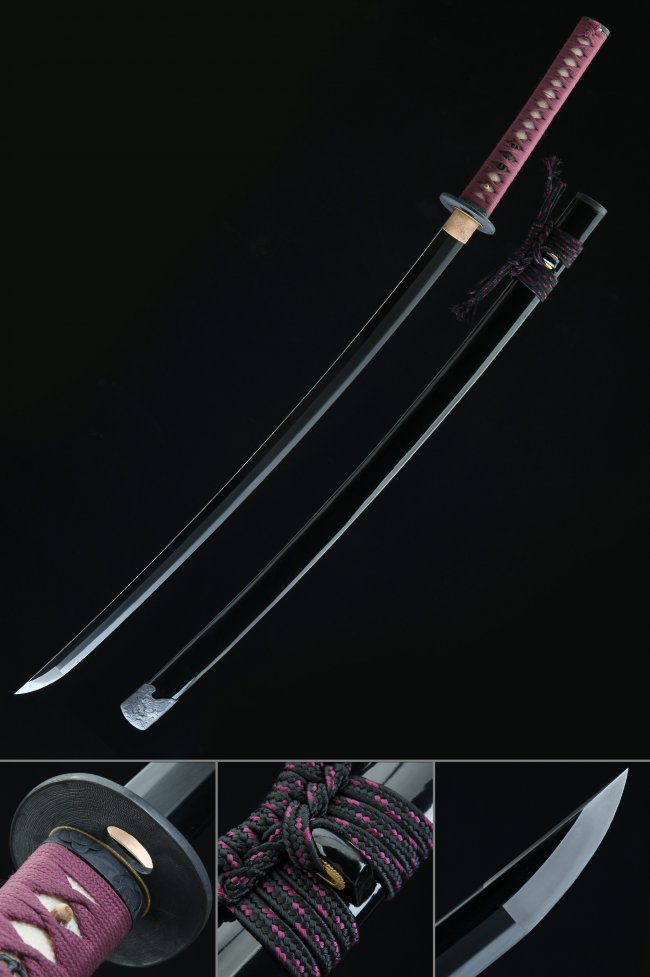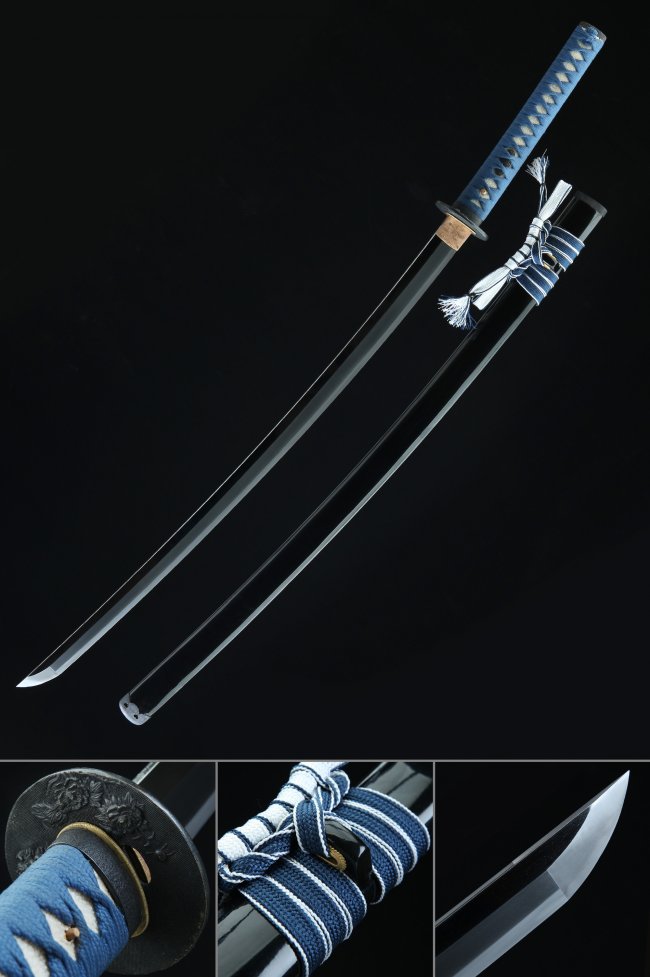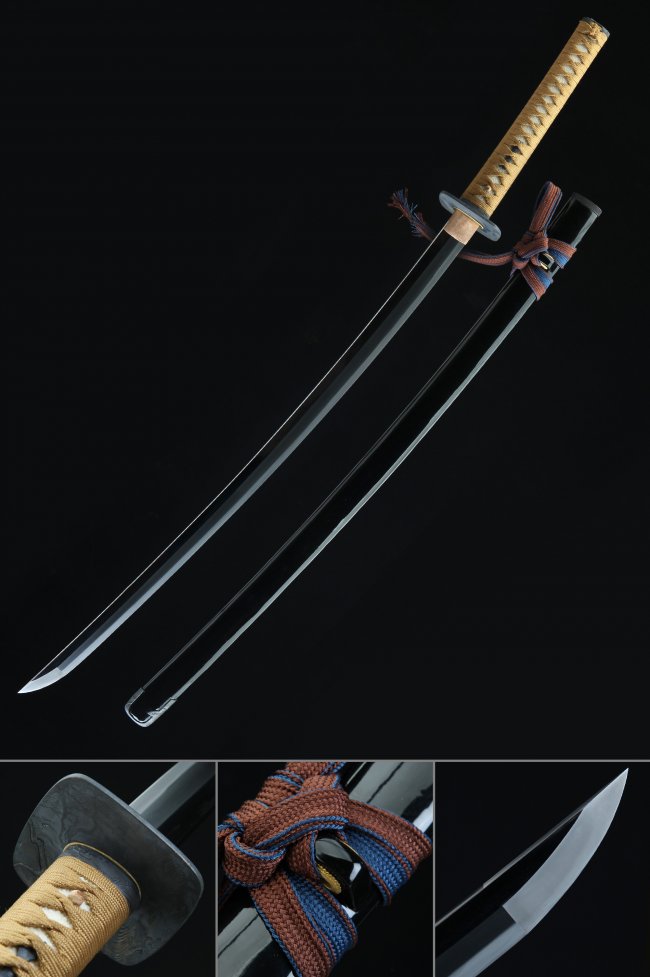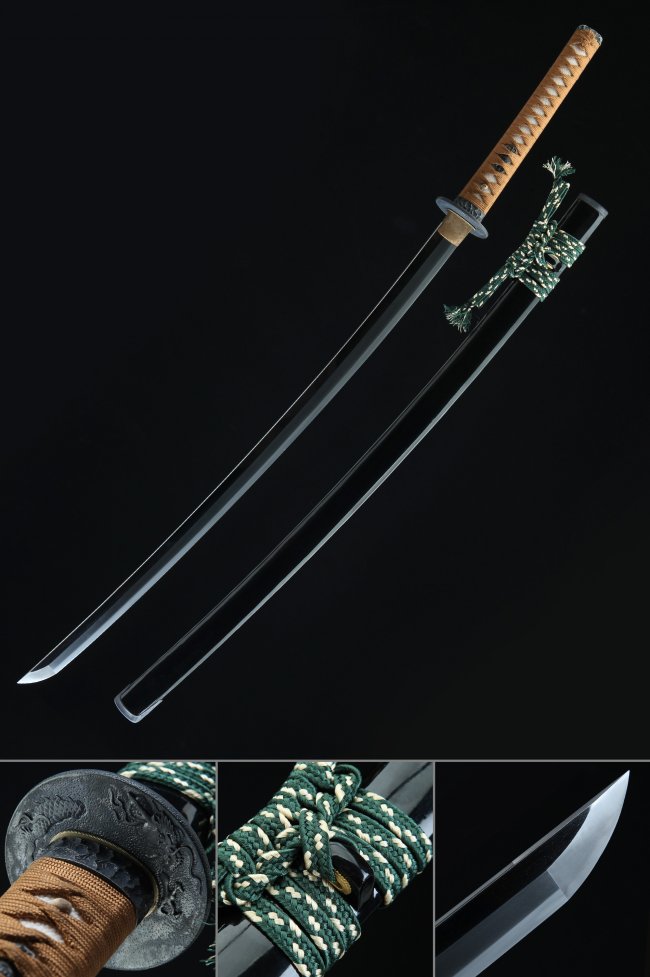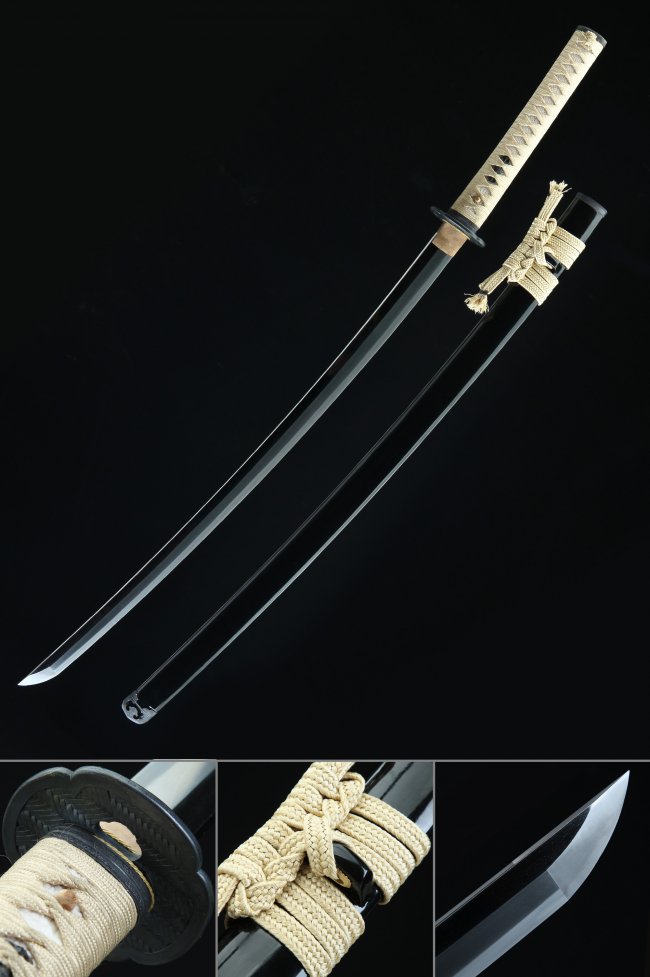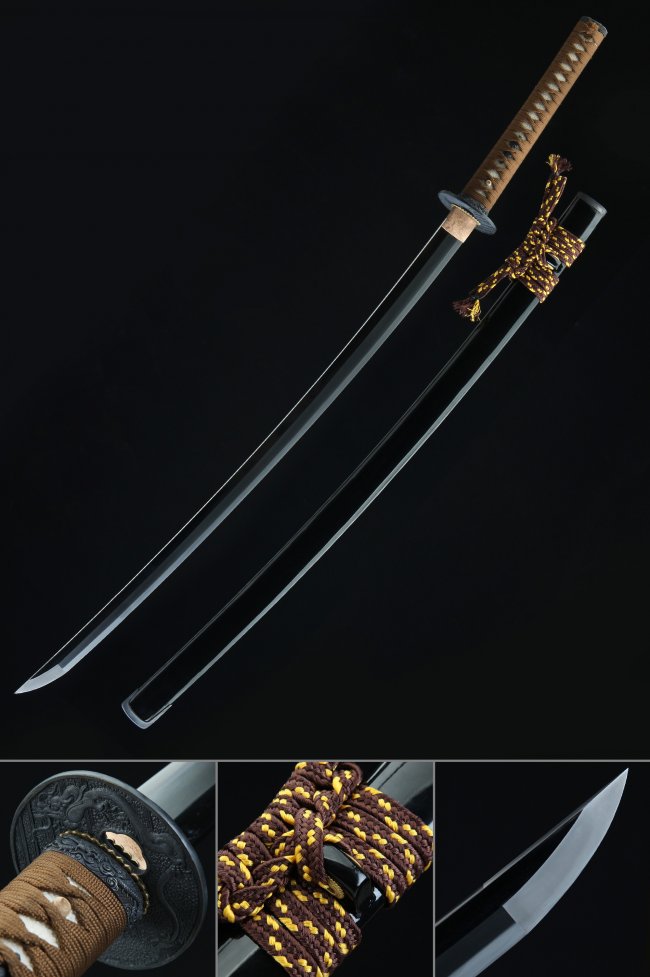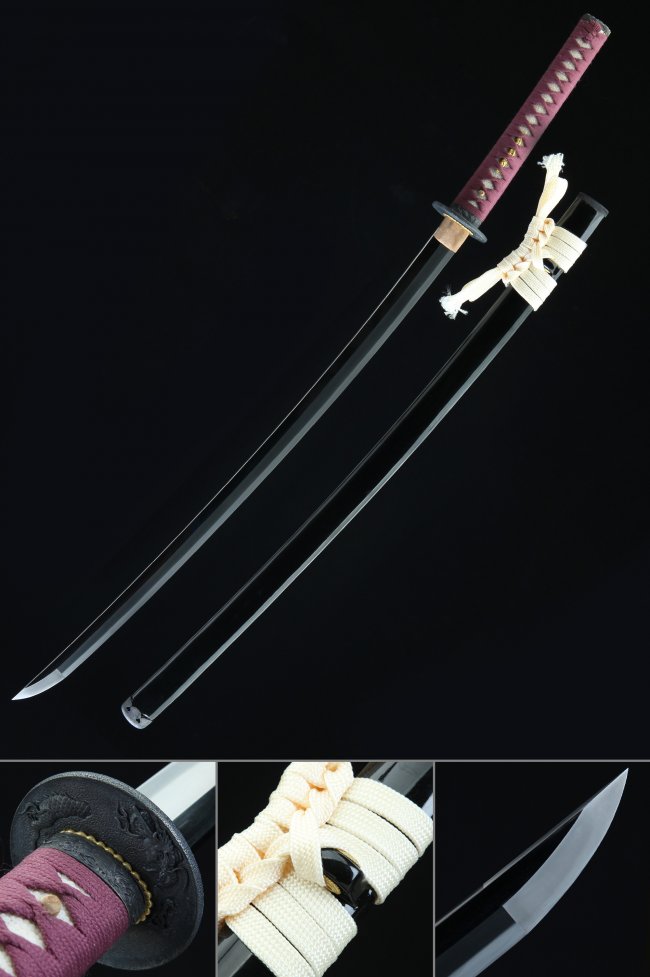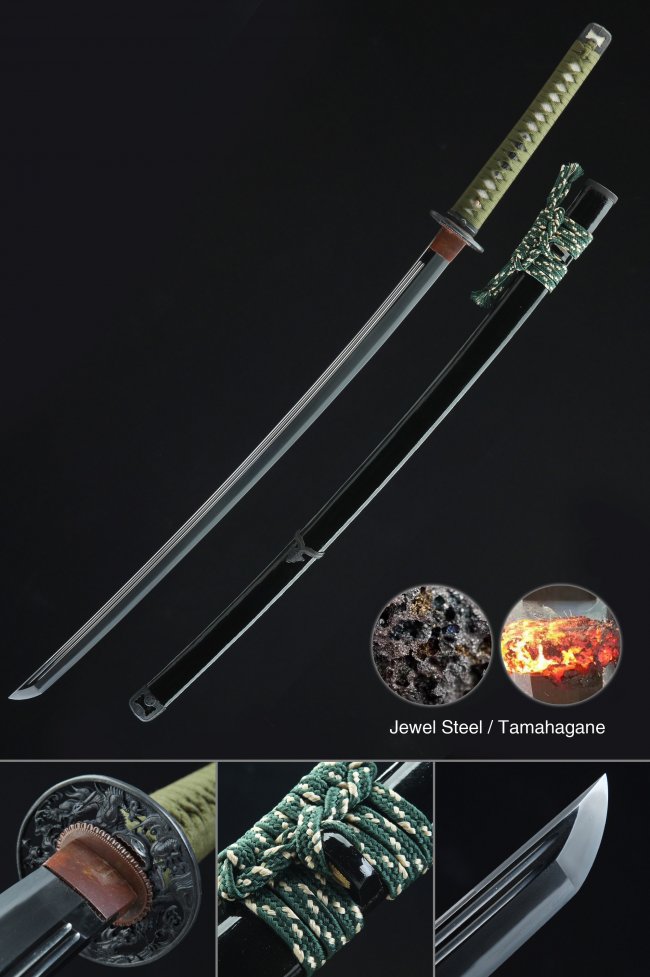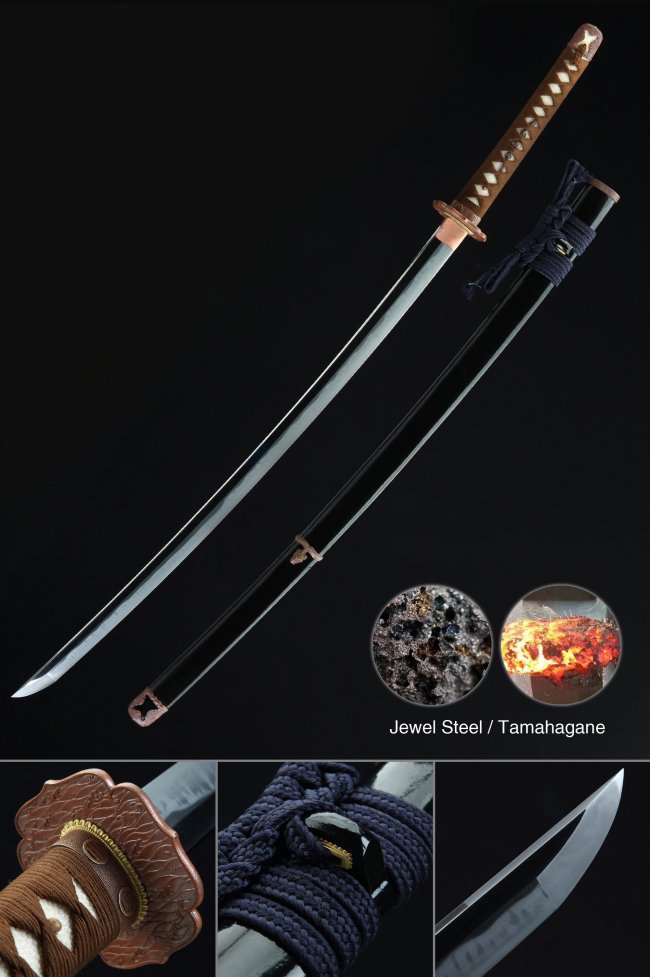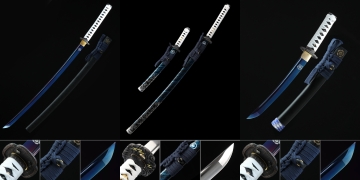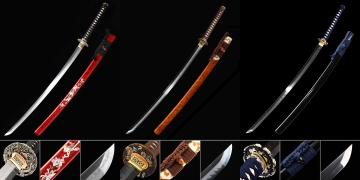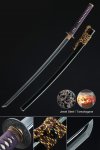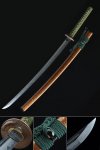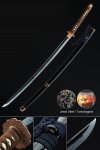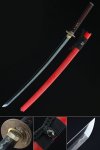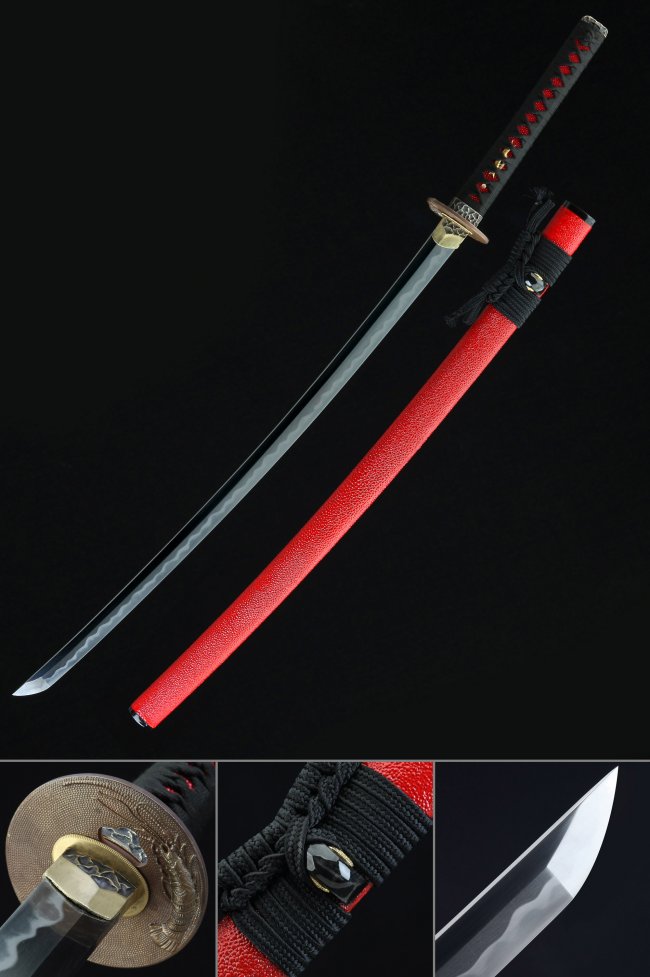
Tamahagane Steel Katana

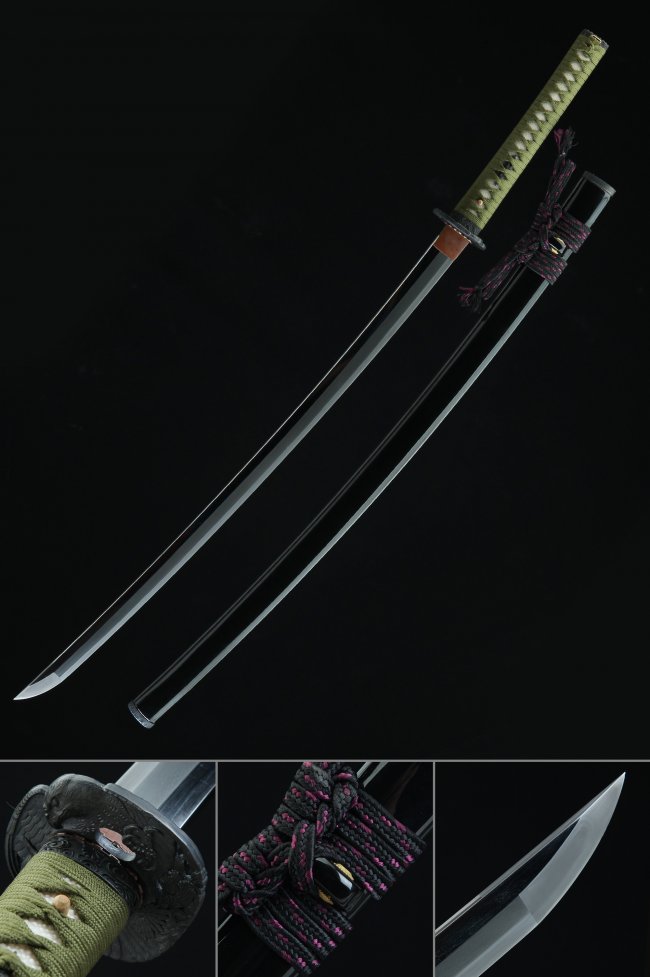
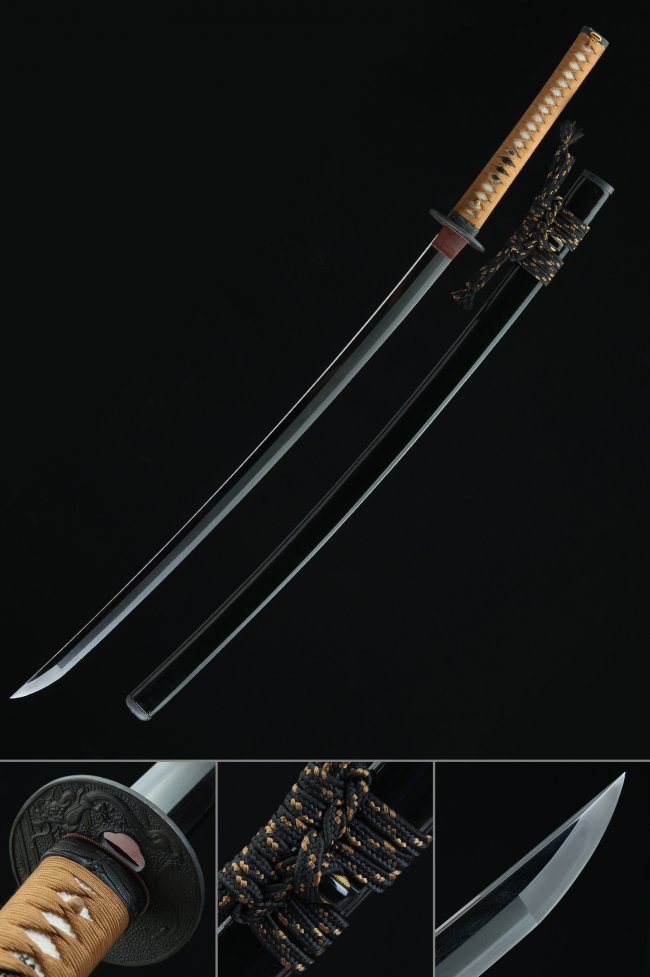
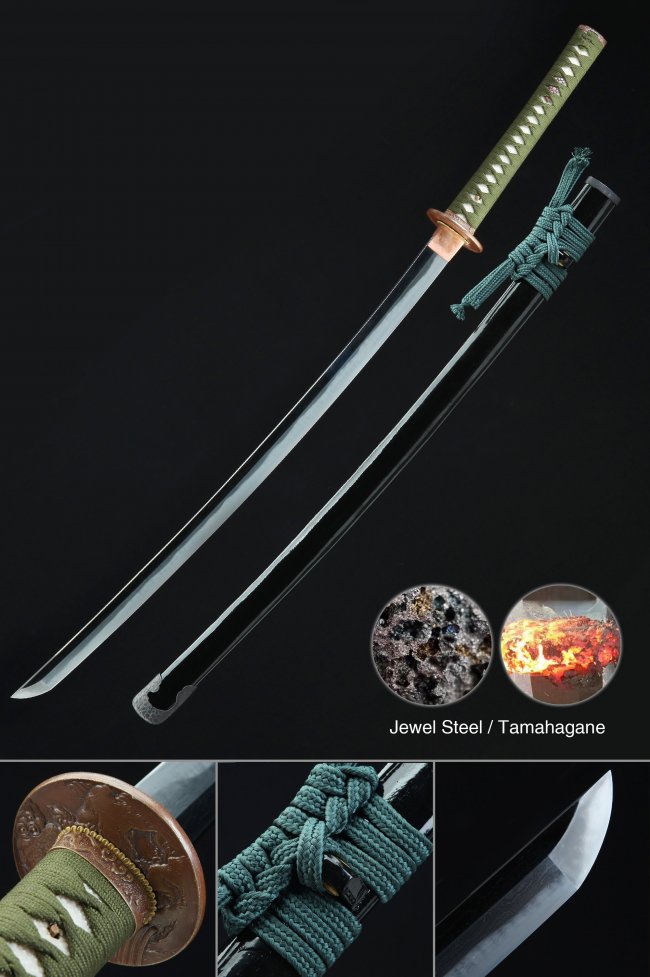
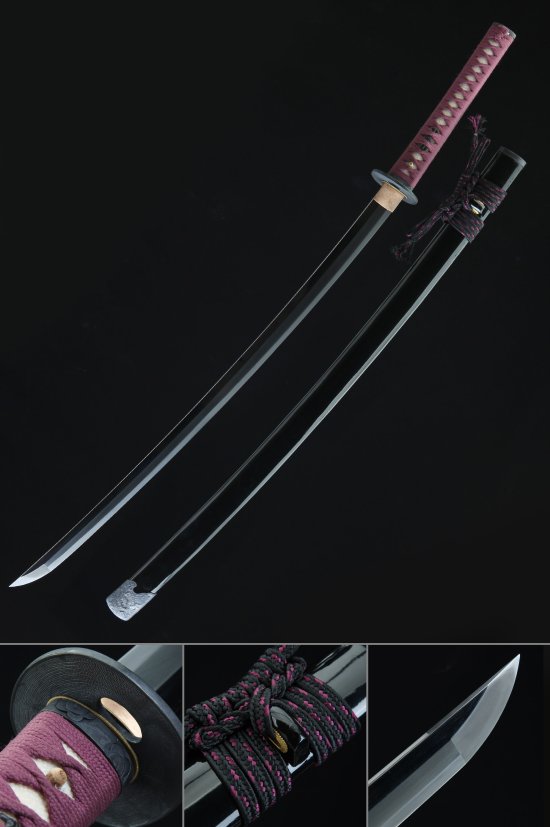
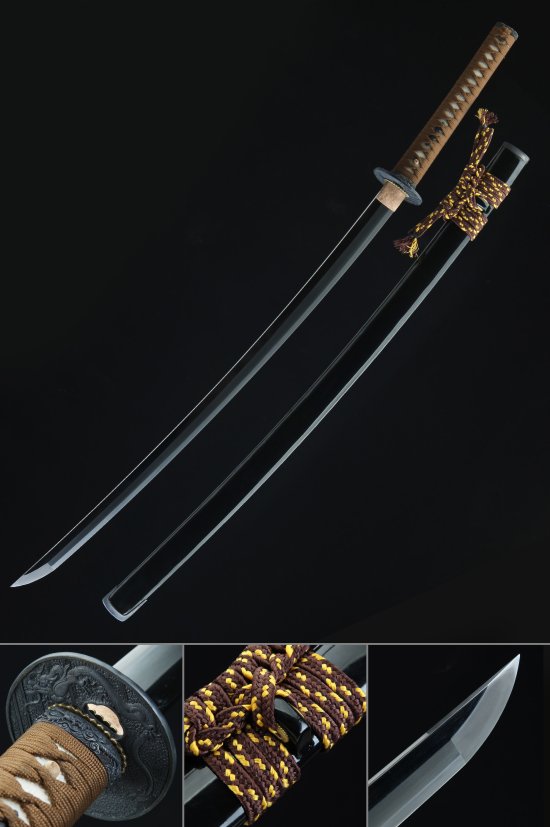
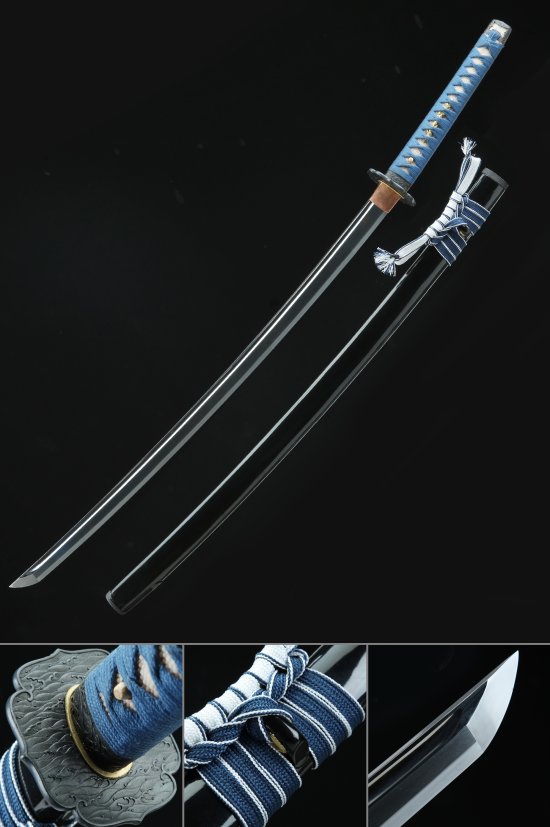
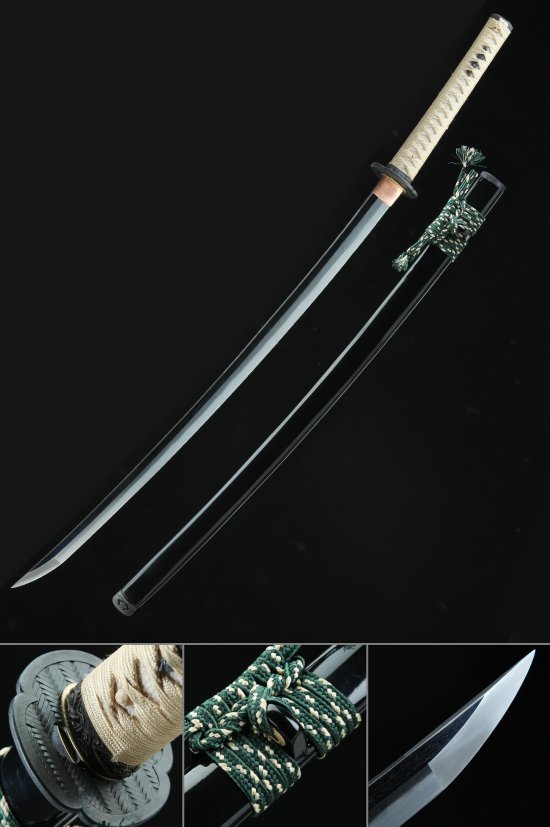
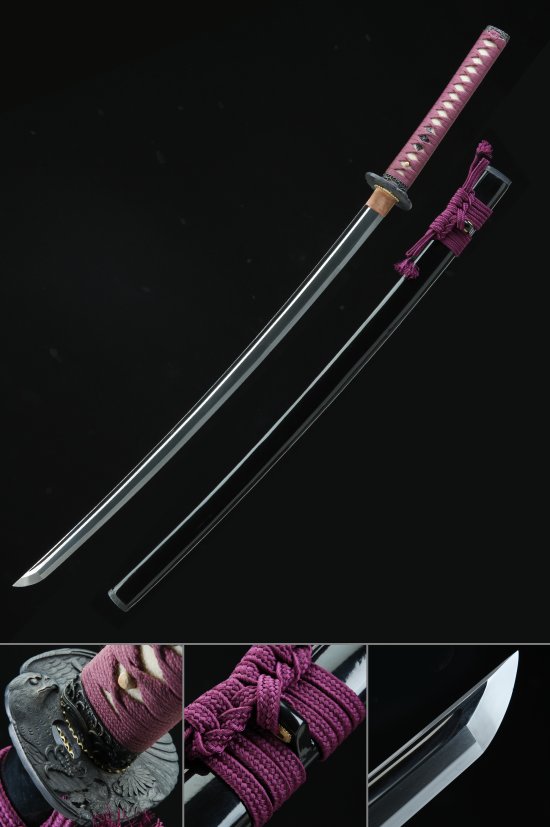
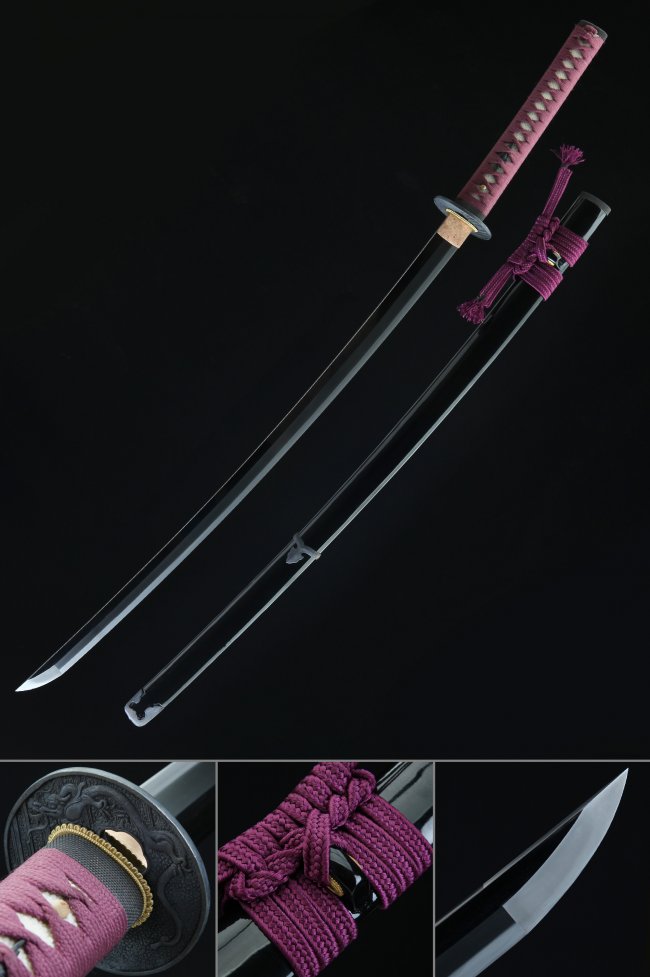
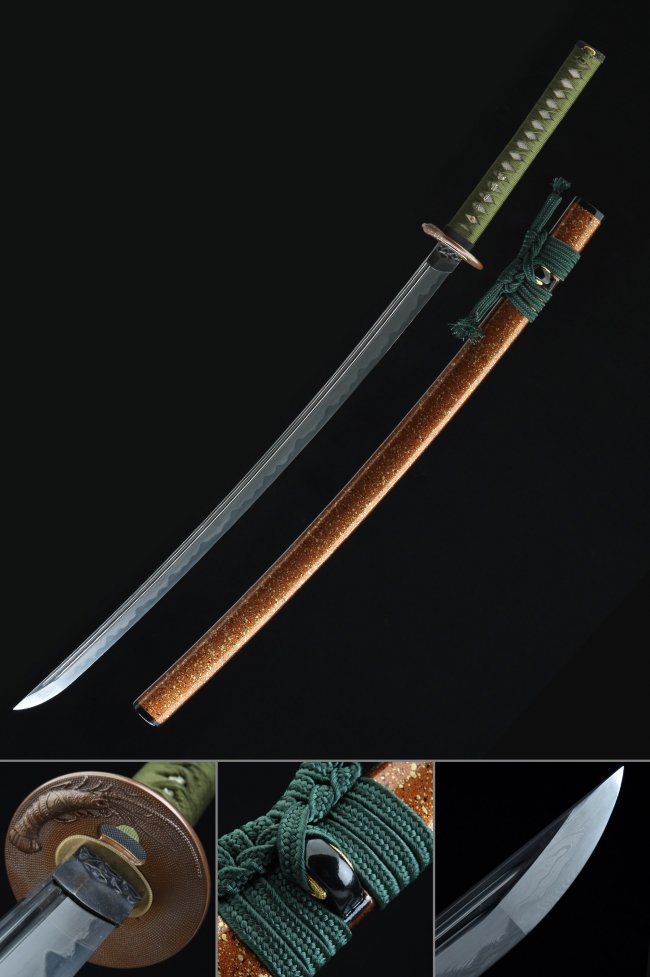
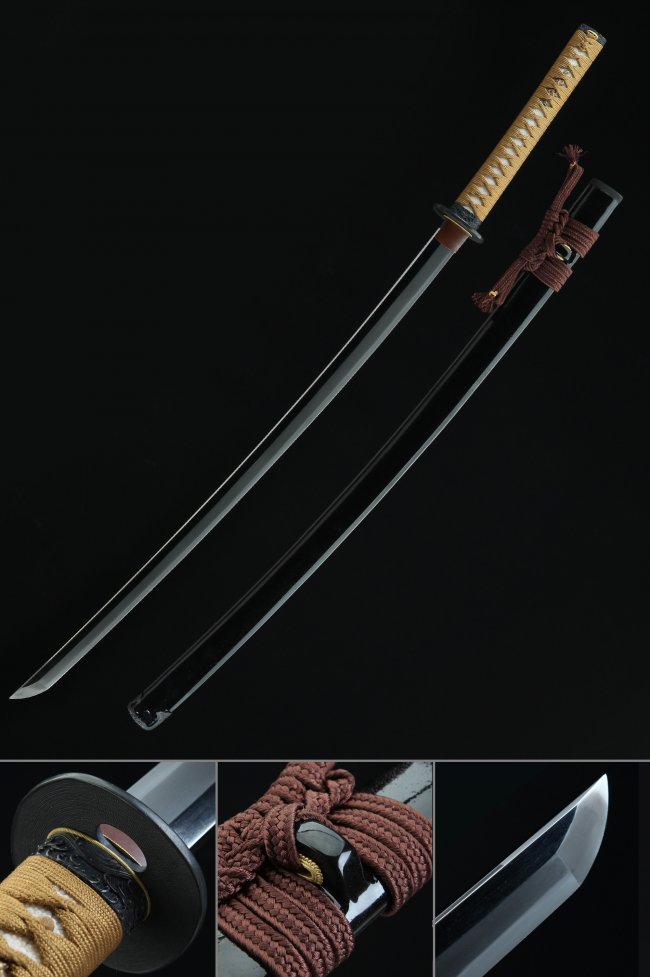
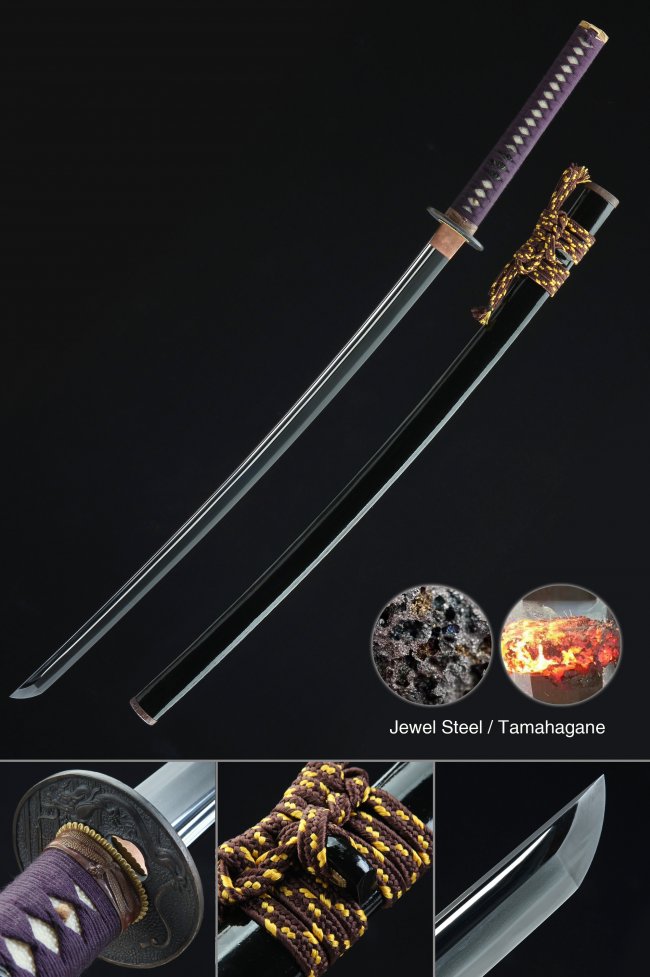
Explore our Tamahagane Steel Katana collection — hand-forged from traditionally smelted tamahagane, each piece showcases the iconic layered grain and natural hamon that define Japan’s most revered swordsmithing heritage. These collectible katana feature clay-tempered blades, authentic koshirae fittings, and lacquered saya crafted with meticulous attention to historical detail. Every order ships with free worldwide delivery and a hassle-free return policy.

Showing 31 Products

Related Collections

Damascus Tanto46 items


55 Reviews

1095 Wakizashi10 items

12 Reviews

T10 Wakizashi43 items


206 Reviews

T10 Tanto52 items


207 Reviews

Frequently Asked Questions

What exactly is tamahagane steel and how is it made?
Tamahagane translates roughly to "jewel steel" and is produced in a tatara — a traditional clay furnace that stands about four feet tall. Over a continuous burn lasting approximately 72 hours, smelters feed measured loads of iron sand (satetsu) and hardwood charcoal into the furnace in alternating layers. The charcoal provides carbon while generating the intense heat needed to reduce the iron sand. Because the tatara never reaches full liquid-melting temperatures, the resulting bloom (kera) is a spongy mass containing steel of varying carbon levels alongside trapped slag. A master smith breaks apart the kera, sorts fragments by carbon content based on color and fracture grain, then selects pieces typically ranging from 0.6% to 1.5% carbon for blade work. This labor-intensive origin is why tamahagane remains one of the rarest steelmaking materials in the world and why blades forged from it carry significant collectible prestige.
How does the hamon on a tamahagane katana form naturally?
The hamon is created during a process called differential clay tempering (tsuchioki). Before hardening, the smith applies a mixture of clay, charcoal powder, and ash to the blade in a specific pattern — a thin layer along the cutting edge and a thicker layer over the spine and flats. When the heated blade is quenched in water, the thinly coated edge cools rapidly and transforms into hard martensite crystal, while the thickly insulated body cools slowly and retains a softer pearlite structure. The boundary between these two metallurgical phases is the hamon. Because the clay application is done by hand and quenching dynamics vary with temperature and timing, no two hamon lines are identical. On a well-polished tamahagane blade, you can also observe nie and nioi — individual martensite crystals visible as bright particles along the hamon — which connoisseurs use to evaluate quality.
How should I care for a tamahagane katana on display?
Tamahagane is a high-carbon steel and will develop surface oxidation if neglected, so routine maintenance is essential. Every two to four weeks — or after any bare-hand contact with the blade — wipe the surface with a soft lint-free cloth to remove fingerprints, then apply a thin film of choji oil (clove-infused mineral oil) using a fresh cloth or traditional uchiko powder ball. Store or display the katana in a room with stable humidity, ideally between 40% and 55% relative humidity; a small silica gel pack inside the saya helps buffer moisture. Keep the blade in its saya when not actively being admired, and always handle it with clean cotton gloves. Avoid silicone-based sprays, as they can leave residues that interfere with the traditional polish. With consistent care, the jihada grain and hamon will maintain their clarity for decades.
What makes tamahagane different from modern carbon steels like 1095 or T10?
Modern steels such as 1095 or T10 are manufactured in industrial furnaces with precise chemical controls, producing a homogeneous billet of uniform carbon content. Tamahagane, by contrast, is inherently heterogeneous. The tatara smelting process yields steel with naturally varying carbon distribution, and the smith’s repeated folding reorganizes these variations into distinct laminated layers. This layered structure produces the visible grain pattern (jihada) — itame, masame, or mokume — that is impossible to replicate with factory steel. Additionally, traditional charcoal smelting introduces trace elements and micro-inclusions that interact with polishing to create subtle surface textures prized by collectors. While 1095 and T10 deliver reliable performance metrics, tamahagane offers an irreplaceable aesthetic and historical dimension that elevates a katana from functional replica to artisan collectible.
Is a tamahagane katana a good choice as a collector’s first premium piece?
A tamahagane katana is an excellent milestone acquisition for a collector transitioning from entry-level replicas to artisan-grade pieces. It teaches you to appreciate details that define high-end Japanese swords: the jihada grain that reveals folding technique, the natural hamon that records heat treatment, and the subtle color variations that emerge under togishi-style polishing. Owning one also provides a reference point when evaluating other steels and forging methods in your collection. For display purposes, the visual complexity of tamahagane steel — combined with hand-fitted koshirae such as cast tsuba, genuine samegawa, and lacquered saya — creates a presentation piece that consistently draws attention. Pair it with a shorter blade like a Kodachi Sword for a traditional daisho-inspired display, and you have a focal point that anchors an entire collection.

Customer Reviews

Július Bakša Zilinsky, Slovakia

Mnou zakúpená katana je spracovaná na veľmi dobrej úrovni. Čepeľ vykazuje malé nedostatky v súmernosti, chrbát čepele nemá obidve polovice rovnako široké po celej dlžke a taktiež plochy medzi rebrami a hranami chrbta na oboch bokoch čepele nie sú rovnako široké po celých dlžkach. Nakoľko saya s habaki sú zlícované dosť na tesno, katana sa vyťahuje zo saye dosť ťažko (ale toto sa dá doladiť, nie je to večší problém. Zakončenie rukoväti (Kashira) nebolo nasadené kolmo na os čepele, čo som musel upraviť. Mekugi neboli namontované do rukoväte (Tsuky) moc esteticky.

Tamahagane Steel Clay Tempered Katana with Real Hamon in Red Rayskin Saya and Black Cord Tsuka Tamahagane Steel Clay Tempered Katana with Real Hamon in Red Rayskin Saya and Black Cord Tsuka
Kevin Ruffin Maryland, United States

Very nice looking sword with good balance and weight. However, the blade was not evenly sharpened as I requested. Moreover, the blade is not razor sharp like I wanted it to be. Therefore, I would not describe it as "Battle Ready" as advertised. r
r
The upper half of the blade is sharp enough to remove some hairs on my arm, but does not shave the skin. The lower half of the blade is not sharp enough to remove any hairs on my arm. Will have to buy some fine ceramic wet stones to finish the sharpening myself, because I want the blade to razor sharp across the full length of the blade. Swords can't be shipped back to China to correct the poor full blade sharpening.

Tamahagane Steel Katana with Hamon Blade, Brown Cord Tsuka in Black Hardwood Saya Tamahagane Steel Katana with Hamon Blade, Brown Cord Tsuka in Black Hardwood Saya