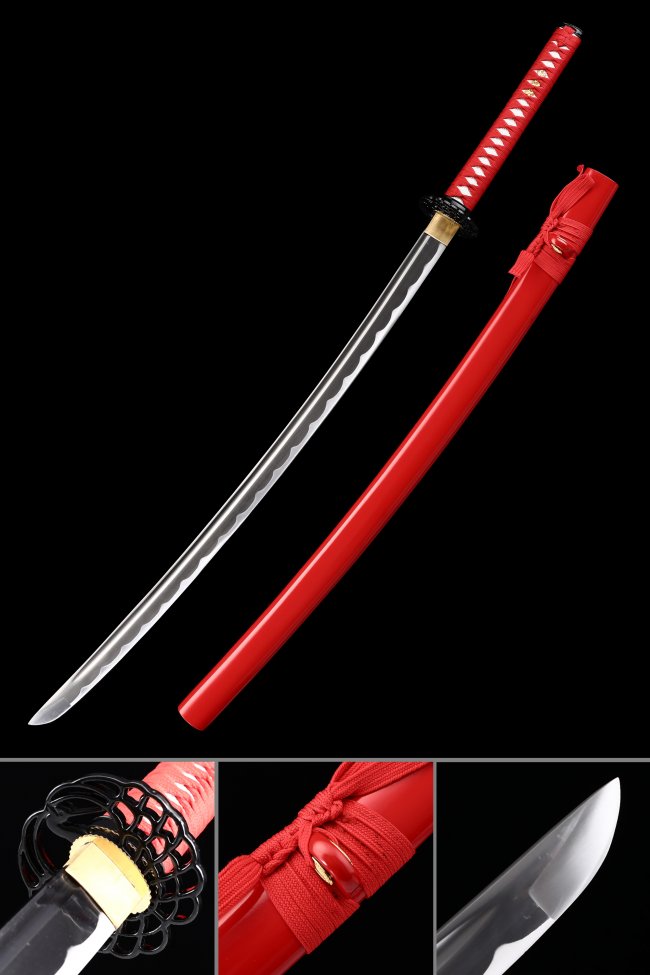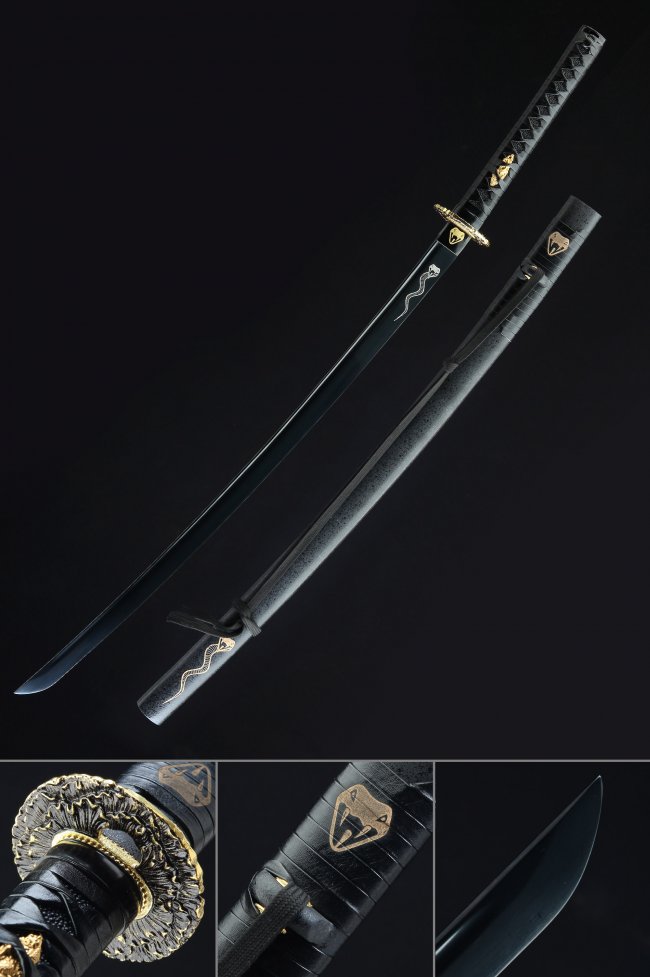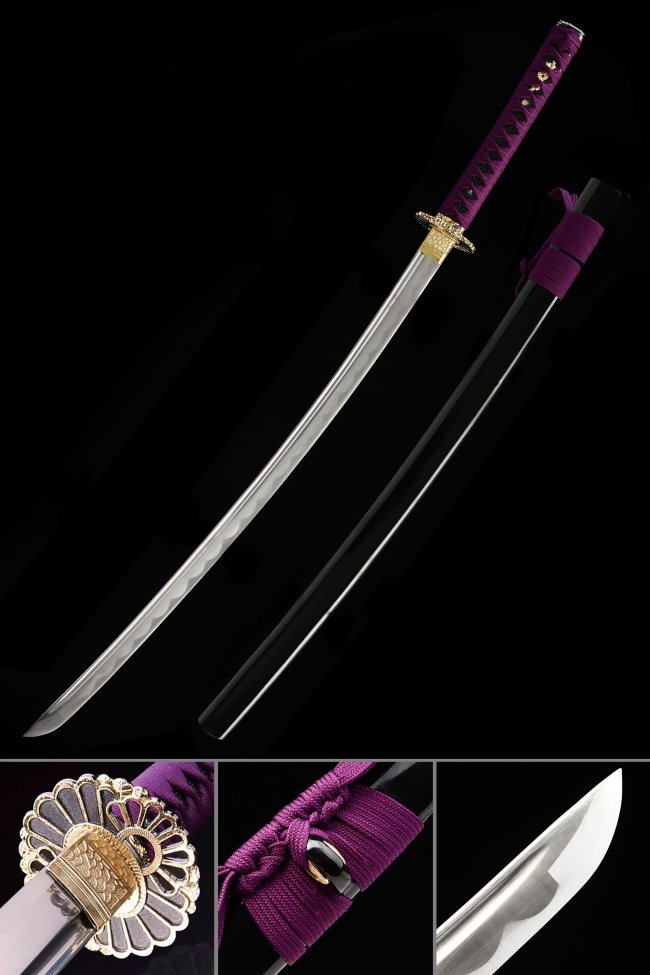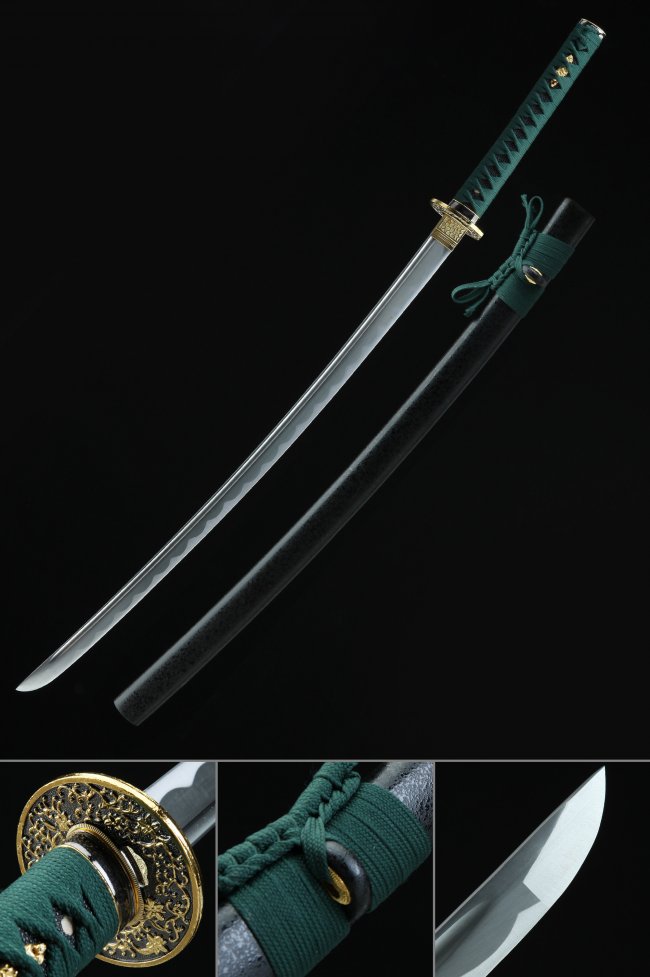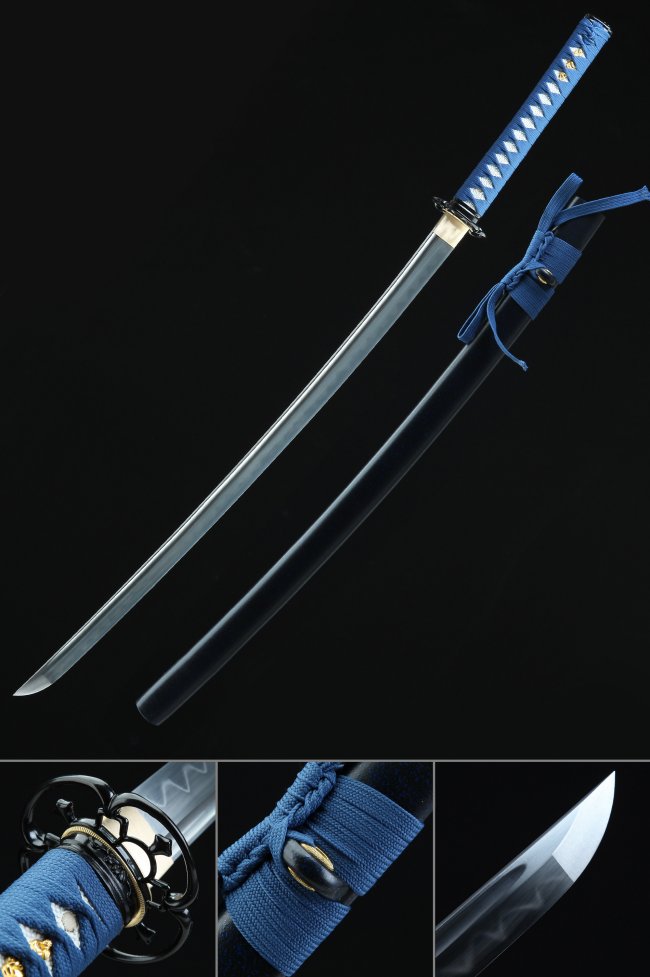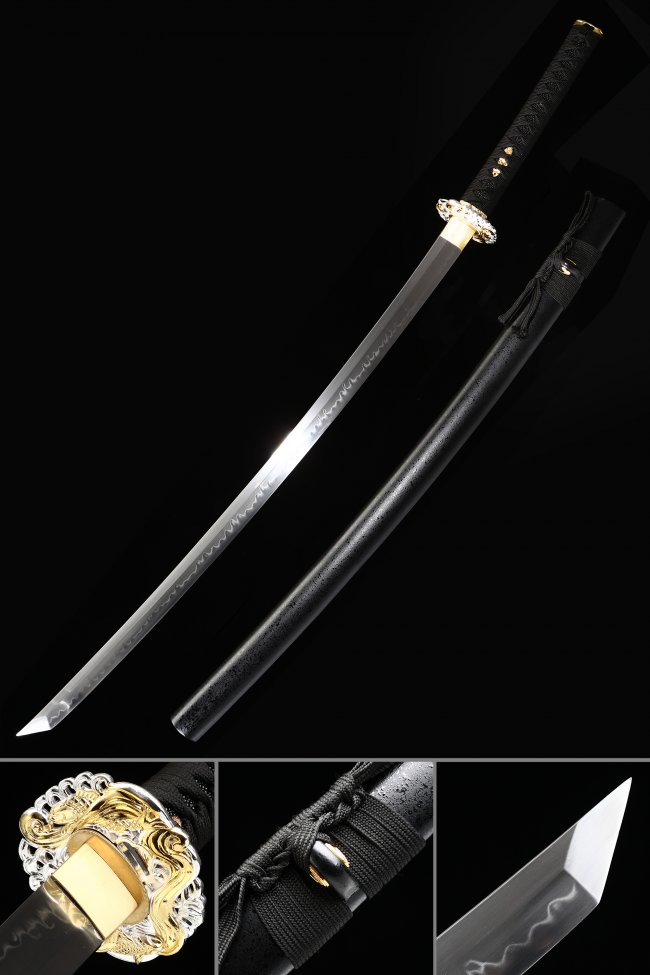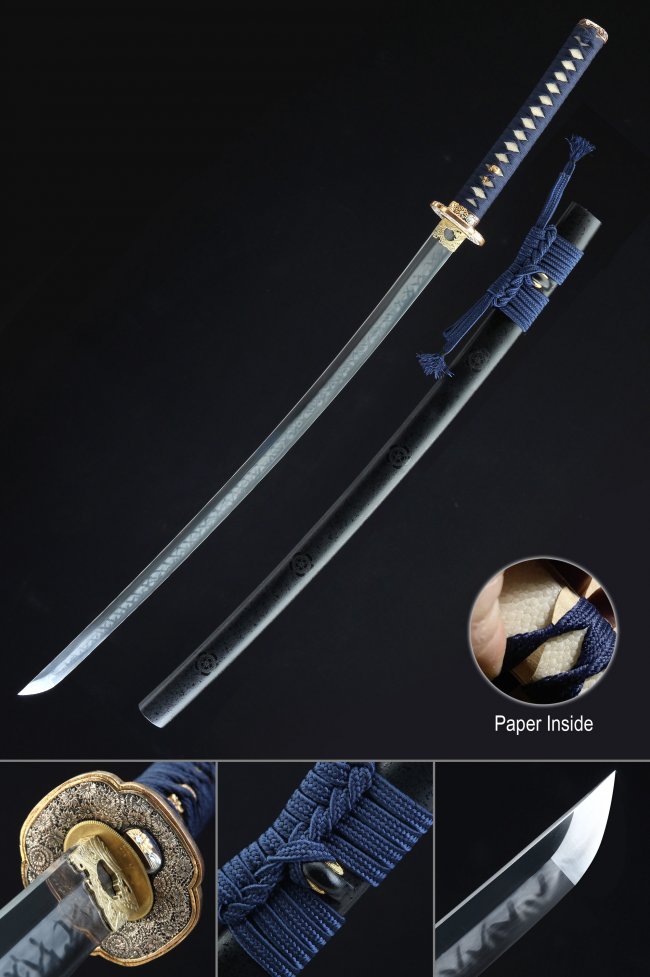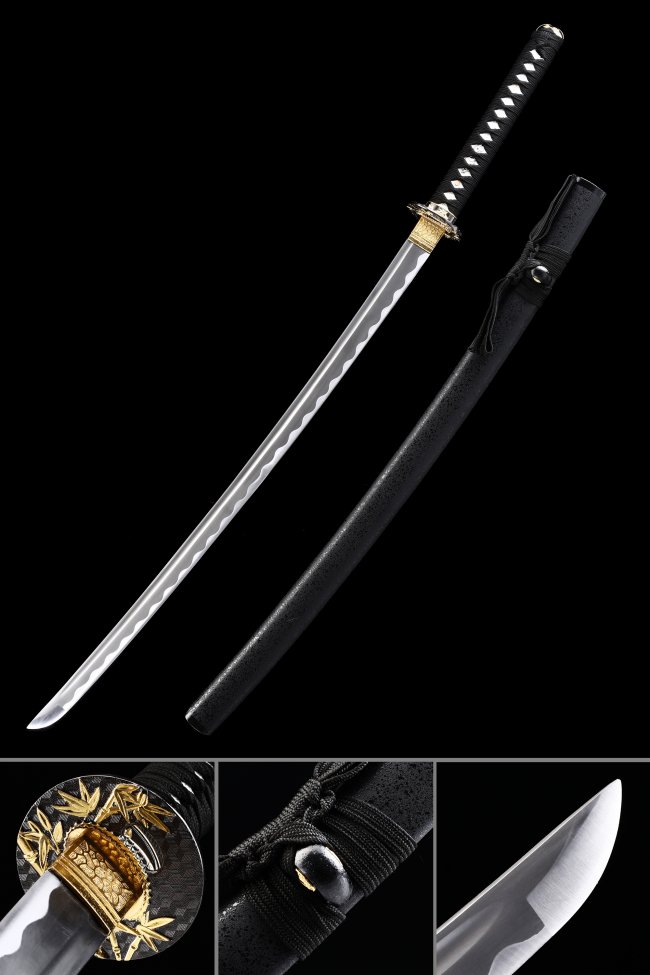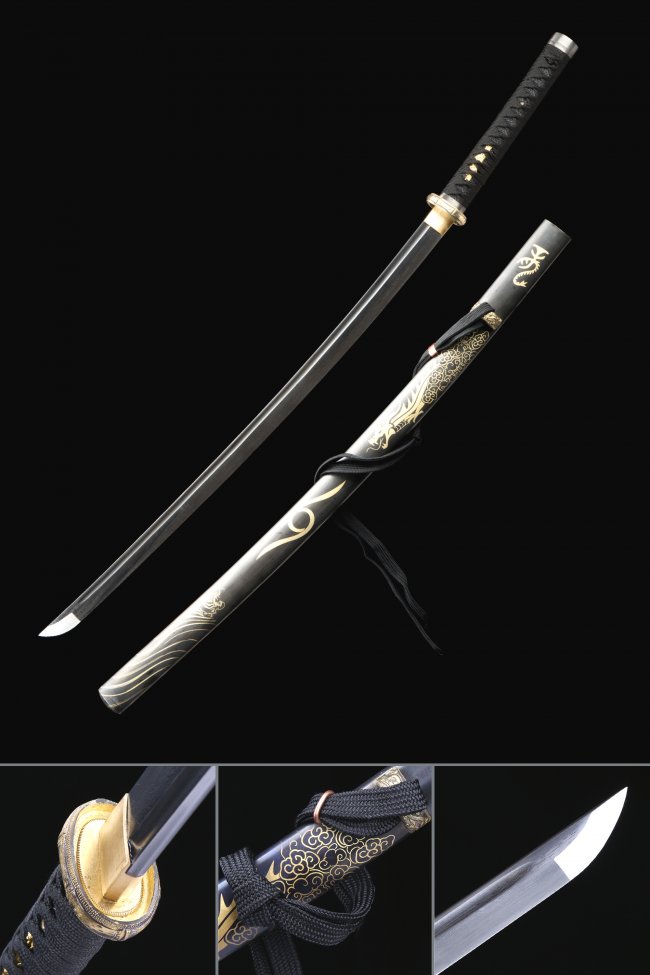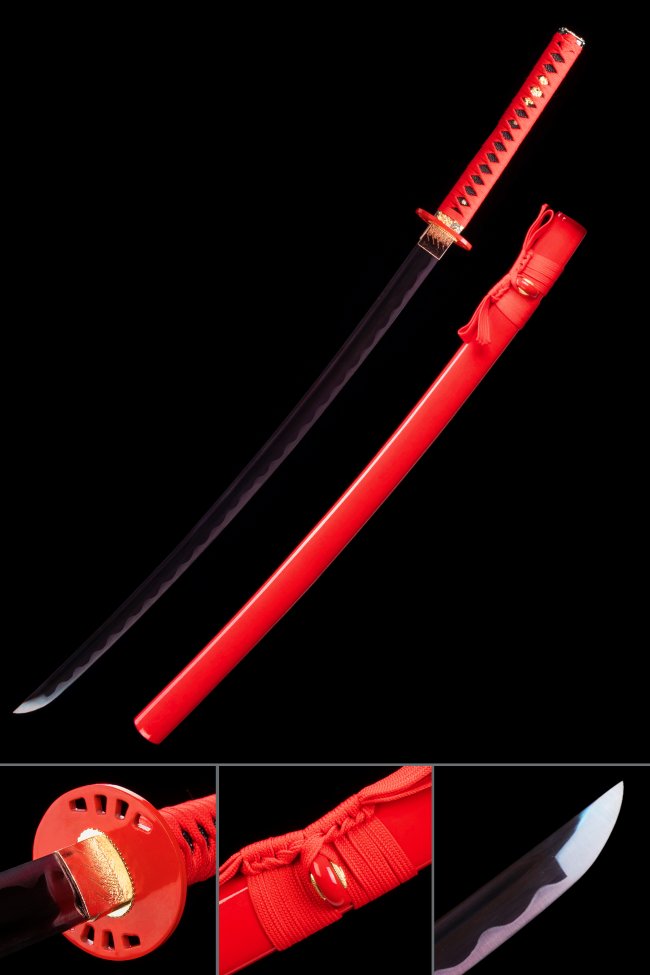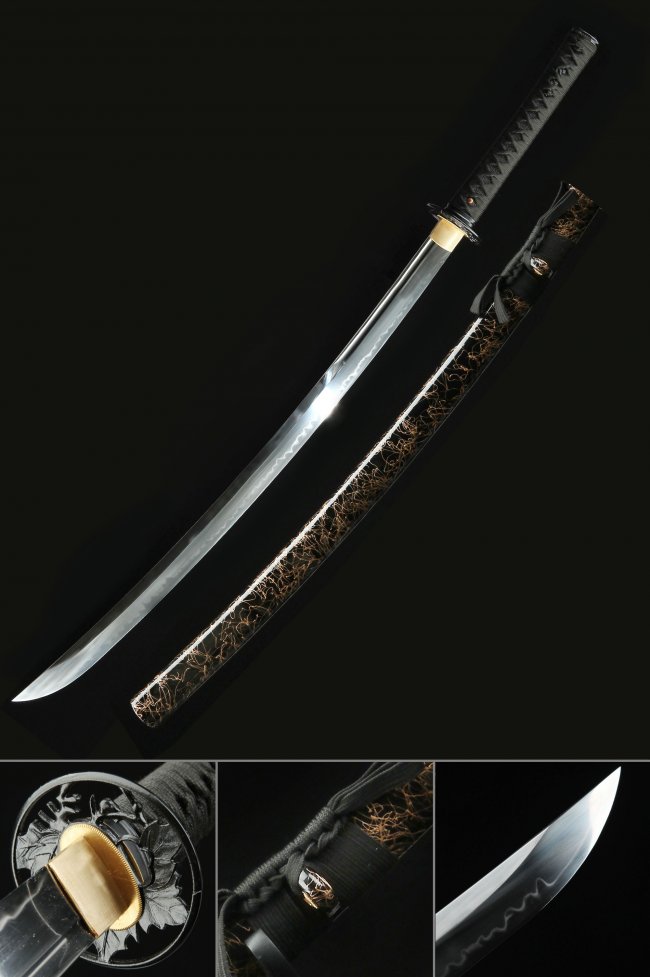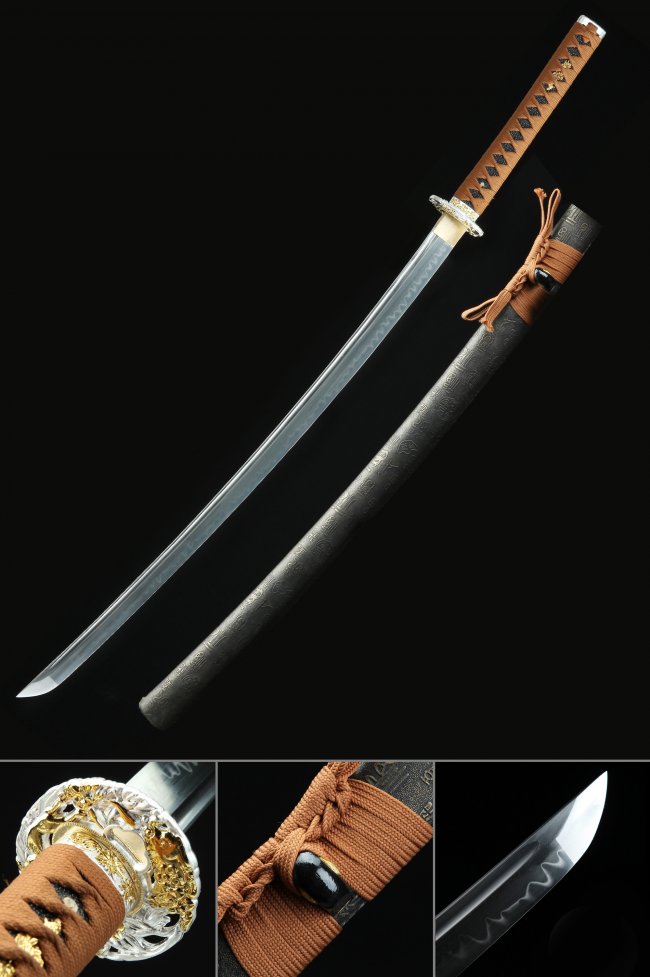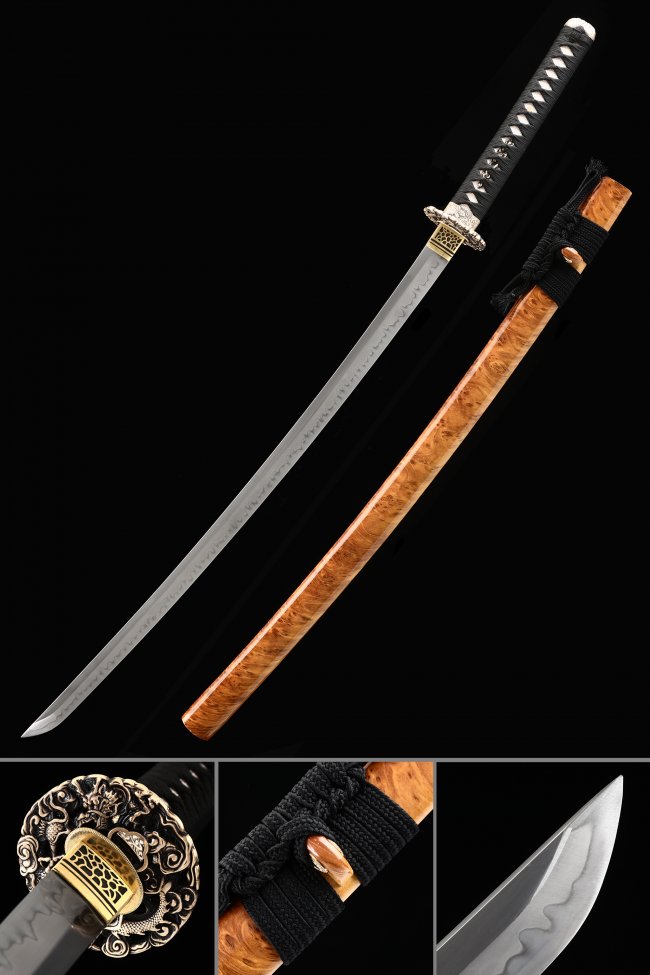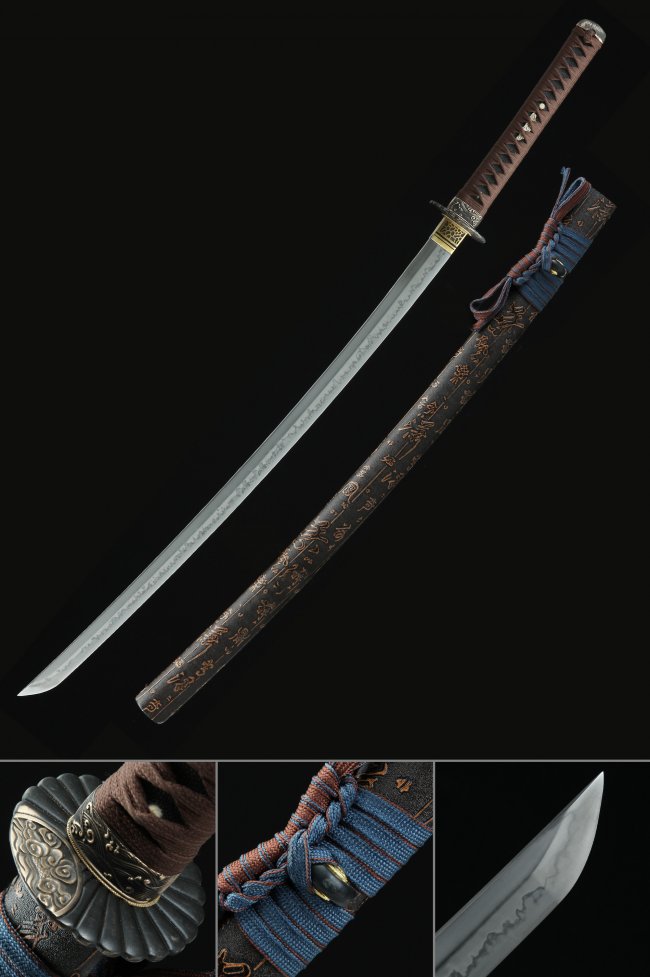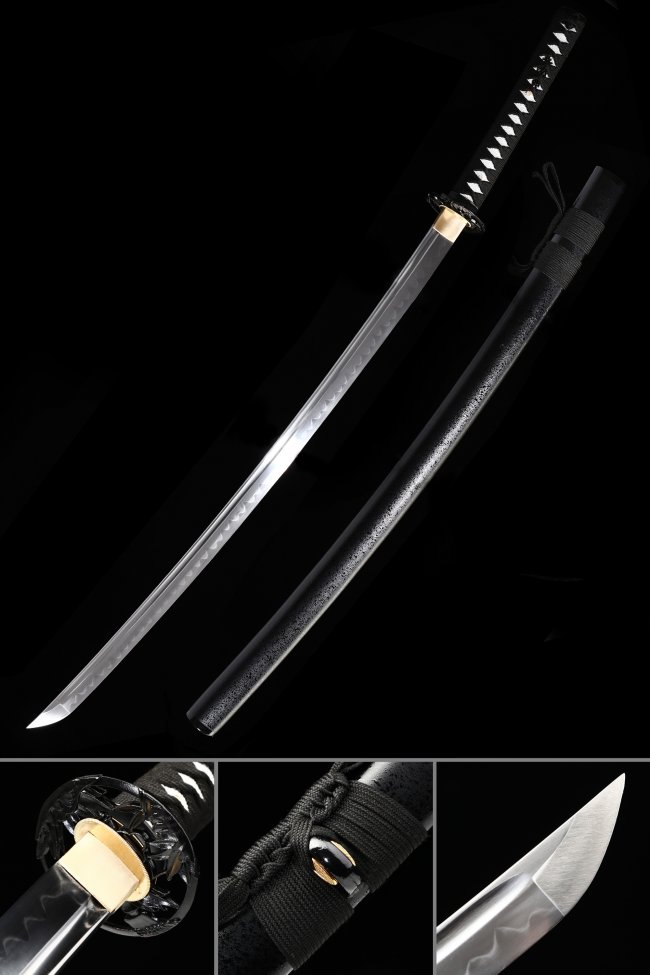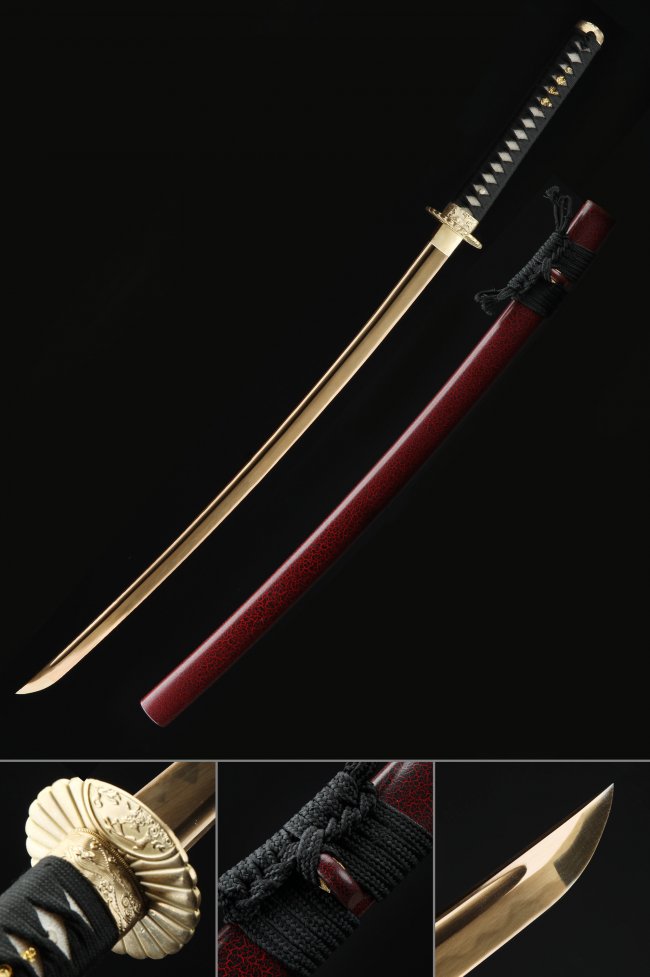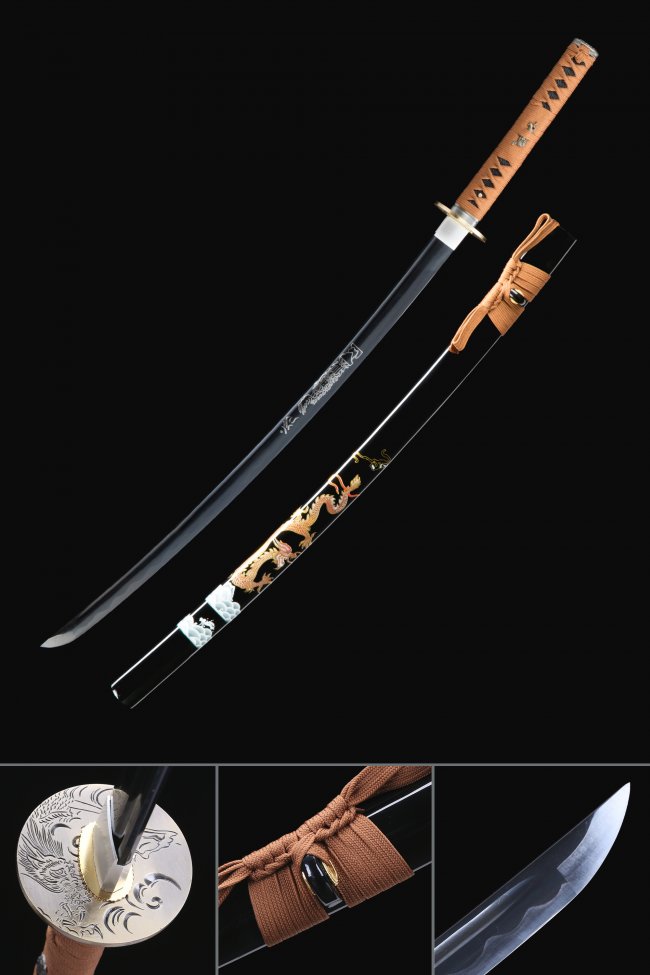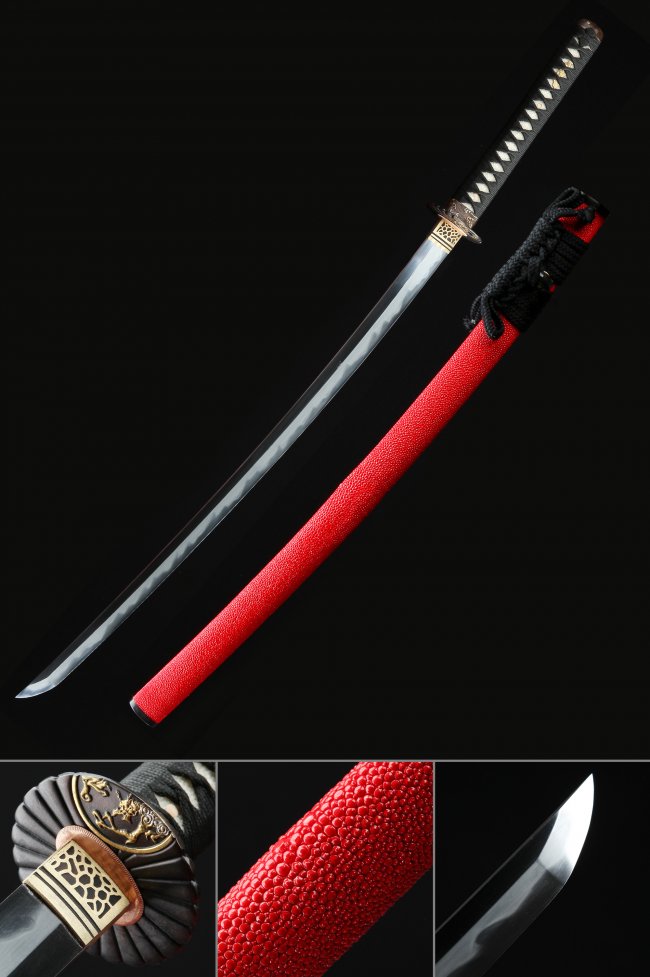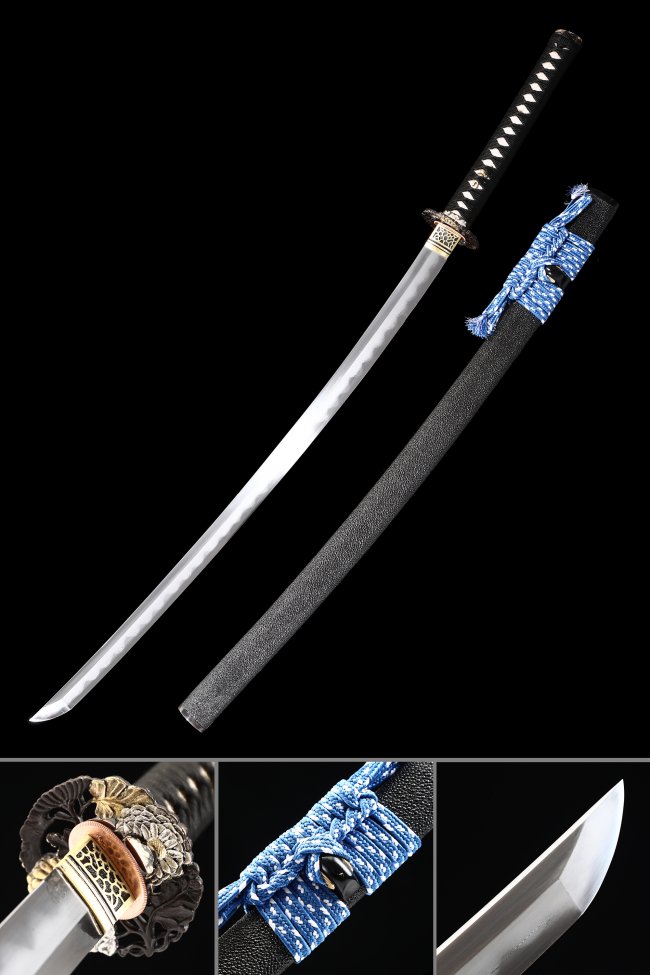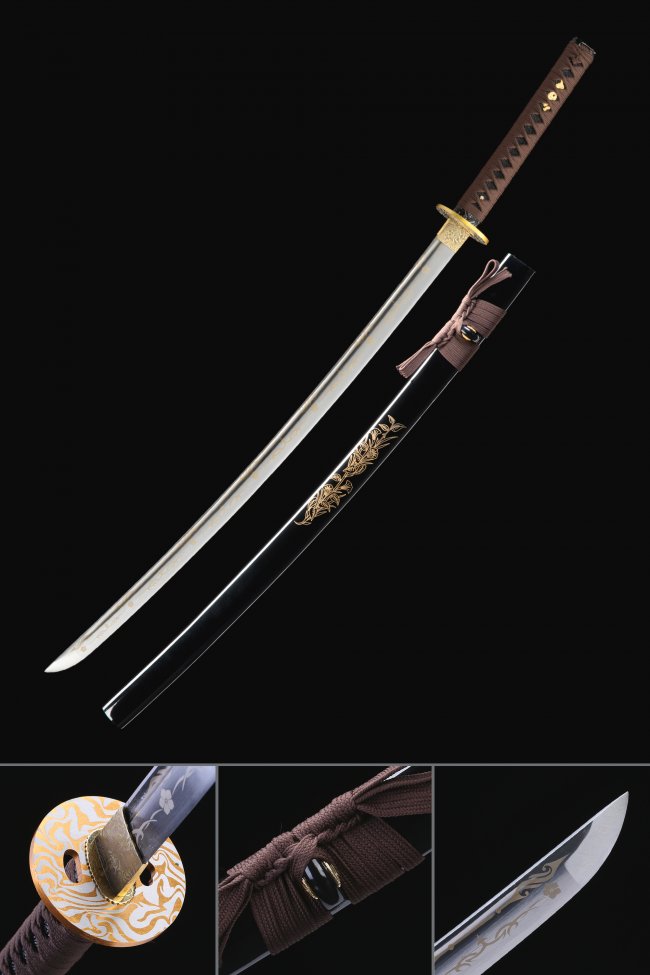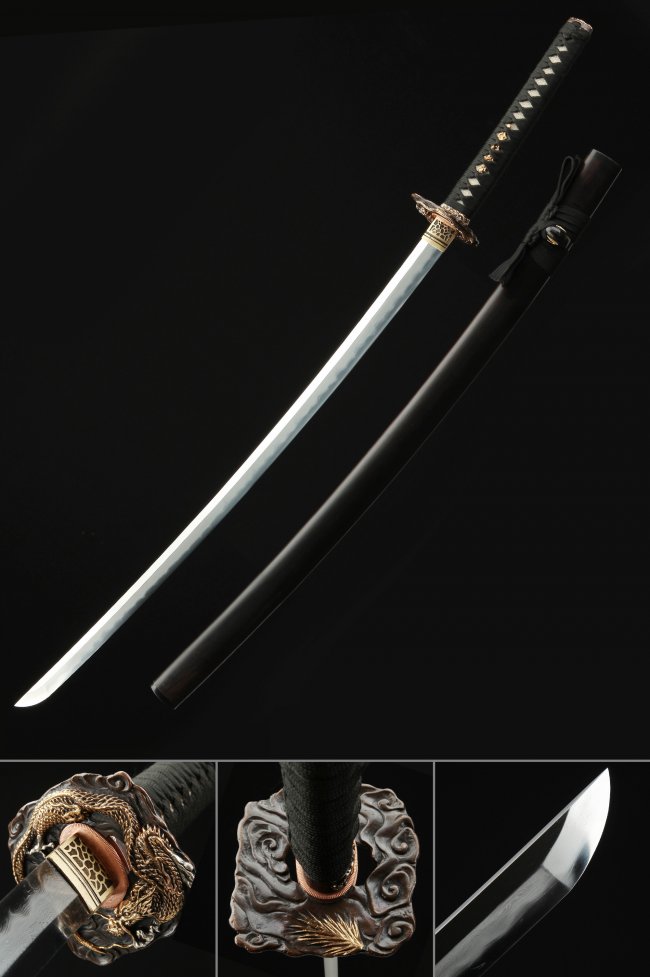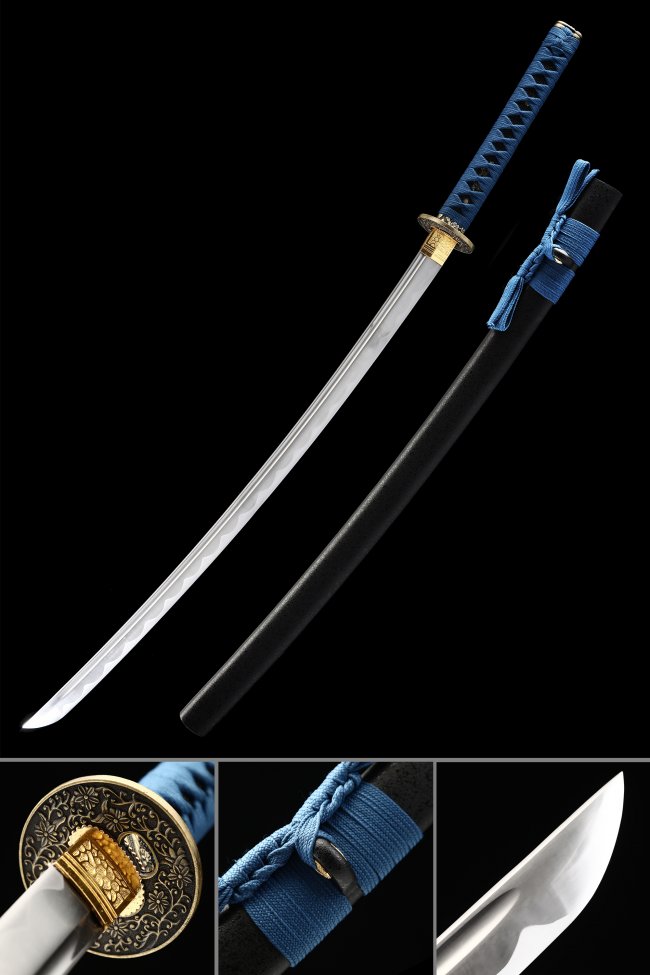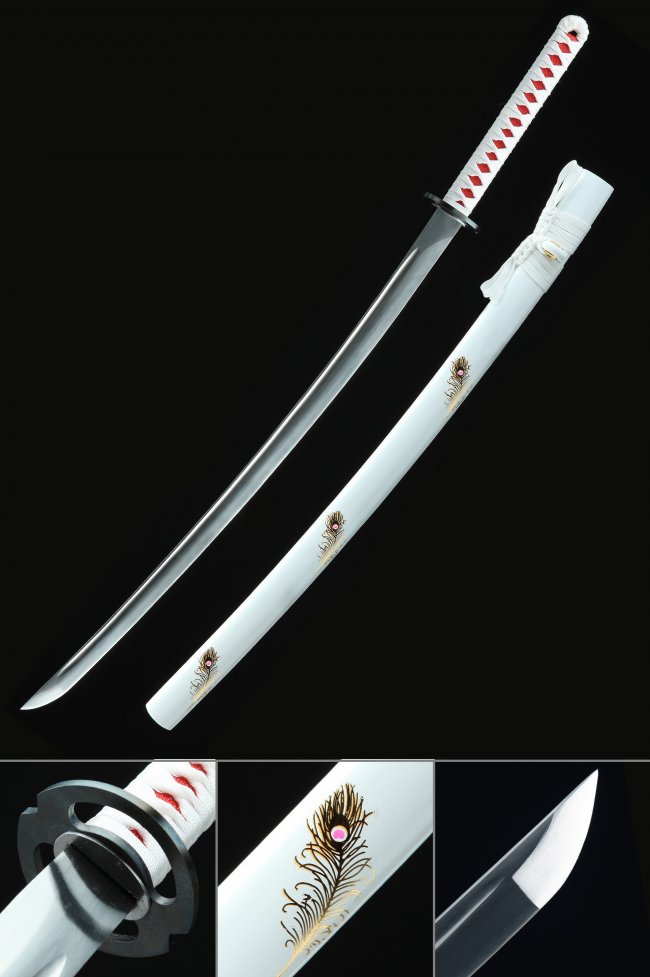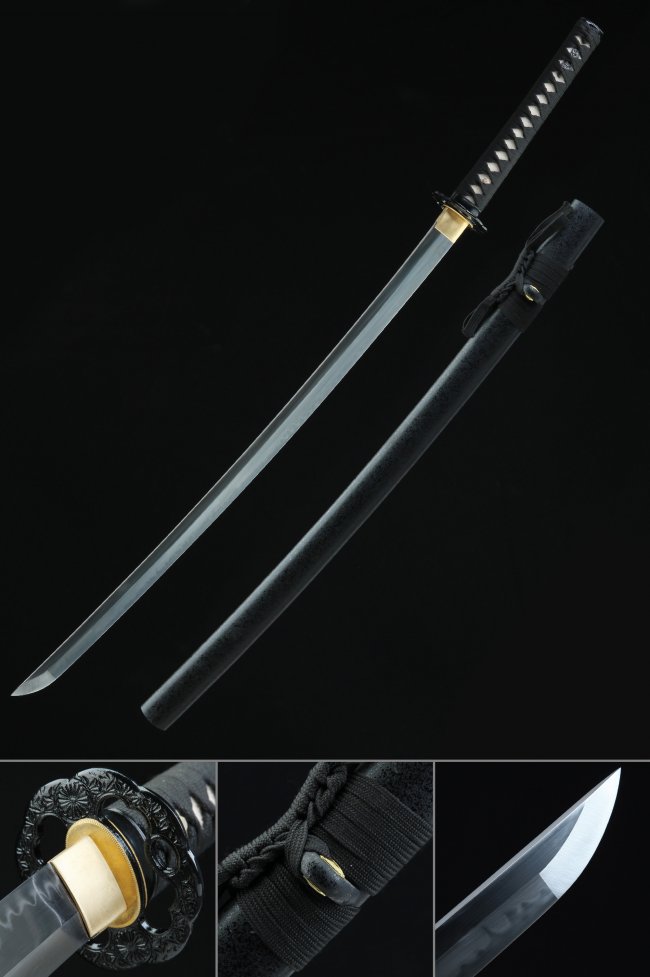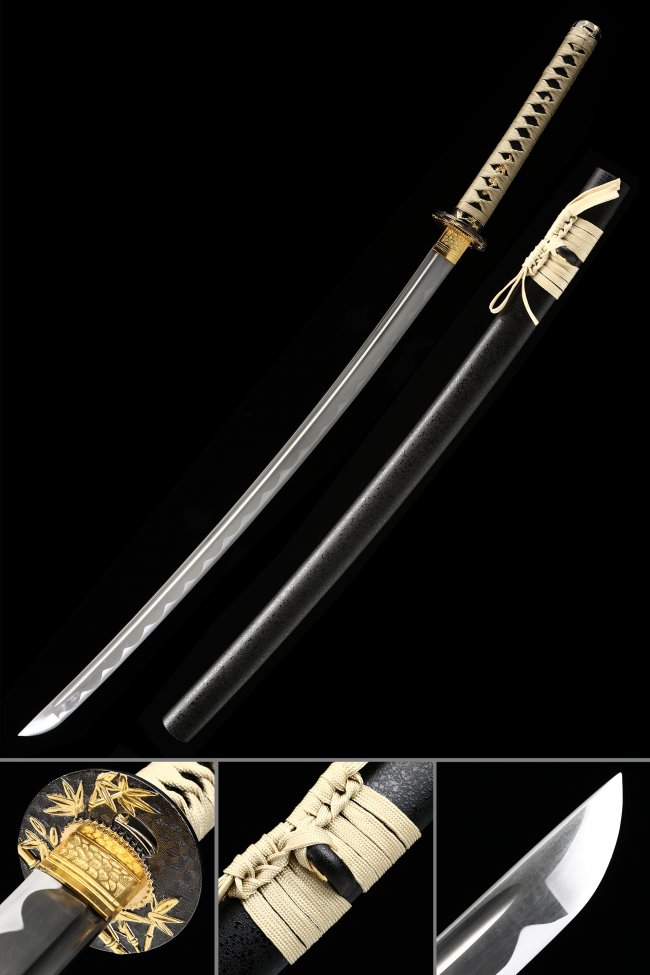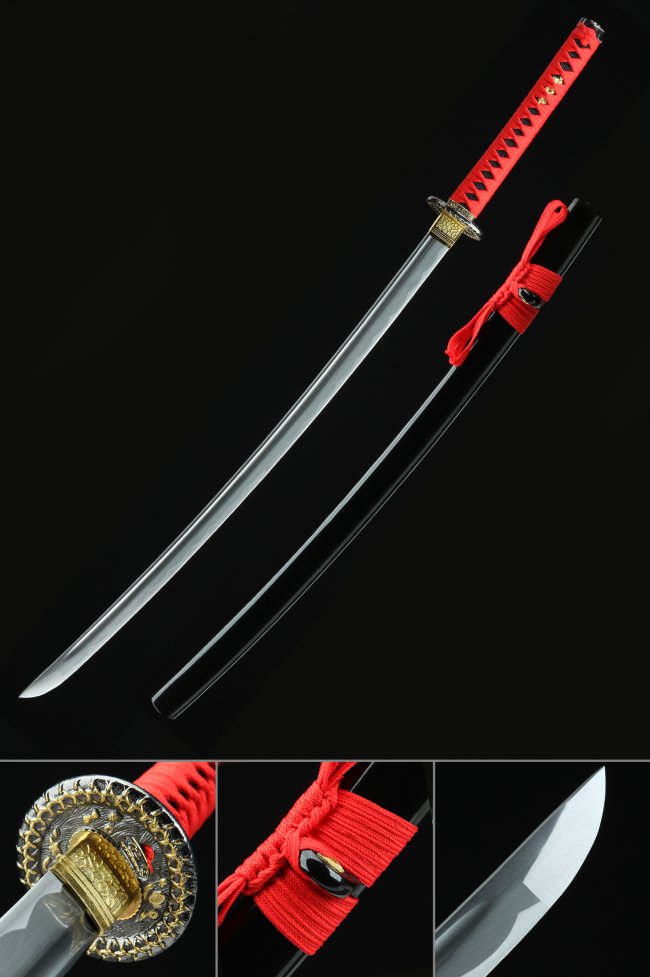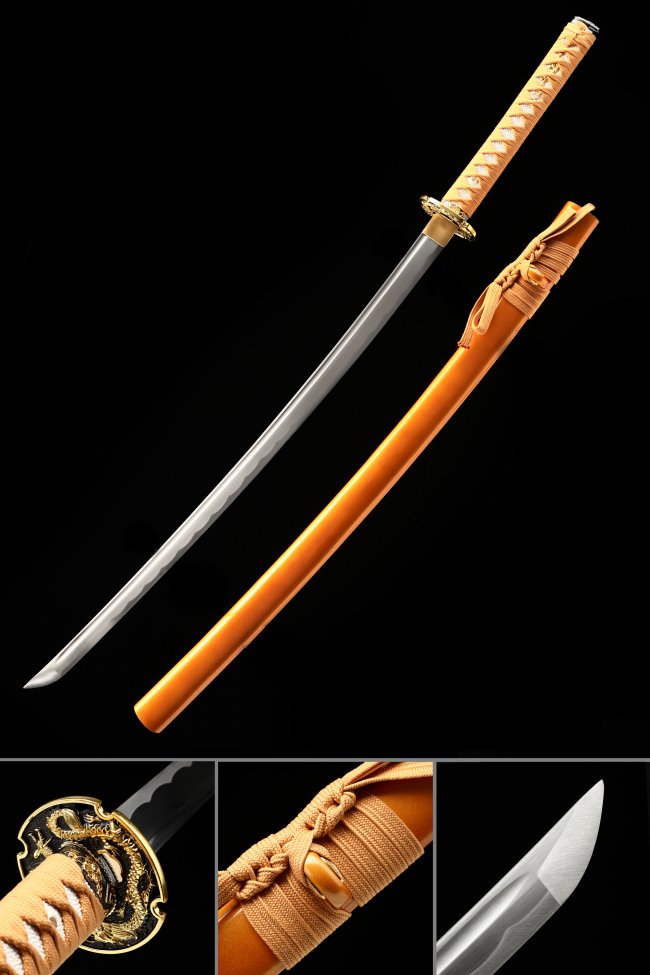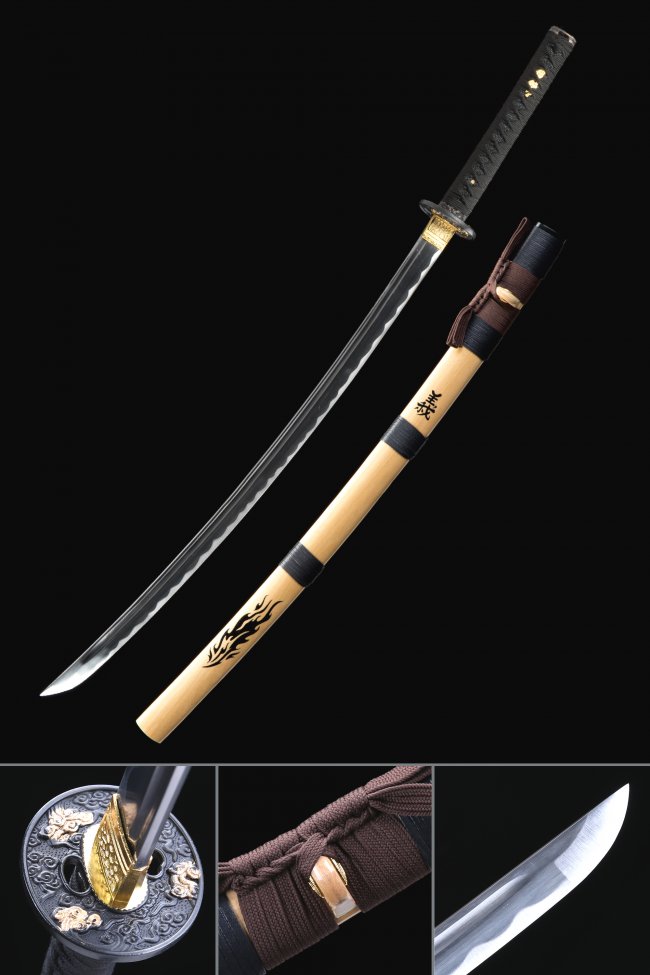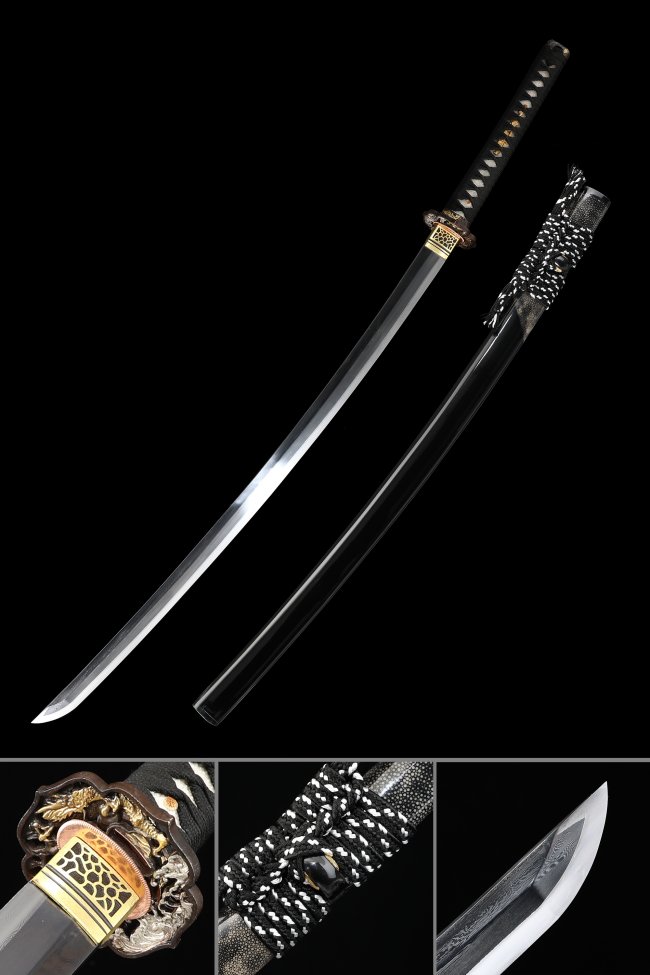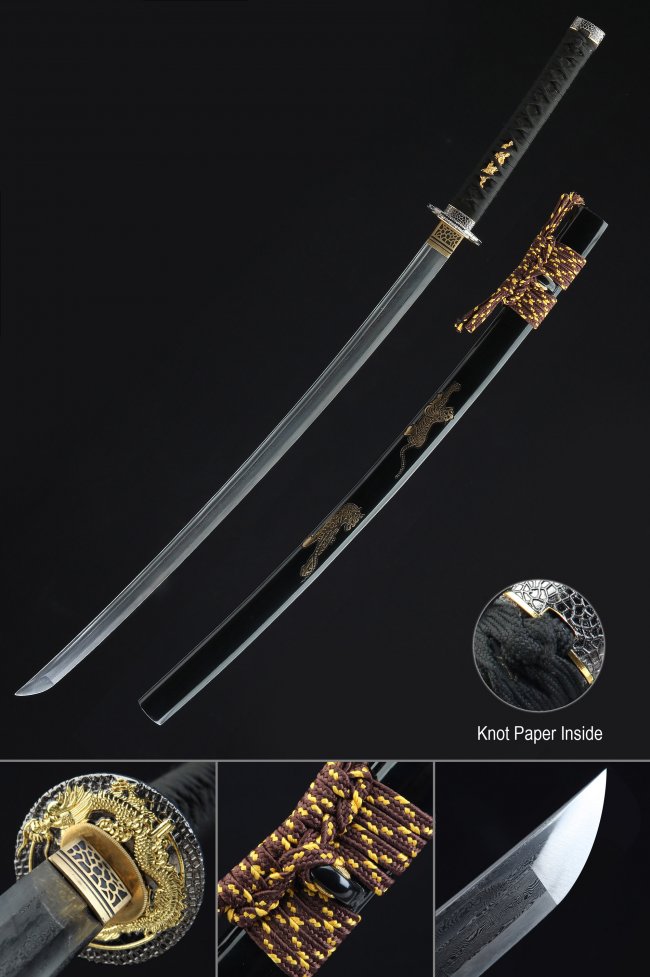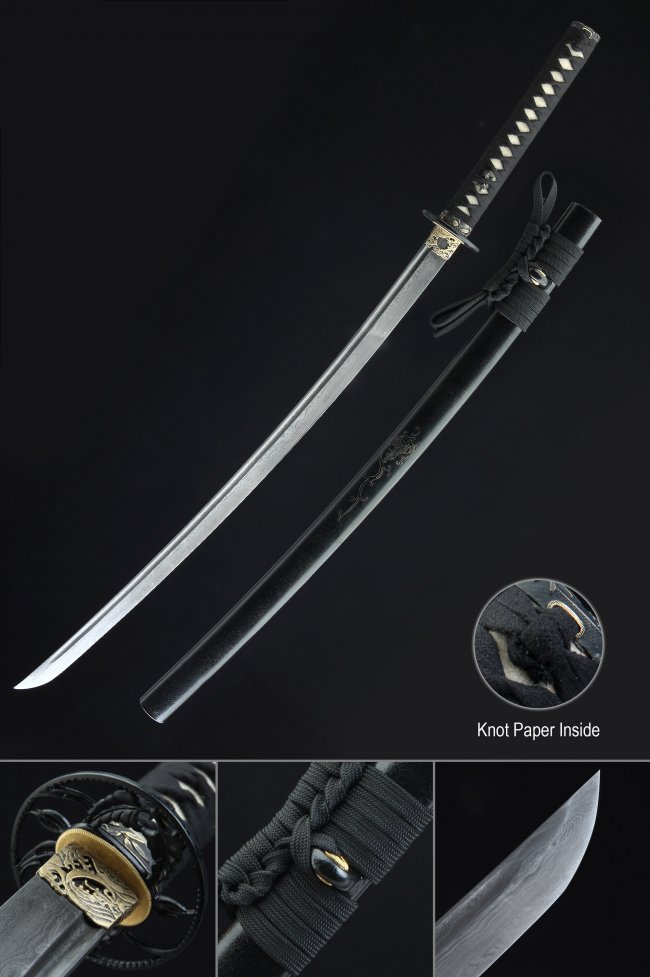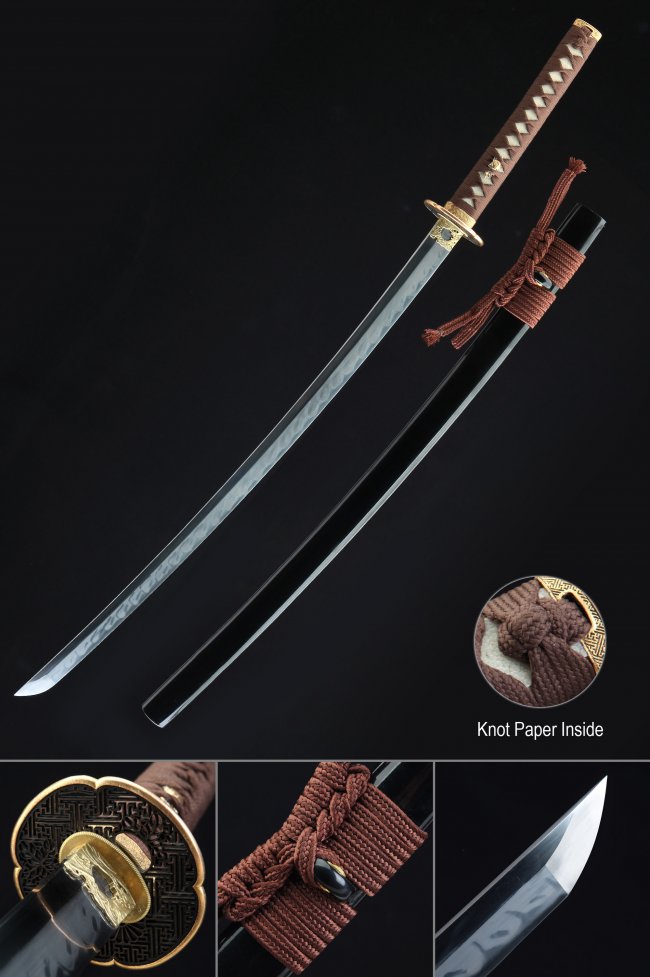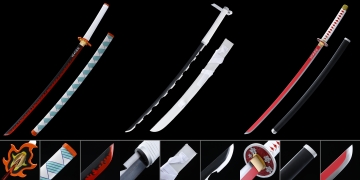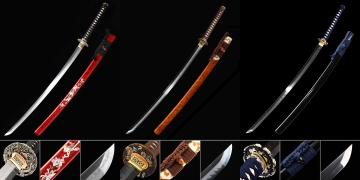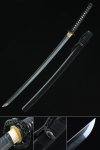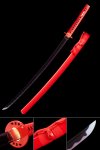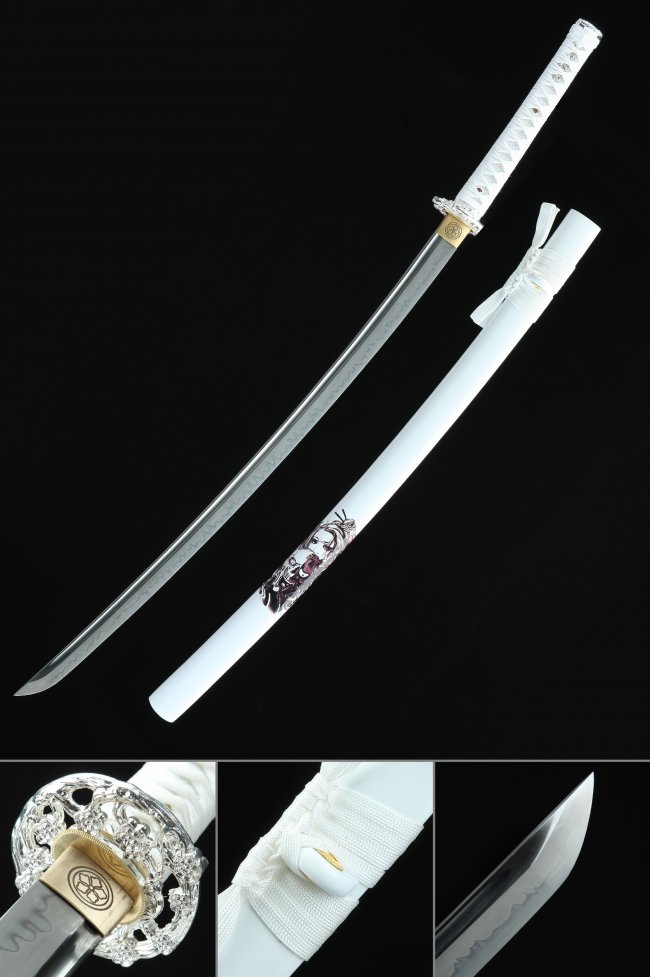
Clay Tempered Katana

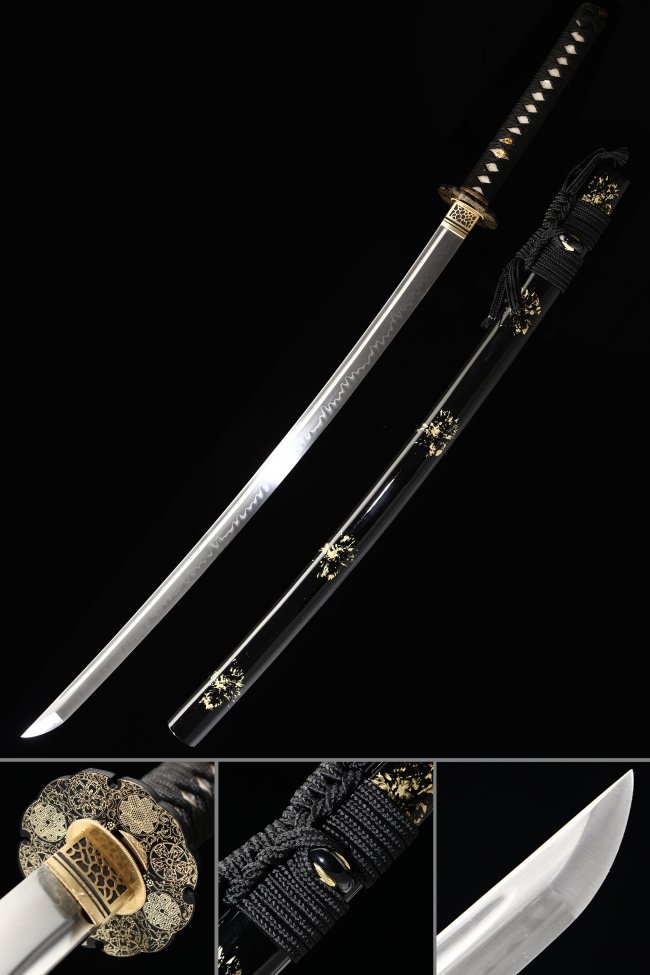
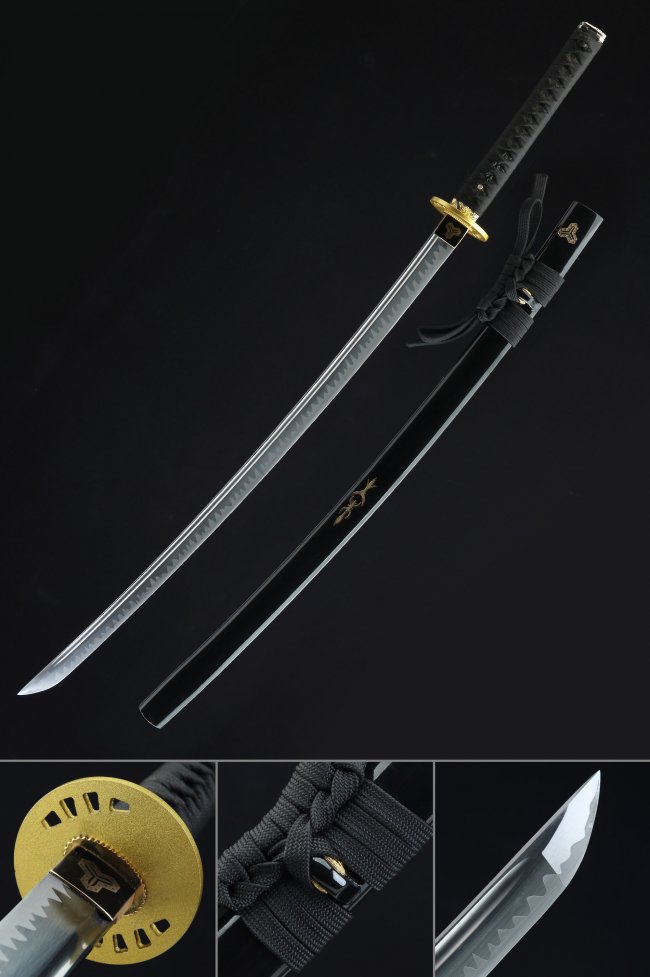
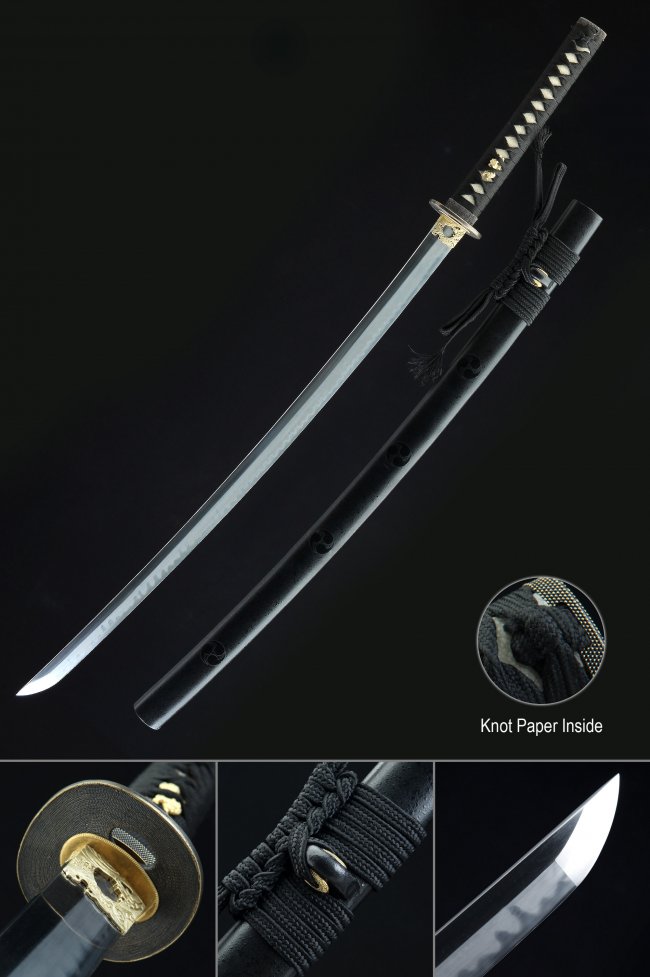
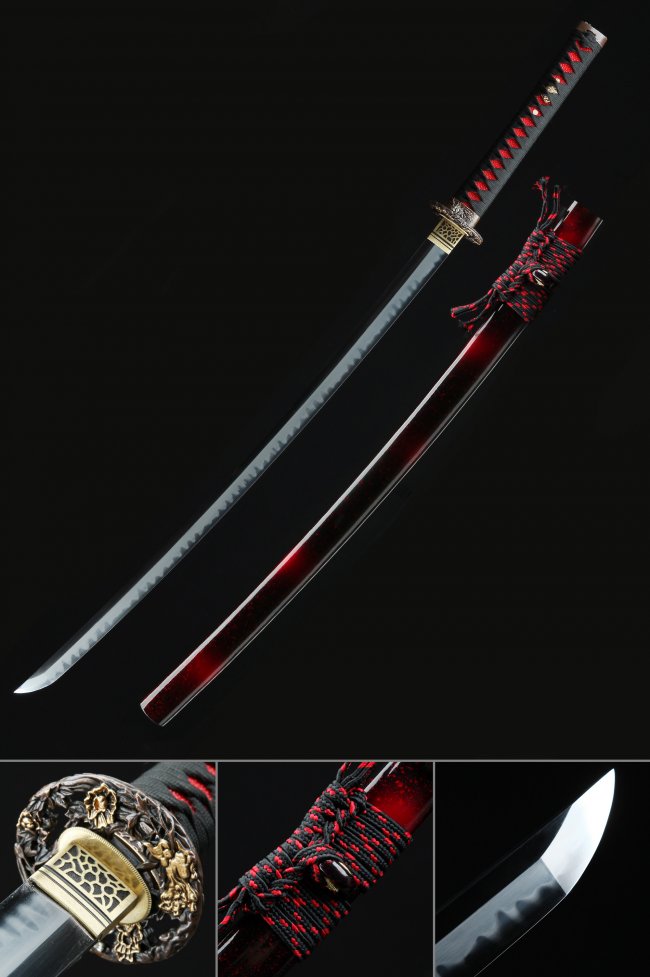
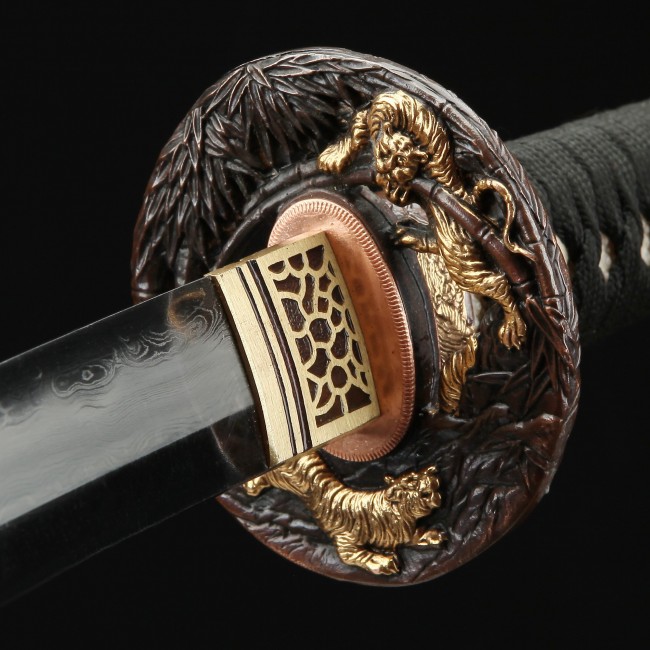
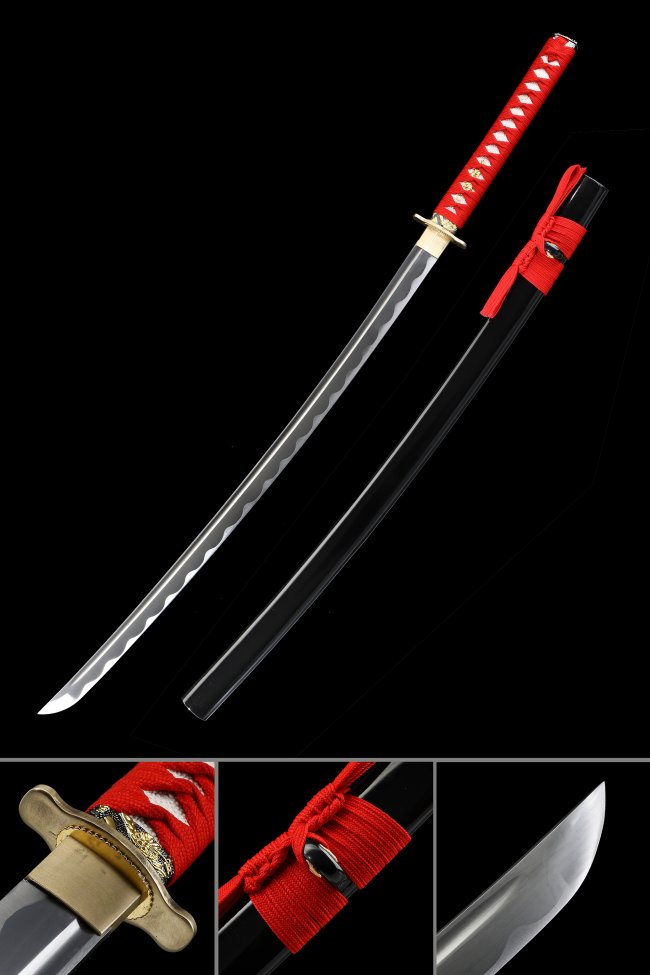
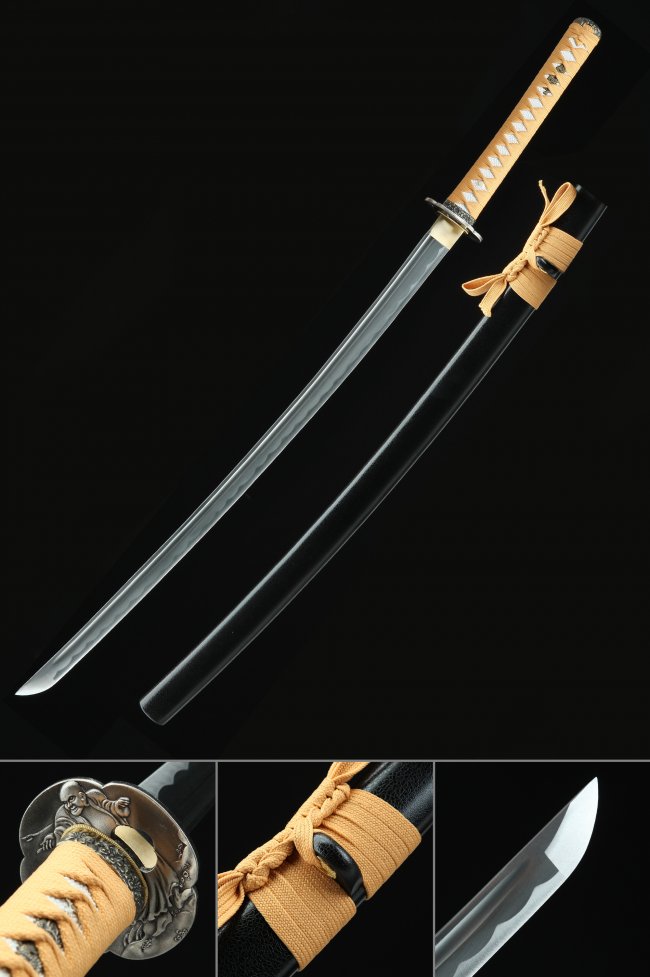
Discover our Clay Tempered Katana collection, featuring blades crafted using the traditional differential hardening technique that defines authentic Japanese sword making. Clay tempering coats the spine with refractory clay before quenching, creating a hard cutting edge and resilient spine with a visible hamon temper line unique to each blade. Free U.S. shipping and 30-day return guarantee.

Showing 120 Products
Related Collections

Japanese Tanto121 items


544 Reviews

T10 Clay Tempered Katana121 items


582 Reviews

Clay Tempered Tanto117 items


379 Reviews

Aikuchi Tanto Sword73 items


328 Reviews

Frequently Asked Questions

What is the clay tempering process?
Clay tempering involves coating the blade spine with a mixture of clay, ash, and refractory materials before heating and quenching. The insulated spine cools more slowly than the exposed edge, creating differential hardness. This produces a hard cutting edge alongside a flexible spine, with the hamon line marking the transition.
Is every hamon line unique?
Yes. The hamon pattern is determined by the exact thickness and composition of the clay coating, the quenching temperature, and the cooling medium. Even blades by the same smith using the same technique produce different hamon patterns. This uniqueness is one of the most valued aspects of clay tempered swords.
Which steel type shows the best hamon?
T10 tool steel generally produces the most dramatic and active hamon lines due to its carbon and tungsten content. 1095 high carbon steel also produces beautiful hamon with finer detail. Standard carbon steels can show hamon lines, but the effect is typically more subtle.
Does clay tempering affect blade performance?
Yes, positively. The hard edge retains sharpness longer than a uniformly tempered blade, while the flexible spine resists cracking under lateral stress. This dual-nature construction is the fundamental engineering principle behind traditional Japanese sword design.

Customer Reviews