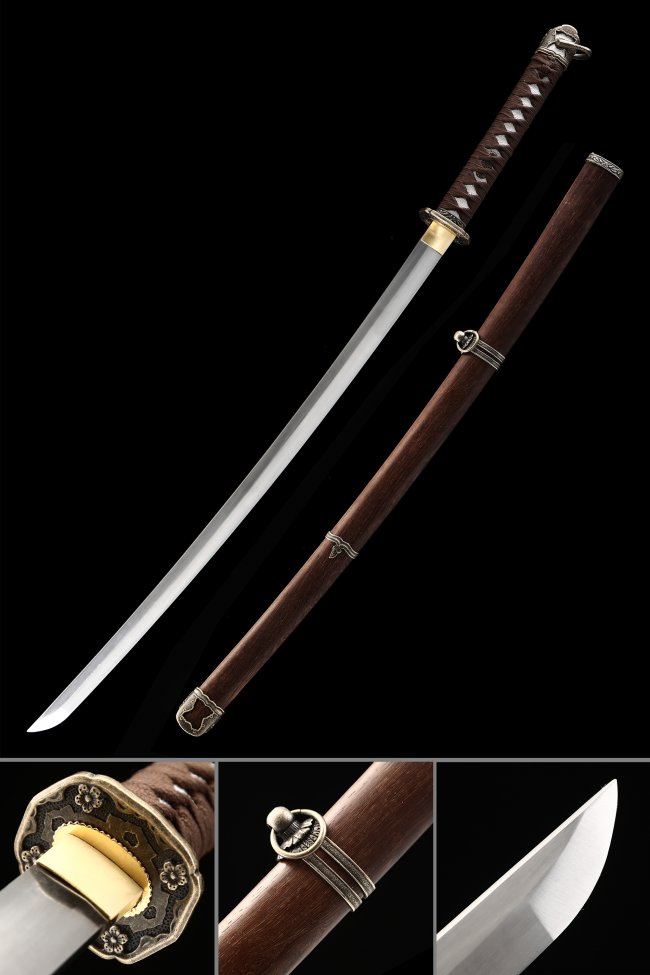
WW2 Katana

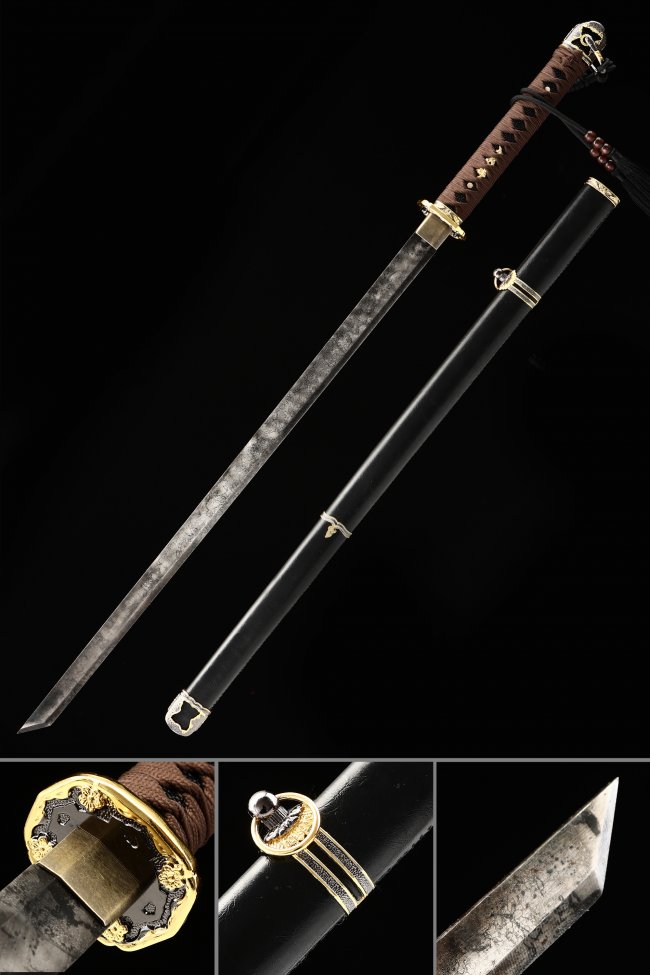
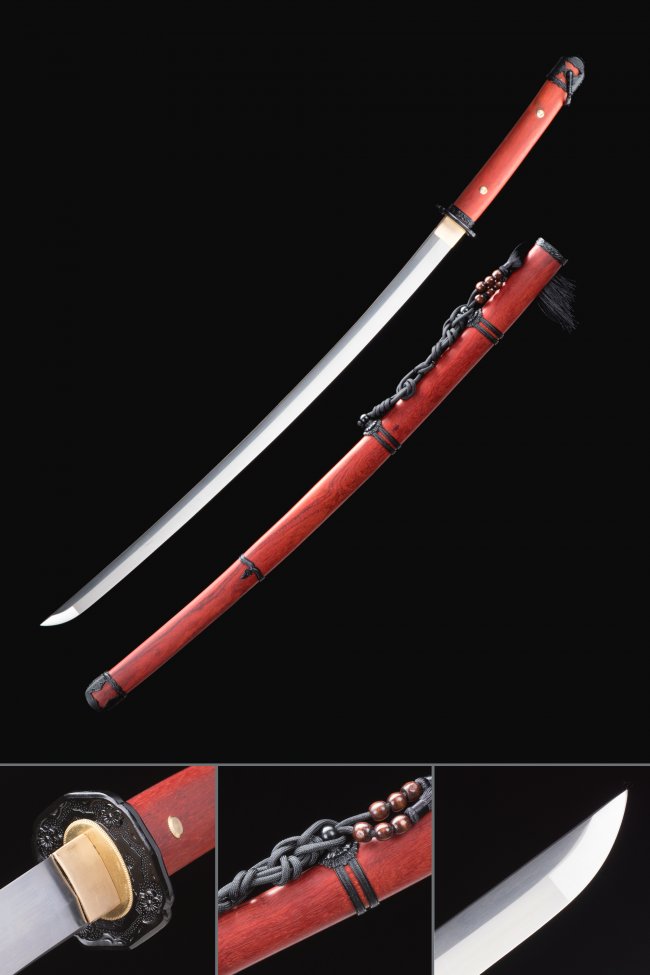
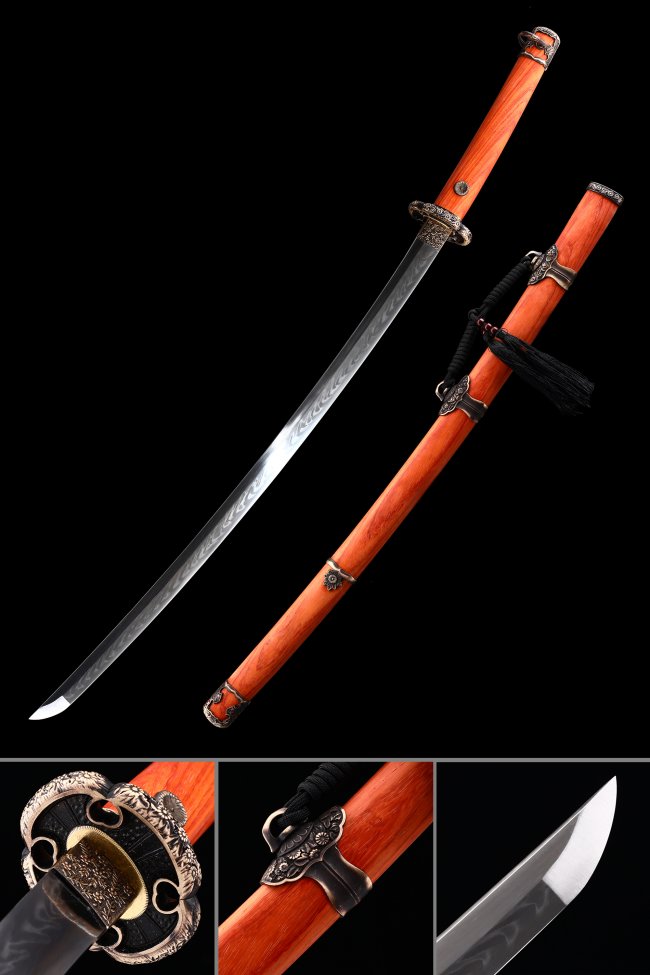
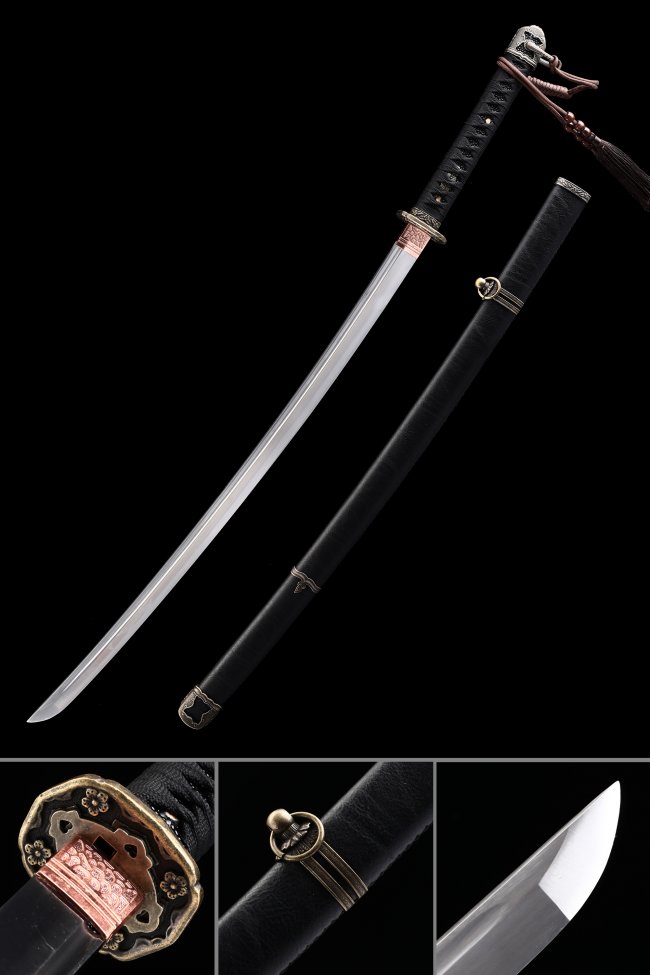
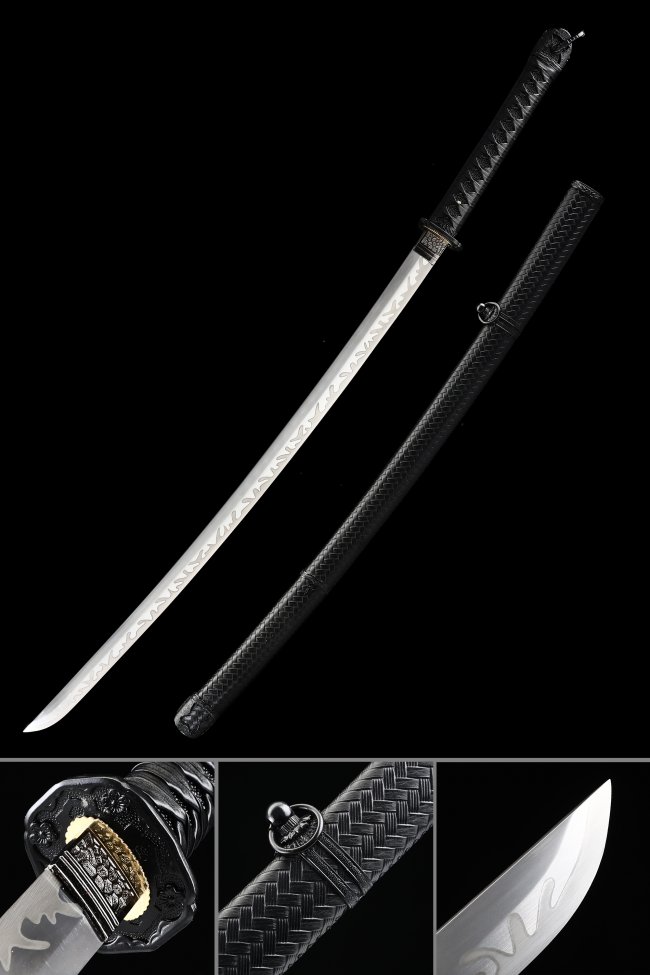
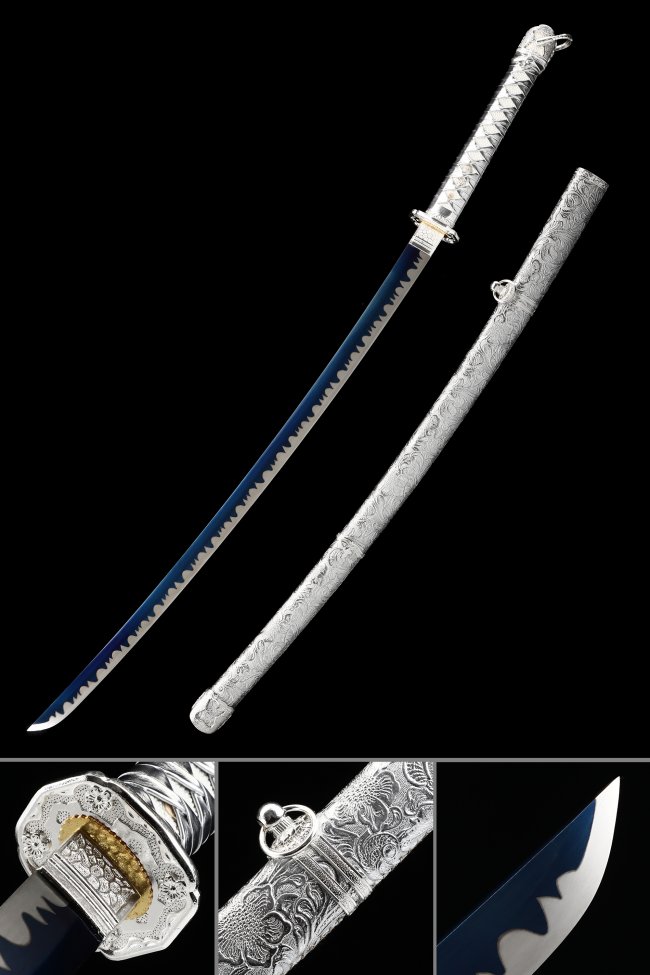
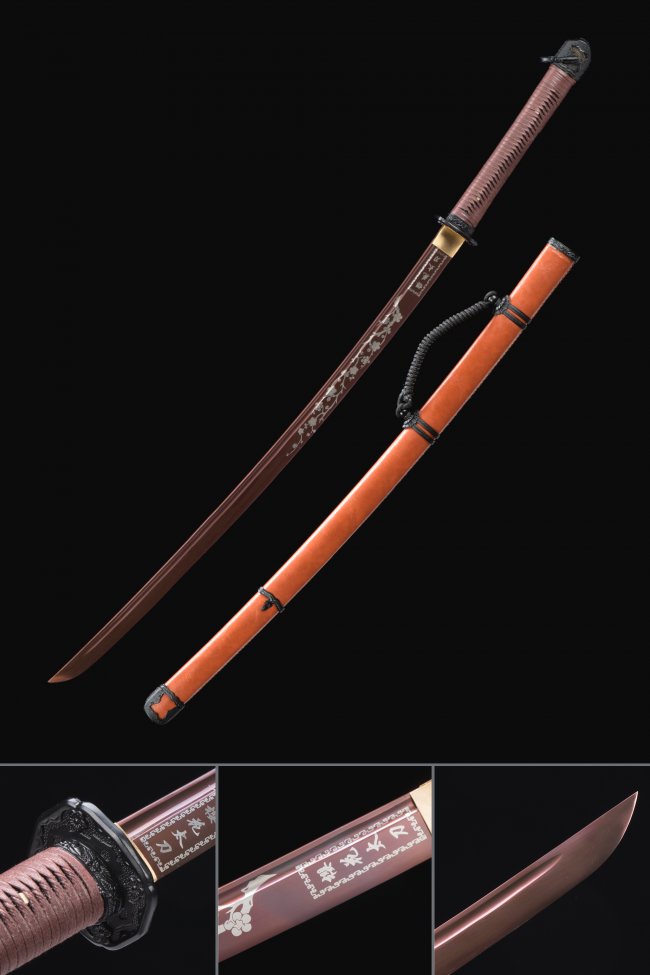
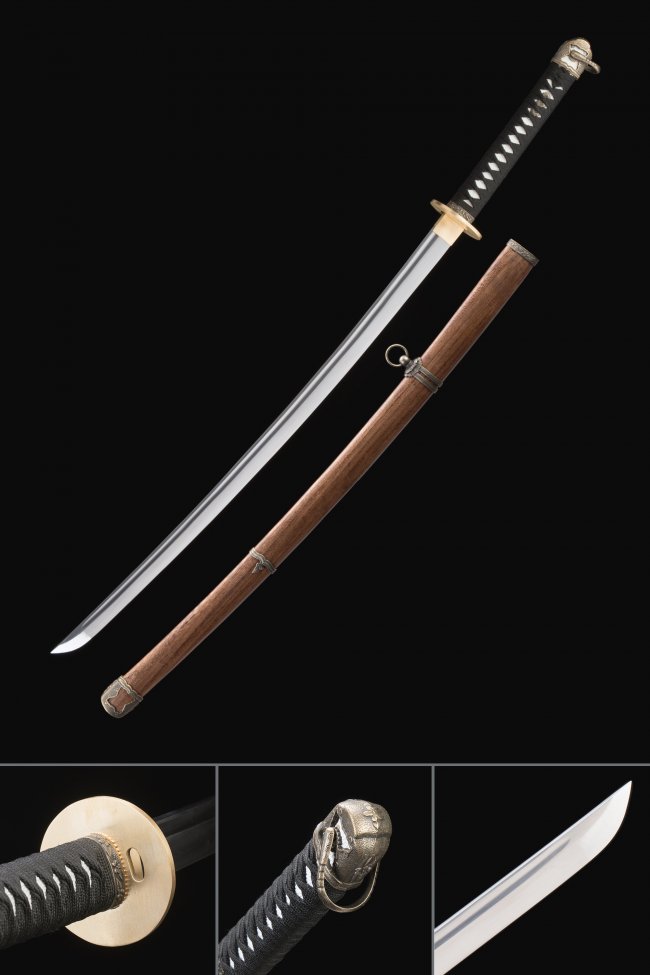
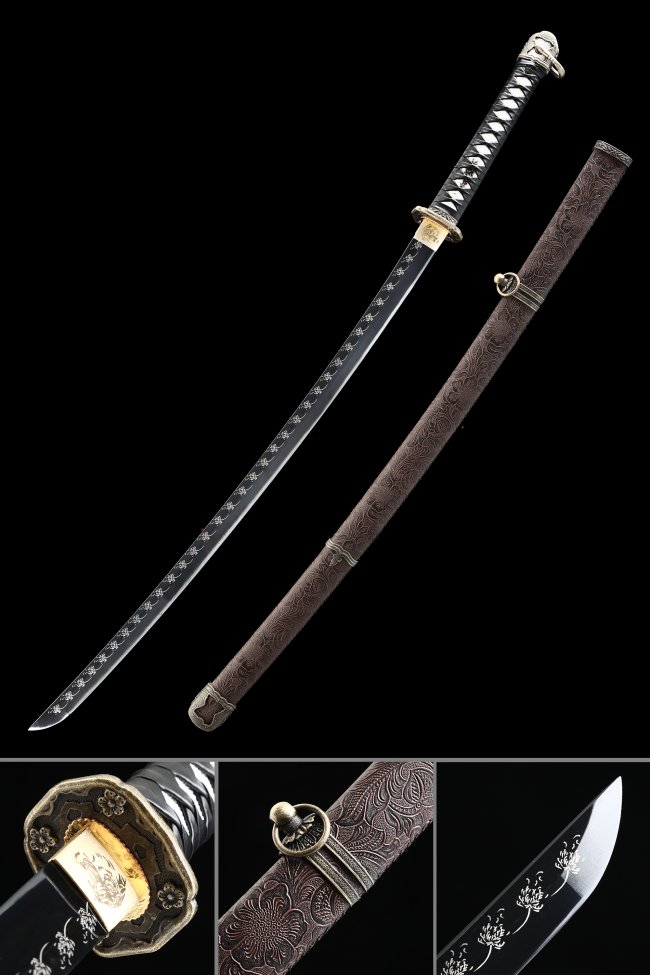
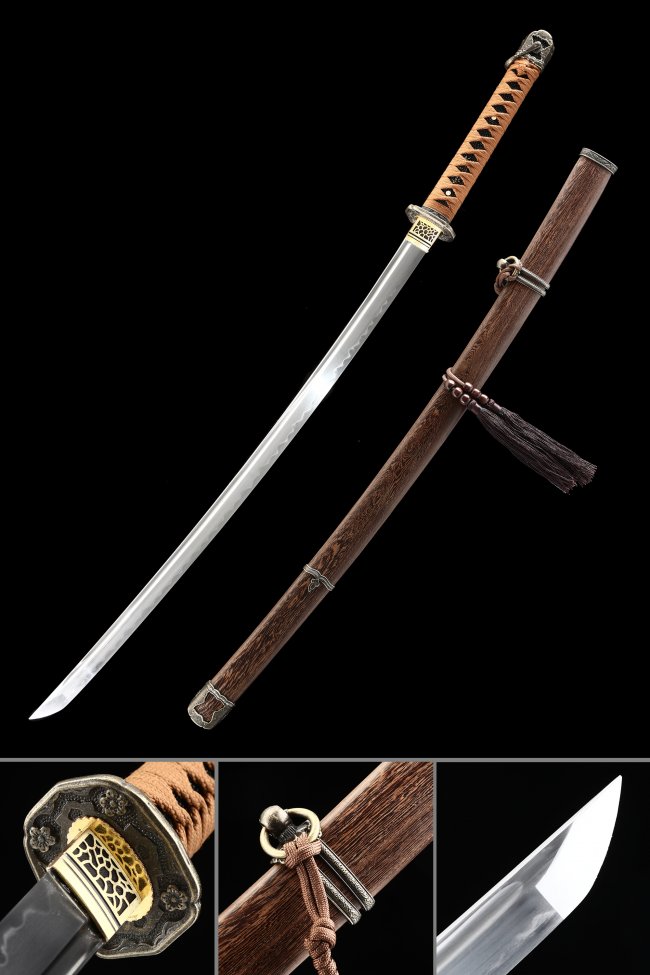
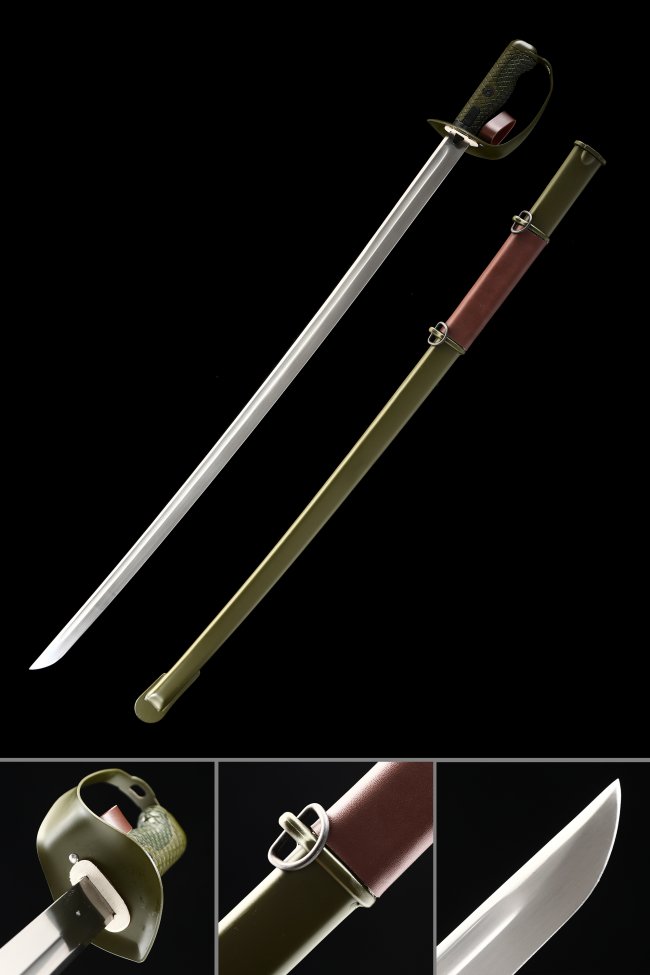
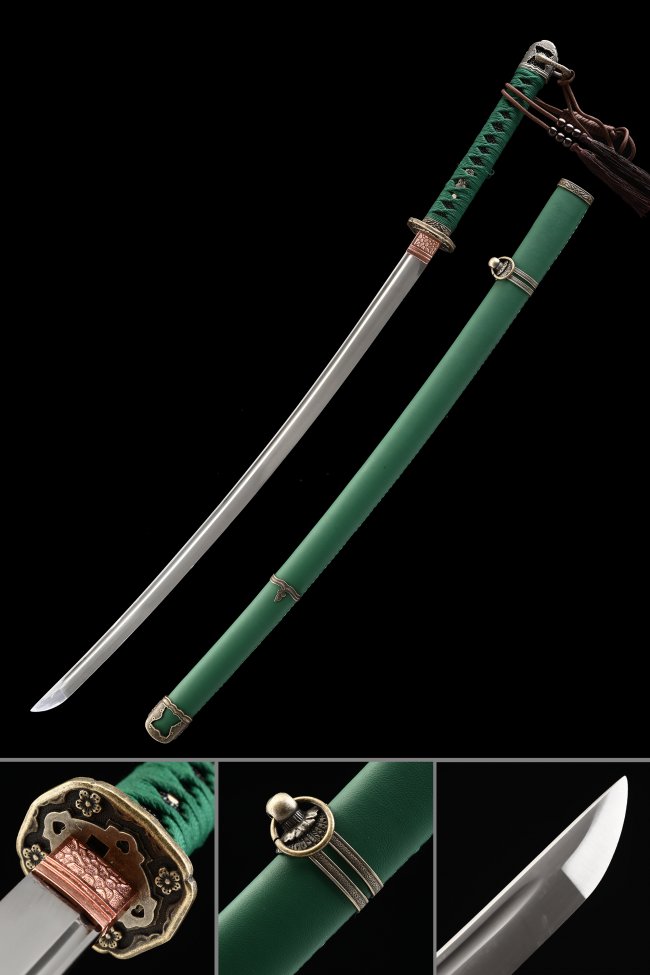
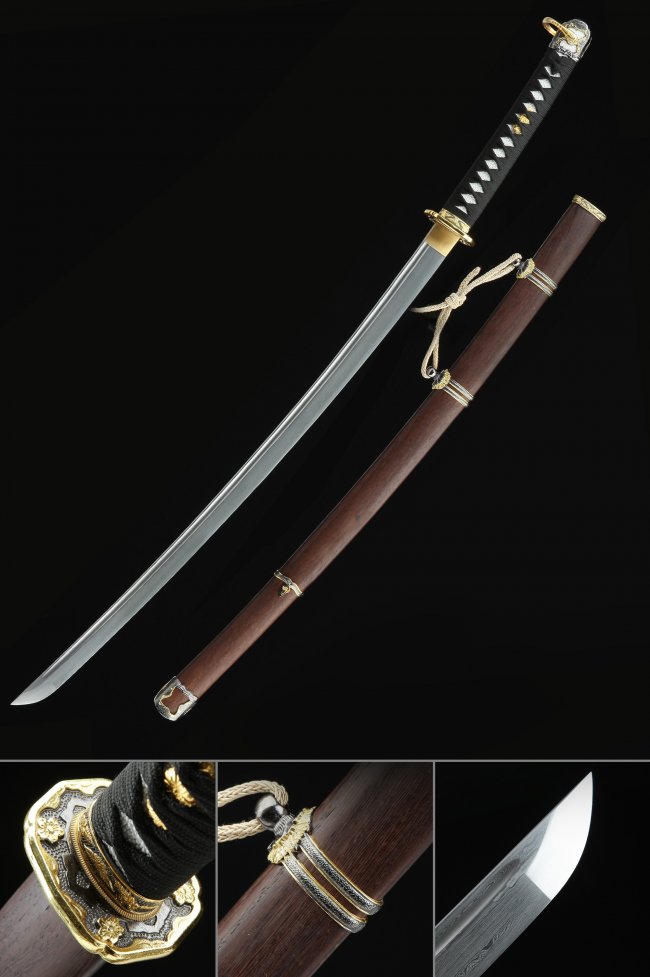
Our WW2 Katana collection brings together meticulously hand-forged replicas of Japanese Imperial-era officer swords, spanning Type 98 Shin Gunto variants in Damascus steel, 1095 high-carbon steel, T10 clay-tempered steel, and manganese steel - each paired with period-accurate fittings, ray-skin wraps, and historically styled saya. Designed for serious collectors and history enthusiasts, these pieces honor the craftsmanship traditions of wartime Japanese sword production with striking visual authenticity. Every order ships free with hassle-free returns, so you can add to your collection with complete confidence.

Showing 25 Products

Related Collections

Black Steel Katana116 items


1115 Reviews

Ninjato Sword122 items


605 Reviews

Damascus Steel Katana257 items


526 Reviews

Silver Ninjato5 items


3 Reviews

Frequently Asked Questions

What is a Type 98 Shin Gunto and why is it collectible?
The Type 98 Shin Gunto was the standard-issue officer sword of the Imperial Japanese Army, formally adopted in 1938. Unlike earlier military swords such as the Kyu Gunto — which drew heavily on Western cavalry sword design — the Type 98 was a deliberate return to traditional tachi-style construction, featuring a curved blade, ray-skin handle wrap, and classical Japanese fittings. Officers were encouraged to commission or inherit privately made blades, meaning original Type 98 swords could vary significantly in steel quality and craftsmanship. Today, faithful replicas are prized by military history collectors for their visual authenticity, their place in 20th-century history, and the technical artistry involved in recreating period-accurate fittings and blade geometry.
How does Damascus steel differ from 1095 carbon steel in these replicas?
Damascus steel is produced by forge-welding and folding multiple layers of steel together, creating a blade with a distinctive wavy or flowing grain pattern visible on the surface. Each Damascus blade is visually unique, making it especially appealing for display collectors who value aesthetic individuality. The layer count and folding pattern influence both visual complexity and structural character. By contrast, 1095 high-carbon steel is a mono-steel alloy with approximately 0.95% carbon content, offering excellent hardness and edge retention. When differentially hardened, 1095 blades develop a clearly defined hamon — the temper line — that is highly regarded among purists for its traditional appearance. Both materials produce exceptional collectible pieces; the choice typically comes down to whether the collector prioritizes visual drama (Damascus) or classical Japanese blade aesthetics (1095 with hamon).
What does clay tempering do to a T10 steel katana blade?
Clay tempering — known as tsuchioki in Japanese sword-making — involves coating the spine of the blade with a clay mixture before the final quench. The clay insulates the spine, causing it to cool more slowly and remain relatively tough and flexible, while the uncoated edge cools rapidly, becoming significantly harder. The boundary between these two zones forms the hamon, the wavy or straight temper line visible along the blade's surface. On T10 steel, which contains trace tungsten for enhanced wear resistance, this process produces a particularly vivid and active hamon. For collectors, a clay-tempered T10 blade represents a meaningful commitment to traditional methodology and offers one of the most visually striking blade finishes available in the replica market.
How should I store and maintain a WW2 katana replica for long-term display?
Proper storage significantly extends the life and appearance of any hand-forged collectible blade. Carbon steel blades — including 1060, 1065, 1095, and T10 variants — are susceptible to oxidation if left unprotected. Apply a thin coat of choji oil or a food-grade mineral oil to the blade surface every two to three months, or more frequently in humid climates. Always handle the blade with clean cotton gloves or a soft cloth to prevent fingerprint acids from etching the steel. Horizontal display mounts are preferable to vertical storage for long-term preservation of the saya lacquer and handle wrapping. Keep the piece away from direct sunlight and extreme humidity. Damascus blades may require a light acid-neutralizing wipe after oiling to preserve the etched layer pattern. Leather saya should be conditioned periodically with a leather balm to prevent cracking.
Is a Shin Gunto replica a good gift for a military history collector?
A Shin Gunto replica is one of the more thoughtful and distinctive gifts available for someone seriously interested in WWII Pacific theater history or Japanese military heritage. Unlike mass-produced commemorative items, a hand-forged replica with historically accurate fittings — proper tsuba design, ray-skin handle, period-correct saya — communicates a genuine understanding of the subject matter. For a recipient new to collecting, a 1060 or 1065 carbon steel option offers a compelling entry point with attractive aesthetics at an accessible tier. For the established collector, a T10 clay-tempered piece or a Damascus Shin Gunto with gold brass saya and ornate tsuba adds meaningful variety to an existing display. Pairing the sword with a compact companion piece such as a Short Tanto creates a visually cohesive gift set that references the full suite of edged pieces an Imperial officer might have carried.

Customer Reviews

Martin Siebert Maryland, United States

Placed the order on July 14th and received the sword today. Apparently when TrueKatana says "in stock" that means in stock in China.....still, the tracking was not bad at all, I could log on and get info anytime, right up until delivery. I admit I was apprehensive about paying this much for a Katana, but I have to say that it has exceeded my expectations and I am very happy with this purchase. r
The fit and finish is absolutely perfect, I cannot find a flaw in this blade, handle or scabbard. It even came with a neat silk lined case that I wasn't expecting. The Hamon is perfect, the blade has a beautiful taper and it is true to all the features of a WWII type 98 Shin Gunto. Anyone worried about the quality matching the price should buy with confidence, you will not be disappointed with this Katana!!!!!!

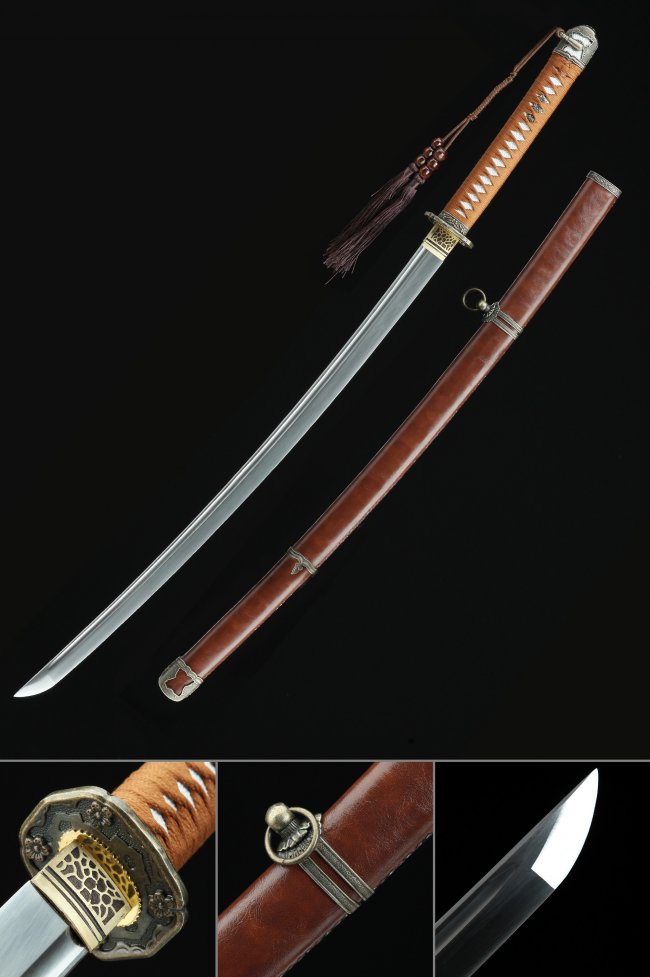
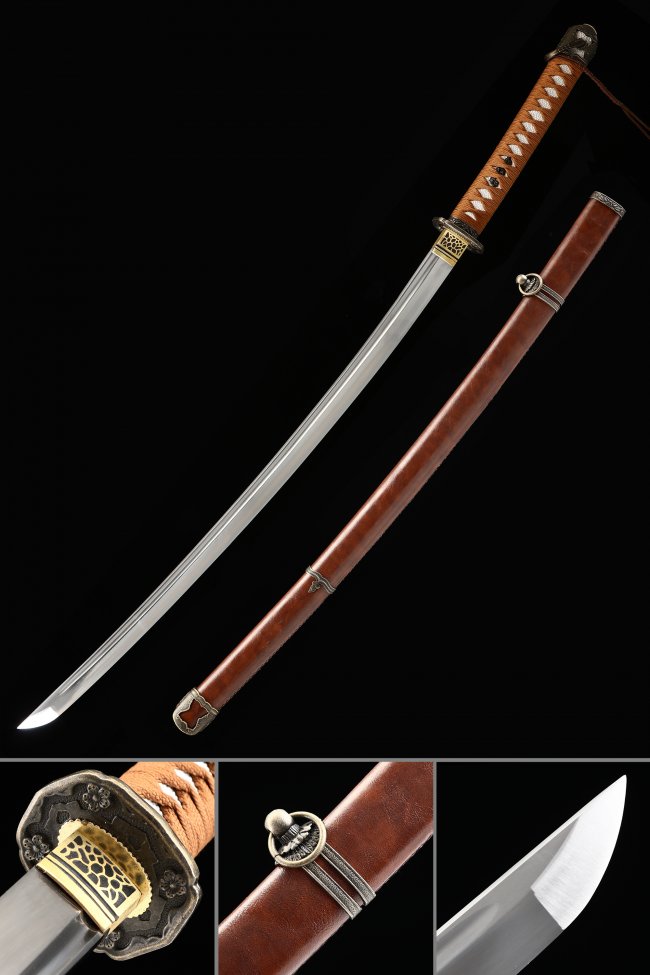
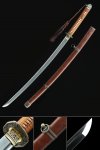
WWII Type 98 Shin Gunto Katana in Damascus Steel with Brown Leather Saya - Gold Tsuba Officer's Replica WWII Type 98 Shin Gunto Katana in Damascus Steel with Brown Leather Saya - Gold Tsuba Officer's Replica
Charles Hollenbeck New York, United States

Amazing quality. Everything is snug, tight, and very well-built. The tang is tightly wound with durable ray skin underneath. The end cap of the tang is snuggly fitted. The blade itself, while this will be used for display, is extremely sturdy. r
r
My main purchasing factor was that True Katana was the only company selling WWII katanas (olive color, rosewood, etc.), and all of the designs and effects are 100% accurate, with the reasonable exception that there is no stamp on the blade (but that's expected, because those forges did not make the blade). With that being said, for what this is, it's well worth the price. r
r
Also, shipping was very fast considering it came from China to America.

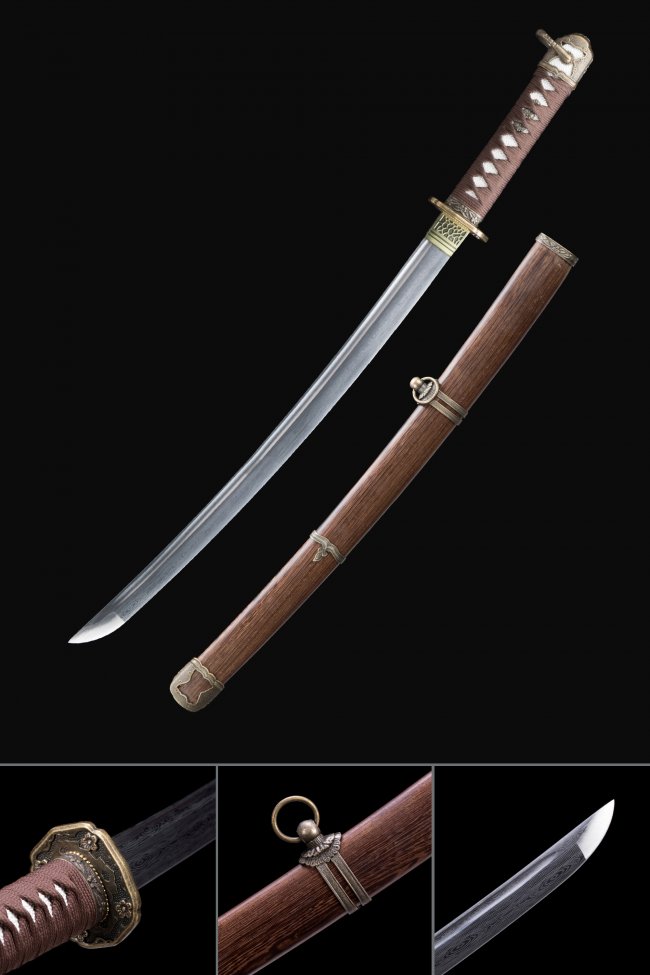
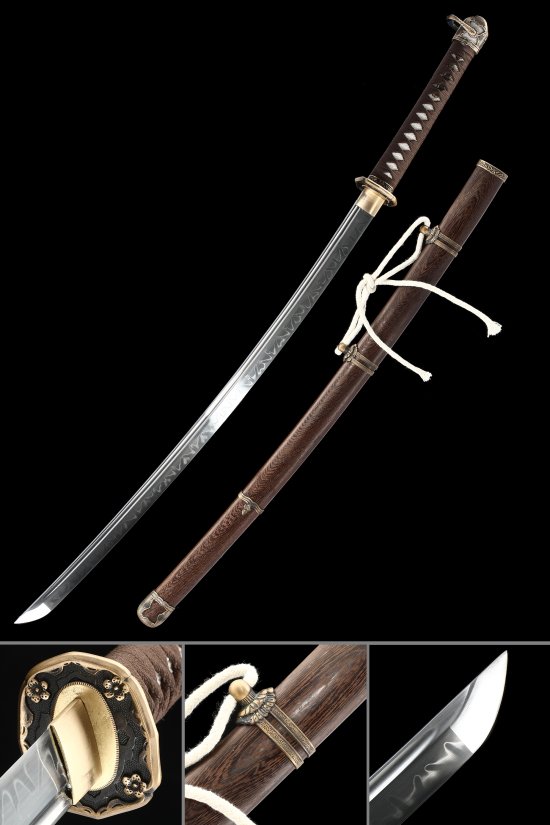
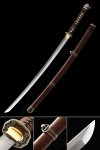
WWII Type 98 Shin Gunto Officer Katana - 1065 Carbon Steel with Brown Rosewood Saya and Alloy Flower Tsuba WWII Type 98 Shin Gunto Officer Katana - 1065 Carbon Steel with Brown Rosewood Saya and Alloy Flower Tsuba
David Venditti Illinois, United States

Did not send me the right sword, or more likely sent me a sword which quality you can tell is not the same piece in picture. The sword is way sub par especially after I spent over a thousand dollars for this sword the blade clay tempering is a joke. I got ripped off make sure ur not next

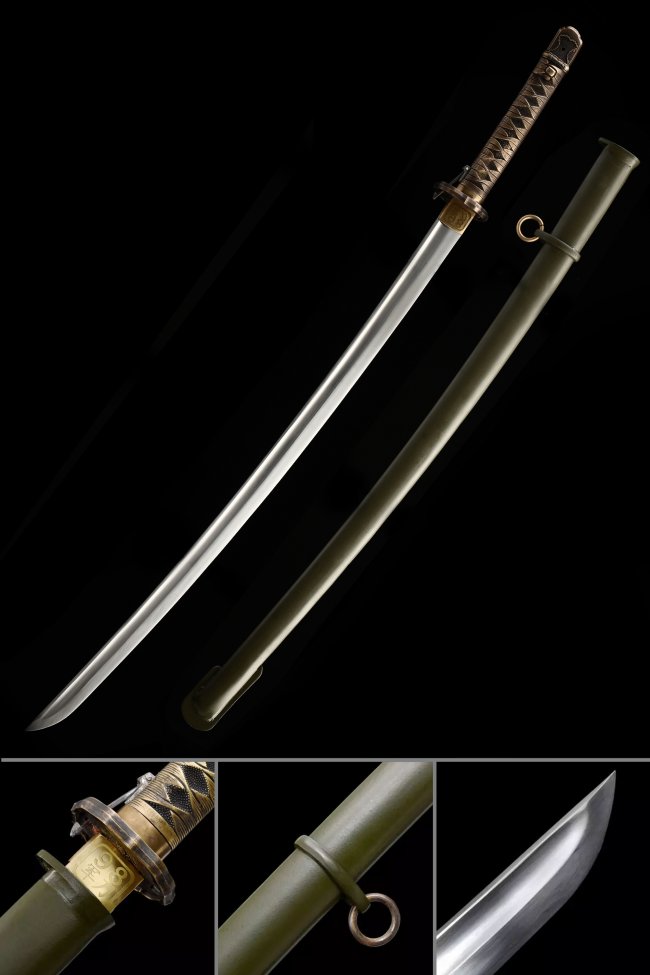
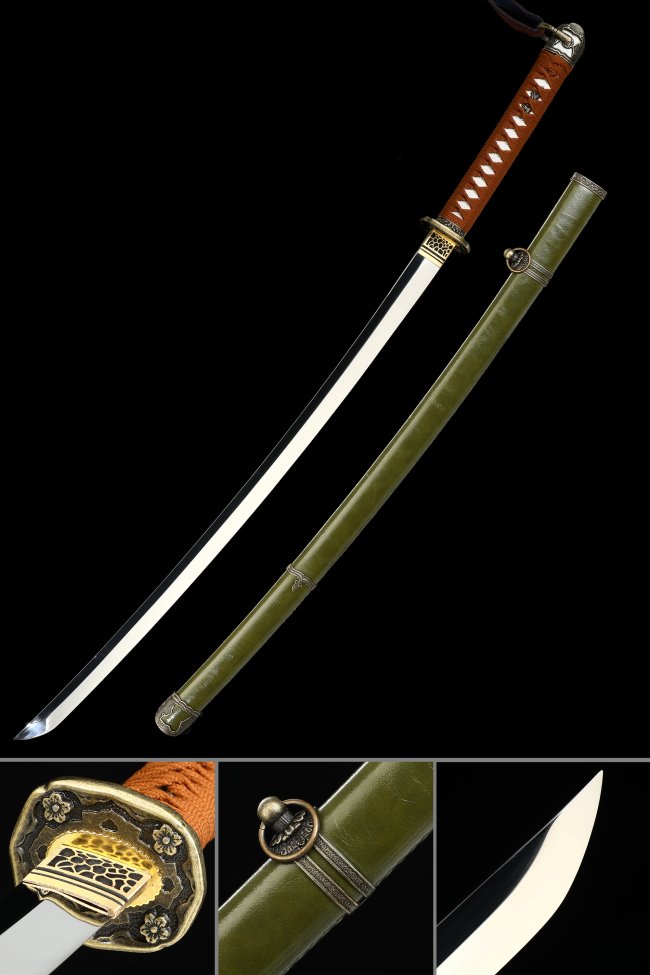
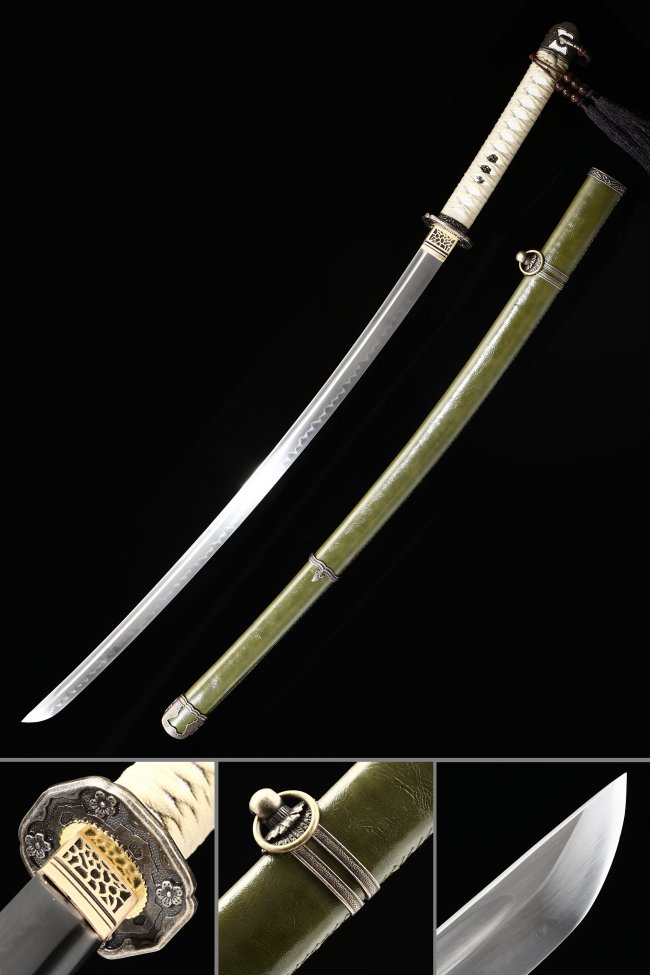
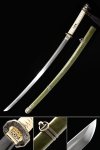
WWII Shin Gunto Type 98 Katana in Damascus Steel - Olive Saya, Clay Tempered, Full Tang WWII Shin Gunto Type 98 Katana in Damascus Steel - Olive Saya, Clay Tempered, Full Tang