Short Tanto

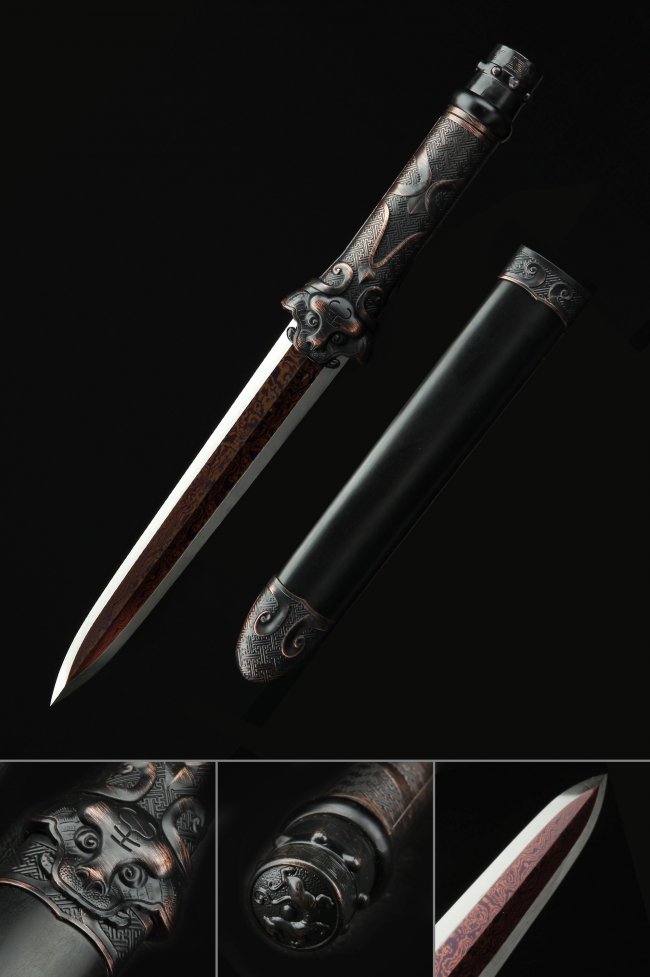
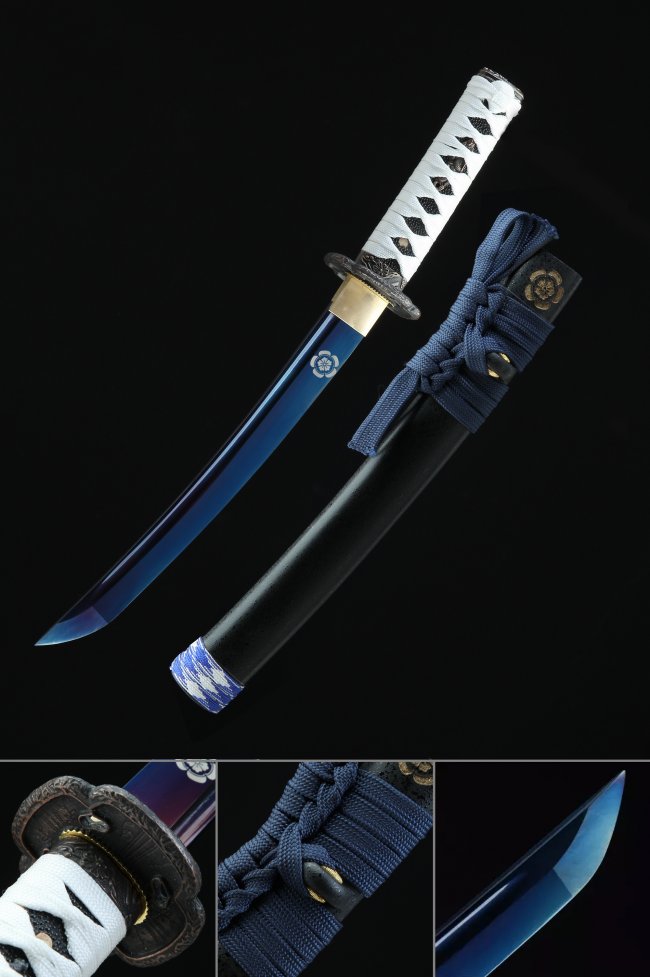
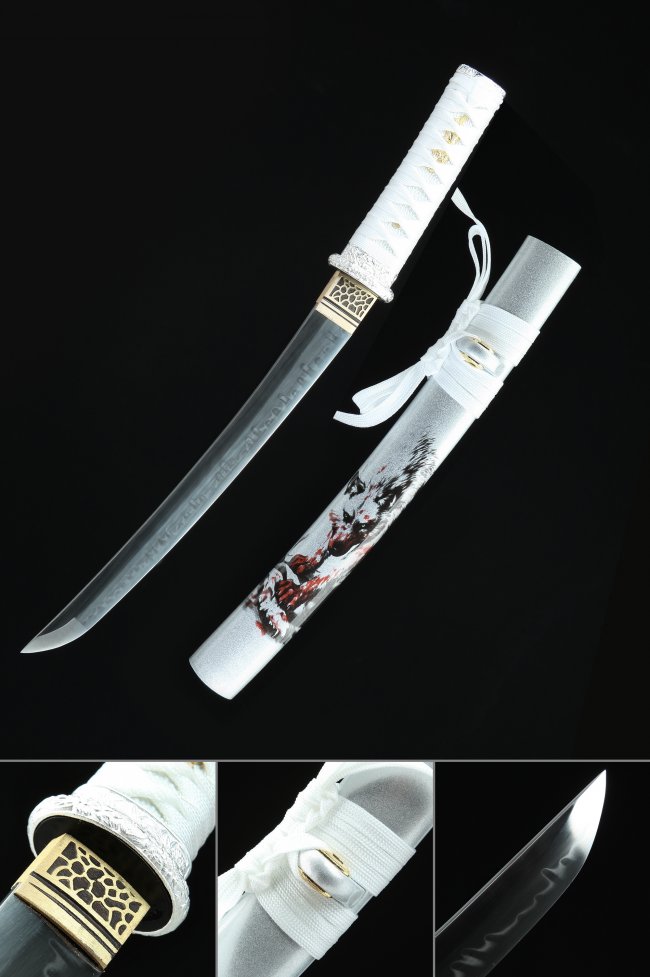
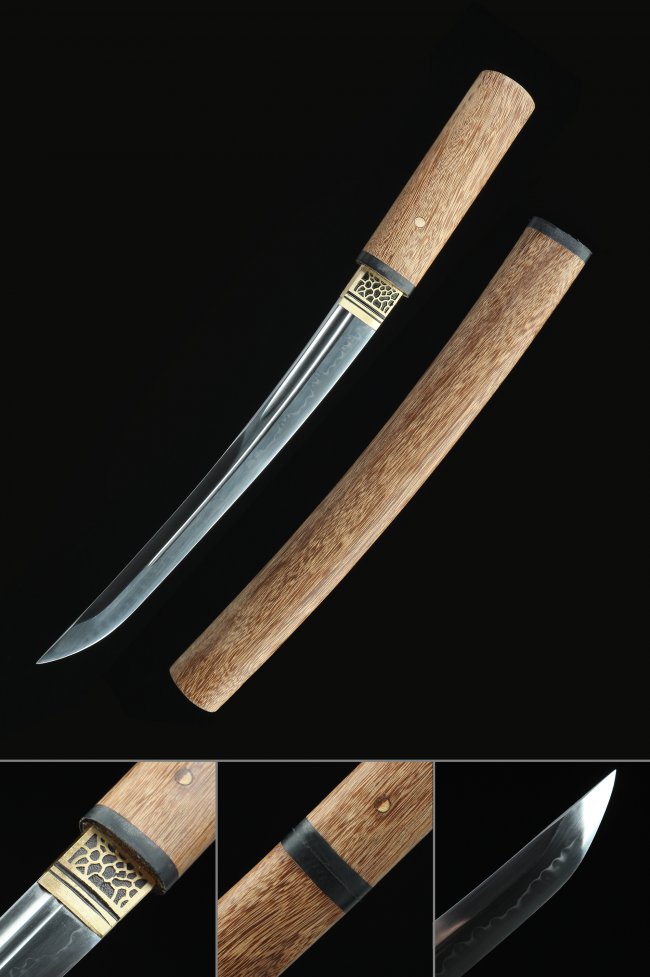
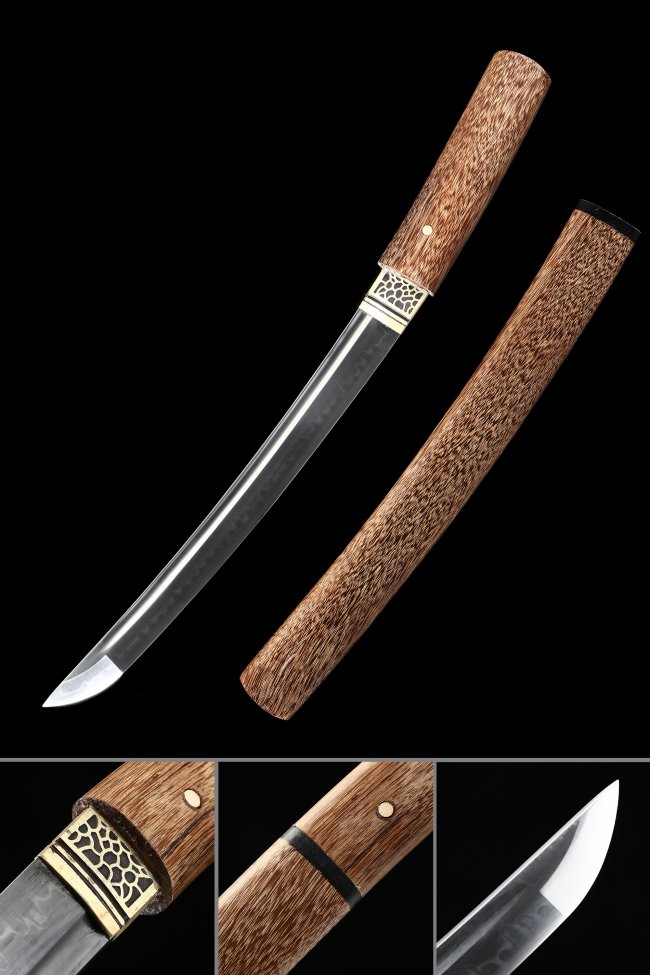
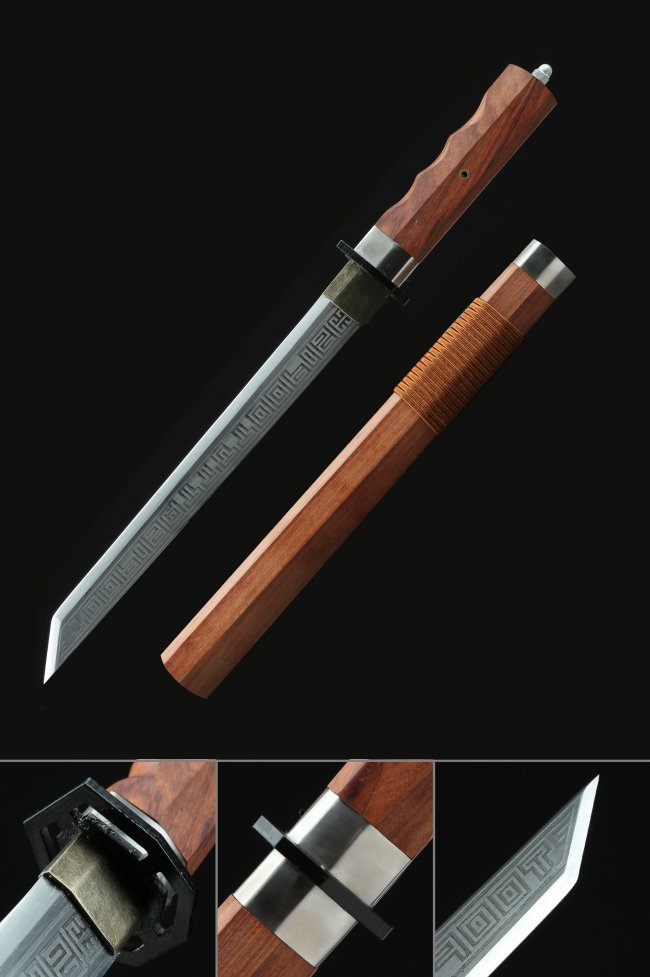
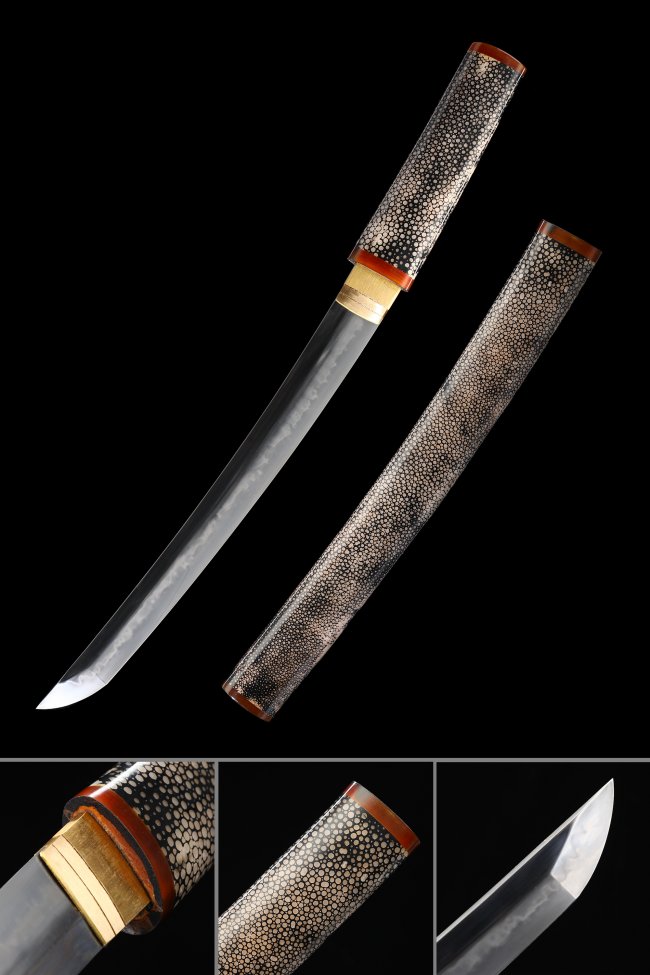
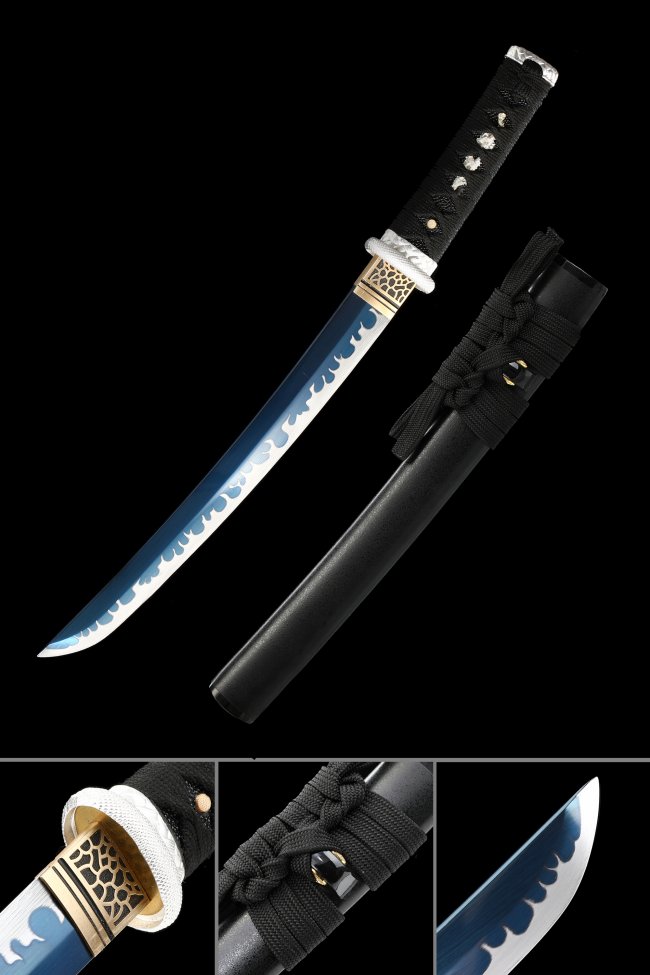
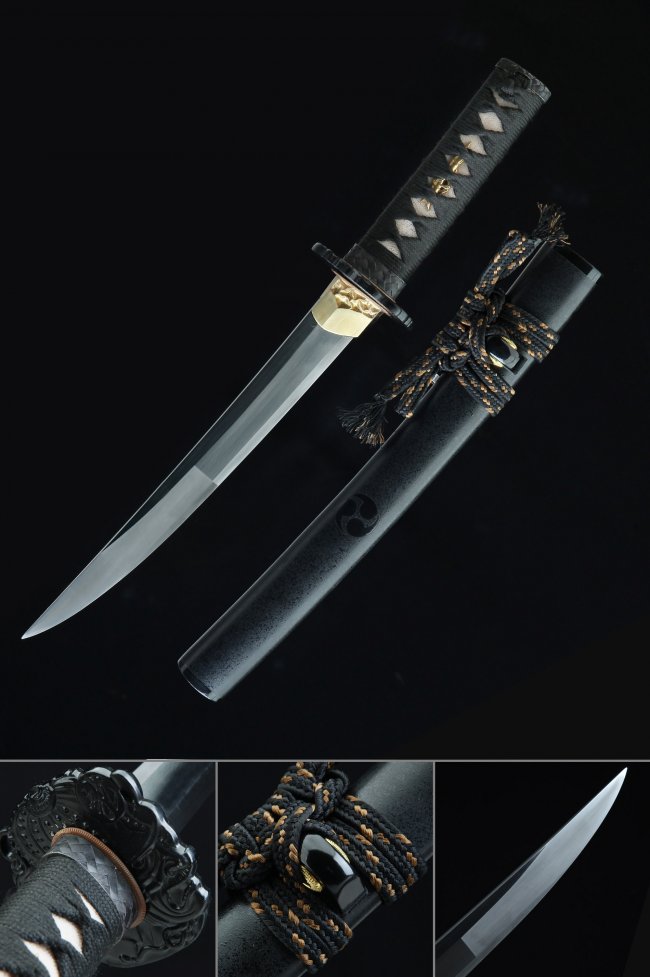
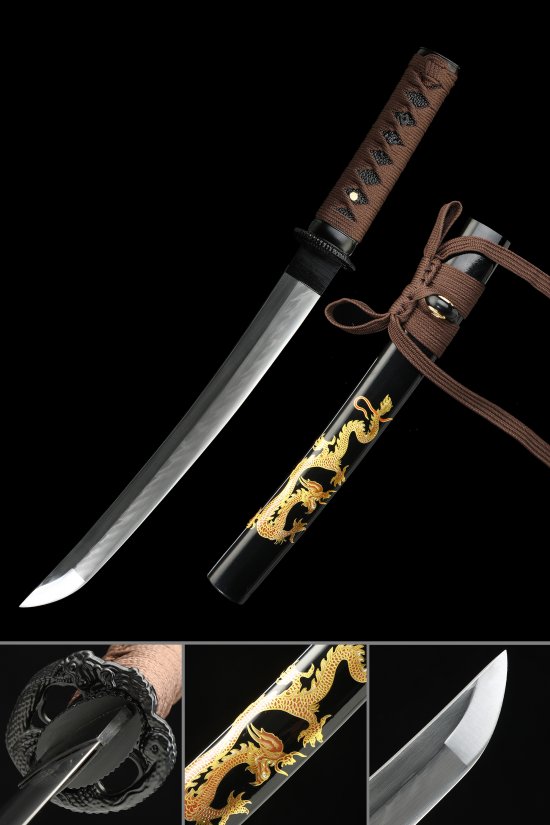
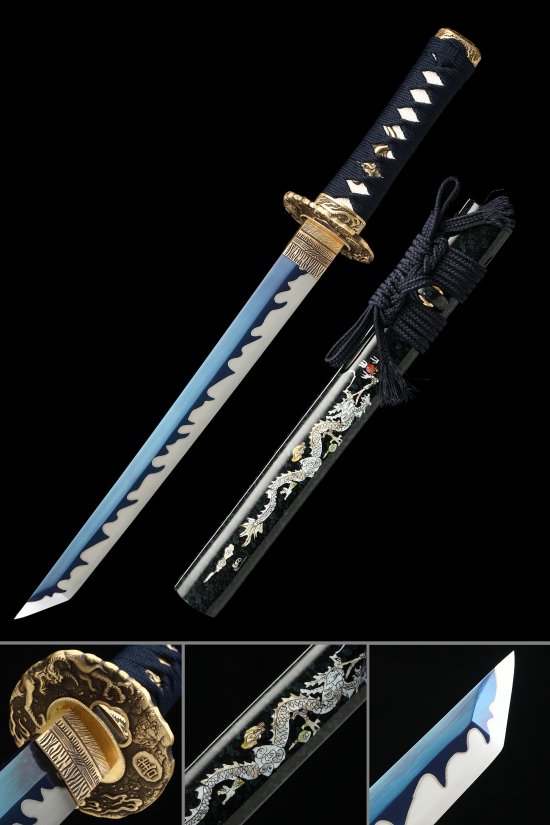
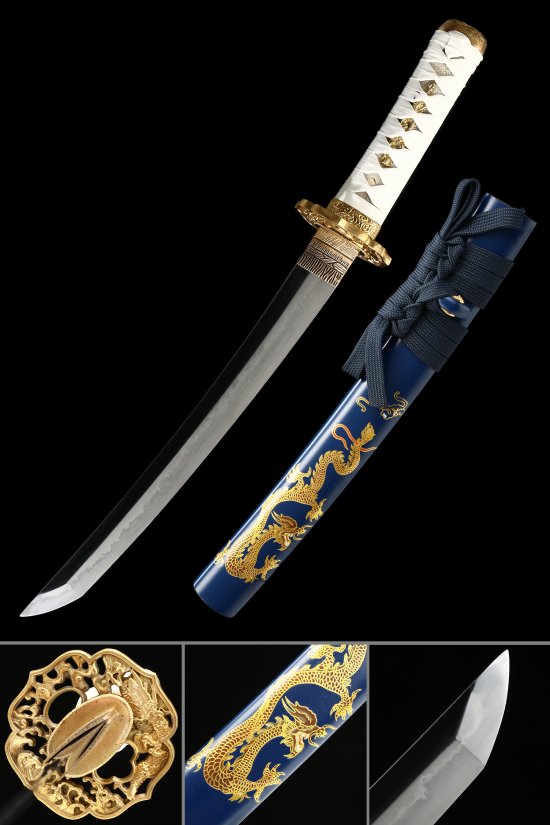
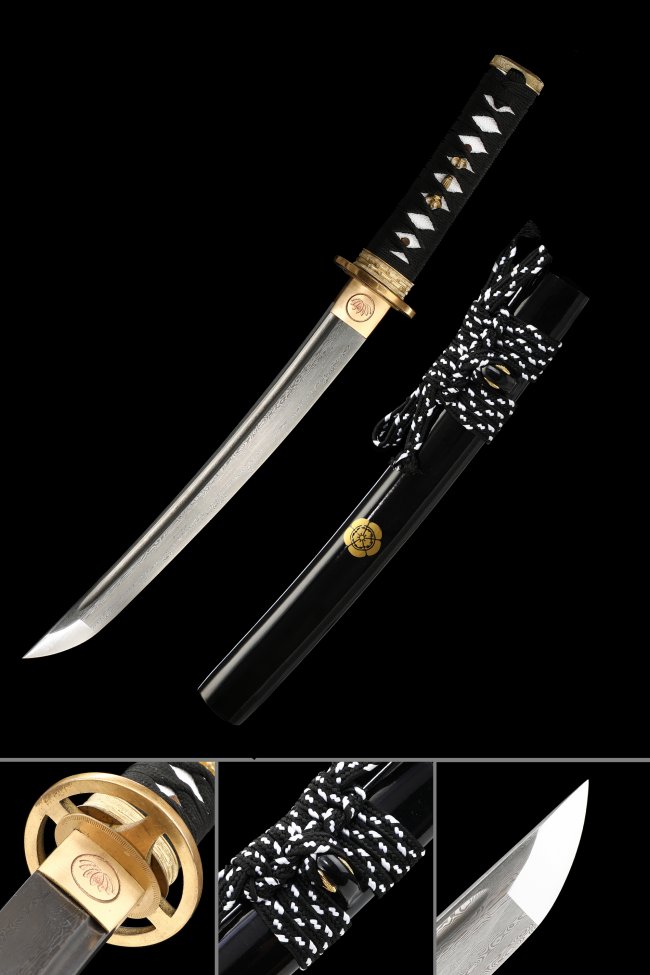
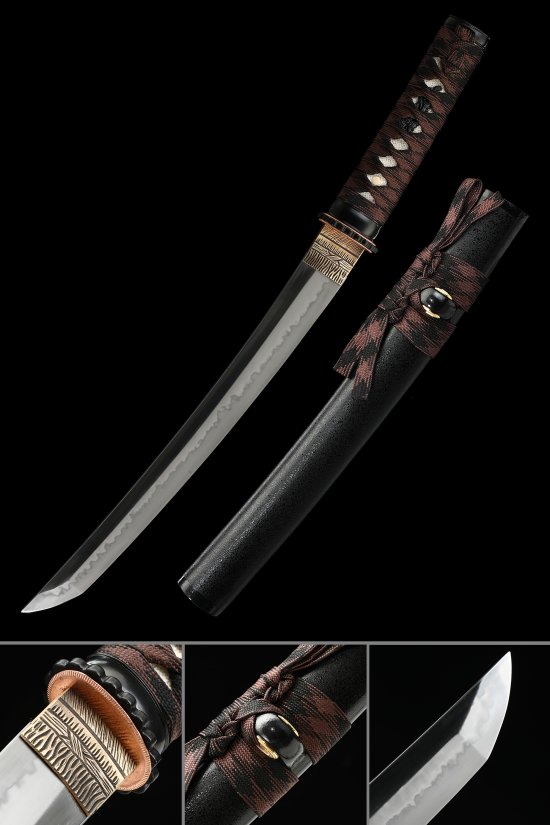
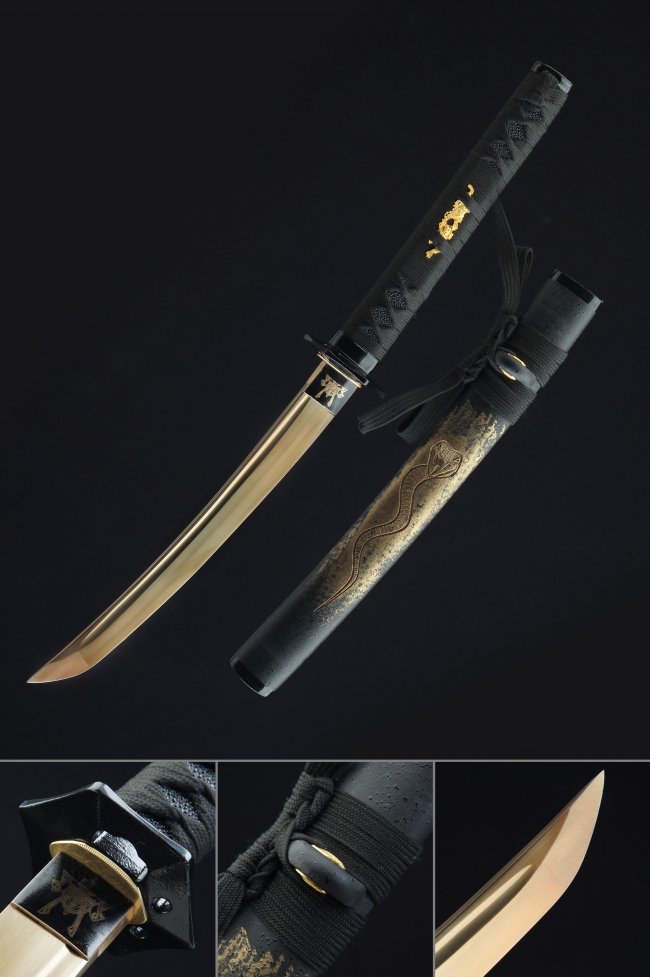
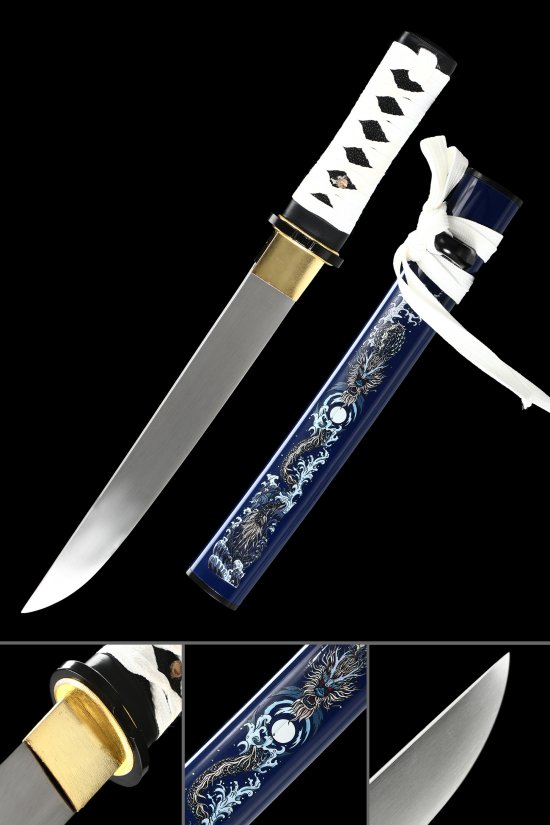
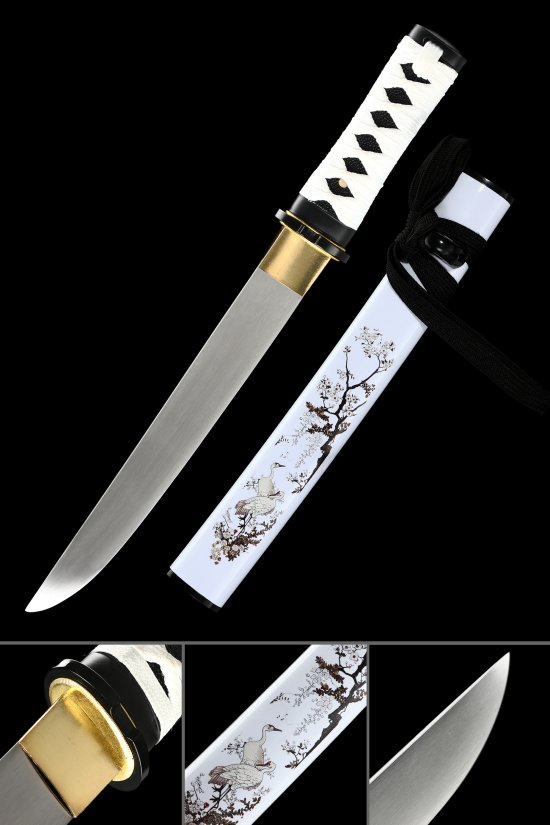
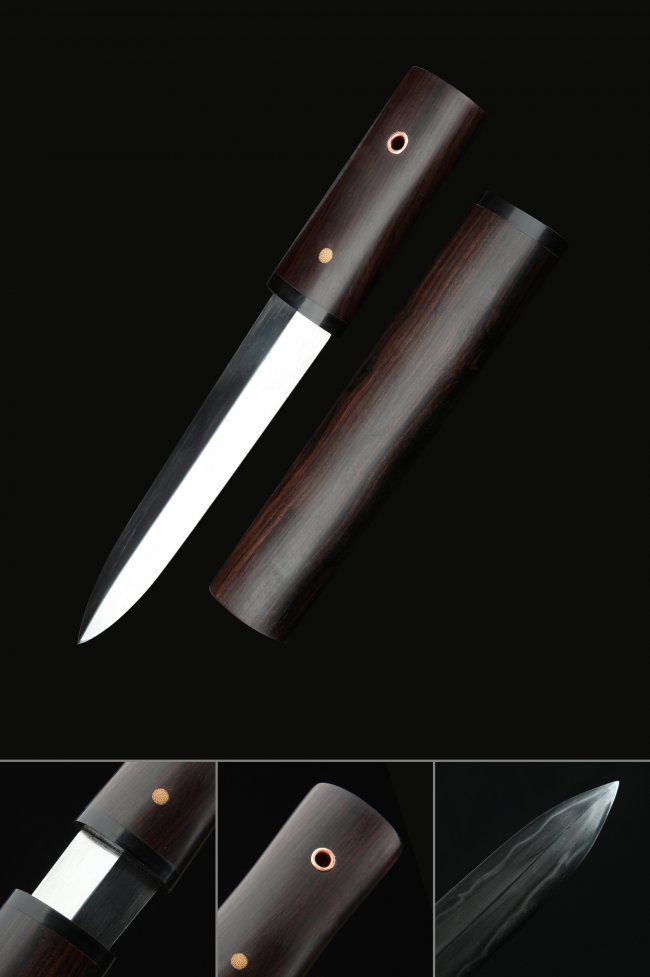
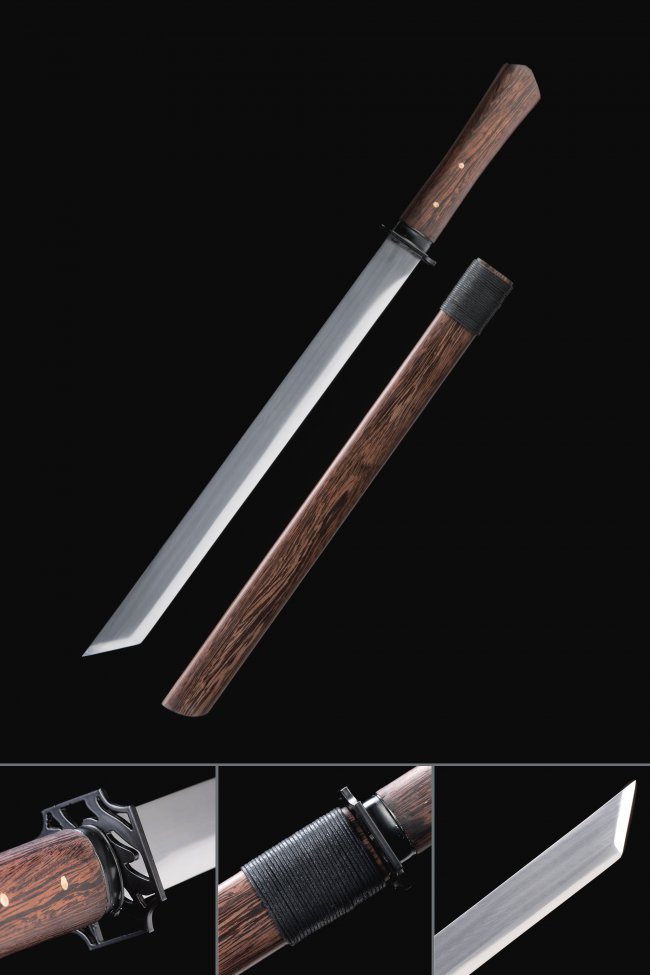
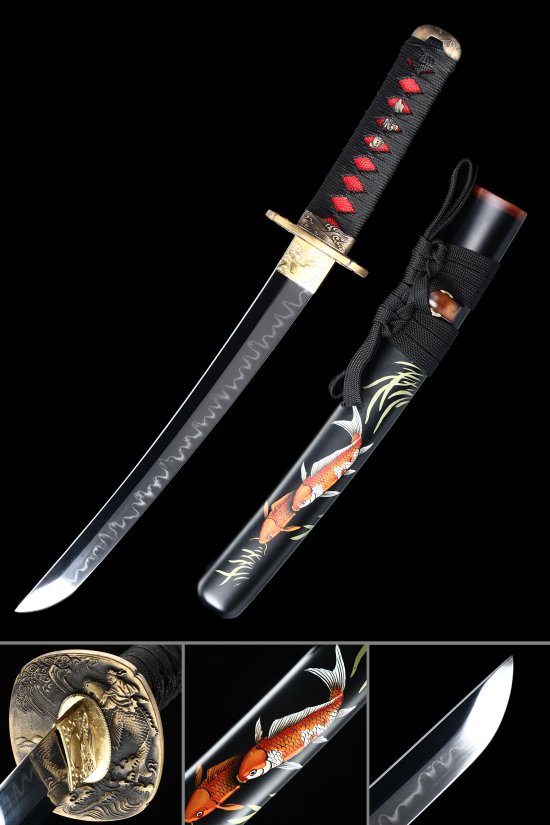
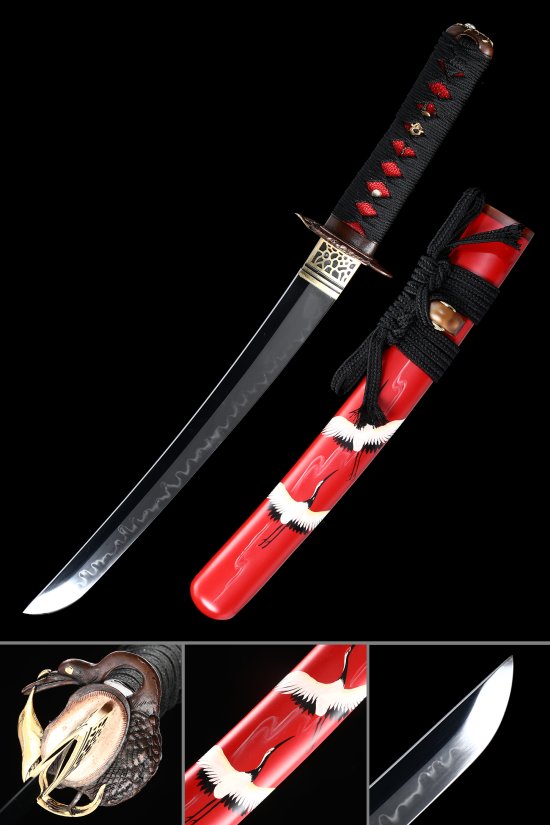
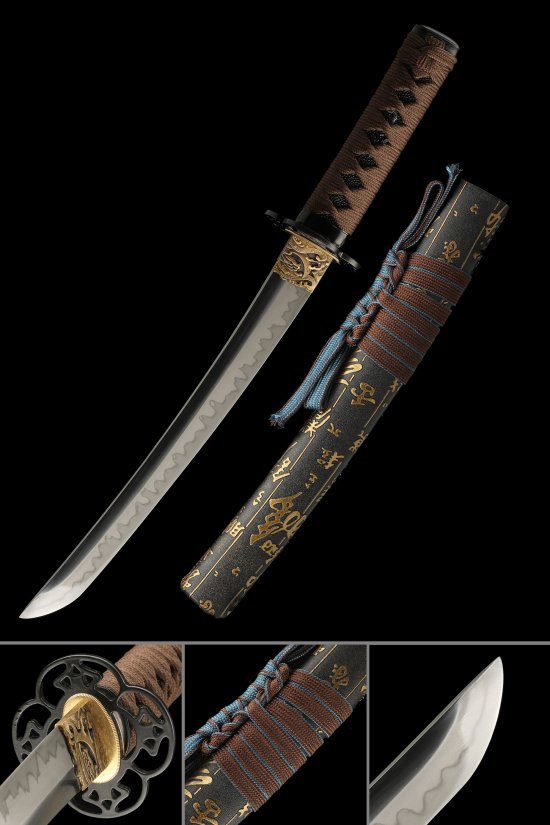
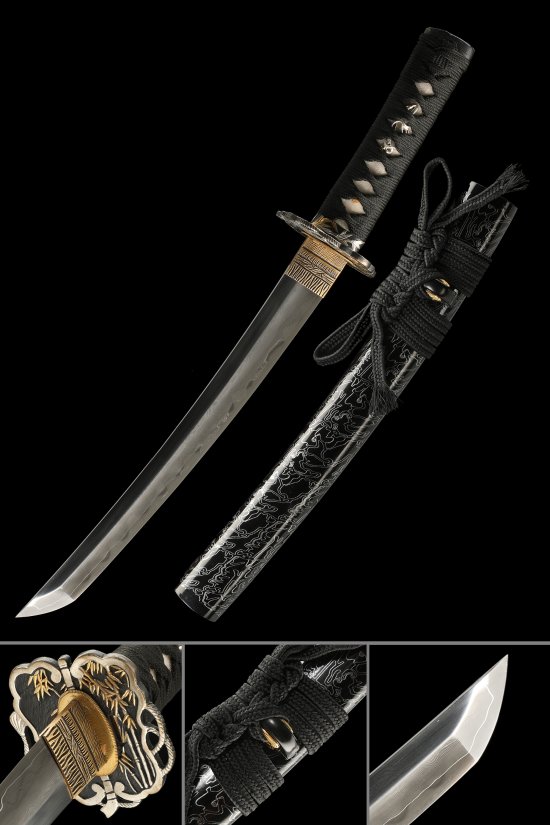
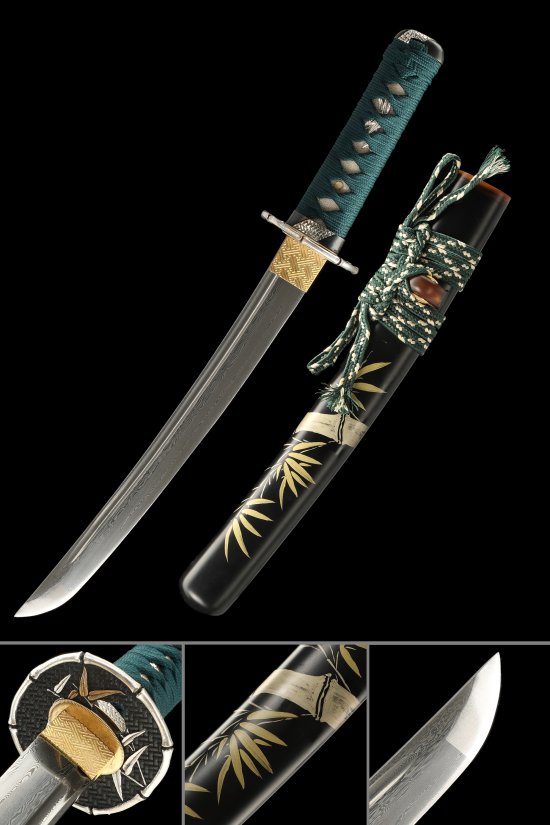
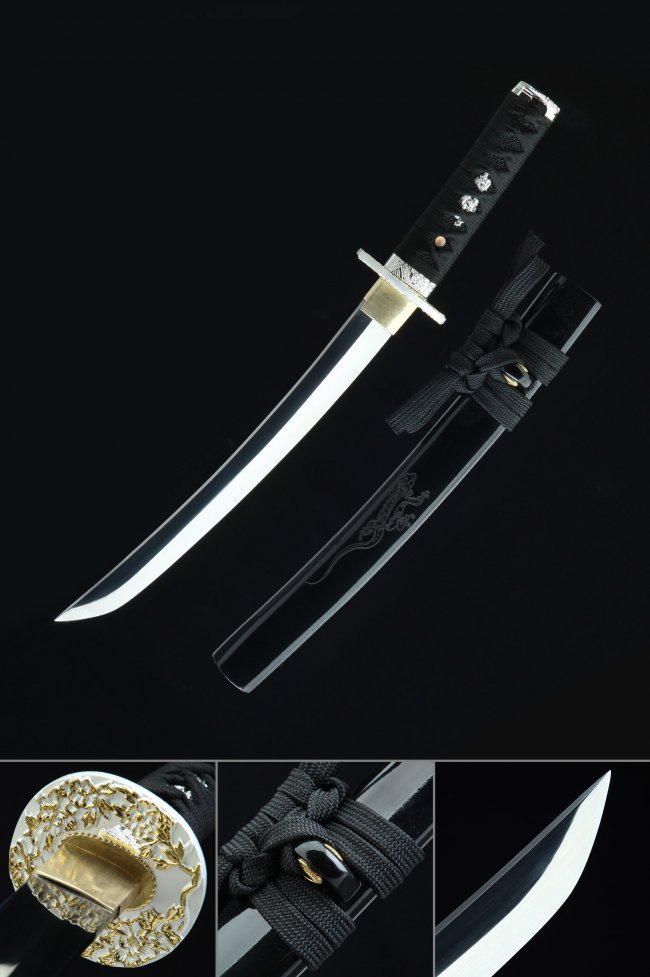
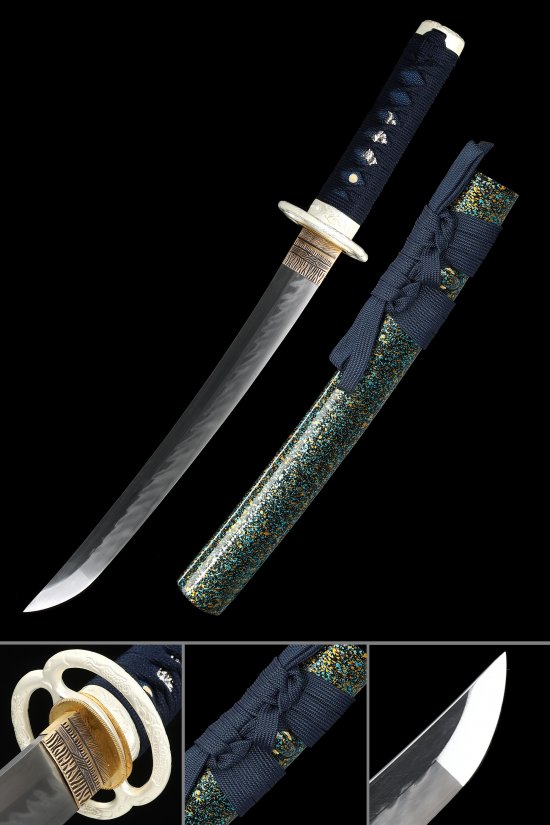
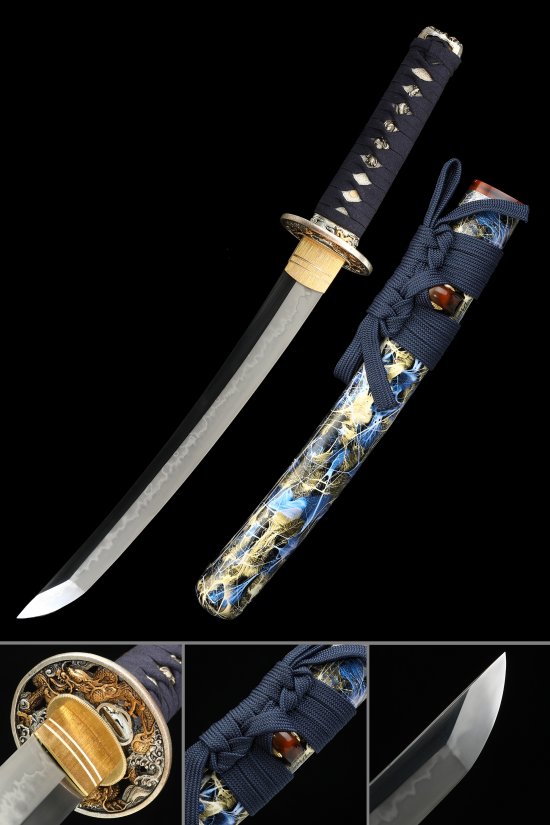
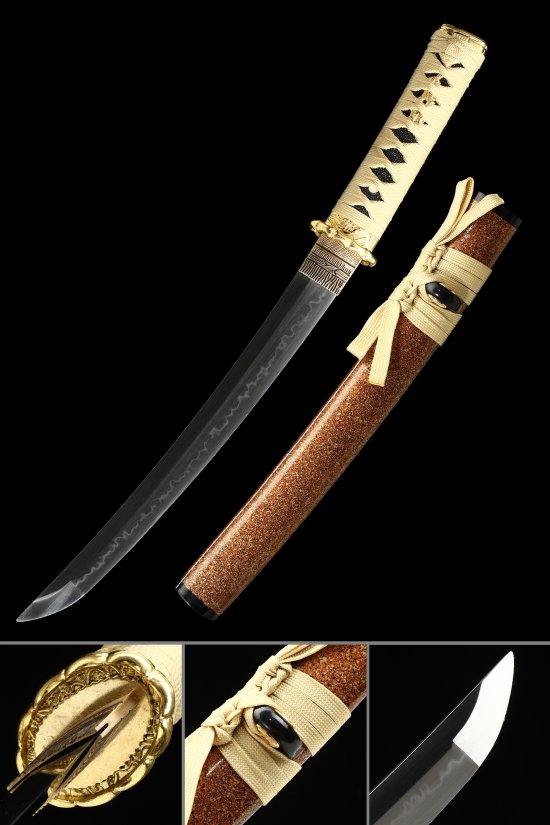
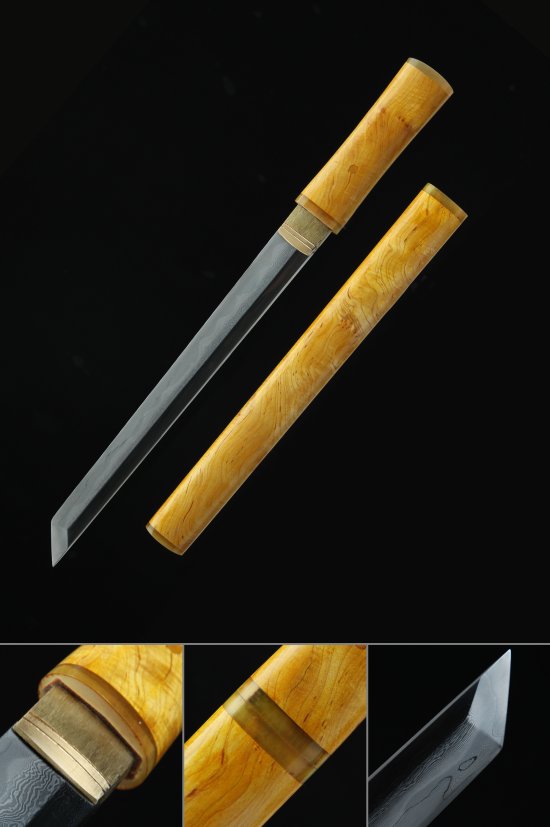
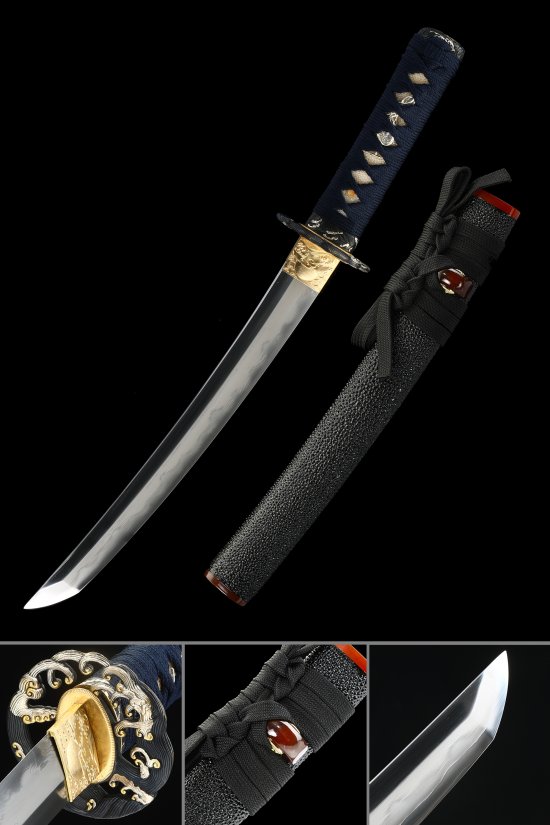
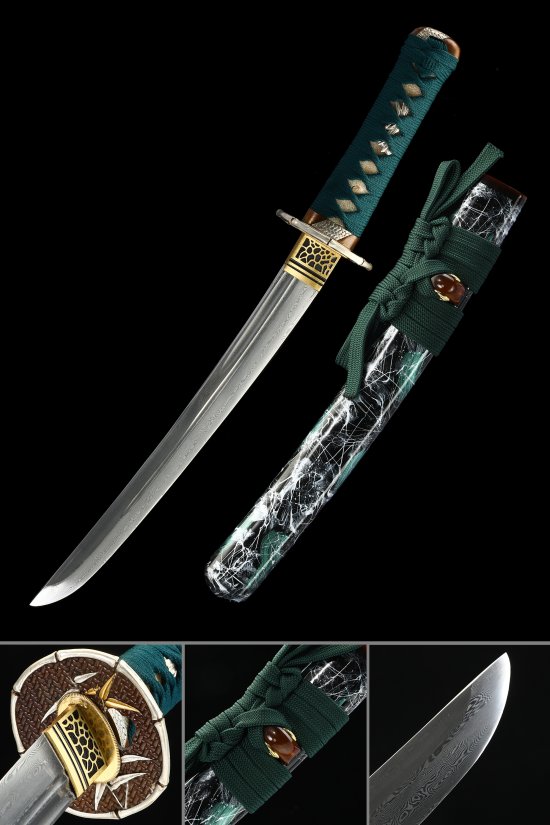
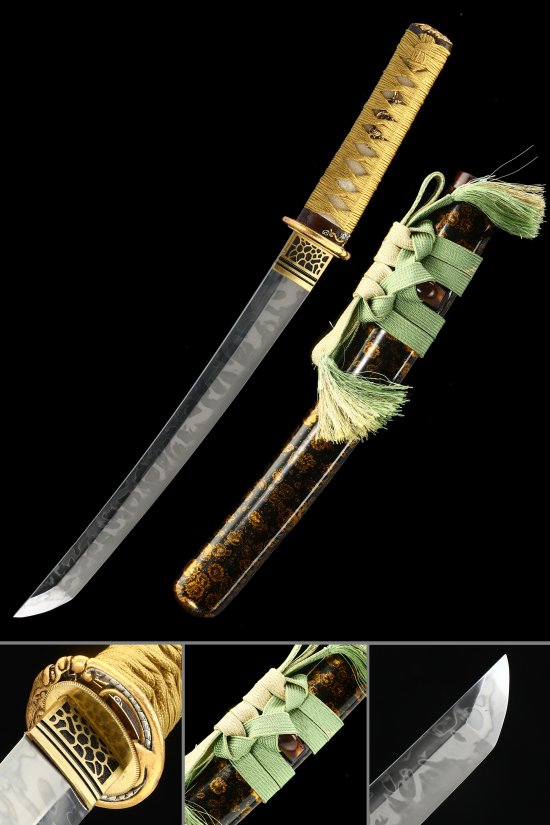
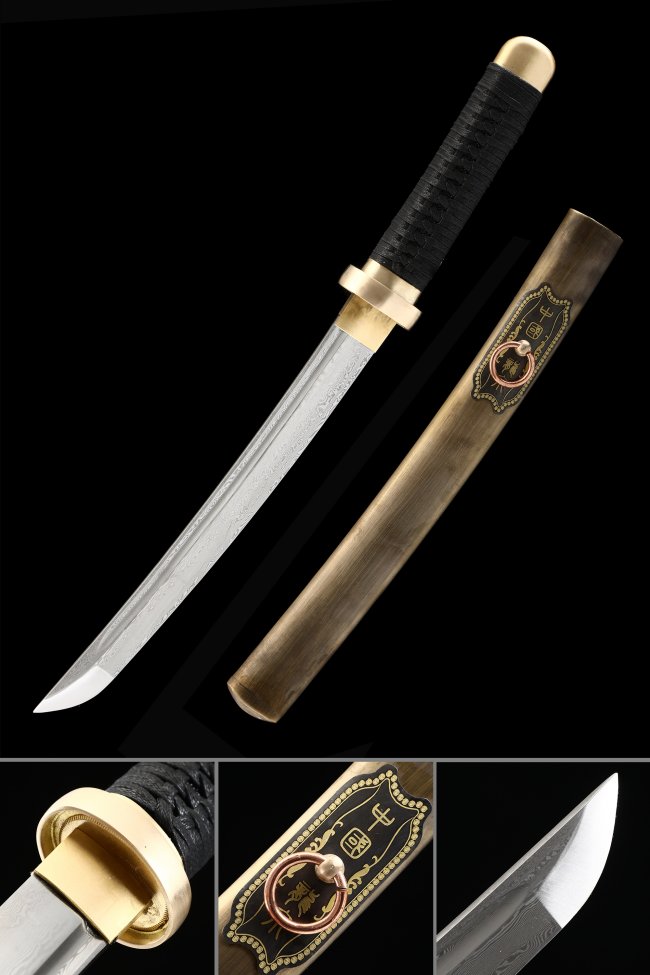
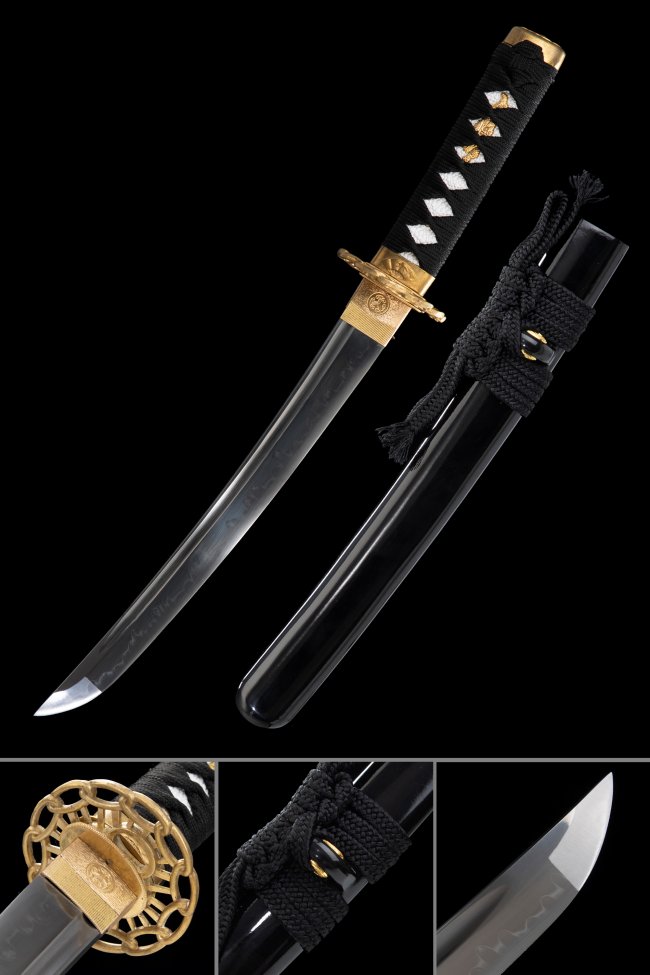
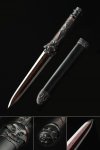
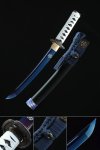
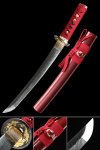
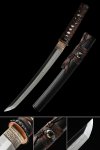
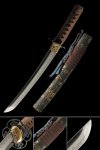
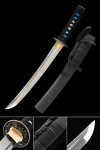
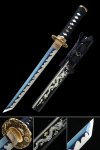
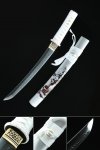
The Short Tanto is one of the most iconic compact blades in the Japanese sword family, prized for its balance, concealability and razor-sharp edge. At TrueKatana, every Real Tanto in this collection is hand-forged by experienced smiths and finished with traditional fittings, giving collectors and martial artists a blade that performs as beautifully as it displays. Whether you prefer a Straight Tanto Sword with a rigid edge geometry, a refined Traditional Japanese Tanto with classic koshirae, or a striking Damascus Steel Tanto with hypnotic folded patterns, this collection covers every taste and budget. Each Full Tang Tanto is built around a high-carbon blade and pairs perfectly with a matching wakizashi or full-size katana sword for a complete daisho set.

Showing 96 Products

Related Collections

Battle Ready Katana128 items


405 Reviews

Sharp Katana26 items


30 Reviews
Cheap Katana96 items


2946 Reviews

handforged katana128 items


1195 Reviews

Frequently Asked Questions

What exactly is a Short Tanto and how does it differ from other Japanese blades?

A Short Tanto is a traditional Japanese fixed-blade sword that typically measures between 9 and 12 inches of cutting edge, placing it firmly in the dagger category of the Japanese sword family. While the long katana sword is designed for two-handed cutting from horseback or on foot, and the wakizashi serves as a medium companion for indoor use, the tanto is the smallest sibling and was historically used for close-quarters self-defense, ceremonial purposes and personal protection. A blade in this size range gives the wielder excellent point control, very fast draw speed and easy concealment under clothing. A Modern Tanto built today usually mirrors classical proportions while incorporating high-grade contemporary steels, and a fully traditional Traditional Japanese Tanto uses period-correct fittings including a wood saya, ito-wrapped tsuka and hand-fitted habaki. Compared to other knives globally, the Japanese tanto is distinguished by its chisel-like geometry, the visible hamon along the edge and the cultural rituals surrounding its presentation. It is small enough to handle with one hand yet substantial enough to feel like a serious blade, and in the right mounting it doubles as a striking piece of display art that captures centuries of samurai aesthetics in a footprint smaller than most modern paperbacks.

Which steel should I choose for my first Short Tanto?

The right steel depends on whether you plan to display, practice or seriously cut, and each option in our catalog has a clear personality. A 1045 Carbon Steel Tanto is the most beginner-friendly because it is shock-tolerant, easy to sharpen and remarkably affordable, making it perfect for first-time buyers who simply want an attractive blade for the wall. A 1060 Carbon Steel Tanto raises the carbon content, which improves edge retention while still being forgiving, so it is a sensible step up if you want occasional cutting capability. For more advanced users, a 1095 Carbon Steel Tanto can be hardened to a noticeably sharper edge that holds up through repeated tatami practice, although it requires more diligent oiling to prevent surface oxidation. A T10 Tanto uses a tungsten-alloyed steel that combines extreme hardness with greater toughness than basic high-carbon, and the differential heat treatment produces a vivid hamon. Collectors who want a unique pattern often choose a Damascus Steel Tanto, which is folded many times to create flowing organic layering visible across the blade. Beginners typically start with 1045 or 1060, intermediate hobbyists move to 1095, and serious practitioners or collectors graduate to T10 or Damascus.

Is a Short Tanto sharp enough for actual cutting practice?

Yes, the blades in this collection ship factory sharp and are fully capable of real cutting work when matched with appropriate targets. Every Sharp Tanto we sell is hand-honed before shipping so that it can slice paper, cut through soft fruit and handle light tameshigiri targets straight out of the box. If you want maximum cutting performance, a Full Tang Tanto is essential because the blade extends through the entire handle, giving you the structural integrity needed to absorb impact safely. A Clay Tempered Tanto goes further by combining a hard cutting edge with a softer spine, allowing the blade to flex slightly on contact instead of chipping. For two-edged practice such as some traditional drills, a Double Edge Sharp Tanto offers two cutting surfaces, although you should always confirm that your chosen drills permit double-edged geometry. Suitable practice targets for a blade this size include rolled newspaper bundles, soaked tatami omote, light bamboo segments and pool noodles. Heavy hardwoods, metal and dense bone should always be avoided. With proper technique, gradual target progression and routine edge maintenance, a quality Japanese tanto from our catalog will perform reliably for many years of practice.

What is the difference between an Aikuchi and a Hamidashi mounting?

Aikuchi and hamidashi are two of the most distinctive traditional mountings, and the difference comes down to the guard. An Aikuchi Tanto has no tsuba at all, meaning the handle and saya meet flush at the mouth in an uninterrupted line. This design originated as a discreet court blade because it could be tucked into clothing without printing through the silk. The clean silhouette also makes the aikuchi feel light and quick in the hand, which is why many modern collectors prefer it for everyday display. A Hamidashi Tanto Sword sits between the aikuchi and the full koshirae mounting: it has a small protruding guard that adds knuckle protection without dramatically changing the overall slim profile. Hamidashi blades were popular among samurai who needed a serious self-defense option that still rode comfortably under armor or formal robes. Beyond function, the two mountings carry slightly different cultural connotations. Aikuchi emphasizes elegance and concealment, while hamidashi emphasizes preparedness and martial readiness. Both styles use the same blade geometries available across our broader Japanese tanto catalog, so you can pick the silhouette that matches your aesthetic and combat philosophy without compromising on steel quality, hamon visibility or the precision of the overall fittings.

How long is a typical Short Tanto and how should I size it?

Most pieces in this section measure roughly 9 to 12 inches of cutting edge, with overall lengths usually between 14 and 18 inches once the tsuka is included. The traditional Japanese definition limits a tanto to one shaku, which is approximately 11.93 inches, so anything close to that figure is historically authentic. If you want something even more compact for hand training, a 1045 Tanto in the shorter end of the range delivers excellent point control and is easy to draw. If you prefer something with more reach, a Short Wakizashi or Short Katana bridges the gap between dagger and full sword without overwhelming a small living space. For sizing the grip, place your dominant hand fully around the tsuka with no overhang and confirm your pinky is comfortably wrapped on the kashira; if the menuki press into your palm, the handle is the right scale. Weight is equally important: a balanced blade should feel slightly forward of the tsuba so the point tracks naturally during drills. When in doubt, choose the size that feels controllable rather than impressive, because precision always beats raw length in a blade this small.

What kind of tsuba, saya and handle wrap options are available?

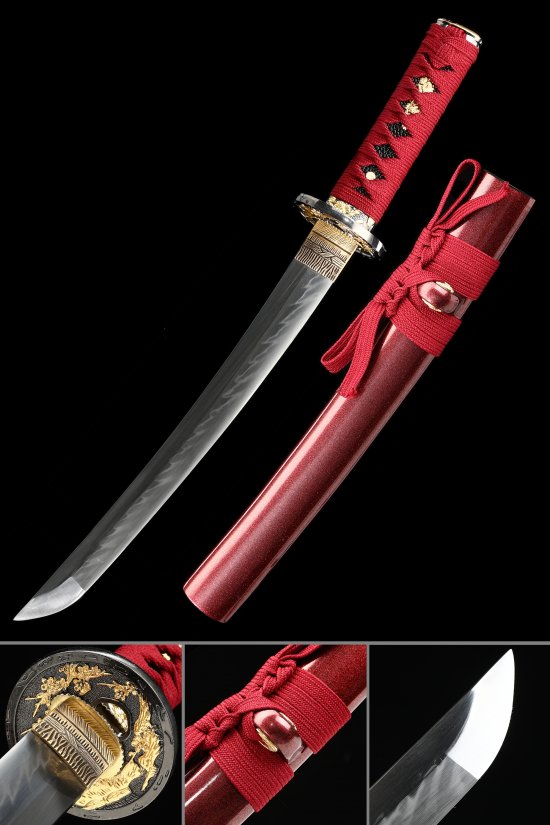
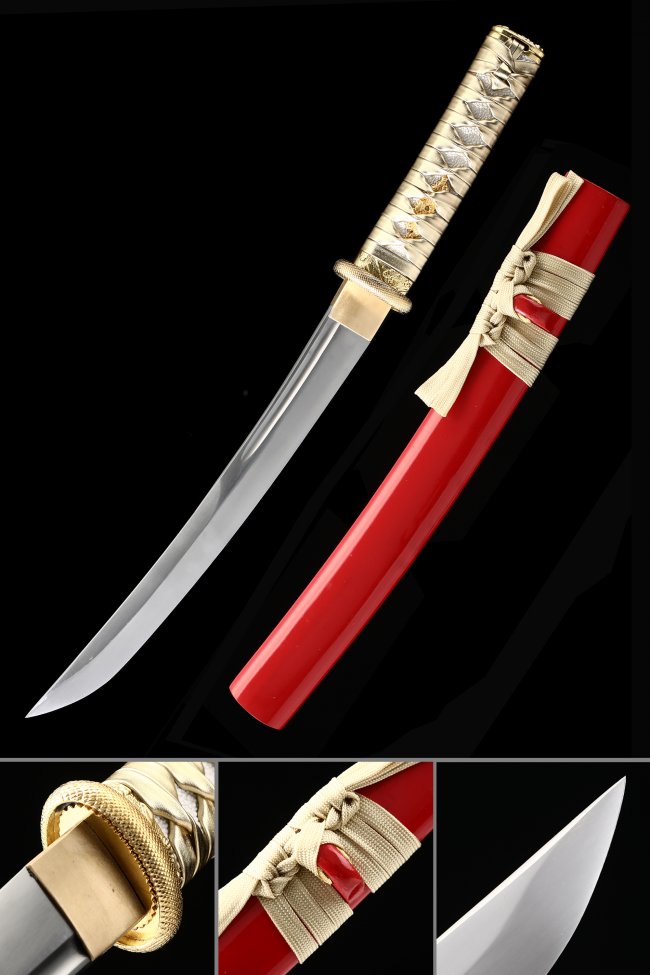
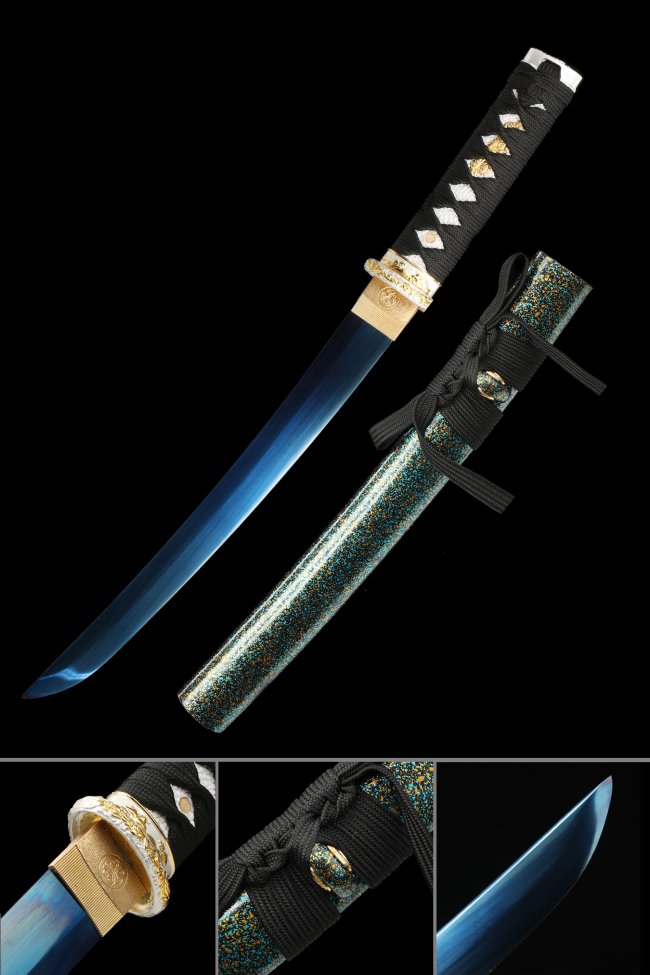
Customization is one of the most enjoyable parts of buying a Japanese blade, and the variety in this collection is extensive. Tsuba designs include dragon, phoenix, koi, crane, snake, lion, vine, cherry blossom and bamboo motifs, each carrying classical samurai symbolism such as courage, rebirth, perseverance and renewal. Saya finishes range from deep glossy lacquer to subtle ishime stone-texture, with painted accents in red, blue, gold or natural wood tones. For ito (handle wrap) selection, a Blue Handle Tanto offers a calm oceanic feel that pairs well with silver fittings, while a Red Handle Tanto gives a bold warrior energy that matches gold or bronze hardware. If you want the saya to be the visual focal point, a fully lacquered Red Tanto or a regal Blue Tanto turns the entire mounting into a coordinated palette. Beneath the ito sits the same (ray skin) wrap, which provides slip resistance and adds small star-like patterns visible through the diamond gaps. Menuki, kashira and fuchi can also be matched as a set or deliberately mismatched to create a more individual character. Treat every component as a brushstroke in a small portable painting.

Can I display a Short Tanto as part of a larger samurai sword set?

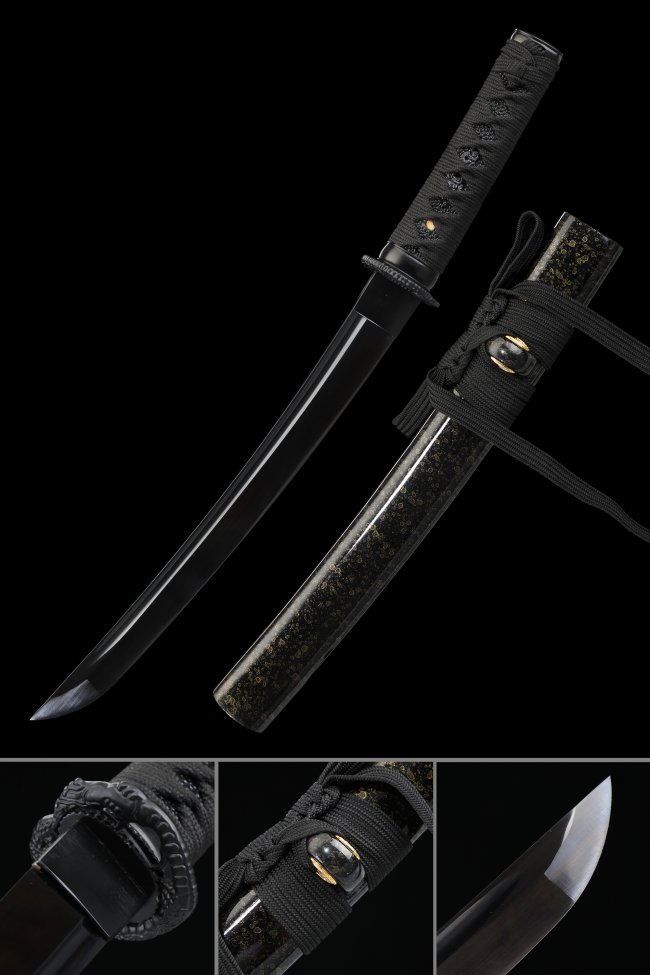
Absolutely, and many collectors enjoy assembling coordinated daisho and triple-blade displays. The classic samurai pairing is a long sword and a medium blade, but adding a small dagger creates a complete three-piece arrangement that historically represented the full personal arsenal of a samurai. To build a coherent set, start with a samurai sword as the centerpiece, add a matching wakizashi as the secondary blade, and finish with a tanto in fittings that visually echo the larger pair. A Black Tanto in classic koshirae looks stunning beside black-saya katana and wakizashi, while a Authentic Tanto with brown wood saya complements warm-toned wall stands beautifully. For a more dramatic visual, mix a Damascus-pattern blade into a polished steel pair to create contrast. Mounting the set on a stepped tachi-kake or a triple horizontal stand draws the eye from large to small in a natural reading order. Position the set away from direct sunlight and high humidity to protect the steel and lacquer. With a bit of planning your blade collection becomes a focal piece of room decor.

Customer Reviews

Edmond Liu California, United States

I thought my product was made in Japan… Looks like made in China… good thing blade sharp display doesn’t look bad except handle has wood piece that’s light brown that doesn’t match black they could’ve dyed it. Def worth more around $50-$90 not $150. The little wood part on sword handle bothers me they should’ve dyed it black to blend it in. Other than that honestly it’s just okay and don’t think it was worth the $150

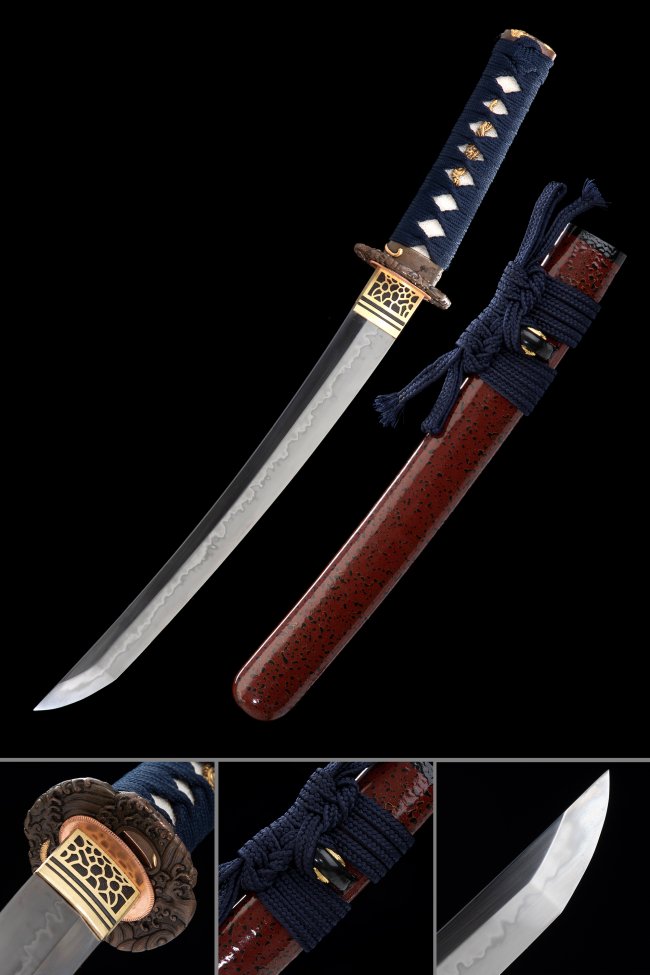
T10 Clay Tempered Tanto Sword with Real Hamon in Red Saya - Gold Floral Tsuba Collectible T10 Clay Tempered Tanto Sword with Real Hamon in Red Saya - Gold Floral Tsuba Collectible
Cart 0 Items

Your cart is empty