New Arrival

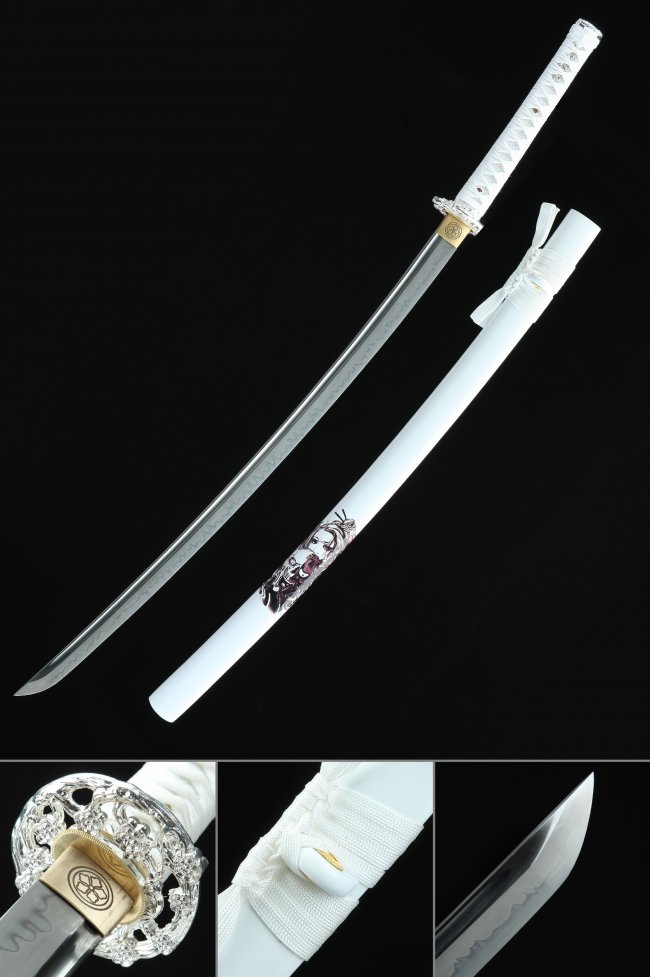
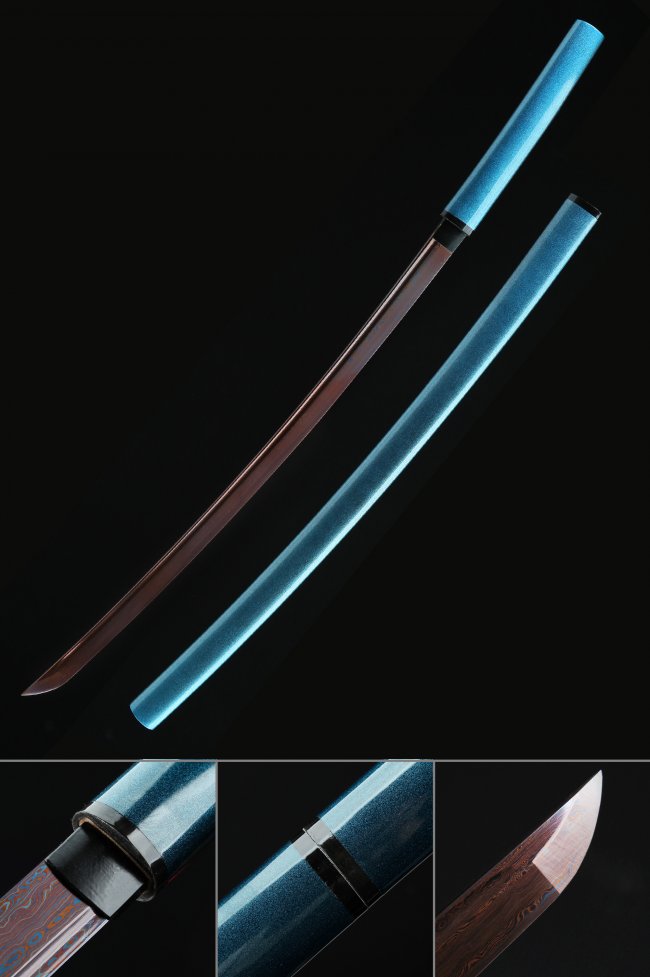
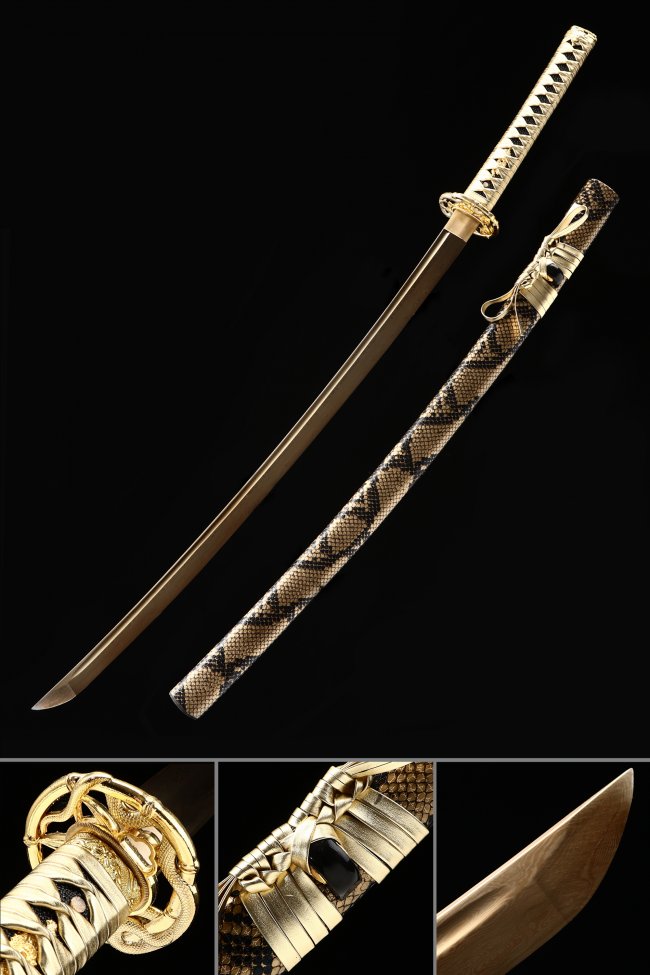
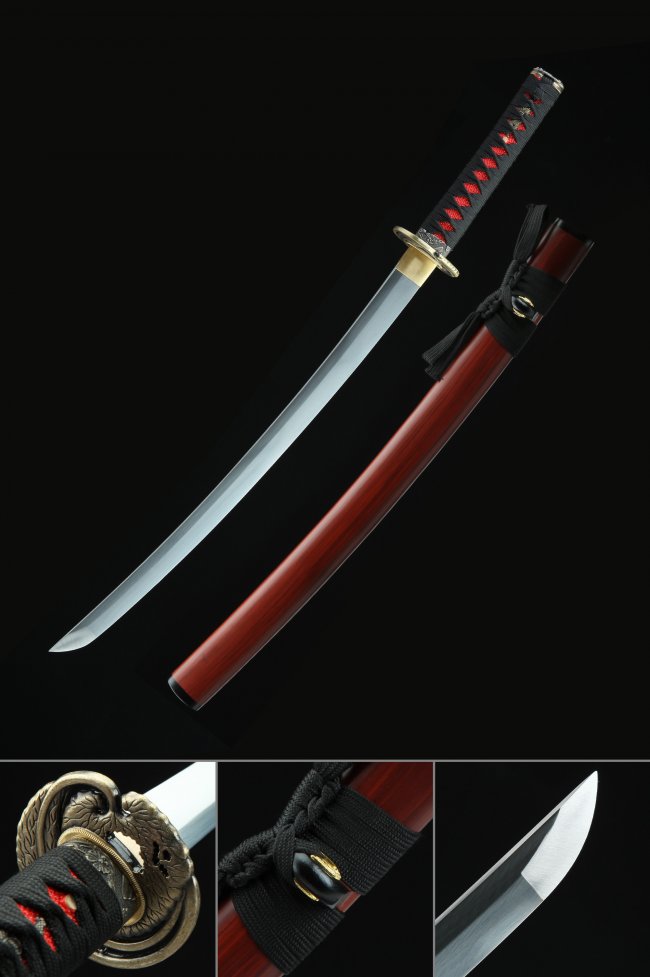
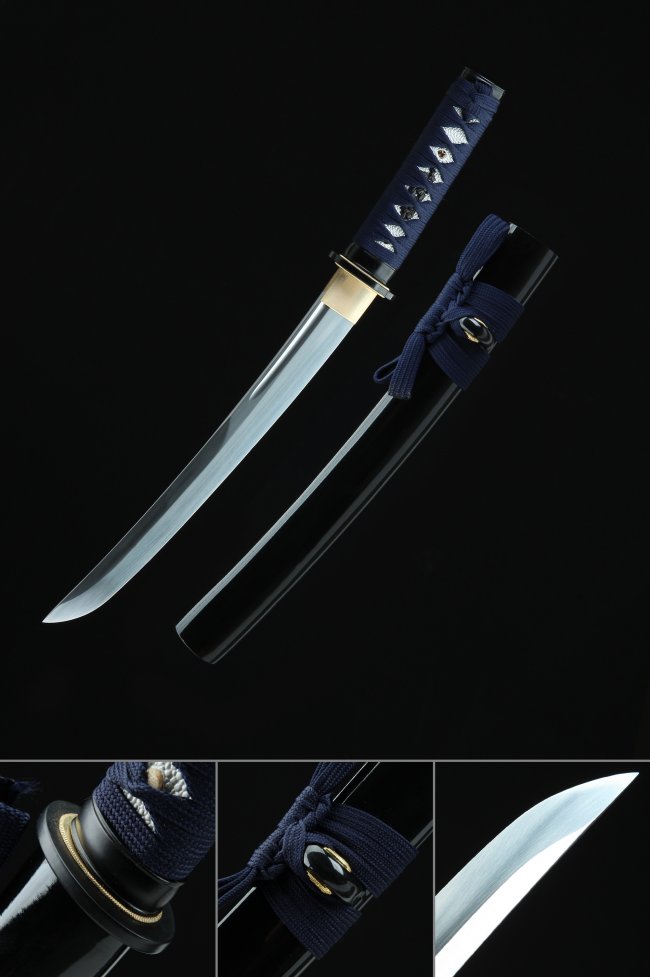
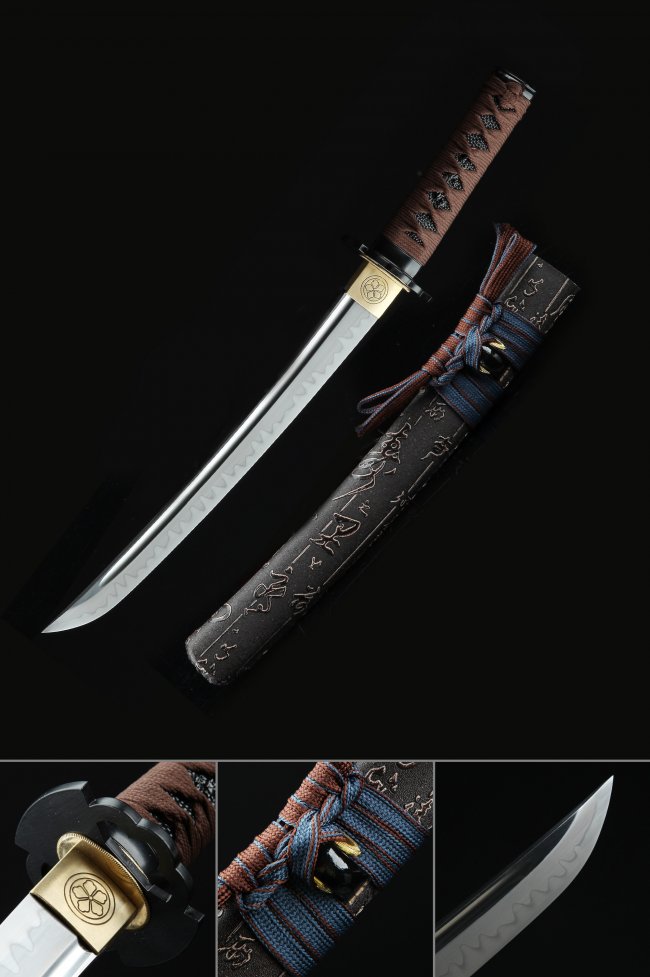
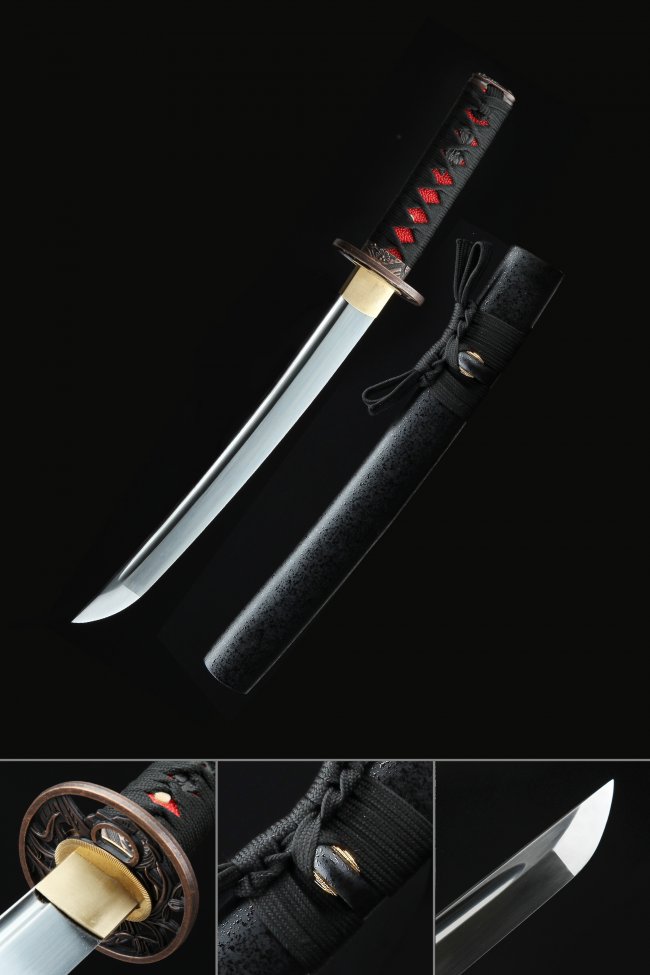
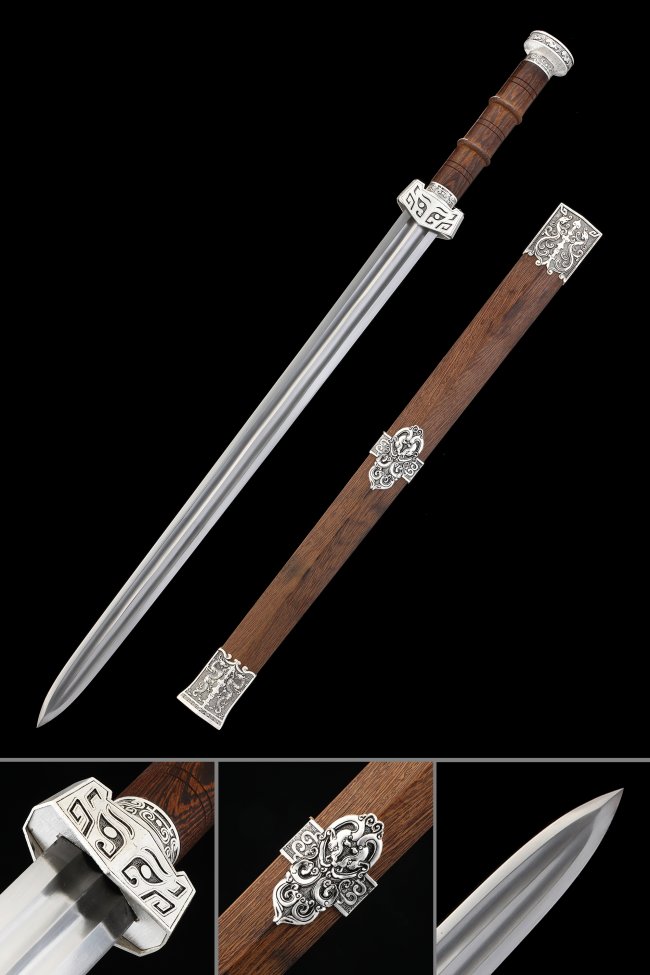
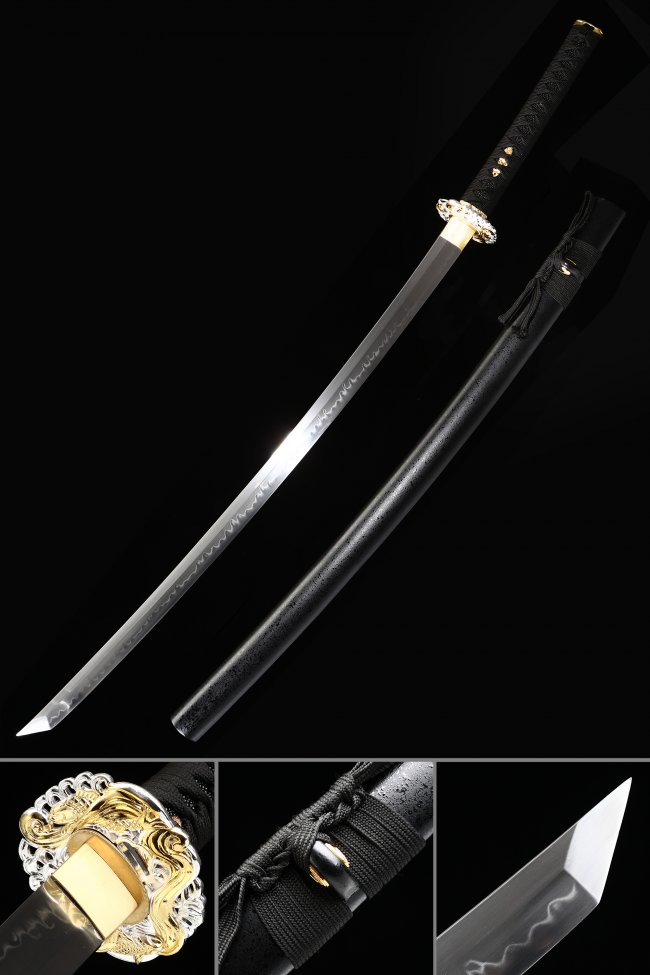
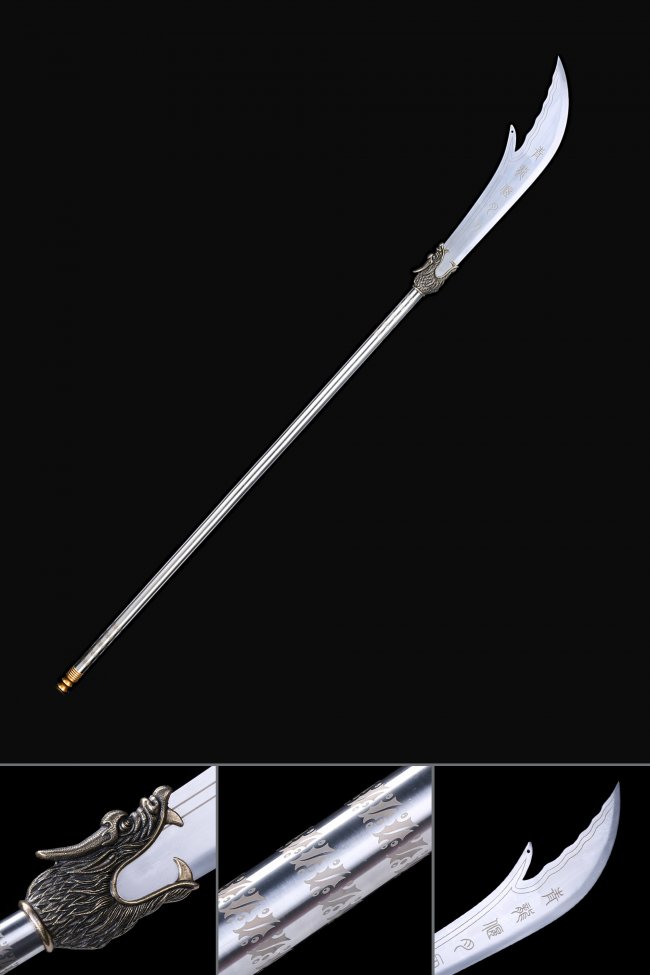
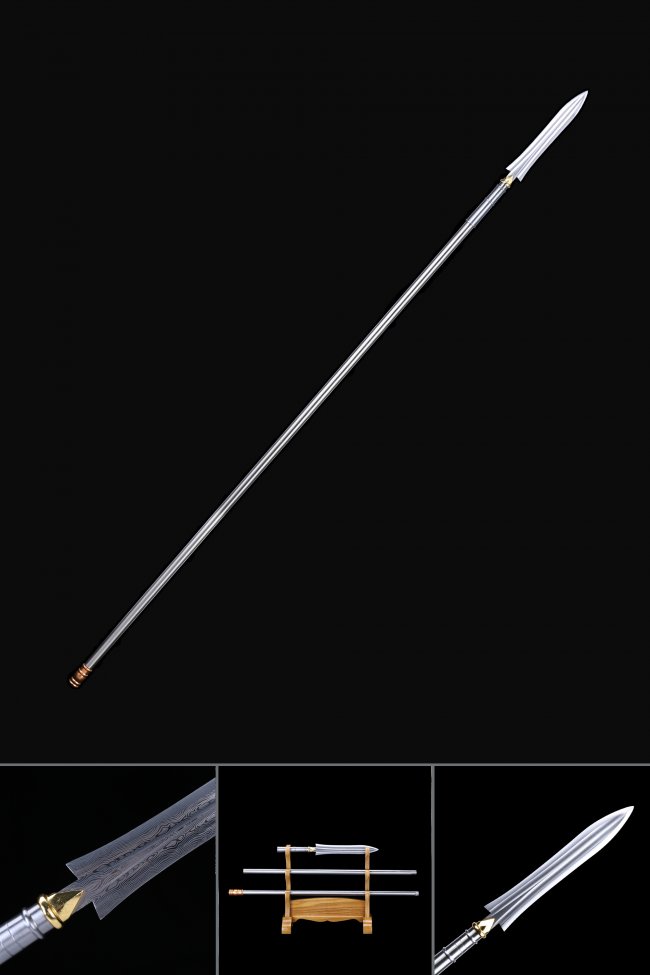
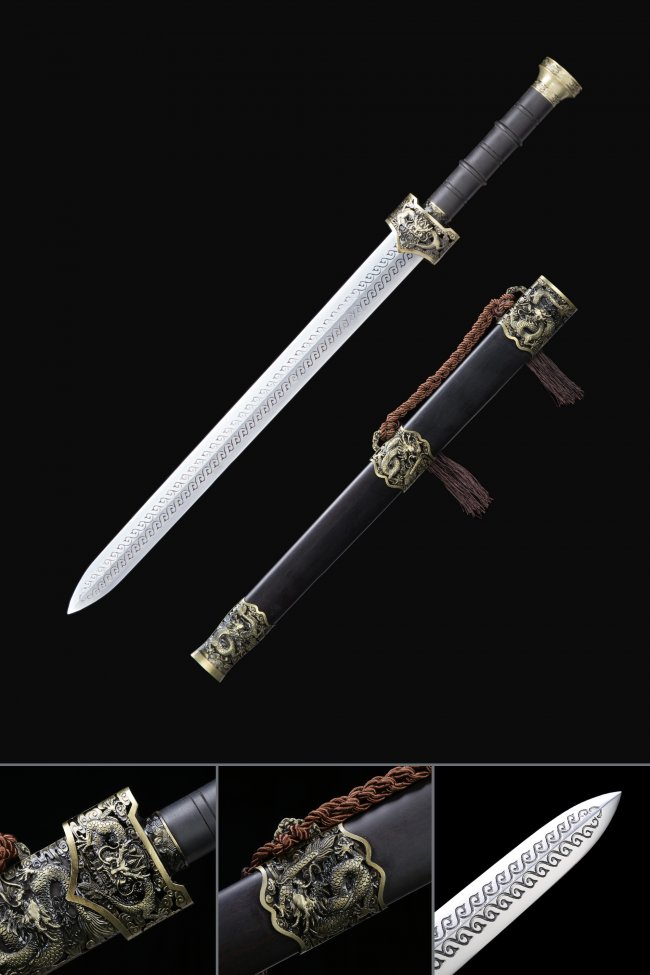
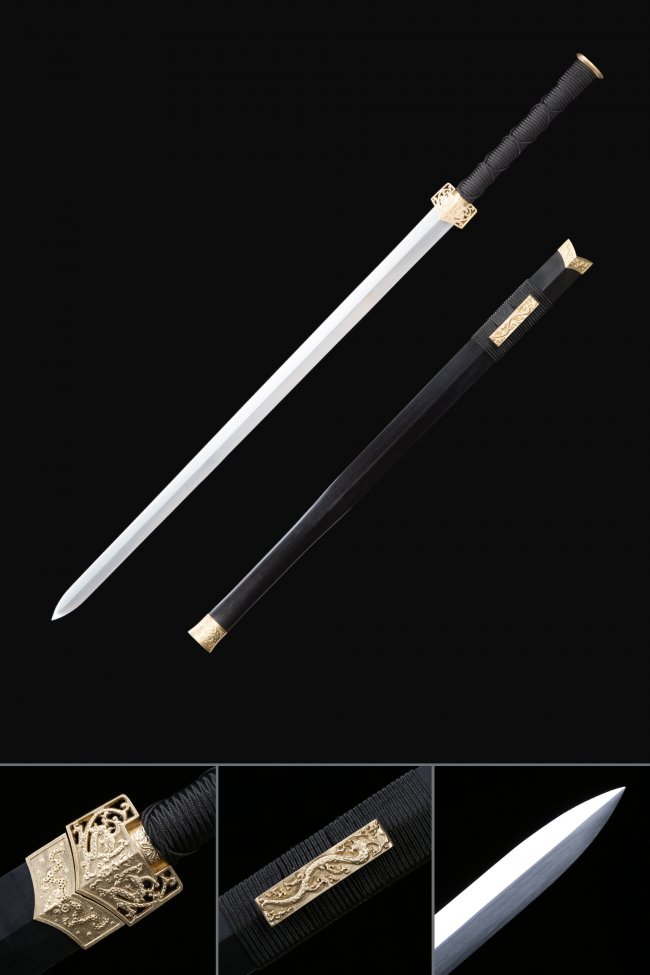
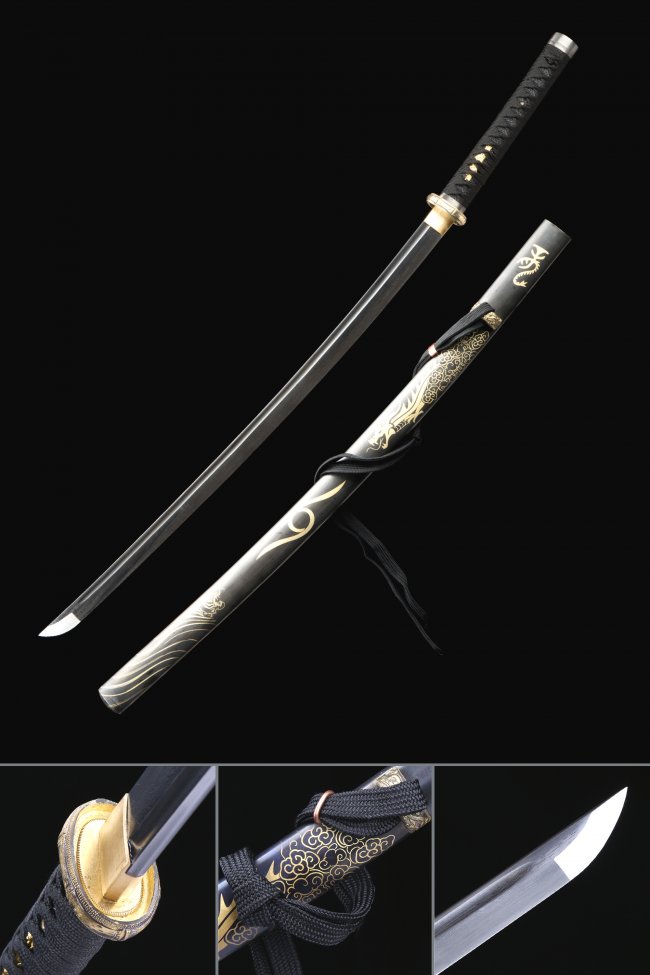
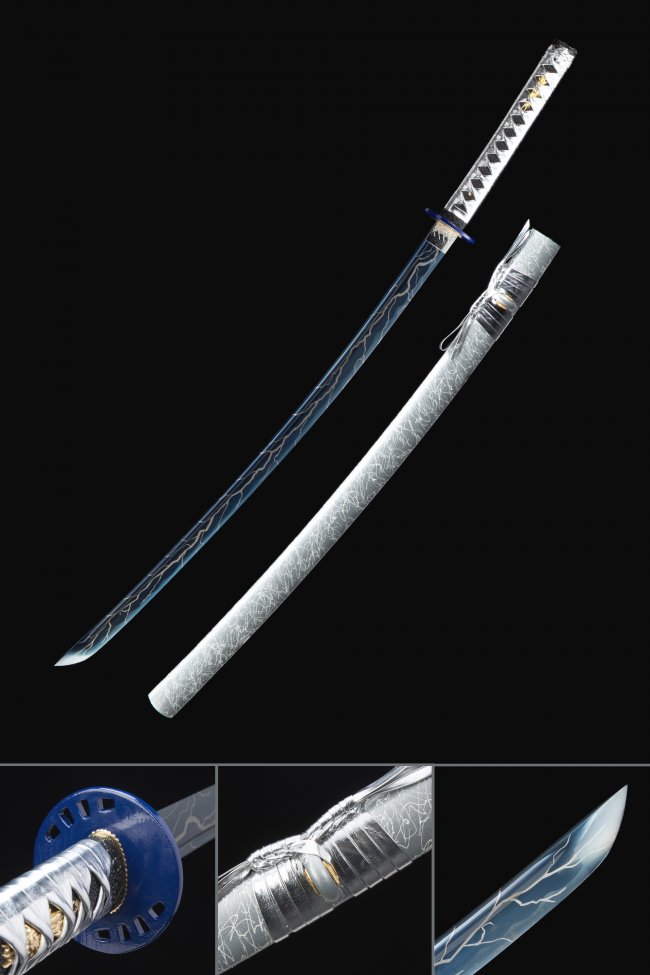
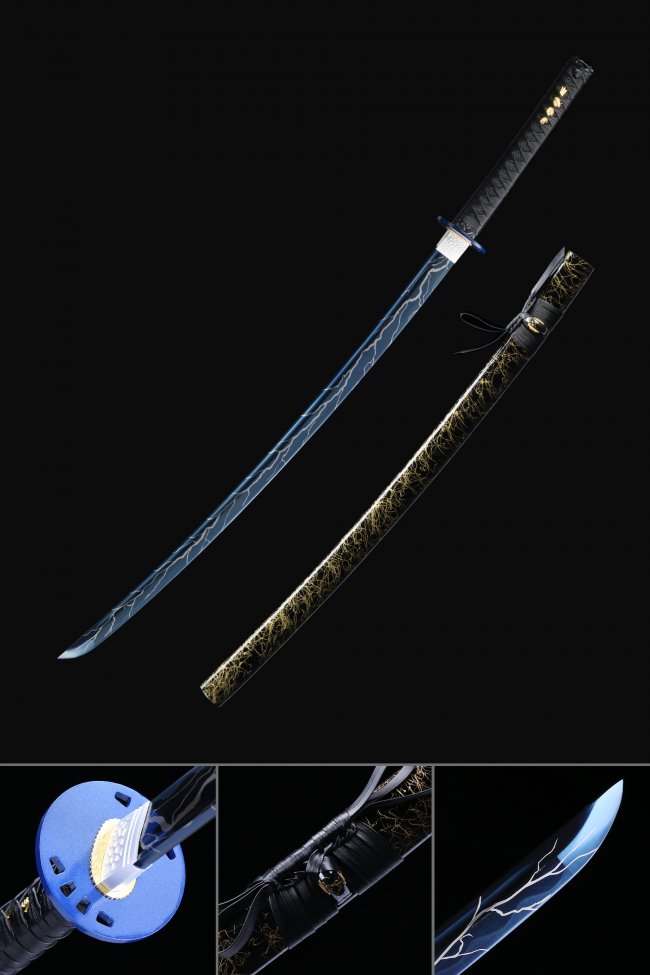
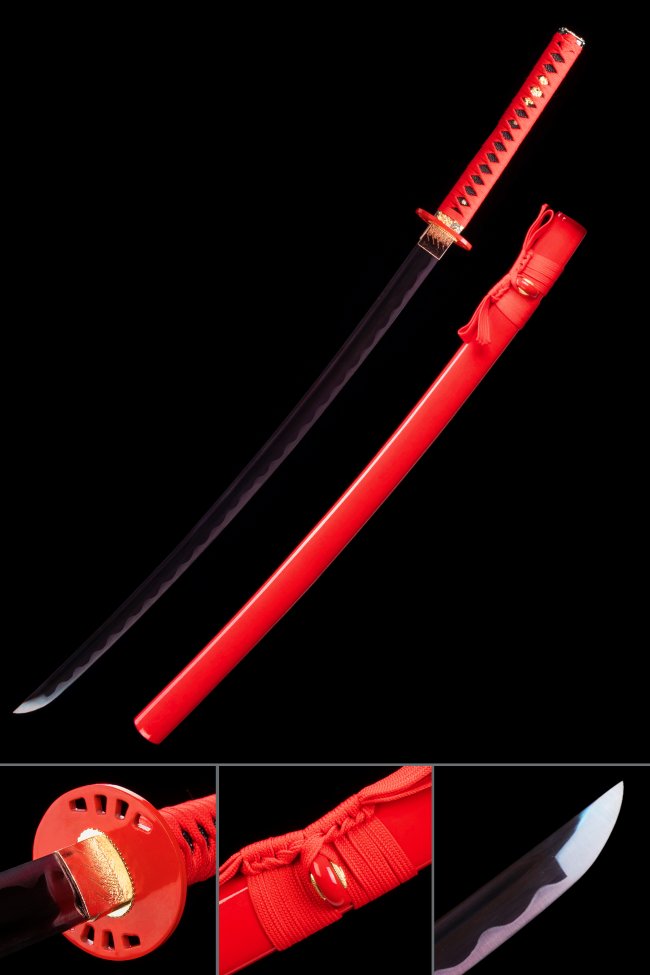
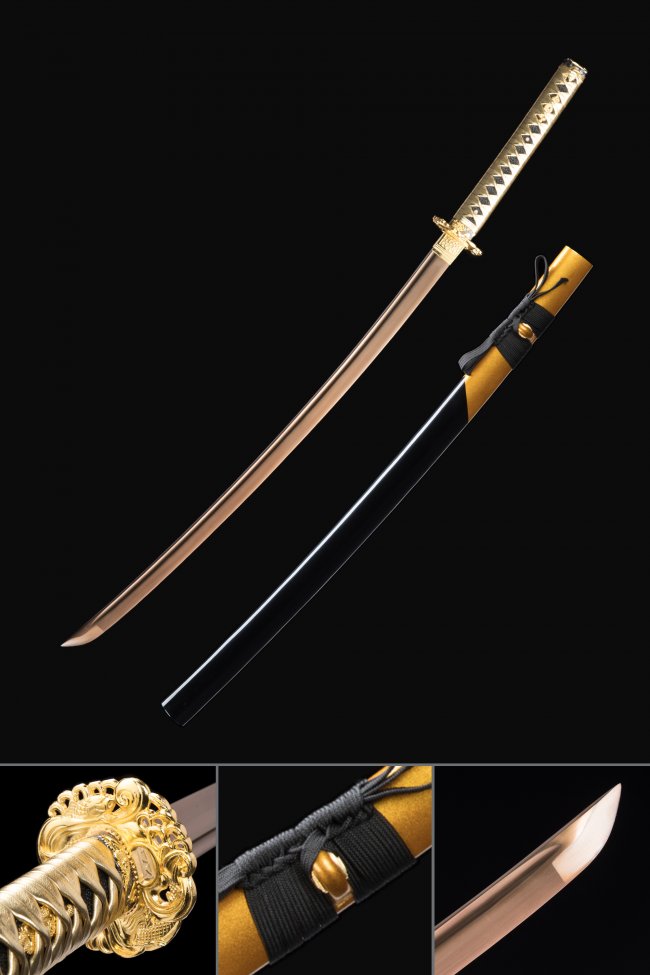
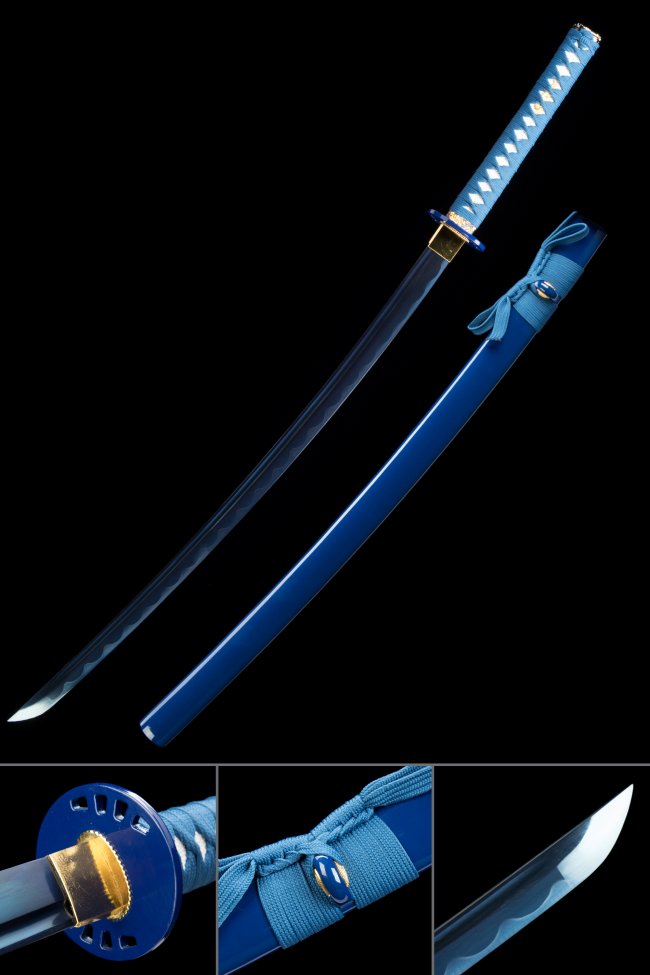
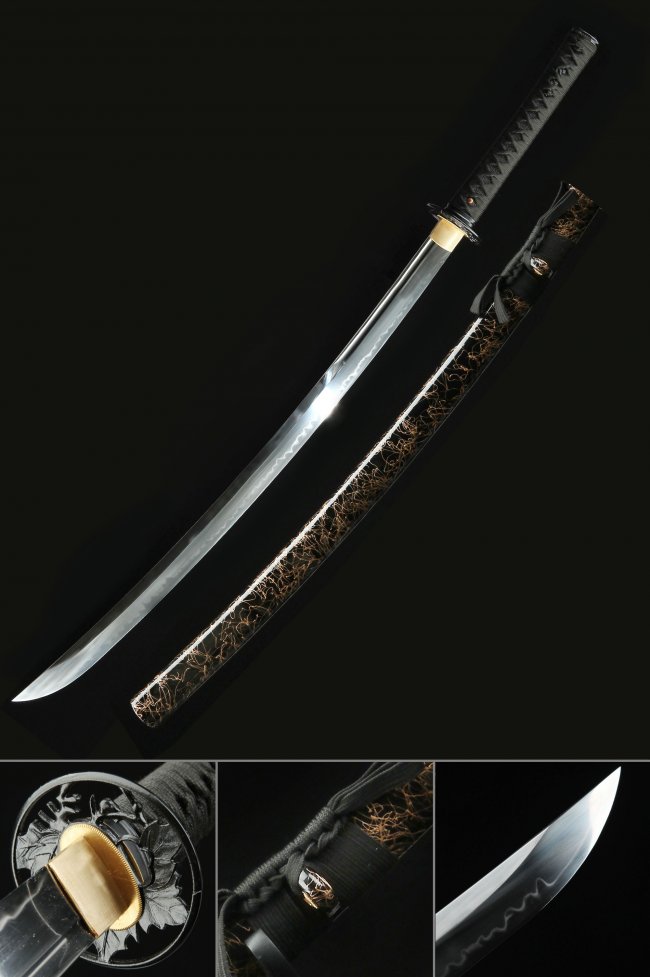
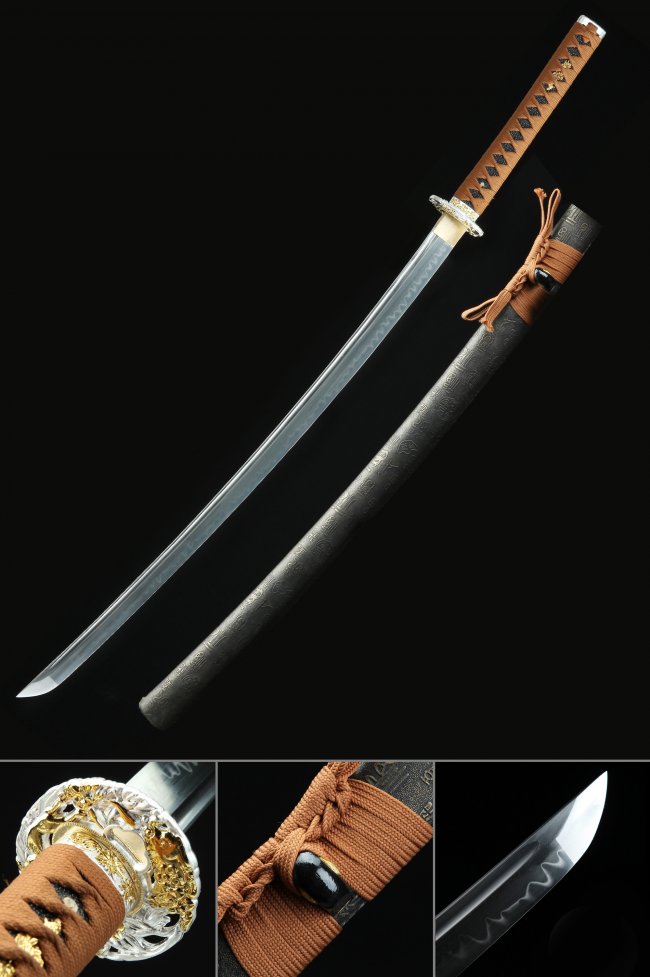
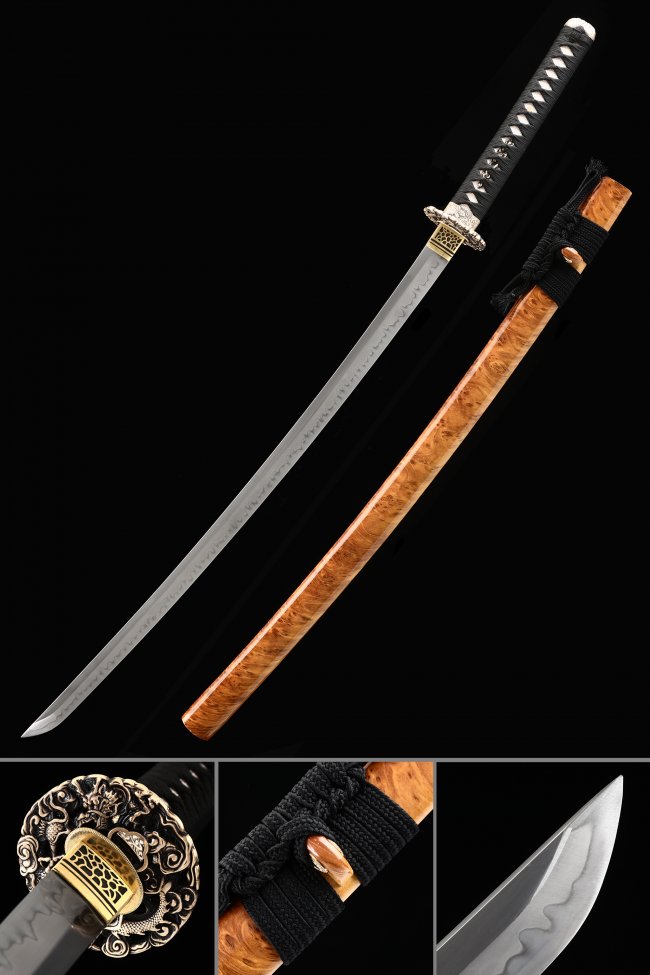
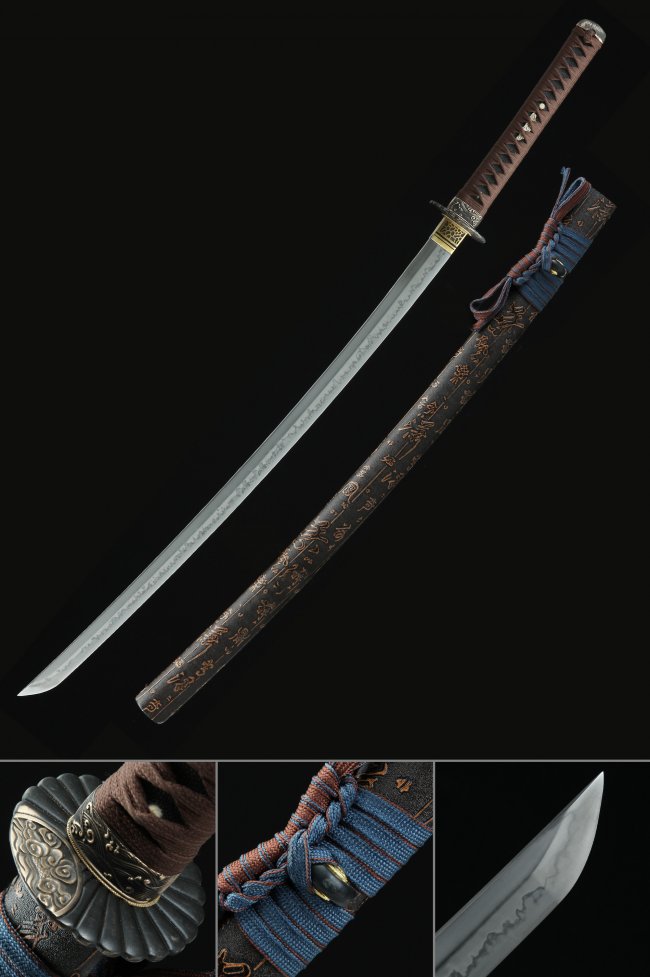
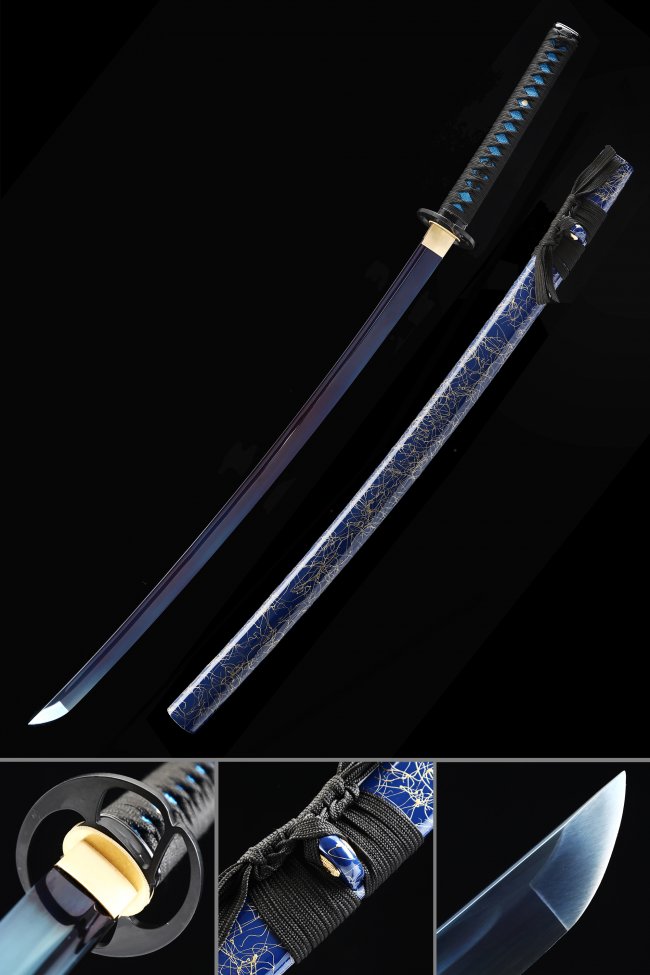
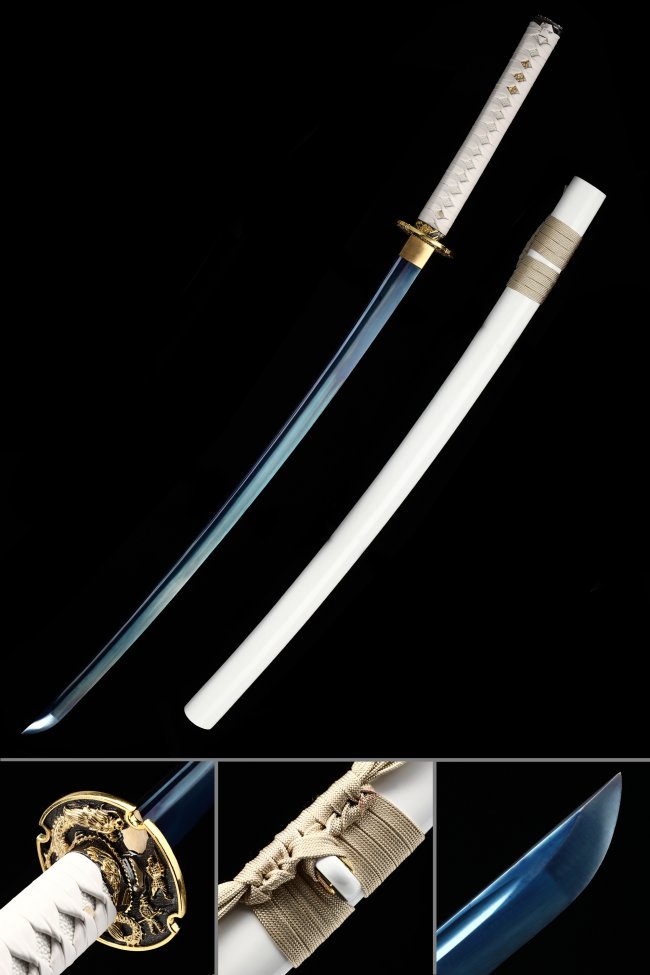
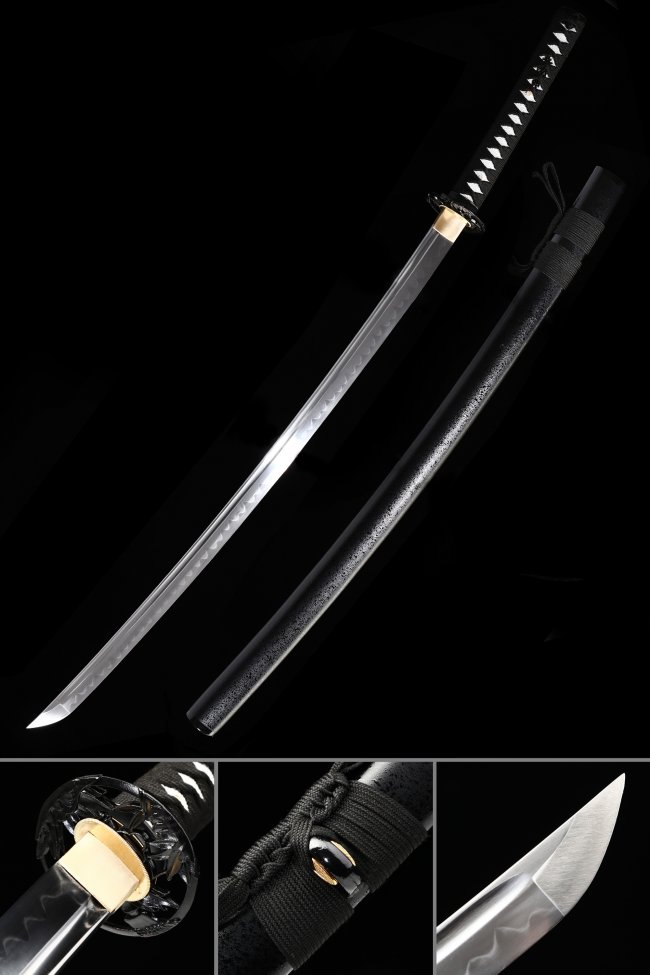
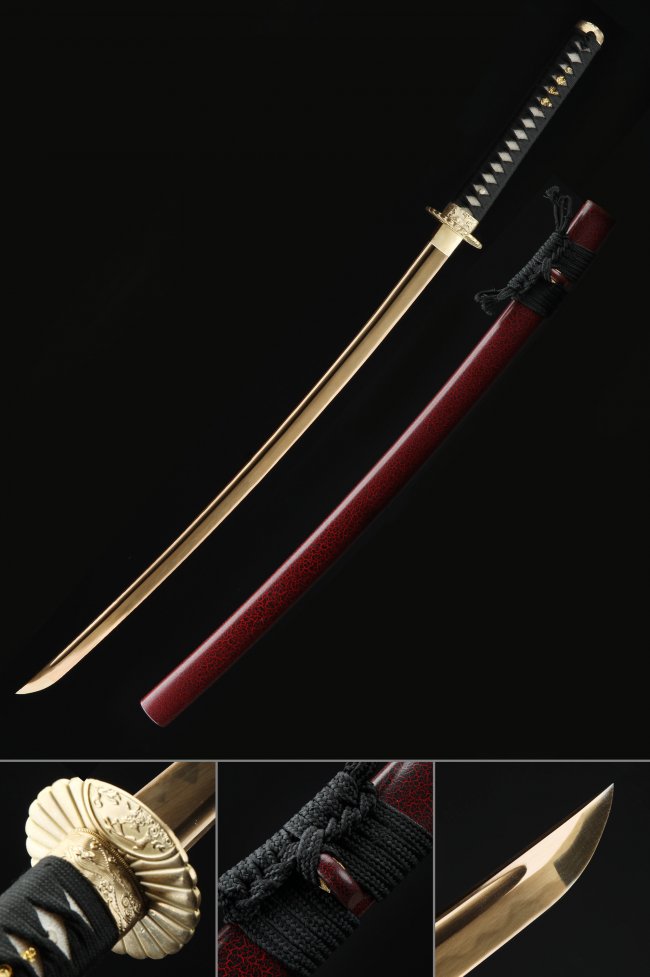
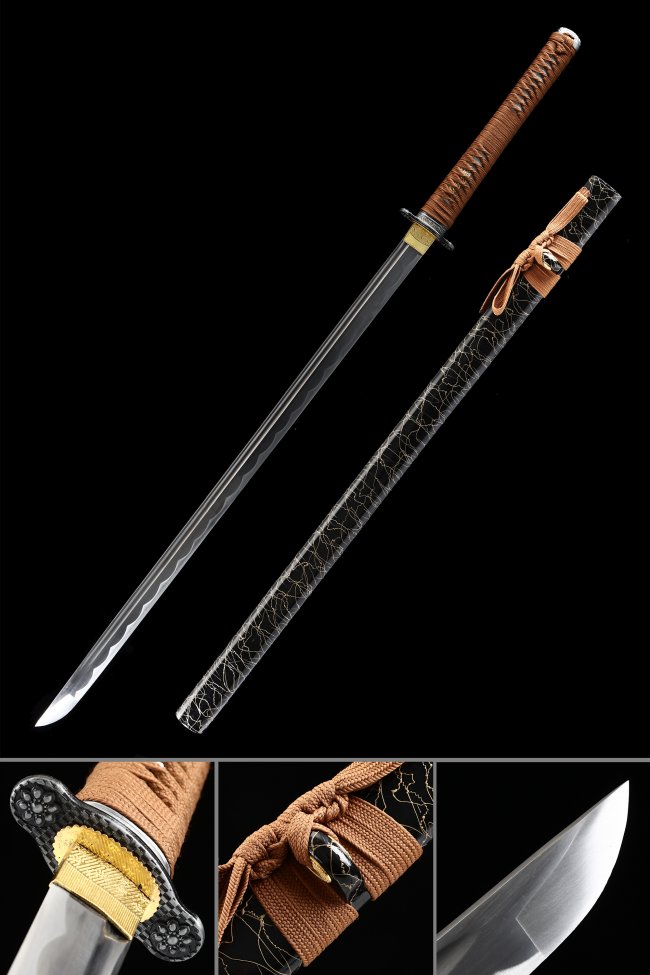
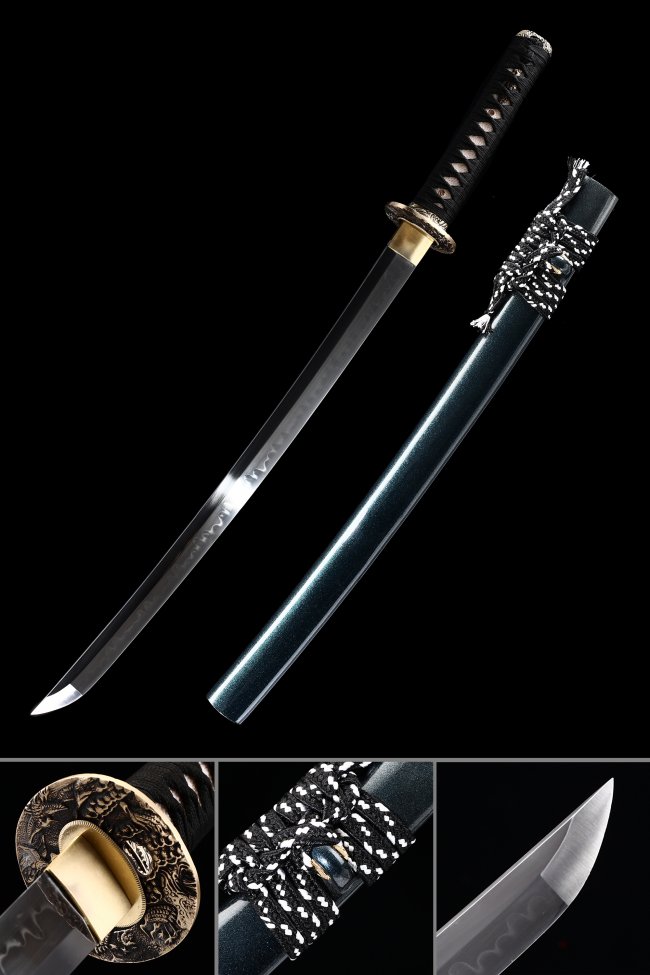
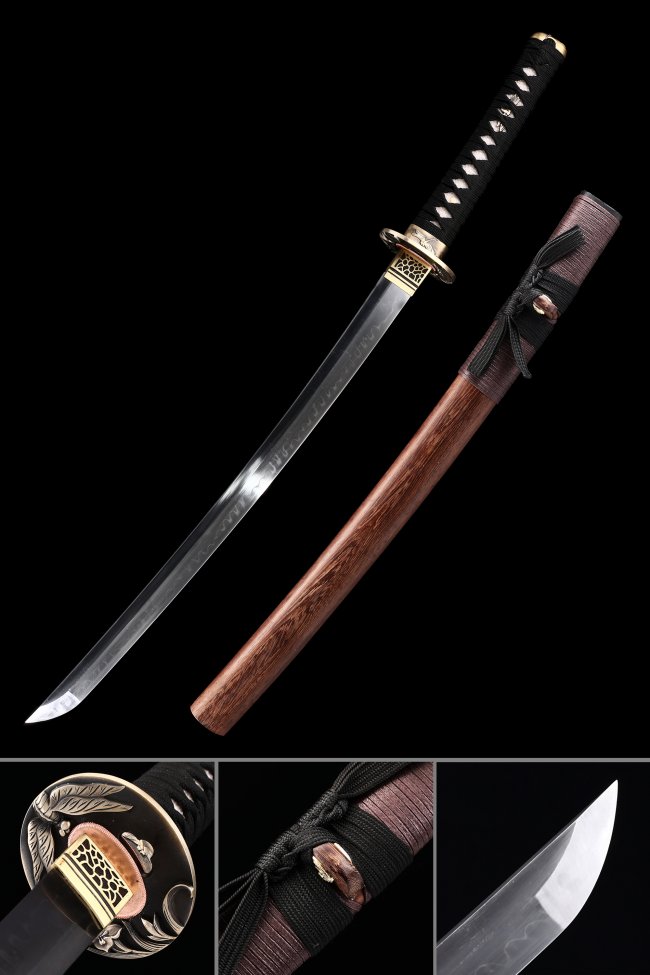
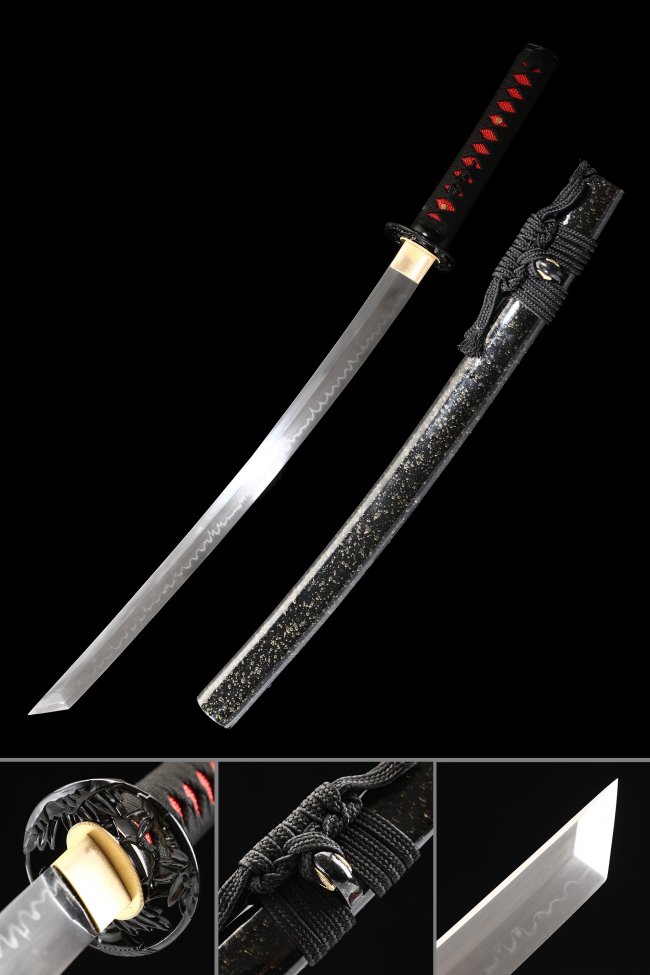
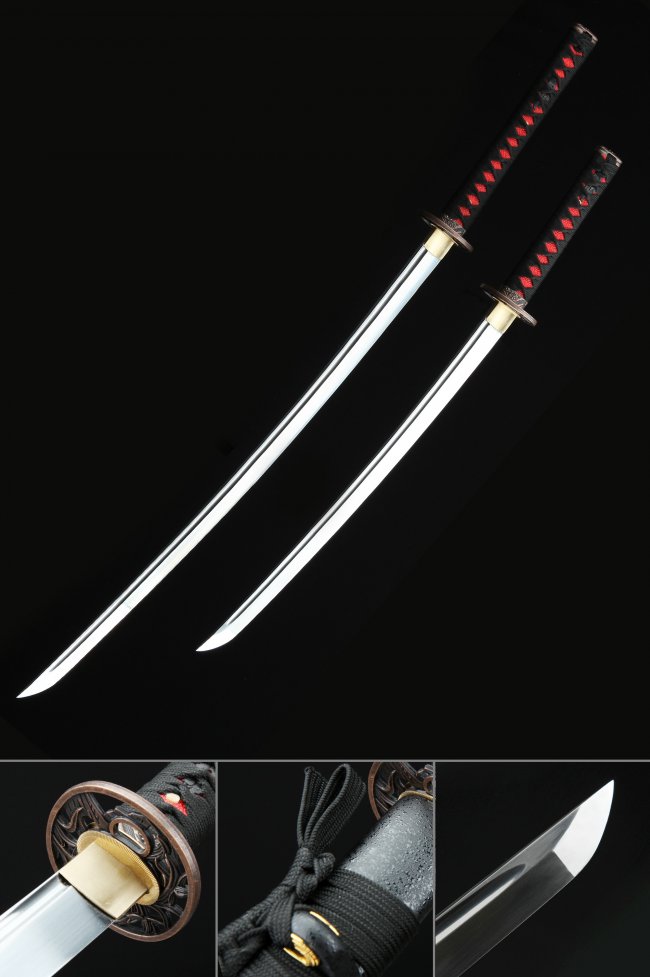
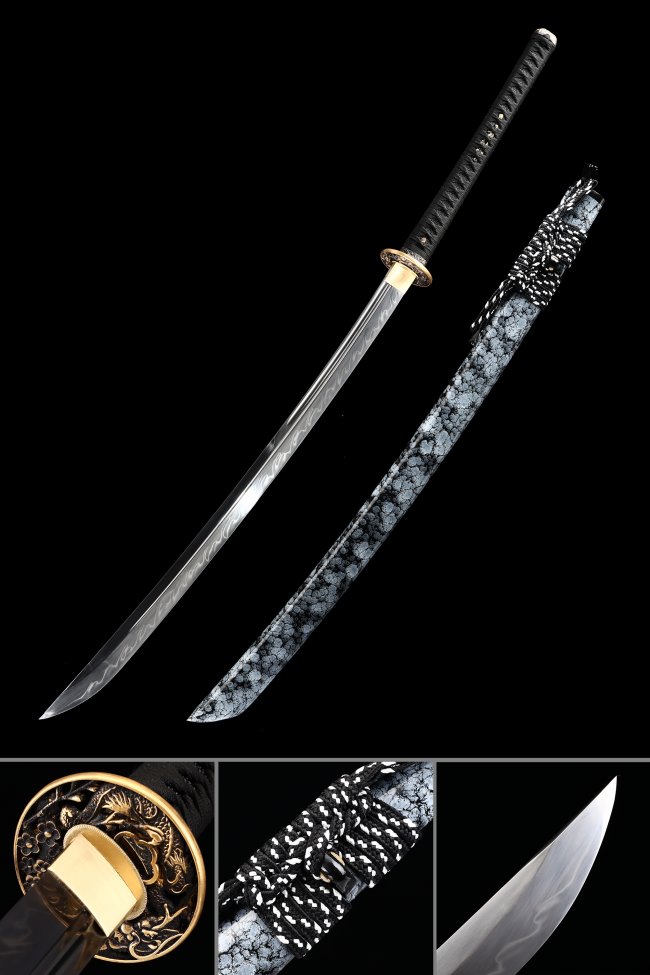
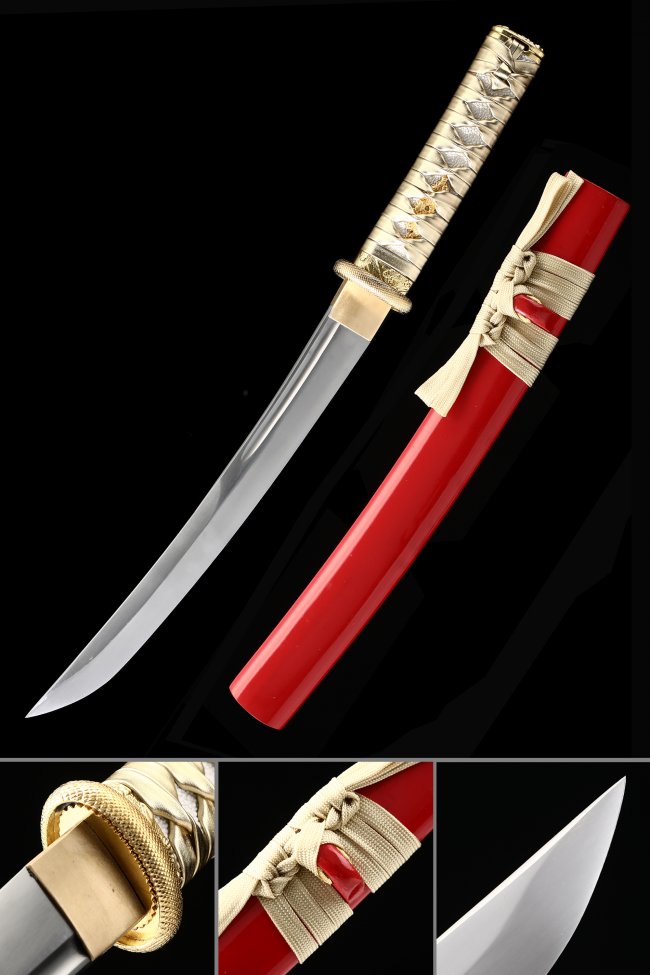
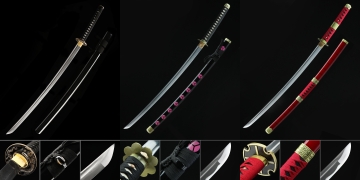
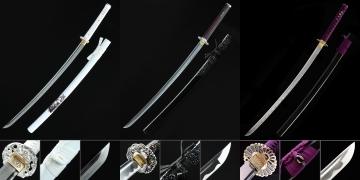
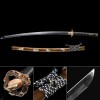
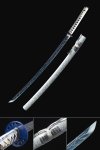
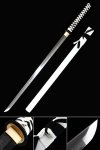
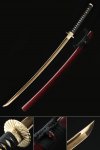
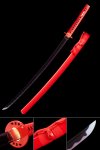
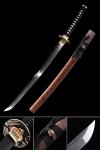
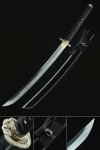
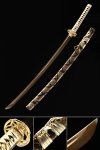
Discover the latest additions to TrueKatana's curated catalog — hand-forged Japanese swords and tanto crafted from T10 carbon steel, Damascus steel, and rare Melaleuca folded steel. Each new arrival is selected for its authentic clay-tempering, visible hamon, and full-tang construction, making every piece a serious collectible worthy of display. Enjoy free shipping on all orders and hassle-free returns.

Showing 127 Products

Frequently Asked Questions

What steel types are featured in the new arrivals?
The current new arrivals span four distinct steel traditions: T10 carbon steel, 1090 carbon steel, Damascus (pattern-welded) steel, and Melaleuca folded steel. T10 is notable for its high carbon content and added silicon, which makes it particularly receptive to differential clay tempering — producing a crisp, authentic hamon line. 1090 carbon steel offers a slightly lower carbon ratio that balances hardness with resilience. Damascus pieces are built from multiple layers of welded steel, creating the characteristic wavy surface pattern collectors recognize immediately. Melaleuca steel is the rarest of the four: its cross-grain folding technique produces a surface texture visually distinct from conventional Damascus, making it a conversation piece in any display case. Knowing the steel type helps collectors match a blade to the aesthetic and metallurgical story they want their collection to tell.
What makes clay-tempered tanto different from standard production tanto?
Clay tempering — known historically as tsuchioki — is a heat-treatment process where a layer of refractory clay is applied to the spine of the blade before the final quench. The clay insulates the spine, allowing it to cool slowly and remain relatively soft, while the exposed edge cools rapidly and hardens to a high Rockwell rating. This differential hardening creates the hamon, the visible temper line that runs along the edge. On a standard production tanto, any visible hamon line is typically acid-etched onto the surface and carries no structural meaning. On a clay-tempered tanto, the hamon is an authentic byproduct of the metallurgical process — you can observe it under light at multiple angles, and the activity within it (the misty regions called nie and nioi) shifts depending on how the blade is illuminated. For display collectors, this distinction matters considerably because a genuine hamon adds both visual depth and documentary value to the piece.
How should I store and maintain a new carbon steel display blade?
Carbon steel — whether T10, 1090, or folded Melaleuca — will oxidize if left unprotected, so consistent maintenance is essential even for display-only pieces. After handling, wipe the blade with a clean, lint-free cloth to remove skin oils, which are mildly acidic and accelerate surface rust. Apply a very thin, even coat of choji oil or a food-grade mineral oil substitute along the entire surface. For long-term storage, wrap the oiled blade in a breathable cloth rather than synthetic materials that trap moisture, and keep it in a low-humidity environment. If the blade is displayed on a wall mount or stand, re-oil it every one to three months depending on your local climate. A blade stored inside its saya for extended periods should be removed periodically so moisture does not accumulate between the blade and the wooden scabbard, which can cause pitting along the edge.
Are ninjato collectibles historically authentic designs?
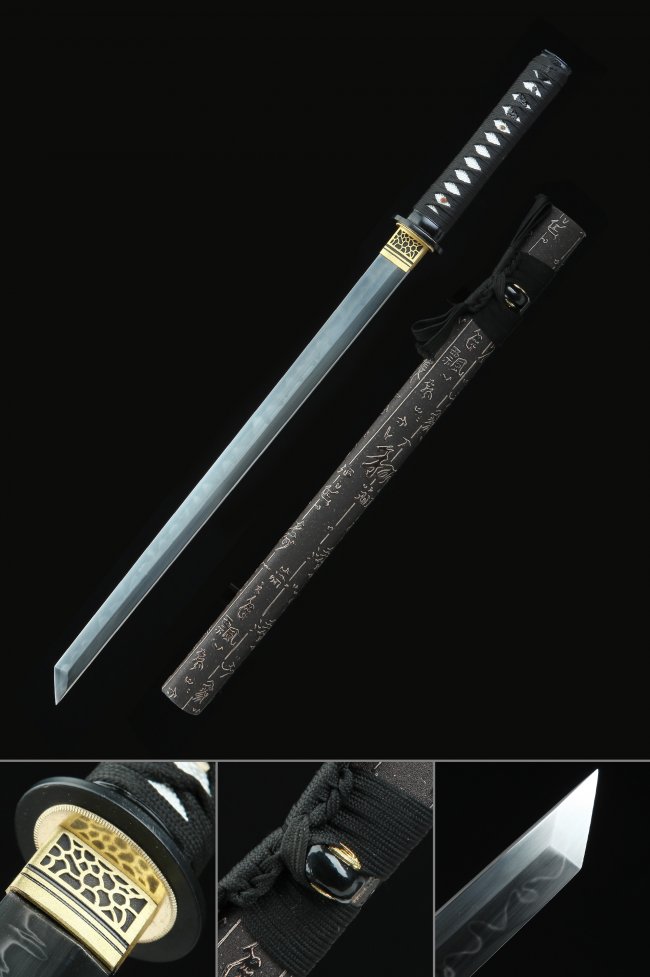
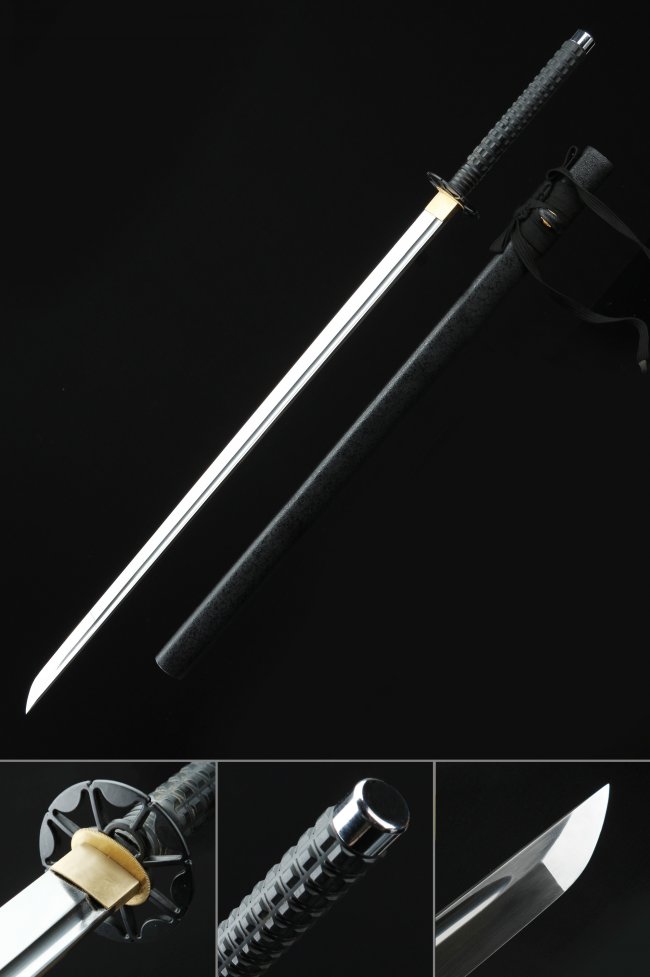
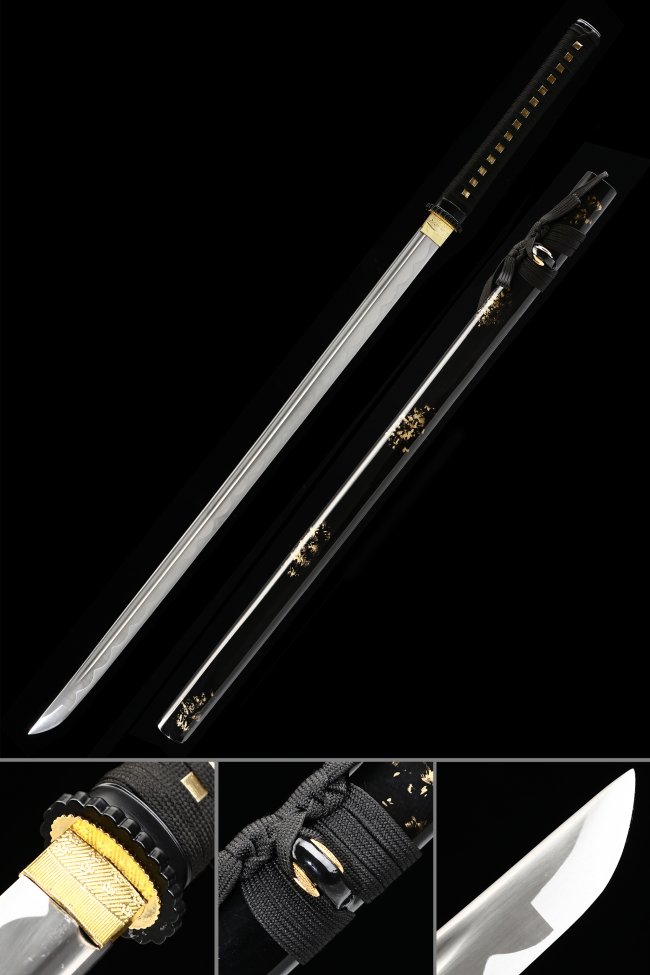
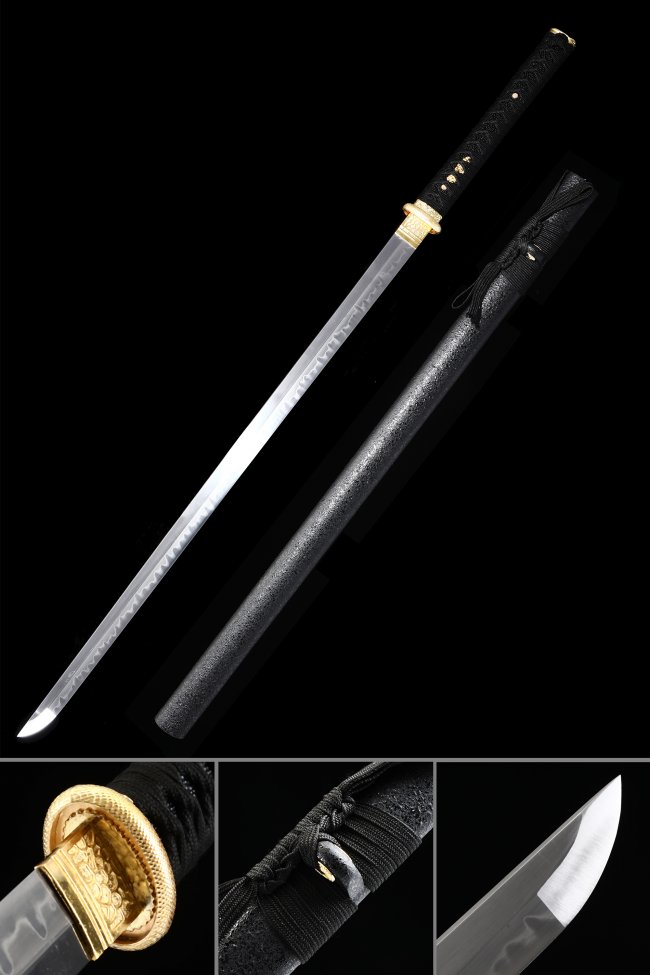
The ninjato's historical authenticity is one of the more debated topics in Japanese sword scholarship. Primary historical sources do not document a standardized straight-bladed short sword used specifically by shinobi, and most historians believe the straight-edged ninjato as popularly depicted is largely a 20th-century construct influenced by stage performance and film. That said, ninjato as collectibles have developed their own legitimate tradition within the decorative and display sword world. Their straight geometry, typically shorter blade length, and understated square tsuba create a visual profile that genuinely distinguishes them from curved katana or wakizashi in a display setting. Collectors who appreciate the ninjato tend to value exactly that contrast — the clean lines and austere mountings offer a different aesthetic chapter in a curated collection. The hand-forged Melaleuca and T10 ninjato in this collection are crafted with the same material seriousness applied to any other blade in the catalog.
How do I choose between a tanto and a full-length katana for display?
The choice often comes down to available display space, thematic focus, and the level of craft detail you want to examine up close. A tanto — typically under 12 inches of blade length — can be displayed in smaller cases or wall-mounted at eye level where viewers can appreciate the hamon activity, the grain of the handle wrap, and the detail of the tsuba without stepping back. Full-length katana, by contrast, command a room with their overall silhouette and are often best viewed from a slight distance. For collectors just beginning to build a display, a clay-tempered T10 tanto offers a meaningful entry point: the shorter format concentrates all the same craft elements — differential hardening, fitted saya, hand-wrapped tsuka — into a piece that is easier to store and rotate. Collectors with established displays sometimes add tanto as accent pieces alongside longer blades to create visual rhythm in the arrangement. Consider also exploring our Hamidashi Sword collection, which offers a closely related short-blade format with its own distinctive tsuba style.

Customer Reviews