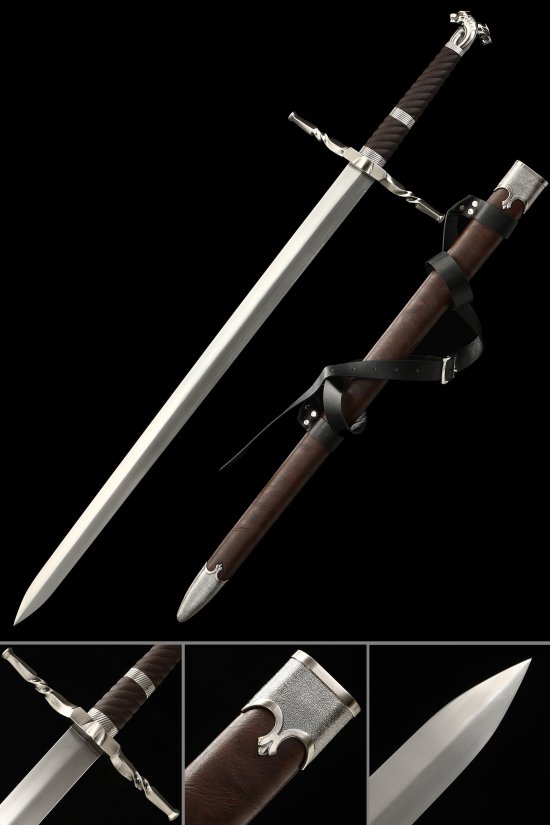
About Our Medieval Sword Collection
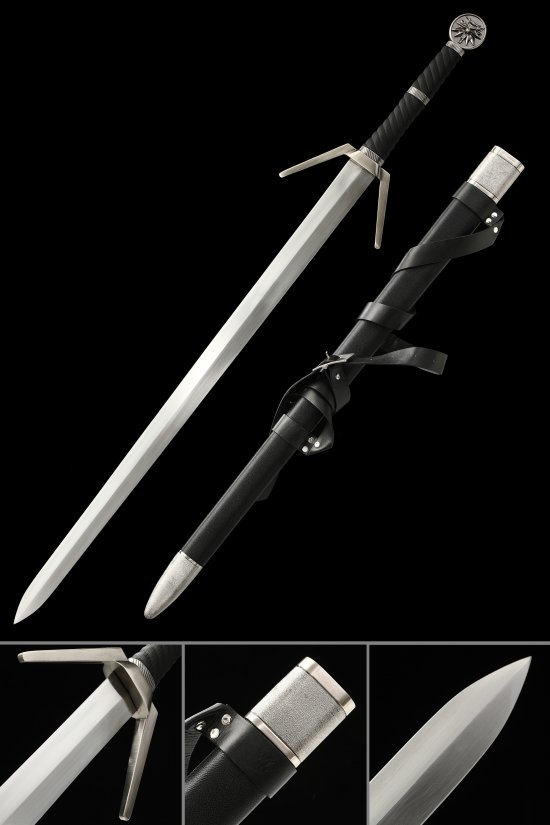
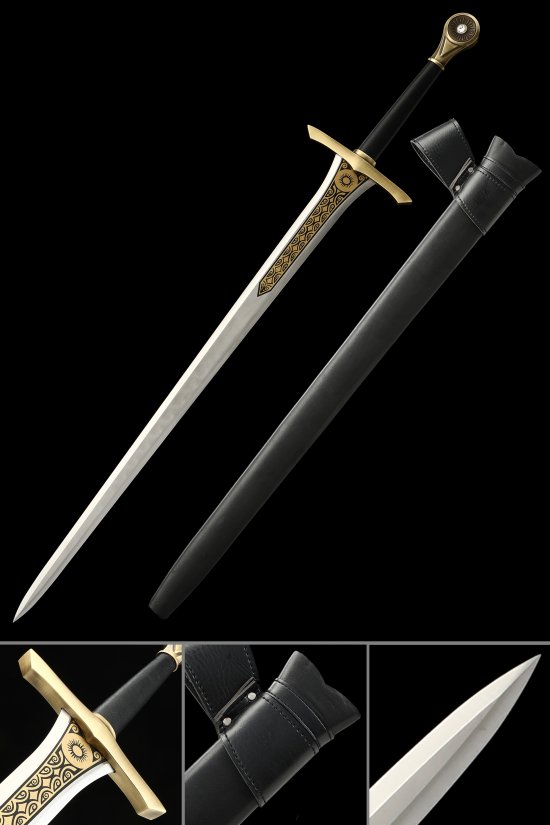
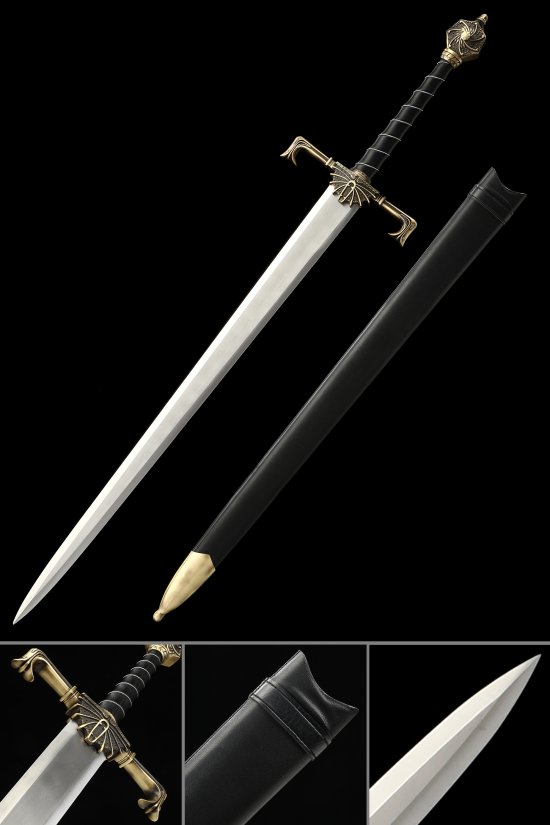
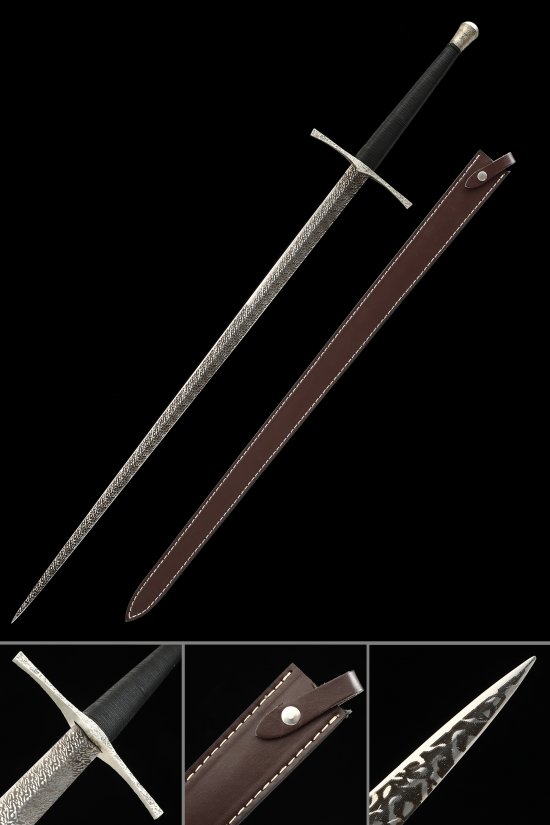
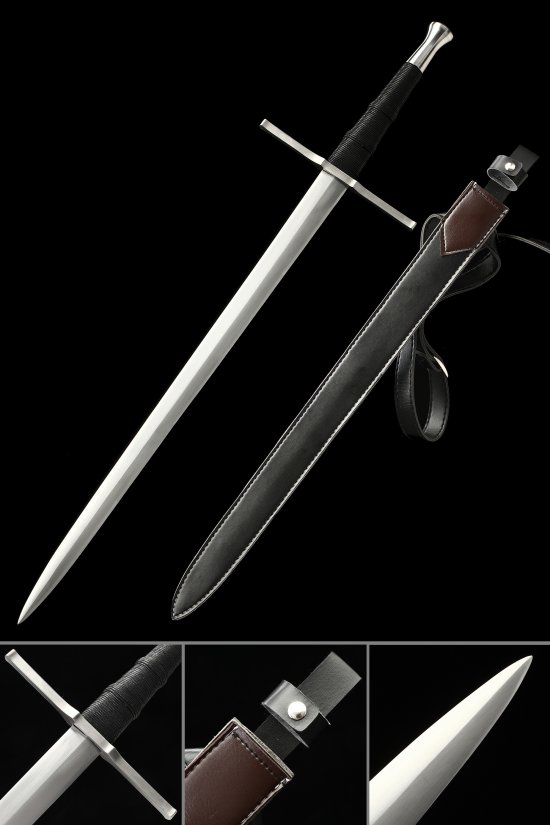
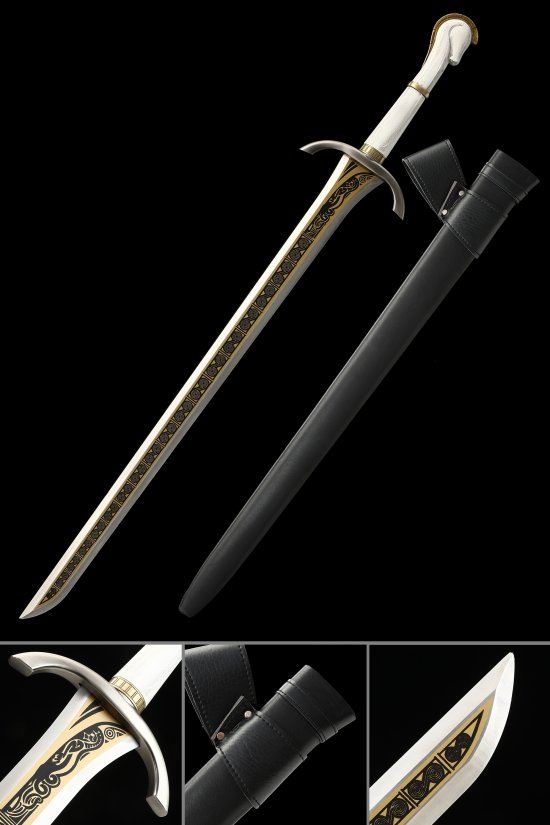
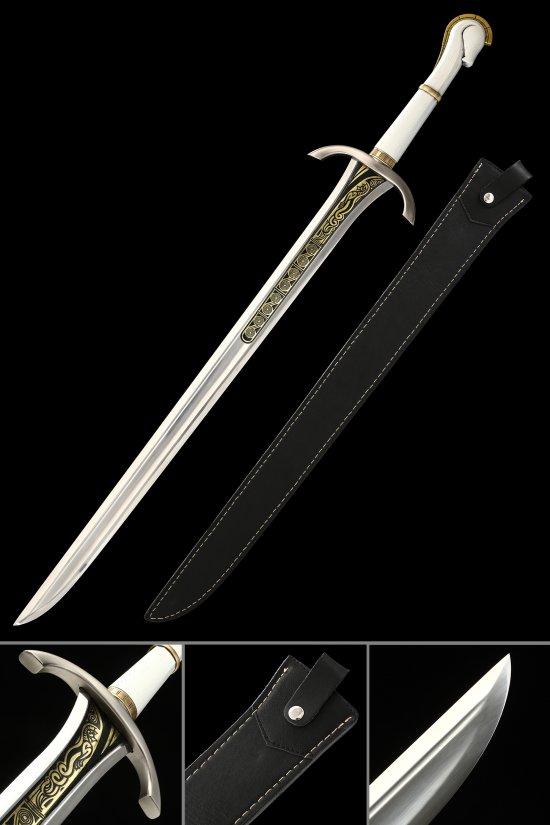
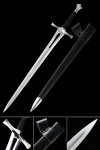
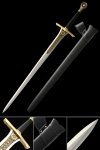
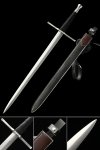
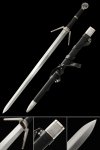
The European longsword is one of the most recognizable sword types in world history. Developed during the high medieval period and reaching its peak during the 13th through 15th centuries, the longsword was the defining sidearm of the European knight — just as the katana defined the Japanese samurai and the jian defined the Chinese scholar-warrior. At TrueKatana, our medieval sword collection features 20 handmade pieces in the longsword and bastard sword traditions, each hand-forged using carbon steel and manganese steel with full tang construction and traditional crossguard fittings.
The European Longsword
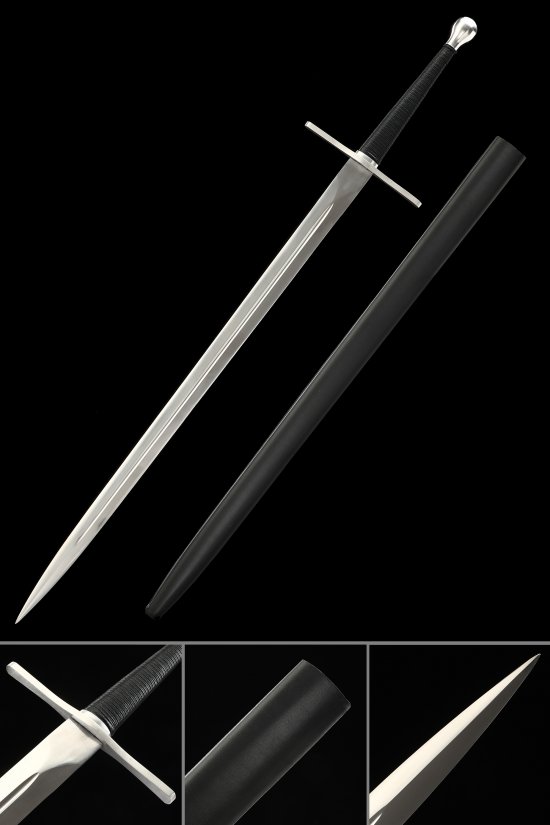
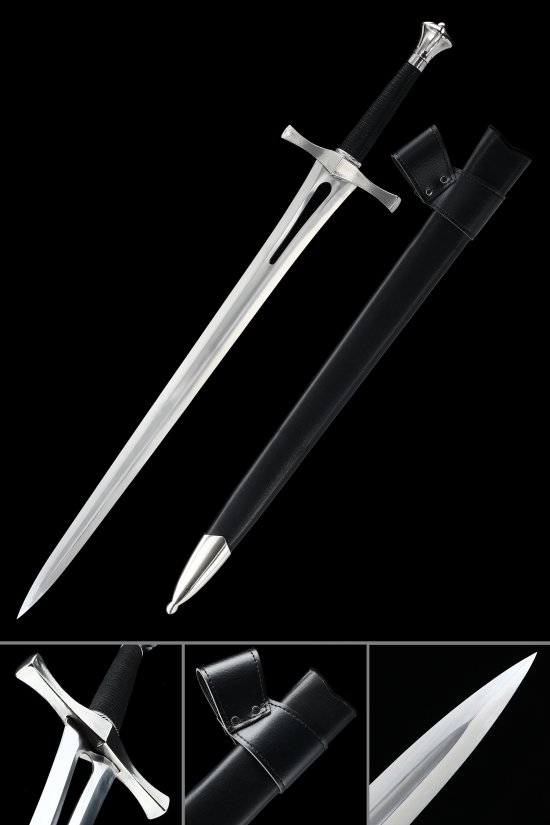
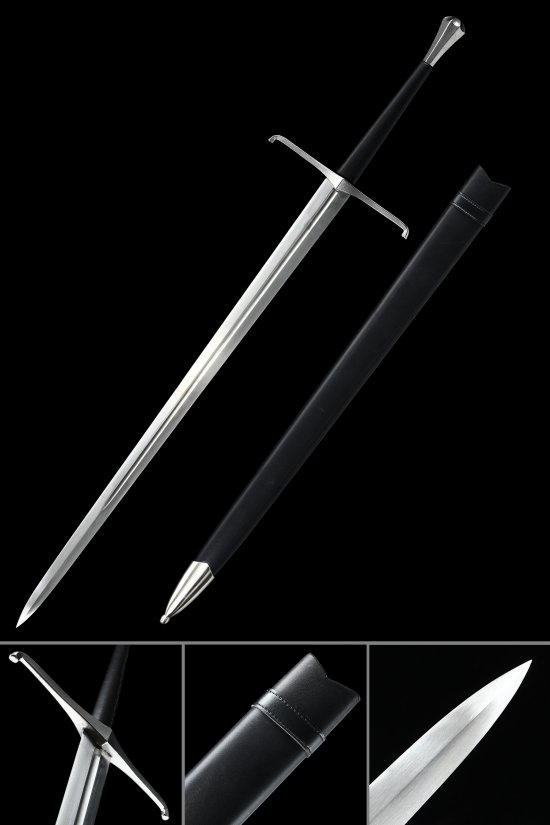
The longsword — also called the hand-and-a-half sword — features a straight, double-edged blade typically measuring 90–110 cm, with a cruciform crossguard and a grip long enough for two-handed use. Unlike the curved, single-edged katana or the lightweight Chinese jian, the European longsword was designed for a combination of cutting, thrusting, and half-swording techniques that made it effective against both armored and unarmored opponents. The longsword's symmetrical blade geometry and versatile handling made it the foundation of European martial arts traditions that are being actively revived today through HEMA (Historical European Martial Arts) communities worldwide.
The Bastard Sword
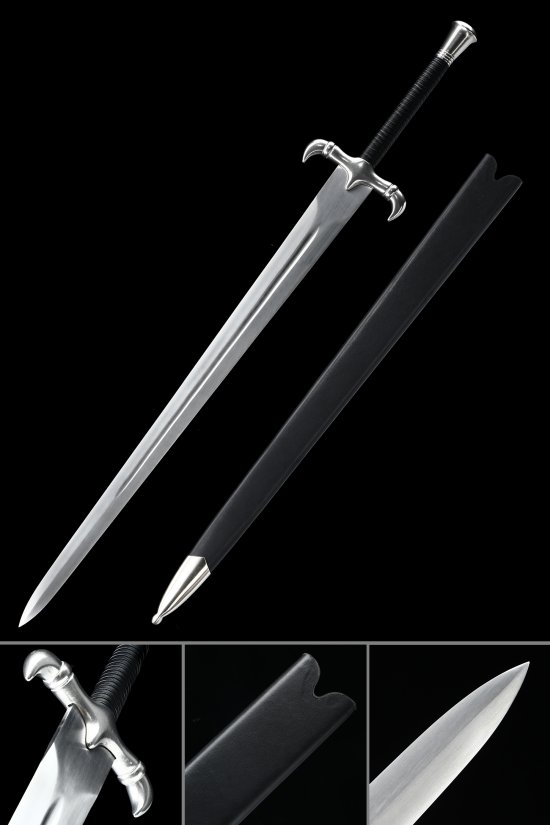
The bastard sword — so named because it fits between the one-handed arming sword and the two-handed greatsword — is characterized by its extended grip that allows both one-handed and two-handed use. This versatility made the bastard sword popular among knights and men-at-arms who needed a single blade that could adapt to different tactical situations. Our bastard sword collection features traditional crossguard designs with full tang construction, offering the weight and balance of a historical European sidearm.
Three Sword Traditions — One Collection
Many serious sword collectors build their collections across multiple traditions, recognizing that each culture developed its own approach to blade craft in response to different materials, armor types, and fighting philosophies. Understanding these differences enriches the appreciation of any single sword in the collection.
The Japanese tradition — centered on the katana — prioritized a single, curved cutting edge refined through differential hardening. The result is a blade optimized for decisive, drawing cuts, with the hamon temper line as both a functional feature and an object of aesthetic appreciation.
The Chinese tradition — expressed through the jian and dao — developed the oldest continuous sword-making lineage in the world. The double-edged jian emphasized precision and finesse, while the single-edged dao favored powerful cuts. Chinese metallurgy, including early steel folding techniques, influenced blade craft across East Asia.
The European tradition — embodied in the longsword — took a different path. The straight, double-edged blade was designed for a mixed combat system involving cuts, thrusts, and grappling techniques. European swords were built to work against mail and plate armor, which drove the development of rigid, pointed blade profiles and strong crossguards.
For collectors who already own Japanese and Chinese swords, adding a European longsword provides a direct point of comparison — the same fundamental challenge of turning raw steel into an effective blade, answered by three very different civilizations.
Medieval Swords in Modern Culture
European medieval swords hold a prominent place in modern popular culture through film, television, literature, and gaming. From the swords of Lord of the Rings and Game of Thrones to historical dramas and tabletop RPGs, the image of the medieval longsword is deeply embedded in Western storytelling. Our medieval sword collection offers collectors and enthusiasts the opportunity to own a handmade, full-size version of this iconic blade type — not a wall-hanger replica, but a properly forged sword with real steel construction and traditional fittings.
The revival of HEMA (Historical European Martial Arts) has also driven growing interest in medieval swords among martial arts practitioners. HEMA students study historical fencing manuals from the 14th and 15th centuries and practice longsword techniques in structured training environments. While our collection is designed primarily for collectors and display, the authentic weight and balance of our longswords give HEMA enthusiasts an appreciation for how these historical blades handled.
How Our Medieval Swords Are Made
Each medieval sword begins with a steel billet — either carbon steel or manganese steel — that is heated, hammered, and ground into a straight, double-edged blade profile. Unlike the curved blades of Japanese and Chinese swords, European longsword blades require a symmetrical cross-section with a central ridge or fuller (groove) that provides structural rigidity while reducing weight. After the blade is shaped and polished, it is fitted with a cruciform crossguard, a wooden grip wrapped in leather or cord, and a pommel that serves as both a counterweight and a striking surface. The result is a balanced, full-tang sword that faithfully represents the medieval European sword-making tradition.