Handmade Tachi Swords
Explore our collection of handmade Tachi swords — each piece individually forged and assembled by skilled artisans using traditional Japanese swordsmithing techniques. From Damascus and T10 steel blades with real hamon lines to intricately cast tsuba and hand-wrapped tsuka, every detail honors the Tachi's distinguished heritage as one of Japan's earliest curved sword forms. Free shipping and free returns on every order.
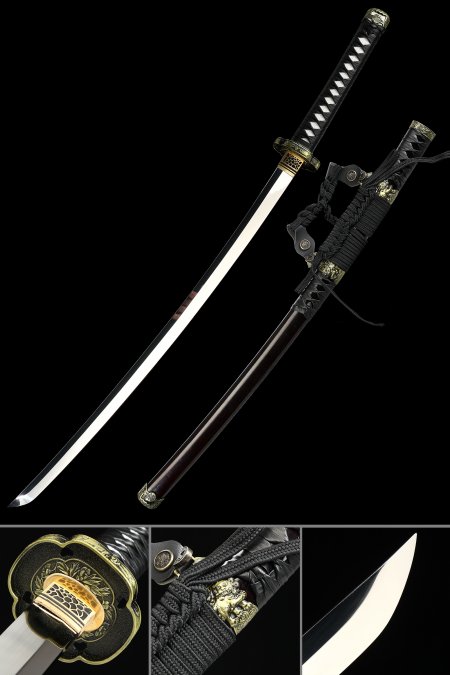
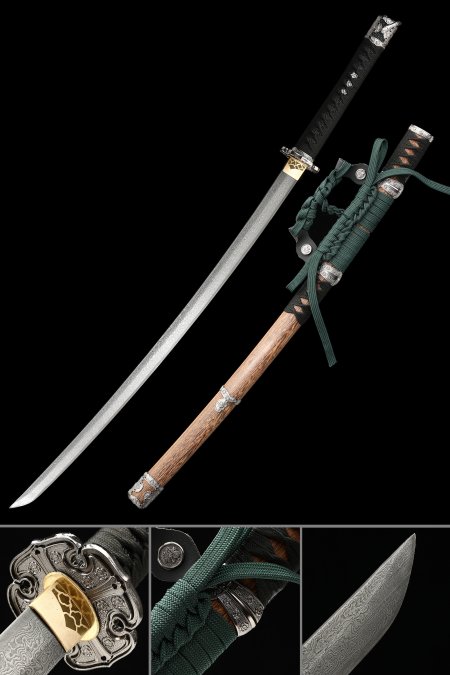
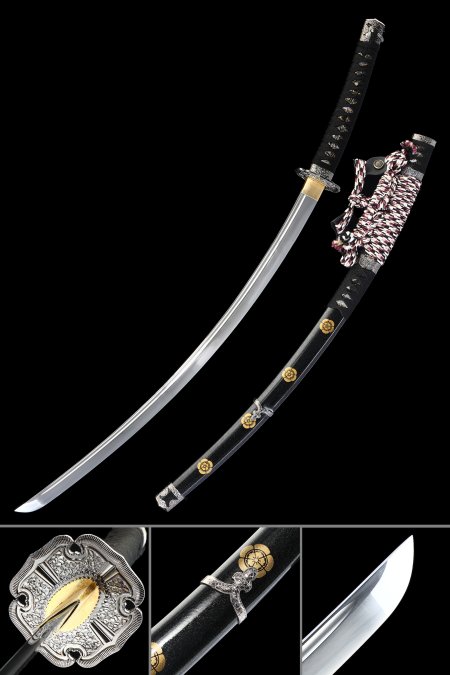
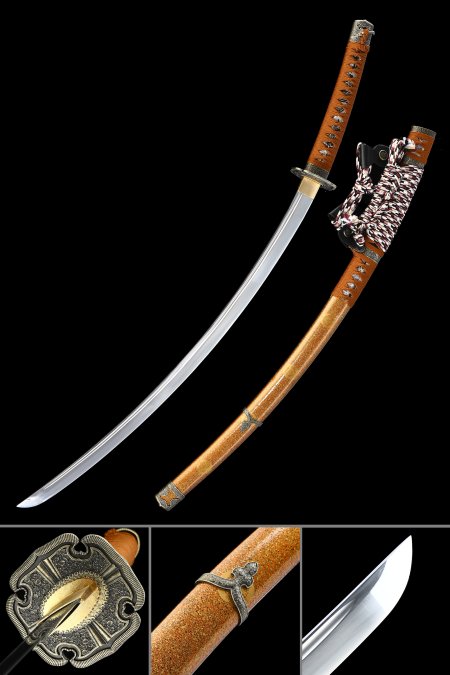
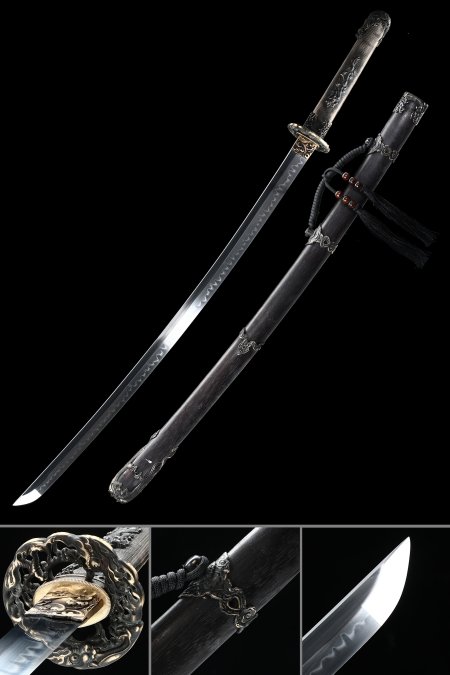
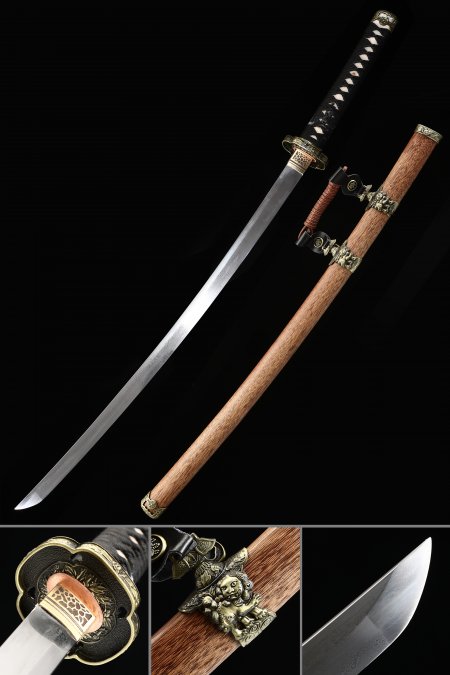
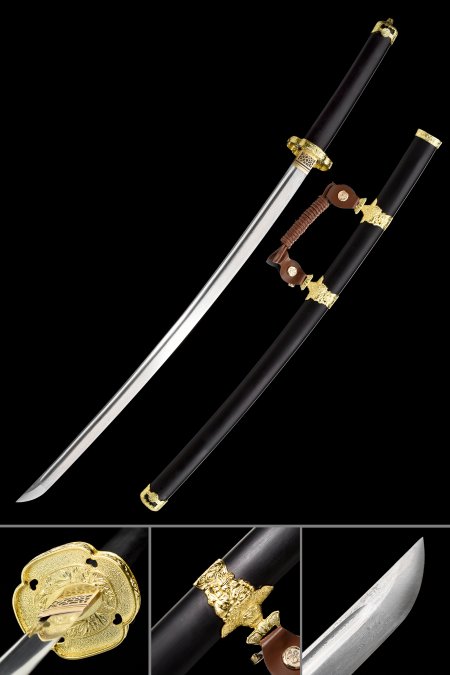
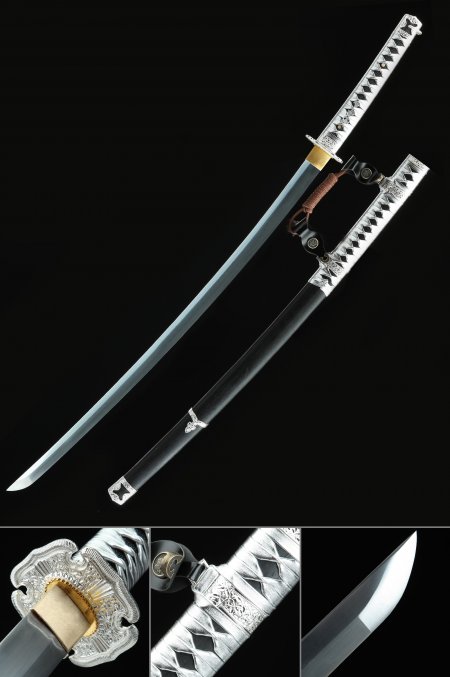
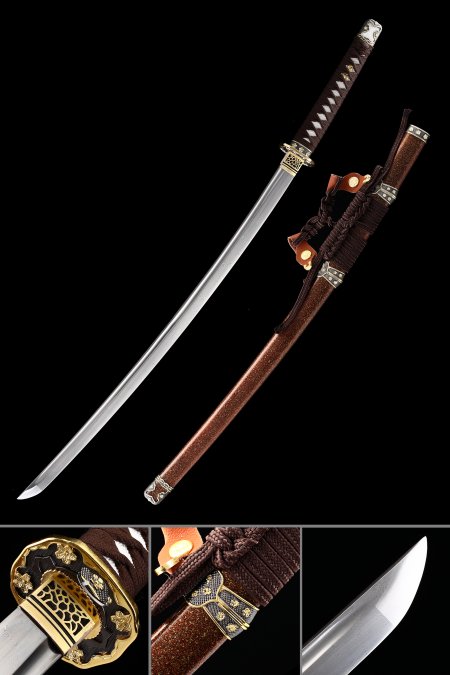
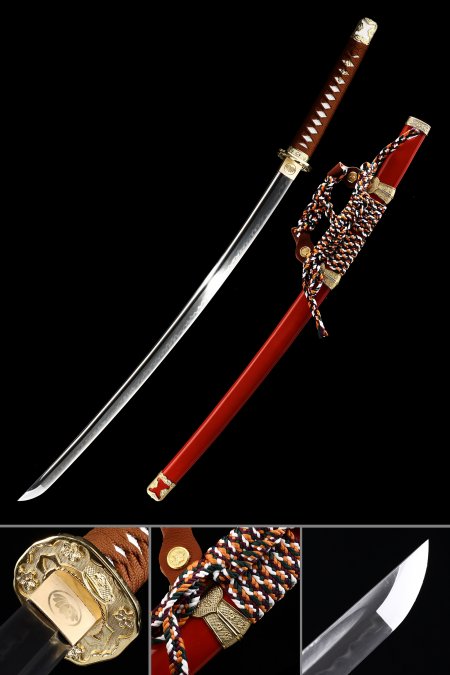
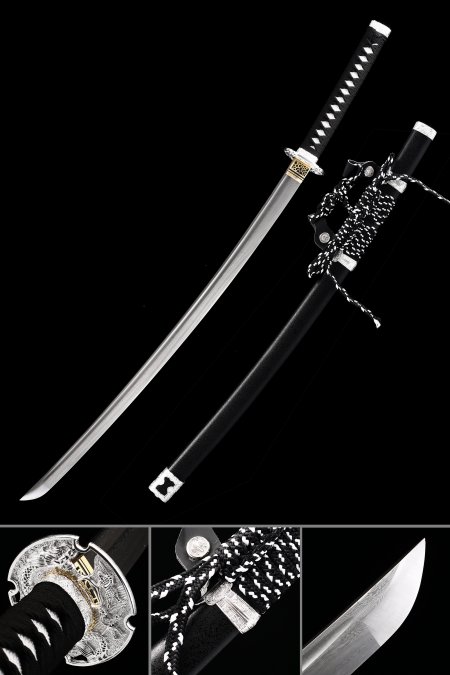
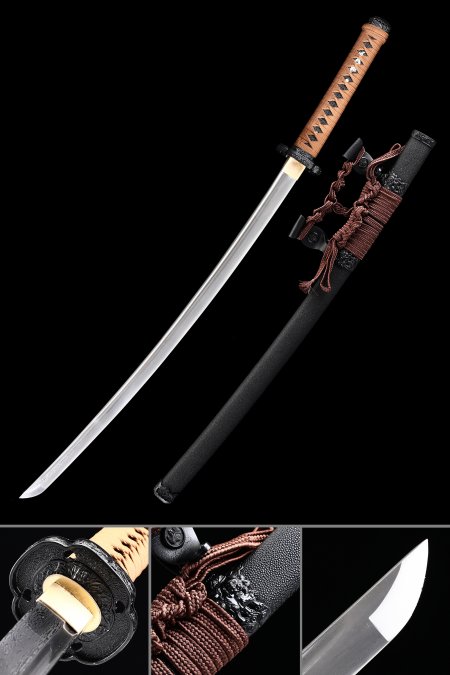
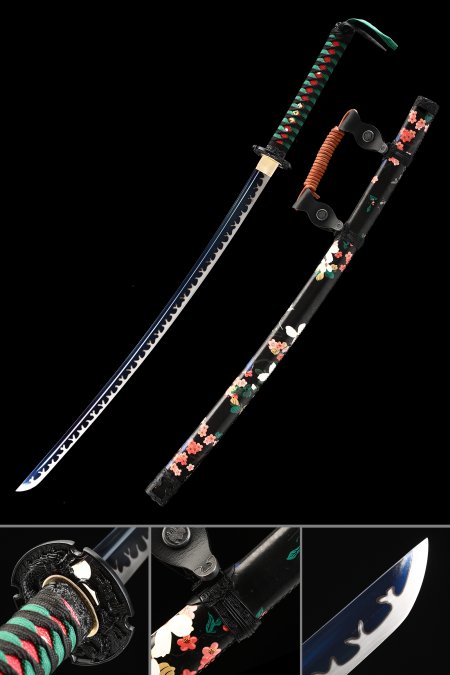
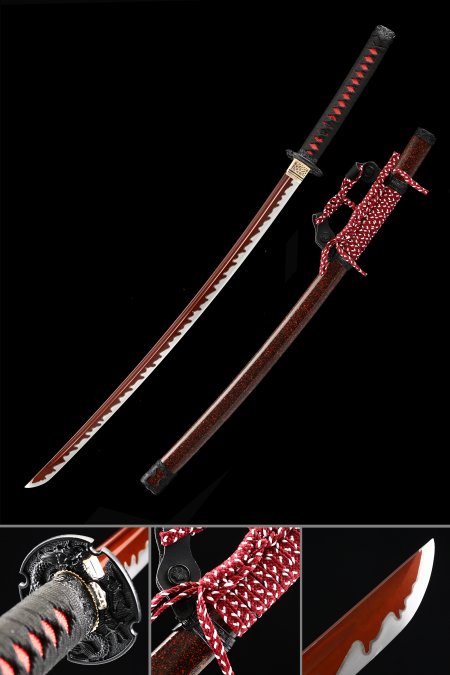
Related Collections
Frequently Asked Questions
What makes a Tachi different from a katana?
Which steel type should I choose for a collectible Tachi?
How do I properly display and store a Tachi sword?
Are these Tachi swords full-tang construction?
What tsuba designs are available in this Tachi collection?
Customer Reviews
I received my Katana in great condition. Great craftsmanship and packaging. The blade is very sharp and bright. The handle is beautiful and very well wrapped. Now if I can receive my Sword Stand it will be complete.
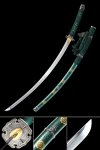 |
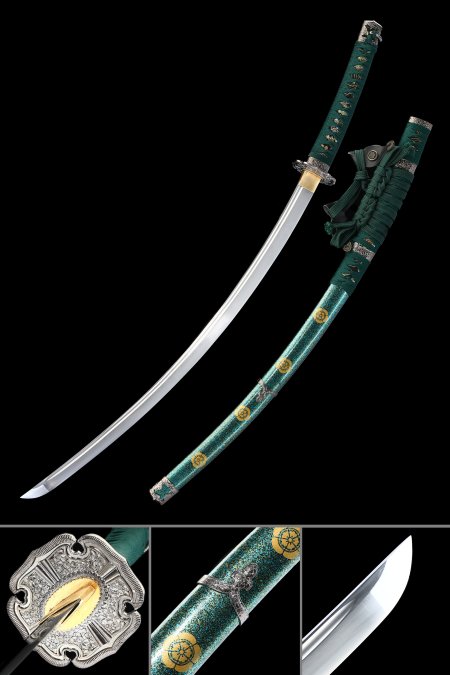
Odachi Sword 1095 Carbon Steel with Teal Lacquer Saya & Green Ito Wrap |
Perfect transaction. Order came in earlier than expected. We;; padded and packaged. Exactly as pictured onsite. I am very happy to have this item.
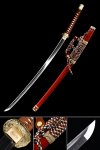 |
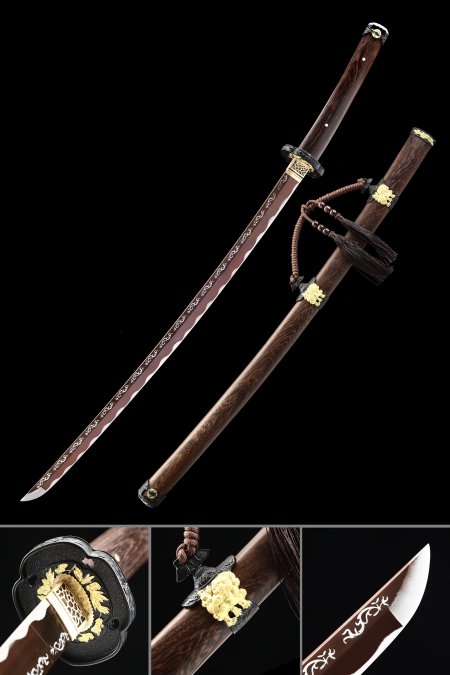
T10 Steel Tachi Odachi with Real Hamon in Red Lacquer Saya - Gold Tsuba, Brown Cord Handle |
O.K. with me. I have one tachi, a katana, one wakizashi, one ninjato and one tanto. Enough, for naginata is already to much. Thank you! Petrica Bunea.
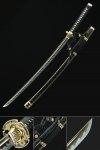 |
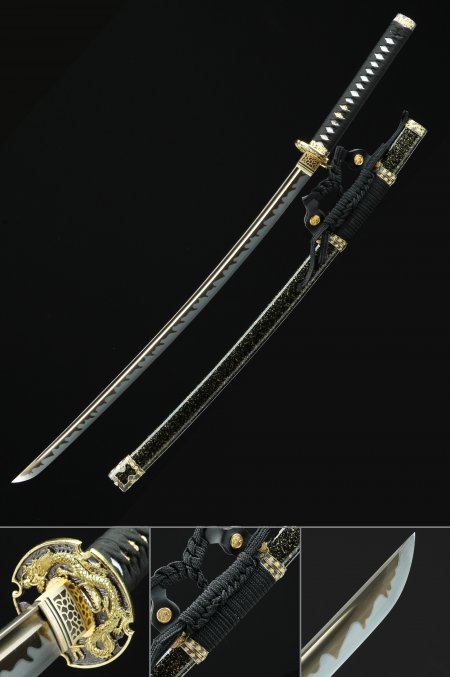
Odachi Sword High Manganese Steel with Dragon Tsuba - Black-Gold Saya, Chrome Blade, 41 IN |
Product is as advertised! Great craftsmanship, build and design. No flaws detected. AWESOME PRODUCT!! THANK YOU!
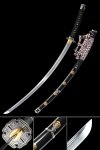 |
1095 Carbon Steel Odachi Sword Full Tang with Black Lacquer Saya and Silver Scroll Tsuba |
Great sword to have in my collection. The weight is well balanced and the blade is sharp. I recommend this sword
|
Odachi Sword 1095 Carbon Steel with Teal Lacquer Saya & Green Ito Wrap |
The blade came pretty promptly. Took it out of the box and looks just like the pictures online. Appears well made and of good quality. Blade is very sharp. Cant wait to give to my friend for his birthday.
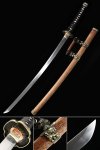 |
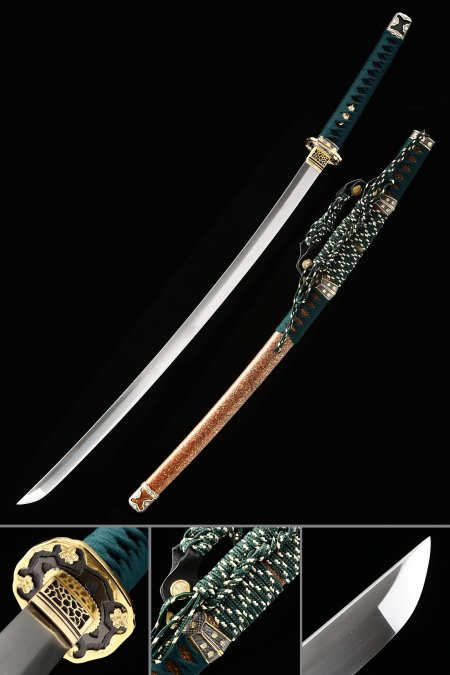
Damascus Steel Tachi Sword with Natural Hardwood Saya, Gold-Black Copper Tsuba & Black Ito |
Great sword company with a lot of options. Outstanding communication if there’s a problem rest assured they will take care of it.
|
T10 Steel Tachi Odachi with Real Hamon in Red Lacquer Saya - Gold Tsuba, Brown Cord Handle |
Had a slight tweak to it either from shipping or during the quenching process but very decent edge doesn't affect the cutting performance much hard to notice unless you point out the bend but its $230 so cant compalin to much it functions and holds strong
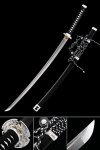 |
Damascus Steel Katana with Dragon Tsuba - Black Lacquer Saya, Black-White Ito Wrap |