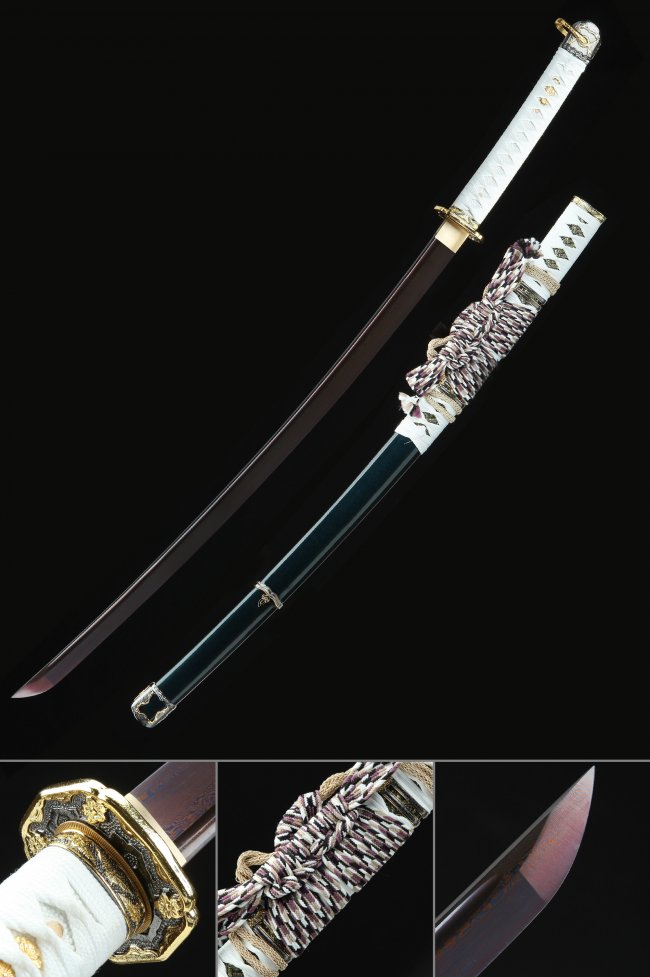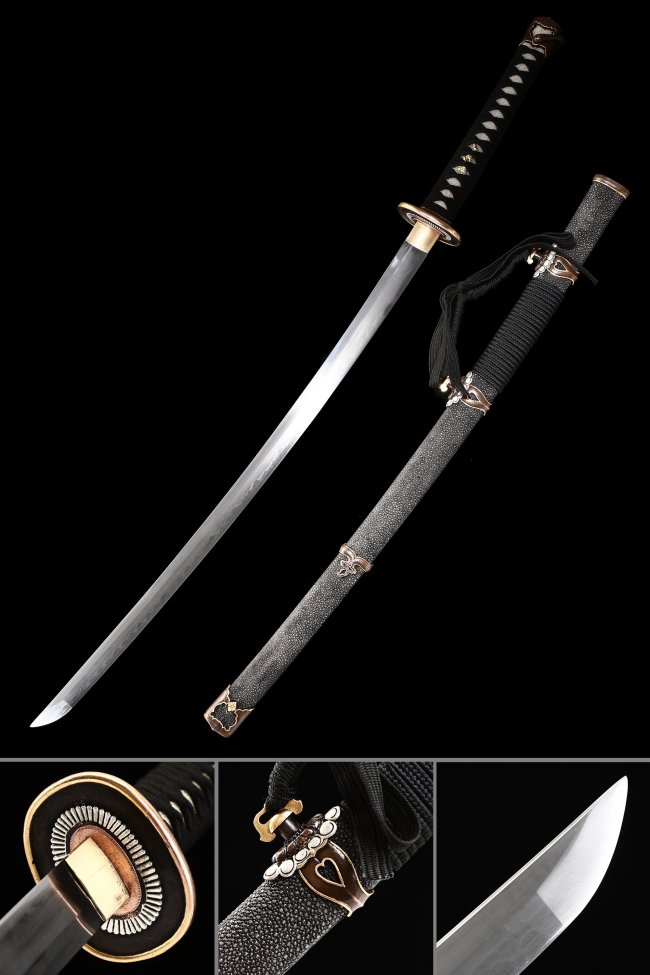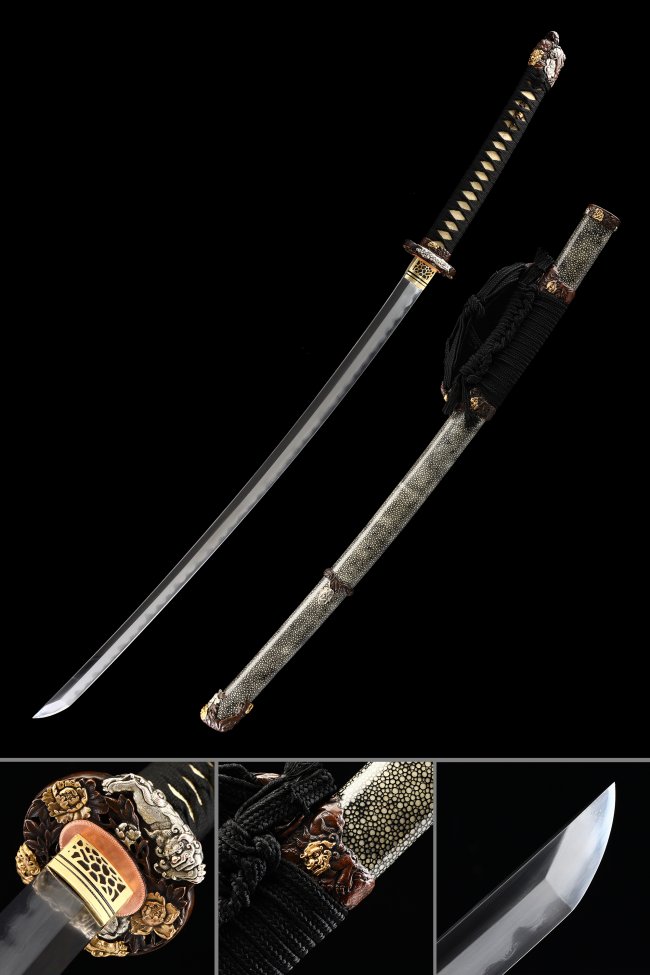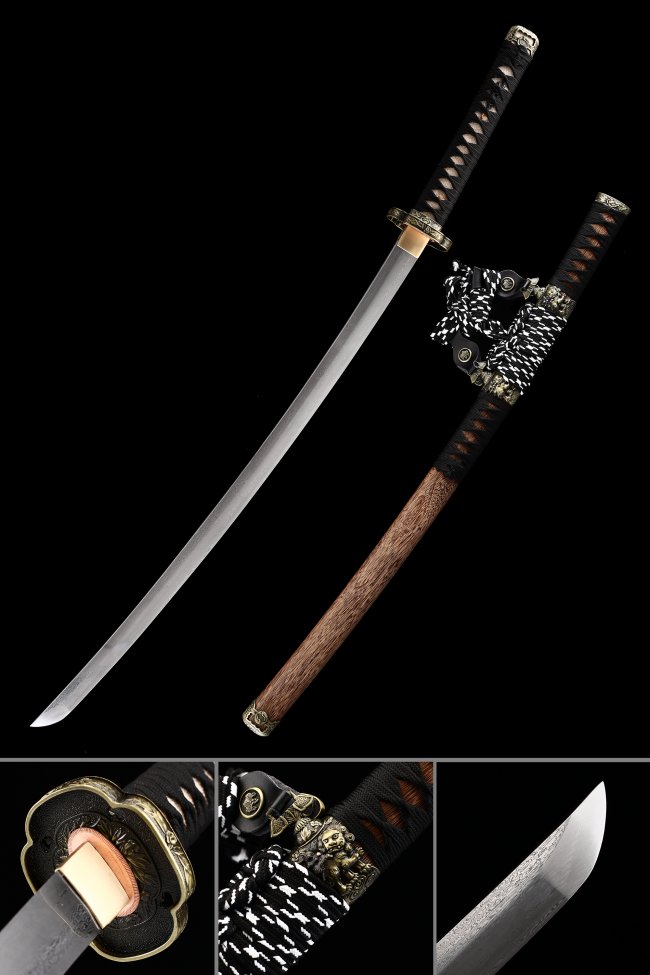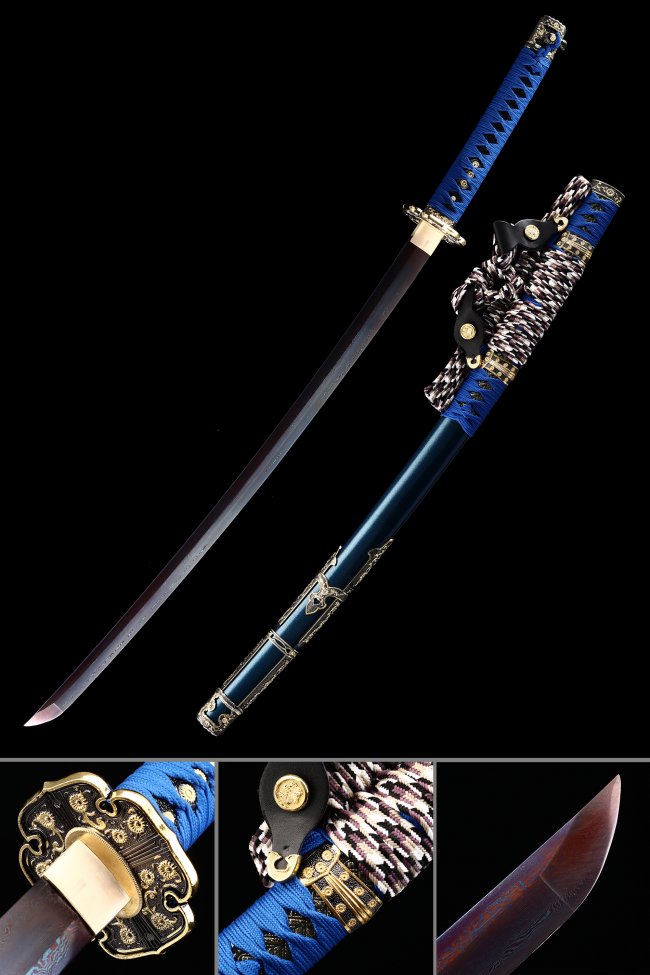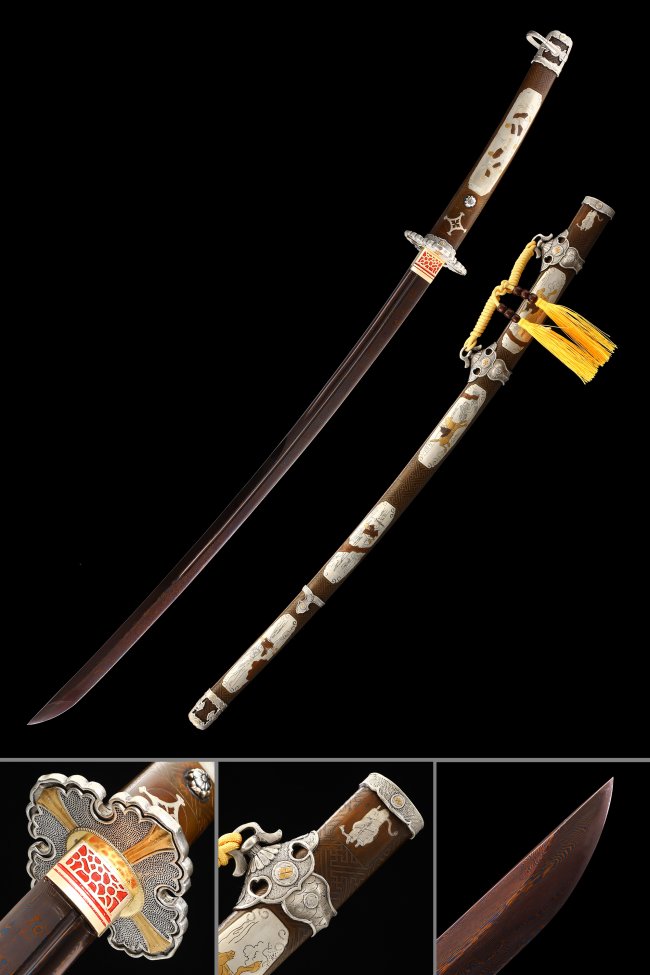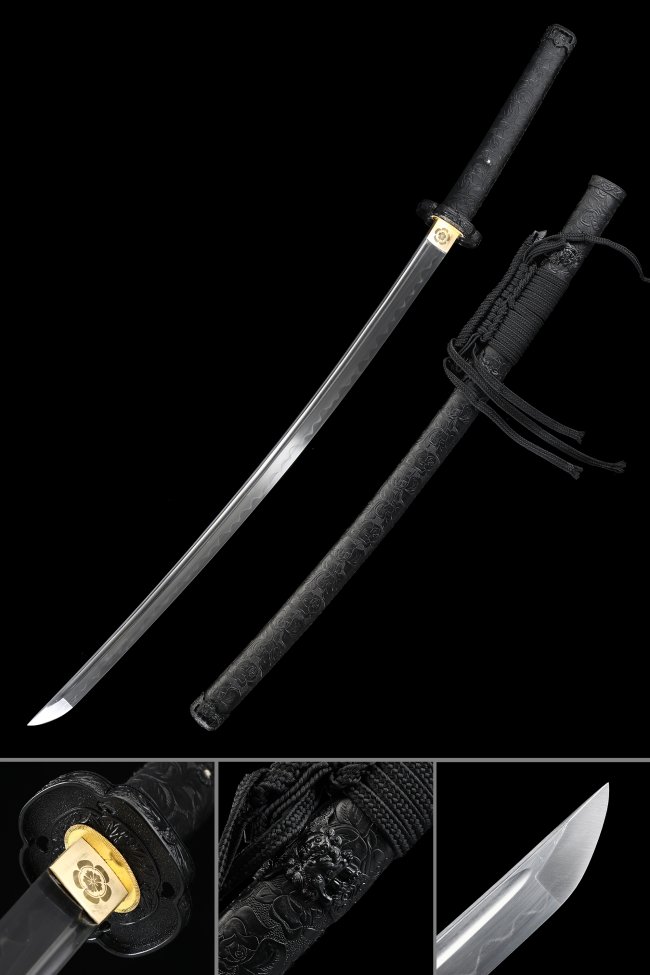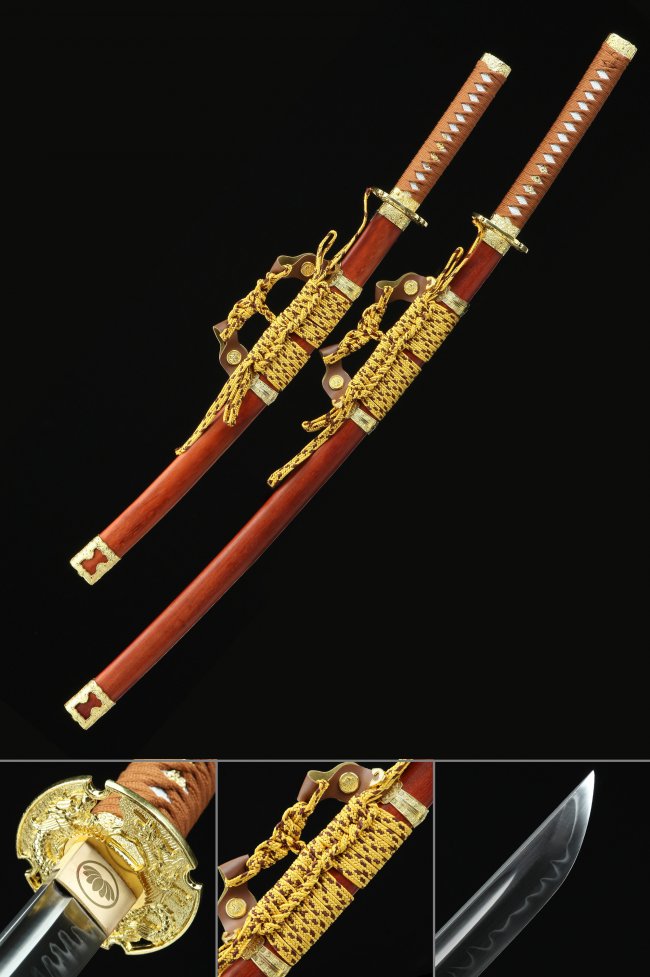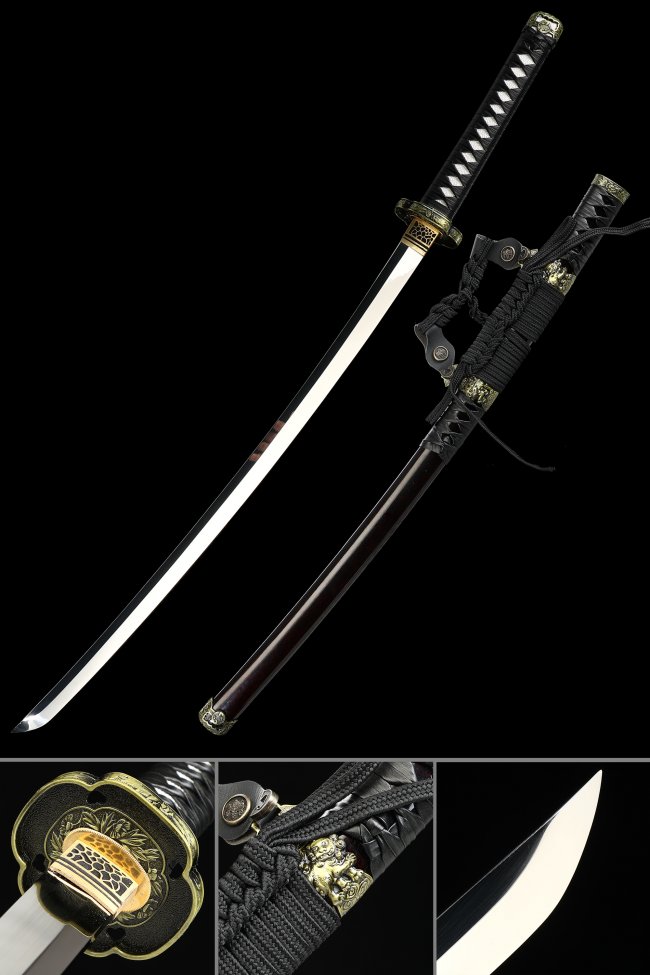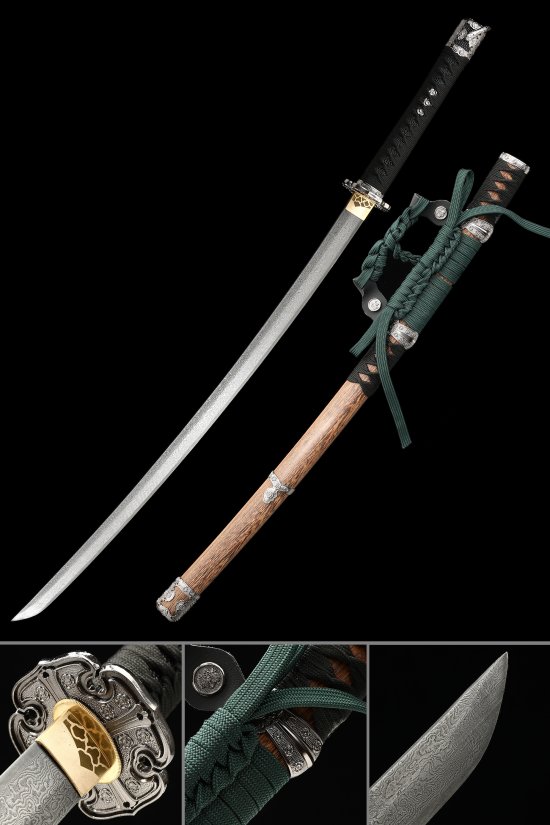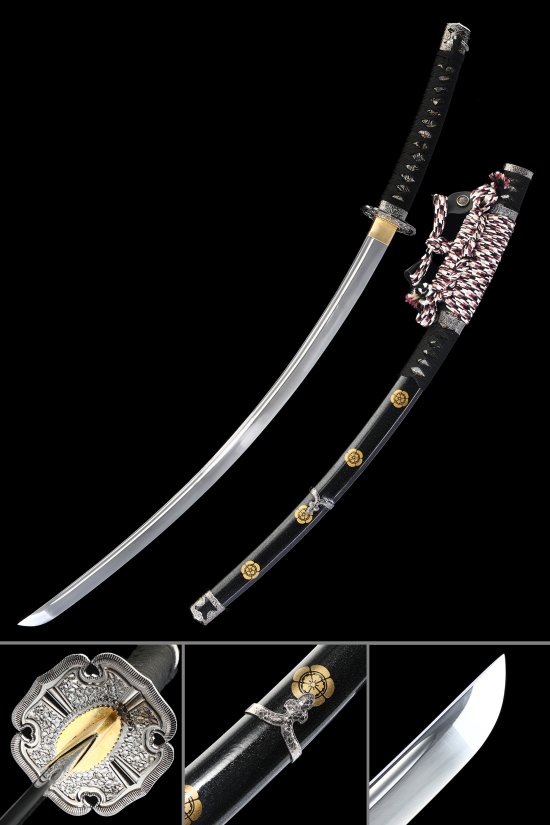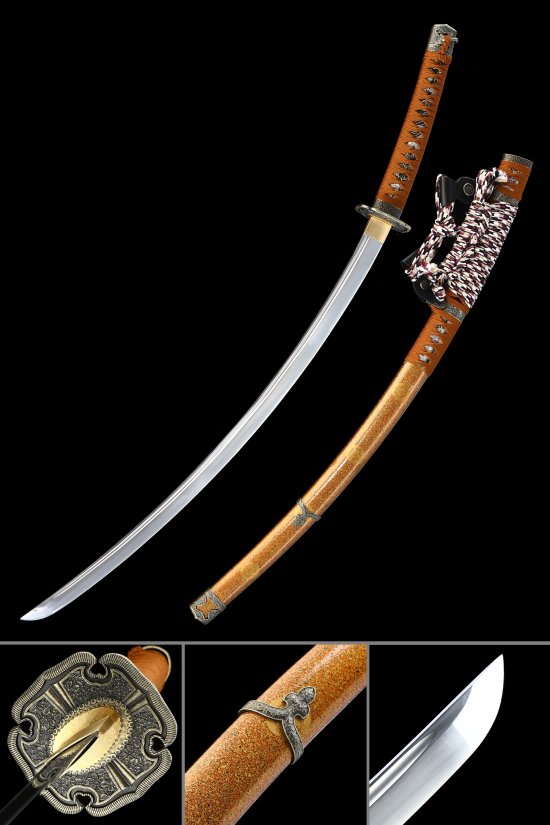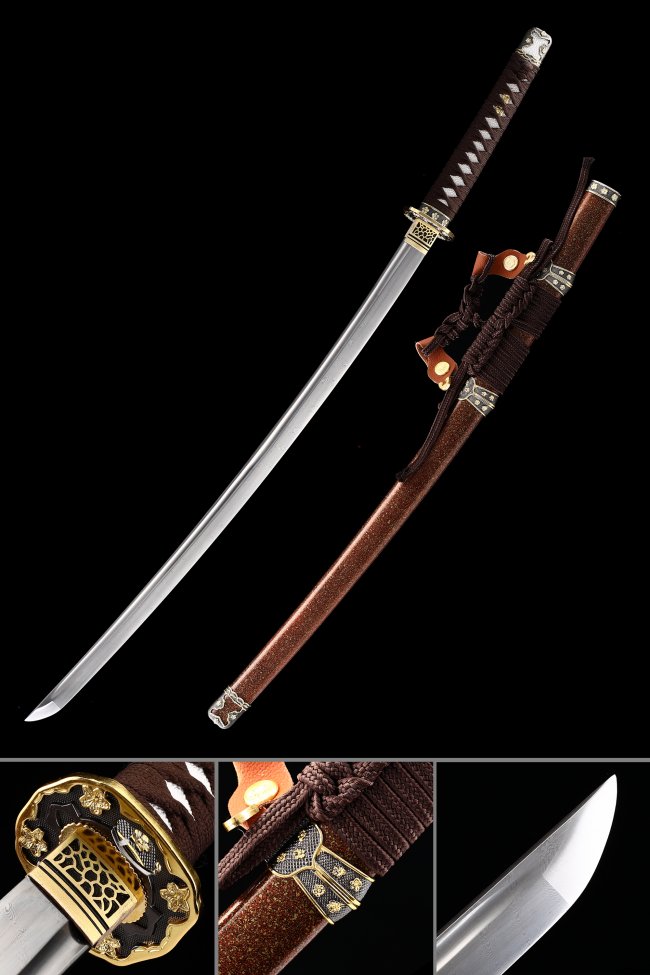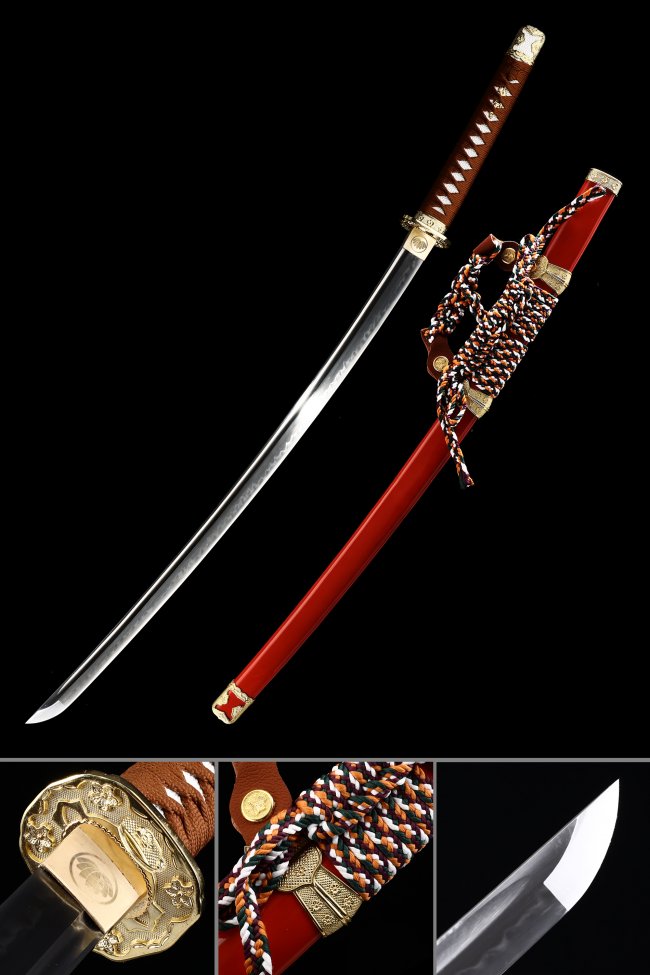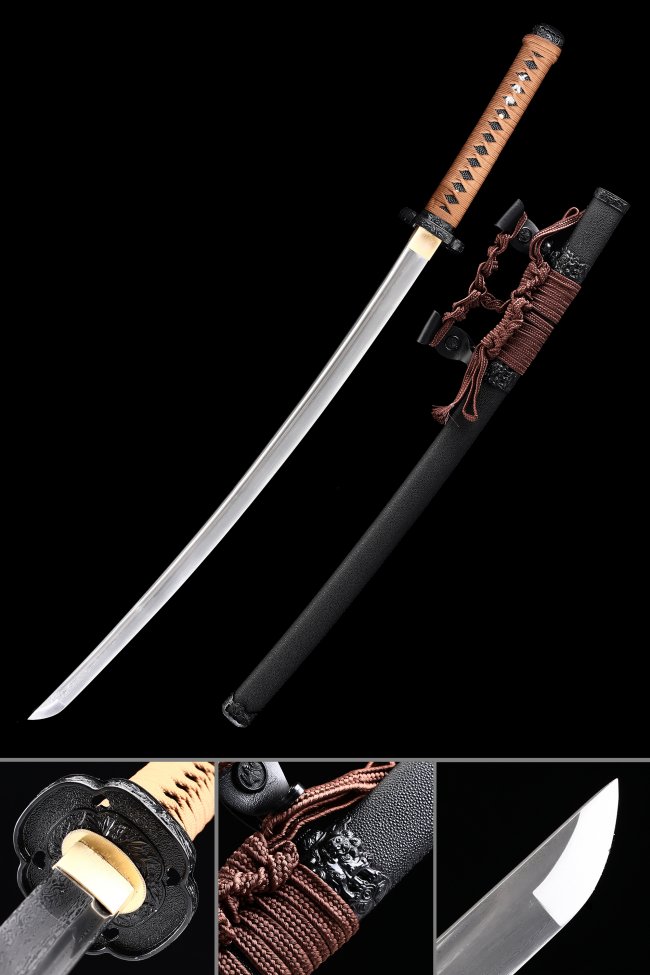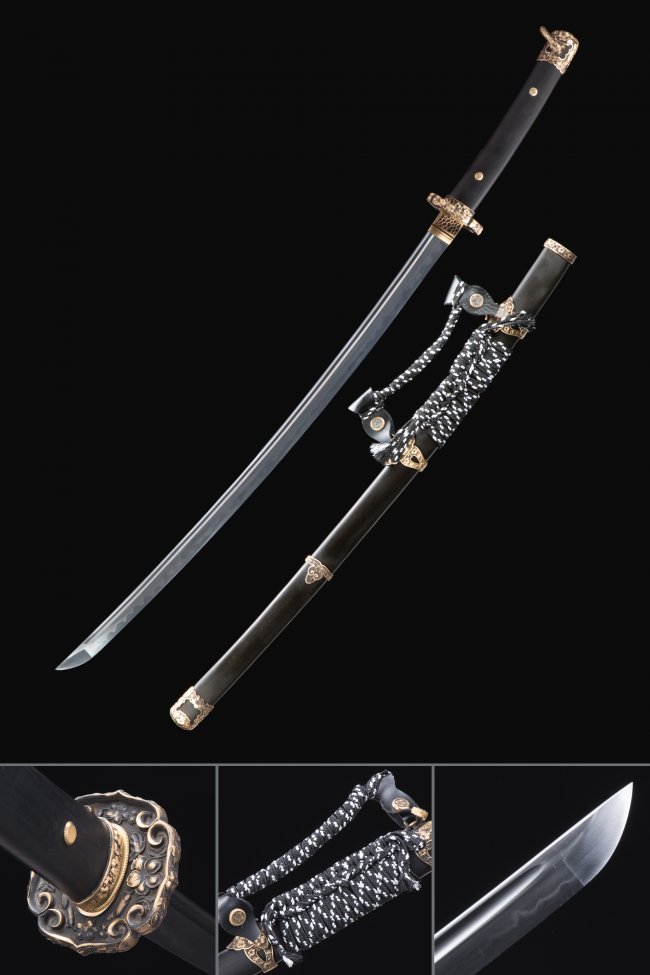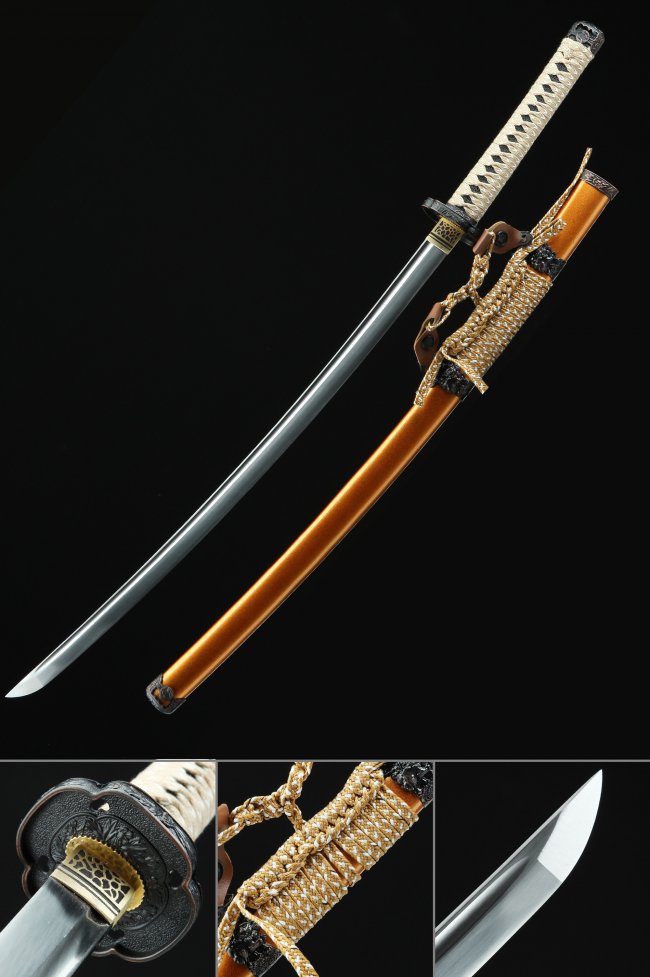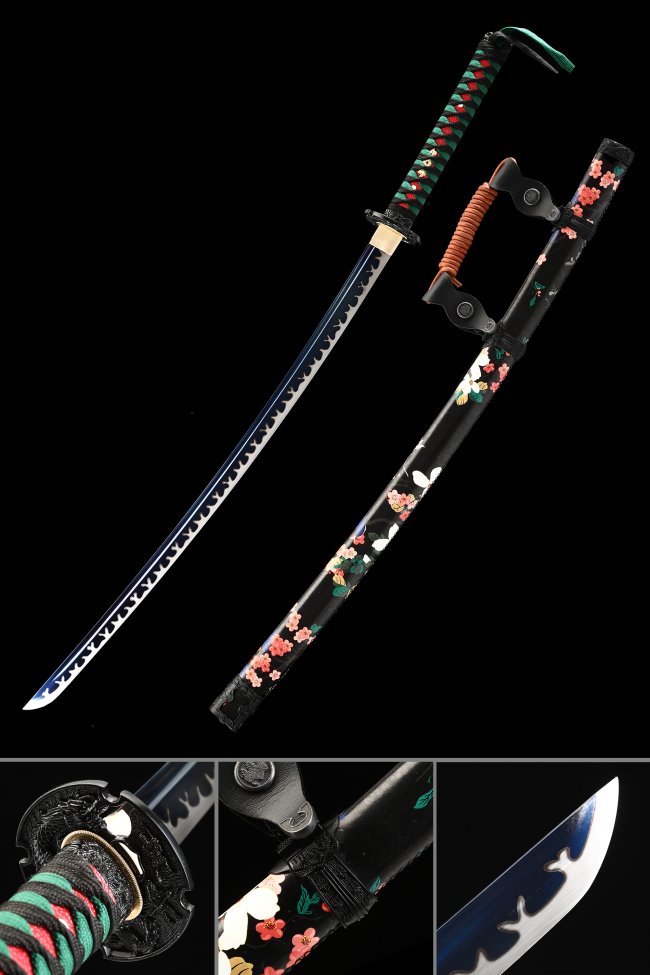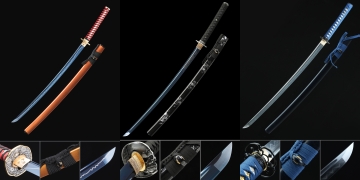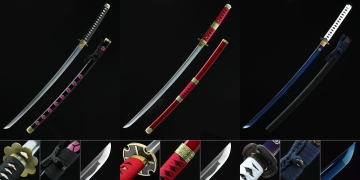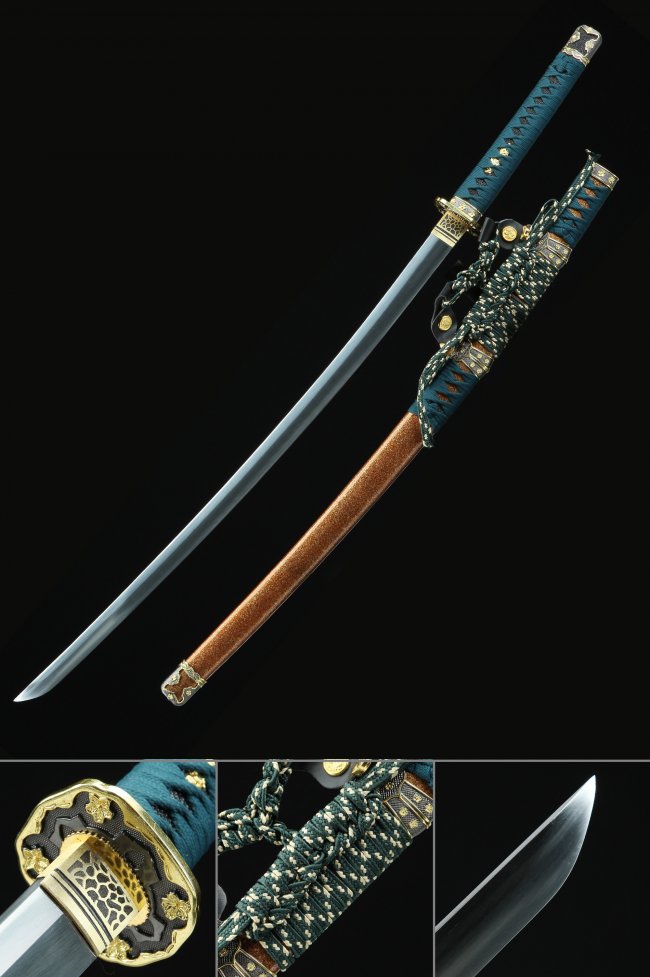
Japanese Odachi Sword

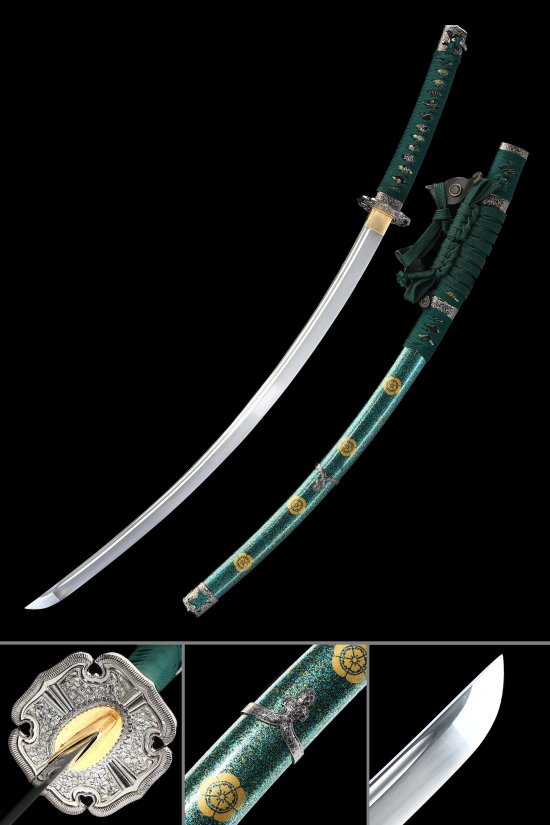
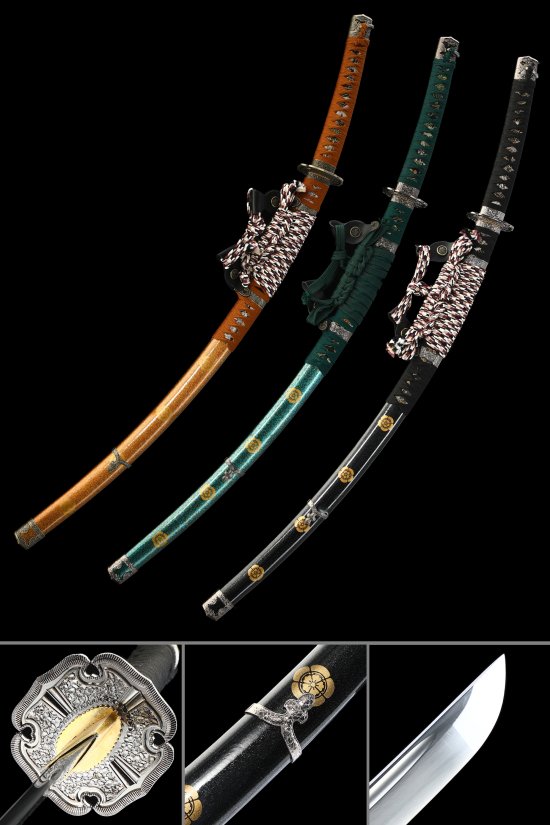
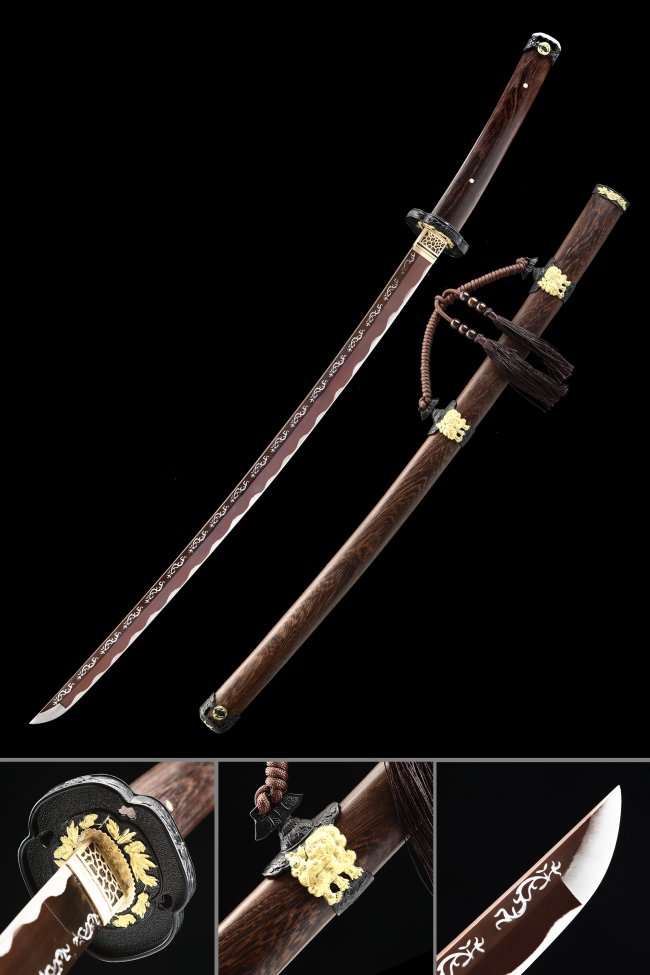
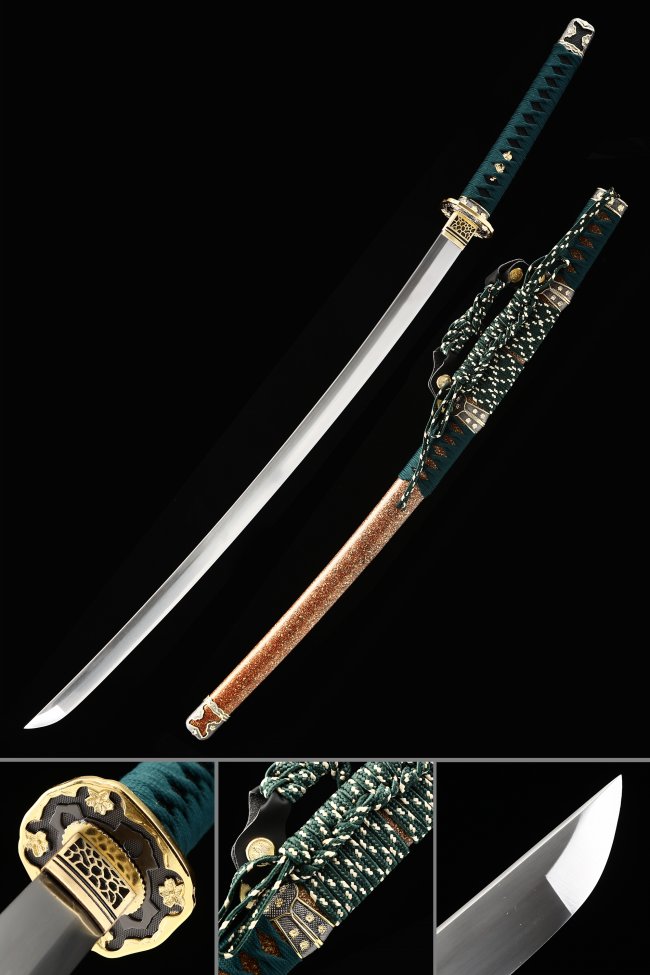
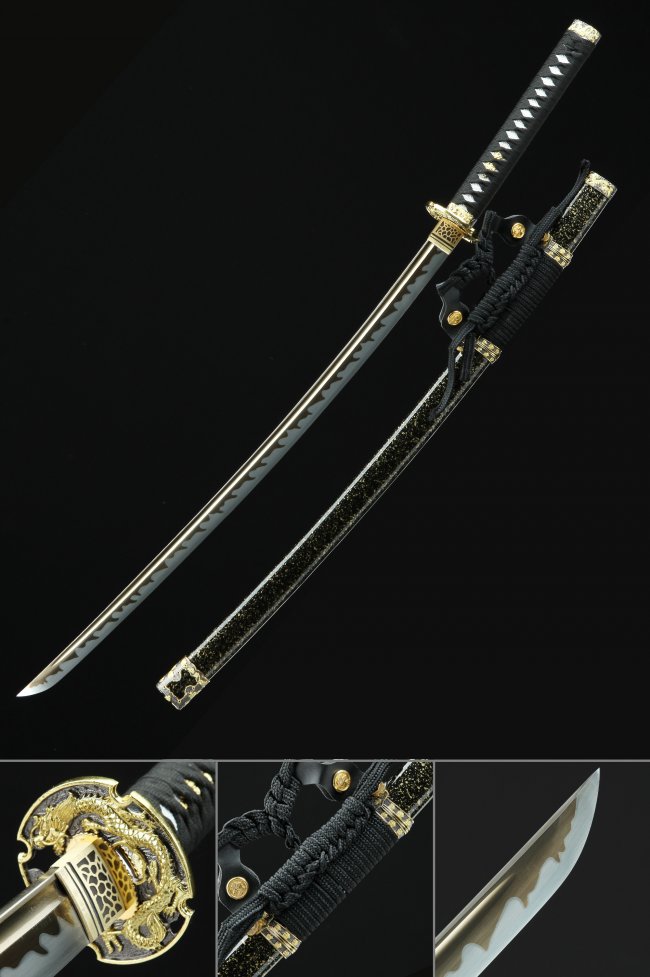
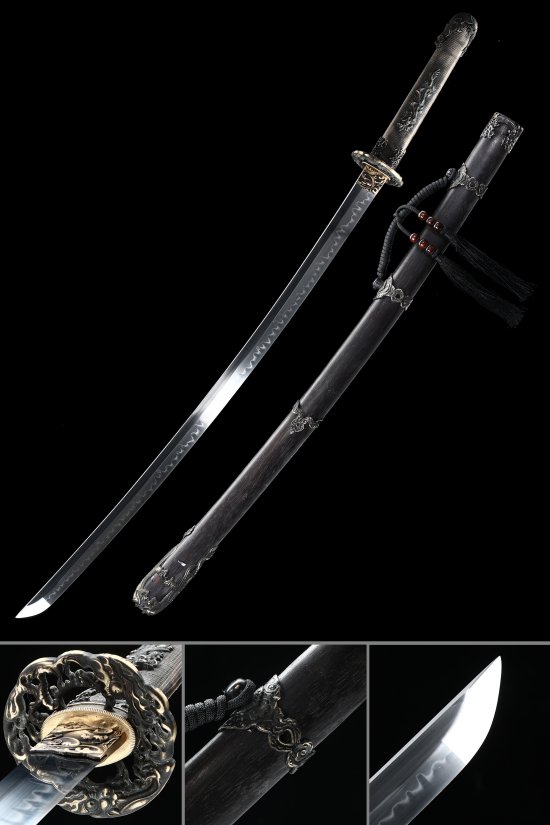
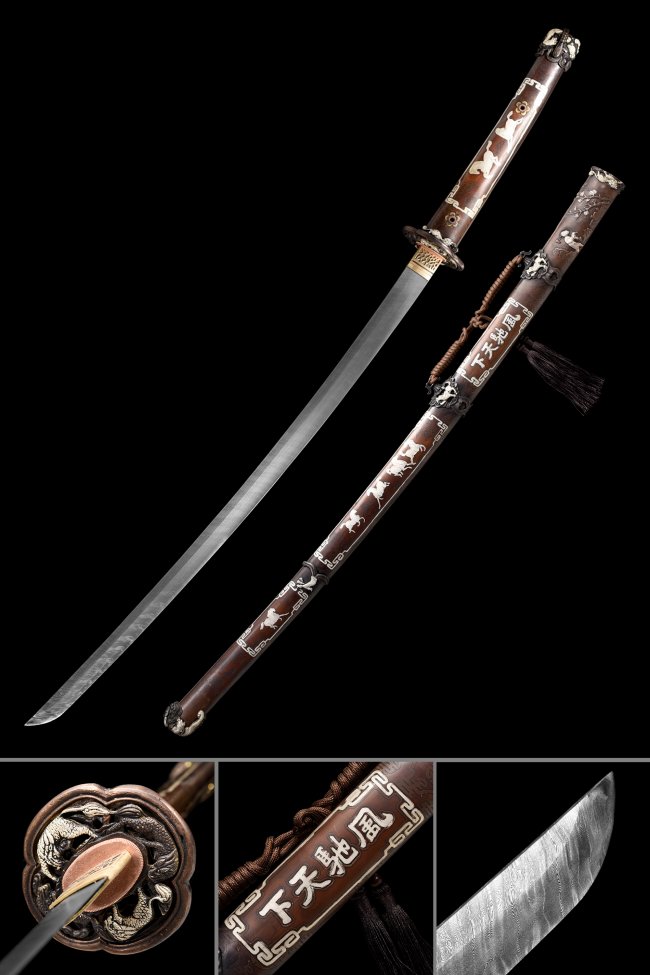
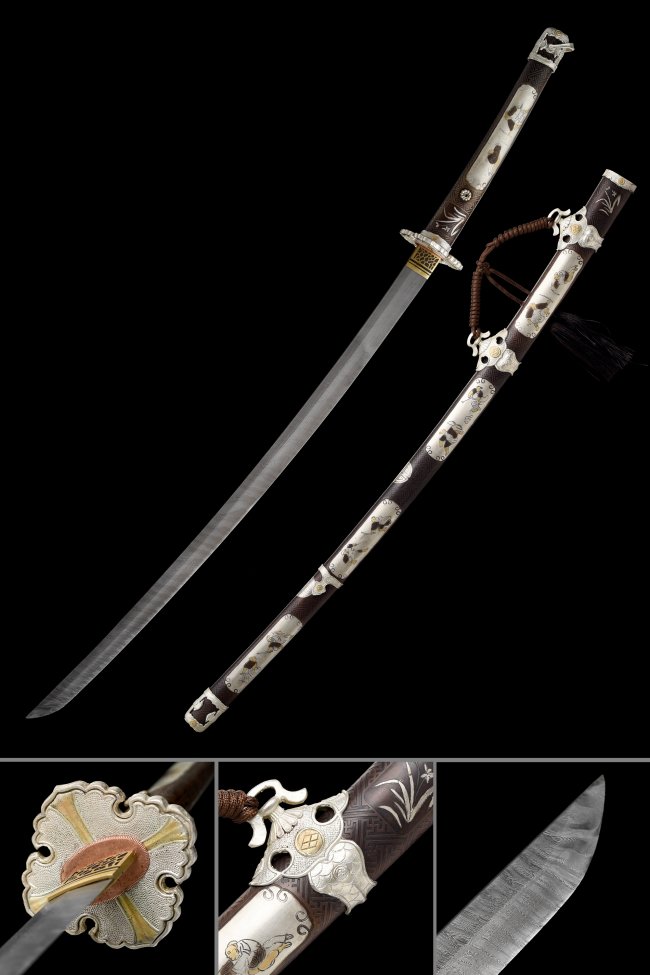
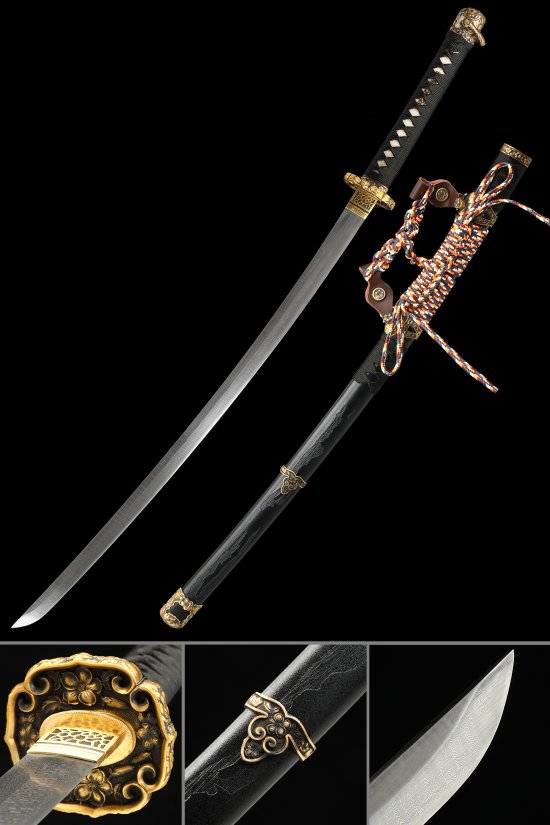
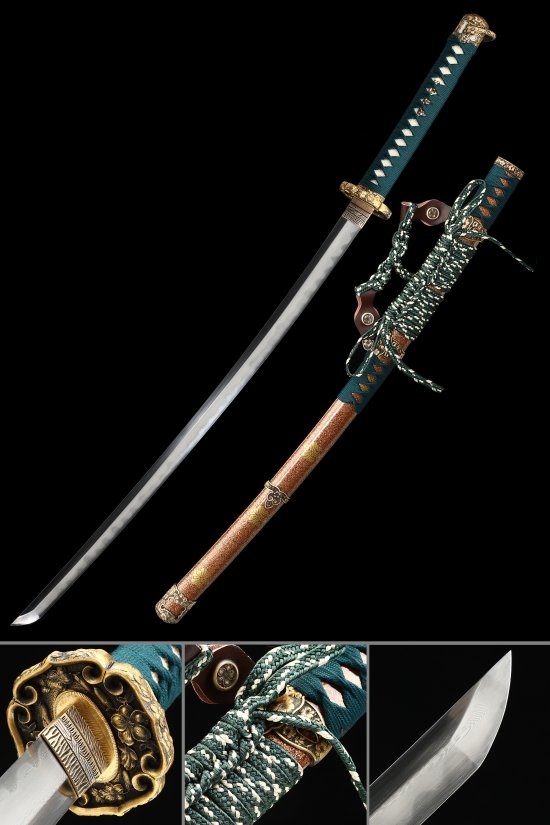
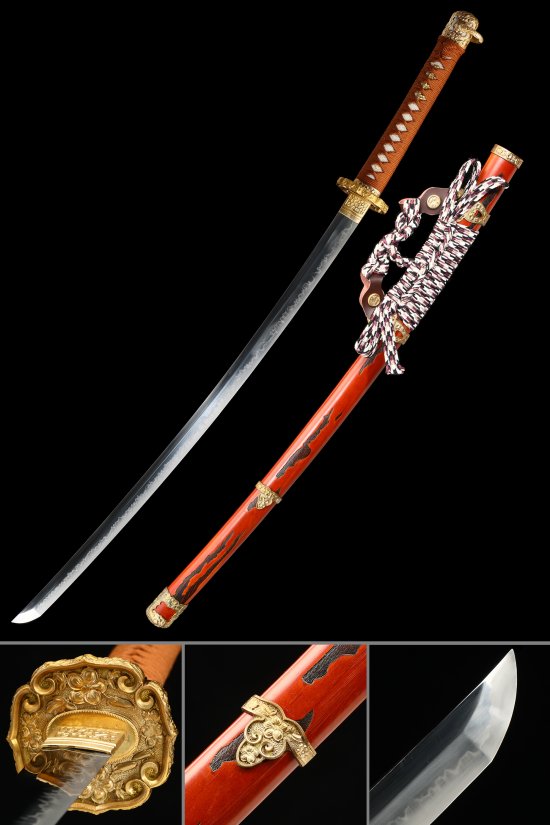
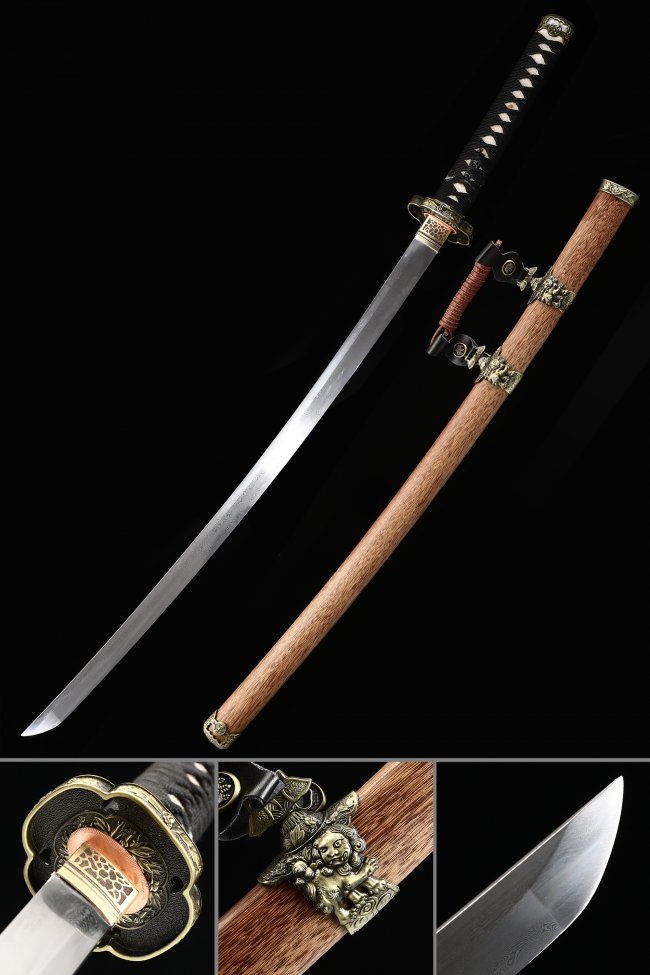
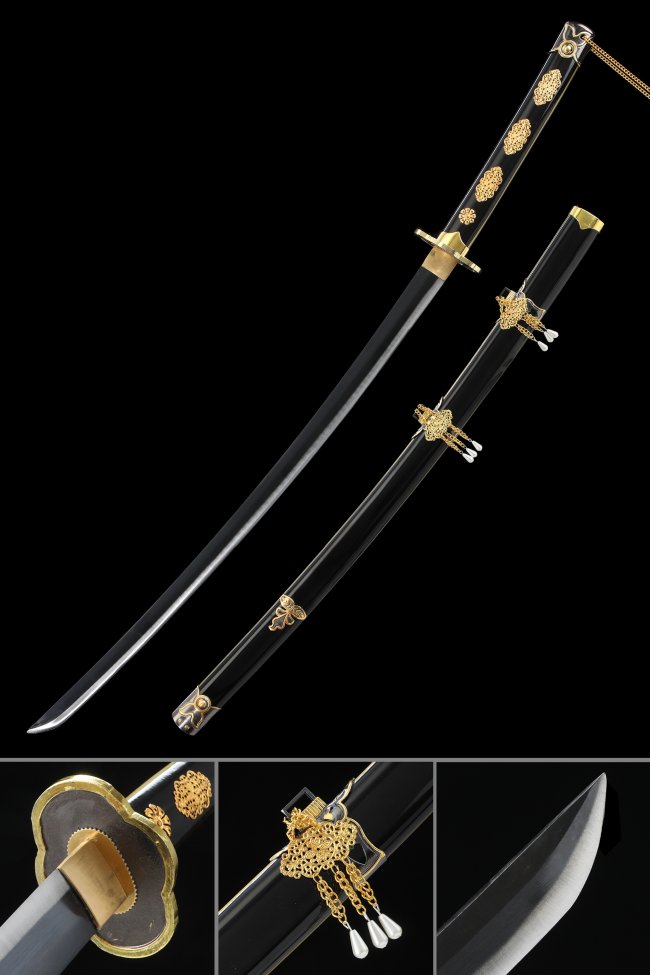
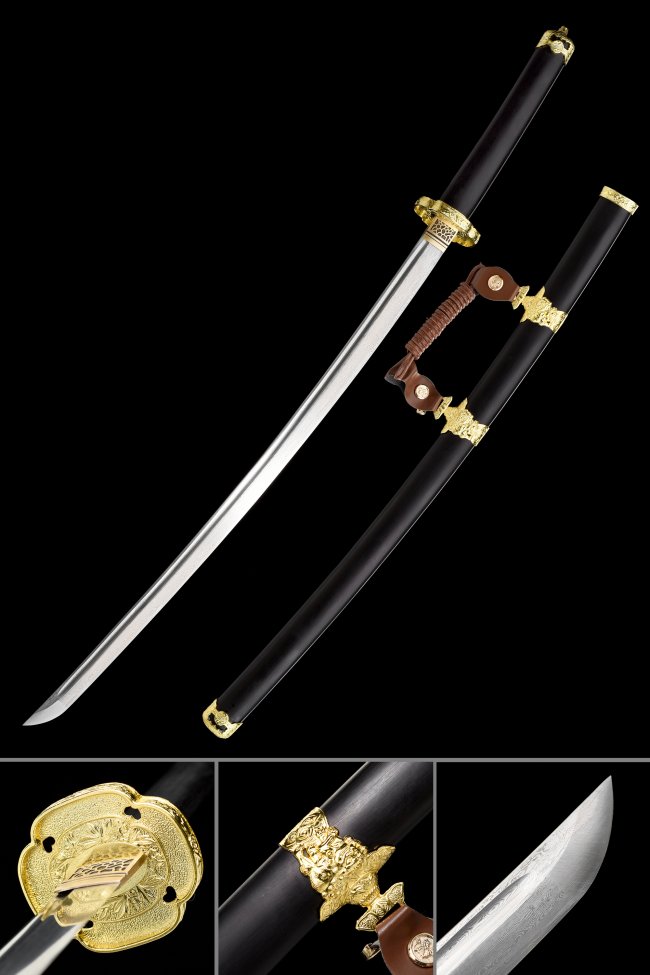
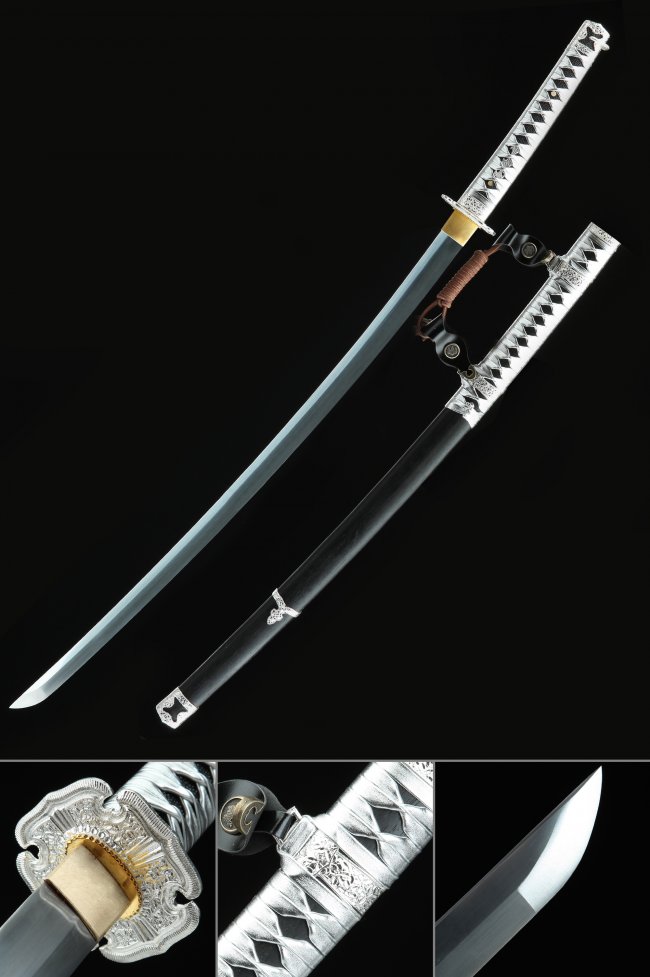
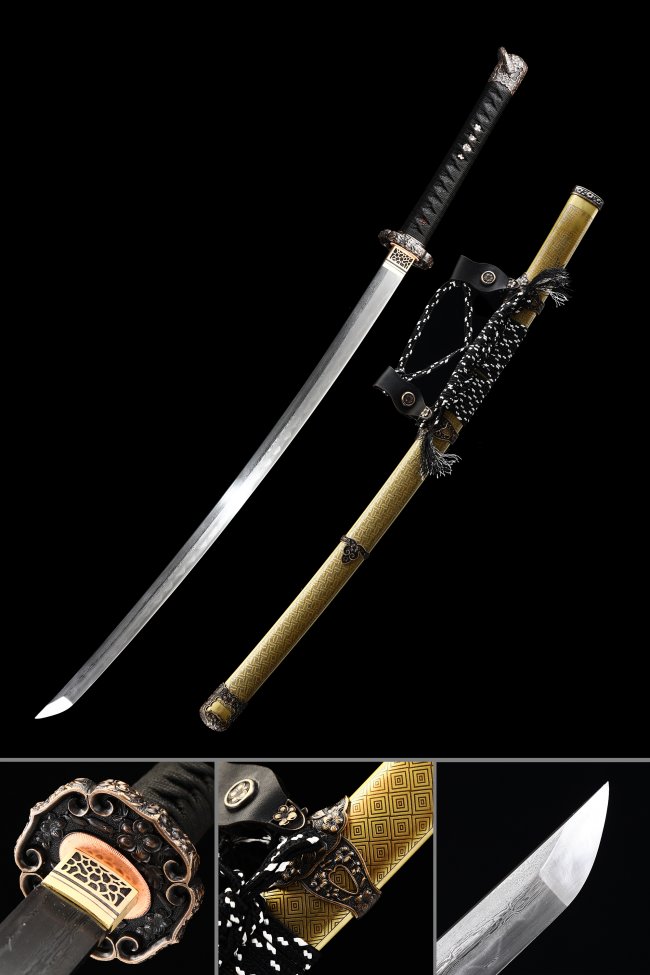
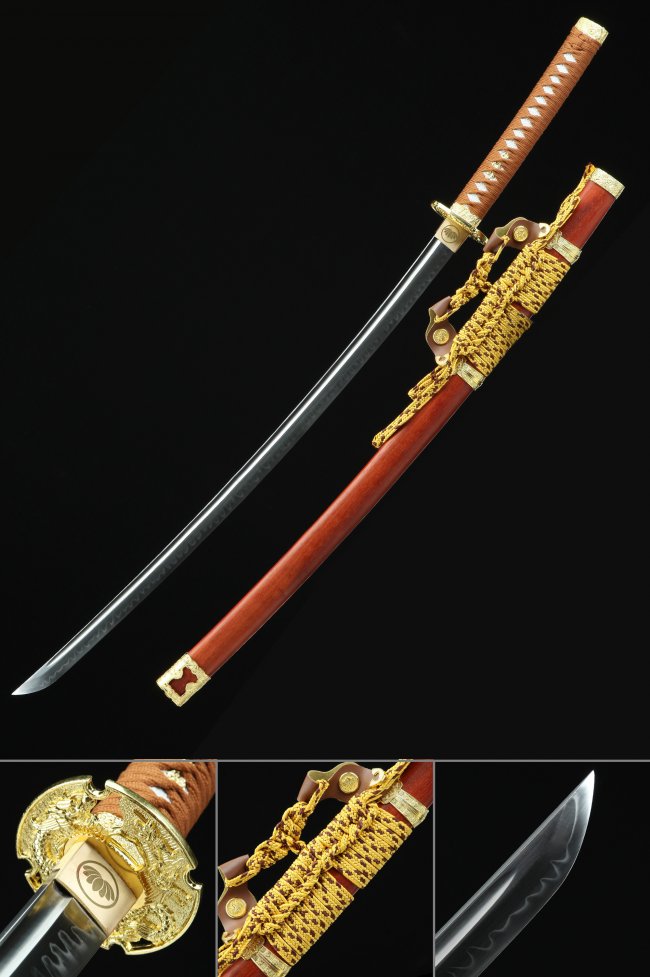
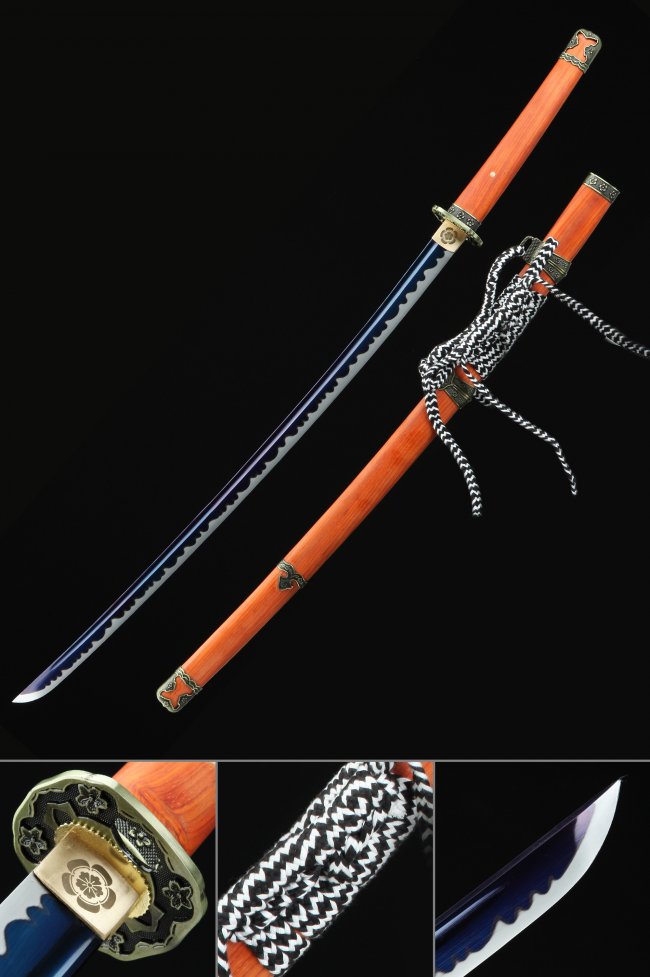
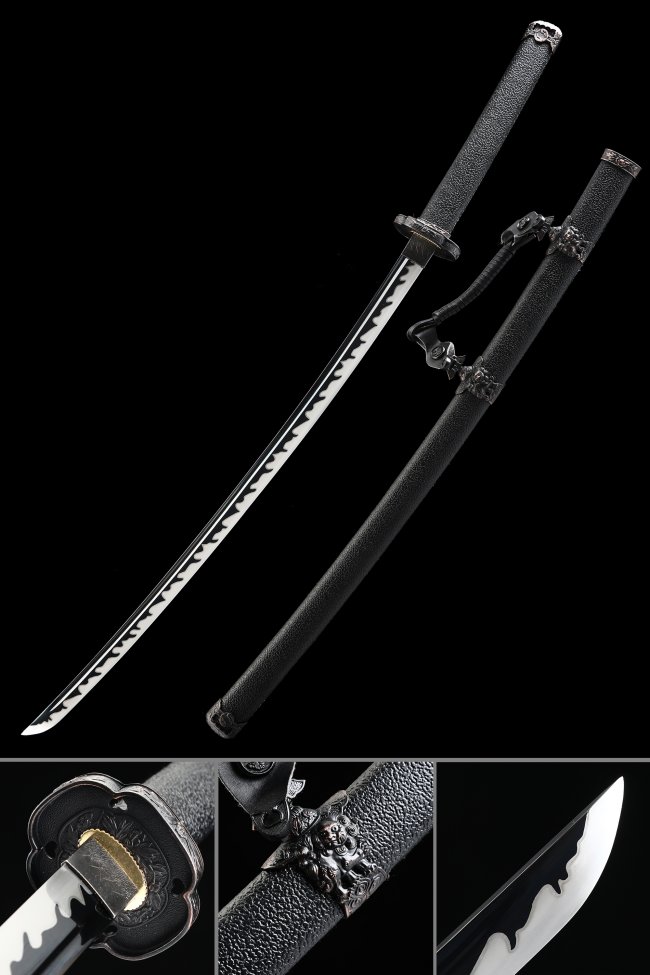
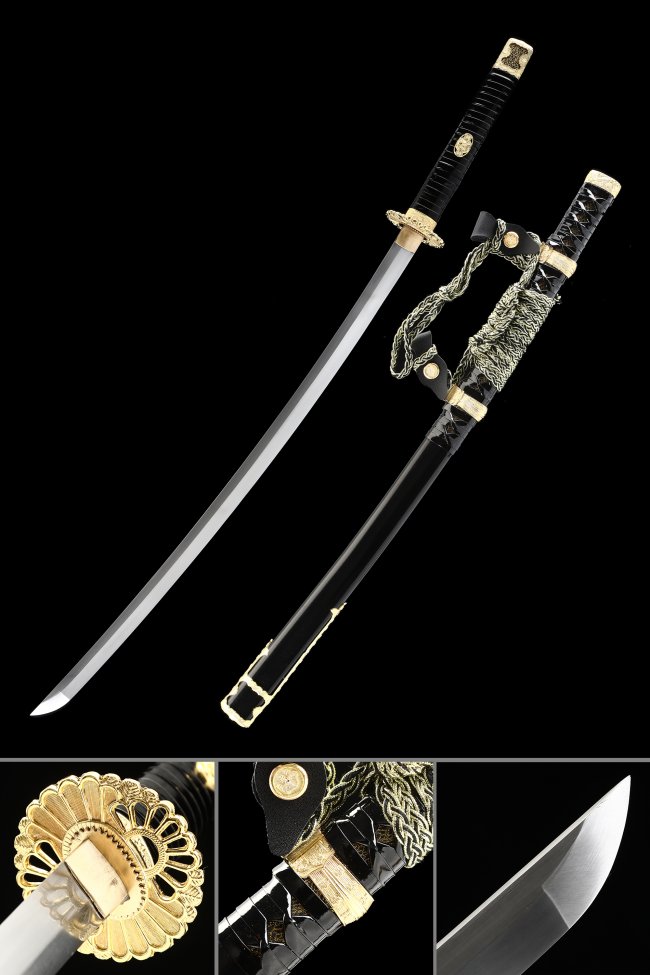
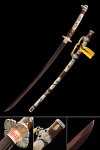
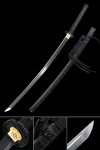
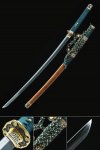
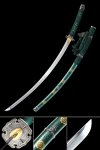
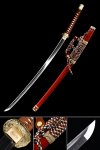
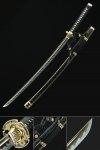
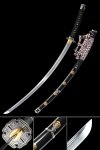
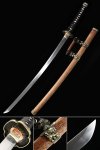
Browse our collection of hand-forged Japanese odachi swords - authentic great blades in the classical Japanese tradition, crafted for collectors who demand genuine quality at exceptional scale. Each Japanese odachi features a full-tang blade forged from high-carbon steel in grades including 1045, T10, and Damascus, with authentic Japanese sword fittings and striking scabbard color options. All orders ship free throughout the US with hassle-free returns.

Showing 40 Products
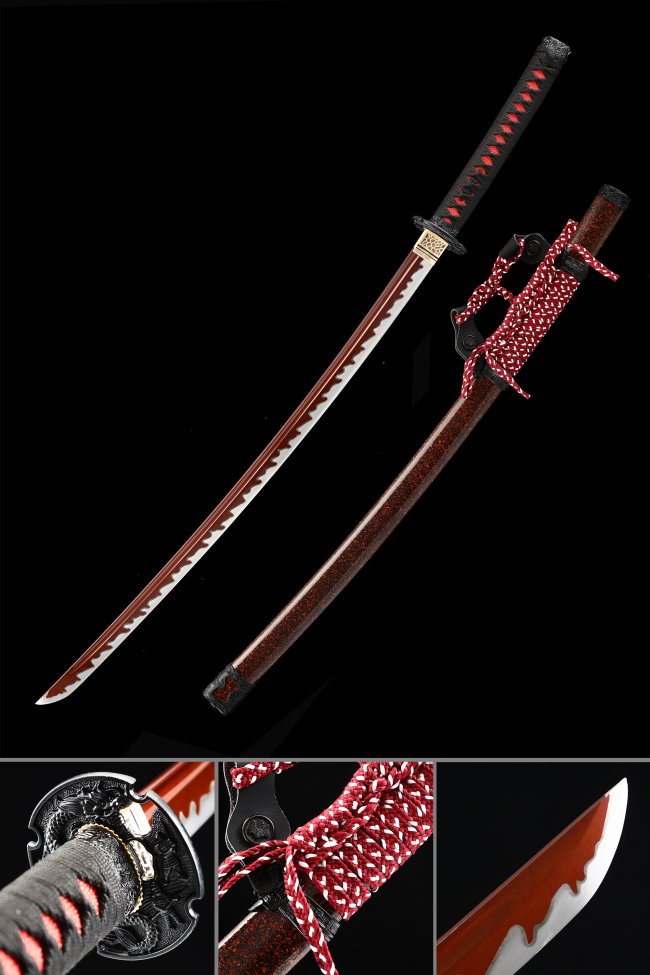
Related Collections

Dragon Samurai Sword128 items


915 Reviews

Kodachi Sword34 items


78 Reviews

Japanese Odachi34 items


57 Reviews

Practice Katana7 items


81 Reviews

Frequently Asked Questions

What defines an authentic Japanese odachi sword?
An authentic Japanese odachi sword is defined by several key characteristics that distinguish it from both shorter Japanese blades and from lower-quality decorative alternatives. The most fundamental is blade length: an odachi blade typically exceeds 35 inches, with overall dimensions including handle proportions that push the complete sword to 55 to 60 inches or more. Beyond length, authentic construction requires a blade forged from high-carbon steel - 1045, T10, or Damascus steel in quality collectibles - that has been individually heat-treated to develop the hardness and character appropriate to the steel grade. Full-tang construction is essential: the blade steel must run continuously from tip through the complete handle, not taper to a stub or be joined with adhesive. Traditional Japanese sword fittings - a tsuba guard of appropriate weight and finish for the blade's scale, ito handle wrapping, and a lacquered saya scabbard - complete the authentic presentation. Each of these elements is present in the Japanese odachi swords in this collection.
Is a Japanese odachi sword different from a Chinese great sword?
Yes - a Japanese odachi and a Chinese great sword are different blades with distinct construction traditions, geometry, and cultural origins. The Japanese odachi is a single-edged curved blade in the tradition of Japanese sword making, featuring the same fundamental geometry as a katana but at substantially greater scale. It is forged using Japanese-tradition techniques including differential heat treatment that can produce a hamon temper line, and fitted with Japanese-style hardware including a tsuba guard and ito-wrapped handle. Chinese great swords, by contrast, include double-edged jian designs and single-edged dao variations that reflect Chinese blade-making traditions, with different blade geometries, fuller placements, and fitting styles that are distinct from the Japanese tradition. The two traditions represent genuinely different aesthetic and technical approaches to long-blade construction, and collectors interested in East Asian sword history often develop appreciation for both separately.
How does the T10 steel version of a Japanese odachi differ from 1045?
T10 carbon steel and 1045 carbon steel are both appropriate grades for a quality Japanese odachi collectible, but they deliver different combinations of visual character and construction complexity. The primary practical difference for display collectors is the hamon temper line: T10's tightly controlled grain structure makes it particularly well suited to differential heat treatment, where the blade edge is hardened to a different degree than the spine. When acid-etched and polished after heat treatment, this differential produces a visible hamon - the wave-patterned boundary along the blade edge where the hardened zone transitions to the tougher spine. On an odachi's extended blade length, a well-defined hamon is a dramatically visible feature. A 1045 carbon steel odachi, by contrast, may show a less defined hamon or none at all, depending on the heat treatment applied, but offers reliable toughness and a consistent blade profile at a more accessible price. For collectors who prioritize the visual character of the hamon as a key display detail, T10 is the recommended choice.
What maintenance does a Japanese odachi sword need to stay in good condition?
Maintaining a Japanese odachi sword in display condition requires a straightforward but consistent routine focused primarily on protecting the high-carbon steel blade from oxidation. After any handling session, wipe the full blade surface with a soft, lint-free cloth to remove fingerprints - natural skin oils are mildly acidic and will cause surface spotting on unprotected carbon steel if allowed to sit. Following the wipe-down, apply a thin coat of camellia oil or quality mineral oil to the blade using a clean cloth, then buff away any excess until only a barely-visible protective film remains. Given the odachi's exceptional blade length, use a cloth large enough to cover the blade in smooth, even passes rather than working in small sections. Inspect the mekugi retention pin periodically to ensure it remains properly seated. Store the sword on an open floor stand or wall bracket in a stable, low-humidity environment - sealed cases can trap moisture against the blade. With this routine maintained consistently, a Japanese odachi sword will hold its display quality for many years.

Customer Reviews