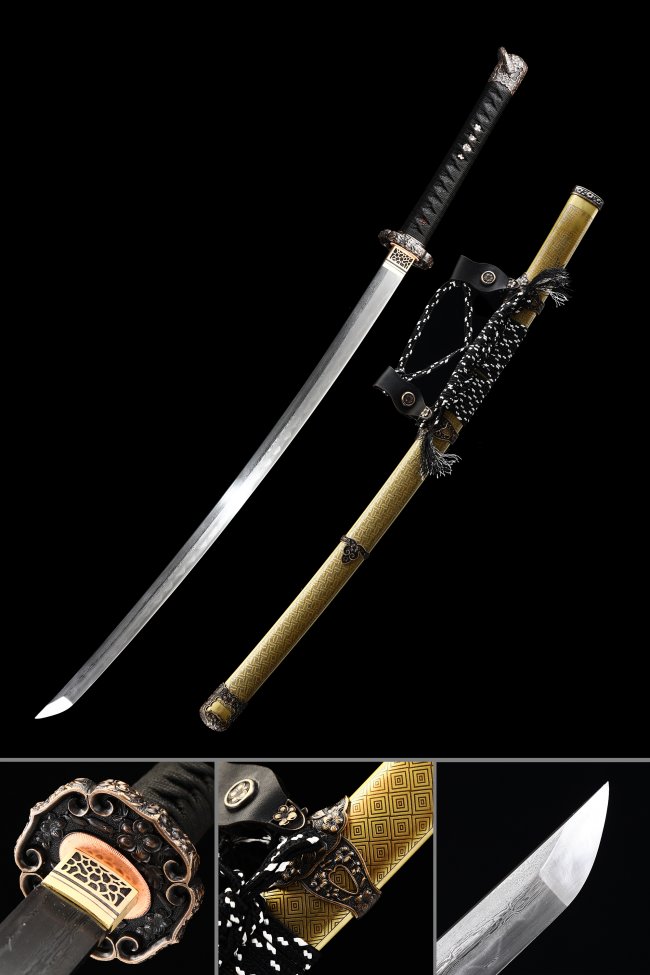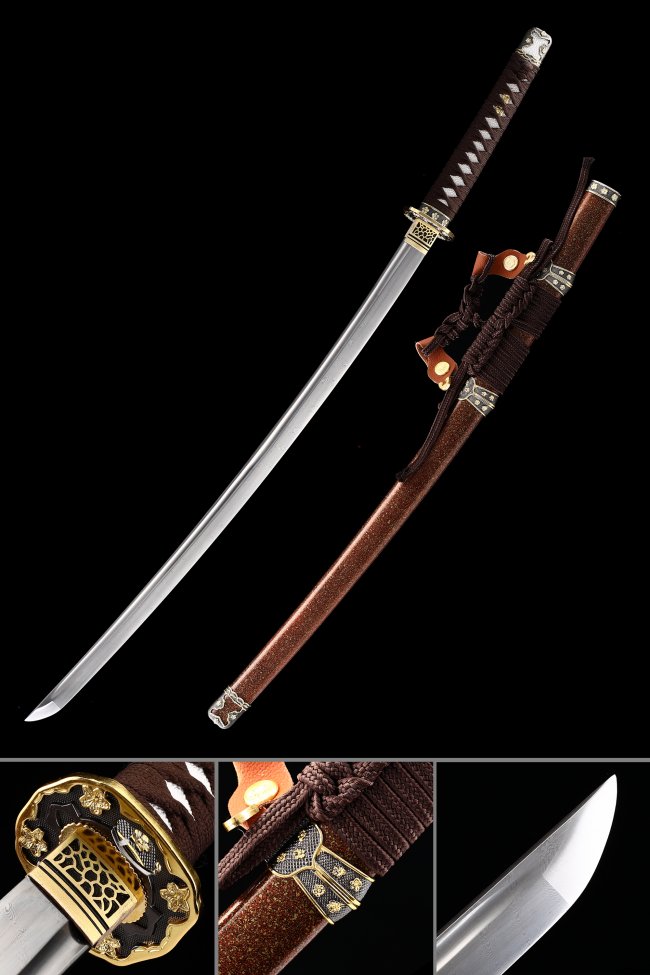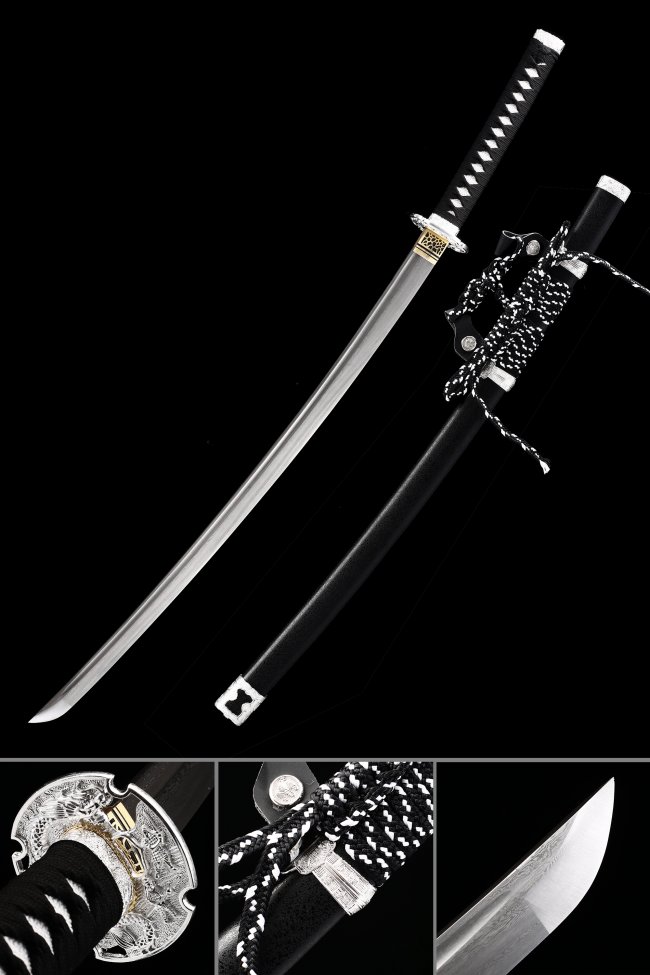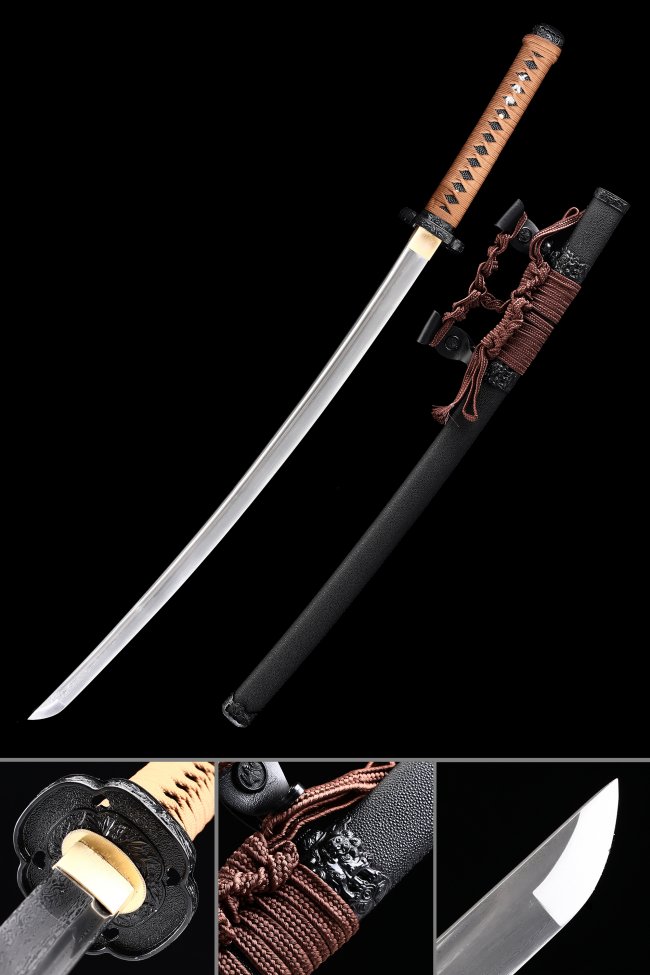
Damascus Odachi

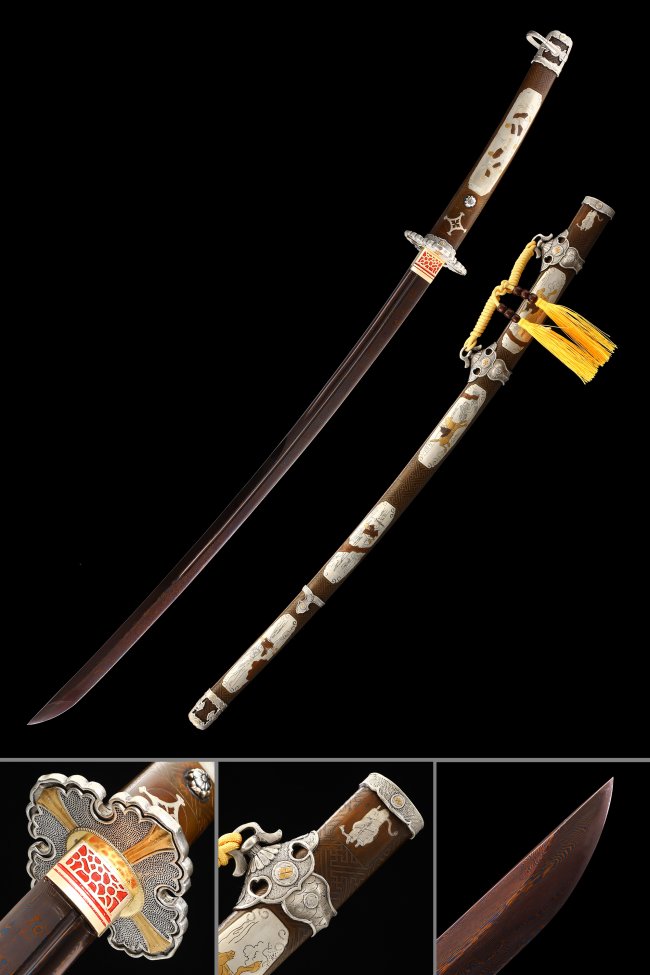
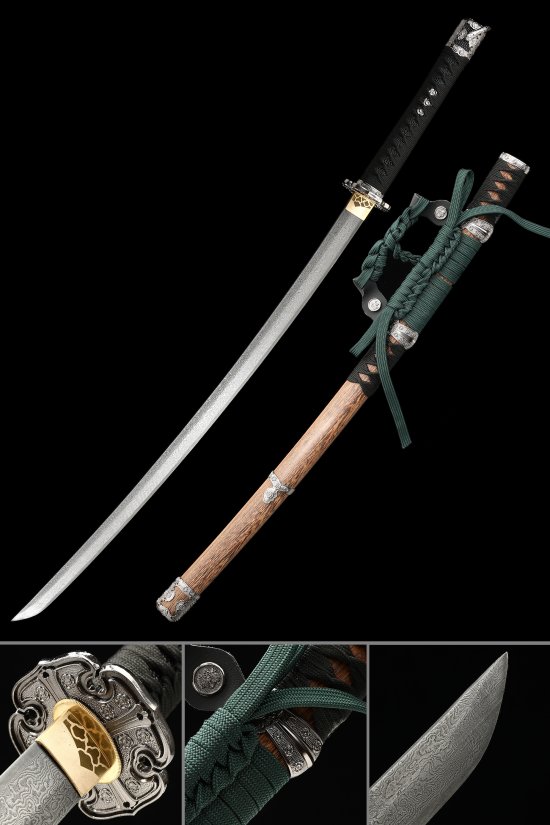
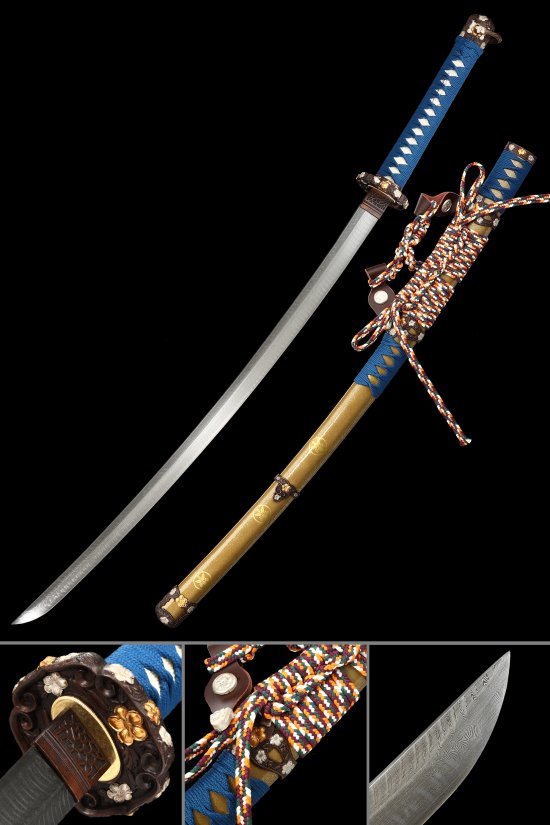
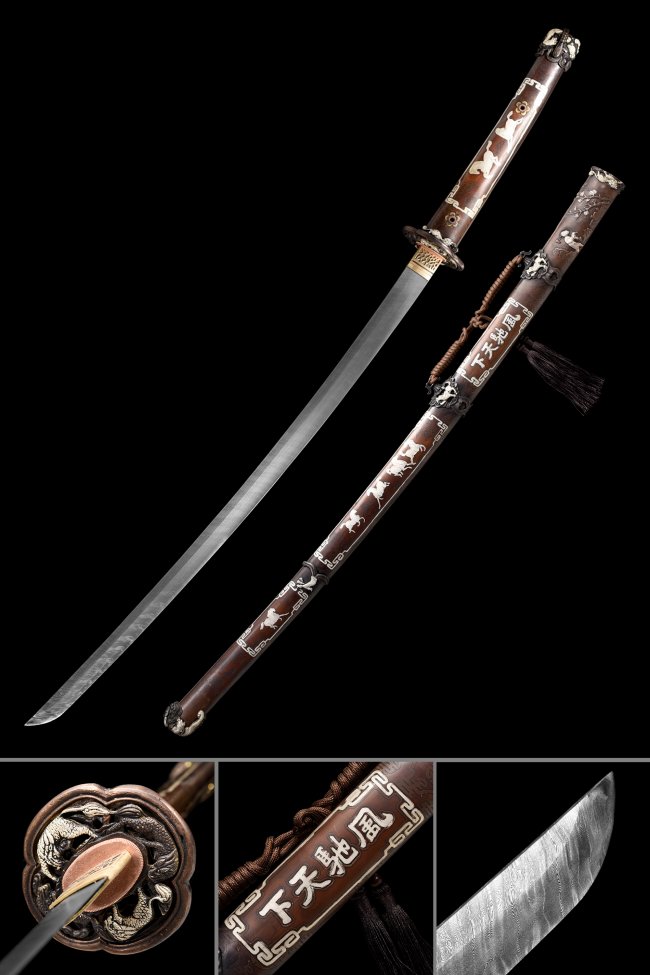
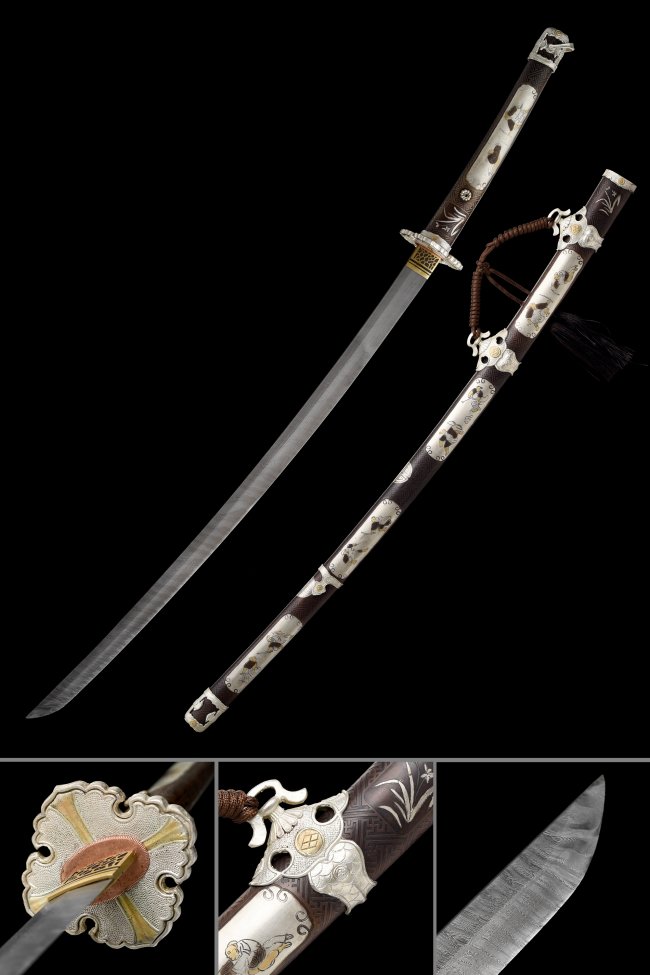
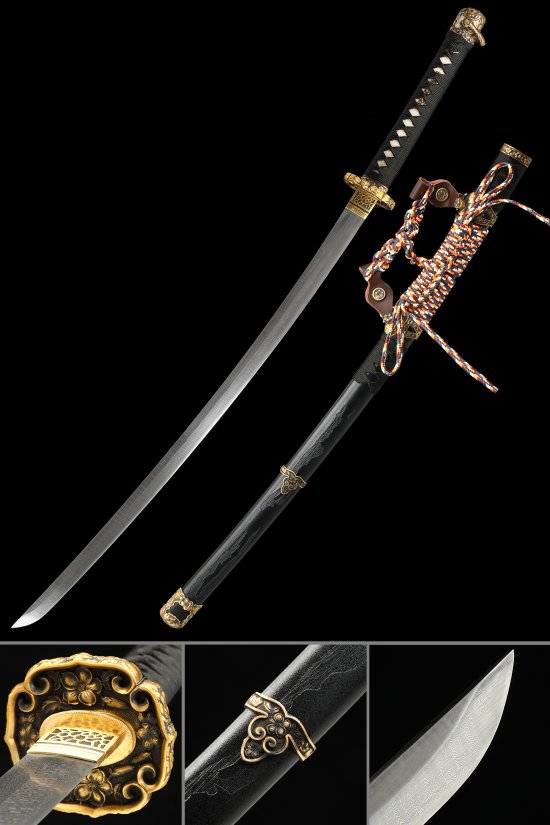
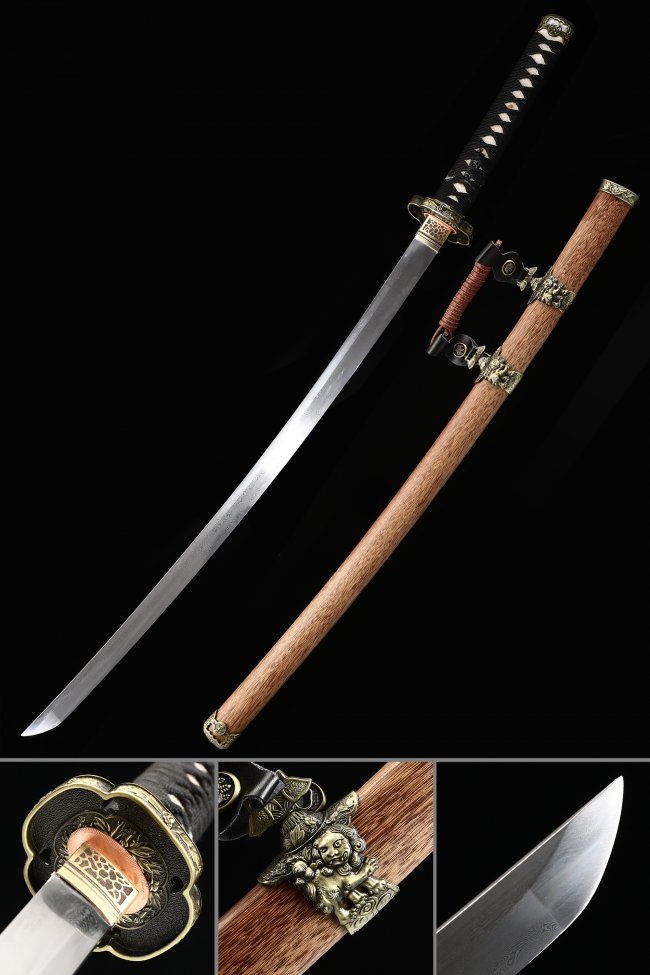
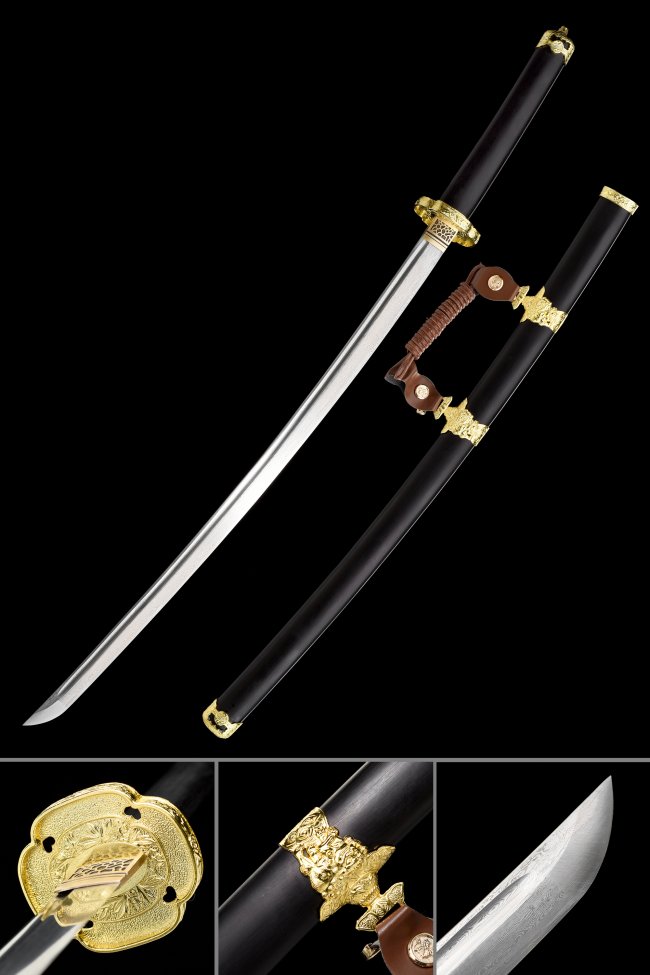
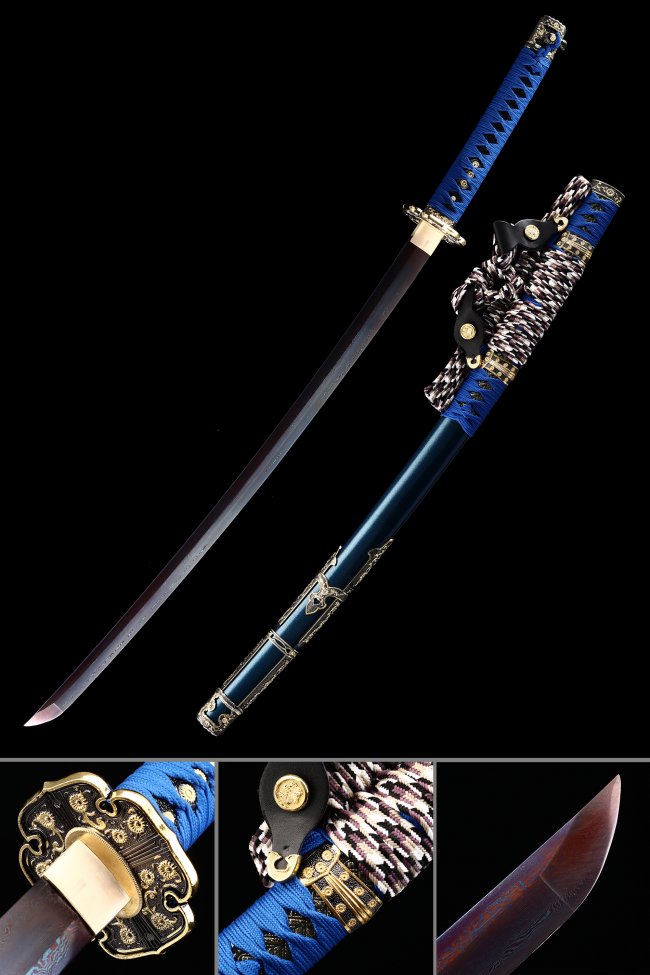
Explore our hand-forged Damascus odachi swords - the commanding scale of the Japanese great-sword tradition crafted in fold-forged Damascus steel, where each blade's unique layered patterning makes it a genuinely one-of-a-kind display piece. Forged from layered steel with full-tang construction and finished with authentic Japanese sword fittings, these pieces combine exceptional length with the visual complexity that only Damascus steel can deliver. Free US shipping and hassle-free returns on every order.

Showing 13 Products

Related Collections

Hand Forged Odachi33 items


64 Reviews

Damascus Steel Sword78 items


336 Reviews

Damascus Katana Sword120 items


226 Reviews

Antique Odachi42 items


88 Reviews

Frequently Asked Questions

What makes a Damascus odachi different from a standard odachi?
The primary distinction is the blade material and its visual character. A standard odachi features a blade in a single steel grade - typically 1045 or T10 carbon steel - with a uniform polished or treated surface. A Damascus odachi, by contrast, is forged from Damascus steel produced through a fold-welding process where layers of steel are repeatedly folded and welded together to create a billet with hundreds of microscopic layers. After the blade is ground and polished, acid etching reveals the differential carbon content between layers as flowing, wave-like surface patterns that cover the full blade surface. On an odachi's extended blade length, this patterning covers a substantially larger area than it would on a shorter sword, making the Damascus character more immersive and visually impressive. Because the fold-welding process introduces random variation at each stage, no two Damascus blades produce identical patterns - each Damascus odachi is genuinely unique. Full-tang construction is standard in both categories.
How many layers does a Damascus odachi blade have?
Damascus odachi blades in this collection are forged with layer counts that typically range from around 200 to over 1000 layers, depending on the specific piece and the folding method used during forging. The layer count is determined by the number of folding cycles during production: each fold doubles the number of layers from the previous count, so a billet folded 8 times produces 256 layers, while 10 folds produce 1024. Higher layer counts tend to produce finer, more intricate surface patterns when the blade is acid-etched, while lower counts can produce bolder, more dramatic pattern flows. The specific layer count matters less than the quality of the folding and welding process: a well-executed 200-layer blade with clean, uninterrupted layers will produce better and more consistent surface patterns than a poorly executed higher count. All Damascus odachi in this collection are produced by experienced smiths using forge-folding methods that deliver genuine layered construction and clear, defined surface patterning.
Are Damascus odachi swords suitable as collectible display pieces?
Yes - Damascus odachi swords are purpose-built as collectible display pieces, and the combination of the odachi's exceptional length and Damascus steel's distinctive surface patterning makes them among the most visually impressive display choices in the Japanese sword collecting category. The Damascus surface patterns are best appreciated when the blade is visible - displayed on a wall bracket or floor stand where the light can interact with the etched surface and bring out the patterning's depth and contrast. The odachi's extended blade means there is more surface area for the Damascus patterns to develop across, creating a more immersive visual experience than the same steel would provide on a shorter blade. Practical display requires hardware sized for long swords - a freestanding floor stand or horizontal wall bracket with sufficient span for an odachi's overall length. Each piece arrives with its matching scabbard for complete presentation.
How do I care for and maintain a Damascus odachi sword?
Caring for a Damascus odachi combines the maintenance requirements of a large, extended-blade collectible with the specific considerations for Damascus steel's etched surface. The most important routine step is wiping the blade thoroughly with a soft, lint-free cloth after any handling session. Natural skin oils are mildly acidic and will interact with the etched Damascus surface over time if left in place, potentially affecting the pattern's clarity. After wiping, apply a thin coat of camellia oil or quality mineral oil along the full blade length - given the odachi's exceptional length, use a cloth large enough to cover the blade in a few smooth passes rather than working in small sections, which can leave uneven coverage. Buff away any excess until only a barely-visible film remains. Store the sword on an open display stand in a room with stable temperature and low humidity. Avoid sealed plastic or fabric scabbard covers that trap moisture against the blade surface. With this simple routine maintained consistently, the Damascus patterning will remain clear and the blade will stay in excellent display condition for many years.

Customer Reviews

Charles D Davidson Virginia, United States

Great product with very nice steel! Probaly should have gotten a less flashy model but this one is very pretty. Long shipping process with an added shipping request that I flatly refused to pay. Thought that might wreck the deal but it still came in. I will buy matching shorter versions at some point.

Damascus Steel Katana with Dragon Tsuba - Black Lacquer Saya, Black-White Ito Wrap Damascus Steel Katana with Dragon Tsuba - Black Lacquer Saya, Black-White Ito Wrap