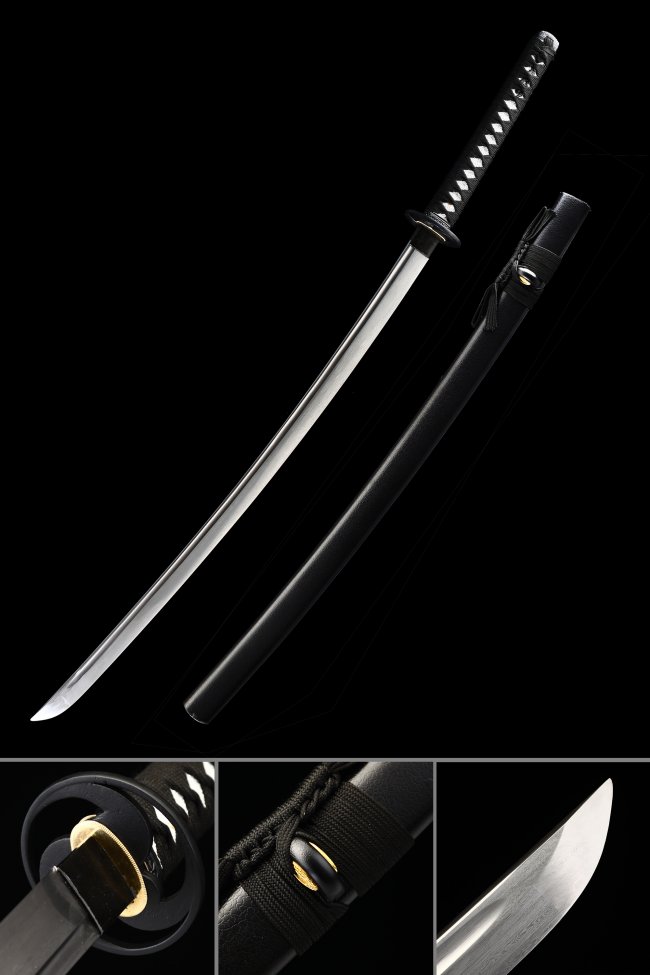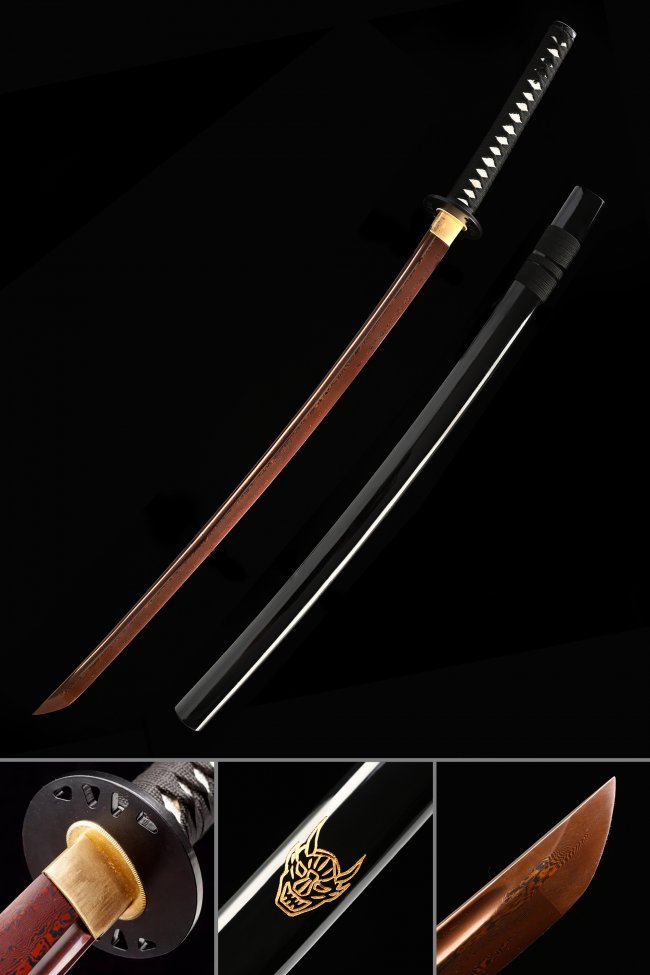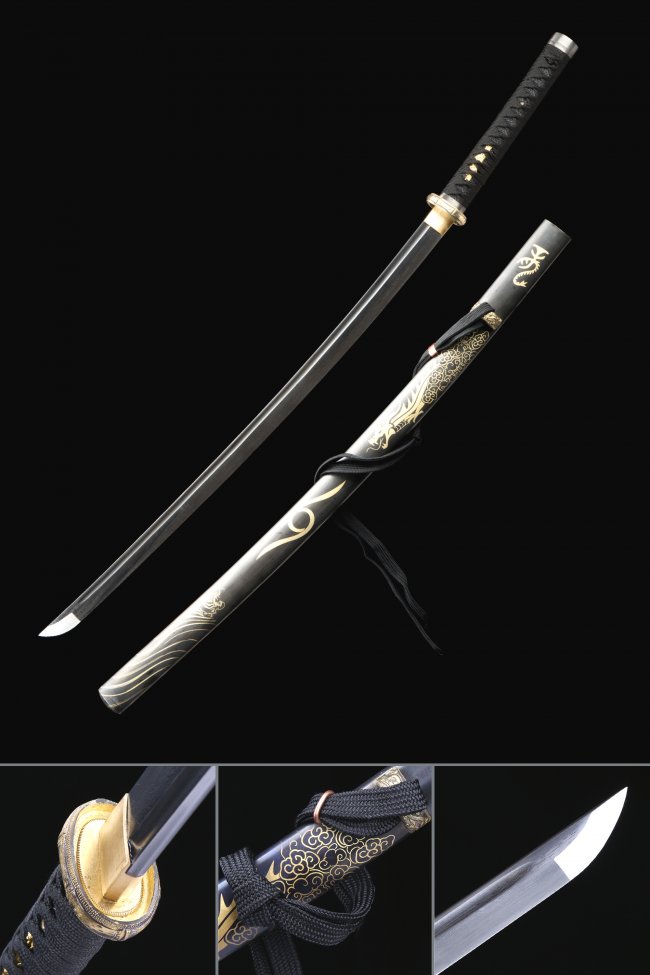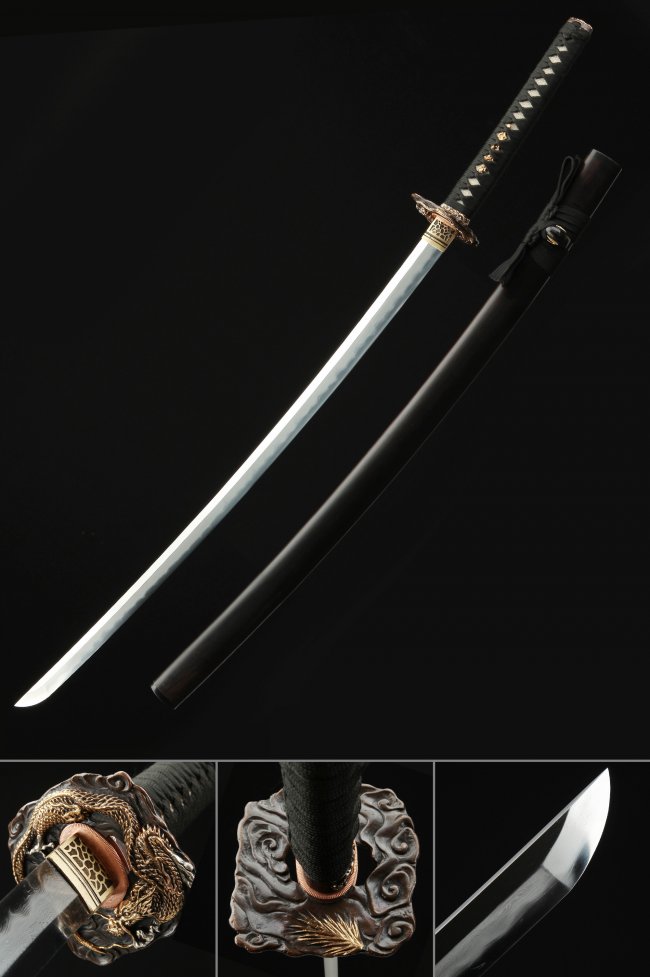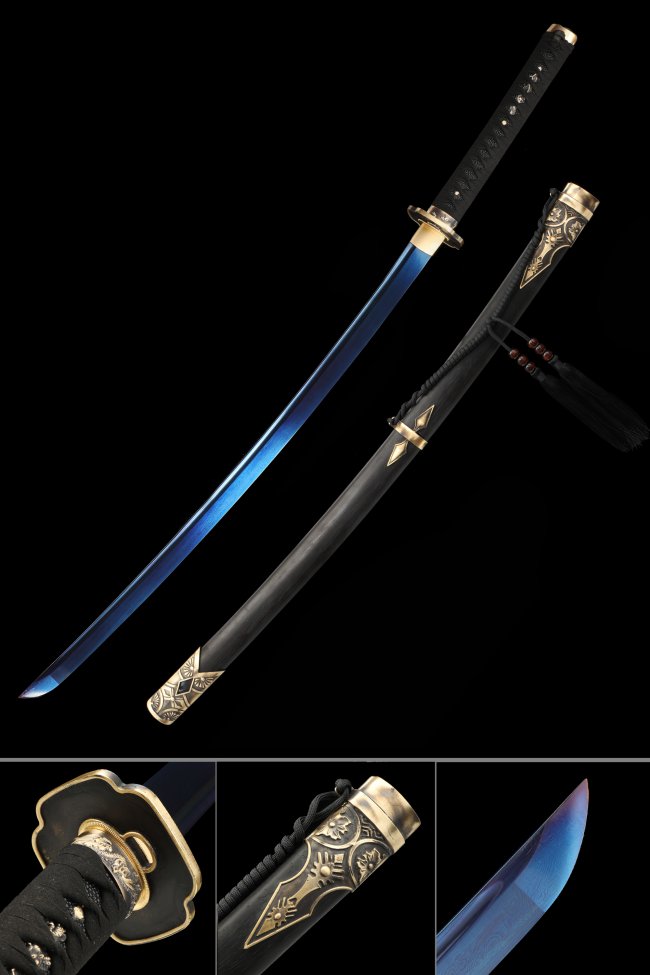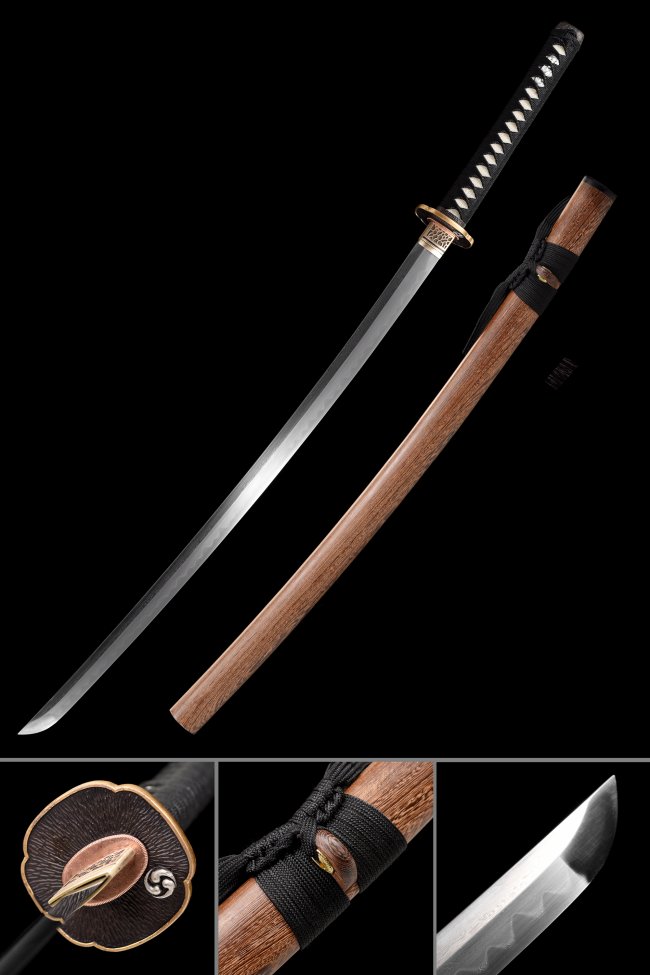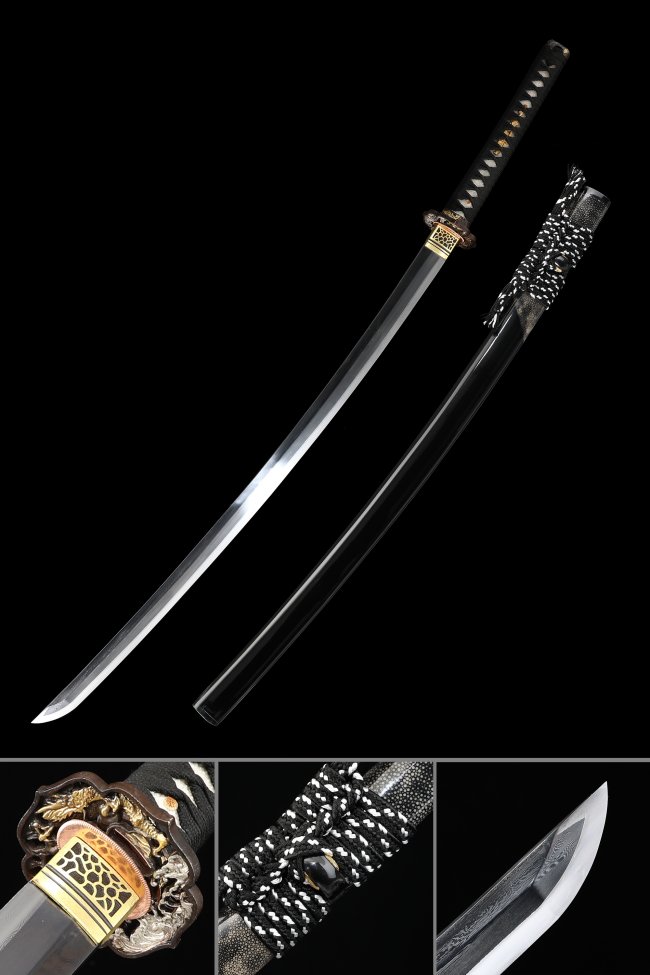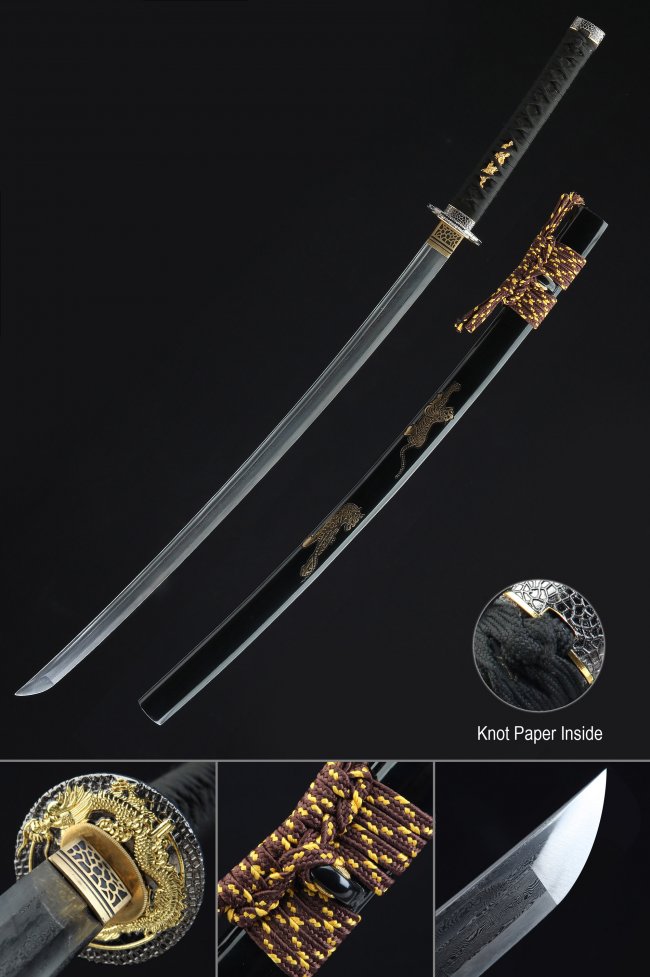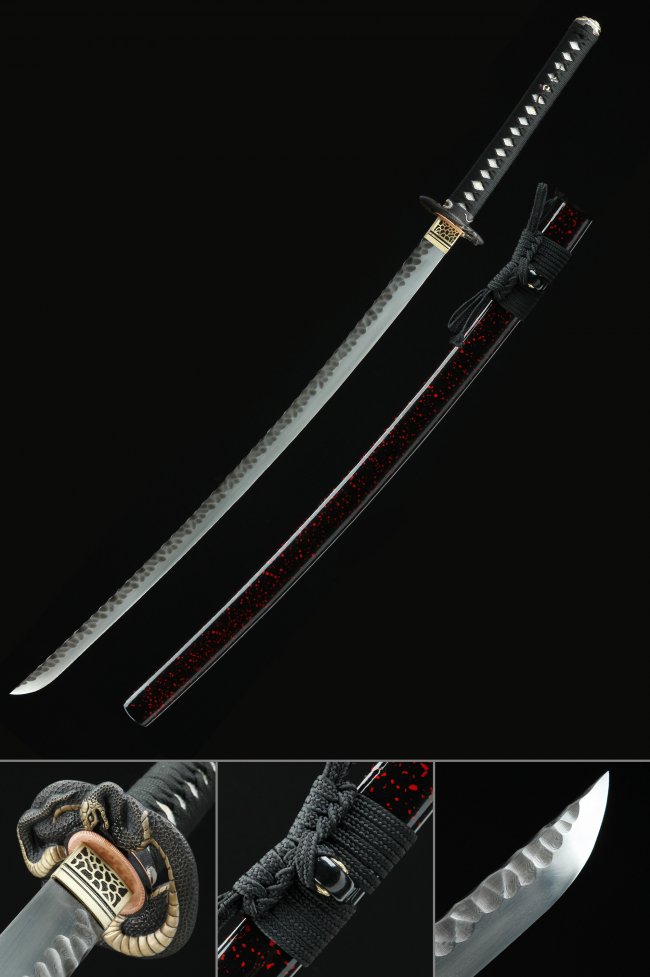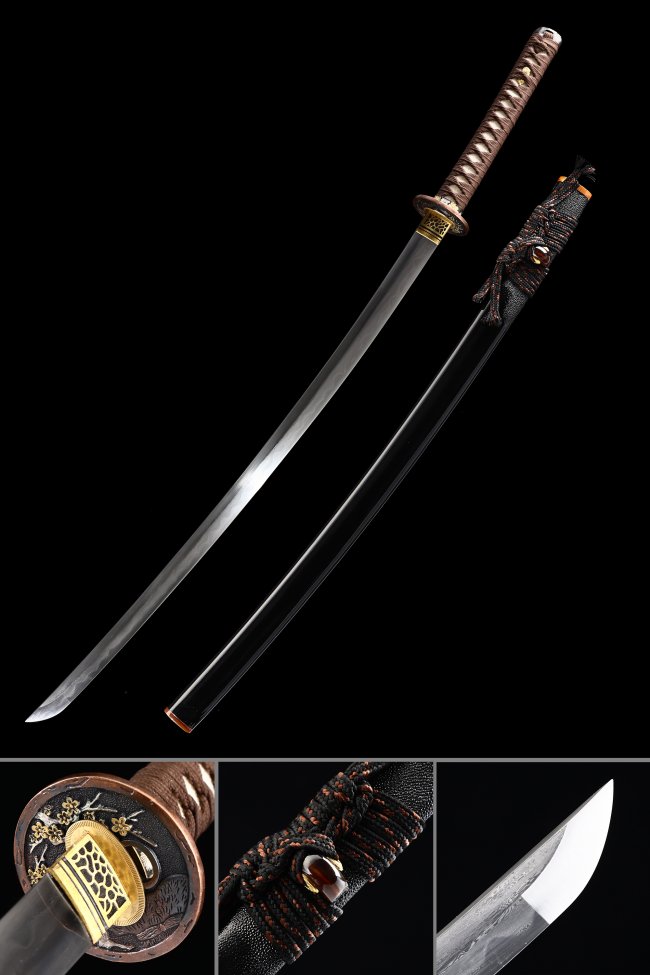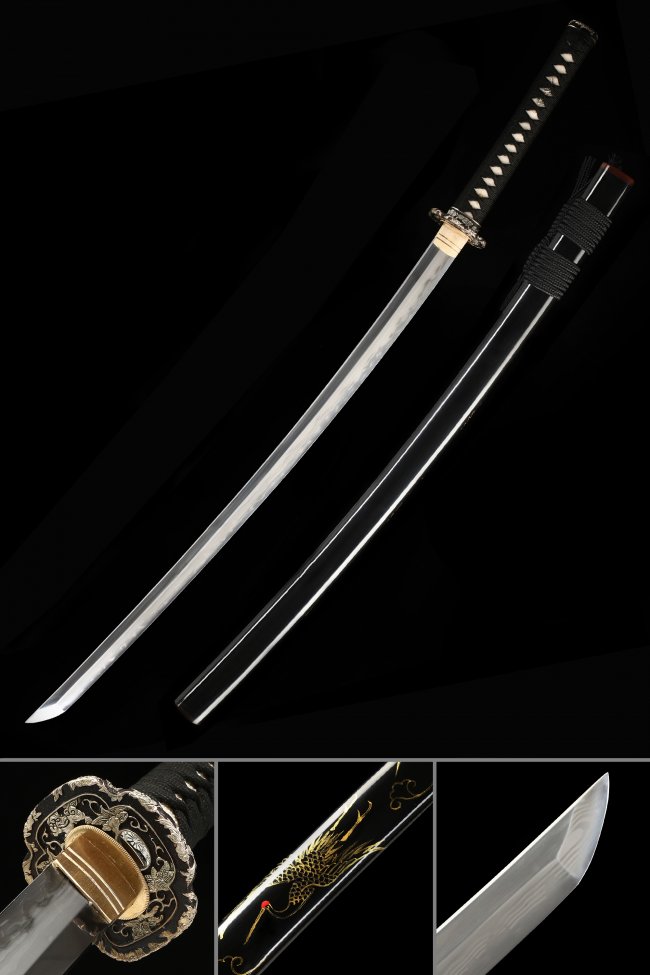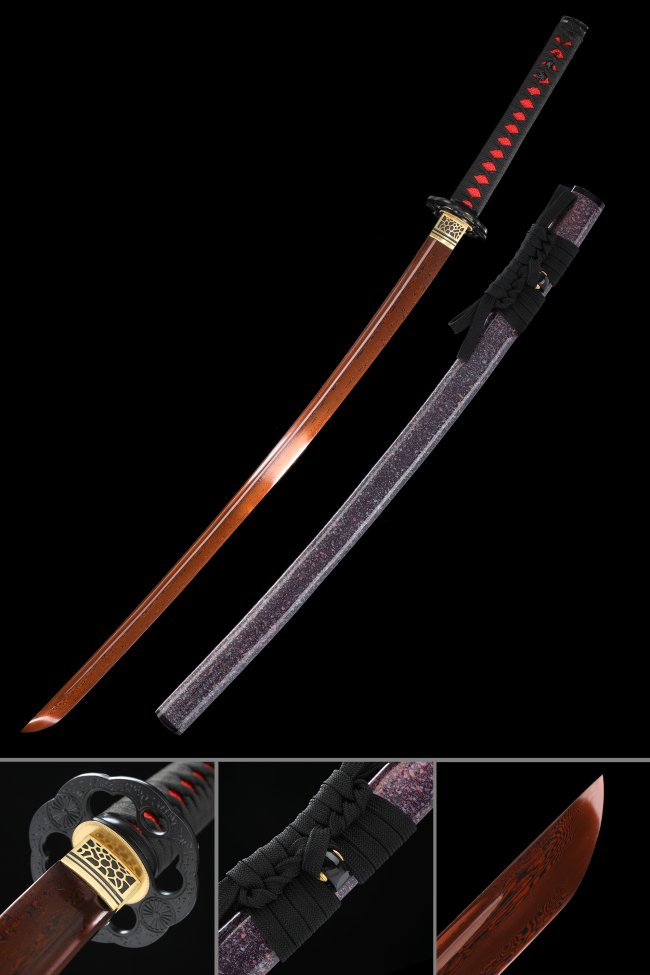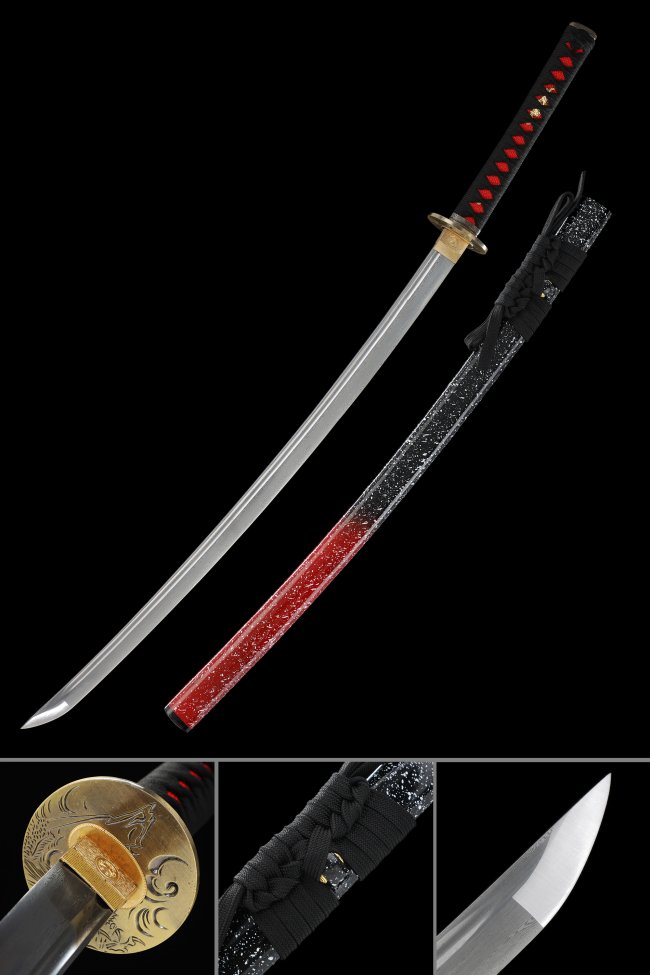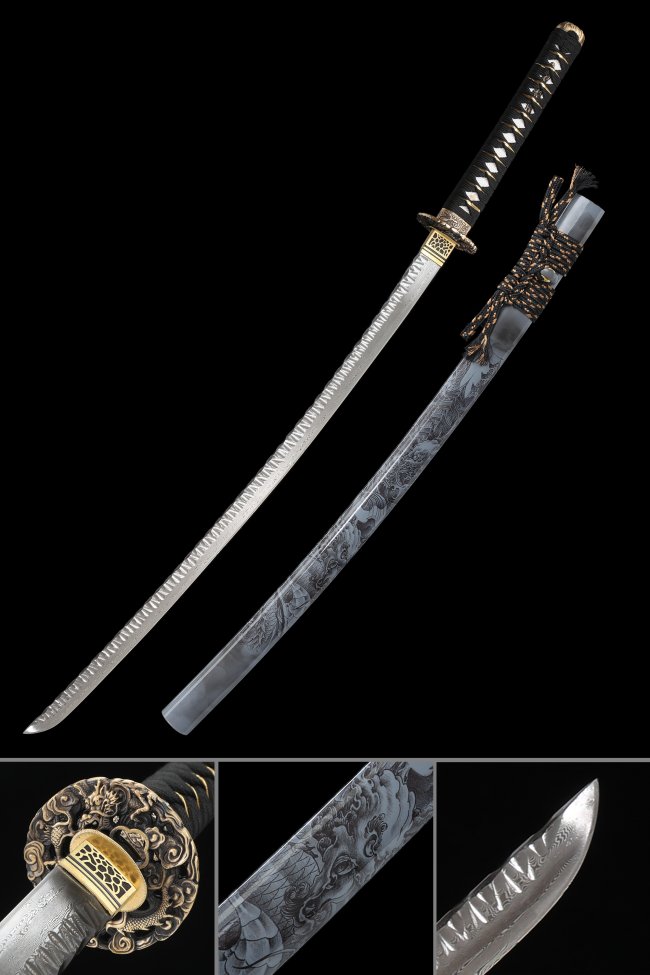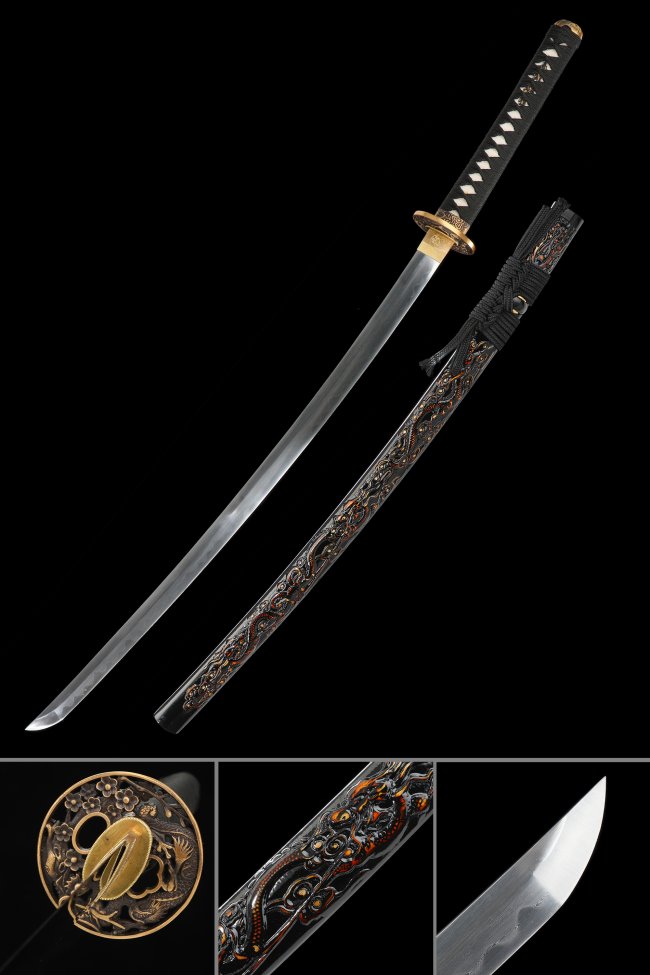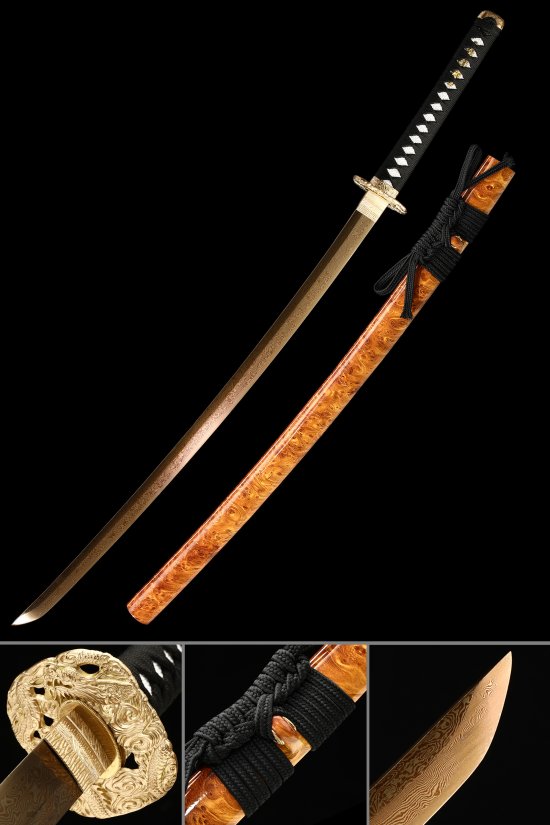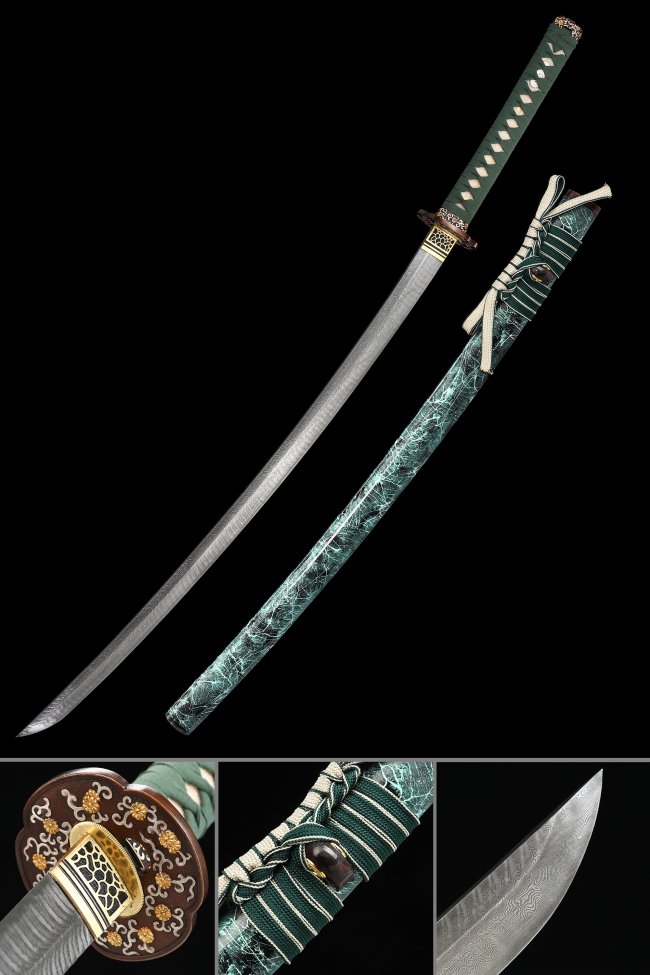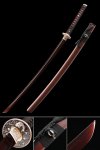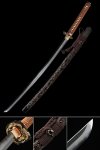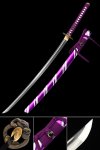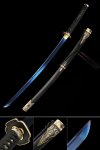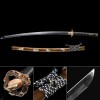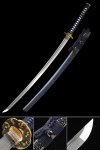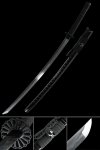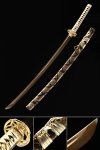
Folded Damascus Katana

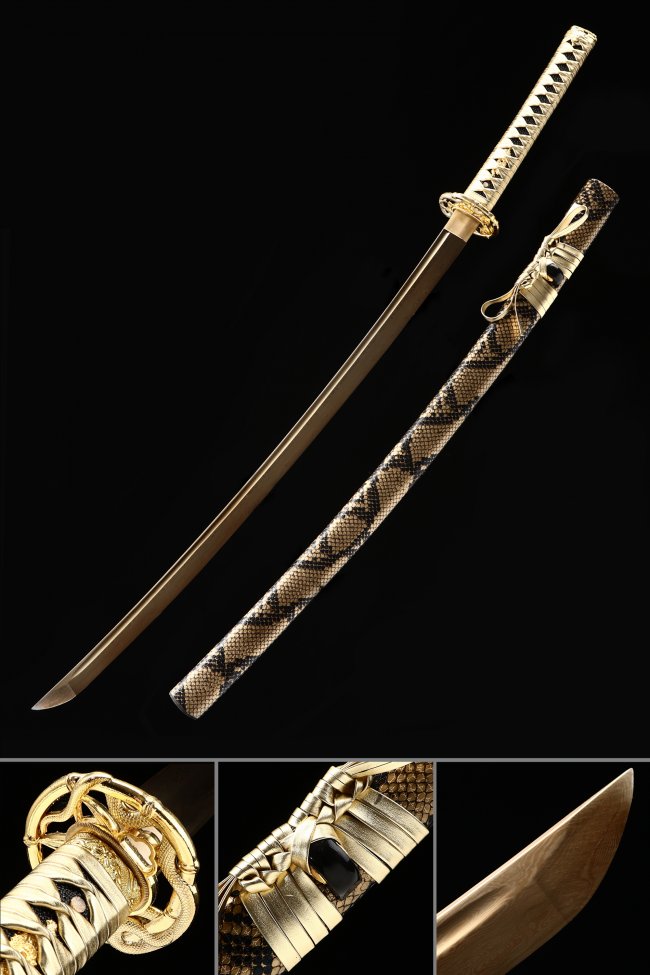
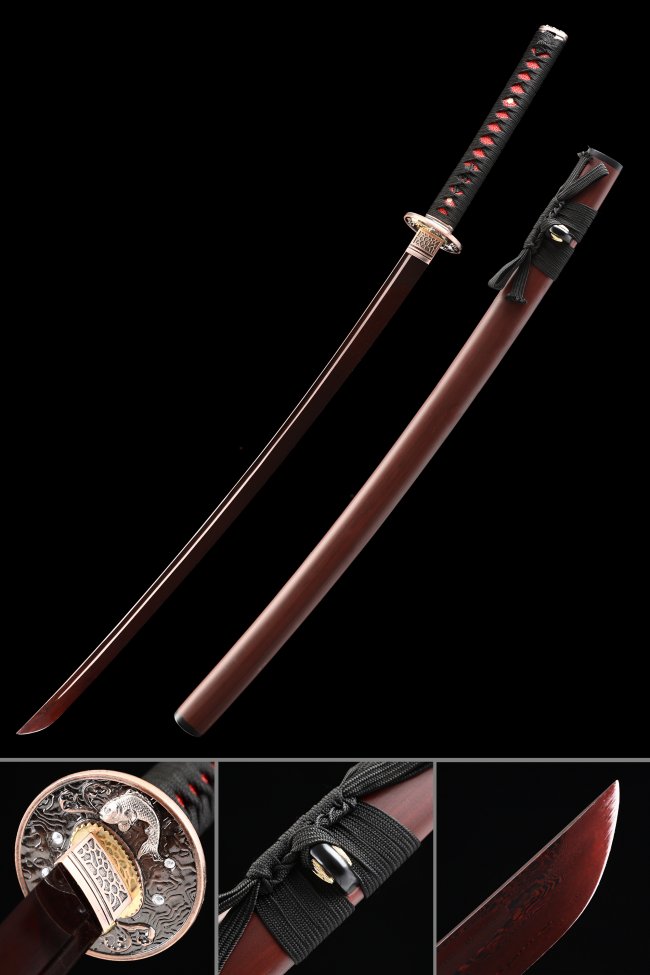
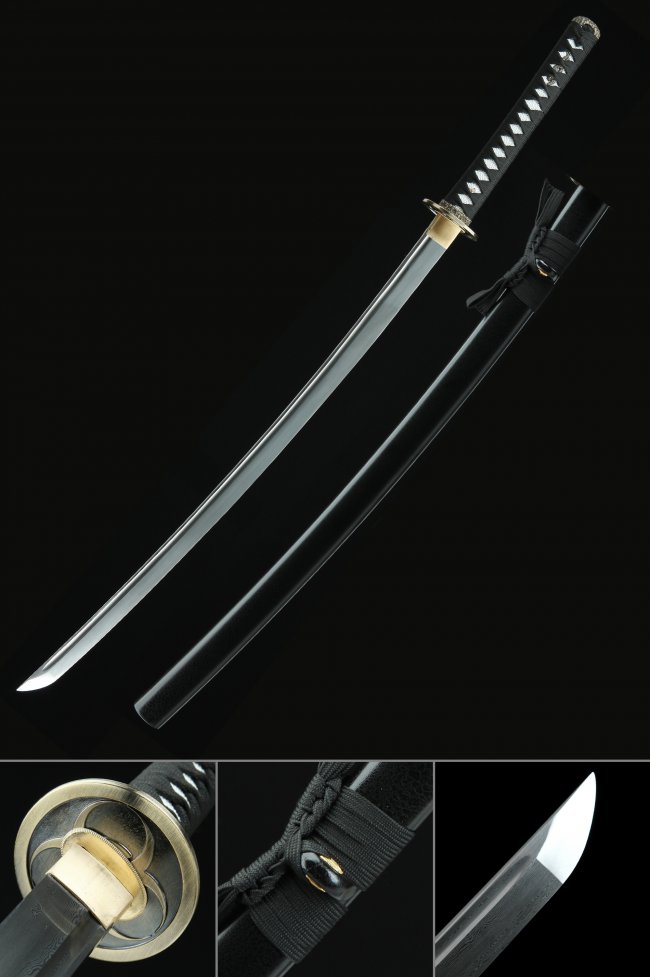
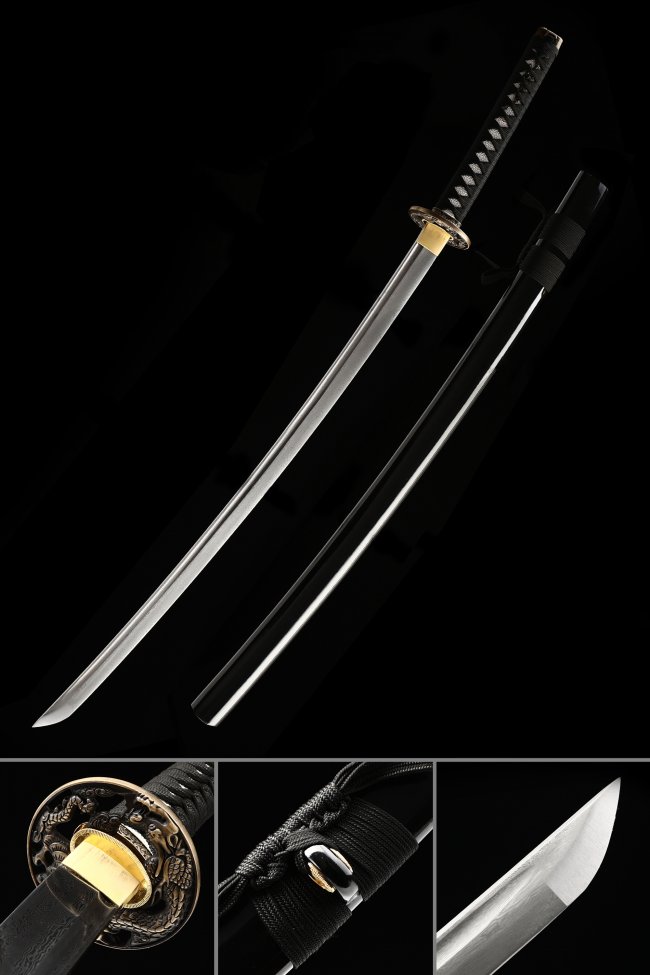
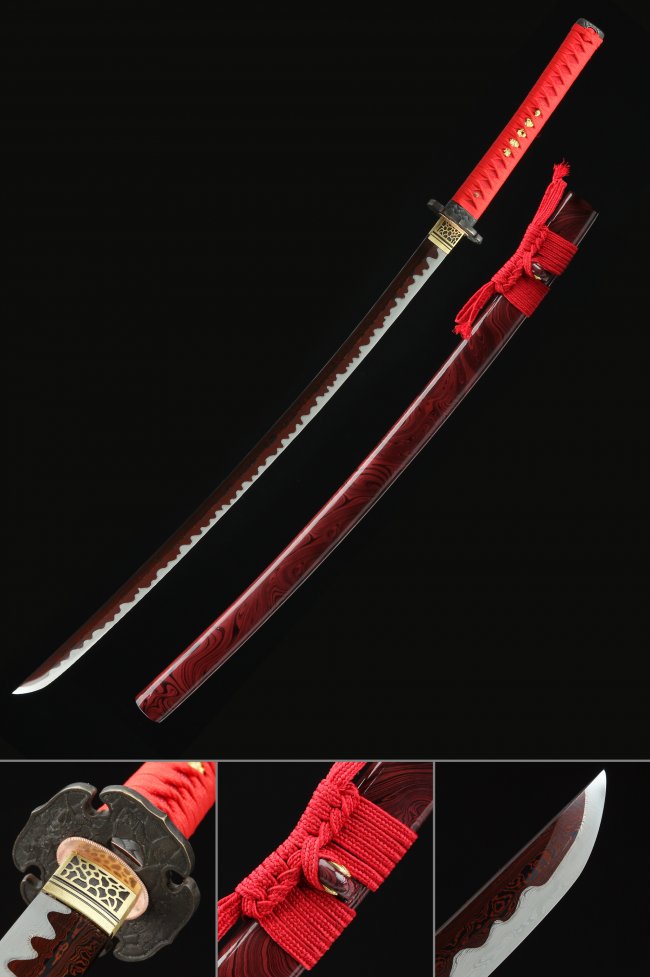
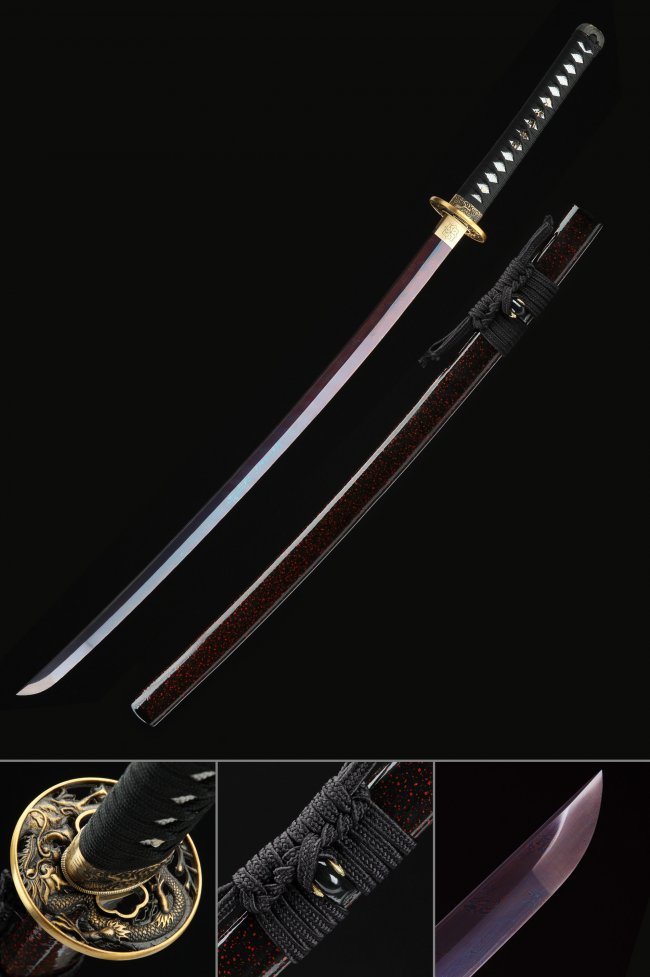
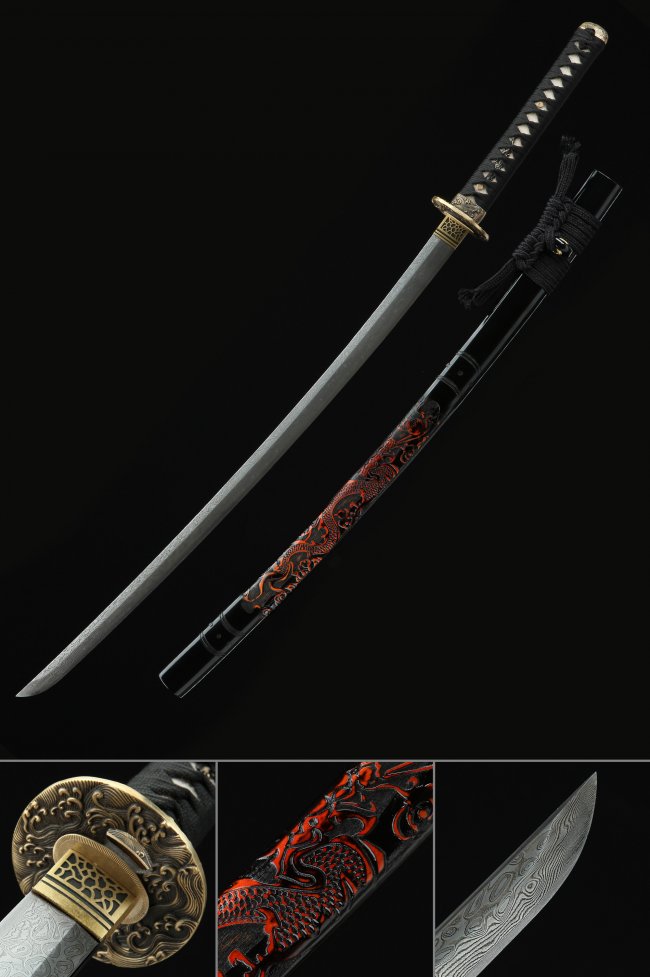
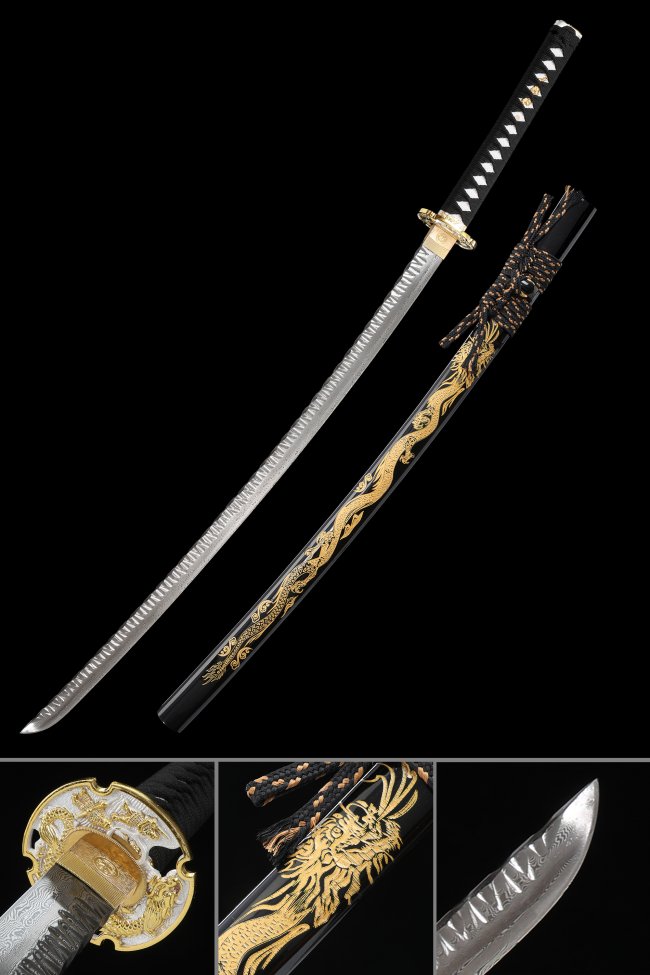
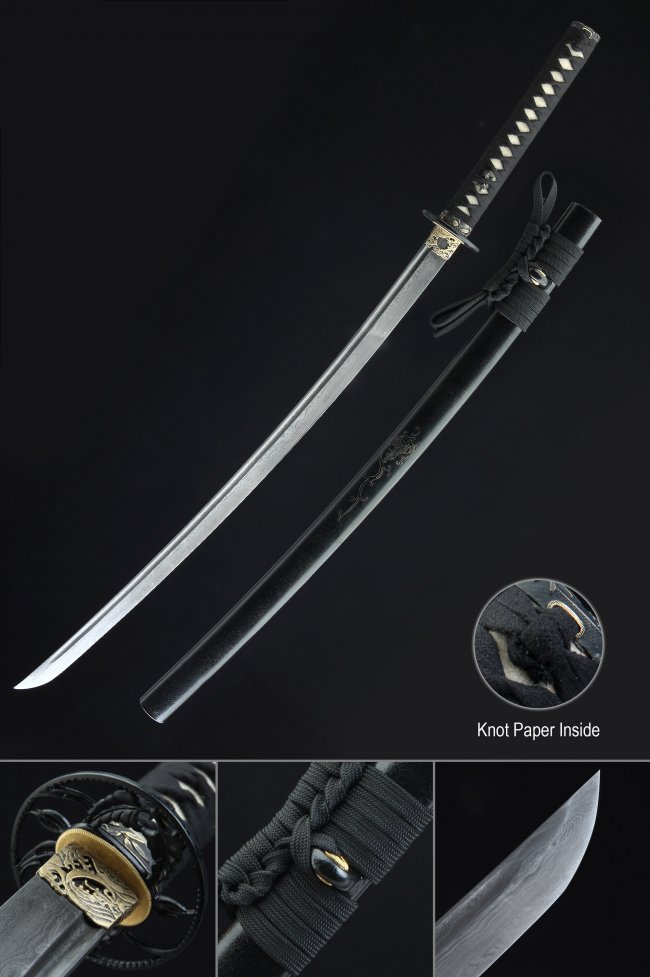
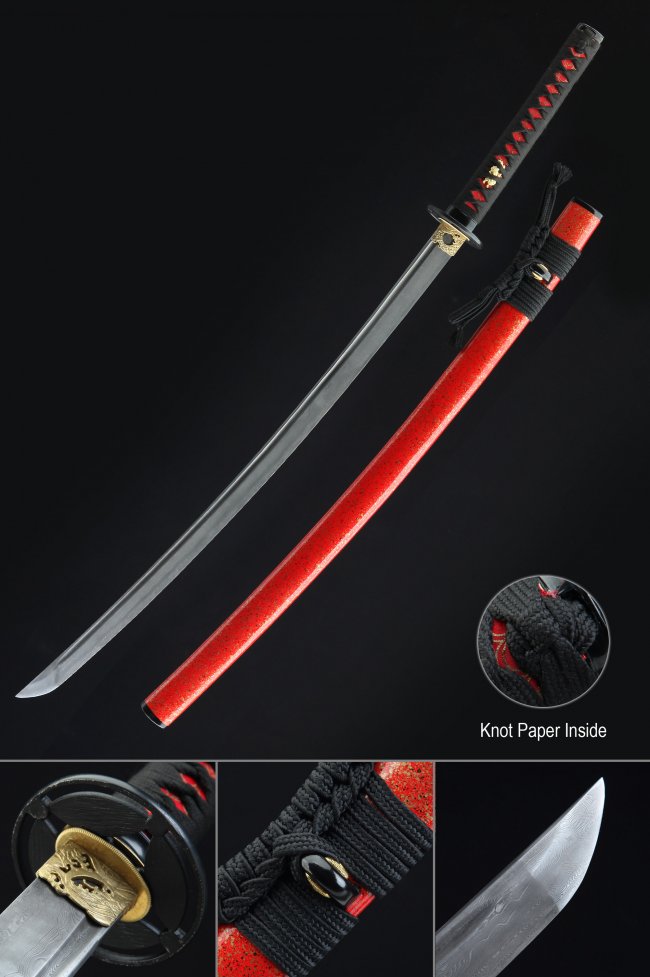
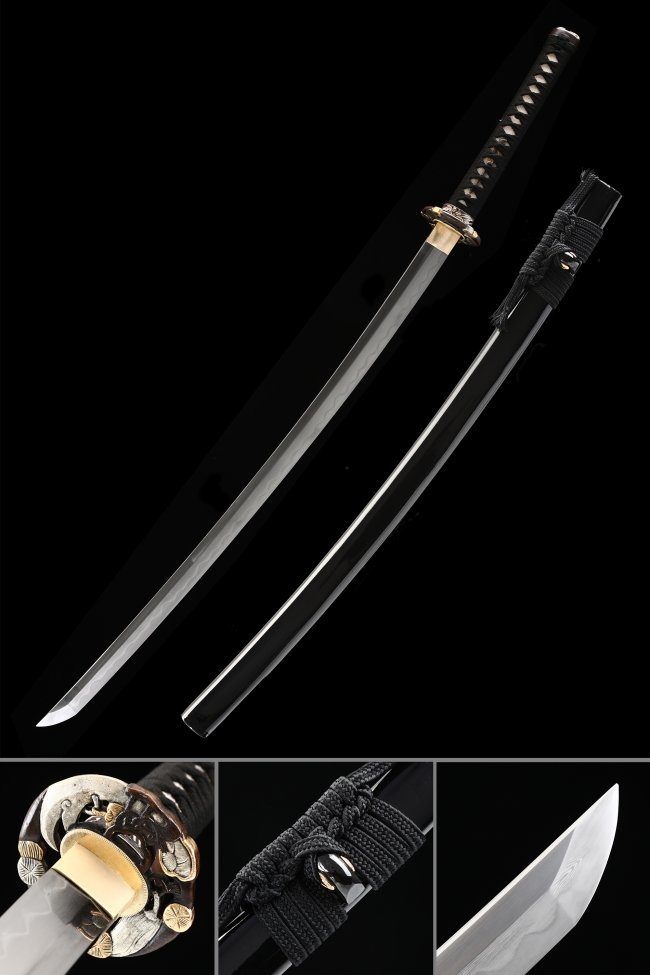
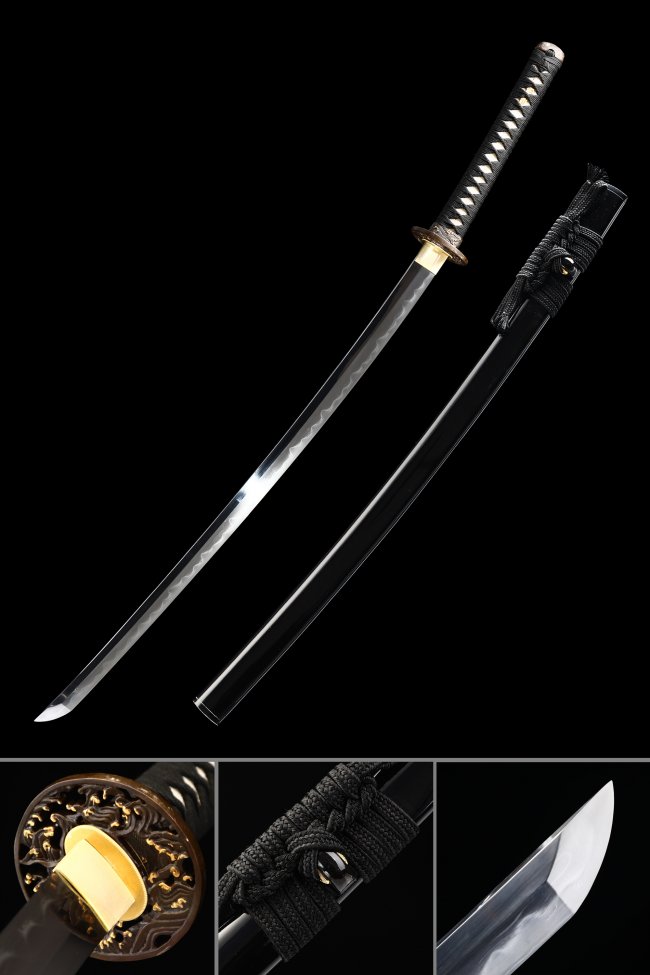
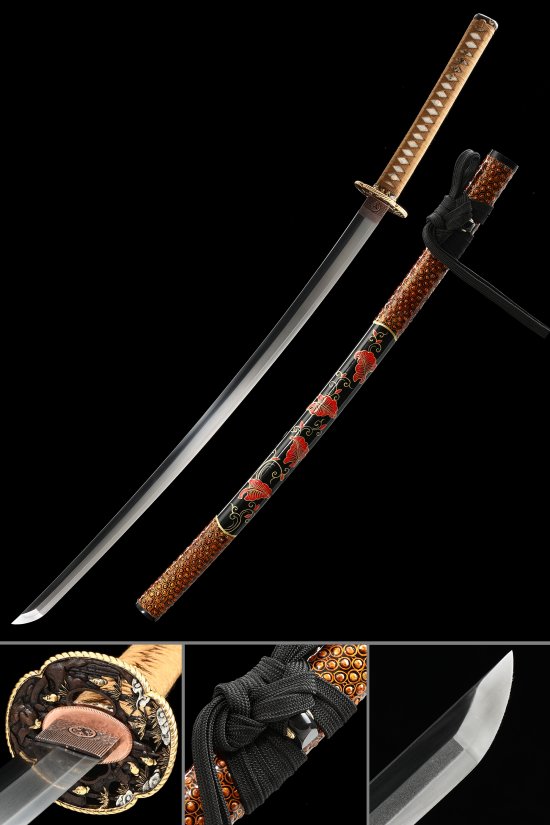
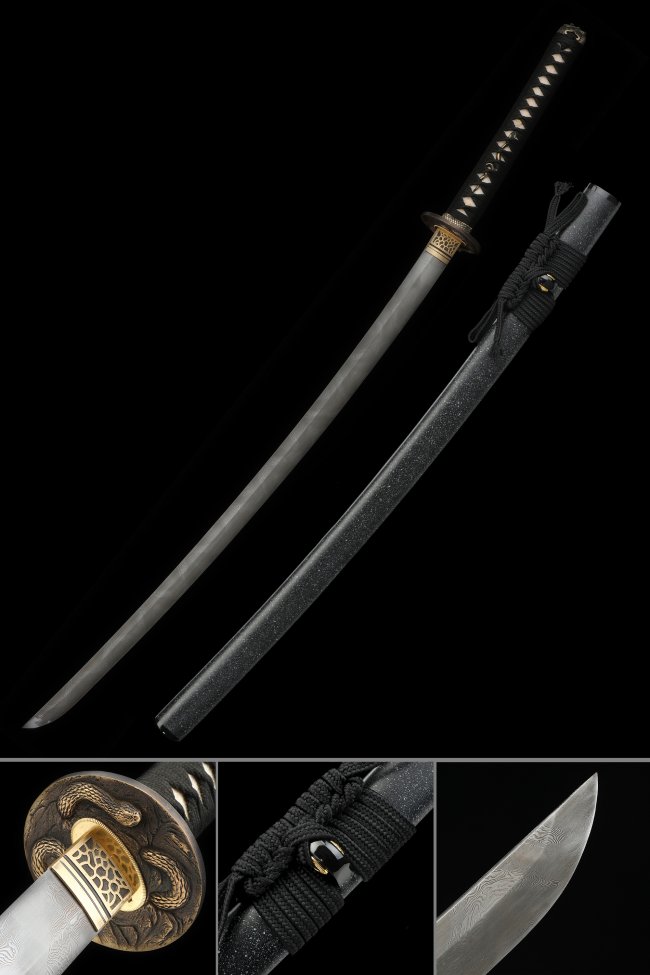
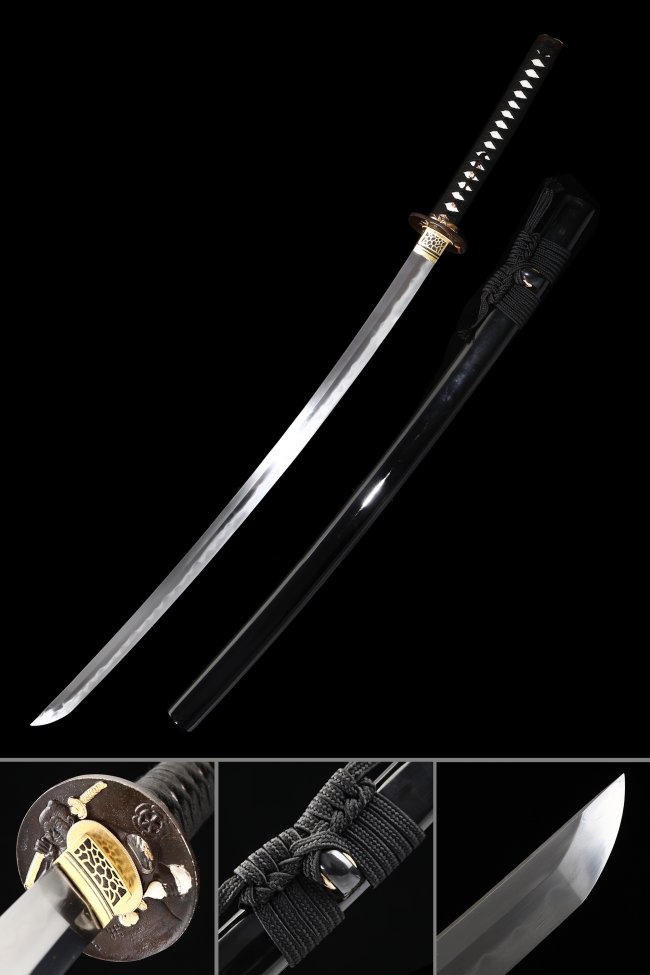
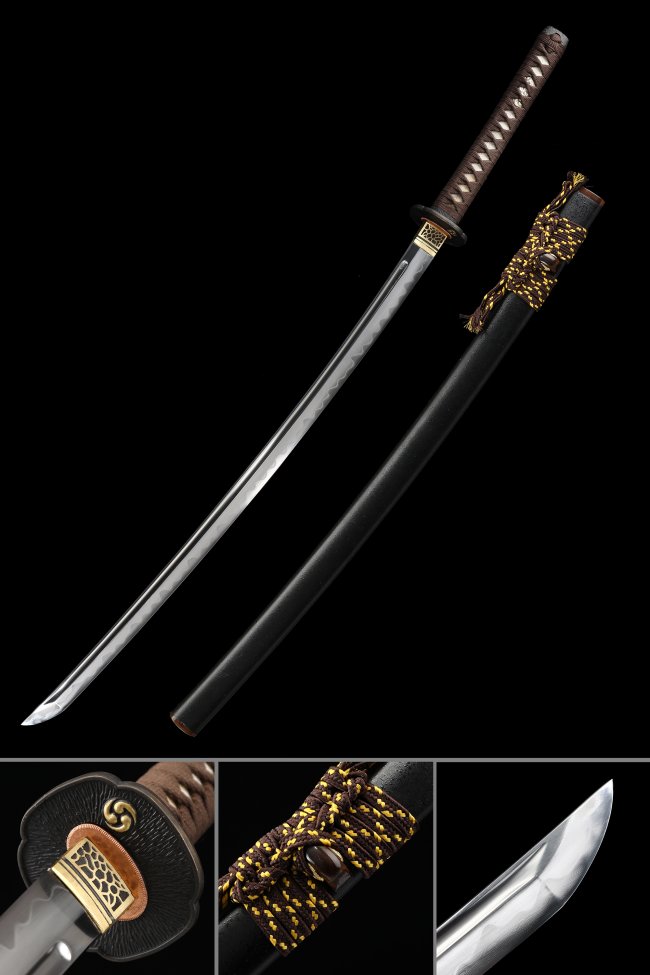
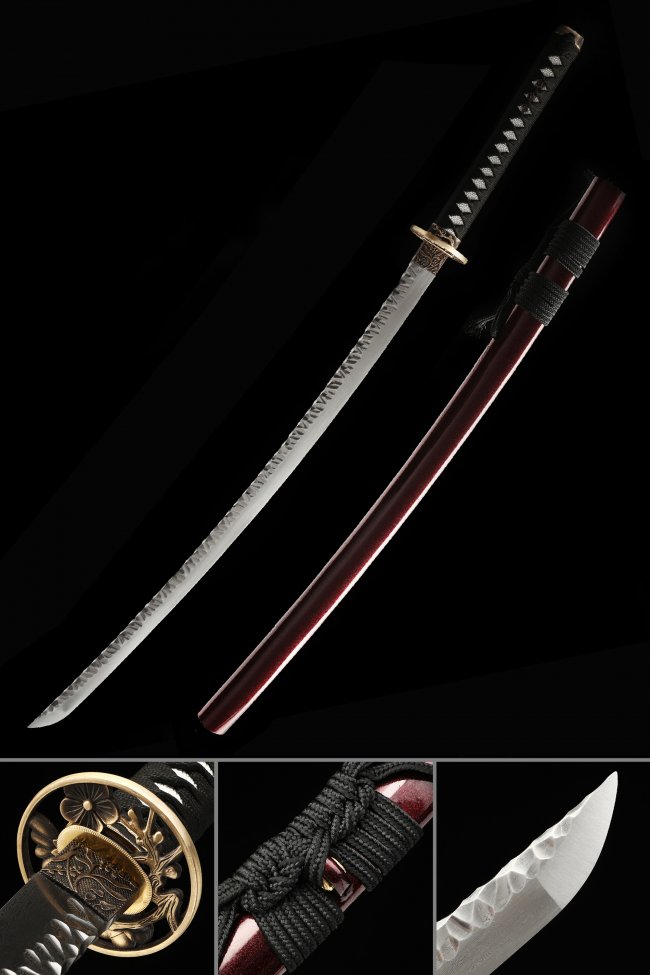
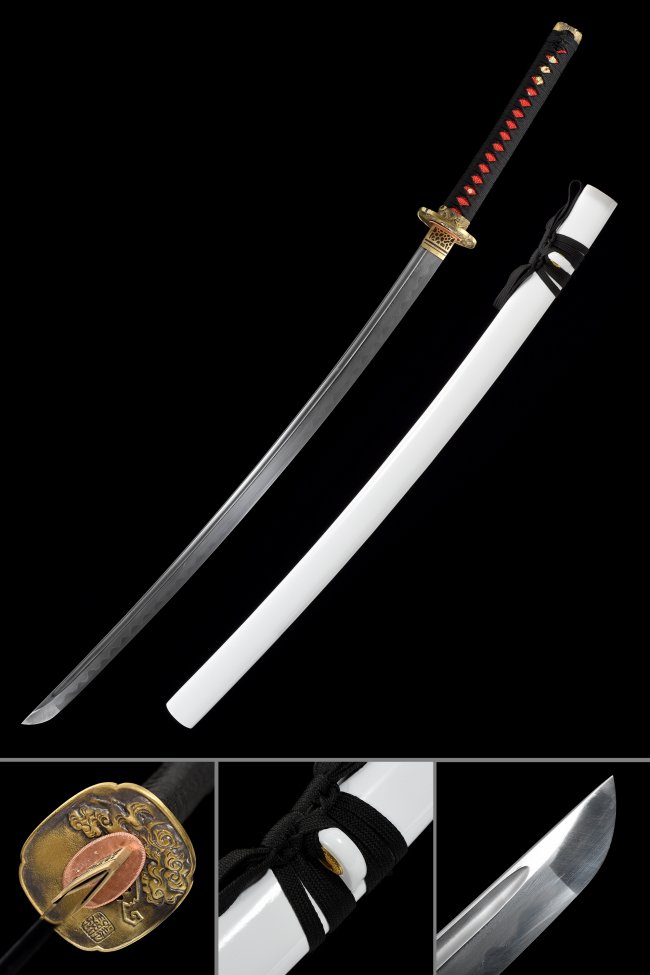
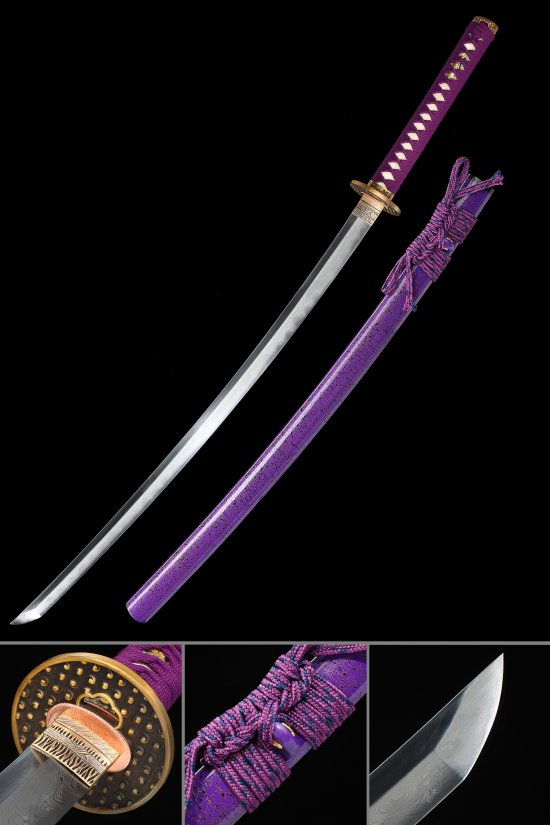
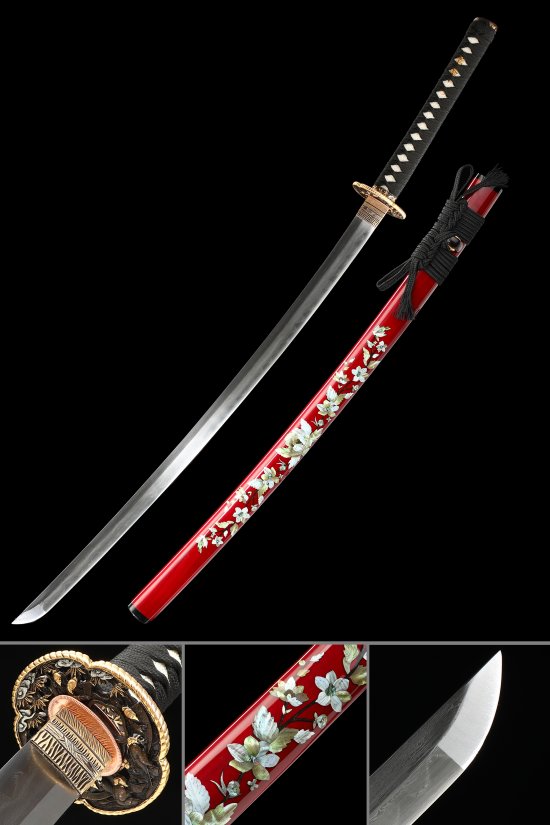
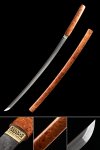
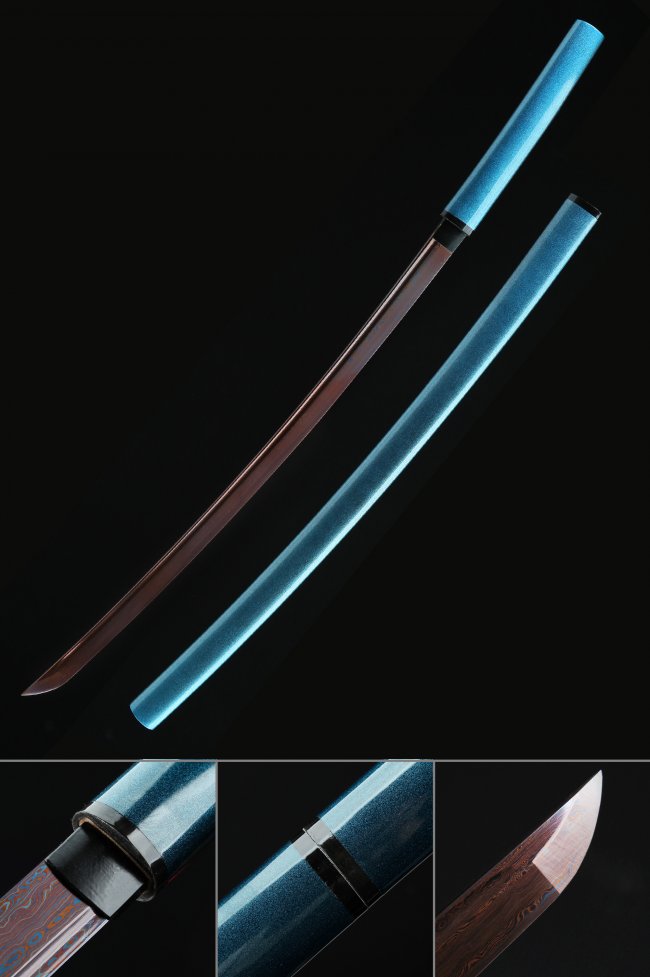
Browse our folded Damascus katana collection - hand-forged Japanese katana in fold-forged Damascus steel with full-tang construction across black, crimson, blue, natural-wood, and white configurations. Folded Damascus katana are defined by the forge-welding and folding process that multiplies layers and creates the distinctive flowing blade pattern. Free US shipping and hassle-free returns included.

Showing 108 Products

Related Collections

Damascus Odachi13 items


21 Reviews

Damascus Ninjato19 items


19 Reviews

Damascus Chokuto19 items


19 Reviews

Damascus Broadsword7 items


1 Reviews

Frequently Asked Questions

What distinguishes fold-forged Damascus from other Damascus construction methods?
Fold-forged Damascus is specifically characterized by the fold-and-reweld cycle that geometrically multiplies the layer count from the starting billet. Beginning with a forge-welded combination of high and low carbon steel, the smith heats the billet to forging temperature, folds it in half, and hammer-welds the folded halves together - each fold doubles the layer count. This cycle is repeated until the desired layer count is achieved. The distinction from other pattern welded approaches is in this multiplication mechanism: fold-forged Damascus creates its pattern from the fold cycle, while non-folded pattern steel creates its pattern from the initial arrangement of different steel pieces without the subsequent folding. Fold-forged Damascus has a specific fine-grained character from the layer multiplication that distinguishes it from coarser pattern arrangements created by initial welded geometry alone.
How does layer count affect the appearance of folded Damascus katana?
Layer count in folded Damascus directly affects the visual density and scale of the pattern. Lower layer count Damascus - in the 64-256 layer range from 6-8 folds - shows a coarser, more widely spaced pattern where individual layer boundaries are visible as distinct lines. Higher layer count Damascus - in the 512-4096 range from 9-12 folds - shows a finer, more densely packed pattern where individual layer boundaries merge into the overall flowing texture. Very high layer count steel, sometimes called Melaleuca or thousand-layer steel, shows an extremely fine and uniform grain-like pattern from the dense layer count. The relationship between layer count and pattern scale allows different aesthetic preferences: collectors who prefer visible dramatic pattern contrast often prefer moderate layer counts, while collectors who prefer refined dense texture often prefer high layer counts.
What are the different fold types visible in Damascus katana patterns?
Folded Damascus katana patterns vary depending on the manipulation applied during the fold cycles. Standard linear folding - folding the billet end-over-end in the same direction each time - creates the organic flowing grain pattern most commonly associated with Damascus. Bi-directional folding - alternating fold direction 90 degrees between cycles - creates a more complex, random-looking pattern that resists the linear grain character of unidirectional folding. Twist manipulation between fold cycles creates spiral or tornado patterns by rotating the heated billet before flattening. Ladder grinding - cutting transverse grooves into the billet before a fold cycle - creates geometric interruptions in the flowing pattern. Collectors evaluating folded Damascus pattern should look for pattern consistency across the full blade and the specific character that reflects the fold approach used.
What configuration of folded Damascus katana makes the best first Damascus collectible?
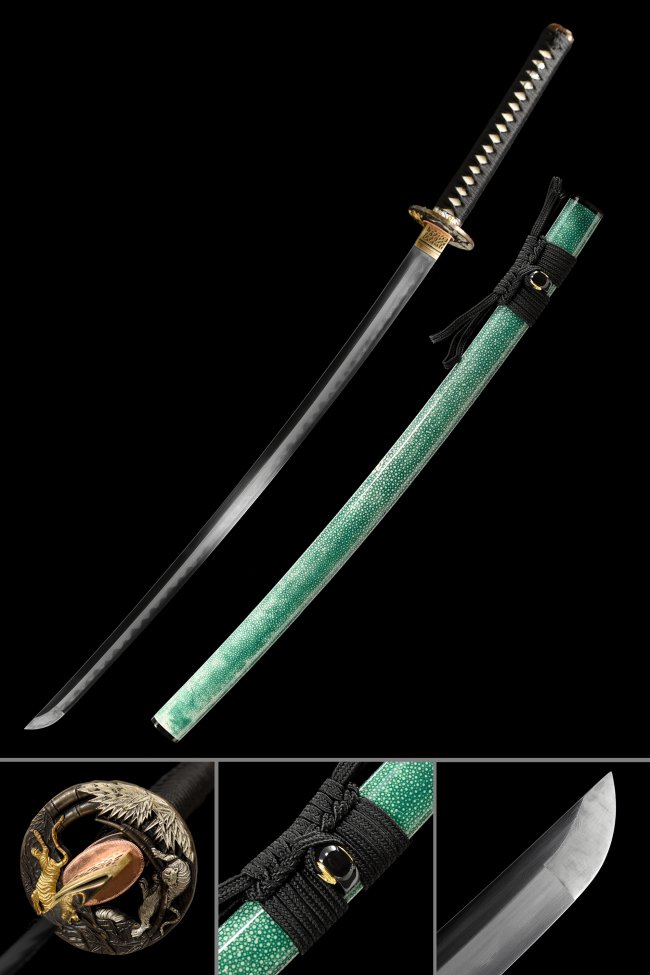
The best first folded Damascus katana configuration depends on what the collector wants most from their introduction to the Damascus category. Black scabbard folded Damascus provides the most versatile and classic introduction - the complex blade pattern is the sole visual statement against clean dark exterior, and the piece works in any collection arrangement without imposing specific color requirements on adjacent pieces. Crimson scabbard configurations provide a more visually dramatic introduction for collectors who want immediate impact. Natural-wood shirasaya Damascus is an excellent choice for collectors who want to appreciate the blade pattern in the most undistracted context. For T10 hamon collectors who want to add Damascus to their collection, a Damascus piece with real hamon provides the bridge between the hamon tradition and the pattern steel tradition in a single blade.

Customer Reviews