Free U.S. Shipping

Tibetan Knifes

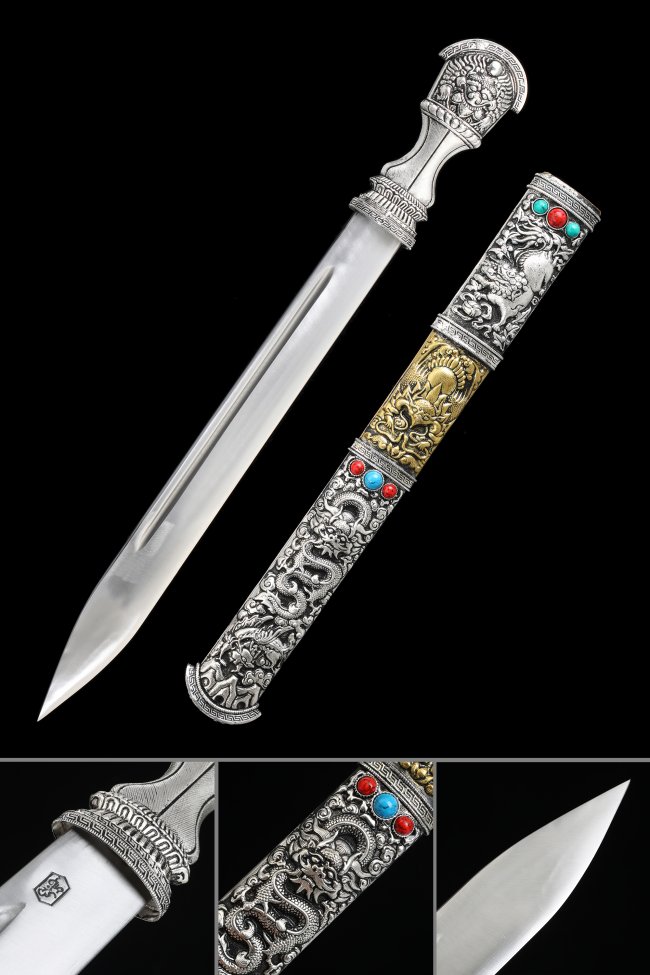
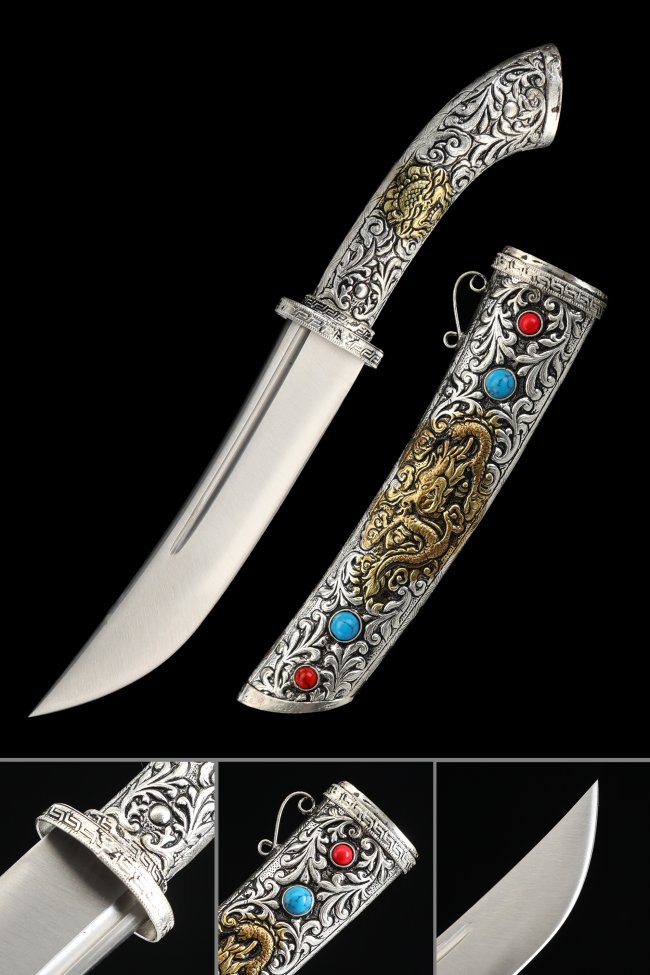
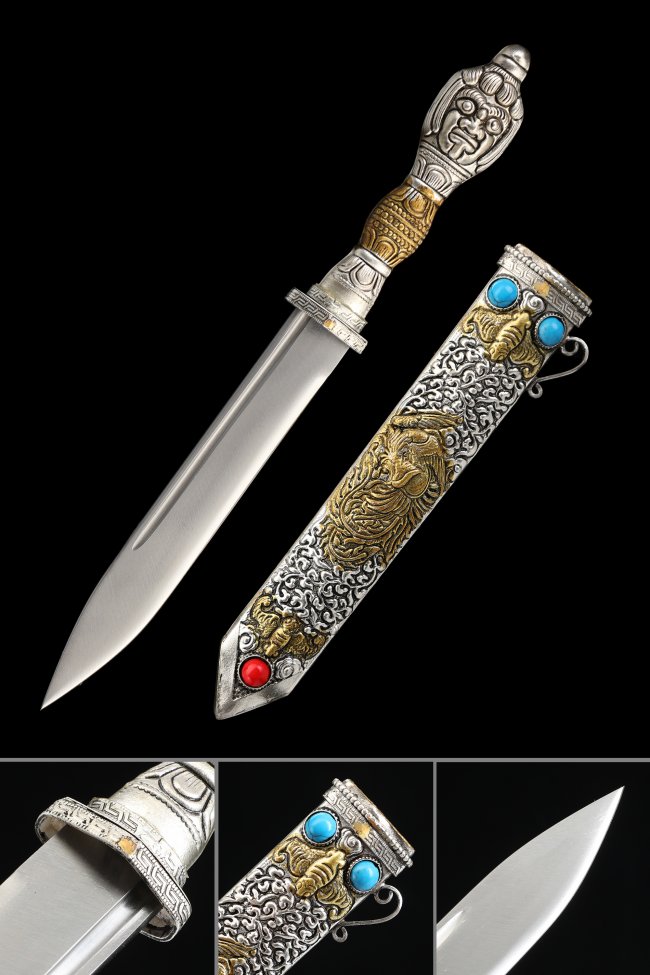
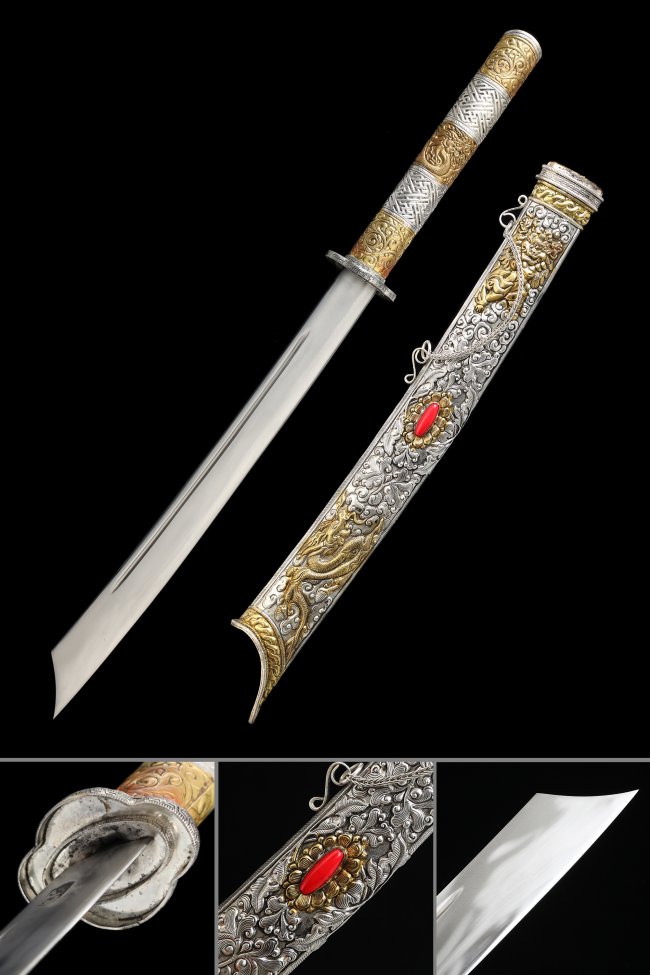
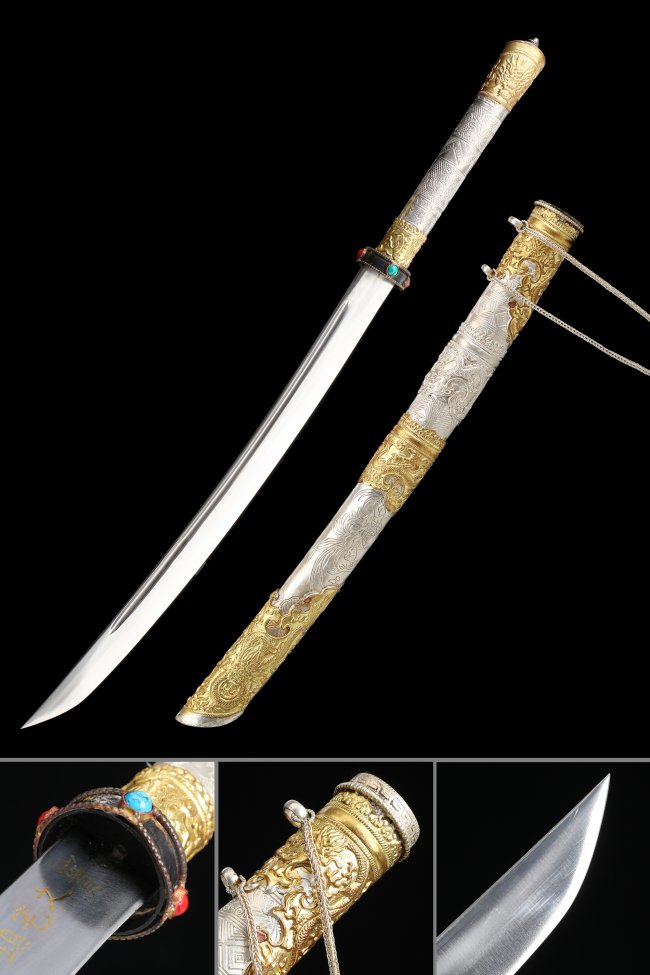
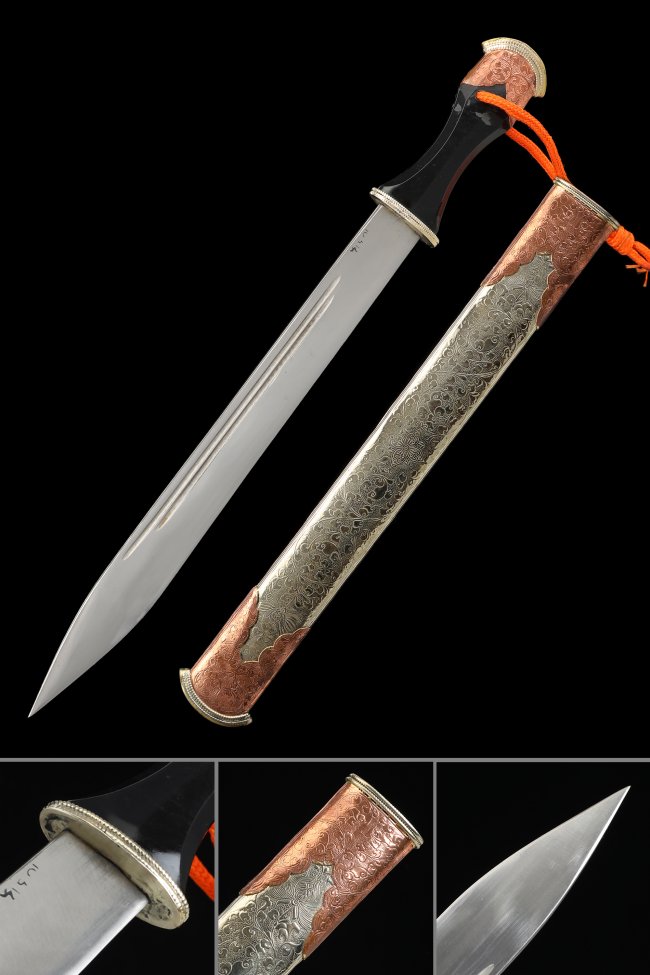
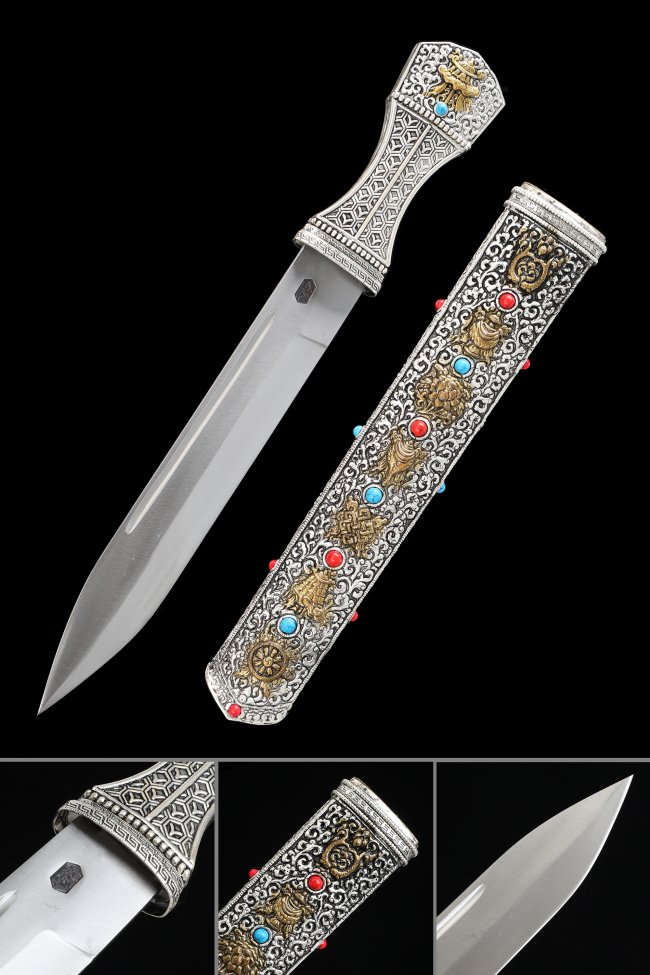
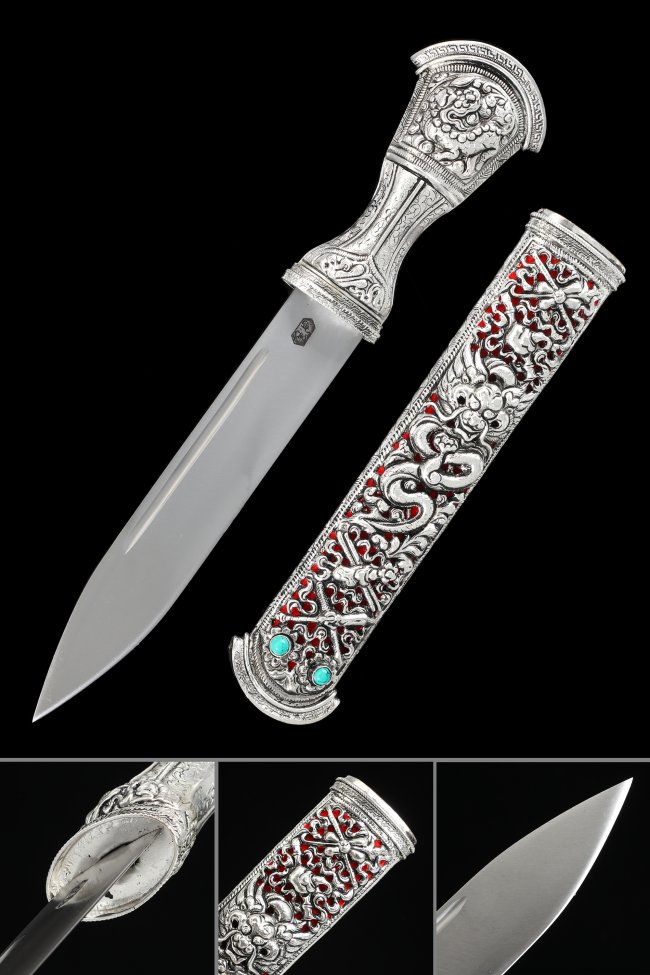
Explore the mystique and craftsmanship of Tibetan Knives, where tradition meets artistry in each meticulously crafted blade. Our collection of Tibetan Knives offers a unique blend of cultural heritage and functional design, perfect for both collectors and enthusiasts of traditional weaponry. Each knife is forged with precision and care, using high-quality materials to ensure durability and exceptional performance. These knives are not only tools but also pieces of art that reflect the rich history and spiritual significance of Tibetan culture. Whether you are a seasoned collector or a newcomer to the world of traditional knives, our Tibetan Knives will captivate your interest and inspire your passion. Discover the perfect Tibetan Knife in our selection and connect with the timeless legacy of this ancient craft.
Showing 10 Products

Frequently Asked Questions

What is a Tibetan knife?

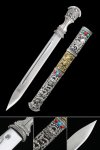
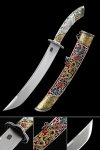
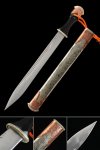
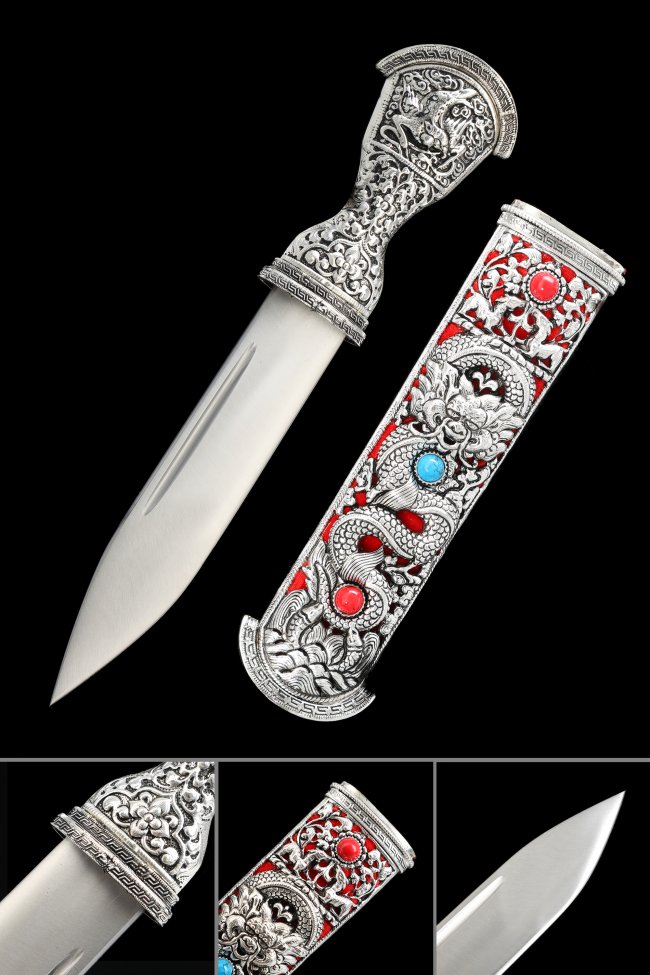
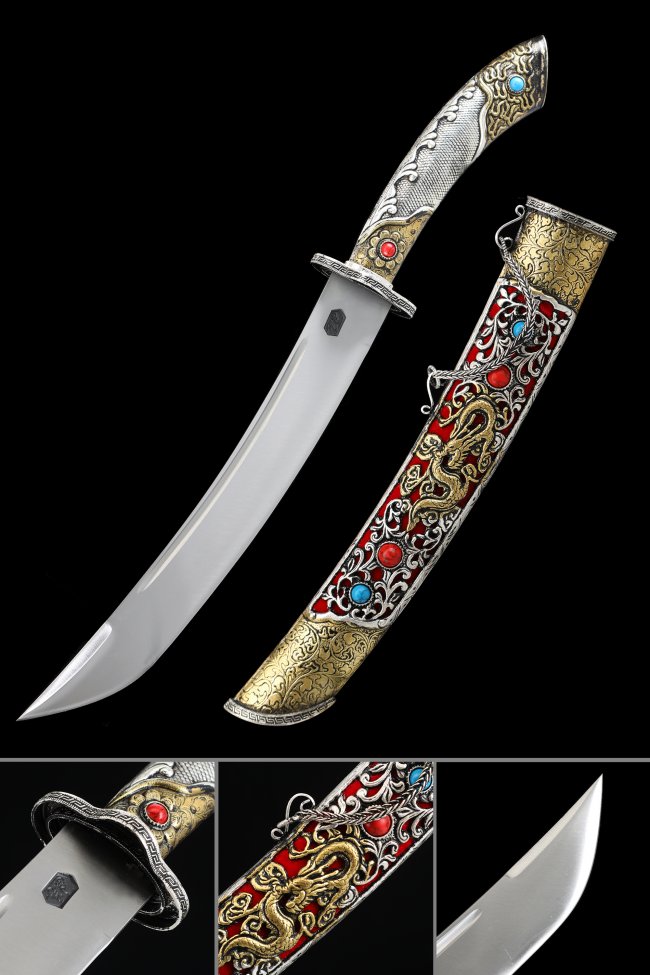
A Tibetan knife is a traditional blade style associated with Tibetan and Himalayan culture. It is often recognized by its decorative handle, fitted sheath, metalwork, carved patterns, and materials such as wood, bone, horn, brass, silver-toned fittings, or turquoise-style inlay. Some Tibetan knives were historically practical everyday tools, while others were made as ceremonial, decorative, or high-status pieces. On TrueKatana, Tibetan knives are best understood as collectible blades with strong visual and cultural appeal. They are different from kitchen knives or modern pocket knives, so buyers should check the product details carefully for blade length, steel type, handle material, sheath design, and intended use.

What are Tibetan knives used for?

Historically, Tibetan knives were used as practical tools, personal side knives, decorative objects, and cultural handicrafts. Some were simple work knives, while others were more ornate and carried symbolic, ceremonial, or gift value. Modern buyers usually purchase Tibetan knives for collection, display, cultural interest, photography, or as a distinctive gift. A TrueKatana Tibetan knife should not be treated like an everyday kitchen knife or casual pocket knife. It is better viewed as a collectible blade with artistic details such as a decorated sheath, carved handle, silver-tone fittings, or turquoise-style inlay. Always check the individual product page to understand its size, steel, sharpness, and recommended use.

What are the types of Tibetan knives?

Tibetan knives can be grouped in several ways, but one common way is by size: long knives, short knives, and small knives. In modern online shopping, you may also see descriptions such as Tibetan dagger, Tibetan short sword, Tibetan waist knife, Tibetan fighting knife, ceremonial knife, or Tibetan-style collectible knife. These names can overlap, so it is important to look at the actual product photos and dimensions rather than relying only on the title. A short decorative knife may be best for display, while a larger Tibetan-style short sword may need more space and more careful storage. The sheath, handle, and fittings are often just as important as the blade itself.

What are Tibetan knives made of?

Tibetan knives can include a mix of practical and decorative materials. The blade is usually steel, while the handle may be made from wood, bone, horn, or metal fittings. Decorative versions may include silver-tone metalwork, brass, carved patterns, colored stones, turquoise-style inlay, or detailed sheath designs. On TrueKatana, product pages may list materials such as carbon steel, silver-colored fittings, turquoise inlay, or carved handle details depending on the model. Because Tibetan knives are often chosen for their appearance as much as their blade, buyers should look closely at both the blade material and the sheath or handle craftsmanship. If any material detail is unclear, contact support before purchase.

How do I display a Tibetan knife?

A Tibetan knife is usually easy to display because many models are shorter than full-size swords and come with an ornate sheath. You can place it in a display case, on a shelf stand, inside a locked cabinet, or alongside other Chinese and Himalayan-style blades. If the sheath has metalwork, turquoise-style inlay, or carved details, display the knife with the sheath visible rather than hiding it away. Avoid humid rooms, direct sunlight, or loose tabletop placement where it can fall. If the blade is sharp, keep it sheathed when not being inspected. For homes with children or pets, a locked display case is the safest choice.

Are Tibetan knives legal in the US?

Tibetan knives are not governed by one single rule across the United States. Ownership, purchase, shipping, open carry, concealed carry, blade length, dagger-style blades, and public carry rules can vary by state, city, and local jurisdiction. A knife that is fine to own at home as a collectible may not be legal to carry in public, bring to school, take into a government building, or wear at an event. Before buying or carrying a Tibetan knife, check your state and local knife laws. If you are unsure, treat the knife as a collectible display item and keep it safely stored at home.

Where can I buy a Tibetan knife?

You can buy Tibetan knives from specialty blade shops, collectible marketplaces, antique sellers, and online sword or knife retailers. TrueKatana offers Tibetan-style knives as part of its Chinese Swords catalog, with product pages showing details such as blade material, sheath style, decorative fittings, total length, and price. When shopping, compare more than appearance. Check whether the knife is modern or antique-style, whether the blade is carbon steel, whether it comes with a sheath, and whether the seller provides clear photos and support. If a listing claims to be antique or museum-grade, look for provenance or professional appraisal information before paying a premium.

Customer Reviews

Subscribe to our emails

GET 20% OFF TODAY

Subscribe to our emails to receive the latest special offers and private events. We'll send a coupon code to your email shortly.

Get Coupon Code