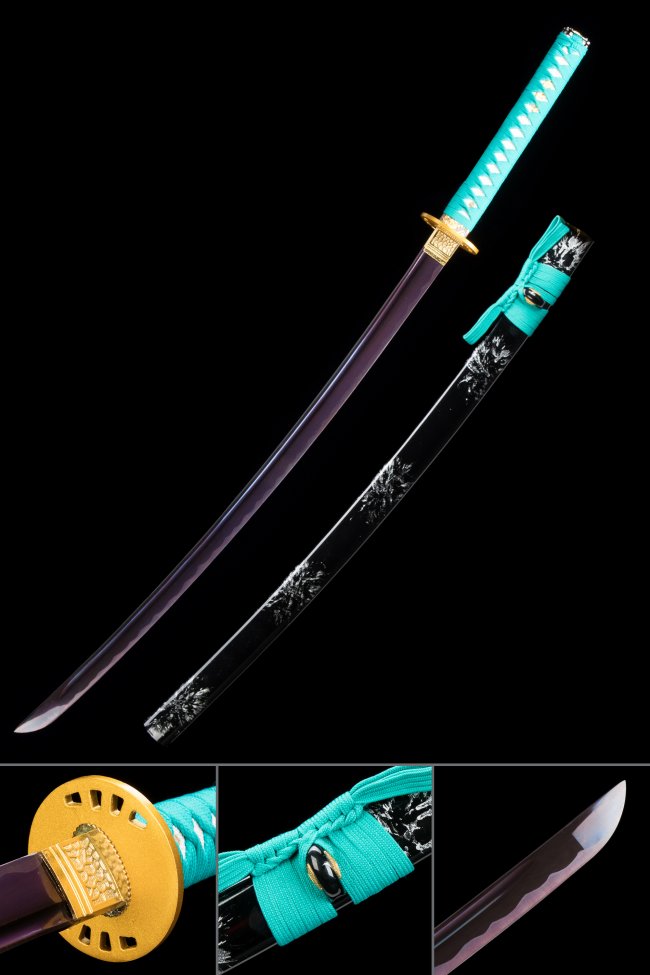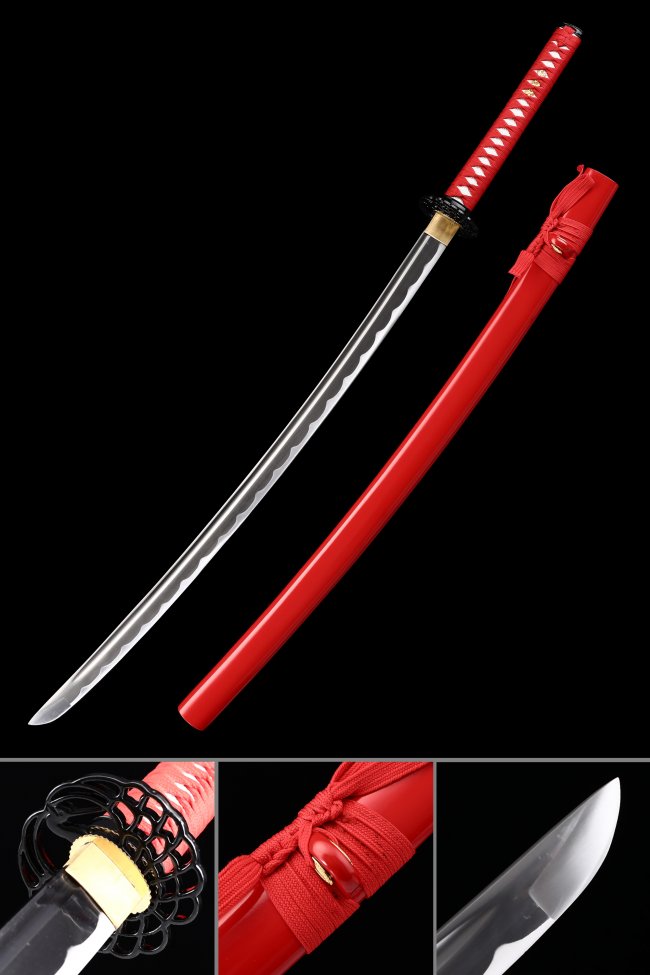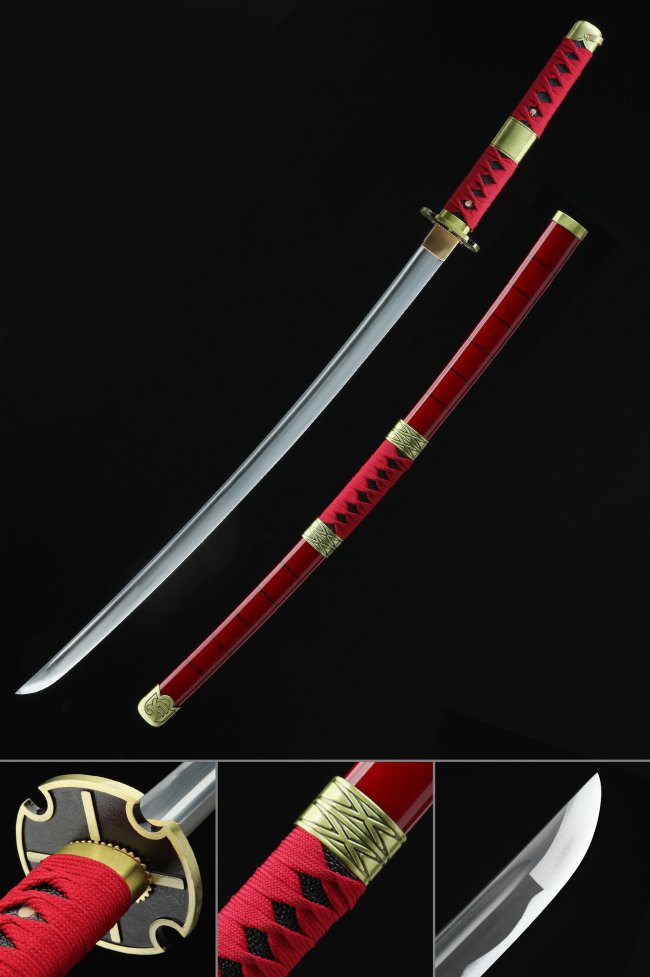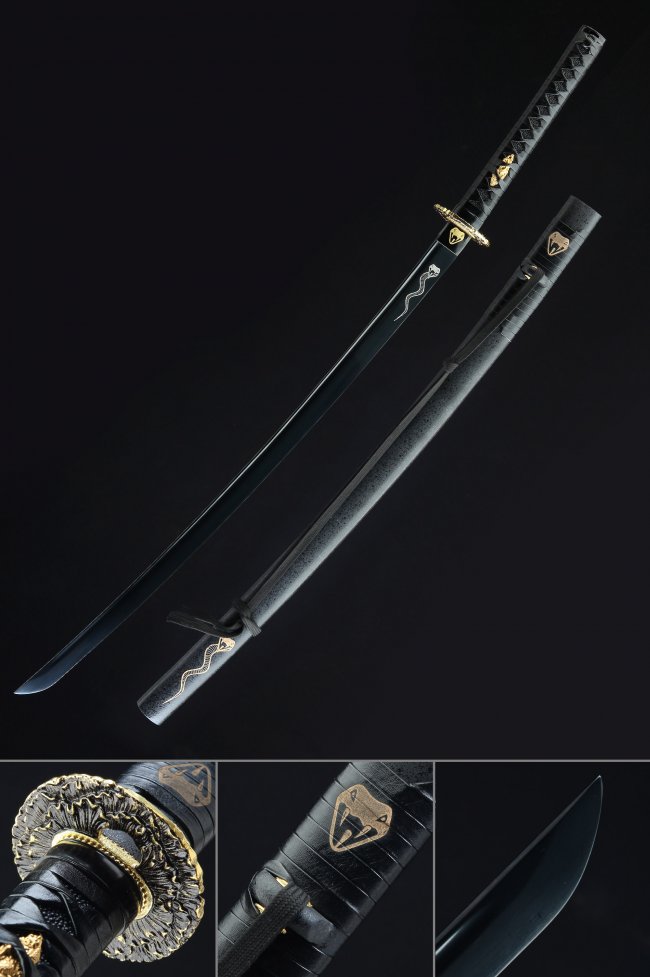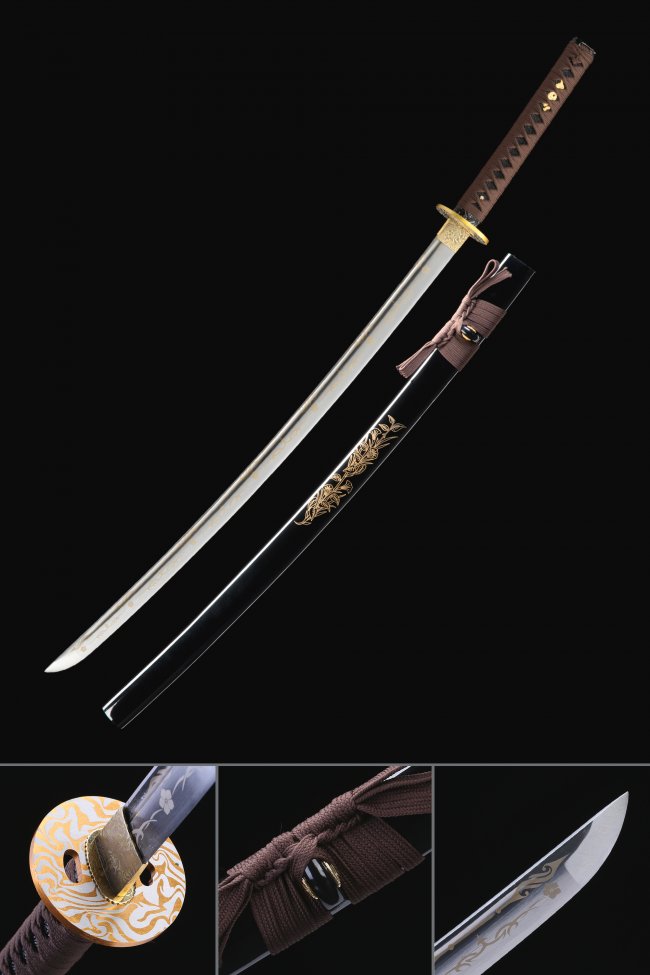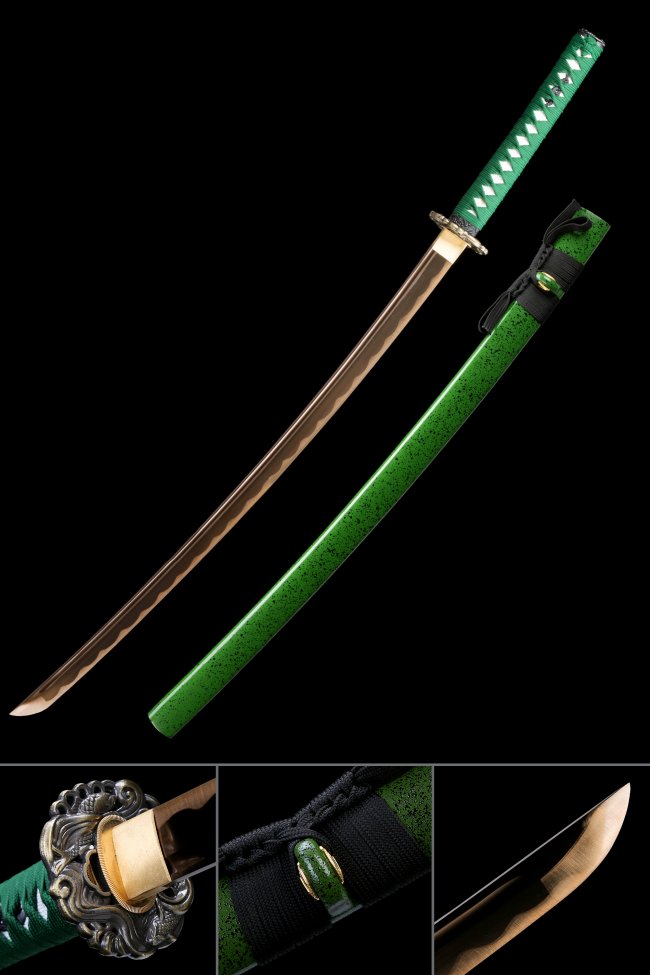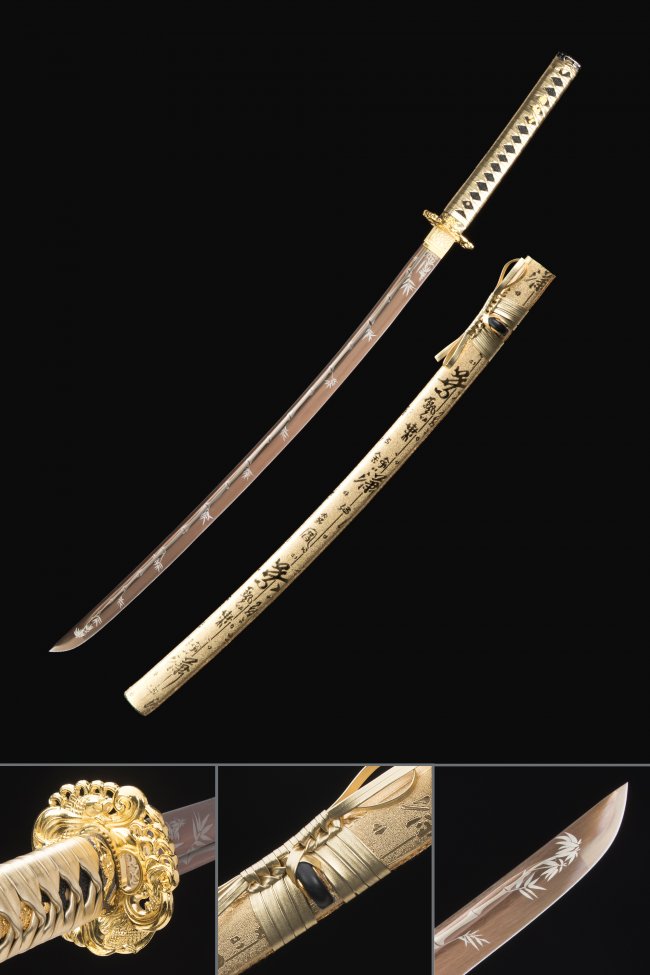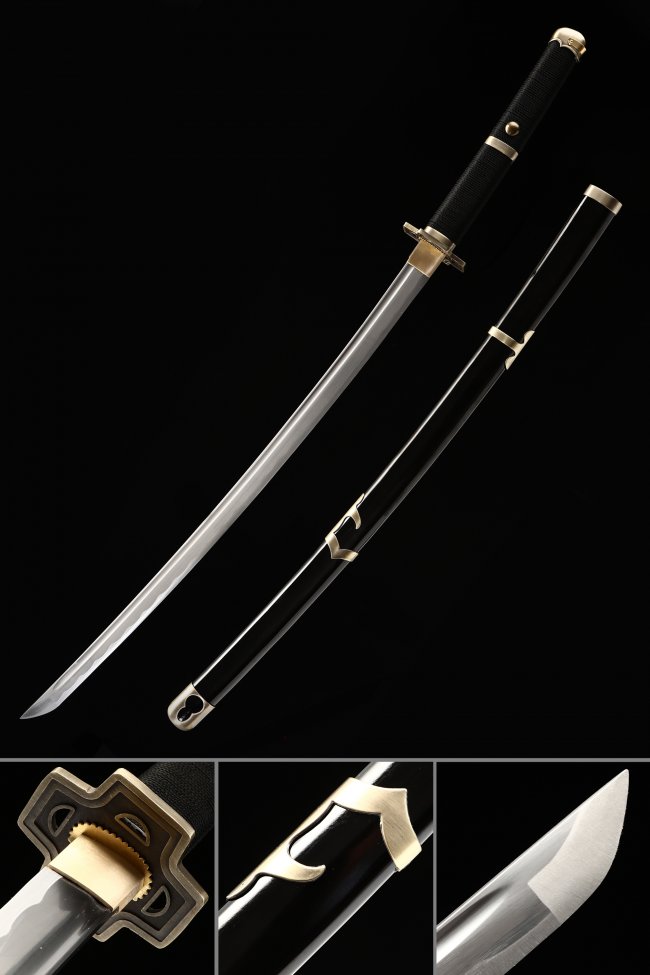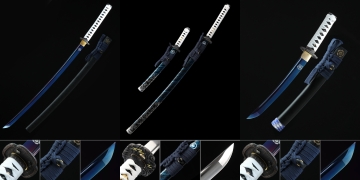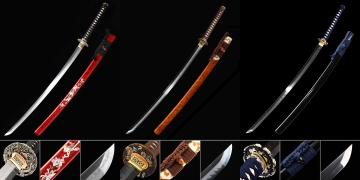
1045 Katana

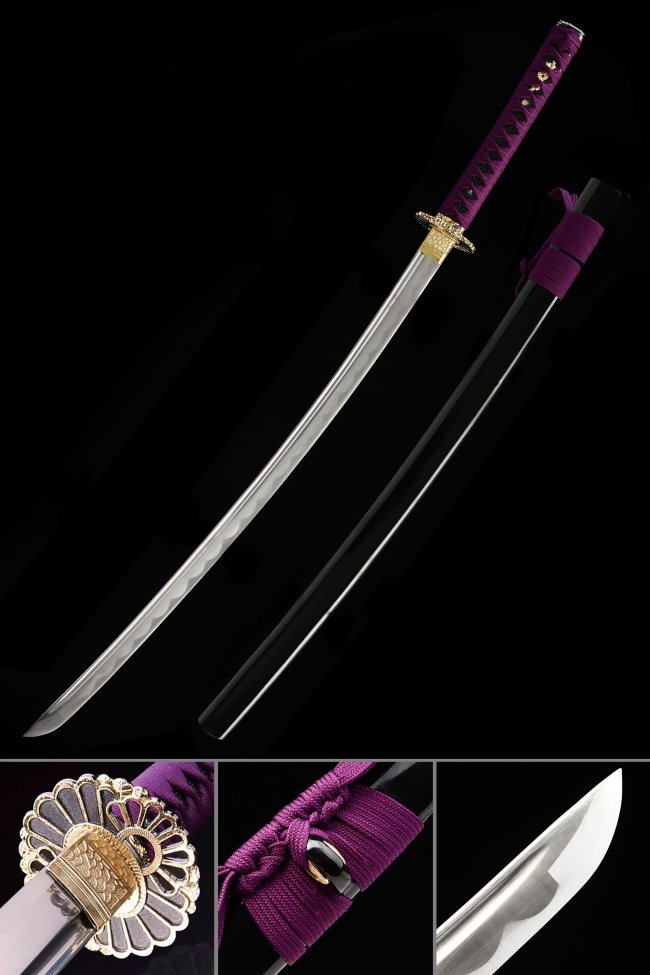
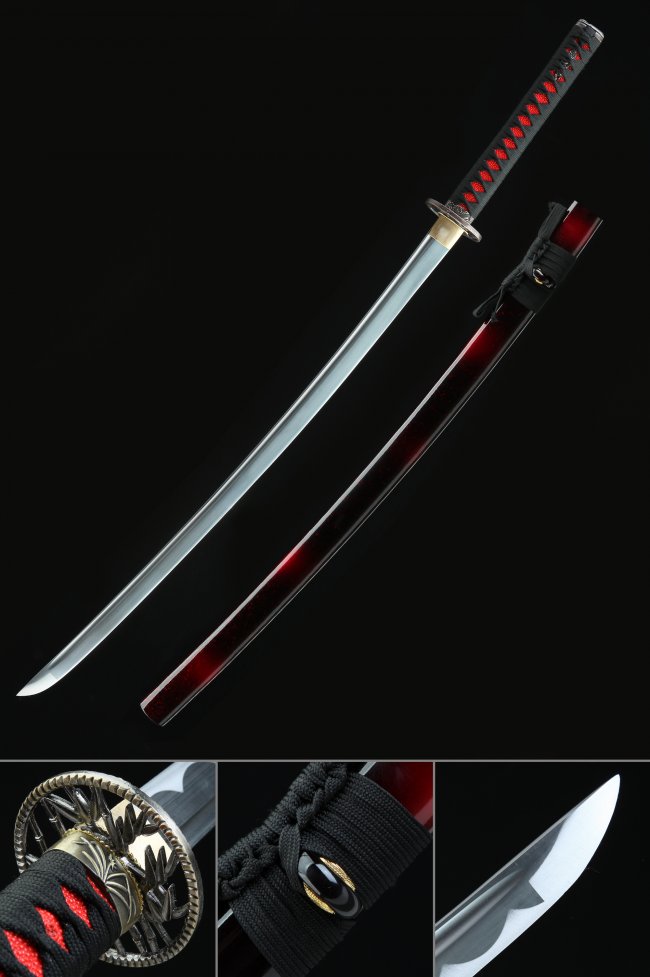
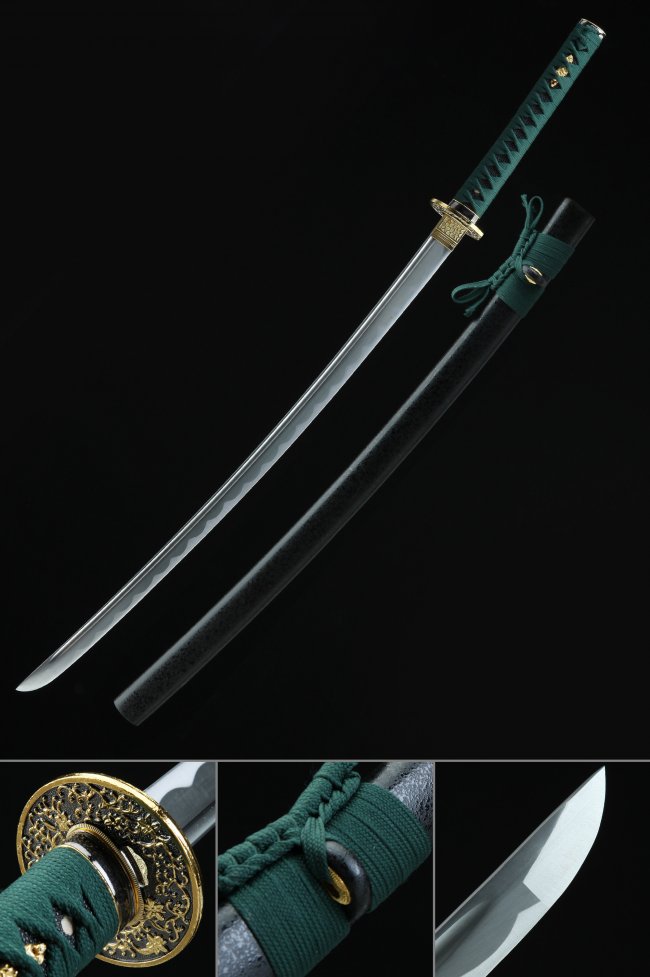
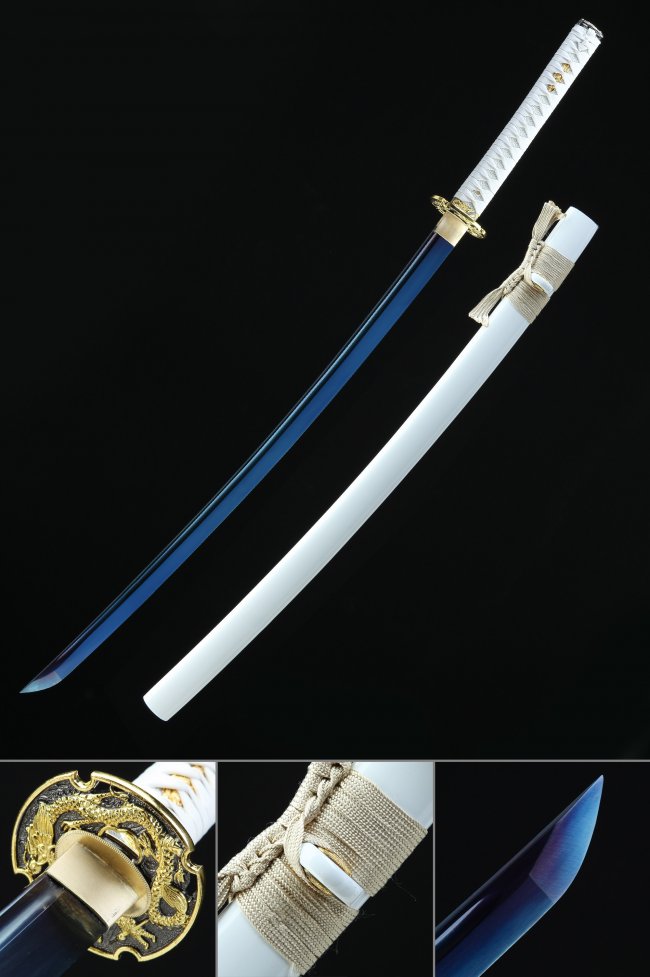
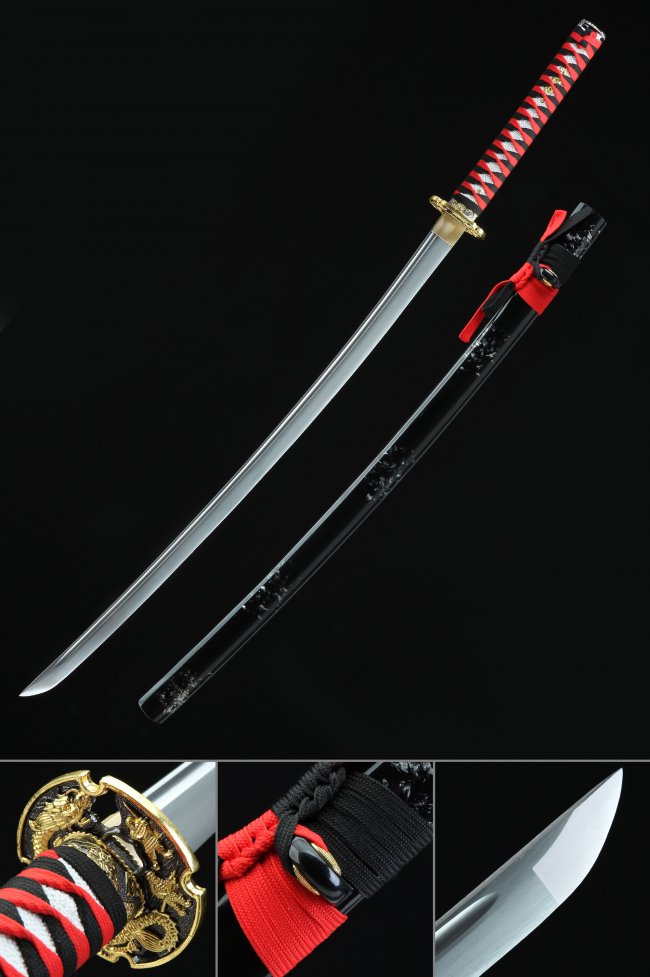
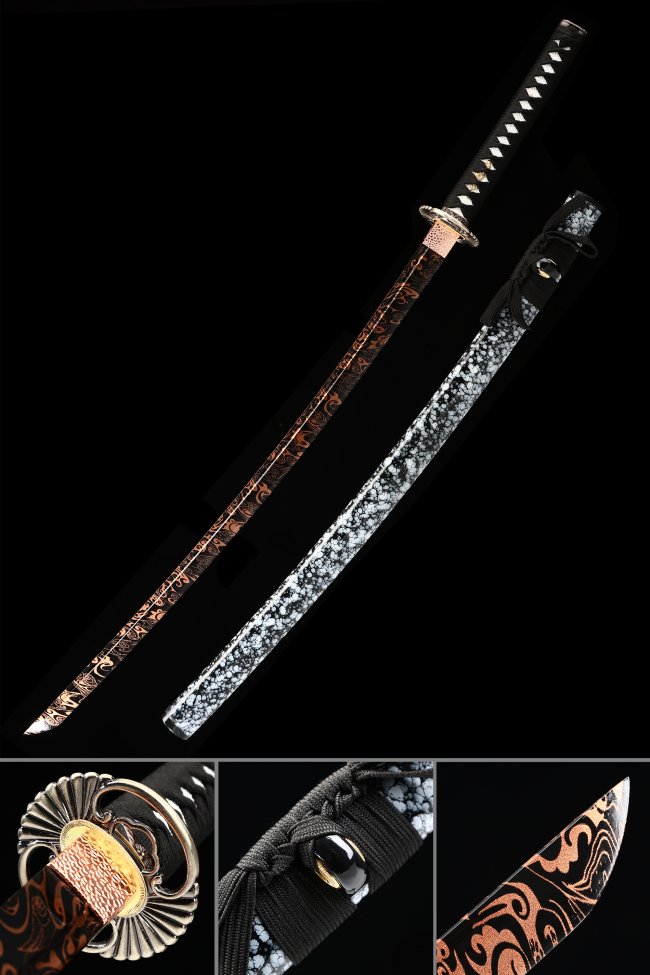
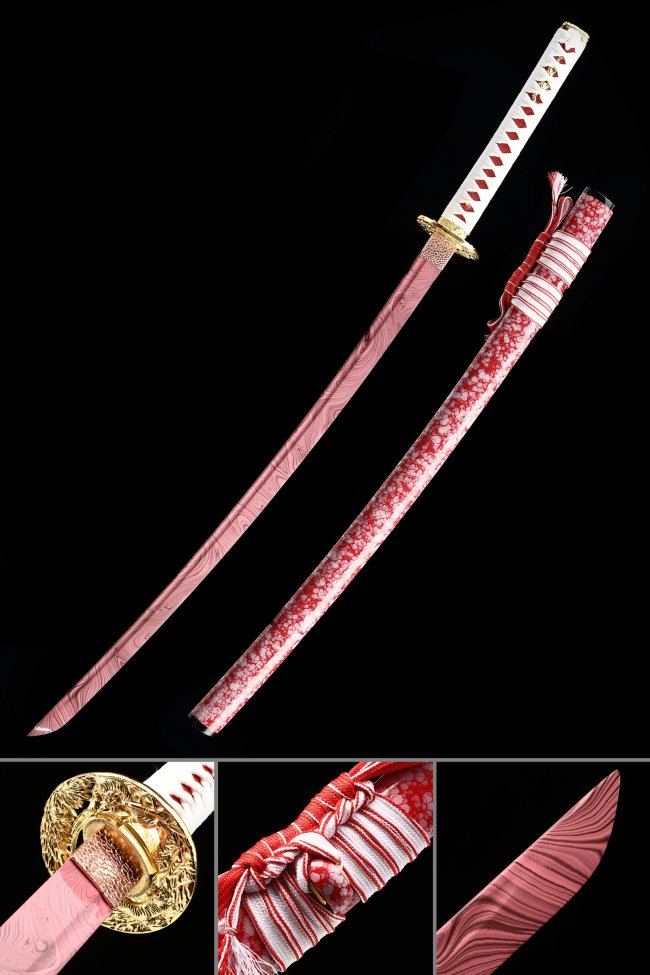
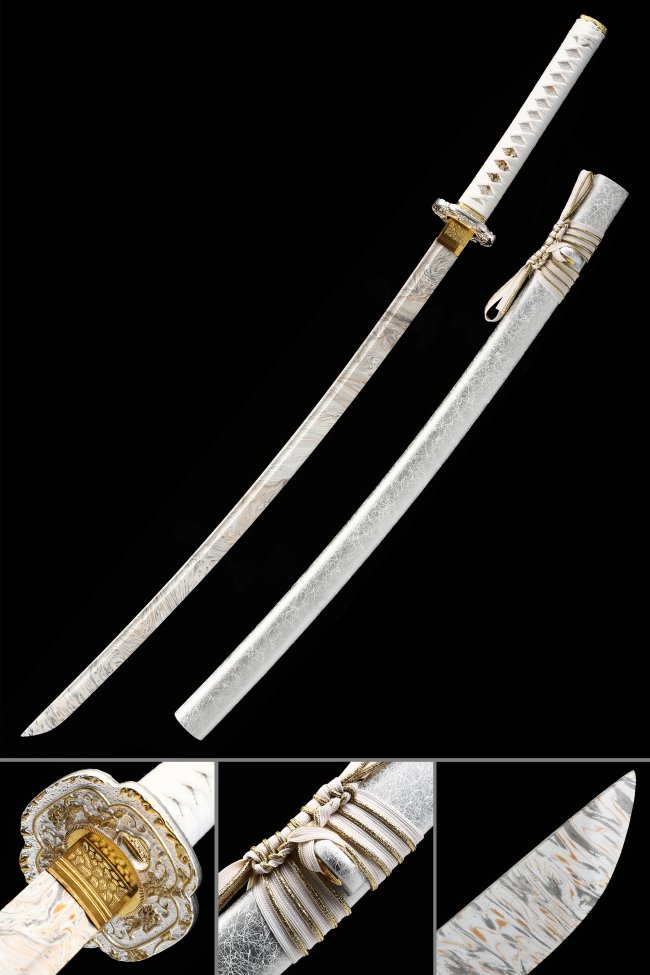
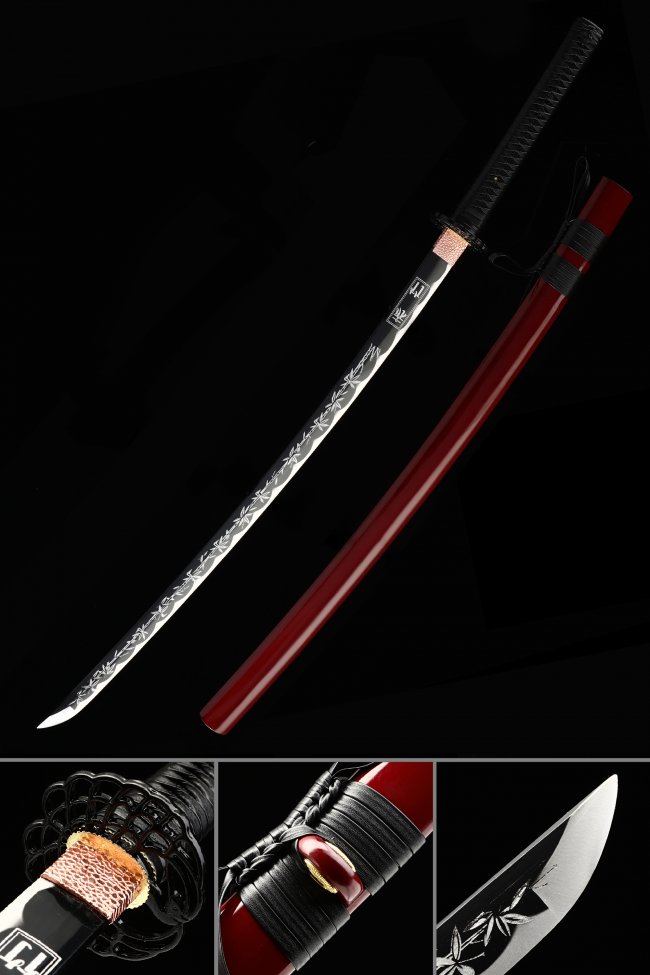
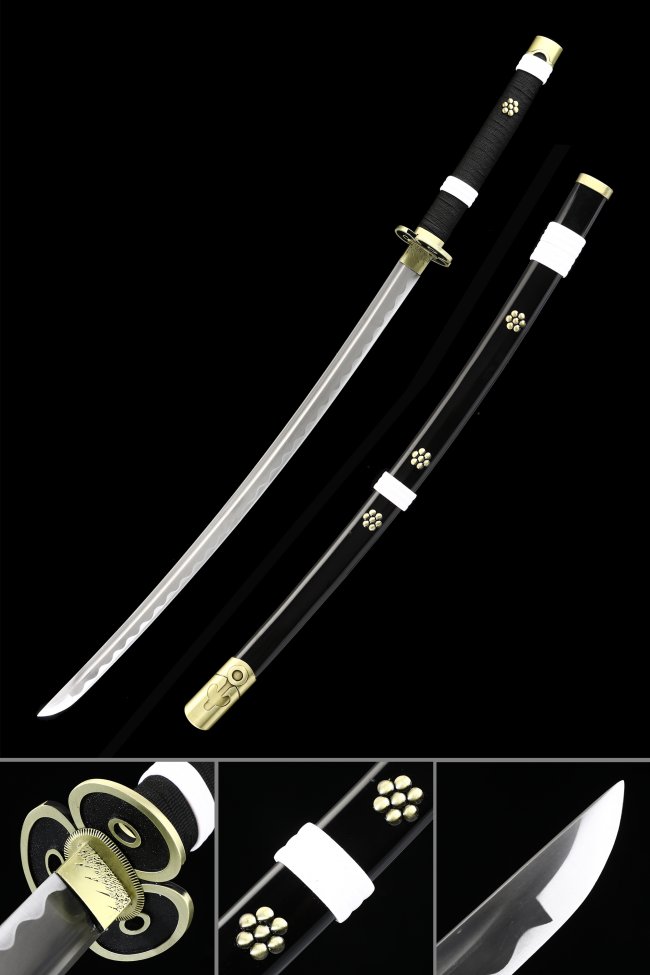
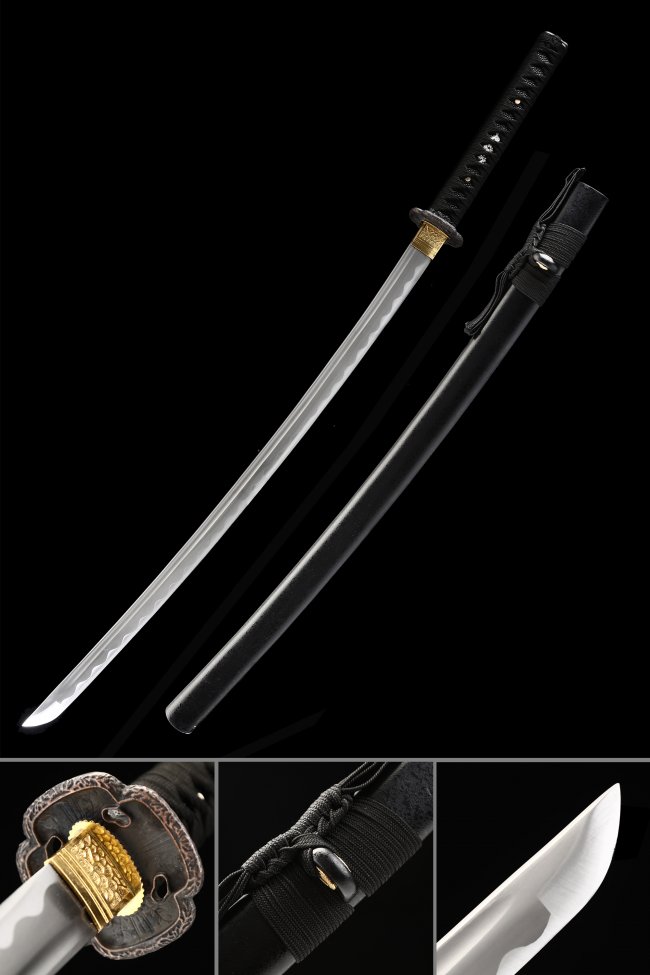
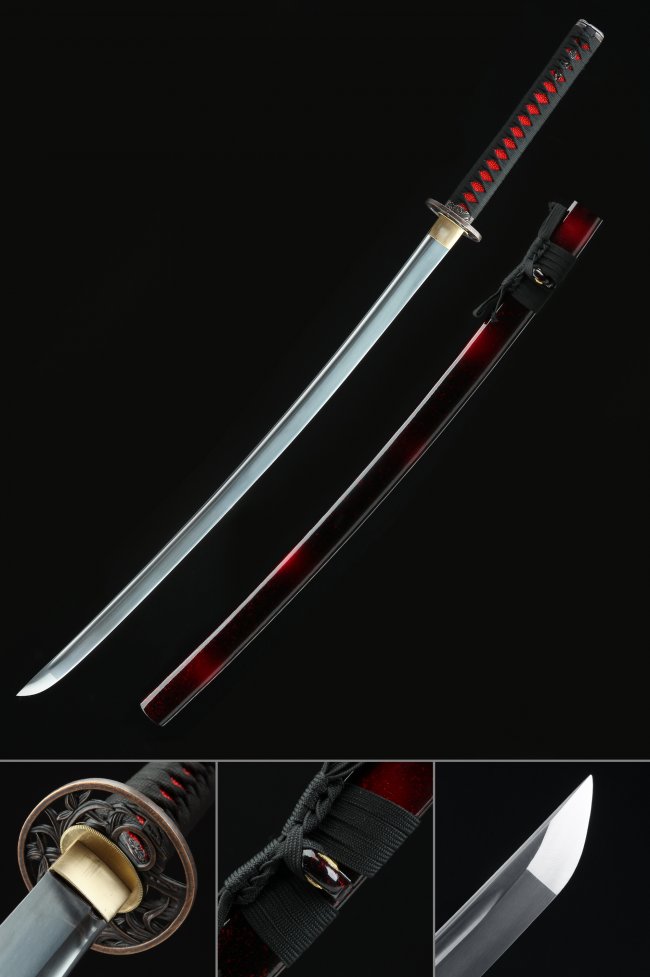
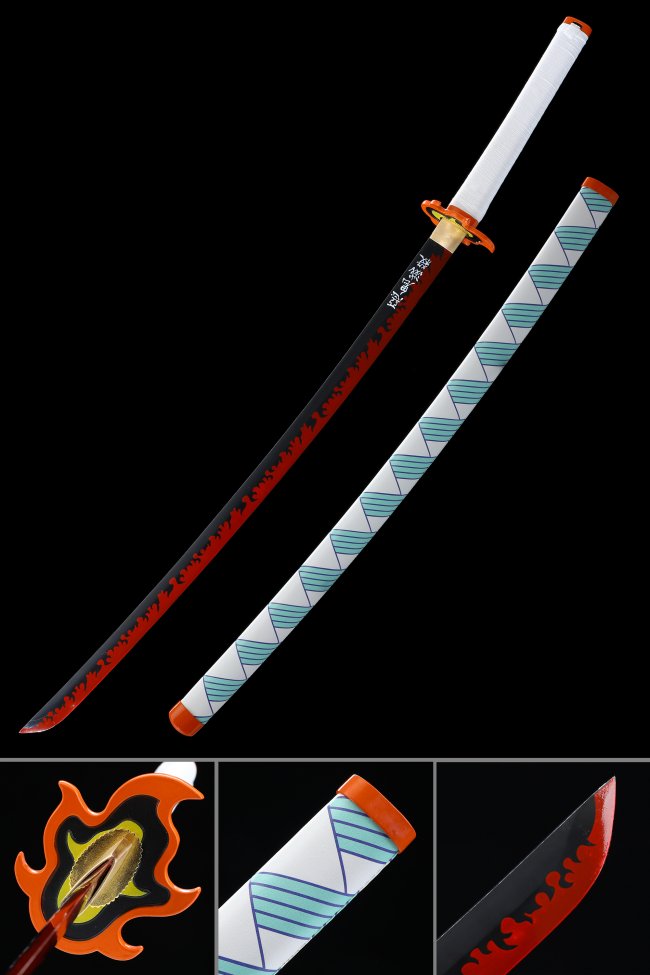
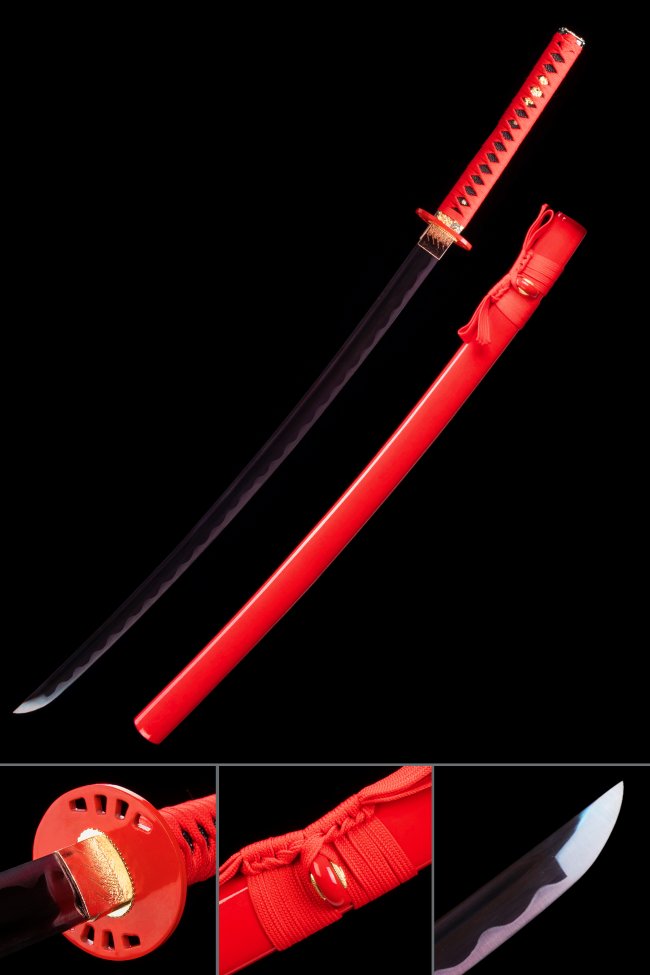
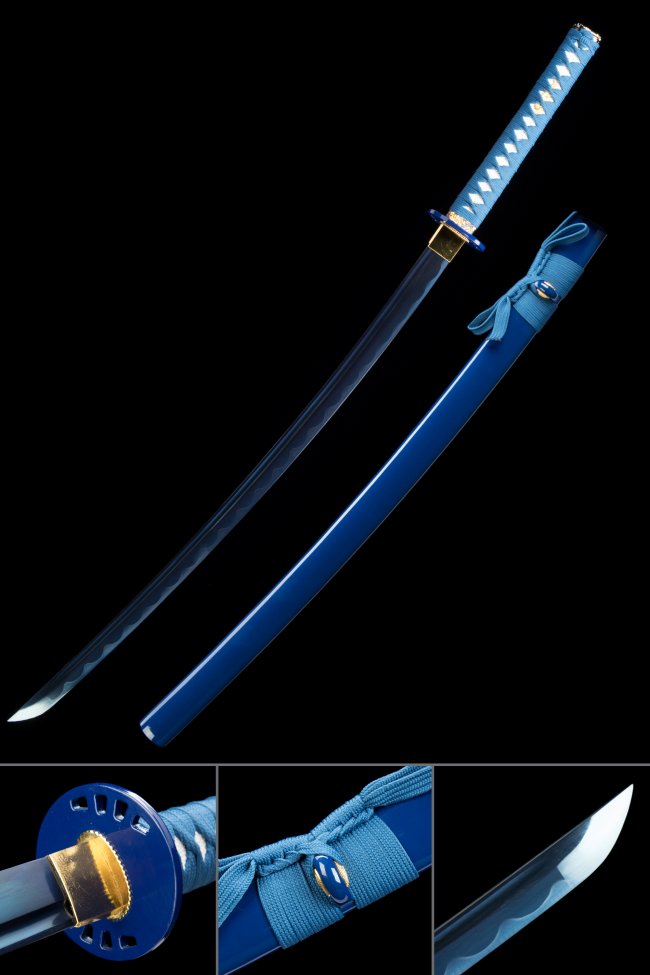
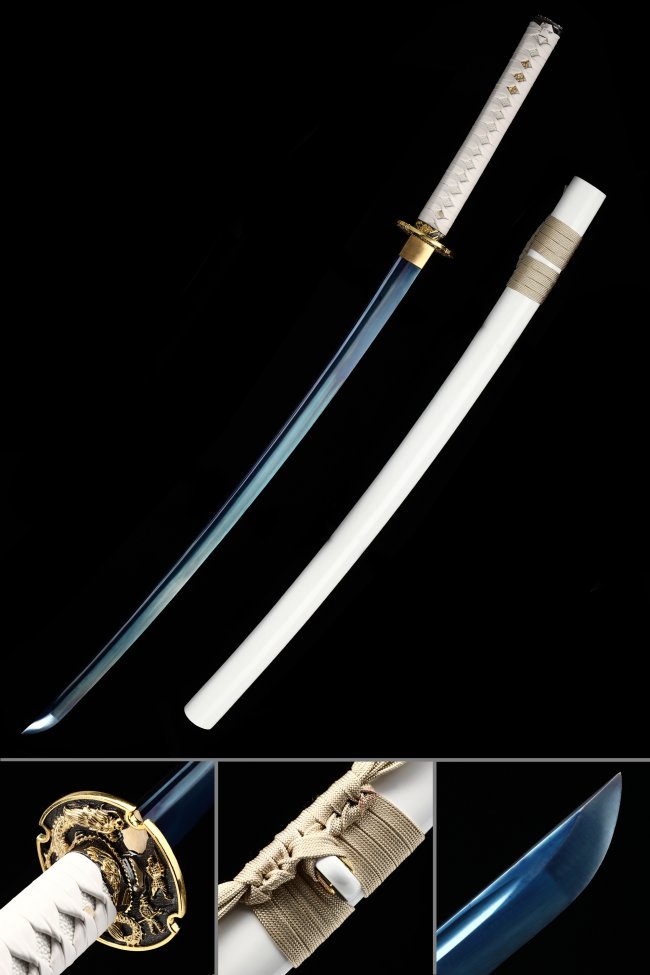
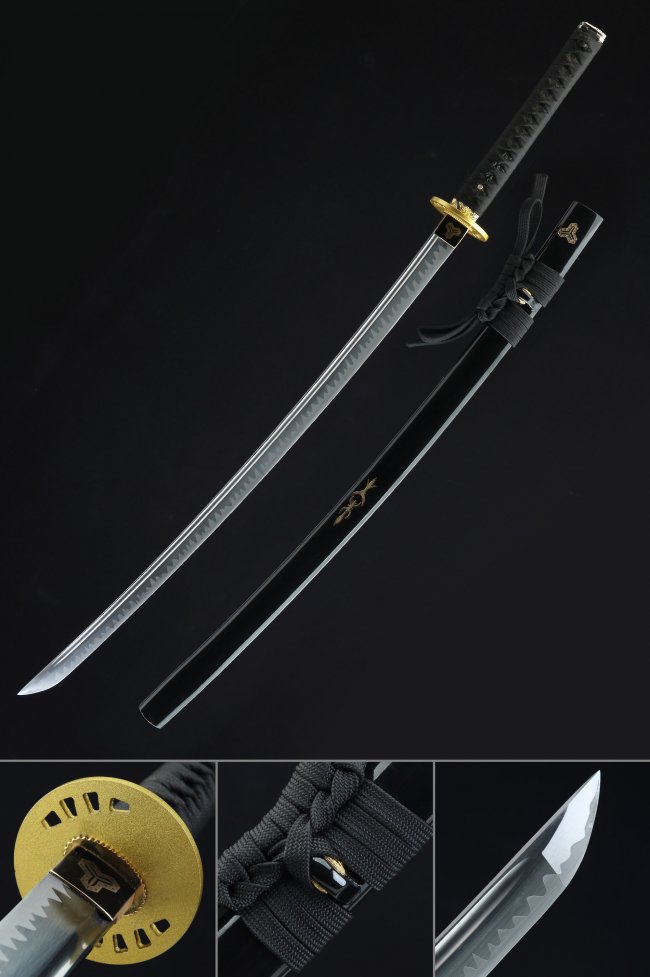
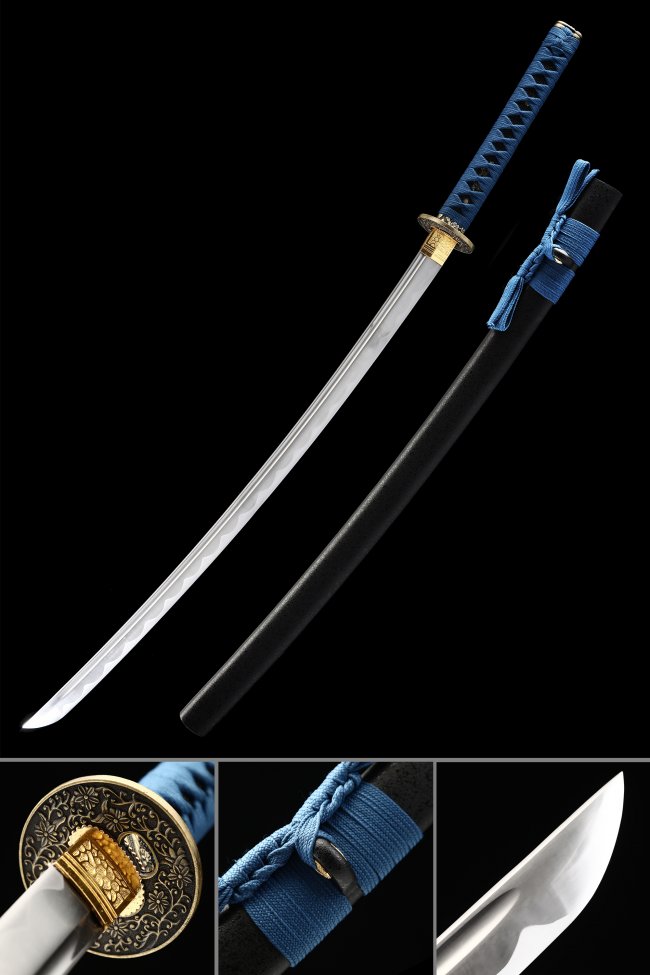
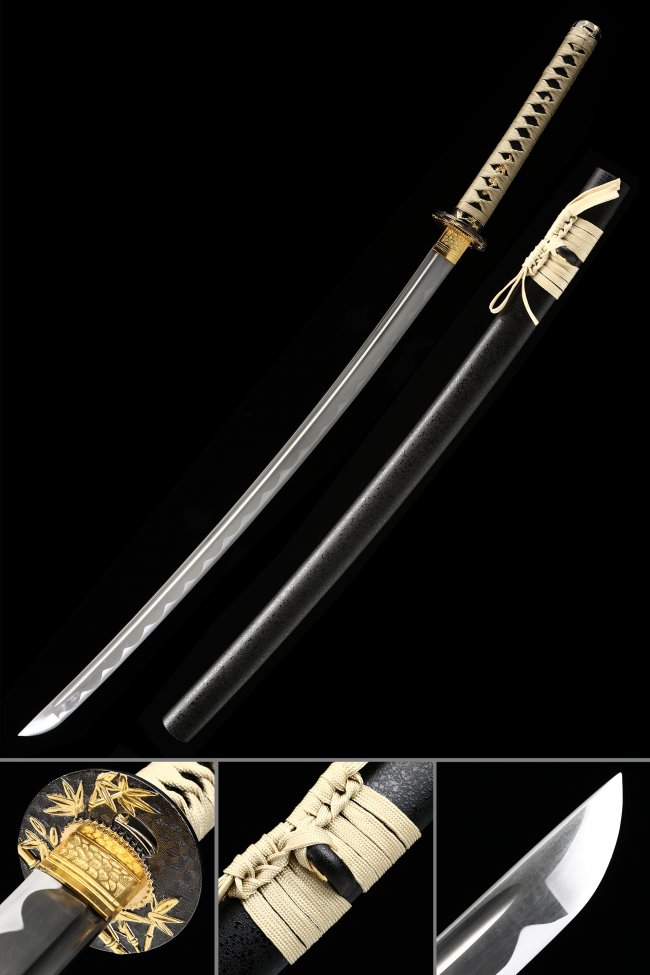
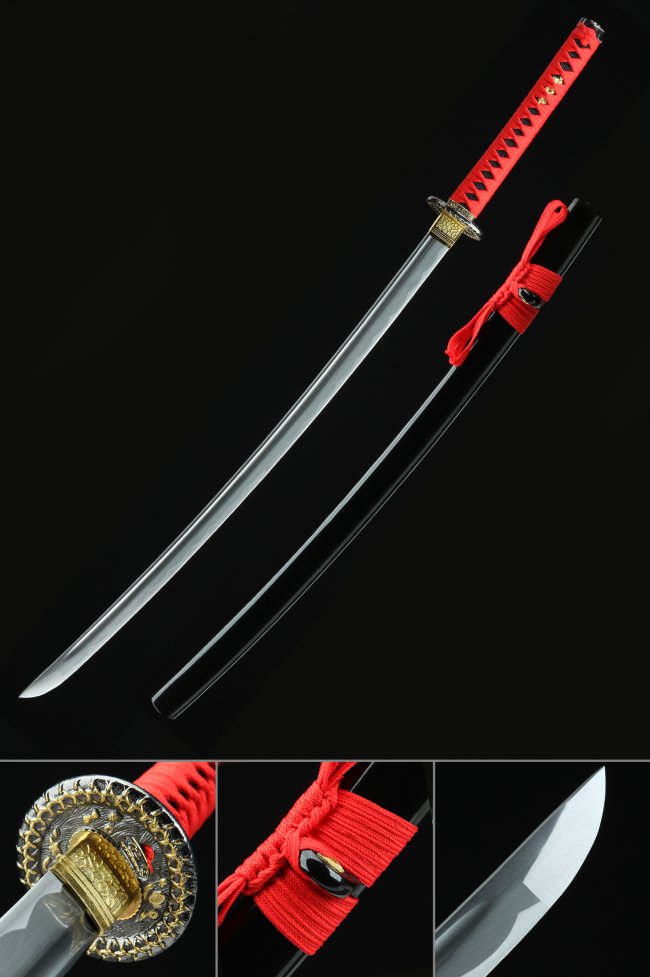
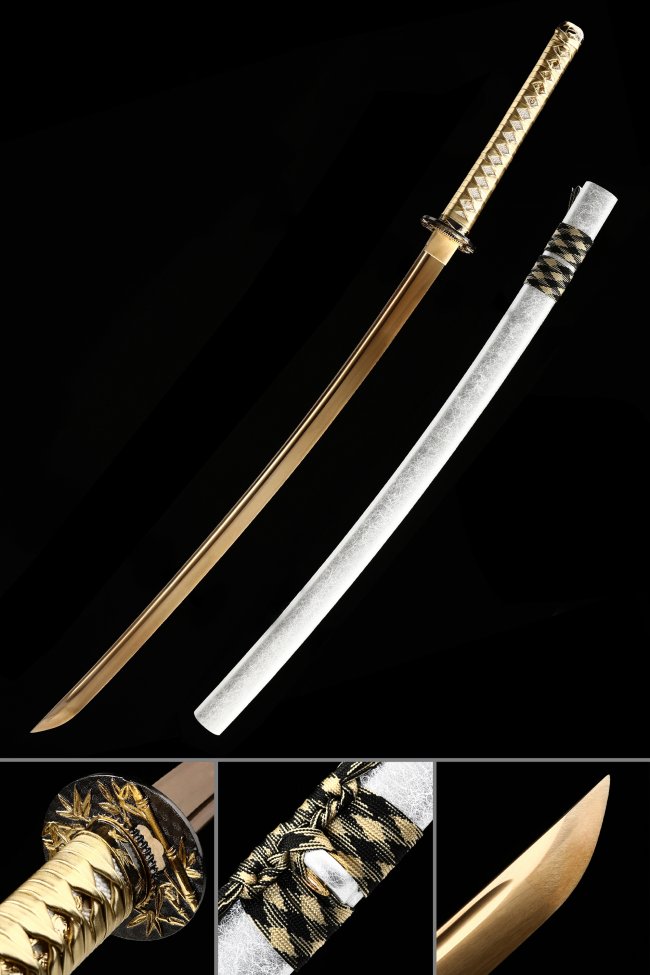
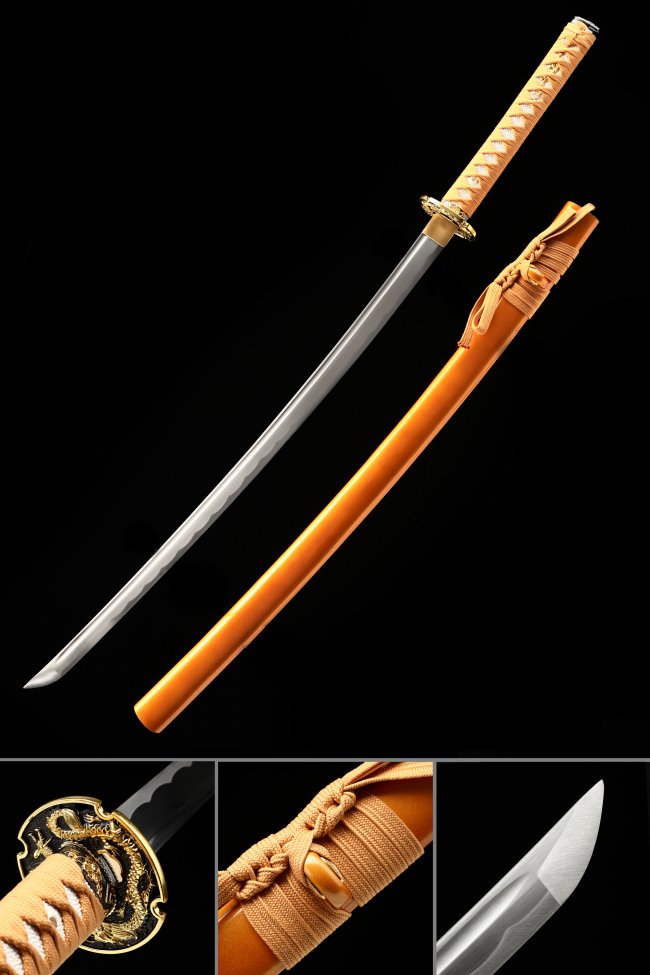
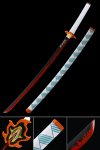
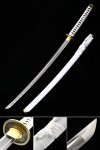
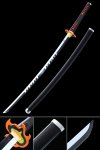
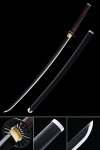
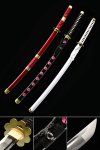
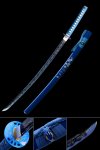
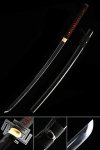
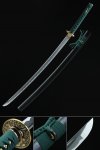
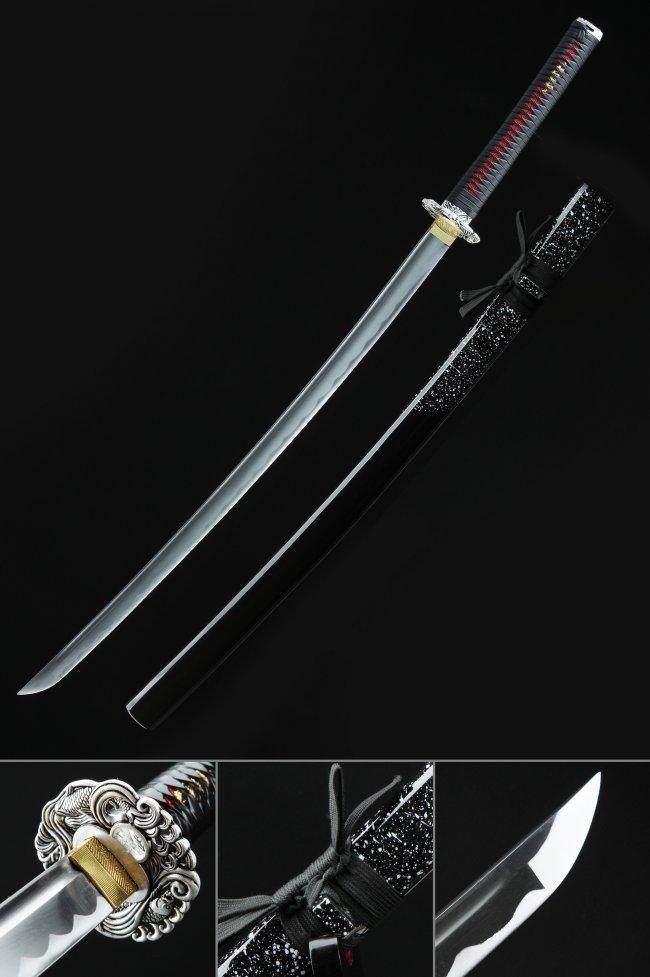
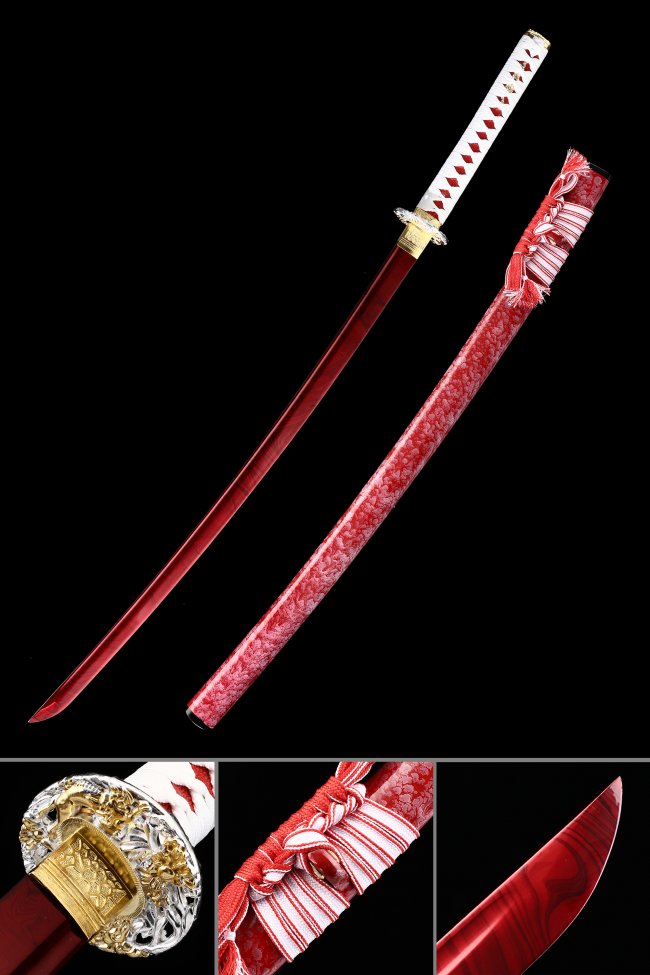
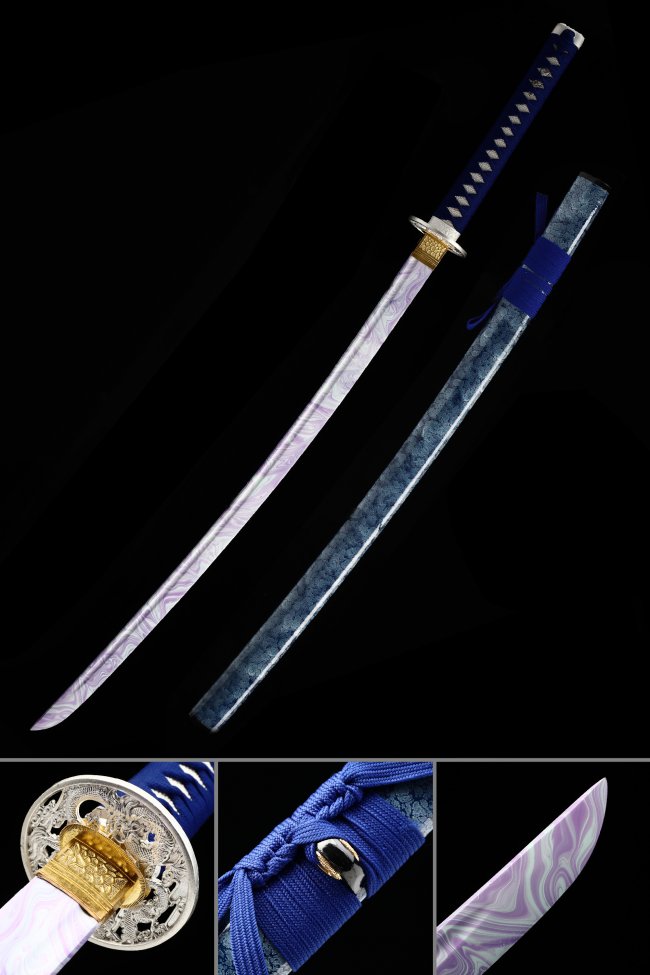
Our 1045 carbon steel katana collection brings you hand-forged Japanese swords built on the most accessible real carbon steel grade available. At 0.45% carbon content, 1045 steel delivers a tough, forgiving blade that holds a functional edge without demanding the careful handling higher-carbon steels require. Every piece features full tang construction, traditional fittings, and a genuine carbon steel blade — all at a price point that makes sense for first-time buyers, display collectors, and anyone building out a broader sword collection. Browse katana, wakizashi, and tanto options in a range of color treatments and mounting styles.

Showing 93 Products

Related Collections

1045 Carbon Steel Tanto13 items


306 Reviews

1045 Ninjato19 items


540 Reviews

1045 Tachi Sword3 items


15 Reviews

1045 Carbon Steel Ninjato19 items


540 Reviews

Frequently Asked Questions

Is 1045 carbon steel good for a katana?

1045 carbon steel is considered an entry-level steel for katanas — functional and affordable, but with notable limitations compared to higher-carbon options. It has a carbon content of approximately 0.45%, which sits at the lower boundary of what is generally considered suitable for a sword blade.

On the positive side, 1045 steel is tough and highly resistant to breaking or chipping, making it a reasonable choice for beginner practitioners who need a durable training sword that can withstand repeated impact without catastrophic failure. It is also easier to work with during manufacturing, which keeps production costs low and makes 1045 katana swordsamong the most affordable options on the market.

However, the lower carbon content means 1045 steel cannot be hardened to the same degree as higher-carbon steels. As a result, the blade will not hold a razor-sharp cutting edge as long as a 1060, 1075, 1095, or T10 steel katana. It is also not well-suited to clay tempering — the differential hardening process that gives traditional Japanese samurai swords their characteristic hamon and combination of hard edge with flexible spine.

For light cutting practice, martial arts forms (kata), and display, a 1045 katana is perfectly adequate. For serious cutting (tameshigiri) or collectors seeking a higher-performance Japanese sword, we recommend stepping up to at least 1060 or 1075 steel, which offers a significantly better balance of edge retention and toughness. At TrueKatana, we offer katanas across the full spectrum of steel grades — from beginner-friendly 1045 options to premium hand-forged katana swords in T10 and folded steel — so you can find the right blade for your skill level and purpose.

Can a 1045 katana cut through tatami mats?

Absolutely. A properly sharpened 1045 carbon steel katana will cut cleanly through rolled tatami omote, which is the standard test medium used worldwide to simulate the resistance of human flesh and light bone in tameshigiri practice. The key factors in a clean cut are blade geometry, edge sharpness, and the cutter's technique — not the steel grade alone. A well-ground 1045 blade with a correctly applied edge bevel will slice through a single tatami roll as smoothly as any 1095 or T10 blade in the hands of a competent practitioner. Where the steel difference shows up is in what happens after repeated cuts. A 1045 edge will begin to dull or develop micro-rolls sooner than a harder steel would, meaning you may need to touch up the edge with a whetstone after twenty or thirty cuts rather than fifty or sixty. For occasional backyard cutting sessions, this difference is essentially irrelevant — you sharpen the sword, make your cuts, clean and oil the blade, and put it away. For dojo practitioners cutting several times a week, the more frequent maintenance adds up and is one reason serious tameshigiri enthusiasts eventually upgrade to 1060 or 1095 battle ready katana. But plenty of martial arts students train regularly with 1045 blades precisely because they are affordable to replace and forgiving of the technique errors that inevitably happen during learning. A 1045 katana will also handle water bottles, pool noodles, and other common cutting targets with no difficulty at all.

How does 1045 steel compare to 1095 for a katana?

The comparison between 1045 and 1095 comes down to a fundamental trade-off between toughness and hardness, and neither steel is objectively better — they serve different purposes. 1045 contains 0.45 percent carbon and typically hardens to around 50–55 HRC after heat treatment. 1095 contains 0.95 percent carbon and can reach 60–62 HRC, making it substantially harder. That extra hardness translates directly into better edge retention: a 1095 blade stays sharp through more cuts and can achieve a finer, keener edge geometry. However, the higher hardness also makes 1095 more brittle. It is less tolerant of lateral stress, more prone to chipping if the edge contacts a hard object at a bad angle, and more demanding of proper technique from the person swinging it. 1045, by contrast, flexes rather than chips. It absorbs impact gracefully and returns to shape, making it far more forgiving for beginners. On the maintenance front, 1095 is also more reactive — its higher carbon content makes it rust faster when exposed to moisture and fingerprints, so it demands more diligent oiling and storage discipline. Price reflects the difficulty of working each steel: 1045 katana typically cost well under $200, while quality 1095 pieces range from $200 to $500 or more. The practical recommendation is straightforward. If you want a display sword that doubles as an occasional cutter, and you value durability over peak sharpness, 1045 carbon steel katana are the sensible pick. If you train seriously, cut frequently, and maintain your blades religiously, 1095 rewards that discipline with superior edge performance.
Will a 1045 carbon steel katana rust?

Yes, all carbon steel rusts when exposed to moisture, and 1045 is no exception. The 10xx series steels are plain carbon steels without chromium, nickel, or other alloying elements that provide corrosion resistance — those properties belong to stainless steels, which contain at least 10.5 percent chromium and are generally too soft or too brittle to make good sword blades. So rusting is an inherent characteristic of every functional carbon steel katana, not a defect specific to 1045. The practical question is how quickly it rusts and how much effort it takes to prevent. On this front, 1045 is actually slightly more forgiving than higher-carbon grades. 1095 and T10 steels, with their greater carbon content and finer grain structure, tend to develop surface oxidation faster when left unprotected. The difference is marginal, but it works modestly in 1045's favor. Preventing rust is simple and takes less than five minutes per handling session. After touching the blade, wipe it down with a clean, dry cloth to remove fingerprints — the salts in skin oil are a primary corrosion trigger. Then apply a thin, even coat of choji oil or any food-grade mineral oil along the entire blade surface. Store the sword in its saya in a room with stable temperature and moderate humidity. If you live in a coastal or tropical climate where ambient humidity stays high, consider running a dehumidifier in your display room or keeping silica gel near the sword. Surface rust that does appear can be removed with fine-grit sandpaper or a non-abrasive metal polish without damaging the blade. The bottom line is that rust is manageable with basic habits, and 1045 does not require any more vigilance than the best battle ready katana in higher steel grades.

Is a 1045 katana battle ready?

The term battle ready in the modern sword market means a blade is structurally sound enough to be swung and used for cutting without risk of the sword breaking or the handle coming apart. By this definition, a full-tang 1045 carbon steel katana from a reputable maker qualifies as battle ready. The tang extends through the entire handle and is pegged with mekugi, the blade is properly heat-treated to functional hardness, and the fittings are assembled to withstand the forces generated during normal cutting. You can swing it at tatami, water bottles, bamboo, and other standard test targets with confidence that the sword will perform as intended. However, battle ready exists on a spectrum, and experienced practitioners often reserve the term for swords in higher steel grades that combine functional construction with superior edge retention and hardness — typically 1060 and above. A 1045 blade is battle ready in the sense that it will not fail structurally, but it sits at the entry level of that category. Its edge dulls faster under heavy use, it cannot be ground to as fine a geometry as harder steels, and it is not the choice a serious martial artist would make for competitive tameshigiri. Think of it this way: a 1045 katana is battle ready for the kind of cutting most hobbyists actually do — occasional sessions with soft targets, form practice, and the peace of mind that comes from owning a real sword rather than a decorative wall hanger. If your ambitions grow beyond that, TrueKatana's collections in 1060, 1095, and T10 steel are waiting for you, and your experience with 1045 will make that upgrade an informed decision rather than a shot in the dark.

What is the best use for a 1045 carbon steel katana?

The sweet spot for a 1045 katana is the intersection of display, light cutting practice, and collection building — essentially everything a sword enthusiast does short of intensive daily tameshigiri training. As a display piece, a 1045 katana is visually identical to swords forged from higher-grade steel. The blade geometry, polish, fittings, and overall presentation are indistinguishable to the naked eye, and guests admiring your collection will never know or care what SAE grade the blade is. For cutting practice, 1045 handles occasional sessions with standard soft targets — rolled tatami, water-filled bottles, pool noodles, fruit — with clean performance. It is also excellent for kata and forms practice where you need a real-weight, properly balanced sword to develop muscle memory and technique. Martial arts instructors sometimes recommend 1045 specifically for students in this phase because the lower replacement cost means a damaged sword during the learning curve does not sting as badly. Cosplay and convention use is another natural fit: a full-tang carbon steel blade with traditional fittings has authentic heft and presence that aluminum or plastic props cannot replicate, and the durability of 1045 means it shrugs off the incidental bumps and handling that come with transport and display at events. Where 1045 is not the best choice is heavy, repeated cutting against dense targets or competitive tameshigiri where edge retention matters. For those applications, stepping up to a battle ready katana in 1060 or 1095 steel gives you the edge performance to match the demand.

How much does a 1045 carbon steel katana cost?

Pricing for 1045 carbon steel katana sits at the most accessible end of the genuine carbon steel market, which is one of the grade's main appeals. At TrueKatana, hand-forged 1045 katana typically range from around $80 to $200 depending on the complexity of fittings, blade treatments, and overall craftsmanship. A straightforward katana with a standard black saya, cotton tsuka ito, and cast alloy tsuba lands at the lower end. Pieces with piano lacquer scabbards, premium silk wrapping, custom-engraved blades, or themed designs inspired by anime and historical motifs push toward the upper end. Even at the top of the 1045 range, you are spending significantly less than comparable swords in 1060 (typically $150–$400), 1095 ($200–$500), or T10 ($300–$600 and up). The lower cost does not reflect lower quality in construction — it reflects the practical reality that 1045 steel is easier and less expensive to forge than higher-carbon grades. The forging process is more forgiving, the quenching is less risky, and the yield rate is higher, all of which keep per-unit costs down. For buyers building a collection on a budget, this pricing means you can acquire two or three 1045 pieces for the cost of a single premium steel katana, which is a meaningful advantage if your goal is a visually diverse display or a matched katana-wakizashi set. TrueKatana also includes free US shipping and a 30-day return guarantee on all orders, so the effective cost of trying a 1045 katana risk-free is lower than almost any other entry point into carbon steel sword ownership.

Is 1045 carbon steel the same as high carbon steel?

This depends on which classification system you follow, and the answer gets muddled in sword marketing. In metallurgical terms, carbon steels are divided into three broad categories: low carbon (under 0.30 percent), medium carbon (0.30 to 0.60 percent), and high carbon (above 0.60 percent). By this standard, 1045 at 0.45 percent carbon is technically a medium-carbon steel, not a high-carbon steel. Grades like 1075, 1095, and T10 fall in the high-carbon category. However, the sword industry frequently labels anything above stainless or mild steel as high carbon, partly for marketing convenience and partly because in the context of sword-making, 0.45 percent carbon is well above the minimum needed for a functional, heat-treatable blade. When a seller describes a 1045 katana as high carbon steel, they are distinguishing it from stainless steel display swords (which cannot hold an edge or withstand impact) and from low-carbon mild steel blades (which are too soft for any cutting use). In that relative context, the label is not misleading — 1045 is a real carbon steel that responds to heat treatment, develops genuine hardness, and performs as a functional blade. But if you are comparing 1045 to 1095 or T10 within the carbon steel family, it sits at the lower end of the functional range rather than the top. The practical takeaway for buyers is to focus on the specific carbon percentage rather than marketing labels. A 1045 blade is a legitimate real sharp katana, and knowing it contains 0.45 percent carbon tells you exactly where it stands in terms of hardness, toughness, and edge retention relative to every other grade on the market.

Should I buy a 1045 katana or save up for a better steel?

The answer depends entirely on what you plan to do with the sword and how soon you want to start. If your primary interest is display, casual cutting, or beginning your journey into Japanese sword collecting, buying a 1045 katana now is the right call. You get a genuine hand-forged carbon steel sword with traditional construction at a fraction of the cost of higher-grade options, and you start building the hands-on experience with handling, maintenance, and cutting technique that makes future purchases more informed. Waiting months to save up for a 1095 or T10 sword makes sense only if you already know you need the performance characteristics those steels provide — and if you have never owned a carbon steel sword before, you genuinely do not know that yet. Many experienced collectors will tell you that their 1045 was the sword that taught them what they actually value in a blade: some discovered they care most about edge retention and upgraded accordingly, while others realized they mostly enjoy display and never needed to go past 1045 at all. There is also a practical argument for buying 1045 first even if you can afford premium steel: you learn maintenance habits on a sword that is inexpensive to replace if you make a mistake, like forgetting to oil the blade and discovering your first rust spot. That lesson costs $100 on a 1045 and $400 on a T10. If you are torn, consider buying a 1045 katana now as your entry piece and setting a separate budget for a 1095 battle ready katana down the road. Your collection grows in stages, each sword teaches you something, and you never feel like you overpaid for features you were not yet ready to appreciate.

Customer Reviews

Cart 0 Items

Your cart is empty