4 Reviews
ON SALE 20% OFF
$219.00$279.00

Explore our 1045 Tachi Sword collection — traditionally styled, cavalry-length Japanese swords forged from dependable 1045 carbon steel. Each tachi features a deeper curvature and suspended-edge-down mounting faithful to historical originals, making these pieces striking additions to any display. Every order ships with free shipping and a hassle-free return policy.
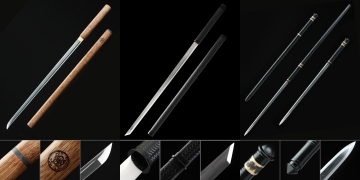
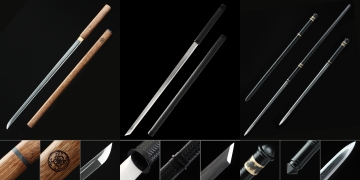
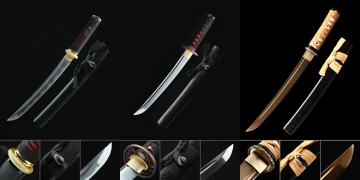
Was happy with the order its a grate tachi and will buy another
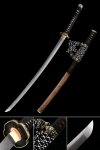 |
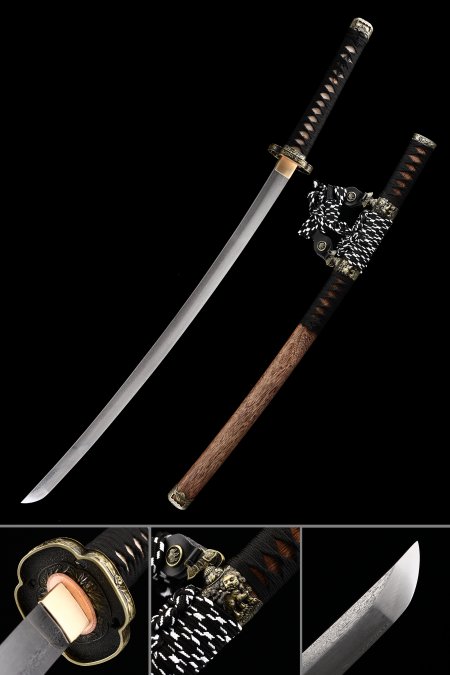
Tachi Sword Damascus Steel Clay Tempered with Natural Brown Hardwood Saya and Gold Alloy Flower Tsuba |
I loved it once it arrived but over time I noticed something loose in my sword. Also my saya cracked and I’ve never dropped my sword, because I have a stand. Part of me thinks it was the wood? Im not entirely sure. I’ giving this 3 stars because of something loose on my saya
|
Tachi Sword Damascus Steel Clay Tempered with Natural Brown Hardwood Saya and Gold Alloy Flower Tsuba |
5 Stars for perfection with first time buyer! The fast delivery and product is definitively great!
Very happy with this purchase!
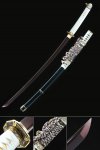 |
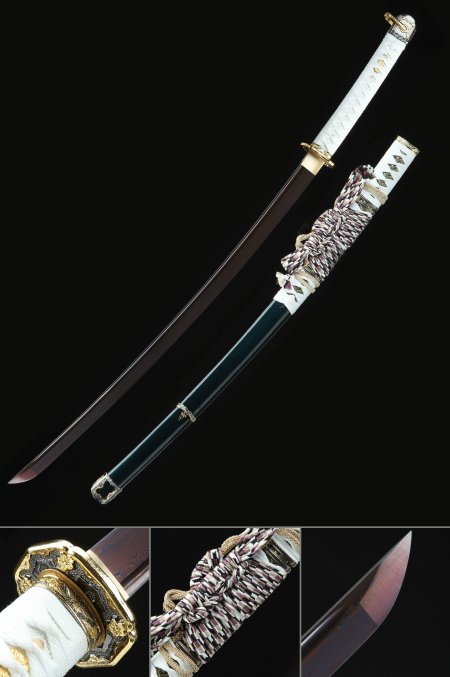
Damascus Steel Tachi Sword Dark Red Blade with Dark Green Saya & White Tsuka - Chrysanthemum Tsuba |
The order was easy to track, I ordered this for my son for his birthday, unfortunately it came with black rust on it. My Sin told me that a new one is being sent out. Hopefully it will be rust free
|
Tachi Sword Damascus Steel Clay Tempered with Natural Brown Hardwood Saya and Gold Alloy Flower Tsuba |
Beautiful and very well made sword. I was surprised at the quality despite all the great reviews.
It might take a while to get to you as it's handmade. I'm in the uk and it got to England from China in 36 hrs, unfortunately due to brexit delays it took another week to get to me.
Well worth the wait though.
Thank you.
|
Tachi Sword Damascus Steel Clay Tempered with Natural Brown Hardwood Saya and Gold Alloy Flower Tsuba |
Beautiful and well crafted katana. The saya is amazing as well.
|
Tachi Sword Damascus Steel Clay Tempered with Natural Brown Hardwood Saya and Gold Alloy Flower Tsuba |
Sword quality is very good and so was the customer service. It was only about 3 weeks from the time I ordered the sword until I received it. This Tachi is the 19th sword I have purchased over the past 2 years and I will buy more from True Katana as I expand my collection.
|
Damascus Steel Tachi Sword Dark Red Blade with Dark Green Saya & White Tsuka - Chrysanthemum Tsuba |