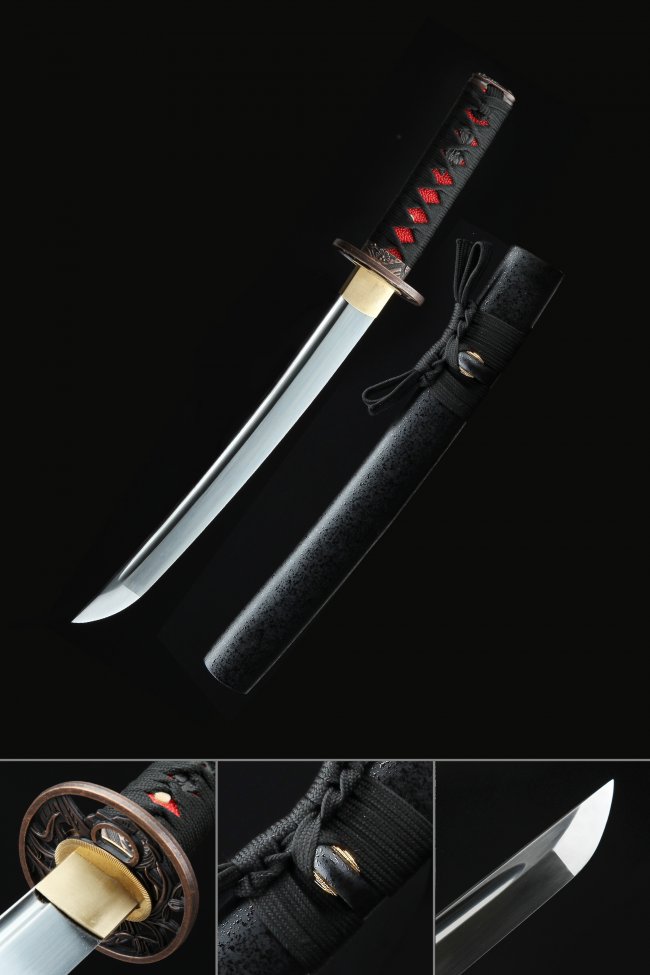
1045 Tanto
1045 carbon steel on a tanto is a practical choice — tough enough to handle real use, forgiving enough that it won't chip under lateral stress the way higher-carbon steels sometimes do. At the tanto's compact size, those toughness properties actually matter more than they do on a longer blade. Every 1045 tanto in this collection is properly heat-treated to get the performance 1045 is known for: an edge that holds, construction that doesn't give, and a blade that handles the way a tanto should. Whether you're a collector, a practitioner, or just want a tanto built on reliable steel — take a look at what we have below.
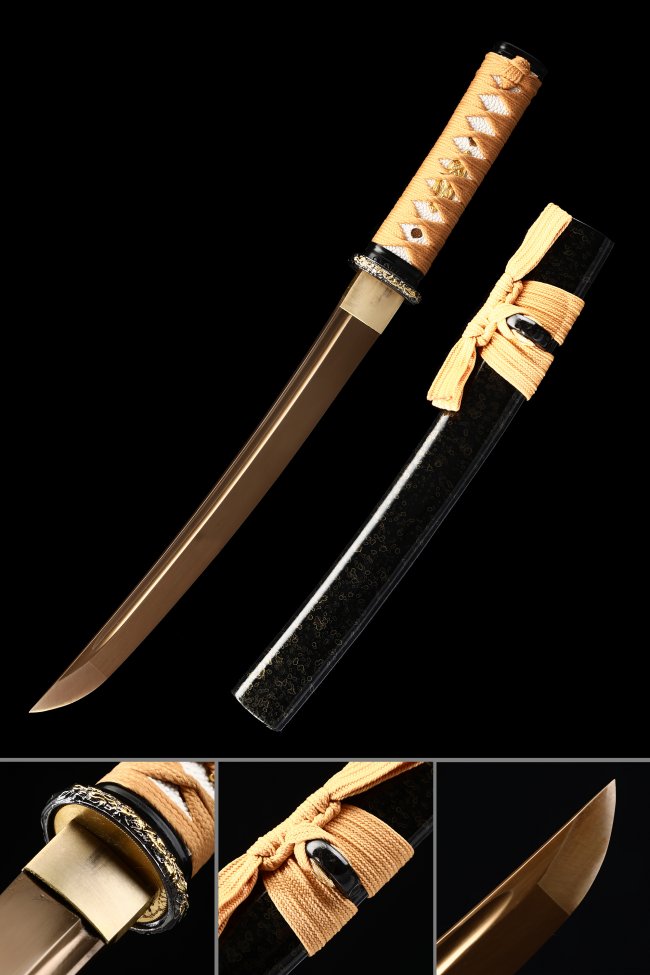
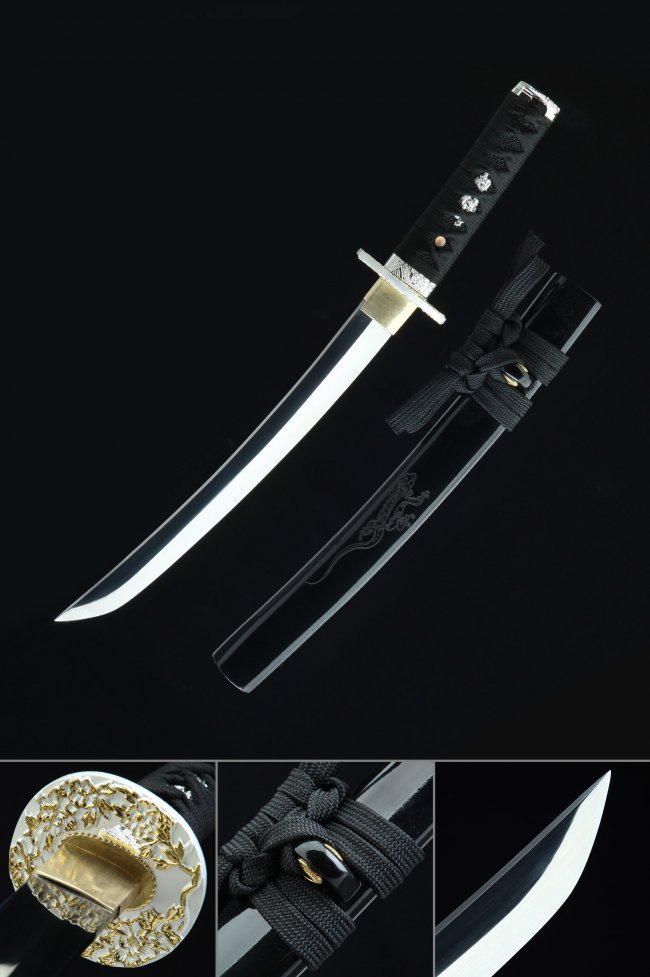
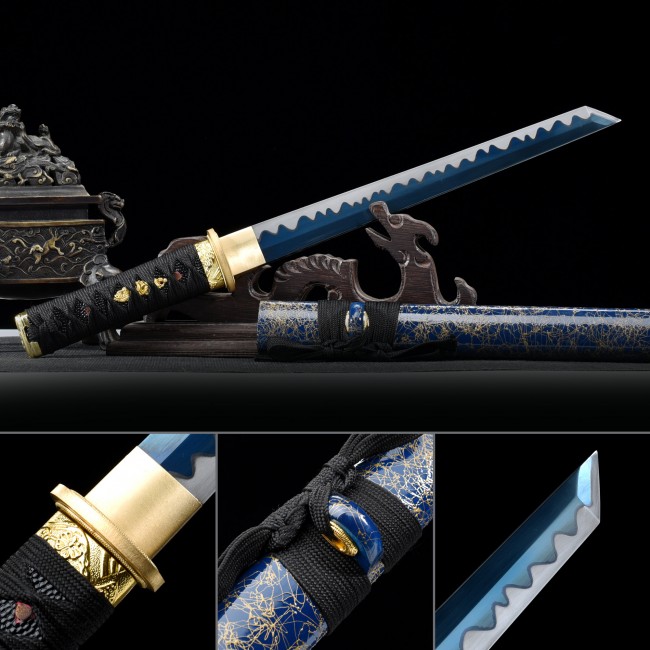
1045 Carbon Steel Tanto Sword With Golden Blade In Black Piano Lacquer Saya - Burlywood Ito Wrap
10 Reviews
ON SALE 20% OFF
$109.00
$139.00
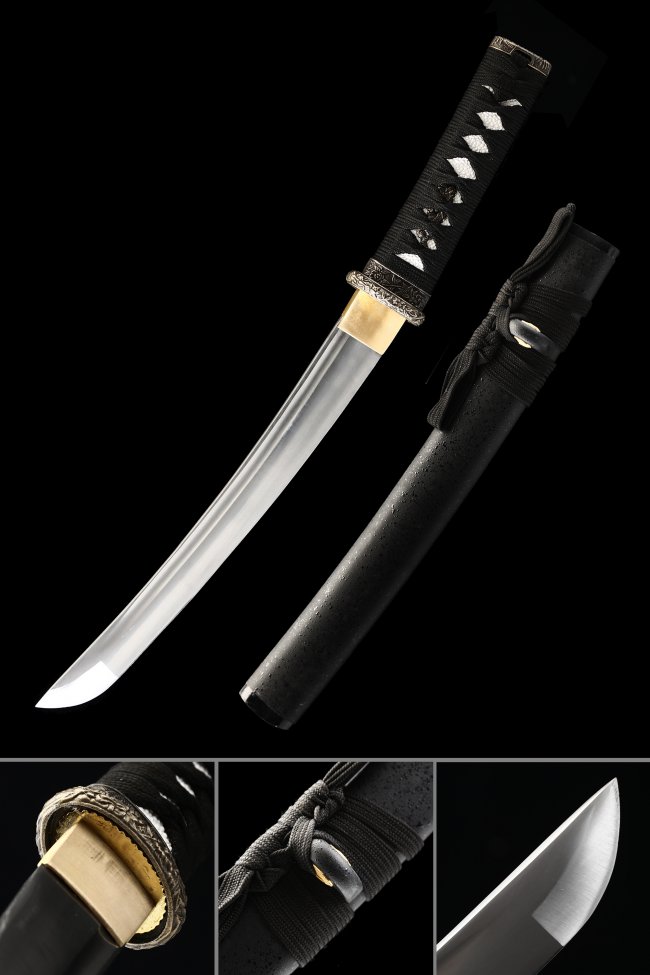
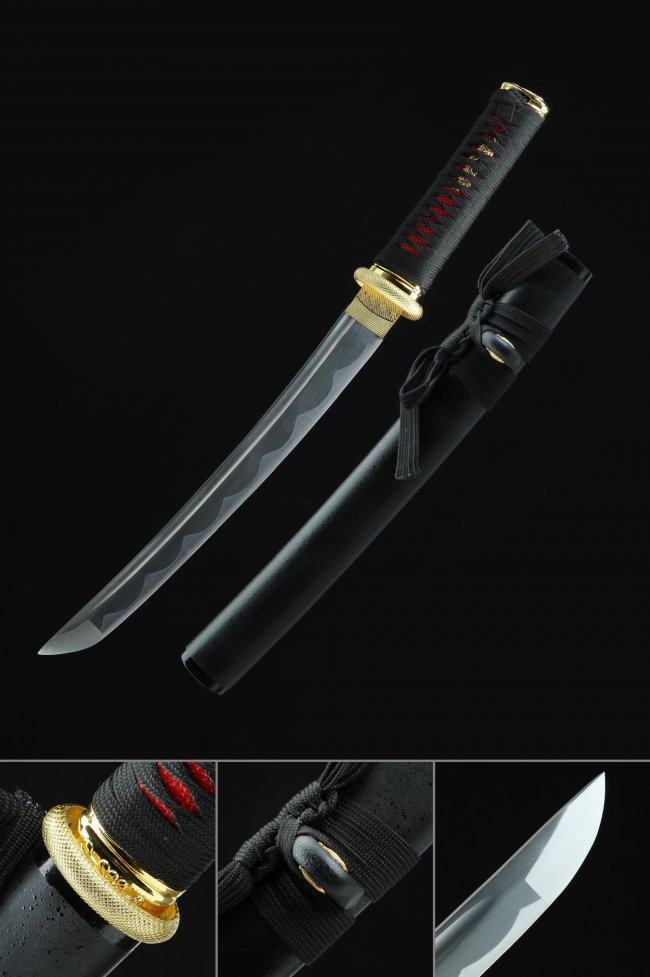
1045 Carbon Steel Tanto Sword With Black Matte Hardwood Saya And Bronze Alloy Oval Tsuba - Full Tang
94 Reviews
ON SALE 15% OFF
$89.00
$109.00
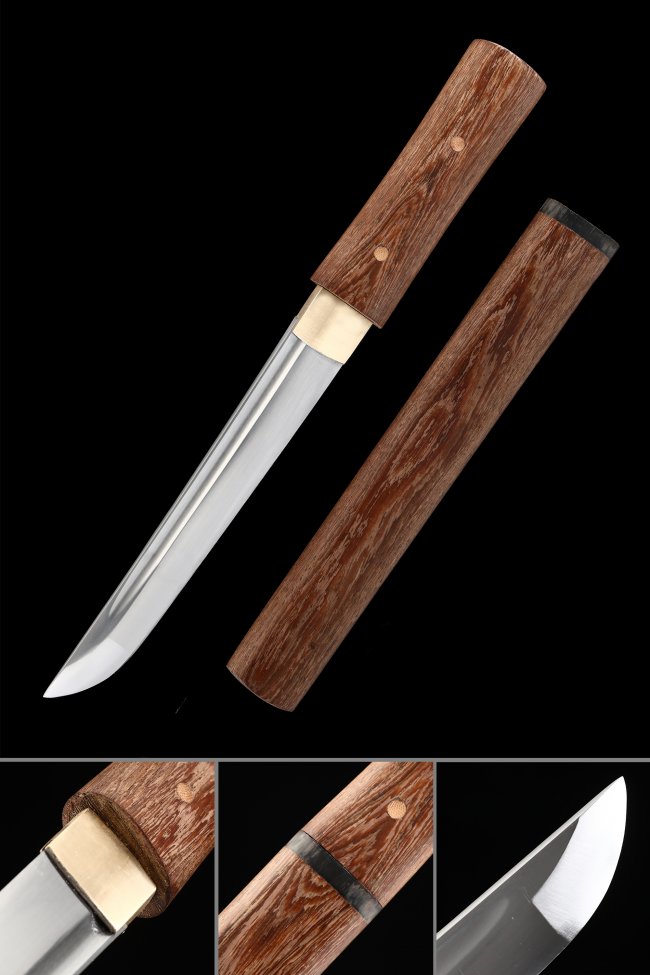
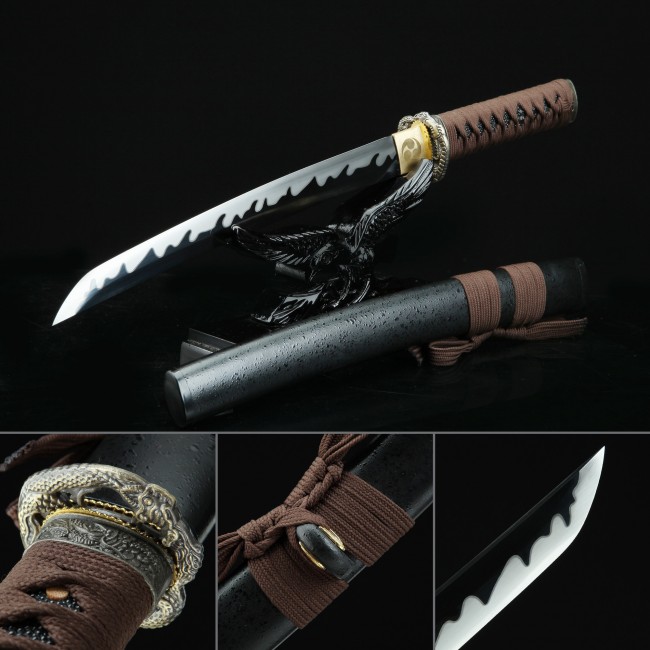
Full Tang 1045 Carbon Steel Tanto, Brown Saya, Brown Tsuka & Natural Wood Finish
17 Reviews
ON SALE 20% OFF
$139.00
$169.00
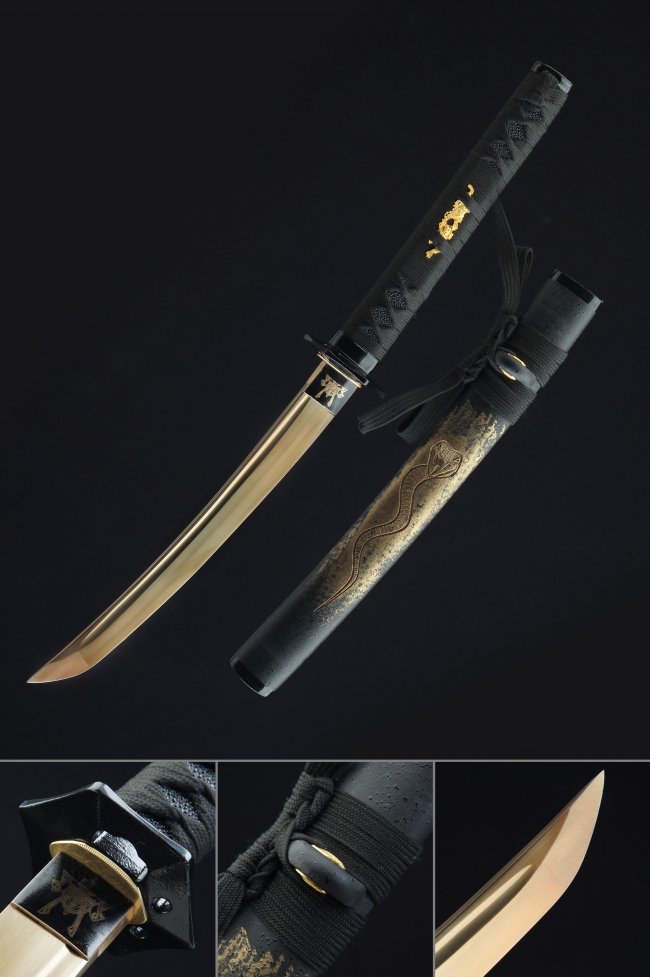
Clay Tempered 1045 Carbon Steel O Tanto With Golden Blade And Engraved Snake Saya In Black
2 Reviews
ON SALE 30% OFF
$119.00
$169.00
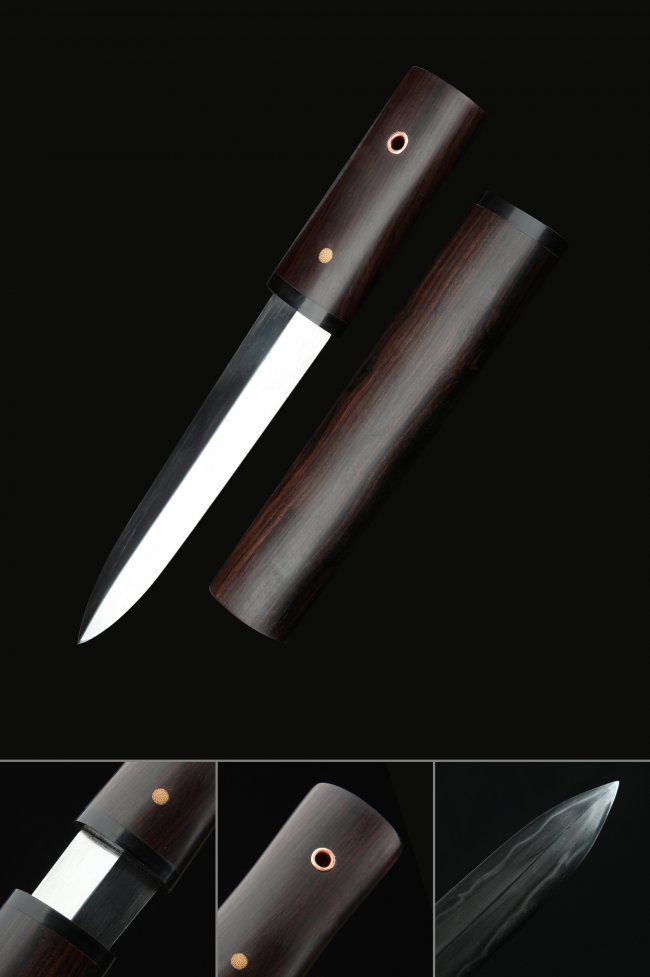
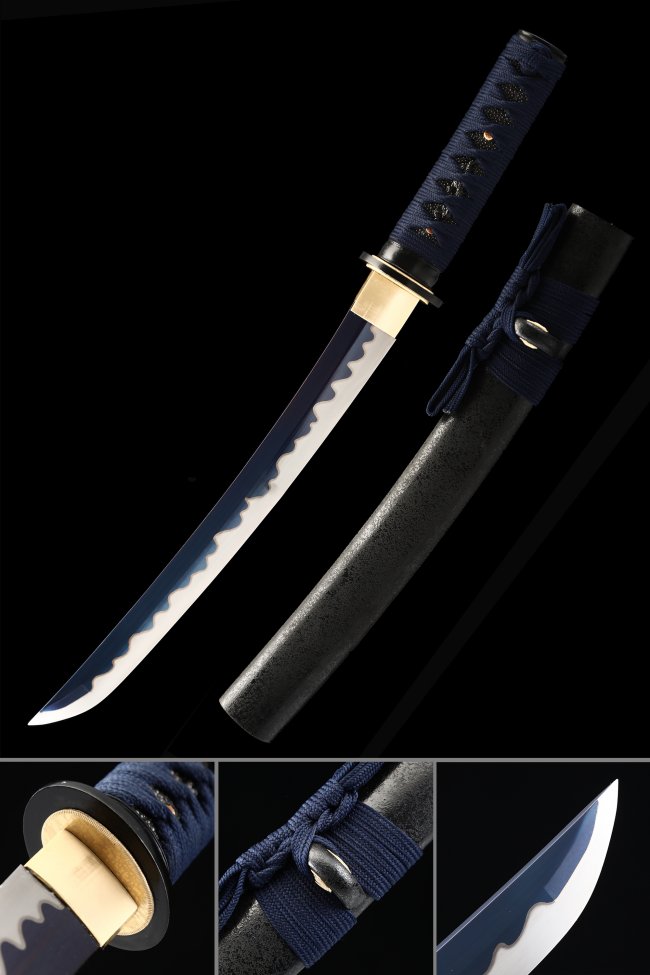
Folded Steel 1045 Carbon Steel Tanto, Full Tang, Dark Red Saya & Dark Red Tsuka
2 Reviews
ON SALE 15% OFF
$189.00
$219.00
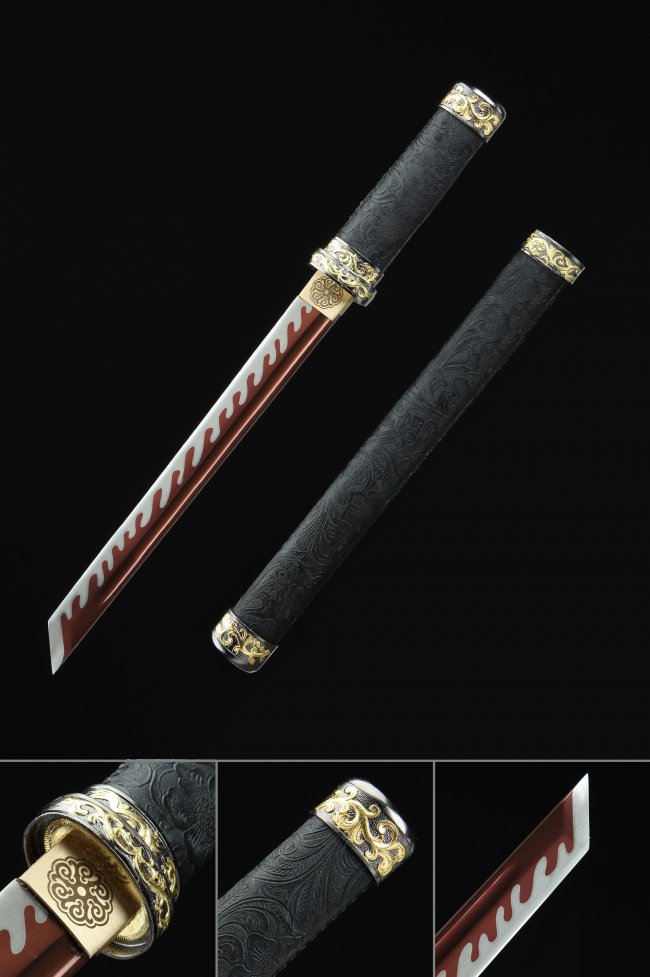
Clay Tempered 1045 Carbon Steel Tanto With Red Blade And Gold Floral Fittings In Black Pu Leather Saya
2 Reviews
ON SALE 15% OFF
$139.00
$169.00
Related Collections
Customer Reviews
This sword is amazing. I don’t have any criticism and if i had to name one, it’s just the sheath doesn’t hold the sword into place. But beyond that this sword is perfect and I got exactly what I wanted, especially for the price.
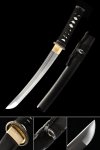 1045 Carbon Steel Tanto Sword with Black Matte Hardwood Saya and Bronze Alloy Oval Tsuba - Full Tang
Verified Purchase
1045 Carbon Steel Tanto Sword with Black Matte Hardwood Saya and Bronze Alloy Oval Tsuba - Full Tang
Verified Purchase
the sword i purchase arrived in r
perfect condition feels solid andr
it's sharp, overall happy with my purchase
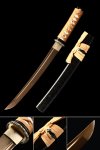 1045 Carbon Steel Tanto Sword with Golden Blade in Black Piano Lacquer Saya - Burlywood Ito Wrap
Verified Purchase
1045 Carbon Steel Tanto Sword with Golden Blade in Black Piano Lacquer Saya - Burlywood Ito Wrap
Verified Purchase
sirs i have tryed but am only able to upload 6%r
\
1045 Carbon Steel Tanto Sword with Black Matte Hardwood Saya and Bronze Alloy Oval Tsuba - Full Tang
Verified Purchase
Order was great. One of the sheaths did have a crack in it but thats ok.
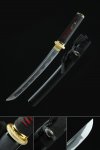 1045 Carbon Steel Tanto Sword with Black Matte Hardwood Saya and Gold Alloy Tsuba - Full Tang Japanese Short Sword
Verified Purchase
1045 Carbon Steel Tanto Sword with Black Matte Hardwood Saya and Gold Alloy Tsuba - Full Tang Japanese Short Sword
Verified Purchase
Only regret is that this item was made in China, not Japan, since it represents a Japanese sword, but well made and impressive.
1045 Carbon Steel Tanto Sword with Black Matte Hardwood Saya and Bronze Alloy Oval Tsuba - Full Tang
Verified Purchase
My boyfriend loved the short katana the weight was pleasing unexpected and now wants to order a long.
1045 Carbon Steel Tanto Sword with Black Matte Hardwood Saya and Bronze Alloy Oval Tsuba - Full Tang
Verified Purchase
True Katana never ceases to amaze me with the quality each blade I purchase, I can’t wait to purchase more!
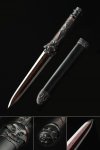 Lion Tsuba 1045 Carbon Steel Tanto, Folded Steel, Full Tang & Black Saya
Verified Purchase
Lion Tsuba 1045 Carbon Steel Tanto, Folded Steel, Full Tang & Black Saya
Verified Purchase
I love it, the knot on the handle came off but is was no big deal easy fix, haven't used it a lot but is still sharp!!
1045 Carbon Steel Tanto Sword with Black Matte Hardwood Saya and Gold Alloy Tsuba - Full Tang Japanese Short Sword
Verified Purchase
Very quick delivery. This is the second blade I’ve ordered and both have been fantastic. My one complaint with the recent one is that the sheath doesn’t fit snug and falls off if turned upside down.
1045 Carbon Steel Tanto Sword with Black Matte Hardwood Saya and Bronze Alloy Oval Tsuba - Full Tang
Verified Purchase
Got this for my son for Christmas who started collecting swords, looks awesome and he loved it!!!
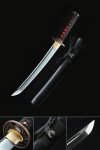 1045 Carbon Steel Tanto Sword with Black Ito Wrap, Red Samegawa and Bronze Orchid Tsuba - Full Tang
Verified Purchase
1045 Carbon Steel Tanto Sword with Black Ito Wrap, Red Samegawa and Bronze Orchid Tsuba - Full Tang
Verified Purchase
Love at first sight, will definitely purchase more from you guys
1045 Carbon Steel Tanto Sword with Black Matte Hardwood Saya and Gold Alloy Tsuba - Full Tang Japanese Short Sword
Verified Purchase
Delivered promptly, product as described/displayed on site. Great addition to my son's collection!
1045 Carbon Steel Tanto Sword with Black Matte Hardwood Saya and Bronze Alloy Oval Tsuba - Full Tang
Verified Purchase
your rating is fine.r
Your shipper UPS was a total failure.
1045 Carbon Steel Tanto Sword with Black Matte Hardwood Saya and Bronze Alloy Oval Tsuba - Full Tang
Verified Purchase
My new beaty. Like picture shows Even better and very good craftmanship
1045 Carbon Steel Tanto Sword with Black Matte Hardwood Saya and Gold Alloy Tsuba - Full Tang Japanese Short Sword
Verified Purchase
It's a little tight in the scabbard, and it seems that there was plastic stuffed inside it that I can't get out. Also, it is longer than I expected for a tanto, almost a wakizashi. But it's a good deal for only a hundred bucks.
1045 Carbon Steel Tanto Sword with Black Matte Hardwood Saya and Gold Alloy Tsuba - Full Tang Japanese Short Sword
Verified Purchase
Loading more reviews...