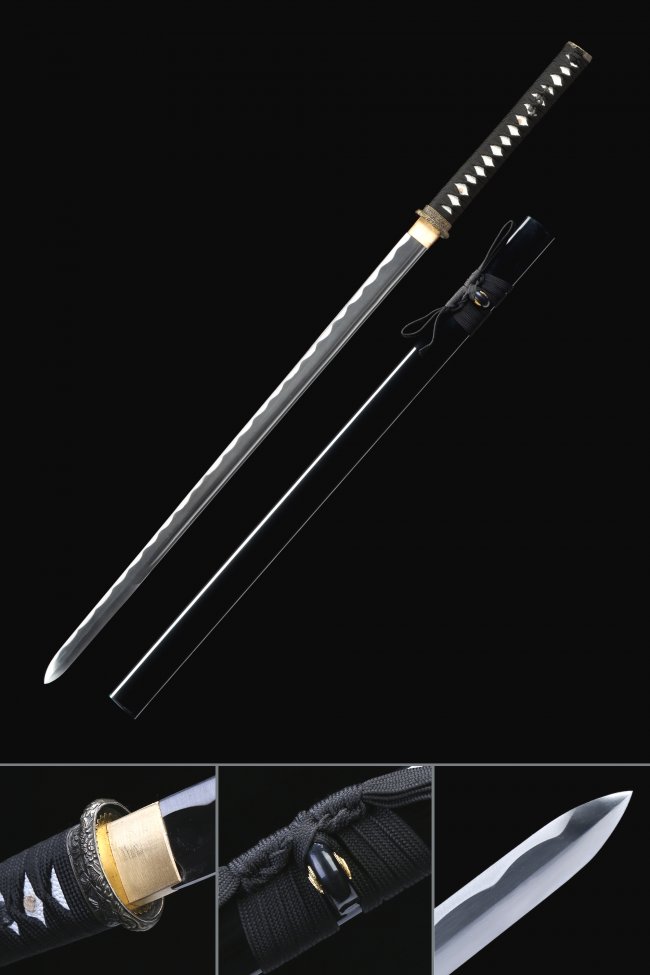
1045 Carbon Steel Ninjato
There’s a reason the ninjato still stands out among Japanese swords. Its straight blade and stripped-down style give it a different personality — simple, fast-looking, and unmistakably tied to ninja lore and pop culture. Our 1045 carbon steel ninjato collection is made for people who want more than a wall display. These 1045 carbon steel ninja swords feature full-length steel blades, traditional wrapping, and a balanced feel that works well for collectors, cosplay fans, and anyone drawn to the cleaner look of a classic ninja sword. Browse the collection and find the one that fits your style without feeling overdone.
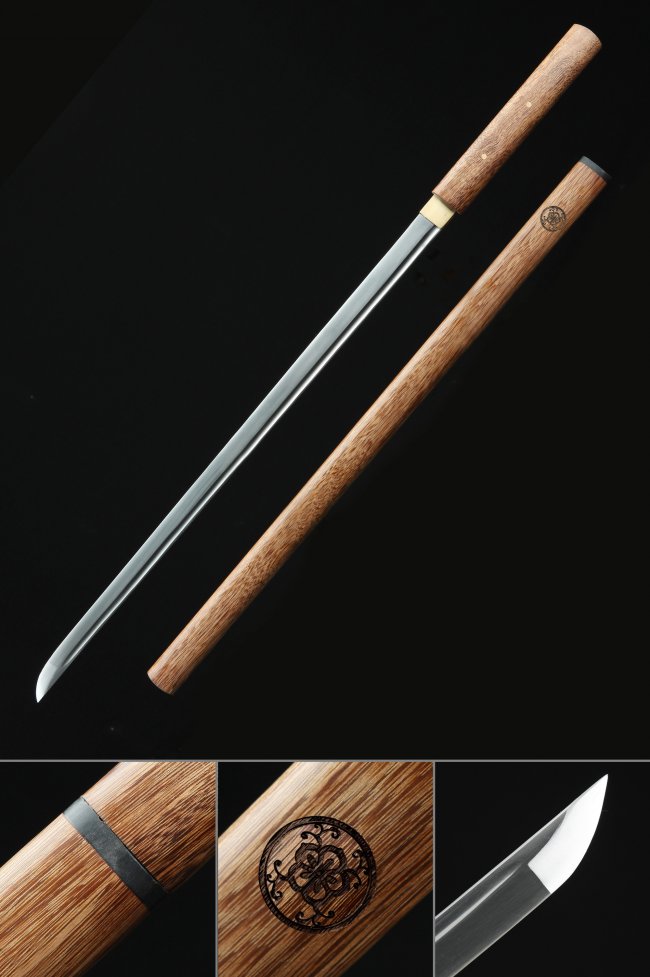
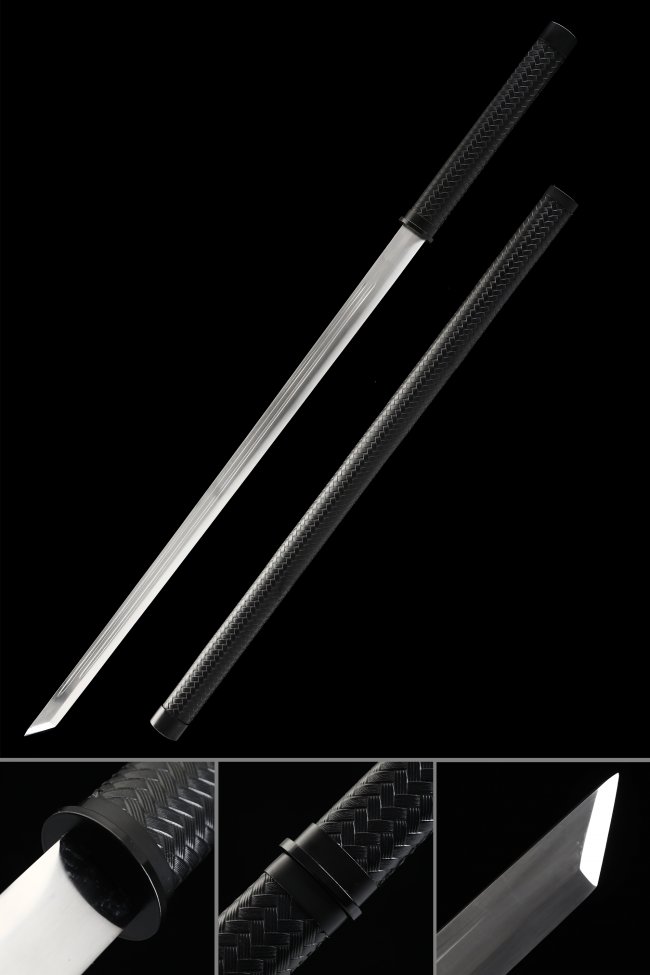
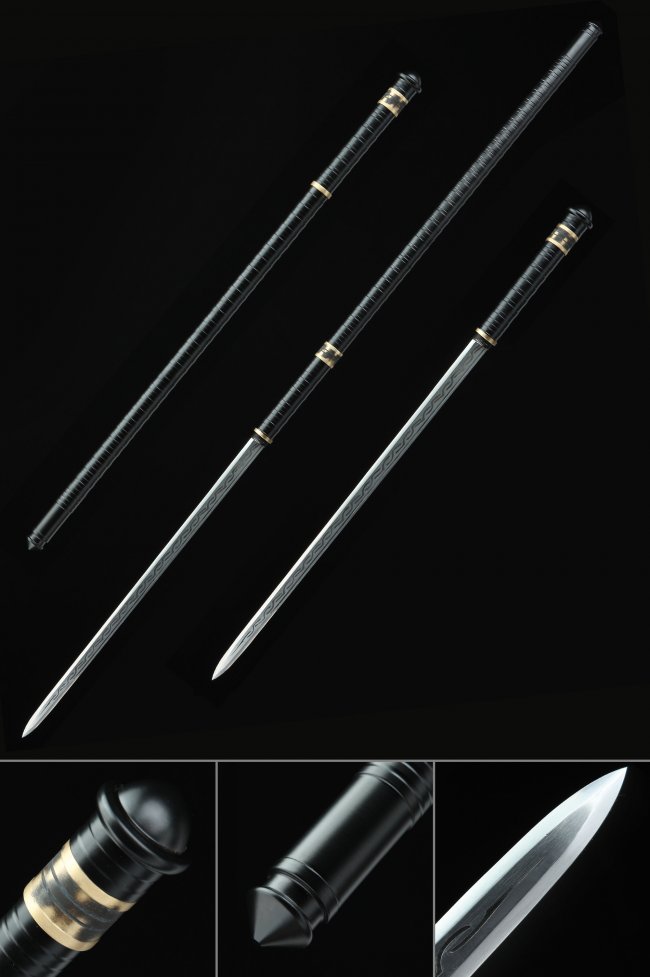
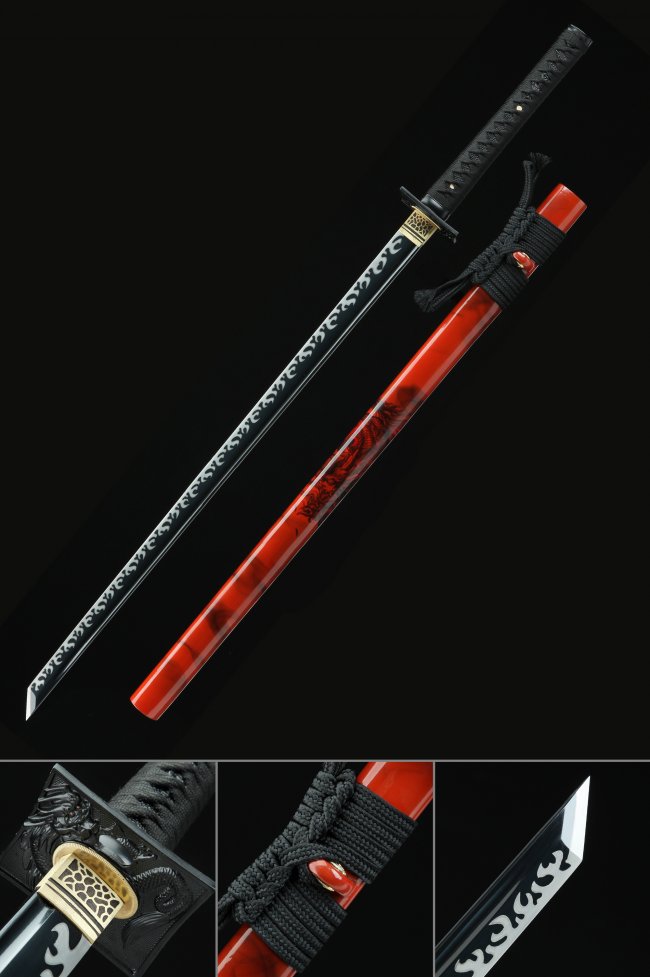
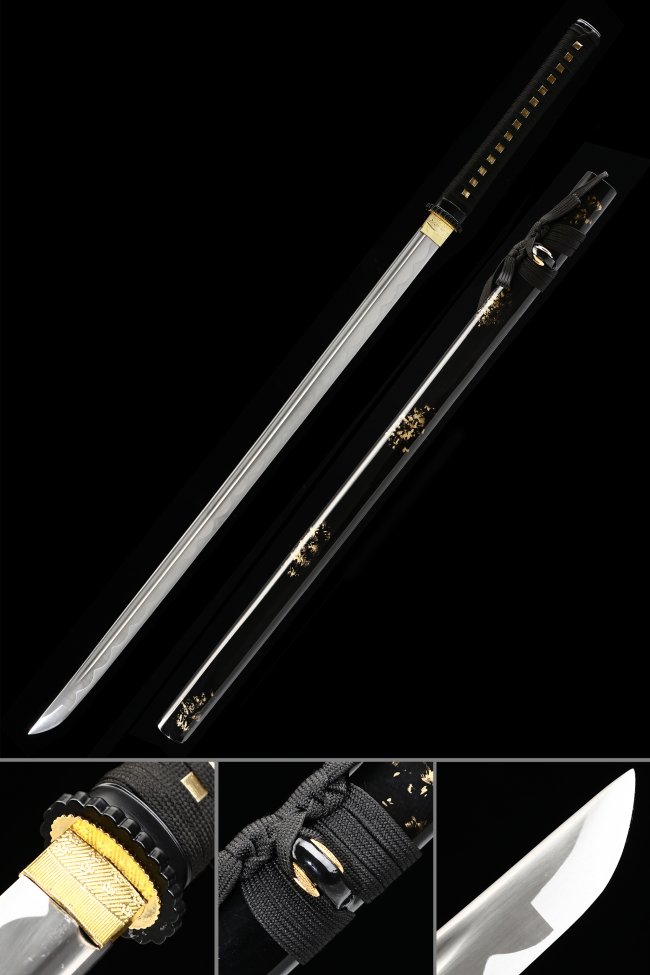
Chokuto Ninjato Sword 1045 Carbon Steel With Flame Engraved Black Blade In Red Dragon Saya
16 Reviews
ON SALE 15% OFF
$189.00
$219.00
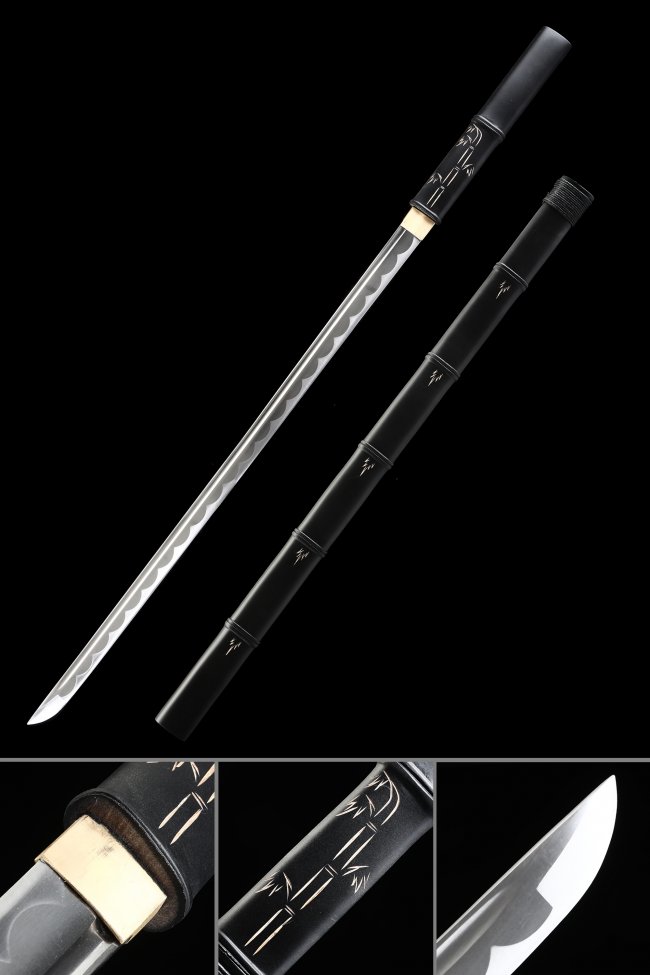
Full Tang 1045 Carbon Steel Ninjato, Black Bamboo Saya & Black Tsuka
83 Reviews
ON SALE 15% OFF
$139.00
$169.00
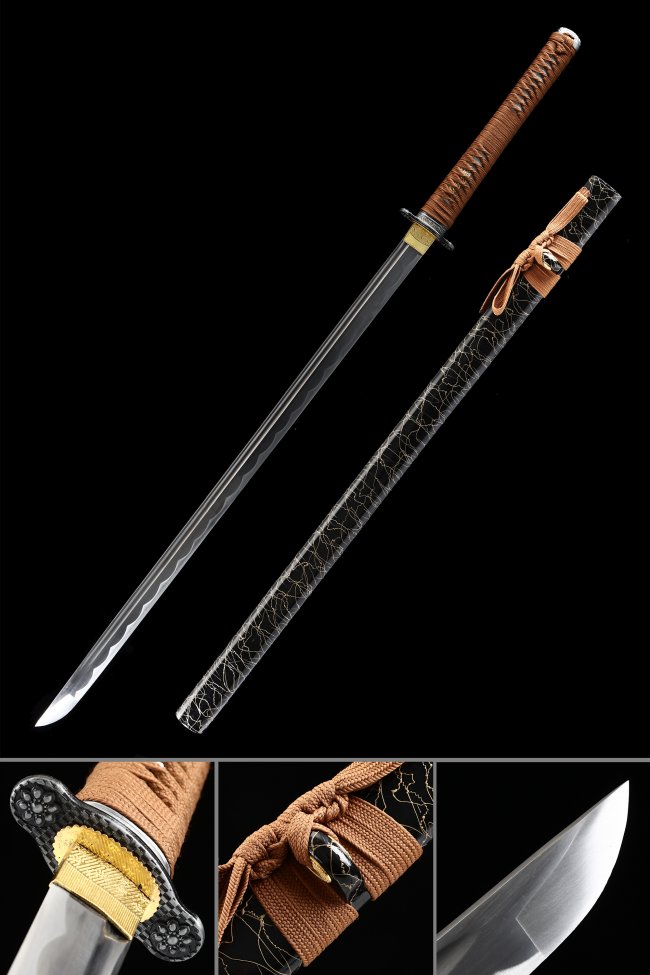
1045 Carbon Steel Chokuto Ninjato Sword With Brown Ito Wrap And Gold Vine Patterned Black Saya - Full Tang
6 Reviews
ON SALE 15% OFF
$139.00
$169.00
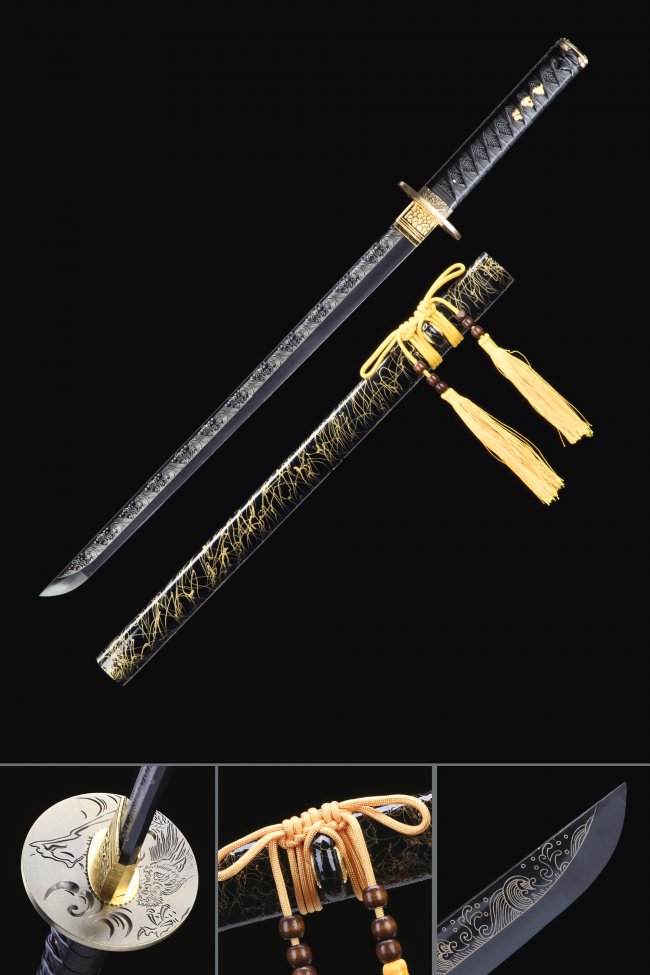
1045 Carbon Steel Ninjato With Wave-engraved Black Blade And Gold Vine Saya - Dragon Tsuba Ninja Sword
7 Reviews
ON SALE 15% OFF
$159.00
$189.00
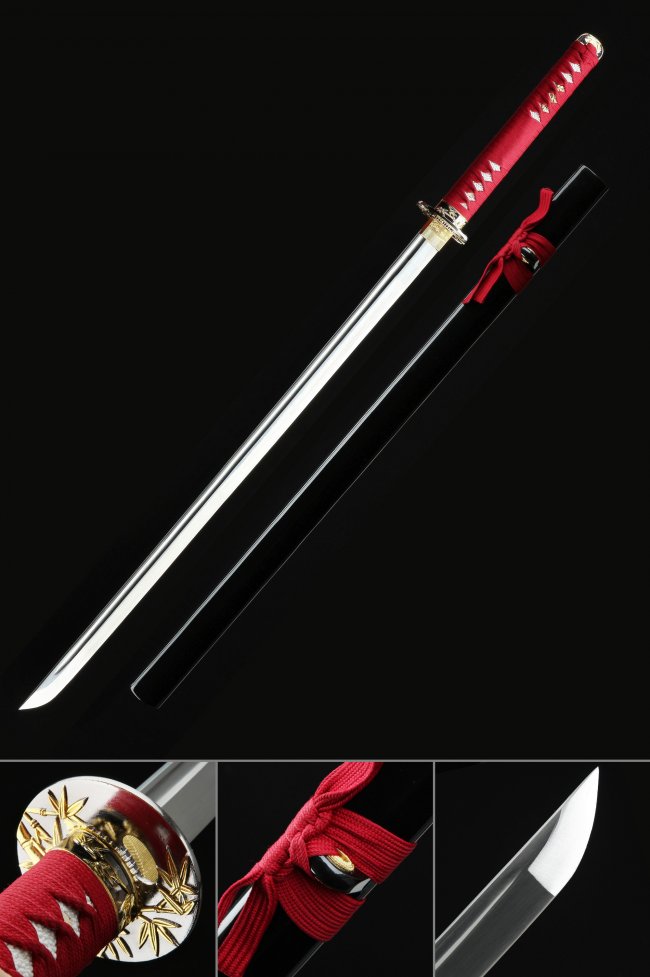
1045 Carbon Steel Ninjato Sword With Gold Bamboo Tsuba In Red And Black - Full Tang Ninja Sword
10 Reviews
ON SALE 15% OFF
$139.00
$159.00
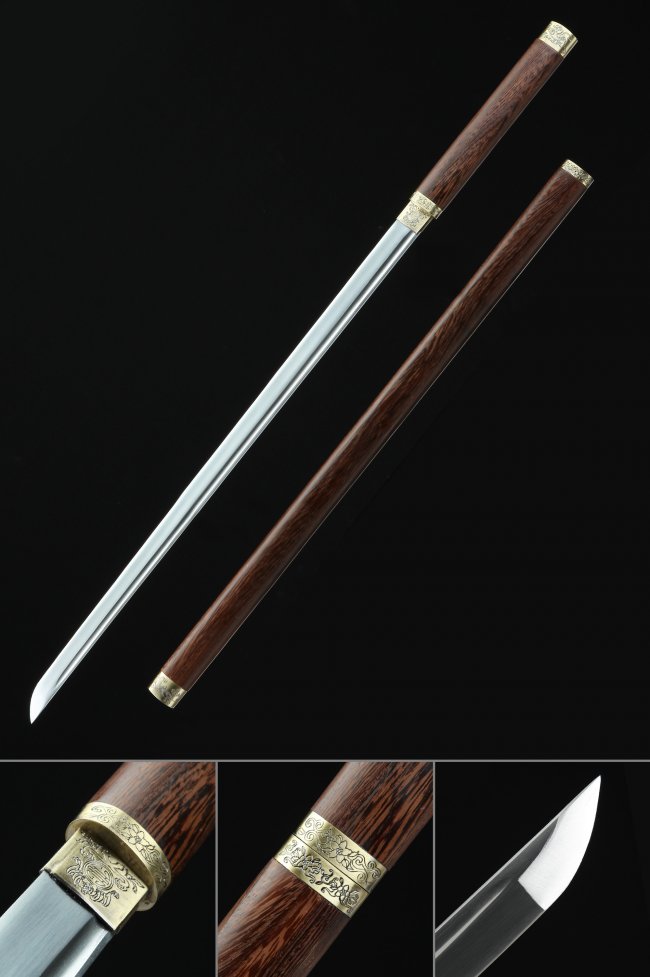
Fujitora Issho Sword - 1045 Carbon Steel Ninjato With Rosewood Saya And Gold Alloy Fittings
12 Reviews
ON SALE 15% OFF
$139.00
$169.00
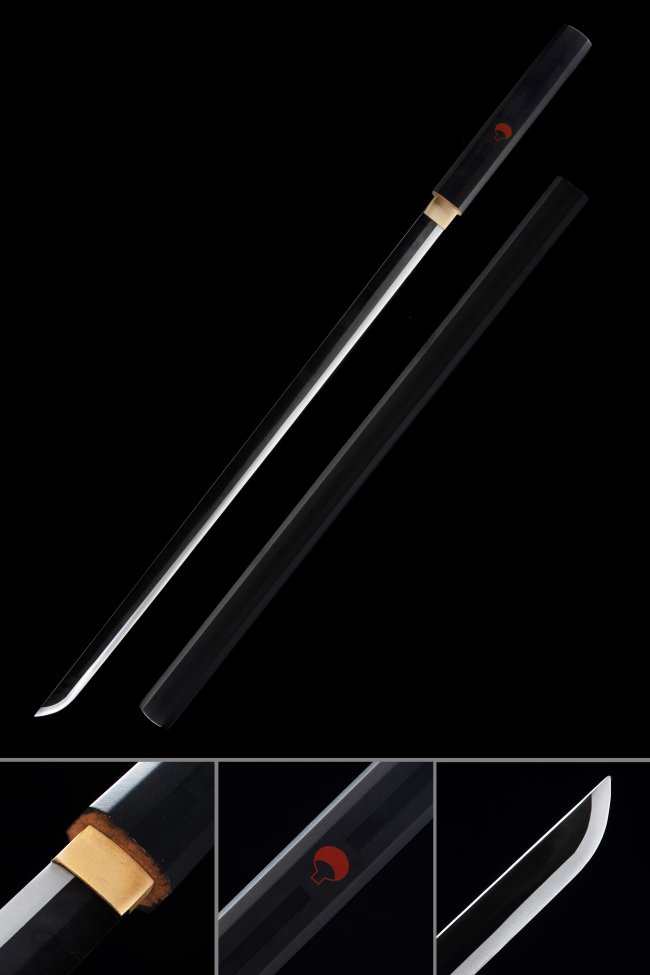
Sasuke Uchiha Sword 1045 Carbon Steel Straight Blade With Black Matte Saya And Uchiha Clan Crest
4 Reviews
ON SALE 15% OFF
$179.00
$209.00
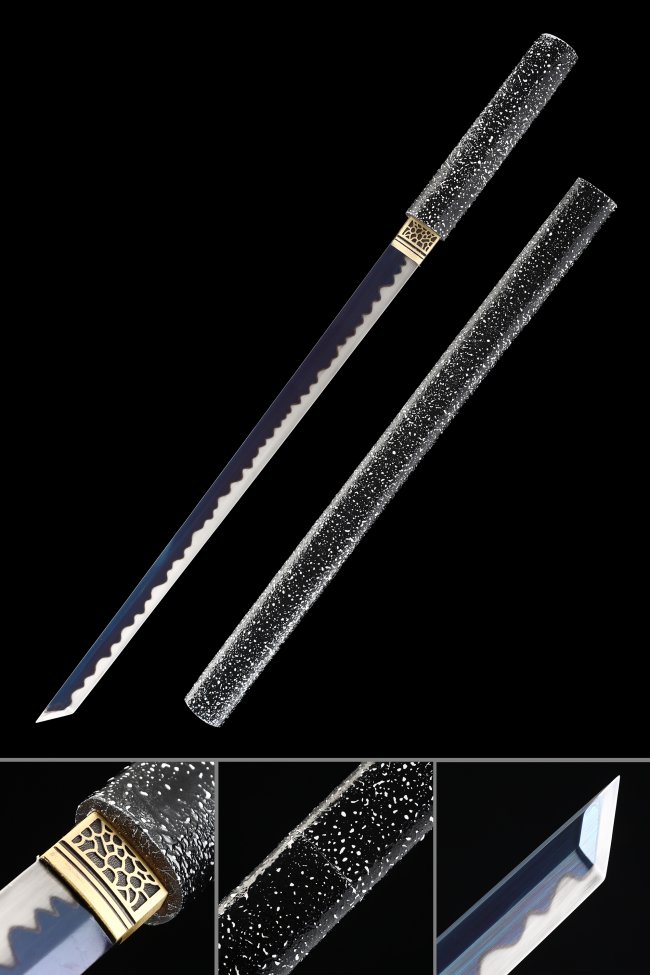
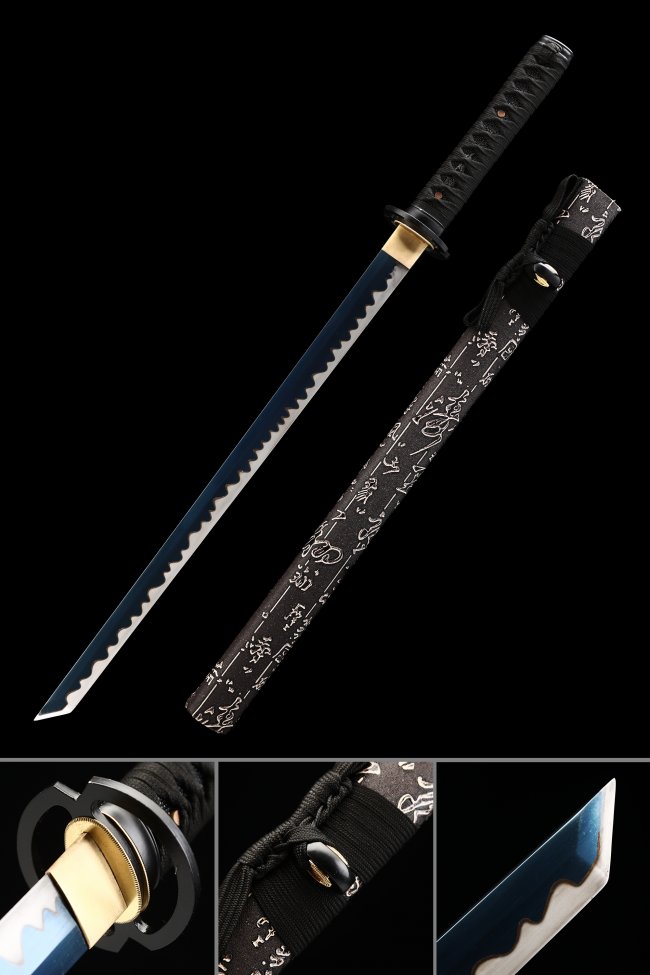
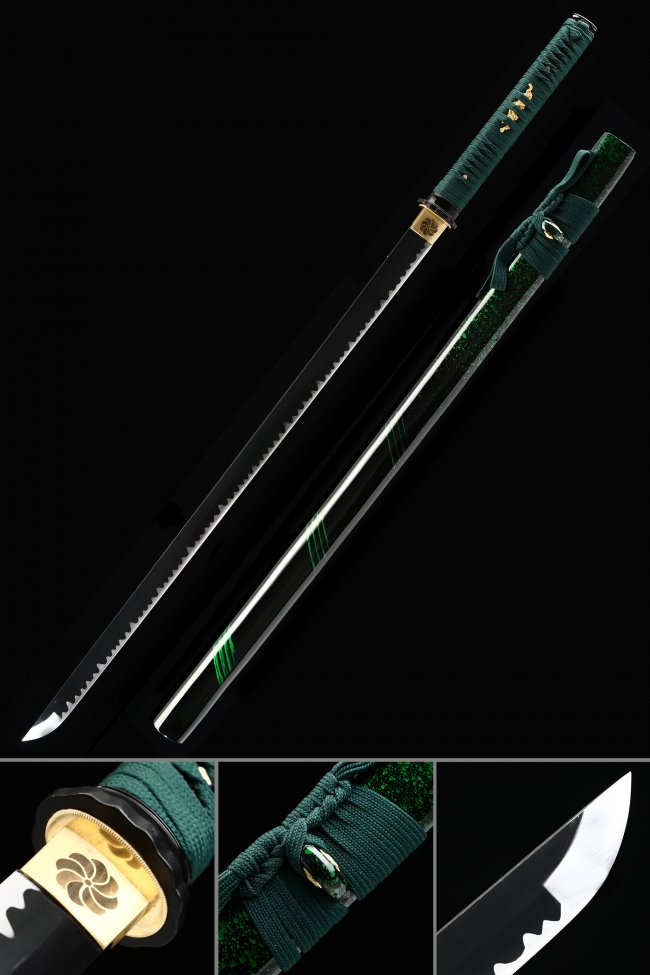
1045 Carbon Steel Ninjato Ninja Sword With Black Blade In Green Cord Wrap And Gold Alloy Tsuba
5 Reviews
ON SALE 15% OFF
$159.00
$189.00
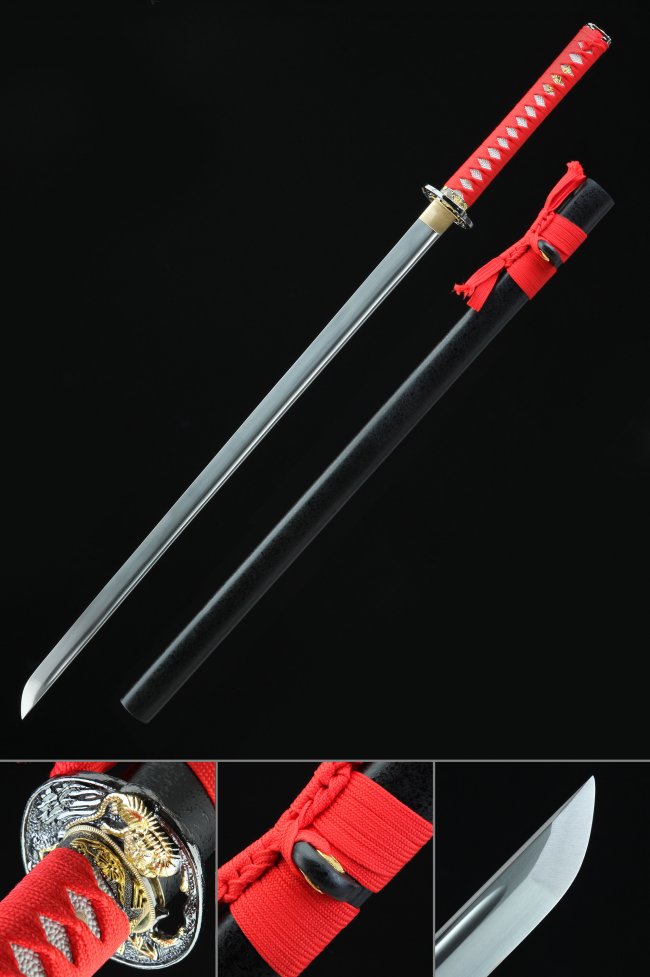
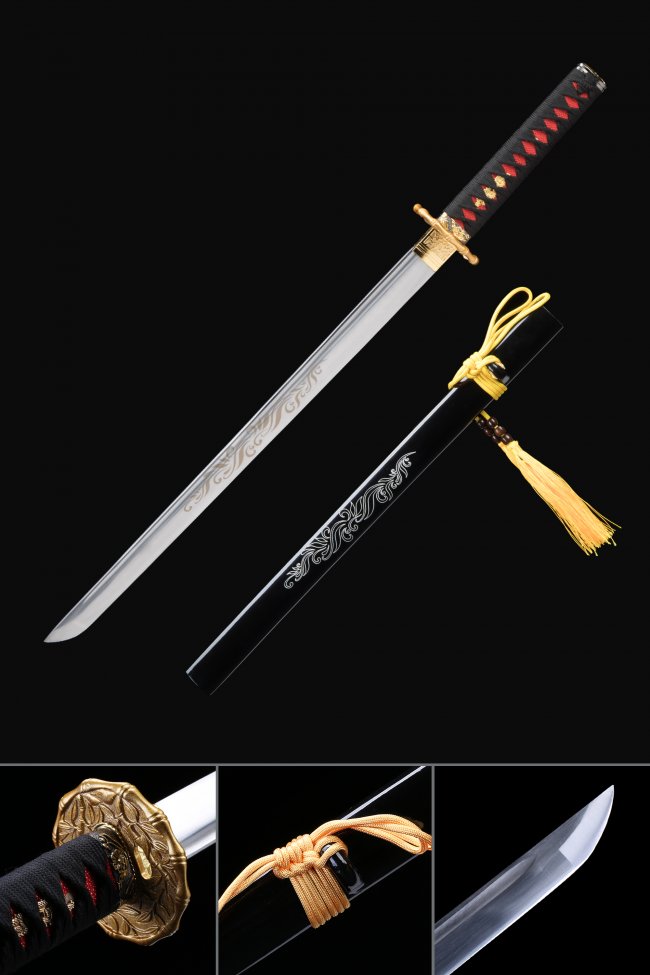
Related Collections
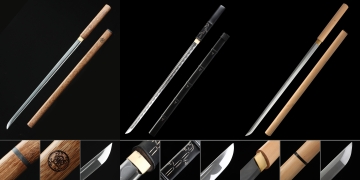
Customer Reviews
For the price this item is worth the money. The quality is OK there was a slight warp in the blade. Other than that it’s really well done for the price..
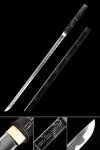 Full Tang 1045 Carbon Steel Ninjato, Black Bamboo Saya & Black Tsuka
Verified Purchase
Full Tang 1045 Carbon Steel Ninjato, Black Bamboo Saya & Black Tsuka
Verified Purchase
Very well built. Highly suggest if this is what you're looking for ,AAA quality.
Full Tang 1045 Carbon Steel Ninjato, Black Bamboo Saya & Black Tsuka
Verified Purchase
Amazinggg will be purchasing other products!! Thank youu!
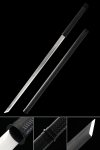 1045 Carbon Steel Ninjato Sword with Black Faux Leather Wrapped Saya in Full Tang Construction
Verified Purchase
1045 Carbon Steel Ninjato Sword with Black Faux Leather Wrapped Saya in Full Tang Construction
Verified Purchase
Nice blade good quality and it got here a day earlier then when I was supposed to
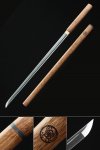 Full Tang Manganese Steel Ninjato, Natural Wood Saya, Natural Wood Tsuka & 41"
Verified Purchase
Full Tang Manganese Steel Ninjato, Natural Wood Saya, Natural Wood Tsuka & 41"
Verified Purchase
The sword arrived unscathed, excellent craftsmanship. Well balanced and blade was sharp, Plan to get more in the near future.
Full Tang Manganese Steel Ninjato, Natural Wood Saya, Natural Wood Tsuka & 41"
Verified Purchase
Really love the sword. Better than I expected. Will definitely be a returning customer
1045 Carbon Steel Ninjato Sword with Black Faux Leather Wrapped Saya in Full Tang Construction
Verified Purchase
Its been years since I got this word and its as nice as when I first got it. TRULY QUALITY WORK.
Full Tang Manganese Steel Ninjato, Natural Wood Saya, Natural Wood Tsuka & 41"
Verified Purchase
My sons were very excited to get these katanas! Great service and I would recommend TrueKatana.com
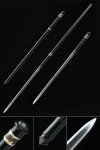 1045 Carbon Steel Expandable Spear Sword with Black Iron Saya and Brass Accents - Ninjato Collectible
Verified Purchase
1045 Carbon Steel Expandable Spear Sword with Black Iron Saya and Brass Accents - Ninjato Collectible
Verified Purchase
Cool sword it looks awesome for decoration, not saying you should play with swords but yeah it's fun
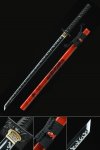 Chokuto Ninjato Sword 1045 Carbon Steel with Flame Engraved Black Blade in Red Dragon Saya
Verified Purchase
Chokuto Ninjato Sword 1045 Carbon Steel with Flame Engraved Black Blade in Red Dragon Saya
Verified Purchase
Bonjour, j'ai bien reçu votre commande dans un état irréprochable . L'épée est sublime, magnifique ,la garde travaillée le fourreau dans un bois exceptionnel mais fin au travail de Maitre . Encore merci pour cette épée . Bien à vous Barranco Giuseppe
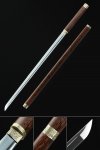 Fujitora Issho Sword - 1045 Carbon Steel Ninjato with Rosewood Saya and Gold Alloy Fittings
Verified Purchase
Fujitora Issho Sword - 1045 Carbon Steel Ninjato with Rosewood Saya and Gold Alloy Fittings
Verified Purchase
This sword is beautifully made. It is nicely balanced and fully functional, with a sharp blade edge and a secure fit in the wooden scabbard. Kudos and thanks to the swordsmith for a job well done.
Full Tang Manganese Steel Ninjato, Natural Wood Saya, Natural Wood Tsuka & 41"
Verified Purchase
I was very pleased with my sword just as advertised. Thanks, Truekatana...
Full Tang Manganese Steel Ninjato, Natural Wood Saya, Natural Wood Tsuka & 41"
Verified Purchase
The sword is great i have not even taken the wrap off the blade yet
Full Tang Manganese Steel Ninjato, Natural Wood Saya, Natural Wood Tsuka & 41"
Verified Purchase
Amazing sword! Beautiful job. Thank you so very much
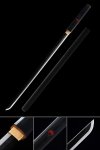 Sasuke Uchiha Sword 1045 Carbon Steel Straight Blade with Black Matte Saya and Uchiha Clan Crest
Verified Purchase
Sasuke Uchiha Sword 1045 Carbon Steel Straight Blade with Black Matte Saya and Uchiha Clan Crest
Verified Purchase
I really love the sword and the speediness of the delivery, but blade could be sharper. But otherwise I love it
1045 Carbon Steel Ninjato Sword with Black Faux Leather Wrapped Saya in Full Tang Construction
Verified Purchase
Loading more reviews...