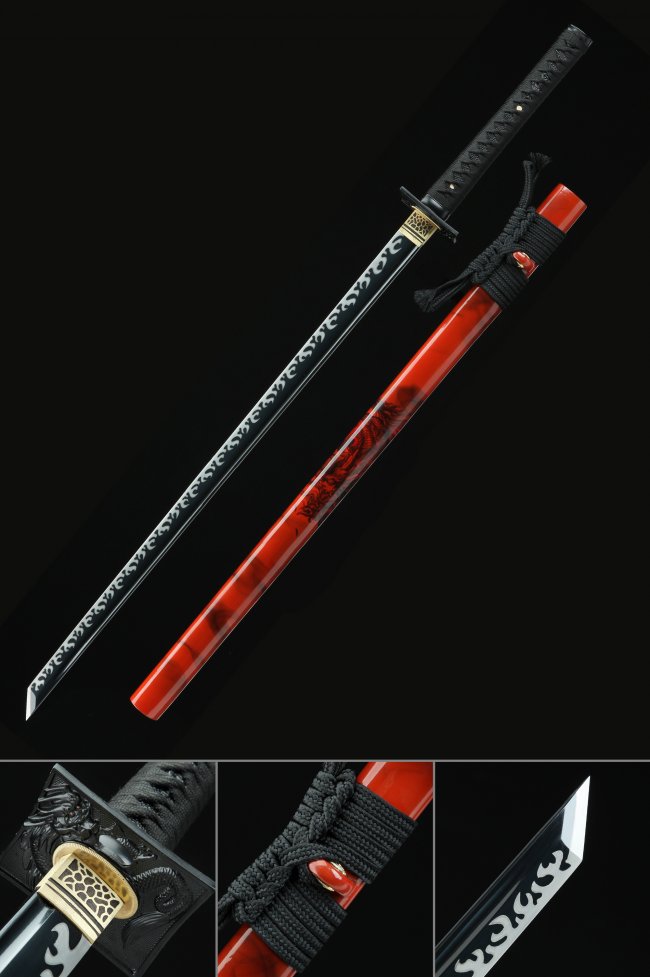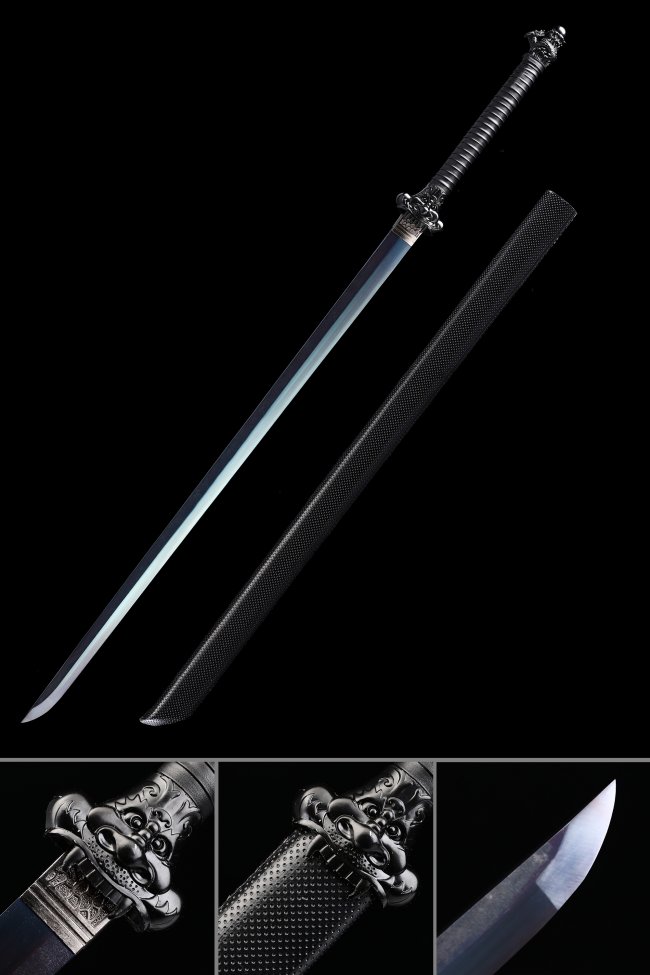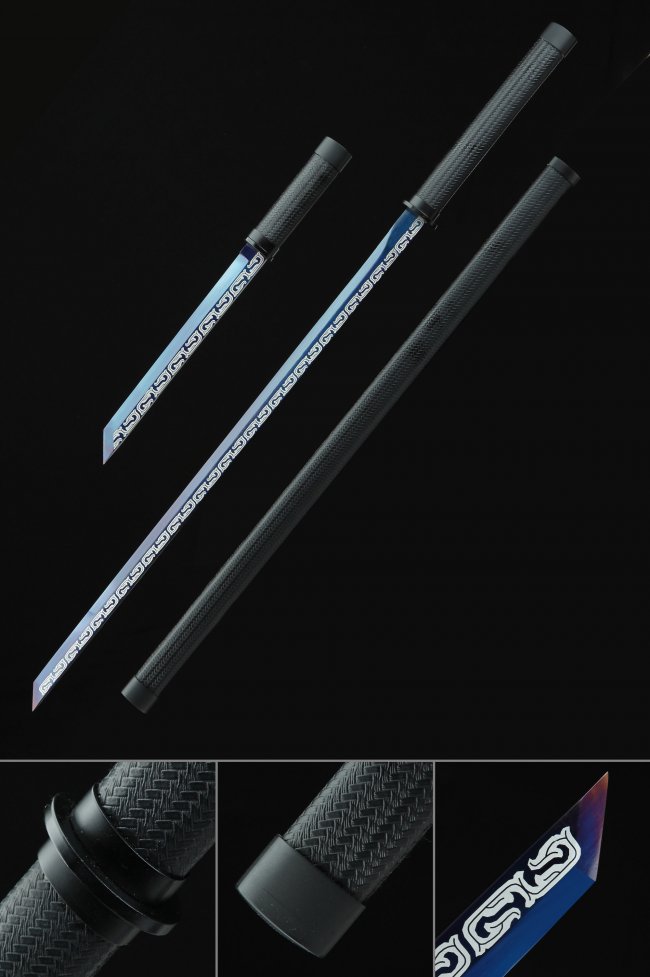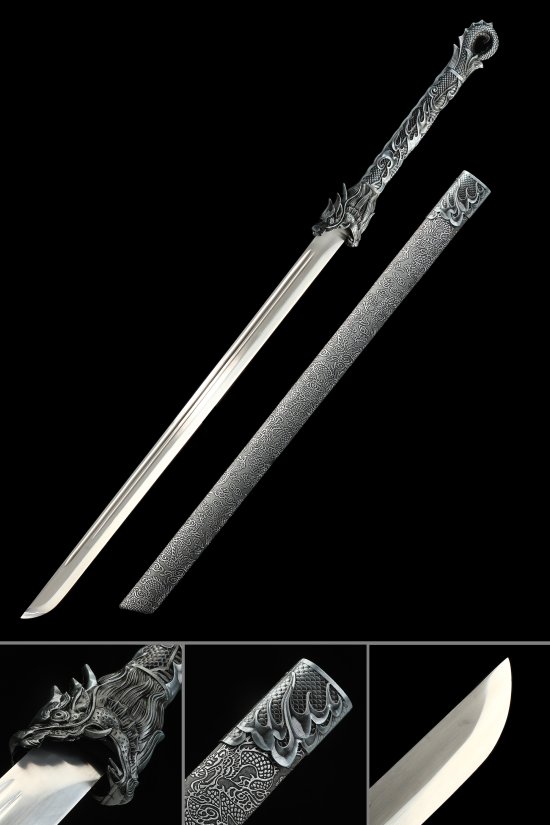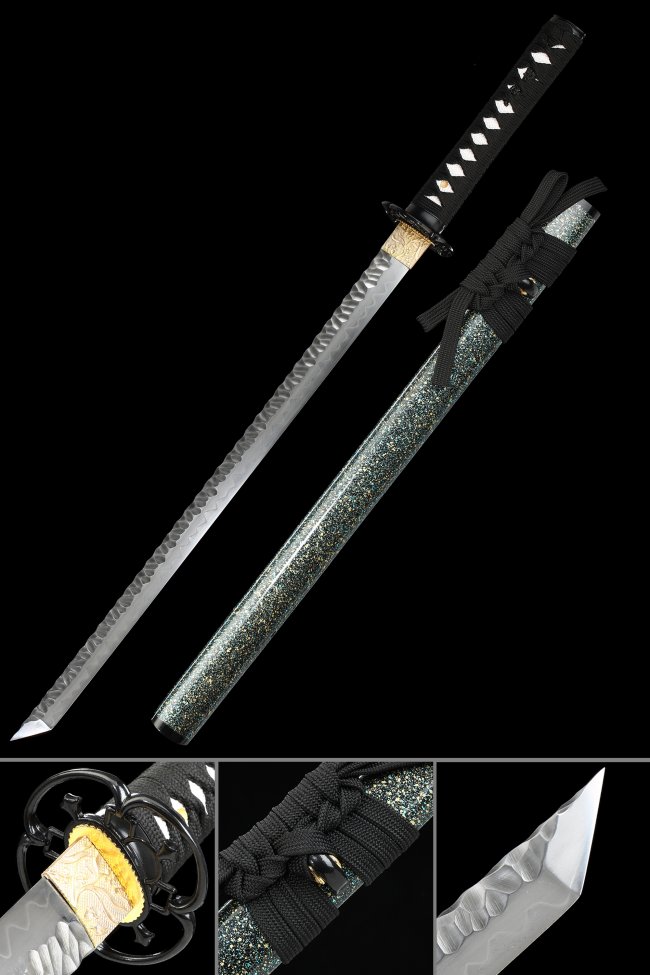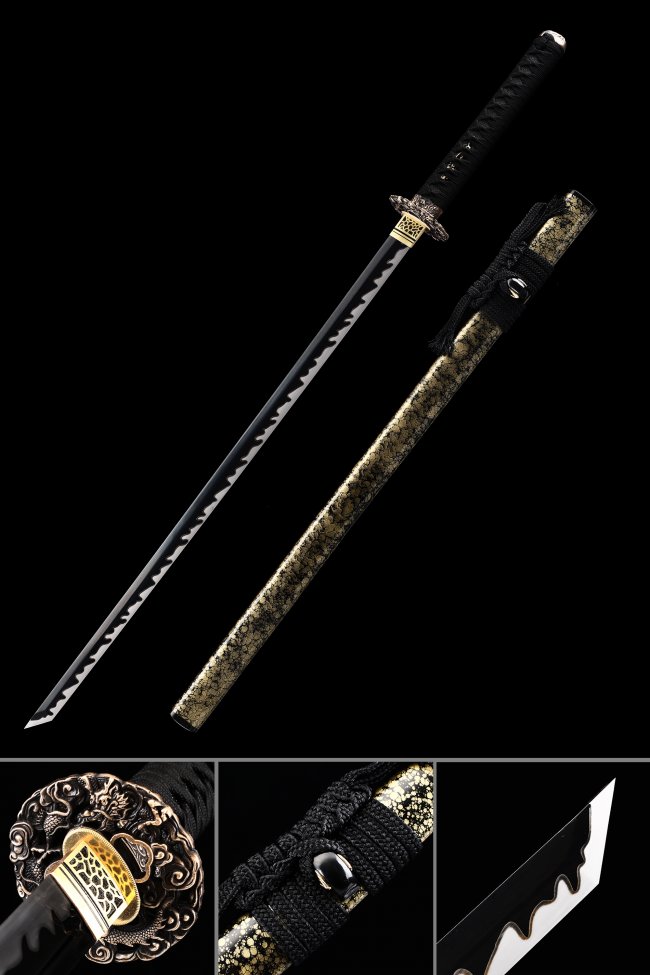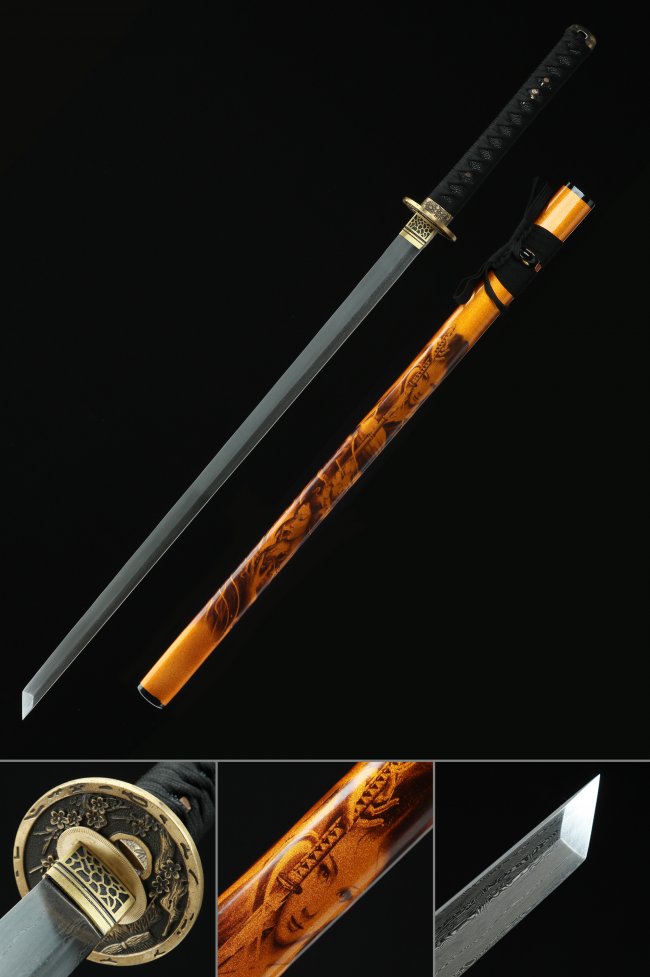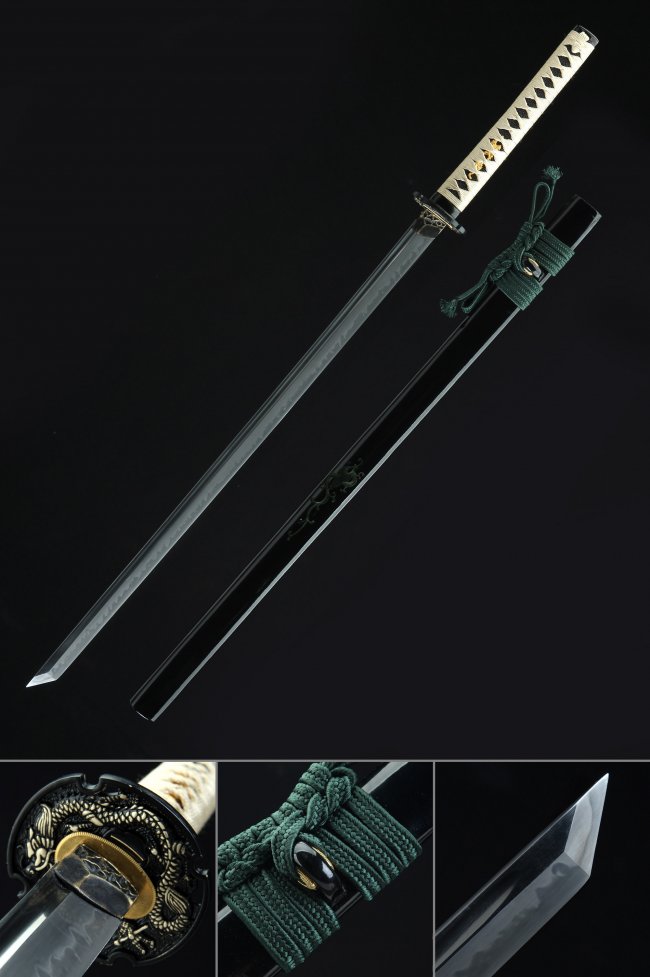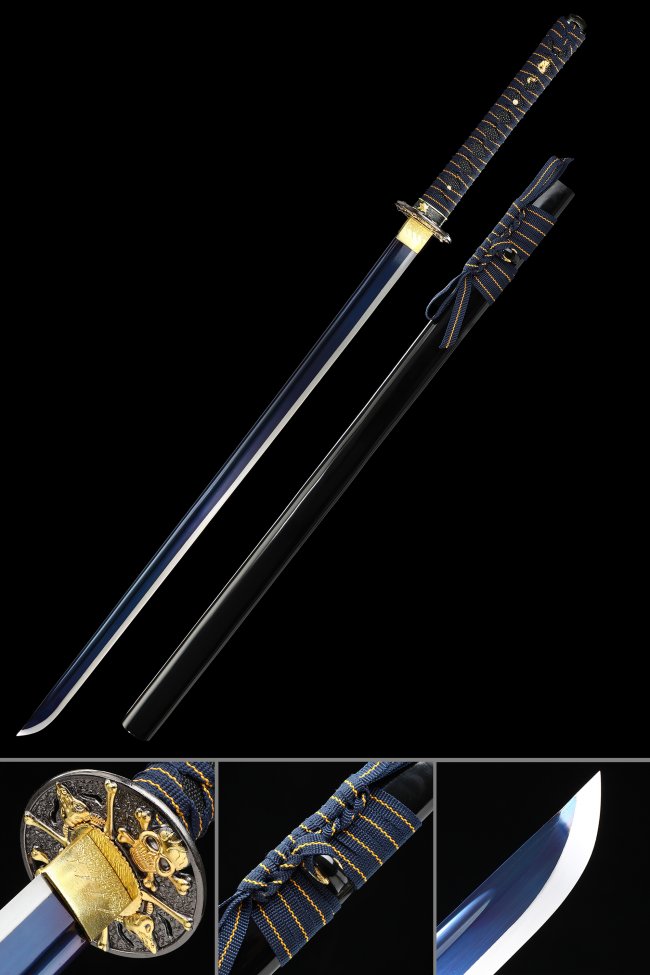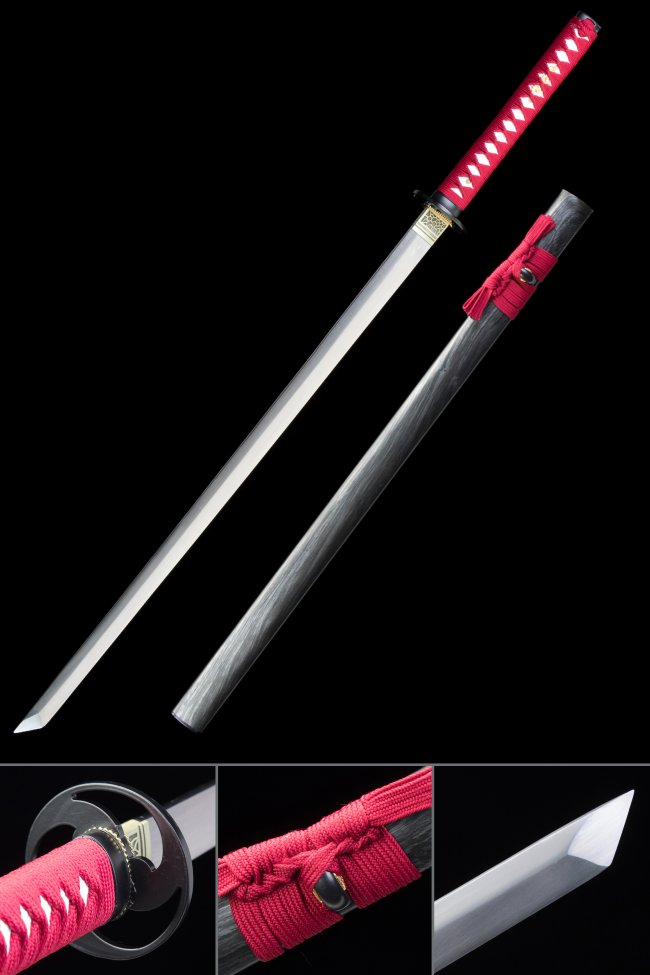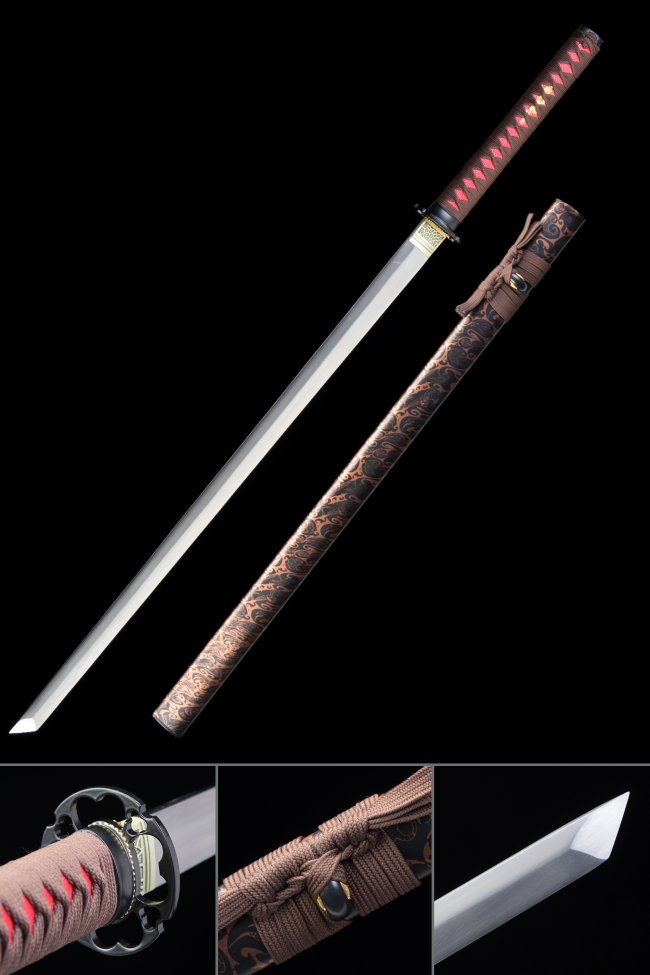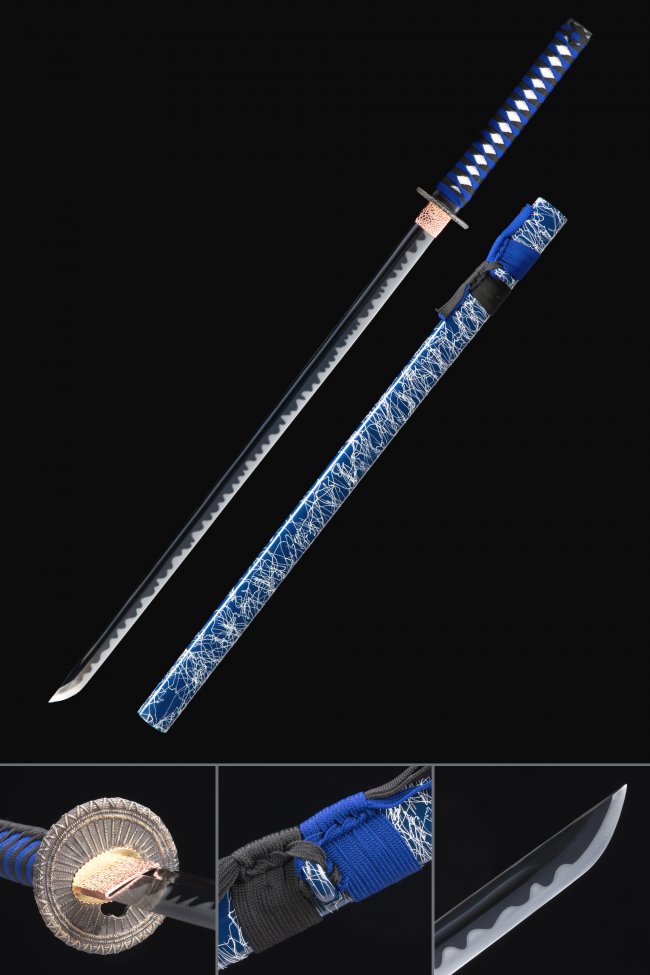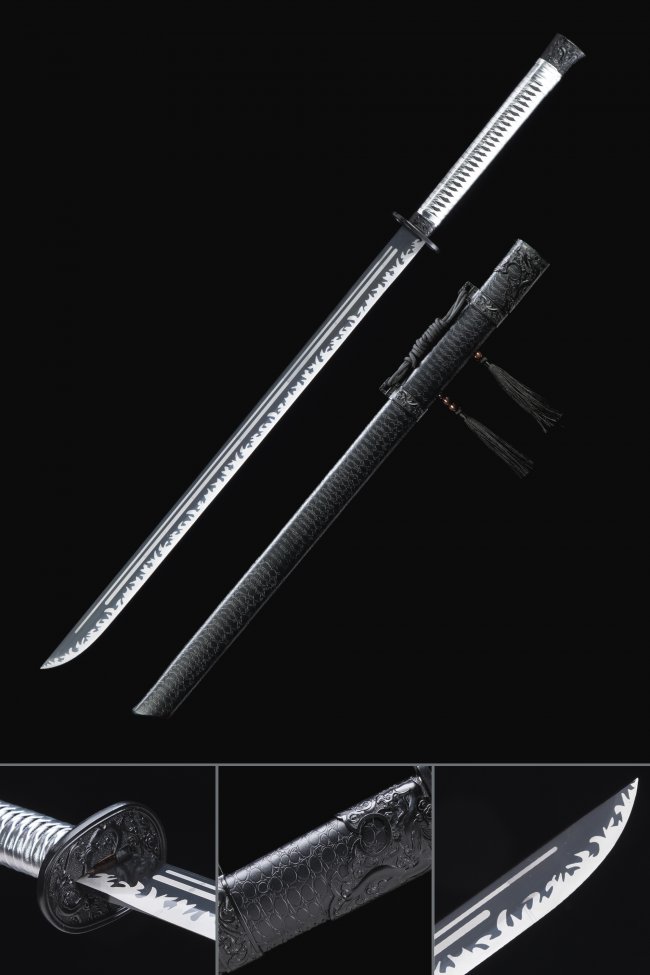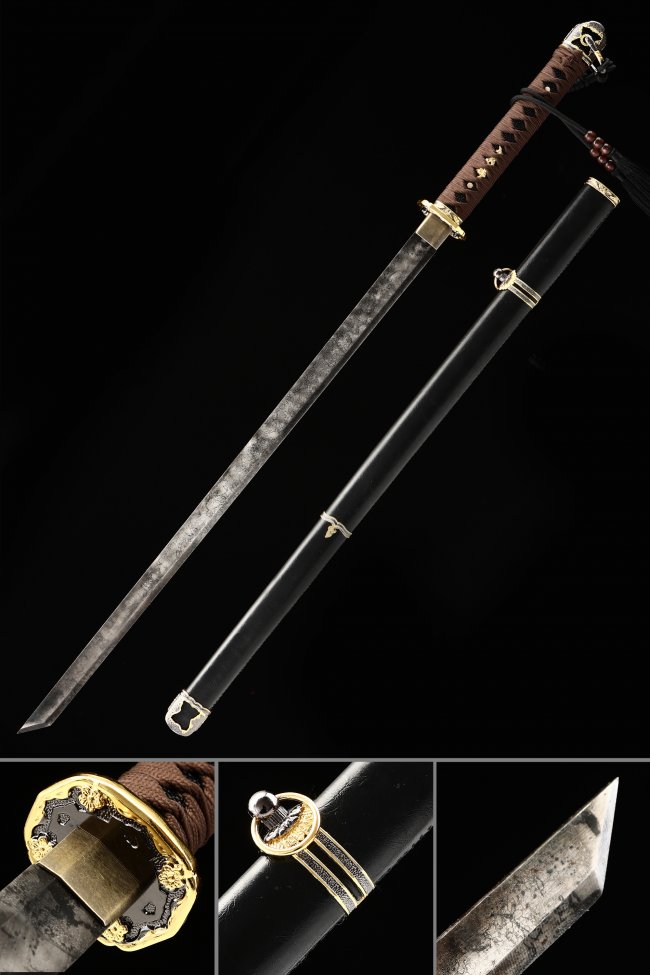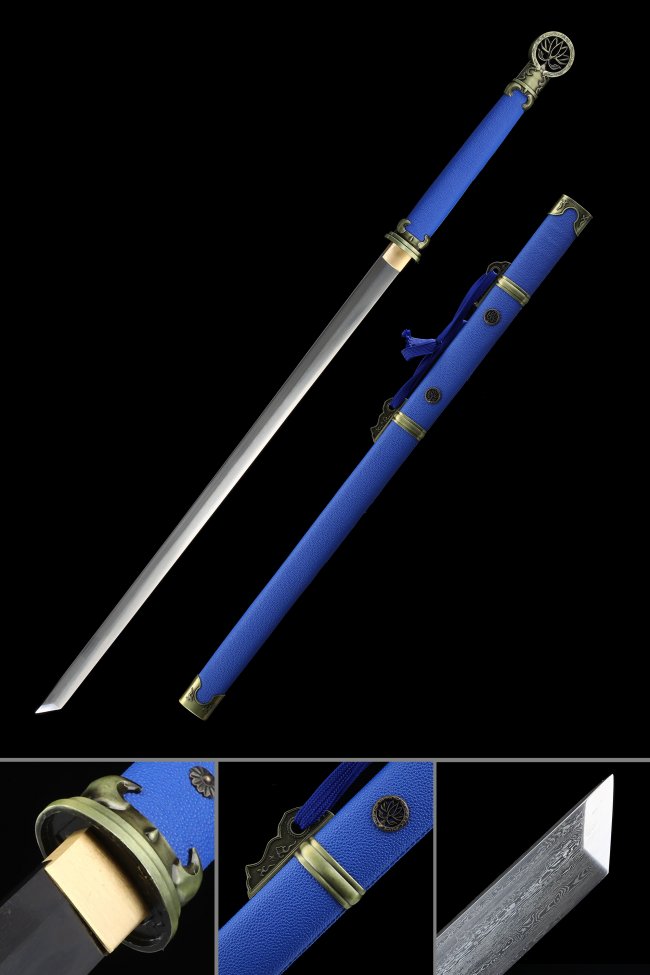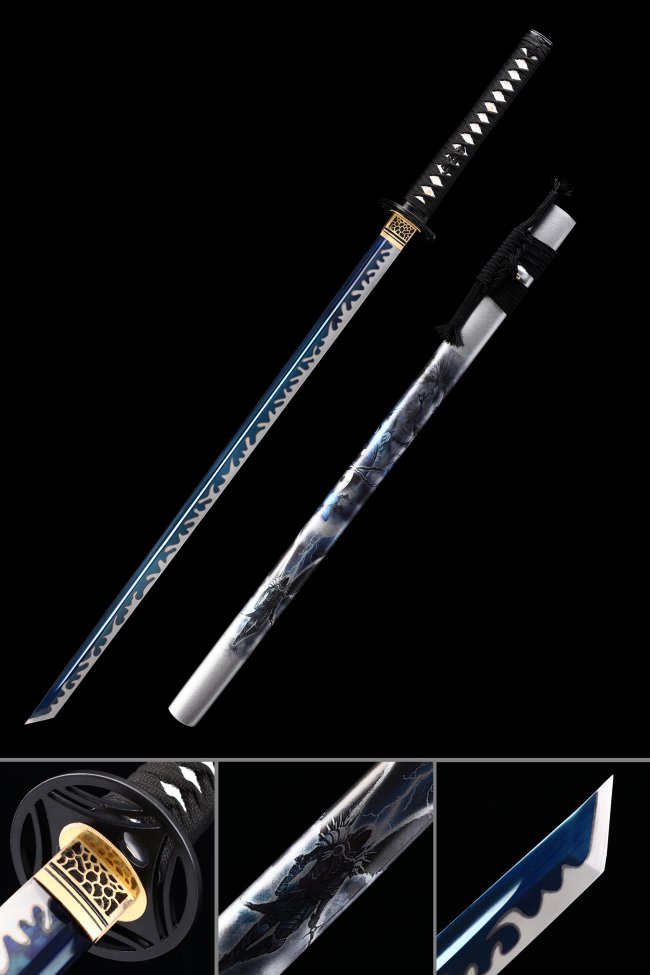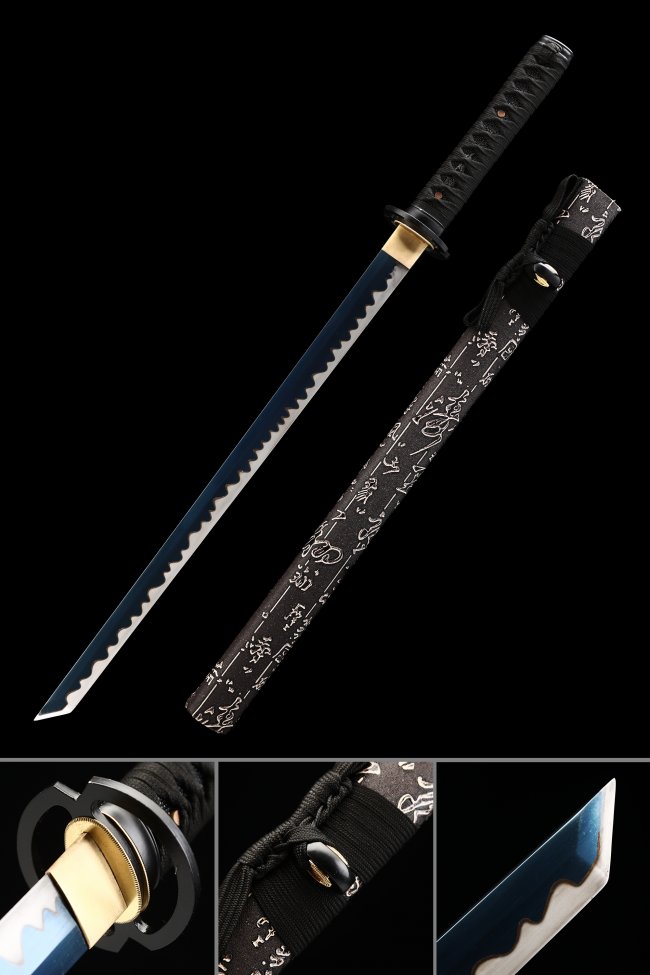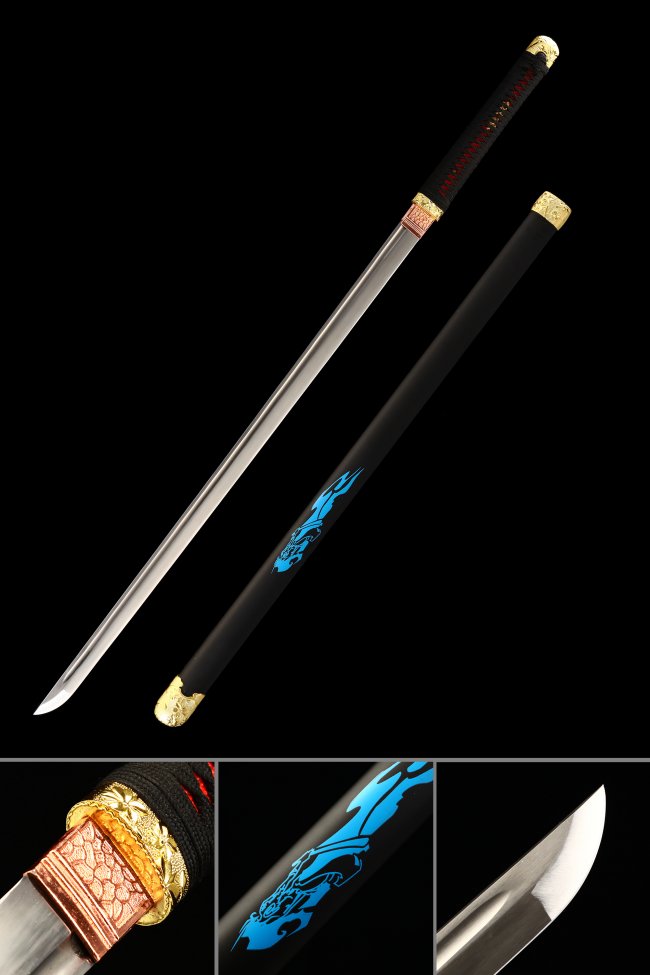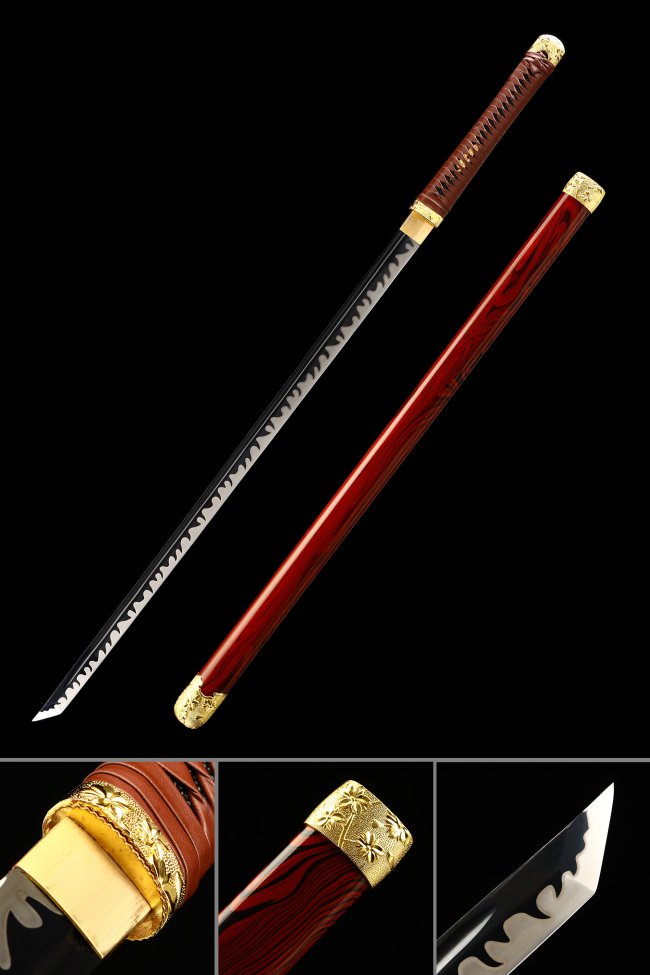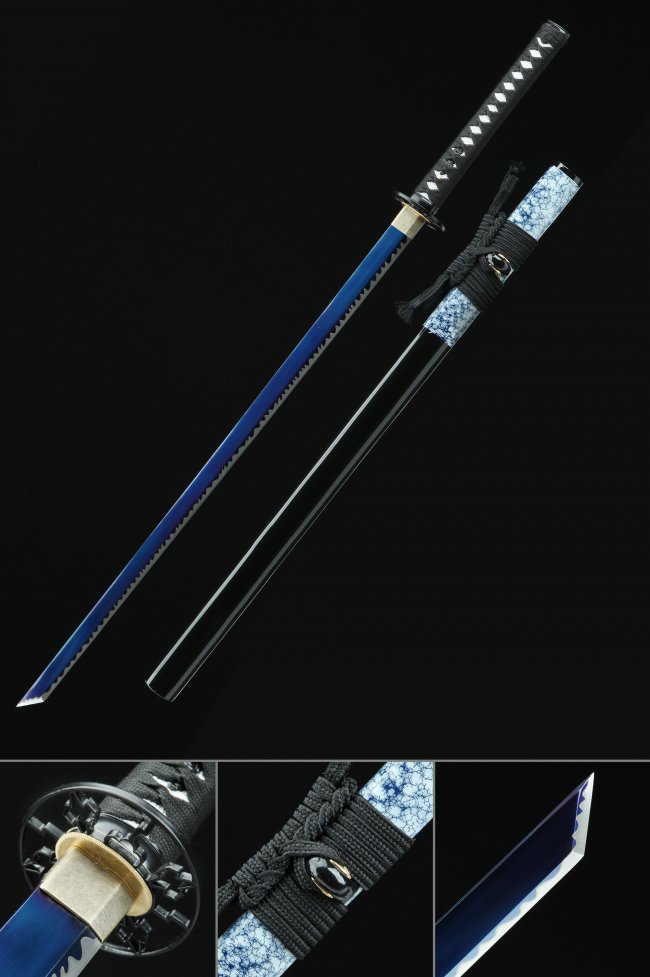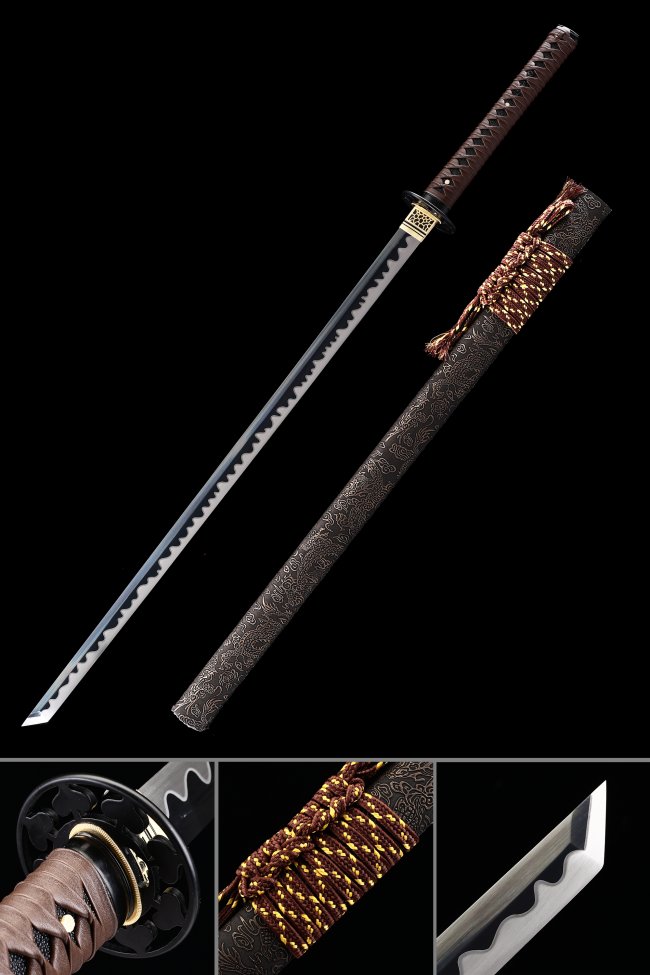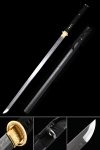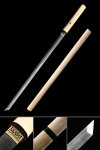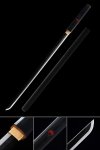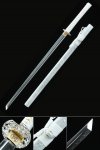
Authentic Ninjato

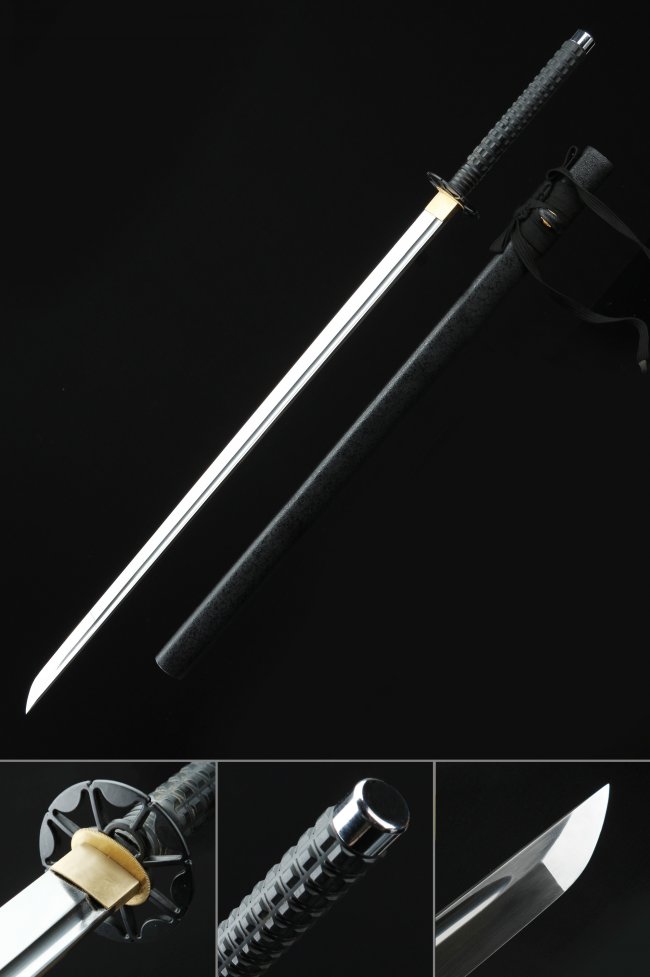
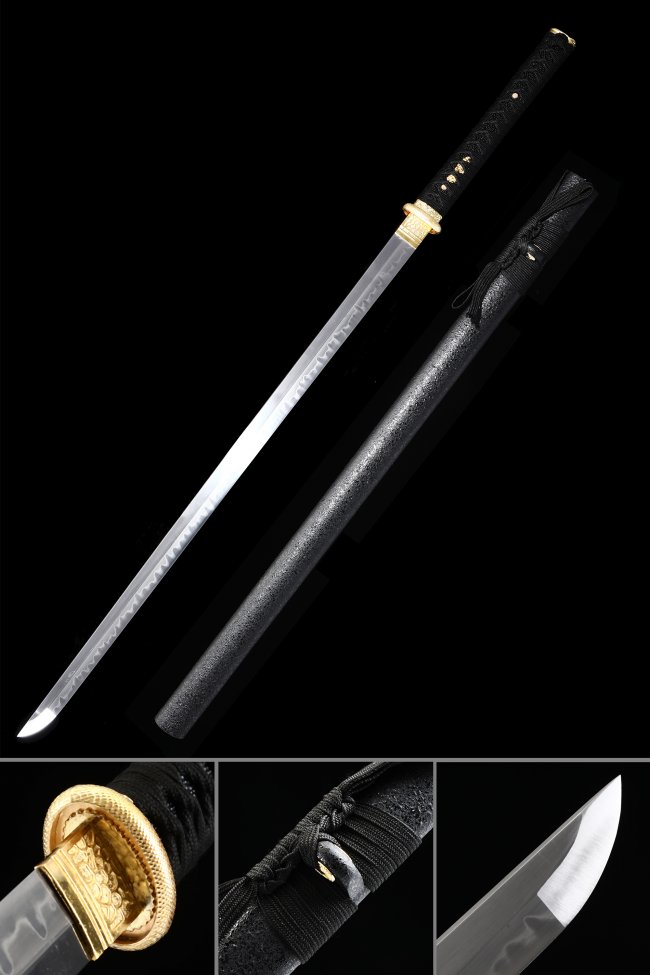
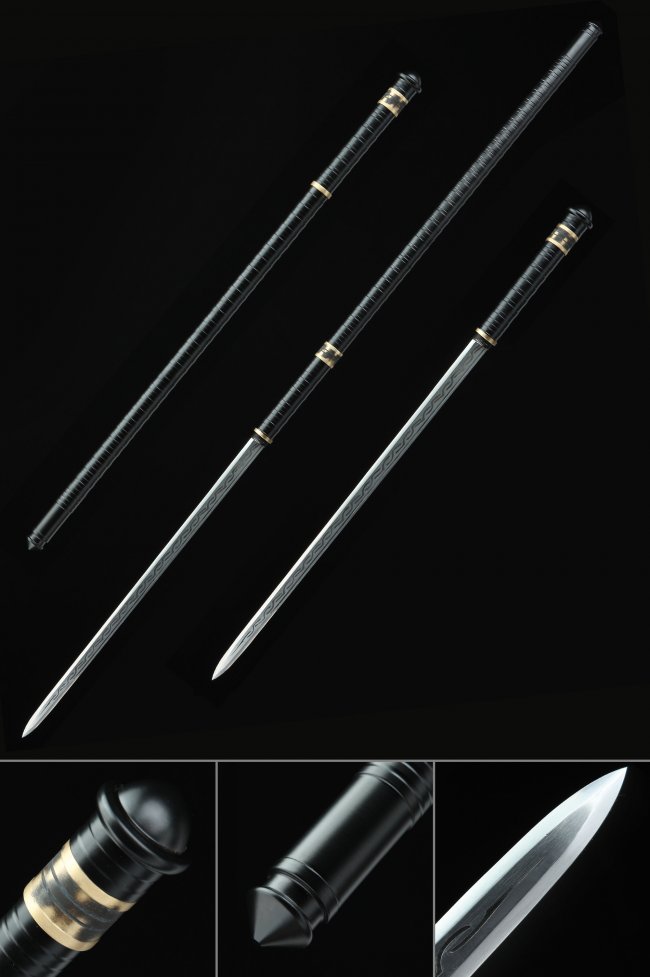
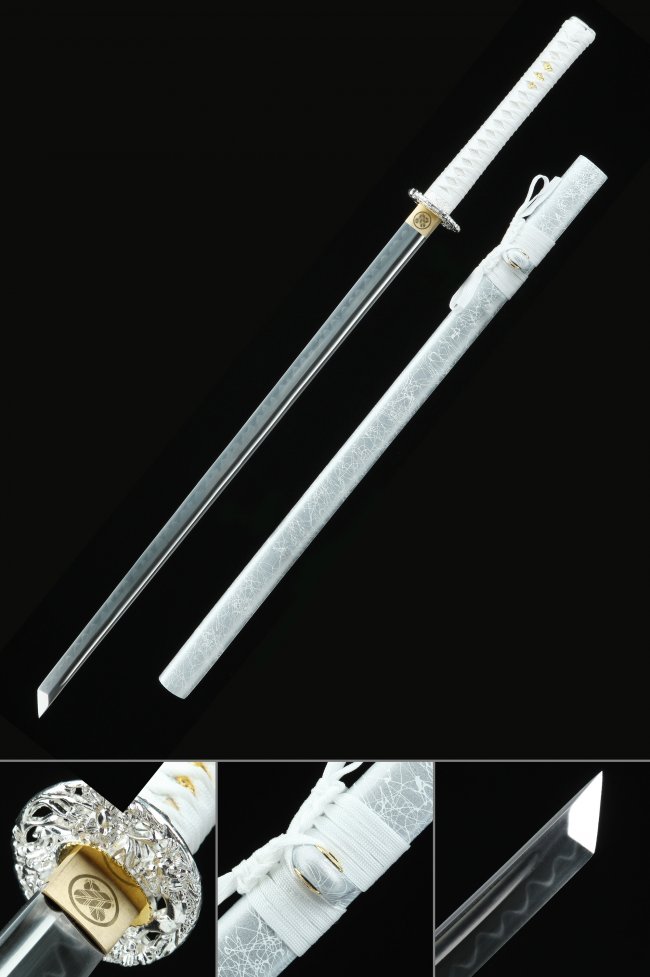
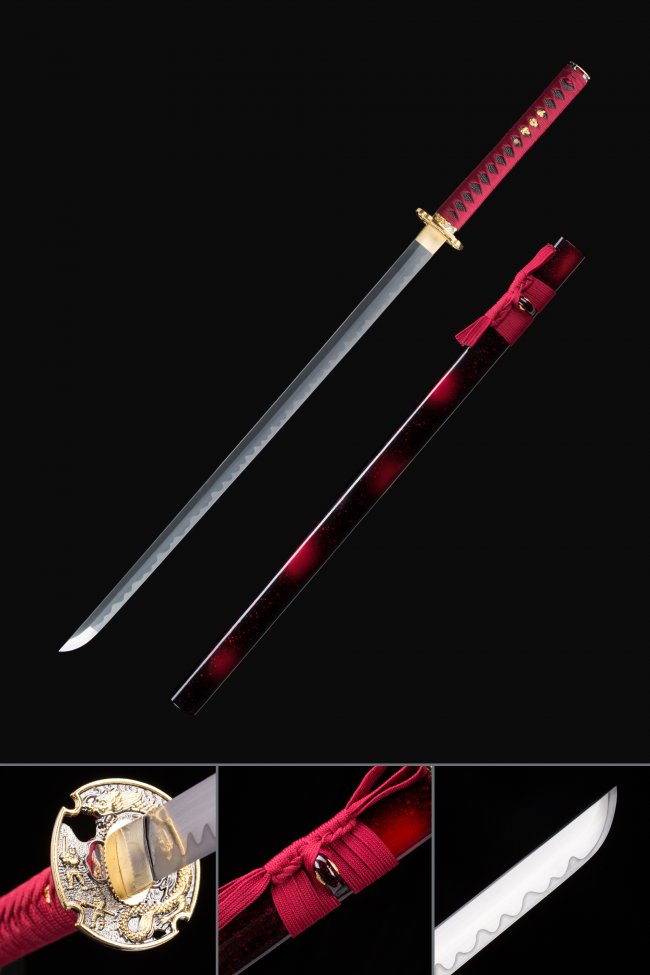
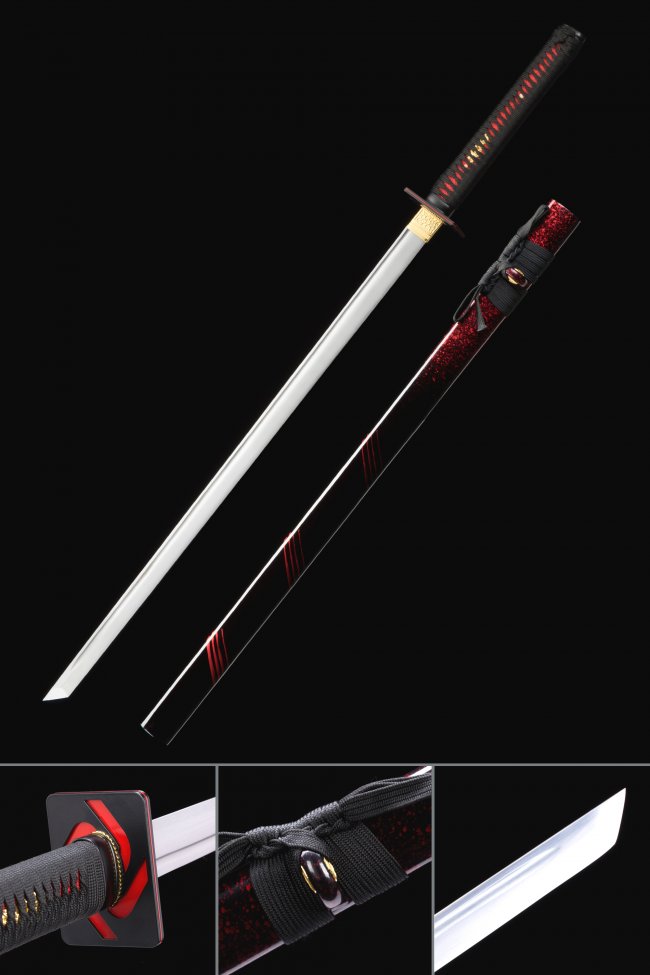
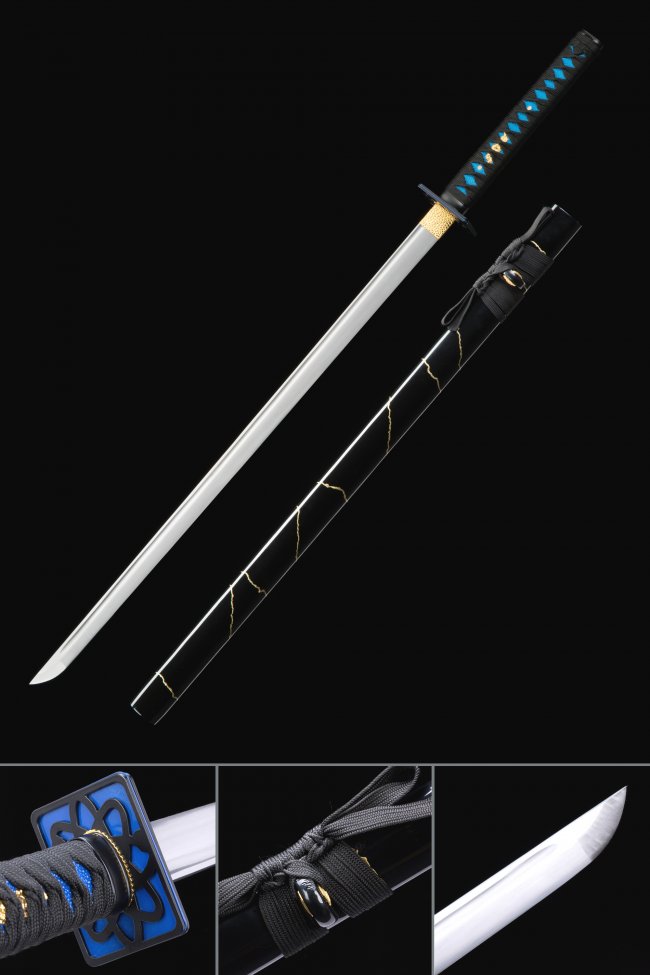
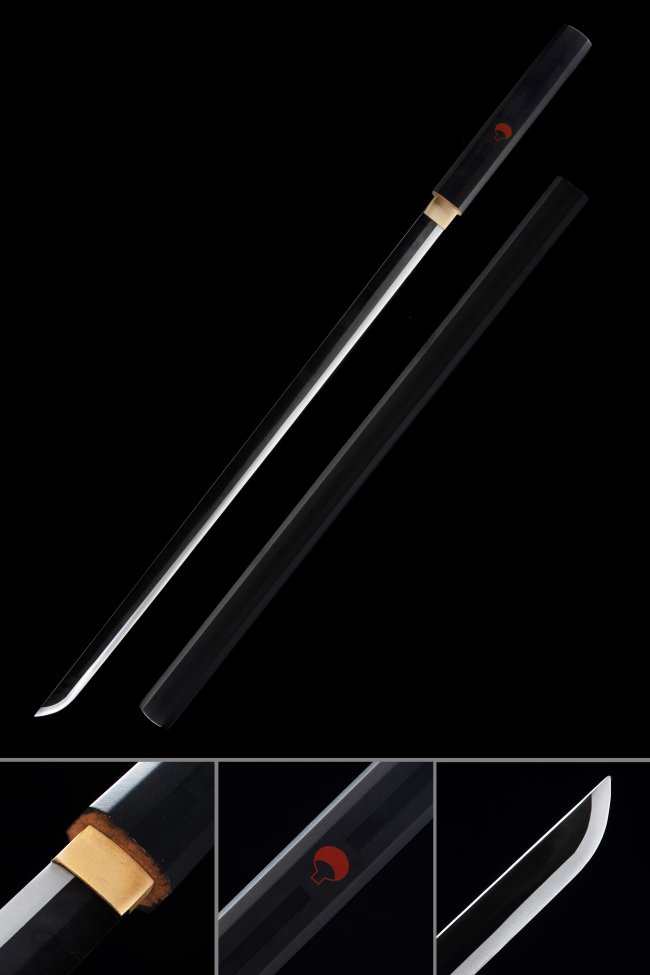
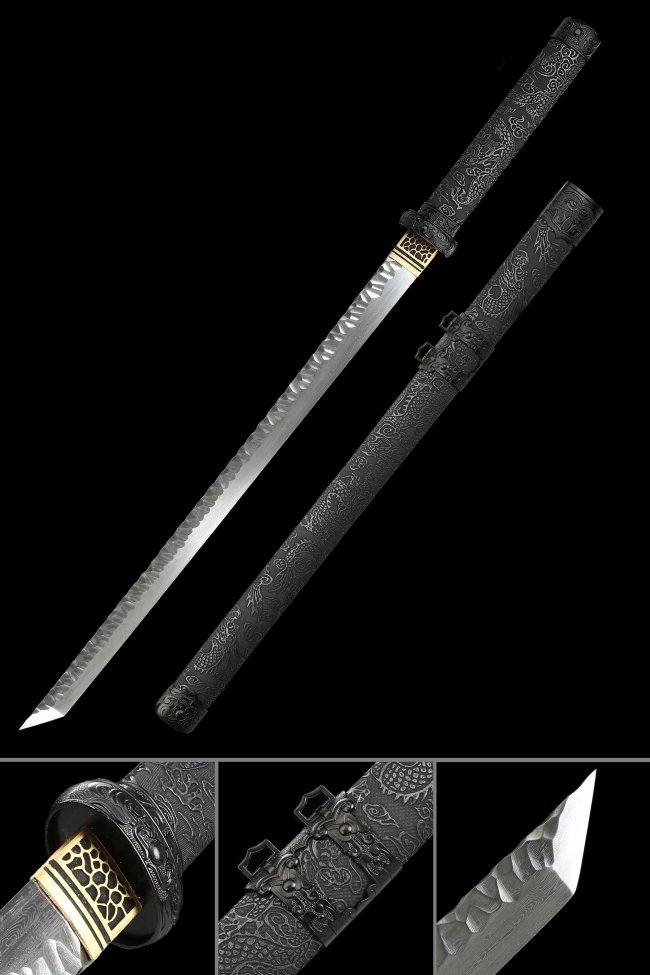
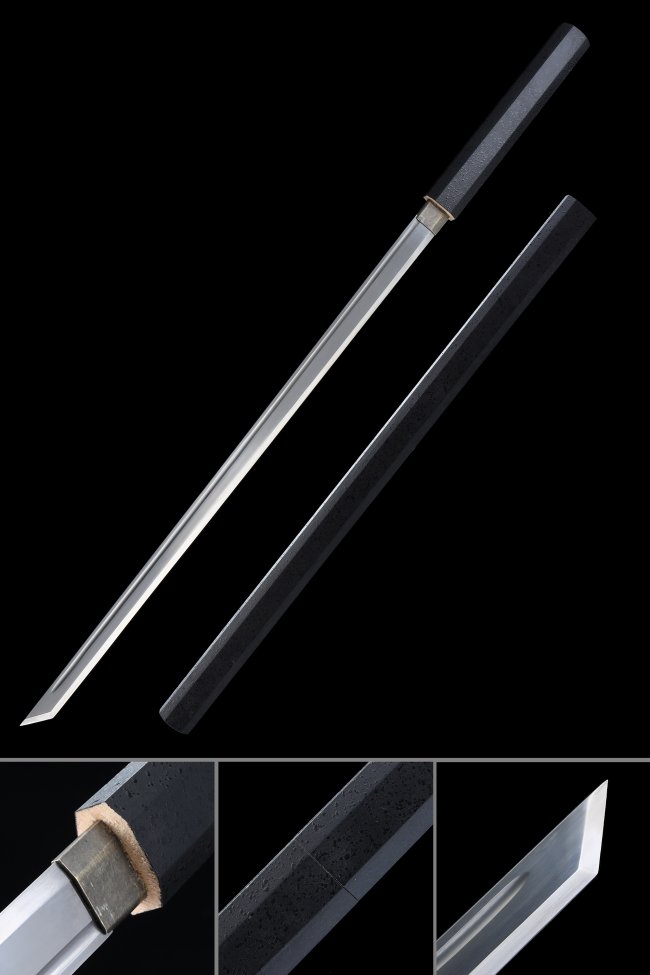
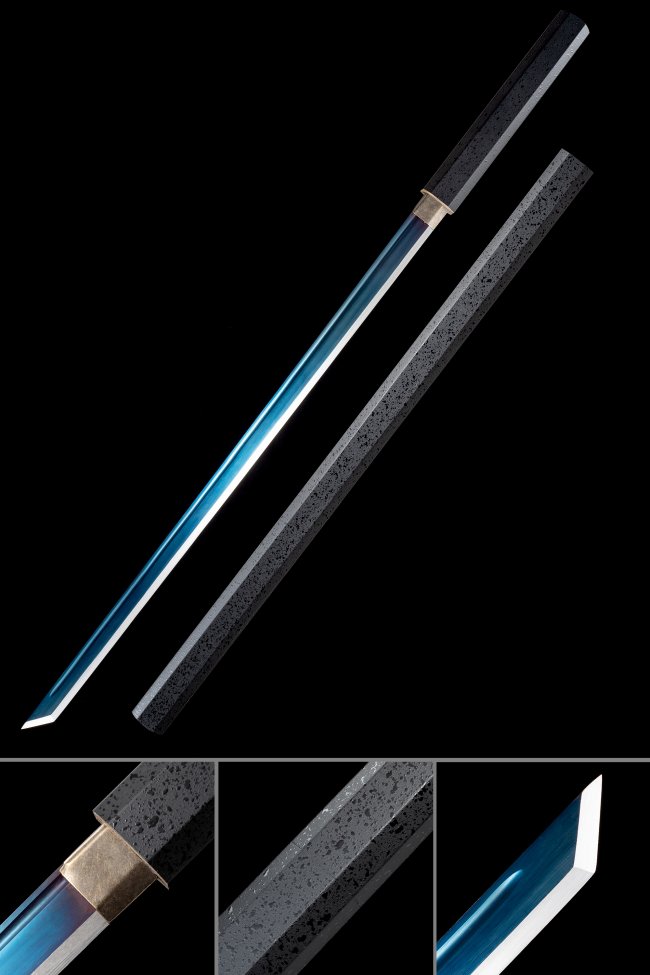
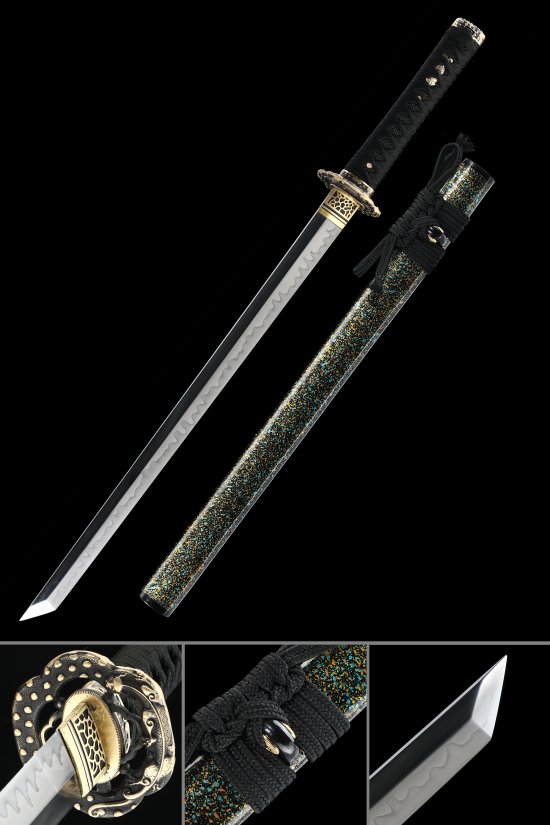
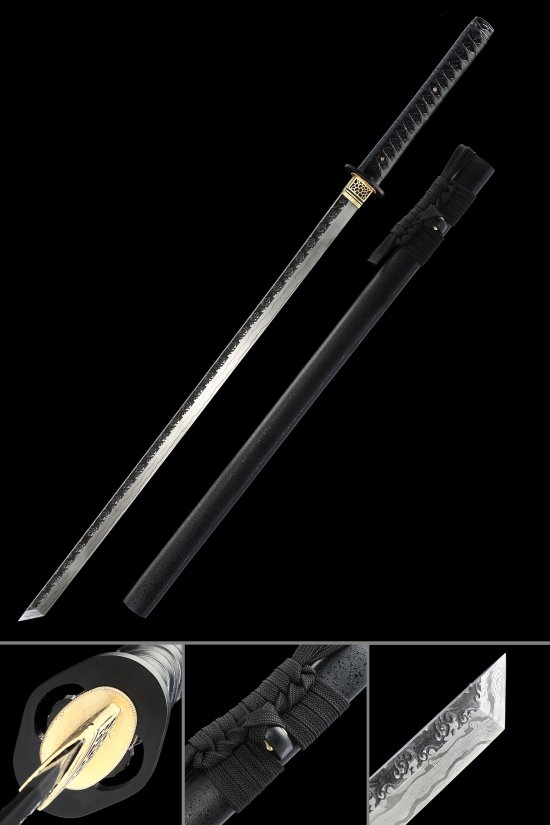
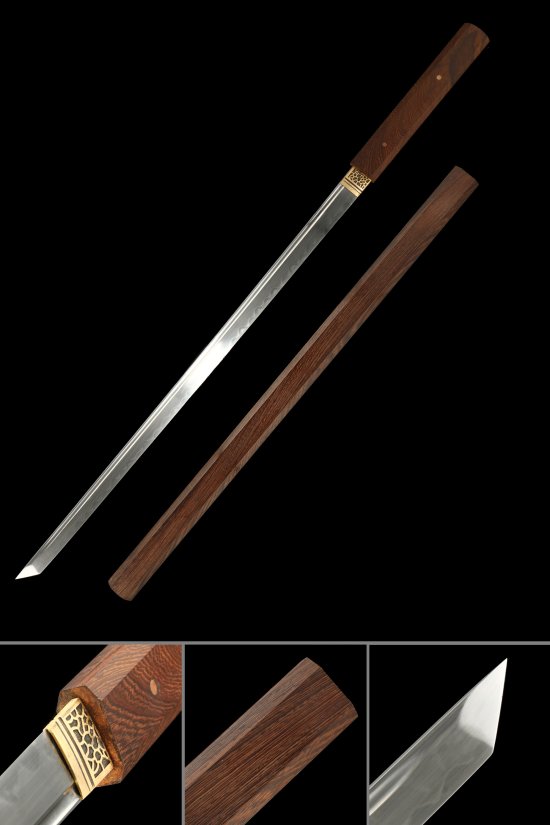
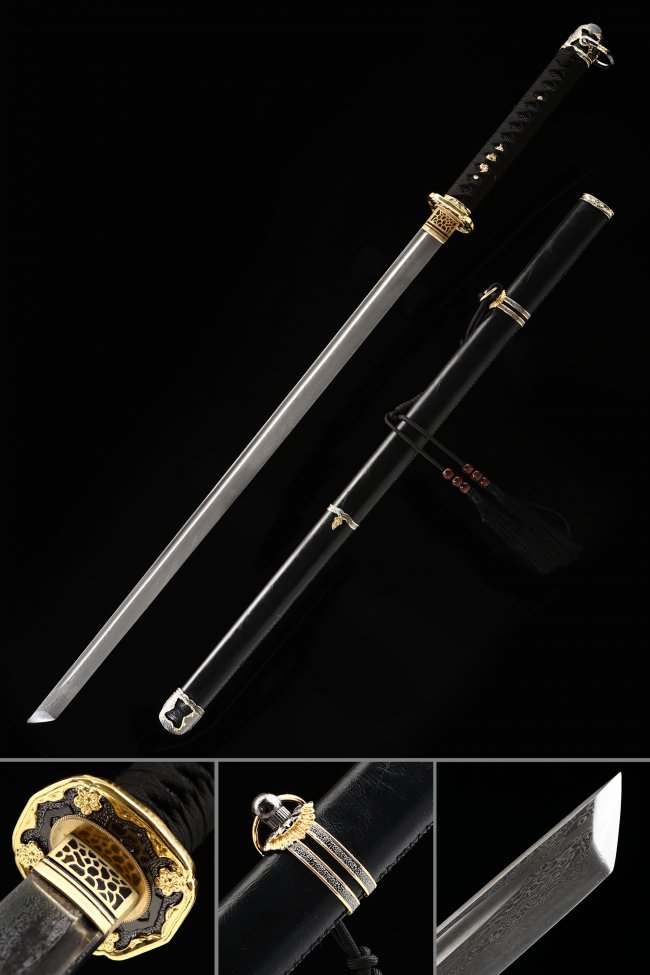
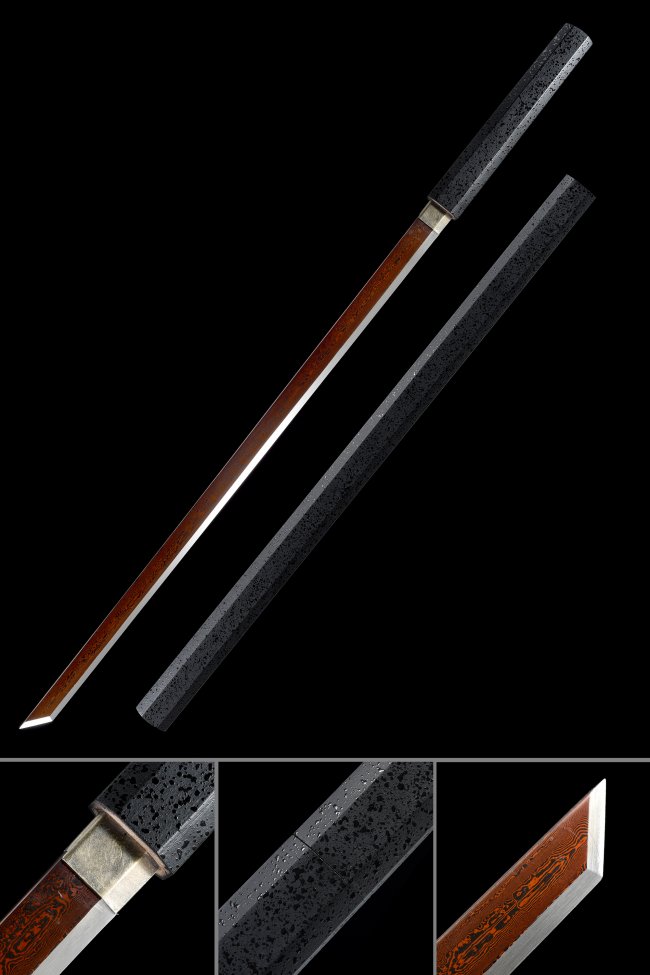
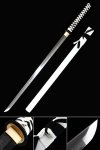
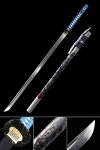
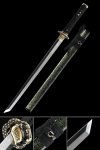
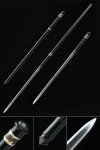
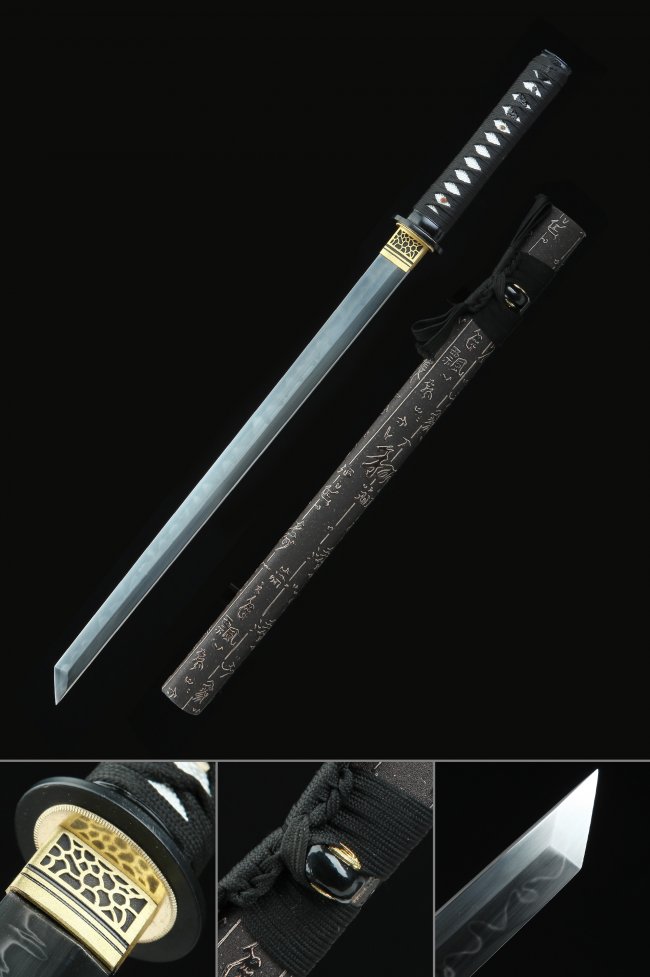
Welcome to our collection of authentic ninjato weapons, featuring genuine ninja swords crafted with traditional methods and modern precision. Whether you're seeking a battle ready ninjato for cutting practice, a display piece for your collection, or a historically inspired blade, we offer an extensive selection of hand forged ninjato in various steel types including T10 carbon steel, Damascus steel, 1095 carbon steel, and more. Each ninja sword features a distinctive straight blade design that sets it apart from curved alternatives, along with customizable handle colors, tsuba designs, and scabbard options. Browse our curated collection to find the perfect straight blade ninjato that matches your preferences and intended use.

Showing 113 Products

Related Collections

Sharp Katana26 items


30 Reviews

Authentic Tanto104 items


250 Reviews

Authentic Wakizashi103 items


367 Reviews

handforged katana128 items


1194 Reviews

Frequently Asked Questions

What is an authentic ninjato and how is it different from a katana?

The ninjato and katana represent two distinctly different weapons reflecting the divergent martial philosophies of the warriors who wielded them. A real ninjato features a straight blade, while katana are characterized by their curved, graceful arc. This fundamental difference in blade geometry reflects opposing combat philosophies and application contexts. The katana was the weapon of the samurai warrior class, emphasizing aesthetic refinement, ceremonial significance, and the complex martial codes of honor that governed samurai society. The blade's curve enhanced cutting power through leverage and maintained cultural traditions spanning centuries. In contrast, the ninja sword prioritized practicality, efficiency, and rapid effectiveness in situations where traditional samurai values did not apply.

The straight blade ninjato design offers distinct tactical advantages in the context of ninja warfare. Straight blades excel at thrusting, critical in close-quarters encounters where extended reach and penetrating power matter more than curved cutting arcs. The straight geometry also facilitates faster drawing from the scabbard and simpler maintenance in field conditions where shininess and ornamental elements would compromise stealth and functionality. A hand forged ninjato maintains this historical emphasis on practical effectiveness above ceremonial refinement.

Beyond blade geometry, the ninjato and katana differ in cultural significance and construction philosophy. Katana blades typically range from 28 to 32 inches in length, creating weapons optimized for samurai combat techniques and two-handed sword forms. A ninja sword typically measures 24 to 30 inches, providing greater versatility in confined spaces and allowing one-handed or two-handed applications depending on circumstances. The tsuka (handle) of a ninjato is often proportionately shorter than a katana's, reflecting different grip preferences and combat techniques. Tsuba designs differ as well, with katana often featuring more elaborate artistic work reflecting their role as symbols of status and pride, while ninjato tsuba emphasis functionality, though beautiful options like dragon tsuba ninjato demonstrate that authentic weapons need not lack aesthetic appeal.

The historical context further distinguishes these weapons. Katana were carried openly as symbols of samurai status, their blades carefully maintained and individually named or noted for their quality. Ninjato were tools of warfare carried concealed, valued for their effectiveness rather than their fame or the prestige of their makers. This distinction persists in modern recreation, where serious practitioners and collectors recognize the ninjato as a weapon type worthy of its own study and appreciation, not merely as a shorter alternative to the more famous katana.

Understanding these differences helps explain why authentic ninjato deserve dedicated attention and why they command a devoted following among those who appreciate Japanese martial history and weapon design. The ninjato represents a path not taken by mainstream tradition, a weapon optimized for different circumstances and warriors with different priorities. Whether you're drawn to the historical authenticity, the practical design philosophy, or simply the aesthetic appeal of a straight blade ninjato, the weapon offers distinctive value unavailable from katana alternatives.

What steel types are available for ninjato?

The steel composition of your ninjato fundamentally determines its performance, maintenance requirements, durability, and suitability for specific applications. Understanding the characteristics of each available option helps ensure your purchase meets your needs and expectations. Modern ninjato are available in multiple steel formulations, each developed for different purposes and preferences.

T10 carbon steel represents the premium choice for those prioritizing edge retention and cutting performance. This high-carbon steel formulation is revered in Japanese blade-making circles for its ability to achieve and maintain an extremely sharp edge through extended use. T10 carbon steel ninjato excel in cutting practice, martial arts training, and applications where performance trumps maintenance convenience. The steel's high carbon content, combined with proper heat treatment and tempering, allows T10 blades to absorb significant impacts while maintaining cutting ability far longer than lower-carbon alternatives. The trade-off involves increased maintenance requirements—T10 carbon steel ninjato need protection from rust and require regular oil application to prevent corrosion. For serious practitioners and collectors who will invest time in proper care, T10 represents the performance standard.

1095 carbon steel ninjato offer similar performance characteristics to T10 with slightly different handling properties. The 1095 formulation provides excellent hardness and edge retention while being slightly more forgiving in terms of maintenance compared to T10. Battle ready ninjato in 1095 perform exceptionally well for cutting practice and martial training. The steel takes a sharp edge readily and maintains it through regular use. Like T10, 1095 carbon steel ninjato require active corrosion prevention and should not be left exposed or stored in humid conditions without protection.

1060 carbon steel ninjato represent a middle ground between hardness and flexibility, making them versatile choices for both training and display. The slightly lower carbon content compared to 1095 or T10 results in a blade that is slightly less hard but more forgiving when absorbing impacts. 1060 carbon steel ninjato maintain an excellent edge while being somewhat more resistant to chipping than harder steels. For beginners and those uncertain about their intended use, 1060 offers a balanced option that performs well in multiple contexts without demanding the precise technique and maintenance attention required by higher-carbon alternatives.

1045 carbon steel ninjato lean toward maximum flexibility and impact resistance, making them ideal for practitioners who anticipate hard use or impacts against targets that might damage harder blades. While 1045 cannot achieve the same edge sharpness as higher-carbon steels, it excels in scenarios where flexibility and resilience matter more than ultimate edge retention. Training practitioners sometimes prefer 1045 carbon steel ninjato because the increased flexibility reduces the risk of blade damage during practice, eliminating concerns about chips or breaks that could result from striking bone or harder materials.

Damascus steel ninjato represent premium options combining aesthetic artistry with practical performance. The distinctive laminated patterns created through traditional folding and hammer-welding techniques make each Damascus steel ninjato absolutely unique. Beyond appearance, the laminated construction provides performance benefits including excellent strength-to-weight ratios and superior edge retention resulting from the specific combination of hard and flexible steel layers. Damascus steel ninjato appeal to collectors, those seeking one-of-a-kind weapons, and practitioners who value both form and function. The premium pricing reflects the labor-intensive creation process and the visual uniqueness of each blade.

Pattern steel ninjato offer visual interest and superior performance compared to single-composition steels without the premium cost of full Damascus construction. Pattern steel, created through traditional forging and folding techniques, develops distinctive surface patterns through the process of shaping and heat treatment. These patterns indicate the layering and working of the steel, providing both aesthetic appeal and functional benefits. Pattern steel ninjato represent excellent choices for those seeking visual distinctiveness and solid performance at moderate pricing.

Manganese steel ninjato excel in situations where corrosion resistance and low-maintenance operation are priorities. The manganese alloy addition provides natural rust resistance without sacrificing performance as drastically as stainless steel alternatives. Manganese steel ninjato suit those in humid climates, coastal regions, or who prefer to invest minimal time in blade maintenance. The steel maintains acceptable edge retention while requiring far less protective care than high-carbon options.

Stainless steel ninjato represent the lowest-maintenance option for those prioritizing durability and corrosion resistance above maximum cutting performance. Stainless cannot achieve the same edge sharpness as high-carbon steels and does not maintain edge as long, but the natural corrosion resistance and minimal maintenance requirements make stainless an excellent choice for outdoor enthusiasts, those in challenging environments, or collectors who want to display their blades without constant attention. Some practitioners also select stainless steel ninjato for certain training applications where the lower maintenance burden justifies accepting reduced cutting performance.

Are ninjato historically accurate weapons?

The question of historical authenticity regarding ninjato is complex and requires distinguishing between what historical evidence suggests and what romantic tradition claims. The honest answer is that historical documentation of actual ninja weapons is surprisingly limited, creating ongoing debate among scholars and enthusiasts about what authentic ninjato truly represent. This uncertainty actually makes the study of the ninja sword more interesting, as researchers continue uncovering new evidence and challenging established assumptions.

Historical evidence confirms that ninja—covert warriors operating outside traditional samurai codes—definitely used straight blades and short swords. Archaeological finds and period documents reference these weapons, though detailed specifications are frequently absent. The straight blade design makes absolute historical sense given the ninja's combat context and priorities. Ninjas needed weapons optimized for close-quarters fighting, rapid deployment, and portability. A straight blade excels at all these applications, making it the logical choice for warriors whose effectiveness depended on speed, stealth, and brutal practicality rather than the ceremonial importance valued in samurai traditions.

However, many modern ninjato are not attempting to be precise historical reproductions. Instead, they represent modern interpretations of what ninja weapons might have been, based on historical evidence, logical design principles, and the actual performance characteristics needed for effective close-quarters weapons. These hand forged ninjato combine historical inspiration with modern materials science and craftsmanship techniques that produce superior blades compared to what would have been possible in ancient periods. A battle ready ninjato today performs better than historical weapons could have, while honoring the fundamental design philosophy that made straight-bladed ninja weapons effective.

The ninja themselves were practical people who adopted and adapted whatever weapons and techniques served their purposes. They would likely embrace modern improvements in metallurgy and craftsmanship if transported to today. The authentic ninjato should be understood as an evolution of historical concepts rather than rigid archaeological reproductions. This perspective allows appreciation for both the historical inspiration and the superior quality of contemporary blades.

Some ninjato manufacturers do pursue greater historical accuracy, studying available evidence and period weapons to guide their designs. These efforts have produced increasingly detailed understanding of historical ninja weapons and their characteristics. The result benefits all ninjato enthusiasts, as improved understanding informs better blade design regardless of whether a specific weapon emphasizes historical accuracy or contemporary performance.

What remains historically accurate about modern ninjato is the fundamental concept—a straight-bladed weapon optimized for the needs of warriors operating outside conventional warfare traditions. The ninja sword serves the same conceptual purpose today as it did historically, adapted for modern practitioners who value the weapon for its unique design, historical significance, or martial effectiveness. A real ninjato honors this heritage whether it's a museum-quality reproduction or a contemporary-designed blade built on historical principles.

Can I use an authentic ninjato for cutting practice?

Absolutely, and many practitioners specifically select their ninjato with cutting practice as the primary intended use. A battle ready ninjato designed for cutting represents an excellent training implement for those serious about developing sword technique and understanding blade performance. The straight blade design of a ninjato actually excels at cutting practice, offering different challenges and developing different skills compared to curved blade alternatives. The thrusting and linear cutting motions facilitated by the straight geometry create valuable training opportunities for practitioners seeking well-rounded martial development.

Not all ninjato are equally suited for cutting practice, however, so selection matters significantly. T10 carbon steel ninjato and 1095 carbon steel ninjato represent the optimal choices for serious cutting practitioners, as these steels take a sharp edge readily and maintain cutting ability through extended practice. Full tang construction is absolutely essential for cutting practice applications—any blade lacking full tang support risks structural failure under the stresses created by cutting, potentially resulting in separation between blade and handle at the worst possible moment. A full tang ninjato ensures the blade remains structurally integrated regardless of the impacts and stresses created by practice.

The sharpness level of your blade matters for the cutting practice you intend. A sharp ninjato comes ready for immediate use in cutting practice without requiring additional edge preparation. Some practitioners prefer semi-sharp blades that require honing before practice, as this allows customization of the edge according to their specific preferences and target materials. The edge sharpness directly impacts cutting efficiency and the physical feedback you receive during practice, so considering your preference helps guide selection.

Your target material selection should align with your blade choice. Soft targets like bamboo, water bottles, or specialized cutting paper represent safer practice materials that extend blade life and reduce wear. Harder targets like dense bamboo or bone challenge the blade more significantly but accelerate edge dulling and create greater stress on the blade structure. Beginners typically benefit from starting with softer targets while developing proper technique, progressing to more challenging materials as skill and confidence develop.

Regular maintenance becomes essential if you intend to use your ninjato for cutting practice. After each cutting session, clean the blade thoroughly and apply protective oil before storage. The cutting practice process exposes the blade to moisture and potential contaminants, accelerating rust development in high-carbon steels without proper care. Many serious practitioners maintain multiple blades, rotating them through practice sessions to allow recovery time and reduce individual blade wear. This approach extends the life of each blade while ensuring you always have a sharp blade available for training.

Clay tempered ninjato offer particular advantages for cutting practice, as the differential hardness created through the tempering process produces a blade that combines a hard, sharp edge with a slightly softer spine. This balance allows the edge to maintain sharpness through practice while the spine absorbs impacts without becoming brittle. The real hamon visible on clay tempered ninjato indicates these superior performance characteristics, making them excellent choices for practitioners planning regular cutting practice.

Consider starting with a less expensive option if you're new to cutting practice, allowing you to develop technique and understand your preferences without investing heavily in premium blades. As your practice advances and you understand what characteristics best suit your style, investing in higher-quality hand forged ninjato ensures your most-used blades offer peak performance. Many practitioners ultimately maintain a collection of blades at different price points, using different weapons for different purposes and contexts.

What does "full tang" mean in ninjato construction?

Full tang construction represents one of the most important quality indicators in ninjato design and directly impacts the blade's durability, reliability, and suitability for demanding applications. Understanding what full tang means and why it matters helps ensure your ninjato can handle the stresses and challenges you intend to subject it to. The concept is straightforward but its implications are significant.

The tang refers to the portion of the steel that extends from the blade into and through the handle. In a full tang ninjato, the steel extends the entire length of the handle, from the blade's base all the way through to where the handle ends. This continuous steel structure is then covered or wrapped with handle material (the tsuka), but the steel itself remains uninterrupted throughout. This construction method creates a blade and handle that function as a single unified structure, with stress distributed evenly across the entire weapon rather than concentrated at any single point.

In contrast, partial-tang designs feature steel that extends only partway into the handle, with wooden or other handle material filling the remainder of the tang area. These designs are structurally weaker because the junction between steel and handle materials becomes a stress point where failure can occur. Additionally, tang-only designs where the handle is mounted on the outside of the tang create even greater structural weakness. These alternative construction methods are typically used only in lower-quality reproductions or decorative pieces not intended for actual use.

Why does full tang matter so significantly? Every time you use your ninjato—whether for cutting practice, martial demonstrations, or even forceful practice strikes—the blade experiences significant stresses. The impact forces from cutting travel back through the blade and into the handle. A full tang ninjato distributes these stresses evenly across its entire length, preventing the dangerous stress concentrations that weaken weapons over time. With partial-tang construction, these same stresses concentrate at the junction between blade and handle, gradually loosening the connection and eventually resulting in catastrophic separation between blade and handle during use.

For a battle ready ninjato intended for actual cutting practice or martial training, full tang construction is not optional—it's essential. Any practitioner planning to use their blade actively should prioritize full tang construction as a non-negotiable feature. The risk of blade separation during an active cut or strike is simply too severe to accept partial-tang construction regardless of cost savings. Similarly, hand forged ninjato especially should feature full tang construction, as the advanced construction techniques used in hand forging are wasted if the blade cannot reliably remain attached to the handle.

Even for display-quality ninjato not intended for active use, full tang construction indicates superior overall craftsmanship and quality. A maker who employs full tang construction has committed to producing a blade capable of actual use, not merely a decorative replica. This commitment to structural integrity typically correlates with other quality indicators like proper heat treatment, superior steel, and refined finishing. When evaluating any authentic ninjato, examining whether the maker specifies full tang construction tells you a great deal about their overall approach to quality.

The structural superiority of full tang construction explains why quality blades universally employ this method. A full tang ninjato will outlast partial-tang alternatives by years or decades, remaining functional and reliable long after inferior construction methods have failed. Investing in full tang construction is investing in a blade that will serve its intended purposes reliably for generations, making it the only sensible choice for anyone serious about owning a functional ninjato.

What is clay tempering and why does it matter?

Clay tempering represents an advanced forging technique that produces superior performance characteristics and distinctive visual patterns on the blade. This traditional Japanese method creates ninjato with functional advantages while producing the beautiful visual markers that indicate the highest level of blade craftsmanship. Understanding clay tempering helps explain why some ninjato command premium prices and why experienced practitioners often specifically seek clay tempered ninjato.

The clay tempering process involves coating specific portions of the blade with clay of varying thicknesses before heat treatment. Typically, thicker clay is applied to the spine while thinner clay covers the edge. This selective insulation prevents uniform cooling, creating areas of different hardness levels as the heated blade cools. The edge cools faster and becomes harder, enabling superior edge retention. The spine cools more slowly due to the thicker clay insulation, remaining slightly softer and more flexible. This combination—a hard edge capable of maintaining sharpness plus a flexible spine capable of absorbing impacts—represents the optimal performance profile for a functional sword.

The functional benefits are significant and directly impact how the blade performs in real use. A clay tempered ninjato maintains its sharpness longer than uniformly hardened alternatives, reducing the frequency of sharpening sessions required for practitioners. The flexible spine prevents the brittleness problems that plague blades hardened uniformly throughout—such blades risk chipping or breaking when the blade flexes and hard material cannot accommodate the stress. Clay tempering creates a blade engineered for actual use, not merely for appearance.

Real hamon represents the visual marker of clay tempering, appearing as a distinctive pattern along the edge where the hardness transition creates microscopically rough texture that catches light differently from the blade's smoother surface. The hamon's specific appearance—wavy, straight, or featuring various patterns—indicates the particular clay tempering and shaping technique employed. Viewing the hamon provides tactile and visual evidence of the tempering process and indicates a blade created using advanced traditional techniques.

Clay tempered ninjato typically command premium prices compared to uniformly hardened blades because the process is labor-intensive and requires significant skill to execute properly. Inconsistent tempering creates blades that are not properly hardened or become too brittle. Experienced smiths who consistently produce excellent results are in high demand, and their work reflects years or decades of mastery. When you purchase a clay tempered ninjato, you're not just buying superior performance—you're supporting master craftspeople and preserving traditional techniques that might otherwise be lost.

The distinctive appearance created by clay tempering makes these blades visually striking. The hamon can be subtle or dramatic depending on the technique employed, and some smiths develop distinctive hamon patterns that serve as signatures identifying their work. Collectors often seek specific smith's work based on their hamon patterns and techniques, building collections around the work of master craftspeople they admire. The hamon transforms a functional blade into an artwork, appealing to those who value both performance and aesthetics.

Not all ninjato employ clay tempering—some use modern heat treatment techniques that produce uniformly hardened blades offering different performance characteristics. A hand forged ninjato may or may not feature clay tempering depending on the maker's approach. Those specifically seeking real hamon and the performance benefits associated with clay tempering should verify that their blade employs this technique before purchase. For practitioners prioritizing maximum cutting performance and durability, clay tempered ninjato represent the gold standard.

Can I buy a matched ninjato and tanto set?

Yes, matched weapon sets represent an excellent option for collectors and practitioners seeking complementary blades with coordinated aesthetics. The concept of matched sets draws from historical Japanese martial tradition, where warriors often carried two swords—a longer blade and a shorter companion blade. Creating coordinated sets with matching handle colors, tsuba designs, and scabbard materials produces visually harmonious pairs that function well together as complementary weapons.

A tanto represents a short blade typically measuring 7 to 12 inches in length, traditionally carried as a companion to longer weapons. Pairing a ninjato with a matching tanto creates a versatile combination—the ninjato handles larger-distance engagement while the tanto provides close-quarters capability. The straight blade of the ninjato pairs well with the straight-bladed tanto that maintains design consistency between the paired weapons. This combination echoes historical traditions while providing practical versatility for practitioners interested in multiple blade forms.

Matched sets offer several advantages beyond aesthetic coordination. Purchasing together typically costs less than buying identical pieces separately, as makers often offer set pricing to encourage comprehensive purchases. The coordinated customization—identical handle colors, complementary tsuba designs, matching scabbard materials—creates a cohesive visual presentation suitable for display or martial practice where blade consistency matters. Sets also ensure both blades employ consistent steel types and quality standards, allowing practitioners to develop familiarity with a particular steel's characteristics across different blade lengths.

When commissioning or selecting a matched set, communicate your preferences clearly regarding handle color, tsuba design, scabbard material, and steel type. Some makers offer predetermined set configurations, while others allow complete customization. Complete customization requires slightly longer lead time and typically costs marginally more, but results in sets perfectly matched to your specifications. Whether you select a predetermined combination or customize completely, ensure both blades are hand forged ninjato and tanto featuring full tang construction and your preferred steel type.

Matched sets suit multiple use cases. Collectors appreciate the coordinated visual presentation and the way matched pieces create impressive displays. Martial practitioners benefit from the complementary capabilities—practicing with both weapons develops well-rounded technique applicable to various engagement distances, strengthening adaptability and tactical awareness in training scenarios that demand quick, fluid transitions between blade lengths during dynamic practice. Those studying historical martial traditions appreciate the connection between matched sets and historical warrior practice, gaining deeper insight into traditional combat methodology. Whatever your motivation, matched sets represent an excellent way to develop a coordinated collection reflecting your personal aesthetics and martial interests.

How much does a quality authentic ninjato cost?

The price of an authentic ninjato varies significantly based on blade construction, steel type, customization options, and maker reputation. Understanding the pricing structure helps ensure you invest appropriately for your needs and understand what different price points represent in terms of quality and capability. The wide range of options ensures quality blades exist at multiple budget levels.

Entry-level ninjato start around $200-400 and typically represent functional blades in basic steel types like 1045 or 1060 carbon steel with standard handle and scabbard options. These blades offer genuine functionality suitable for beginning practitioners and collectors operating under budget constraints. Battle ready ninjato at this price point provide adequate cutting performance for training purposes, though they may require more frequent maintenance and sharpening. Limited customization options characterize entry-level pricing, though basic handle color and tsuba selection typically remain available.
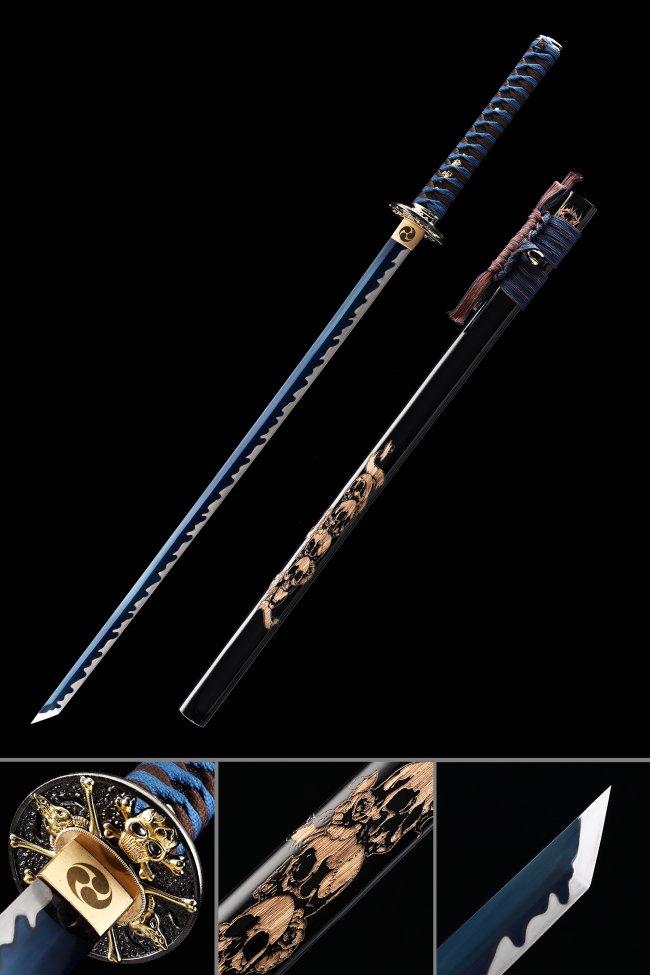
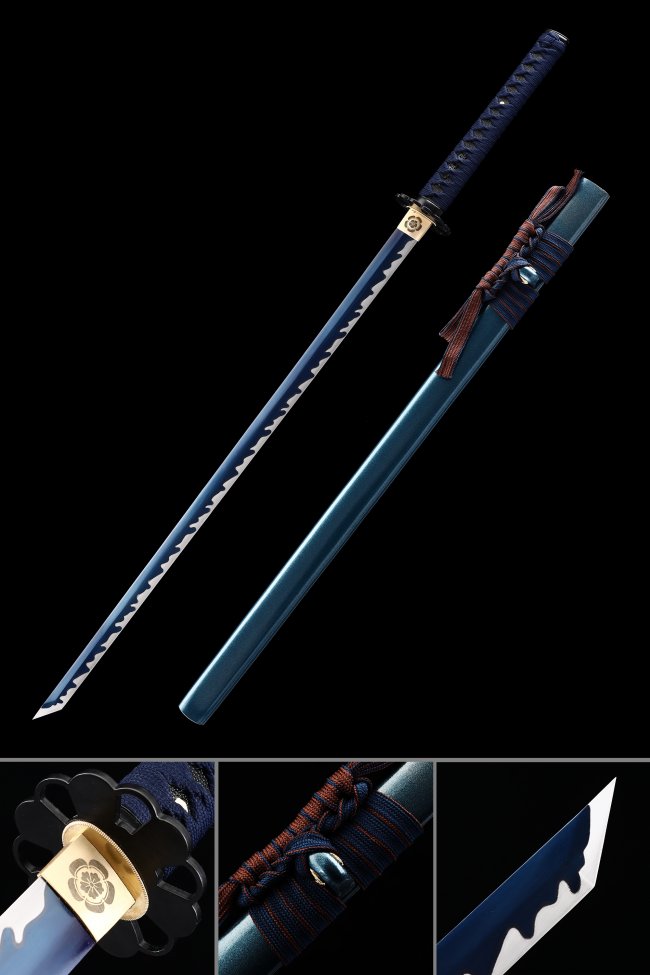
Mid-range authentic ninjato priced $400-800 represent the sweet spot for most practitioners, offering high carbon steel (typically T10 or 1095), full tang construction, and moderate customization options. Hand forged ninjato at this price level generally feature superior construction compared to entry-level alternatives while remaining accessible to practitioners with modest budgets. The mid-range includes many options with clay tempering, real hamon, and more extensive customization selections. Most serious practitioners find their primary blades in this range, balancing performance, appearance, and value.

Premium ninjato priced $800-1500 feature exceptional construction, superior steels, extensive customization options, and often the work of recognized master smiths. Damascus steel ninjato and pattern steel ninjato typically fall into this category, as does any blade with advanced construction features like particularly fine clay tempering or exceptional hamon. Collectors with moderate budgets and serious practitioners with specific performance requirements often invest at this level, receiving blades that balance outstanding quality with reasonable cost.

High-end custom ninjato exceeding $1500 represent the pinnacle of craftsmanship, often commissioned directly from master smiths with extended waiting periods. These blades feature bespoke customization, exceptional materials, and the maker's personal attention to every detail. Some renowned smiths command prices exceeding $3000-5000 for individual blades, particularly pieces featuring exceptional Damascus construction, elaborate decoration, or the maker's unique artistic vision. These investments suit dedicated collectors, those seeking truly unique weapons, and practitioners willing to wait extended periods for absolute peak quality.

Understand that higher price does not automatically guarantee better performance for your specific use case. A $600 high-carbon steel battle ready ninjato may outperform a $1500 Damascus blade for cutting practice, as performance depends on blade geometry and steel selection more than total cost. Conversely, Damascus steel ninjato provide visual uniqueness and artistic merit that justify premium pricing for collectors prioritizing aesthetics above raw cutting performance. Matching your budget to your actual needs and use case results in more satisfying purchases than simply purchasing the most expensive option available.

Additional costs beyond the blade itself should be considered. Professional sharpening services cost $30-60 per session. Specialized maintenance oils and tools represent modest costs. A sword stand suitable for display typically costs $50-200 depending on quality and materials. These supplementary costs are worthwhile investments that enhance both your enjoyment and the longevity of your blade, but should be factored into your total budget when evaluating overall investment.

What display options work best for ninjato?

Proper display transforms your ninjato from a tool stored in a closet into a focal point that receives appropriate visual appreciation and protection. Quality display options serve aesthetic purposes while also ensuring your blade remains protected from environmental damage and unintended mishandling. Whether you're displaying a single blade or an entire collection, numerous options exist to suit different spaces and aesthetic preferences.

Weapon stands represent the most direct display option, holding the ninjato horizontally or at an angle while keeping it safely supported. Traditional stands crafted from wood create an aesthetic presentation consistent with the blade's Japanese heritage. Wooden stands in various wood types from simple natural pine to premium rosewood or bamboo suit different aesthetic preferences and price ranges. Metal stands offer more modern aesthetics and extreme durability, while bamboo stands provide lightweight natural appearance. Quality weapon stands prevent the blade from resting against surfaces where it could fall or be damaged, while allowing the blade to receive appropriate visual attention.

Wall mounts provide excellent space-efficient display, particularly suitable for collections where multiple blades need presentation in limited space. Wall-mounted displays range from simple metal brackets to elaborate wooden display racks designed to hold multiple blades at coordinated angles. These installations require proper wall anchoring to safely support the blade's weight, but when properly executed create striking visual presentations. Ensure your wall mount can accommodate the blade's length and weight safely—a poorly installed wall mount presents serious safety risks.

Vertical stands designed to hold the blade's scabbard upright create natural museum-style presentation while keeping the blade's storage mode visible. This approach suits those who appreciate the scabbard's appearance—leather scabbard ninjato, rosewood scabbard ninjato, and natural wood options all showcase attractive finishes. Vertical stands typically hold the weapon by the scabbard rather than the blade, distributing weight appropriately and protecting the blade from pressure.

Display cases provide both aesthetic presentation and environmental protection, particularly valuable for premium blades or those in climates with humidity challenges. Glass or acrylic cases keep dust away while allowing blade appreciation from all angles. Some collectors create elaborate display cases incorporating lighting, temperature control, or humidity management for long-term preservation of valuable blades. Display cases are particularly appropriate for Damascus steel ninjato and other premium pieces where the blade's appearance justifies investment in protective presentation.

Blade racks designed for multiple weapons allow collection display in organized manner. Professional-quality racks feature padding or supports that prevent blade-to-blade contact, protecting finishes while allowing compact presentation. These suit serious collectors with multiple blades. Some collectors create dedicated weapon display rooms featuring multiple stands, wall mounts, and cases presenting their collection in a curated environment.

Lighting significantly impacts how your displayed ninjato appears. Proper lighting highlights the blade's surface characteristics, making hamon patterns visible and showing the steel's distinctive character. Natural diffuse daylight works well, avoiding direct sunlight that can damage finish and cause heat exposure. Directed lighting sources positioned to illuminate the blade edge can create dramatic effects showcasing the steel's beauty. Avoid positioning blades in direct sunlight for extended periods, as this can damage handles, scabbards, and potentially cause blade damage through heat exposure.

Display location should prioritize both visual prominence and practical protection. Displaying your ninjato in a controlled interior space prevents environmental damage better than outdoor or highly humid locations. Keep displayed blades away from high-traffic areas where accidental contact could damage the blade or risk dropping. A dedicated display space—a shelf, wall section, or cabinet—in your home's main living area allows you to appreciate your blades regularly while keeping them appropriately protected and safe.

Consider the overall aesthetic integration of your blade display within your home's design. Japanese-inspired décor creates natural harmony with ninjato display, but quality blades can integrate with various aesthetic styles. A Damascus steel ninjato displayed against white or neutral backgrounds showcases the blade's distinctive patterns effectively. Leather scabbard ninjato with natural wood stands create warm aesthetic presentations. The key is intentional presentation that shows your blade receives appropriate respect and care while creating visual appeal in your living space.

Customer Reviews

Cart 0 Items

Your cart is empty