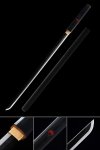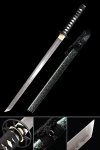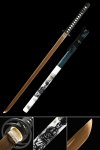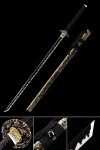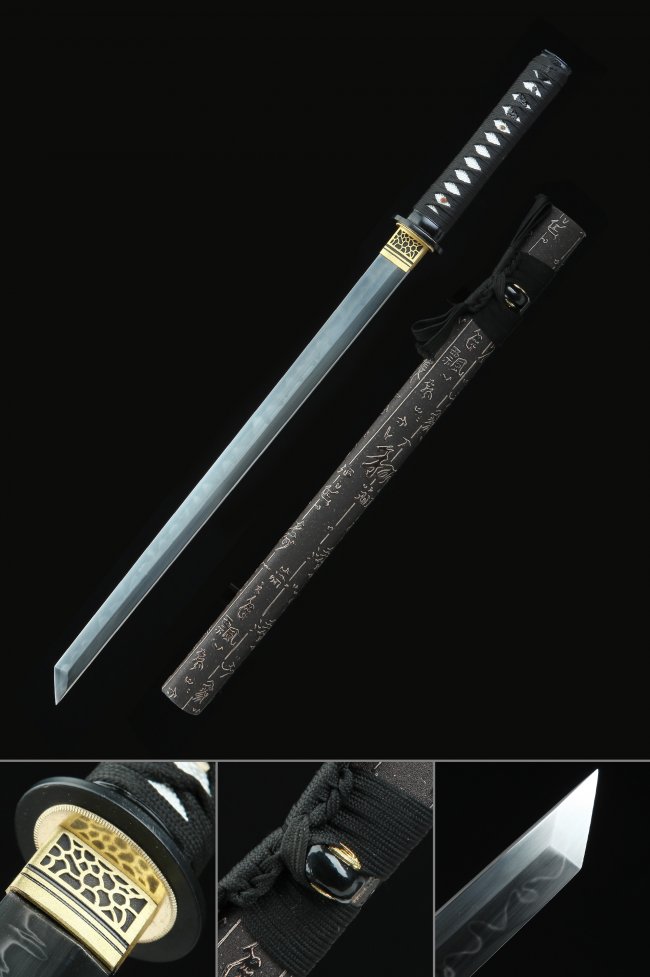
Battle Ready Ninjato
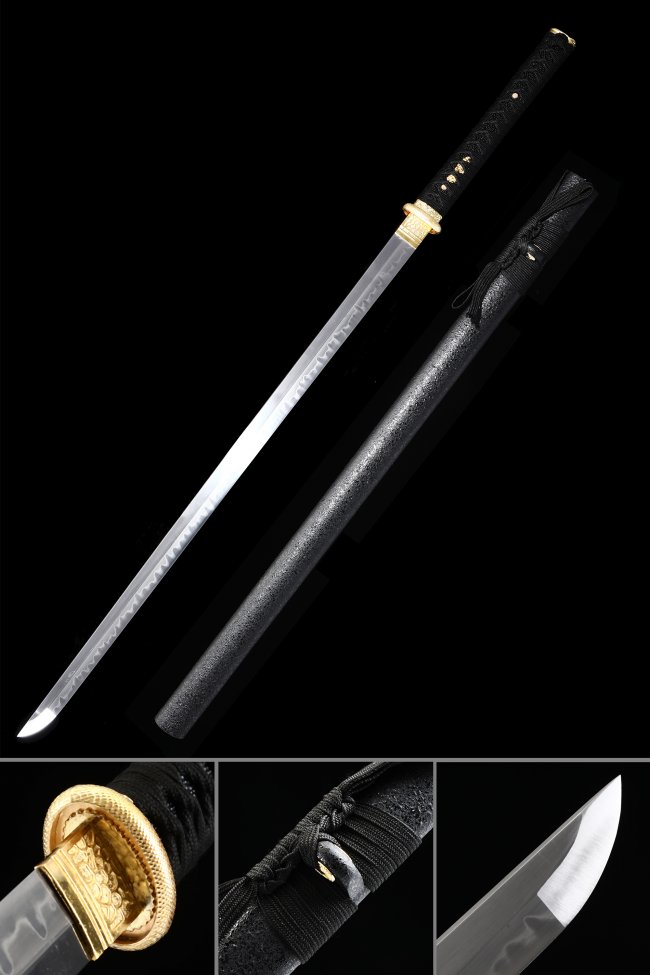
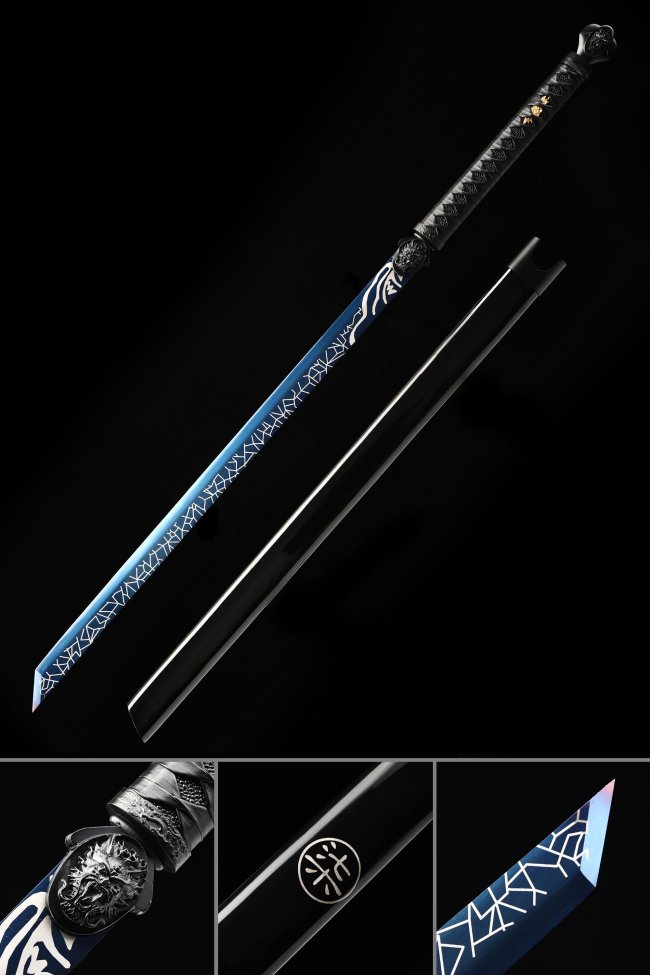
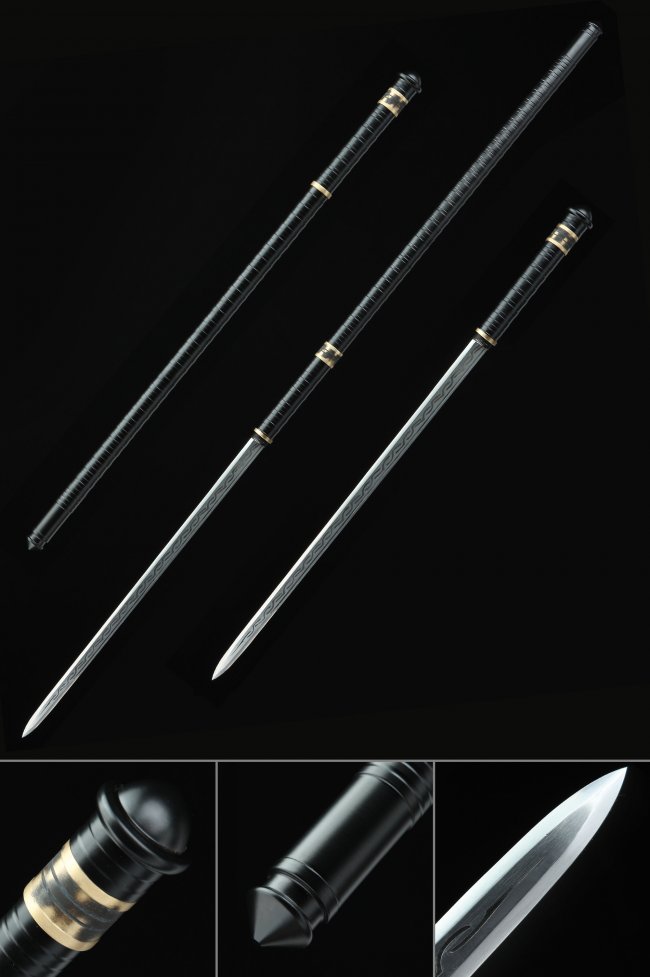
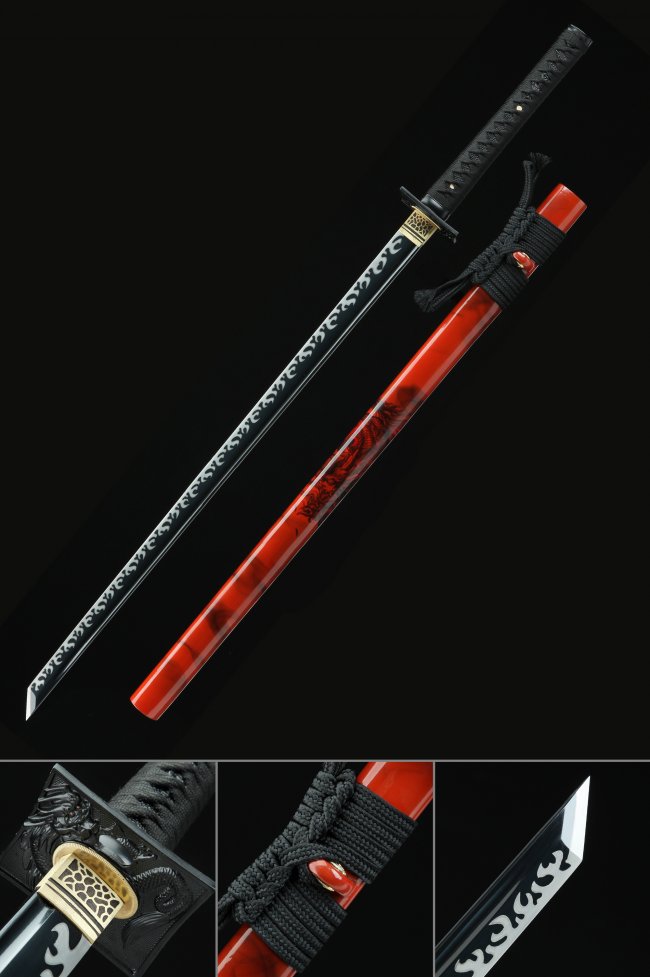
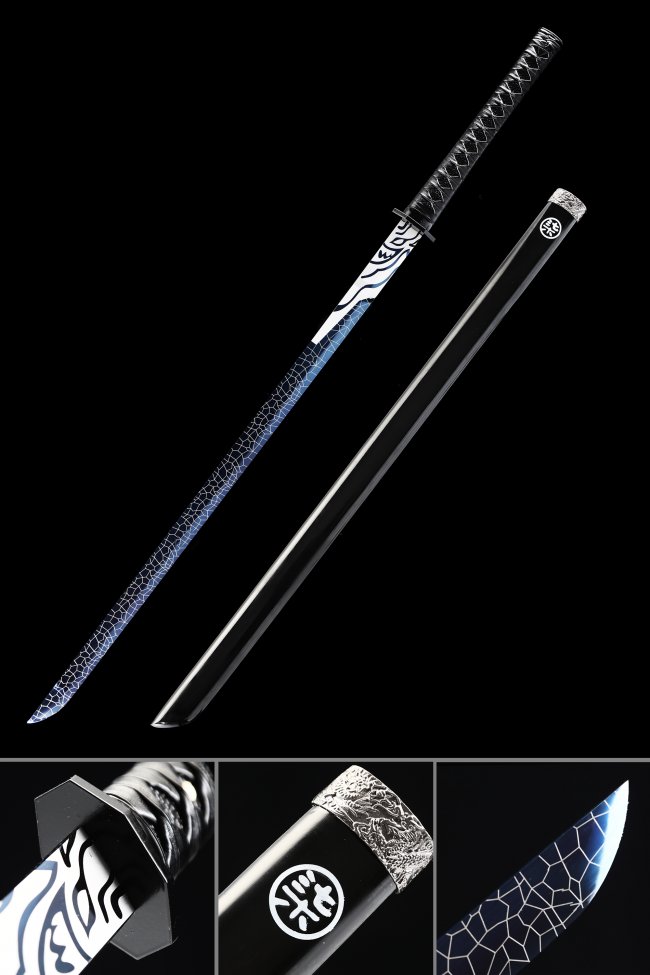
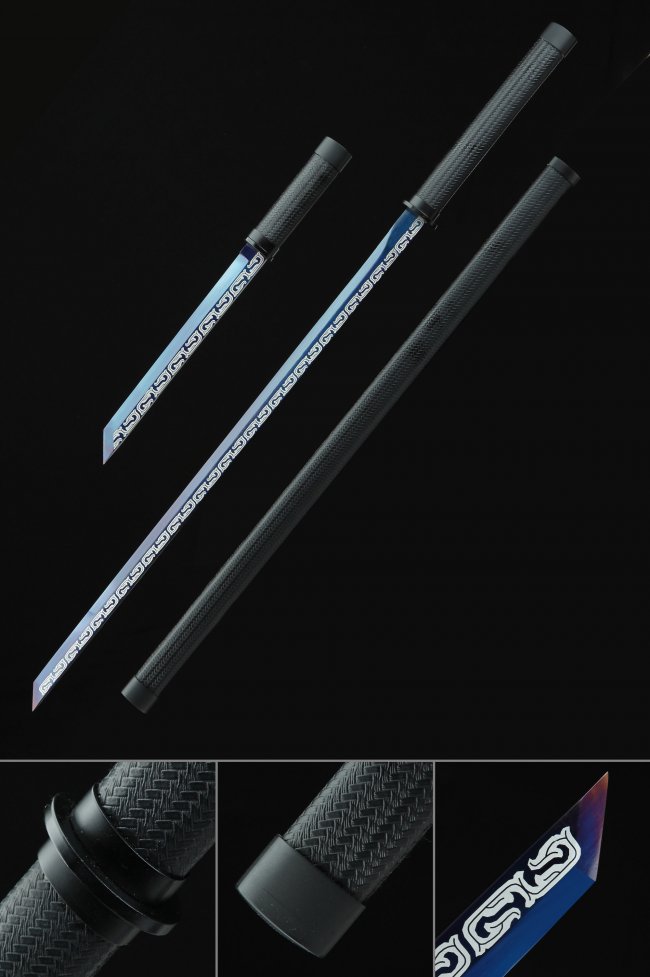
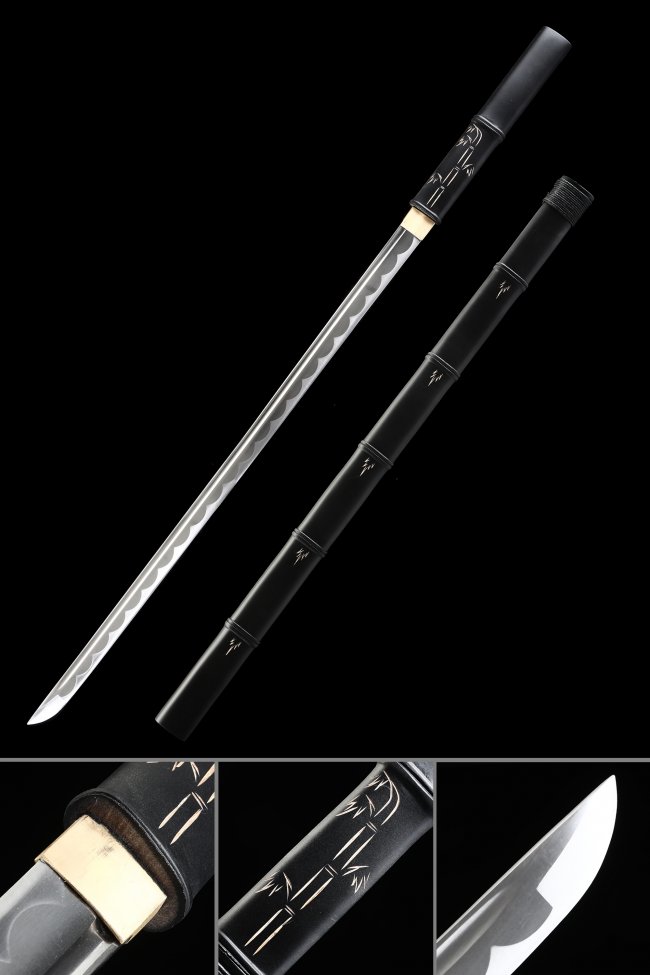
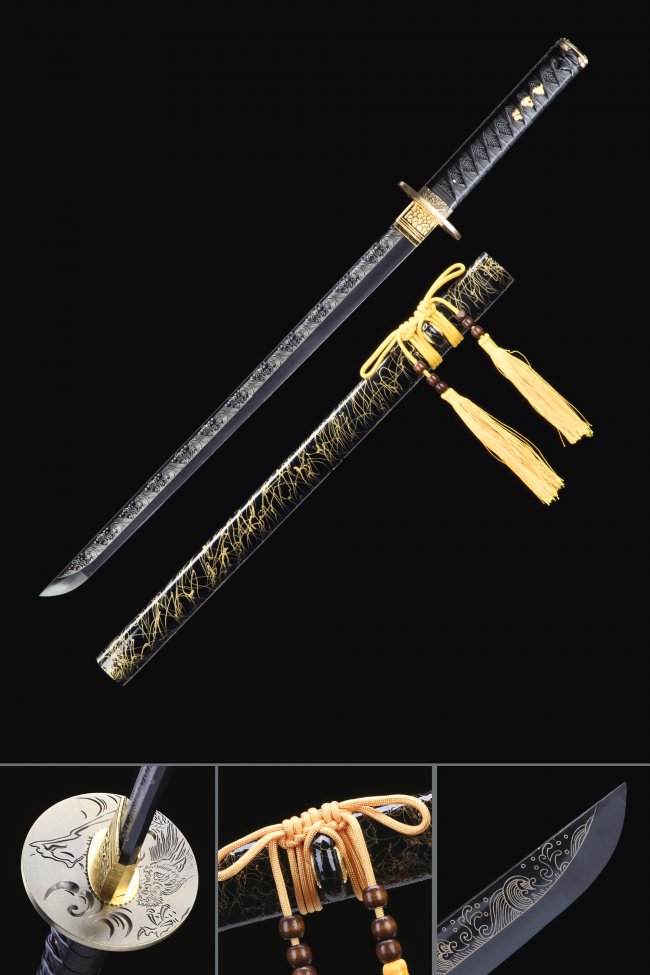
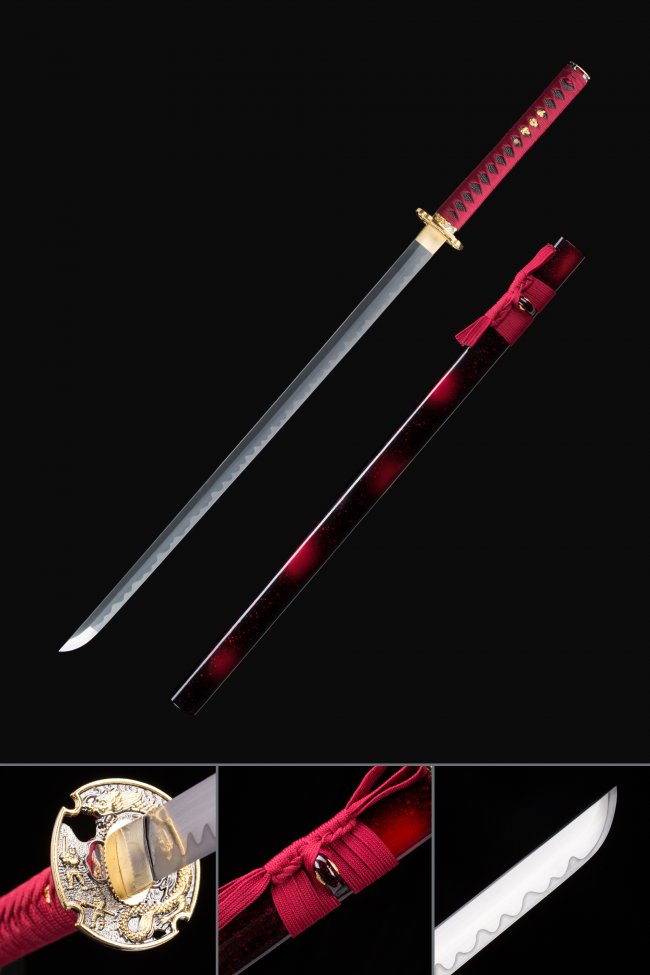
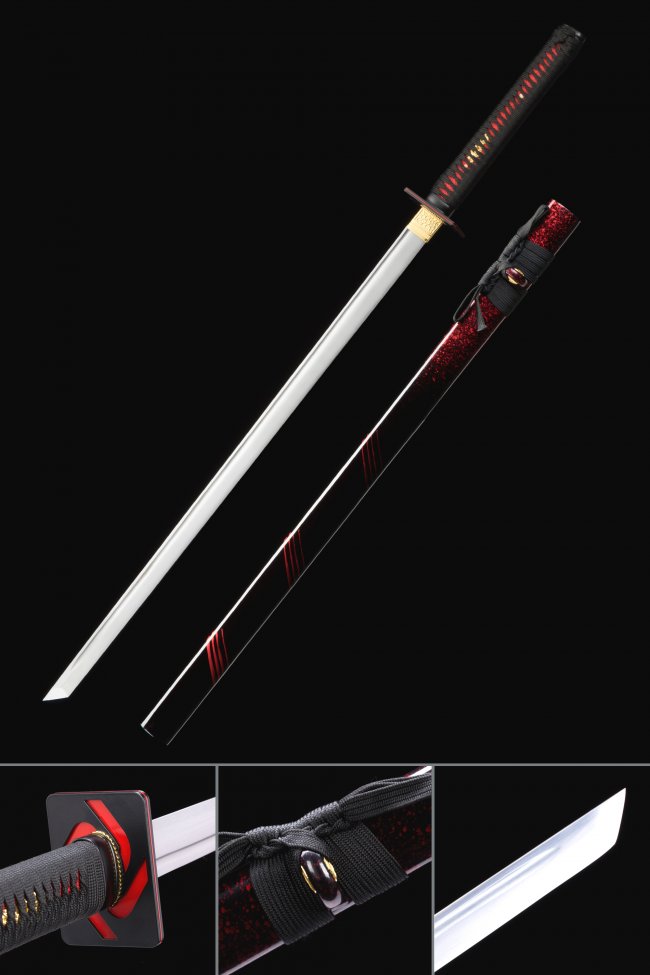
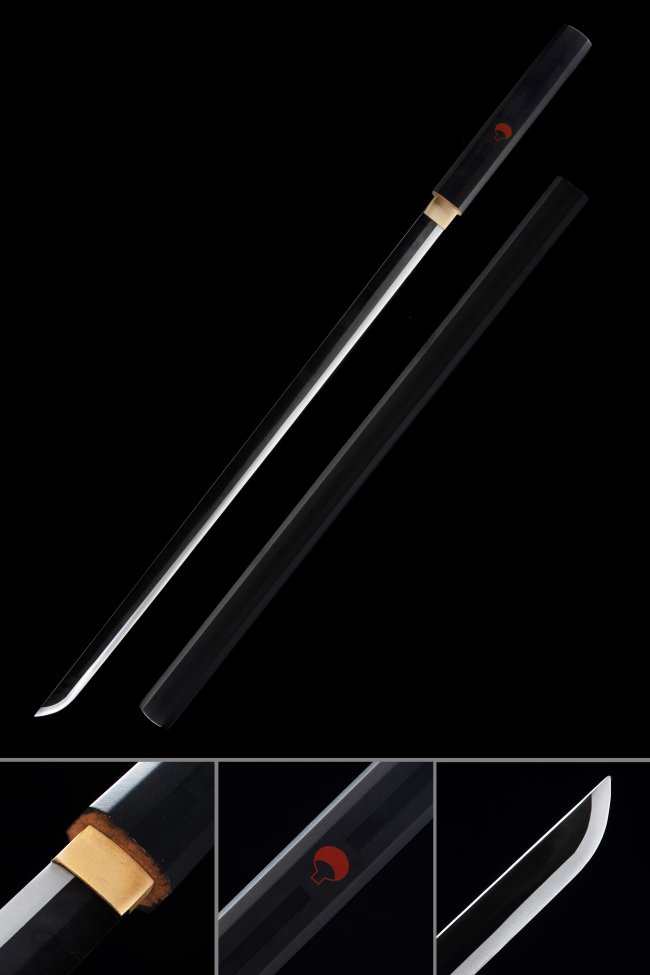
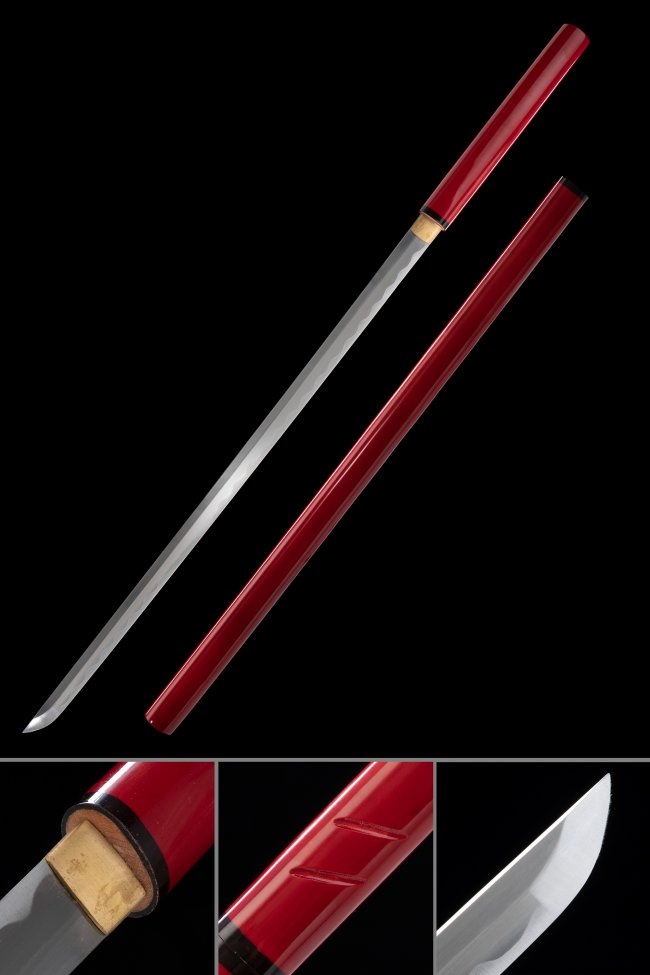
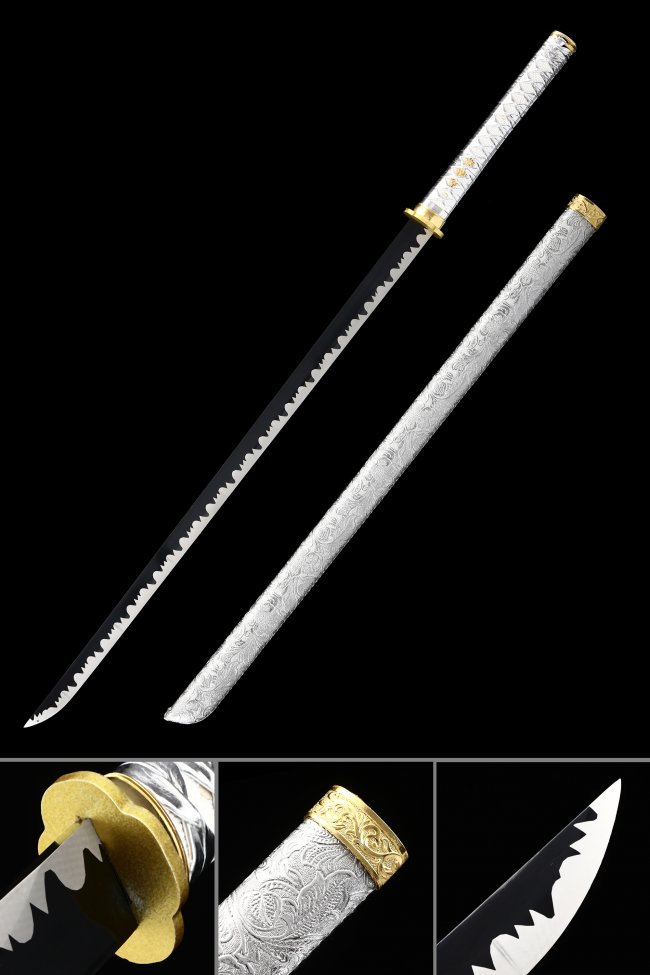
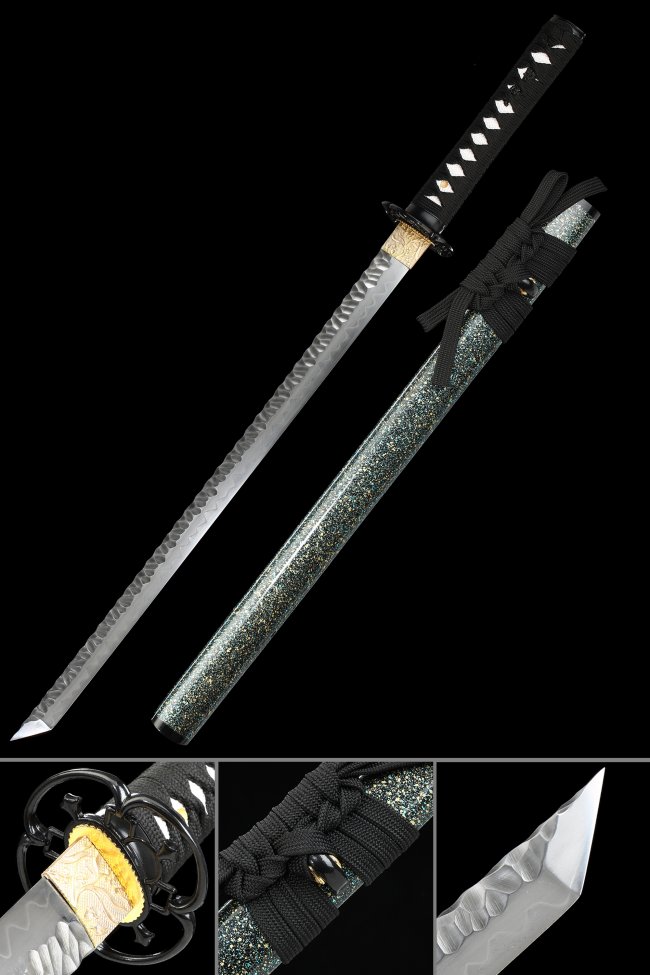
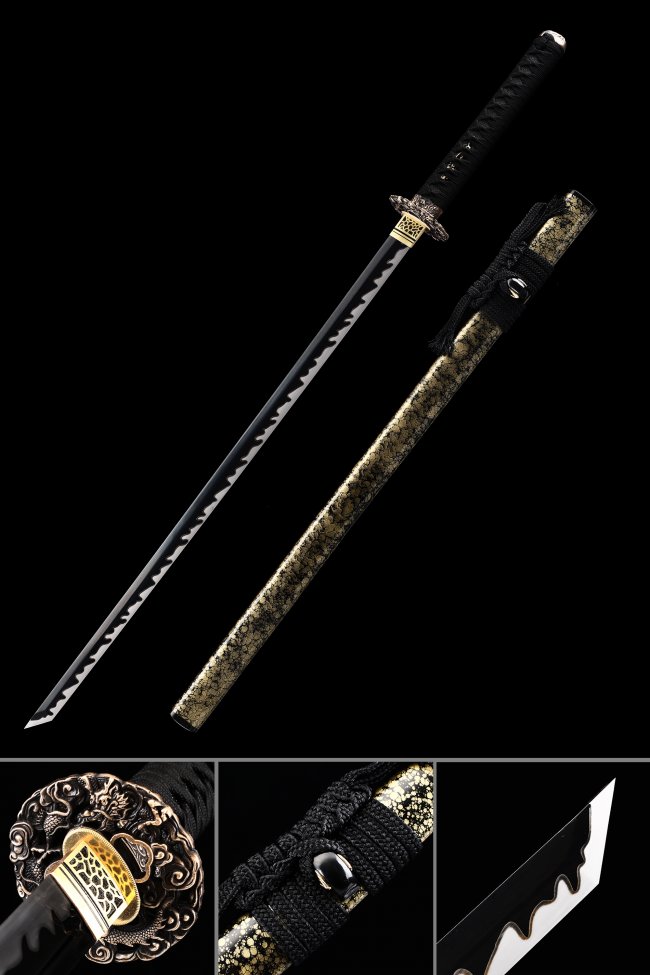
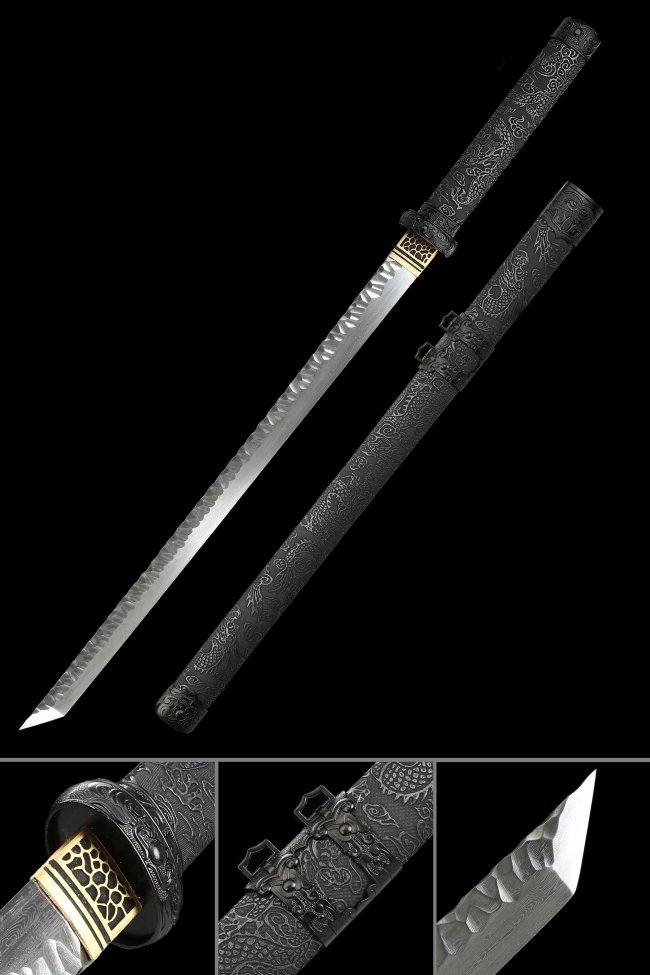
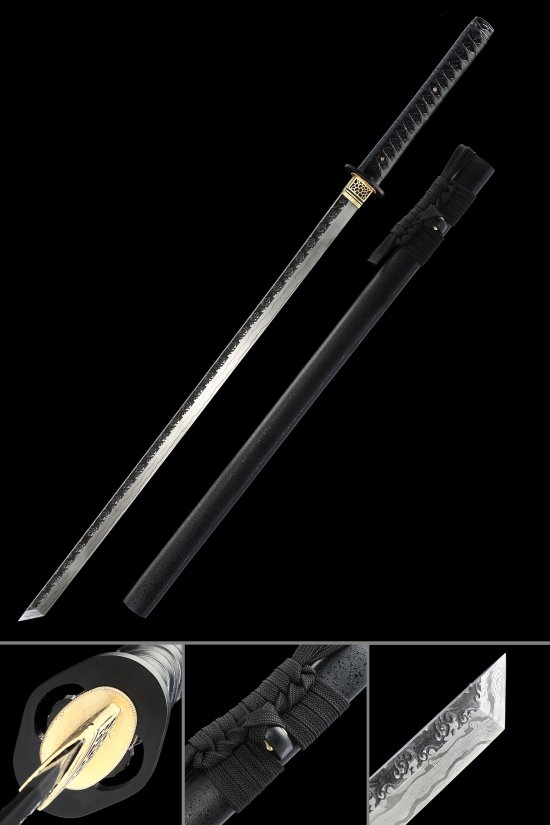
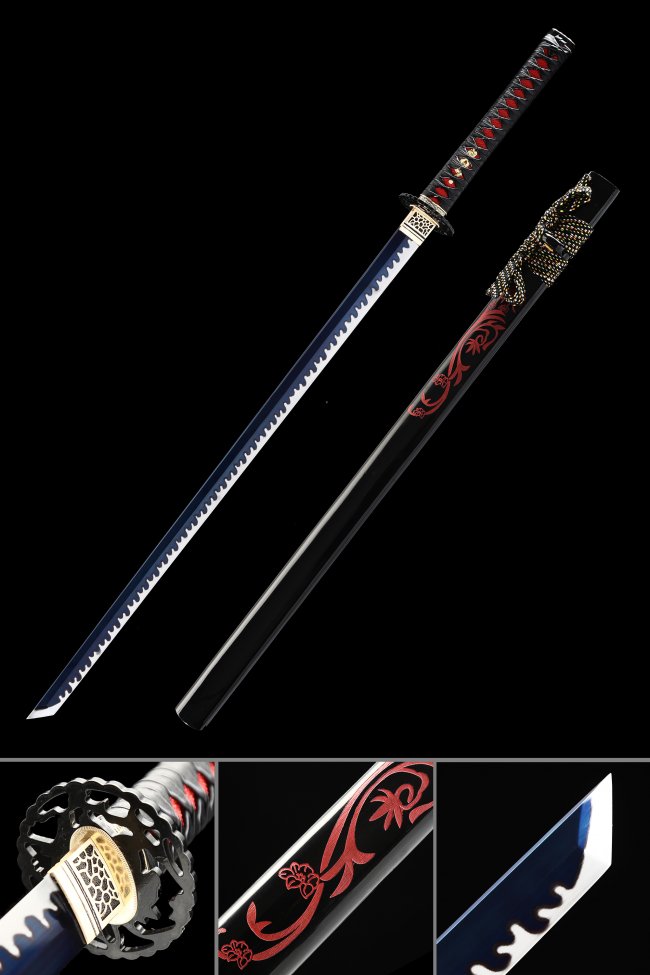
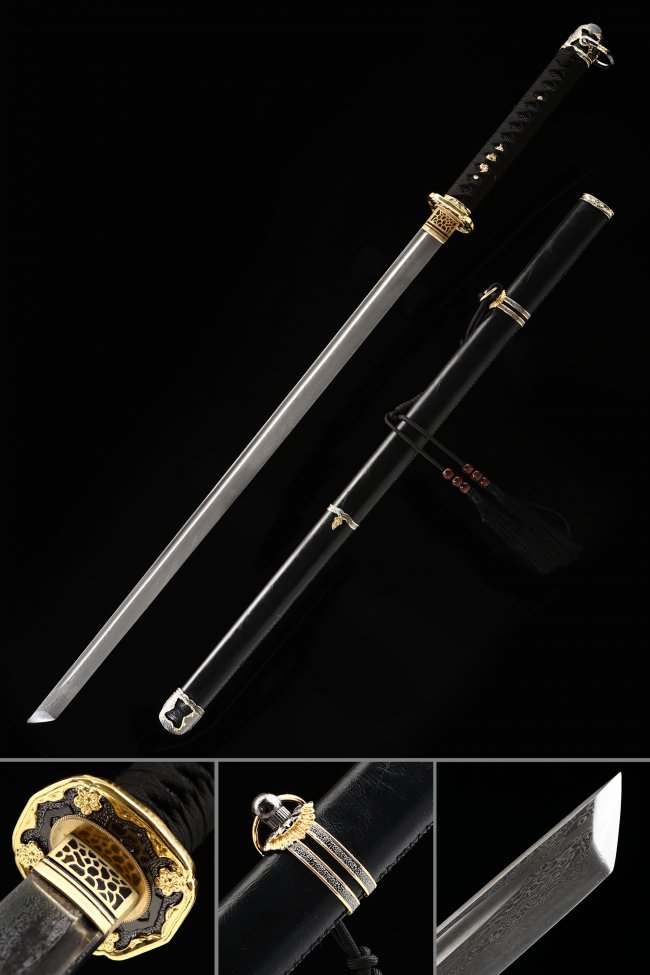
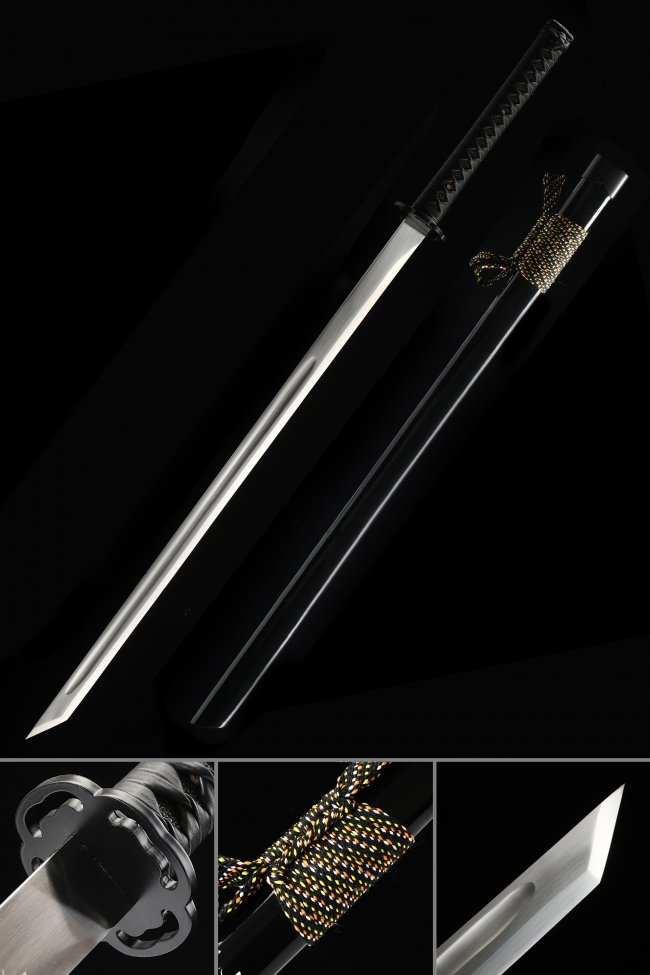
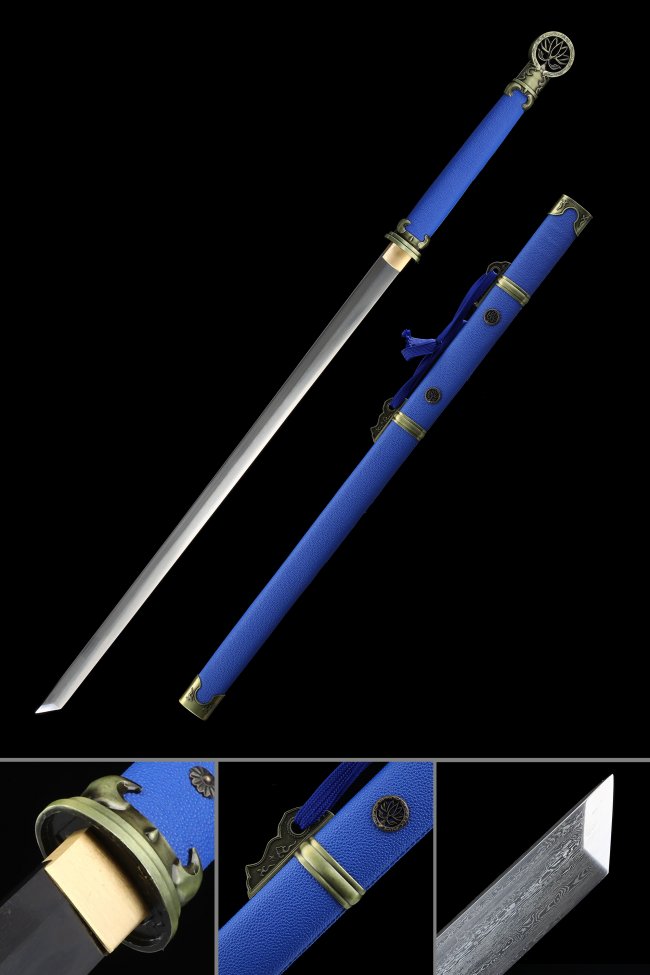
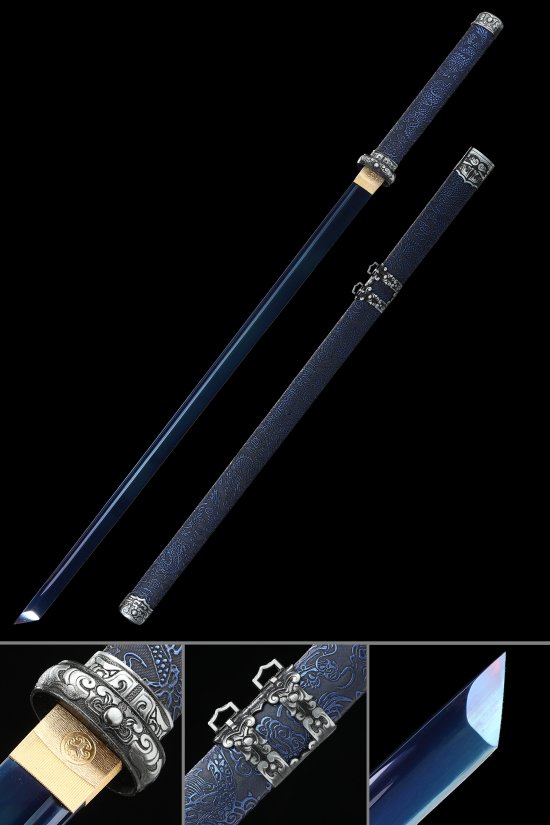
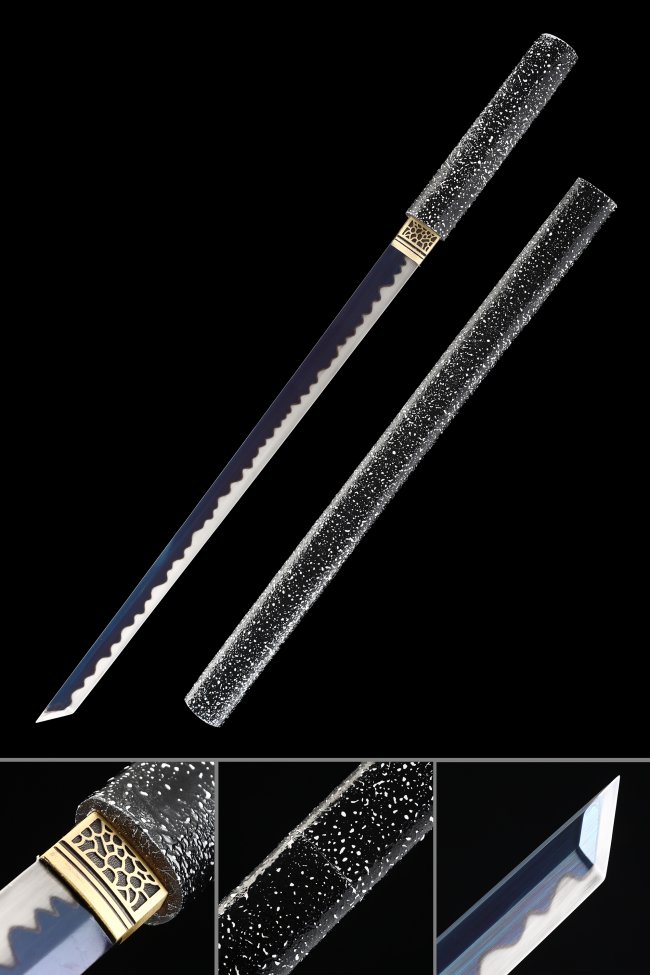
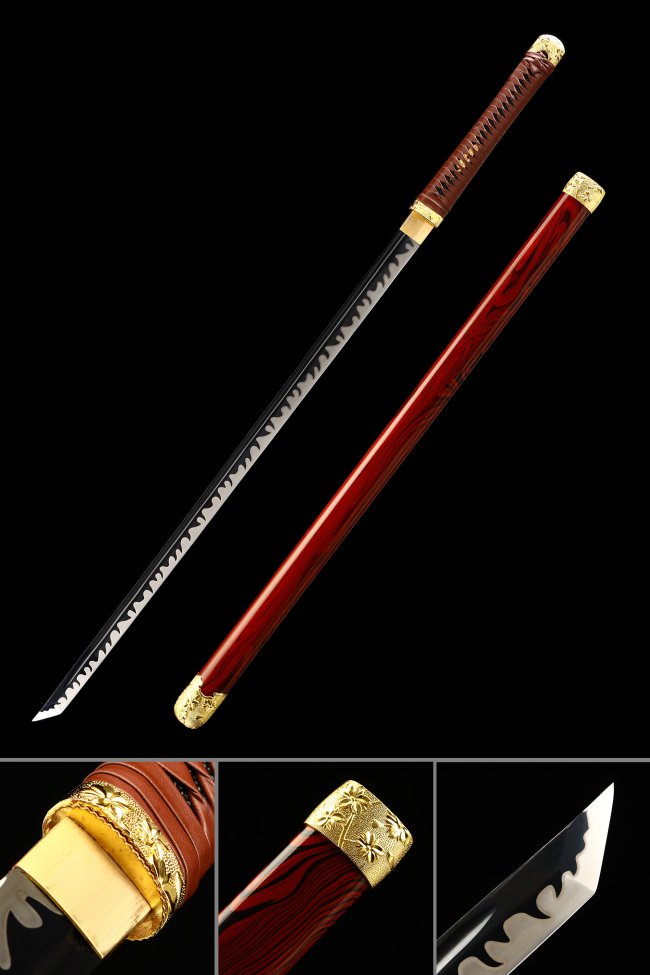
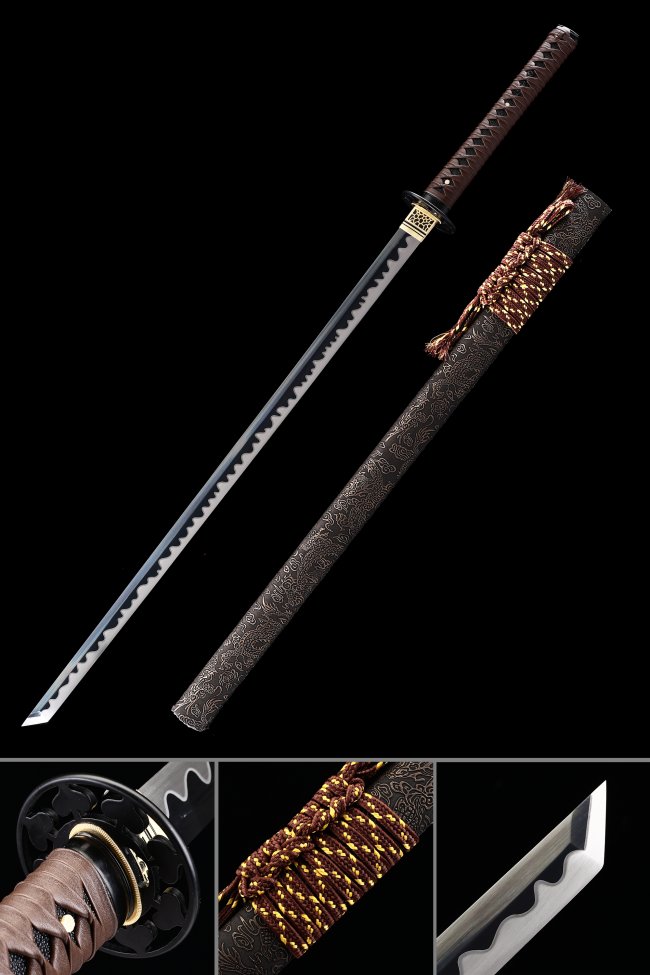
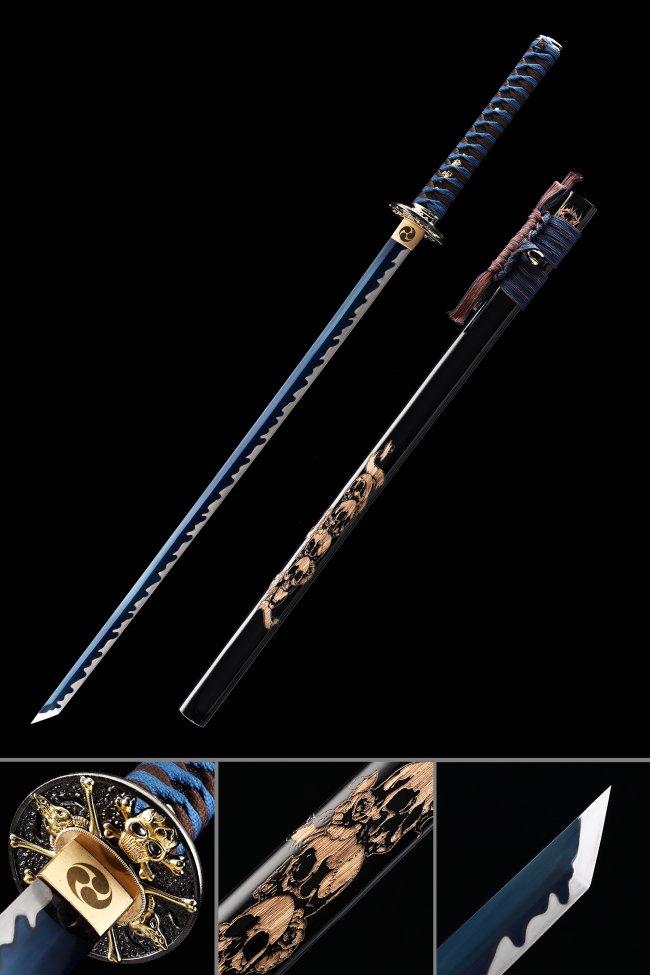
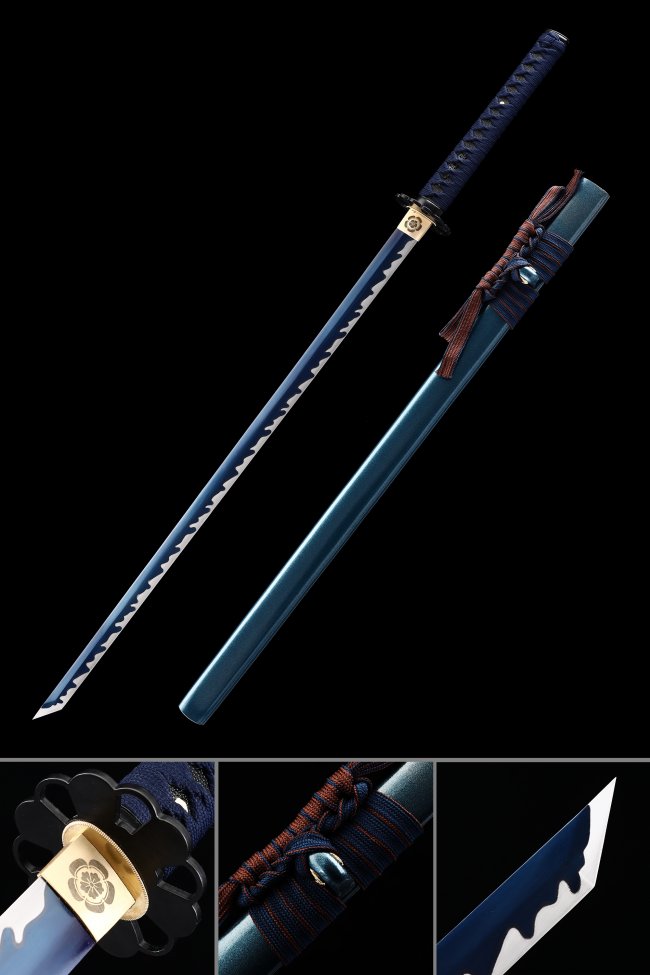
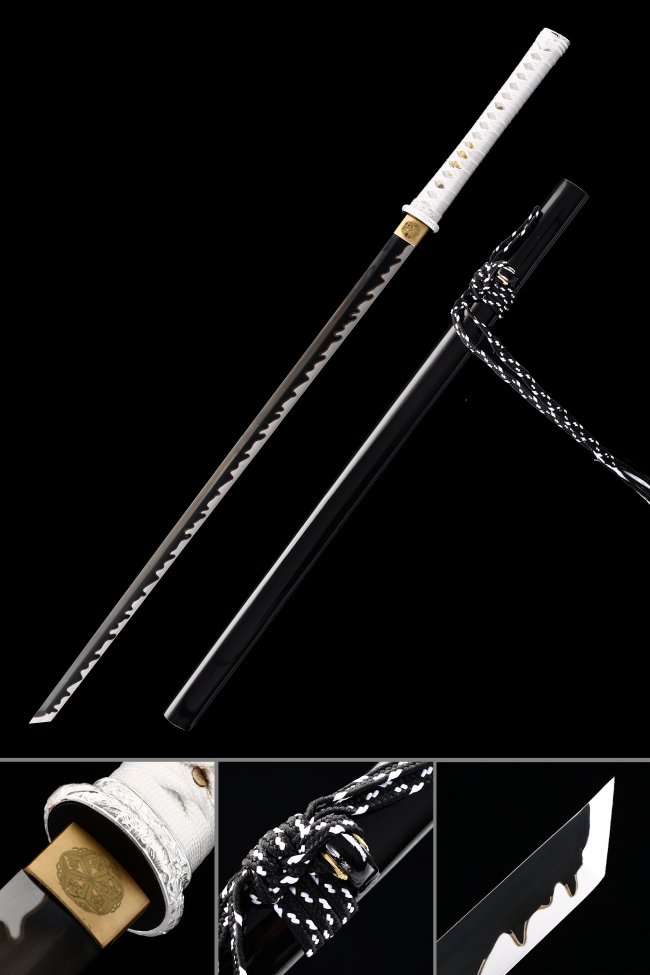
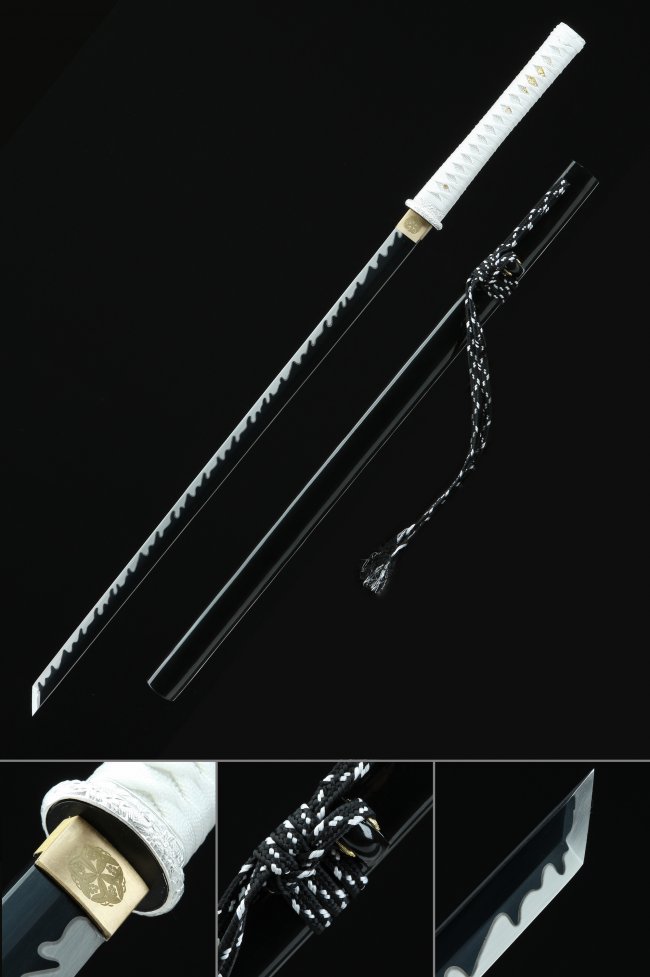
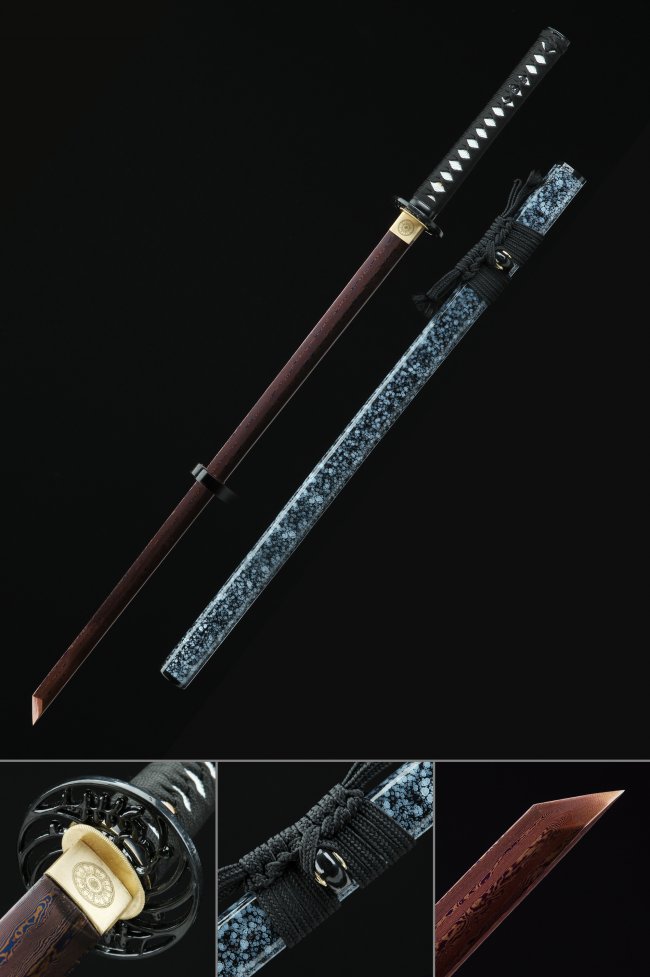
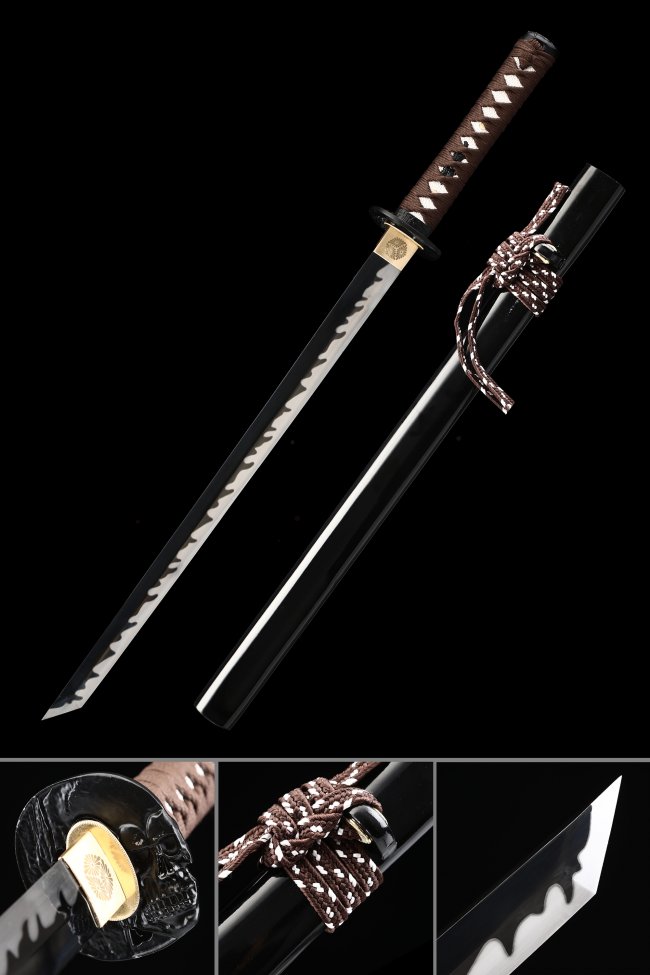
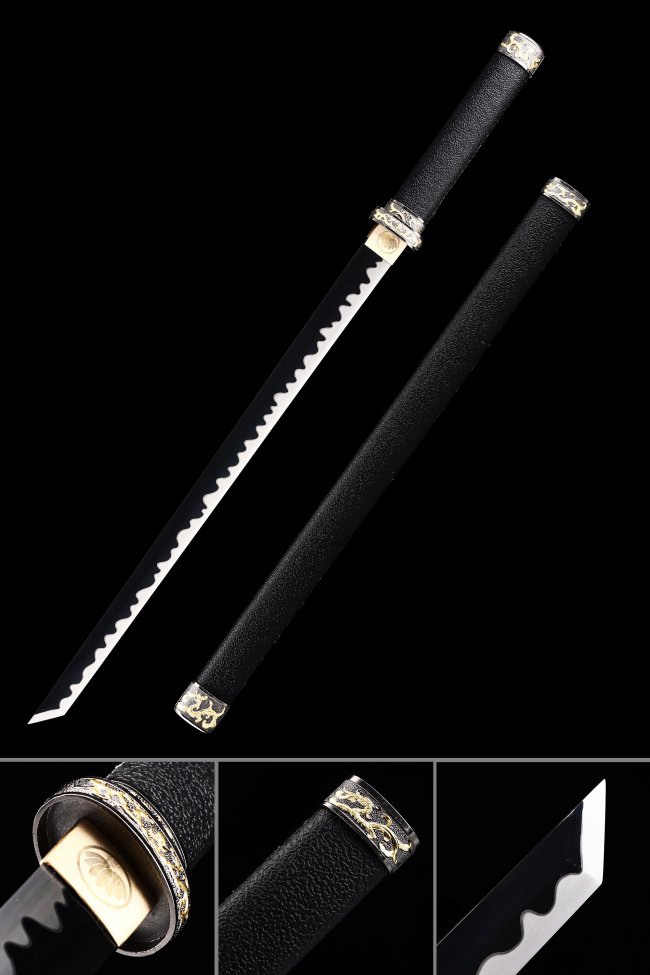
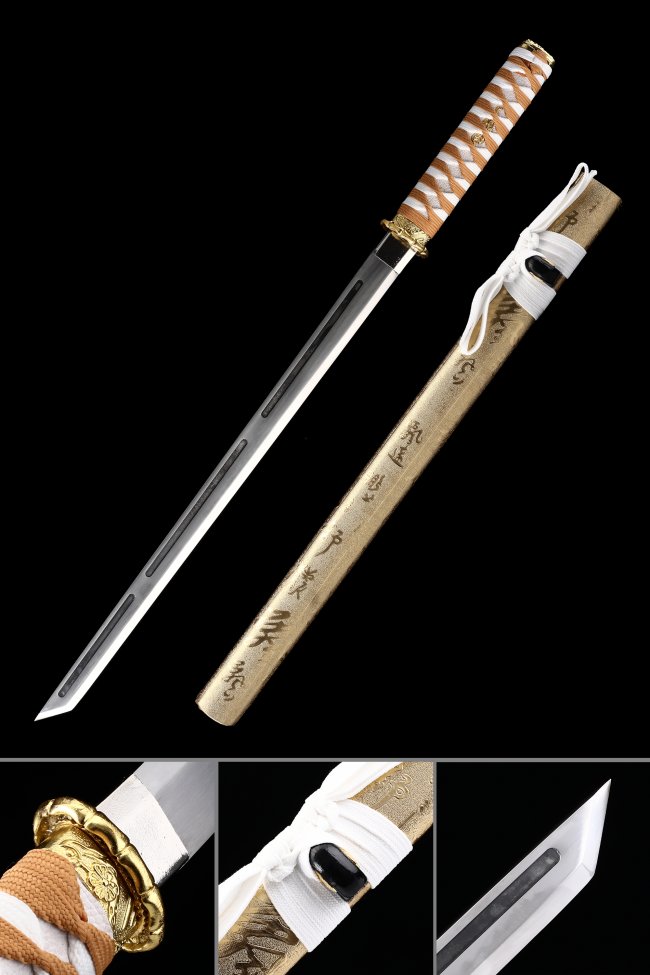
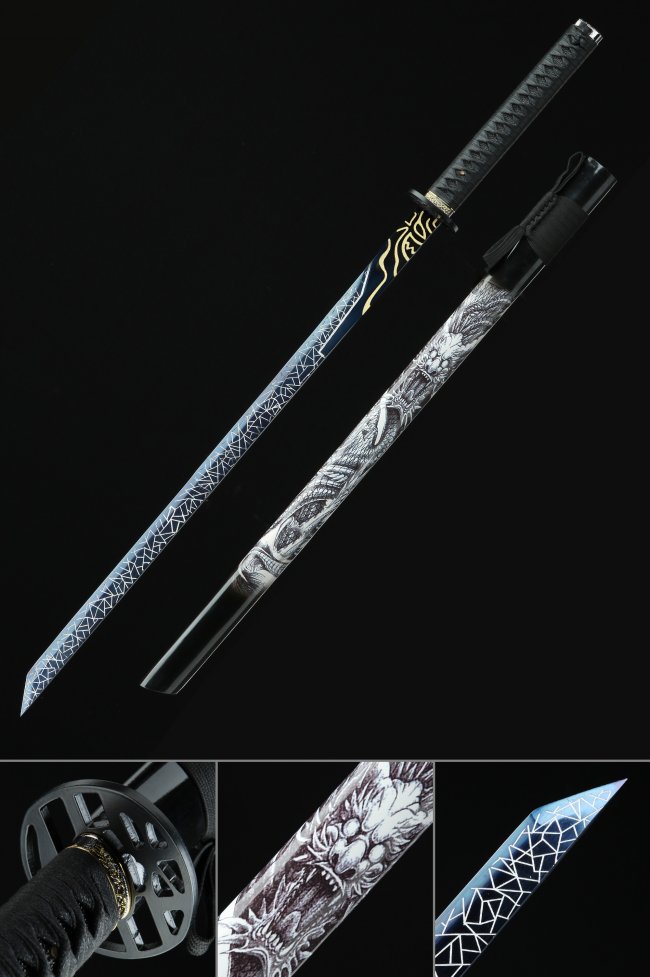
A battle ready ninjato is built to cut, not just to hang on a wall. At TrueKatana, every functional ninja sword in this collection is hand-forged from high-carbon steel, fitted with a full tang that runs the entire length of the handle, properly heat-treated for a hard edge and a resilient spine, and sharpened to a working cutting edge. The classic straight-blade profile, compact length, and square tsuba give each piece the unmistakable ninja silhouette, while the structural integrity underneath means you can use it for tameshigiri cutting practice, martial arts drills, and serious collection. Browse steel grades, saya finishes, and blade lengths to find a ninjato that delivers real performance behind the legendary look.


Related Collections
Frequently Asked Questions
What is a ninjato?
A ninjato (also called a ninjaken or shinobigatana) is a Japanese straight-bladed short sword associated with ninja (shinobi) warriors. Unlike the curved katana carried by samurai, the ninjato features a straight or nearly straight blade, typically shorter than a katana, with a distinctive square tsuba (handguard). Whether historical ninja actually carried a purpose-built sword of this exact design is debated among historians — many scholars believe ninja simply used whatever blade was available, often a standard katana or wakizashi. However, the straight-blade, square-guard ninjato has become an iconic and widely recognized sword type in its own right, popularized by martial arts films, anime (especially Naruto and other ninja-themed series), video games, and modern ninjutsu practice. Regardless of its precise historical pedigree, the ninjato offers a functionally distinct blade geometry: the straight edge excels at thrusting, draw cuts, and fast deployment, making it a practical companion to the curved katana in any serious collector's or practitioner's arsenal. Explore the full range of ninja-style blades in the Japanese Sword catalog, or compare the straight ninjato profile against a curved Traditional Katana to appreciate how blade geometry changes cutting mechanics.
How is a battle ready ninjato different from a display ninjato?
The difference is structural, not cosmetic. A display ninjato may look identical to a battle ready model on the outside — same saya, same tsuba, same ito wrap — but the internal construction is designed for wall display, not for cutting. Display models often use a partial tang (rat-tail tang) that is welded or threaded into the handle rather than running its full length, softer steel grades like 1045 or stainless steel that are not properly heat-treated, blunt or minimally sharpened edges, and lightweight fittings that would fail under impact. A battle ready ninjato, by contrast, uses a full tang secured by structural mekugi pegs, properly heat-treated high-carbon steel (1060 or above), a genuinely sharpened edge, and structural koshirae that can withstand the shock of repeated cutting. You can identify a battle ready blade by checking for the mekugi peg (remove it and the blade should slide out revealing a full tang), testing the edge carefully, and feeling the weight — a functional blade is heavier and more balanced than a decorative one. If you want absolute confidence in structural integrity, the Full Tang Ninjato line puts construction quality front and center.
What steel is best for a functional ninjato?
For a battle ready ninjato that will see regular cutting practice, T10 tool steel is widely considered the best overall choice. T10 contains roughly 0.95%–1.05% carbon plus a small percentage of tungsten, which refines the grain structure, improves edge retention, and increases shock resistance compared to straight carbon steels like 1060 or 1095. It also responds beautifully to clay tempering, producing vivid hamon lines that add visual character to the straight blade profile. For buyers on a tighter budget who still want genuine cutting capability, 1060 carbon steel offers a reliable, tough blade that is easy to sharpen and forgiving of minor technique errors — it is the workhorse grade of the functional sword world. For premium collectors, 1095 delivers a harder, keener edge than 1060 but requires more careful maintenance to avoid chipping. At the top tier, Damascus and folded steel editions combine toughness, flexibility, and flowing grain patterns for a blade that is both a serious cutter and a display showpiece. Compare steel options in the Clay Tempered Ninjato range, where differential hardening brings out the best in T10 and 1095 blades with real metallurgical hamon lines.
Can I use a ninjato for tameshigiri?
Yes — a properly forged, full-tang, heat-treated ninjato is a genuine cutting instrument that performs well on traditional tameshigiri targets. Soaked rolled tatami omote is the standard test medium, and a sharp ninjato with clean technique will slice through a single roll cleanly. Plastic water bottles, pool noodles, and green bamboo are also common targets. The straight blade geometry changes cutting mechanics compared to a curved katana: instead of the natural slicing arc that a curved edge creates, the ninjato relies more on draw cuts (pulling the edge through the target) and push cuts (driving the blade forward). This makes proper hasuji (edge alignment) even more critical — any wobble or twist during the stroke will be amplified on a straight edge. For thrusting cuts, the ninjato is actually superior to a katana because the straight blade delivers force in a direct line with no curve to deflect. Always inspect the mekugi peg and tsuka wrap before each session, cut only soft prepared targets, and wear eye protection. After cutting, wipe and oil the blade immediately. For the sharpest out-of-box cutting experience, choose a model from the Sharp Ninjato collection, where factory edge geometry is specifically tuned for tameshigiri performance.
How long is a typical ninjato blade?
A standard ninjato blade measures between 22 and 26 inches (56–66 cm) of cutting edge, with most models in TrueKatana's battle ready collection falling around 24 inches. Overall length including the tsuka runs 34 to 38 inches (86–97 cm), making the ninjato noticeably shorter than a standard katana (which typically has a 28-inch blade and 40–41 inches overall). This compact length is central to the ninjato's identity and practical appeal: it draws faster, maneuvers more easily in confined spaces, and carries more discreetly than a full-length katana. Weight ranges from about 2.0 pounds for a slim 1060 build with a bohi up to 2.6 pounds for a thick T10 or Damascus edition without a bohi. The balance point usually sits closer to the guard than on a katana, giving the ninjato a quicker, more wrist-driven feel that suits fast thrusting and draw-cut techniques. Custom lengths are available if you want something outside the standard range — a shorter 20-inch blade for maximum compactness, or a longer 26-inch blade that pushes toward wakizashi territory. Compare short and long builds in the Straight Blade Ninjato lineup to find the length that fits your hand and your intended use.
Why does a ninjato have a square tsuba?
The square tsuba is the most visually distinctive feature of a ninjato and the quickest way to identify the sword type at a glance. According to popular ninja lore, the square guard served a dual purpose beyond simple hand protection. When a ninja needed to scale a wall, the sword could be placed upright against the wall with the square tsuba flat on the ground, creating a step; the ninja would stand on the guard, reach the top, and pull the sword up after them using the sageo cord. A square guard sits flat and stable on a level surface, whereas a round or oval katana tsuba would roll or tilt. Whether this technique was actually used in historical espionage is debated, but the square guard has become an inseparable part of the ninjato's identity in both martial arts and popular culture. Functionally, the square tsuba also provides slightly different hand protection geometry than a round guard — the flat sides catch at predictable angles during blade-to-blade contact, which some practitioners find useful in two-sword sparring drills. TrueKatana's battle ready ninjato come standard with square tsuba in iron, brass, or alloy finishes, though custom round or themed guards are available on request. For maximum ninja authenticity, pair the square guard with a matching Black Ninjato finish for the classic stealth look.
Is a ninjato good for a beginner?
A battle ready ninjato can be an excellent choice for a beginner, depending on what you want to learn. If your goal is to practice basic cutting mechanics, edge alignment, and sword handling, the ninjato's shorter length and lighter weight make it physically easier to control than a full-length katana — there is less leverage working against your wrist on each swing, and less momentum to redirect if your cut goes off line. The straight blade also simplifies certain fundamentals: you can focus on clean technique without needing to account for the curved cutting geometry of a katana. However, if your primary interest is traditional Japanese swordsmanship (kenjutsu, iaido, or battojutsu), most schools teach with a curved katana, and starting with a ninjato may build habits that do not transfer cleanly to curved-blade technique. For beginners who want a functional sword for general cutting practice, home display, and martial arts exploration, a mid-grade 1060 or T10 ninjato is a smart, affordable starting point. For those leaning toward traditional kata, a curved blade from the Beginner Katana range may be a better fit. Many practitioners eventually own both to develop versatility across blade geometries.
Can I customize a battle ready ninjato?
Yes, TrueKatana supports a wide range of customization options on battle ready ninjato without compromising the functional construction. Blade-side options include choosing the steel grade (1060, 1095, T10, or Damascus), adding a bohi (fuller groove) for lighter weight and the singing tachikaze sound, selecting a hamon style on clay-tempered builds (suguha, notare, or midare), and requesting horimono engravings like ryu dragons, kanji, lightning, or geometric patterns. Koshirae customization covers saya lacquer color (black, red, blue, green, brown, natural wood, or leather-wrapped), tsuba shape and theme (square iron, dragon, skull, geometric, plain, or custom), ito wrap material and color (cotton or silk, in black, red, white, blue, or accent tones), and sageo cord colors. Menuki ornaments and kashira caps can also be themed to match. For a fully tactical build, consider a leather-wrapped saya, paracord handle, and matte black blade finish. Custom builds typically take 20 to 40 business days. For inspiration on themed builds, compare the anime-inspired Naruto Sasuke Ninjato with a pure martial-arts-focused Hand Forged Ninjato to see how the same functional platform supports radically different aesthetics.
How does a ninjato compare to a katana for cutting?
The two swords cut differently because of their geometry, and understanding the distinction helps you choose the right blade for your goals. A katana's curved blade creates a natural slicing action: as you swing through a target, the curve causes the edge to travel along the cut line at a slight angle, pulling the steel through the material like a draw cut. This makes the katana exceptionally efficient on lateral cuts — downward diagonal, horizontal, and rising strokes all benefit from the built-in slicing geometry. A ninjato's straight blade, by contrast, relies entirely on the user's technique to create cutting action. A straight-down chop hits flat, so you need to add a drawing or pushing motion during the stroke to generate a slicing effect. This makes the ninjato more demanding on technique but also more versatile in certain ways: thrusting attacks are direct and efficient, and the straight edge works well for controlled push cuts on stationary targets. Many practitioners find that training with both a katana and a ninjato sharpens their overall cutting fundamentals, since the ninjato forces cleaner hasuji without the assist of blade curvature. For a dedicated curved cutter to complement your ninjato, explore the Battle Ready Katana lineup, where the same functional build quality meets a traditional curved profile.
Customer Reviews
I am not a swordsman so I can't comment on how good it is but as an amateur I'm very happy it looks sturdy and made with quality materials
![]() |
Blue Blade Manganese Steel Ninjato Sword Full Tang with Black Leather Handle and Dragon Pommel |
My sons were very excited to get these katanas! Great service and I would recommend TrueKatana.com
![]() |
1045 Carbon Steel Expandable Spear Sword with Black Iron Saya and Brass Accents - Ninjato Collectible |
Second sword from these guys and I look forward to my third purchase!
![]() |
1095 Carbon Steel Straight Ninjato with Black Blade & White Ito - Piano Lacquer Saya |
Awesome!!! Exactly as described. Sharp and very well made.
![]() |
Manganese Steel Straight Ninjato with Red-Black Saya and Black Cord Tsuka - Chokuto Replica |
Cool sword it looks awesome for decoration, not saying you should play with swords but yeah it's fun
![]() |
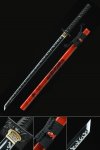
Chokuto Ninjato Sword 1045 Carbon Steel with Flame Engraved Black Blade in Red Dragon Saya |
Arrived right on time.r
Blade, saya, hilt. All up to True Katana's standards.r
Of course I've already dinged the saya, because I can't have nice things. r
r
I believe this is my seventh purchase....r
r
No, I'm not addicted at all!r
Of course I am sane and rational. r
r
Seriously though. r
This blades name is Ryuketsu.
![]() |
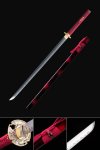
High Manganese Steel Katana with Dragon Tsuba - Red Cord Handle & Dark Red Lacquer Saya |
This is an awesome purchase , I would have given it 5 stars but by the time the sword got to me the little bit of glue that they used for both end caps came loose and I had to re-hot glue them back on . Not a big deal at all but I absolutely love the sword ! I’ll order from true katana again !!!!
![]() |
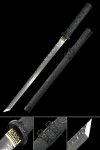
Damascus Steel Ninja Sword Full Tang with Dragon-Carved Black PU Leather Saya - Geometric Gold-Black Tsuba |
I love this sword. It's my first one. I wanted a katana ever since I was a kid. I decided on ninjatu on my first order and plan to get few more in different designs and some actual katanas. I highly recommend TurKatana.com for good quality swords.
![]() |
Blue Blade Manganese Steel Ninjato Sword Full Tang with Black Leather Handle and Dragon Pommel |