FAST SHIP
15 Reviews
ON SALE 20% OFF
$159.00$199.00

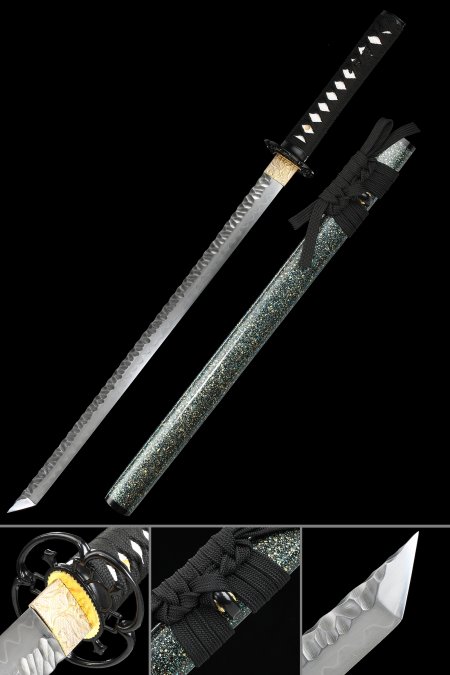
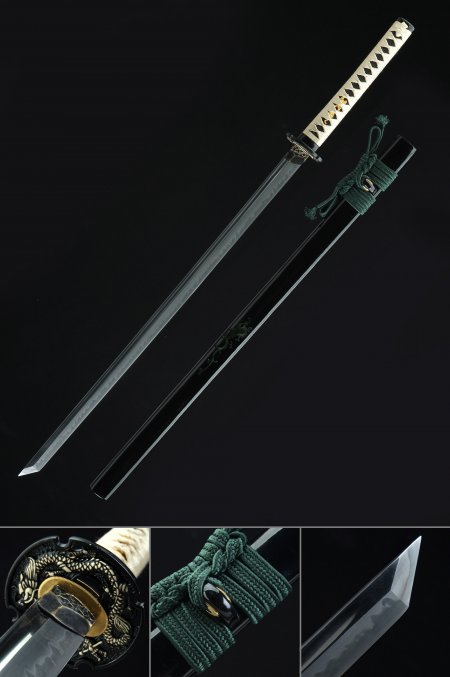
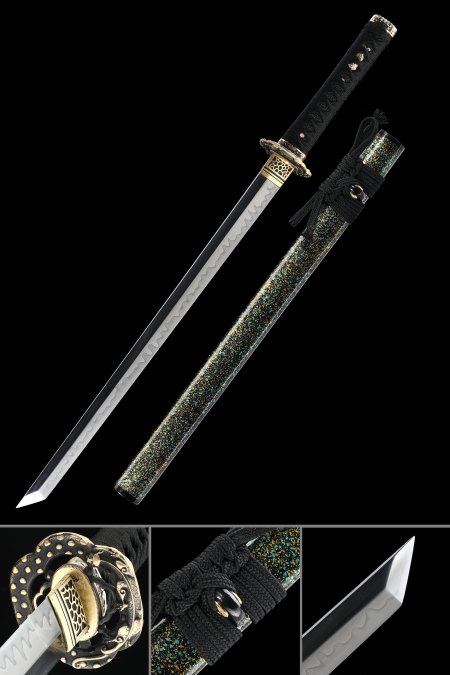
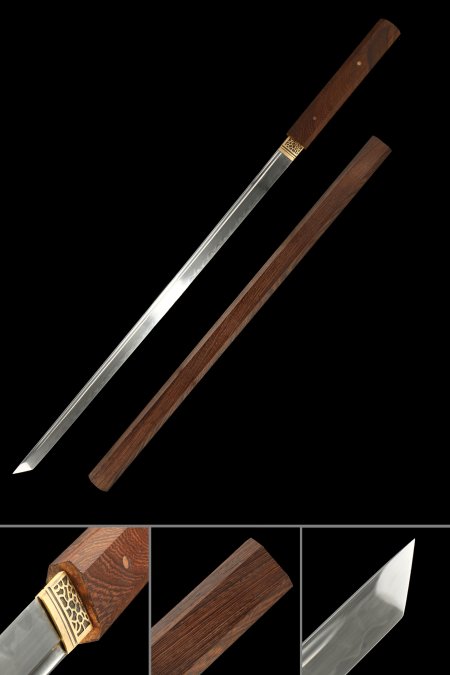
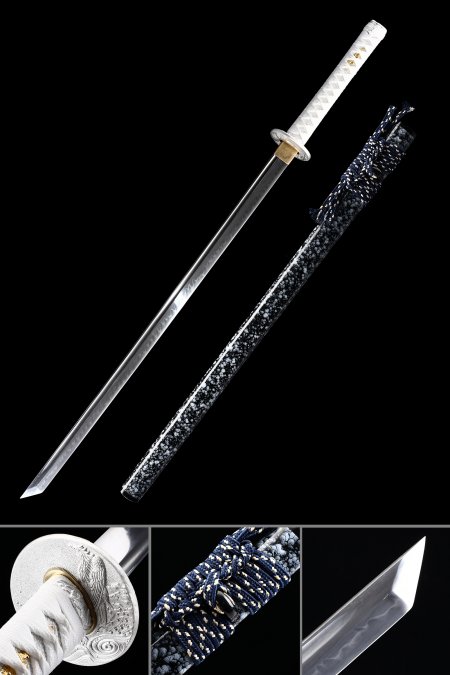
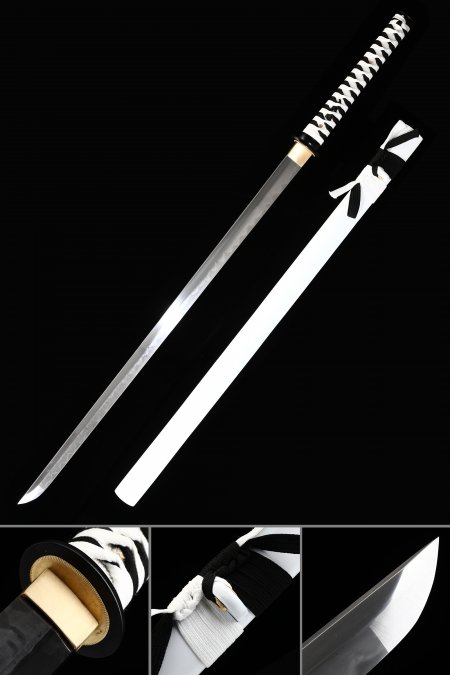
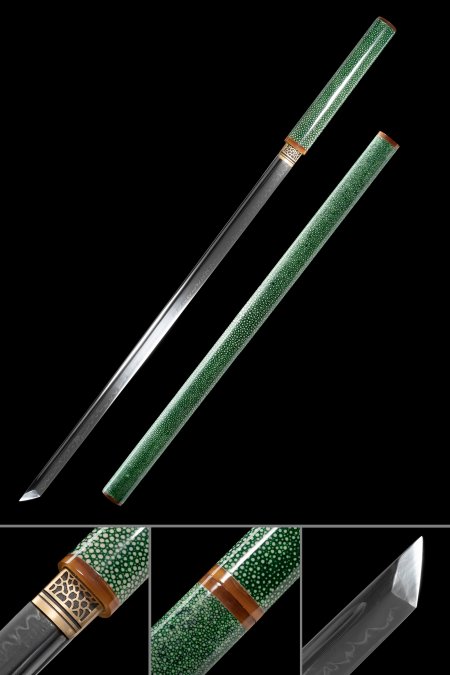
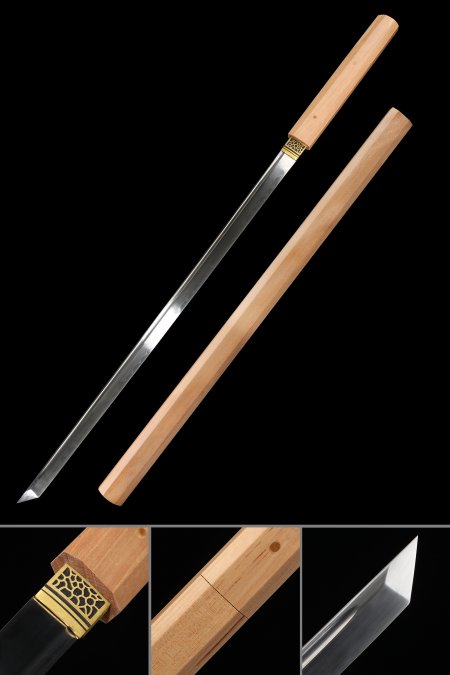
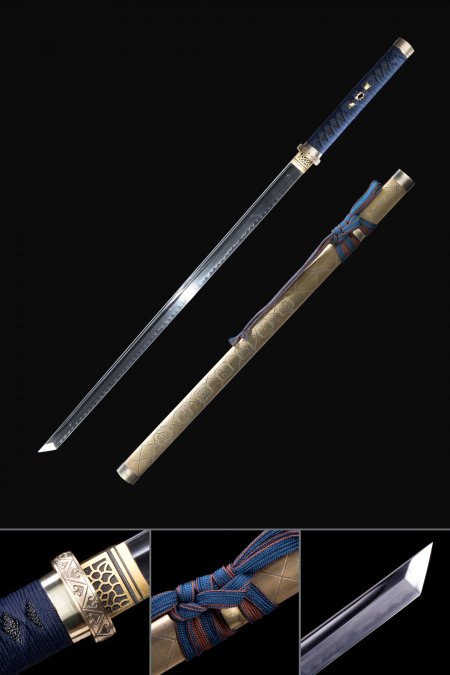
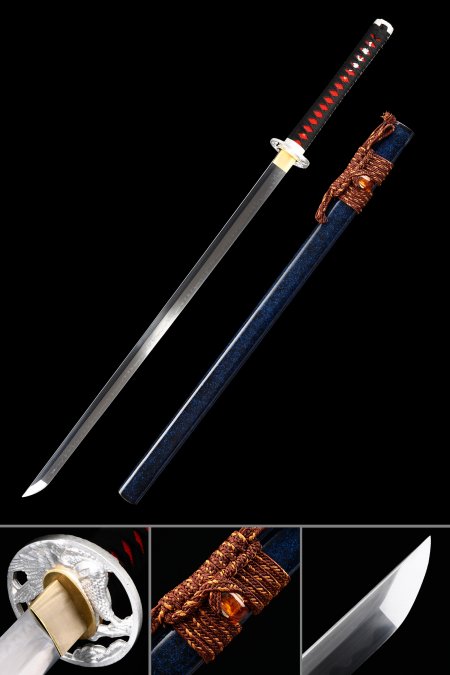
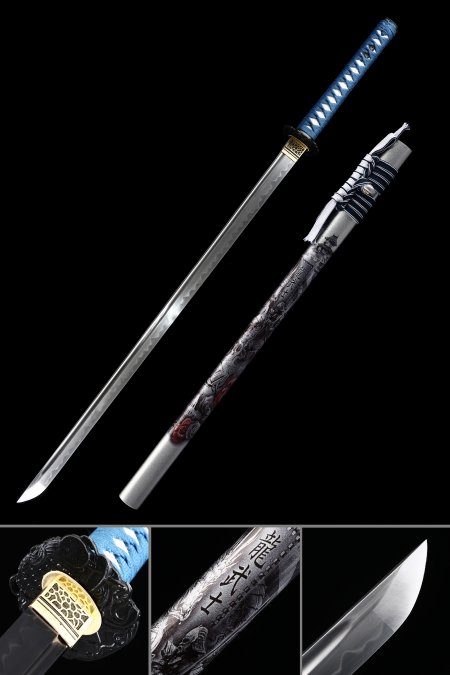
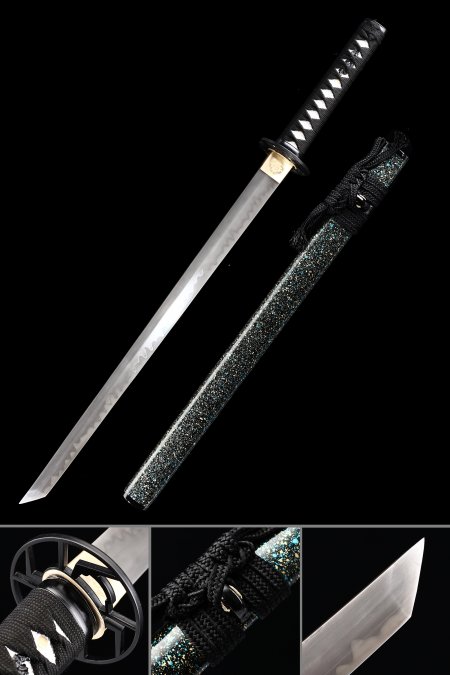
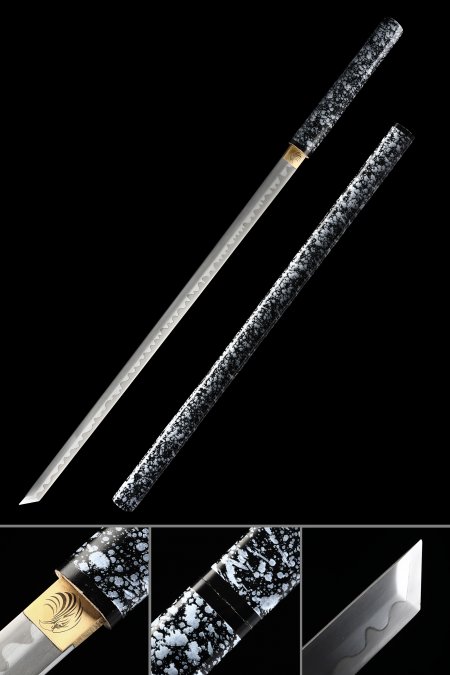
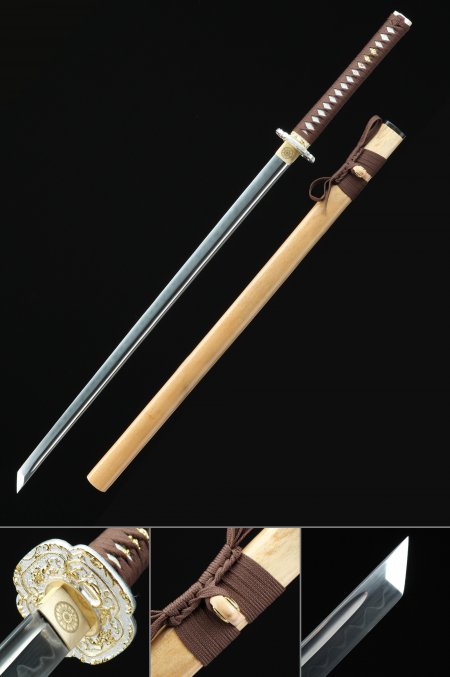
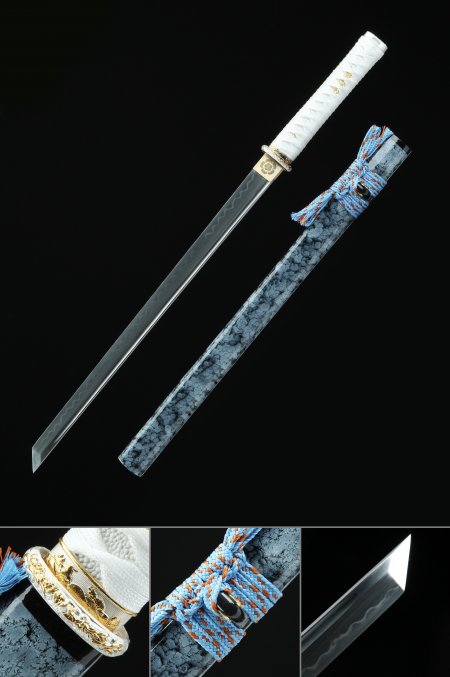
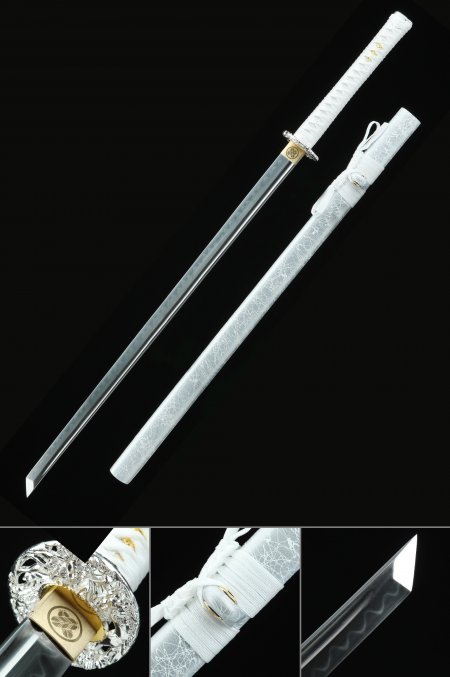
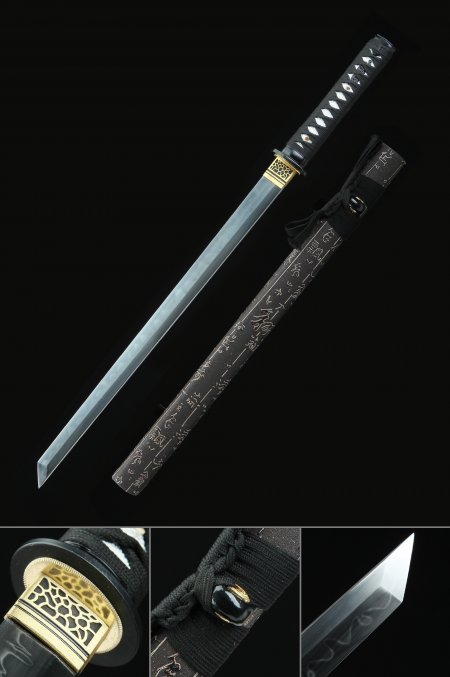
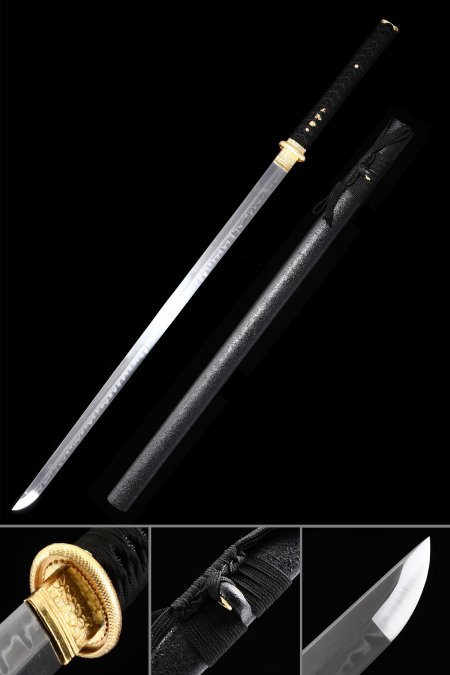
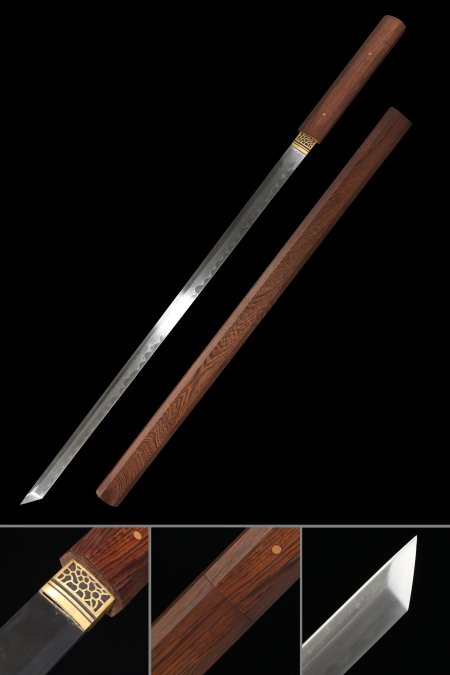
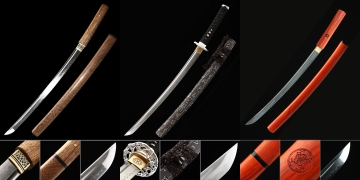
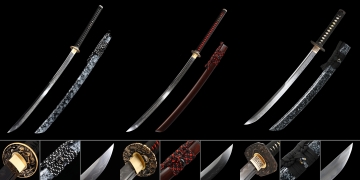
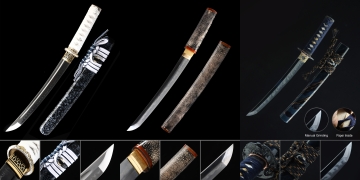
Crafted from clay-tempered T10 carbon steel, each ninjato in this collection features a genuine hamon line and a straight-edged chokuto profile that sets it apart from conventional curved blades. Full-tang construction and hand-fitted components — from lacquered saya to wrapped ito — make these pieces serious display collectibles with authentic character. Every order ships free, and we back each purchase with a hassle-free return policy.
Received my Shinai in record time, very satisfied with the quality. Will definitely shop there again.
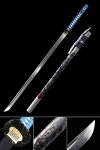 |
T10 Carbon Steel Ninjato with Real Hamon, Blue Ito & Dragon-Engraved Silver Saya |
Very nice quality sword. Very well crafted, sharp, and looks great on display. Came packaged very well. Over, very nice product and will certainly purchase more in the future.
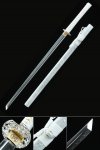 |
T10 Carbon Steel Chokuto Ninjato with Real Hamon in White Saya - Silver Orchid Tsuba Collectible Sword |
Like a true ninja it appeared on my doorstep. Beautiful work and it’s a real sword. Heavier than I expected and really solid. A beautiful piece of art that’s fully functional. Came from China and arrived really quickly. Thanks True Katana. Expect a few more orders from me in the near future
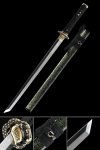 |
T10 Carbon Steel Ninjato with Hamon Blade in Multi-Color Glitter Saya - Black Cord Handle |
It’s very sharp, very lightweight and it came out great!!
|
T10 Carbon Steel Chokuto Ninjato with Real Hamon in White Saya - Silver Orchid Tsuba Collectible Sword |
Thank you for the amazing katanas and customer service!! Great company
|
T10 Carbon Steel Chokuto Ninjato with Real Hamon in White Saya - Silver Orchid Tsuba Collectible Sword |
It looks exactly how I wanted it but it came very dirty. It seems like the sleeve was a perfect size for the blade so I’m not sure how it got this dirty but I will give a update on how the sword is holding up after a few weeks/months.
|
T10 Carbon Steel Chokuto Ninjato with Real Hamon in White Saya - Silver Orchid Tsuba Collectible Sword |
Outstanding product as advertised. Sword is very sharp and was well packaged for shipment.
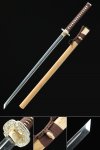 |
T10 Carbon Steel Chokuto Ninjato with Real Hamon - Natural Wood Saya, Brown Ito, Gold-Silver Tsuba |
Wow that was fast shipping ! Great quality looks great! Scabbard is tight !
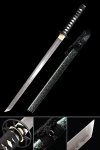 |
T10 Carbon Steel Ninjato with Real Hamon in Black-Teal Glitter Lacquer Saya - Full Tang Ninja Sword Replica |