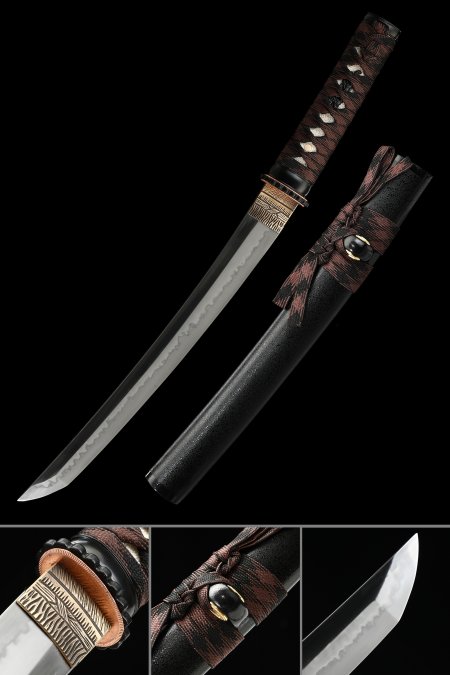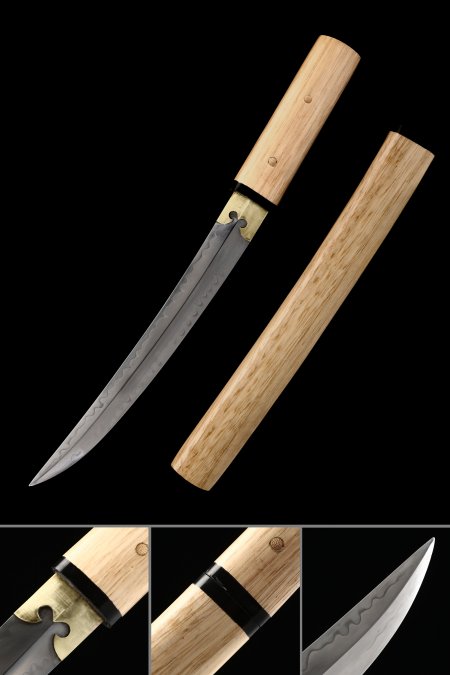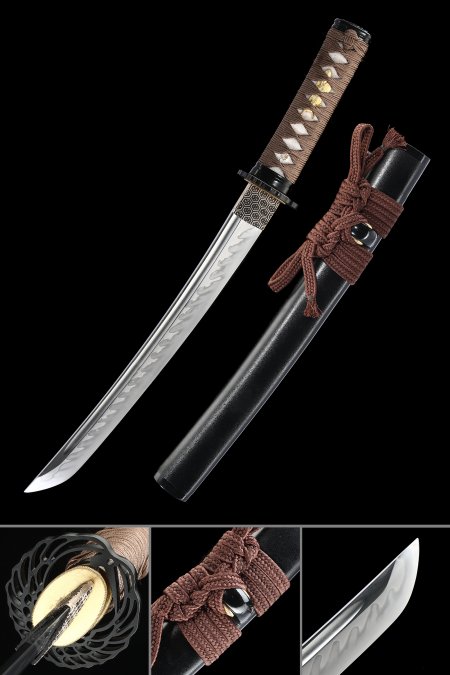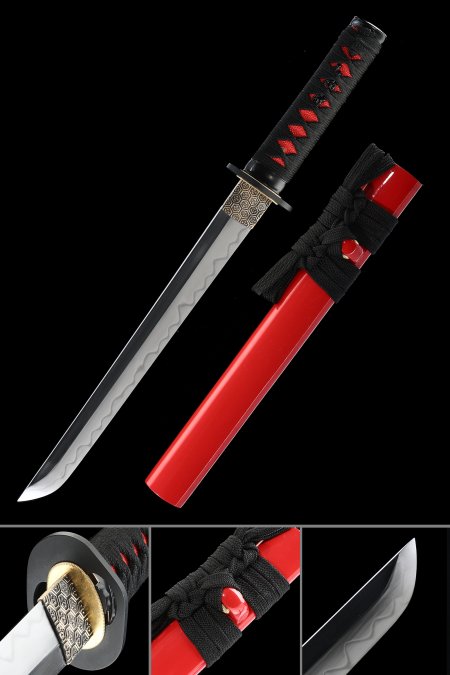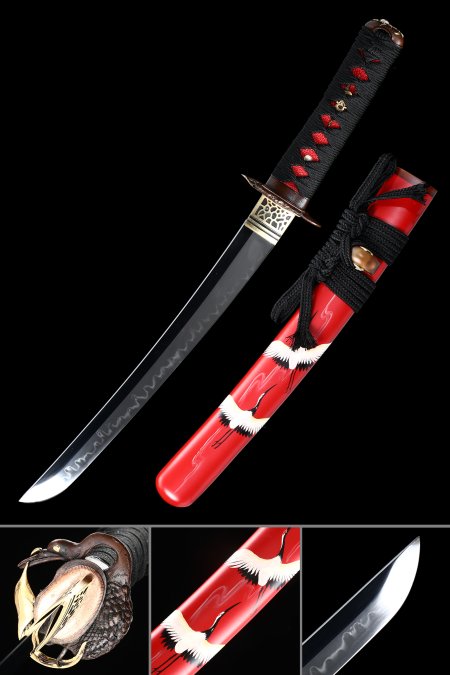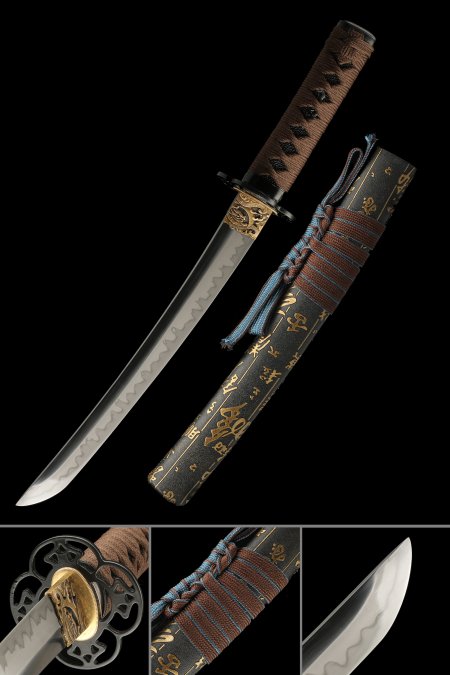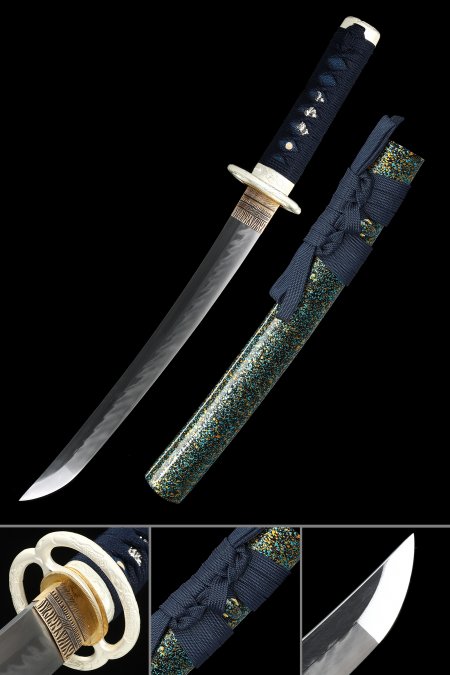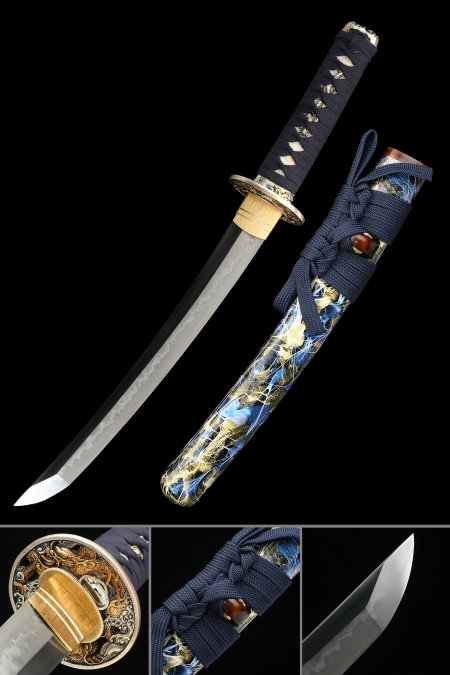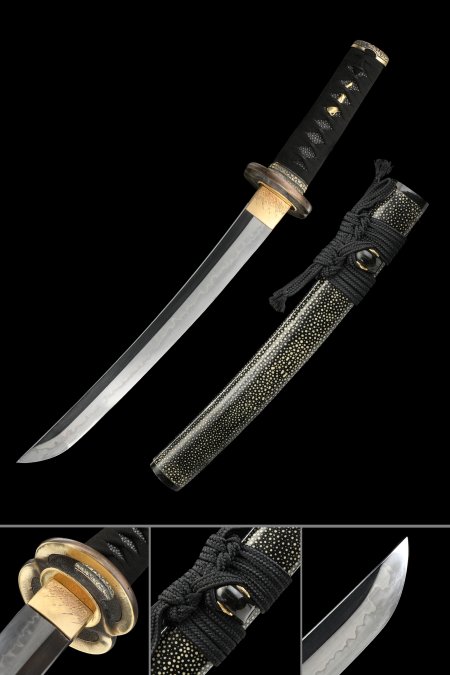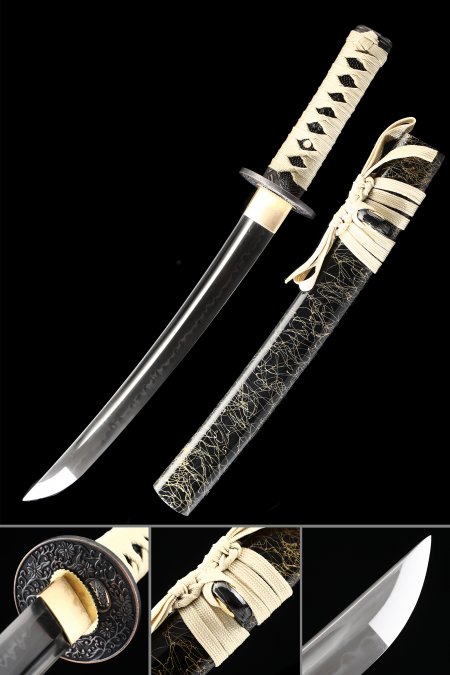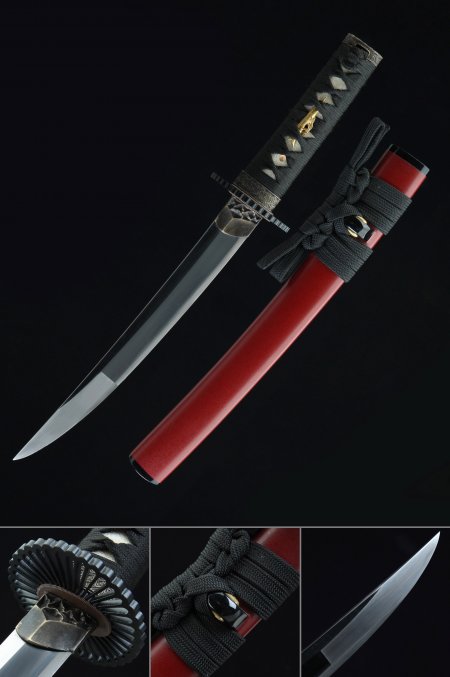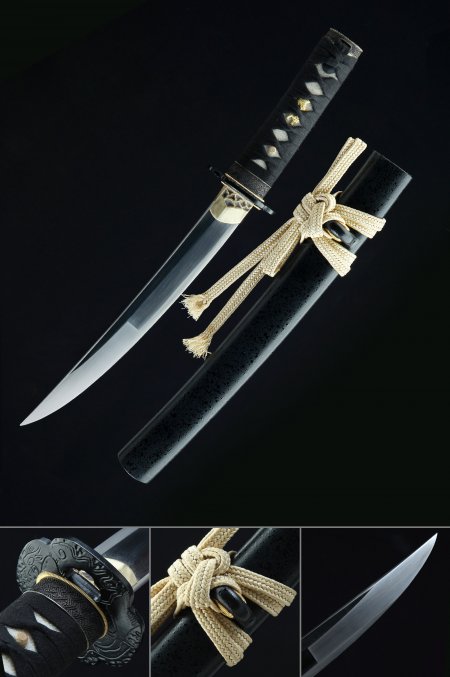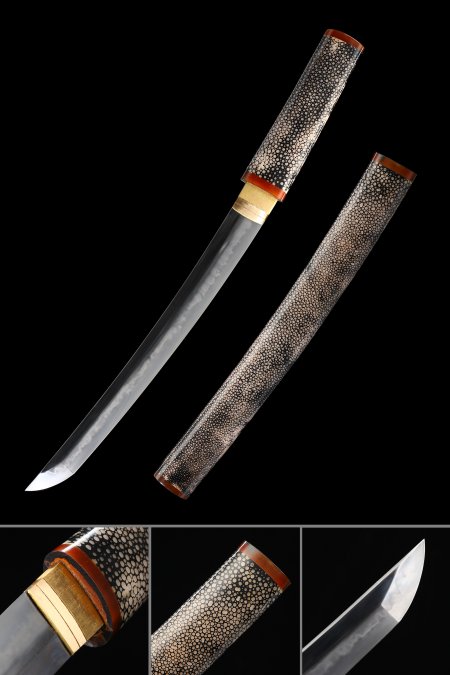
T10 Carbon Steel Aikuchi

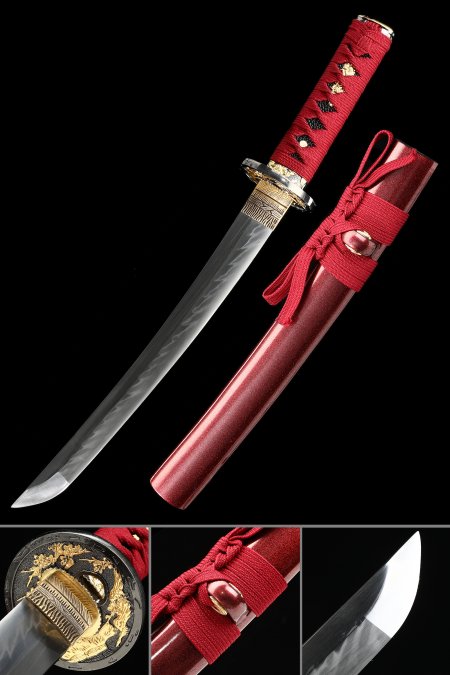
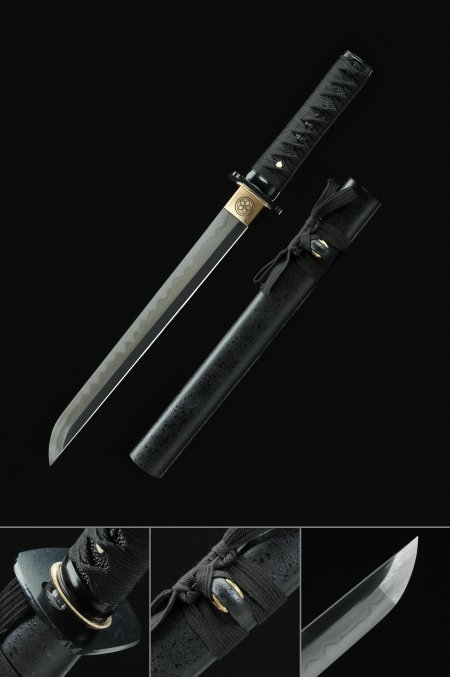
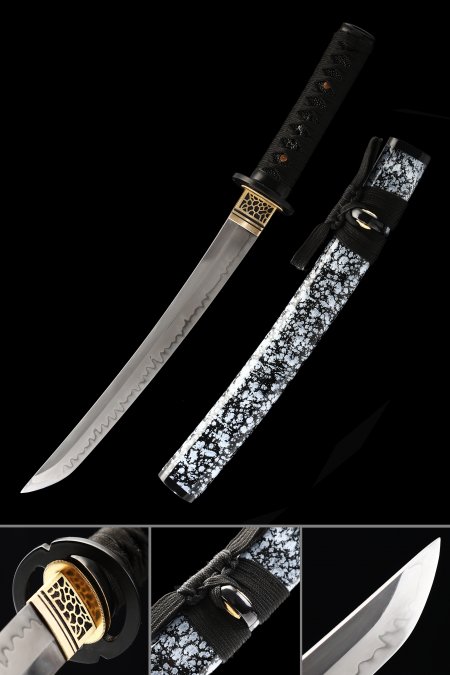
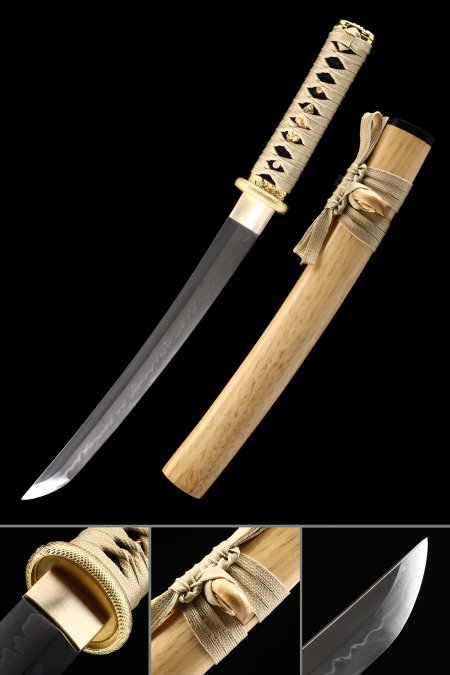
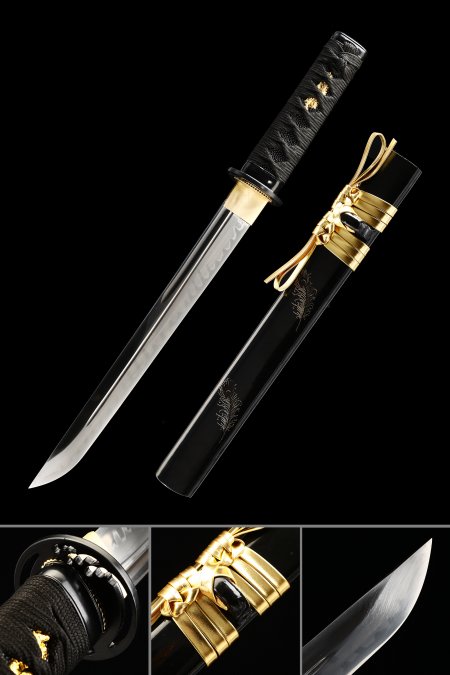
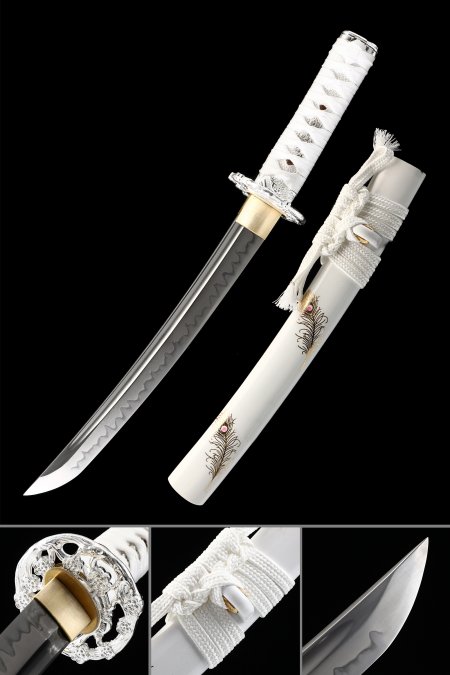
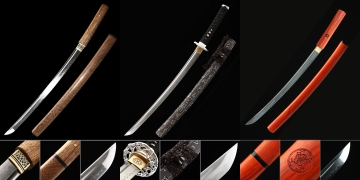
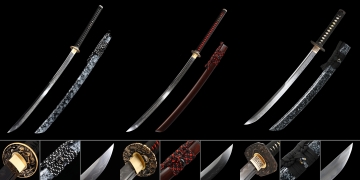
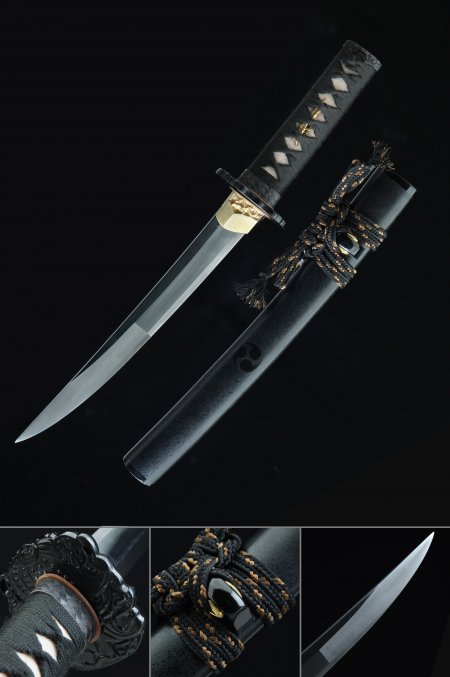
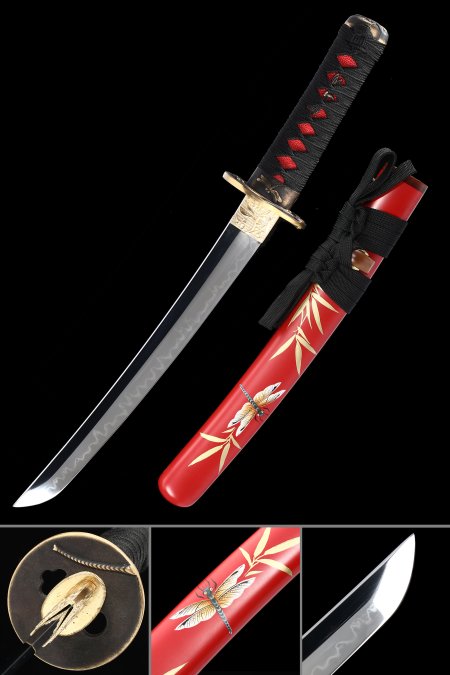
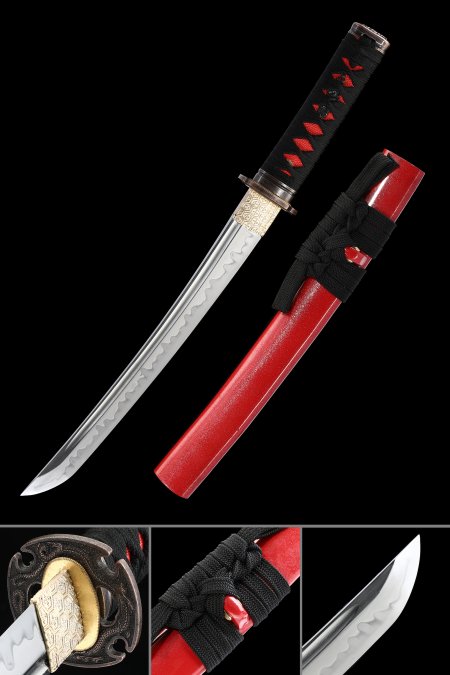
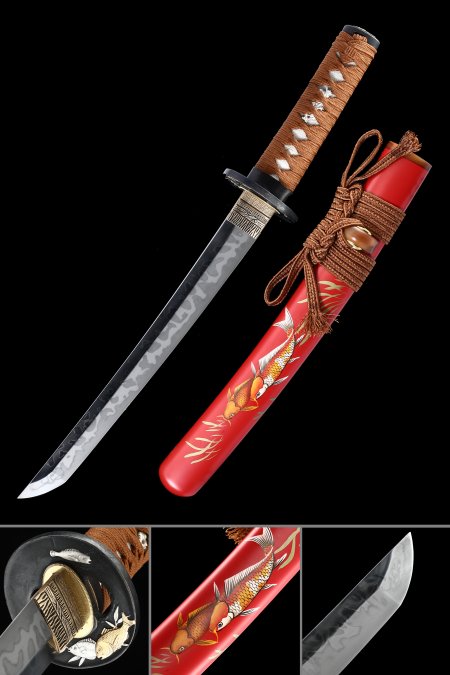
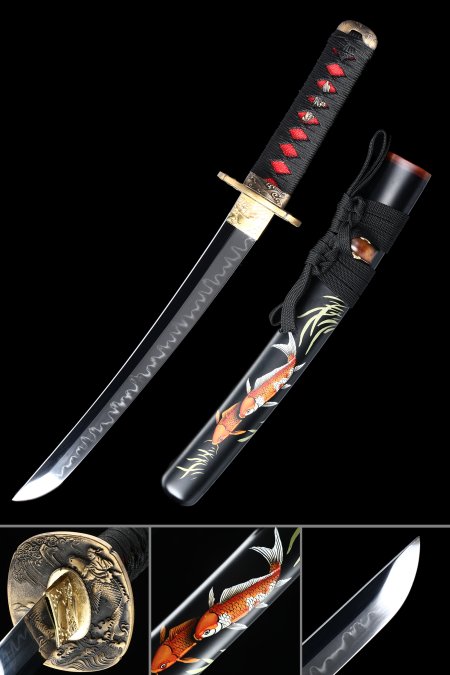
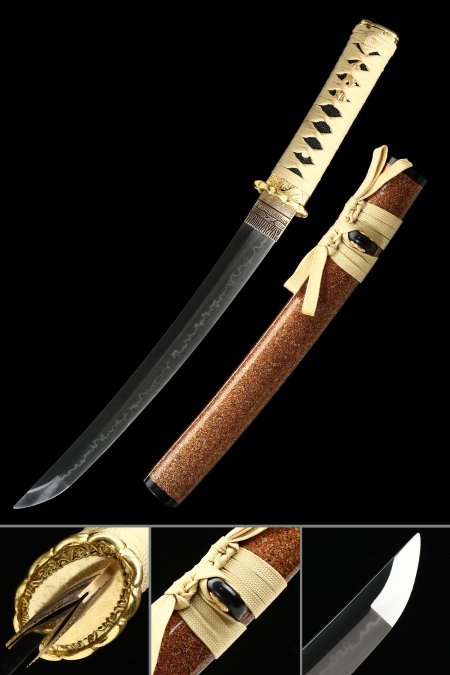
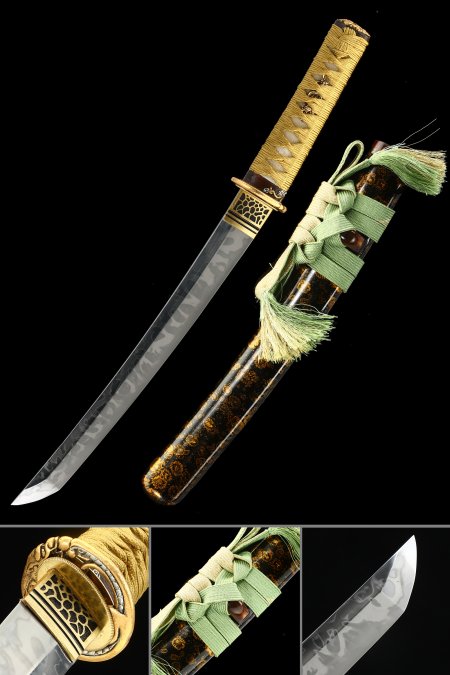
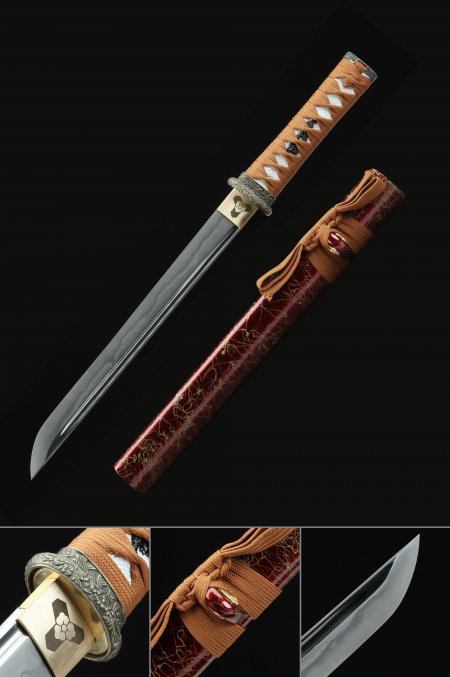
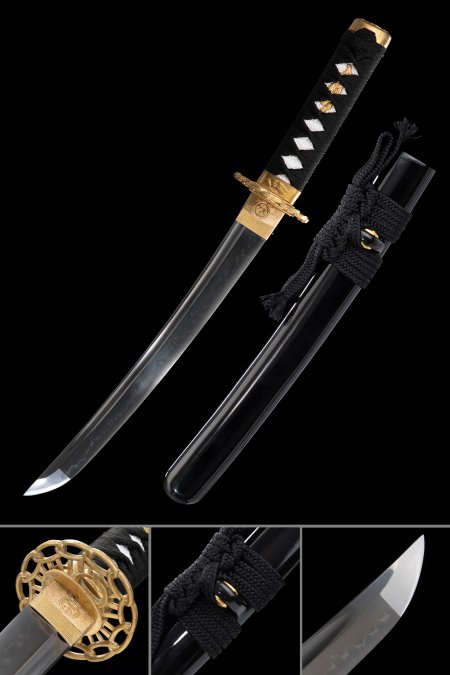
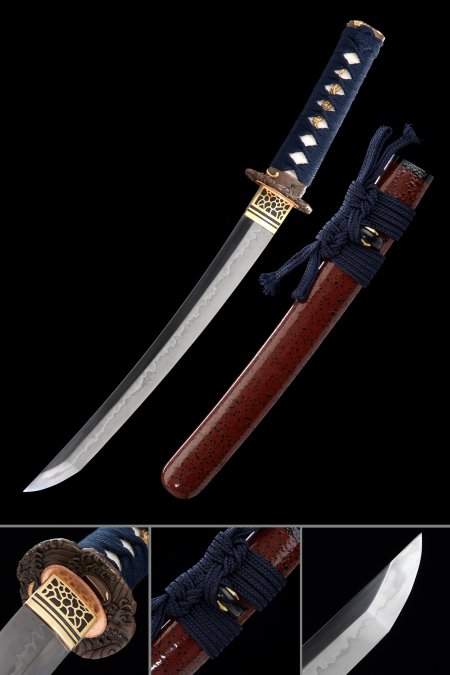
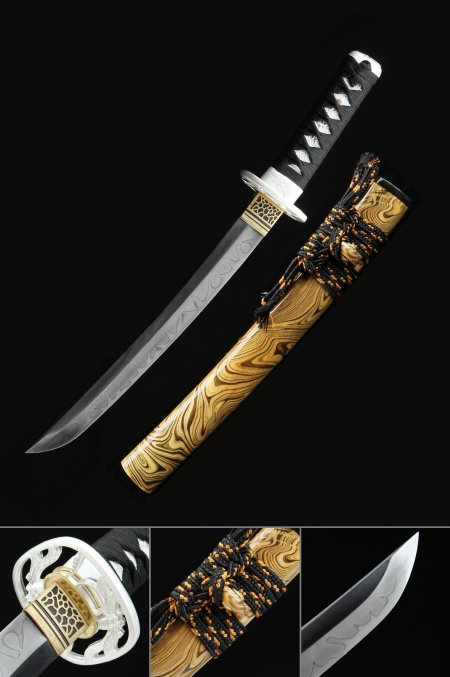
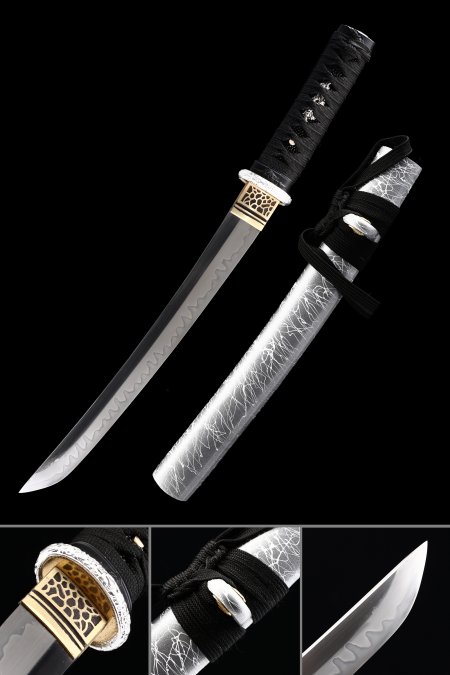
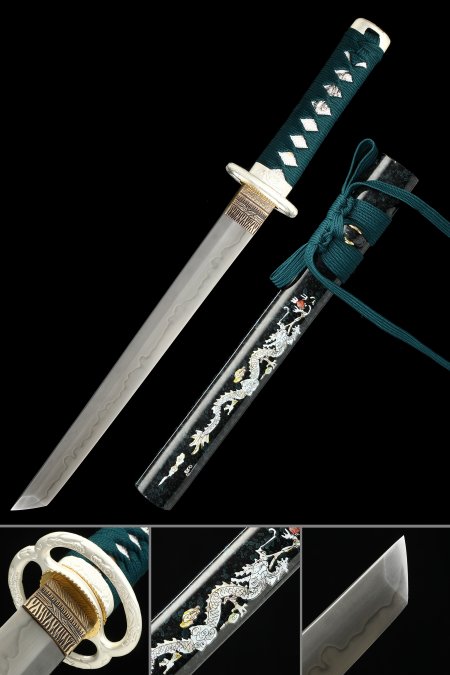
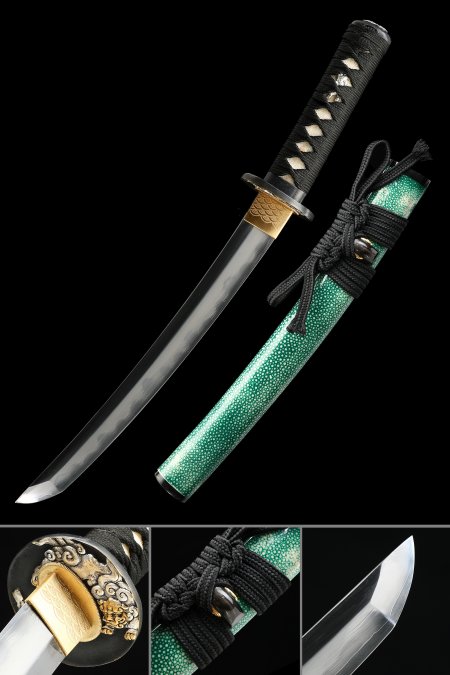
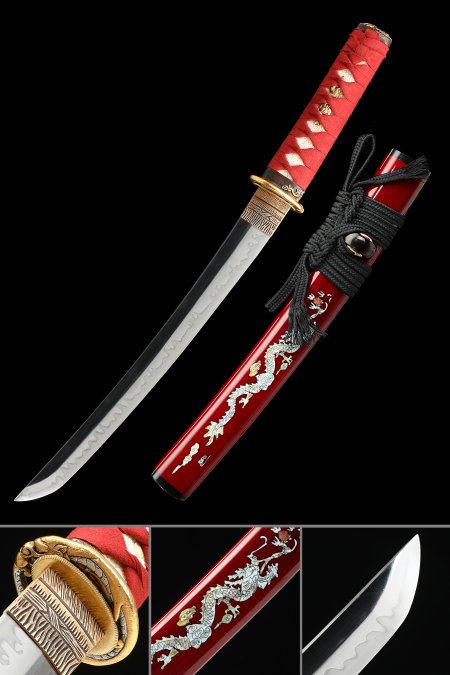
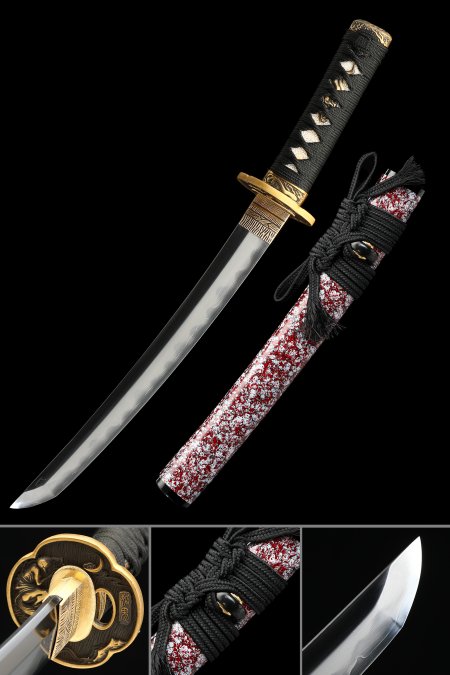
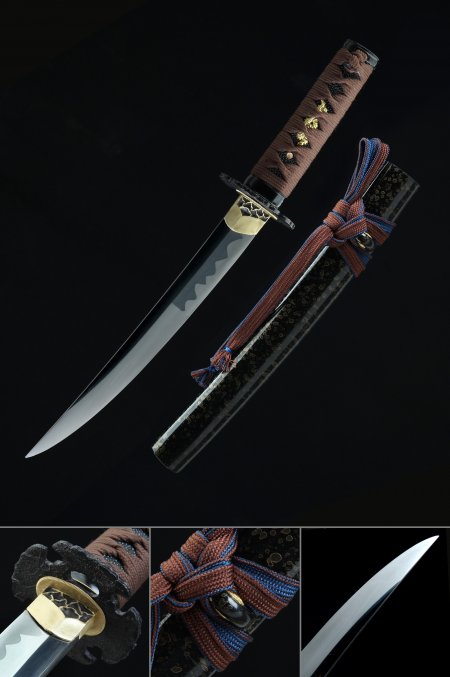
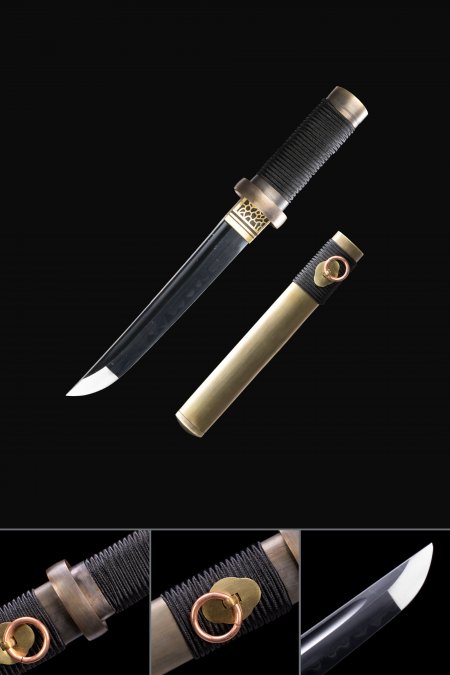
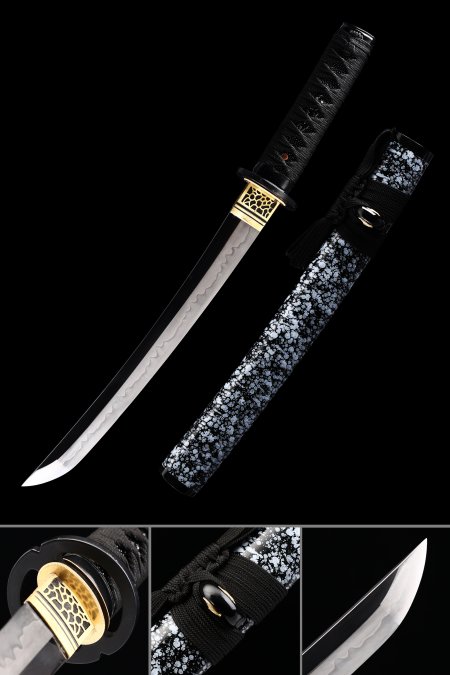
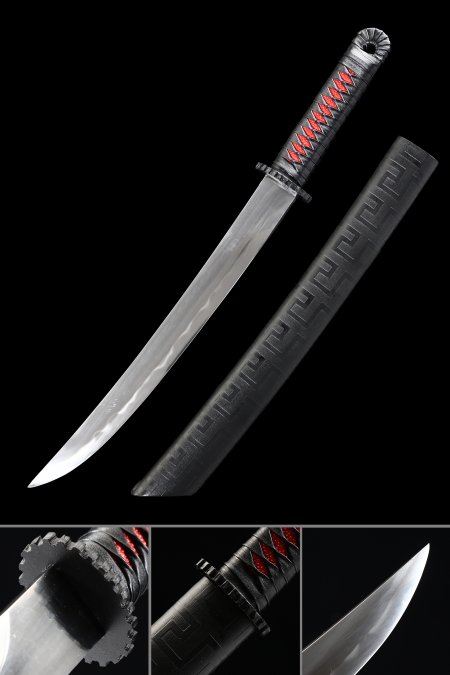
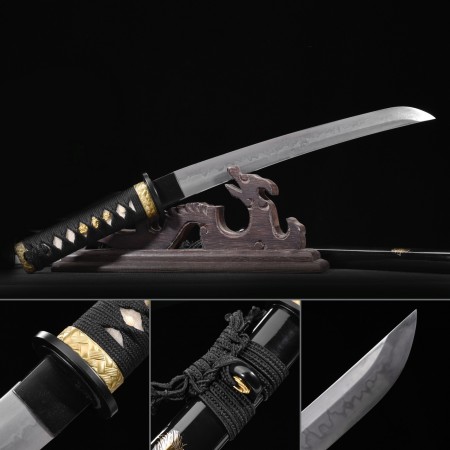
T10 carbon steel aikuchi are among the most refined short-blade collectibles in Japanese sword artistry - each featuring a clay-tempered blade with a visible, authentic hamon and a full-tang construction finished by hand. From shirasaya-style minimalism to ornate lacquered saya with dragon tsuba and peacock feather inlay, every piece in this collection reflects meticulous craftsmanship. Explore our full range with free standard shipping and hassle-free returns on every order.
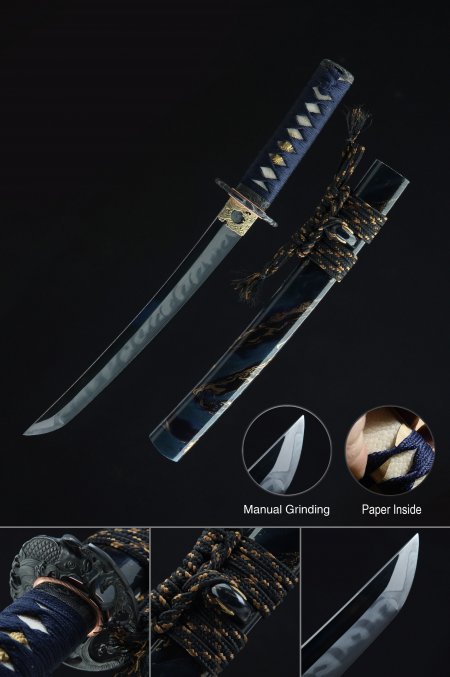
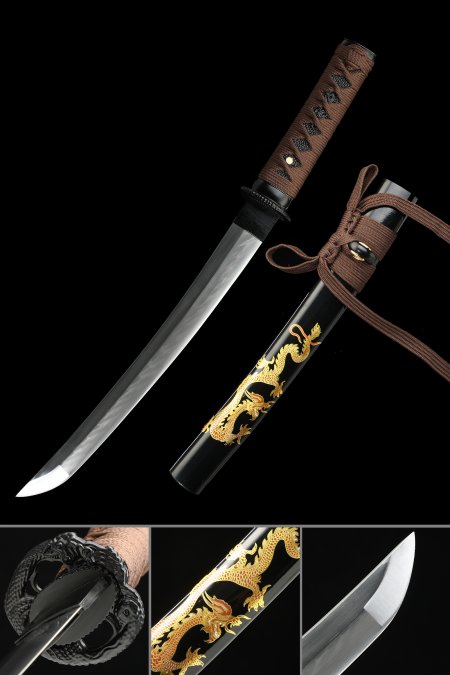
Showing 42 Products

Related Collections

1060 Carbon Steel Katana77 items


643 Reviews

Carbon Steel Samurai Sword100 items


1347 Reviews

1045 Carbon Steel Aikuchi3 items


23 Reviews

Frequently Asked Questions

What makes T10 steel a good choice for a collectible tanto?
T10 carbon steel is valued in the collector market primarily for two reasons: its response to clay tempering and its edge retention. With roughly 1.0% carbon content and trace tungsten, T10 develops a hard edge zone during quenching while the spine remains more flexible - a balance that high-carbon steels without tungsten don't always achieve as consistently. For display and collection purposes, the most visible result of this is the hamon, the temper line along the blade. On a properly clay-tempered T10 tanto, that hamon is a genuine metallurgical feature with visible activity - nie crystals, misty transitions - not an etched pattern applied to a uniformly hardened blade. That authenticity is exactly what knowledgeable collectors look for when evaluating a piece's long-term value.
What is an aikuchi, and how does it differ from a standard tanto?
An aikuchi is a specific mounting style rather than a blade category. The defining characteristic is the absence of a tsuba - the guard that normally sits between the handle and the saya. On a standard tanto, the tsuba creates a visible separation point and adds an additional decorative element. On an aikuchi, the kojiri of the handle fits flush against the saya opening, creating a continuous, unbroken profile. Historically, this style was associated with civilian dress wear in feudal Japan, where a visible guard was sometimes considered inappropriate in formal contexts. For modern collectors, the aikuchi form appeals because of its visual restraint - the entire composition flows without interruption, which places maximum emphasis on the quality of the saya lacquerwork, the handle wrap, and the blade geometry itself.
How do I care for a lacquered saya on a display tanto?
Lacquered saya - whether piano lacquer, matte black, or hand-painted decorative finishes - require more careful handling than natural wood. Avoid direct sunlight, which degrades lacquer over time and can cause cracking or color shift. Do not store the saya in an airtight case without some humidity buffering, as both extremely dry and extremely humid environments cause the wood beneath to expand and contract, stressing the lacquer layer. For the blade inside, a light coat of choji oil or mineral oil applied every two to three months with a soft cloth is standard practice - wipe away any excess before reinserting into the saya to prevent oil from seeping into the lacquer seam. Handle the saya with clean, dry hands; skin oils can dull polished lacquer surfaces over time, particularly on high-gloss piano lacquer finishes.
Is a real hamon visible on all T10 tanto in this collection?
Yes - all T10 carbon steel tanto in this collection feature a genuine clay-tempered hamon rather than an acid-etched simulation. The difference matters significantly for collectors. A real hamon is produced when clay is applied to the spine of the blade before quenching, insulating that area so it cools more slowly and remains softer, while the exposed edge hardens rapidly. The boundary between these two zones creates the hamon. Because T10 steel has the carbon content needed to respond strongly to this process, the resulting temper line often shows clear activity - areas of crystalline texture near the edge called nie - that shifts subtly depending on how light falls across the blade. An etched hamon, by contrast, is applied chemically after hardening and looks uniform and flat under close inspection. When evaluating any piece, examining the hamon under angled light is one of the most reliable ways to distinguish the two.
What display setup works best for an aikuchi tanto collection?
Aikuchi tanto display particularly well horizontally, on a single- or double-tier wooden sword stand, where the unbroken line from handle to saya tip reads cleanly without visual interruption. Because the aikuchi form has no tsuba to anchor the eye, the overall profile becomes the focal point - which means display orientation and lighting matter more than with guarded pieces. Angled lighting from above or to the side will bring out hamon activity on the blade if it's displayed partially drawn, and will highlight lacquer depth and sheen on the saya. For collectors displaying multiple pieces together, alternating saya finishes - matte wood grain alongside high-gloss piano lacquer - creates visual contrast without requiring different blade types. A sealed display case with a small silica gel pack helps maintain stable humidity, which protects both the lacquerwork and the blade finish over the long term.

Customer Reviews

Richard Dale Parsons Texas, United States

I’m no sword smith, but I am a satisfied customer. The Tanto is very nice and I did choose the T10 steel for its strength and edge retention capabilities. The hamon line is nice with nice graying. Shipping and delivery was fast. I waited for the Tanto to decide whether or not to order a Wakizashi and I did. If it’s appearance and quality is what I’m expecting I’ll be ordering a Katana.

Clay Tempered T10 Steel Tanto with Real Hamon in Dark Blue Dragon Saya - Gold Alloy Wave Tsuba Clay Tempered T10 Steel Tanto with Real Hamon in Dark Blue Dragon Saya - Gold Alloy Wave Tsuba
Johnathan Chapman Pennsylvania, United States

Beautiful blade. I’m very happy with my purchase. My only minor inconveniences are that the very tip of the blade is ever so slightly bent, and the sheath has very small damage (most likely from shipping). Other than those two things, everything about the piece is well made and aesthetically pleasing to look at and hold.

T10 Carbon Steel Hamidashi Tanto with Real Hamon in Black Piano Lacquer Saya - Gold Habaki Accent T10 Carbon Steel Hamidashi Tanto with Real Hamon in Black Piano Lacquer Saya - Gold Habaki Accent