Tanto Knife
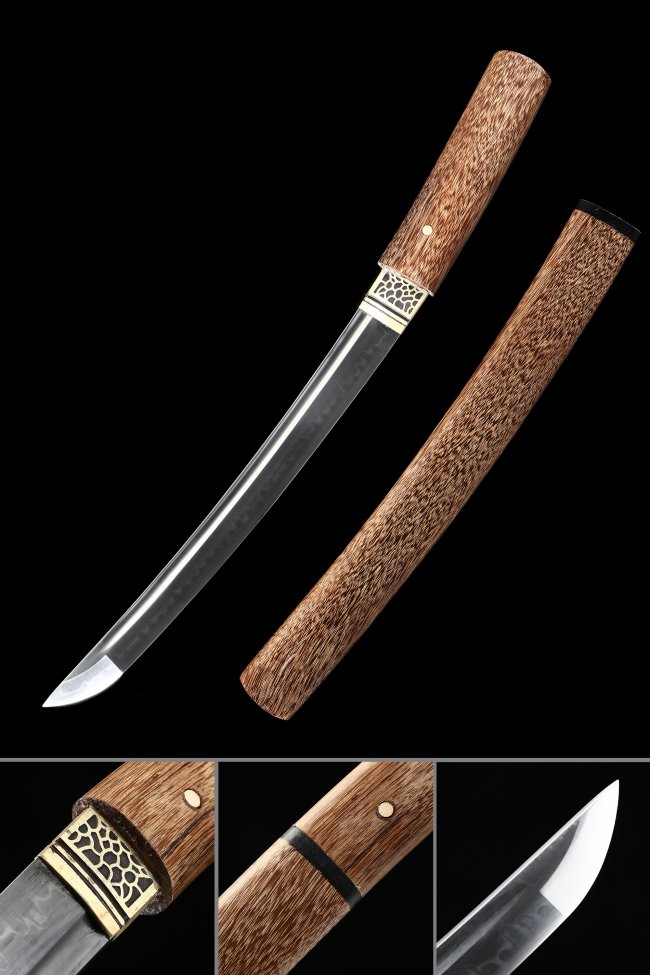
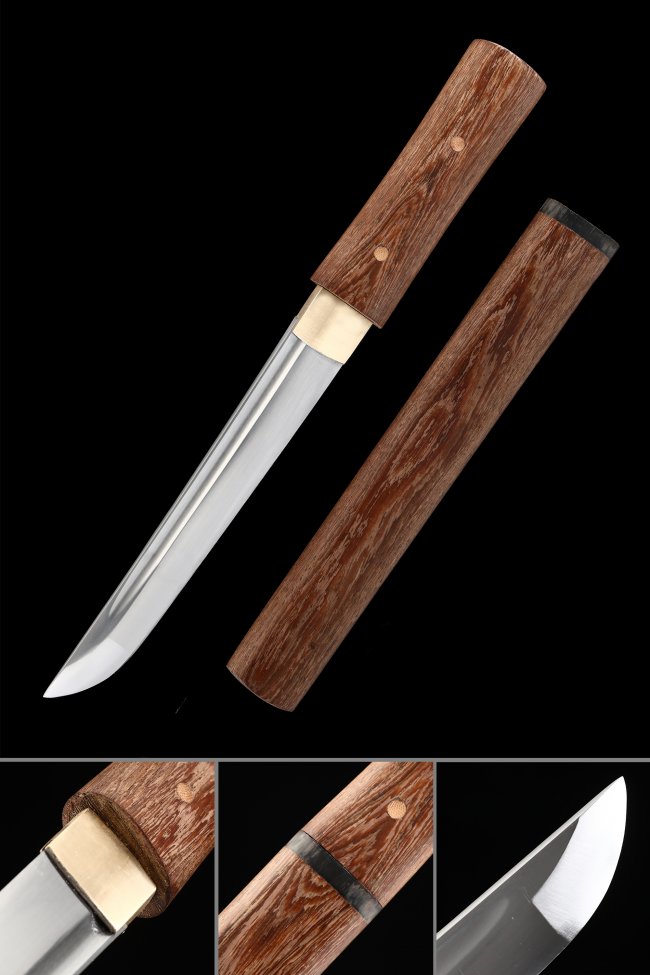
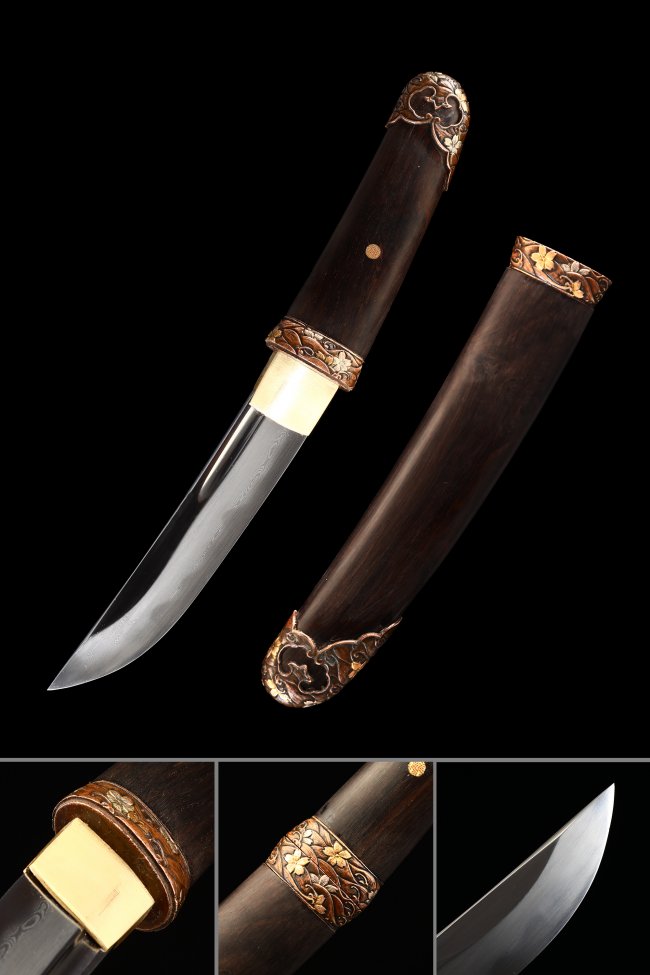
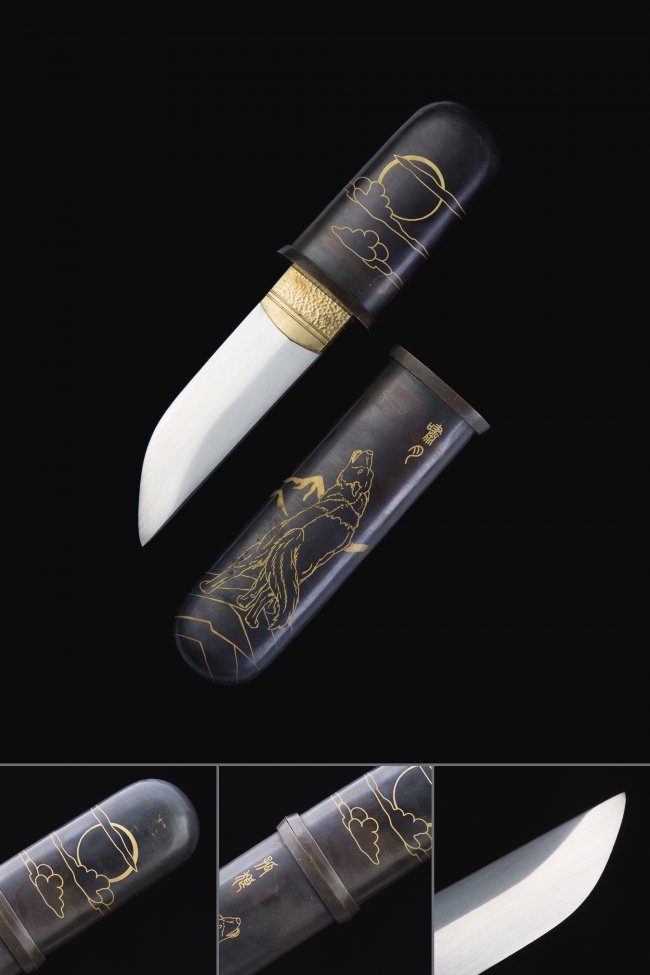
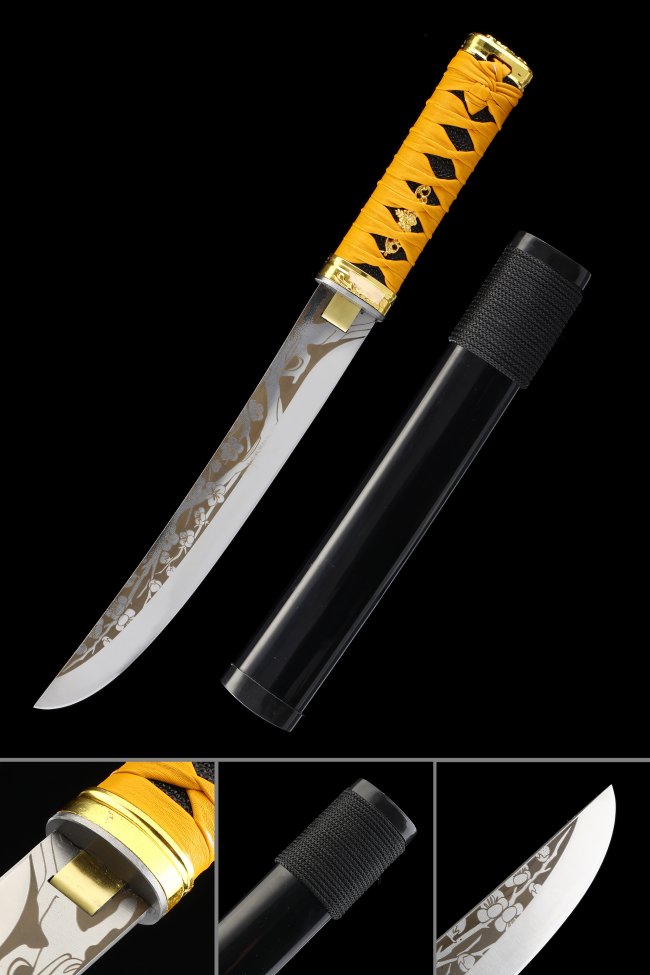
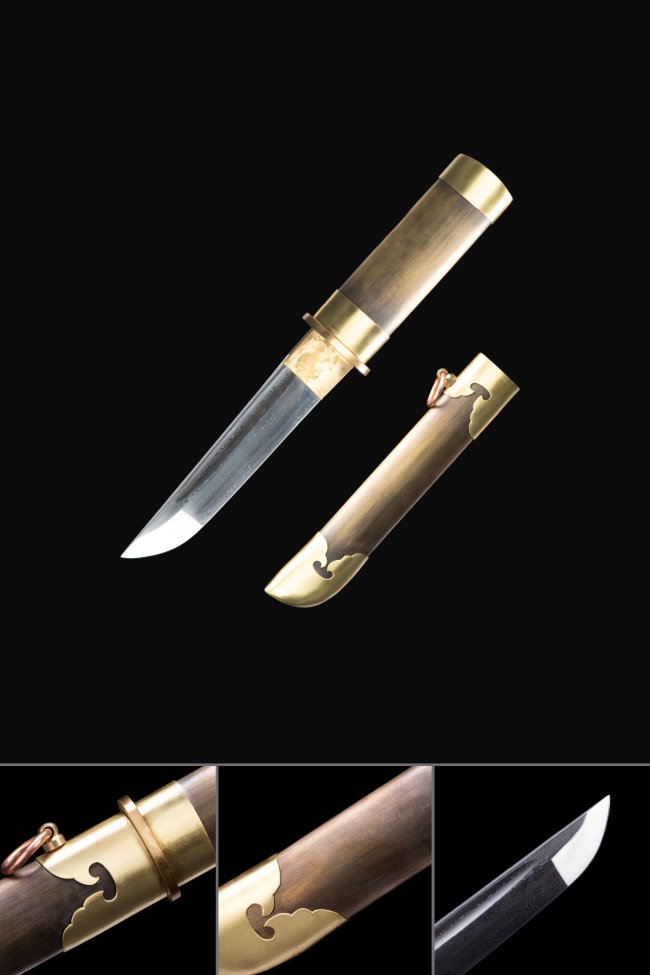
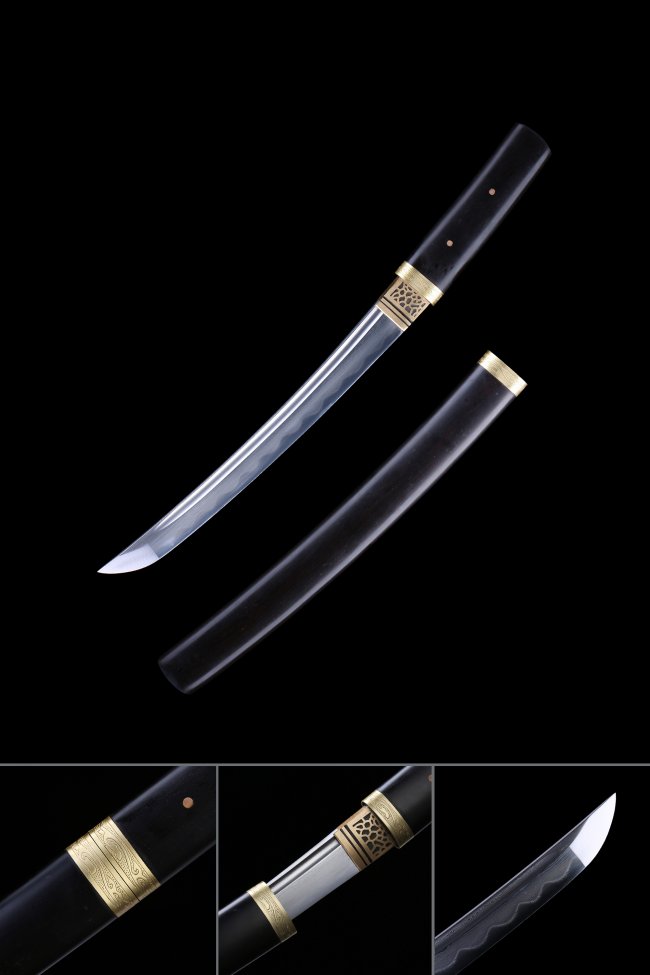
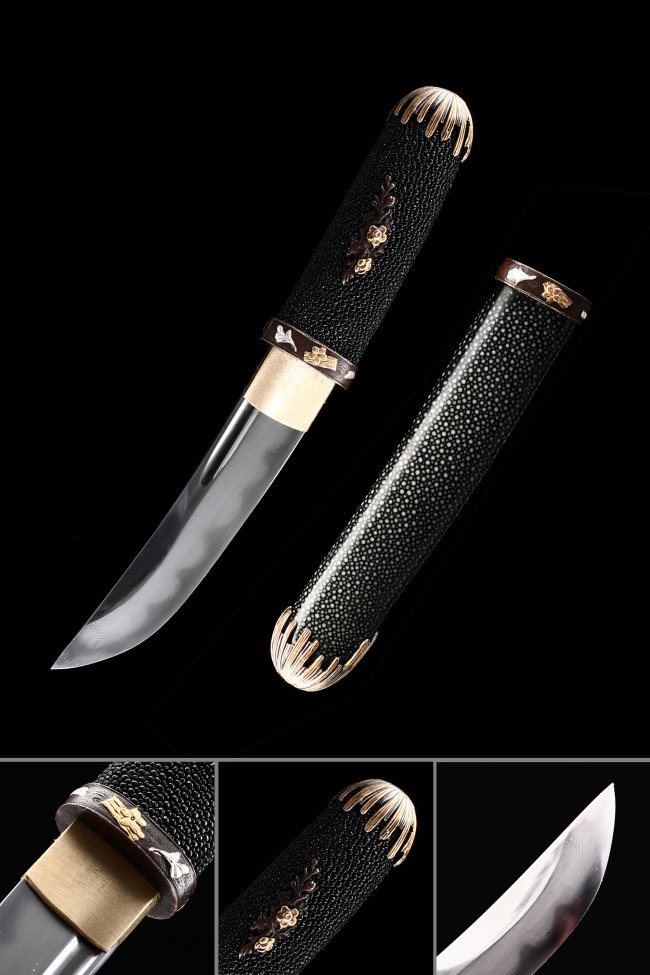
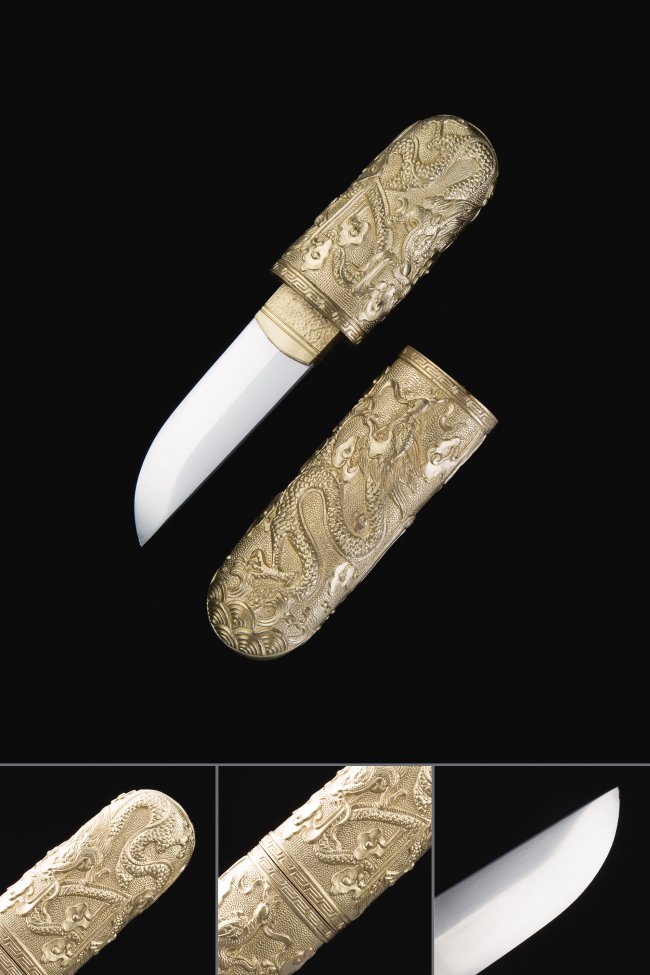
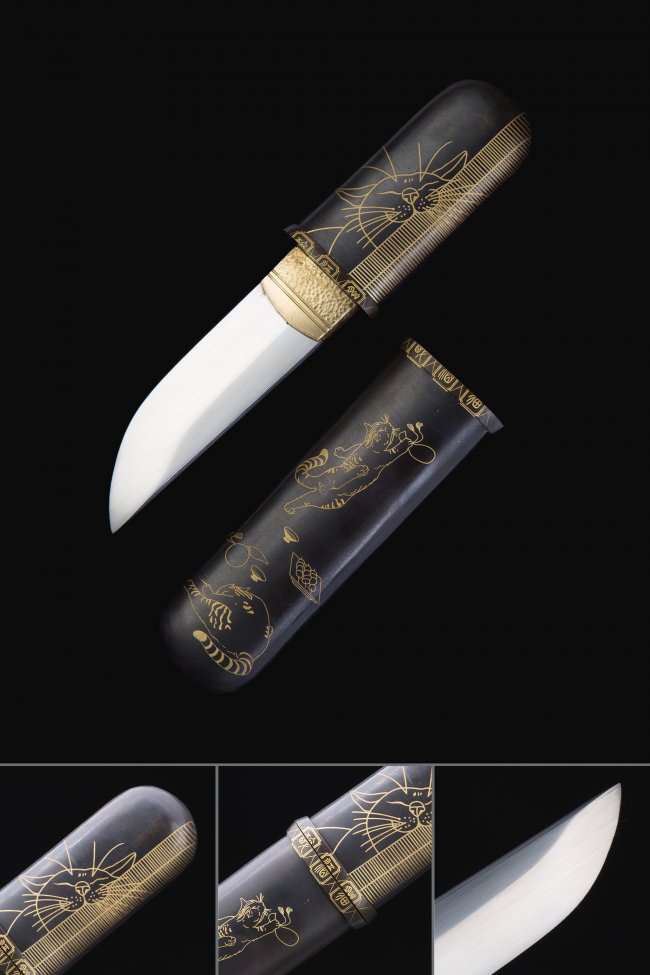
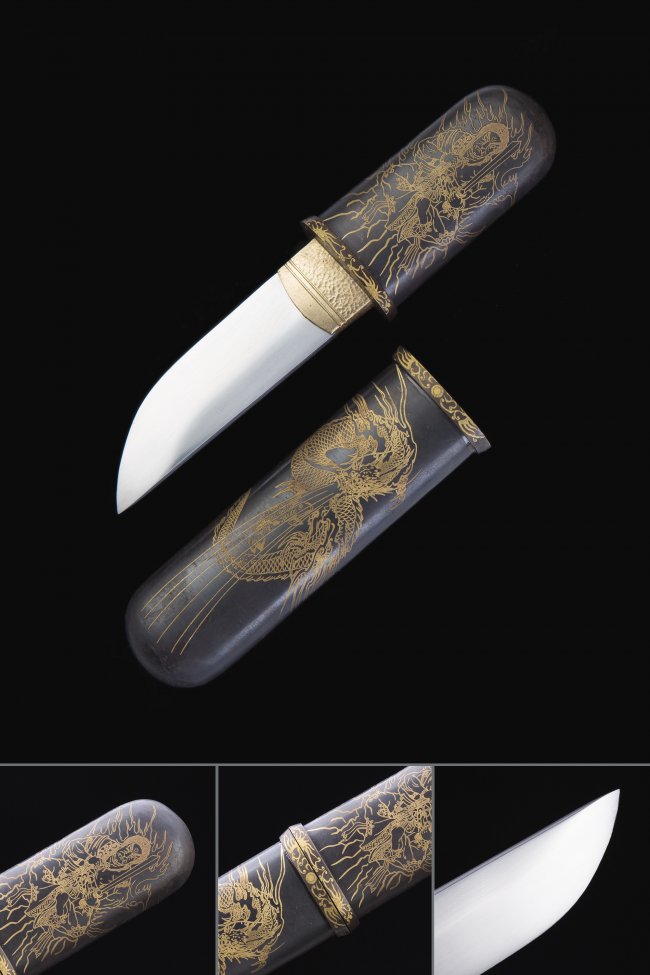
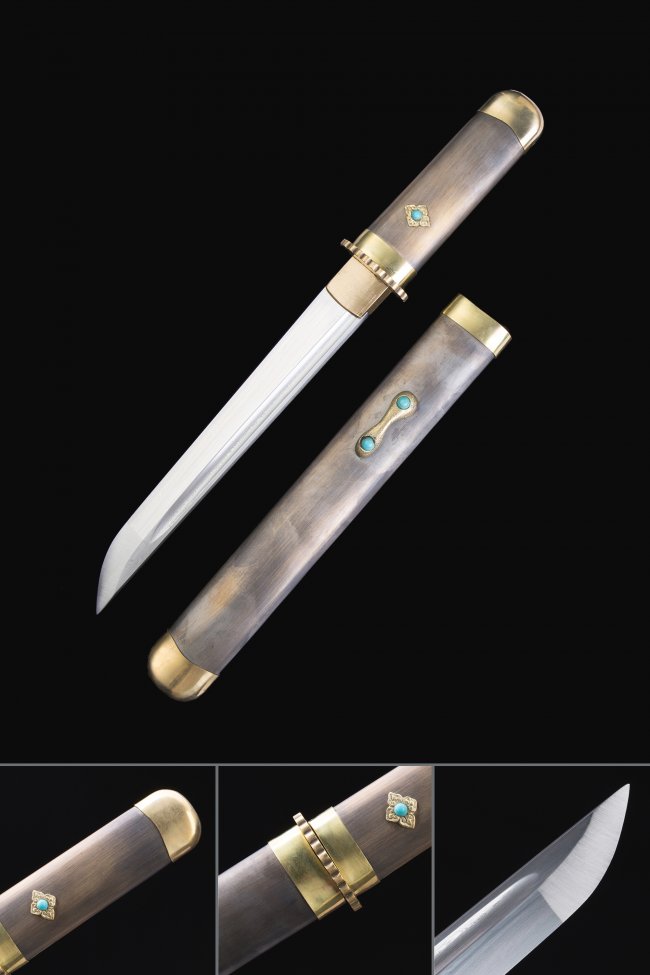
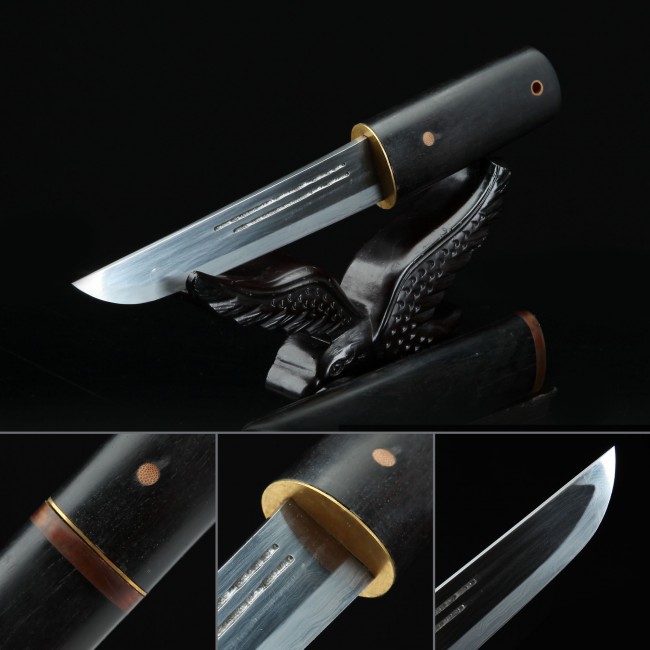
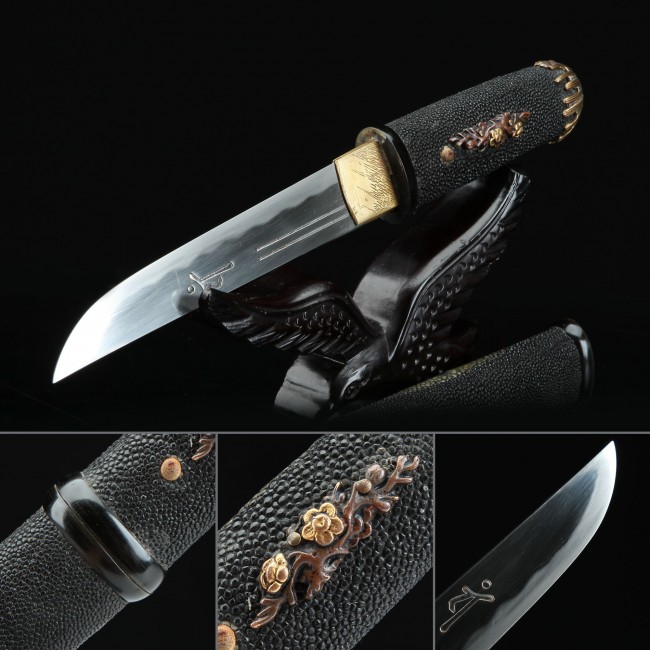
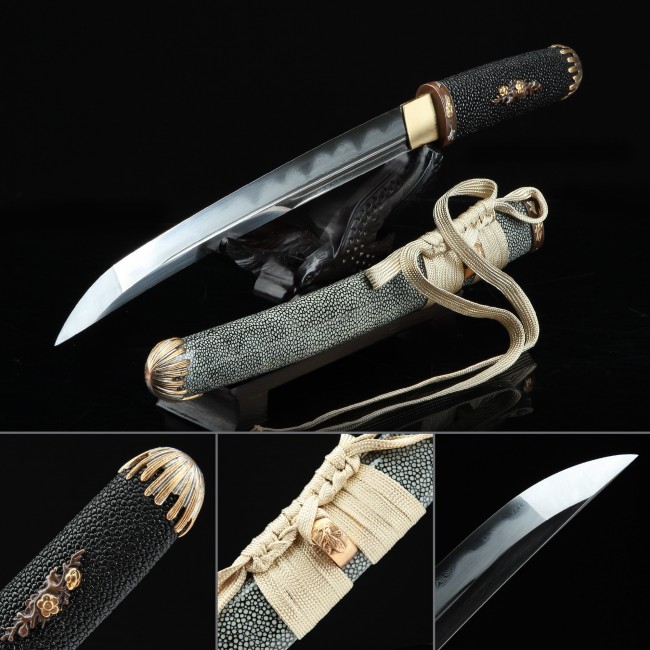
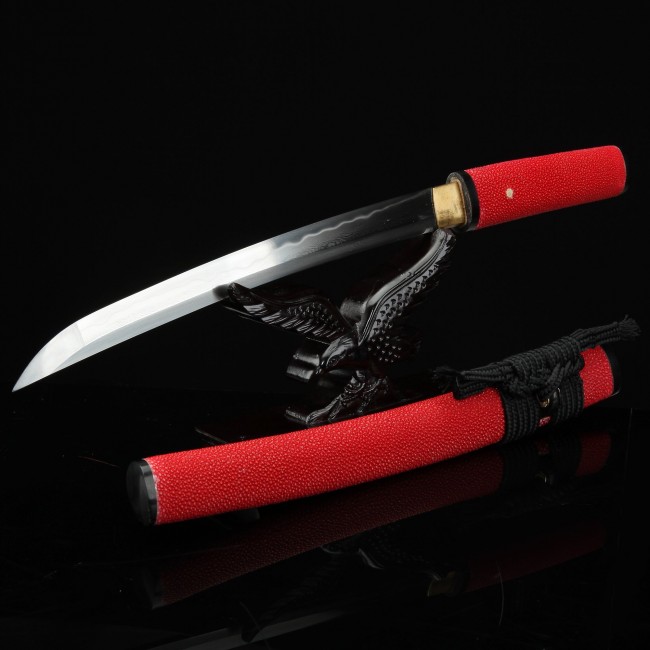
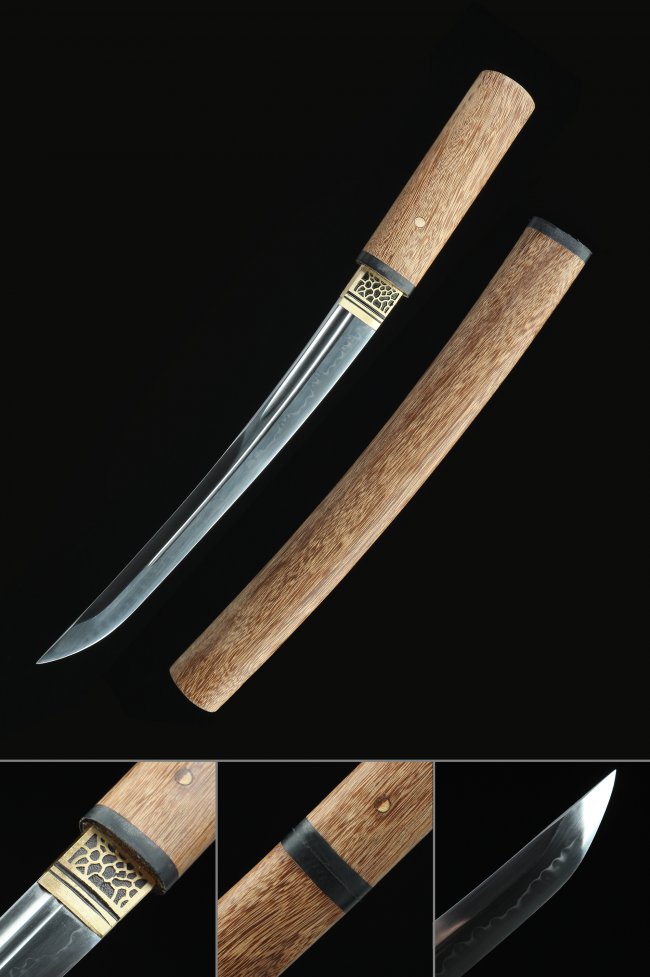
The tanto is the iconic Japanese short blade that served samurai as a close-quarters weapon, utility knife, and trusted companion to the katana and wakizashi for centuries. At TrueKatana, every tanto knife is hand-forged from high-carbon steel, fitted with traditional koshirae — including rayskin-wrapped tsuka, matched tsuba, and lacquered saya — and sharpened to a working edge that honors the original craft. Whether you need a compact display piece, a functional cutter for light practice, a gift for a collector, or a versatile addition to your Japanese sword set, this collection spans multiple steel grades, blade profiles, and mounting styles. Browse lengths, finishes, and themes to find the right short blade for your needs.


Related Collections
Frequently Asked Questions
What is the difference between a tanto knife and a tanto sword?
In English-language collecting, the terms "tanto knife" and "tanto sword" are often used interchangeably, but there is a subtle historical distinction worth understanding. In Japanese tradition, a tanto is classified by blade length: any blade under one shaku (roughly 12 inches or 30 cm) is a tanto, regardless of how it is mounted. The word "sword" in English tends to imply a longer, two-handed weapon, so purists sometimes object to calling a tanto a "sword." However, in the context of Japanese martial culture, the tanto is absolutely a nihonto — a real Japanese sword in the same lineage as the katana, wakizashi, and tachi, just shorter. It was forged by the same smiths using the same tamahagane or carbon-steel techniques, fitted with traditional koshirae, and carried by samurai as part of their daily equipment. TrueKatana uses "tanto knife" for buyers who think of the blade primarily as a short, knife-length tool, and "tanto sword" for buyers who view it as a scaled-down member of the Japanese sword family. Regardless of which term you prefer, the construction, materials, and cultural pedigree are identical. For a deeper look at the full Japanese blade lineage, explore the broader Japanese Sword collection to see how tanto fits alongside katana, wakizashi, tachi, and naginata.
How long is a typical tanto knife blade?
A traditional Japanese tanto has a blade length (nagasa) between approximately 6 and 12 inches (15–30 cm), with most production tanto falling in the 9 to 11 inch range. TrueKatana's standard tanto models typically offer a nagasa around 10 to 11 inches, which gives enough cutting surface for functional use while keeping the blade compact enough for easy display and carry. Overall length including the tsuka usually lands between 15 and 18 inches. At the shorter end, some ko-tanto (small tanto) models run 6 to 8 inches of blade, which are especially popular as desk display pieces, letter openers, and gifts. At the upper end, a long tanto approaching 12 inches begins to feel almost like a short wakizashi and offers more reach for cutting practice. Weight varies from about 0.7 pounds for a slim 1045 display piece to roughly 1.2 pounds for a thick T10 or Damascus cutter. Custom lengths are available if you want something outside the standard range — just message the team with your preferred nagasa before ordering. Compare compact and long tanto options in the Short Tanto lineup and the broader Tanto Blade catalog to find the exact size that fits your hand and your display.
Is a tanto knife battle ready?
It depends on the steel grade and construction. Display-grade tanto built from 1045 carbon steel or stainless steel are designed for looks, gifts, and static collection — they may have a partial tang and a softer edge, and they should not be used for real cutting. However, TrueKatana's higher-tier tanto in 1060, 1095, T10, and folded or Damascus steels are genuinely battle ready: full-tang, properly heat-treated or clay-tempered, sharpened to a keen edge, and fitted with structural koshirae that can handle controlled cutting. These models will cleanly slice soaked tatami strips, fruit, plastic bottles, and soft bamboo with correct technique. The compact blade size actually concentrates cutting force into a smaller area, which can make a sharp tanto surprisingly effective on light targets. That said, even the best steel will chip on hard targets like metal, bone, or dry hardwood, so keep targets appropriate. Inspect the mekugi and tsuka before each session, and maintain the edge between uses. For maximum functional performance in a short blade, the Full Tang Tanto line is specifically built for real handling, giving you confidence that every structural element is designed for use, not just appearance.
What is an aikuchi tanto?
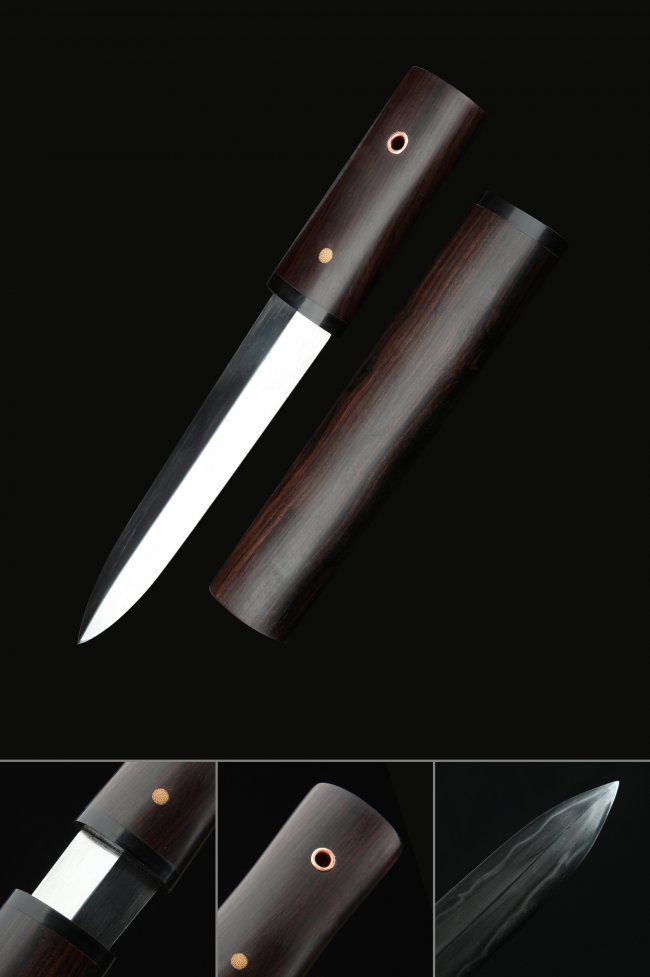
An aikuchi tanto is a mounting style in which the tsuba (handguard) is completely omitted, leaving a flush, seamless transition from the tsuka (handle) to the habaki (blade collar) and saya (scabbard). The name "aikuchi" literally means "fitting mouth," referring to the clean meeting point between the tsuka and the saya with no guard in between. Historically, aikuchi were favored by courtiers, nobles, and high-ranking samurai for formal or indoor occasions where a tsuba was considered unnecessary or even rude — the absence of a guard signaled that the wearer was not expecting combat. The aikuchi style produces an exceptionally sleek, minimalist silhouette that many modern collectors find elegant and sophisticated. Without a tsuba, the blade draws and sheathes silently and tucks into an obi or display stand with a lower profile than a standard tanto. Because the guard is omitted, the tsuka fittings — fuchi, kashira, menuki, and the same-rayskin wrap — carry extra visual weight and are often finished to a higher standard. TrueKatana's aikuchi models are available across all steel grades and come in a range of saya colors and handle themes. Explore the full lineup in the Aikuchi Tanto collection, and compare the look against a standard guarded tanto to decide which mounting style suits your taste.
Can I use a tanto knife for everyday carry?
A short, fixed-blade tanto can serve as a practical everyday carry (EDC) knife in situations where local law permits — and many US states do allow fixed-blade carry with varying length restrictions. The sturdy, non-folding construction of a tanto eliminates the mechanical failure points found in folding knives, giving you a blade that is always ready and always locked. The classic tanto geometry — a strong, angular tip and a flat-ground edge — excels at piercing tasks, box opening, rope cutting, food preparation, and light outdoor work. For EDC use, most owners prefer a simpler, compact mounting: either a shirasaya-style plain wood saya or a leather sheath that can be worn on a belt, rather than a full lacquered koshirae. A short tanto of 7 to 9 inches overall fits comfortably alongside other pocket tools without being cumbersome. Before carrying any fixed blade in public, always check your local and state regulations on blade length, concealment, and restricted locations. For buyers who want a sturdy, practical everyday tool, the Fixed Tanto range focuses on full-tang construction and utilitarian design, and a Sharp Tanto model ensures the edge is ready to work from the box.
What is the best steel for a tanto knife?
The "best" steel depends entirely on your intended use. For pure display and gift-giving, 1045 carbon steel or manganese steel offers a clean look at the lowest price — no need to pay for cutting performance you will never use. For a balanced combination of beauty and light functionality, 1060 carbon steel is the sweet spot: tough enough for casual handling, affordable enough that you are not worried about nicks, and responsive to a decent polish. For serious cutting and martial arts practice, T10 tool steel is widely considered the best value in the tanto market — the tungsten content gives it outstanding edge retention and shock resistance, and it responds beautifully to clay tempering, producing vivid, natural hamon lines that are the hallmark of a premium Japanese blade. For collectors who prioritize visual art above all else, folded and Damascus-pattern-welded steels produce flowing hada grain patterns that make every blade unique. At the very top tier, a clay-tempered T10 or a multi-layer Damascus tanto delivers museum-grade aesthetics alongside genuine functional capability. If you want the best of both worlds, browse the Damascus Tanto lineup where layered steel meets traditional Japanese mounting for a truly premium short blade.
How do I tell a real hamon from a fake one on a tanto?
A real hamon is the visible boundary between hard martensite at the edge and softer pearlite along the spine, created during clay tempering when the blade is quenched. A fake hamon is etched, sandblasted, or painted onto the surface after the blade is fully hardened or through-tempered. There are several reliable ways to distinguish them. First, examine the line under angled, shifting light: a real hamon has depth and texture — you can see tiny particles called nie (coarse) or nioi (fine) along the boundary, and the pattern shifts and shimmers as you tilt the blade. An etched hamon looks flat, too clean, and sits on the surface like a printed decal. Second, a real hamon is structural — if you lightly polish the blade, the line remains because it runs through the steel, not just on the surface. Third, tap the blade gently near the spine with a fingernail: a clay-tempered blade produces a clear, high ring because the edge and spine have different densities, while a through-hardened blade with a fake hamon produces a duller, more uniform tone. Every clay-tempered model in this collection carries a genuine metallurgical hamon, verified during quality control. For the clearest, most dramatic hamon on a short blade, explore the Clay Tempered Tanto range and compare the line quality against standard through-hardened builds.
Is a tanto a good first Japanese blade for a beginner?
Absolutely — a tanto is one of the best possible starting points for anyone new to Japanese swords. The compact size means lower cost, easier storage, simpler maintenance, and less physical demand when handling. You can display a tanto on a small desktop stand without needing wall space or a large rack, and the shorter blade makes learning proper oiling, sheathing, and care less intimidating than starting with a full-length katana. A tanto also teaches all the same fundamentals: you learn about koshirae components (tsuba, tsuka, saya, habaki, mekugi), steel grades, hamon types, and Japanese blade geometry on a manageable scale. Many serious collectors began their journey with a single tanto and expanded into wakizashi and katana as their knowledge and confidence grew. For budget-conscious beginners, the collection includes affordable 1045 and 1060 options that deliver solid craftsmanship without a heavy investment. When you are ready to grow, adding a longer blade is easy — start with a companion piece from the Beginner Katana range, or step directly into a matched set to build your first daishō display.
Is a tanto knife a good gift?
Yes — a tanto makes one of the best sword-related gifts in the TrueKatana catalog, for several reasons. First, size: the compact blade fits easily on a bookshelf, desk, or mantel without requiring a large display rack, which means the recipient does not need to rearrange their home to enjoy the piece. Second, price: because a tanto uses less steel and fewer materials than a full katana, it offers genuine hand-forged quality at a lower cost, making it accessible for birthday, holiday, graduation, or groomsmen gifts. Third, universal appeal: tanto knives attract martial artists, anime fans, history buffs, knife collectors, and anyone who appreciates fine craftsmanship — you do not need to be a deep sword expert to enjoy owning one. Fourth, presentation: most TrueKatana tanto ship in a silk sleeve and gift-ready box with an identification card listing the steel grade, blade length, and hamon type. To round out the gift, consider adding a compact desktop katana stand so the recipient can display the blade immediately. For a truly impressive set, pair the tanto with a longer blade in a matched Katana And Tanto Set for a two-sword gift that covers both display and cutting use.
Customer Reviews
Exceeded expectations, quality materials and workmanship
![]() |
Shirasaya Tanto T10 Folded Clay Tempered Steel with Real Hamon in Natural Rosewood Saya |
My second blade bought from True Katana and I am very happy with both. Sharp and beautiful to look at.r
Highly recommend
![]() |
Shirasaya Tanto T10 Folded Clay Tempered Steel with Real Hamon in Natural Rosewood Saya |
its my first one, not the only one. i love good for decoration
![]() |
Shirasaya Tanto T10 Folded Clay Tempered Steel with Real Hamon in Natural Rosewood Saya |
Heavy, balanced and display worthy. An awesome piece.
![]() |
T10 Clay Tempered Shirasaya Tanto with Real Hamon in Natural Rosewood Saya - Aikuchi Collectible |
Excellent service. Arrived in a nice packaging. First class product. r
I would definitely recommend this maker.
![]() |
Pattern Steel Tanto with Real Hamon, Black Rayskin Handle & Gray Rayskin Saya - Aikuchi Style |
The wooden sheath & handle of high quality. The blade is also of high quality. I love it.
![]() |
T10 Clay Tempered Shirasaya Tanto with Real Hamon in Natural Rosewood Saya - Aikuchi Collectible |
I’m excited about my shirasaya tanto! It is small enough to go with me, discreet enough to go unnoticed, and sharp enough to matter. Well done! The safety warning card was good for a load of laughs.
![]() |
T10 Clay Tempered Shirasaya Tanto with Real Hamon in Natural Rosewood Saya - Aikuchi Collectible |
I have several swords in my collection from your company, I am very impressed
![]() |
T10 Clay Tempered Shirasaya Tanto with Real Hamon in Natural Rosewood Saya - Aikuchi Collectible |