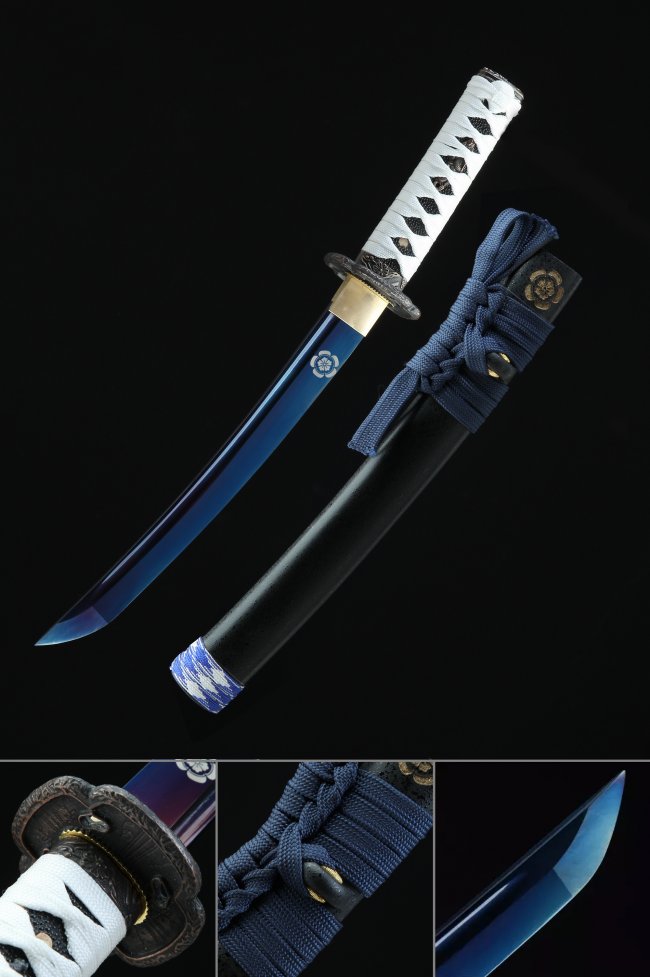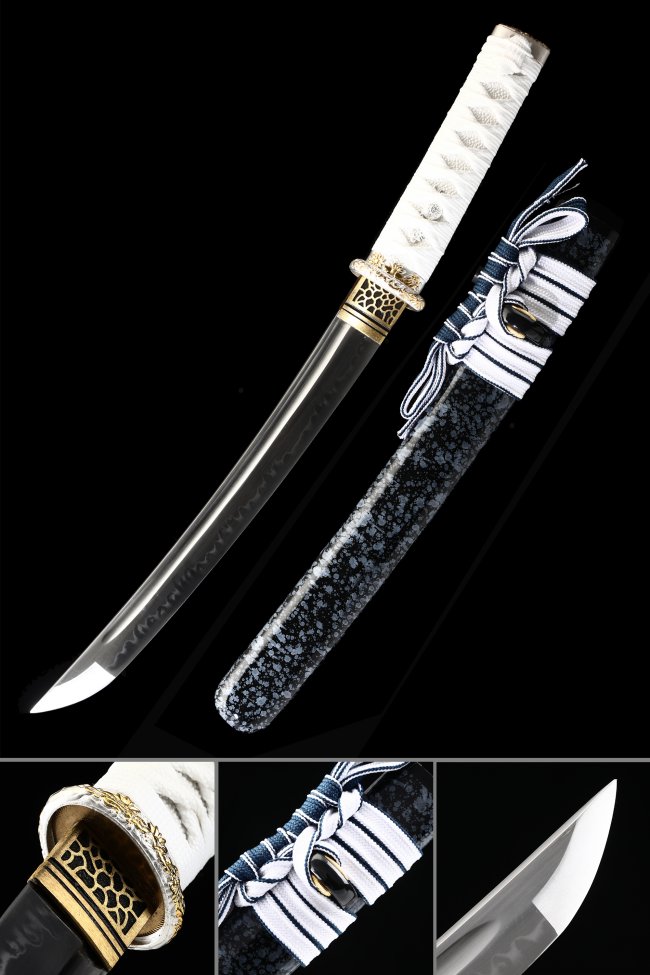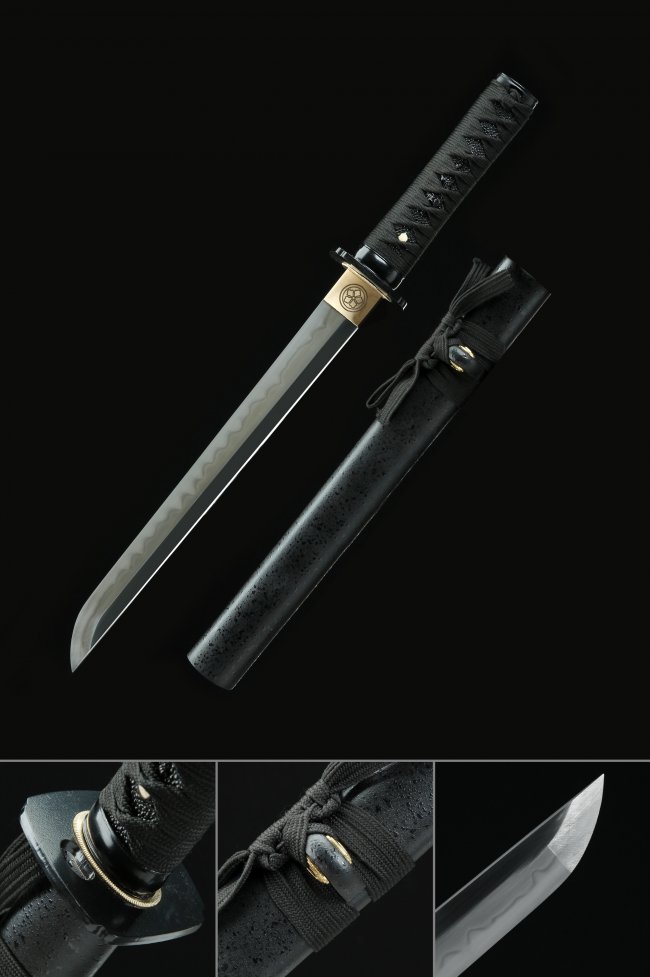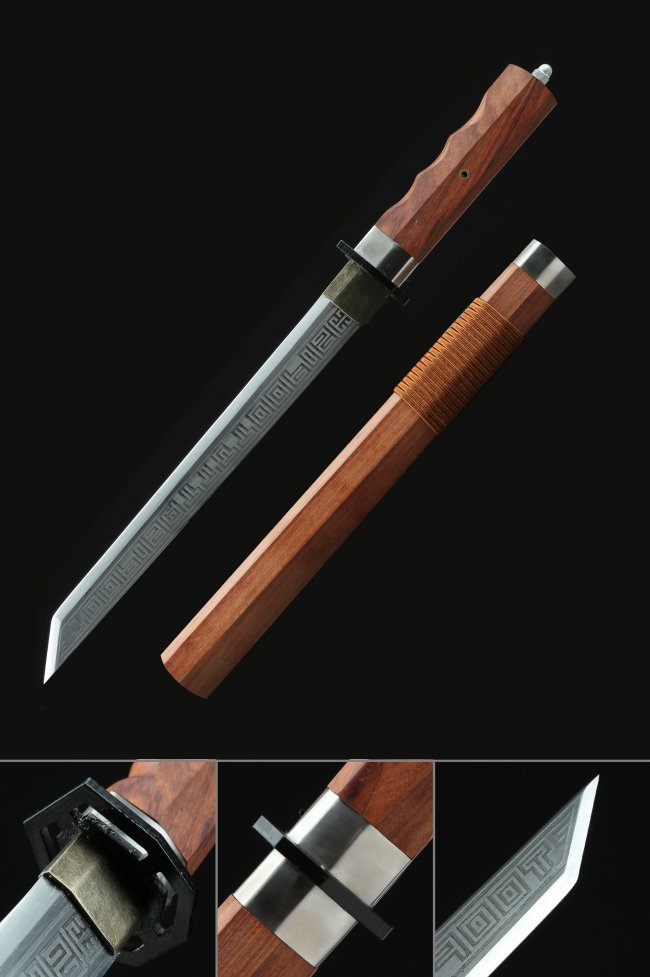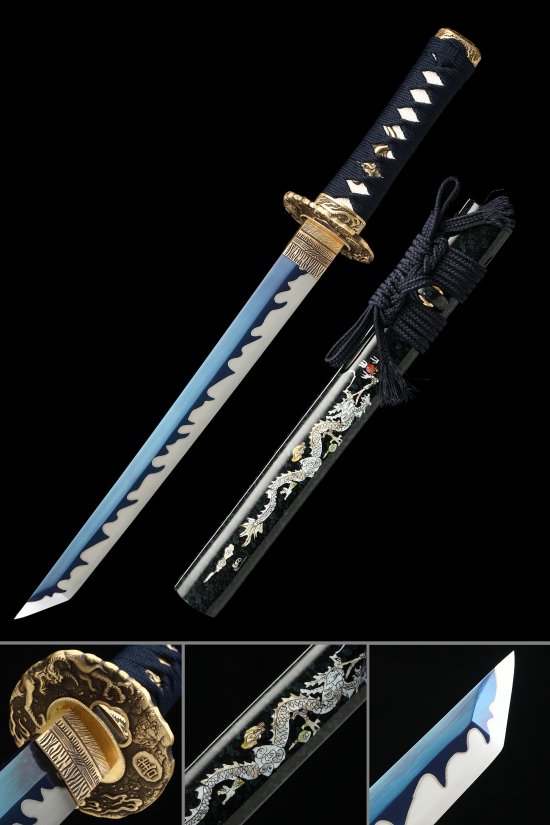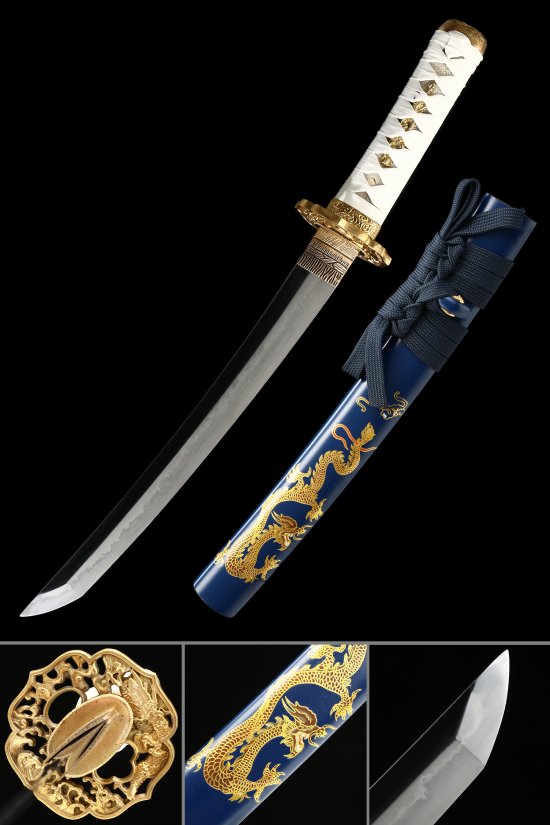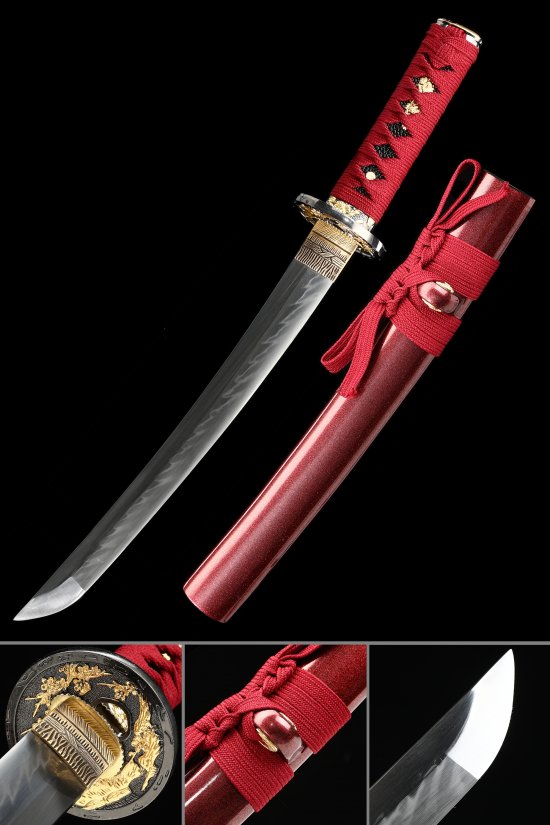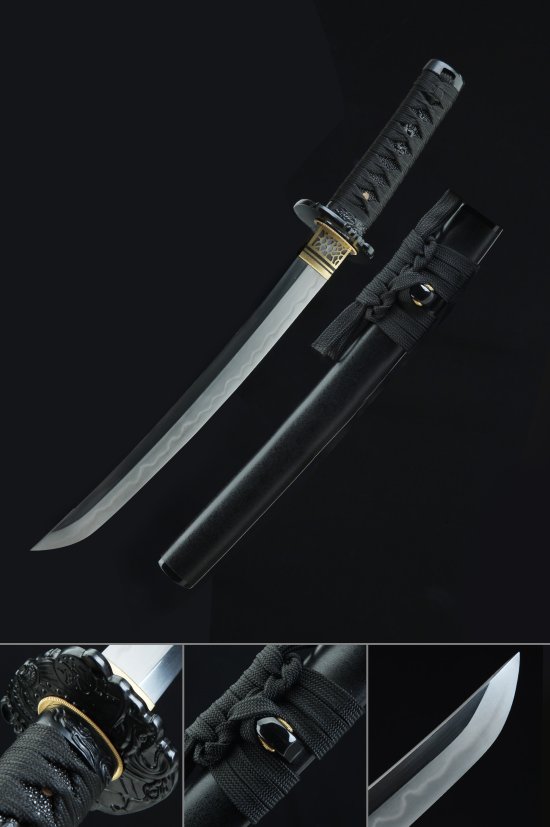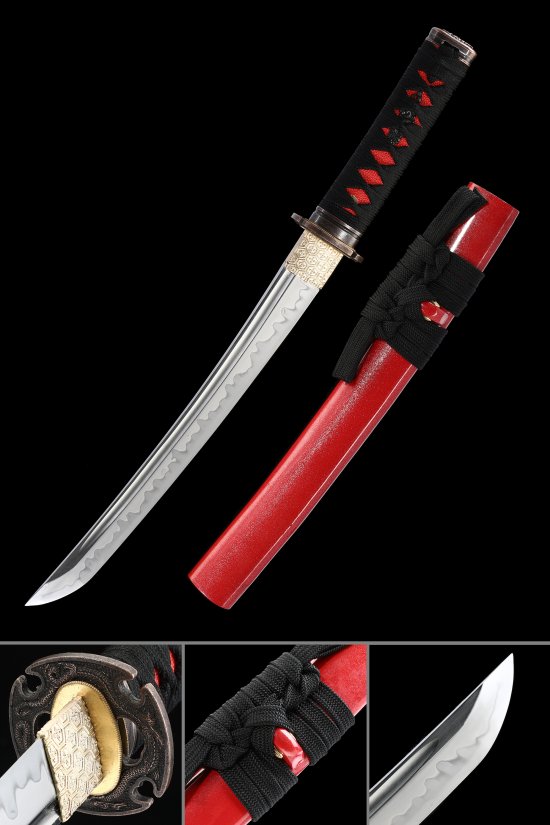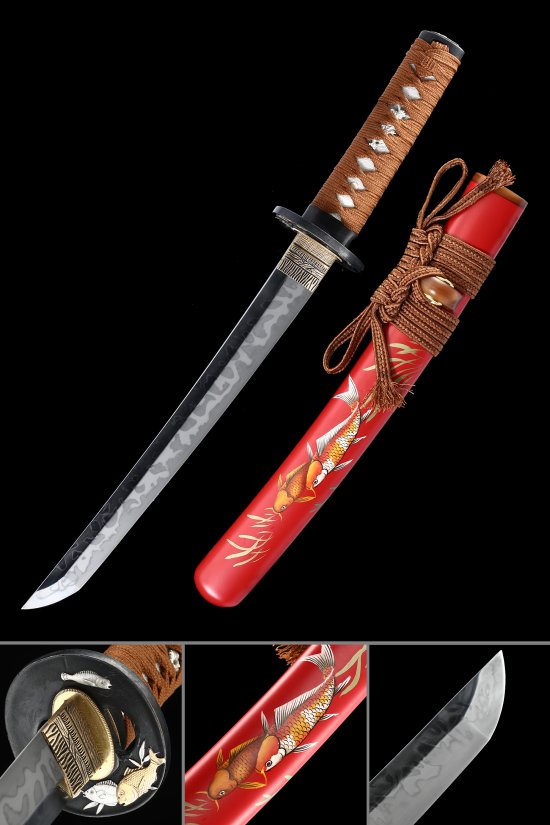
Beautiful Tanto

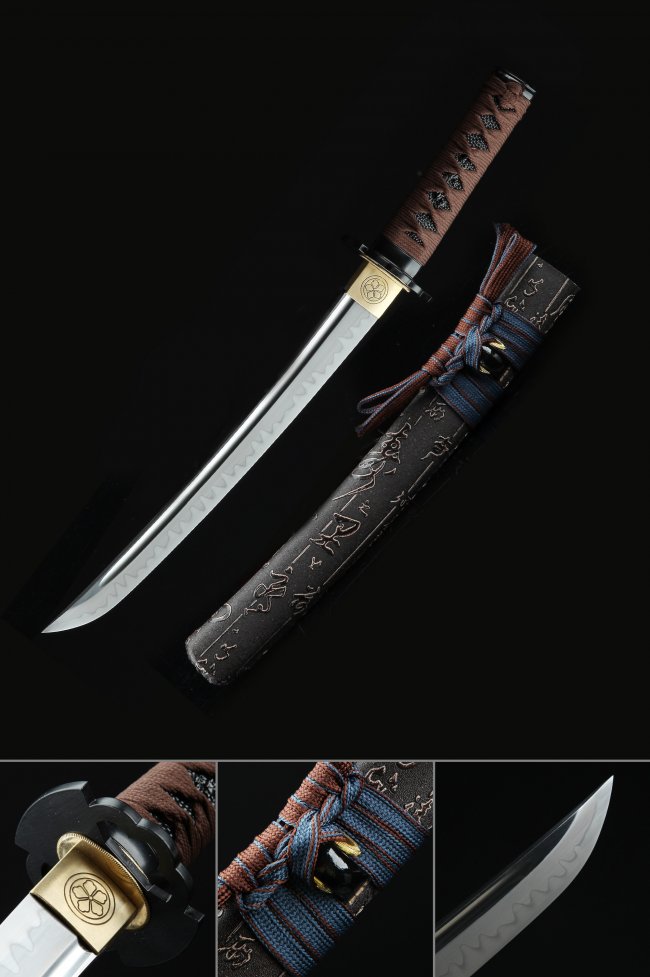
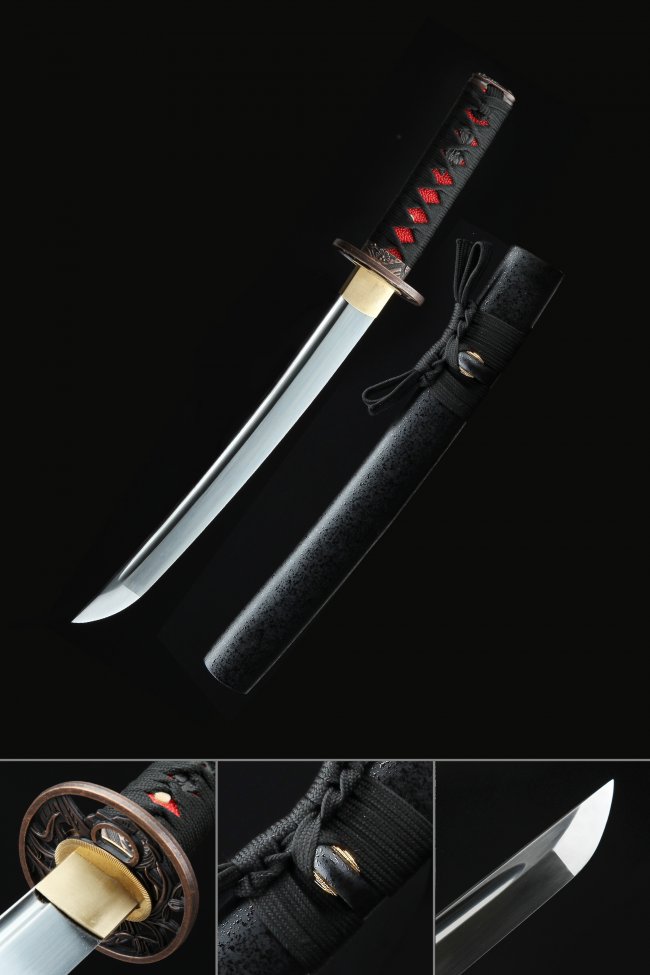
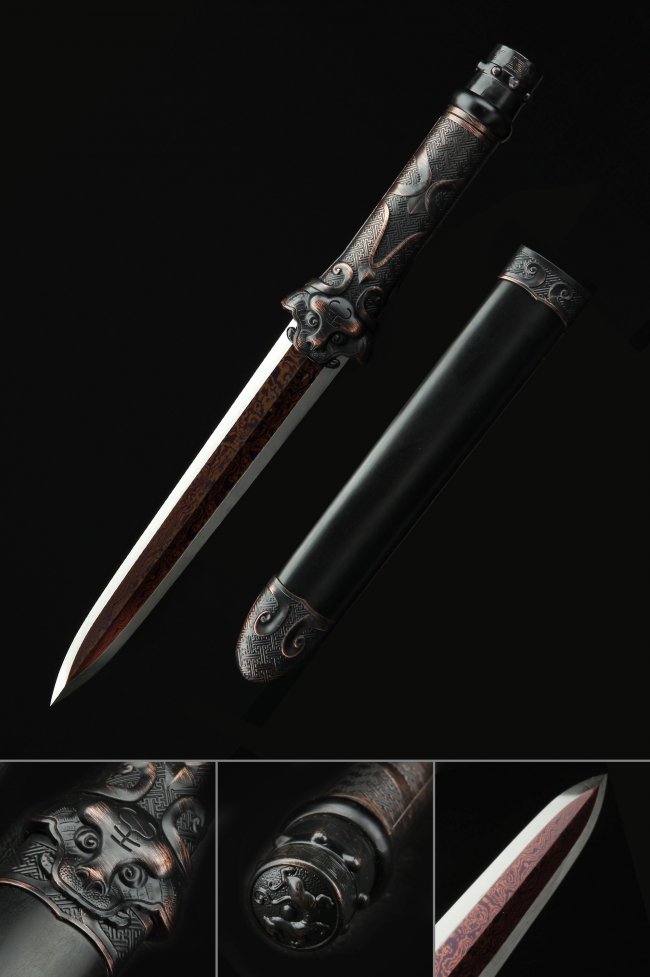
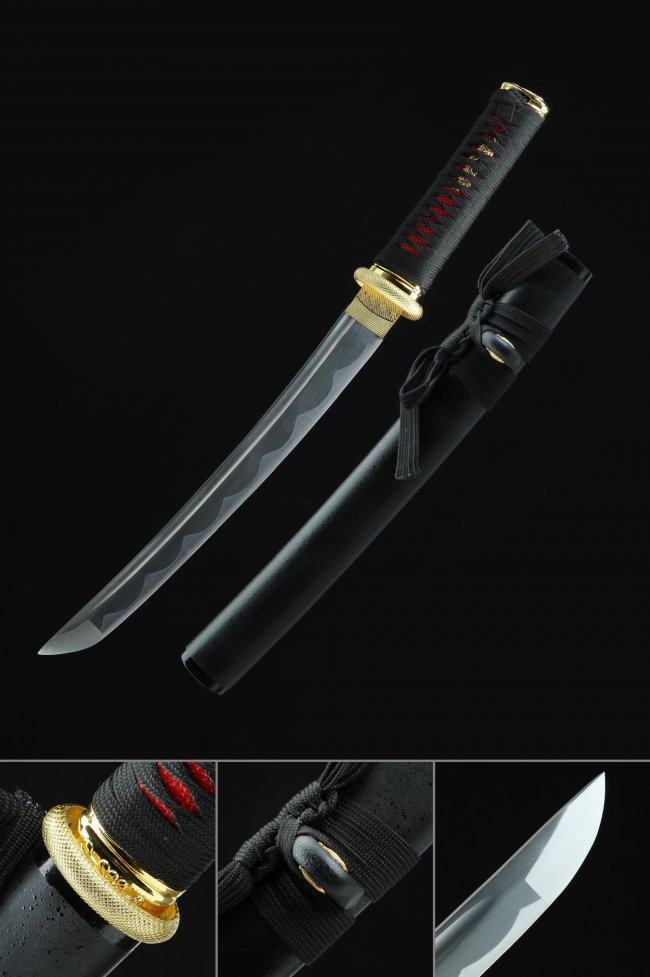
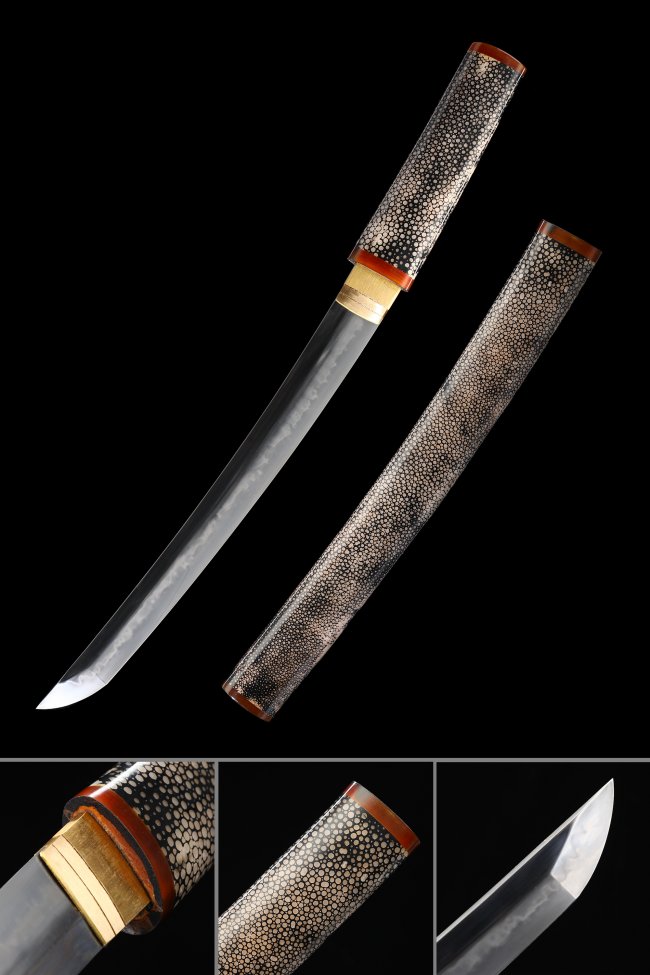
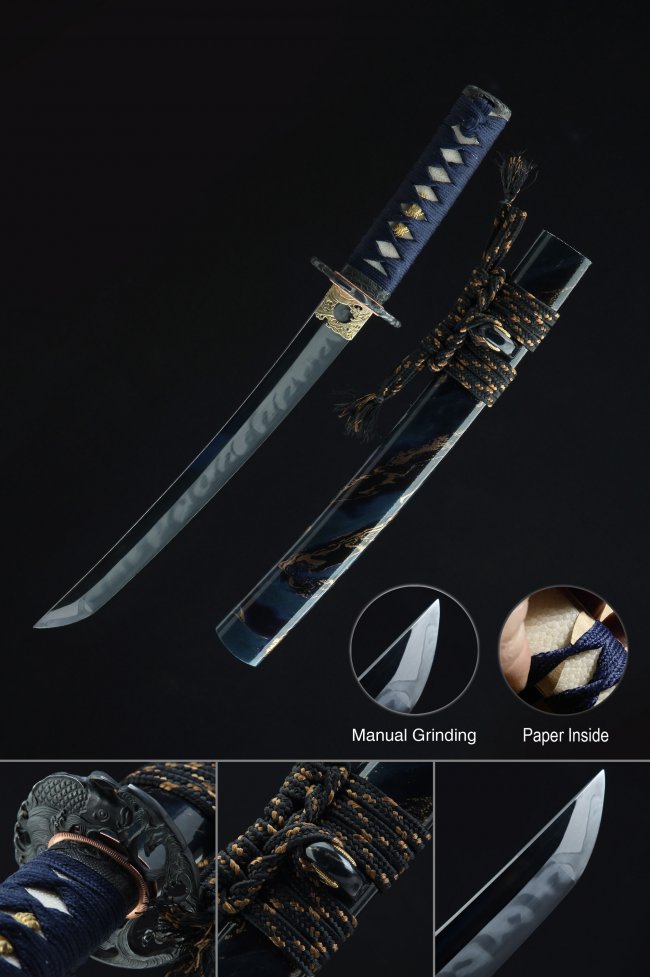
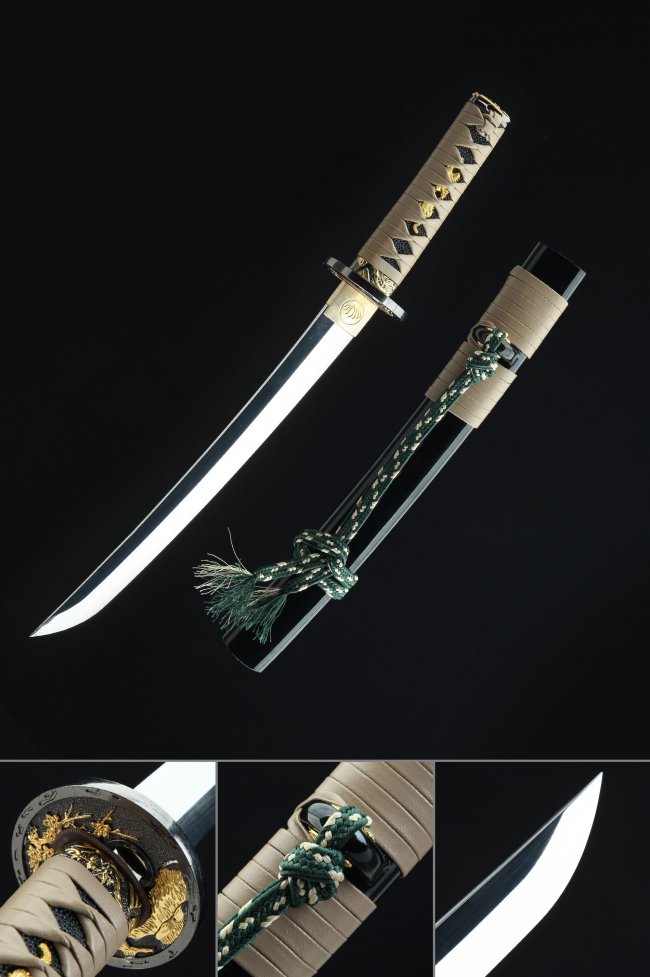
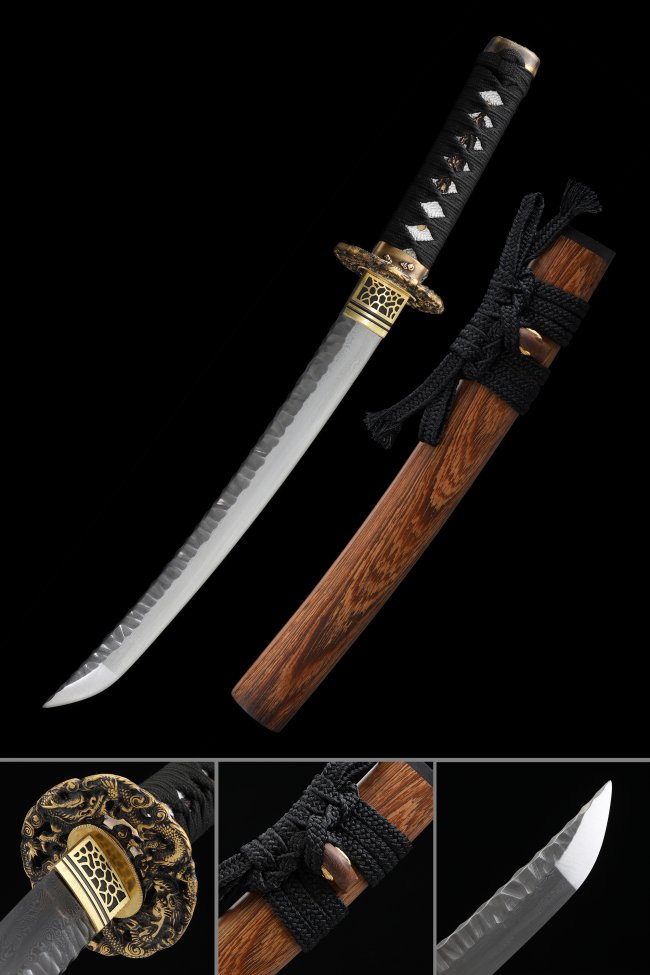
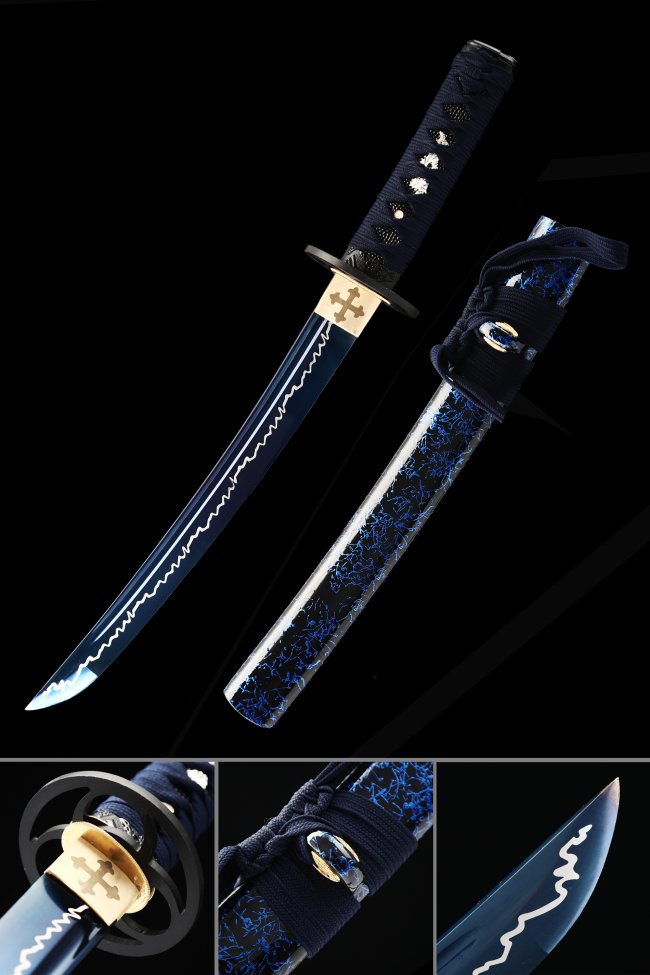
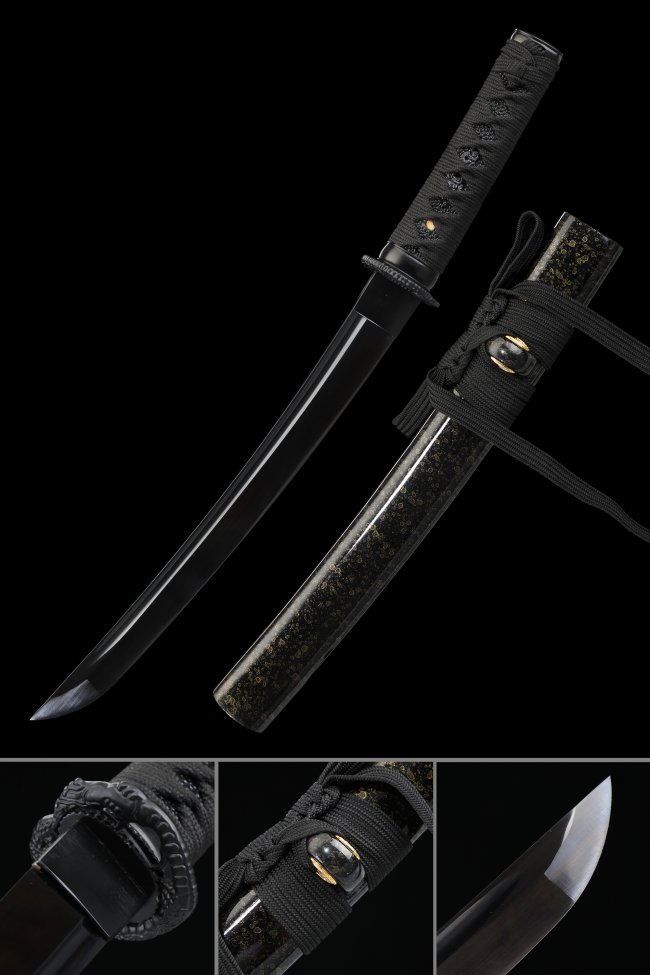
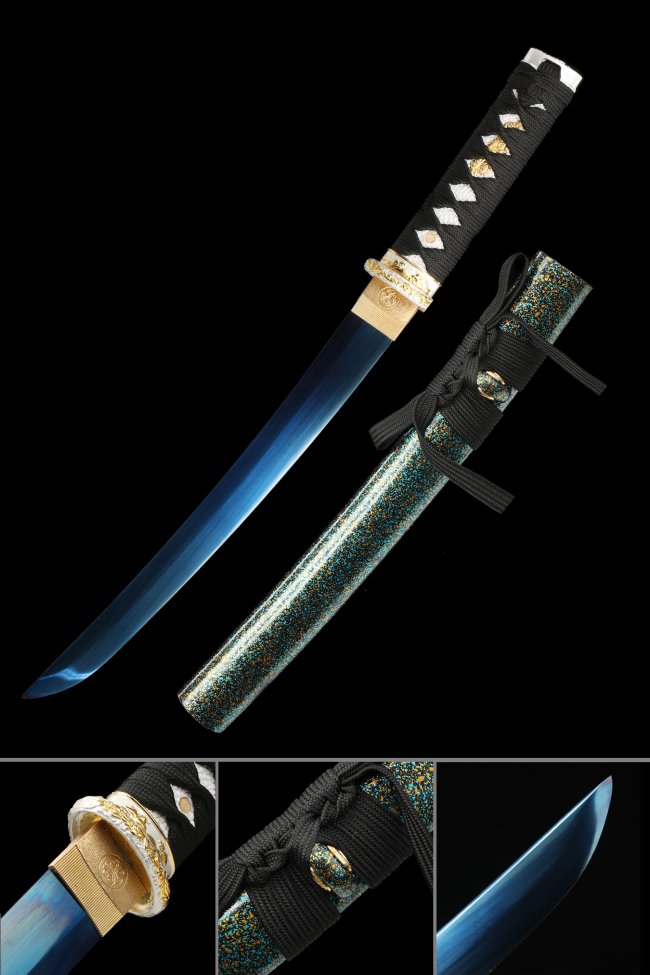
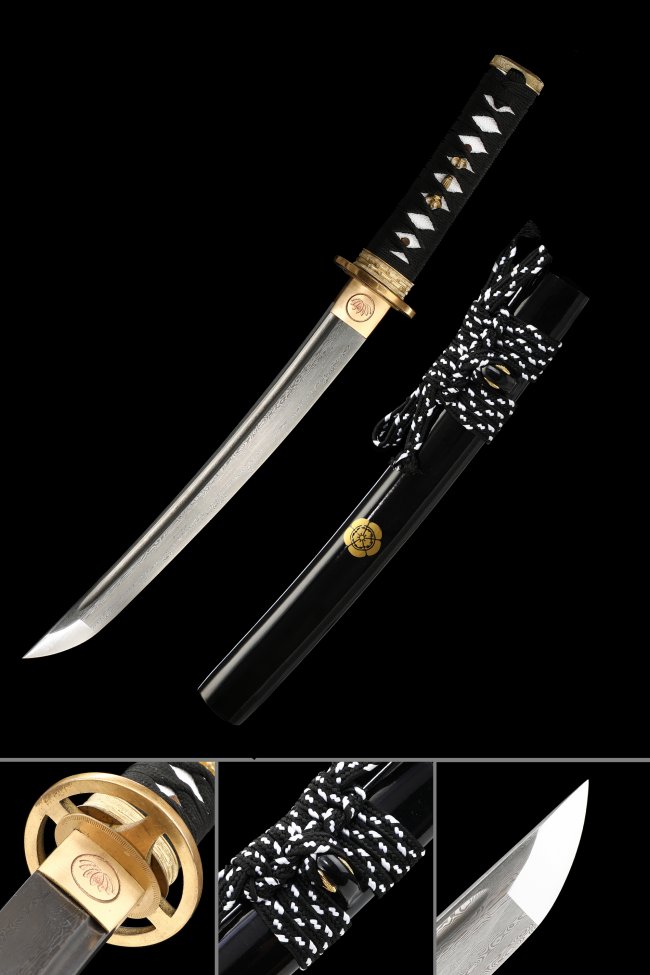
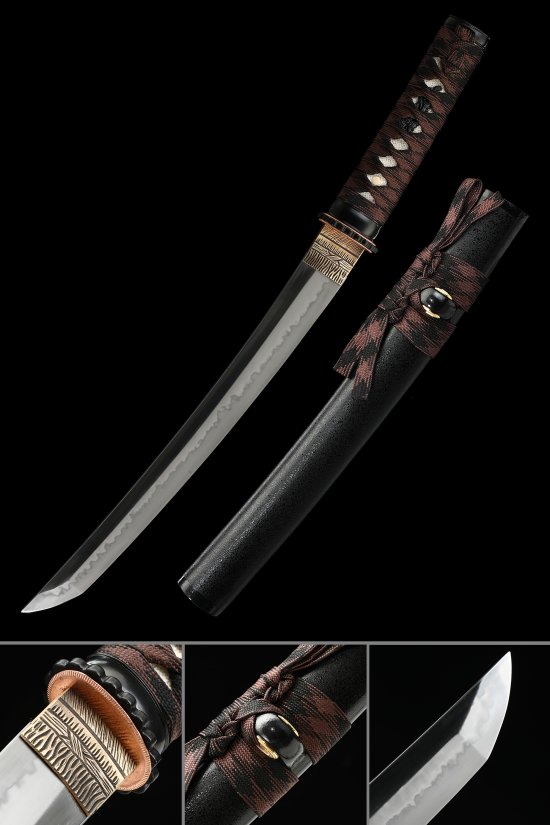
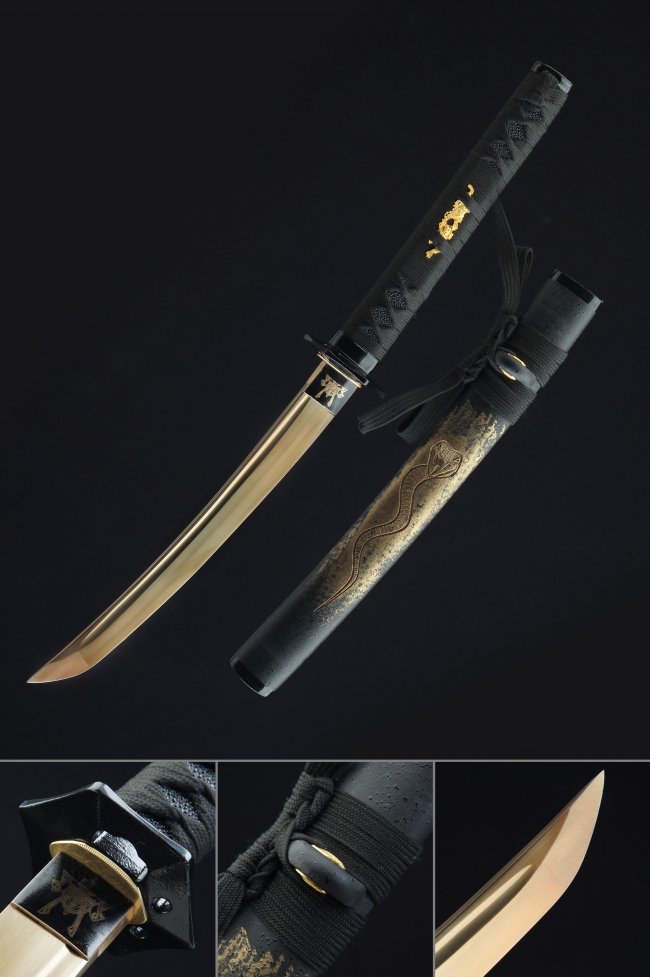
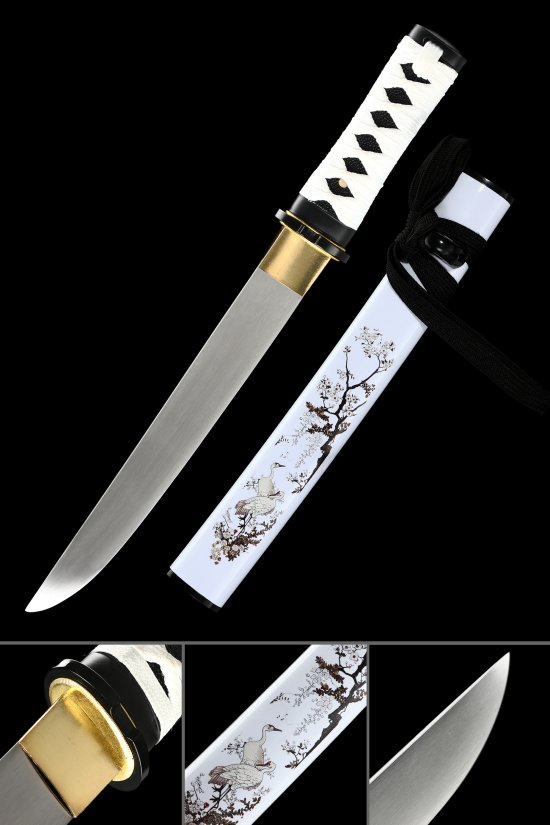
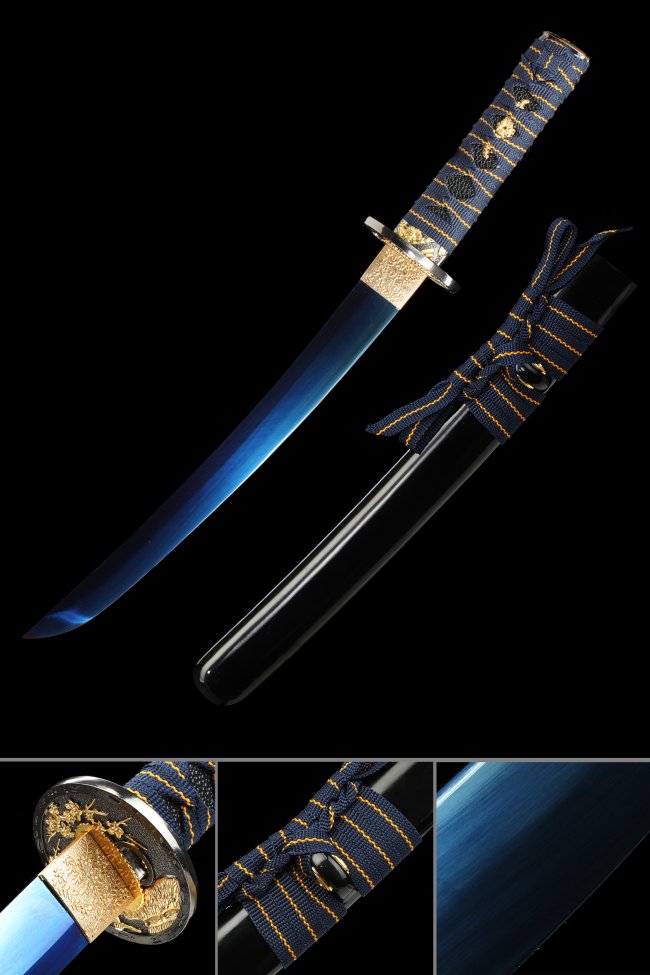
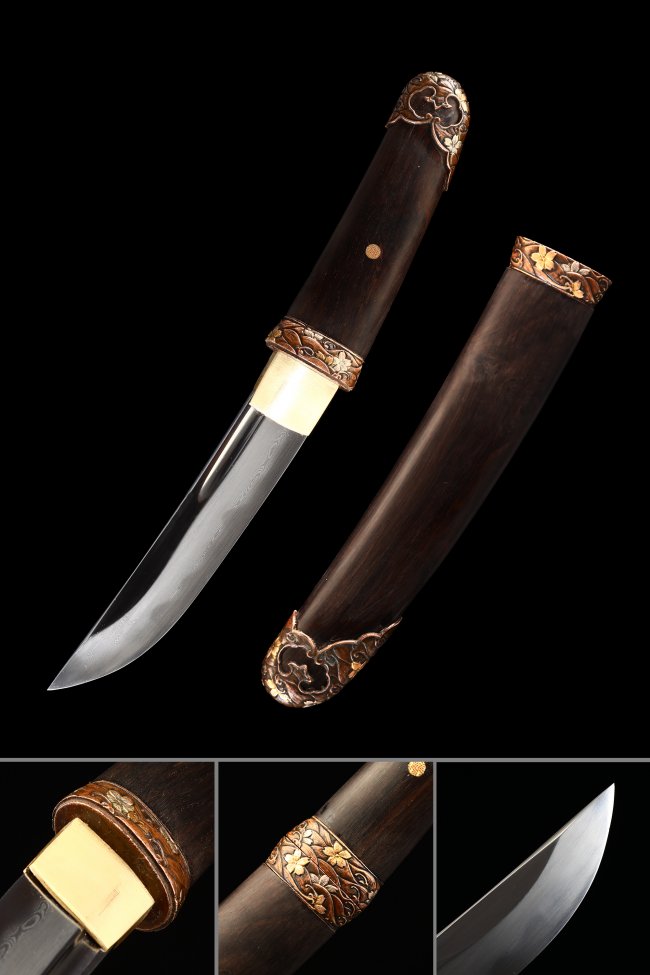
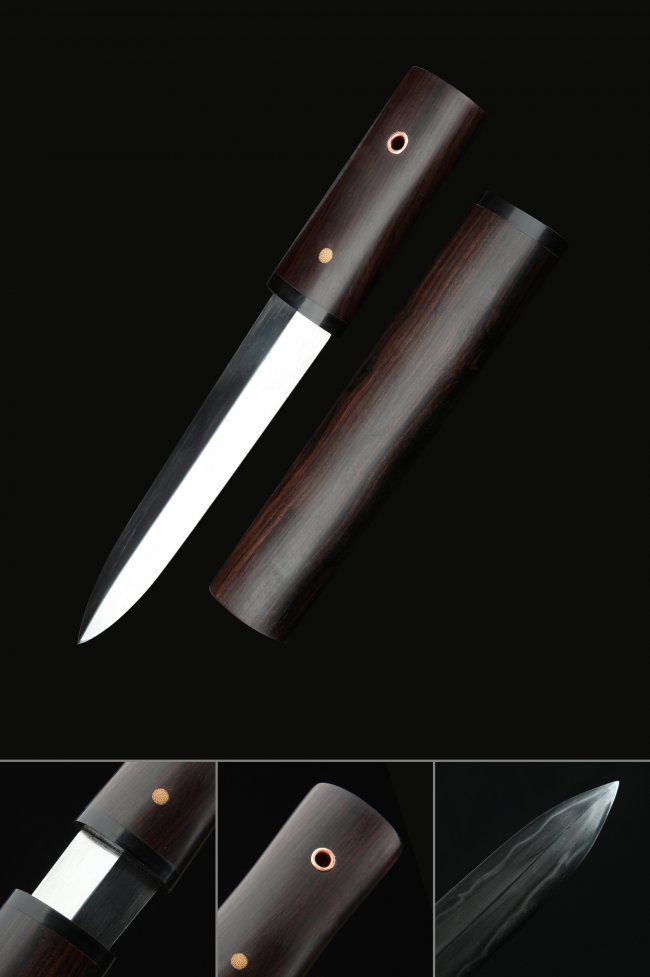
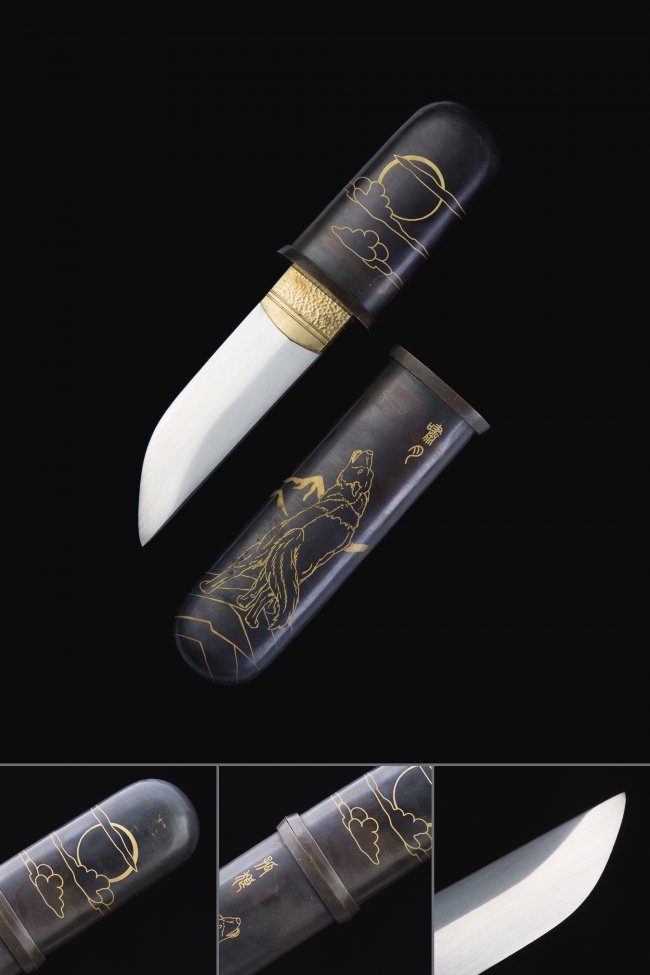
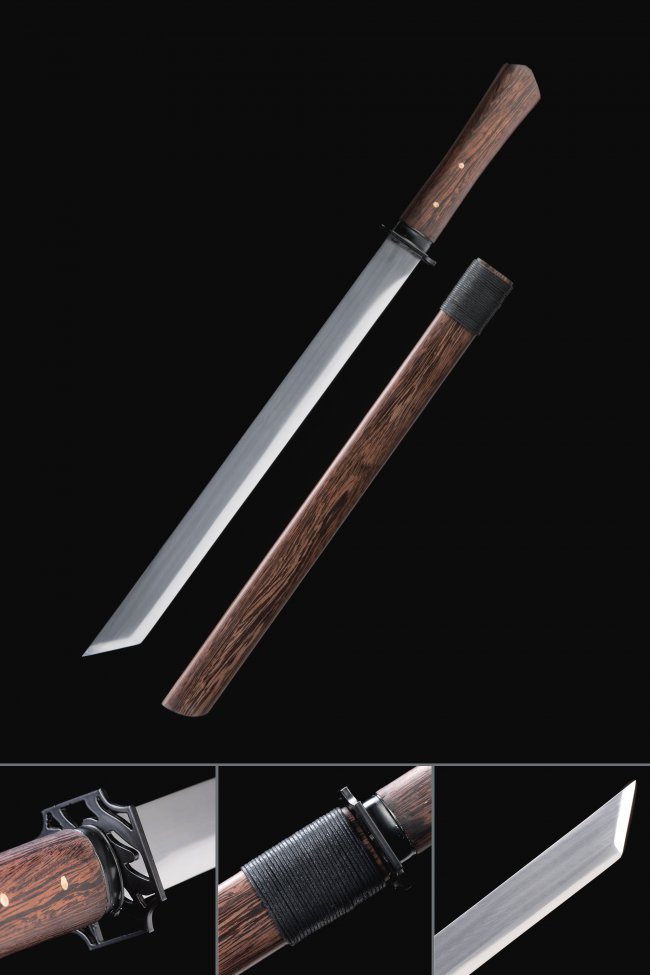
Explore our Beautiful Tanto collection — hand-forged Japanese short swords crafted from premium steels including T10, Damascus, and 1045 carbon steel. Each piece showcases authentic details such as real hamon lines, traditional ito wrapping, and lacquered hardwood saya. Perfect for collectors who appreciate fine craftsmanship and timeless Japanese aesthetics. Every order ships with free shipping and hassle-free returns.

Showing 121 Products

Related Collections

Battle Ready Katana128 items


404 Reviews

Sharp Katana26 items


30 Reviews
Cheap Katana96 items


2940 Reviews

handforged katana128 items


1194 Reviews

Frequently Asked Questions

What steel types are used in these beautiful tanto pieces?
The collection features several distinct steels, each offering different qualities for collectors. 1045 carbon steel provides a reliable, well-balanced blade that takes a clean polish and is forgiving in terms of long-term care. T10 tool steel contains tungsten, which increases hardness and edge retention while allowing for dramatic clay-tempered hamon lines during differential hardening. Folded Damascus steel is created by layering and forge-welding multiple billets together, then repeatedly folding the material to produce the flowing, organic grain patterns visible on the finished blade surface. Manganese steel offers a good balance of toughness and hardness at an accessible level. Each steel type produces a visually and structurally distinct tanto, so choosing between them often comes down to whether you prioritize hamon aesthetics, surface patterning, or overall blade character in your display.
How is a real hamon different from an etched or cosmetic one?
A real hamon is the visible boundary between the harder edge steel and the softer spine created during clay tempering — a process called tsuchioki in Japanese tradition. The smith coats the spine and flat of the blade with a clay mixture, leaving the edge exposed or thinly coated, then heats the blade to critical temperature and quenches it. The exposed edge cools rapidly into hard martensite, while the insulated spine cools slowly into softer pearlite. The transition zone produces the distinctive wavy line known as the hamon. An etched or wire-brushed cosmetic hamon, by contrast, is applied after hardening through acid or abrasion to mimic the appearance without actual differential hardness. Authentic hamon lines display subtle nie and nioi grain activity visible under close inspection — a hallmark that serious collectors look for when evaluating a tanto’s craftsmanship.
What is the best way to display and store a tanto long-term?
For long-term display, mount the tanto horizontally on a wooden stand with the edge facing upward and the handle positioned to the left — the traditional peacetime orientation in Japanese display convention. Keep the piece in a climate-controlled environment away from direct sunlight, which can fade ito wrap and dry out wooden saya. Apply a thin coat of choji oil or refined mineral oil to the blade every four to six weeks, wiping with a soft cotton cloth to prevent fingerprint etching and surface oxidation. If your tanto ships with a lacquered saya, avoid storing the blade inside for extended periods, as trapped moisture between steel and wood can encourage corrosion. Instead, display the blade separately on its stand and keep the saya alongside it for a complete presentation.
Can a beautiful tanto be paired with a katana as a traditional set?
Absolutely. In historical Japanese practice, a tanto was often carried as part of a daisho or complementary blade set. While the formal daisho pairs a katana with a wakizashi, many collectors create an extended three-piece display featuring katana, wakizashi, and tanto together on a tiered stand. When pairing pieces, look for consistency in fittings — matching tsuba motifs, similar ito wrap colors, and complementary saya finishes create visual cohesion. For example, a T10 clay-tempered tanto with bronze fittings and black lacquer saya pairs naturally with a katana built from the same steel family and finishing palette. This kind of curated grouping elevates the display from individual pieces to a cohesive collection narrative.
Are these tanto pieces full-tang construction?
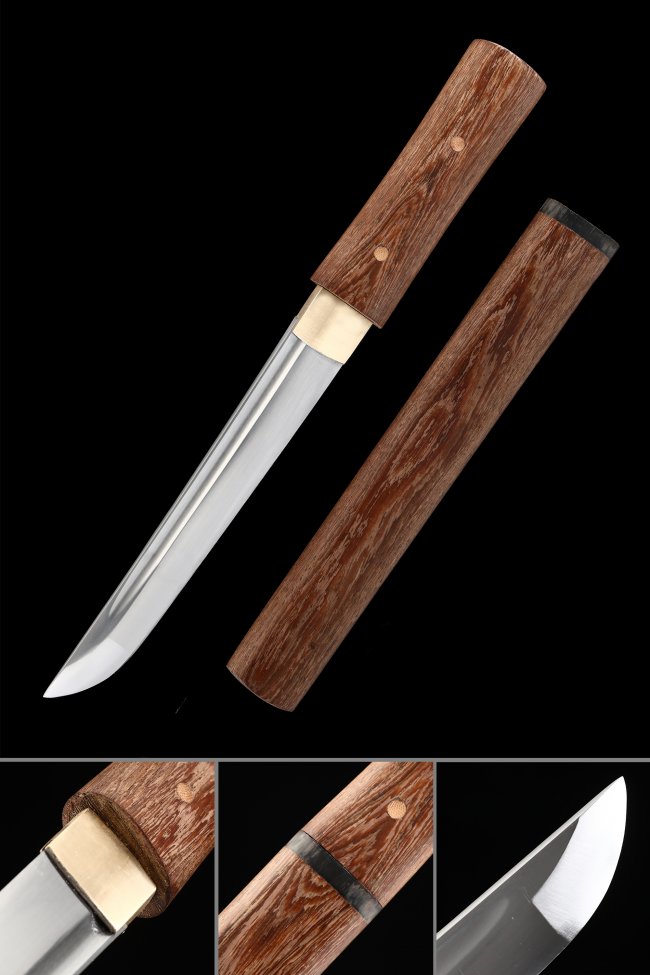
The majority of the tanto pieces in this collection use full-tang construction, meaning the steel of the blade extends the entire length of the handle and is secured with one or two mekugi bamboo pegs through the tsuka. Full-tang assembly is the traditional Japanese method and ensures that the blade, habaki collar, and handle components form a single rigid unit. This construction is a hallmark of properly crafted nihonto-style pieces and is an important quality indicator for collectors evaluating structural authenticity. A few models in the collection follow the shirasaya format, where the tang is housed inside a plain wooden grip without a traditional tsuba guard — a storage-style mounting historically used for blade preservation between fittings. Both styles are well-suited for display and collection purposes.

Customer Reviews

Edmond Liu California, United States

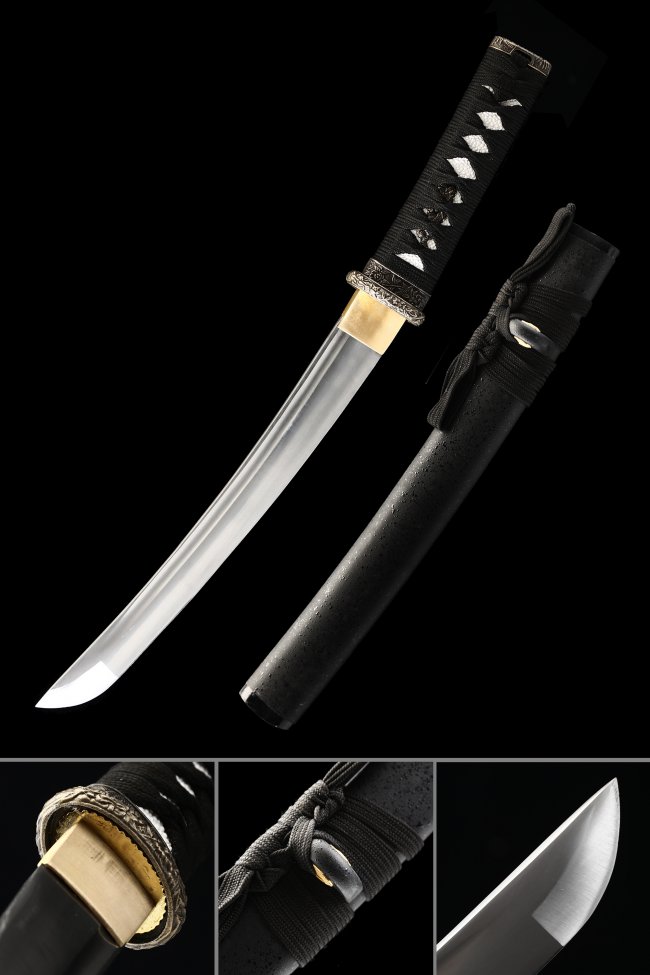
I thought my product was made in Japan… Looks like made in China… good thing blade sharp display doesn’t look bad except handle has wood piece that’s light brown that doesn’t match black they could’ve dyed it. Def worth more around $50-$90 not $150. The little wood part on sword handle bothers me they should’ve dyed it black to blend it in. Other than that honestly it’s just okay and don’t think it was worth the $150

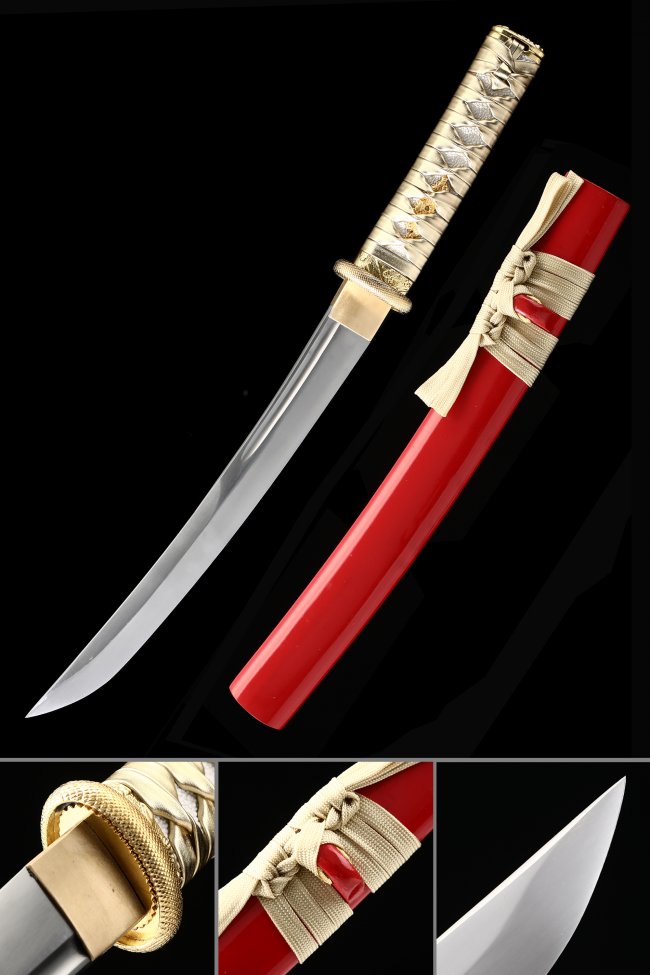
T10 Clay Tempered Tanto Sword with Real Hamon in Red Saya - Gold Floral Tsuba Collectible T10 Clay Tempered Tanto Sword with Real Hamon in Red Saya - Gold Floral Tsuba Collectible