Free U.S. Shipping

Japanese Odachi Sword

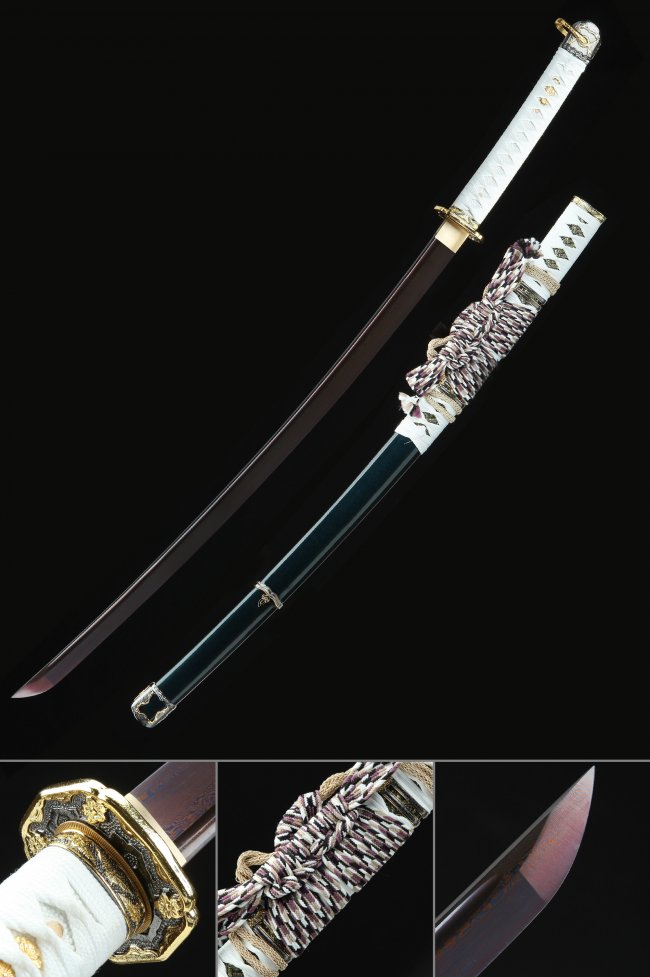
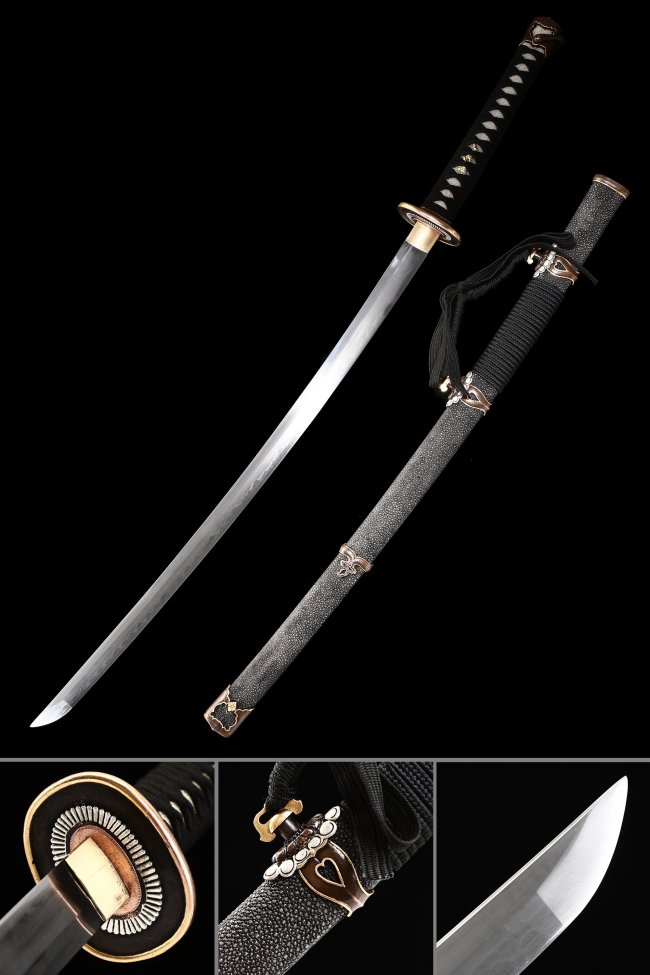
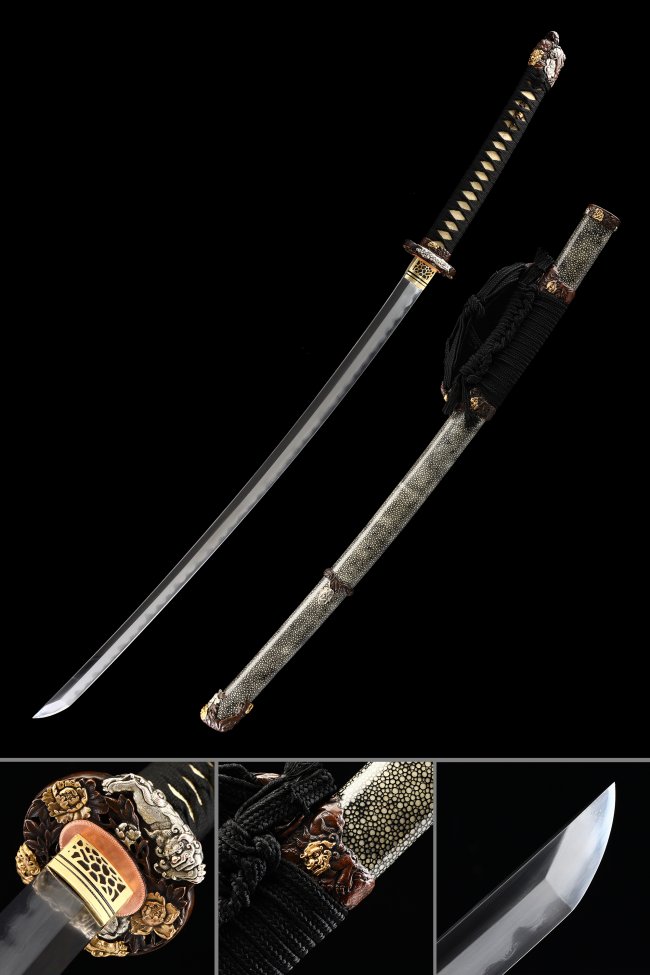
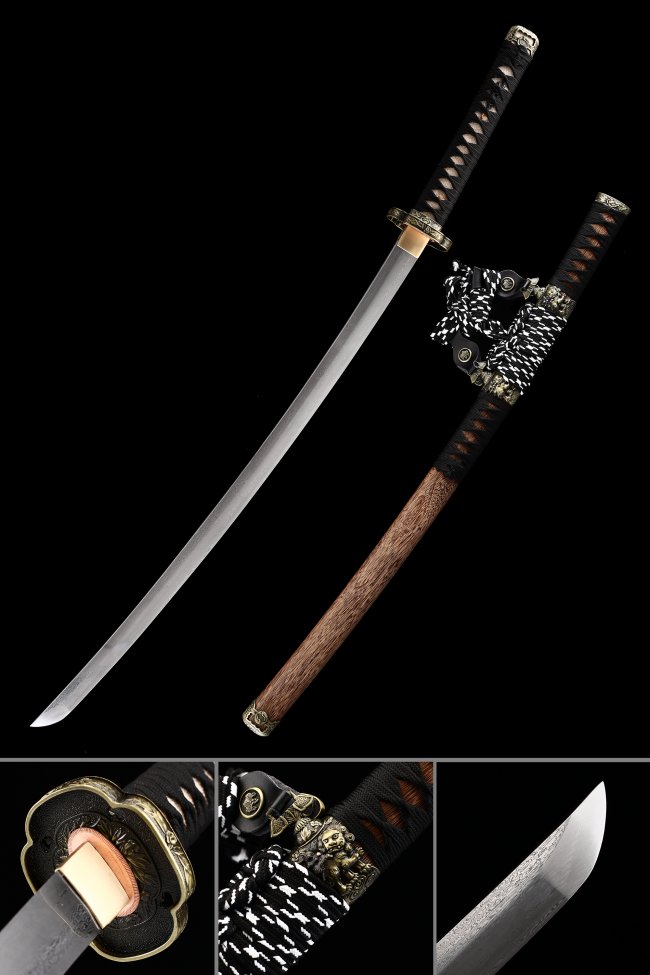
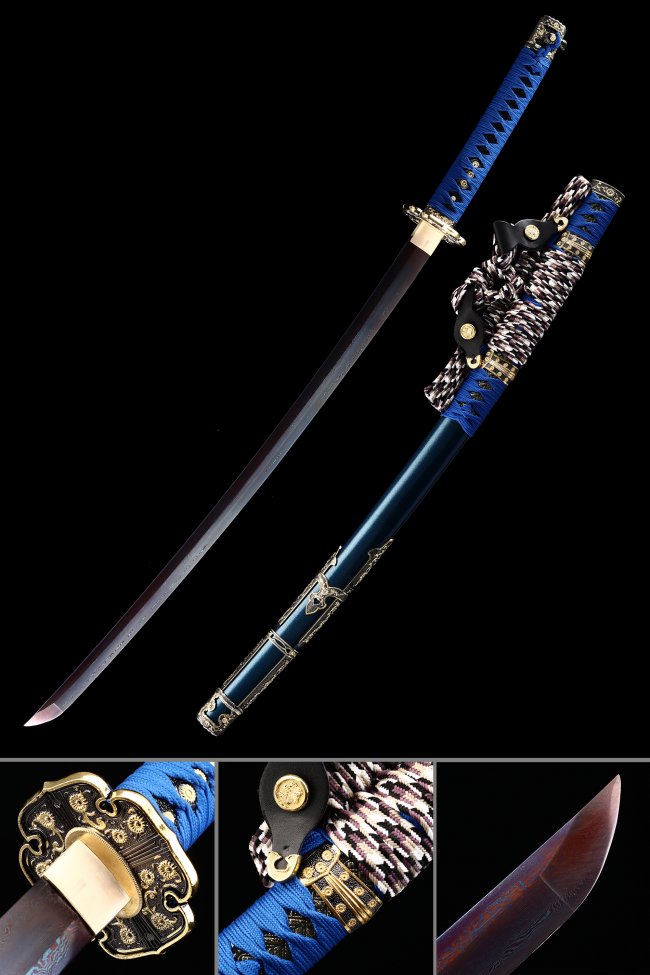
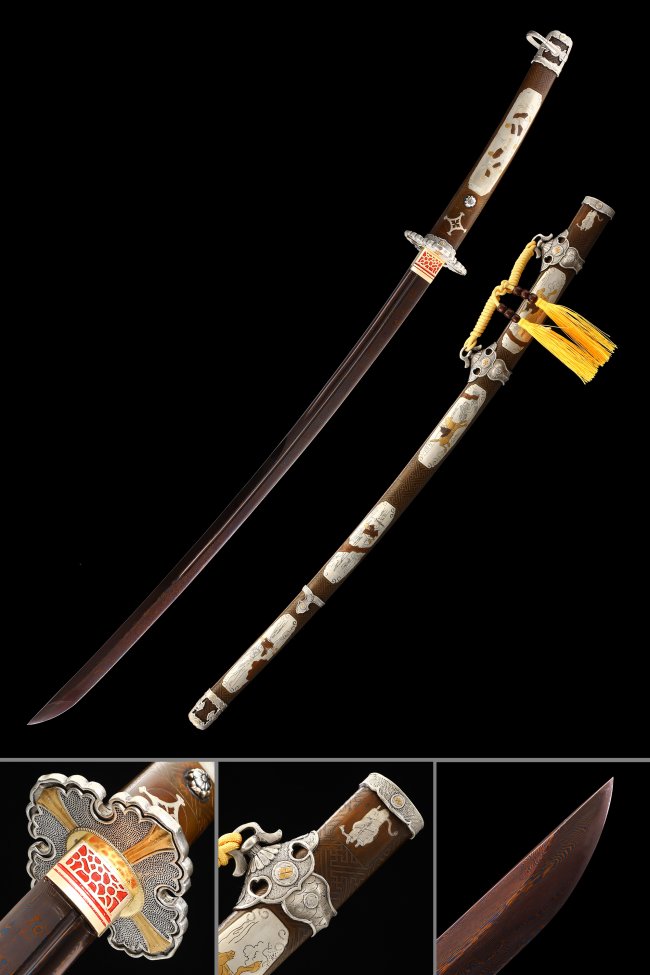
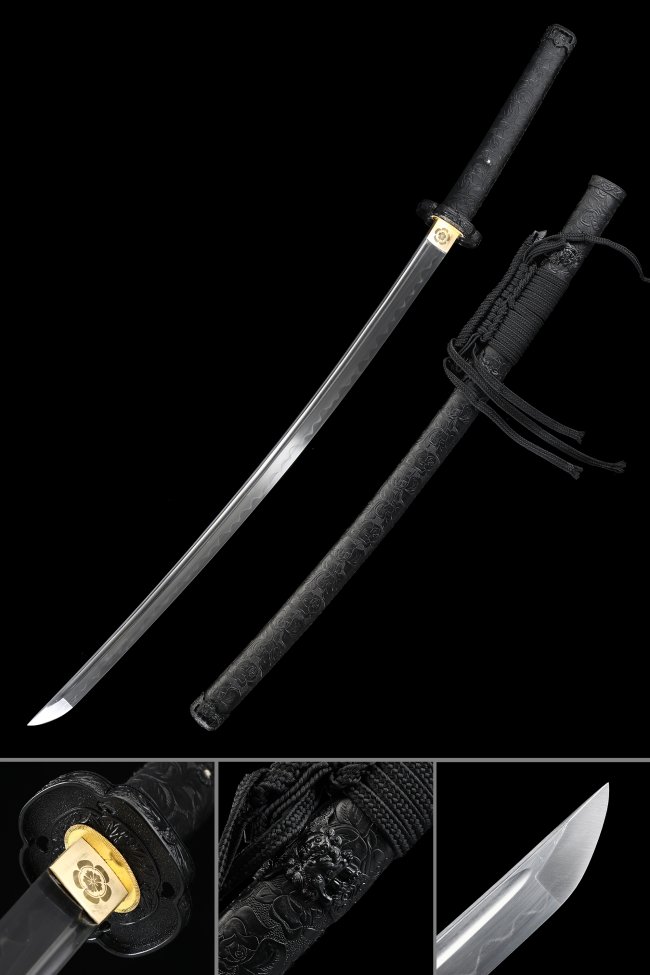
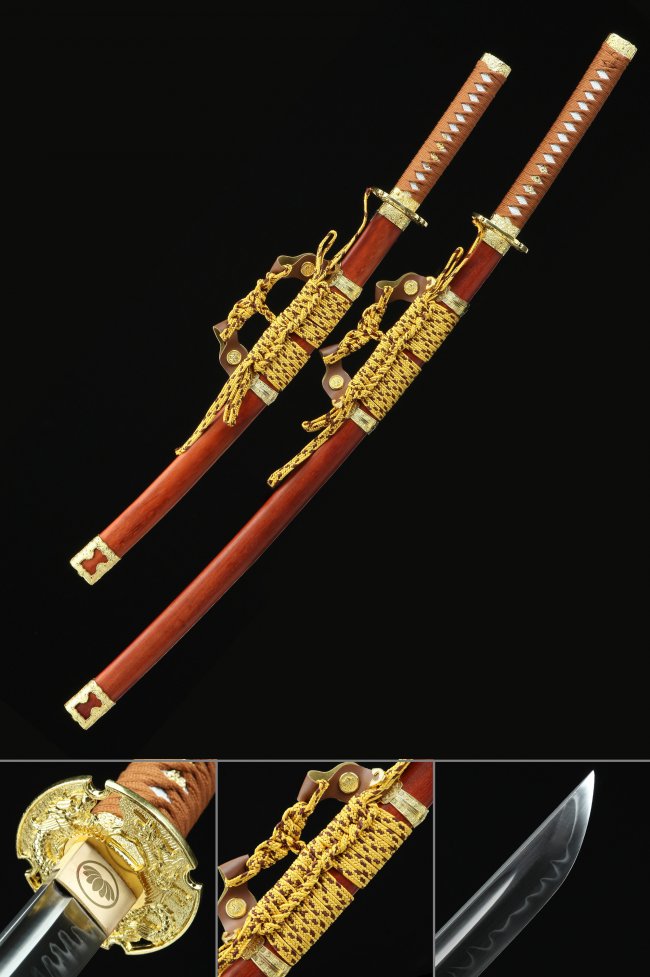
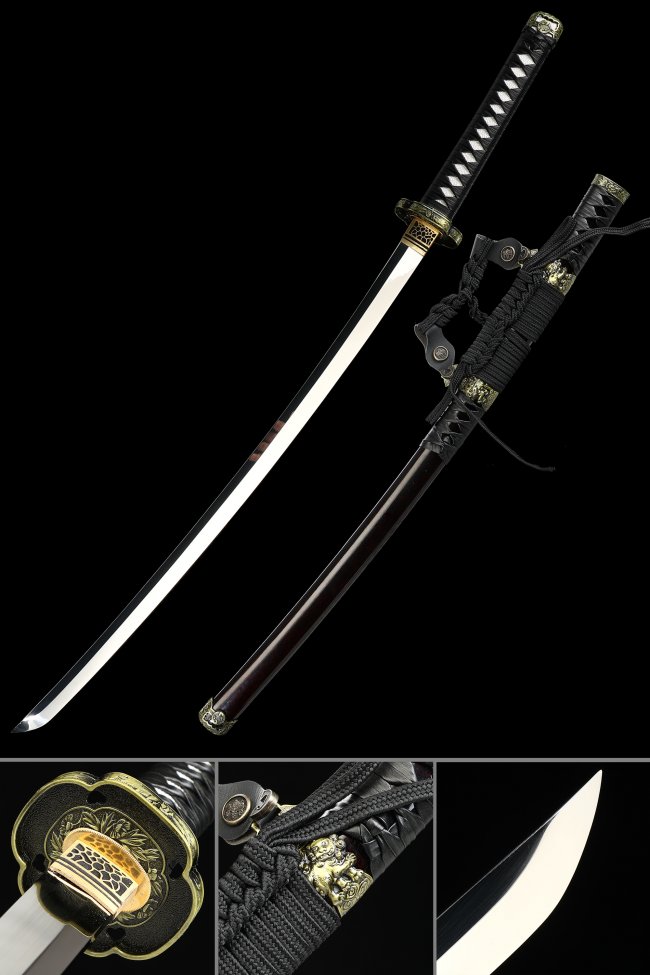
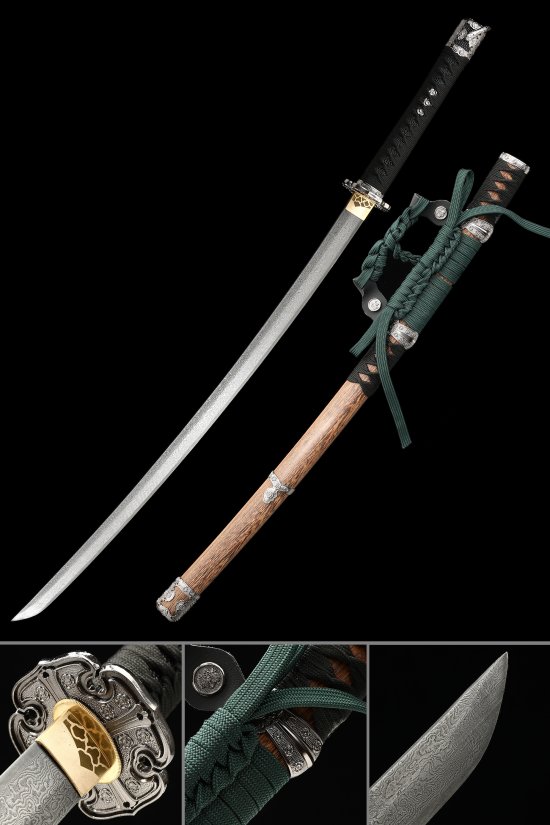
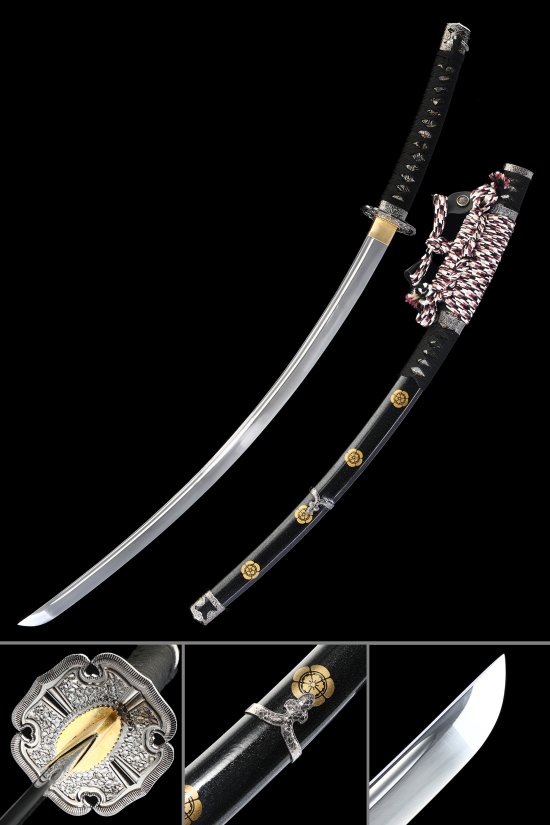
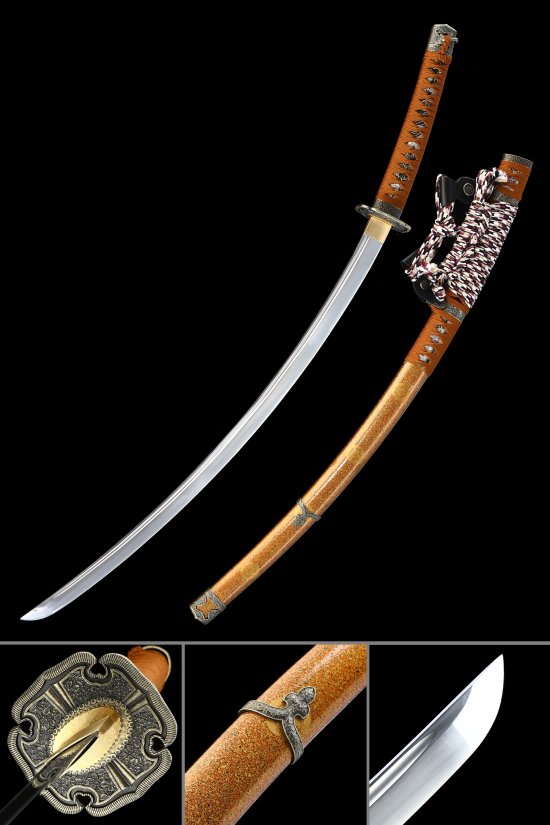
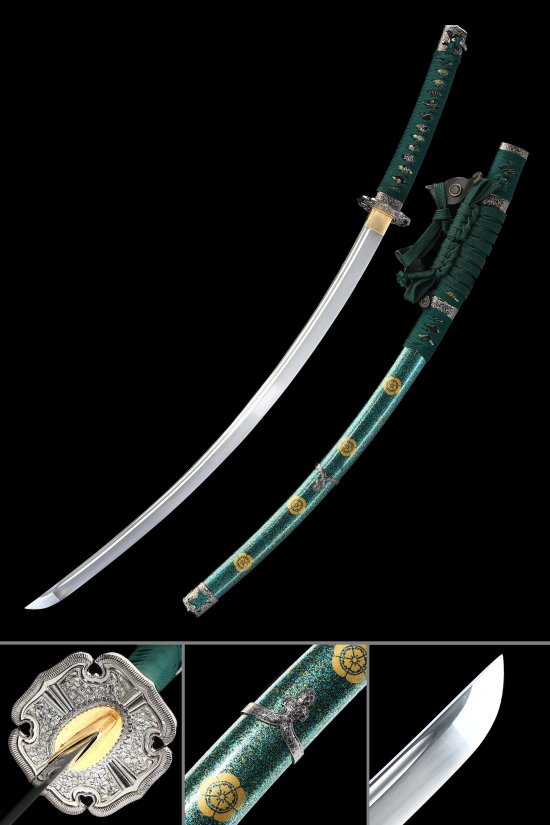
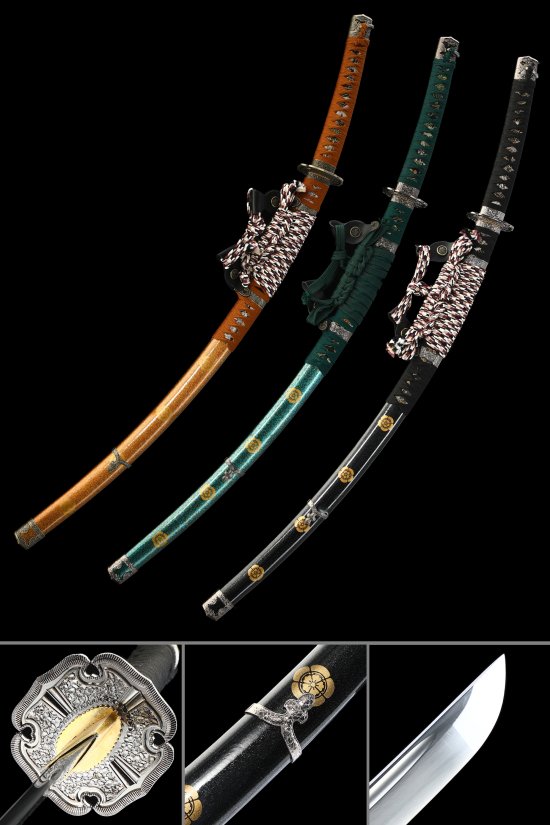
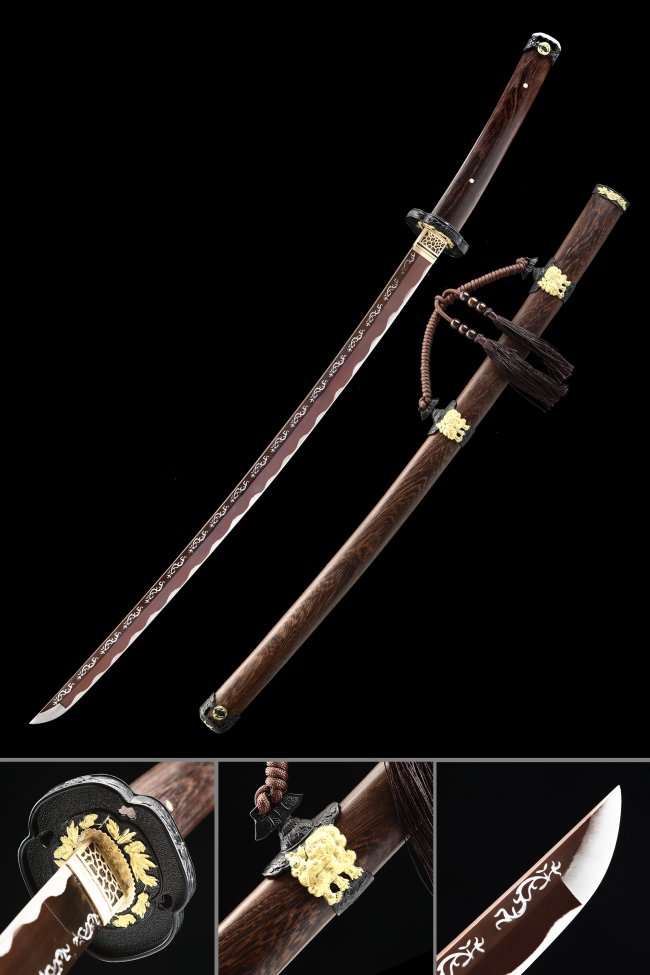
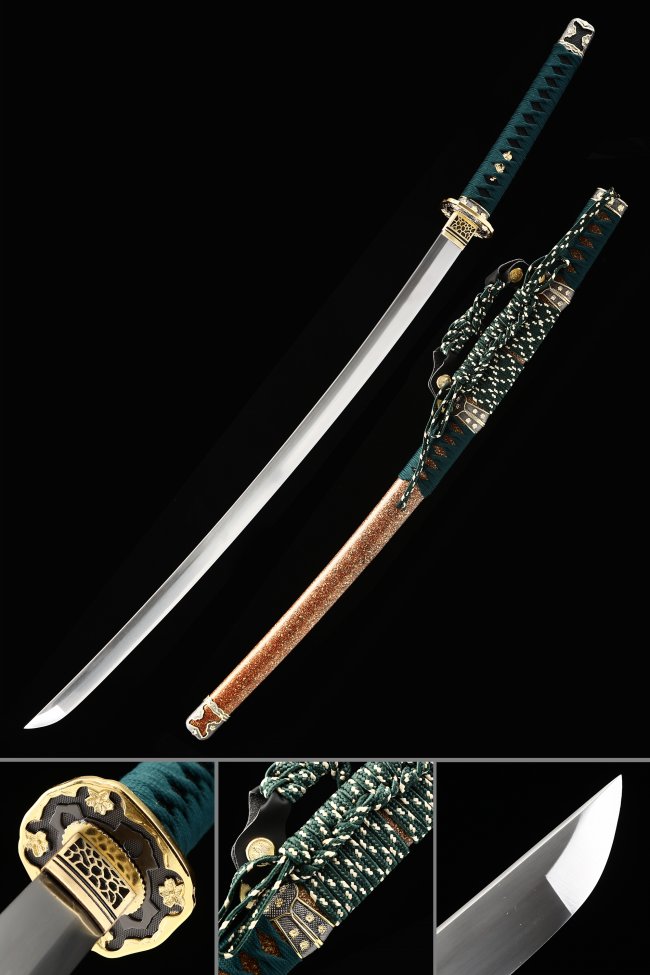
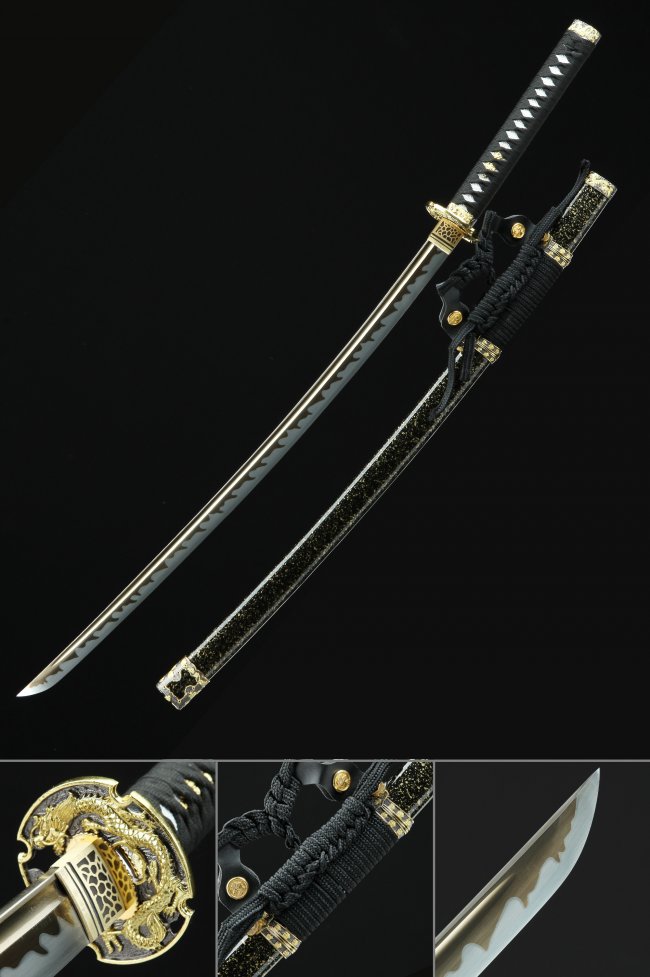
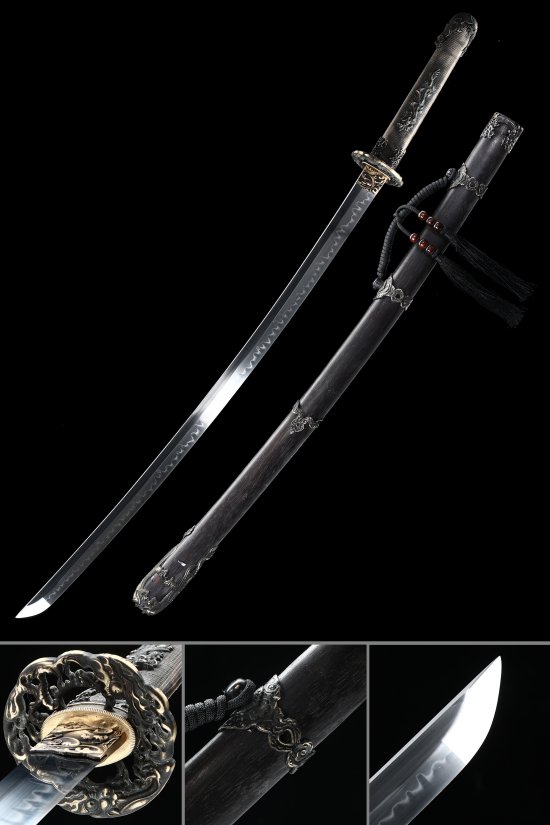
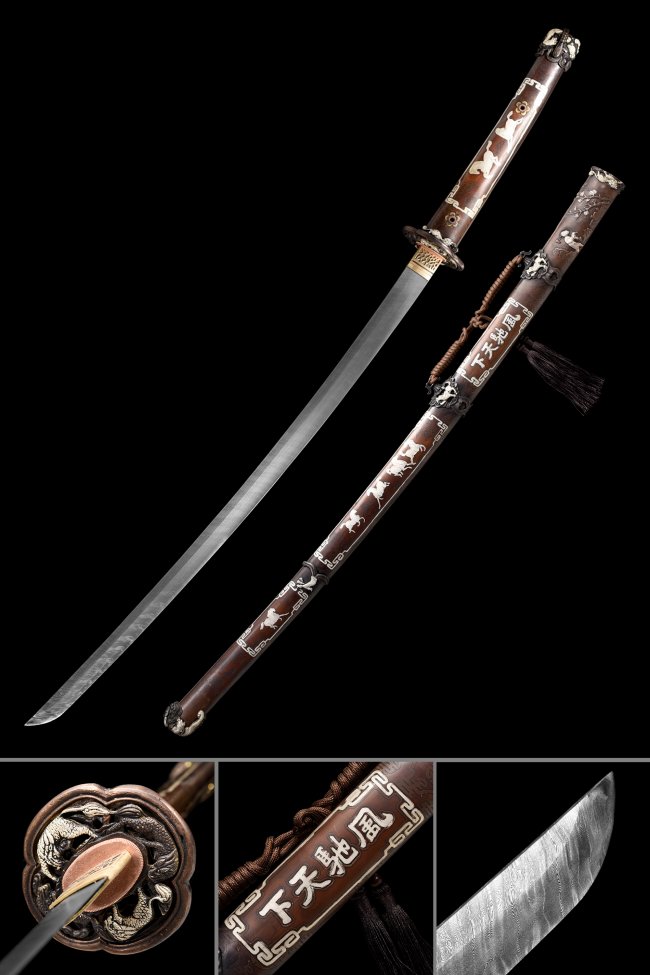
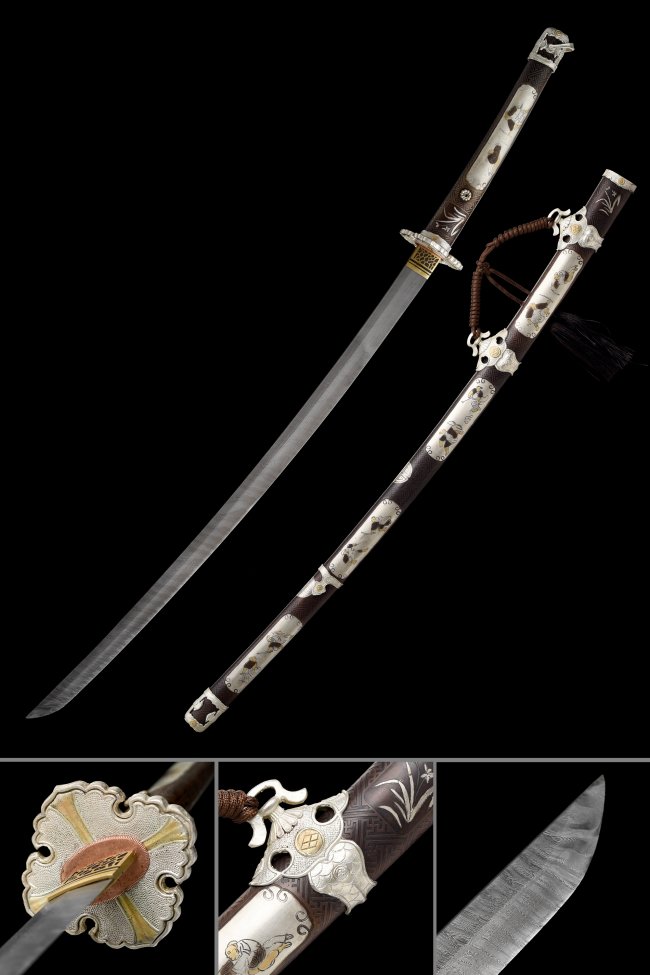
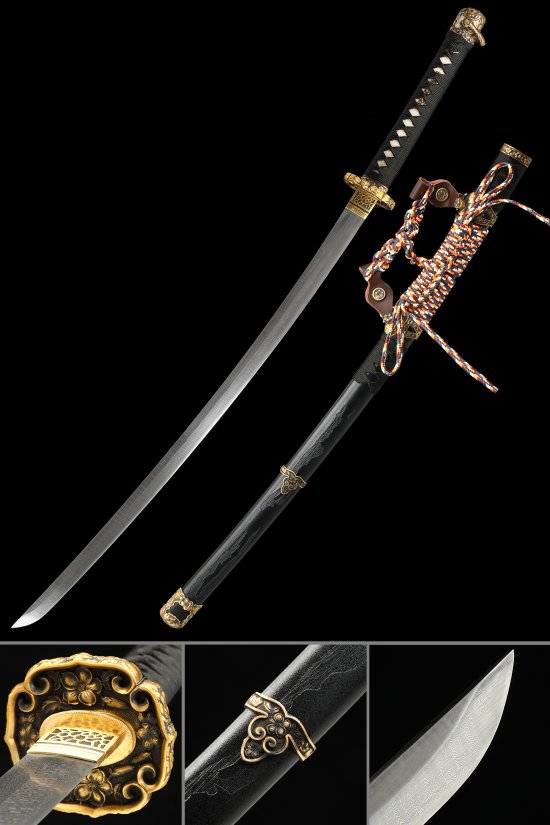
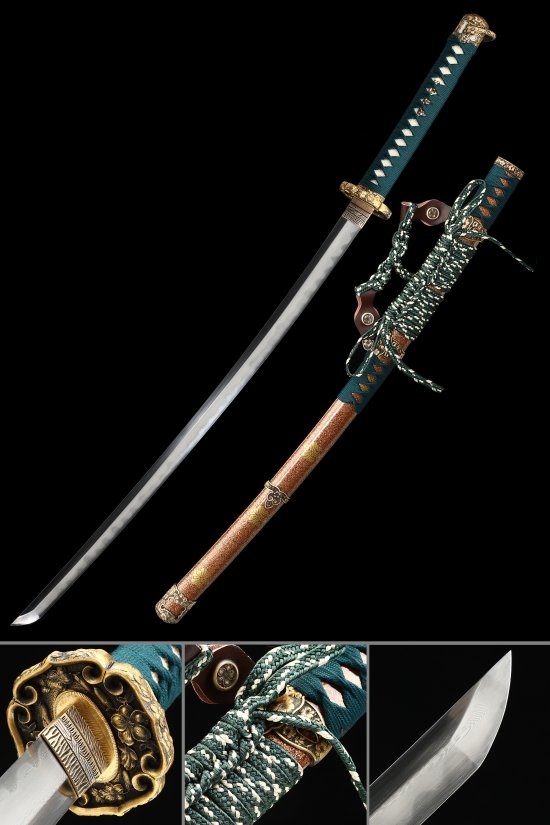
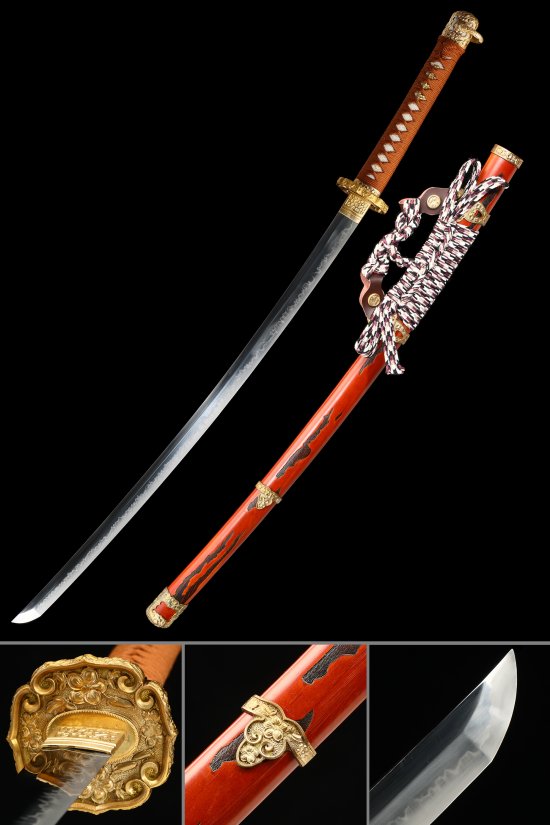
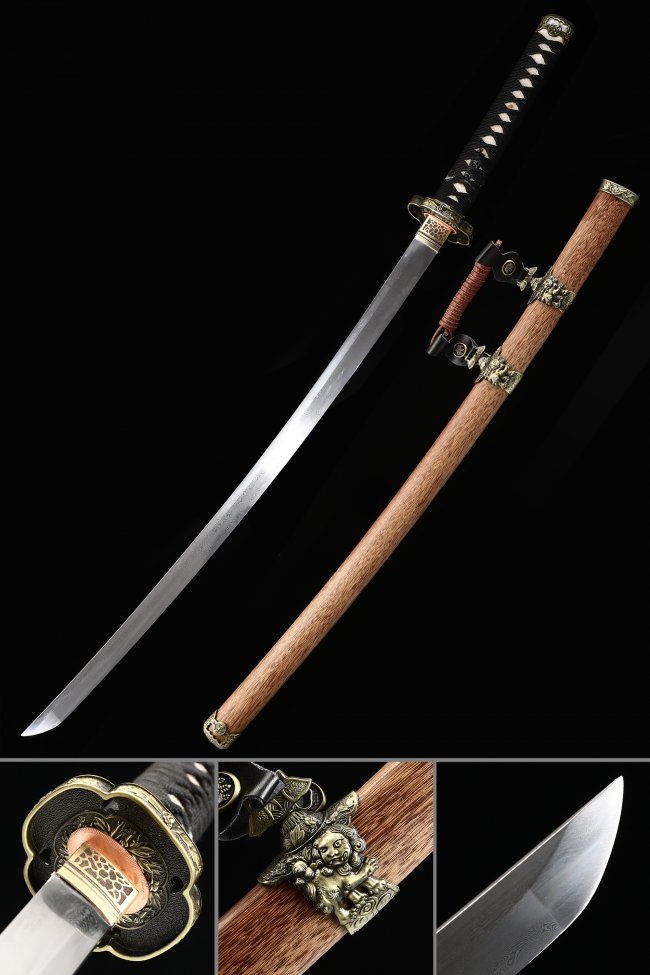
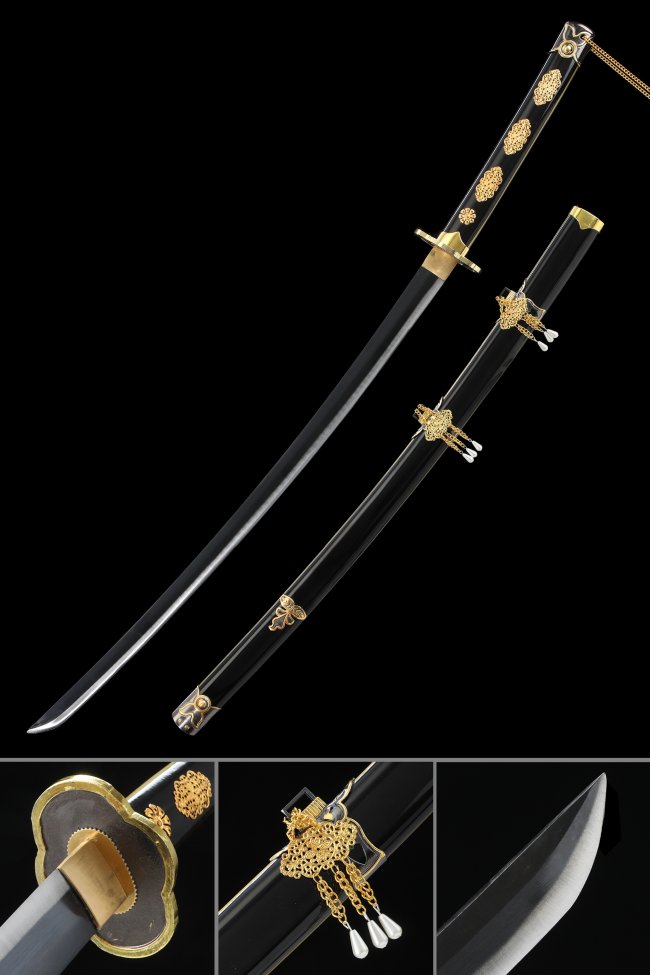
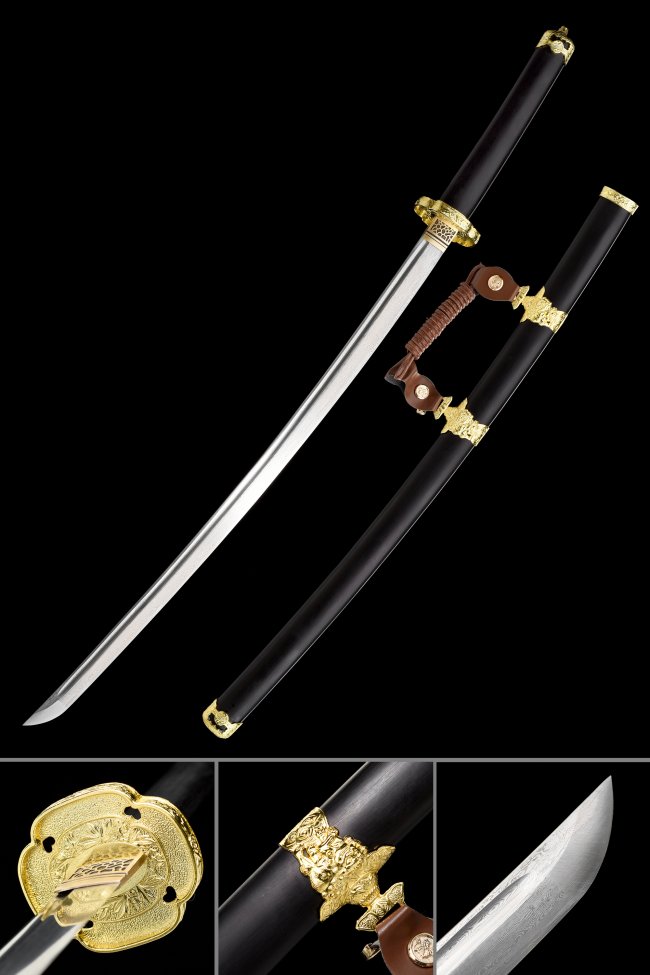
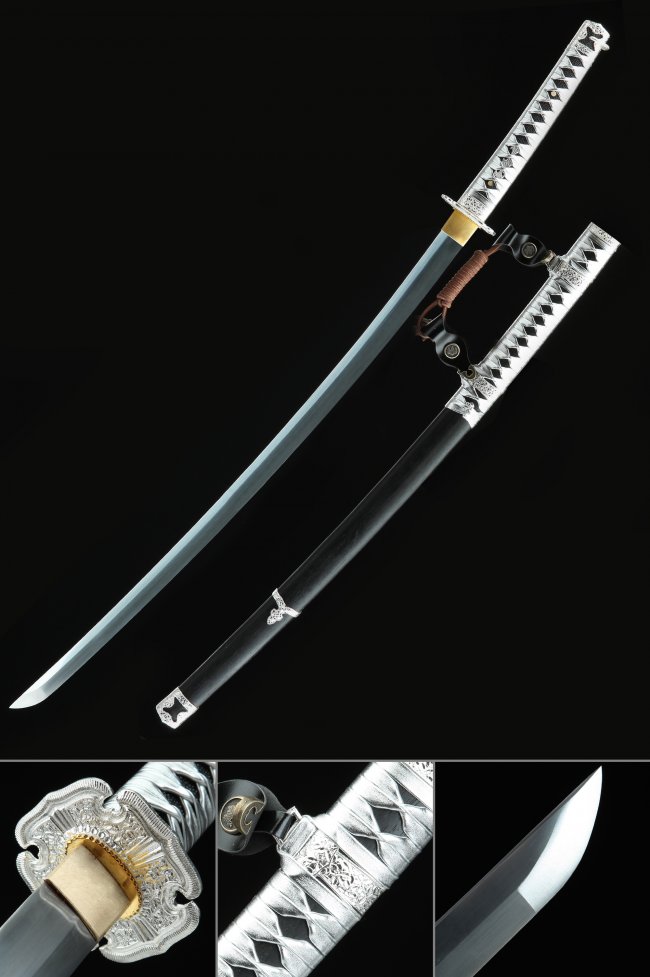
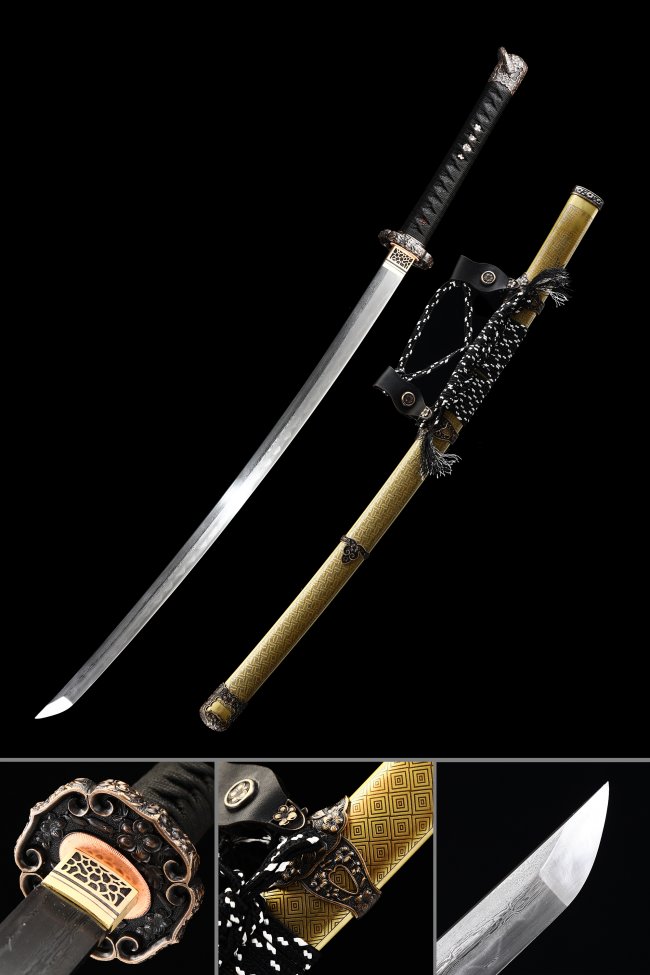
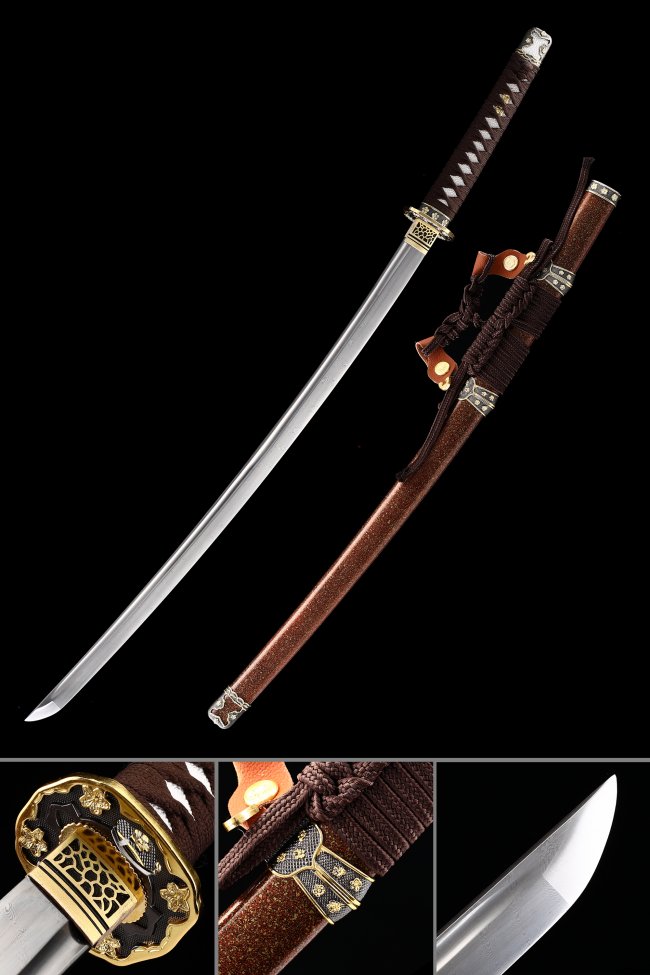
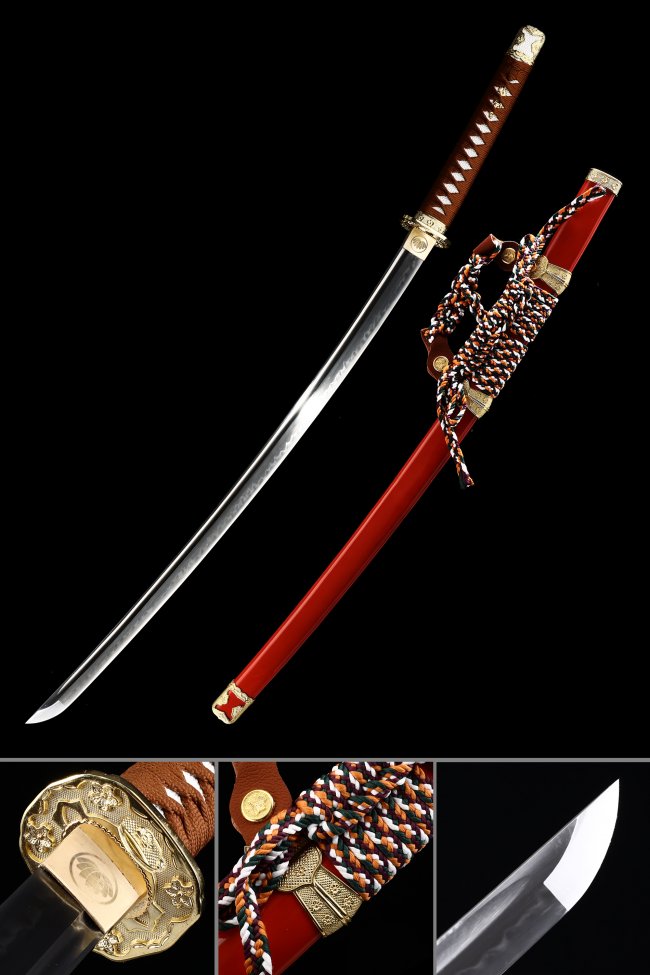
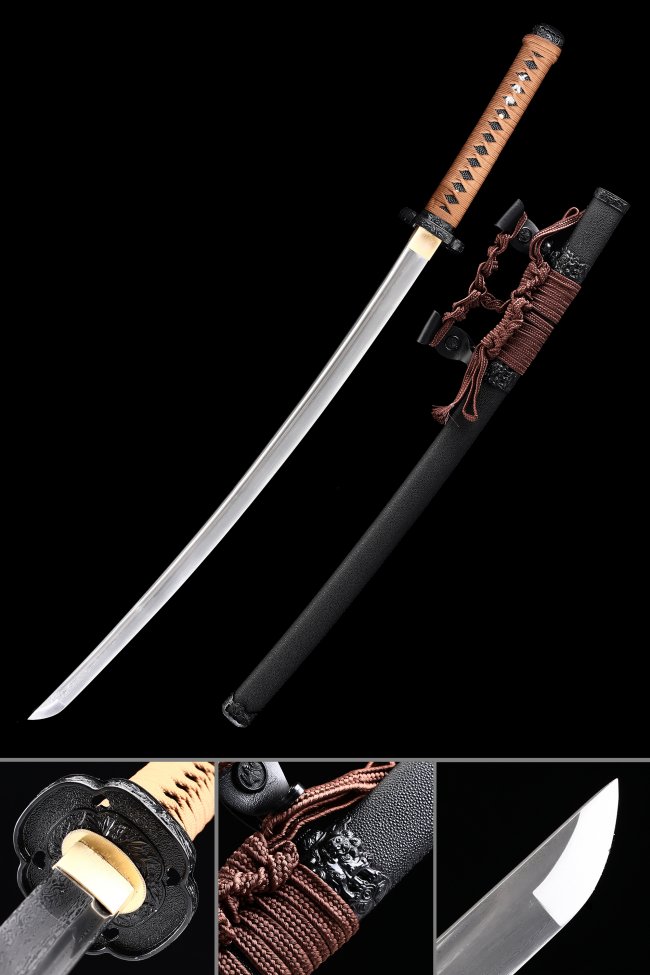
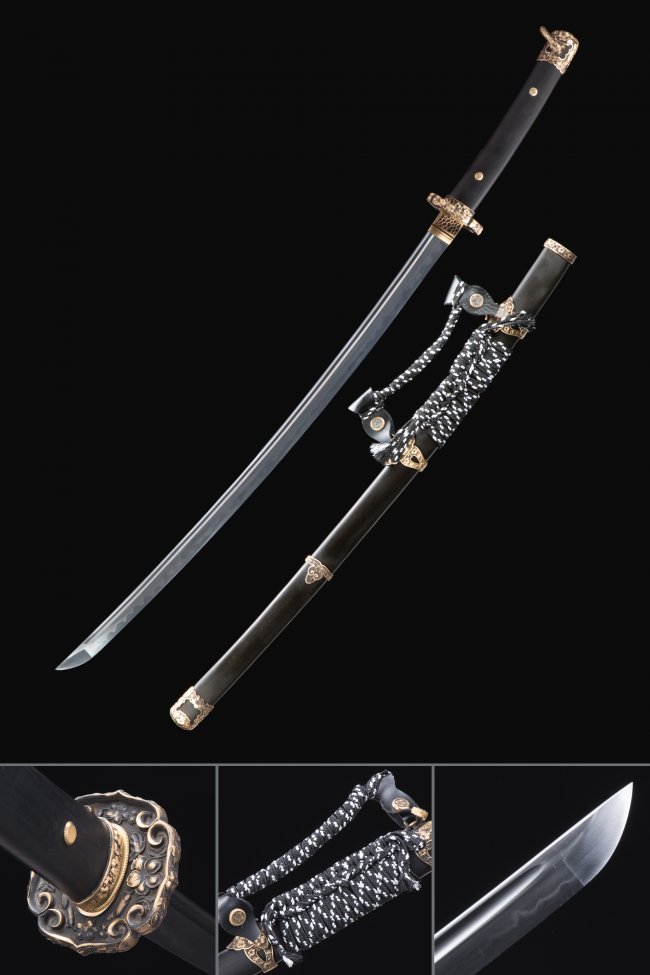
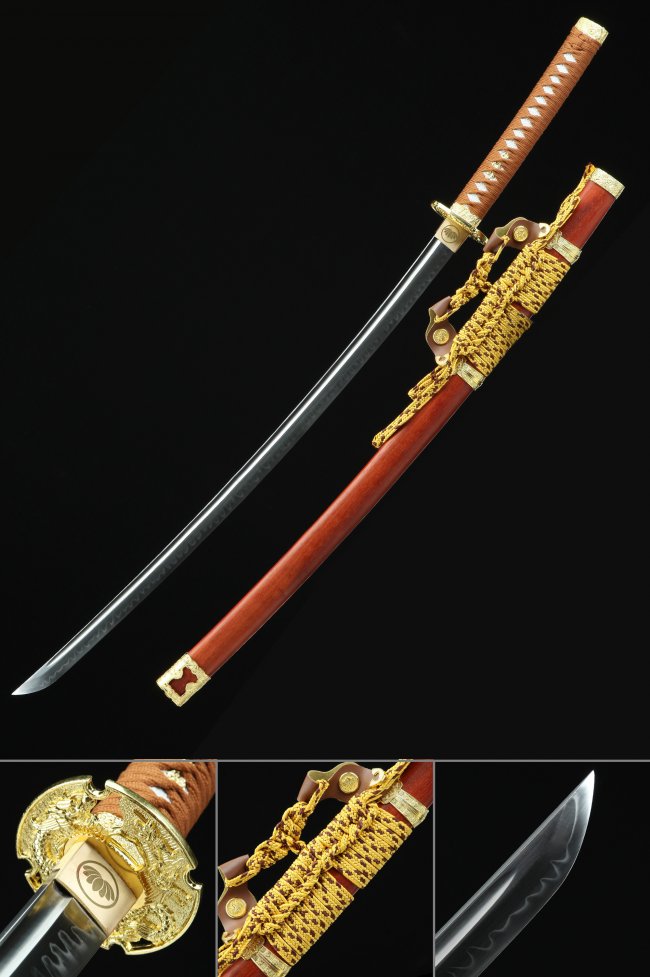
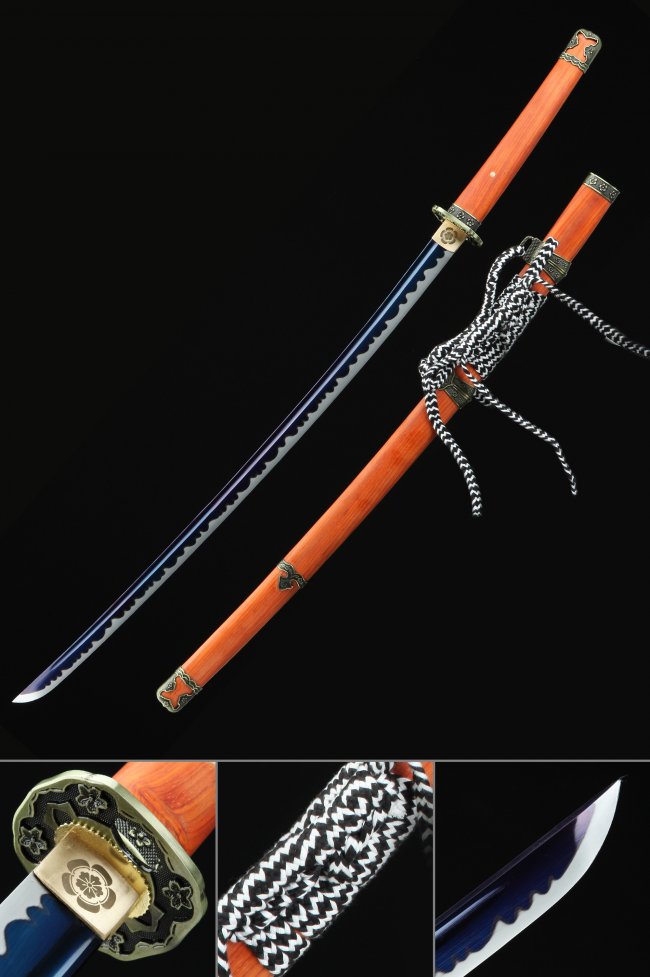
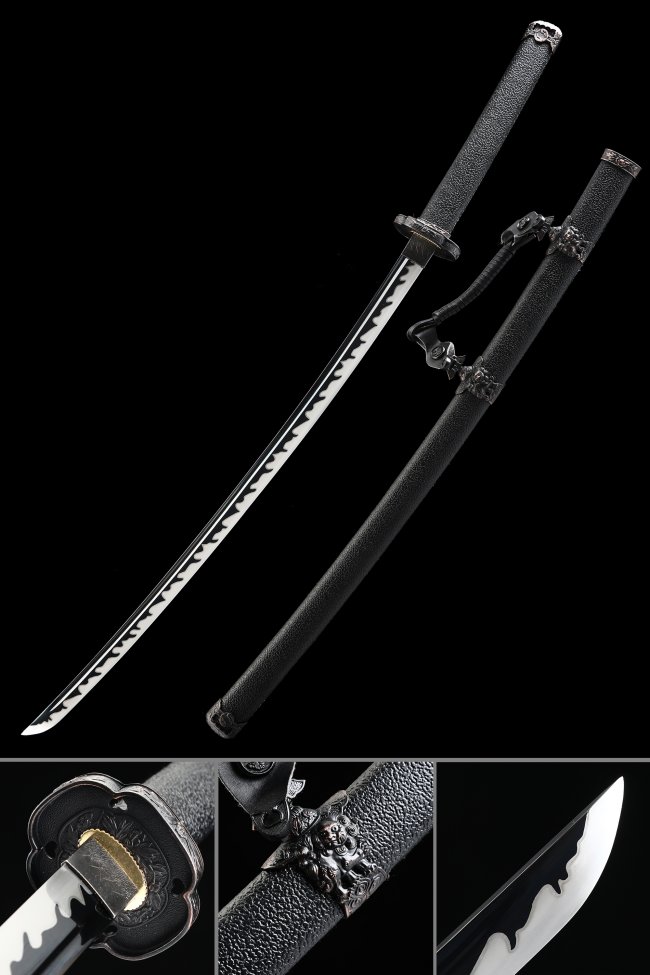
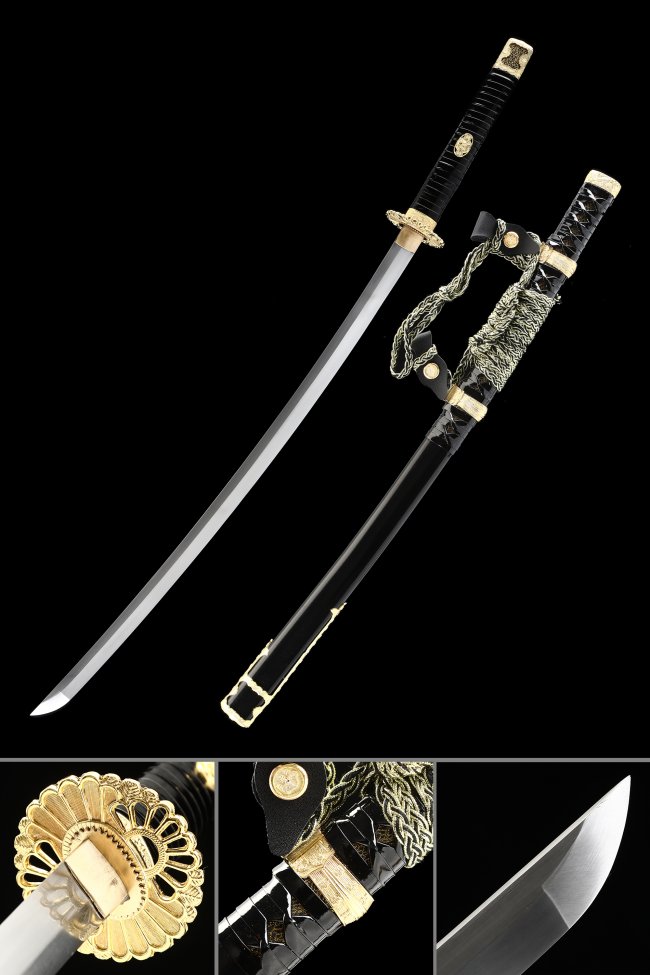
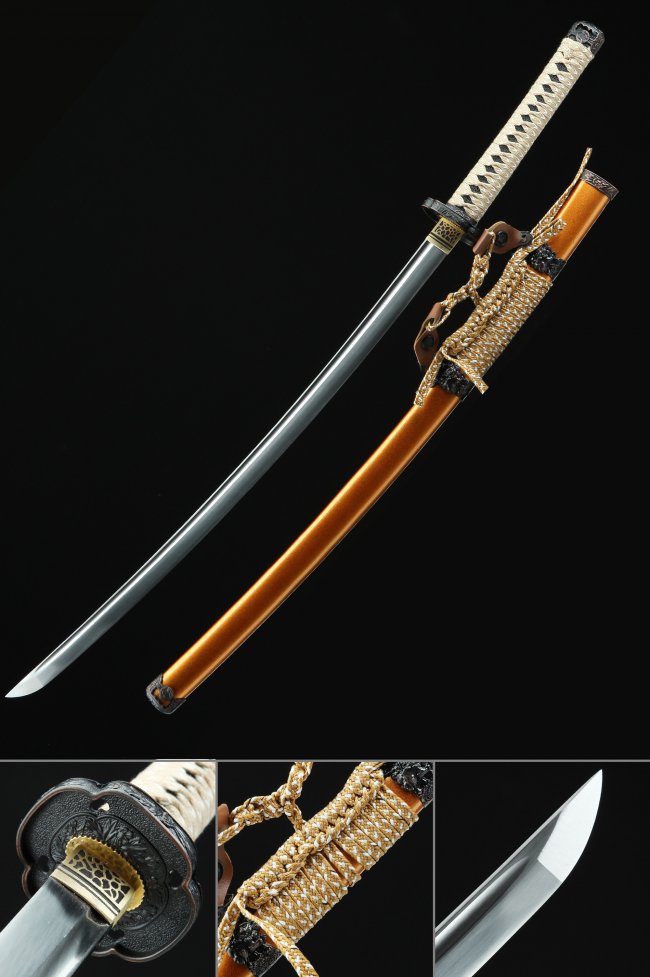
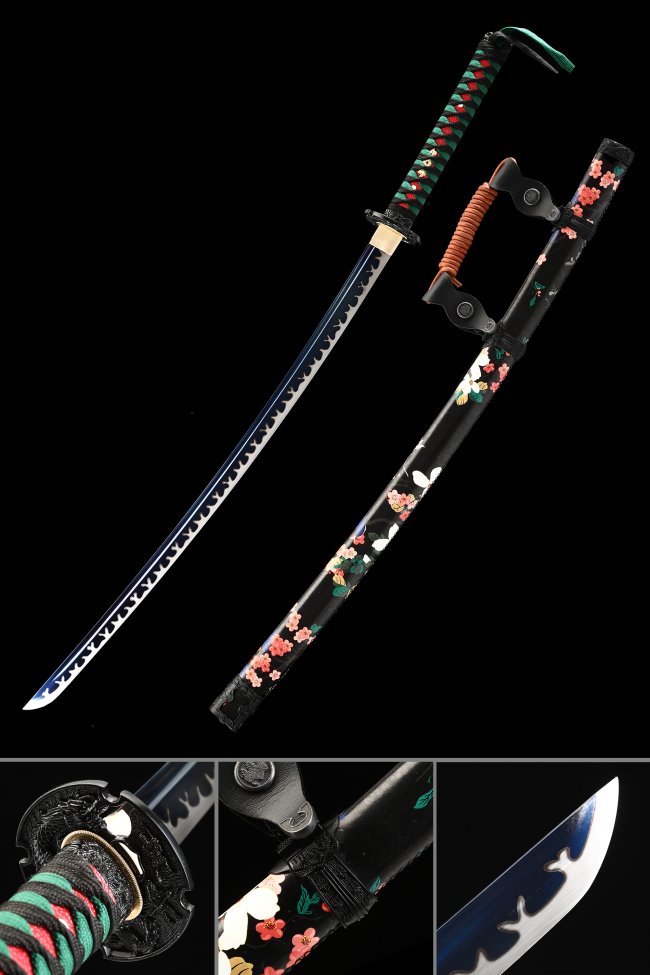
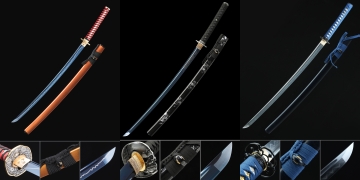
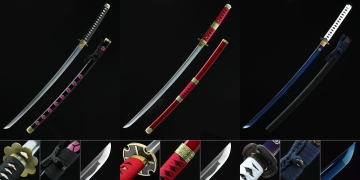
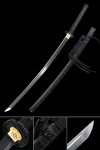
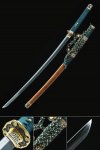
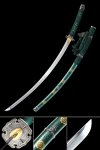
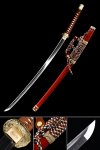
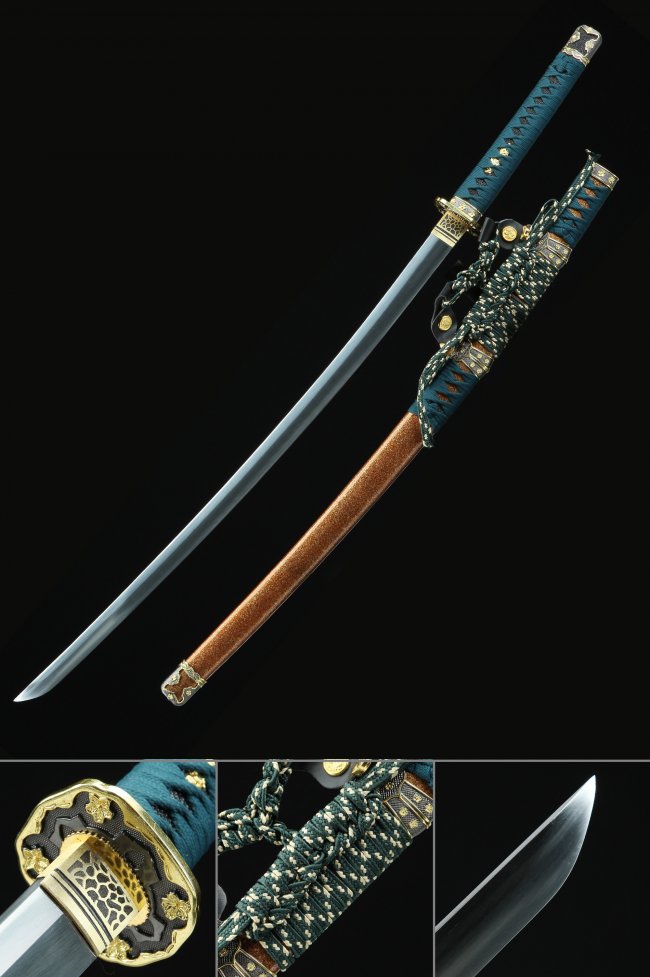
A Japanese Odachi Sword has a presence that smaller blades just can’t match. Originally known for its long reach and commanding size, the odachi still stands out today for collectors who appreciate traditional Japanese sword craftsmanship on a larger scale. Our Odachi Sword collection includes full-length forged blades with balanced handling, detailed fittings, and traditional styling that feels substantial the moment you hold one. Some feature carbon steel construction and heat-treated blades to keep the shape and weight closer to historical designs. Whether you’re drawn to samurai history, oversized anime-inspired swords, or simply want a centerpiece for your collection, these Japanese Odachi Sword models are worth a closer look.
Showing 40 Products
Related Collections

Frequently Asked Questions

What is the difference between nodachi and odachi?

Nodachi and odachi usually refer to the same general kind of extra-long Japanese sword, but the words highlight different ideas. Nodachi is often understood as “field sword,” suggesting battlefield use or open-field context. Odachi means “large sword” or “great sword,” focusing more on size. In modern product pages, the two terms often overlap, and many buyers search for both when looking for a long Japanese sword. The most useful approach is to check the actual product specifications: blade length, total length, weight, handle length, steel type, and whether the sword fits your display or handling needs.

What Is an Odachi?

A Japanese odachi is an extra-long Japanese sword, often described as a “great sword” or oversized samurai sword. Compared with a standard katana, an odachi usually has a much longer blade and a more dramatic battlefield presence. Historically, it was associated with open-field use, reach advantage, ceremonial display, and status. On TrueKatana, Japanese odachi swords are offered as collectible long-blade pieces, with options such as 1095 carbon steel, Damascus steel, high manganese steel, full tang construction, and traditional-style fittings. Because of their size, odachi swords are usually better for display and collection than casual handling.

How Big Was an Odachi?

An odachi is known mainly for its size. A common reference point is a blade length of around three shaku, or about 35 inches and above, although historical examples varied and some were far larger. TrueKatana’s Japanese Odachi Sword page also frames the category around blades over 35 inches, which helps separate odachi-style swords from regular katana models. The extra length gives the sword a powerful visual presence, but it also makes the sword harder to draw, carry, store, and handle. Buyers should always check the exact overall length and blade length on each product page before ordering.

Is an odachi legal in the United States?

Owning an odachi at home is generally legal in many parts of the United States, but sword laws can vary by state, city, and situation. The biggest concerns are usually public carry, transportation, schools, government buildings, and public events. Because an odachi is much longer than a regular katana, it may attract more attention and may be harder to transport discreetly and safely. Always check your local laws before carrying or displaying a metal sword outside your home. For conventions or cosplay events, check the venue’s prop weapon policy before bringing any metal odachi.

Where can I buy a Japanese odachi sword?

You can buy a Japanese odachi sword from a specialty sword retailer that clearly lists blade length, steel type, tang construction, fittings, weight, and intended use. TrueKatana has a dedicated Japanese Odachi Sword collection with extra-long blades, including 1095 carbon steel odachi, Damascus steel odachi, high manganese steel odachi, and related tachi/nodachi styles. The page includes product pricing, customer reviews, sale pricing on some models, and free shipping. Before ordering, compare the product details carefully because odachi swords are larger and less casual to handle than standard katanas.

How do I display an odachi sword?

An odachi needs more display space than a standard katana because of its extra length. A sturdy horizontal wall rack or a wide sword stand is usually better than a small tabletop katana stand. Make sure the stand supports the sword evenly and keeps it away from high-traffic areas, children, pets, and moisture. If the blade is carbon steel, wipe it down after handling and apply proper sword maintenance oil as needed to help prevent rust. Because an odachi is long and visually dominant, it works best as a centerpiece display rather than a crowded shelf item.

How long is an odachi sword?

An odachi is usually understood as a Japanese sword with a blade around 3 shaku, roughly 90.9 cm / 35.8 inches, or longer. In modern shopping terms, many people simply describe it as an extra-long katana-style sword. TrueKatana’s Japanese Odachi Sword collection also uses this kind of standard, describing the category as Japanese odachi swords with blades over 35 inches.

How heavy is an odachi sword?

The weight depends heavily on the blade length, steel, fittings, and overall build. Historical odachi could vary a lot, and some examples were extremely large. For a modern collectible odachi, the best answer is to check the exact product page instead of assuming one standard weight. In general, an odachi will feel heavier and harder to control than a regular katana because the blade is longer and carries more forward weight.

What was an odachi sword used for?

Historically, the odachi was associated with battlefield use, especially where extra reach mattered. Its long blade could give a foot soldier more range, but that same size also made it harder to draw, carry, and use in tight spaces. Over time, odachi were also valued for ceremonial use, display, and status. Today, most buyers choose an odachi more for collection, display, historical interest, or its dramatic long-blade look rather than practical everyday handling.

What is the difference between odachi and katana?

The main difference is size. A katana is shorter, easier to wear, easier to draw, and more practical for regular handling. An odachi is much longer, often with a blade over 35 inches, so it has more visual impact and reach, but it is also harder to carry, store, and control. If you want a first Japanese sword, a katana is usually easier to manage. If you want a centerpiece sword with a stronger historical and display presence, an odachi stands out more.

Is an odachi sword full tang?

Some odachi swords are full tang, but not every odachi on the market is. Since an odachi has a longer blade, tang construction matters even more than it does on a smaller display sword. TrueKatana’s Japanese Odachi Sword collection includes multiple products described as full tang, including 1095 carbon steel and tachi/odachi-style models. Still, the safest approach is to check the individual product details before buying, because material, tang, blade length, and intended use can vary from one model to another.

Is an odachi good for beginners?

An odachi can be a great display piece for beginners, but it is usually not the easiest first sword to handle. The extra length makes it more difficult to draw, swing, store, and transport compared with a standard katana. For someone buying mainly for collection or room display, it can be a strong choice because it looks impressive. For practice handling, a regular katana, blunt katana, or lighter training sword is usually more beginner-friendly.

Customer Reviews

Loading more reviews...

Subscribe to our emails

GET 20% OFF TODAY

Subscribe to our emails to receive the latest special offers and private events. We'll send a coupon code to your email shortly.

Get Coupon Code