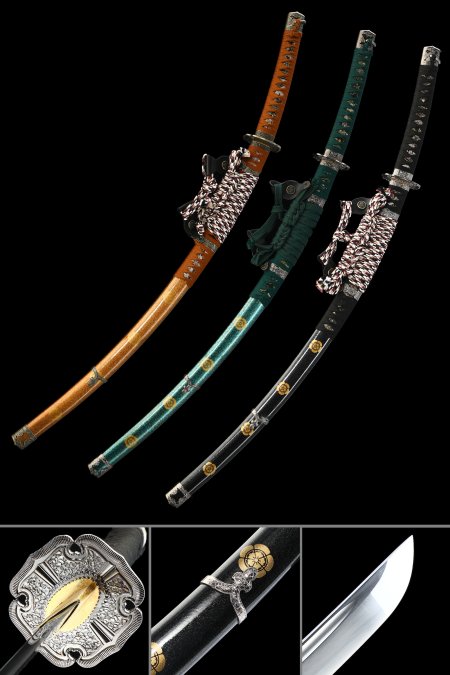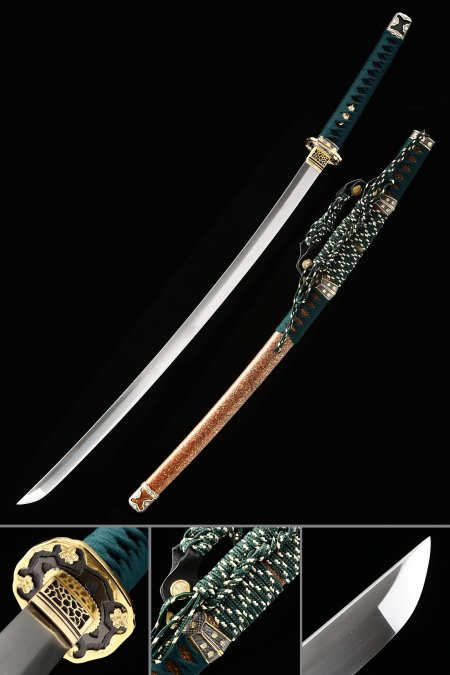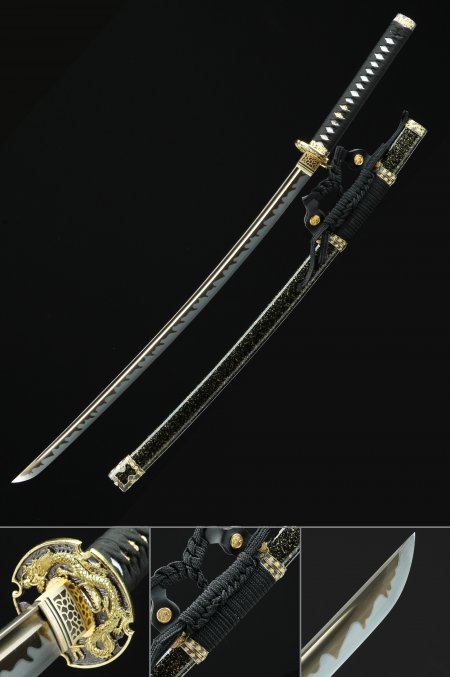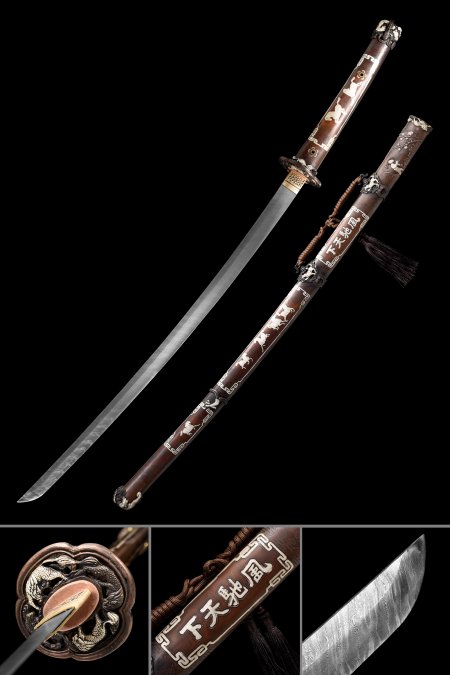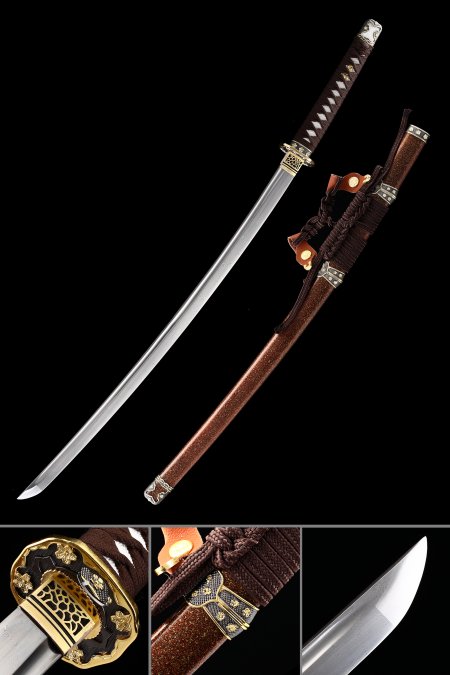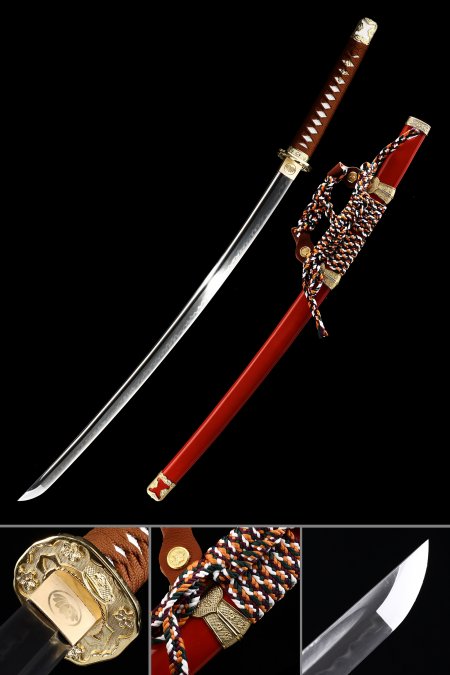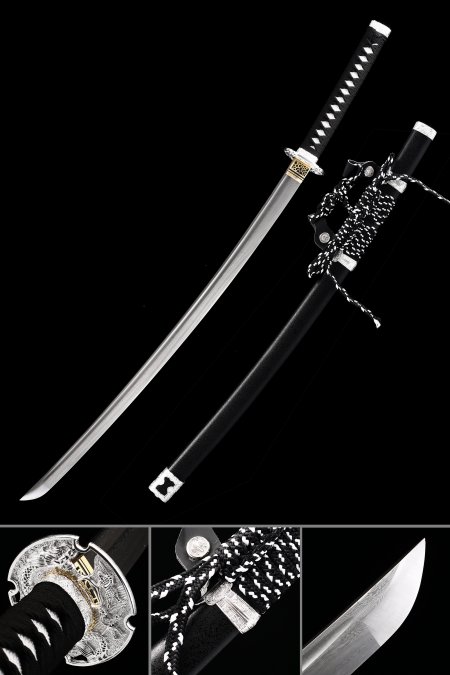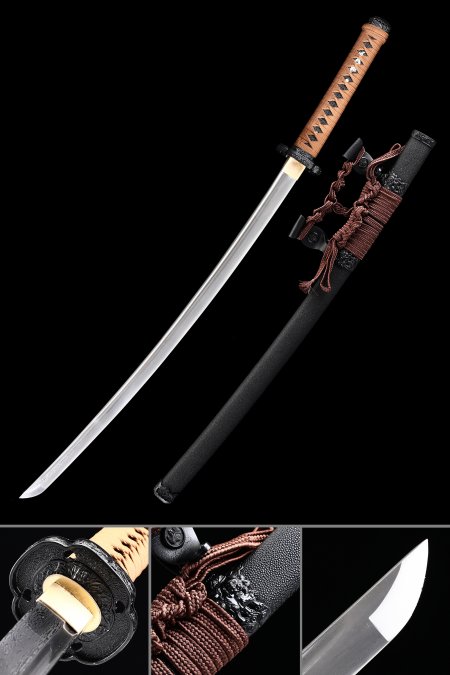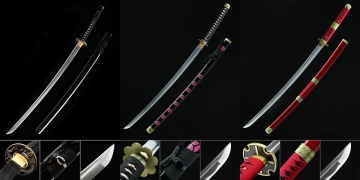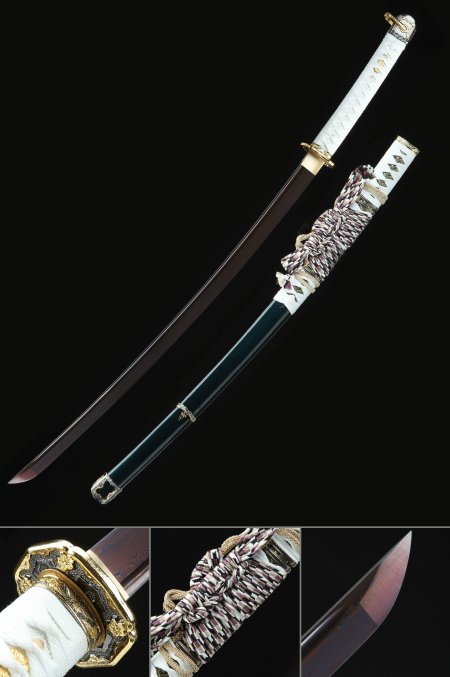
Japanese Odachi

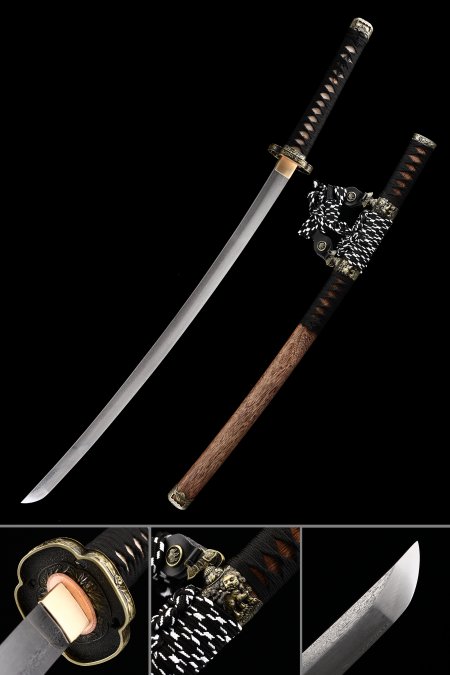
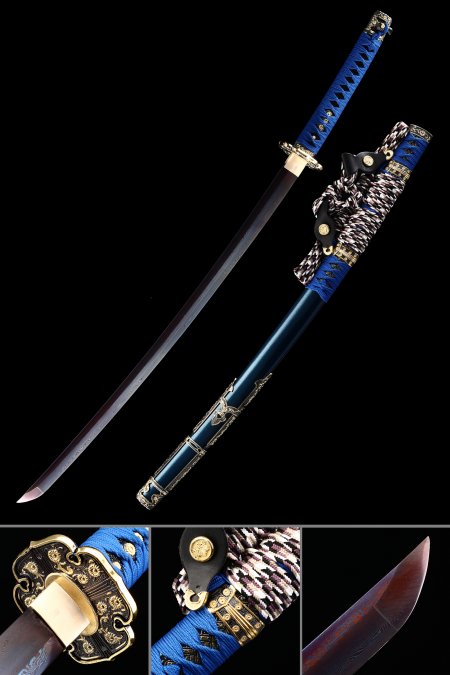
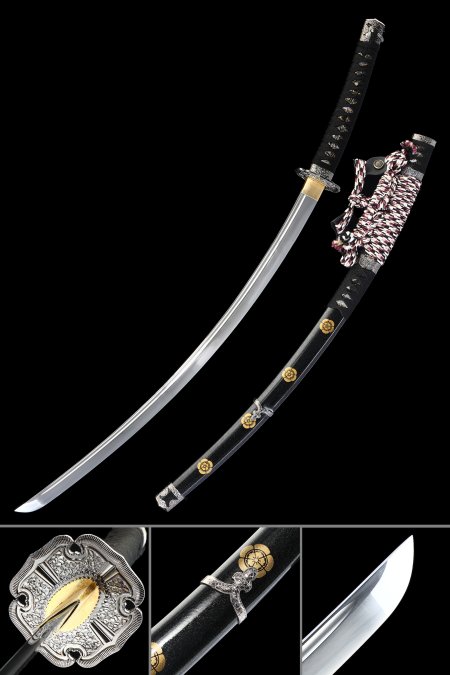
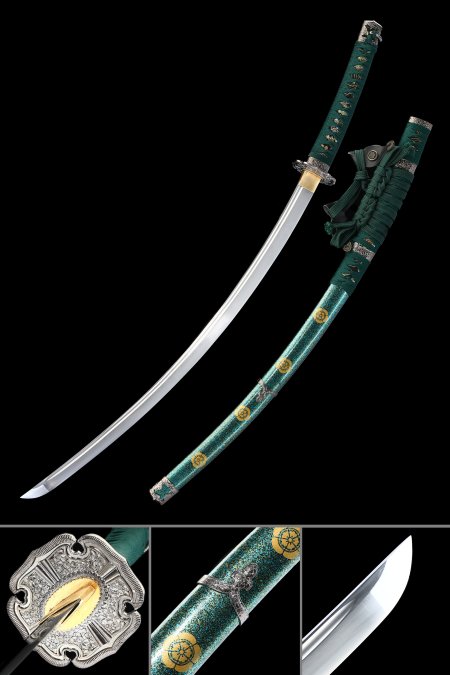
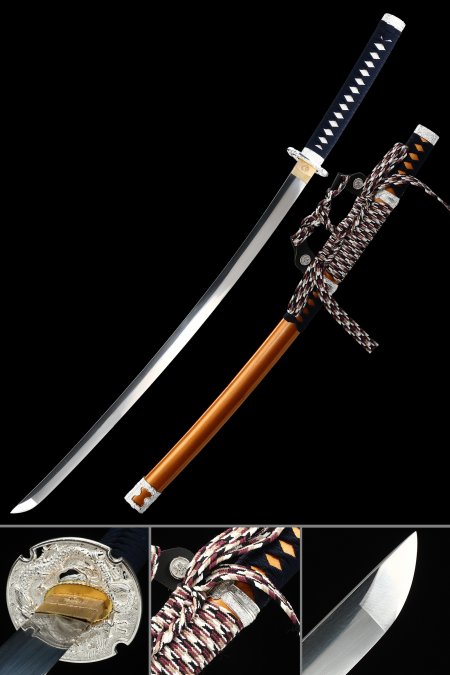
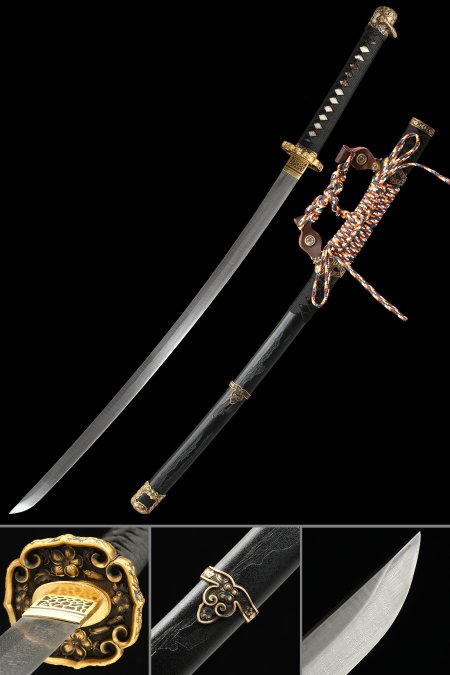
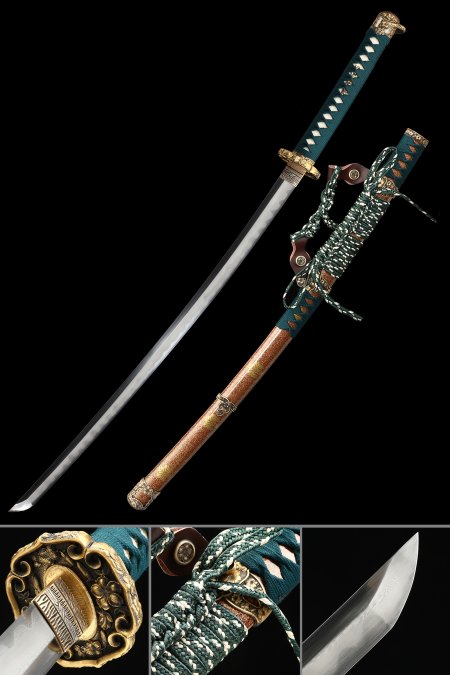
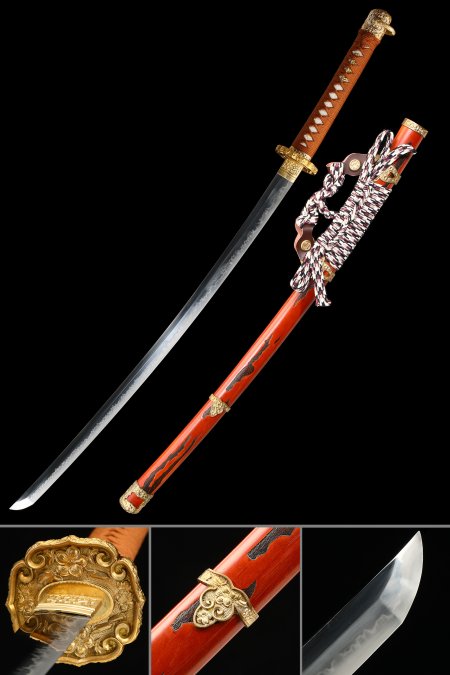
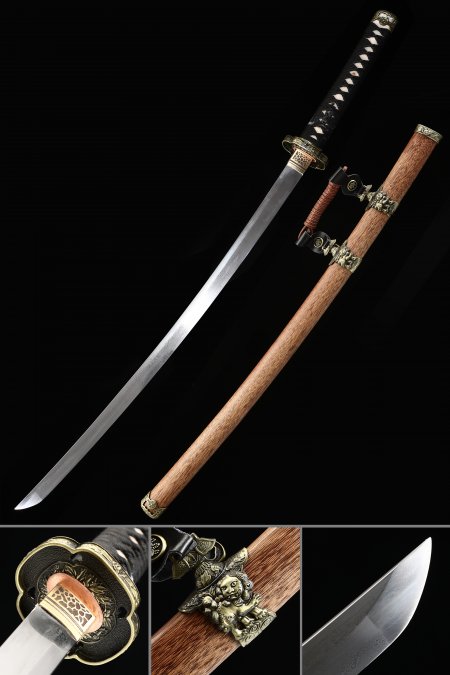
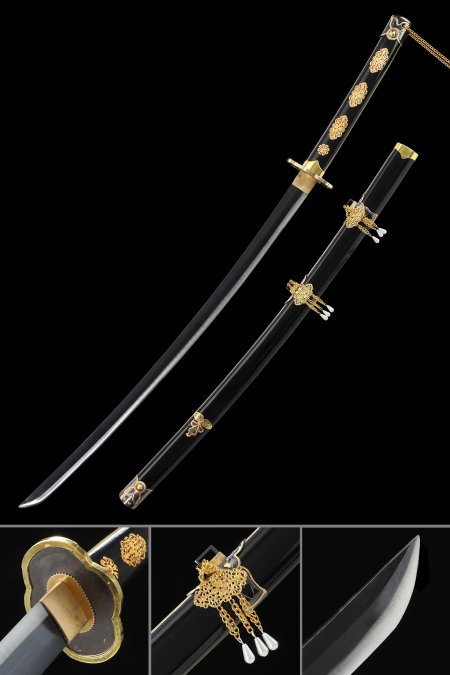
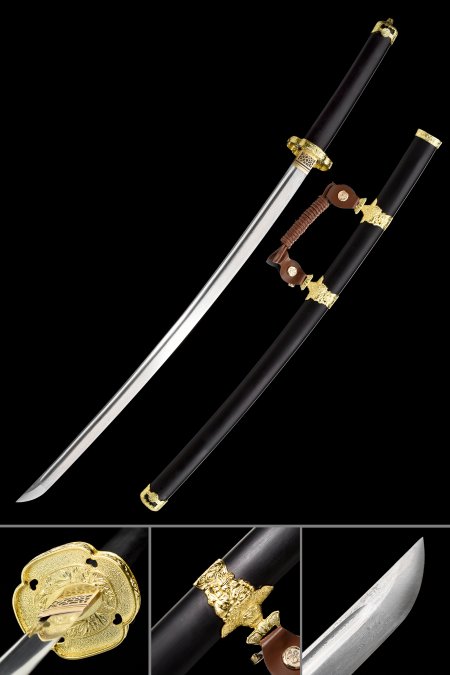
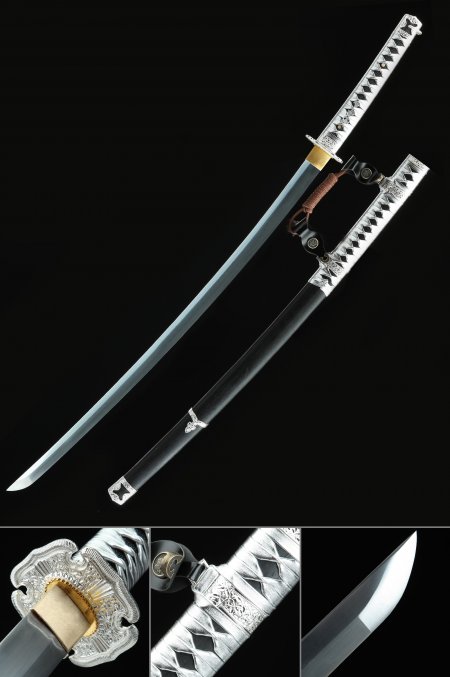
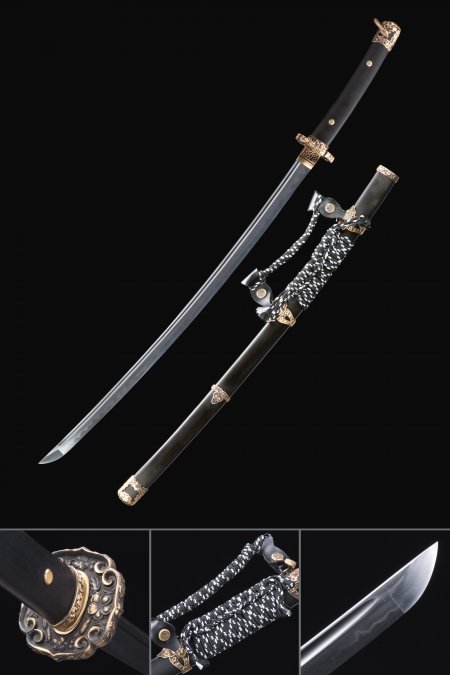
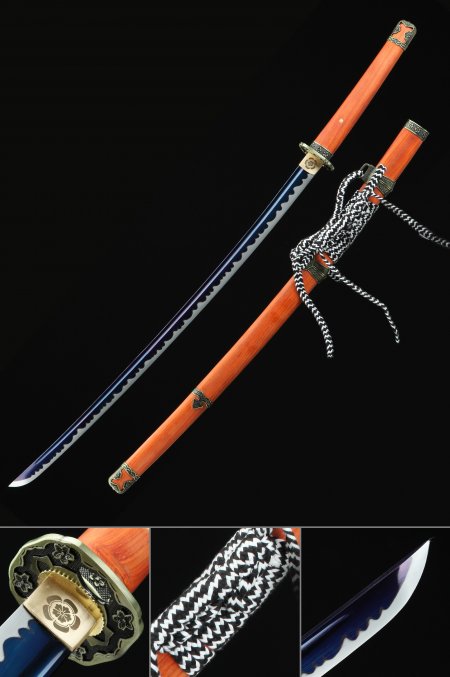
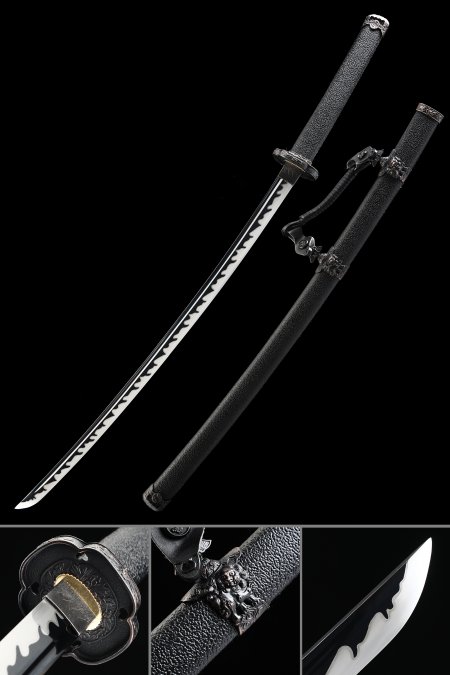
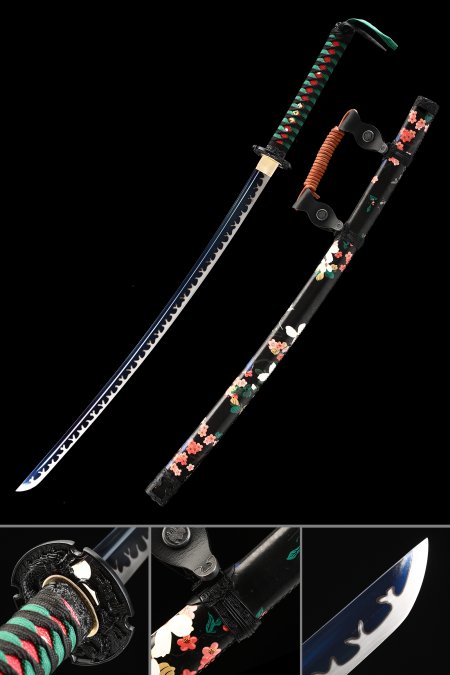
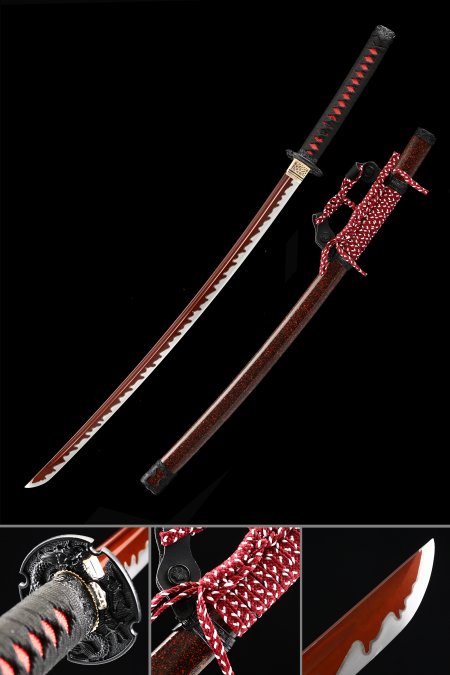
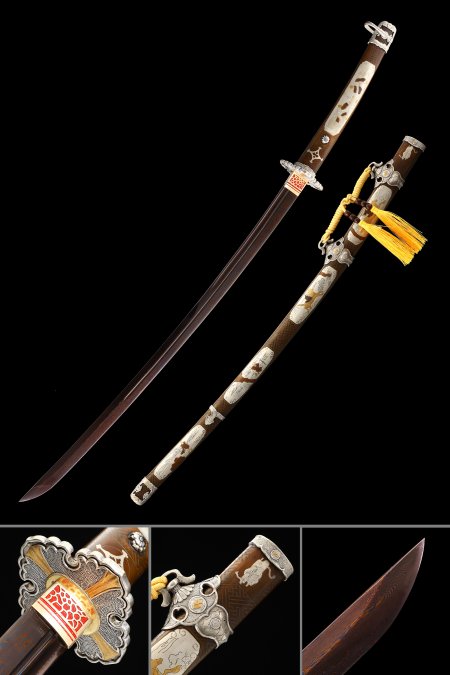
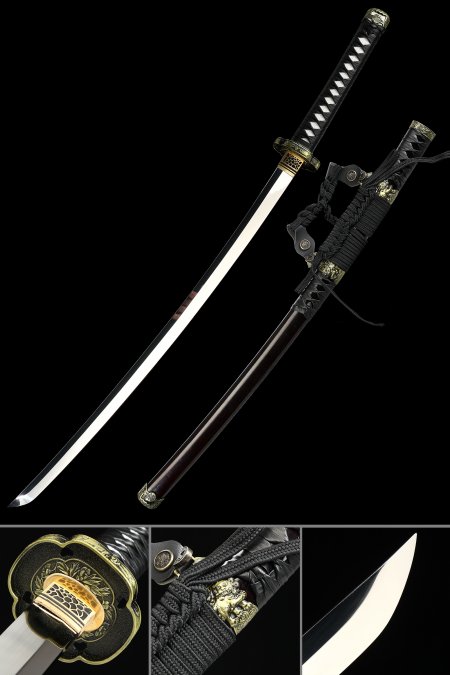
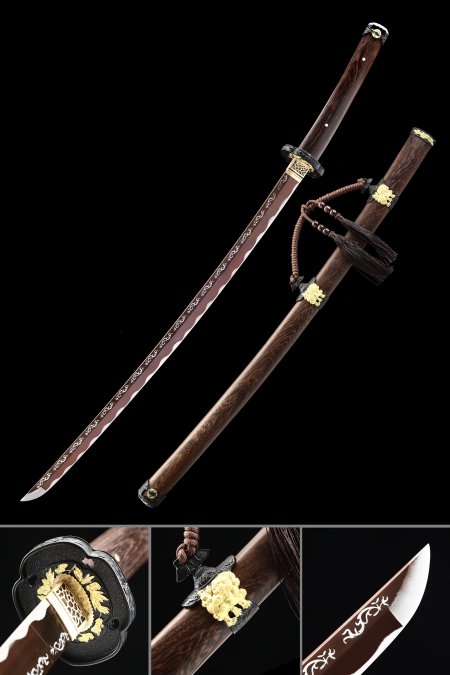
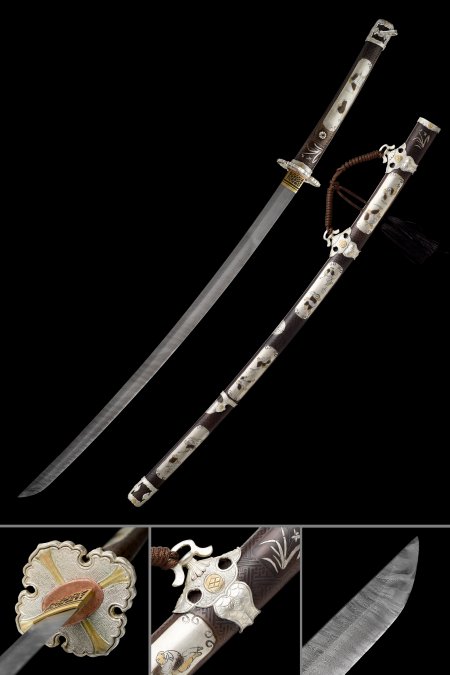
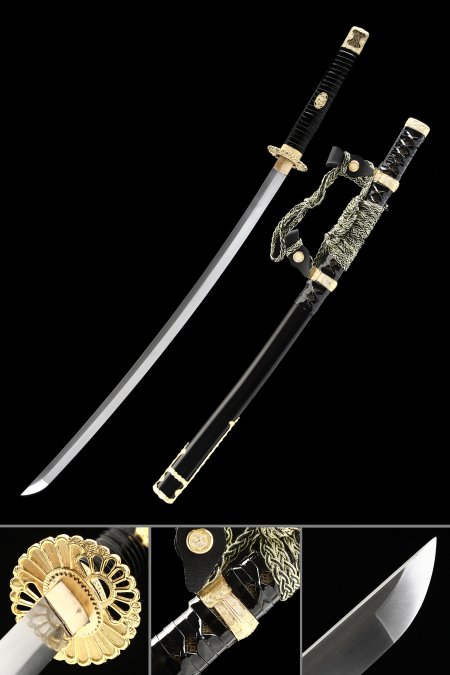
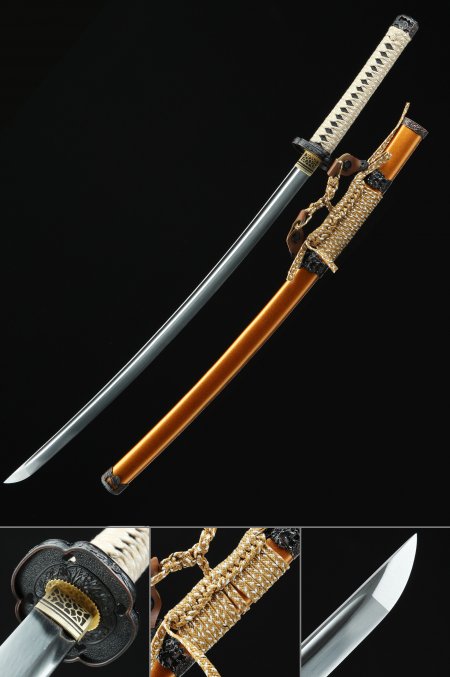
Discover our collection of Japanese odachi swords - authentic hand-forged Japanese great blades in Damascus, T10 clay-tempered, and 1045 carbon steel, representing the historical tradition of the massive battlefield sword that preceded the standard katana in Japanese military use. Each odachi features full-tang construction, 35-plus inch blades, and traditional Japanese fittings that scale the samurai aesthetic to the great blade format. Free US shipping and hassle-free returns included.
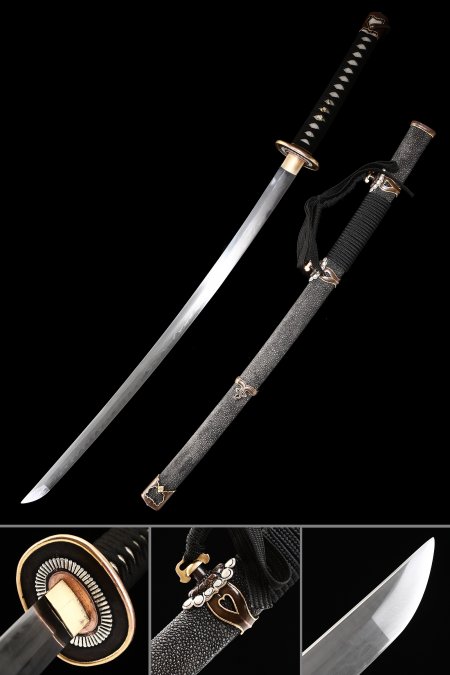
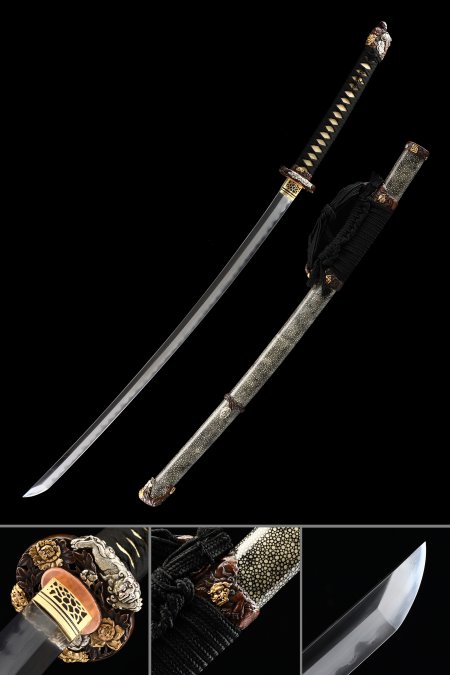
Showing 34 Products

Related Collections

Battle Ready Katana Sword86 items


245 Reviews

Odachi Sword33 items


56 Reviews

Kodachi33 items


73 Reviews

Long Blade Katana90 items


1506 Reviews

Frequently Asked Questions

What is the historical role of the Japanese odachi in Japanese warfare?
The Japanese odachi - also called nodachi or field sword - was a massive battlefield blade used by Japanese infantry soldiers during the feudal period, particularly during the Nanbokucho period (1336-1392) and through the Sengoku era of civil wars. Unlike the shorter tachi and later katana, which were personal combat swords worn on the person, the odachi's exceptional length - blades of 35 to 60 inches were not uncommon historically - was specifically adapted for open-field infantry use where the extended reach provided tactical advantages against both mounted cavalry and opposing infantry. The odachi was too long to be carried conveniently at the hip and was instead carried on the back or by an attendant who would hand it to the warrior when combat was imminent. As Japanese warfare evolved and the chaotic open-field battles of the Sengoku era gave way to the more structured period of the Edo shogunate, the odachi's battlefield role diminished and it transitioned into ceremonial and display significance, with particularly fine odachi being offered at Shinto shrines as gifts. Today it is collected for its historical associations and exceptional visual scale.
What makes a Japanese odachi different from a katana visually and structurally?
A Japanese odachi and a katana share the same fundamental blade geometry - a curved single-edged blade with a kissaki tip, tsuba guard, wrapped handle, and matching scabbard - but differ dramatically in scale and in several structural details that result from that scale difference. The odachi's blade length of 35-plus inches (compared to the katana's 27-30 inches) and overall length of 50-65 inches (compared to the katana's 38-42 inches) create an immediately different visual impression. The handle is also proportionally longer on an odachi to accommodate the two-handed extended grip that the blade's length and weight require, typically measuring 14 to 20 inches compared to the katana's 10-12 inch handle. The sori curve profile may differ as well - some odachi feature a different curvature distribution optimized for the battlefield stance rather than the combat-drawing techniques of the shorter katana. The blade width and thickness taper differently at the odachi scale, and the habaki blade collar and tsuba guard are correspondingly larger. Visually, the odachi's scale makes it unmistakably distinct from a katana even at a distance.
How do I research and evaluate Japanese odachi swords before collecting?
Researching Japanese odachi collecting involves understanding several criteria that are specific to the great blade category. Blade length is the primary differentiator within the odachi category: pieces are sometimes described as odachi based on historical tradition while having blade lengths closer to katana dimensions, so verifying the specific blade measurement against the product listing is important. Full-tang construction is the essential baseline quality indicator: confirm through the product description that the blade steel runs from tip through the complete handle with a mekugi retention pin. Steel grade is the second key evaluation area - Damascus, T10 clay-tempered, and quality carbon steel grades are all appropriate, while stainless steel is not. For T10 pieces, a hamon temper line under lighting confirms proper differential heat treatment. Handle length and proportionality at the odachi scale is worth examining - a handle that is too short for the blade's length will affect the piece's balance and visual proportionality. Display requirements should also be assessed before purchasing: odachi require dedicated floor stands or specially sized wall brackets, and confirming you have an appropriate display solution before the piece arrives prevents display planning problems.
What are the display requirements for a Japanese odachi at home?
Japanese odachi require more display planning than standard katana because of their exceptional scale. Before purchasing an odachi, assess the ceiling height and wall space available in your intended display location: a 65-inch odachi displayed vertically needs at least 7 feet of clear wall height, and horizontal display at that length requires a clear wall run of at least 5.5 feet without obstructions. Floor display stands designed for odachi are widely available and are the most flexible solution for very long pieces - they support the blade at a 45-60 degree diagonal angle that fits within normal ceiling heights while presenting the blade's full length impressively. Horizontal wall mounting for odachi requires two-point support brackets positioned at appropriate points along the blade length; a single central bracket will not provide sufficient tip support for a 60-plus-inch piece. For rooms with standard 8-foot ceilings, a floor stand is typically the most practical display solution for the longer odachi configurations. Direct a spotlight at the display from above or to one side - the odachi's dramatic scale is enhanced considerably by directional lighting that highlights the blade's surface character.

Customer Reviews