What makes an odachi different from a katana or tachi?
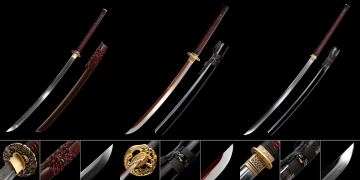
An odachi is defined primarily by its exceptional blade length, which typically exceeds 90 cm (roughly 35 inches) and often reaches well over 100 cm. By comparison, a standard tachi averages around 70–80 cm and a katana runs 60–75 cm. This extra length gives the odachi a commanding visual presence that made it historically associated with shrine offerings, ceremonial processions, and displays of aristocratic prestige rather than everyday carry. The extended blade also requires a different hand placement and body posture to display properly, which contributes to its dramatic presentation on a stand or wall mount. For collectors, the sheer scale of an odachi is its defining appeal.
Is T10 steel a good choice for a display odachi?
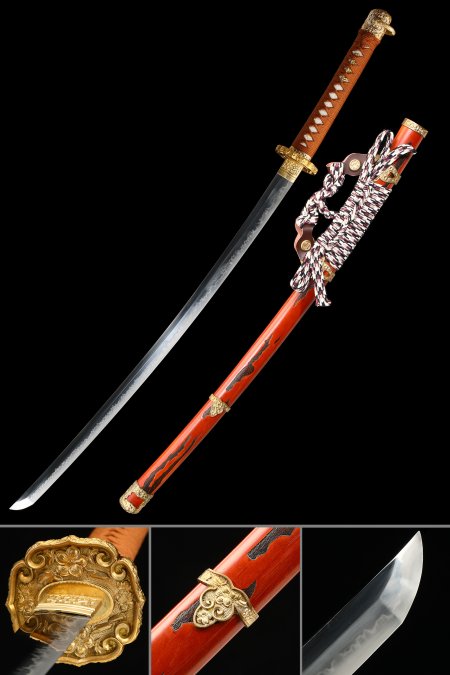
T10 tool steel is one of the more respected high-carbon steel choices for hand-forged Japanese-style blades. Its slightly elevated tungsten content compared to standard 1095 carbon steel contributes to a finer carbide structure, which translates into good edge retention and a blade surface that responds well to the clay-tempering process used to produce a genuine hamon — the visible temper line along the edge. For a display odachi, T10's ability to carry a natural hamon means the blade has visual depth and authenticity that goes beyond surface treatments. The hamon on a T10 blade is created through differential heat treatment, making each one unique. If hamon clarity and surface character matter to your collecting criteria, T10 is an excellent material choice.
How should I care for a lacquered red saya over time?
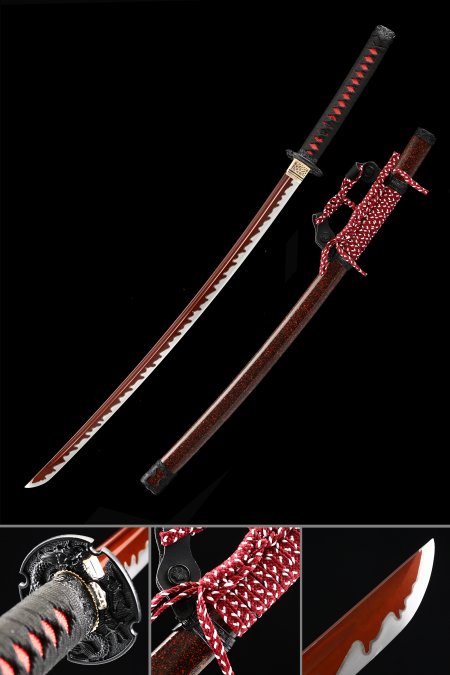
Red lacquer saya are best maintained by keeping them out of prolonged direct sunlight, which can cause the pigment to fade or the lacquer layers to crack over time. Store the saya in a climate-controlled environment where humidity stays between 40–60%, as extreme dryness causes lacquer to contract and chip while excess moisture can seep into the wood underneath. Wipe the surface gently with a soft, dry cloth — avoid any chemical cleaners or abrasive materials that could dull the finish. When inserting or removing the blade, do so smoothly and without force, as repeated hard impact against the koiguchi (mouth of the saya) stresses the lacquer at the most vulnerable point. Occasional light waxing with a non-abrasive furniture wax can help preserve the sheen.
Can a Red Odachi work as a display centerpiece alongside shorter swords?
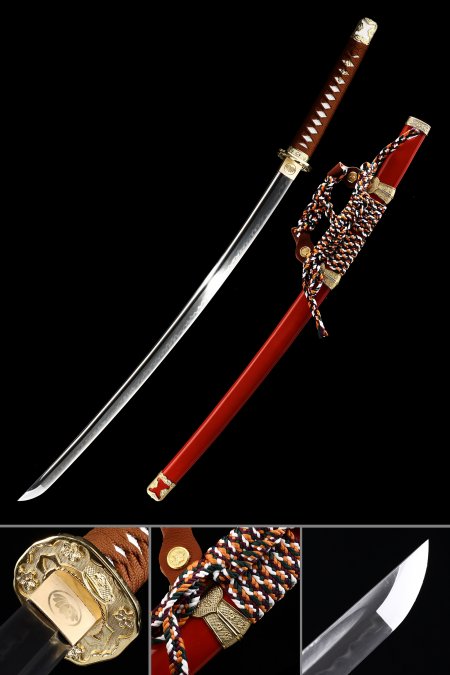
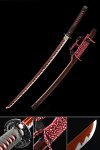
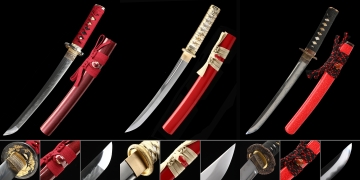
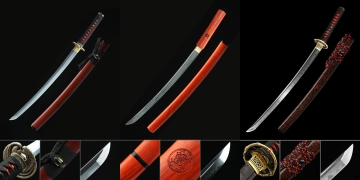
Absolutely — the Red Odachi is particularly effective as the anchor piece in a tiered Japanese sword display. Its length naturally draws the eye first, creating a visual hierarchy when paired with a katana and a tanto or kodachi. Repeating the red color theme across the set is a popular curatorial choice; for example, pairing a Red Odachi with pieces from the Red Blade Katana collection or a Red Leather Sageo Tanto creates a thematically unified presentation. Wall-mounted displays work especially well for odachi-centered arrangements since the vertical or diagonal orientation emphasizes the blade's full length. Use a dedicated odachi floor stand if wall space is limited, positioning shorter pieces on adjacent horizontal racks at descending heights.
Is a 3-piece odachi set worth considering over a single sword?
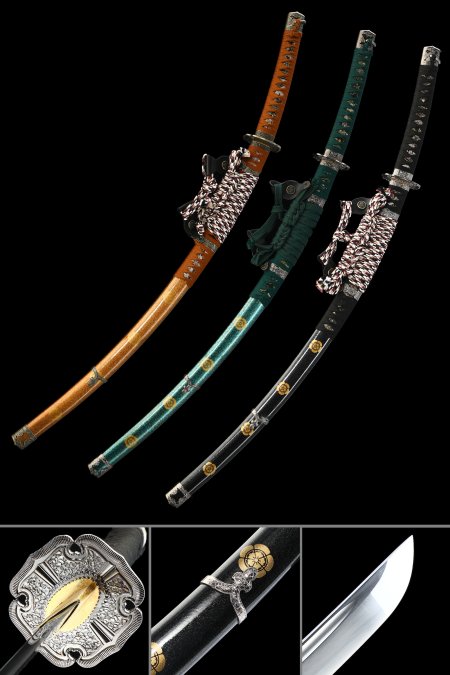
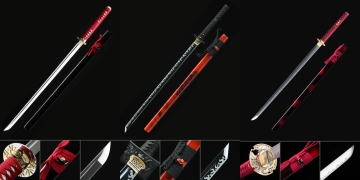
A 3-piece odachi set — typically including blades in complementary saya colors such as orange, teal, and black — offers immediate display versatility without the need to source matching pieces separately. The coordinated construction means fittings, handle geometry, and blade dimensions are consistent across all three items, which gives a unified look that can be harder to achieve when purchasing individual swords over time. From a collecting standpoint, sets are also useful as gifts or as a starting point for a new display space, providing instant visual variety. The trade-off is that individual pieces within a set may not reach the same level of material specification as a single premium-grade odachi, so collectors with a specific focus on steel quality or hamon detail often prefer selecting individual swords built to a higher specification.