What makes an odachi different from a standard katana?
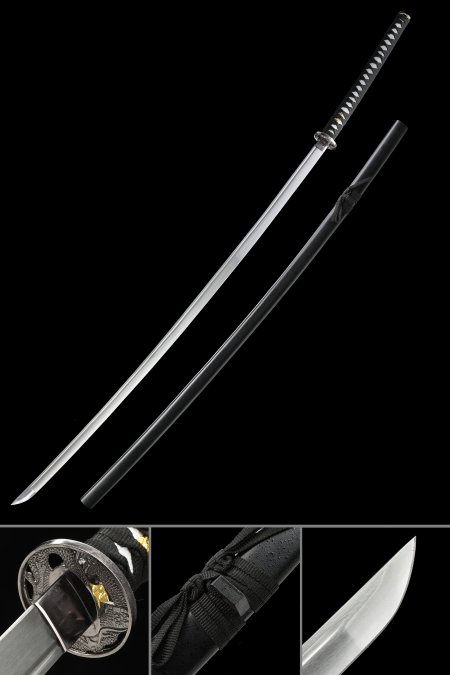
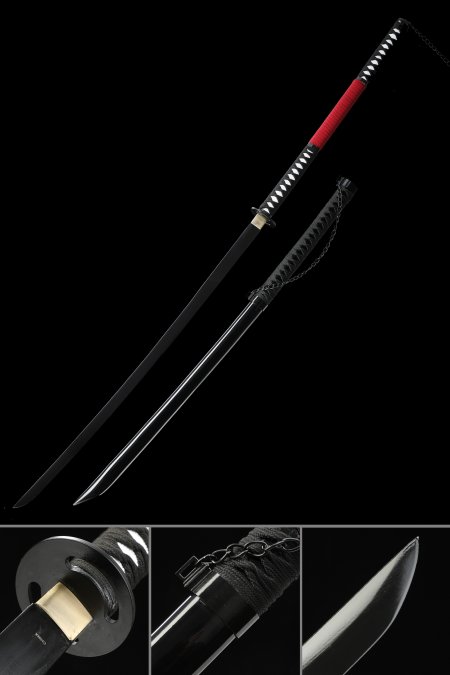
The most immediate distinction is blade length. A traditional katana typically measures between 60 and 73 cm in blade length alone, while an odachi - also referred to as nodachi - features a blade significantly longer, often bringing the total sword length to 60 inches or more. This collection's pieces measure 67 inches overall. Beyond length, the odachi carries a distinct historical context: it was associated with ceremonial presentation and elite status rather than everyday carry. For collectors, this translates into a display piece with undeniable presence - one that commands attention in a way that standard-length swords simply cannot match. The construction philosophy also differs; the extended full-tang design requires precise balance along a much longer steel column, making careful hand-forging essential to the finished piece's structural coherence.
Why is 1060 carbon steel a popular choice for collectible swords?
1060 carbon steel sits in a well-regarded middle range of the carbon content spectrum - higher than mild steel, which holds little collector interest, but not as extreme as 1095 or tamahagane-style compositions. For display and collectible swords, this range offers meaningful advantages: the steel responds predictably to heat treatment, producing a consistent hardness profile along the blade, and it develops a clean surface finish that polishes well. Collectors who examine swords closely will notice that 1060 blades hold their geometry reliably over time without the brittleness risk that can accompany very high-carbon compositions. It is a steel specification that signals intentional craftsmanship - a choice made with structural and aesthetic outcomes in mind, rather than simply a cost decision.
How should I display a 67-inch odachi at home?
A sword of this length requires display hardware rated for blades well over 60 inches. Floor-standing vertical sword stands and wall-mounted horizontal racks with wide-set support brackets are the two most practical options. If using a wall mount, ensure it is anchored into studs rather than drywall alone - the weight and leverage of a full-tang 67-inch sword demands solid mounting. For the black lacquered saya specifically, position the display away from south-facing windows where UV exposure is sustained throughout the day. Direct sunlight degrades lacquer finish over months, causing it to fade or develop fine surface cracks. A stable indoor environment - moderate humidity, away from heating vents - will keep the saya looking its best year after year.
What is the difference between the dragon tsuba and iron tsuba versions?
Both versions share identical blade specification, overall length, full-tang construction, and black saya finish. The distinction is purely in the tsuba - the circular guard fitted between the blade and the handle. The Dragon Alloy Tsuba is cast with detailed dragon relief work, drawing on one of the most enduring motifs in Japanese decorative metalwork. It suits collectors who favor ornate, symbolically layered pieces where every fitting contributes to a narrative. The Iron Tsuba version takes the opposite approach: clean, unadorned, and austere, it lets the blade length and saya finish speak without visual interruption. Collectors focused on historical minimalism or Zen-influenced aesthetics tend to prefer this configuration. For those who appreciate both approaches, displaying the two together creates an interesting study in contrasting Japanese design philosophies.
How do I maintain the blade on a displayed collectible odachi?
For a sword kept primarily on display, a light maintenance routine every three to four months is sufficient. Begin by removing the blade from the saya and wiping the surface gently with a clean, lint-free cloth to remove any dust or fingerprint oils - both of which can contribute to surface oxidation over time. Follow with a very light application of choji oil or a purpose-made sword maintenance oil, applied with a soft cloth and then buffed to a thin, even film. Avoid using silicone-based products, which can leave residues that are difficult to remove cleanly. The saya itself requires no oil - simply wipe the lacquer surface with a dry cloth. If the sword is stored rather than displayed, wrapping the blade in a clean cloth before placing it in the saya adds an extra layer of protection against humidity-driven oxidation.