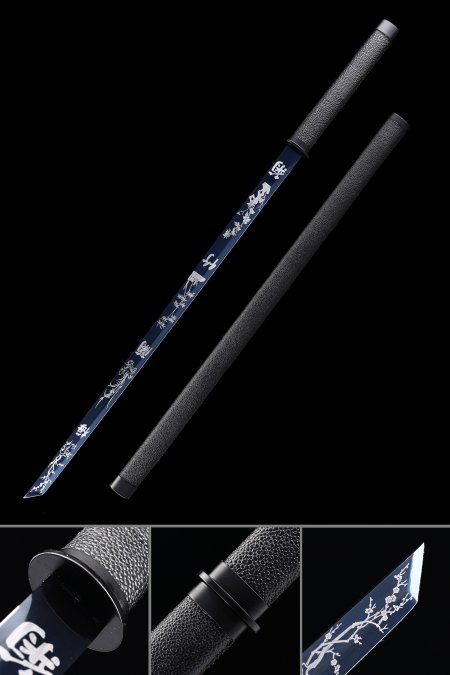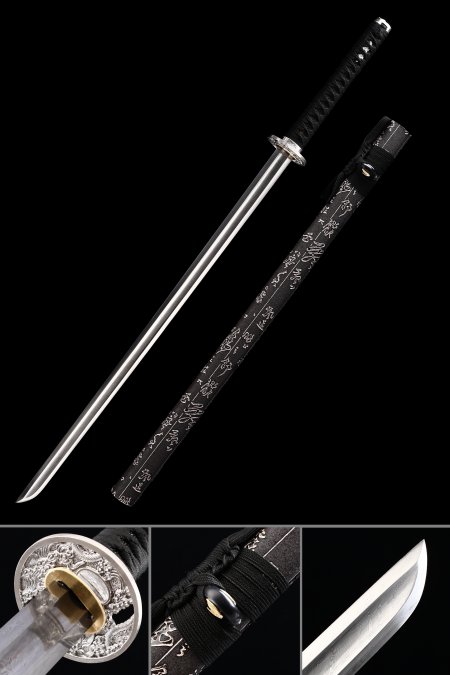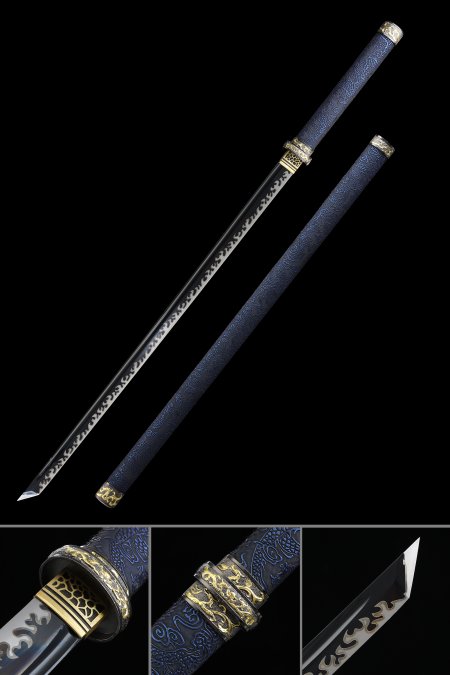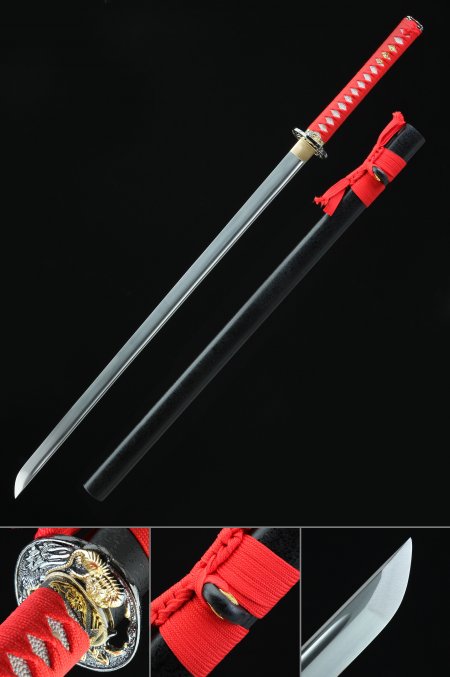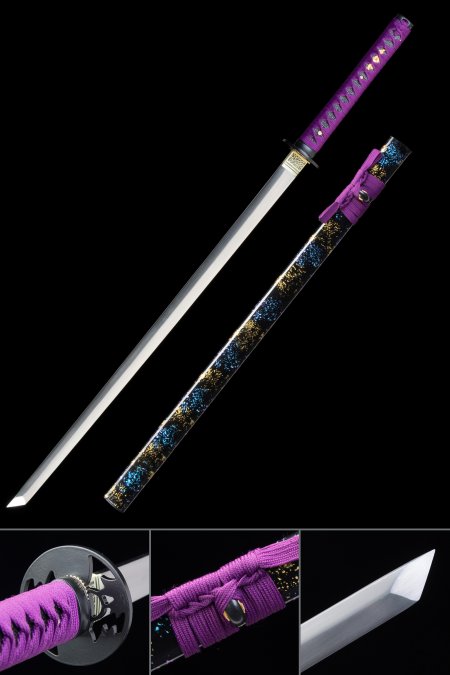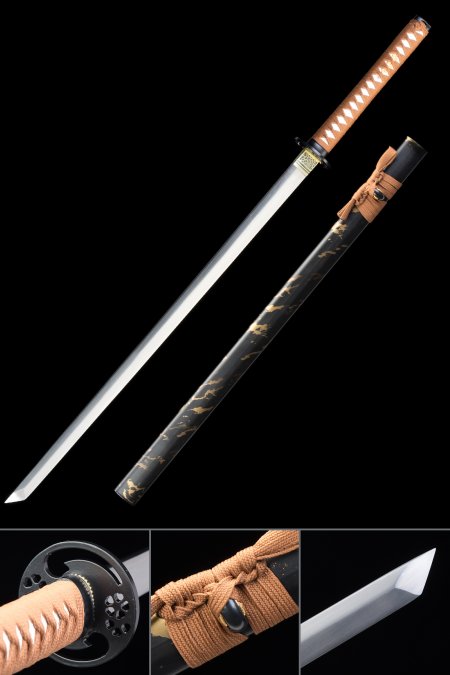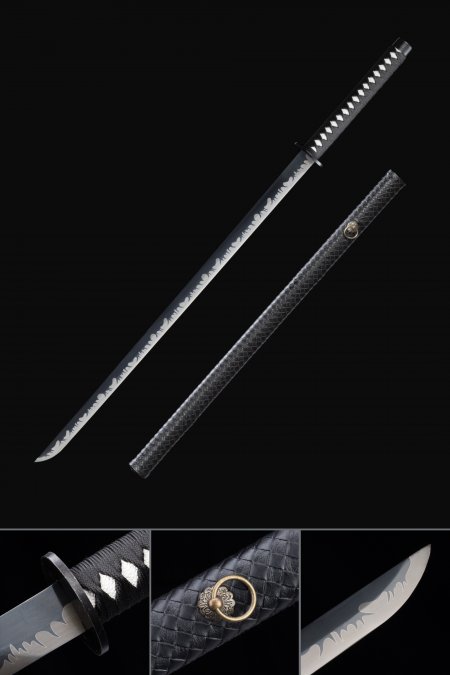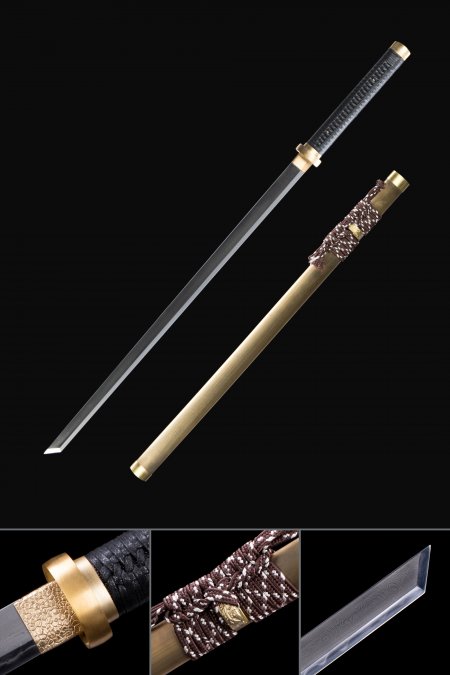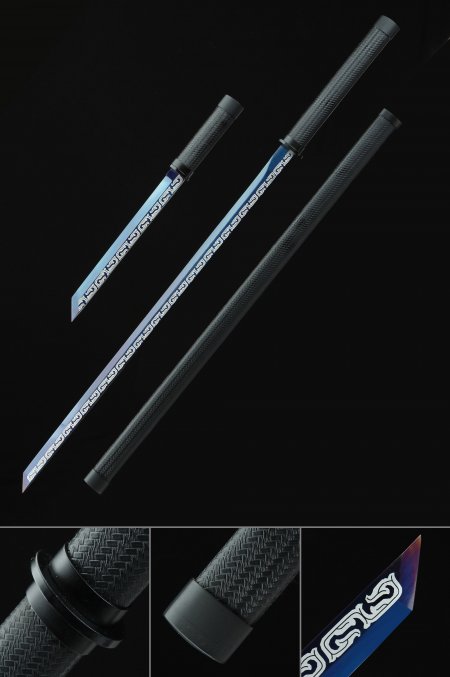
Black Chokuto

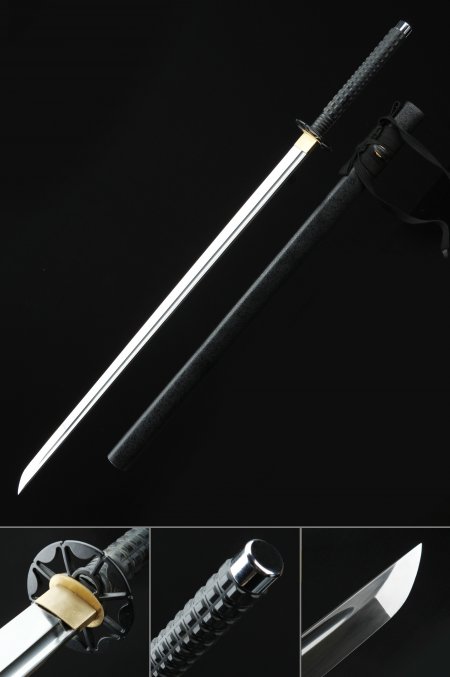
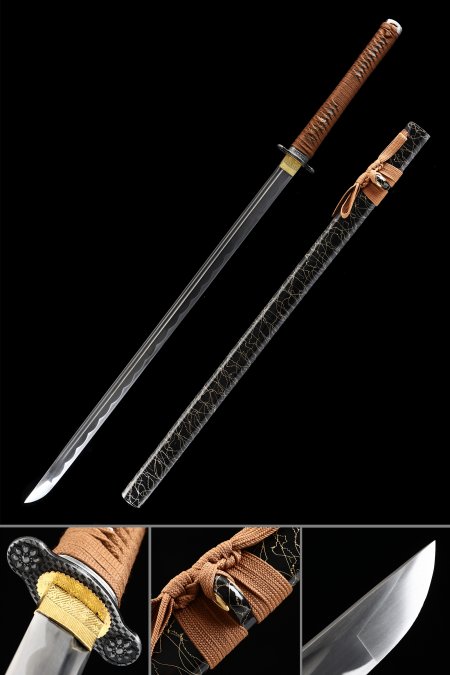
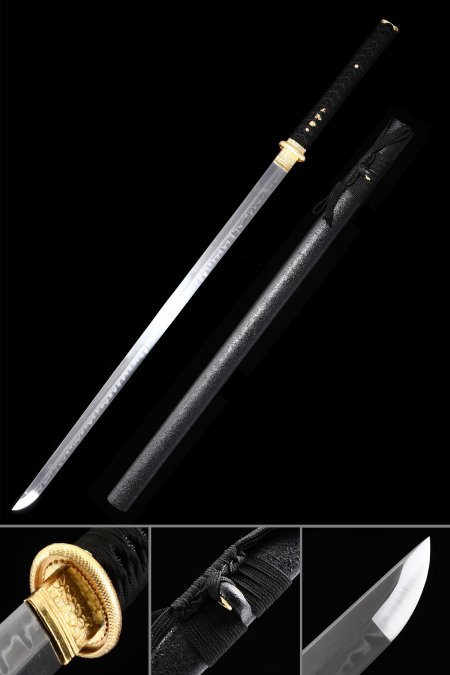
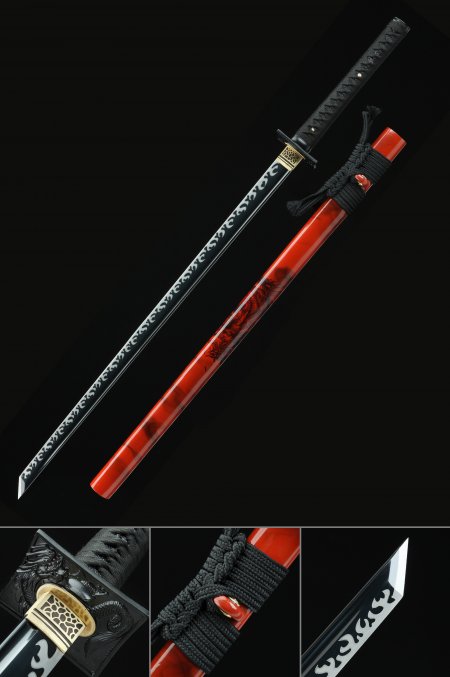
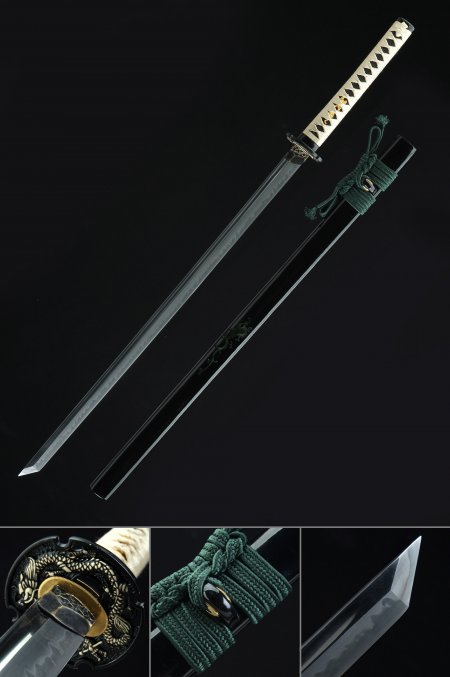
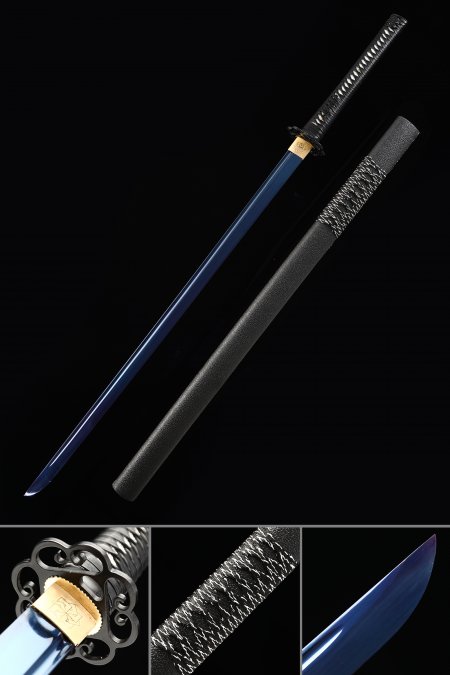
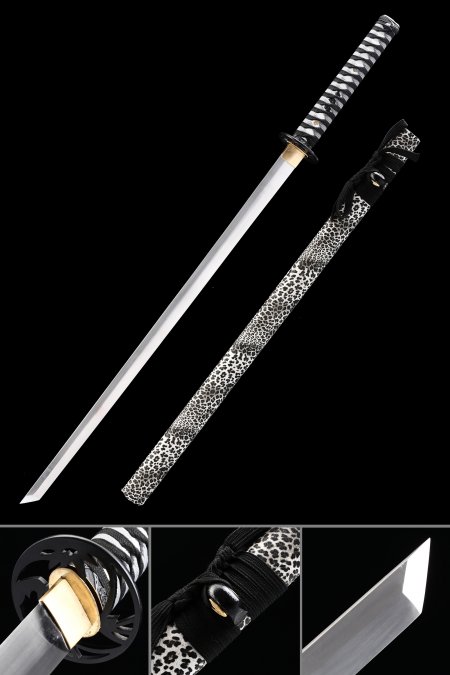
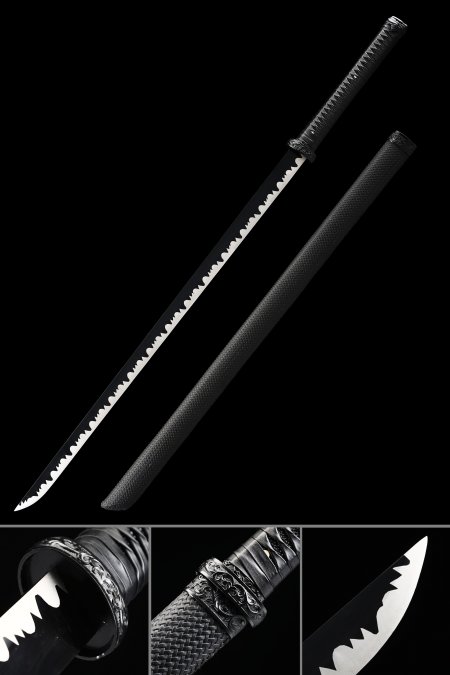
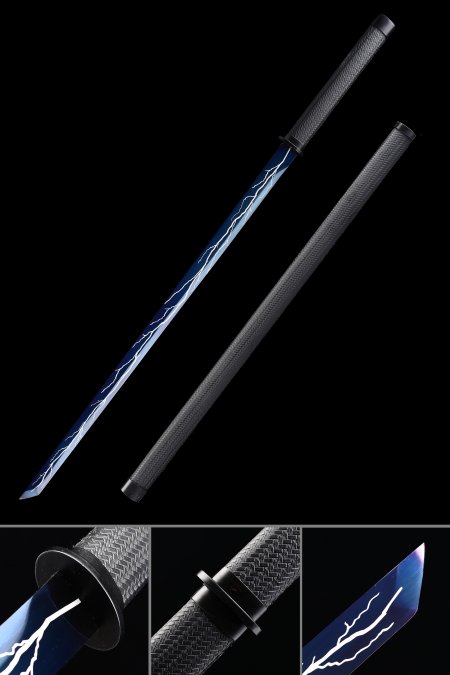
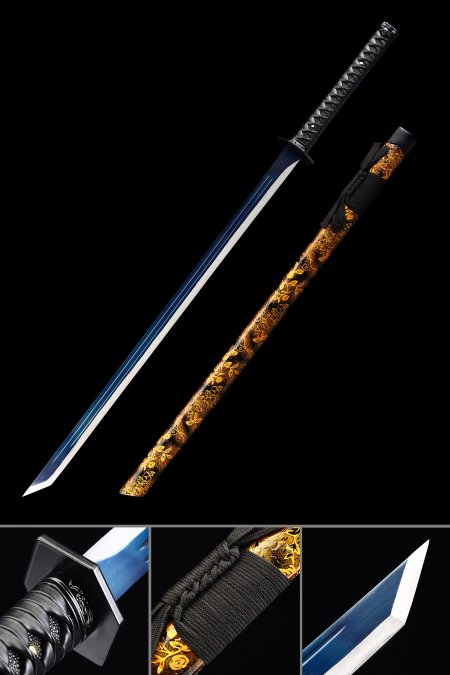
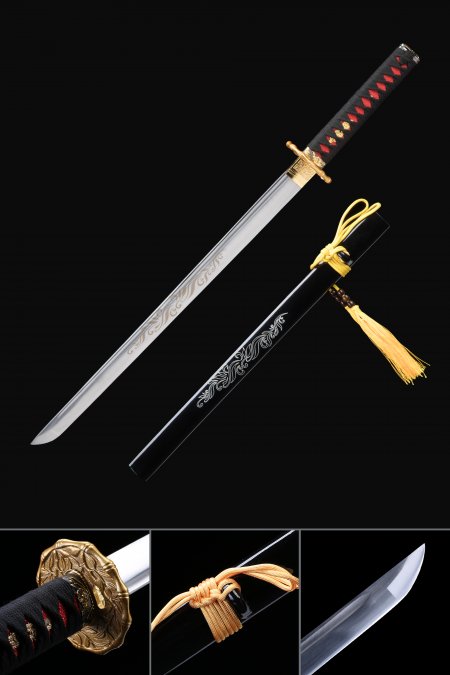
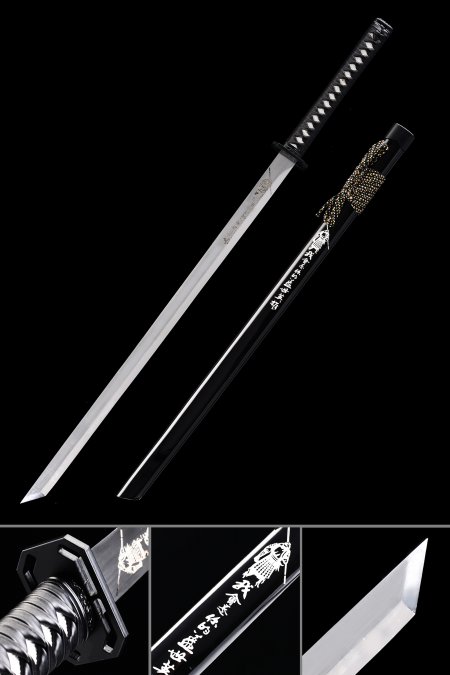
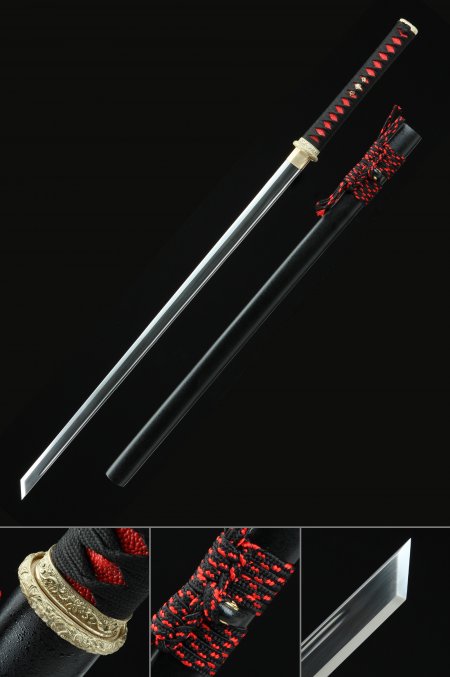
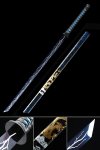
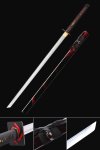
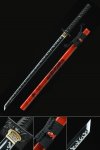
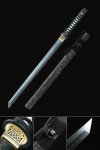
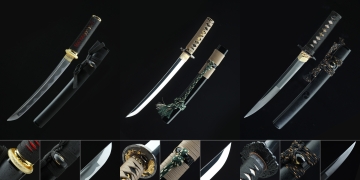
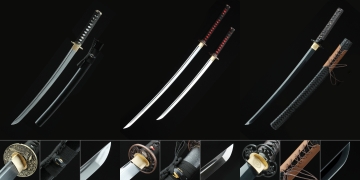
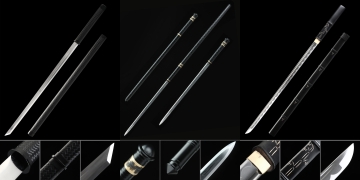
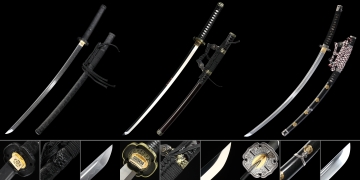
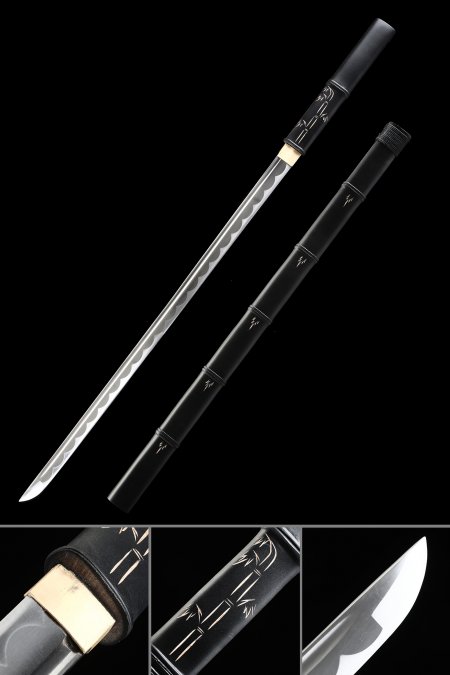
The Black Chokuto carries one of Japan's oldest blade silhouettes - a straight, unadorned profile that predates the curved katana and reflects the disciplined refinement of early Japanese smithing. Each piece in this collection is finished in a deep matte or lacquered black, from the saya to the tsuka wrap, creating a unified aesthetic prized by serious collectors. Blades span high-carbon steels including 1045, 1060, T10, and folded pattern steel, paired with hand-fitted fittings and engraved hardwood saya. Free standard shipping is included on all orders, along with a hassle-free return policy.
Showing 39 Products

Related Collections

Black Sword107 items


986 Reviews

All Black Katana122 items


1137 Reviews

Antique Chokuto47 items


314 Reviews

Samurai Chokuto46 items


314 Reviews

Frequently Asked Questions

What steel types are used in black chokuto blades?
The black chokuto pieces in this collection are forged from several distinct steel types, each with different visual and structural characteristics worth understanding before you collect. 1045 carbon steel is a reliable mid-range option - consistent grain, good edge retention for a display piece, and responsive to polishing. 1060 steel has a slightly higher carbon content, producing a denser edge and a more pronounced hamon when tempered. T10 tool steel, when clay tempered, develops a natural hamon with activity along the boundary line, giving each blade a unique fingerprint that no two pieces share. Folded pattern steel - sometimes called Damascus in Western markets - undergoes repeated forge-welding that produces visible surface grain, prized more for aesthetic depth than hardness. For a collector, the steel type determines what the blade looks like under light, how the surface ages over time, and how much visual complexity the piece carries on the wall.
How does a chokuto differ from a katana or ninjato?
The chokuto is Japan's oldest sword form - a single-edged straight blade that predates the curvature development of the tachi and katana by several centuries. Its profile descends from continental Asian sword traditions and was the standard sword of the Japanese court before differential hardening techniques encouraged smiths to work with curved geometries. The katana, by contrast, is defined by its distinctive sori (curvature), developed to optimize draw mechanics and cutting geometry. The ninjato is a later and more loosely defined form - often straight-bladed but associated with shorter overall length and squared tsuba, more a cultural archetype than a rigorously documented historical category. Among these three, the chokuto occupies the oldest historical position and the most austere visual profile, making it an interesting contrast piece in a collection that already includes curved katana.
What should I know about displaying a straight-blade sword?
Straight-blade swords like the chokuto display differently than curved katana and benefit from specific mounting choices. Horizontal wall mounts work exceptionally well because the blade's unbroken line reads cleanly across the full length without the visual interruption of curvature. A two-peg or blade-rest horizontal rack allows the blade to be presented edge-up or edge-down depending on your preference - edge-down is the traditional resting position for Japanese swords not in active use. Avoid mounting near windows with direct sunlight, as UV exposure can fade ito wrap colors and dry out lacquered saya over time. For floor or tabletop display, a shirasaya-style vertical stand keeps the sword upright without putting pressure on the blade's spine. If the piece includes an engraved or lacquered saya, rotate it occasionally when handling to distribute any ambient humidity evenly.
How do I maintain the blade and fittings on a collectible chokuto?
Maintenance for a display-grade chokuto is straightforward but requires consistency. The blade should be lightly coated with a thin layer of choji oil or mineral oil every few months - more frequently in humid climates or if handled often, since skin oils accelerate surface oxidation. Apply oil with a clean cloth and wipe off any excess to prevent buildup in the hamon area or around the habaki. The tsuba and other metal fittings should be checked periodically for moisture accumulation at contact points, which can cause rust transfer onto the blade. The saya, particularly matte hardwood versions, benefits from occasional application of a furniture-grade wax or paste to maintain the finish and prevent drying. Lacquered saya should only be wiped with a dry or very lightly damp cloth - avoid solvents. Store the piece in a low-humidity environment, ideally with a silica gel packet nearby if the display case is enclosed.
Is a black chokuto a good choice as a gift for a Japanese sword collector?
For someone who already collects katana, a black chokuto makes a genuinely interesting addition because it represents a different chapter of Japanese sword history rather than a duplicate aesthetic. The straight blade profile, the historical association with Japan's pre-Heian court, and the all-black hardware coordination create a display piece that looks distinct from a curved katana wall mount and prompts conversation about sword history. When selecting a piece as a gift, the steel type and saya finish are the two most meaningful variables - a clay-tempered T10 with visible hamon carries more visual complexity for a knowledgeable collector, while a clean 1045 or manganese steel piece with coordinated matte black fittings appeals to someone who values silhouette and unity of design over blade surface activity. All pieces ship as complete assemblies and are ready to display without additional accessories.

Customer Reviews

Edward Yutz Georgia, United States

Well made, nice weight, and a beautiful blade. r
r
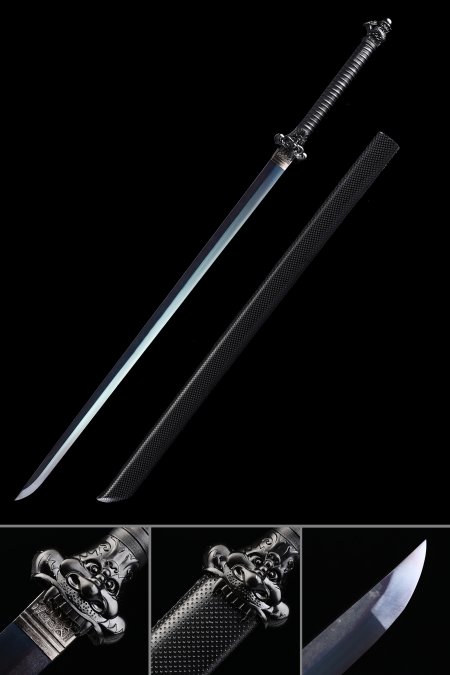
The only negative is the dragon head of the pommel is pretty sharp so it make the sword uncomfortable to wield. However, I was able to rotate it 180 degrees which eliminated the problem. r
r
This showed another small issue with the mounting of the pommel since it screws on, but locktite will address that. The pommel should really be redesigned to smooth it out.r
r
That all said, I am happy with my purchase and would buy again.
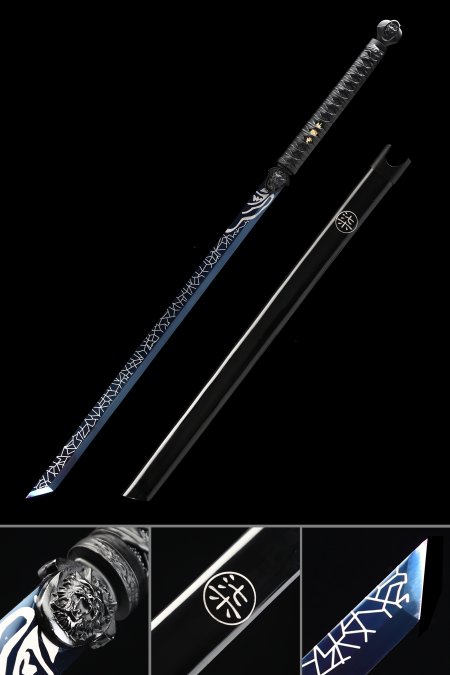
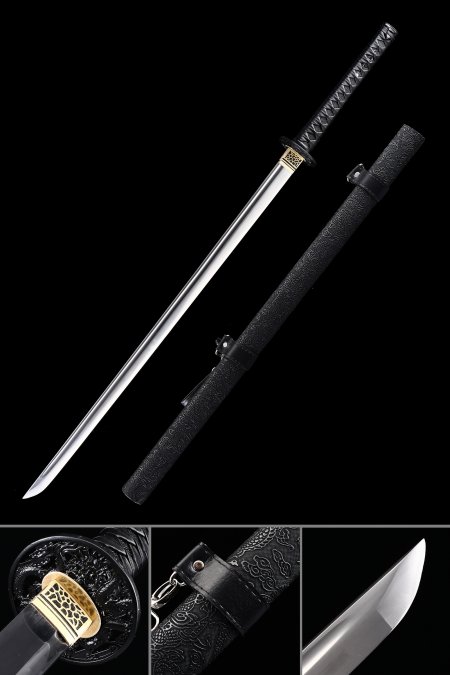
Chokuto Ninjato in 1095 Carbon Steel with Blue Blade & Black Textured Saya - Full Tang Chokuto Ninjato in 1095 Carbon Steel with Blue Blade & Black Textured Saya - Full Tang
Lowell Bagley Utah, United States

I'm manly giving 4 stars on this Katana for one reson!! The blade unlike last two has a very slight curve, in about 3" for same distance from tip it curves in only about 1/16th possably 3/64th out on only 3 " so not anything major! A love my other perchased of the cane Katana which os very nice. I did make it look like a real walking cane as per last review! r
But this one, I also don't like the rubber clad Tsaba, so covered that and the shiny Kashira to bright / shiny and flashy of me. So that is covers to.also Tsuba has weak spots because of thinness to outside edge too.r
Not sure if Blade very slight curve is because this blade is a second or not.r
It has done me no good trying to contact seller 6 plus times, as I have never received a response! Even for a simple question. Decent buy for the money though!!r
As stated in other reviews ( you get what you pay for) mist of the time..r
Good price/ functional sword..
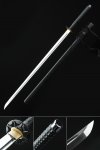
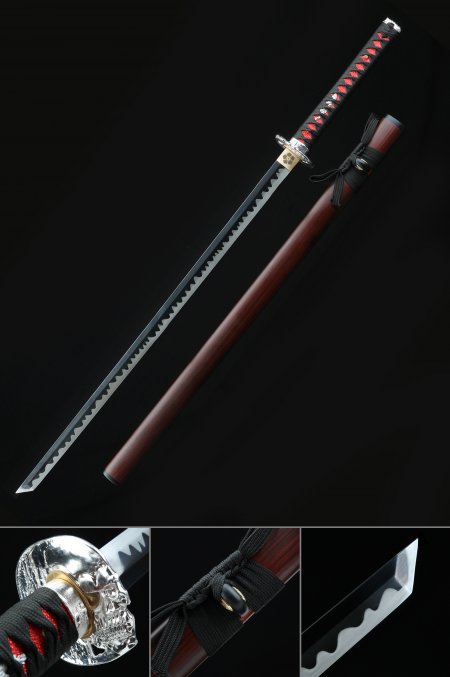
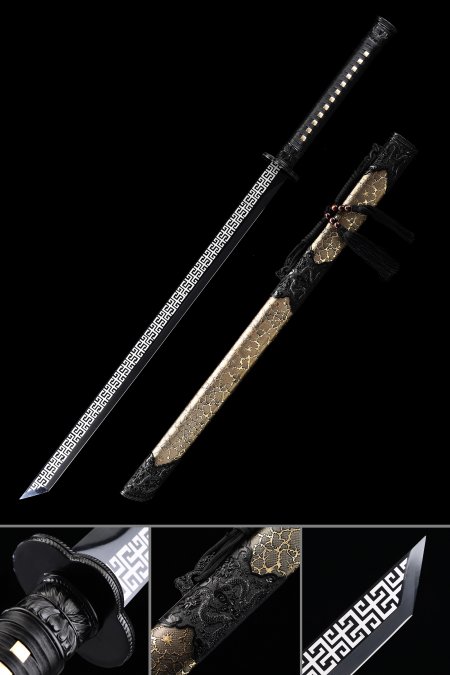
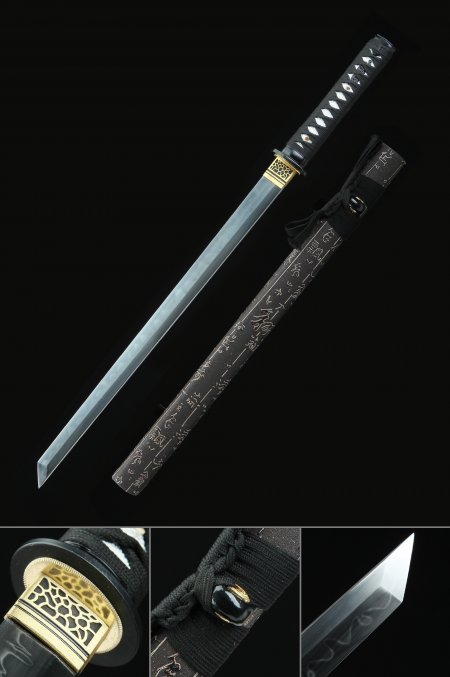
Chokuto Ninjato Sword in Manganese Steel with Black Alloy Tsuba and Matte Hardwood Saya - Full Tang Straight Blade Chokuto Ninjato Sword in Manganese Steel with Black Alloy Tsuba and Matte Hardwood Saya - Full Tang Straight Blade