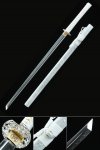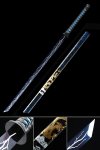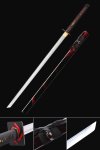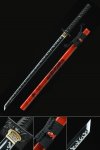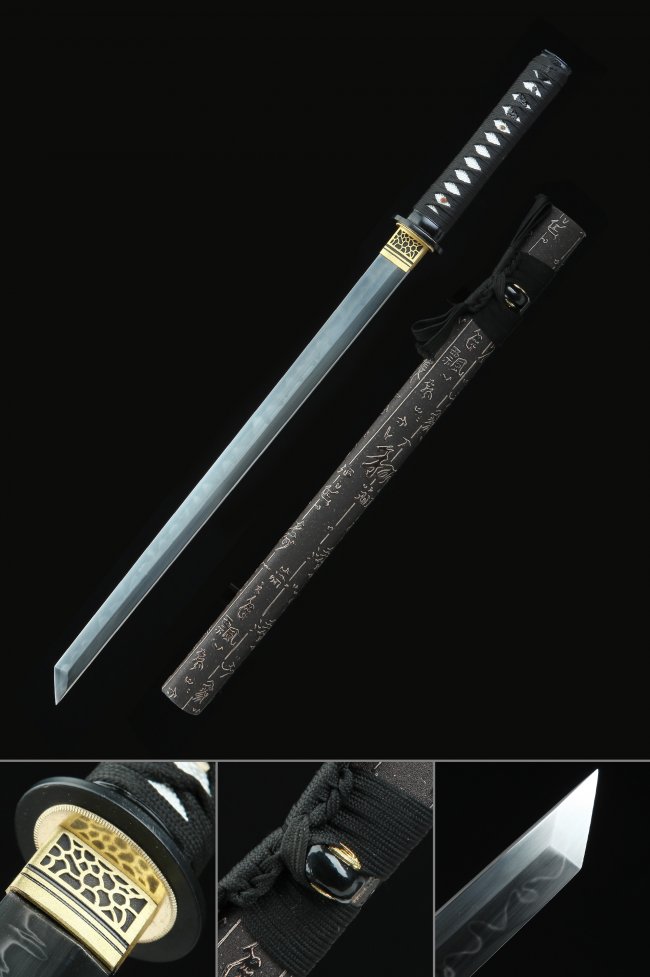
Japanese Chokuto Sword

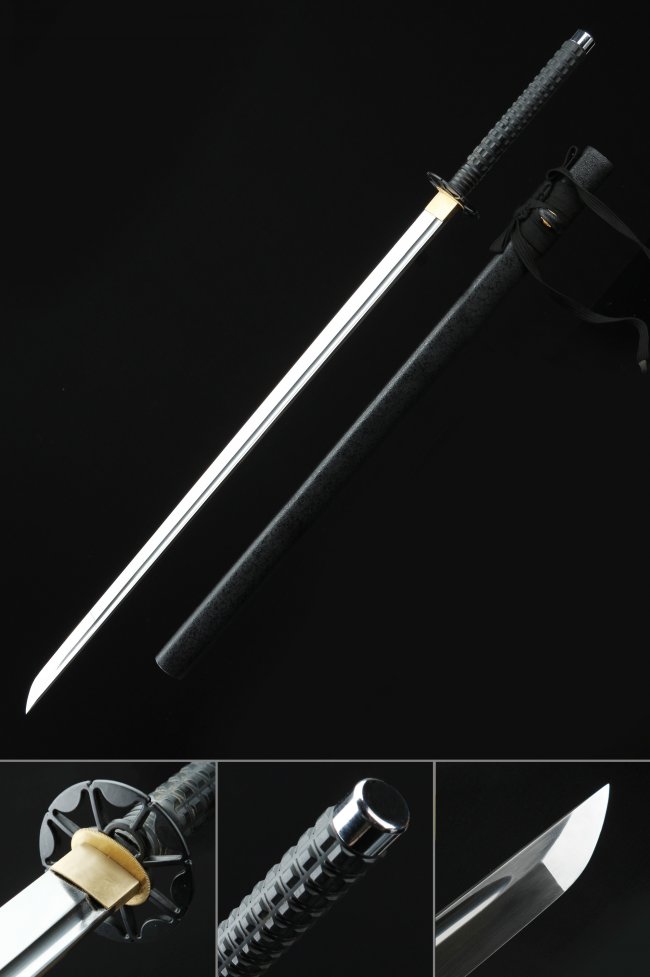
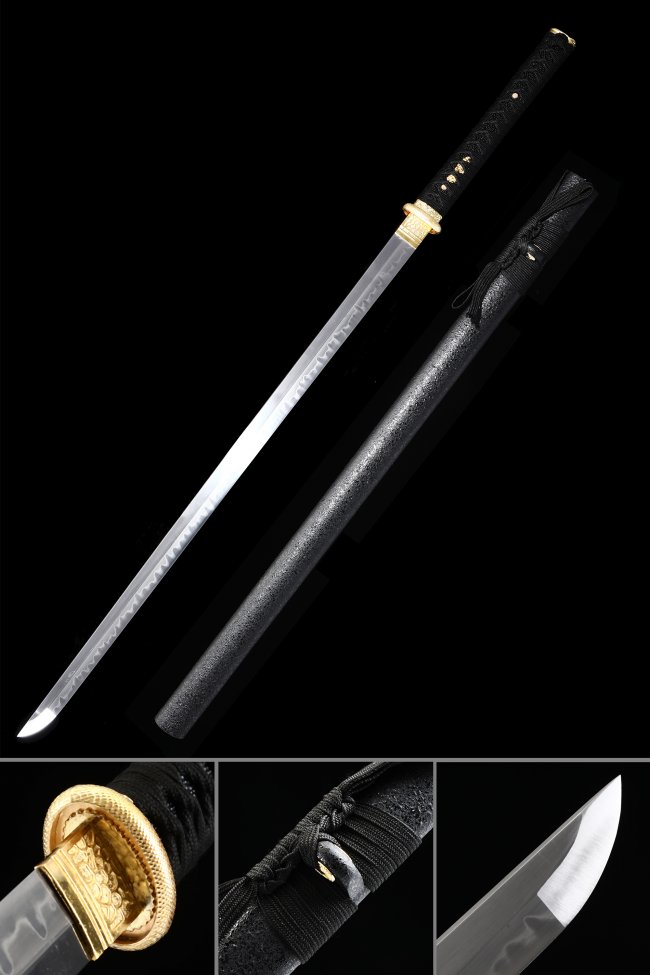
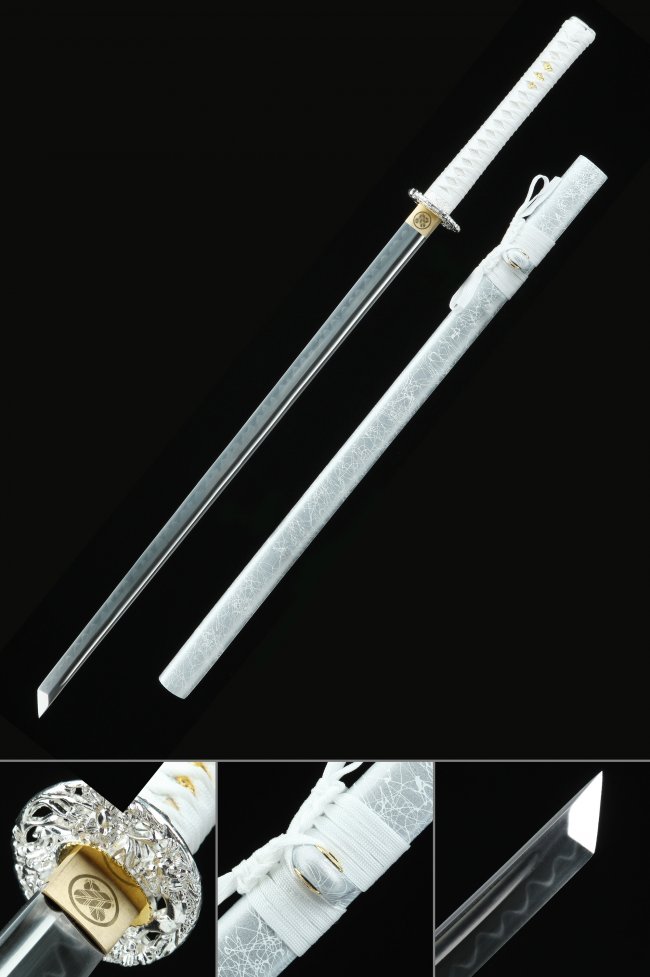
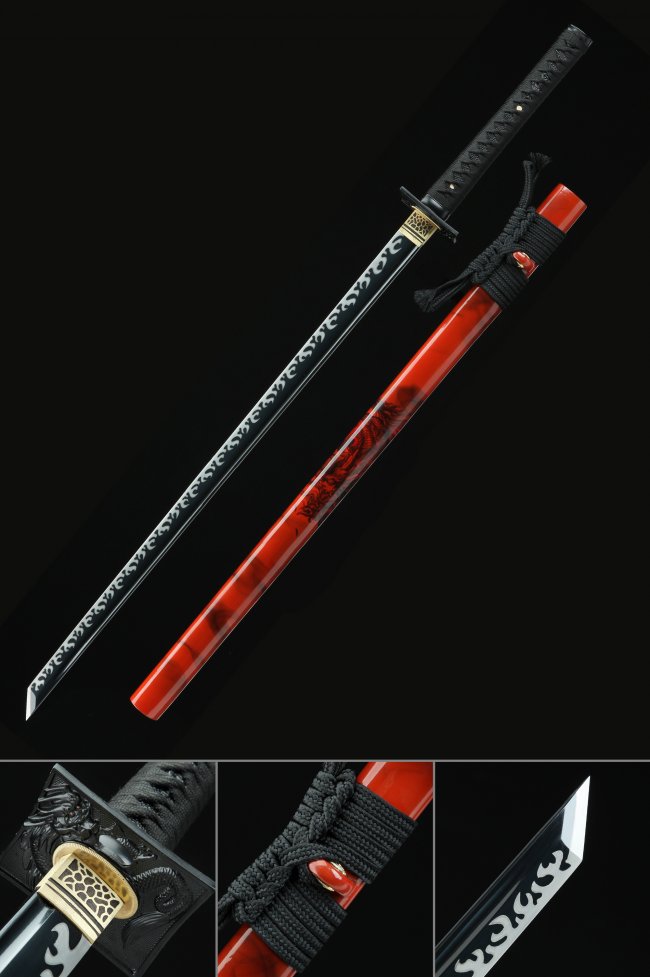
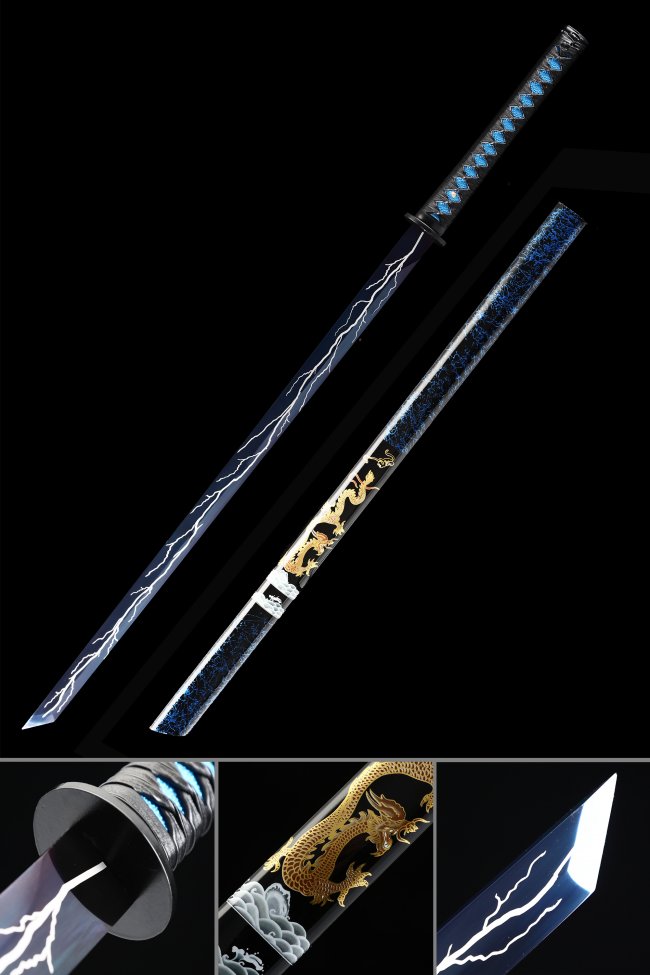
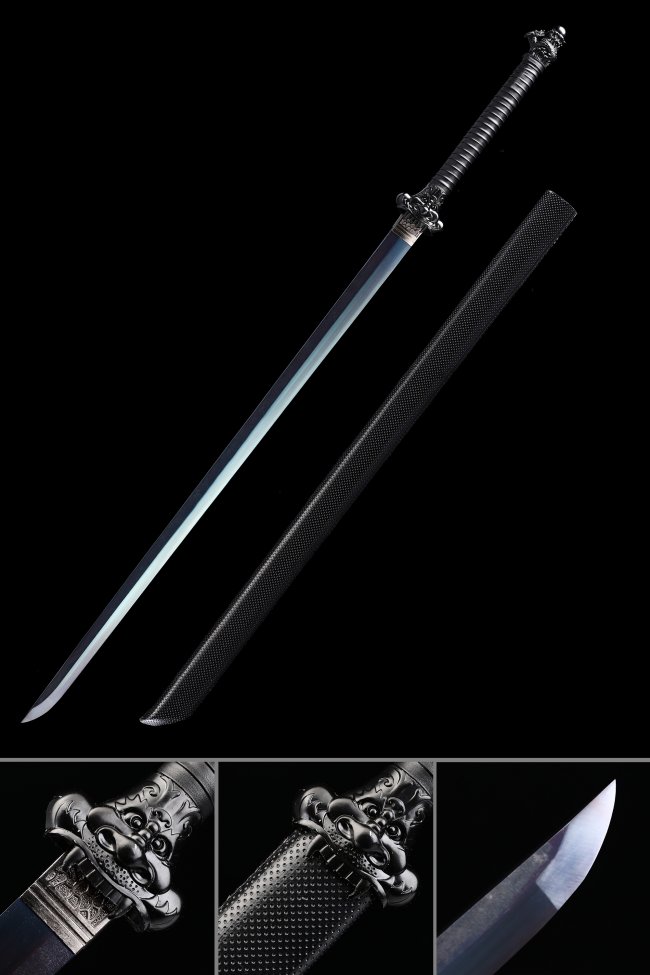
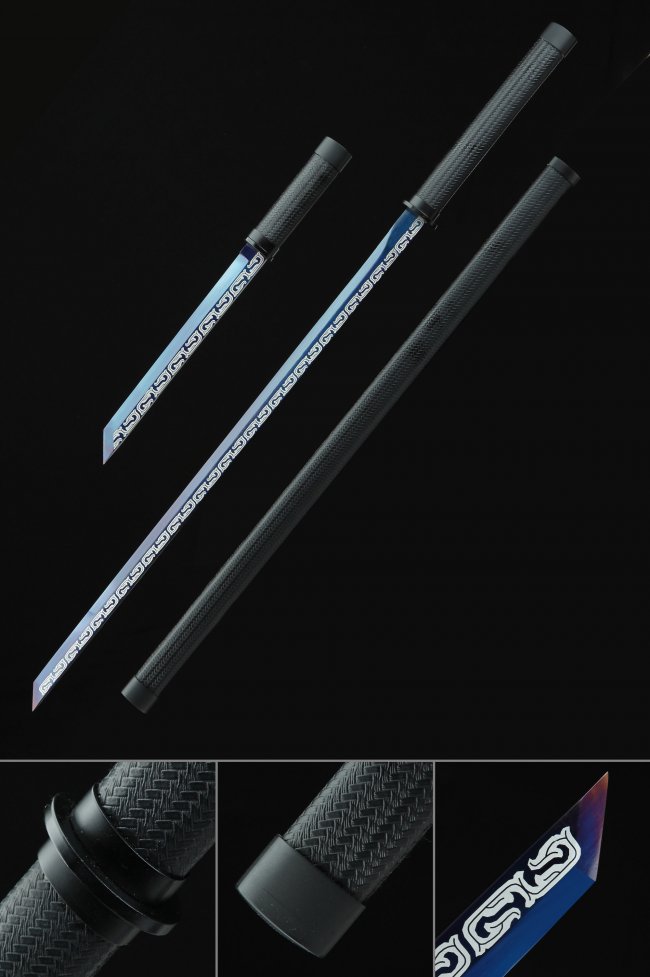
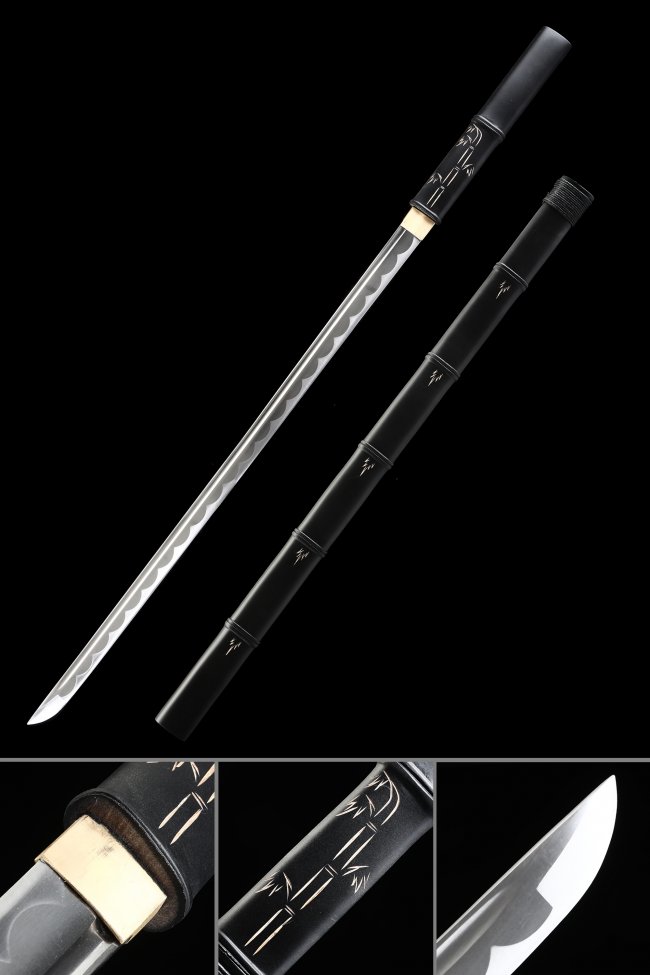
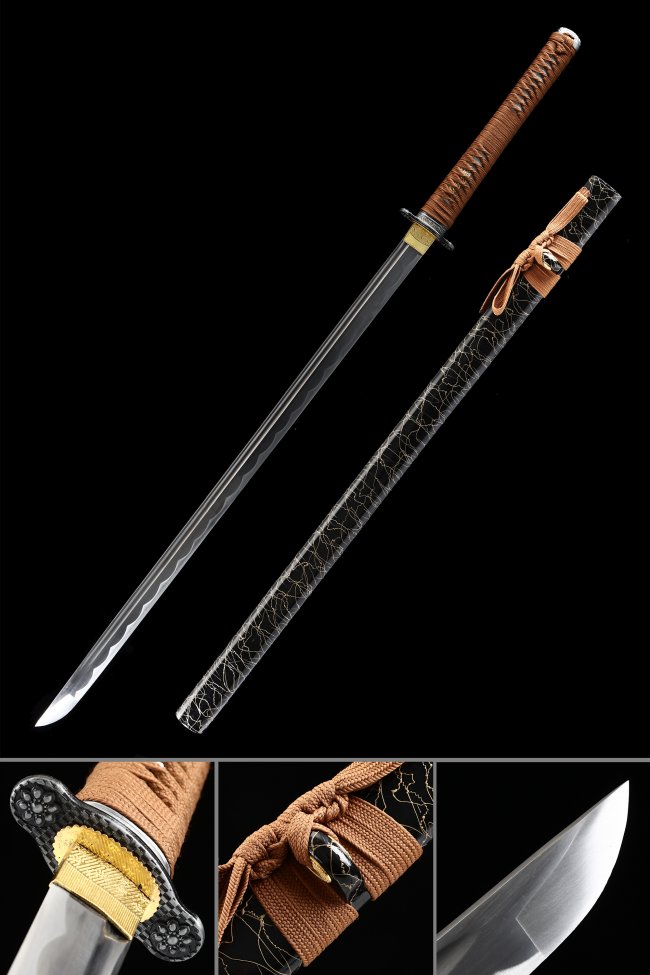
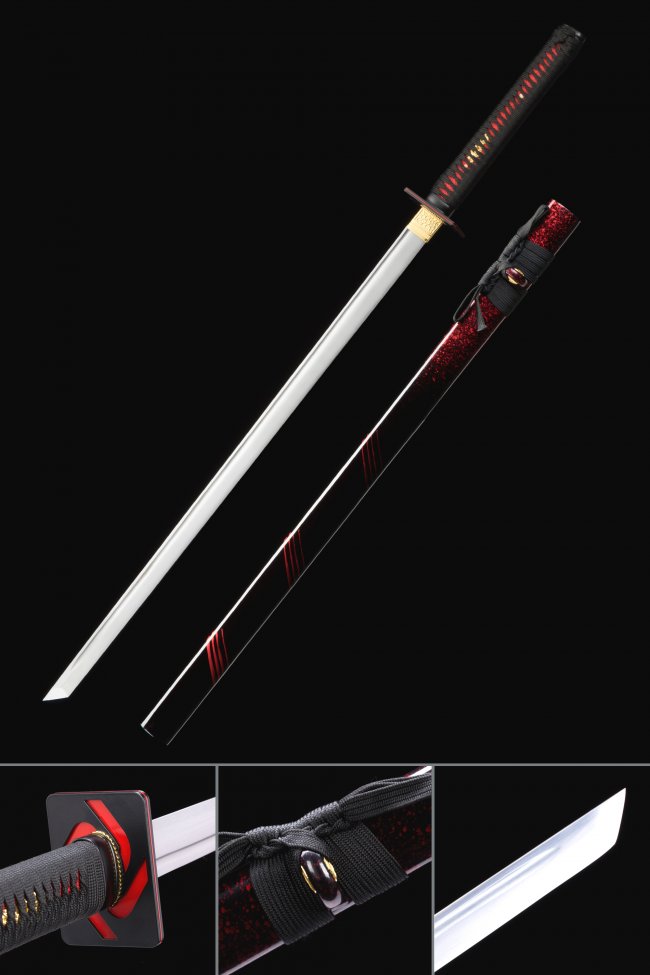
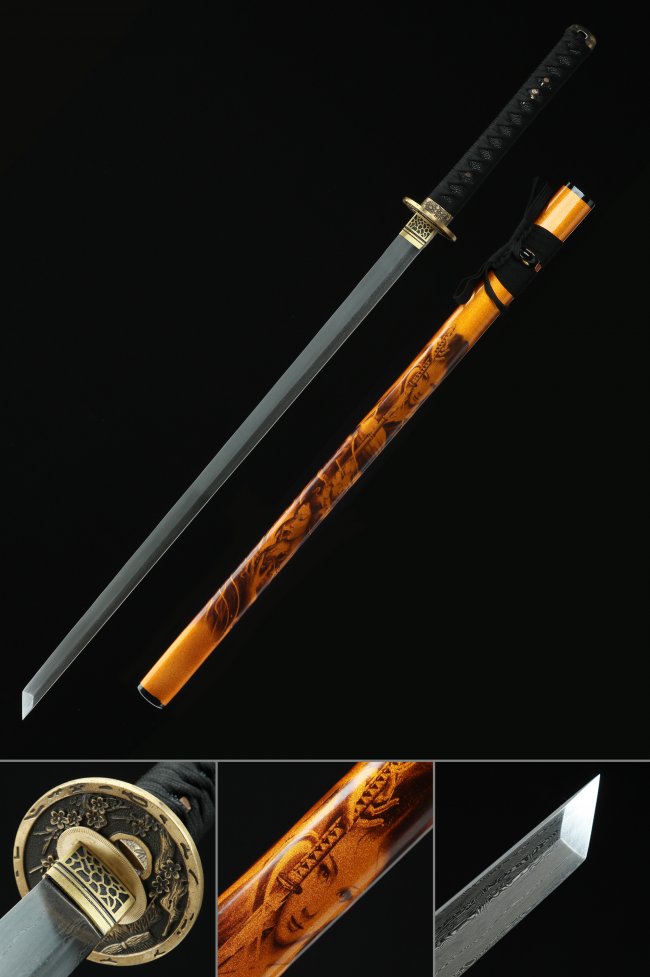
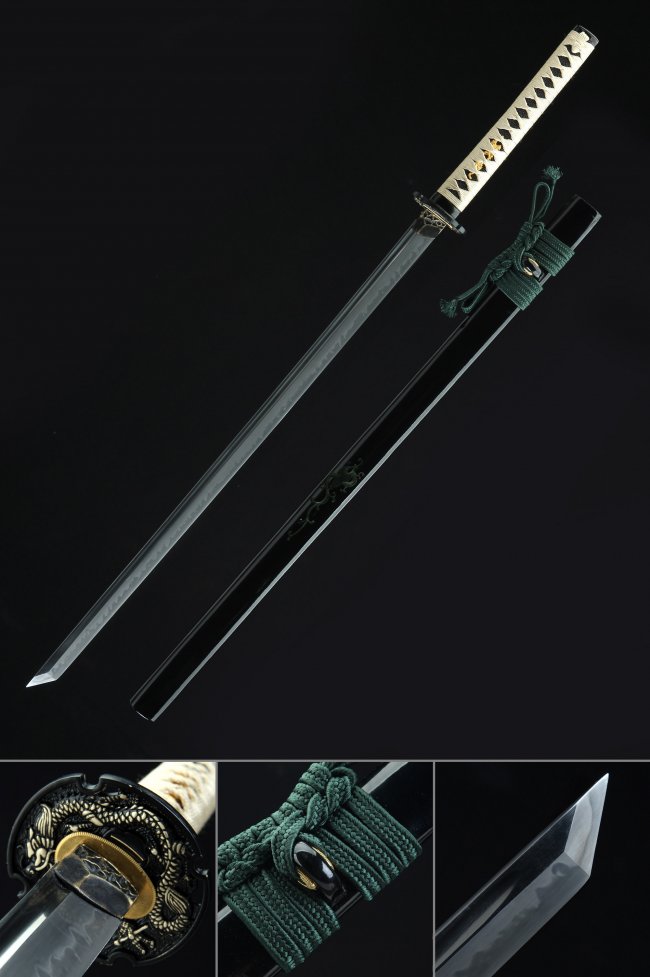
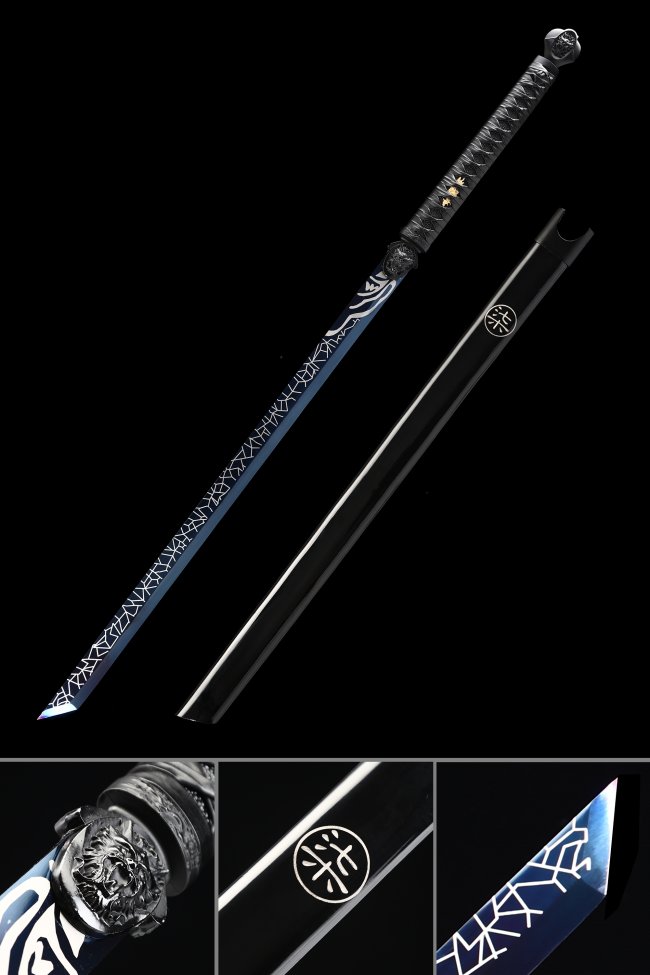
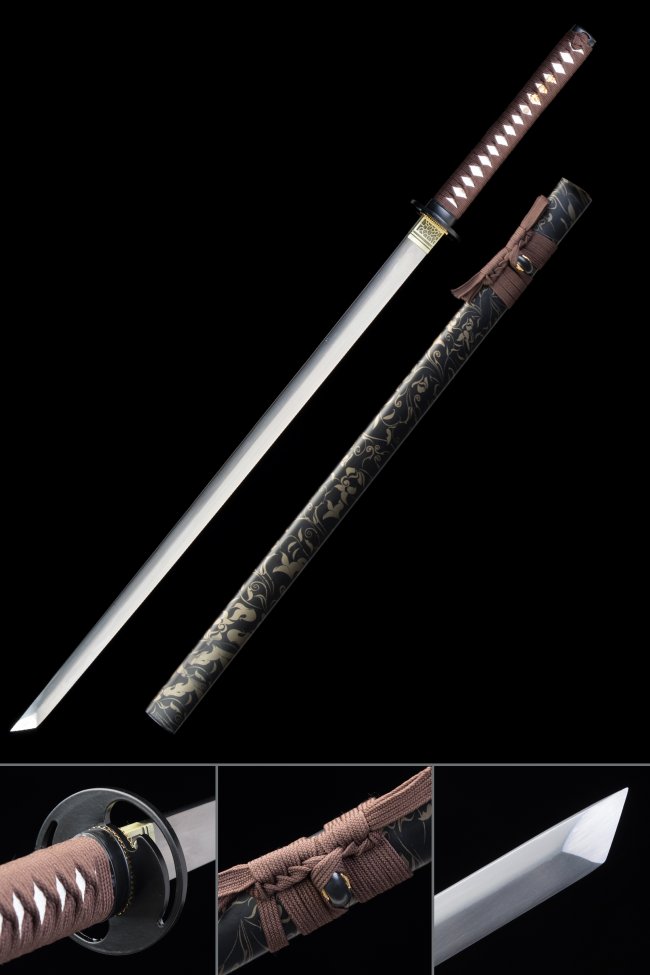
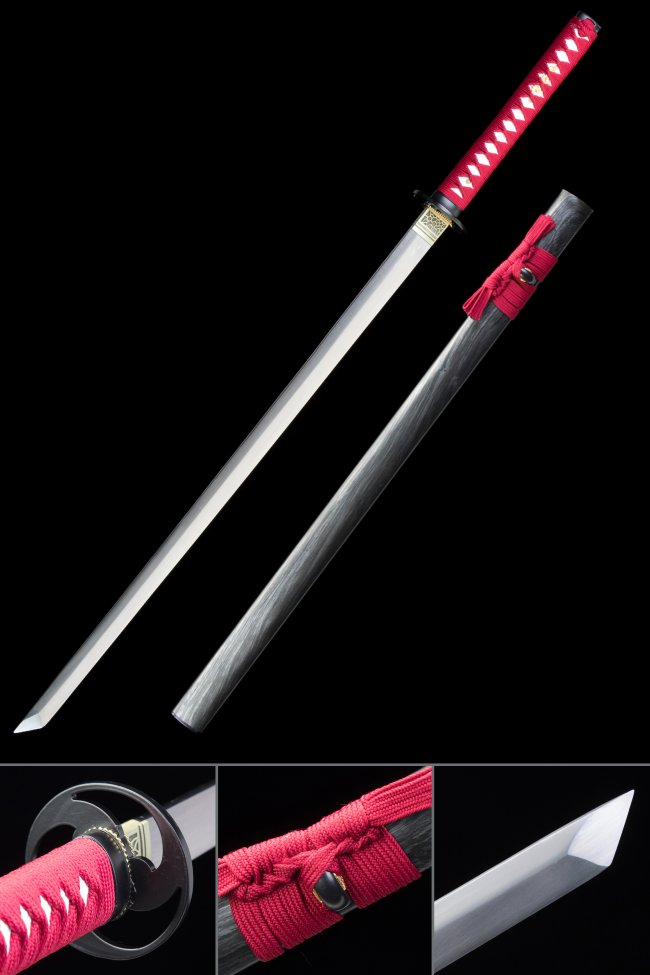
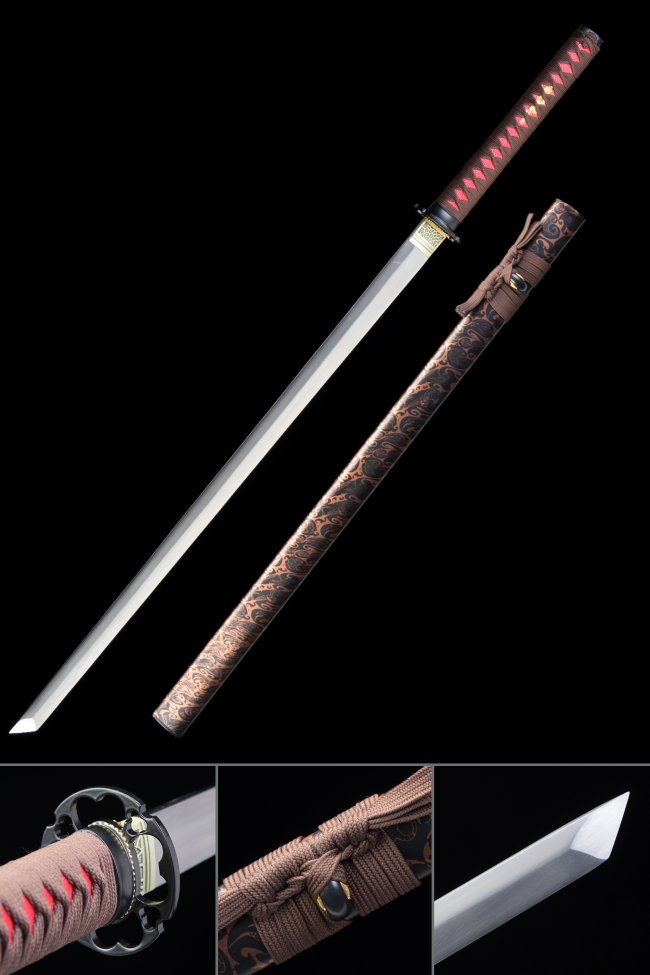
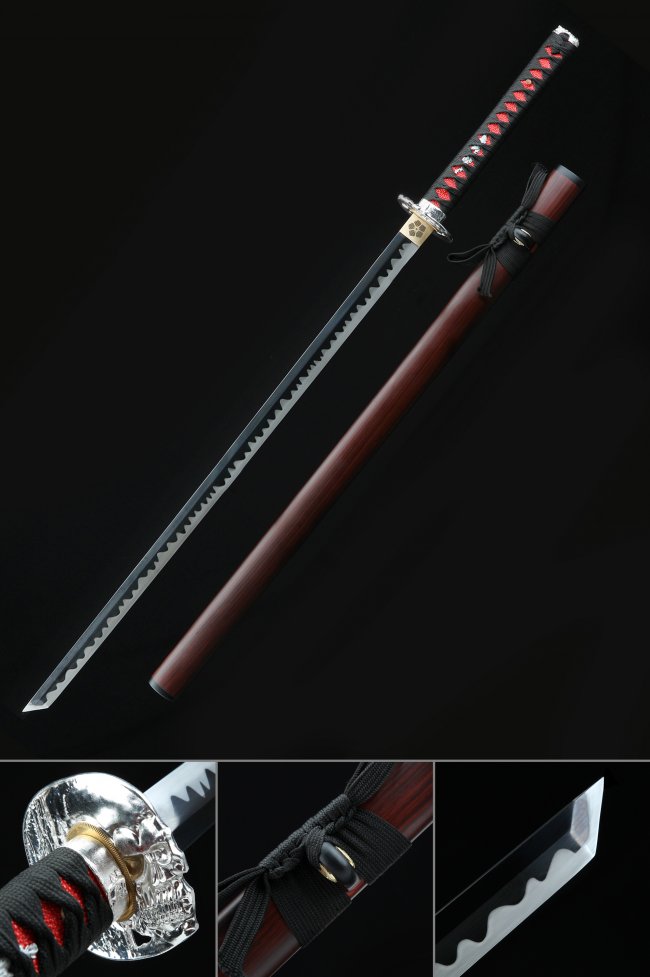
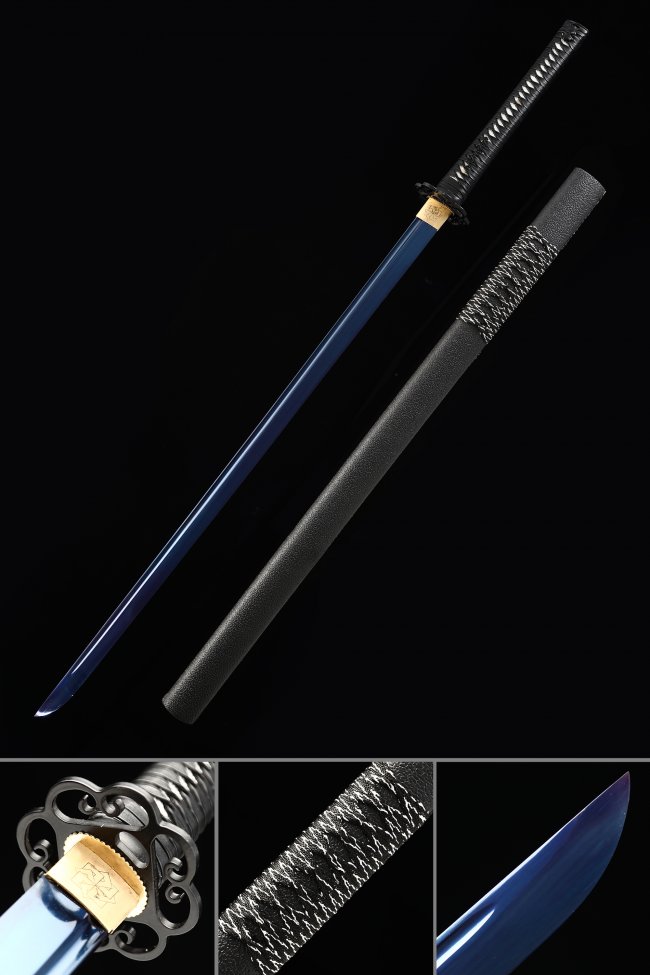
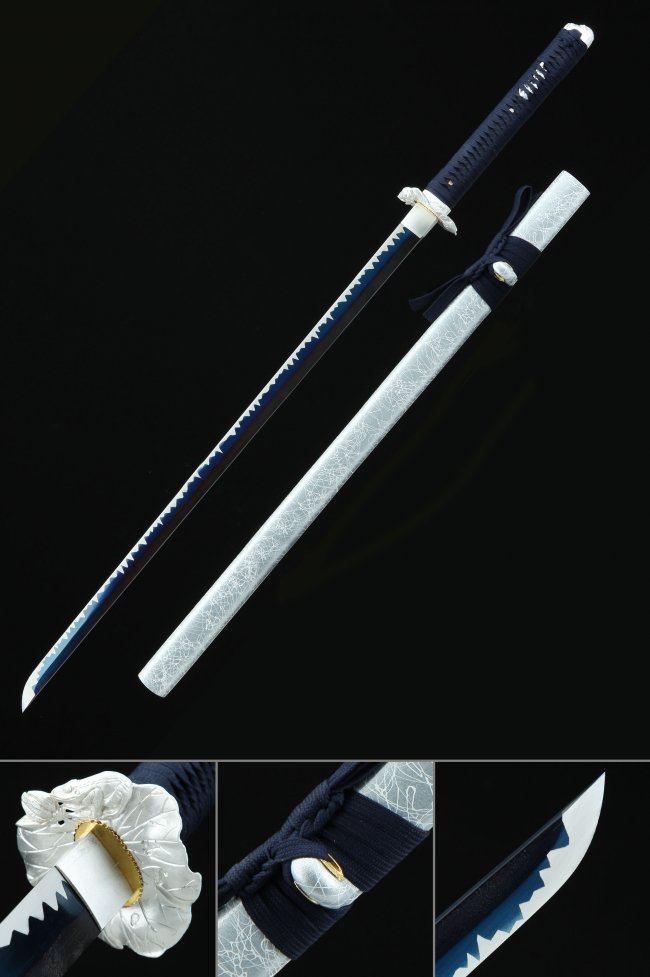
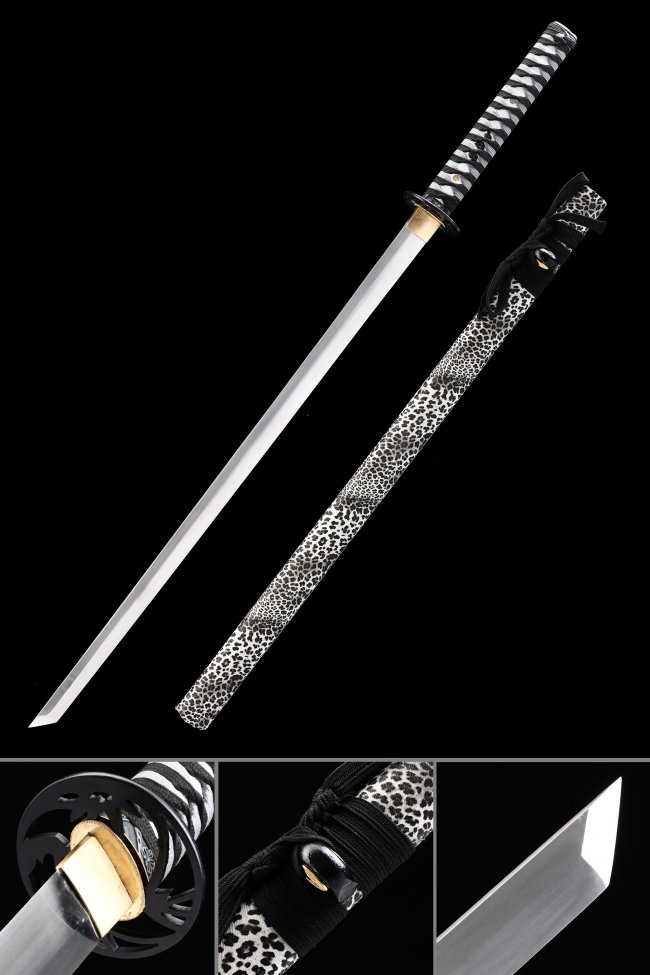
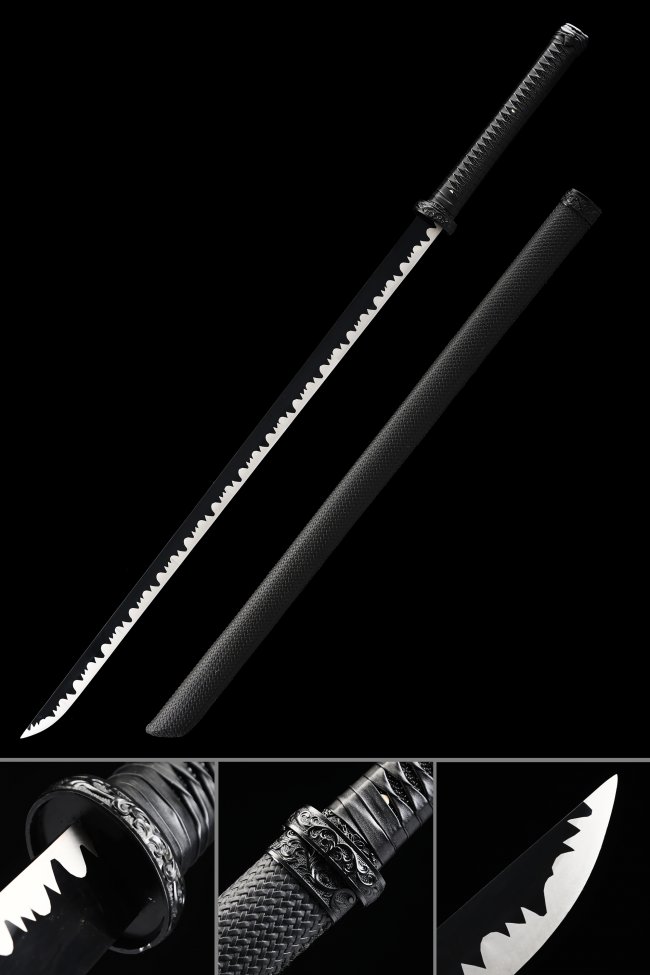
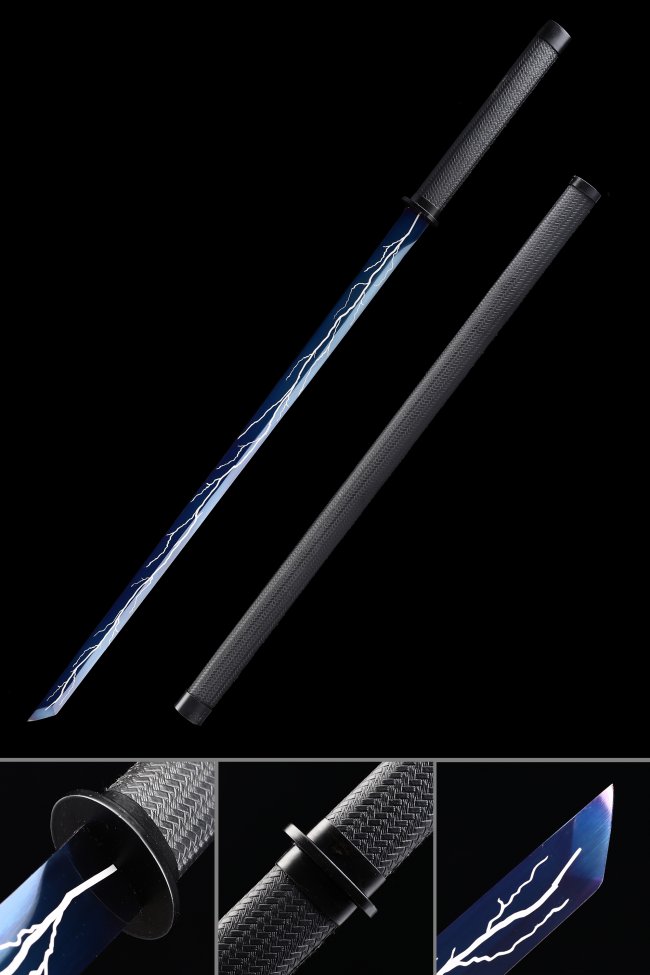
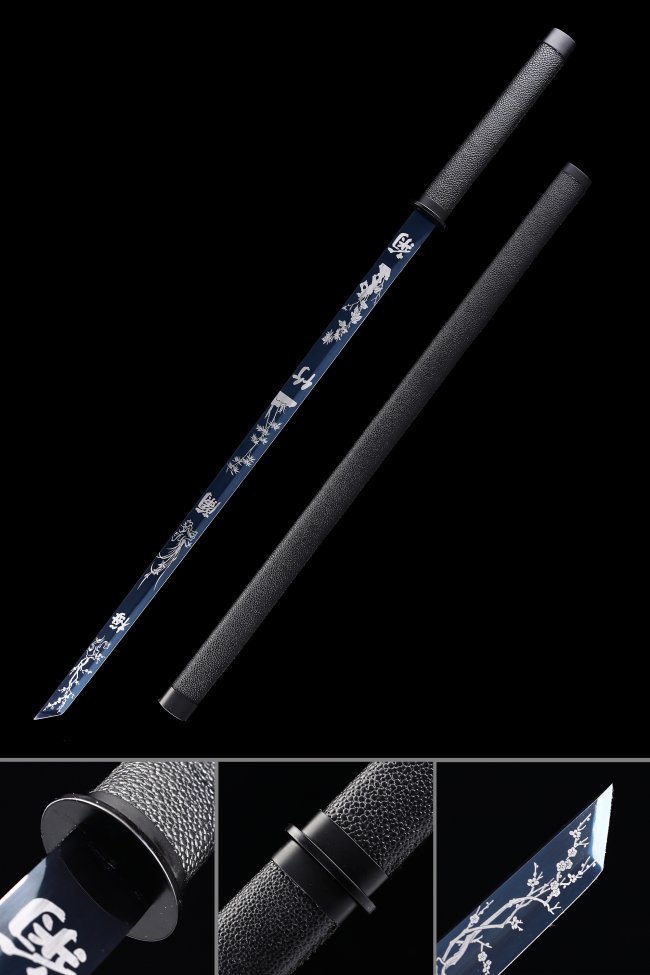
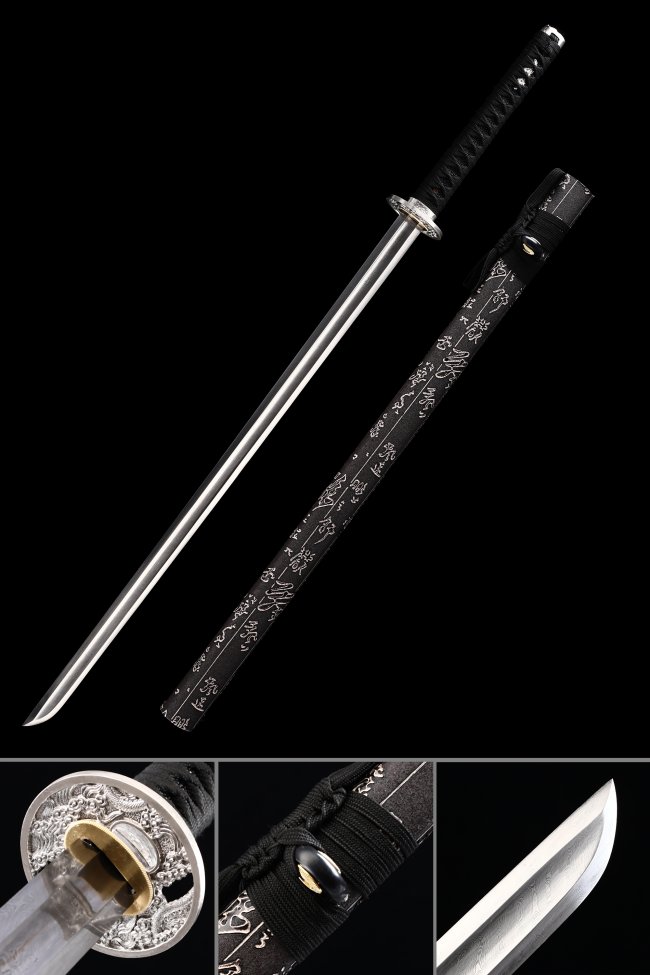
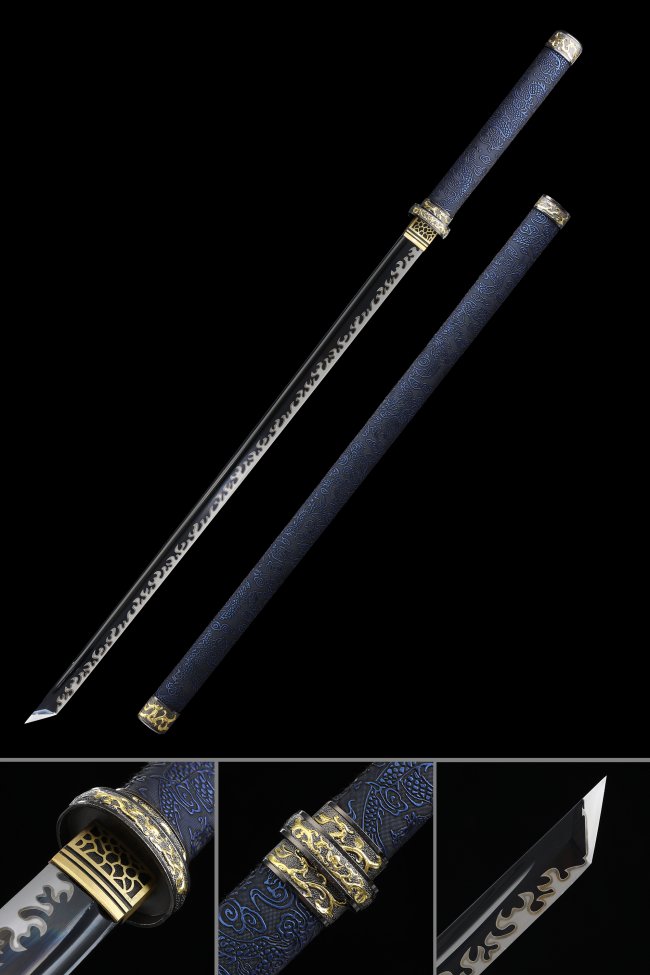
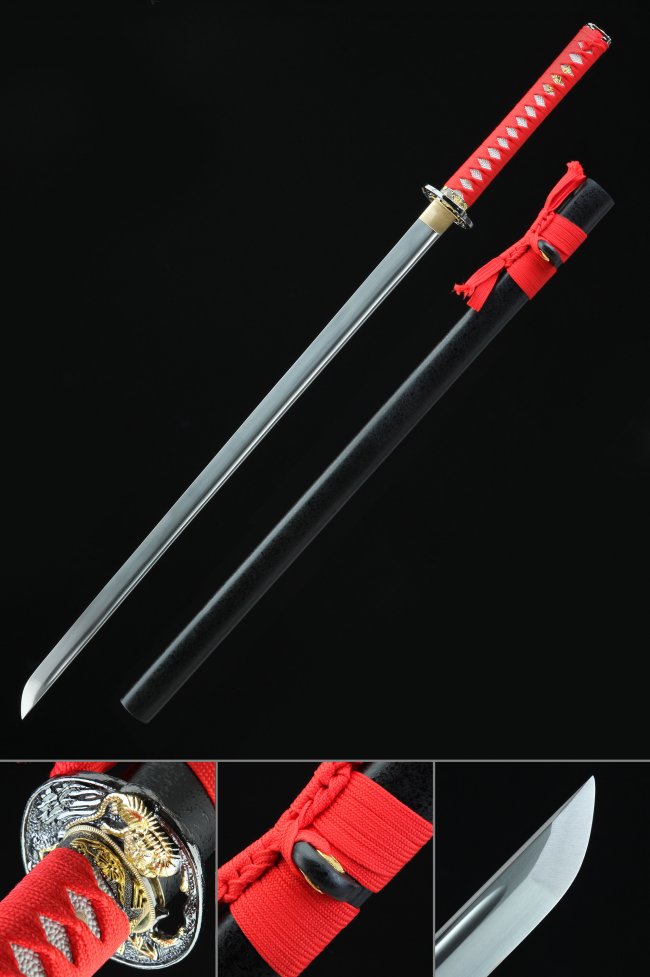
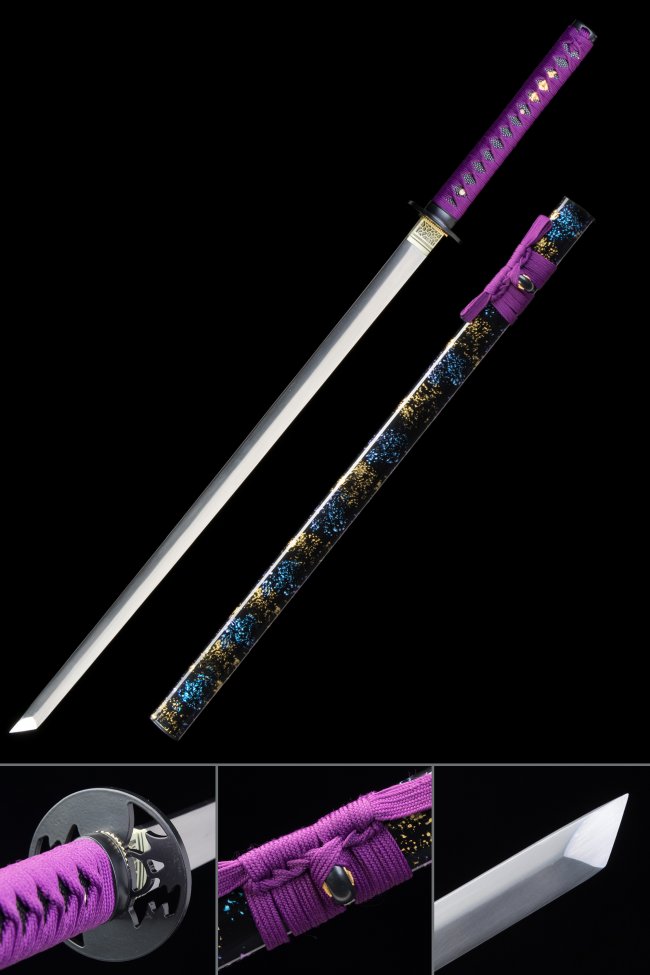
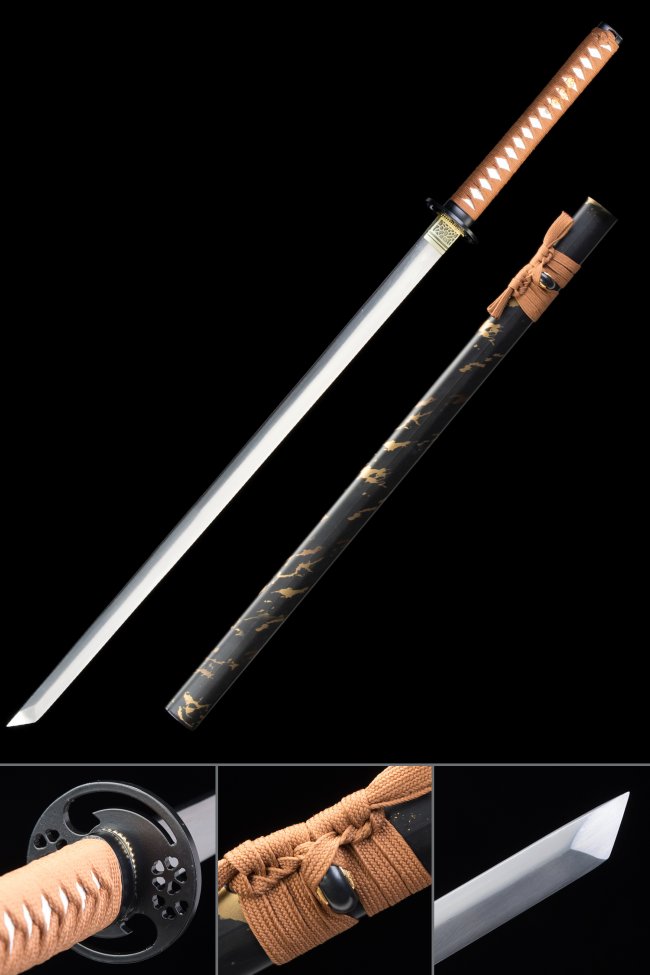
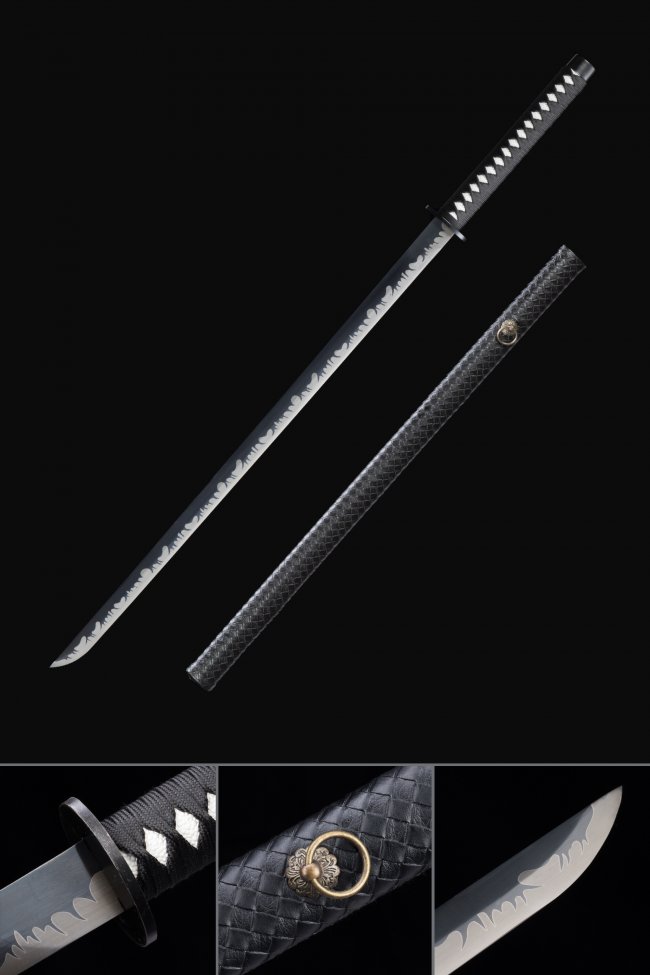
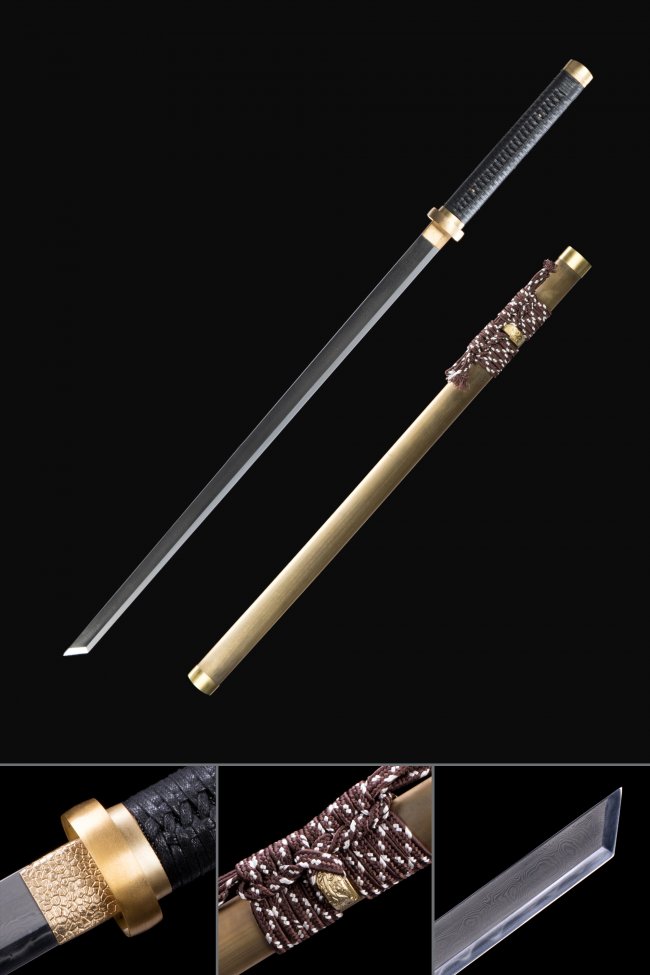
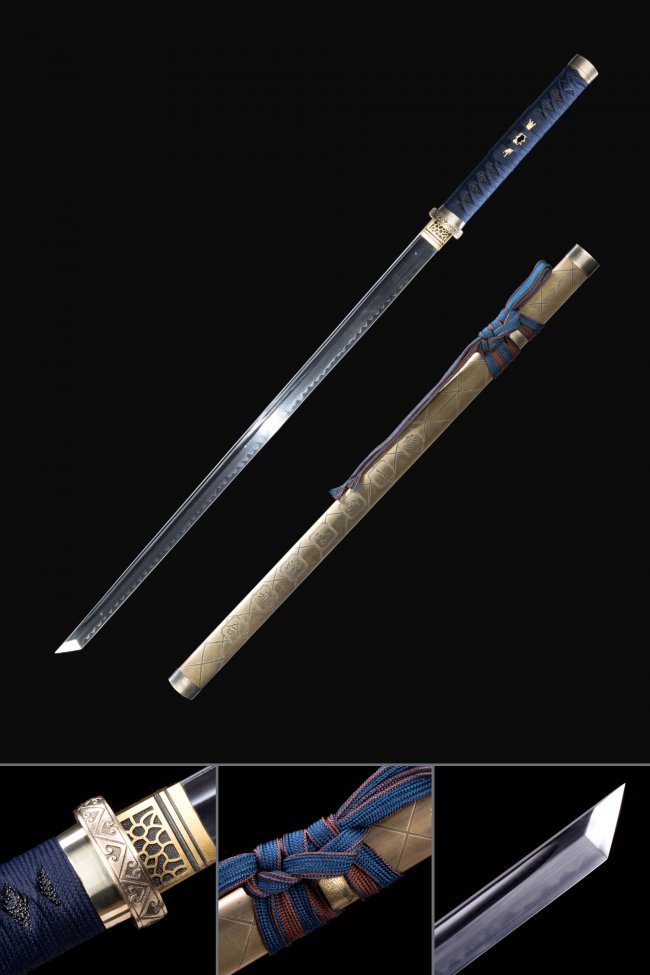
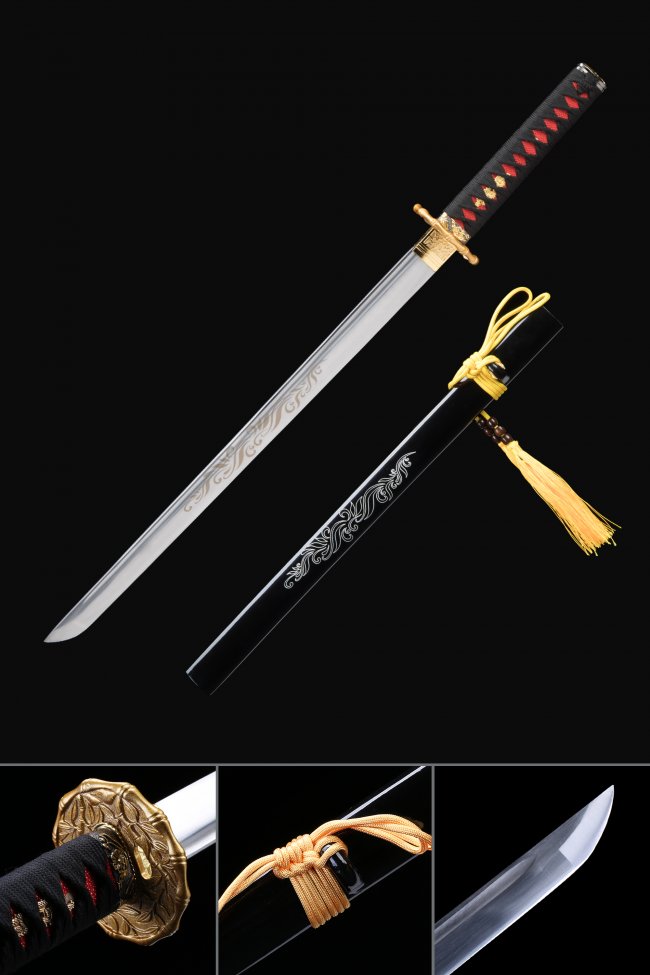
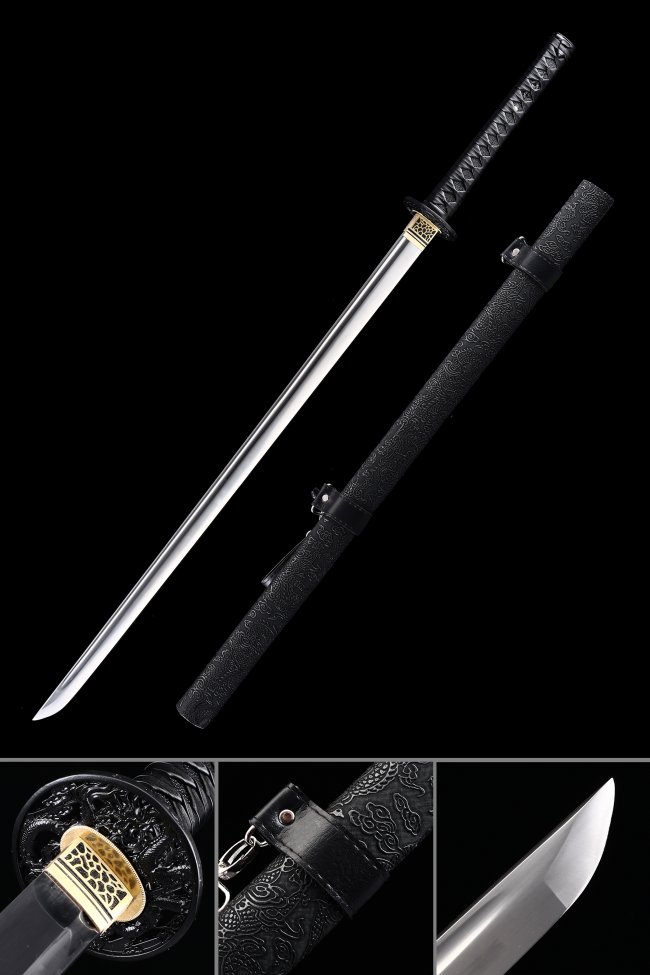
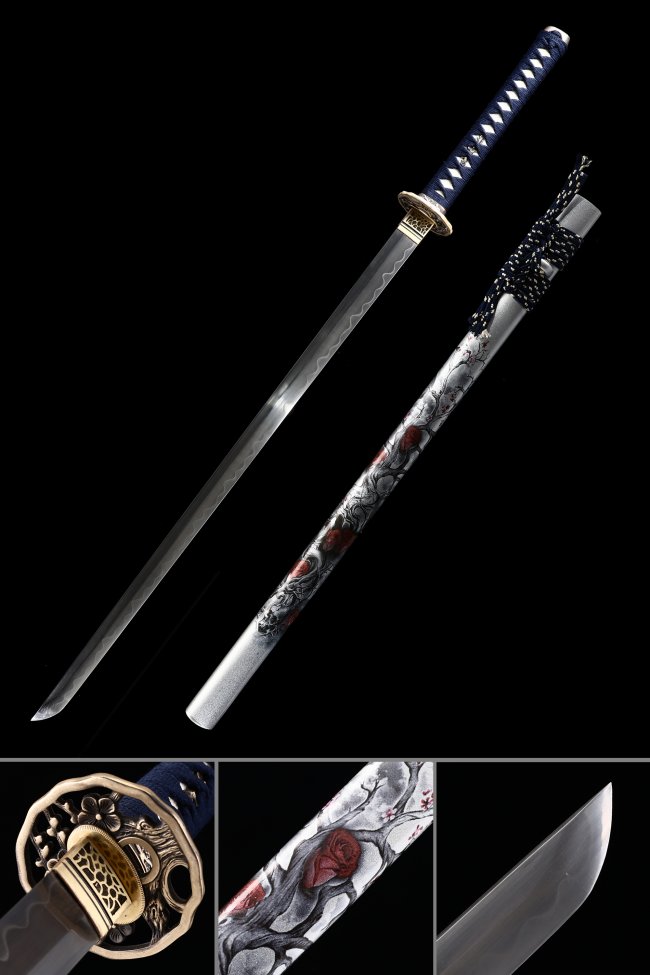
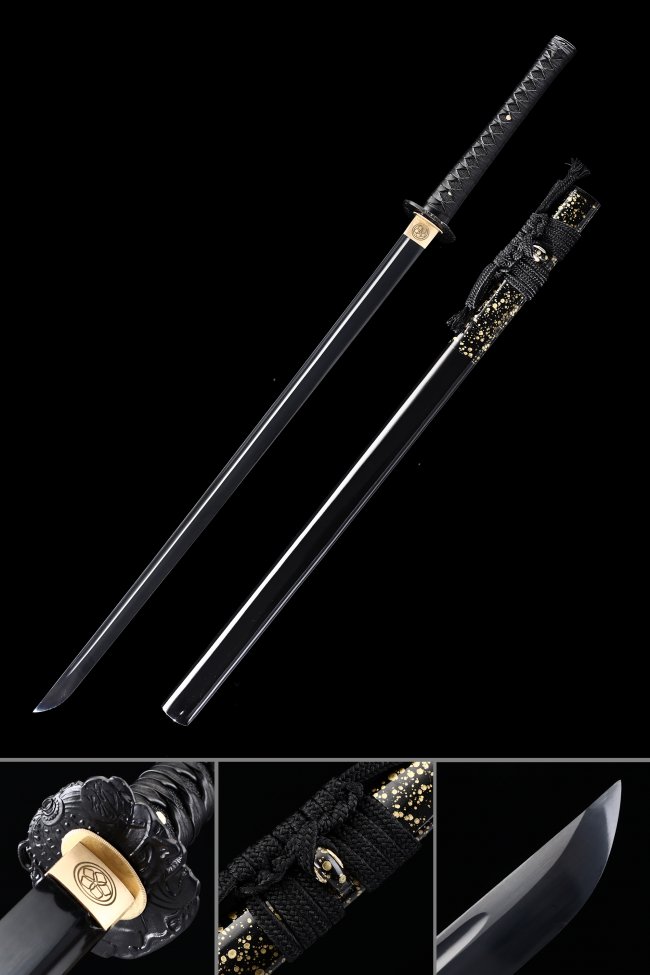
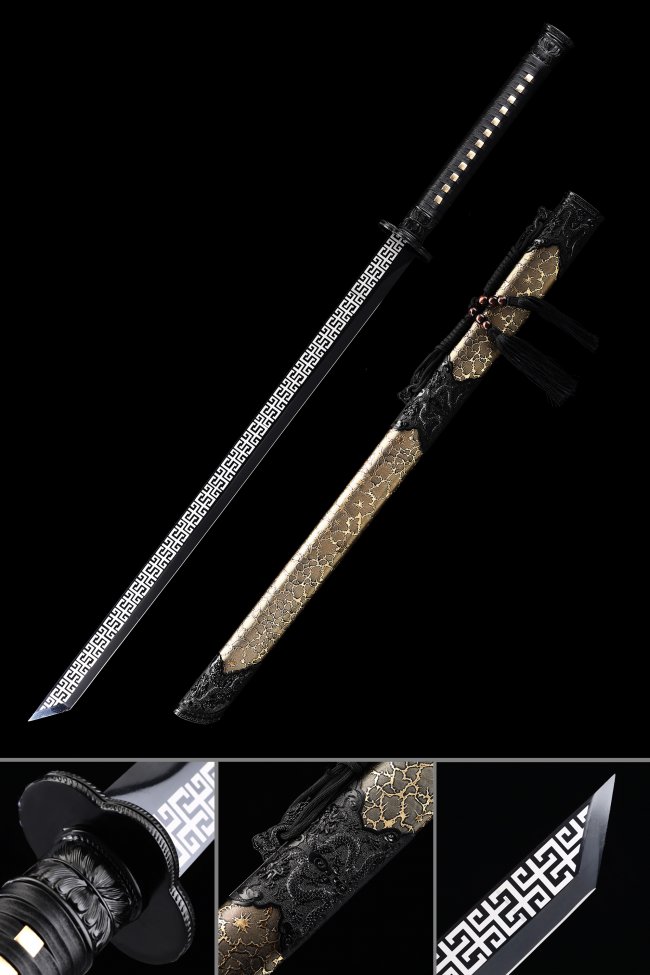
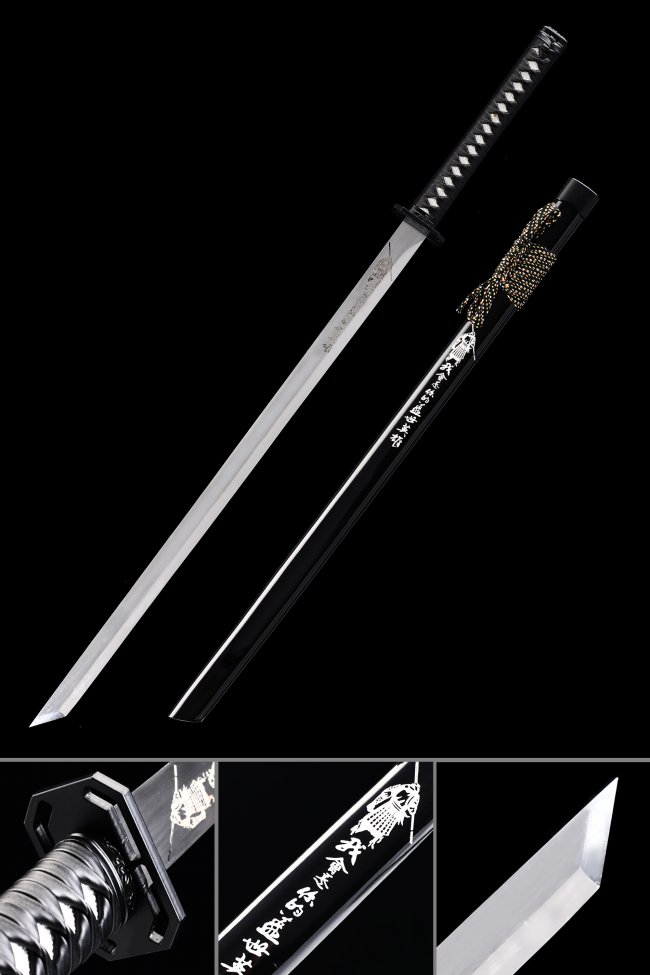
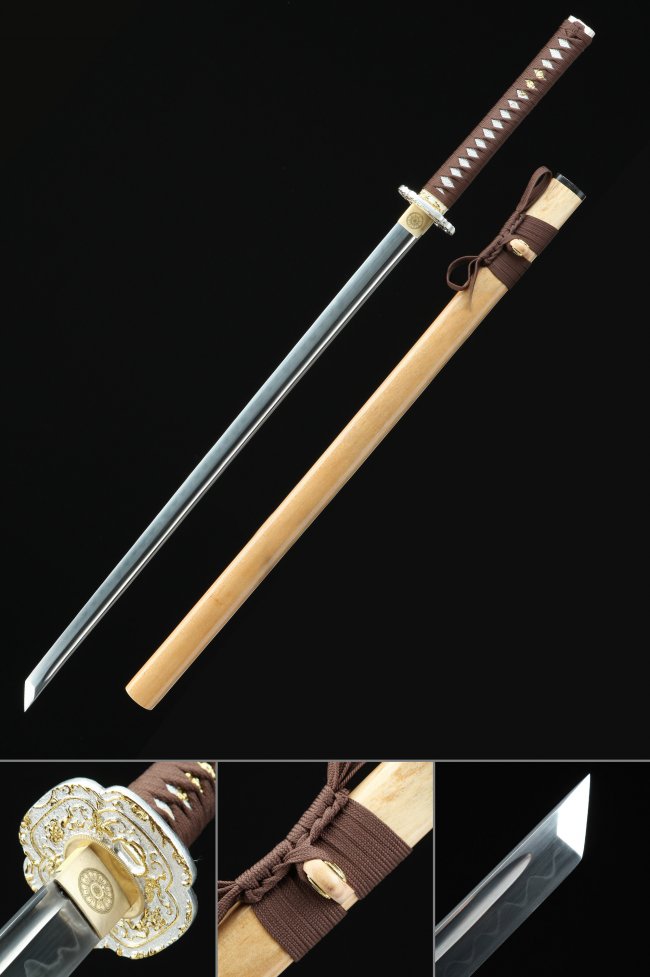
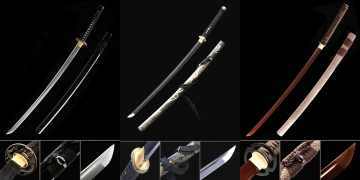
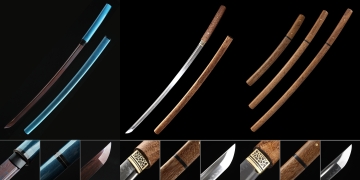
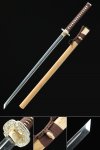
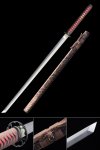
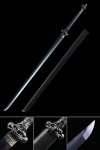
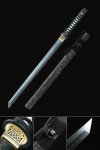
The chokuto is where Japanese sword history begins — a straight, single-edged blade that predates the curved katana by centuries. Forged during the Kofun and Nara periods under Chinese and Korean influence, the chokuto represents the original Japanese fighting sword before mounted warfare drove blade design toward the curve. This collection features hand-forged chokuto replicas in high-carbon steel with full-tang construction, traditional hira-zukuri blade profiles, and the clean, unadorned geometry that defined Japan's earliest swords.

Showing 46 Products

Related Collections

Traditional Japanese Tanto79 items


404 Reviews

Fixed Tanto109 items


478 Reviews

Japanese Yari4 items


Reviews

Japanese Spear4 items


Reviews

Frequently Asked Questions

What is a Chokuto sword?

A chokuto is a straight, single-edged Japanese sword — the oldest type of sword in Japan's sword-making tradition, produced primarily from the Kofun period (250–538 AD) through the early Heian period (roughly the 9th century). The word chokuto (直刀) literally translates to "straight sword" in Japanese, directly describing its defining physical characteristic: a blade with no curvature whatsoever, in contrast to the curved katana, tachi, and wakizashi that later became synonymous with Japanese sword culture. Chokuto entered Japan through cultural and technological exchange with China and the Korean peninsula during a period when Japanese metalworking was still heavily influenced by continental traditions. The earliest chokuto were essentially Japanese reproductions of Chinese dao (single-edged swords) and jian (double-edged swords), adapted with local materials and gradually modified as Japanese smiths developed their own techniques. The blade profile typically follows hira-zukuri (flat with no ridge line) or kiriha-zukuri (with a ridgeline near the edge) construction — blade geometries that are rare in later Japanese swords but common in the chokuto period. These swords were designed primarily for thrusting and direct slashing — combat techniques suited to infantry warfare on foot, which was the dominant mode of fighting before mounted cavalry combat drove the evolution toward curved blades. Archaeological finds from kofun burial mounds show that chokuto were important status symbols as well as weapons, buried alongside warriors with armor and ceremonial objects. The Japanese straight sword collection features replicas spanning the full range of straight-blade designs, from historical chokuto forms to modern interpretations of Japan's original sword type.

How long is a Chokuto sword?

Historical chokuto varied significantly in length because the term encompasses all straight single-edged Japanese swords produced across roughly six centuries of weapon-making, but the typical range falls between 45 and 95 centimeters of blade length (roughly 18 to 37 inches). This range is wider than the katana's standardized 60-to-75-centimeter blade length because chokuto were produced before Japanese sword-making settled into the regulated classification system that later divided blades into katana, wakizashi, and tanto categories by length. Shorter chokuto in the 45-to-60-centimeter range functioned as personal sidearms — one-handed weapons comparable in size to a wakizashi, carried for close-quarters defense and indoor use. Longer chokuto in the 70-to-95-centimeter range served as primary battlefield weapons — two-handed swords comparable to or exceeding katana length, designed for the infantry combat that dominated Japanese warfare during the Kofun and Nara periods. Archaeological evidence shows that chokuto blade width also varied considerably — some specimens are narrow and optimized for thrusting, while others feature broader blades designed for more effective slashing. Modern chokuto replicas typically fall in the 60-to-75-centimeter blade range — roughly matching katana proportions — because this size fits standard display racks, feels balanced in the hand for two-handed use, and satisfies most collectors' expectations for a full-size sword. For display planning, a chokuto's straight profile means the blade lies perfectly flat against a wall mount without the outward projection that a curved katana creates, so you can mount a chokuto in slightly tighter spaces. The Japanese chokuto collection includes multiple sizes spanning from compact one-handed designs to full-length two-handed battlefield replicas.

What is the difference between a Chokuto and a katana?

The chokuto and katana differ in nearly every fundamental aspect of design — blade geometry, combat technique, historical period, wearing method, and construction philosophy — because they evolved to serve completely different modes of warfare separated by several centuries of Japanese military history. The most visible difference is curvature: a chokuto blade is perfectly straight from tang to tip, while a katana features a distinctive curve (sori) that typically measures between one and two centimeters of deviation from a straight line. This curvature isn't decorative — it fundamentally changes how the sword interacts with a target during cutting. A straight chokuto concentrates impact force at a single point of contact, making it effective for thrusting and direct chopping but less efficient for draw-cutting through targets. A curved katana creates a natural draw-cut effect where the blade slides through the target as it cuts, reducing impact shock and increasing cutting efficiency — a mechanical advantage that becomes critical when fighting from horseback at speed. The chokuto is older by centuries — it dominated Japanese warfare from roughly the 3rd through 9th centuries, while the katana didn't emerge as the standard sidearm until the 15th century after the intermediate tachi bridged the transition from straight to curved blades. Wearing methods differ as well: the chokuto was hung from the waist using a cord suspension system, while the katana is thrust through the obi sash with the cutting edge facing up. Construction also diverges — chokuto typically use simpler hira-zukuri or kiriha-zukuri blade profiles, while katana use the more complex shinogi-zukuri profile with a prominent ridge line. The chokuto katana collection offers both straight and curved blade options, letting you display the evolutionary contrast between Japan's oldest and most famous sword types side by side.

Why did Japanese swords change from straight to curved?

The transition from straight chokuto to curved tachi was driven by a fundamental change in Japanese warfare — the shift from infantry-based ground combat to mounted cavalry warfare during the late Heian period (9th to 12th centuries). When Japanese warriors fought primarily on foot, the chokuto's straight blade served its purpose well — straight blades are effective for thrusting (stabbing) and direct chopping (bringing the blade down onto a target at a perpendicular angle), which are the primary cutting mechanics available to a soldier standing on the ground facing an opponent at close range. But when the samurai class emerged and mounted combat became the dominant mode of warfare, the straight blade's limitations became critical. A mounted warrior passes the target at speed — there's no time to stop and deliver a perpendicular chop the way a foot soldier can. The sword must cut during a brief moment of contact as horse and rider fly past the enemy. A curved blade solves this problem through geometry: when a curved sword contacts a target during a lateral swing, the curvature causes the blade to draw through the target rather than simply impacting it. This draw-cutting effect dramatically increases the depth and efficiency of the cut while reducing the impact shock transmitted back to the rider's arm — both critical advantages when cutting from a moving horse. The Emishi people in northeastern Japan had already developed curved swords (warabite-to) that Japanese smiths studied and adapted, producing the kenukigata-tachi — the first distinctly curved Japanese sword type — which then evolved into the tachi and eventually the katana. The transition took roughly two centuries, with straight and curved blades coexisting until curved swords became the clear battlefield standard. The samurai sword collection features the curved blade tradition that resulted from this evolutionary pressure — swords optimized for the draw-cutting mechanics that mounted and dismounted samurai combat demanded.

What Is the Difference Between a Chokuto and a Ninjato?

Both are straight Japanese swords, but they come from different design traditions and serve different purposes in modern collecting and martial arts. The chokuto is the historical original — Japan's earliest sword type, dating back to before the curve was ever introduced into Japanese blade design. Historical chokuto were influenced by continental Asian sword-making traditions and ranged from simple, utilitarian single-edged blades to elaborately decorated court swords with ornate fittings and gold inlay. Modern chokuto reproductions tend to emphasize the historical connection, often featuring fittings inspired by Kofun or Nara period originals and blade profiles that reference specific museum pieces or documented historical designs. The ninjato, by contrast, is a more modern category that draws from the ninja tradition — whether historically accurate or culturally constructed — and features a standardized design: a roughly 20-to-24-inch straight blade, a square tsuba, and relatively plain, utilitarian fittings that prioritize function over decoration. It's the practical, no-nonsense interpretation of the straight blade. A Hand Forged Ninjato is built for use, with the kind of straightforward construction that emphasizes reliability over artistic expression. The two categories also differ in collector appeal. Chokuto attract history enthusiasts and serious scholars of Japanese sword evolution who want a tangible connection to the oldest chapter of the tradition. Ninjato attract a broader audience that includes martial artists, pop culture fans, and collectors who appreciate the distinct aesthetic and functional personality of the ninja sword format. There's overlap — plenty of collectors own both — but the motivations and interests that draw people to each type tend to be different. An Authentic Ninjato prioritizes period-appropriate construction and materials, while a modern ninjato might incorporate contemporary steel options and design touches that wouldn't have existed historically but enhance the sword's performance and visual appeal for today's users. Owning both a chokuto-style sword and a ninjato gives you the full range of the straight blade tradition in a single collection — the historical depth of one paired with the practical versatility of the other, covering different aesthetic territory while sharing the same fundamental blade geometry that makes straight Japanese swords their own distinct and rewarding category.

What does chokuto mean in Japanese?

Chokuto is written as 直刀 in Japanese, combining two kanji characters: 直 (choku), meaning "straight" or "direct," and 刀 (tō), meaning "sword" or "blade." The name is purely descriptive — it identifies the sword by its most obvious physical characteristic, the straight blade that distinguishes it from every curved Japanese sword type that came afterward. This straightforward naming convention is typical of Japanese sword classification, which categorizes blades primarily by physical characteristics rather than by the identity of their makers or their intended users. The term chokuto is used broadly to describe all straight single-edged Japanese swords from the ancient period, encompassing a range of blade lengths, widths, and construction methods that varied across different regions and centuries. Within the broader chokuto category, subcategories exist based on blade geometry: hira-zukuri chokuto have flat blade faces with no ridge line, while kiriha-zukuri chokuto feature a ridgeline near the cutting edge that creates a slightly wedge-shaped cross-section. There are also tsurugi (剣), which are straight double-edged swords from the same period — these are sometimes confused with chokuto, but technically tsurugi refers specifically to the double-edged form while chokuto refers to single-edged straight blades. In modern sword collecting, "chokuto" has become the standard commercial term for any straight Japanese-style sword, even when the specific design draws more from ninja-inspired ninjato styling than from historical Kofun-period blade forms. The chokuto sword collection uses the term in its broadest sense, covering straight-blade Japanese swords across both historical and contemporary design interpretations.

Is Sasuke's sword a chokuto?

Yes — Sasuke Uchiha's Sword of Kusanagi from the Naruto anime and manga series is explicitly identified as a chokuto-type sword within the story, and its design closely follows the straight, single-edged blade profile that defines the historical chokuto form. In the Naruto storyline, Sasuke acquires this sword during the timeskip after leaving Konoha to train under Orochimaru, and it becomes his primary weapon throughout the Shippuden era and beyond. The blade is depicted as a straight, slender, single-edged sword with a simple ring-shaped guard (tsuba) and a dark blue or black handle — a clean, unadorned design that reflects both the historical chokuto aesthetic and Sasuke's character trait of favoring precision and efficiency over flashiness. The sword is named "Kusanagi" after the legendary Kusanagi-no-Tsurugi — one of the three Imperial Regalia of Japan in Shinto mythology — though in the Naruto universe the name refers to a line of snake-associated swords connected to Orochimaru rather than to the actual mythological blade. Sasuke channels his Lightning Release chakra through the chokuto to enhance its cutting power, creating a technique called Chidori Katana (or Sword of Kusanagi: Chidori Katana) that vibrates the blade with electrical energy to cut through virtually any material. For collectors, the Sasuke chokuto is one of the most requested anime sword replicas alongside Ichigo's Zangetsu from Bleach and Tanjiro's black Nichirin from Demon Slayer. Replicas typically feature a carbon steel straight blade of 60 to 70 centimeters with the characteristic ring guard and dark fittings. The straight sword collection includes designs inspired by the Kusanagi chokuto aesthetic — straight blades with clean, minimalist fittings that capture the look Sasuke made famous.
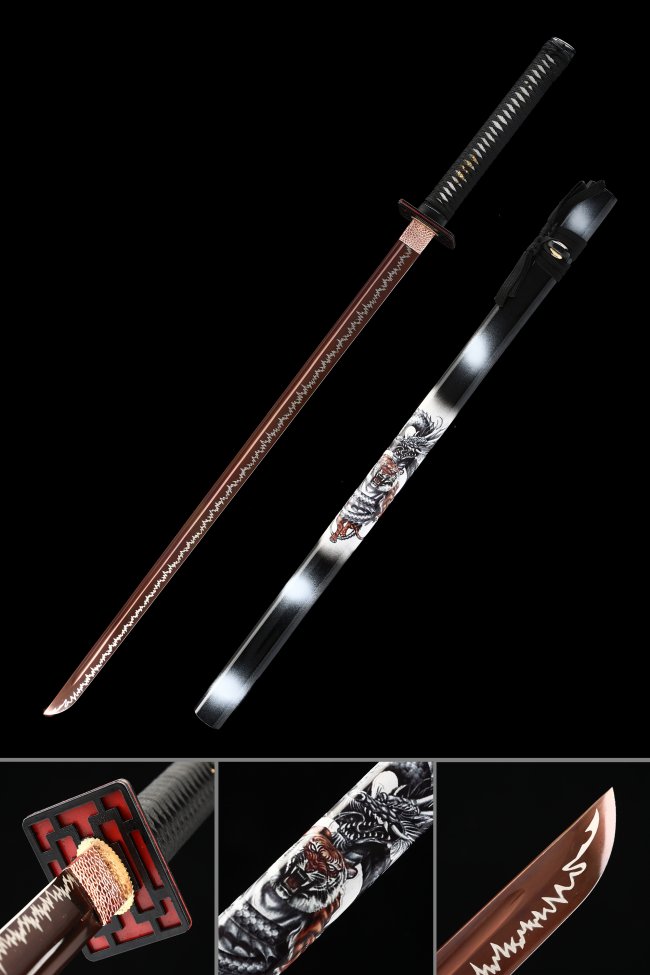
Are chokuto replicas sharp?

Chokuto replicas in this collection are forged from real high-carbon steel with genuine edge geometry, and the sharpness level varies by specific model and intended use level. Some models arrive with a functional cutting edge sharp enough to slice through paper and light materials, while others are finished with a display edge that shows correct visual geometry without aggressive sharpening. The sharpness distinction matters because chokuto were historically thrusting-oriented weapons — their straight blade geometry concentrates force at the point of contact rather than distributing it along a curved draw-cutting path the way a katana does. This means a sharp chokuto actually functions differently from a sharp katana: the straight blade excels at penetrating thrusts and direct chops but doesn't perform the draw-cutting technique that katana are optimized for. For display and collection purposes, most buyers don't need a razor-sharp edge — a properly finished display edge gives the blade a clean, tapered profile that looks correct from any viewing distance while reducing the handling risk during mounting and cleaning. For buyers who want a functional edge, the higher-grade steel models (1095 and T10) take the sharpest and most durable edges due to their higher achievable hardness after heat treatment. Regardless of edge sharpness, all carbon steel chokuto in the collection require the same basic maintenance — wipe fingerprints after handling, apply a thin coat of mineral oil or choji oil every one to three months, and store in the scabbard or on a secure mount. Treat the blade as the real steel object it is: keep it away from unsupervised children, handle with respect for the edge, and research local laws regarding sword ownership before public transport. The chokuto sword collection uses real carbon steel across all models, delivering the weight and structural quality that serious collectors expect from hand-forged replicas.

What steel is used in chokuto sword replicas?

Modern chokuto replicas use the same high-carbon steel grades found in katana production — primarily 1045, 1095, and T10 tool steel — adapted to the straight blade geometry that defines the chokuto form. 1045 carbon steel (0.45 percent carbon) is the entry-level grade, offering a good balance of toughness and affordability for display-focused replicas. The lower carbon content makes 1045 more forgiving during the forging and heat treatment process, which matters for straight blades because the chokuto's zero-curvature profile requires precise control during quenching to prevent unwanted warping — a challenge that's less critical with curved blades where some curvature is expected and even desired. 1095 carbon steel (0.95 percent carbon) produces the hardest, sharpest edge available in standard carbon steel. For a chokuto — where the straight blade geometry concentrates cutting force at a single contact point rather than spreading it along a curve — edge hardness is particularly important because the point of impact absorbs more stress per unit of edge than on a curved blade performing a draw-cut. T10 tool steel adds tungsten to the carbon steel base for improved toughness without sacrificing edge performance, making it the best all-around choice for collectors who want both sharp edge capability and chip resistance. Some replicas also use 1065 manganese steel, which provides extra toughness for the straight-blade form. All these grades are genuine carbon steel — magnetic, reactive to moisture, requiring regular oiling — which gives the replicas authentic weight, feel, and patina development that stainless steel or zinc alloy display pieces cannot match. The straight katana sword collection offers all these steel grades in straight-blade configurations, letting you choose based on your priorities between edge performance, durability, and price.

Can you use a chokuto for cutting practice?

A chokuto can be used for cutting, but the straight blade geometry creates a fundamentally different cutting experience compared to a curved katana — and understanding this difference is important before attempting tameshigiri (test cutting) with a straight sword. A curved katana is optimized for draw-cutting: the blade's curvature causes it to slide through the target as it cuts, reducing the impact force on the edge and creating a longer, smoother cutting path with less effort from the user. A straight chokuto doesn't have this built-in draw-cut advantage — when the blade contacts a target, the full cutting force concentrates at a single point of contact rather than spreading along a curve. This means straight-blade cutting requires more precise edge alignment (hasuji) and a slightly different cutting technique: instead of relying on the blade's geometry to assist the cut, the practitioner must generate the draw-cut manually by pulling the sword through the target during the stroke — a technique closer to European longsword cutting than traditional Japanese katana technique. For tameshigiri with a chokuto, the practical implications are that you need a sharper edge (to compensate for the lack of geometric cutting assistance), better technique (manual draw-cutting requires more skill than a curve-assisted cut), and a well-made blade in a functional steel grade — 1095 or T10 rather than entry-level 1045. Many practitioners who cut with straight blades report that the experience builds better fundamental edge alignment skills that transfer to curved-blade cutting, because the chokuto's straight geometry gives you less room for error and forces cleaner technique. The straight katana collection features functional straight blades in cutting-grade steel — the construction quality and edge performance you need if you plan to put a straight sword through tameshigiri targets.

Customer Reviews

Cart 0 Items

Your cart is empty