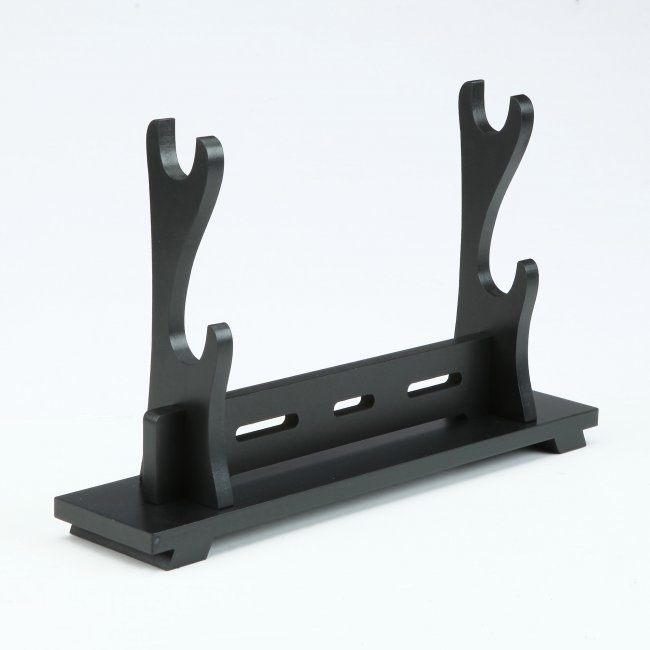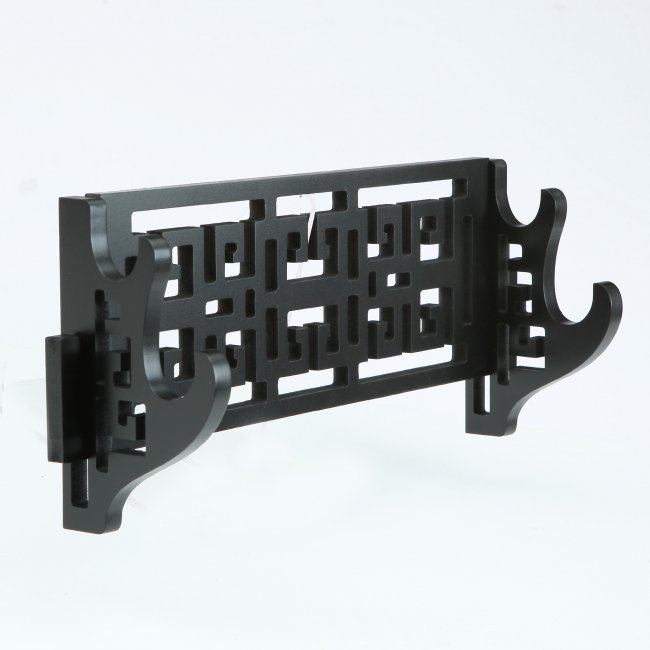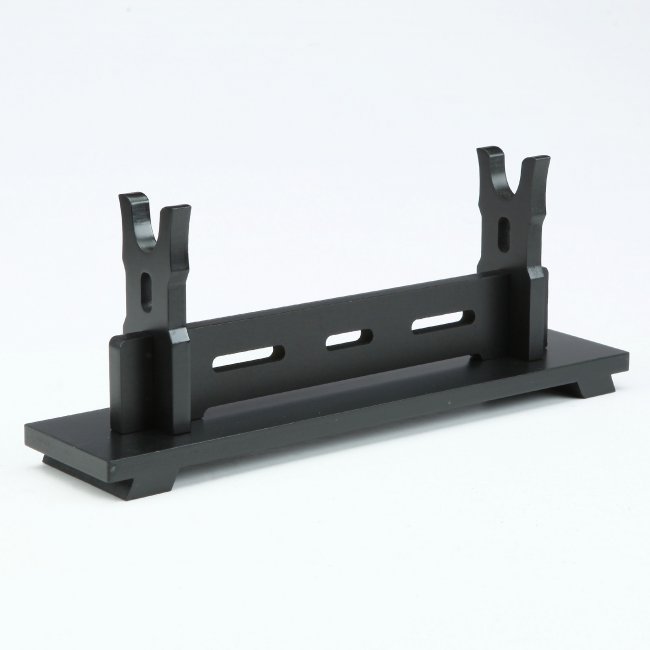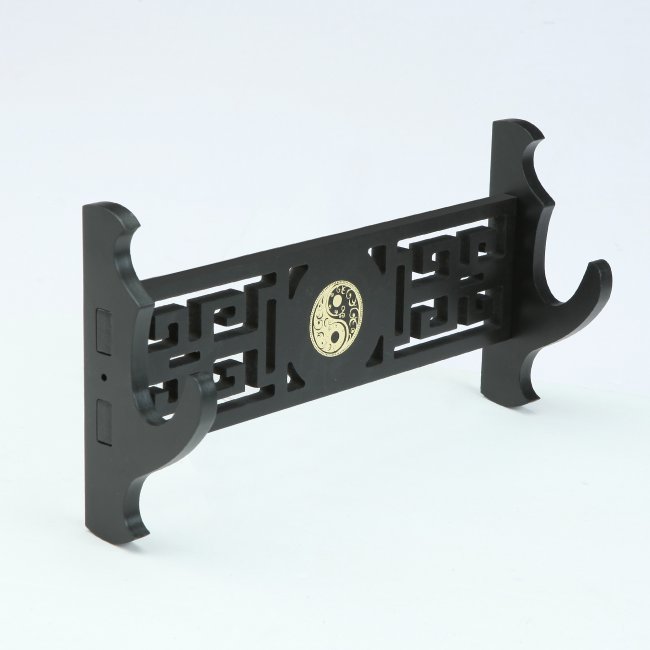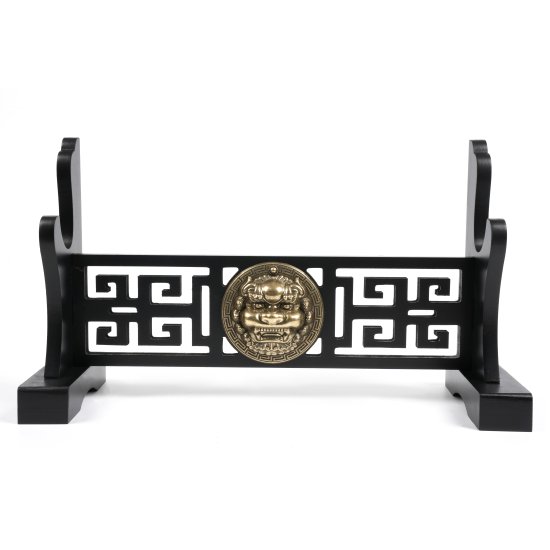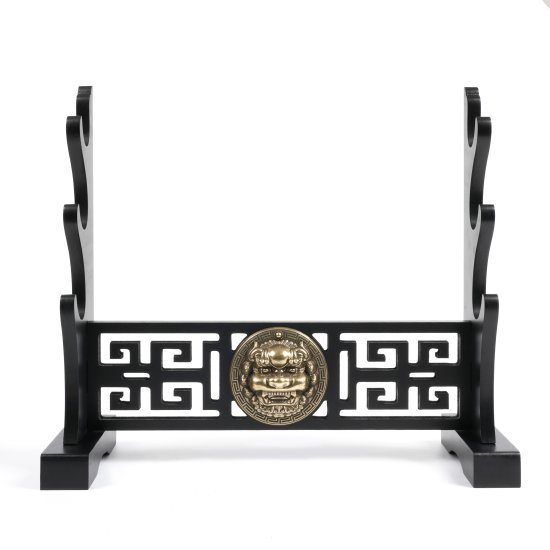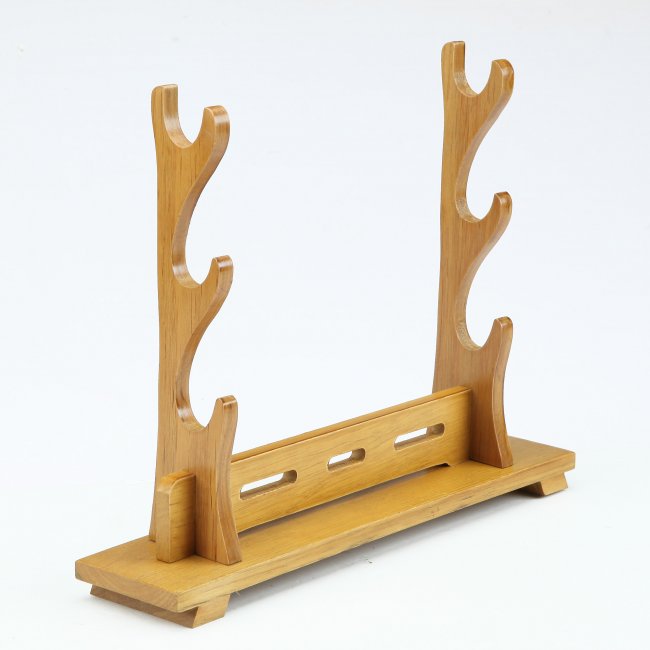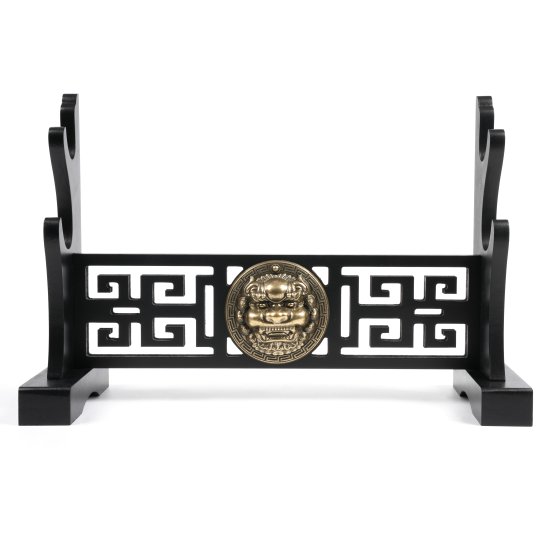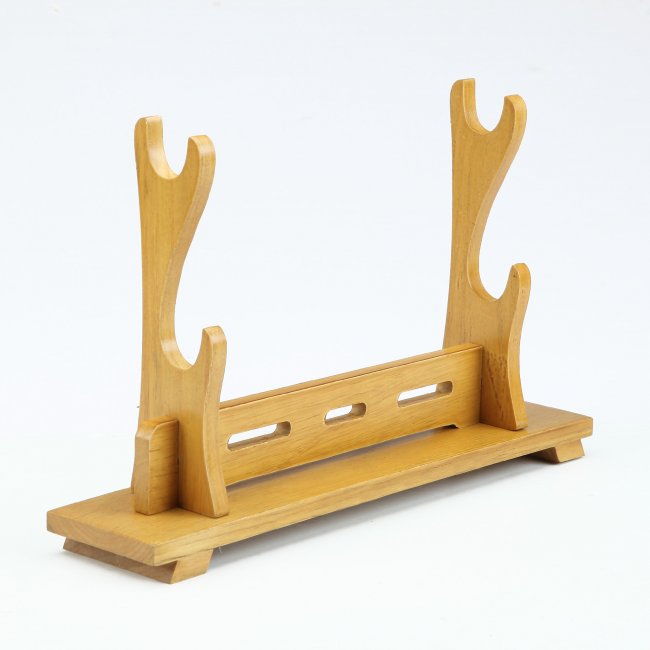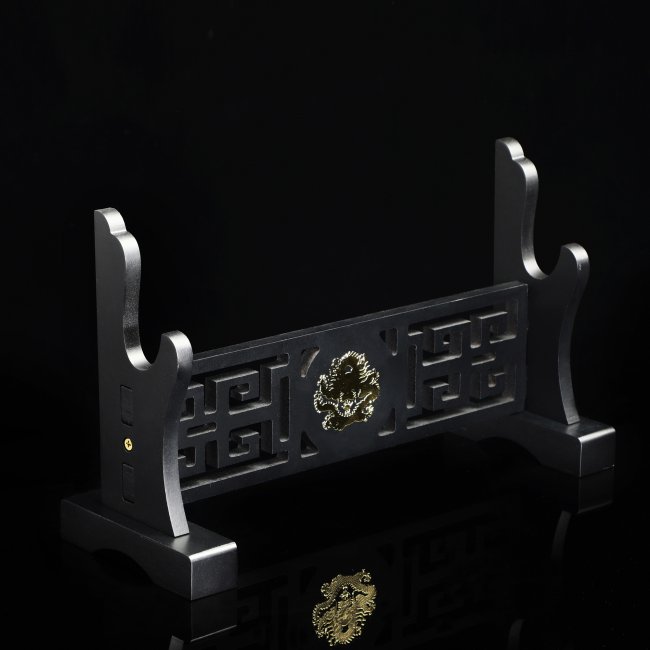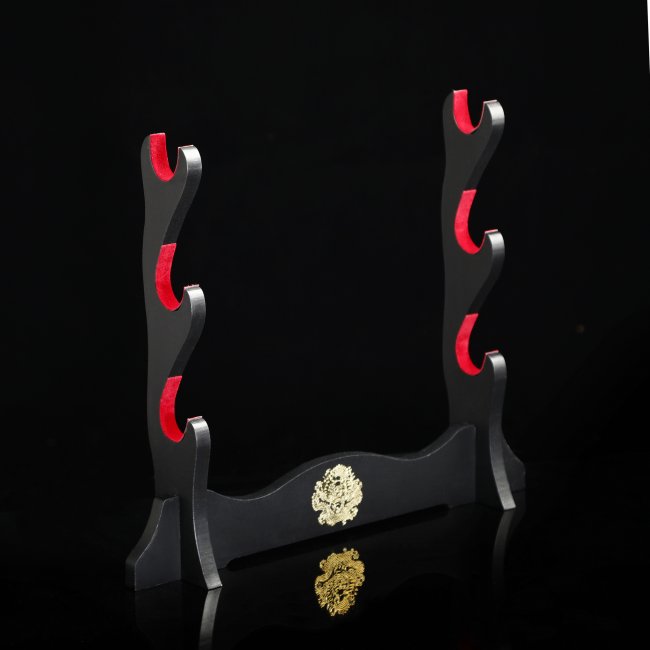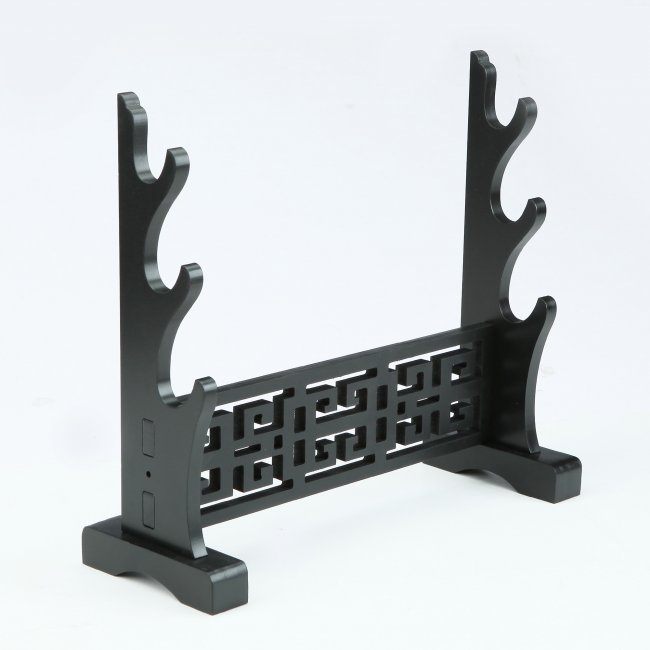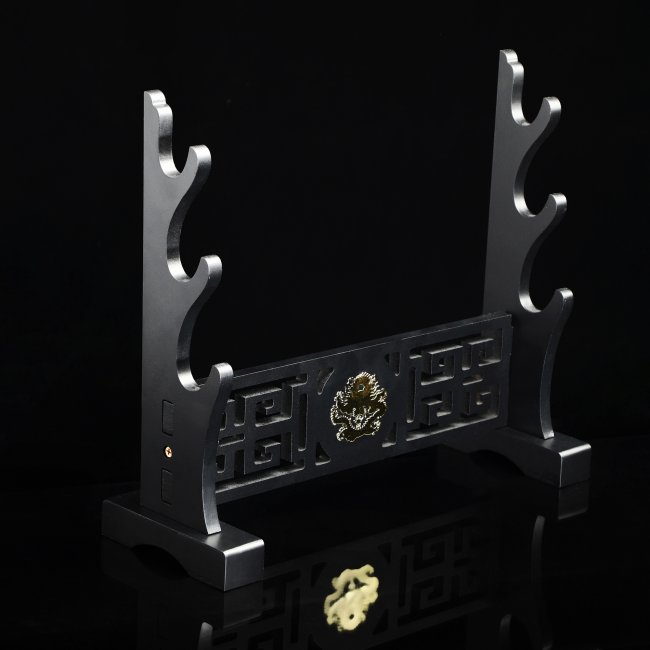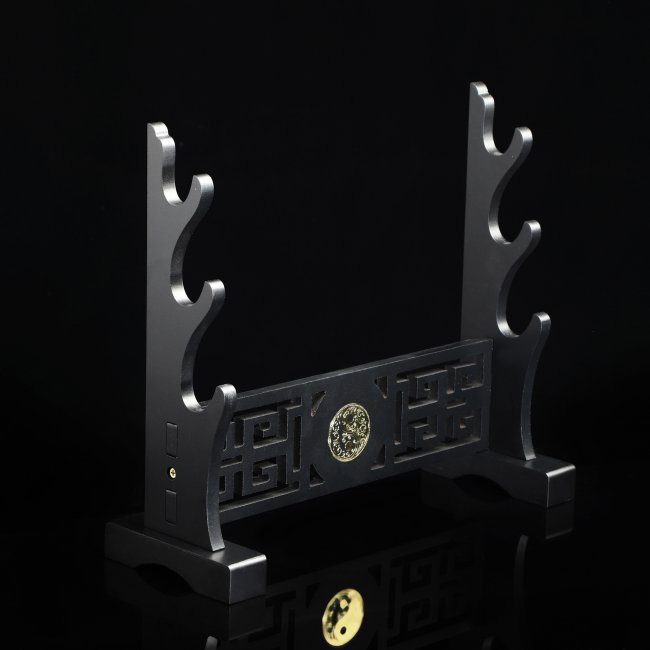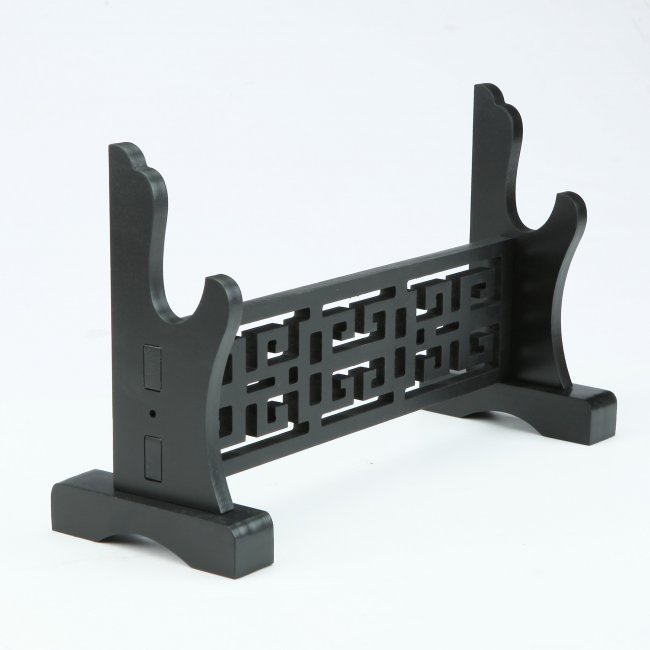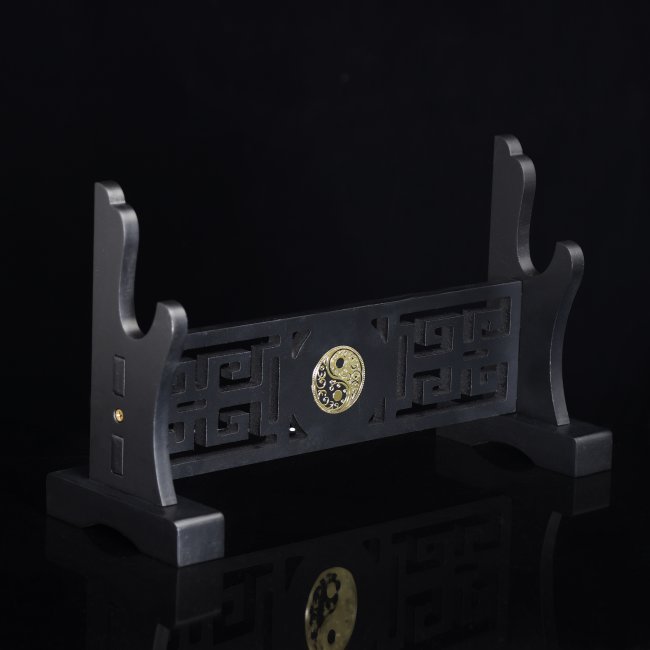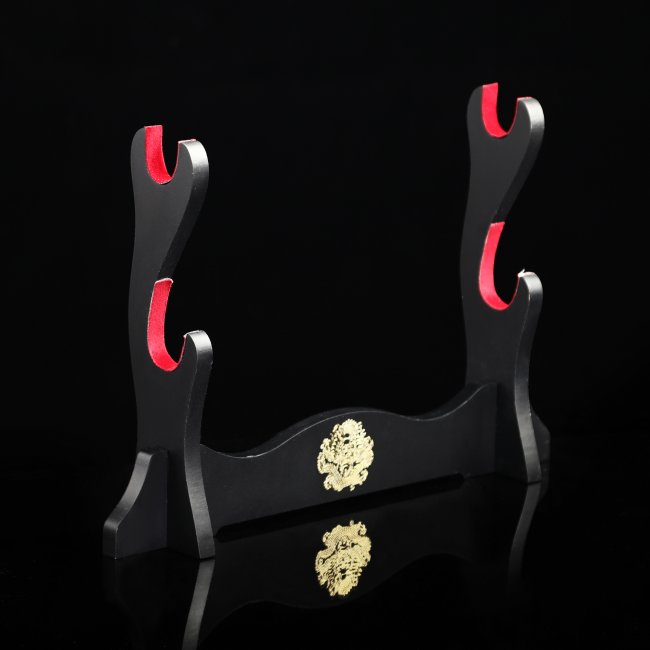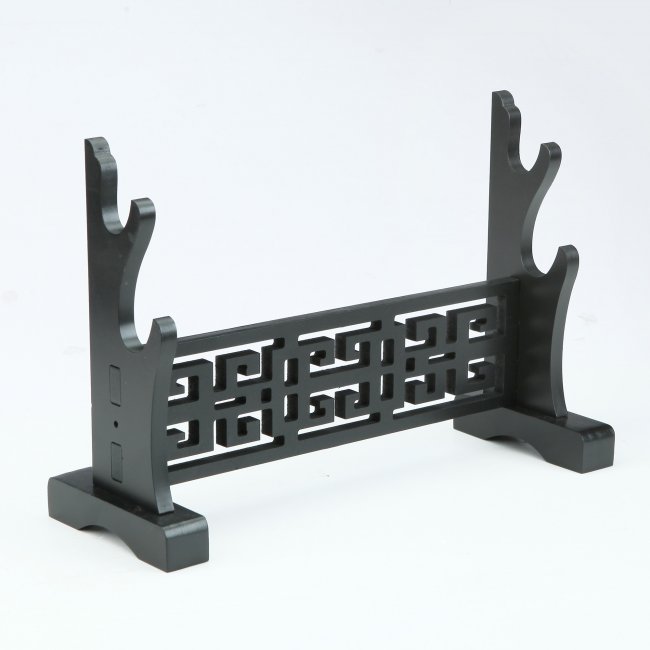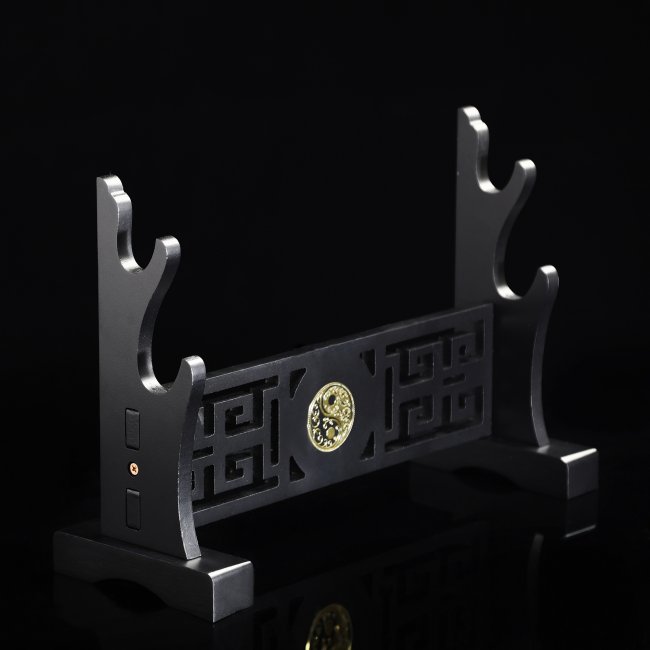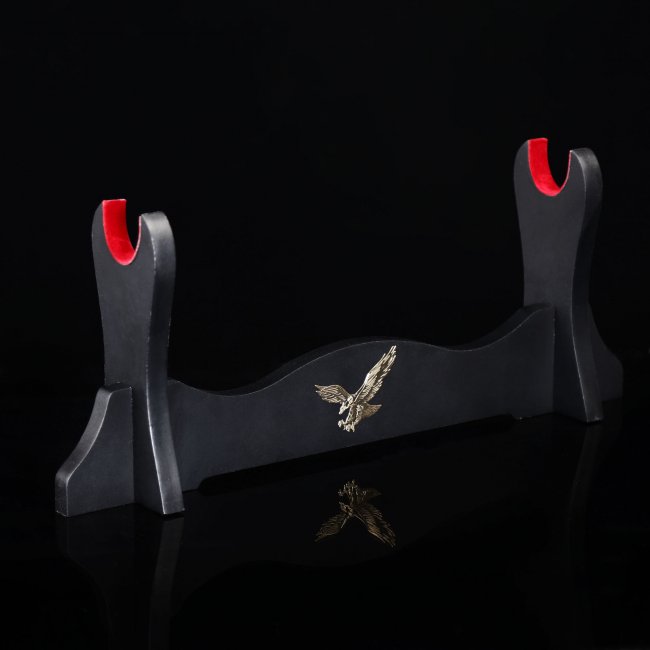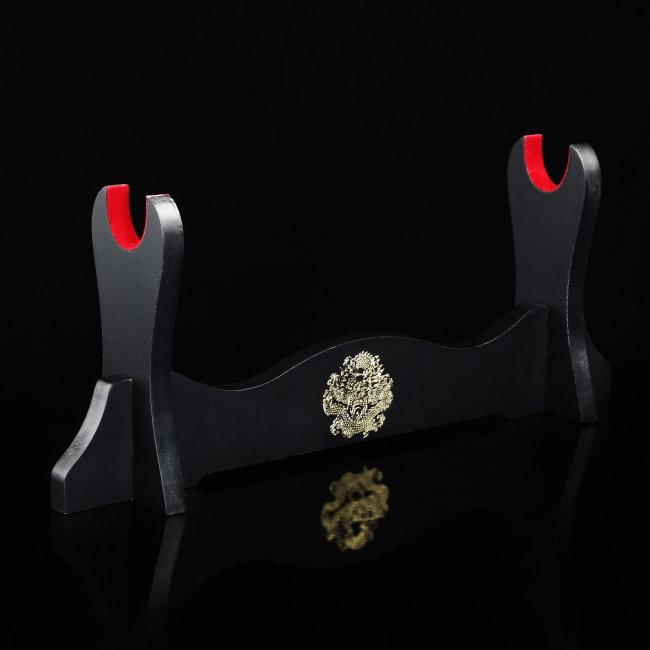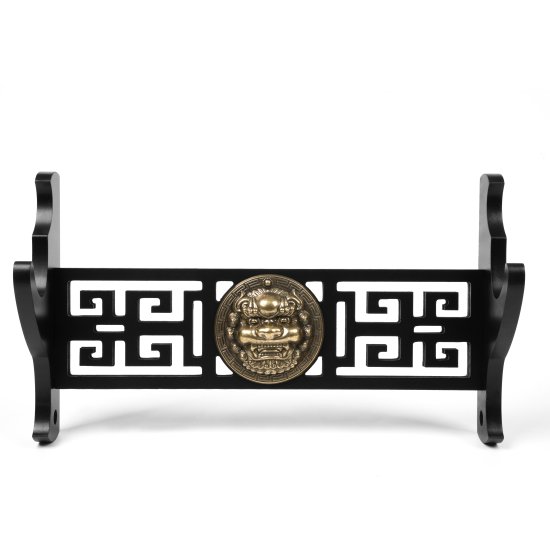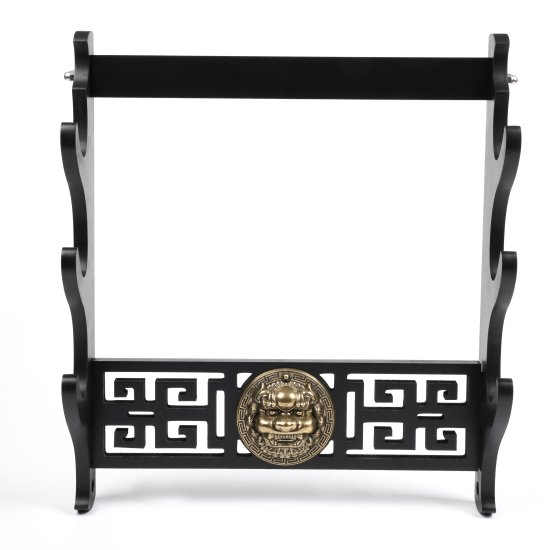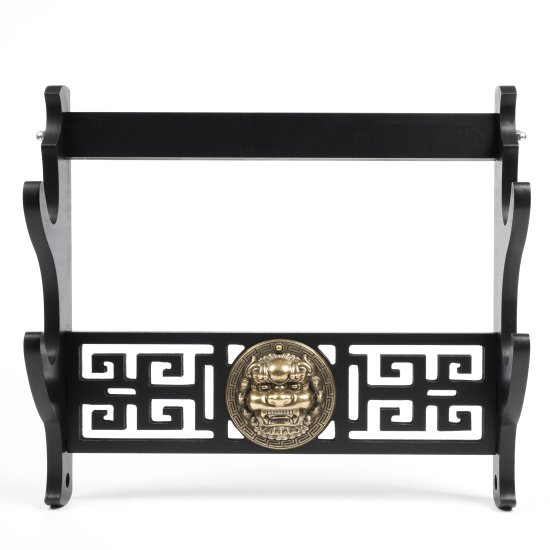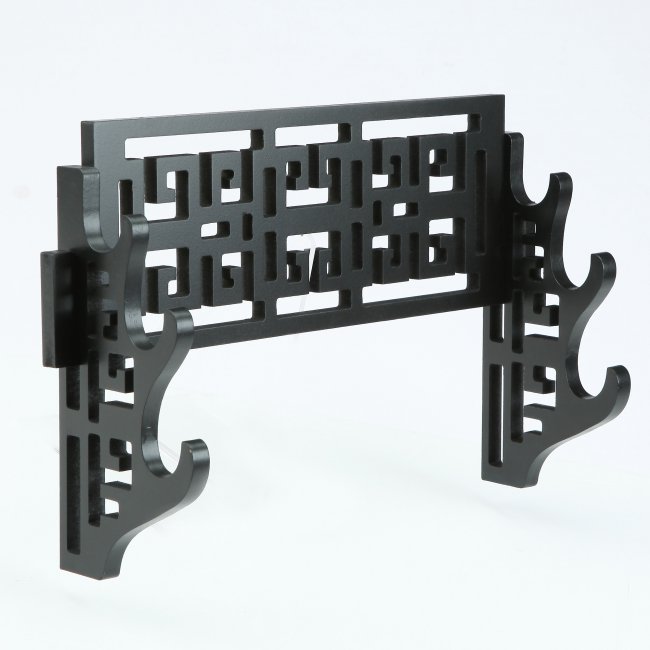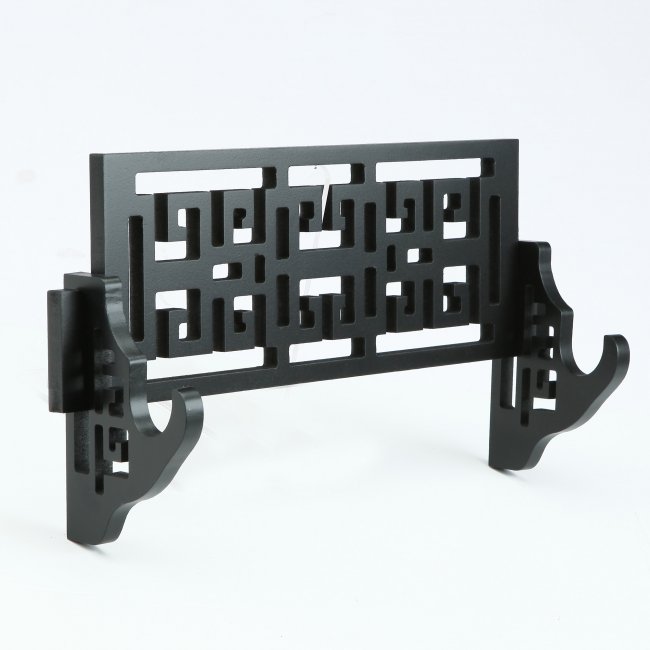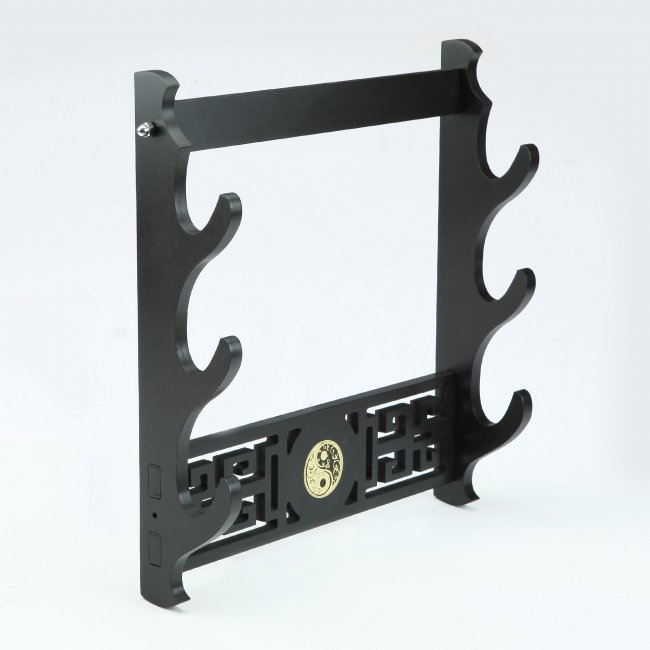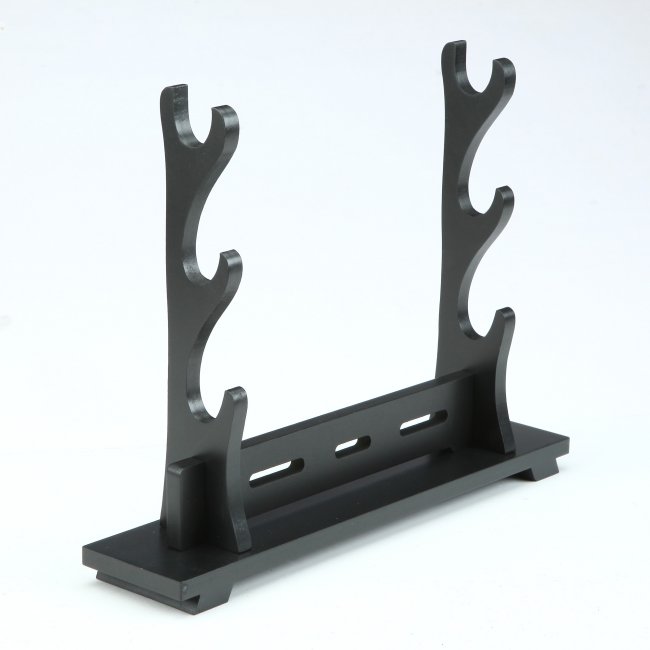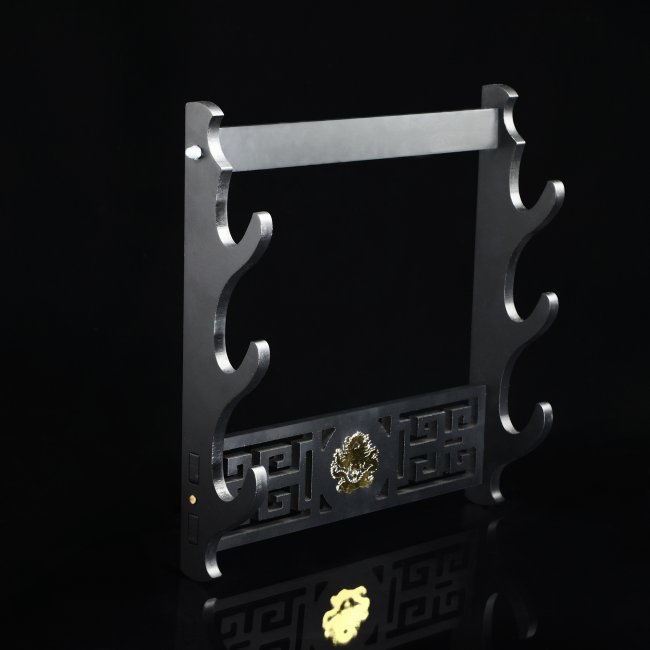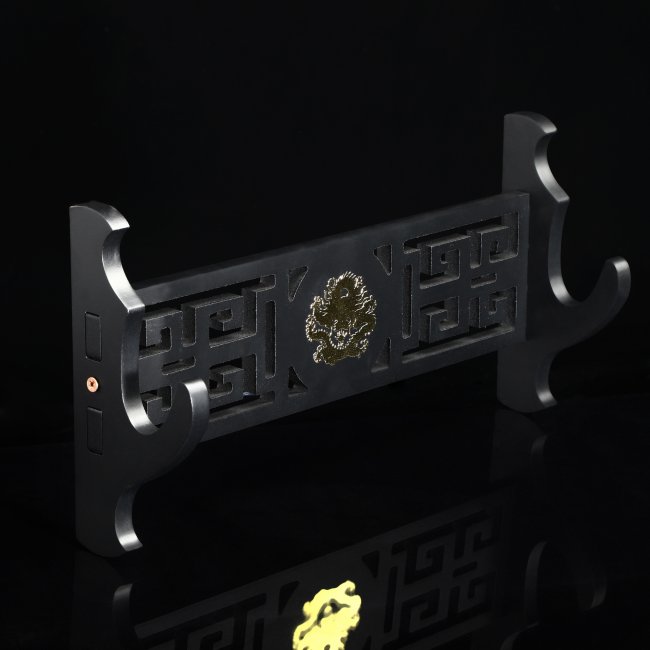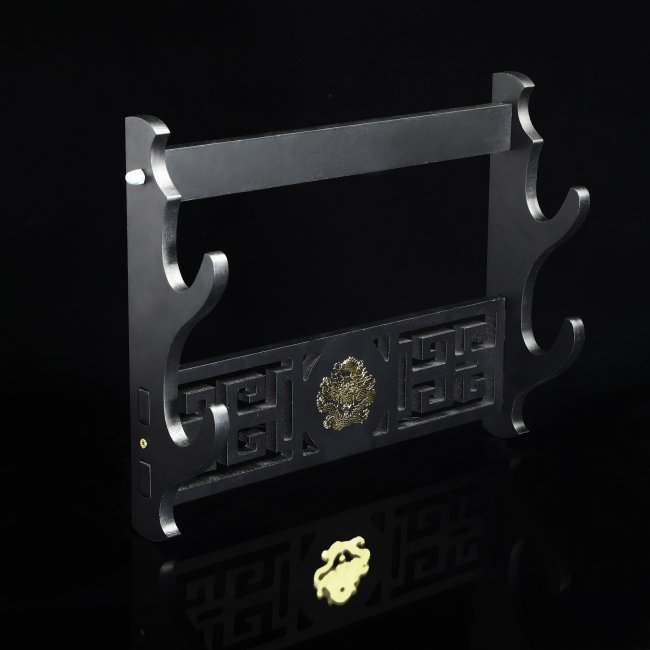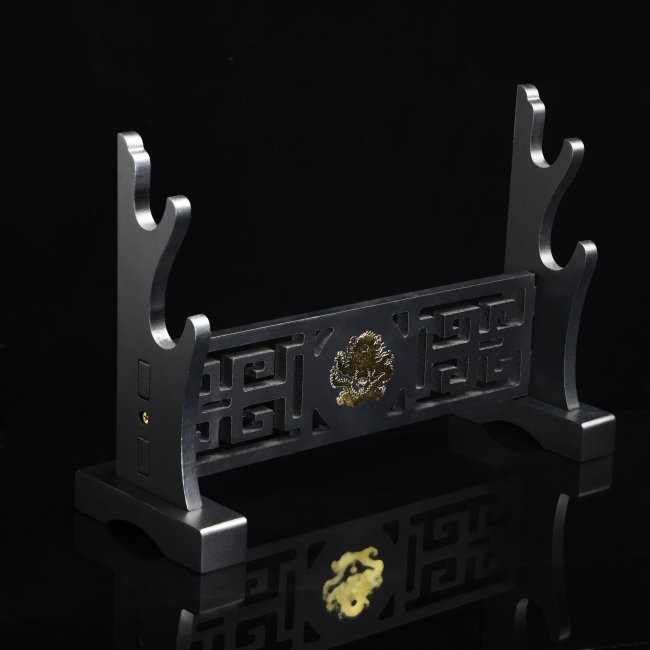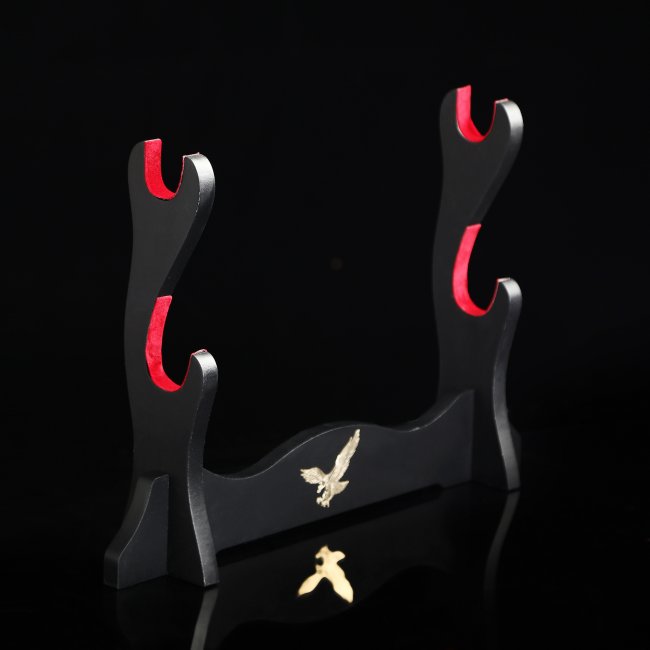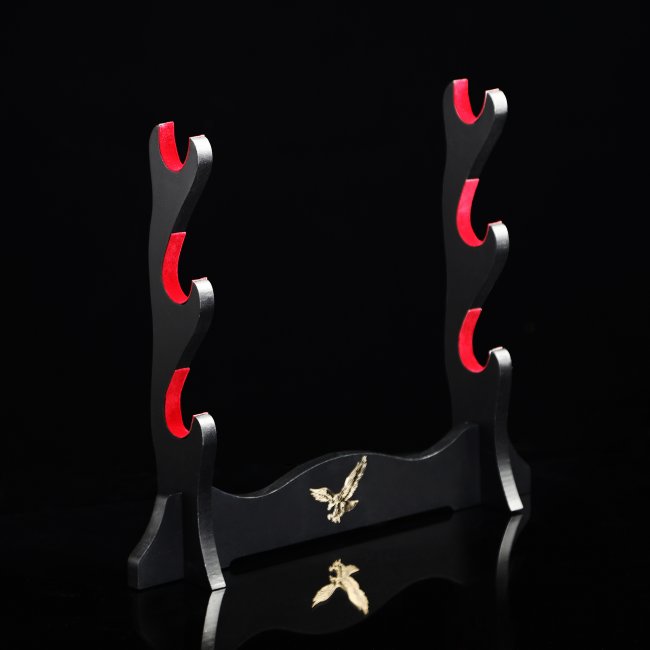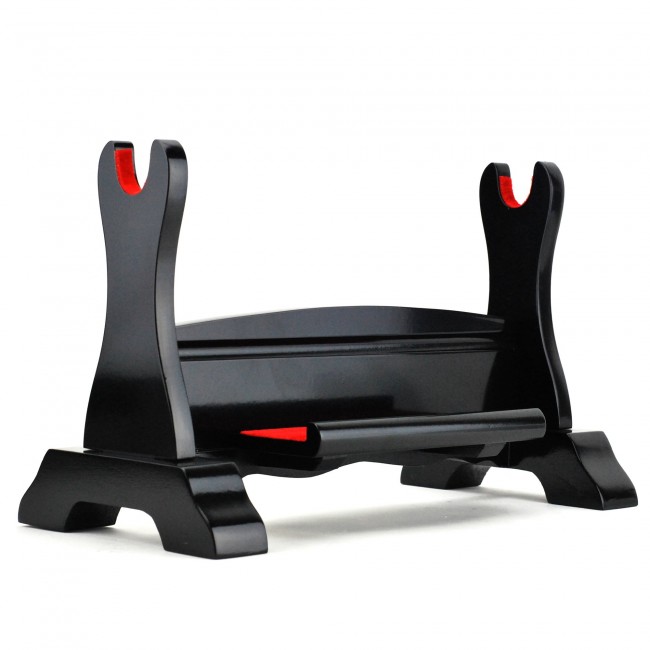
Samurai Sword Stand

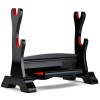
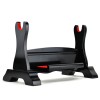
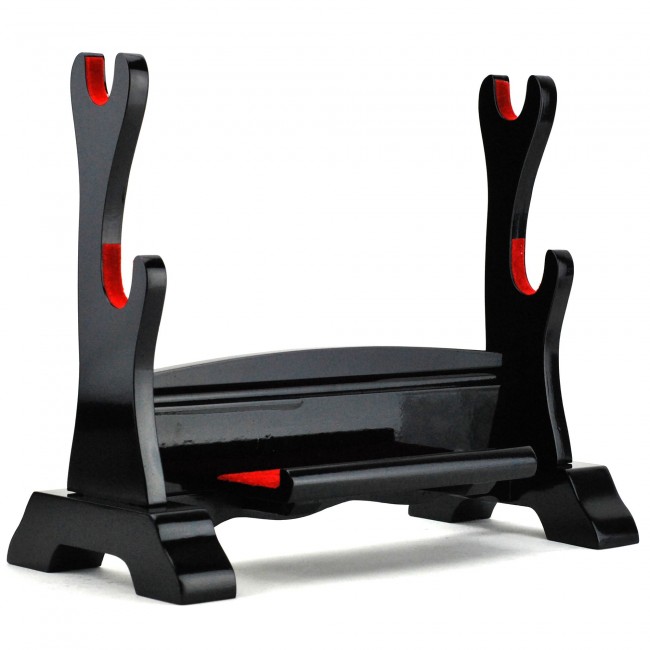
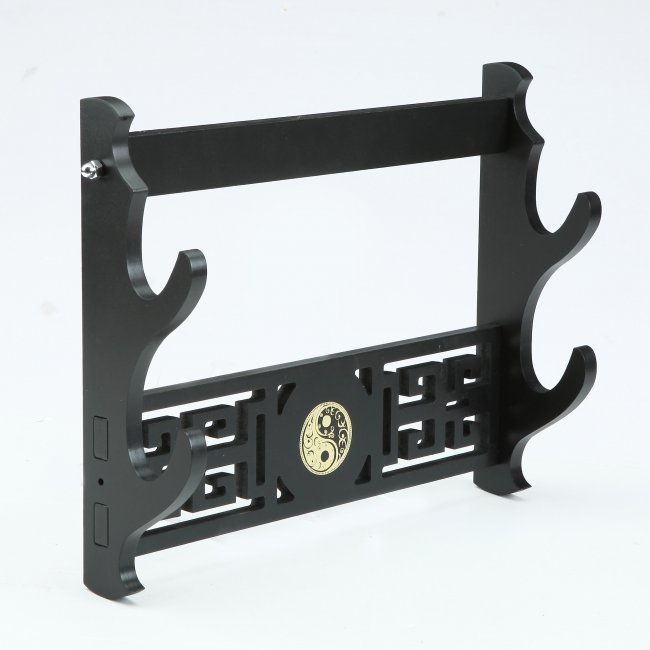
Samurai sword stands in this collection are handmade from solid hardwood in single, double, and three-tier configurations, providing organized display space for one to three swords in the traditional horizontal format. Black lacquer finish and stable base construction make these stands the natural pairing for any katana, wakizashi, or tanto in your collection. Free shipping and a 30-day return policy are included.
Showing 76 Products

Related Collections

Double Sword Stand20 items


11 Reviews

Single Layer Sword Stand31 items


9 Reviews

Samurai Swords Stands78 items


22 Reviews

3 Tier Sword Stand8 items


2 Reviews

Frequently Asked Questions

What sword stand tier count is right for my collection size?
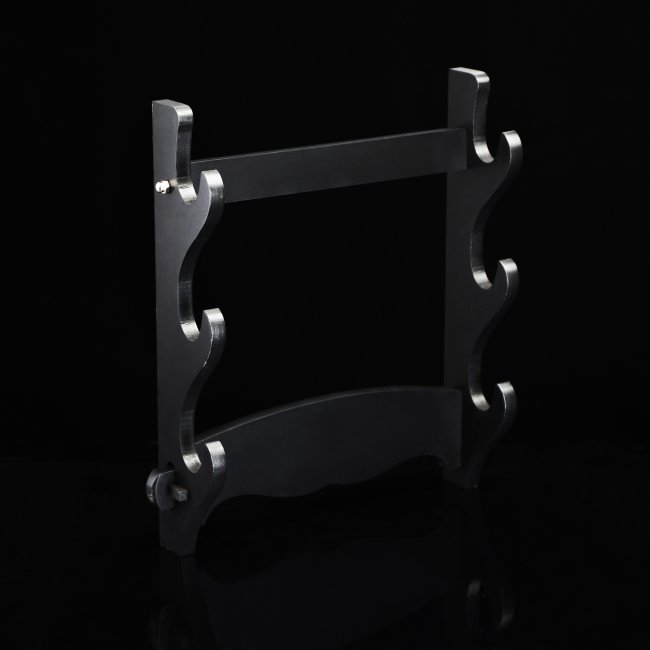
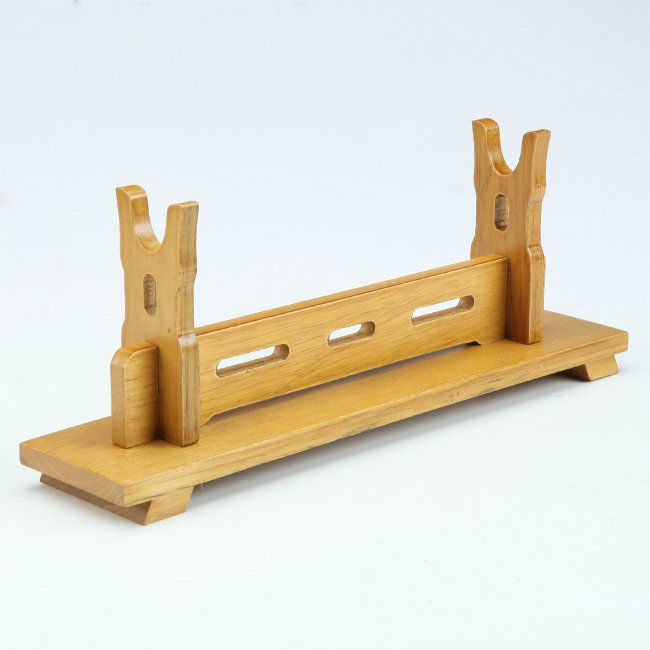
The tier count of a sword stand should match the number of swords you are displaying on that specific stand, with some flexibility for future additions. A single-tier stand is the cleanest presentation for one featured sword and leaves the display uncluttered. A double-tier stand works well for a daisho pair or any two swords you want to display together, and it is the historically correct format for samurai household sword storage. A three-tier stand suits collectors with three or more swords who want to display several pieces on a single stand rather than spreading them across multiple smaller stands. If you are starting a collection and anticipate adding swords over time, starting with a double or three-tier stand gives you room to grow without needing to replace the stand. Alternatively, multiple single-tier stands arranged in a row allow flexible rearrangement as your collection develops. Neither approach is wrong - it depends on whether you prefer the organized look of a single multi-tier stand or the flexible layout of multiple single-tier pieces.
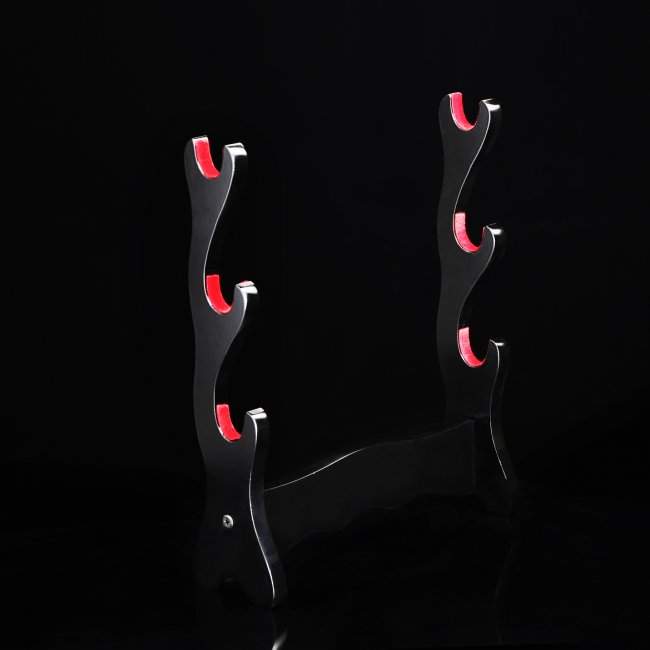
How are three-tier samurai sword stands built to stay stable with three swords?
A three-tier samurai sword stand manages the stability challenge through base width and weighting. Three katana-length swords in their saya can represent a combined weight of 3 to 4.5 kilograms, and this load needs to be distributed to a base footprint that prevents tipping under normal use conditions - including removing or replacing one sword at a time. The stands in this collection use a wide, weighted base with a low center of gravity that keeps the stand planted even when a sword is taken from an upper tier. The tier structure itself is built with mortise and tenon or similar joinery rather than simple butt joints, which keeps the column rigid under side loads. When placing the stand, choose a flat, level surface with enough clearance on all sides to access each tier comfortably. Avoid surfaces with significant vibration or slopes. Under these conditions, a well-built three-tier stand holds three swords reliably without any supplementary securing.
Can samurai sword stands be used for display in a glass cabinet or enclosed case?
Yes, and this combination is often the best long-term storage solution for valuable sword collections. Placing sword stands inside a glass display cabinet provides the organized horizontal presentation of the stands with the dust, humidity, and access control benefits of an enclosed case. The stands fit naturally inside standard glass cabinet formats - the main consideration is the interior depth and height of the cabinet relative to the stand and sword dimensions. A katana in its saya on a two-tier stand typically requires around 20 centimeters of vertical clearance per tier and 110 to 115 centimeters of depth. Glass cabinet display also protects the sword stands themselves from dust accumulation, reducing the frequency of stand maintenance. For collectors in regions with humidity variation, a closed cabinet with silica gel desiccant packs inside provides better climate control for both the swords and the wooden stands than open-air display.
What is the correct edge orientation when placing a sword on a samurai sword stand?
The correct orientation for placing a Japanese sword on a horizontal stand is edge up - the cutting edge of the blade, inside the saya, faces upward toward the ceiling. This orientation has both practical and traditional reasoning behind it. Practically, storing the sword edge up reduces the contact pressure on the edge side of the saya interior, which is the most precisely fitted part of the scabbard. Saya are shaped to hold the blade snugly at the koiguchi - the scabbard mouth - and edge-down storage can put continuous pressure on this fitted area over time. Traditionally, edge-up storage was the standard in Japanese households for both practical and symbolic reasons related to how the sword was carried and the readiness posture it implied. In modern display, the convention is maintained for both reasons. The handle should point to the right from the viewer's front-facing perspective, which is the standard presentation for Japanese sword display across all formats.

Customer Reviews

Michael Webb Massachusetts, United States

Two very elegant sword stands - photo shows the double but the single is also excellent. Both pieces are simply constructed of very pleasing wood, assembly was easy and took only a minute or two. I am very happy with both these pieces and would recommend them. They may have been designed for katana, but I use them exclusively for Chinese dao and jian swords, and they are perfect for these.

Handmade Double Chinese Dragon Carving Theme Real Wood Double-layer Sword Stand Handmade Double Chinese Dragon Carving Theme Real Wood Double-layer Sword Stand
Daniel Starsja Massachusetts, United States

It's beautiful work around beautiful carving where it's every petty whereth all the money well spent really common really compliments the high end sword I bought Very strong and sturdy should authorize about your sword falling around get damaged

Handmade Chinese Dynasty Theme Natural Wood Single Layer Sword Stand Holder Handmade Chinese Dynasty Theme Natural Wood Single Layer Sword Stand Holder
Cart 0 Items

Your cart is empty