Free U.S. Shipping

Sandai Kitetsu Sword

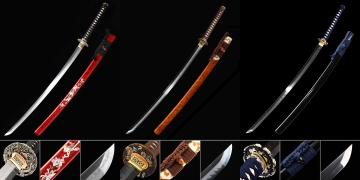
Sandai Kitetsu is a cursed blade — and Zoro took it anyway, leaving the decision to chance. That moment says everything about who he is, and it's why this particular sword carries a different weight than anything else in his collection. Every Sandai Kitetsu sword in this collection is hand-forged and built around the profile and details that define it in the series — the distinctive red handle wrap, the curved profile, the overall presence that makes it immediately recognizable to any One Piece fan. Whether you're completing Zoro's three-sword set or just want the cursed blade on its own — take a look at what we have below.
Showing 1 Products

Related Collections

Frequently Asked Questions

What Is Sandai Kitetsu?

Sandai Kitetsu is the cursed sword used by Roronoa Zoro in One Piece. In the story, it belongs to the Kitetsu line of swords and is known for its dangerous reputation, sharp edge, and strong personality. Zoro first finds it in Loguetown, where the shop owner warns him that the blade is cursed. Instead of walking away, Zoro tests his luck by throwing the sword into the air and holding out his arm. The blade misses him, and that moment becomes one of the clearest examples of Zoro’s fearless nature. For collectors, Sandai Kitetsu is appealing because it is not just another red katana. It represents risk, confidence, and Zoro’s refusal to back down.

Why Is Sandai Kitetsu Cursed?

Sandai Kitetsu is called cursed because the Kitetsu swords are said to bring terrible misfortune to their owners. In One Piece, the shop owner in Loguetown warns Zoro about that reputation and does not want him to buy it. Zoro responds in the most Zoro way possible: he throws the sword into the air and bets his arm against the curse. When the blade misses, he takes it as proof that his luck and will are stronger. Fans still debate whether the sword is truly cursed or simply difficult for ordinary swordsmen to handle. Either way, that scene gives Sandai Kitetsu its lasting appeal.

What Is Sandai Kitetsu Made Of?

TrueKatana’s Sandai Kitetsu replica is made with 1045 carbon steel and full-tang construction. The product page also lists a hardwood lacquer saya, alloy tsuba, red cord wrap, and real rayskin on the tsuka skin material. This gives the sword a more serious feel than a lightweight costume prop, especially for buyers who care about display weight and material presence. The red scabbard and red visual theme are part of what make this replica instantly recognizable as Zoro’s cursed sword. For most buyers, it is best treated as a collectible, display piece, cosplay photo prop, or One Piece gift rather than as a casual-use cutting tool.

Is Sandai Kitetsu Full Tang?

Yes. TrueKatana’s Sandai Kitetsu replica is described as a full-tang display collectible. That means the blade structure runs through the handle, giving the sword a more stable and substantial build than many purely decorative props. For collectors, full tang matters because the sword feels closer to a real katana in hand and sits with better presence on a stand or wall mount. It is still important to handle it responsibly. Full tang construction does not mean the sword should be swung casually or brought into public spaces without permission. It simply means the build quality is more serious and better suited for long-term collection.

How Long Is A Sandai Kitetsu Replica?

The TrueKatana Sandai Kitetsu replica is listed at 40.5 inches overall, with a 28.3-inch nagasa and a 10.2-inch tsuka. The product page also lists its weight at 2.45 lbs. That puts it close to the size and feel many buyers expect from a full-length katana-style replica. The dimensions make it large enough to stand out in a Zoro display, especially next to Wado Ichimonji or Shusui, but not so oversized that it becomes difficult to arrange on a normal sword stand. If you plan to display it, make sure your stand or wall mount is built for a real metal sword.

Is Sandai Kitetsu Sharp?

The TrueKatana product page lists the Sandai Kitetsu replica as sharpened. That makes safety especially important. Even if you are buying it mainly for display, cosplay photos, or as a gift, it should be treated as a real metal sword and handled carefully. Do not swing it around indoors, leave it within reach of children, or bring it to a convention unless the event rules clearly allow metal swords. If you are unsure whether the blade condition matches your intended use, check the product details before ordering or contact support. For most One Piece fans, the best use is display, collection, and controlled photography.

What Is The Difference Between Sandai Kitetsu And Nidai Kitetsu?

Sandai Kitetsu and Nidai Kitetsu belong to the same cursed Kitetsu sword lineage, but they are not the same sword. Sandai means Third Generation, while Nidai means Second Generation. In the story, Sandai Kitetsu is associated with Zoro, while Nidai Kitetsu has a higher rank in the Kitetsu line. For collectors, the difference is mostly visual and contextual. TrueKatana describes the Sandai replica with a vivid red lacquer saya, while Nidai Kitetsu uses a deeper purple scabbard. If you are building a Zoro-focused collection, Sandai Kitetsu is the more directly relevant choice because it is the cursed sword Zoro actually carries.

Is Sandai Kitetsu Good For Cosplay?

Sandai Kitetsu is a strong choice for Zoro cosplay photos because the red design is easy to recognize and pairs well with Wado Ichimonji and Shusui in a Santoryu setup. It helps complete the look without needing a long explanation. That said, a metal sword is very different from a foam or plastic prop. If you plan to attend a convention, check the event’s prop policy before bringing it. Many venues restrict metal blades even when they are part of a costume. For most buyers, Sandai Kitetsu is best used for home display, private cosplay shoots, collection photos, or as part of a Zoro sword wall.

Can I Bring Sandai Kitetsu To A Convention?

You should not assume that a metal Sandai Kitetsu replica is allowed at a convention. Rules can vary by event, venue, city, and state, and many conventions only allow foam, plastic, or peace-bonded props. Since TrueKatana’s Sandai Kitetsu is a real metal sword with full-tang construction, it should be treated with extra caution outside the home. Before taking it anywhere public, read the official event policy and contact the staff if the rules are unclear. For most owners, the safest use is display, collection, private photography, or gifting rather than public carry.

What Does Sandai Kitetsu Mean?

Sandai Kitetsu means Kitetsu the Third or Third Generation Kitetsu. The name connects the sword to the Kitetsu line, a group of blades in One Piece known for their cursed reputation. Sandai is the third-generation sword in that lineage, while Nidai Kitetsu is the second generation and Shodai Kitetsu is the first. For fans, the meaning is not only about ranking or naming. It also tells you where the sword fits in the larger world of One Piece. Sandai Kitetsu may be considered lower in the Kitetsu family, but Zoro’s choice gives it much more weight. He does not pick it because it is safe. He picks it because he can handle what others fear.

What Does Sandai Kitetsu Look Like?

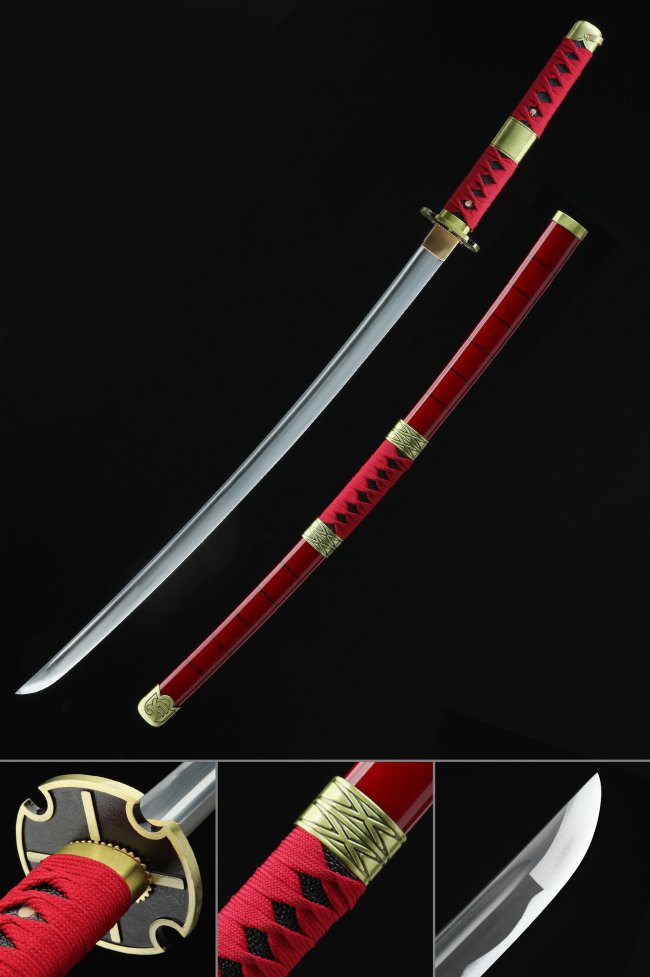
Sandai Kitetsu is best known for its bold red look. In replica form, it usually features a red scabbard, red handle wrapping, gold-toned fittings, and a distinctive katana profile that makes it easy to recognize as Zoro’s cursed sword. Compared with Wado Ichimonji’s clean white design or Shusui’s darker look, Sandai Kitetsu feels more aggressive and dramatic. That fits the story behind the sword. It is not calm or elegant in the same way as Wado. It has a sharper personality, both visually and narratively. On display, the red saya immediately draws attention, especially when placed next to Zoro’s other swords in a Santoryu setup.

How To Display Sandai Kitetsu?

Sandai Kitetsu looks best when its red scabbard and fittings have room to stand out. A horizontal katana stand is usually the cleanest option because it shows the full shape of the sword and keeps the red saya visible. If you own other Zoro swords, place Sandai Kitetsu beside Wado Ichimonji and Shusui or Enma so the color contrast feels intentional. The white, red, and black or purple combination makes a strong One Piece display without needing much decoration around it. Since TrueKatana swords are full tang and have real weight, use a stable stand or secure wall mount. Keep the sword away from humidity, direct sunlight, and spots where it could be bumped or handled casually.

Customer Reviews

Loading more reviews...

Subscribe to our emails

GET 20% OFF TODAY

Subscribe to our emails to receive the latest special offers and private events. We'll send a coupon code to your email shortly.

Get Coupon Code