Free U.S. Shipping

Ninjato

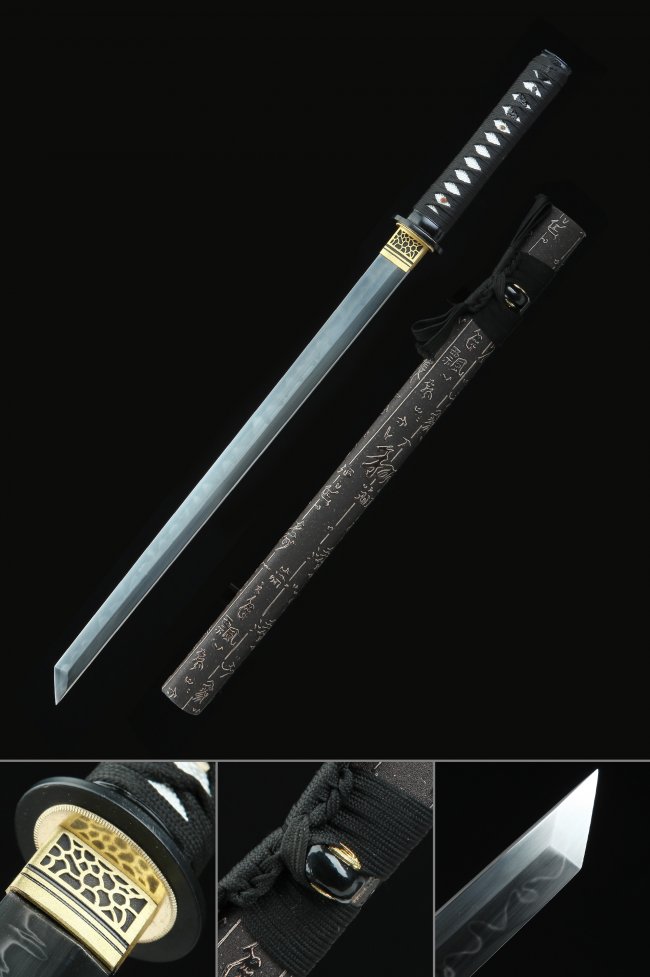
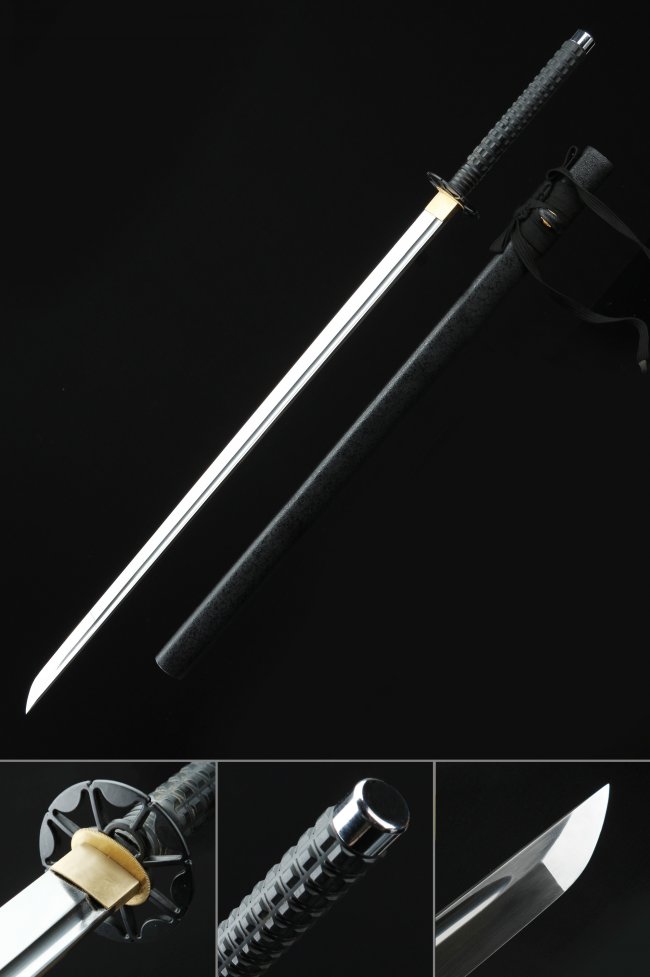
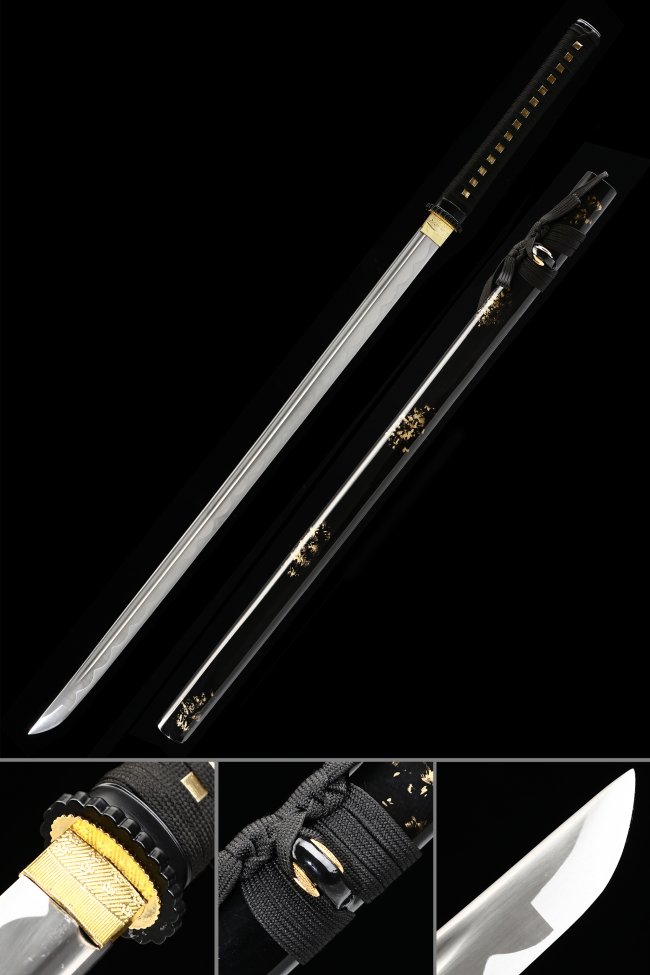
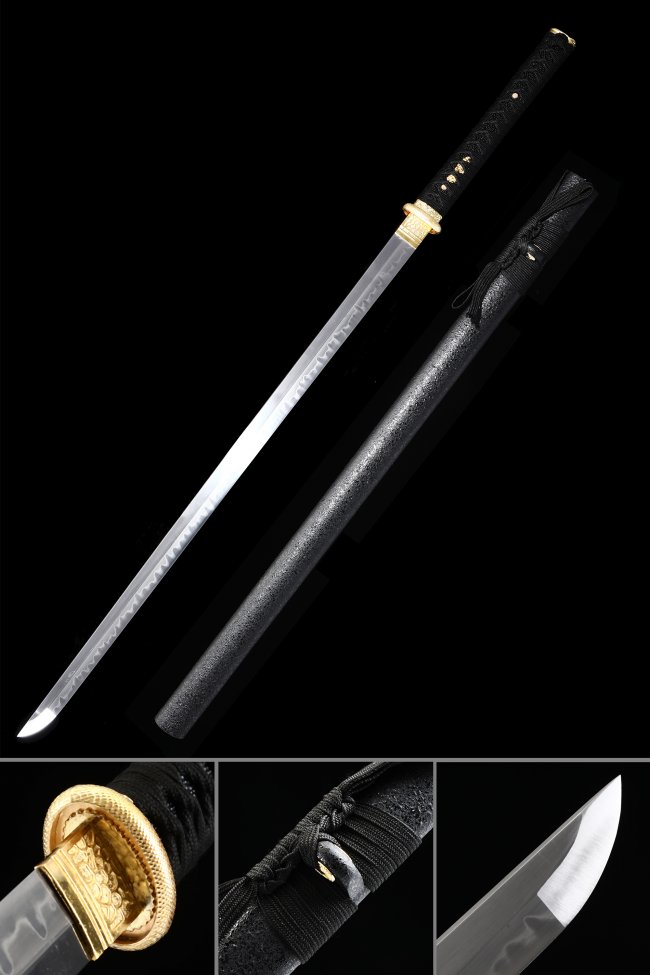
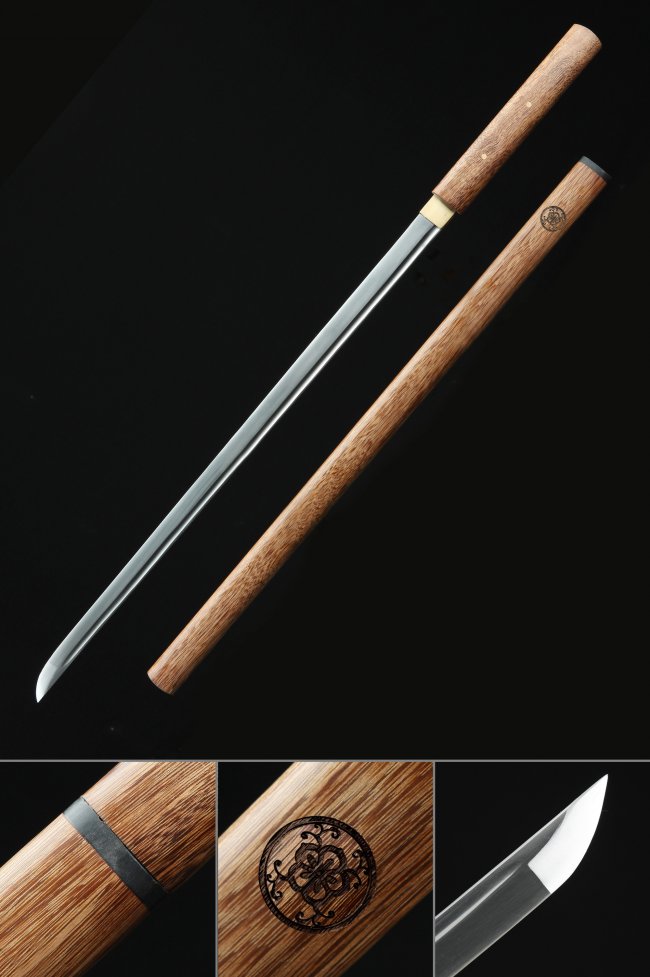
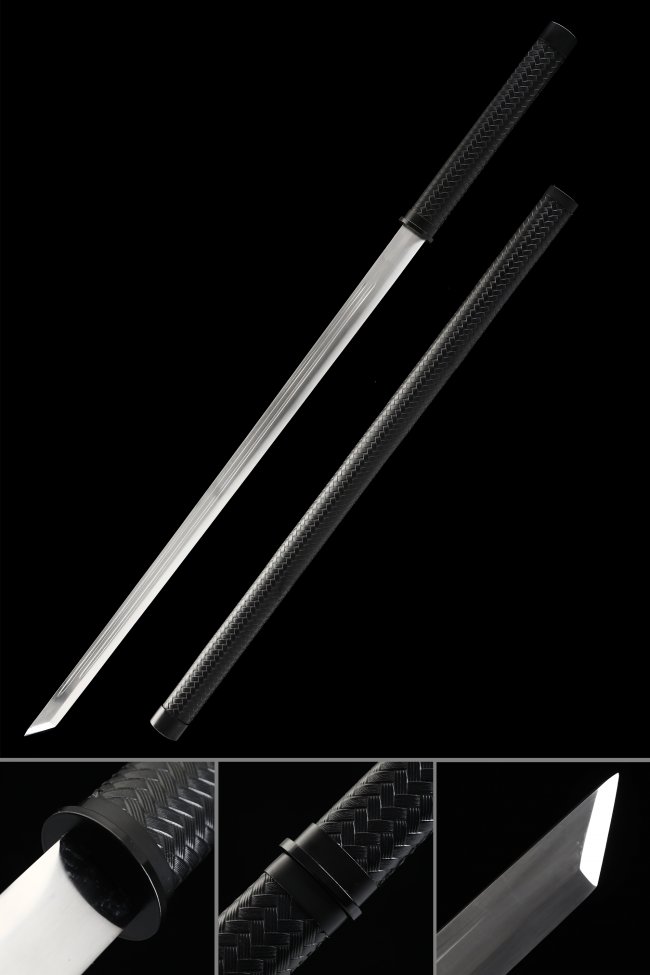
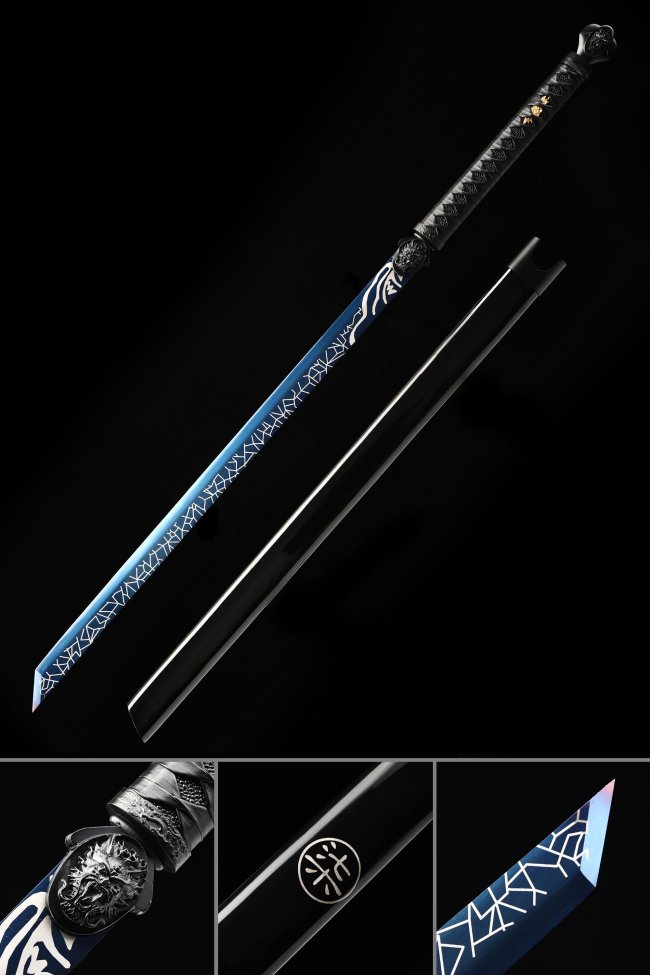
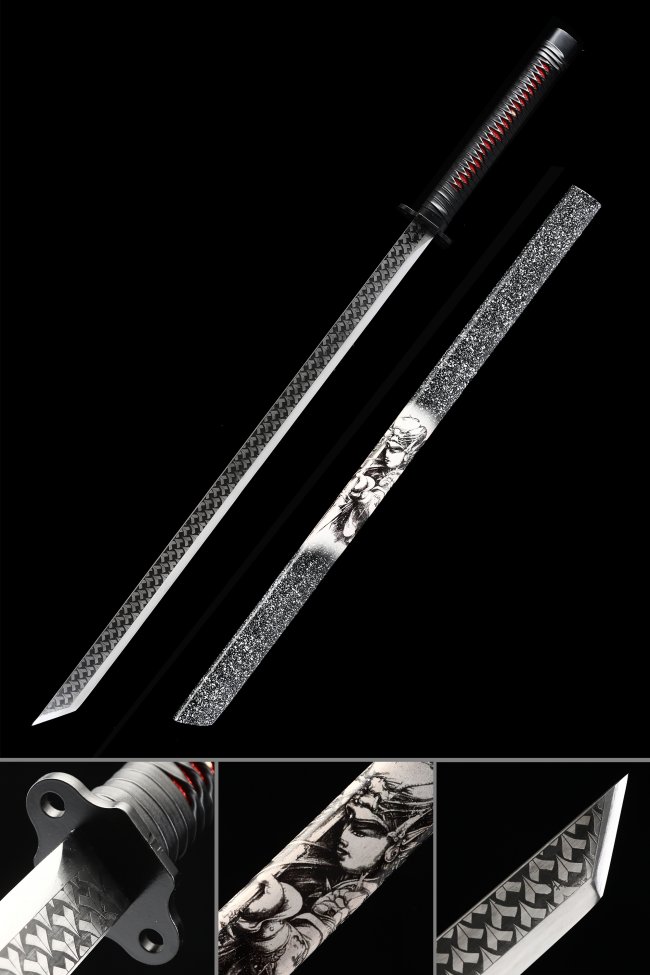
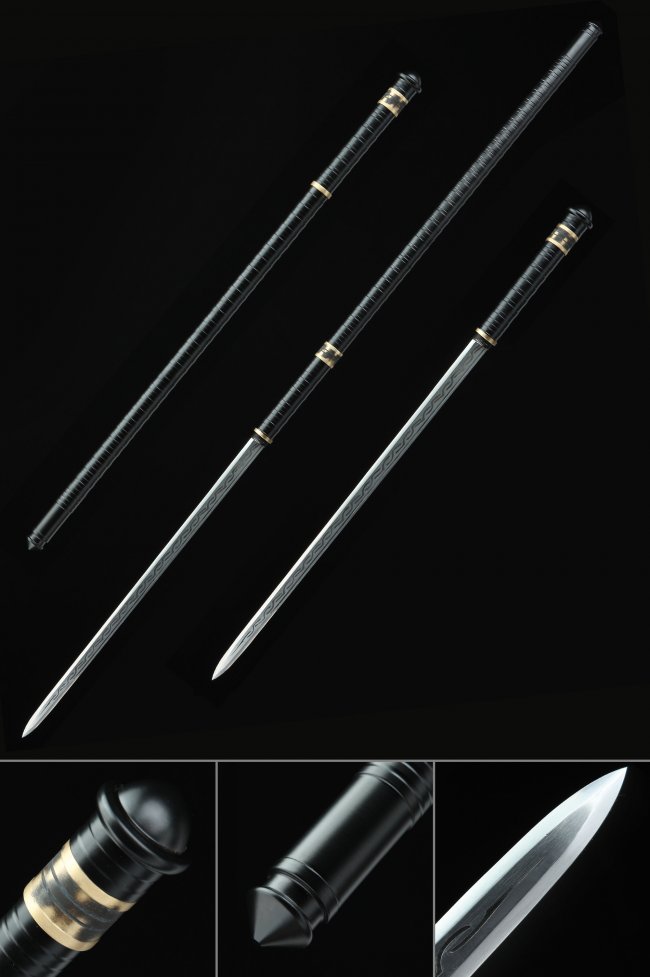
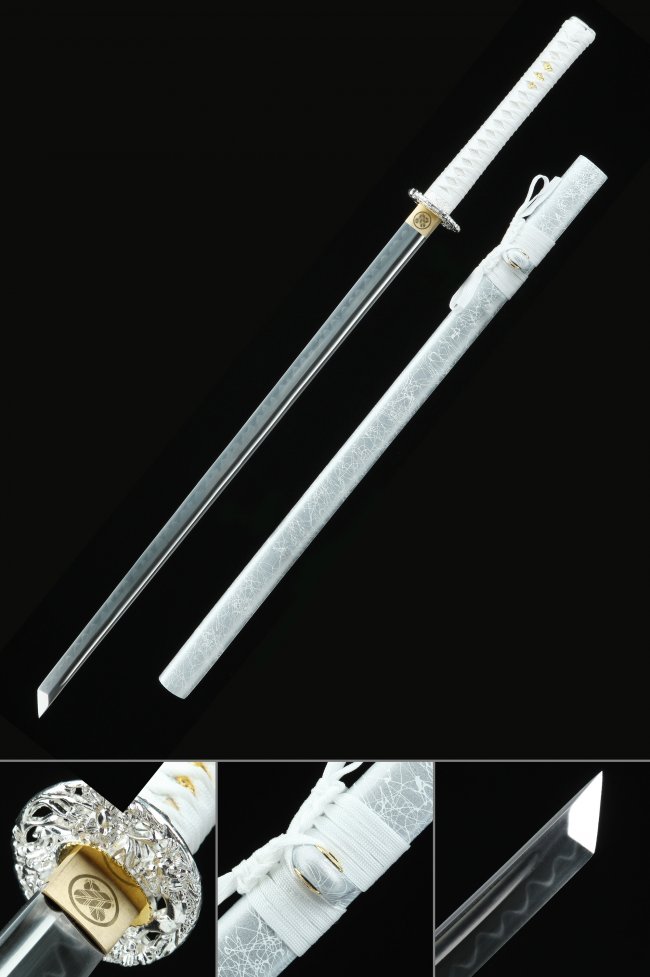
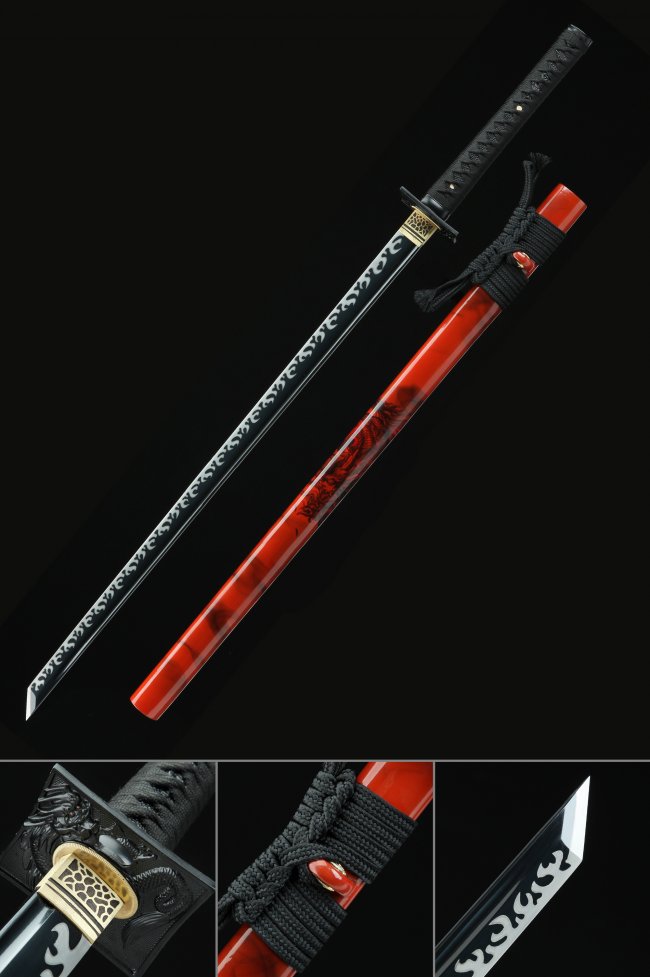
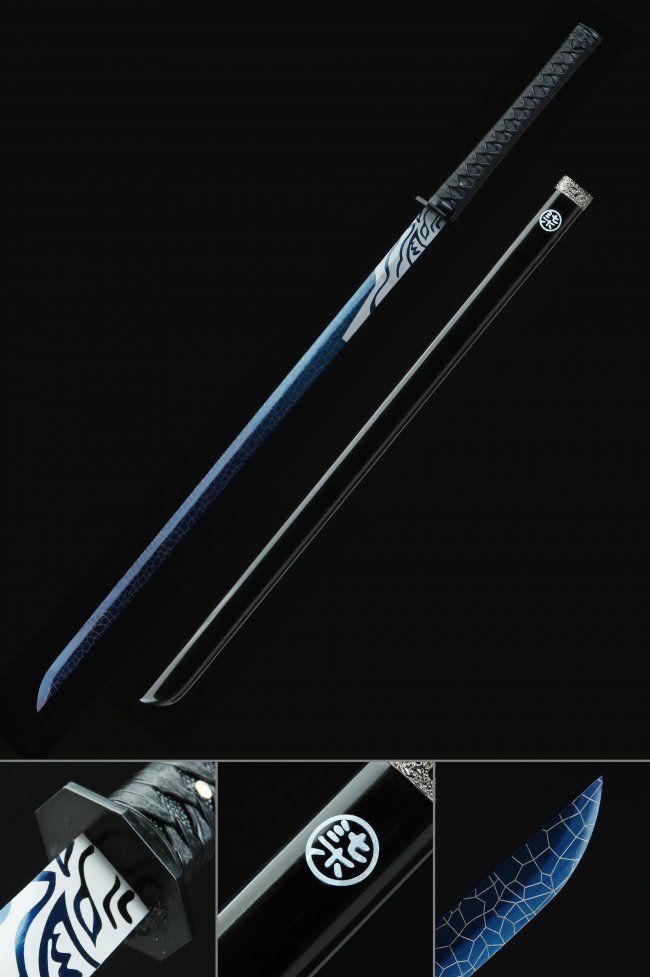
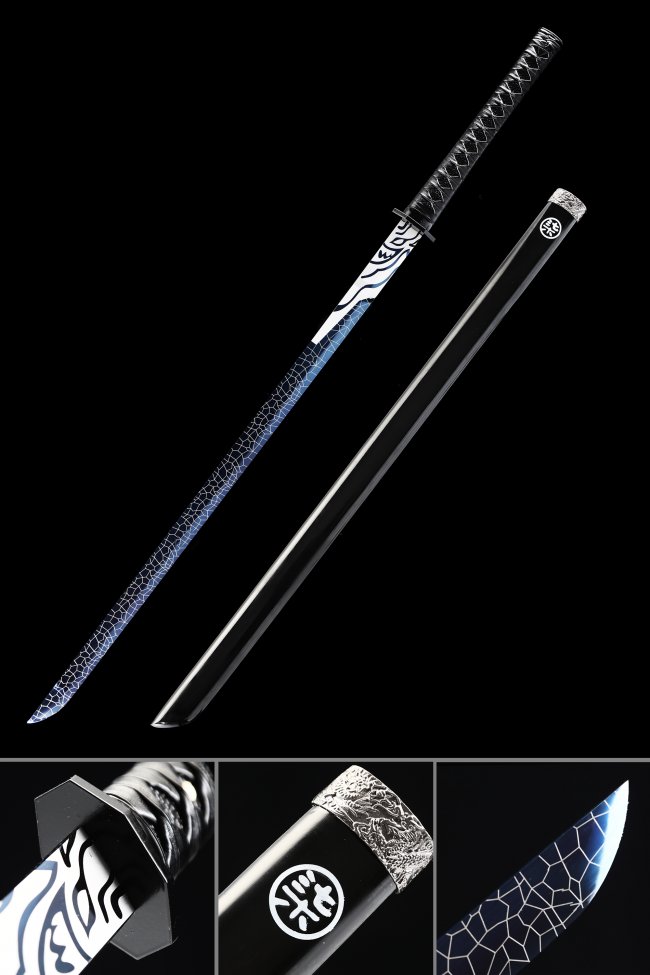
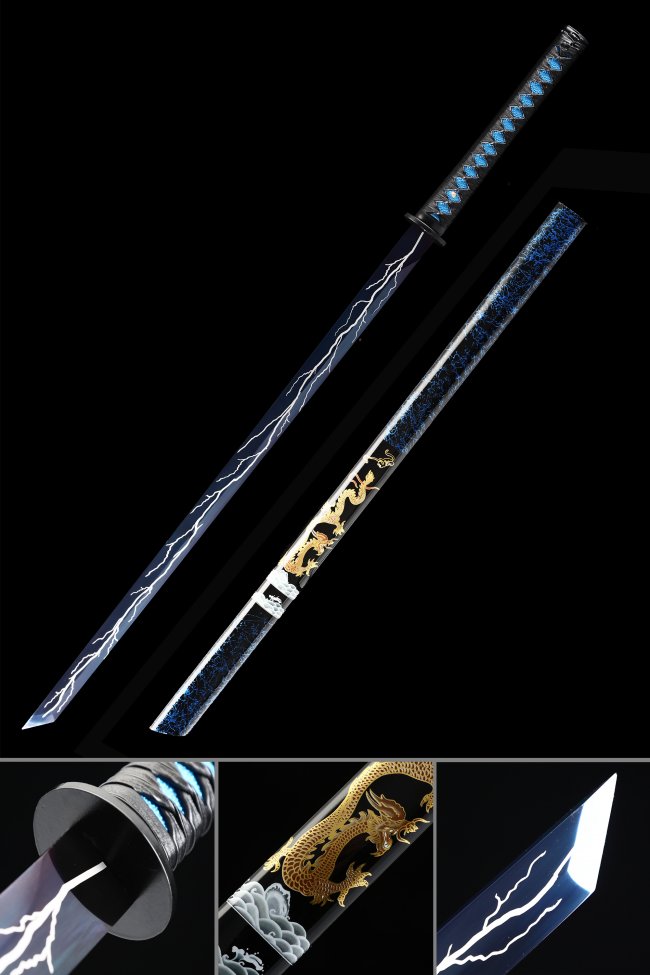
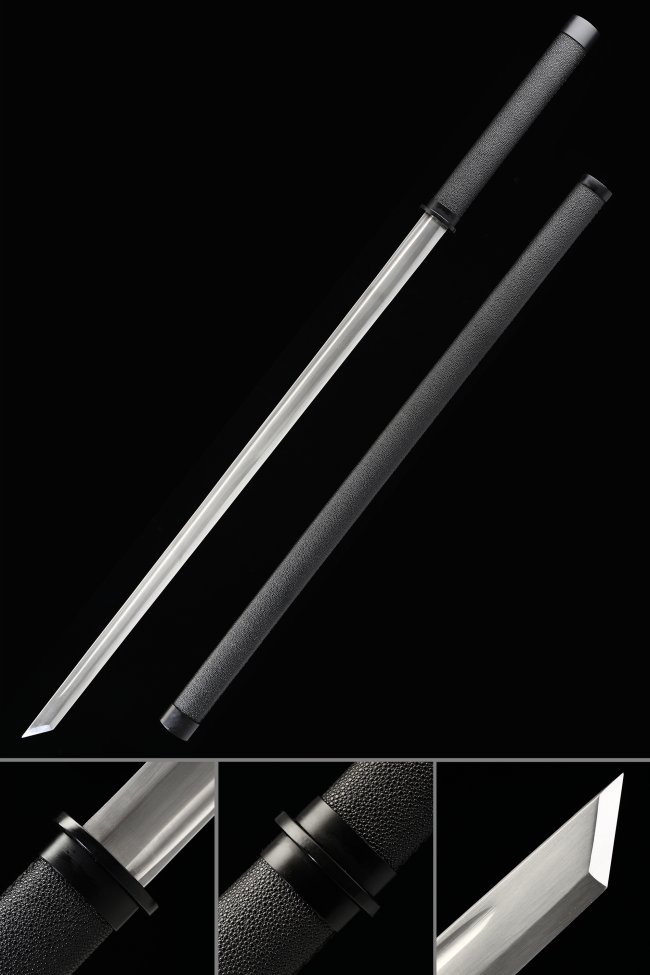
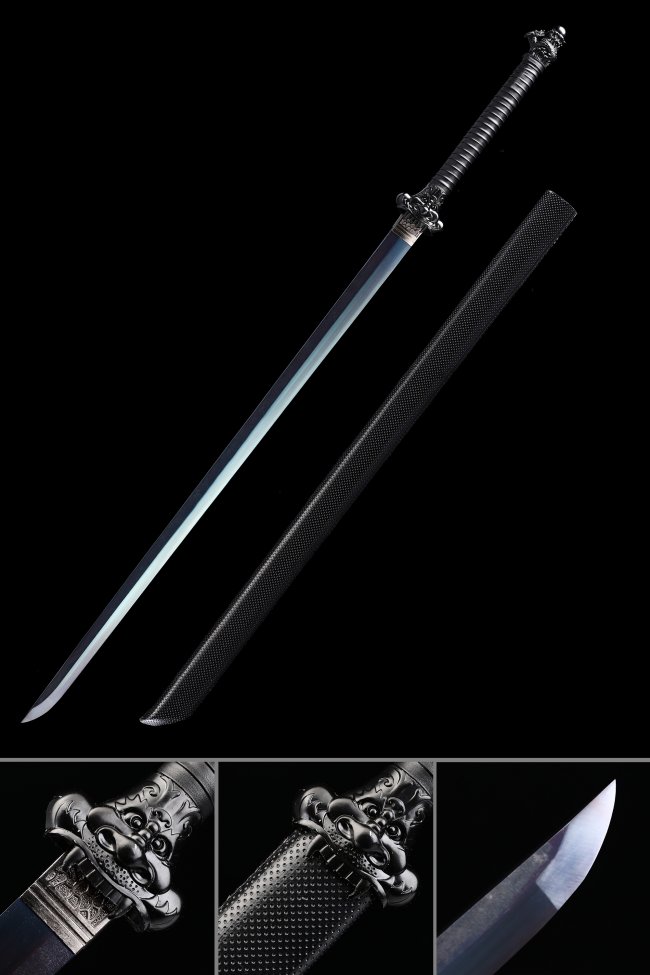
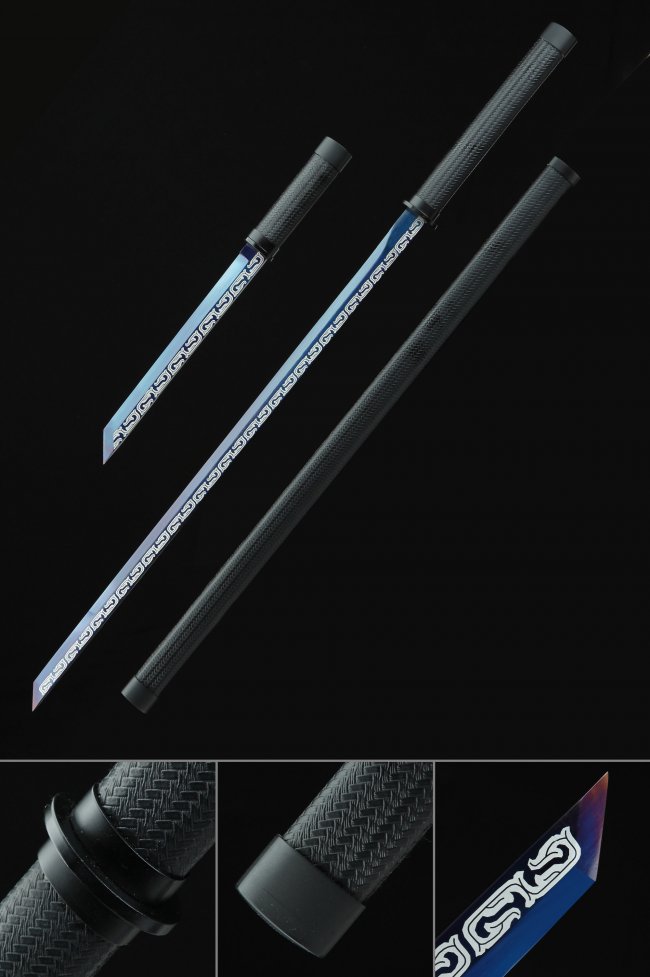
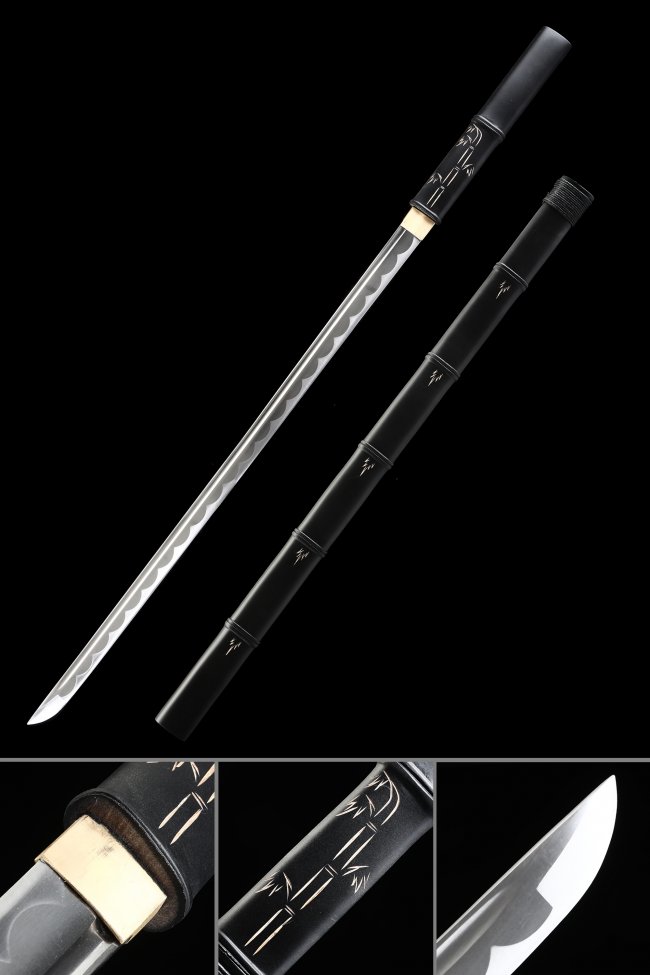
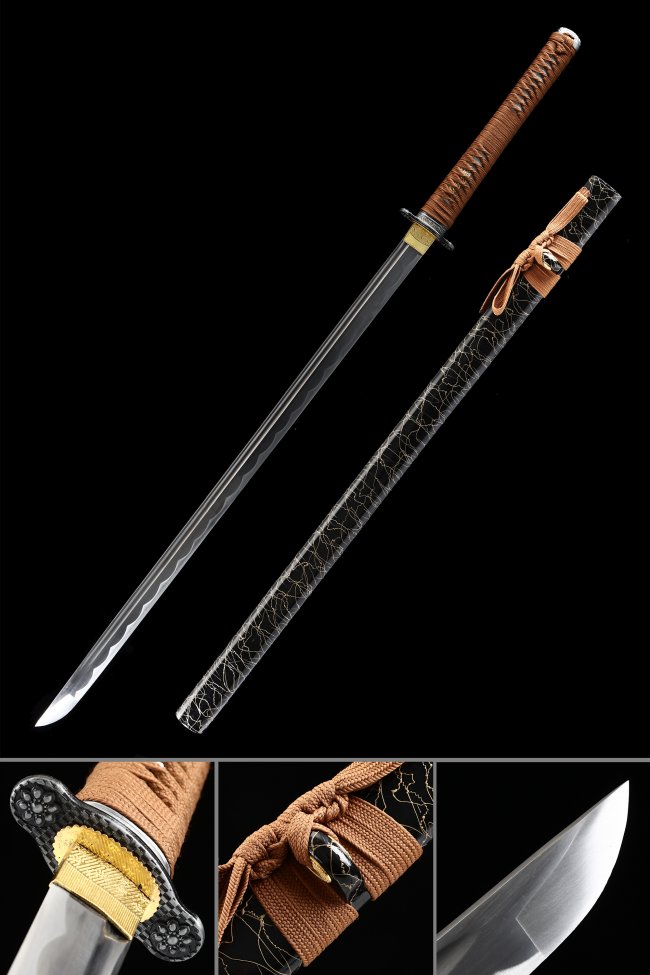
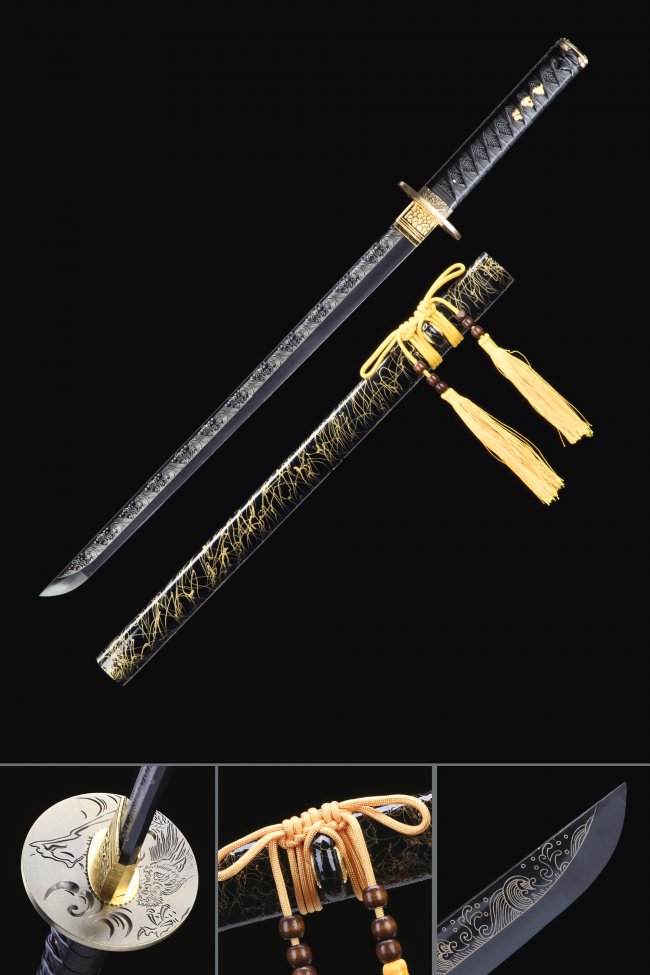
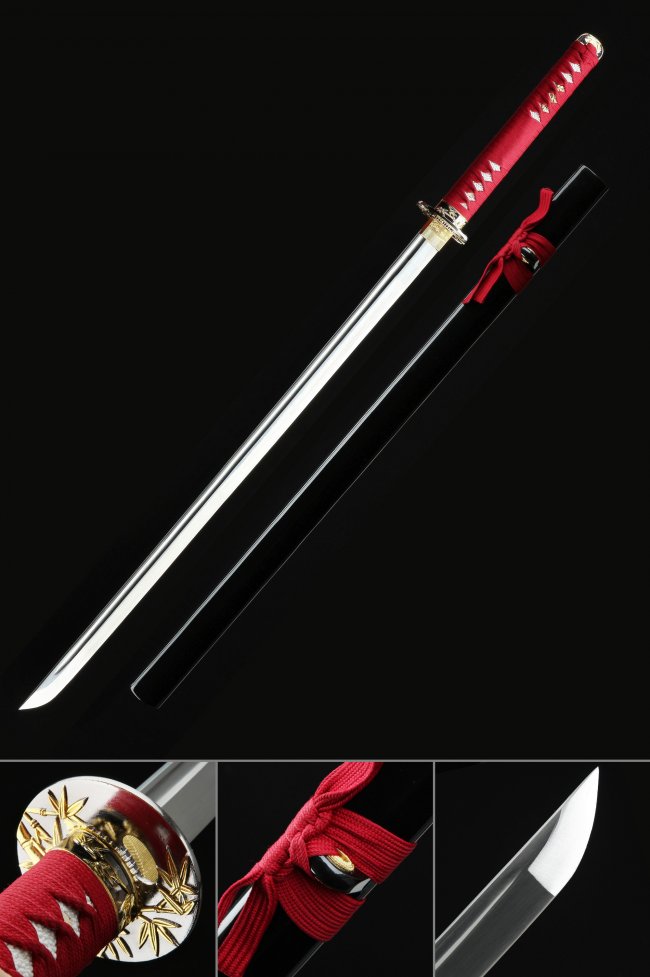
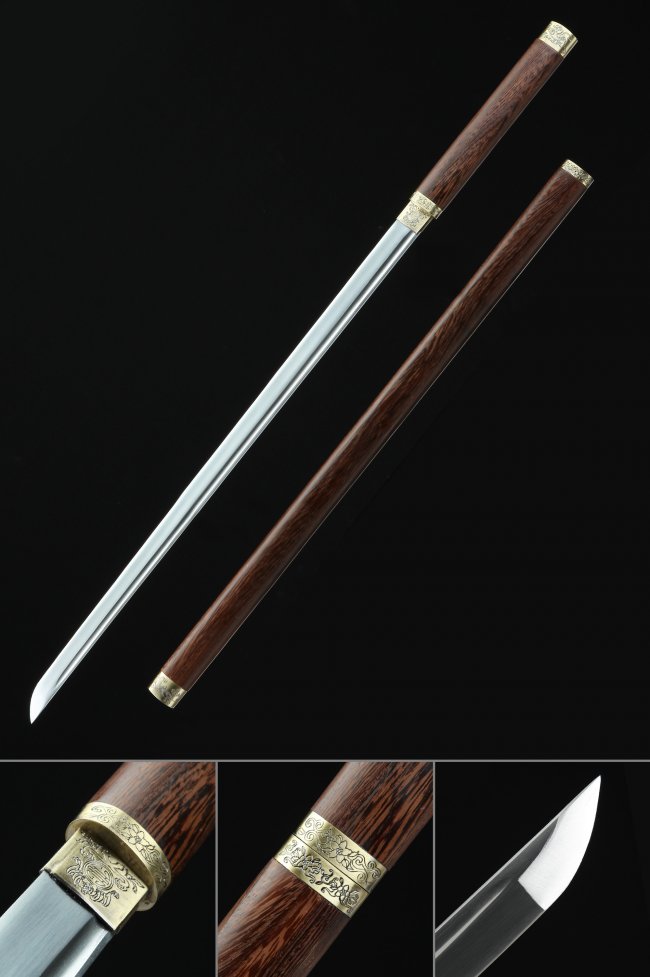
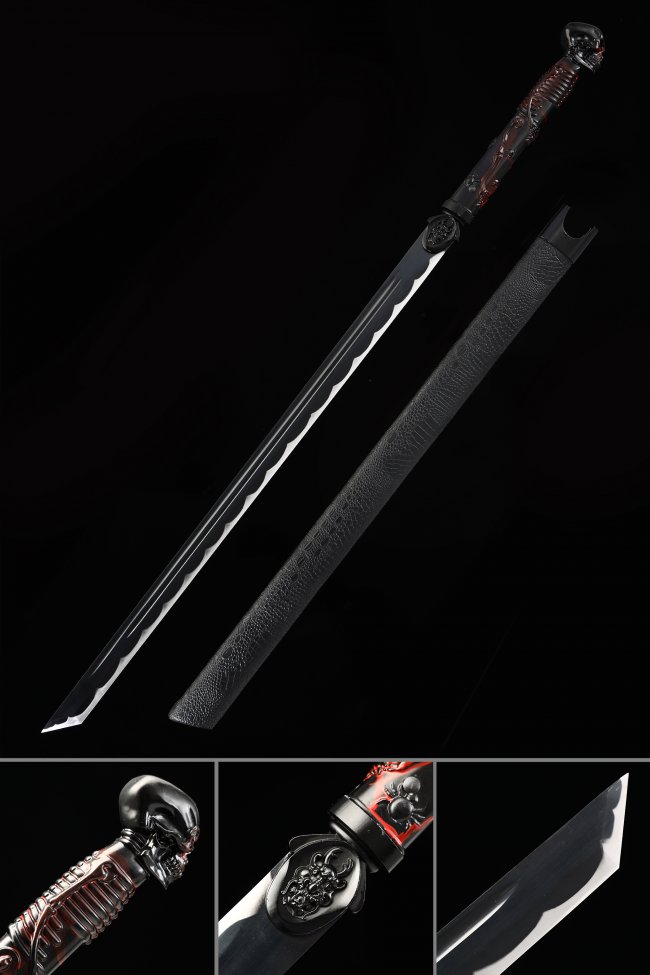
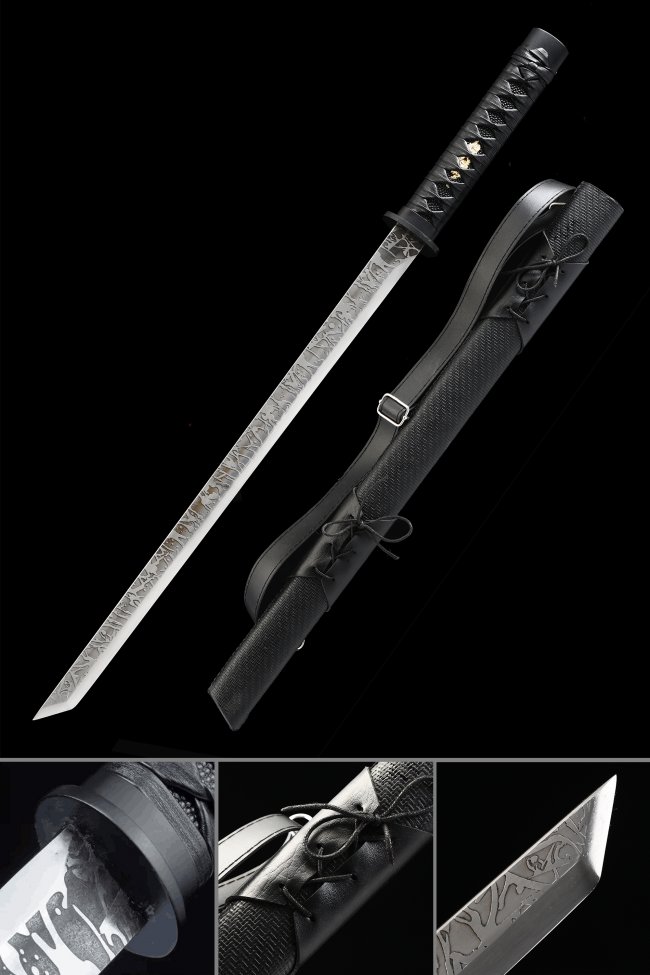
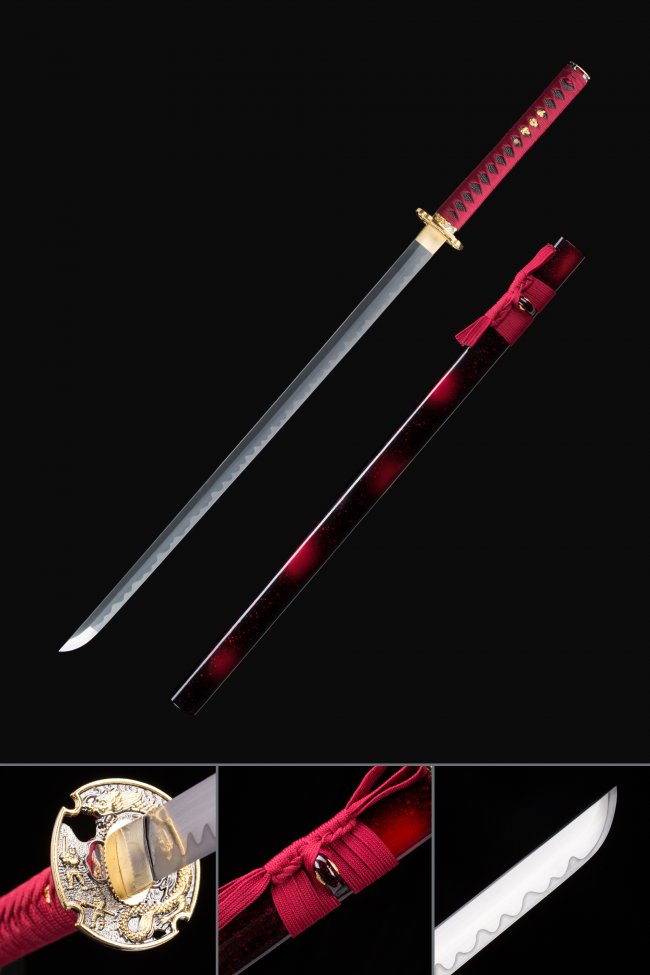
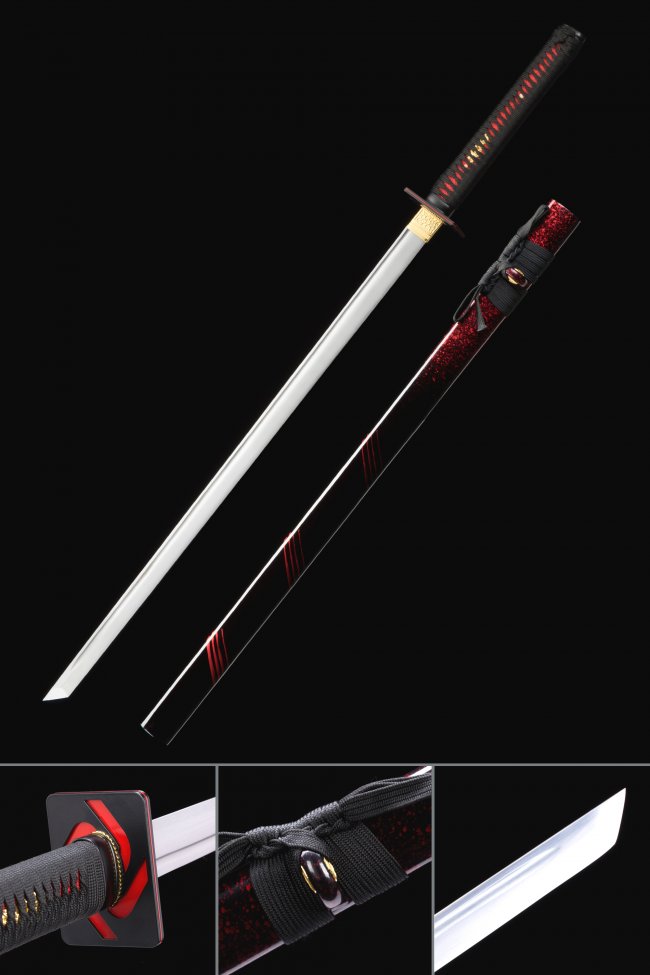
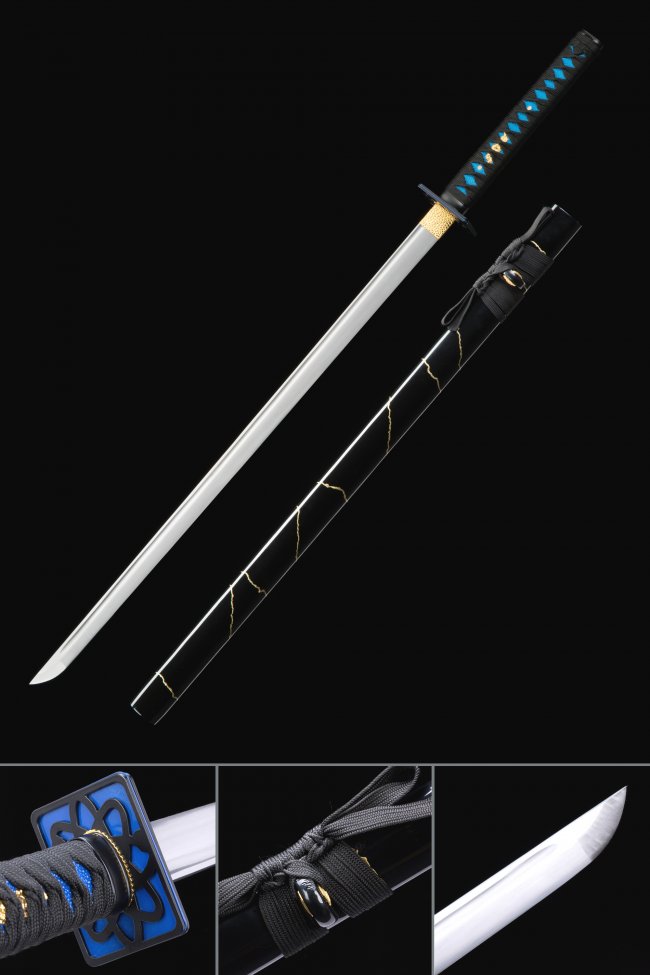
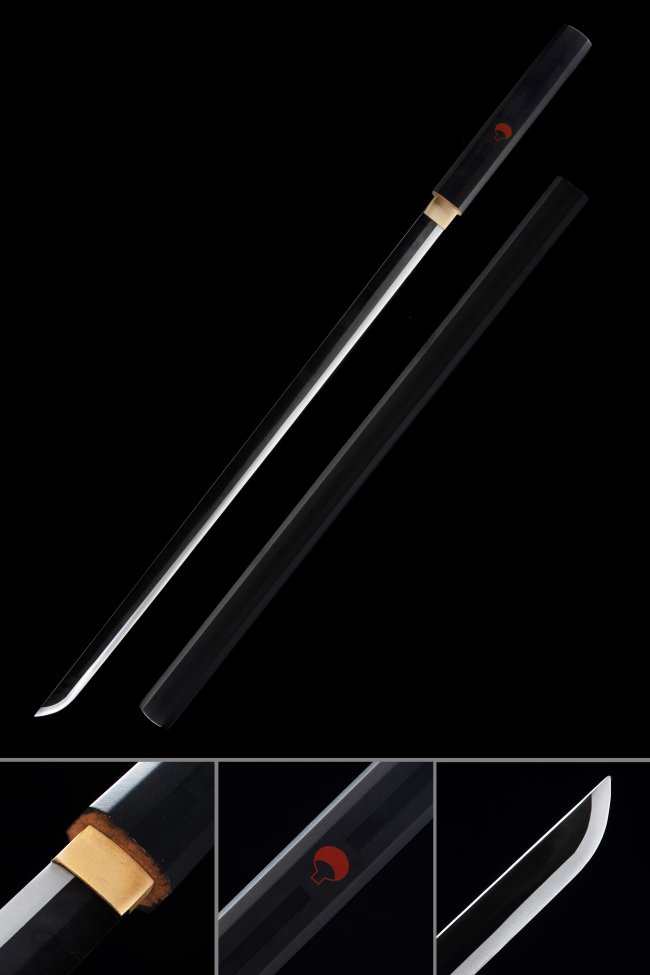
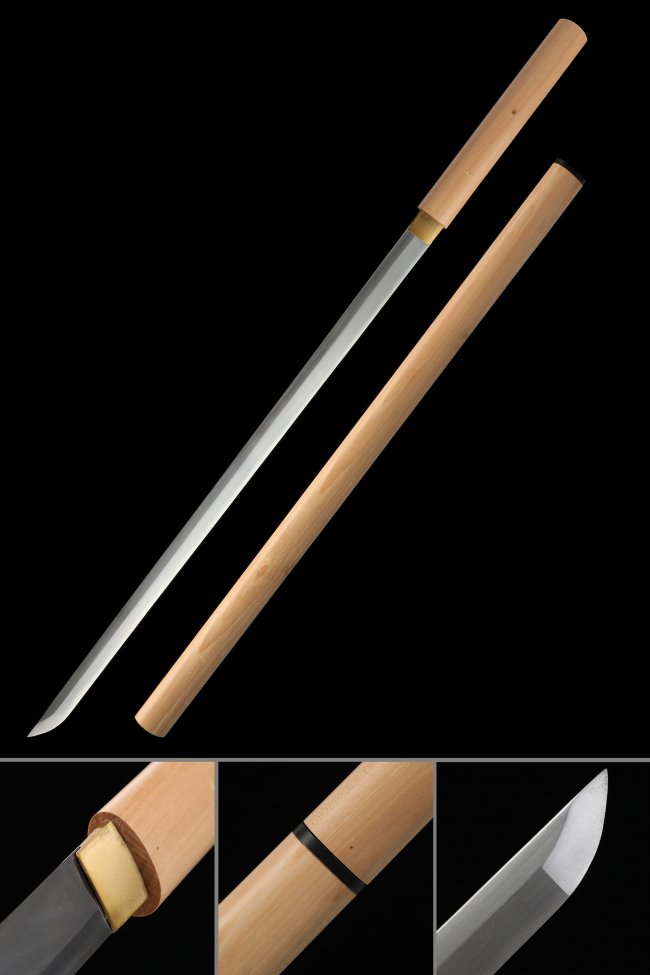
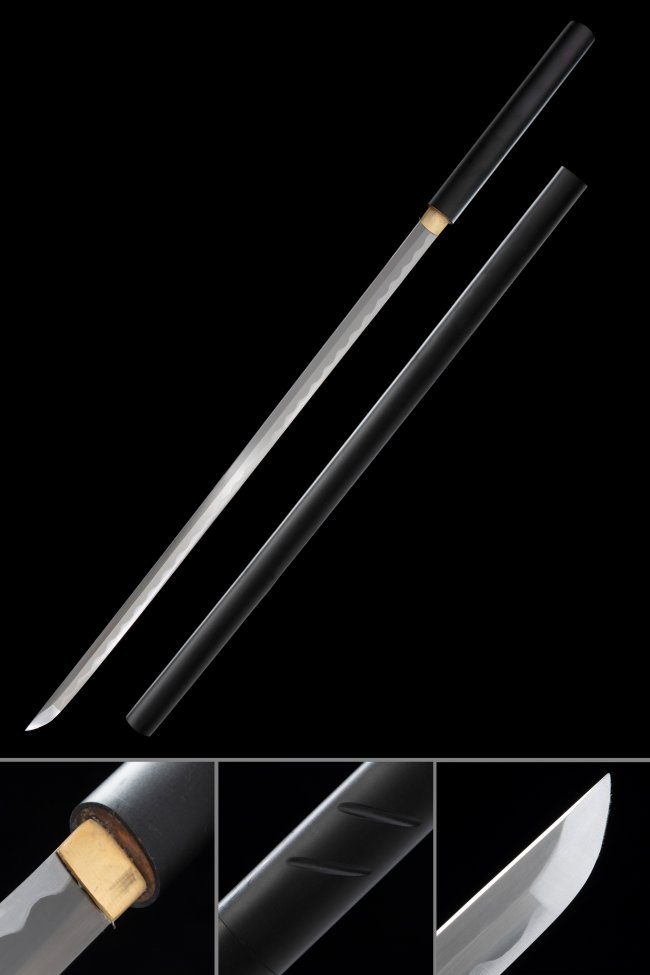
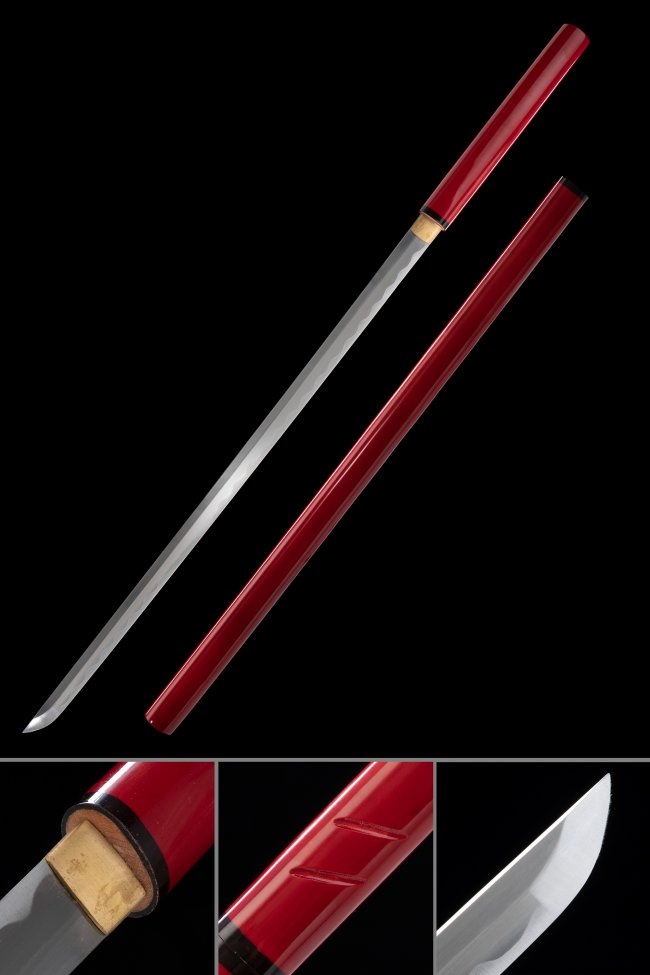
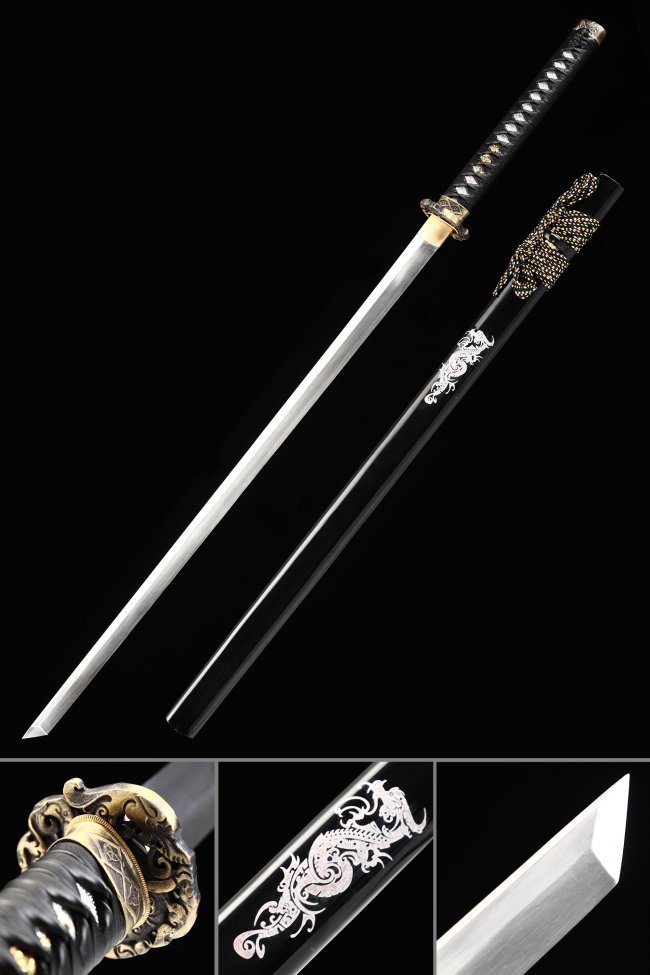
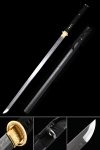
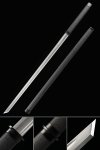
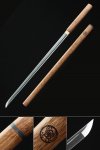
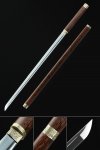
Browse over 199 handmade ninja swords and ninjato, each hand-forged with a straight blade in the iconic shinobi tradition. Our collection includes carbon steel, T10, and damascus steel options — from classic all-black designs to custom pieces with unique saya finishes. Whether you're adding to a Japanese sword collection or looking for a distinctive display piece, every ninjato ships free to the US with a 30-day satisfaction guarantee.
Showing 194 Products
Loading more products...

Frequently Asked Questions

What steel is best for a ninjato?

The best steel for a ninjato depends on how you plan to use it. For entry-level collecting and display, 1045 or 1060 carbon steel is usually practical and affordable. For buyers who want a stronger edge and better performance-oriented construction, 1095 carbon steel or T10 steel is often a better choice. Clay-tempered T10 models can also show a real hamon, which many collectors like for its traditional look. Damascus or folded steel ninjato are usually chosen more for appearance and collectible value. At TrueKatana, all swords are full tang, but you should still check the individual product page for steel, length, sharpness, and fittings.

What is the difference between a ninjato and a katana?

The main difference is blade shape. A katana usually has a curved blade, while a ninjato is commonly shown with a straight blade. A katana is strongly connected with samurai history and is often chosen by buyers who want a classic Japanese sword look. A ninjato has more of a ninja-inspired identity and is popular with collectors who like a simpler, darker, more tactical-looking design. Katana swords are often associated with sweeping cuts, while ninjato are usually described as more compact and direct. For most buyers, the choice comes down to style, display preference, collection theme, and the specific product details.

What is the difference between a ninjato and a chokuto?

Both ninjato and chokuto are straight-blade Japanese-style swords, but they are not the same concept. Chokuto refers to an older straight sword tradition in Japan that predates the curved katana. Ninjato, on the other hand, is a modern term closely tied to ninja imagery, martial arts culture, and popular media. Many modern sword products combine these ideas, using a chokuto-style straight blade with ninja-inspired fittings such as a dark saya, simple handle wrap, and square tsuba. If you are shopping for one, check whether the sword is described as a historical-style chokuto, a ninja-themed ninjato, or a hybrid design.

Can I use a ninjato for cosplay?

You can use a ninjato for cosplay photos in a private setting, but that does not mean you can bring a metal ninjato to every convention or public event. Many conventions do not allow metal swords, sharp props, or realistic weapons. Some events require prop check, peace bonding, size limits, or specific materials such as foam, plastic, cardboard, or wood. Before bringing any sword-like prop to Anime Expo, Anime NYC, FanX, Otakon, or a local convention, read the current event policy. For public cosplay, choose a convention-safe prop. Keep a metal ninjato for display, collecting, or controlled private photography.

Is a ninjato legal to own in the United States?

In many parts of the United States, owning a sword at home is generally treated differently from carrying one in public. The details can vary by state, city, age, blade type, transportation method, and venue rules. A ninjato may be legal to purchase and keep as a collectible in one place, but carrying it openly, bringing it to school, taking it to a public event, or using it as a self-defense item may create legal problems. Always check your local laws before buying or transporting a metal sword. TrueKatana swords are best treated as collectibles, display pieces, or gifts unless the specific product page clearly says otherwise.

Where can I buy a real ninjato?

You can buy a real metal ninjato from a dedicated sword retailer rather than a generic novelty shop. Look for clear product photos, steel type, full tang construction, blade length, edge information, saya details, reviews, shipping terms, and return policy. A good ninjato listing should tell you whether the sword is mainly for display, collecting, cosplay photos, or functional practice. TrueKatana’s ninjato collection includes handmade full tang straight-blade swords in 1045, 1060, 1095, T10, manganese steel, and other styles. Before ordering, compare the product details carefully and choose based on use, not only appearance.

How should I care for a ninjato?

Care for a ninjato the same way you would care for most carbon steel Japanese-style swords. Keep the blade clean, dry, and lightly oiled. After handling it, wipe away fingerprints with a soft cloth because moisture and skin oils can cause rust over time. If the blade is carbon steel, apply a thin layer of sword oil or mineral oil and store it in a dry room. Avoid touching the edge, using household cleaners, or scrubbing the blade with abrasive materials. If the sword has a colored finish, real hamon, engraving, or lacquered saya, handle it gently to avoid scratches.

How should I display a ninja sword?

A ninja sword can be displayed on a horizontal sword stand, wall rack, or inside a display case. For safety, keep it away from children, pets, moisture, direct sunlight, and places where it could be knocked over. Many collectors display a ninjato in its saya because it keeps the blade protected and gives the piece a clean, traditional look. If you display the blade unsheathed, make sure the room is dry and the blade is properly maintained. A black saya, square tsuba, or straight-blade profile can work especially well in a minimalist or ninja-themed display setup.

Why did ninja use straight edged swords?

The idea that ninja used straight-edged swords mostly comes from modern ninja imagery, martial arts writing, movies, games, and pop culture. Historically, the evidence is not strong enough to say that all ninja carried a standardized straight sword called a ninjato. Many historians treat the straight-blade ninjato as a modern or partly legendary sword type rather than a clearly documented feudal-period weapon. One common explanation is that a straight blade would have been simpler and cheaper to make than a refined curved katana, but that explanation should be treated carefully. For buyers today, the straight blade is mainly what gives a ninjato its clean, compact, ninja-inspired look.

Is this ninjato full tang?

Yes. TrueKatana’s ninjato swords are full tang, meaning the blade steel continues through the handle instead of stopping near the guard. This matters because it gives the sword a more solid structure than a decorative partial-tang design. Full tang does not automatically mean a sword should be used for cutting or martial arts practice, but it is an important quality detail when comparing metal swords online. Before ordering, still check the individual product page for steel type, blade length, sharpness, weight, saya material, and fittings, because two full tang ninjato swords can still feel very different in the hand.

Is a ninjato good for cutting?

A ninjato can be suitable for cutting only if the specific sword is built and sharpened for that purpose. Do not assume every metal ninja sword is made for cutting. Some are best treated as display pieces, collectibles, cosplay photo props, or gifts. If you want a sword for controlled cutting practice, look for full tang construction, suitable carbon steel, secure fittings, proper heat treatment, and a product page that clearly describes the blade as functional or sharpened. Even then, cutting should only be done in a safe setting with proper training and appropriate targets. Never test a sword casually on random objects, furniture, trees, or hard materials.

How long is a ninjato?

A ninjato is often shown as a shorter straight sword, commonly described with a blade under 60 cm in some modern references. Modern retail ninjato, however, vary by design. Some are closer to wakizashi length, while others are full-size straight-blade swords around the same overall length as a katana. On TrueKatana, many ninjato products list measurements such as blade length, overall length, and weight on the product page. Always check the exact listing instead of relying on a general average, especially if you are buying for display space, cosplay photos, or handling comfort.

What is a ninja sword called?

A ninja sword is commonly called a ninjato. You may also see names such as ninjaken or shinobigatana. In modern shopping and pop culture, these terms usually refer to a straight-blade, ninja-inspired Japanese-style sword. Some products may also be described as a chokuto ninjato because the blade shape resembles older straight Japanese swords. The names can overlap in online stores, so it is better to look at the actual design: straight or curved blade, square or round guard, steel type, tang construction, blade length, and whether the sword is intended for display, collection, cosplay photos, or practice.

What sword does a ninja use?

In movies, anime, games, and modern ninja-themed collections, a ninja is often shown using a straight sword called a ninjato. Historically, the answer is less certain. There is no strong evidence that every ninja used one standard straight sword. Real shinobi likely used whatever tools, short blades, farming tools, or weapons suited their mission, status, and environment. For today’s buyers, “ninja sword” usually means a modern ninjato: a straight-blade Japanese-style sword with a simple guard and darker, cleaner styling. It is popular for display, collecting, cosplay photography, and ninja-themed decor.

How to use a ninja sword?

A ninja sword should be handled carefully, not treated like a toy or movie prop. If you want to learn real sword movement, train with a qualified instructor and follow the rules of that school. Many beginners should start with a wooden bokken, foam trainer, or unsharpened training tool rather than a sharp metal sword. A full tang ninjato may feel solid, but that does not make it safe for casual swinging, self-defense, or unsupervised cutting. For most buyers, the best use is display, collection, private cosplay photos, or careful handling in a controlled setting. Store it securely when not in use.
How to wear a ninja sword?

A ninja sword is often shown worn across the back in movies and games, but that is more of a modern visual style than a practical everyday method. Drawing a full-length sword from the back can be awkward, and carrying any metal sword in public can create legal and safety problems. For photos or costume styling at home, you can pair the saya with a belt, sash, or costume harness if it holds the sword securely. For conventions, check the event’s prop policy first. Many events do not allow metal swords at all, even if they are dull or tied shut. For public cosplay, a foam or plastic prop is usually safer.

Customer Reviews

Loading more reviews...

Subscribe to our emails

GET 20% OFF TODAY

Subscribe to our emails to receive the latest special offers and private events. We'll send a coupon code to your email shortly.

Get Coupon Code