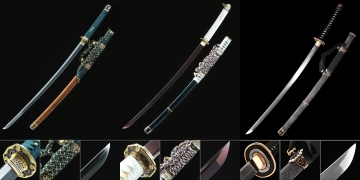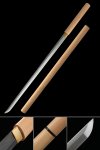
Zatoichi Sword
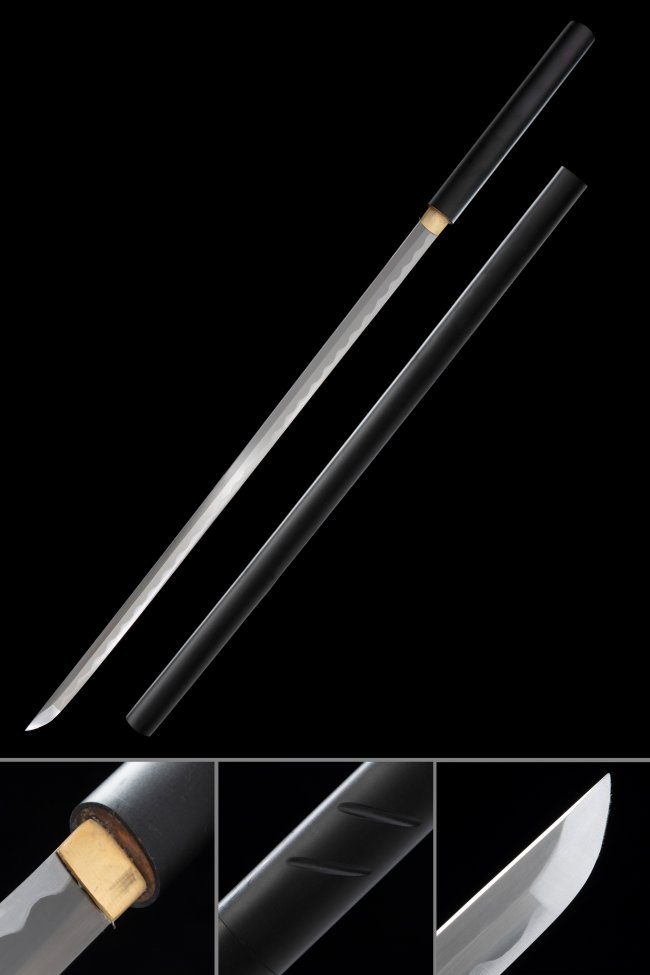
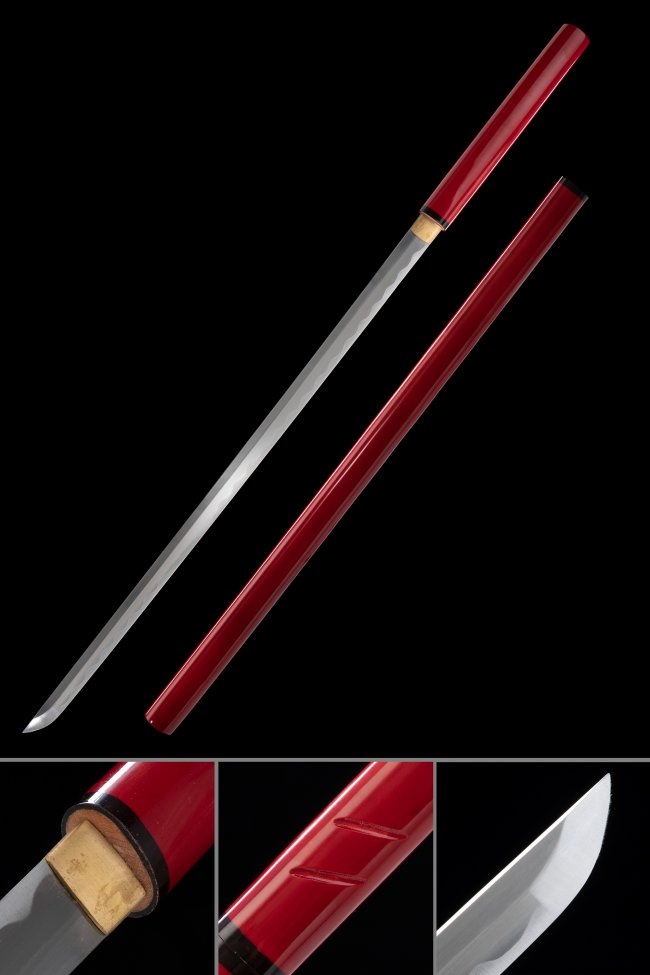
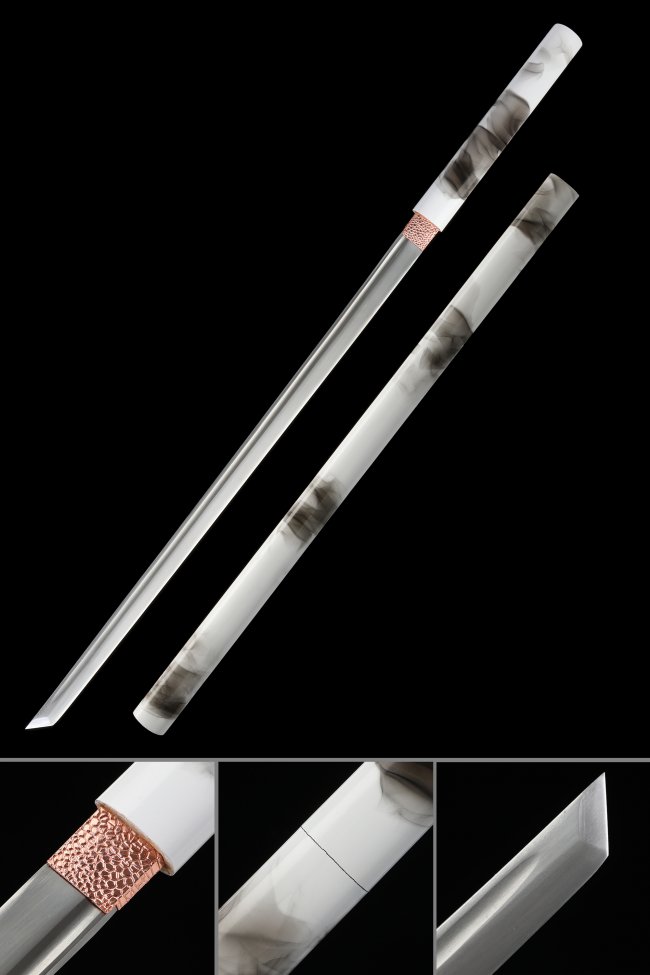
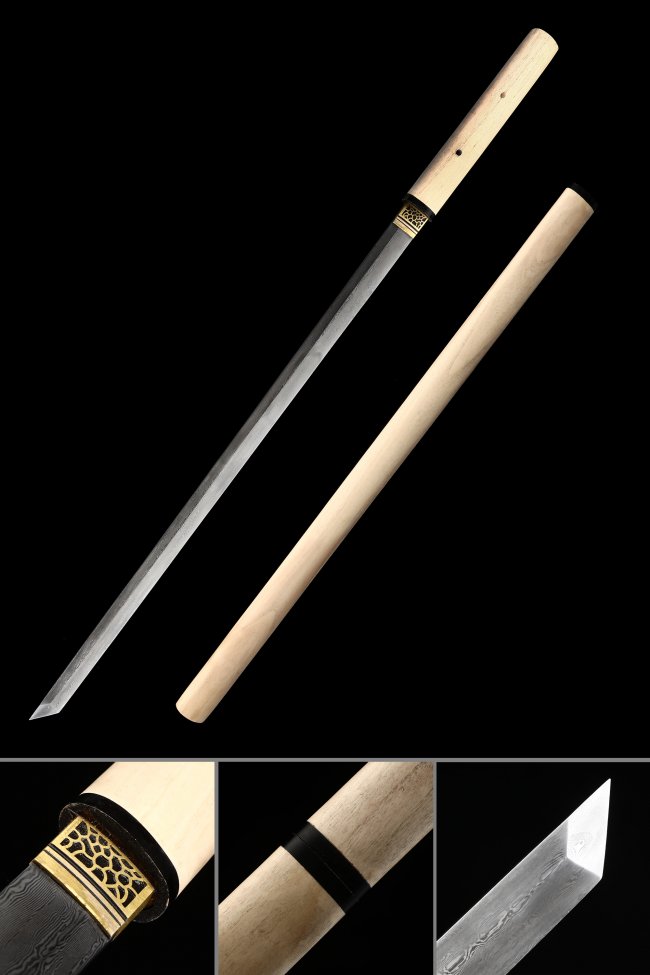
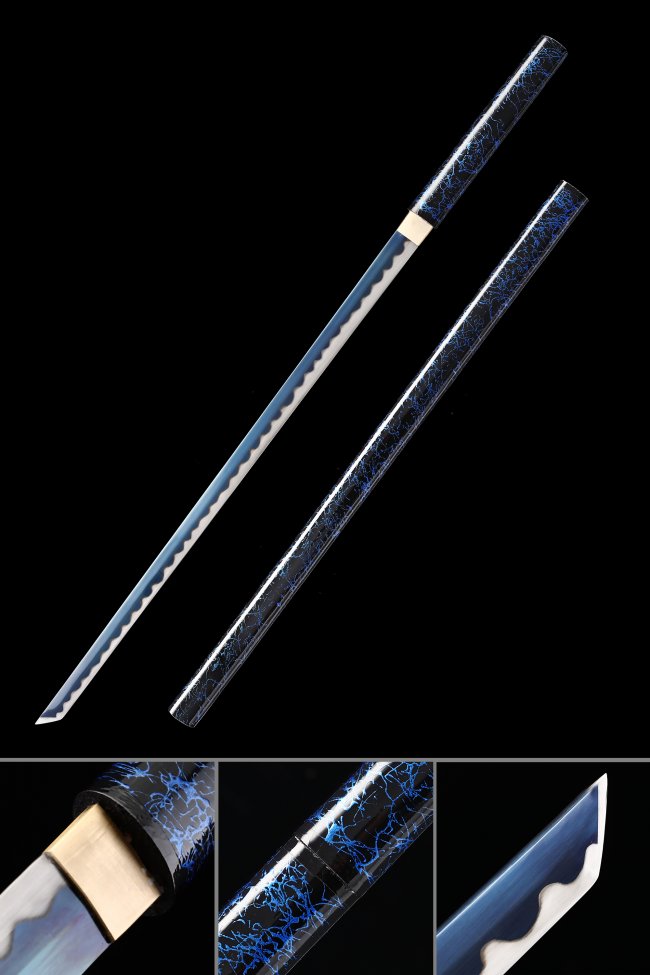
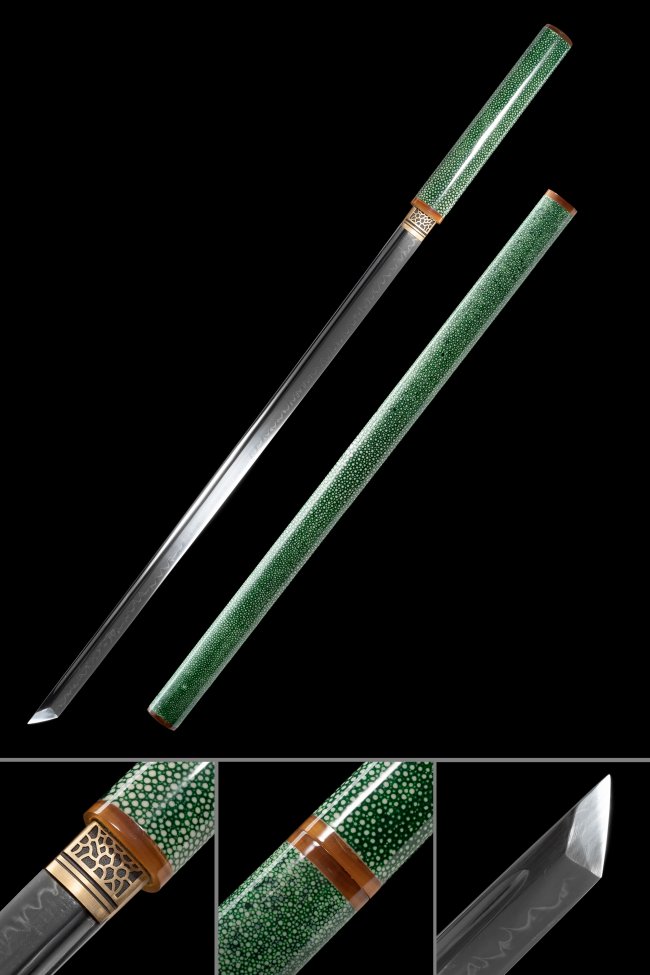
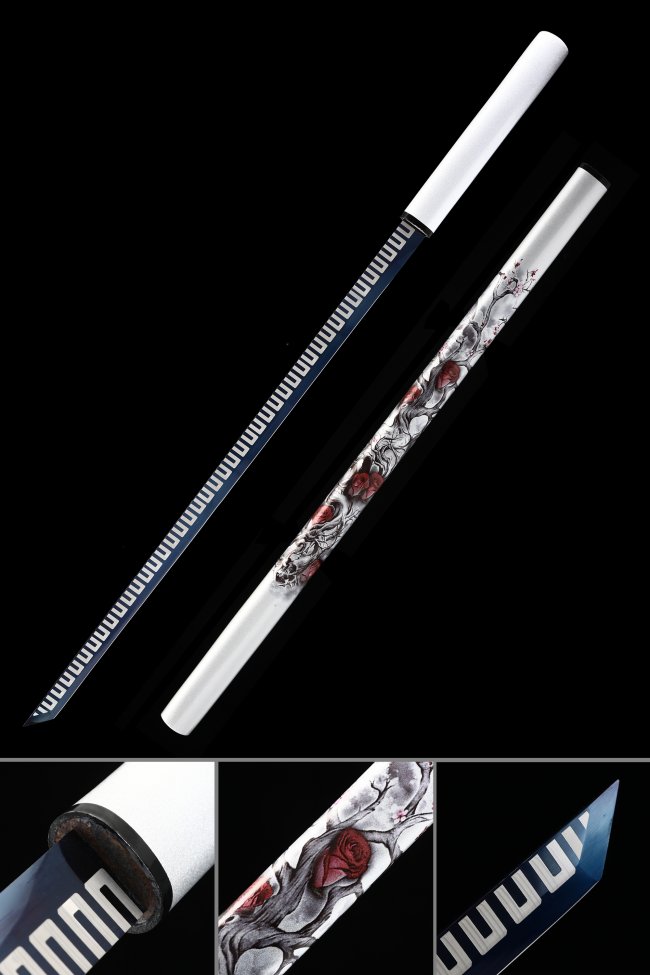
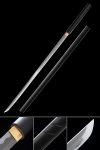
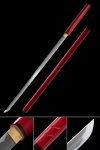
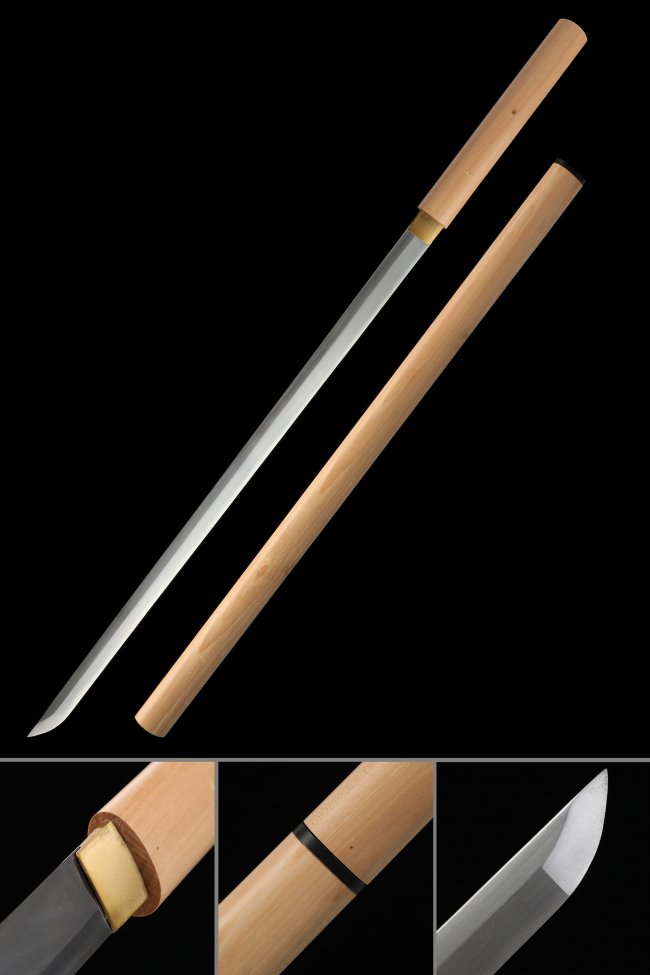
The Zatoichi sword is known for its clean, concealed design and strong cinematic identity. Inspired by the legendary blind swordsman, this style combines simplicity, speed, and quiet precision. Unlike heavily decorated weapons, the Zatoichi sword focuses on smooth lines and hidden strength, making it a favorite among collectors who appreciate minimalist Japanese aesthetics and film-inspired craftsmanship. Each piece in this collection is selected for visual accuracy, reliable construction, and long-term display value.


Related Collections
Frequently Asked Questions
Is shikomizue strictly a sword cane?
“Is shikomizue strictly a sword cane?” is a real question that comes up among sword fans because the term is often used loosely online. In simple terms, shikomizue generally refers to a Japanese concealed sword or hidden blade mounted inside a cane-like or staff-like form. The most famous modern reference is Zatoichi’s sword cane, which helped many Western viewers associate shikomizue directly with blind swordsman films. However, people often ask whether the term applies only to a cane sword or whether it can include blades hidden inside other objects. In historical and cultural use, the idea centers on concealment and a plain external form rather than the exact English category of “cane.” A shikomizue may look like a walking stick, but the broader concept is a sword mounted in a way that does not immediately reveal itself as a conventional sword. For modern buyers, this distinction matters because sellers may use terms such as stick sword, cane sword, Zatoichi sword, Blind Fury sword, or shikomizue to describe similar products. The naming can affect expectations, but the construction is what matters most. A true stick sword design usually has a blade hidden inside a plain scabbard that can be mistaken for a staff or cane. That is part of its appeal, but also part of why legal questions arise. Unlike a standard sword with visible guard, handle wrapping, and scabbard fittings, the shikomizue style is intentionally understated. Some collectors appreciate it for that reason, while others prefer the more recognizable look of a fully mounted katana. Buyers should decide whether they want the hidden-blade storytelling and minimalist look, or whether they prefer a more traditional display sword. Understanding the term helps avoid confusion and makes it easier to choose the right piece for collection, display, or cosplay.
Is a Zatoichi sword functional?
“Is a Zatoichi sword functional?” is a real search-style question because many listings describe these swords as sharpened, carbon steel, or hand-forged, while buyers still wonder what “functional” actually means. Functionality can mean different things. A sword may be functional in the sense that it has a steel blade, a full tang or secure construction, and a sharp edge. But that does not mean it is ideal for training, cutting practice, self-defense, or public carry. A Zatoichi-style or Blind Fury stick sword has design limitations that are different from a regular katana. It often lacks a tsuba, which means there is less hand protection. The handle may be smooth and stick-like rather than wrapped for grip. The scabbard may be shaped for concealment and appearance rather than heavy use. These details do not make the sword useless, but they do mean the buyer should understand its intended purpose. Many modern Zatoichi-inspired swords are best used as collectibles, display pieces, or film-inspired replicas. Some higher-quality versions may be built with strong steel and clean fittings, but they still require careful handling. A sword can be real and still not be appropriate for every activity. Buyers should read product descriptions closely and look for details such as blade steel, tang construction, weight, edge condition, and scabbard fit. If the listing does not clearly state that the sword is meant for cutting, assume it is primarily for display. Legal restrictions can also affect practical use because cane swords may be treated as concealed weapons in some jurisdictions. For people who want a functional Japanese sword for conventional handling or cutting, a standard katana is usually a more suitable starting point. For people who want the hidden-blade style and cinematic connection, a Blind Fury stick sword can still be a fascinating piece.
Did Zatoichi really use a sword cane in the movies?
This question appears frequently in film discussions and collector forums because the sword cane is one of the most recognizable features of the Zatoichi character. In the original Japanese films, Zatoichi carried a concealed blade inside what appeared to be a simple walking stick. This design allowed him to move unnoticed while still maintaining the ability to defend himself quickly. The sword itself was usually shorter and lighter than a traditional katana, which made it easier to draw rapidly from the cane. The idea of the hidden blade became a signature element of the character and helped define the visual identity of the series. In reality, the prop used in films was designed primarily for storytelling rather than strict historical accuracy. The goal was to emphasize surprise, speed, and elegance rather than battlefield realism. Modern collectors are drawn to this style because it represents a unique combination of practicality and symbolism. The sword cane communicates discipline, restraint, and skill without relying on elaborate decoration. Owning a Zatoichi sword today is less about reenacting combat and more about celebrating cinematic history and craftsmanship. Many collectors display the sword alongside other Japanese-inspired blades to highlight the contrast between traditional and minimalist designs. Exploring options within a broader katana category can help illustrate how the concealed blade concept differs from standard sword construction and why the Zatoichi style remains visually distinctive.
Is the Zatoichi sword historically accurate?
Collectors often ask whether the Zatoichi sword reflects a real historical weapon or whether it is purely fictional. Historical records show that concealed swords, sometimes called shikomizue, did exist in Japan, although they were not widely used in open combat. These blades were often associated with travelers, bodyguards, or individuals who wanted to carry a weapon discreetly. The design focused on simplicity and portability rather than battlefield durability. In the context of the Zatoichi films, the sword became a dramatic storytelling device rather than a precise historical replica. Filmmakers adapted the concept to create a memorable visual style that emphasized stealth and speed. Modern replicas follow this cinematic tradition by combining historical inspiration with artistic interpretation. Buyers should understand that a Zatoichi sword represents a blend of history and imagination rather than a museum-accurate artifact. This balance is part of its appeal. It allows collectors to enjoy a piece of cultural storytelling while still appreciating the craftsmanship of a well-made blade. When evaluating authenticity, the most important factors are construction quality, design consistency, and overall presentation rather than strict historical replication.
What is the real name for Zatoichi’s cane sword?
The name most often connected with Zatoichi’s cane sword is shikomizue, a Japanese term commonly used for a hidden blade mounted inside a cane or staff-like form. Online buyers may also see the same idea described as a sword cane, cane sword, stick sword, blind swordsman sword, or Zatoichi sword. These names overlap, but they do not always mean exactly the same thing. “Zatoichi sword” usually refers to the film-inspired version associated with the blind swordsman character. “Sword cane” is a broader English term for a blade hidden inside a cane-like object. “Shikomizue” points more directly to the Japanese concealed sword tradition, although modern replicas often simplify the concept for collectors and fans. This naming confusion is common because the design is both historical and cinematic. In the Zatoichi films, the hidden blade is part of the character’s identity: plain on the outside, dangerous when drawn, and closely tied to his quiet, wandering image. For buyers, the important thing is not only the name but the construction. A true Zatoichi-style piece usually has a plain exterior, minimal visible fittings, and a blade concealed inside a long scabbard that resembles a walking stick. It does not usually look like a standard katana with a visible guard, wrapped handle, and traditional scabbard. That difference affects both aesthetics and practical expectations. A shikomizue-style piece is usually valued for display, collecting, cosplay, or film appreciation rather than heavy training. Buyers should read product details carefully, because some items labeled “Zatoichi” may be purely decorative, while others may use stronger steel and more serious blade construction. Comparing this hidden-blade format with a standard katana helps make the difference clear: one emphasizes visible traditional fittings, while the other emphasizes concealment and minimalist storytelling.
Did Zatoichi actually use a sword cane?
How do people feel about cane swords?
Opinions about cane swords are mixed, which is why this question comes up so often in online sword communities. Some collectors love them because they are elegant, unusual, and strongly tied to classic characters like Zatoichi. The hidden-blade concept gives the sword a sense of mystery that ordinary display swords do not have. A plain cane-like exterior can look refined and understated, while the blade inside adds surprise and drama. Other collectors are more skeptical. They point out that cane swords can be legally complicated, less practical than they look, and sometimes poorly made if the seller focuses only on novelty. Both views have merit. A well-made Zatoichi sword can be a fascinating collector’s item, especially for fans of samurai cinema, hidden weapons, or minimalist design. But it is not a good choice for someone who wants a daily walking cane, a training sword, or a simple legal carry item. Cane swords are often restricted precisely because they conceal the blade inside an ordinary-looking object. That makes responsible ownership essential. Buyers should also understand that many cane swords are not structurally designed to support body weight like a real medical cane. Using one as an actual walking aid can damage the scabbard, loosen the blade fit, or create a safety risk. As a display object, however, the style can be excellent. It works well in a clean room setup, film collection, or Japanese-themed display. The key is buying it for the right reason. If someone wants dramatic visual storytelling, a Zatoichi sword is hard to beat. If they want a traditional sword with more visible craftsmanship and fewer concealed-weapon concerns, a standard katana may be the better fit.
Customer Reviews
Very impressive. I would purchase this functional work of art again.
![]() |
Shikomizue Stick Sword in 1090 Carbon Steel with Natural Hardwood Saya and Clay-Tempered Hamon |
I absolutely love this. I got it just yesterday and I’m continuing to gush over it. Sleek profile and well built. Everything I was hoping it would be and it arrived faster than I thought it would!
![]() |
Zatoichi Sword - T10 Clay-Tempered Straight Blade Cane Sword with Black Hardwood Saya and Gold Habaki |
Very nice it will be a nice addition to my collection
![]() |
Zatoichi Sword - T10 Clay-Tempered Straight Blade Cane Sword with Black Hardwood Saya and Gold Habaki |
Couldn't be happier with my experience. My new walking stick/sword is beautiful. It arrived quickly without paying any extra shipping fees. The sword is super sharp. Only minor criticisms I have is there's a little bit of a rattle when using as a walking stick and had to add a adhesive rubber stopper to the bottom of the sheath as to not scratch up the finish. I might be mistaken in thinking it was intended for actual use and not just a display piece. Either way I will definitely be making future purchase from turekatana.com.
![]() |
Zatoichi Sword - T10 Clay-Tempered Straight Blade Cane Sword with Black Hardwood Saya and Gold Habaki |
Very nice and very sharp. It's going to be hung on a wall in our trophy room.
![]() |
Zatoichi Sword - T10 Clay-Tempered Straight Blade Cane Sword with Black Hardwood Saya and Gold Habaki |
Get walking stick ...with piece of mind in and out of site.r
Good workmanship. 👍
![]() |
Zatoichi Sword - T10 Clay-Tempered Straight Blade Cane Sword with Black Hardwood Saya and Gold Habaki |
The cane sword was as advertised and sharp, which is a plus and dealing with the company was a pleasure. Thanks.r
r
The only additional desire would be if there were rubber tips that would fit the cane sword for future reference.
![]() |
Zatoichi Sword - T10 Clay-Tempered Straight Blade Cane Sword with Black Hardwood Saya and Gold Habaki |
This is review if Katana Cane,1060 blade,Shipped and arrived very quickly! Katana'sfinished nicely! Handle/ Tsaba was a bit slippery so I covered it in Elk hide,also added a rubber bump pad to bottom to actually use as Cane. You get what you pay for some say! All in all very Happy with it, doing a few more mods though..r
I Have many Edged weapons, and this is good deal for price.r
Will do a couple more reviews when N if I get another/ different steel and build..r
Thanks
![]() |
Zatoichi Stick Sword 1060 Carbon Steel Blade with Red Piano Lacquer Hardwood Saya - Shirasaya Style |