Free U.S. Shipping

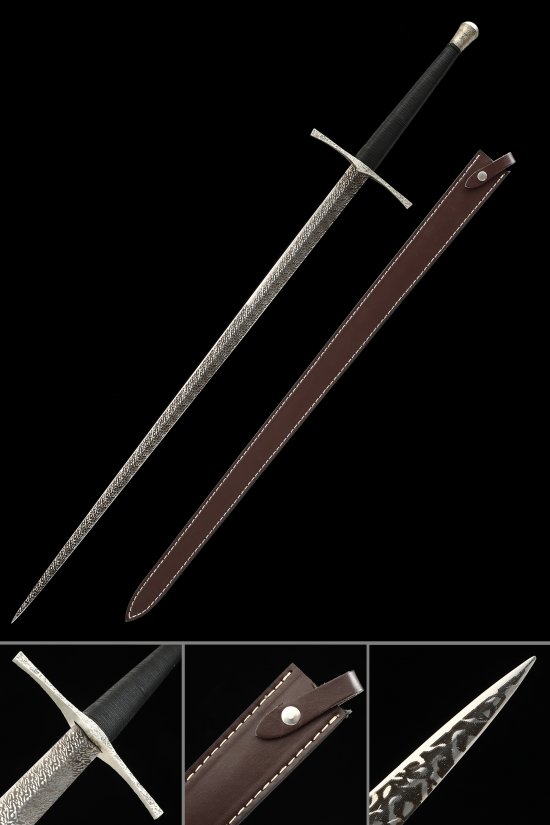
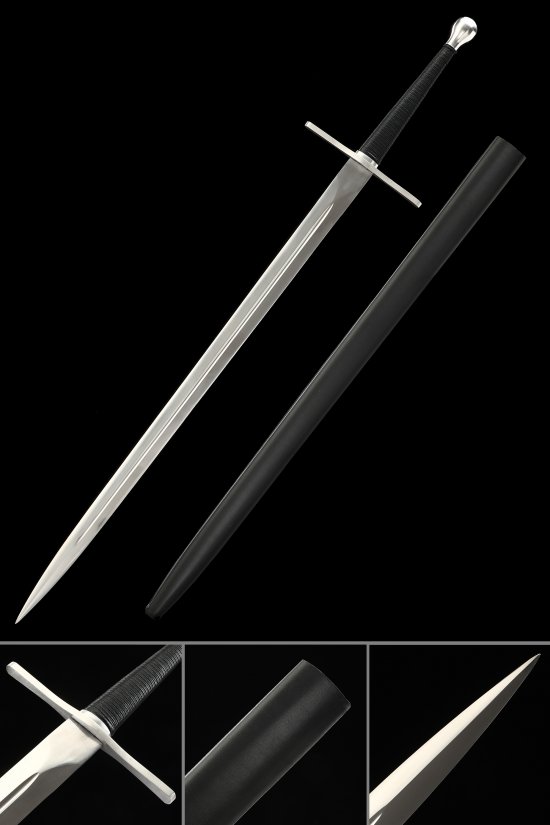
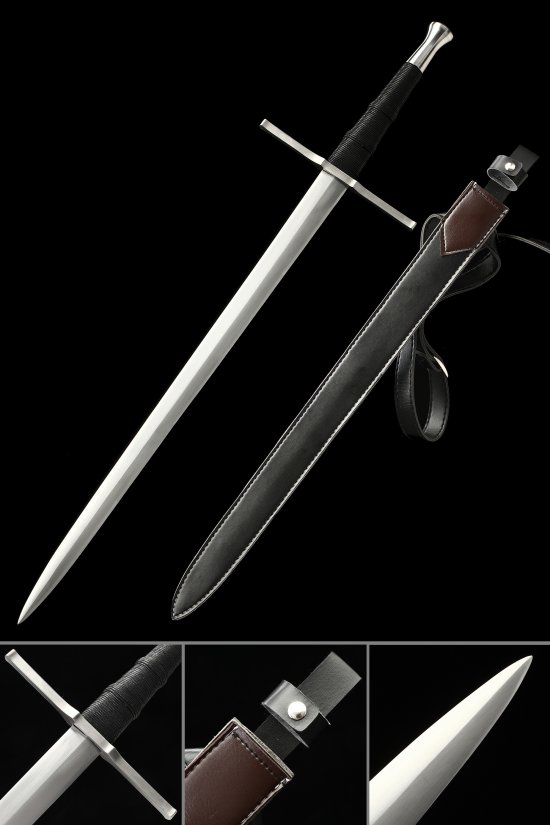
Bastard Sword

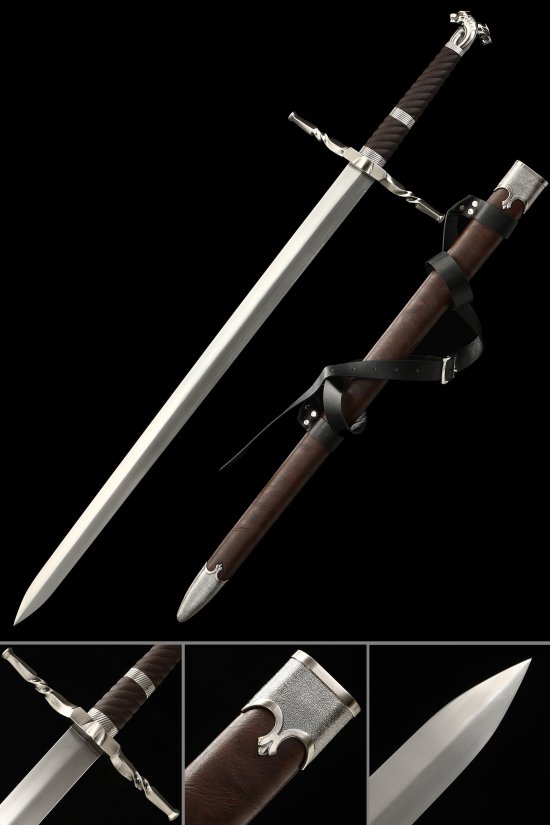
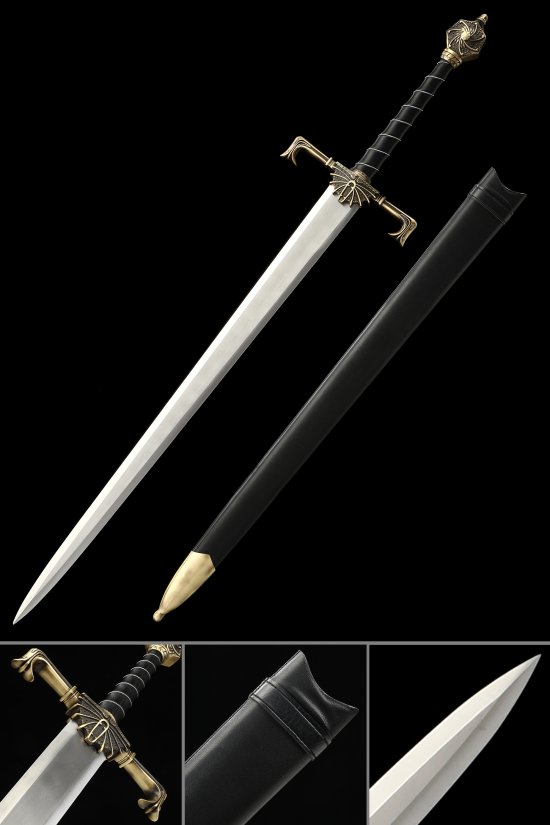
Unveil the captivating allure of the Bastard Sword, a perfect blend of tradition and innovation crafted for the discerning samurai enthusiast. Our Bastard Sword collection epitomizes the exquisite artistry and precision of Japanese sword-making, delivering unparalleled balance, sharpness, and aesthetic appeal. Each Bastard Sword is meticulously forged, embodying the dedication and skill of master craftsmen. Ideal for both seasoned collectors and passionate fans of Japanese culture, the Bastard Sword is a vital addition to any collection. Experience the legacy and elegance of the Bastard Sword and deepen your appreciation for the timeless art of swordsmanship.
Showing 5 Products

Frequently Asked Questions

What is a bastard sword?

A bastard sword is a medieval European sword that sits between a one-handed arming sword and a larger two-handed sword. It is often called a hand-and-a-half sword because the grip is long enough to allow either one-handed or two-handed use. That flexibility is the main reason people still find it interesting today. A bastard sword has the strong medieval look many collectors want, but it does not feel as extreme as a greatsword. For modern buyers, it works well as a display piece, collector sword, medieval-themed gift, or functional-style sword if the product details support that use.

Why is it called a bastard sword?

The name “bastard sword” comes from older terminology used for swords that did not fit neatly into one simple category. It was not quite a standard one-handed sword, and it was not always a full two-handed sword either. In English sword terminology, “bastard sword” became associated with a large sword that could be used in one hand or two. The modern phrase “hand-and-a-half sword” is often easier for buyers to understand because it describes how the sword is handled. On a product page, both terms usually point to the same general style.

Is a bastard sword the same as a longsword?

A bastard sword and a longsword overlap, but the terms are not always used in exactly the same way. Many modern sellers and collectors use “bastard sword,” “hand-and-a-half sword,” and “longsword” for similar European swords with longer blades and grips. Historically, the terminology was not perfectly fixed, and different regions or periods used different names. For a buyer, the most useful thing is not the label alone. Look at the grip length, blade length, weight, balance, guard, steel, and whether the sword is built for display, practice, or functional use.

Is a bastard sword full tang?

TrueKatana’s Bastard Sword collection is positioned around full tang carbon steel construction. Full tang means the blade steel continues through the handle area, giving the sword a more solid structure than a simple decorative wall-hanger. This matters if you care about handling feel, durability, and overall build confidence. Still, full tang is only one part of the decision. You should also check the blade steel, total length, weight, edge condition, grip material, scabbard, and intended use. A full tang sword still needs careful handling and should not be treated as a toy or casual prop.

How long is a bastard sword?

There is no single fixed length for every bastard sword, which is why buyers often get confused. A typical bastard sword or hand-and-a-half sword may have an overall length around 44 to 55 inches, depending on the maker and design. Some examples list blade lengths in the low-to-mid 30-inch range, while larger historical-style pieces can be longer. The safest way to choose is to check the exact product measurements instead of relying only on the category name. If you plan to display it, measure your wall or stand area before buying.

How heavy is a bastard sword?

A bastard sword is usually much lighter than movies and games make it look. Many historical and modern examples fall roughly in the 3 to 4.5 pound range, though exact weight depends on blade length, thickness, fittings, and balance. One common mistake is judging a sword only by weight. A sword that is technically not very heavy can still feel awkward if it is poorly balanced. For buyers, the best approach is to check both weight and handling details such as grip length and point of balance. For display, weight matters mainly for choosing a secure wall mount or stand.

Can I use a bastard sword for cosplay?

A real metal bastard sword is usually not a good choice for convention cosplay. It may look impressive, but most major conventions and public venues restrict metal weapons, realistic blades, or sharp props. If your goal is cosplay inside an event, a foam, plastic, or approved lightweight prop is usually safer and more likely to pass security. A full tang carbon steel bastard sword is better for home display, private photography, collection, or gifting. Always check the current rules of the specific convention before bringing anything sword-shaped, because policies can vary by event, city, and venue.

How do you display a bastard sword?

A bastard sword can be displayed horizontally on a wall rack, vertically on a secure mount, or as part of a medieval-themed collection with armor, shields, or other European swords. Because it is longer than many one-handed swords, measure your display space before buying. Make sure the mount can support the sword’s weight and that the blade cannot slide out easily. Avoid placing it in narrow hallways, near doors, or anywhere children and pets can reach it. If the blade is carbon steel, keep the room dry and avoid touching the blade directly with bare hands.

Are bastard swords legal in the US?

In many parts of the United States, owning a medieval-style sword at home as a collectible is treated differently from carrying one in public. Laws can vary by state, city, school, public building, event venue, and transportation situation. A full-size metal bastard sword may attract serious attention outside the home, even if you only consider it a display piece. Before buying, carrying, or transporting one, check your local regulations and any venue rules that apply. TrueKatana can provide product information, but legal compliance is the buyer’s responsibility.

Can I bring a bastard sword to a convention?

You should not assume a metal bastard sword will be allowed at a convention. Most conventions have strict prop weapon rules, and metal swords are often prohibited even if they are dull. Security teams may also reject props that look too realistic, are too heavy, or could cause injury in a crowded space. If you are attending a convention, check the event’s current prop policy before you go. For cosplay, use a foam, cardboard, or approved lightweight prop. Keep a real carbon steel bastard sword at home for display, collecting, private photos, or gifting.

Where to buy a bastard sword?

You can buy a bastard sword from medieval sword retailers, historical sword makers, or online collectible sword stores such as TrueKatana. The important thing is to compare more than price. Look for full tang construction, carbon steel, total length, blade length, grip length, balance, edge condition, and whether the product is intended for display or functional use. TrueKatana’s Bastard Sword page is aimed at buyers who want a medieval-style sword with a full tang carbon steel blade and hand-and-a-half grip. If you are buying for training, check whether you need a blunt trainer instead.

How do I care for a carbon steel bastard sword?

A carbon steel bastard sword should be kept clean, dry, and lightly protected from moisture. Try not to touch the blade with bare hands, because fingerprints can leave oils and moisture that may lead to rust. After handling, wipe the blade with a soft cloth. If the blade is carbon steel, apply a thin layer of suitable sword oil from time to time, especially if you live in a humid area. Store the sword in a dry room, away from bathrooms, basements, and direct moisture. Also check the grip and scabbard occasionally for looseness, cracking, or wear.

What was a bastard sword used for?

A bastard sword was used as a versatile medieval weapon that could be handled with one hand or two. That is why it is often called a hand-and-a-half sword. With one hand, it could be paired with a shield or used in situations where the fighter needed more mobility. With two hands, it gave better control, stronger cuts, and more reach.

Historically, it sat somewhere between a one-handed arming sword and a larger two-handed sword. That made it useful for knights, soldiers, and trained fighters who wanted a blade that was not too short, not too massive, and flexible enough for different fighting situations.

For modern buyers, a bastard sword is usually chosen for collection, display, medieval-themed decor, photography, or as a gift for someone who likes European swords. A full tang carbon steel bastard sword has a more solid, serious build than a simple wall decoration, but it should still be handled carefully. It is not meant for casual sparring, unsafe backyard practice, or public carry.

Customer Reviews

Subscribe to our emails

GET 20% OFF TODAY

Subscribe to our emails to receive the latest special offers and private events. We'll send a coupon code to your email shortly.

Get Coupon Code