5 Reviews
Free Shipping
119.00 USD
ON SALE! 40% OFF
Was: $199.00

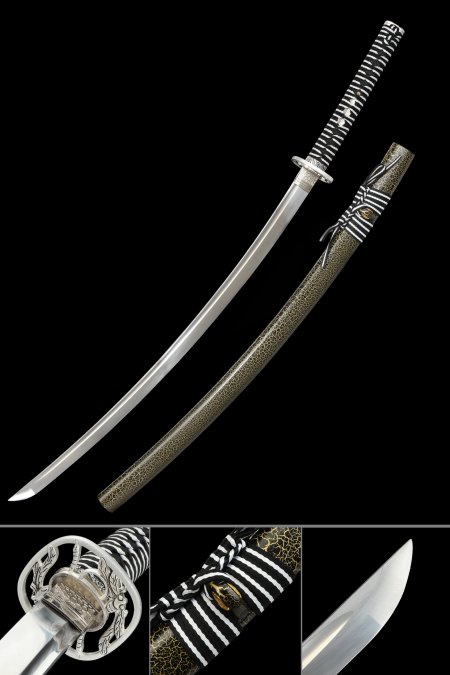
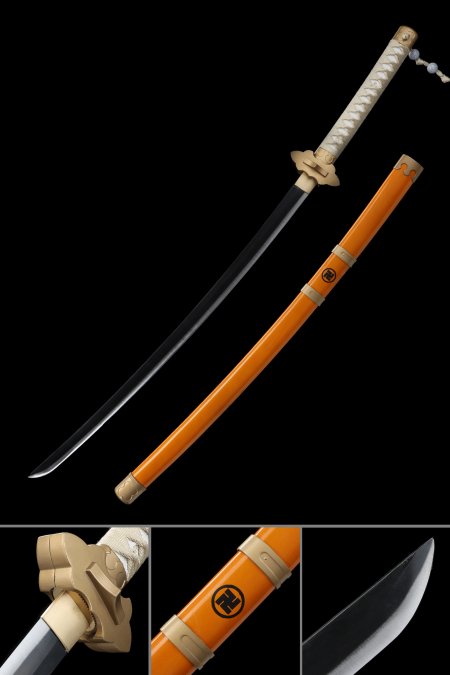
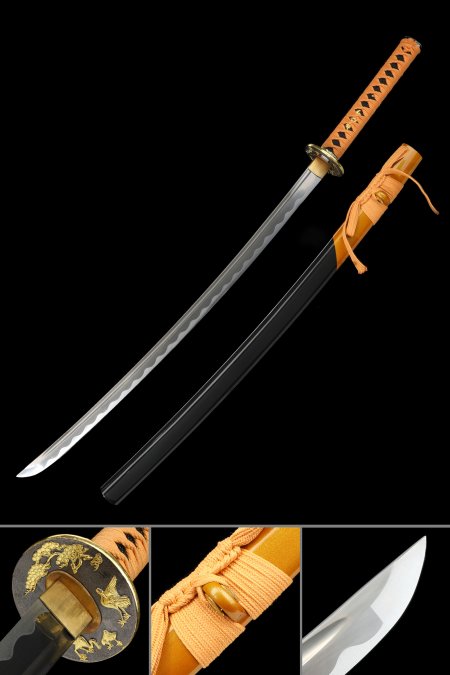
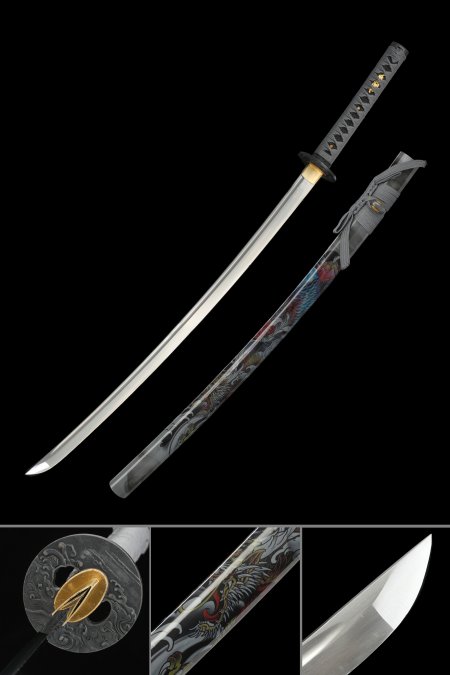
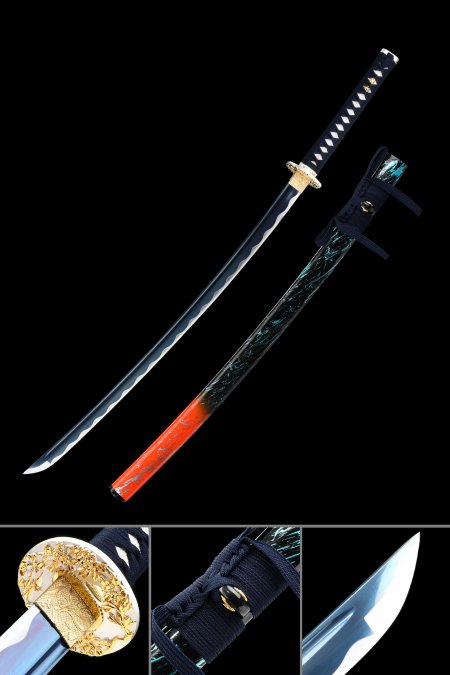
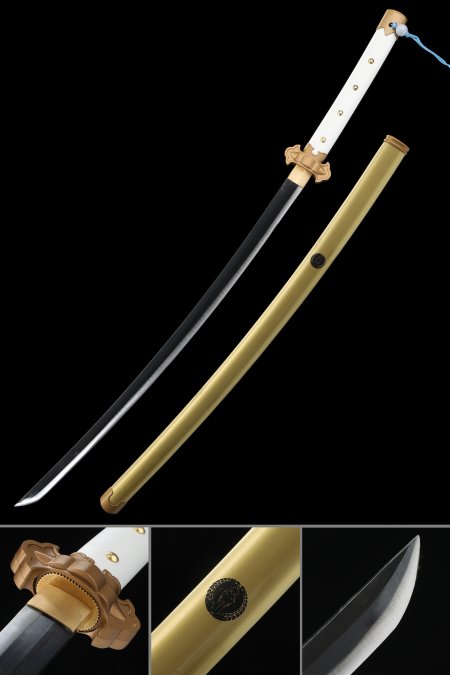
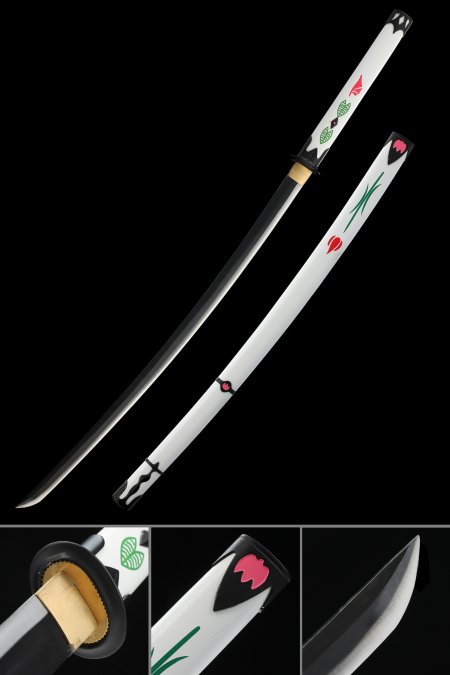
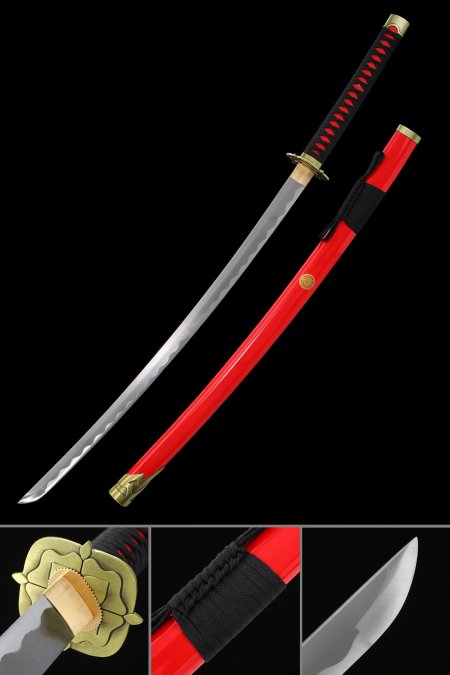
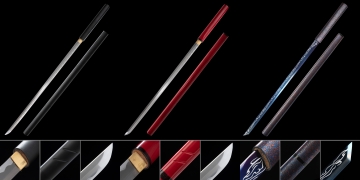
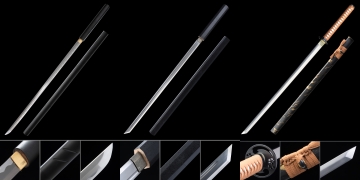
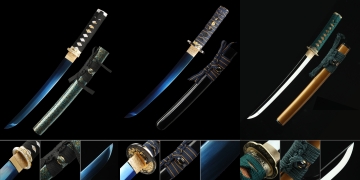
Our 1060 carbon steel katana collection features what sword makers, martial arts instructors, and experienced collectors consistently call the best all-around steel for a functional Japanese sword. At 0.60% carbon, 1060 produces a blade that holds a genuine cutting edge through serious tameshigiri sessions while absorbing the kind of punishment that would chip or crack harder steels. Hand-forged with full tang construction and traditional fittings, every piece in this collection is built to be used — not just admired. From your first functional katana to your go-to training blade, 1060 is the steel that earns its place through sheer reliability.
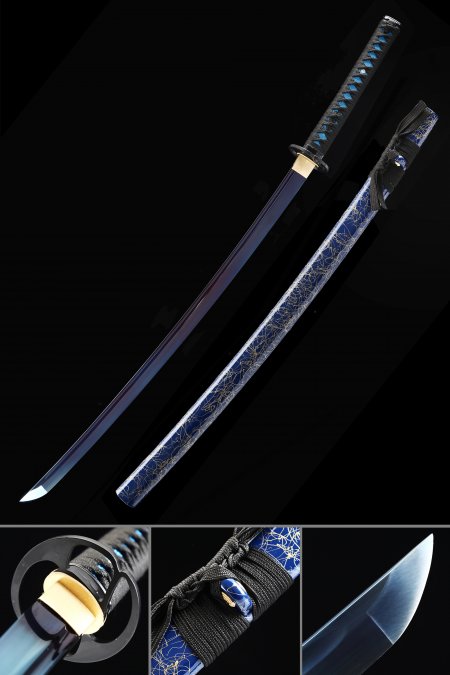
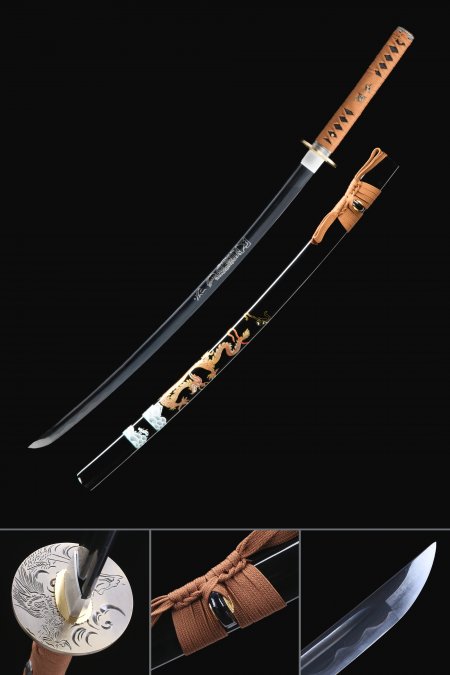
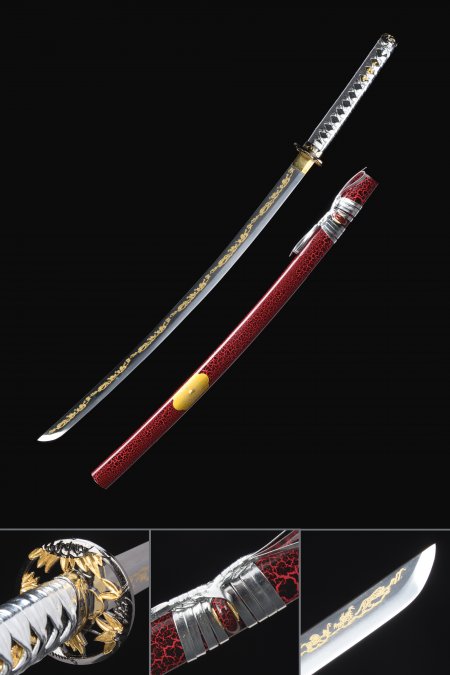
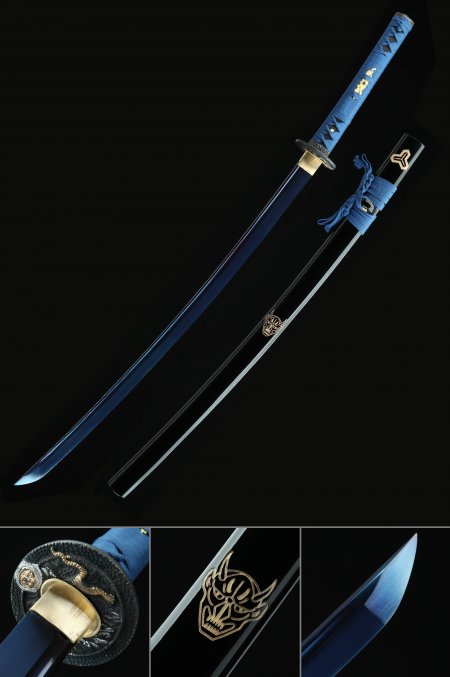
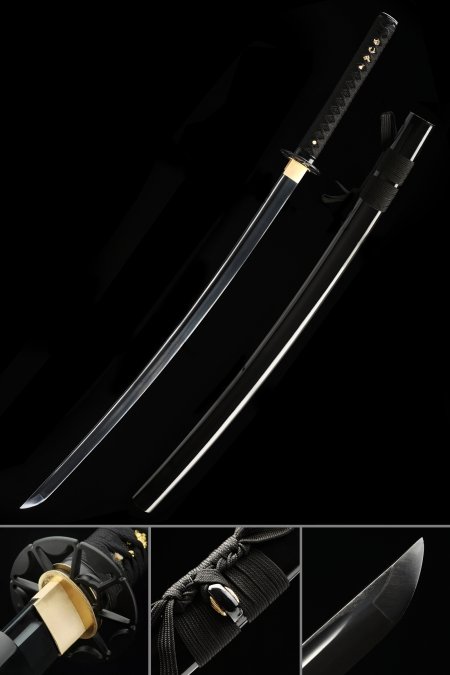
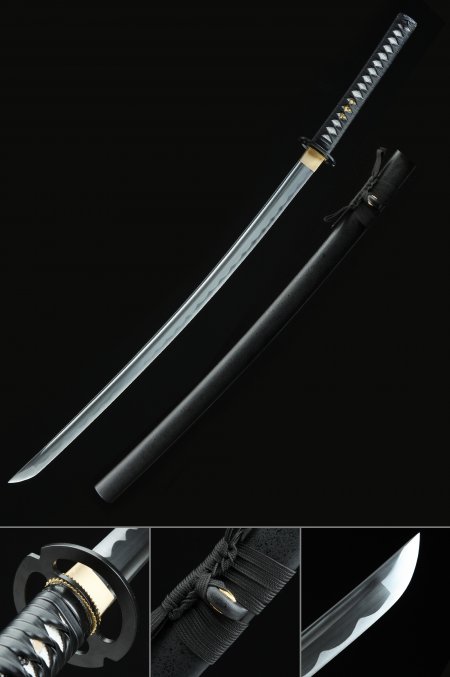
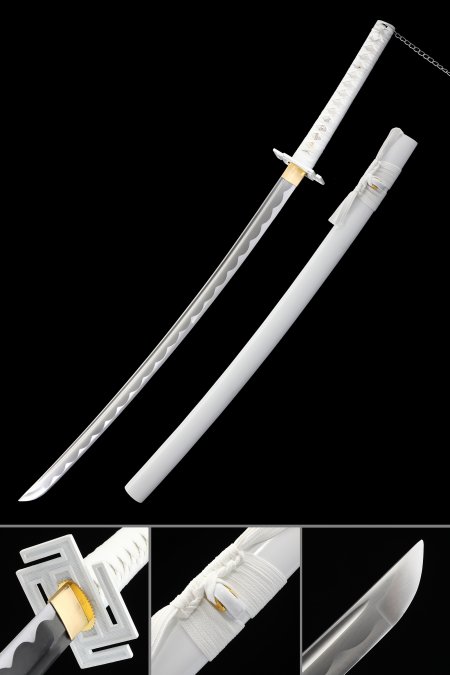
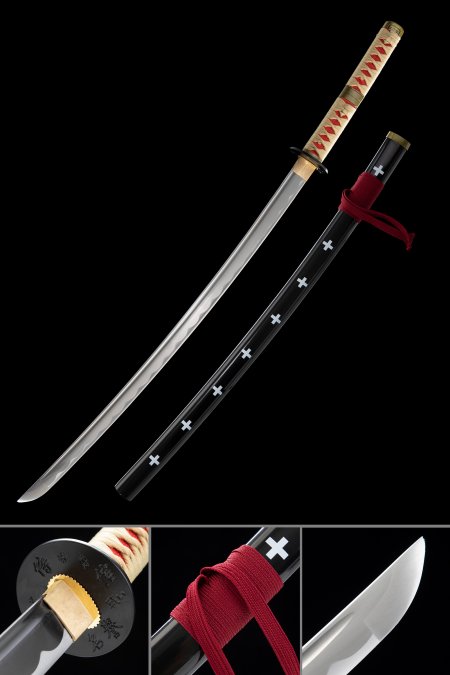
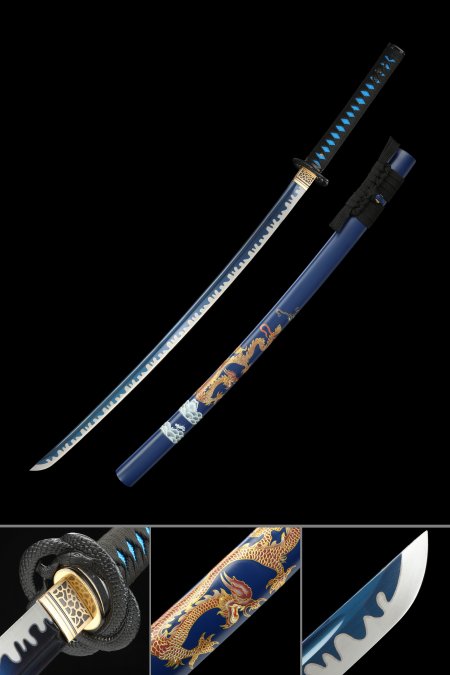
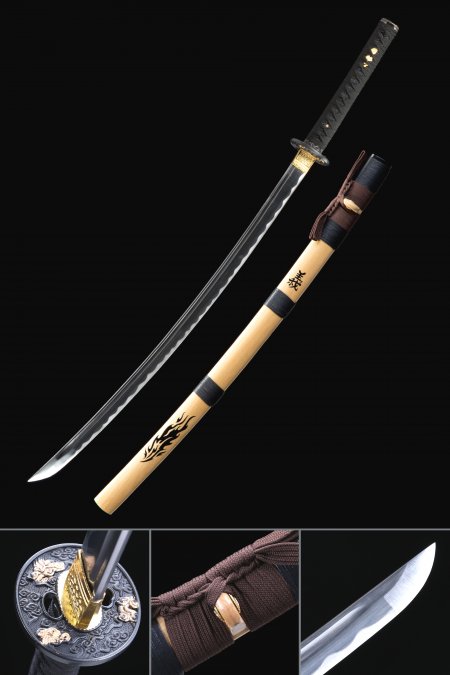
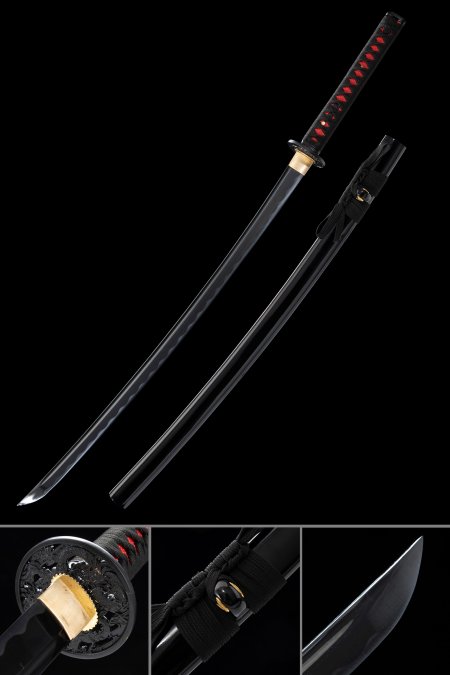
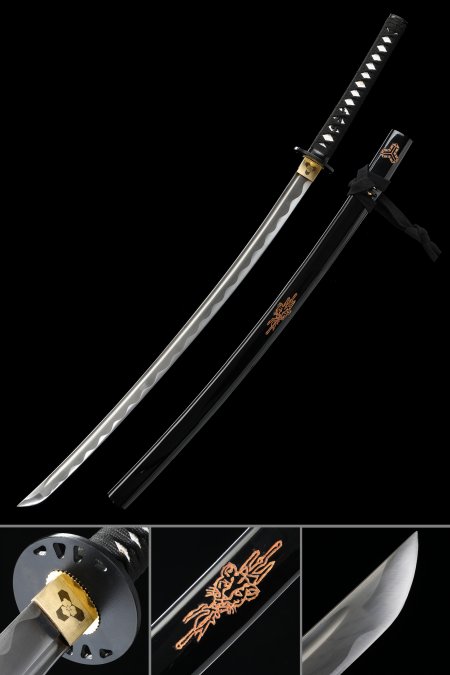
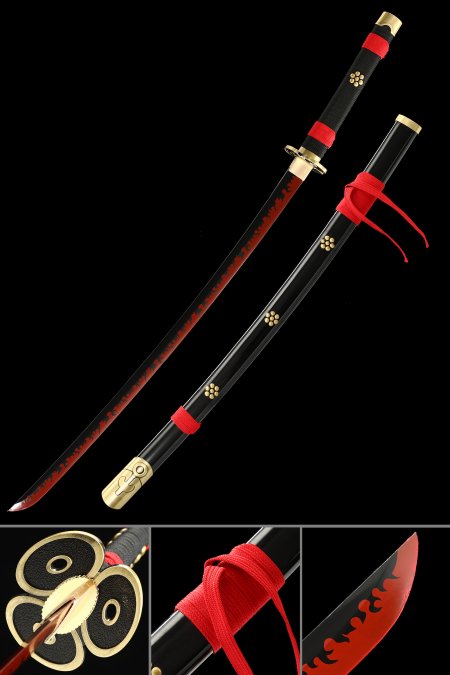
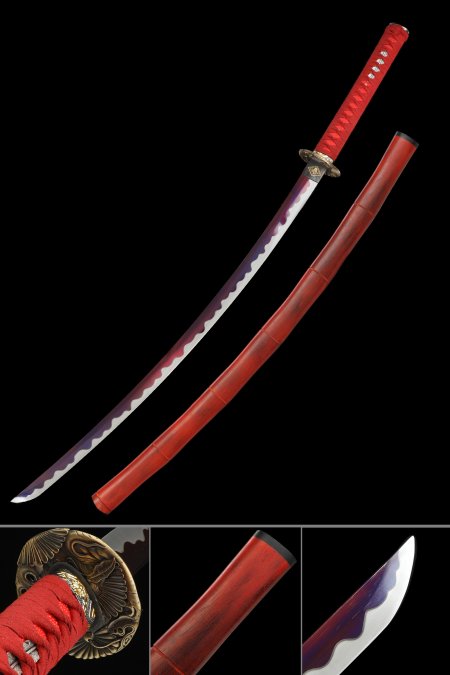
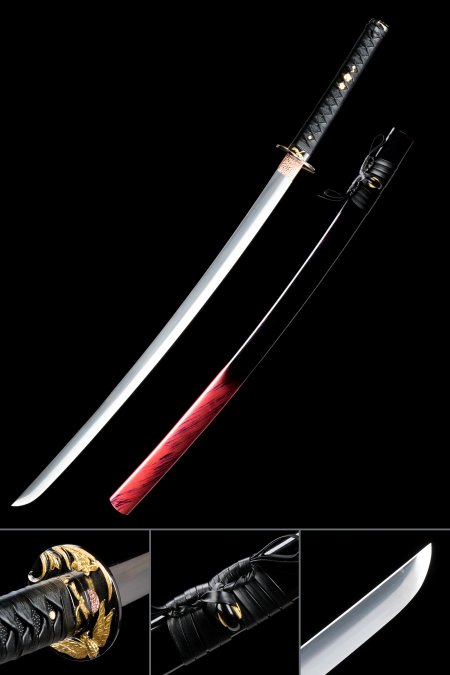
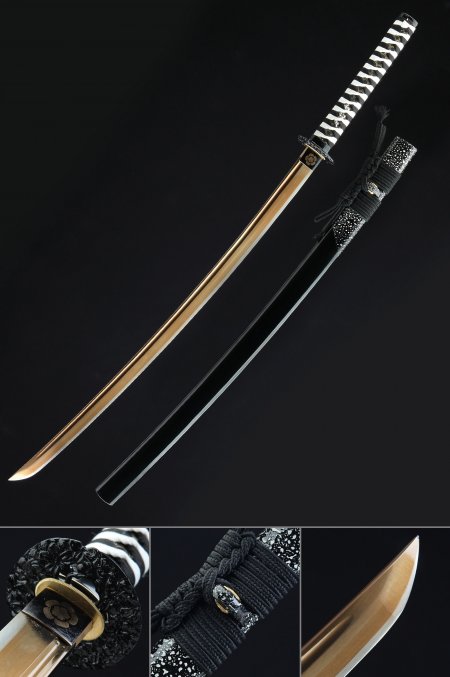
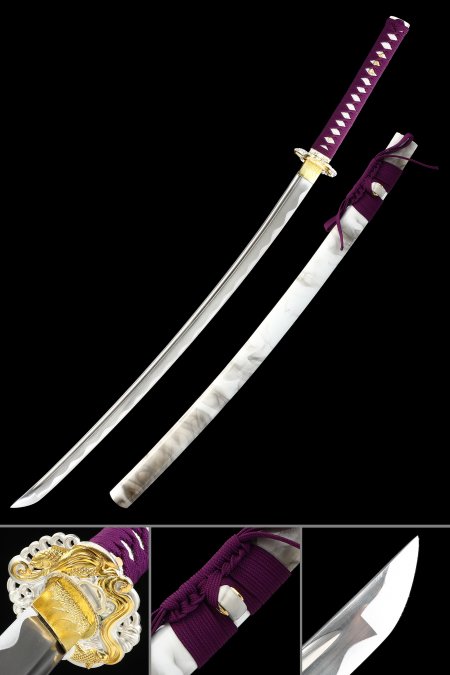
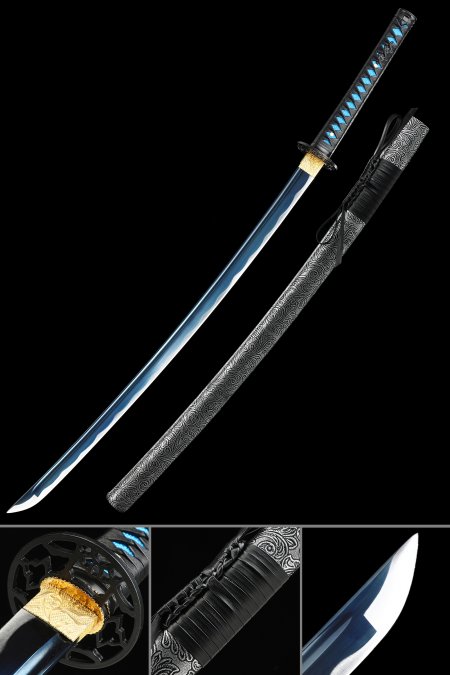
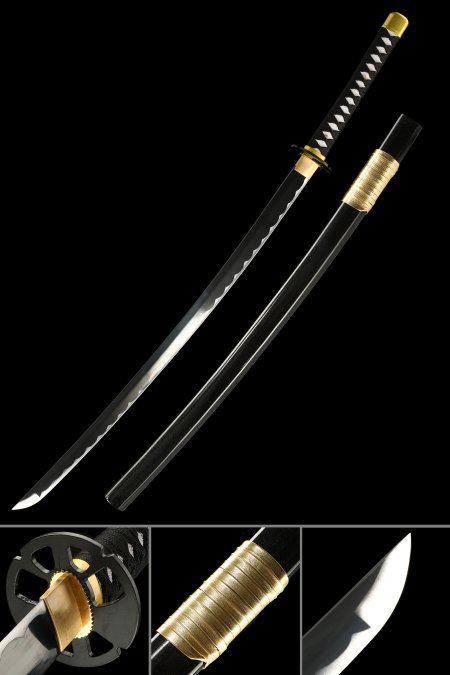
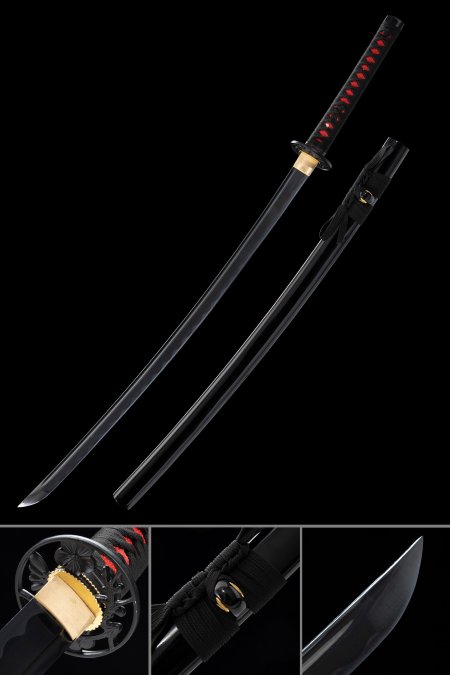
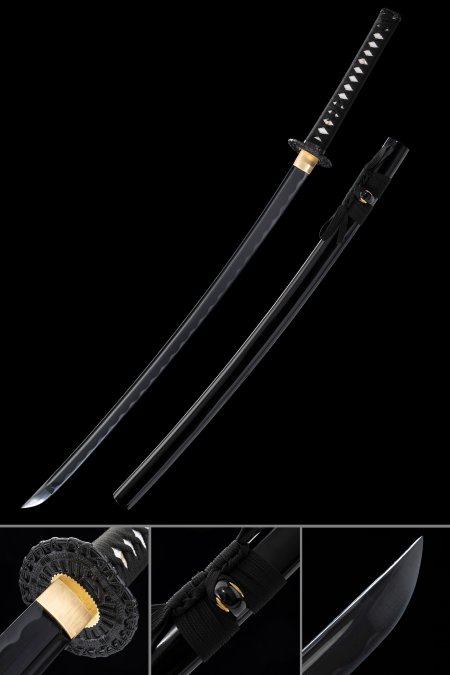
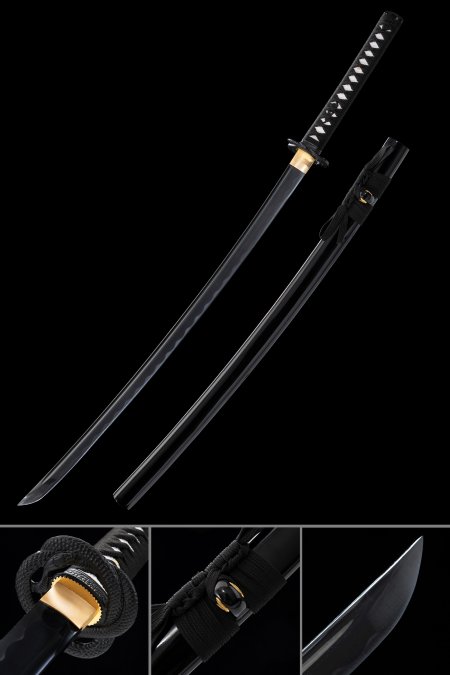
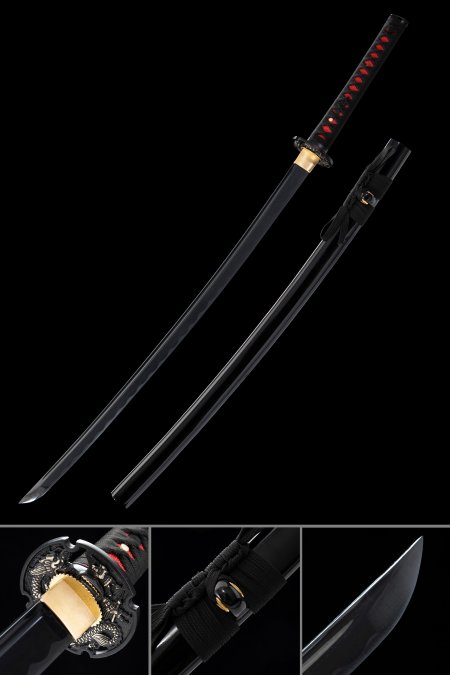
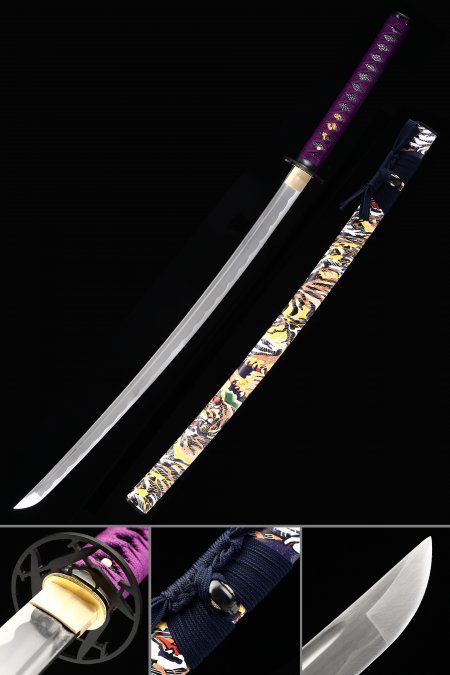
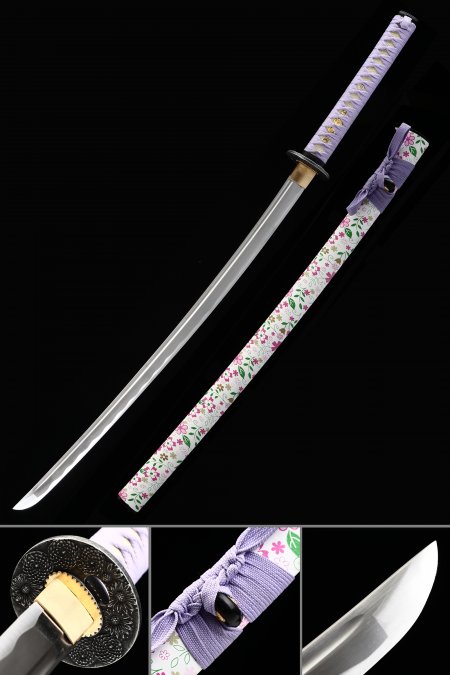
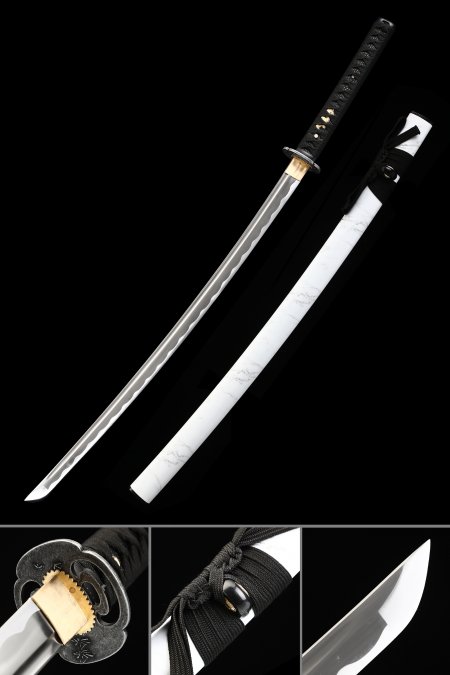
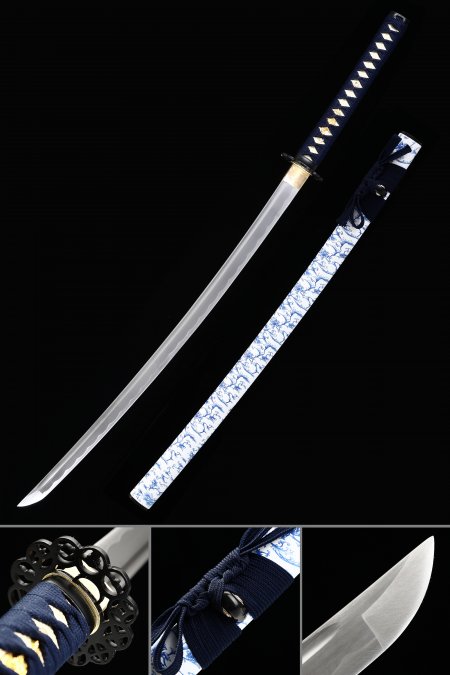
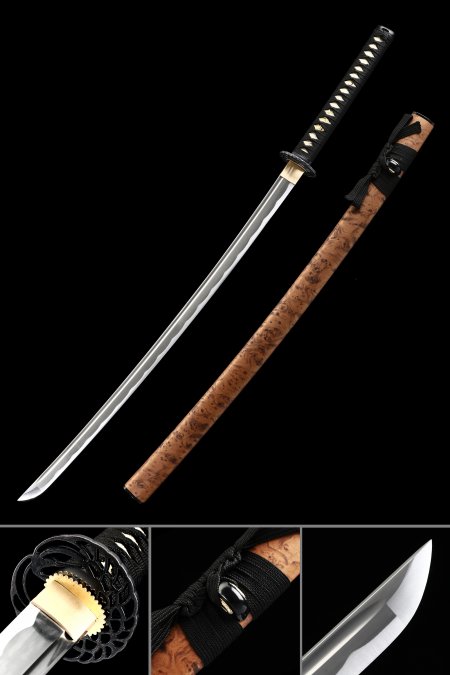
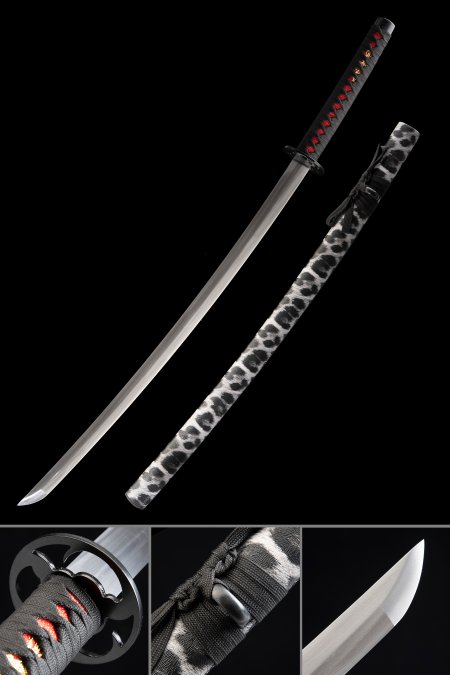
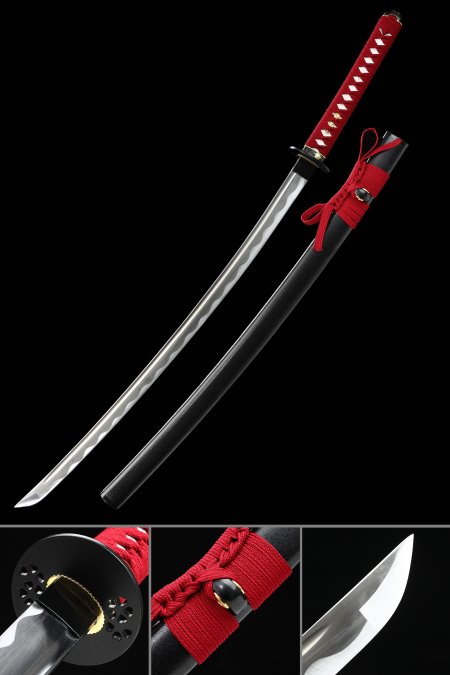
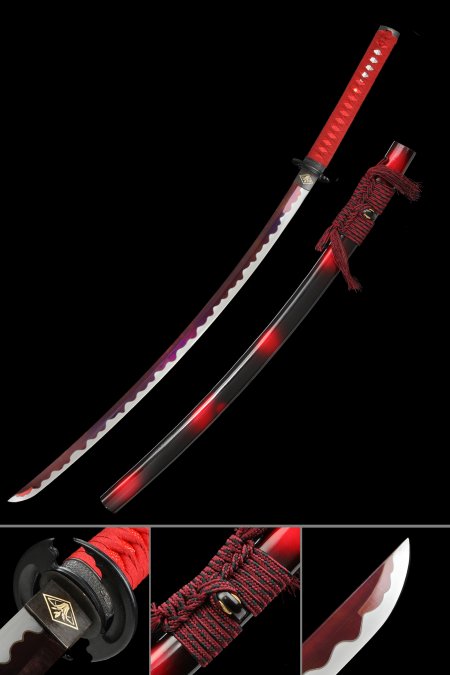
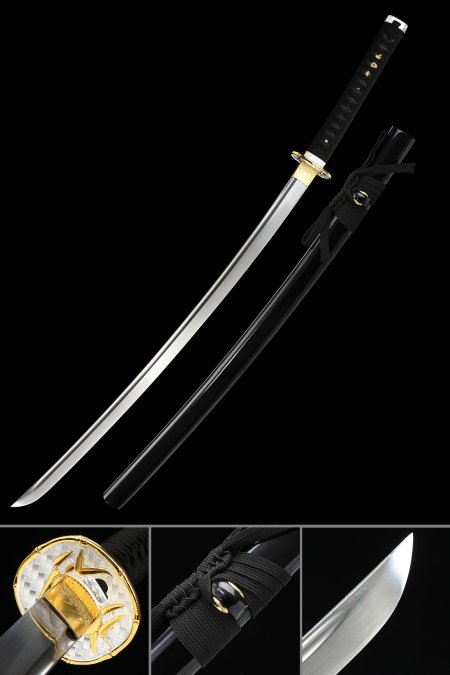
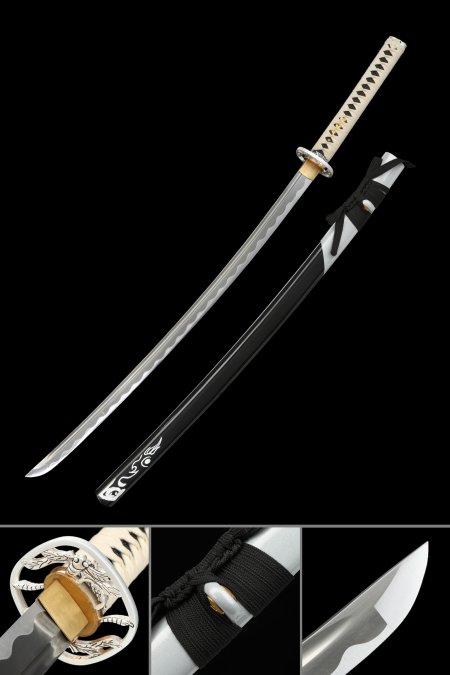
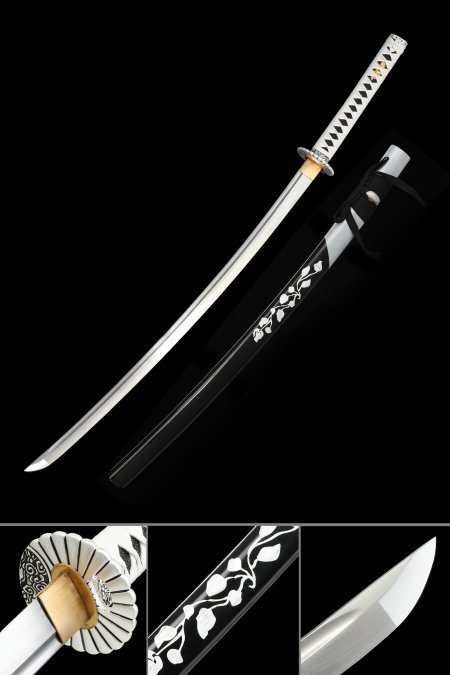
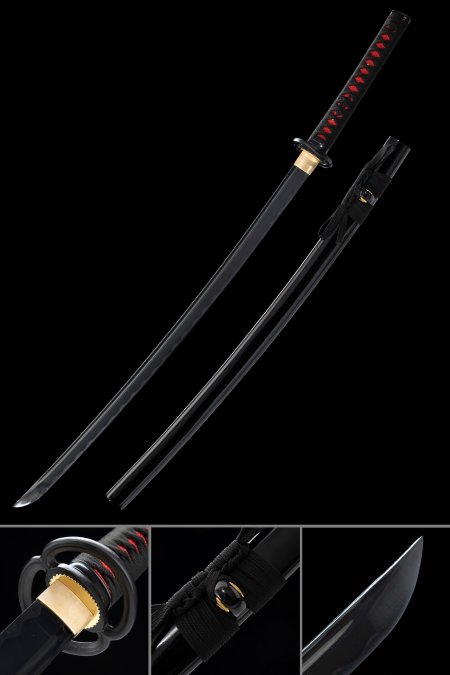
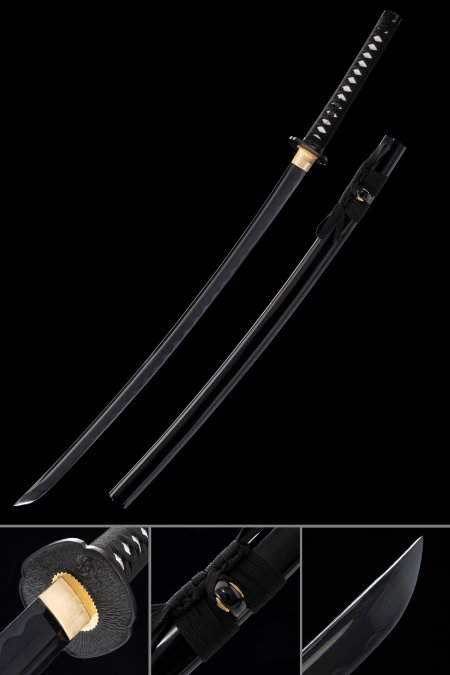
1060 carbon steel is widely considered one of the best all-around steel choices for a functional katana, striking an excellent balance between hardness, toughness, and ease of maintenance. With a carbon content of approximately 0.60%, it sits comfortably in the mid-range of high-carbon steels — hard enough to take and hold a sharp cutting edge, yet tough enough to flex under impact rather than snap. This makes 1060 steel katana swords a popular choice among both martial arts practitioners and serious collectors.
Compared to entry-level 1045 steel, 1060 offers noticeably better edge retention and can be heat-treated to a higher hardness, resulting in a more capable cutting blade. While it does not reach the peak hardness of 1095 or T10, its greater toughness means it is far less prone to chipping or cracking under the lateral stresses of heavy cutting or contact with hard targets — a significant practical advantage for iaido, kenjutsu, and tameshigiri practice.
1060 steel also responds well to clay tempering, allowing swordsmiths to create a genuine hamon and produce a blade with a harder edge and a more resilient spine, closely echoing the performance profile of traditional Japanese samurai swords. Maintenance is straightforward: like all carbon steels, 1060 requires regular oiling to prevent surface rust, but it is no more demanding than other steels in its class.
For practitioners and collectors looking for a reliable, high-performance Japanese sword without the premium price of T10 or folded steel, a 1060 katana for sale represents outstanding value. At TrueKatana, our 1060 steel katanas are hand-forged and clay-tempered to deliver authentic performance at an accessible price point.
The designation 1060 follows the SAE/AISI four-digit numbering system for carbon and alloy steels. The first two digits, 10, classify it as a plain carbon steel — meaning the alloy's properties derive primarily from its carbon content with minimal contribution from other elements. The last two digits, 60, indicate the nominal carbon content in hundredths of a percent: 1060 contains approximately 0.60 percent carbon by weight. This places it at the border between medium-carbon steel (0.30 to 0.60 percent) and high-carbon steel (above 0.60 percent), though many metallurgists classify 1060 as high-carbon because its behavior during heat treatment aligns more closely with high-carbon grades. Beyond carbon, 1060 contains 0.60 to 0.90 percent manganese, which improves hardenability and adds strength, along with trace amounts of sulfur, phosphorus, and silicon inherent to the steelmaking process. The number system gives buyers a direct, standardized way to compare steels. A 1045 blade has 25 percent less carbon than a 1060 and will be noticeably softer and tougher. A 1095 blade has nearly 60 percent more carbon and will be harder but more brittle. Each increment in the last two digits shifts the balance between hardness and toughness, and 1060 sits at the point where most sword professionals consider the trade-off optimal for a functional Japanese sword that needs to cut, train, and last. Understanding the number lets you navigate steel comparisons with confidence rather than relying on marketing descriptions that can be vague or inconsistent.
The two steels optimize for different priorities, and better depends entirely on your intended use. 1095 at 0.95 percent carbon achieves greater hardness (HRC 58 to 62 versus HRC 50 to 56 for through-hardened 1060), holds a finer cutting edge through more consecutive cuts, and can be ground to a keener edge geometry. If you are an advanced tameshigiri practitioner with refined technique who cuts frequently and prioritizes maximum sharpness and edge retention, 1095 offers a measurable performance advantage at the cutting edge. However, that extra hardness comes with tangible trade-offs that affect everyday ownership. 1095 is more brittle — it chips more readily on off-angle cuts or when the edge contacts a hard object unexpectedly. It rusts faster because the higher carbon content creates a finer-grained surface that oxidizes more aggressively. It is harder to sharpen, requiring more time and finer stones to restore the edge. And it demands more precise heat treatment during forging, meaning maker quality variation has a bigger impact on the final blade — a poorly tempered 1095 can actually perform worse than a well-made 1060. For the majority of katana buyers — people who cut occasionally, train regularly, and want a sword they can enjoy without constant anxiety about maintenance or technique perfection — 1060 delivers a better overall ownership experience. It forgives mistakes, maintains itself easily, and costs less. Think of 1060 as the reliable daily driver and 1095 as the precision sports car: both excellent, serving different needs. Most collections benefit from having both a samurai sword in 1060 for regular use and a 1095 battle ready katana for peak cutting performance.
Yes, a properly sharpened 1060 carbon steel katana cuts through rolled tatami omote cleanly and consistently. Tatami mats are the standard test medium in tameshigiri practice, chosen because their density and fiber structure approximate the resistance of soft tissue, providing reliable feedback on cutting technique. A 1060 blade with a correctly ground edge bevel and functional sharpness will pass through a single tatami roll as smoothly as any steel grade on the market — the cut quality at the moment of impact depends far more on the cutter's technique, edge geometry, and blade alignment than on whether the steel is 1060 versus 1095 or T10. Where the steel grade shows its influence is in what happens over many cuts. A 1060 edge typically maintains its functional cutting sharpness through 15 to 30 cuts on rolled tatami before micro-rolling or dulling becomes noticeable and a touch-up on a whetstone restores full performance. A 1095 blade under the same conditions might sustain 30 to 50 cuts before needing attention. For most practitioners, who cut in sessions of 10 to 20 rolls, the 1060's edge endurance is more than sufficient for a full session without interruption. Many dojo instructors and tameshigiri clubs use 1060 as their standard training steel precisely because it delivers clean cuts reliably, forgives the technique errors that are inevitable during practice, and sharpens quickly between sessions. If you want a battle ready katana that performs honestly during cutting and tells you the truth about your technique through the quality of each cut, 1060 is the steel that experienced cutters trust.
1060 carbon steel is widely regarded as the best steel grade for a beginner's first functional katana, and this recommendation comes from martial arts instructors, sword retailers, and experienced collectors with remarkable consistency. The reasons are both technical and practical. On the technical side, 1060 is tough enough to absorb the mistakes that beginners inevitably make — off-angle cuts, strikes against unexpected hard spots in targets, accidental contact with stands or surfaces during handling. A 1060 blade flexes and recovers where a harder steel like 1095 might chip. This gives beginners a meaningful safety margin: the sword does not punish learning errors with permanent damage, which reduces both cost and frustration during the skill-building phase. On the practical side, 1060 is easier to maintain than harder steels. It sharpens readily with basic whetstones — no specialized diamond plates or advanced sharpening technique required. It corrodes slightly slower than 1095 or T10, giving new owners a wider window to establish maintenance habits before mistakes lead to visible rust. And it costs less: quality 1060 katana are available in the $150 to $300 range, making the first functional sword investment accessible without sacrificing real cutting capability. The blade still holds a genuine cutting edge, still produces clean cuts through tatami and other standard targets, and still carries the authentic weight and balance of a traditional Japanese sword. Starting with 1060 also gives you a calibrated reference point for evaluating higher-grade steels later — you will understand exactly what 1095 or T10 improves upon because you have lived with the baseline that 1060 establishes.
The hardness of a 1060 carbon steel katana depends on the specific heat treatment applied during forging, but typical values fall between HRC 50 and 56 for through-hardened blades. Clay tempered 1060 blades achieve higher hardness at the cutting edge — HRC 56 to 58 — while the spine remains softer at HRC 38 to 42 to provide flexibility and shock absorption. These numbers place 1060 in a practical middle ground between the softer entry-level steels and the hardest cutting steels. For reference, 1045 through-hardened blades typically land at HRC 48 to 52, making them noticeably softer, while 1095 reaches HRC 58 to 62, placing it in a genuinely hard range that requires careful handling. The HRC scale measures resistance to indentation, and every point represents a meaningful change in how the steel behaves in use. At HRC 50 to 56, 1060 is hard enough to maintain a working cutting edge through practical use — clean cuts through tatami, bottles, and soft bamboo — while remaining soft enough to flex under lateral stress rather than fracturing. This hardness range also makes the steel cooperative during sharpening: a medium-grit whetstone removes material efficiently, and a fine-grit finishing stone produces a clean, functional edge without the extended effort that steels above HRC 58 demand. The heat treatment matters as much as the steel grade itself — a well-tempered 1060 blade from a skilled smith can outperform a hastily processed 1095 blade from a less experienced maker, which is why buying from a reputable source like TrueKatana's real katana collection matters as much as choosing the right steel designation.
Yes. Every plain carbon steel in the 10xx family rusts when exposed to moisture, and 1060 is no exception. The alloy contains no chromium or other elements that form a protective passive oxide layer the way stainless steel does, so the iron in the blade reacts directly with water and atmospheric oxygen to form iron oxide — rust. This is inherent to all functional sword steels and is not a quality defect. The practical question is how fast it rusts and how much effort prevention requires, and on both counts 1060 sits in a favorable position within the carbon steel spectrum. Its moderate carbon content (0.60 percent) produces a slightly coarser grain structure than 1095 or T10, which means the surface area exposed to atmospheric oxygen per unit of blade is slightly less, and corrosion develops marginally slower under identical conditions. The difference is modest — hours rather than days — but it works in the owner's favor, especially for beginners still establishing their maintenance routine. Prevention is simple: wipe the blade clean after every handling session to remove fingerprints (the salts in skin oil are the primary corrosion trigger), apply a thin coat of choji oil or mineral oil to the entire blade surface, and store in the saya in a climate-controlled room. If surface rust does appear, fine-grit sandpaper or a gentle metal polish removes it without damaging the steel. Coastal and tropical climate owners should consider a dehumidifier in their display area. A 1060 sharp katana maintained with basic oiling habits will remain rust-free indefinitely, and the light patina it develops through years of use and care is considered a positive attribute by collectors who appreciate a blade that has been genuinely lived with.
The defining strength of 1060 is that it does not have a single best use — it is the most versatile steel grade in the functional katana market, performing well across every common application without excelling at any extreme. For tameshigiri cutting, 1060 holds its edge through a productive session and forgives the technique imperfections that happen during training. For dojo practice with a live blade, the toughness provides a safety margin that harder steels cannot match. For iaido and kata, the authentic weight and balance build muscle memory that transfers directly to any other sword. For display, a clay tempered 1060 with a genuine hamon is visually compelling and indistinguishable from higher-grade pieces to most observers. For backyard cutting against bottles, pool noodles, and bamboo, 1060 handles the casual beating without complaint. And for collection building, the moderate pricing means you can acquire multiple pieces — a katana, a matching wakizashi, a themed or anime-styled blade — without the per-unit cost of premium steels consuming your entire budget. The only scenarios where 1060 is not the optimal choice are the extremes: if you want the cheapest possible real sword purely for wall decoration, 1045 costs less. If you are a competitive tameshigiri cutter chasing the last five percent of edge performance, 1095 or T10 delivers that. But for the overwhelming majority of buyers who want one battle ready katana that handles everything they throw at it reliably and well, 1060 is the steel that earns that spot on merit.
1060 carbon steel katana occupy the value sweet spot of the functional sword market — genuinely capable blades at prices that do not require a premium budget. At TrueKatana, hand-forged 1060 katana typically range from around $120 to $350 depending on blade treatment, fittings complexity, and whether the blade is clay tempered. A standard through-hardened 1060 katana with traditional tsuka wrapping, cast alloy tsuba, and lacquered saya sits at the lower end of that range. Clay tempered pieces with genuine hamon lines, premium fittings, hand-carved tsuba, and specialized blade finishes like black or colored treatments push toward the upper range. Compared to other steel grades: 1045 katana run $80 to $200, representing the budget entry point. 1060 at $120 to $350 covers the mid-range where most buyers find the best balance of performance and value. 1095 pieces range from $200 to $500, reflecting the higher difficulty of forging and heat-treating that steel. T10 and Damascus swords sit at $300 to $600 and above for the premium tier. The cost difference between 1060 and 1095 is often $50 to $150 for comparable fittings, and whether that premium is worth it depends on whether you need the extra edge retention that 1095 provides. For most buyers, the 1060 price point delivers the most sword per dollar — genuine cutting capability, traditional construction, and the option of clay tempering, all at prices that make building a collection practical. Free US shipping and TrueKatana's 30-day return guarantee mean you can try a 1060 Japanese sword risk-free and confirm firsthand why this steel grade earns so many repeat recommendations.
Yes, 1060 can be clay tempered, and it responds to the differential hardening process well enough to produce both functional performance benefits and a visible hamon line. The clay tempering process involves coating the blade's spine and sides with a mixture of clay, ash, and refractory material, leaving the cutting edge exposed, then heating the entire blade to austenitizing temperature and quenching in water or oil. The exposed edge cools rapidly into hard martensite while the insulated spine cools slowly into softer pearlite, creating a blade with a hard cutting edge (HRC 56 to 58) and a flexible, shock-absorbing spine (HRC 38 to 42). The hamon line that marks the boundary between these two zones is genuine — it reflects a real metallurgical transition, not a cosmetic treatment. At 0.60 percent carbon, 1060 produces a hamon that is clearly visible with real activity in the transition zone, though it tends toward subtler patterns compared to the bold, dramatic hamon lines that 1095 or T10 generate with their higher carbon content. For buyers who want both the performance advantages of differential hardness and the beauty of an authentic hamon, clay tempered 1060 represents outstanding value — you get the real thing at a price point well below what clay tempered 1095 or T10 commands. The process also makes the blade functionally superior to a through-hardened 1060 for cutting applications, because the softer spine absorbs impact shock more effectively while the harder edge maintains sharpness longer. TrueKatana's clay tempered katana collection includes 1060 pieces with authentic hamon — each one unique and unrepeatable, confirming genuine traditional heat treatment.
This comparison comes up frequently because both steels are popular in the functional sword community, but they optimize for different aspects of cutting performance. 1060 is a plain carbon steel with 0.60 percent carbon that delivers good edge hardness and edge retention — it cuts cleanly and holds its sharpness through a reasonable number of targets before needing attention. 9260 is a silicon-manganese spring steel with approximately 0.60 percent carbon plus about 2 percent silicon. The silicon addition dramatically increases the steel's toughness and elasticity — a 9260 blade can bend to extreme angles and spring back to true, making it virtually indestructible under normal sword use. However, the silicon that gives 9260 its legendary toughness also limits its achievable edge hardness. A 9260 blade typically cannot be heat-treated to the same Rockwell hardness as a 1060, which means it does not hold as keen an edge and dulls faster during sustained cutting. For tameshigiri specifically, where clean cuts and edge retention matter more than raw toughness, 1060 generally produces better cutting results. For heavy contact use — theatrical cutting demonstrations, destruction tests, or situations where the blade might strike hard objects — 9260's extreme flexibility makes it the safer choice. Many practitioners own both: a 1060 samurai sword for precise cutting practice where edge quality matters, and a 9260 for the rougher applications where you push a blade's structural limits. If you can only choose one and your primary activity is standard tatami cutting, 1060 gives you cleaner results at the target while still being tough enough for any reasonable training scenario.
Love the product, packaging styrofoam got stuck to the leather strap though.
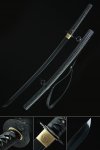 |
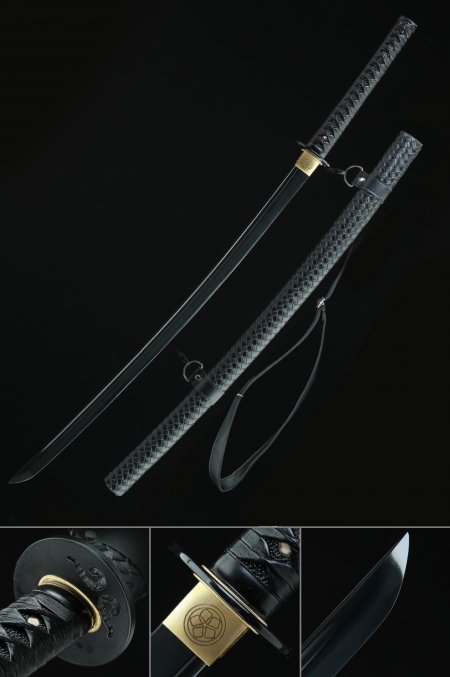
Obsidian Katana - 1060 Carbon Steel Black Blade with Leather-Wrapped Saya and Carry Strap |
He is in love with it , he says it’s perfect he’s happy so I’m happy
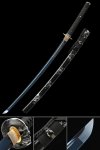 |
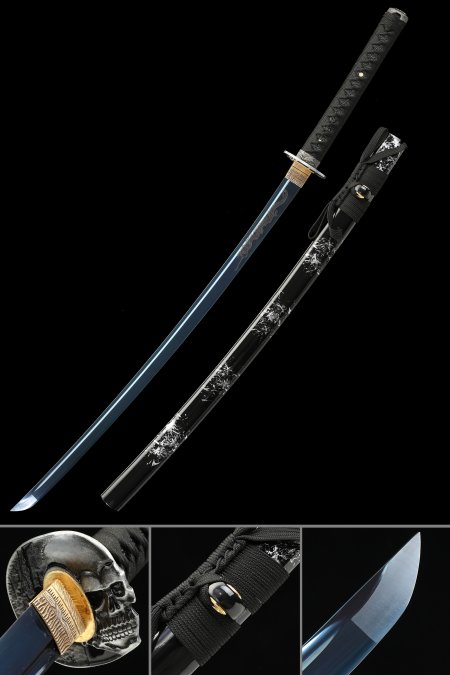
1060 Carbon Steel Blue Blade Katana with Skull Tsuba in Black Lacquered Saya - Full Tang Collectible Sword |
I'm no expert, and won't pretend to be, but I did grow up around blades and martial arts and have owned many swords over the years. I'm 64 years old now, on the other side of some hardships and setbacks. r
r
I still train with a boken, and have been since I was a teen, but I sold all my swords several years back. Life forced me to learn to do without, but as my life improved, I missed my swords and wanted to replace them.r
r
My late Father was a cutlery distributor, so I built my previous collection with great discounts and lots of resources. I didn't have those advantages this time. I had to study the new market. So I began reading posts and watching reviews about the available makers and suppliers, as well as their specific offerings in my price range. This led me to take a chance on Truekatana and this particular offering.r
r
I thought I owned some pretty nice blades before, but this one beats them all! I love everything about it! It feels great in my hand, and it is so much better than I hoped for. I immediately ordered another model katana, and I'm sure I'll be getting more in the future. It was packed well and arrived quickly and safely. r
r
I'm definitely a huge fan of Truekatana!
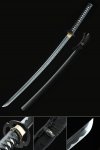 |
1060 Carbon Steel Black Katana with Clay-Tempered Hamon in Matte Black Hardwood Saya - Full Tang Collectible Sword |
Craftsmanship is of excellent quality.I love the solid black aesthetic of the sword.Blade is sharp and durable.
|
Obsidian Katana - 1060 Carbon Steel Black Blade with Leather-Wrapped Saya and Carry Strap |
Was an amazing gift! r
He loved it and it’s actually very sharp and durable.
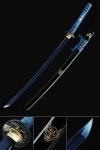 |
1060 Carbon Steel Katana Sword with Blue Blade and Dragon Tsuba in Black Piano Lacquer Saya |
Everything went okay and fast, just a minor incident with UPS.The katana is awesome and very cool
|
1060 Carbon Steel Blue Blade Katana with Skull Tsuba in Black Lacquered Saya - Full Tang Collectible Sword |
Shipment arrived earlier than expected. The quality of the blade and detail work was great.
|
1060 Carbon Steel Blue Blade Katana with Skull Tsuba in Black Lacquered Saya - Full Tang Collectible Sword |
The Katana was AMAZING quality. Shipping was quick. It was the perfect gift and the company is very considerate and thoughtful. The perfect place if you want to ow your own Katana.
|
1060 Carbon Steel Katana Sword with Blue Blade and Dragon Tsuba in Black Piano Lacquer Saya |