1060 Wakizashi
A wakizashi was never meant to be just a backup blade. Samurai carried it daily because its shorter length gave quick control and a more personal feel in close spaces. A solid 1060 wakizashi keeps that spirit alive with dependable carbon steel, practical durability, and balance that feels right in hand. The best 1060 wakizashi sword designs are different from decorative replicas — they use full tang construction, careful heat treatment, and traditional styling that collectors and martial arts fans actually pay attention to. Some are clean and understated, others more detailed, but they all carry the compact strength that makes the wakizashi so respected. Take a look through the collection and find one that fits your style naturally.
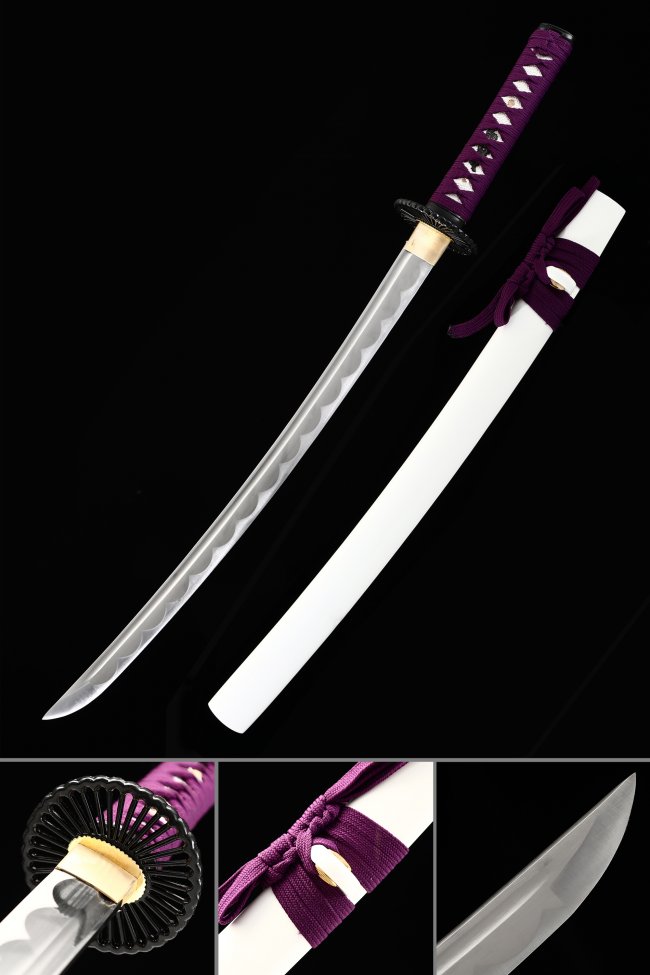
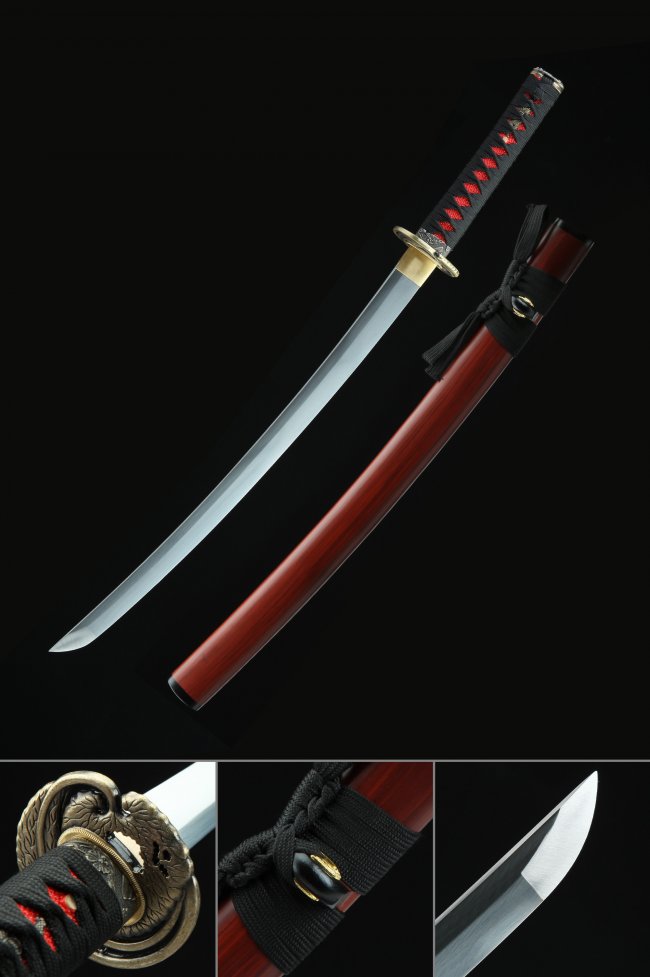
1045 Carbon Steel Wakizashi Sword Full Tang With Purple Tsuka Wrap And White Piano Lacquer Saya
18 Reviews
ON SALE 15% OFF
$139.00
$159.00
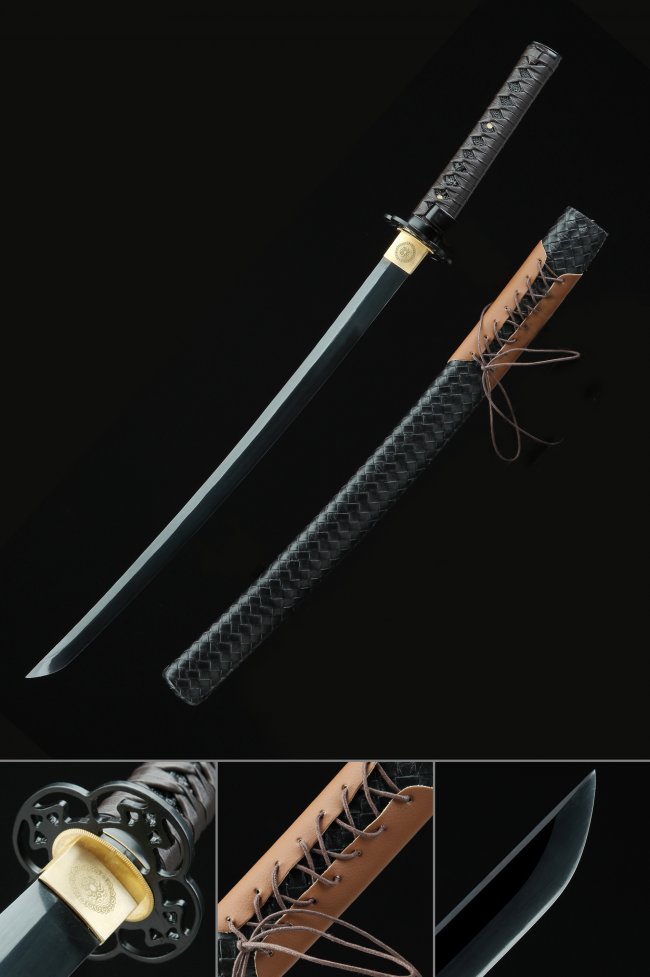
1045 Carbon Steel Black Blade Wakizashi With Woven Leather Saya And Iron Openwork Tsuba
6 Reviews
ON SALE 15% OFF
$169.00
$199.00
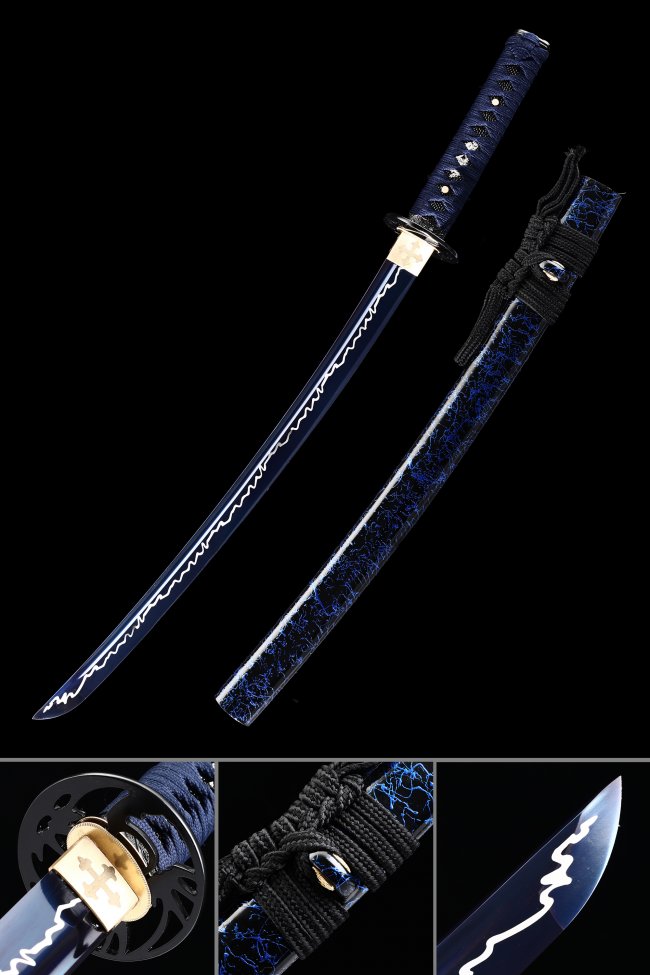
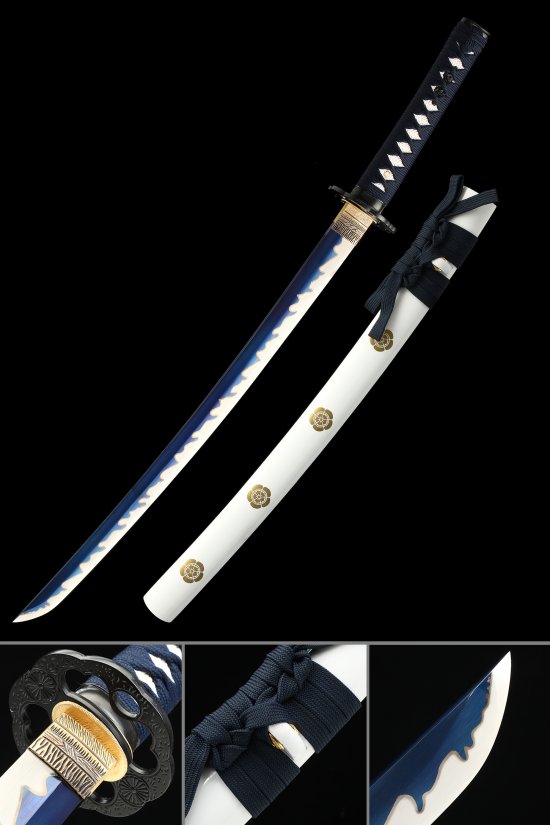
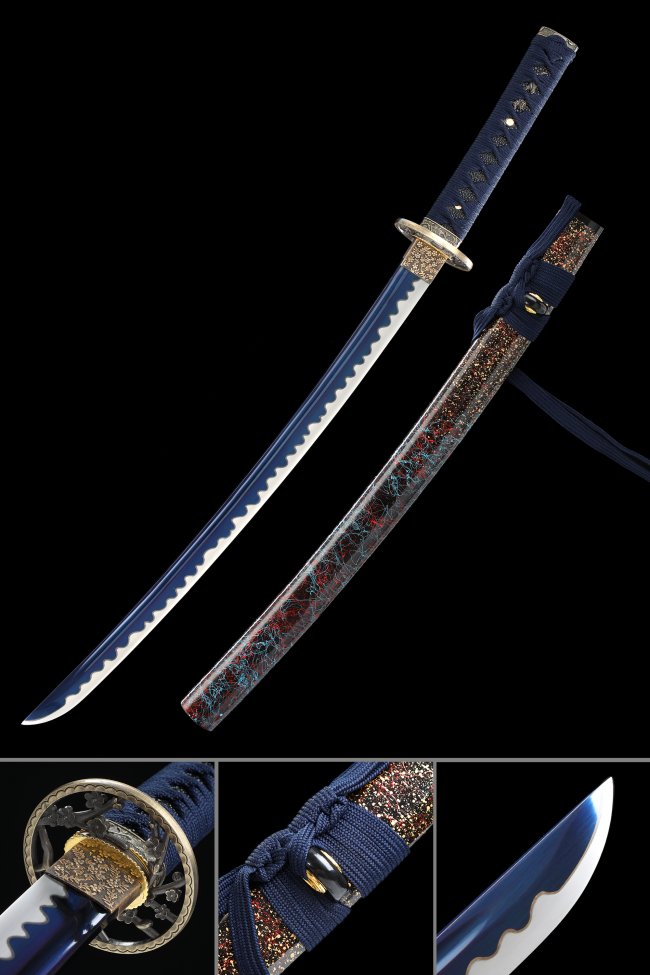
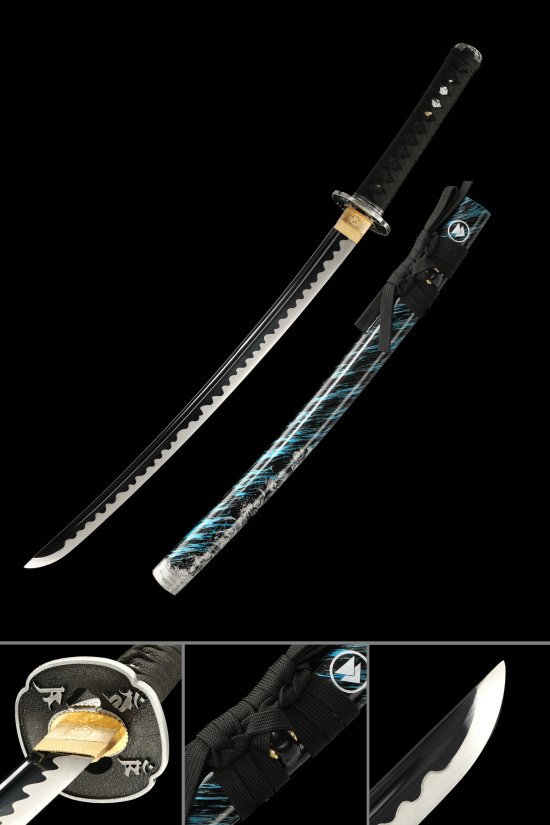
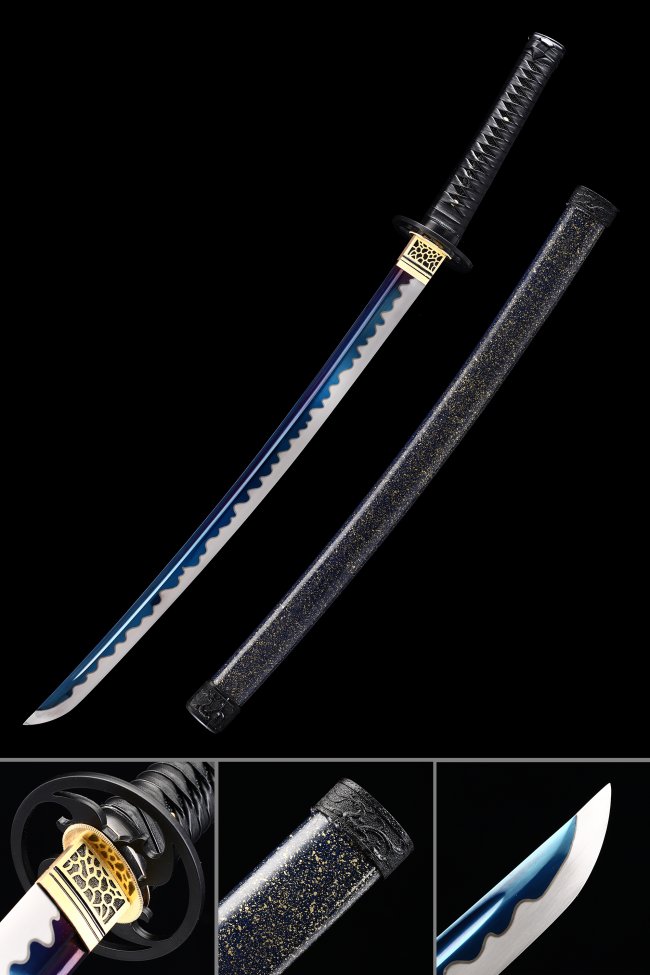
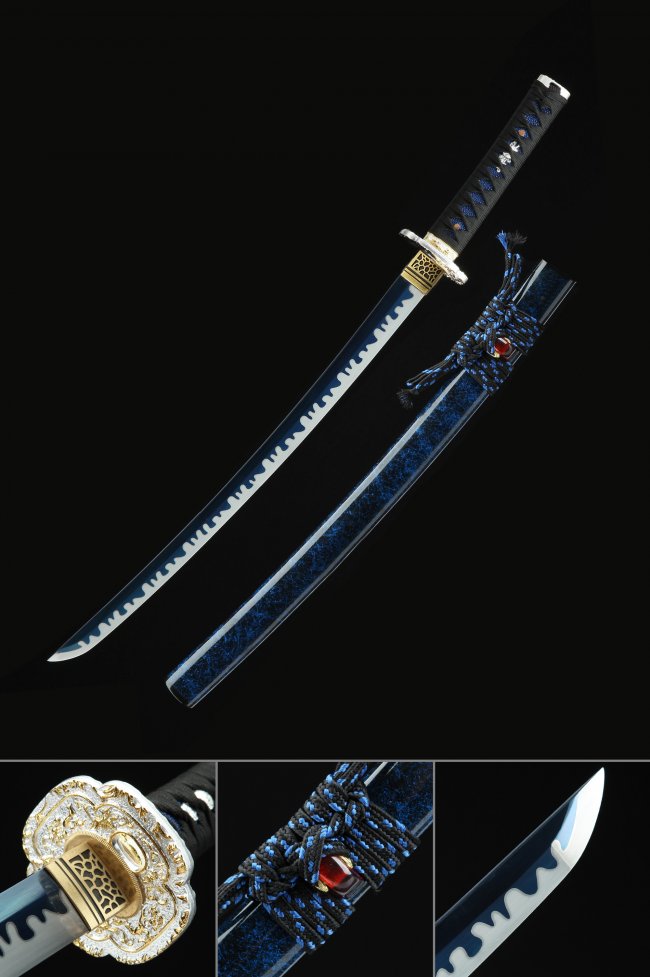
Blue Blade Wakizashi Sword In High Manganese Steel With Lightning Hamon And Black-blue Lacquered Saya
8 Reviews
ON SALE 15% OFF
$179.00
$209.00
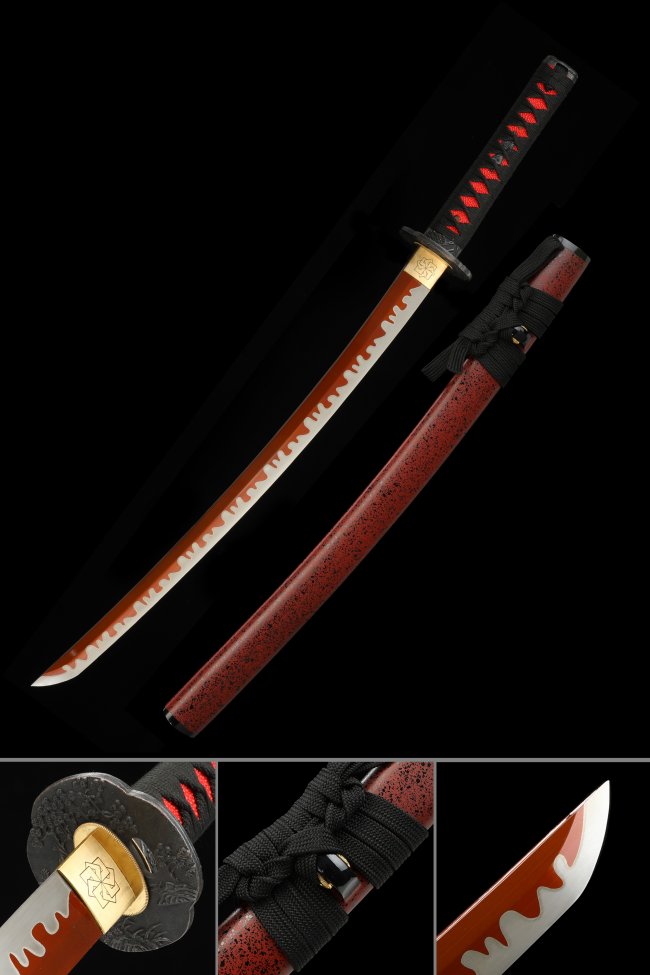
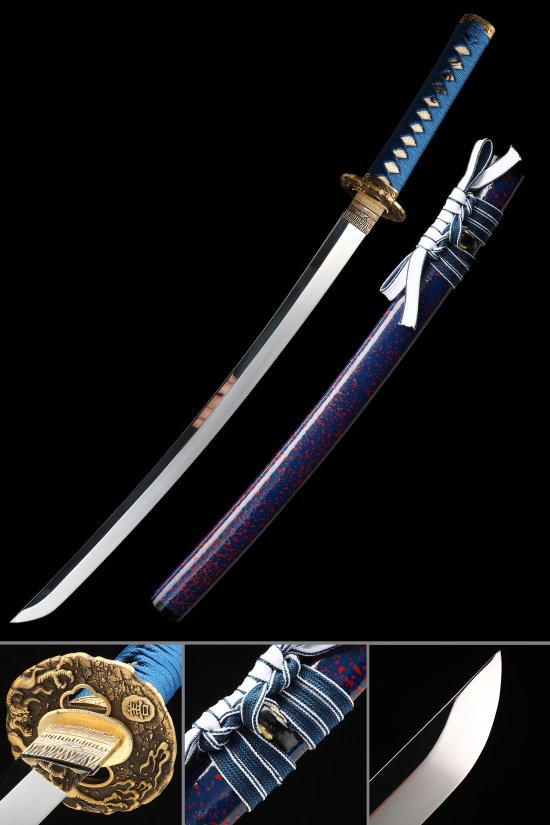
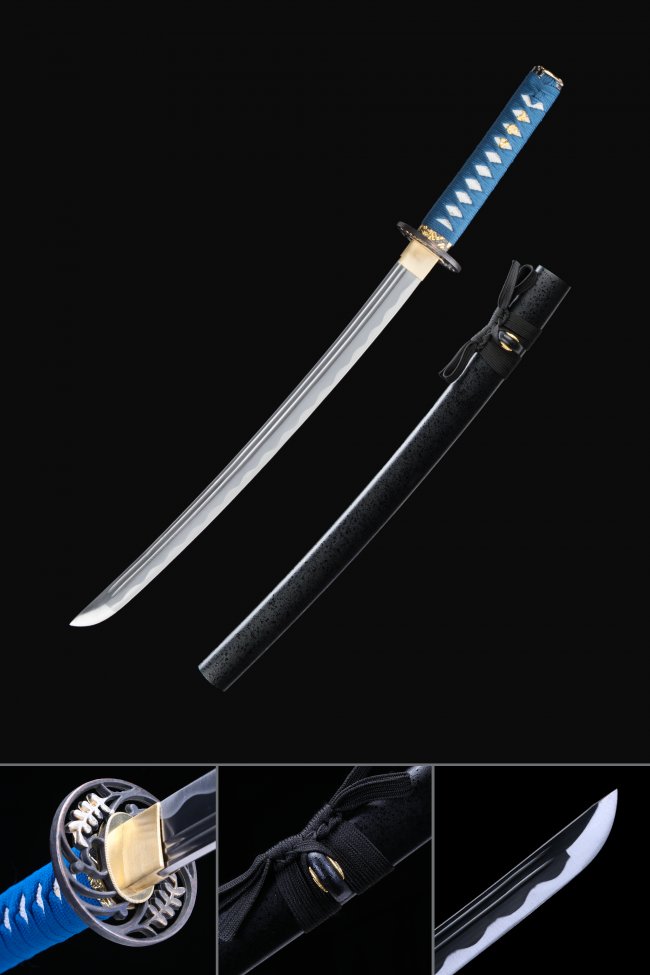
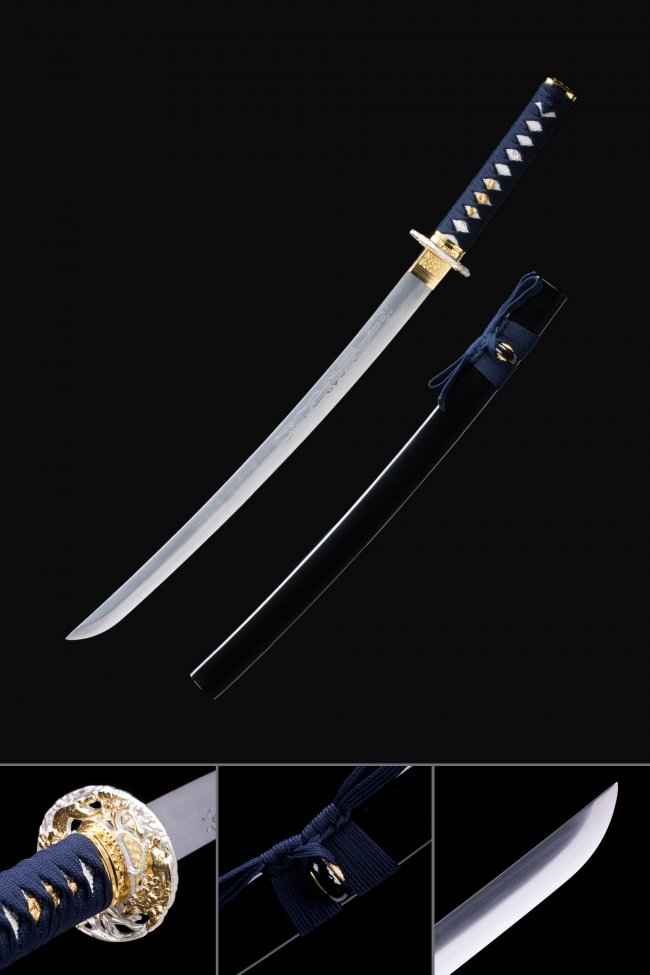
Wakizashi In 1065 Carbon Steel With Black Lacquer Saya And Blue Cord Handle
1 Reviews
ON SALE 15% OFF
$179.00
$209.00
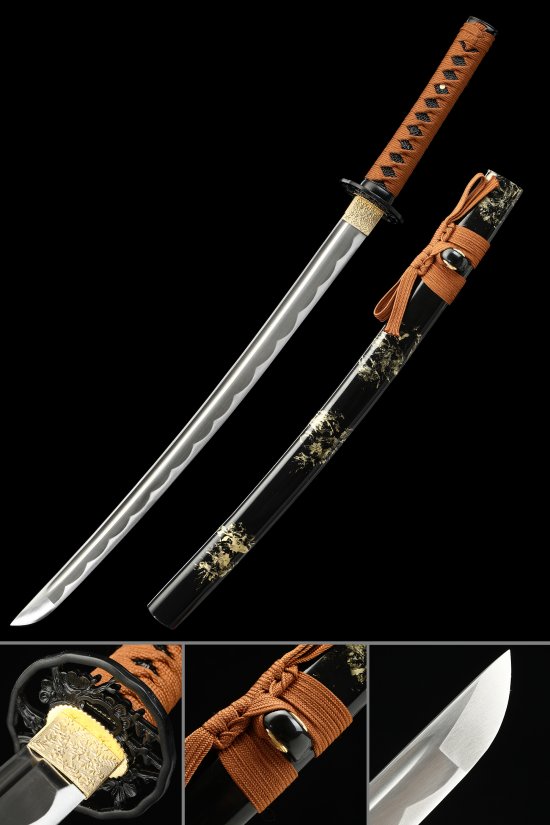
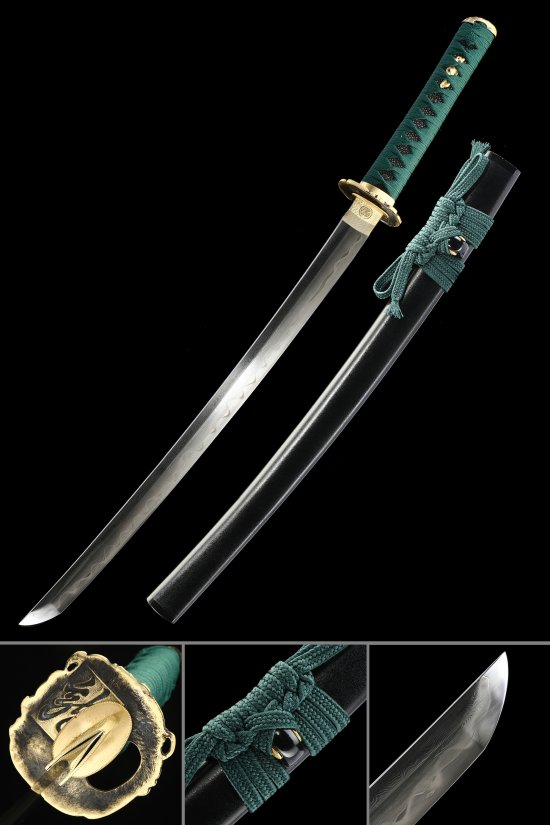
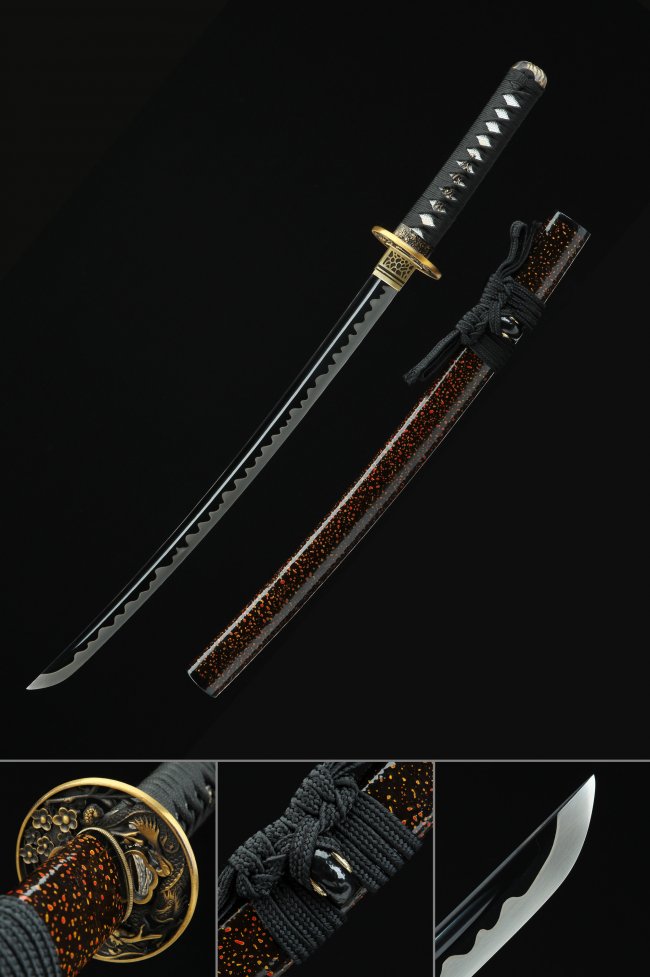
1060 Carbon Steel Wakizashi With Black Lacquer Saya - Orange Ito, Chrysanthemum Tsuba, Gold Vine
3 Reviews
ON SALE 30% OFF
$109.00
$159.00
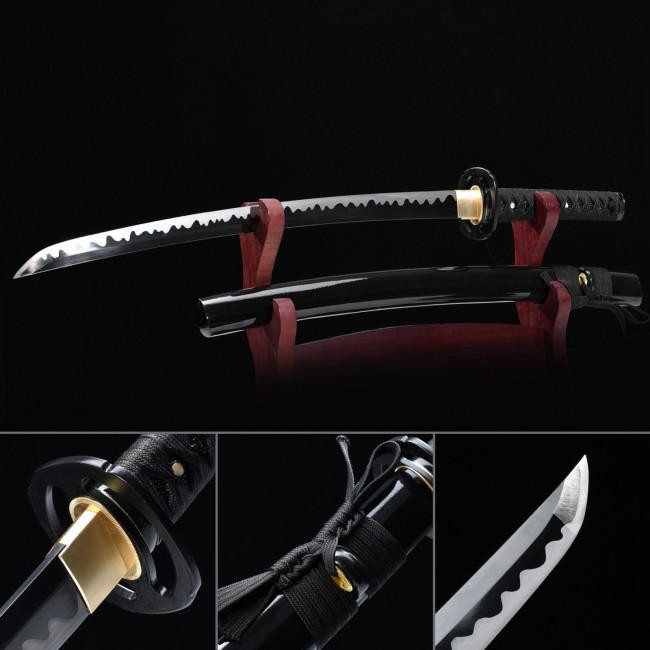
Wakizashi Sword Manganese Steel 20.47" Chrome Blade With Black Piano Lacquer Saya And Gold Tsuba
4 Reviews
ON SALE 15% OFF
$189.00
$219.00
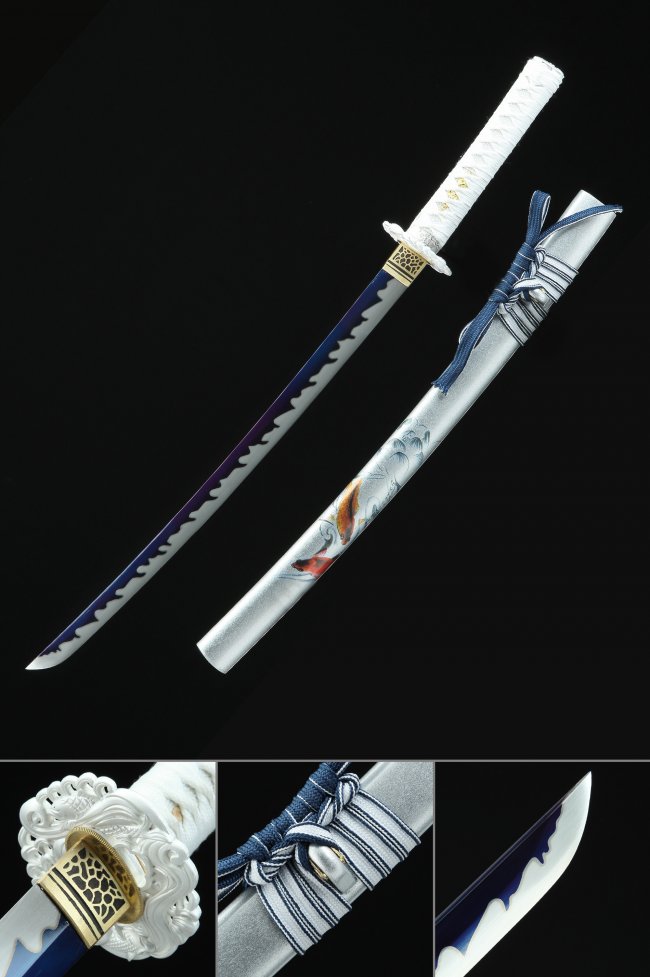
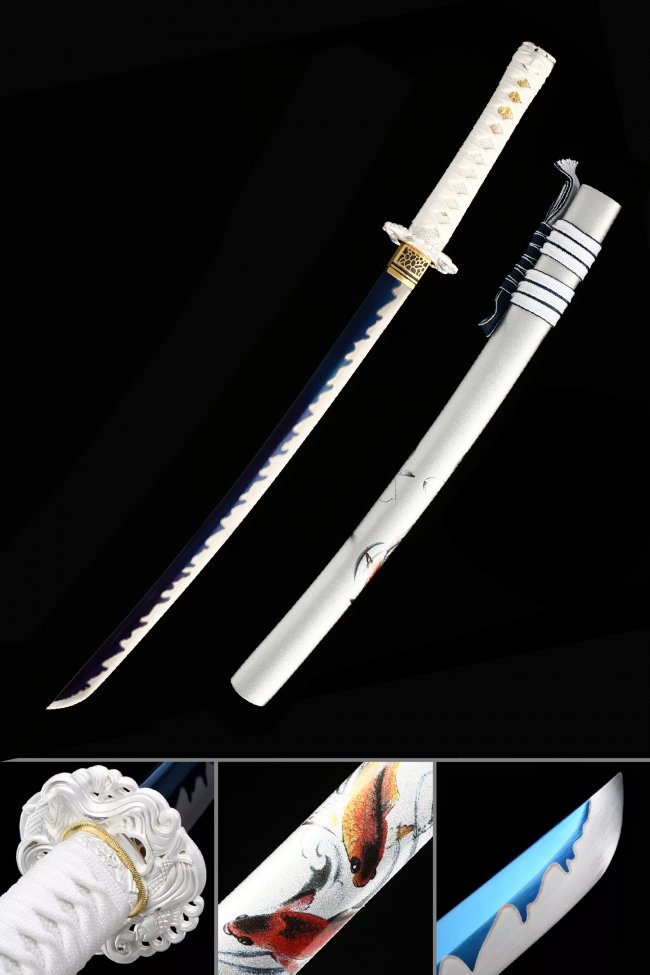
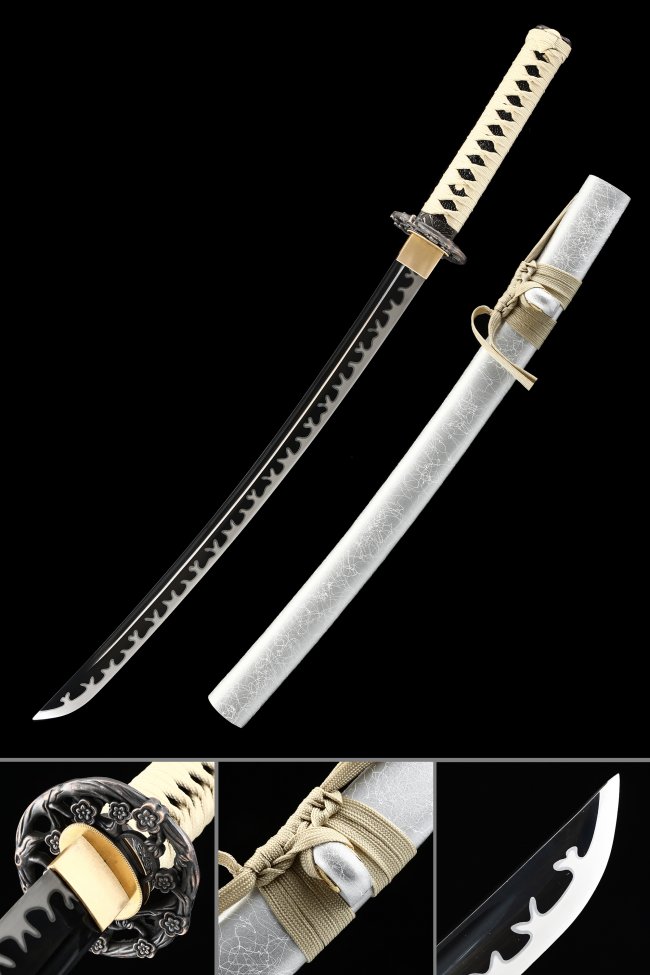
1095 Carbon Steel Blue-white Blade Wakizashi With Koi Saya, White Tsuka & Gold-tone Tsuba
4 Reviews
ON SALE 15% OFF
$179.00
$209.00
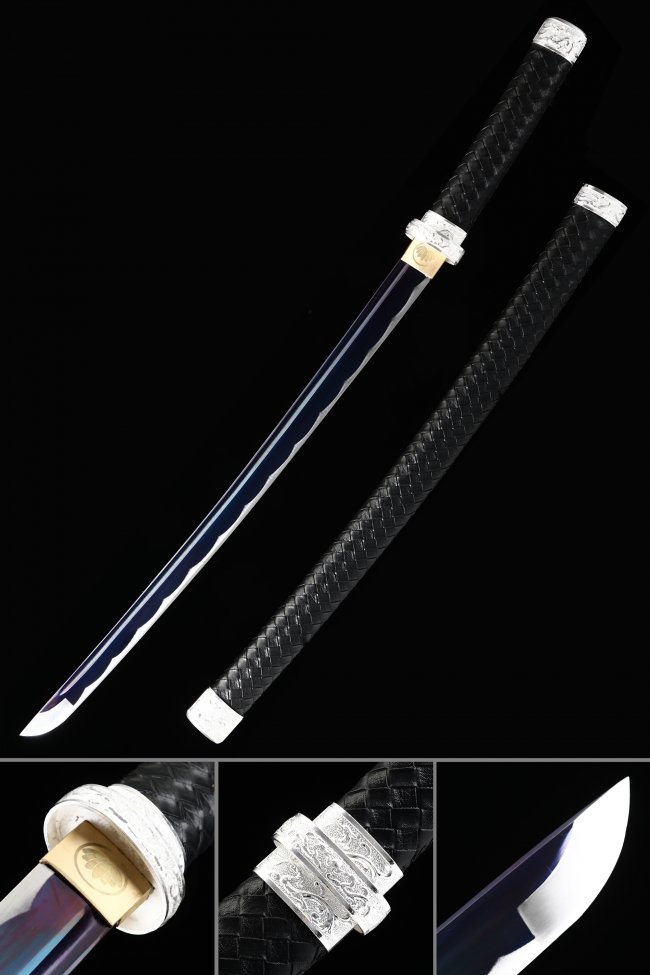
Manganese Steel Wakizashi With Rainbow Blue Blade In Black Leather-wrapped Saya With Silver Alloy Fittings
6 Reviews
ON SALE 15% OFF
$139.00
$169.00
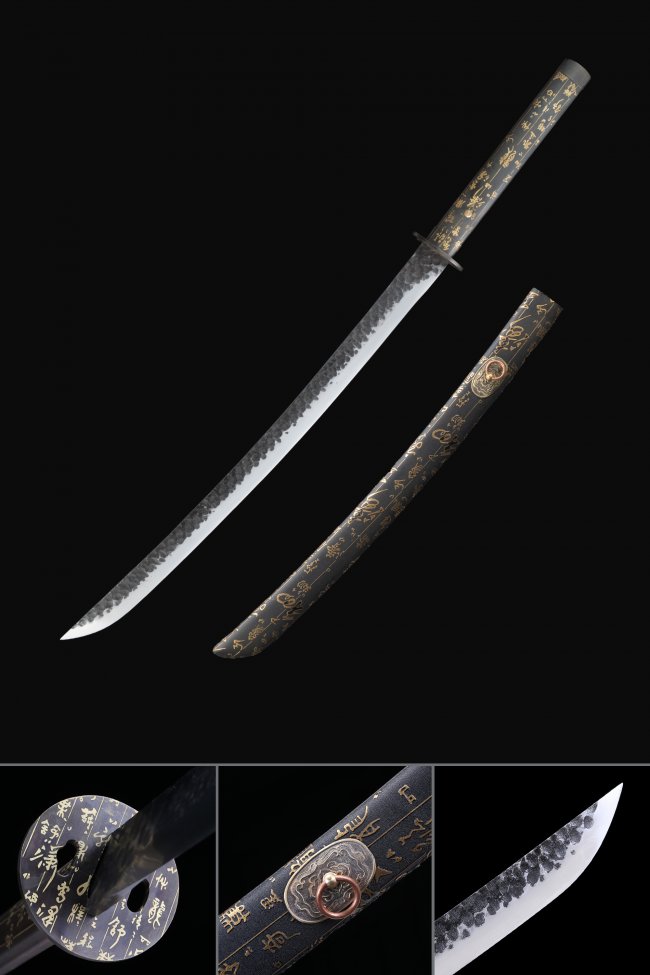
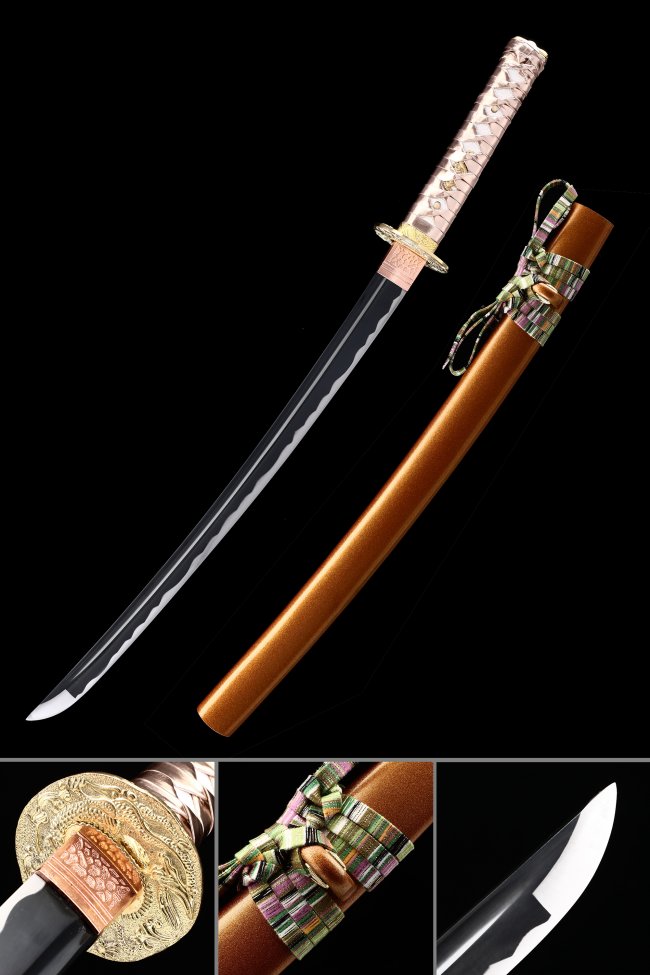
Full Tang Manganese Steel Wakizashi With Orange Lacquer Saya - Gold Dragon Tsuba, Pink Tsuka-ito
ON SALE 30% OFF
$139.00
$199.00
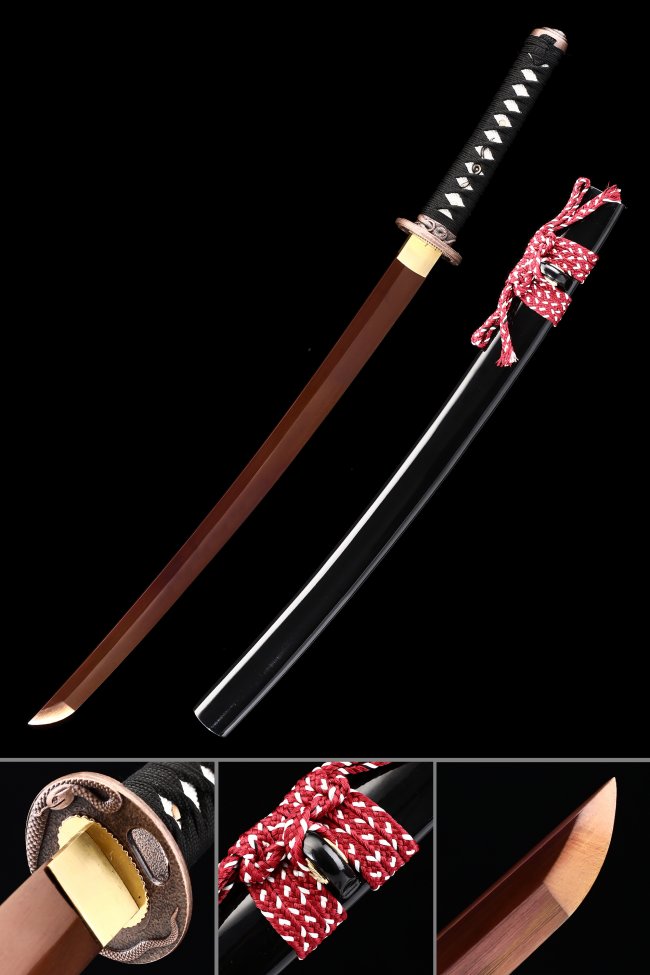
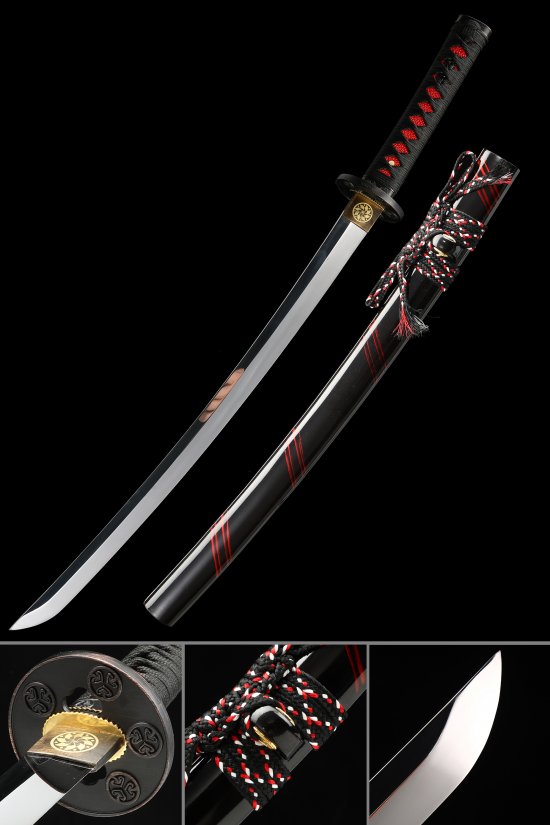
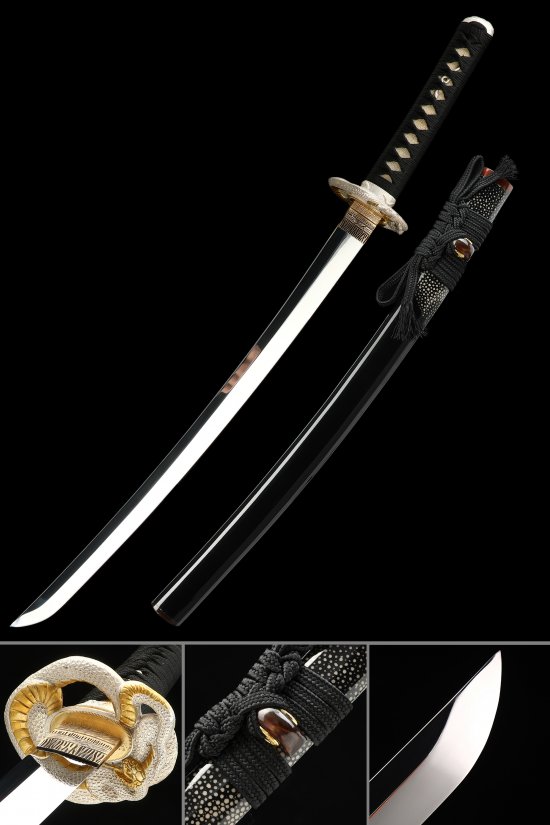
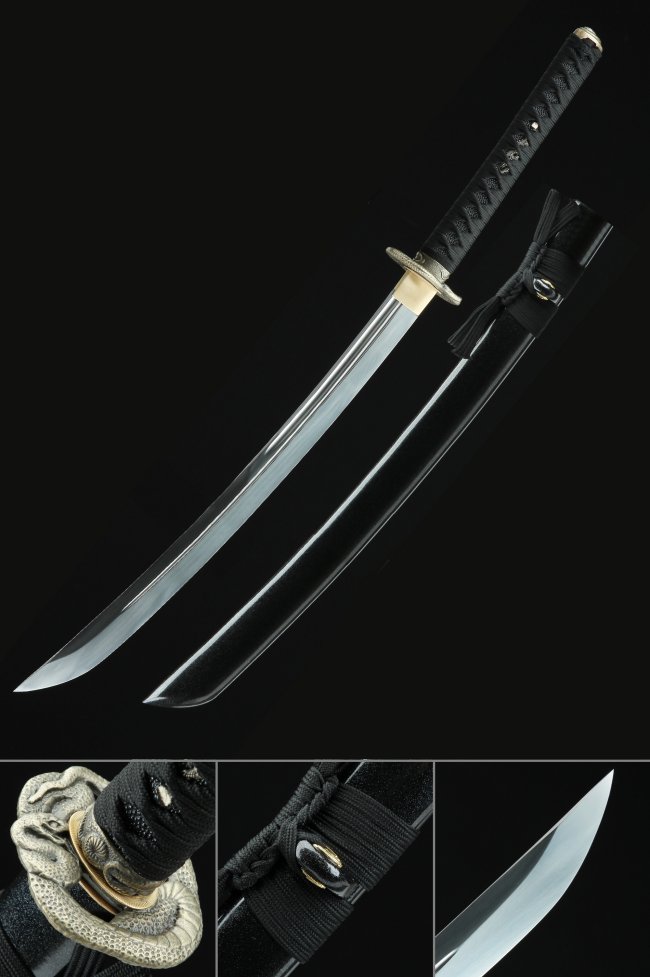
Manganese Steel Dark Red Blade Wakizashi With Snake Tsuba In Black Lacquer Saya - Red-white Sageo
1 Reviews
ON SALE 30% OFF
$139.00
$199.00
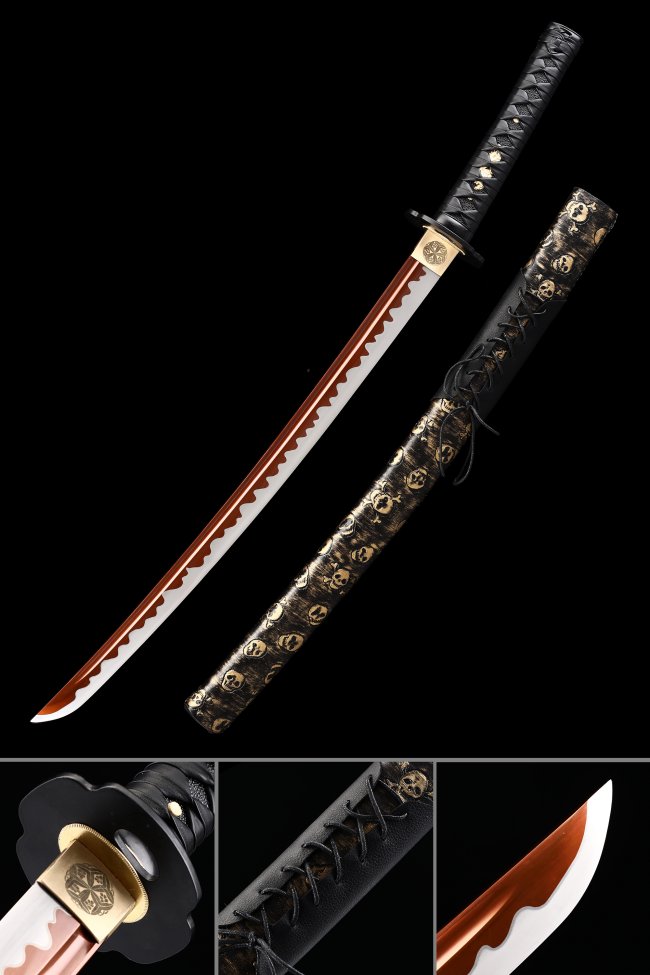
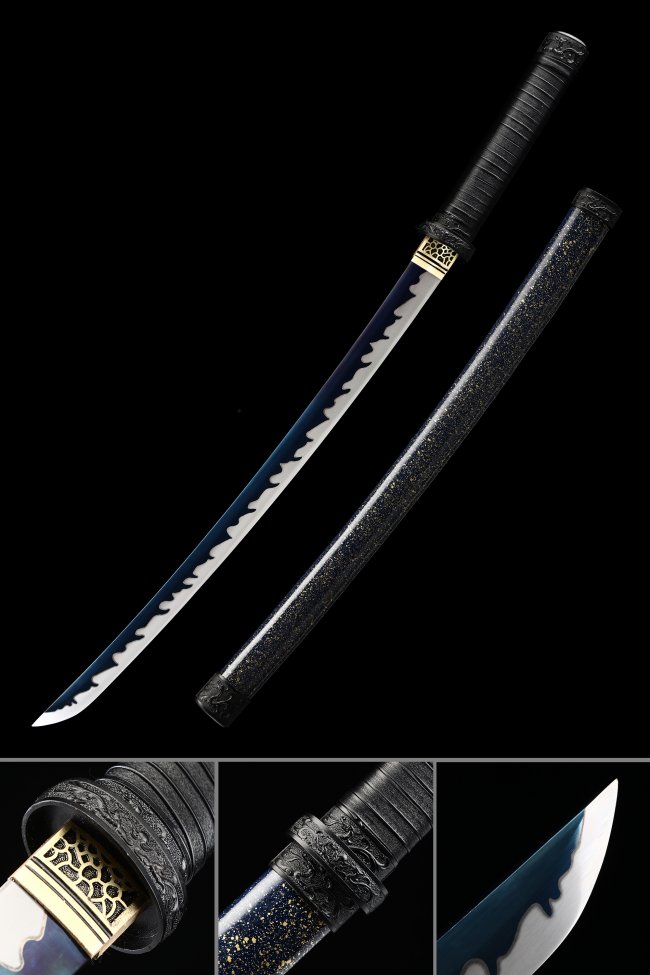
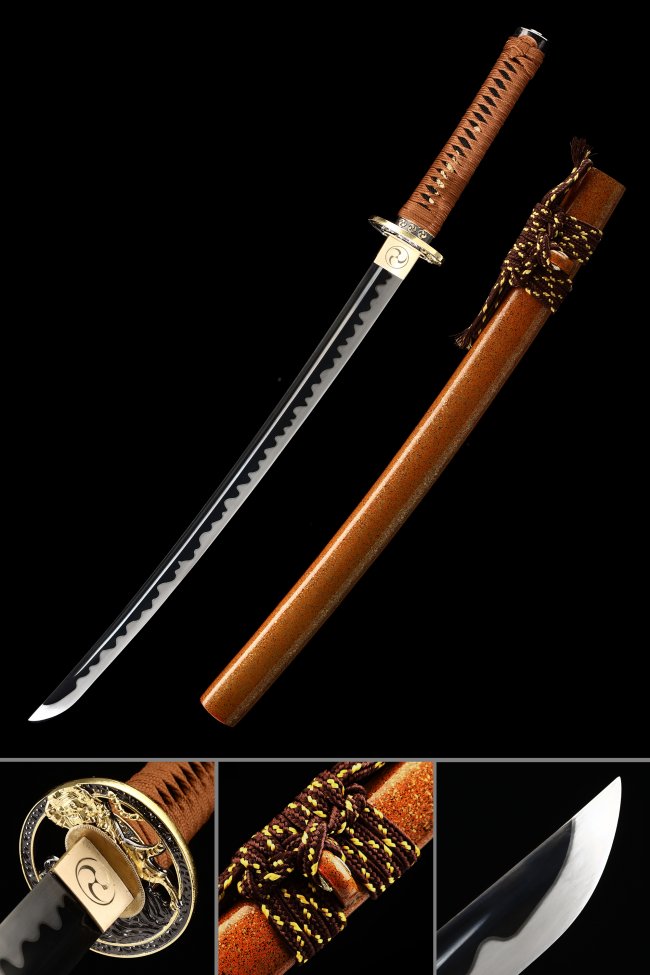
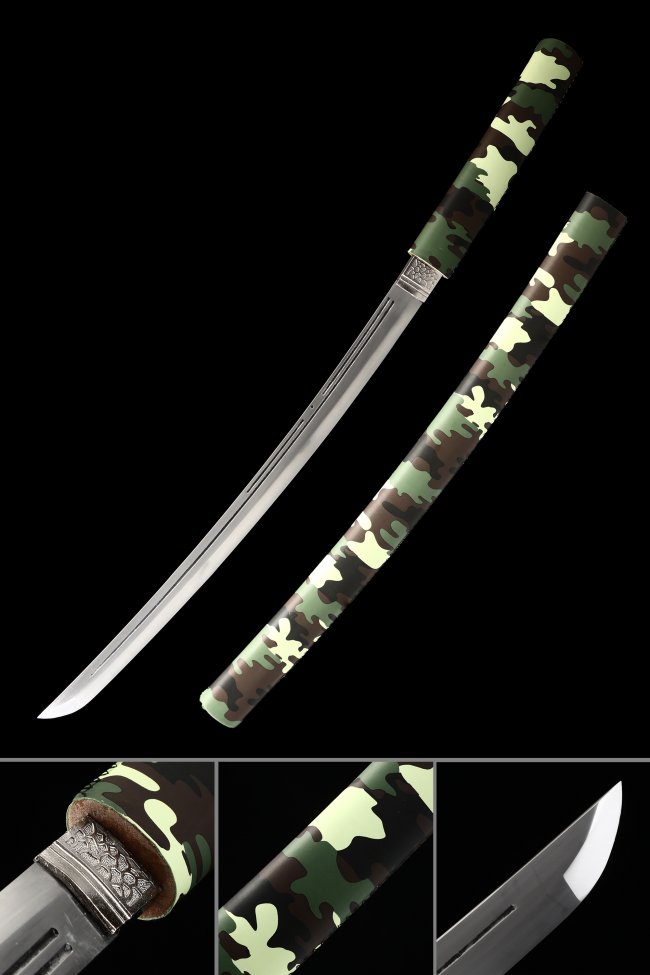
Manganese Steel Shirasaya Wakizashi With Camo Hardwood Saya - Full Tang, No Tsuba
ON SALE 30% OFF
$129.00
$189.00
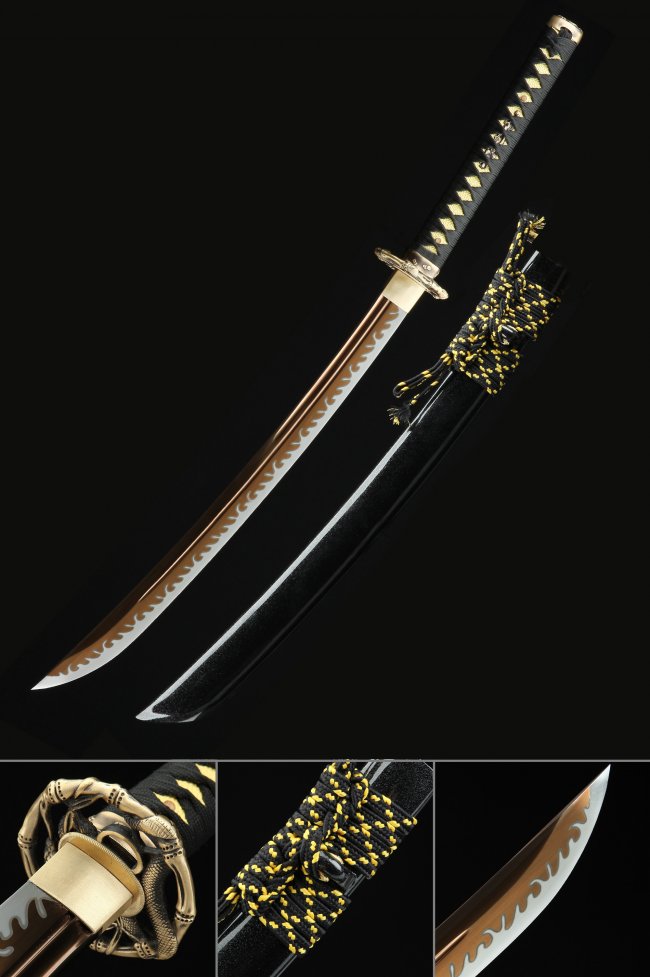
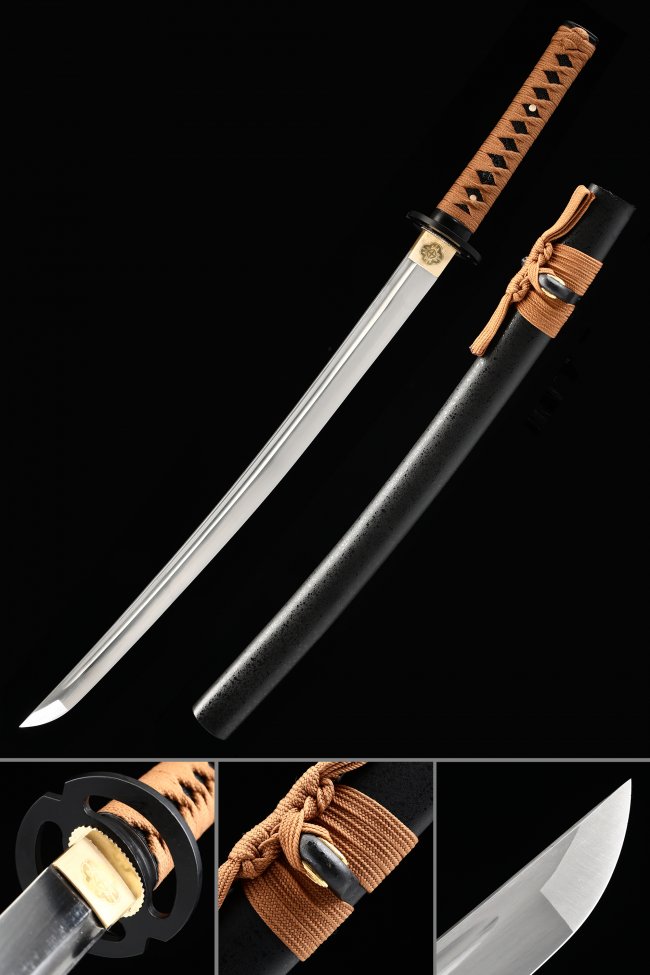
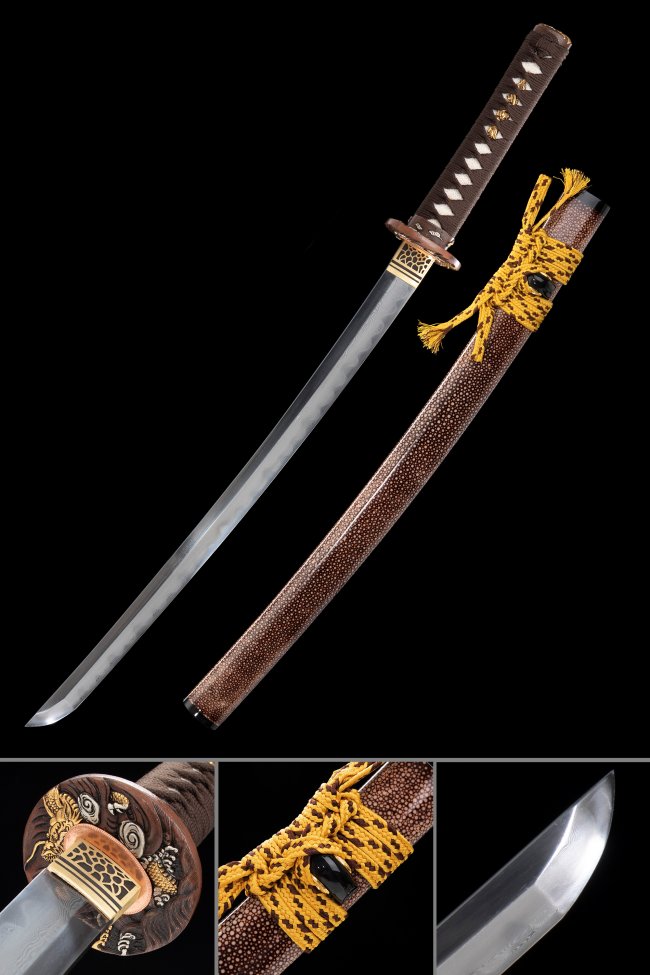
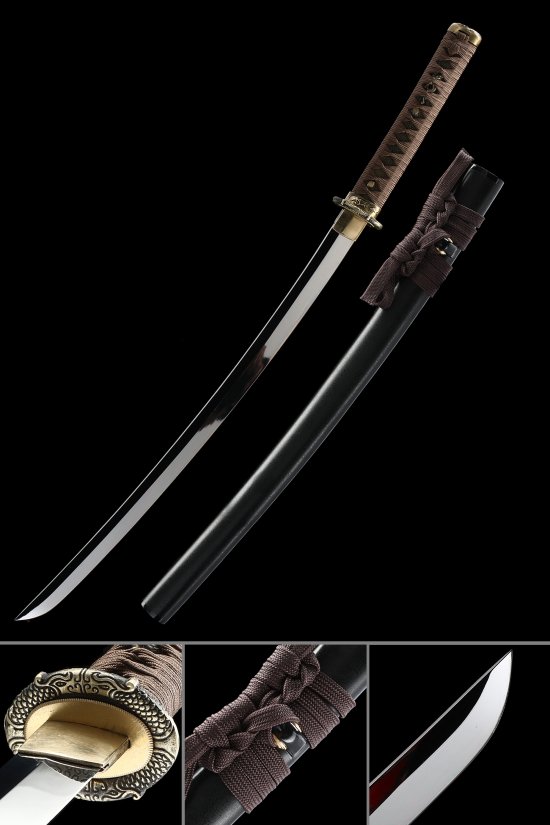
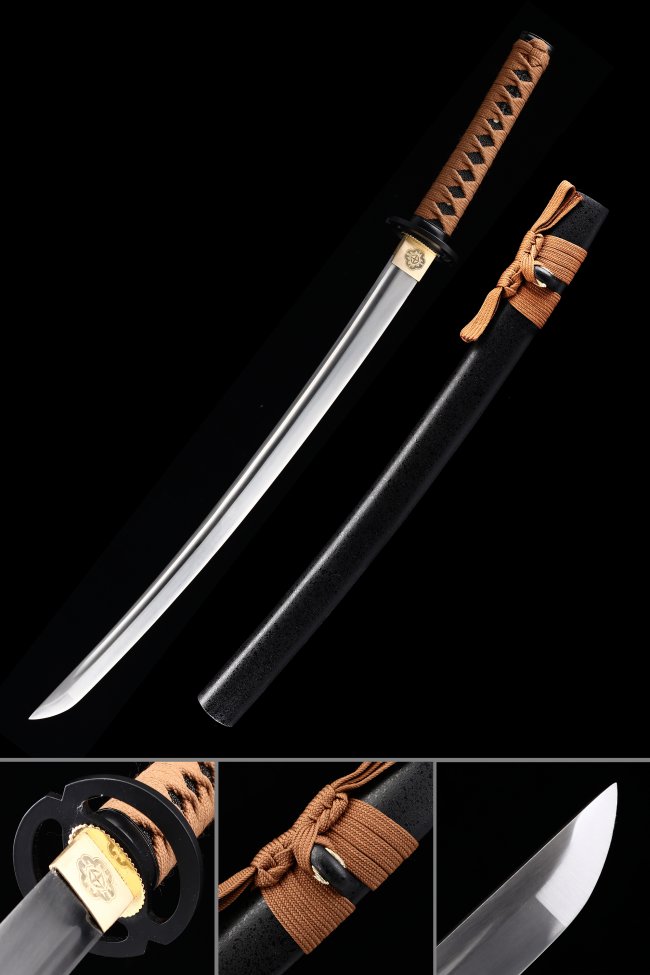
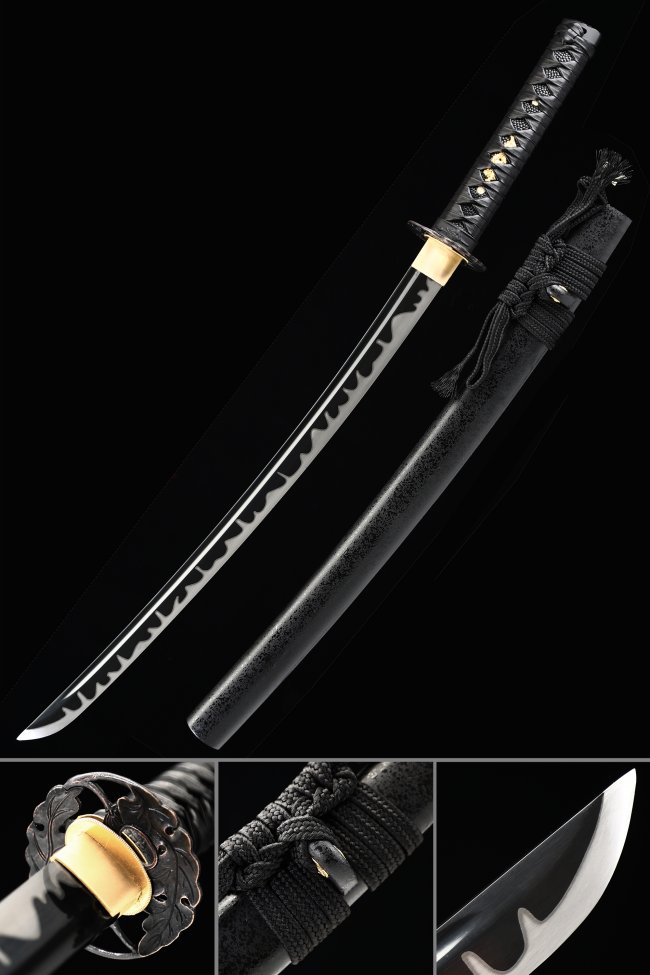
Full Tang Manganese Steel Wakizashi With Black Lacquer Saya - Brown Ito & Round Tsuba
4 Reviews
ON SALE 30% OFF
$129.00
$189.00
Related Collections
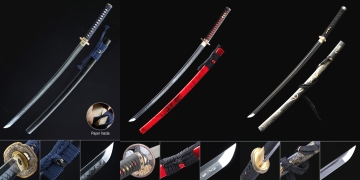
Battle Ready Katana 35 items
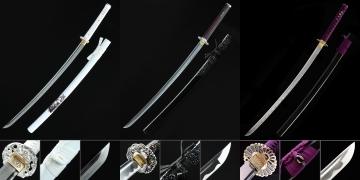
Beautiful Katana 84 items
Customer Reviews
Very nice for practicing! It is well made, shipped fast and perfectly packaged. Communication was good as well!
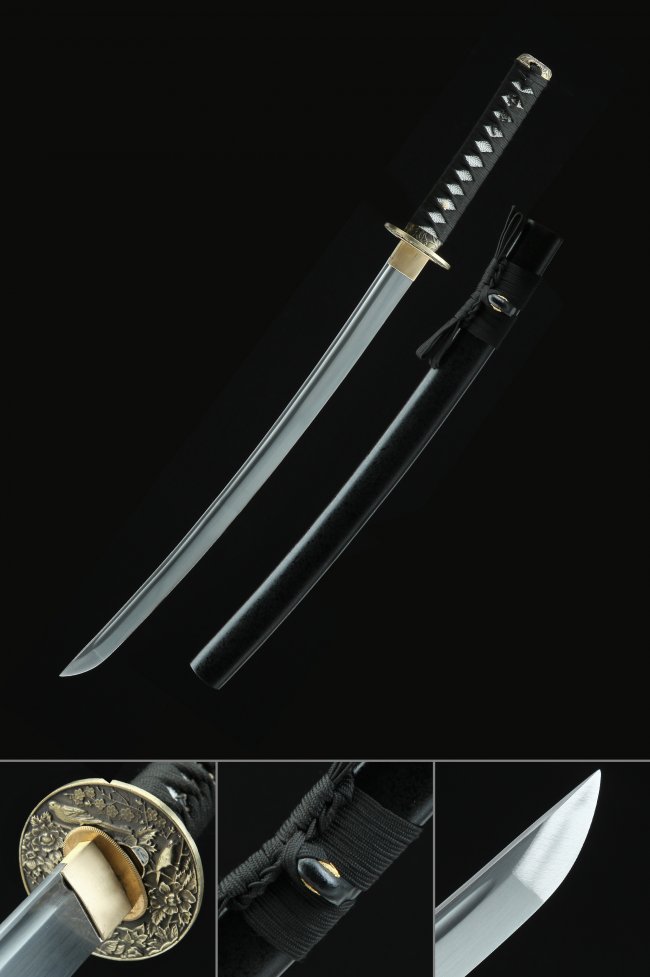
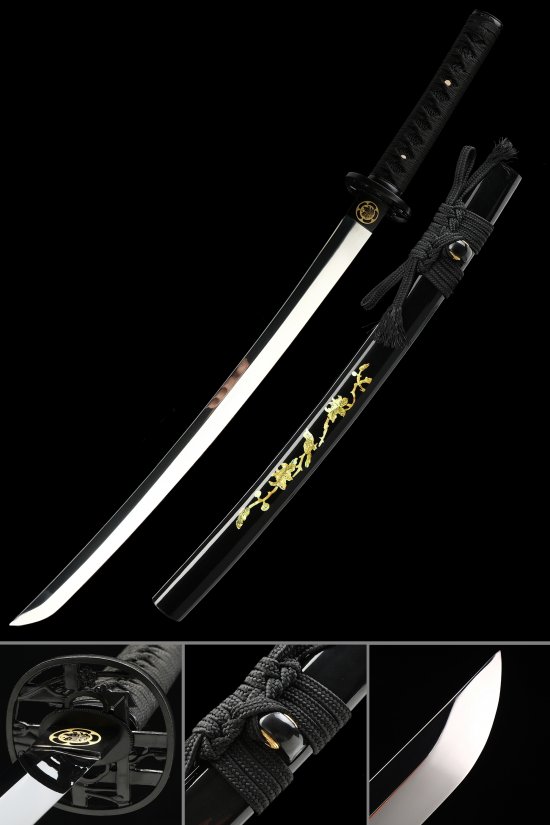
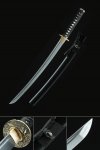 Manganese Steel Wakizashi Sword With Black Piano Lacquer Saya And Floral Bird Tsuba
Verified Purchase
Manganese Steel Wakizashi Sword With Black Piano Lacquer Saya And Floral Bird Tsuba
Verified Purchase
Absolutely amazing sword,r
r
glad I went with TrueKatana for my purchase
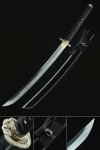 High Manganese Steel Wakizashi with Chrysanthemum Gold Tsuba - Black Koshirae Replica
Verified Purchase
High Manganese Steel Wakizashi with Chrysanthemum Gold Tsuba - Black Koshirae Replica
Verified Purchase
The quality was good. It exceeds my expectation. Even the product came from China. The delivery was fast and the packaging was excellent.
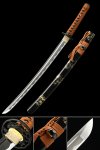 1060 Carbon Steel Wakizashi with Black Lacquer Saya - Orange Ito, Chrysanthemum Tsuba, Gold Vine
Verified Purchase
1060 Carbon Steel Wakizashi with Black Lacquer Saya - Orange Ito, Chrysanthemum Tsuba, Gold Vine
Verified Purchase
I Love it definitely will order from here again great place for swords
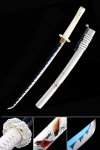 Manganese Steel Wakizashi with Blue Flame Blade and Koi Fish Painted Silver Saya - White Ito Wrap
Verified Purchase
Manganese Steel Wakizashi with Blue Flame Blade and Koi Fish Painted Silver Saya - White Ito Wrap
Verified Purchase
absolutely beautiful a true work of art completed by a true craftsman
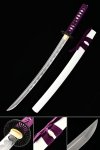 1045 Carbon Steel Wakizashi Sword Full Tang with Purple Tsuka Wrap and White Piano Lacquer Saya
Verified Purchase
1045 Carbon Steel Wakizashi Sword Full Tang with Purple Tsuka Wrap and White Piano Lacquer Saya
Verified Purchase
So far the wrapping is holding, and the blade and saya quality is nice. Feels really balanced in one hand; good for Niten Ichi Ryu
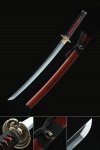 Manganese Steel Wakizashi with Dark Red Piano Lacquer Saya and Flower Alloy Tsuba in Black-Red Ito
Verified Purchase
Manganese Steel Wakizashi with Dark Red Piano Lacquer Saya and Flower Alloy Tsuba in Black-Red Ito
Verified Purchase
My third purchase from TrueKatana, and I'm every bit as happy with it as the other two. Everything is perfect: the Balance, the edge, the aesthetics. This was my first wakizashi. I'll be shopping for more later.
1060 Carbon Steel Wakizashi with Black Lacquer Saya - Orange Ito, Chrysanthemum Tsuba, Gold Vine
Verified Purchase
really nice wakizashi. sharpens right up. looks great on it's stand. well packed, on time, as advertised.recommended.
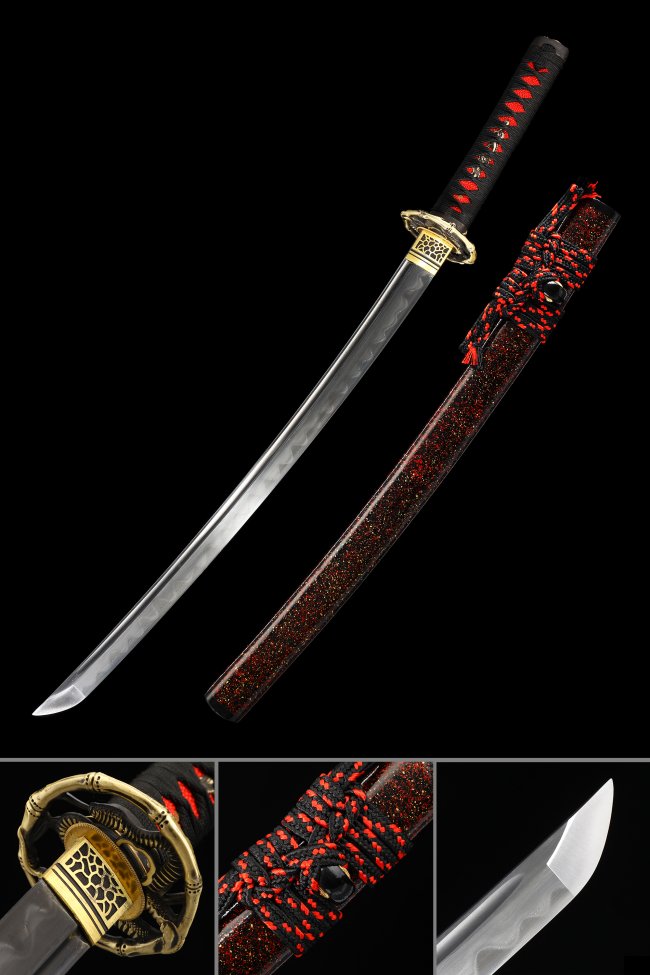
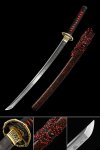 1000 Layer Folded Steel Japanese Wakizashi with Real Hamon - Red Sparkle Saya and Brass Snake Tsuba
Verified Purchase
1000 Layer Folded Steel Japanese Wakizashi with Real Hamon - Red Sparkle Saya and Brass Snake Tsuba
Verified Purchase
I've bought 3 swords: katana, tanto and wakuzishi from Truekatana. Very happy with service and quality. Would recommend to anyone.
Manganese Steel Wakizashi Sword With Black Piano Lacquer Saya And Floral Bird Tsuba
Verified Purchase
I'm still waiting for the rest of my order. Both items were ordered at the same time. I didn't get the other item in time for Christmas.
Manganese Steel Wakizashi with Dark Red Piano Lacquer Saya and Flower Alloy Tsuba in Black-Red Ito
Verified Purchase
I really like the blade and it was sharp out the box and i love the design and it feels very well made. My favorite part is the tsuba design.
Manganese Steel Wakizashi with Dark Red Piano Lacquer Saya and Flower Alloy Tsuba in Black-Red Ito
Verified Purchase
Quality Wakizashi Sword at a great price. Shipped the very next day!
Manganese Steel Wakizashi Sword With Black Piano Lacquer Saya And Floral Bird Tsuba
Verified Purchase
Quick service, good communication, product arrived in perfect condition. Thanks folks.
Manganese Steel Wakizashi with Dark Red Piano Lacquer Saya and Flower Alloy Tsuba in Black-Red Ito
Verified Purchase
Absolutely beautiful products as always. Comes extremely well packaged for safe transport. Blades are very sharp well oiled and wrapped for protection. Very high quality and great for display pieces that are also functional.
Manganese Steel Wakizashi with Blue Flame Blade and Koi Fish Painted Silver Saya - White Ito Wrap
Verified Purchase
Beautiful sword, Koi fish and water themed blade. Looks even better in person. My wife is going to love this beautiful sword.
Manganese Steel Wakizashi with Blue Flame Blade and Koi Fish Painted Silver Saya - White Ito Wrap
Verified Purchase
Loading more reviews...