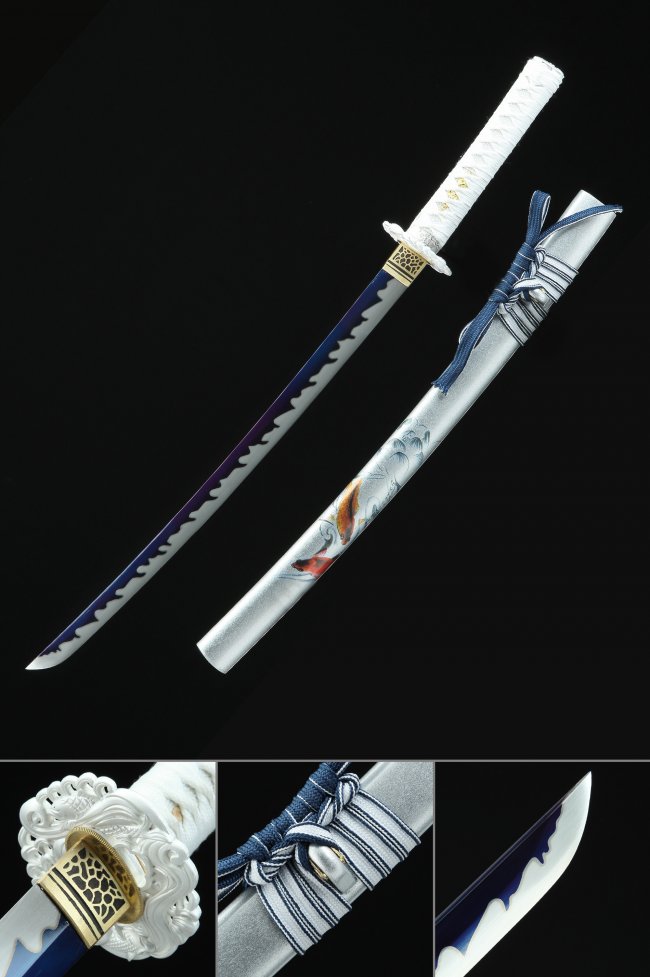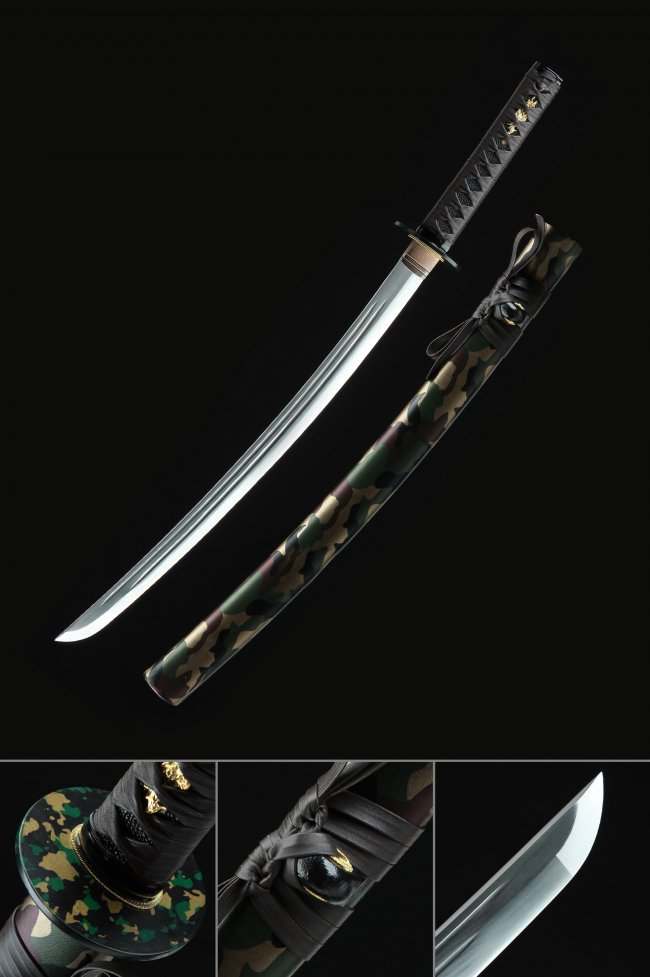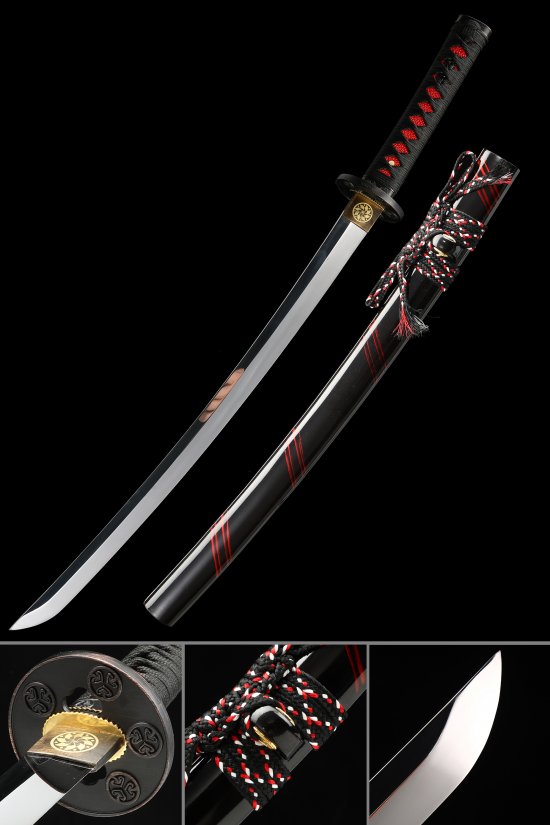
1095 Wakizashi

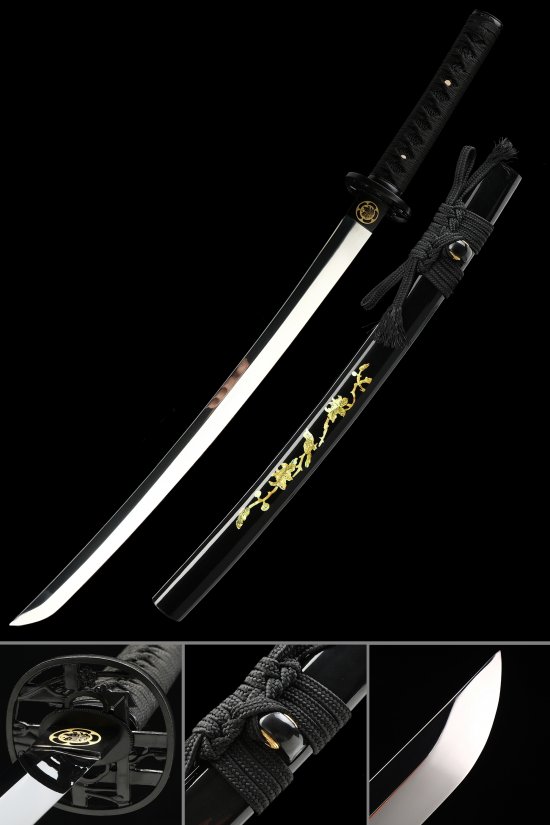
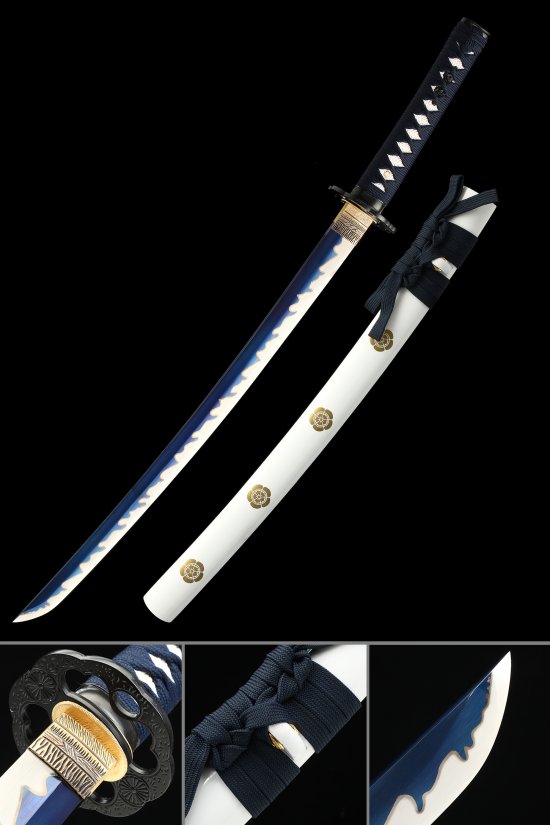
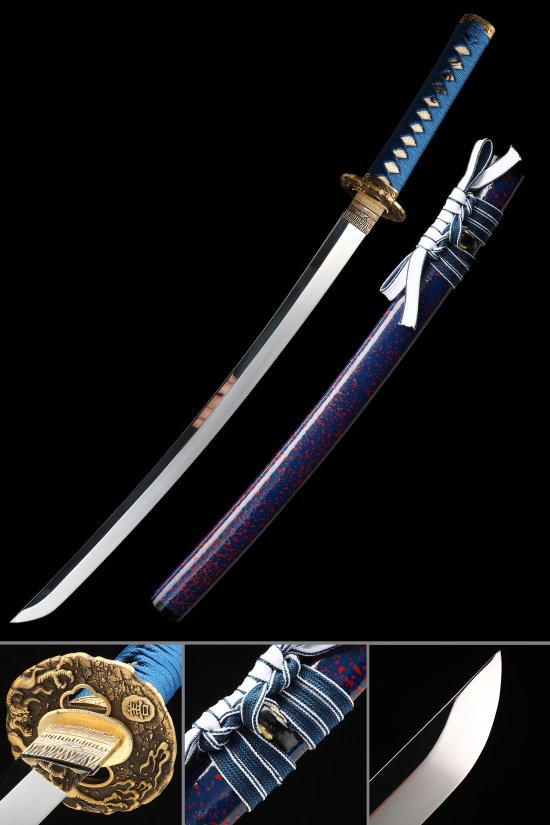
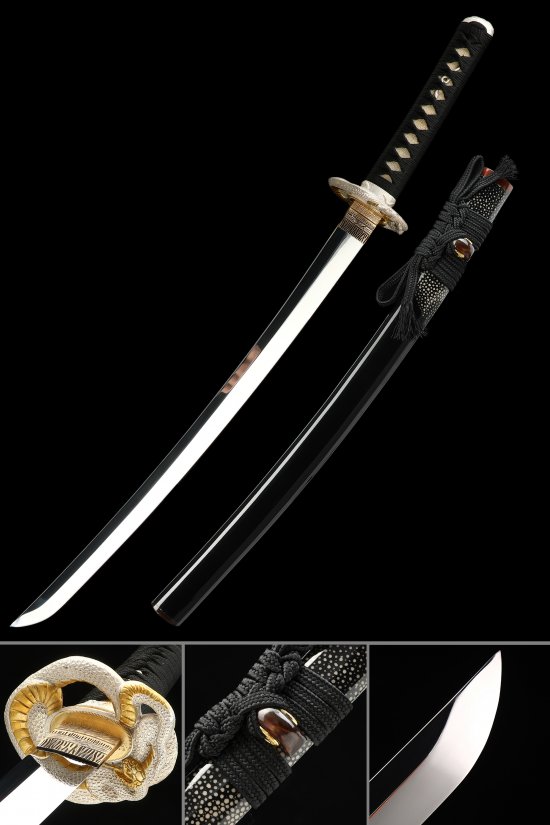
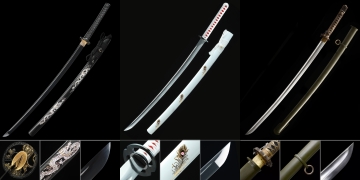
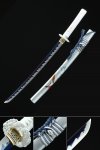
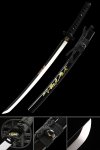
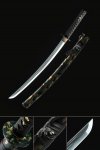
Explore our collection of hand-forged 1095 wakizashi swords - Japanese companion blades built from 1095 high-carbon spring steel, a grade prized for its toughness, fine grain structure, and excellent edge retention qualities. Each piece features full-tang construction with authentic Japanese sword fittings, delivering the shorter-blade scale of the wakizashi tradition with the material quality that serious collectors expect. Free US shipping and hassle-free returns on every order.

Showing 7 Products

Related Collections

1095 Katana100 items


196 Reviews

1095 Katana Sword100 items


196 Reviews

Black Wakizashi40 items


102 Reviews

Brown Wakizashi6 items


71 Reviews

Frequently Asked Questions

What is 1095 spring steel and why is it used in wakizashi swords?
1095 spring steel is a high-carbon steel with approximately 0.95% carbon content and properties that make it particularly well suited for quality Japanese-style sword construction. The '1095' designation indicates a high-carbon steel with a carbon content at the upper range of the high-carbon category, giving it excellent hardness potential when properly heat-treated. The 'spring steel' characteristic refers to the alloy's combination of hardness and resilience - its ability to return to its original shape after being subjected to stress without permanent deformation. For a display collectible, these properties translate into a blade that holds its geometry reliably under normal display conditions and responds well to heat treatment. Like T10 carbon steel, 1095 is capable of differential heat treatment that produces a hamon temper line, making it a serious choice for collectors who want a wakizashi with visible construction detail. The 1095 grade is less widely publicized than T10 in the collectible sword market but is equally respected by experienced collectors who are familiar with its properties.
How does a 1095 wakizashi differ from a T10 or Damascus wakizashi?
The differences between a 1095 wakizashi, a T10 wakizashi, and a Damascus wakizashi reflect the different approaches each steel takes to creating a blade with visual character and material quality. A 1095 spring steel wakizashi offers high-carbon construction with good hardness potential and toughness, capable of producing a hamon when differentially heat-treated. The blade surface after polishing is clean and reflective, with the hamon as the primary visual detail. A T10 wakizashi is similarly capable of producing a hamon and is the more widely recognized premium choice in the market, with its tightly controlled grain structure delivering particularly clear and defined hamon character. A Damascus wakizashi takes a different approach entirely: the fold-forged layered construction produces flowing surface patterns across the full blade area, making the visual character of the steel itself the primary display feature rather than a single hamon line. All three represent quality construction choices - the decision between them is fundamentally a question of which visual character the collector finds most compelling.
What is a wakizashi sword used for in Japanese sword collecting?
In the context of Japanese sword collecting, a wakizashi fills several distinct roles. The most historically rooted is as the second blade of the daisho - the paired long and short sword set that was the defining mark of samurai status in feudal Japan. A collector who already owns a katana and wants to create a historically meaningful pairing will naturally look to the wakizashi as the companion piece. The wakizashi's shorter blade length - typically 19 to 24 inches - also makes it a practical choice for collectors with limited display space who want a genuine Japanese-tradition blade without the wall space requirements of a full katana. As a standalone display piece, the wakizashi's more compact proportions make it easier to position on a tabletop or desk display stand as well as on a wall rack. The 1095 wakizashi in this collection delivers all of these display and collecting roles with the added material distinction of spring steel construction.
How do I care for and store a 1095 spring steel wakizashi?
Caring for a 1095 spring steel wakizashi follows the same core principles as any high-carbon steel Japanese sword collectible. The most important routine step is wiping the blade with a soft, lint-free cloth after every handling session to remove fingerprints and moisture. 1095 spring steel, like other high-carbon steel grades, is susceptible to surface oxidation when unprotected moisture or acidic oils from handling are left on the surface. After wiping, apply a thin coat of camellia oil or quality mineral oil to the blade using a clean cloth, then buff away any excess. The oil creates a thin protective film that prevents moisture from contacting the steel surface directly. Store the wakizashi on an open wall rack or tabletop stand in a room with stable temperature and low humidity - sealed storage that traps moisture is not appropriate for uncoated high-carbon steel blades. The wakizashi's shorter length makes it easy to wipe and oil in a single smooth pass without the care required for an odachi's extended surface. Inspect the mekugi pin periodically to ensure the handle assembly remains properly secured.

Customer Reviews