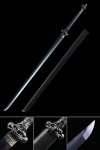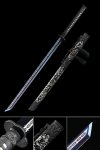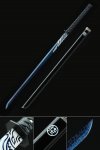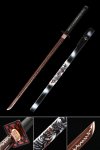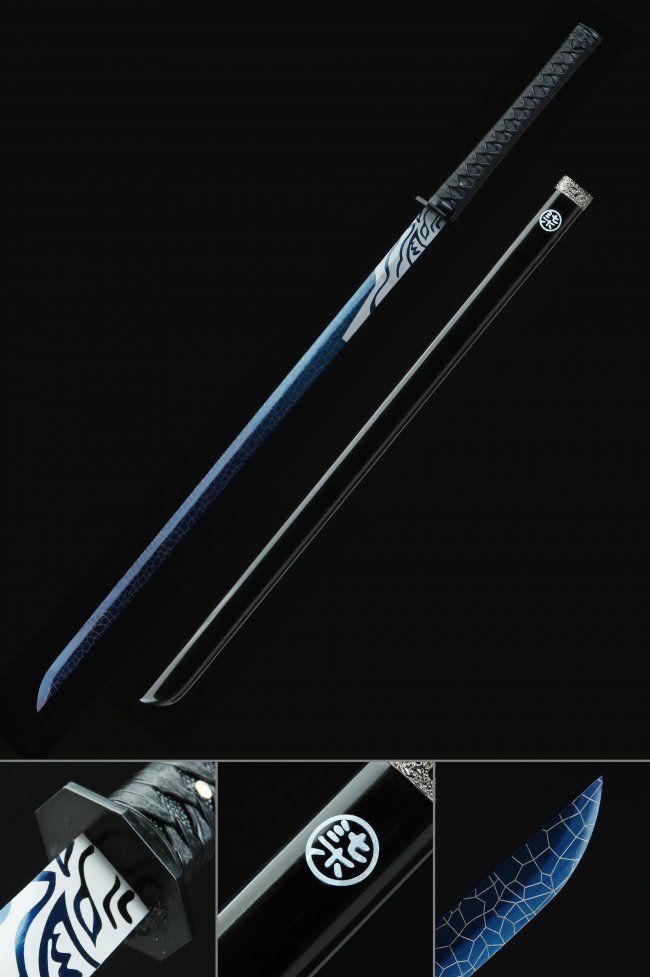
1095 Carbon Steel Ninjato

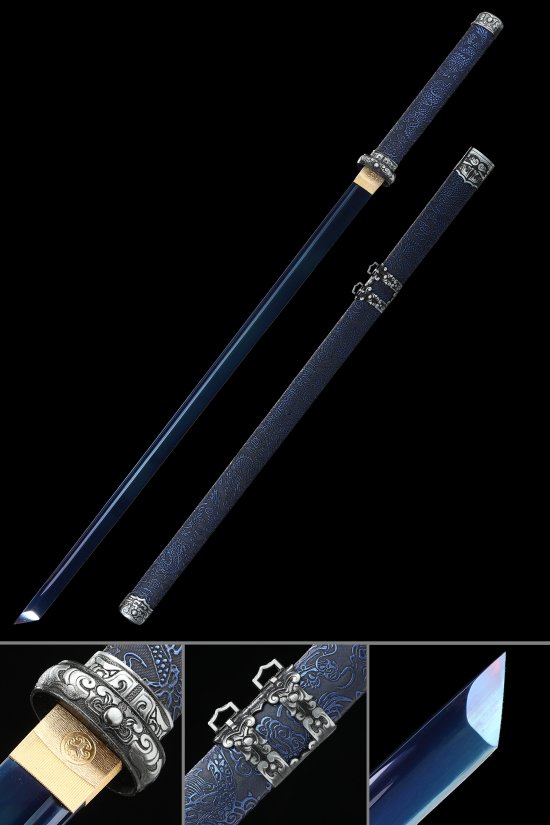
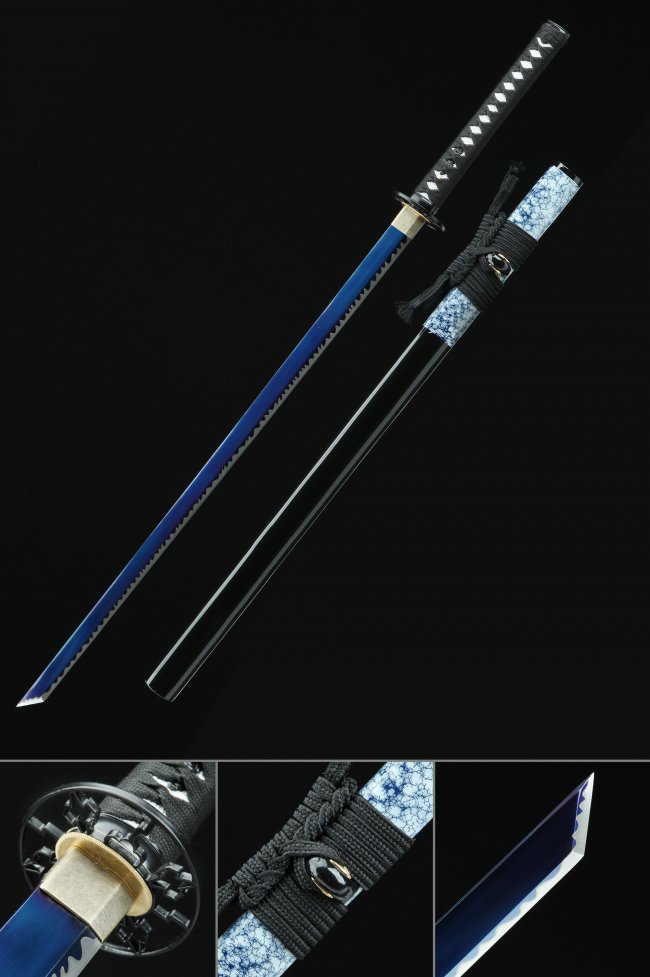
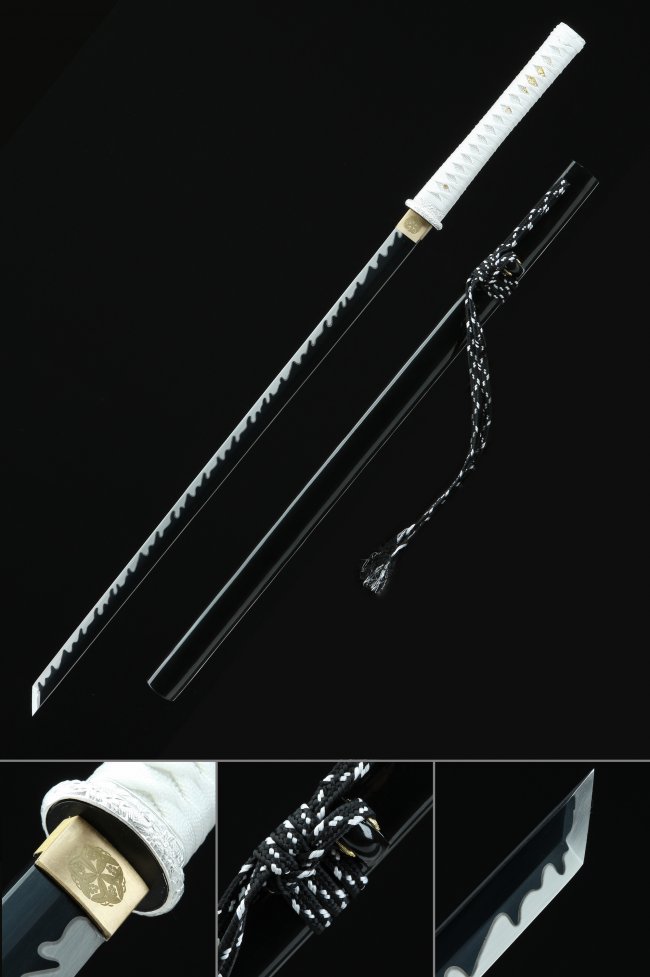
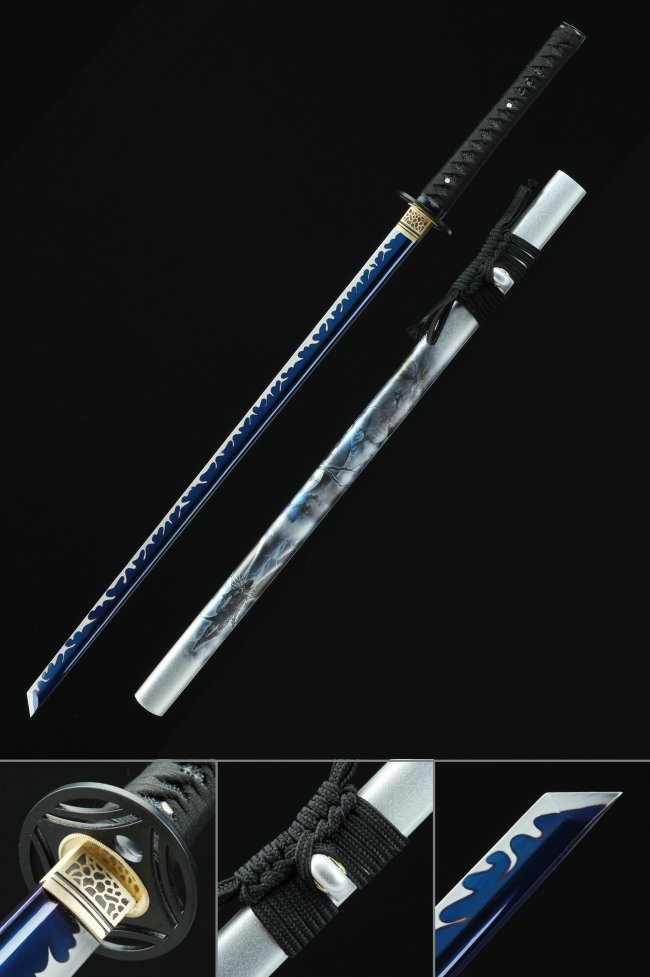
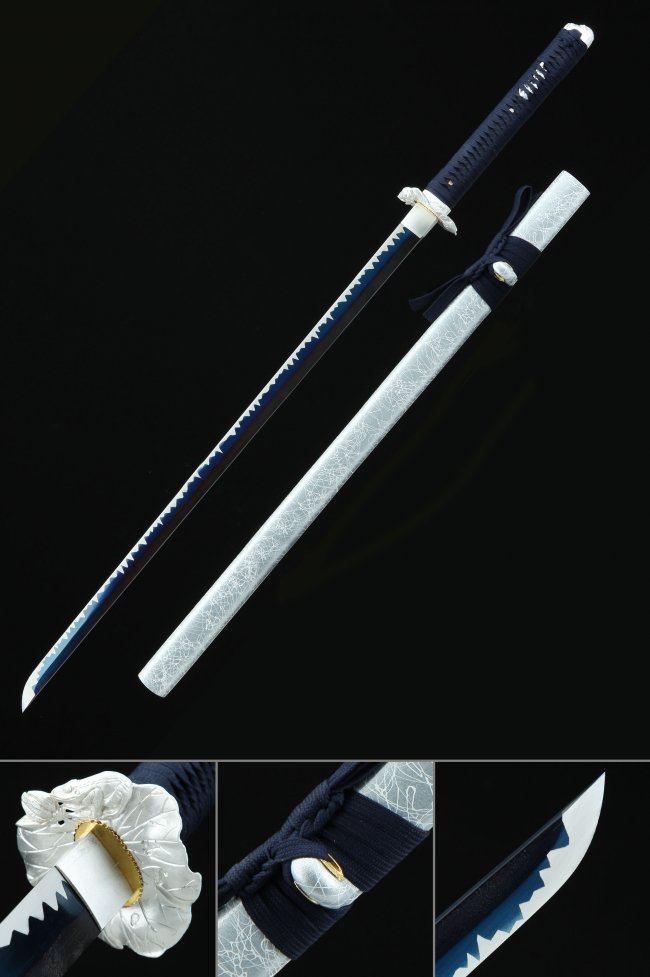
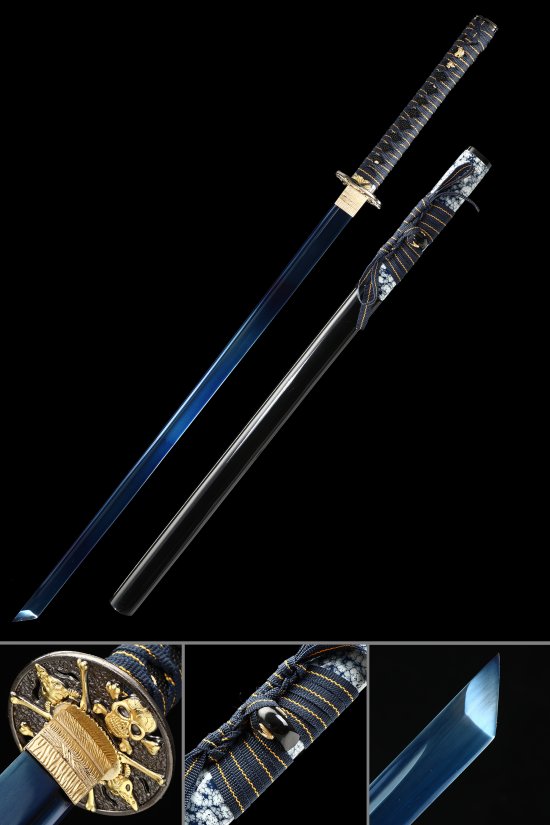
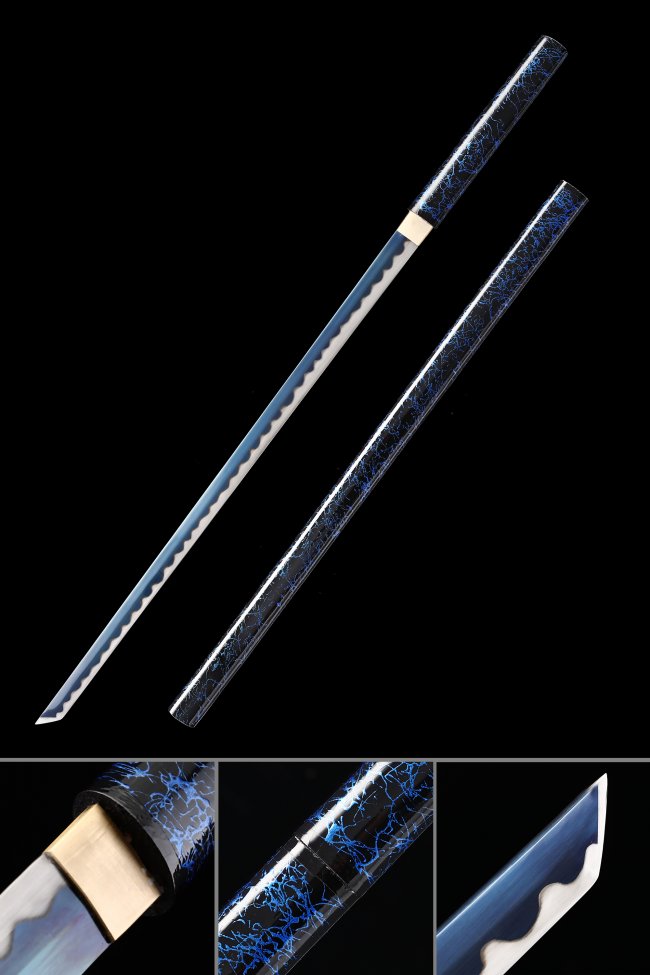
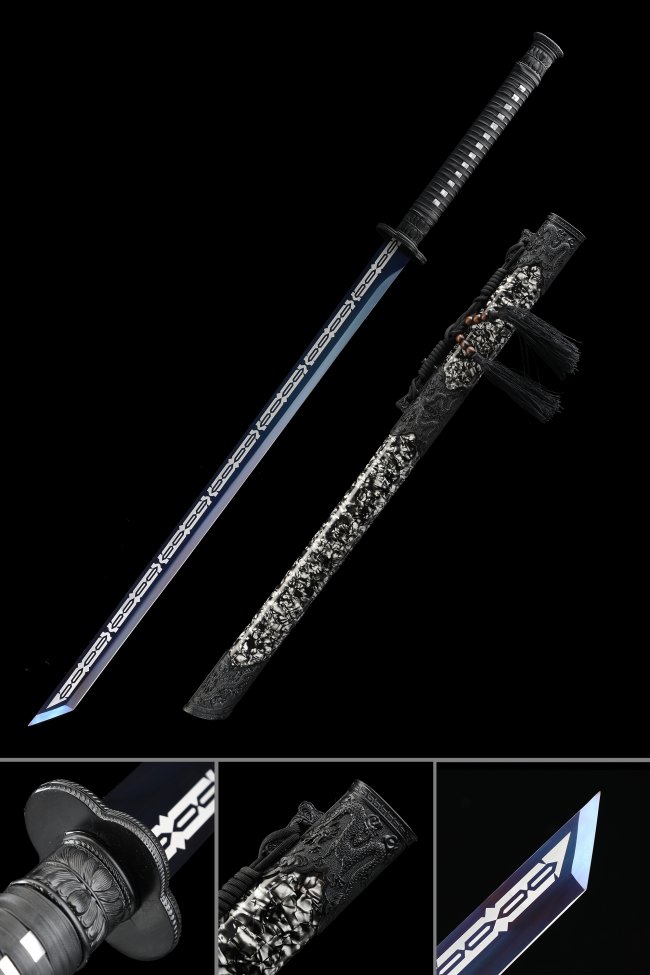
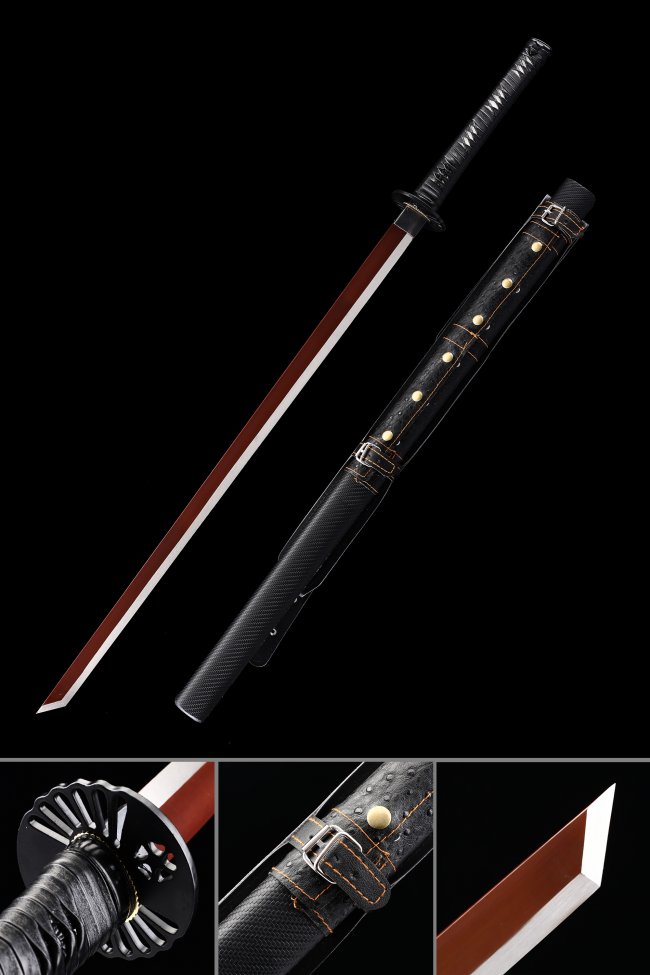
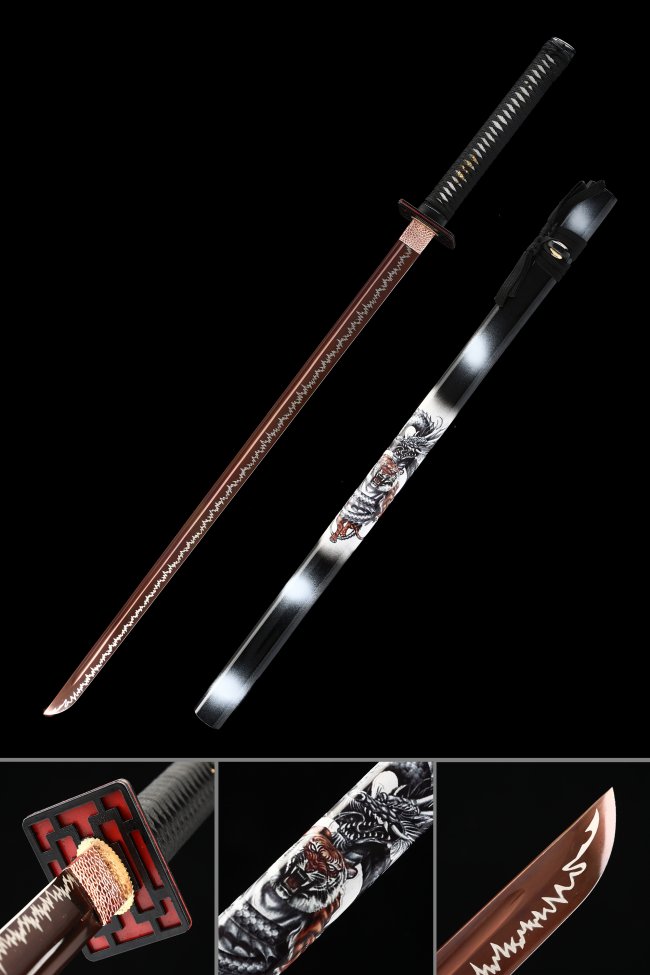
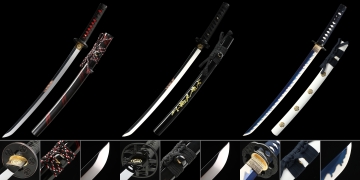
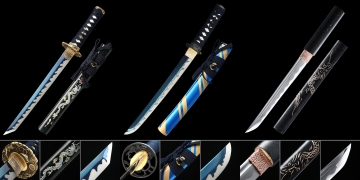
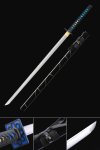
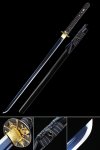
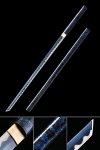
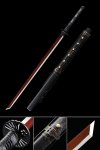
Handcrafted from high-carbon 1095 steel, each ninjato in this collection is a serious display piece built with the same materials and construction standards favored by discerning collectors. From differential-hardened blades with dramatic hamon lines to lacquered saya and hand-wrapped ito, every detail reflects authentic Japanese sword-making tradition. Explore styles ranging from stark black mono-tone finishes to vivid blue and dark red blades with dragon engravings — all full-tang, all built to impress. Free standard shipping on all orders, with hassle-free returns.

Showing 16 Products

Related Collections

Carbon Steel Ninjato75 items


707 Reviews

T10 Carbon Steel Katana30 items


1 Reviews

1060 Carbon Steel Katana77 items


643 Reviews

High Carbon Steel Ninjato15 items


42 Reviews

Frequently Asked Questions

What makes 1095 carbon steel a preferred choice for ninjato blades?
1095 carbon steel contains roughly 0.95% carbon, which sits at the upper end of the high-carbon range suitable for hand-forged blades. This composition allows the steel to achieve high surface hardness at the edge through differential heat treatment, while the spine retains enough toughness to resist fracturing under stress. For collectors, the practical advantage is that 1095 responds predictably to the clay-coating and quenching process used in traditional differential hardening, producing a visible hamon — the temper line that separates the hardened edge zone from the more resilient body of the blade. That hamon is not merely decorative; it is a direct record of the smith's heat work and is one of the primary details experienced collectors examine when assessing authenticity and craftsmanship quality.
How does a ninjato differ from a katana in construction and profile?
The most immediate distinction is blade geometry. A katana is defined by its curved profile — typically between 0.5 and 1 inch of curvature (sori) measured along the blade's length — which results from the differential cooling of the forging process and is central to the sword's classical form. A ninjato, by contrast, features a straight or minimally curved blade, giving it a silhouette closer to the Chinese jian or the earlier Japanese chokuto. The ninjato also tends toward a shorter overall length and a square or simplified tsuba compared to the ornate guards often found on formal katana. For collectors, these differences make the ninjato a visually distinct counterpart to the katana rather than a substitute — the two forms complement each other well in a mixed display and represent different chapters of Japanese blade history.
Are the colored blades on these ninjato functional or just decorative finishes?
The vivid blue, dark red, and black blade finishes visible across this collection are achieved through controlled oxidation, acid etching, or chemical patination applied to the 1095 steel surface after forging and grinding. These processes create a surface layer that provides both the color effect and a degree of corrosion resistance without compromising the underlying steel structure. The blade beneath the finish remains full-tang, properly hardened 1095 carbon steel — so the visual treatment is an enhancement layered over a structurally sound foundation rather than a cosmetic coating on a soft core. For display and collection purposes, this means you are acquiring genuine high-carbon steel construction with an elevated visual profile that standard unfinished blades simply cannot match.
What is the best way to store and maintain a 1095 carbon steel ninjato?
1095 carbon steel is not stainless, which means proactive maintenance is essential for long-term display quality. The primary enemy is moisture — even moderate humidity can initiate surface oxidation within weeks if the blade is unprotected. Before storage, apply a thin, even coat of choji oil (a traditional mineral oil blend used in Japanese sword care) or a food-grade camellia oil to the entire blade surface using a clean, lint-free cloth. Wipe away any excess to avoid pooling near the habaki or handle fittings. Store the ninjato horizontally in its saya when not on display, and keep it in a climate-controlled environment away from direct sunlight, which can fade lacquer finishes on the saya over time. Re-oil every two to three months, and inspect the blade surface for any early spotting after seasons with significant humidity shifts.
Which ninjato style works best as a gift for a Japanese sword enthusiast?
For a collector who already owns traditional curved blades, a ninjato represents a meaningful addition that expands the visual and historical scope of a display rather than duplicating what is already there. Among the styles in this collection, pieces featuring hand-engraved dragon motifs or paired fittings — such as a matching dragon saya and handle wrap — tend to be especially well received as gifts because the decorative program feels considered and complete rather than minimal. If the recipient leans toward restrained aesthetics, a black blade with white ito against a piano lacquer saya offers a high-contrast, gallery-quality look. Including a display stand, a silk blade bag, or a maintenance kit alongside the sword elevates the gift further and signals to the recipient that you understand what proper sword stewardship involves.

Customer Reviews

Edward Yutz Georgia, United States

Well made, nice weight, and a beautiful blade. r
r
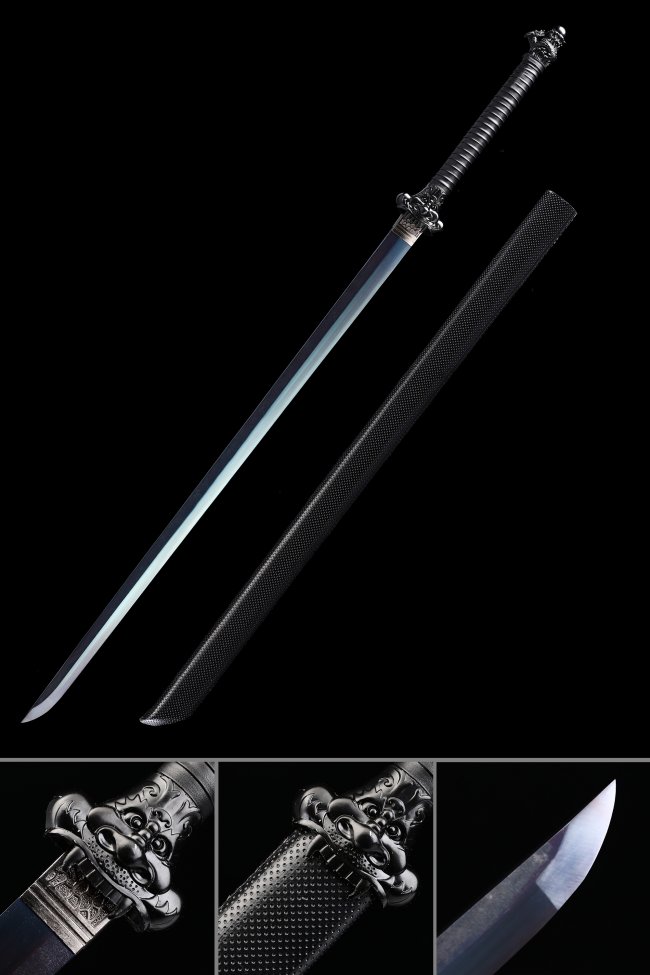
The only negative is the dragon head of the pommel is pretty sharp so it make the sword uncomfortable to wield. However, I was able to rotate it 180 degrees which eliminated the problem. r
r
This showed another small issue with the mounting of the pommel since it screws on, but locktite will address that. The pommel should really be redesigned to smooth it out.r
r
That all said, I am happy with my purchase and would buy again.

Chokuto Ninjato in 1095 Carbon Steel with Blue Blade & Black Textured Saya - Full Tang Chokuto Ninjato in 1095 Carbon Steel with Blue Blade & Black Textured Saya - Full Tang
Tony Deaugustine Washington, United States

I like this katana very much. Weight feels good in my hand. Easily makes "swoosh"
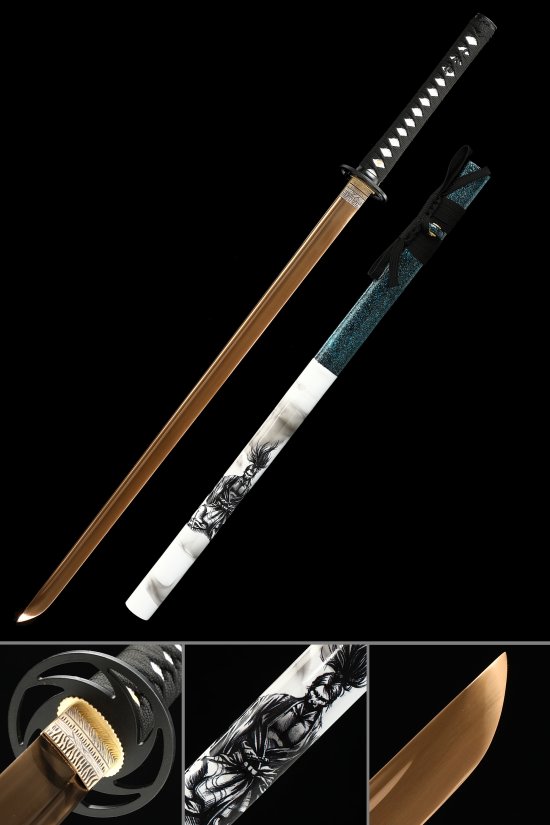
The golden blade looks awesome and is sharp. Handle is tight and consistent. I have other samurai katanas, finally got a ninja katana and is excellent. I'm digging the Ninja Scroll looking graphic.
1095 golden bladed ninja sword rocks!!
Tony D.

1095 Carbon Steel Ninja Sword with Gold Blade - Teal-White Painted Saya, Black Ito 1095 Carbon Steel Ninja Sword with Gold Blade - Teal-White Painted Saya, Black Ito
Ross Nichols Oregon, United States

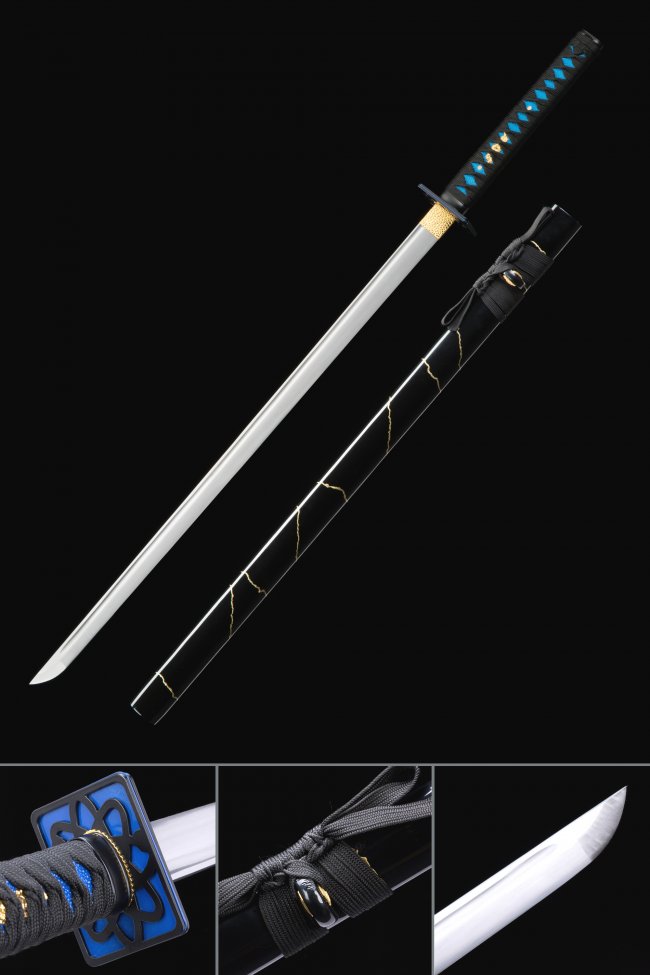
The Saya has flawless paint and components, fits snug and flush, the katana seemed to have the slightest of a bend about 8 inches from the tip but this is spring steel so I'm not to concerned. It is easily wielded with one hand with great balance and because it's not my t10 work of art I plan on using it for practice cuting and dismantling eventually. The grip is tight with excellent finger grip. The hand guard is solid and tight.Just toothy sharp but I can remedy that. For the money it's an excellent sword.

1095 Carbon Steel Ninjato with Black-Gold Lightning Saya & Blue Geometric Tsuba - Real Ninja Sword 1095 Carbon Steel Ninjato with Black-Gold Lightning Saya & Blue Geometric Tsuba - Real Ninja Sword