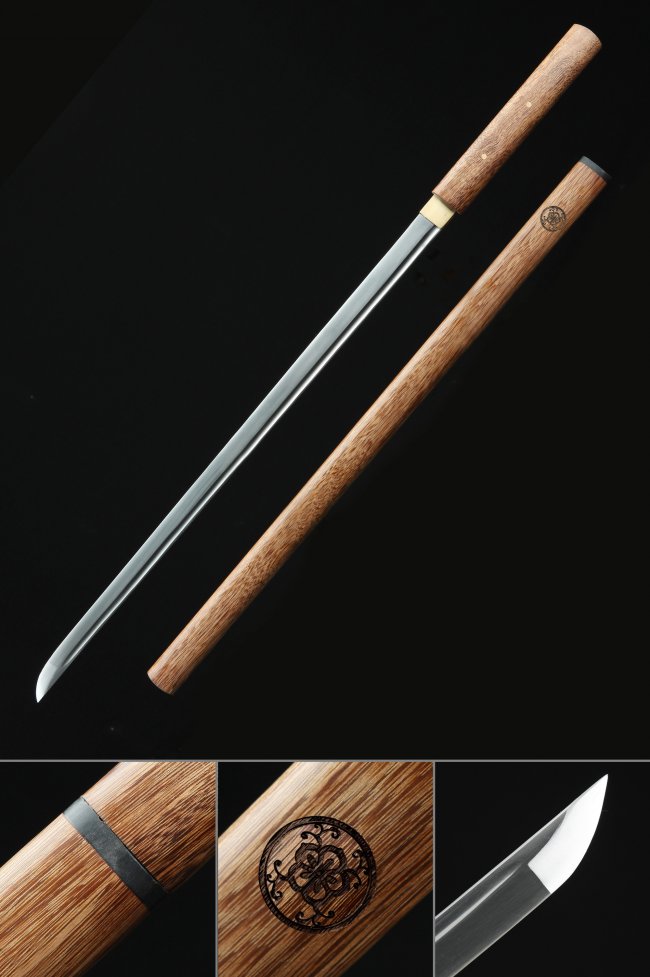
Shikomizue Sword
The shikomizue is a blade hidden inside a walking stick — and that contradiction is exactly what makes it one of the more interesting forms in Japanese sword history. It looks like one thing and is another, which is why it's appeared everywhere from period samurai films to modern manga and anime. Every shikomizue sword in this collection is built around a properly forged and heat-treated blade, fitted inside a cane or staff housing that holds together the way it's supposed to. Not a prop. Not a costume piece. If you're a collector drawn to unusual forms, a fan who found the design through film or fiction, or just someone who appreciates a blade with a story behind it — take a look at what we have below.
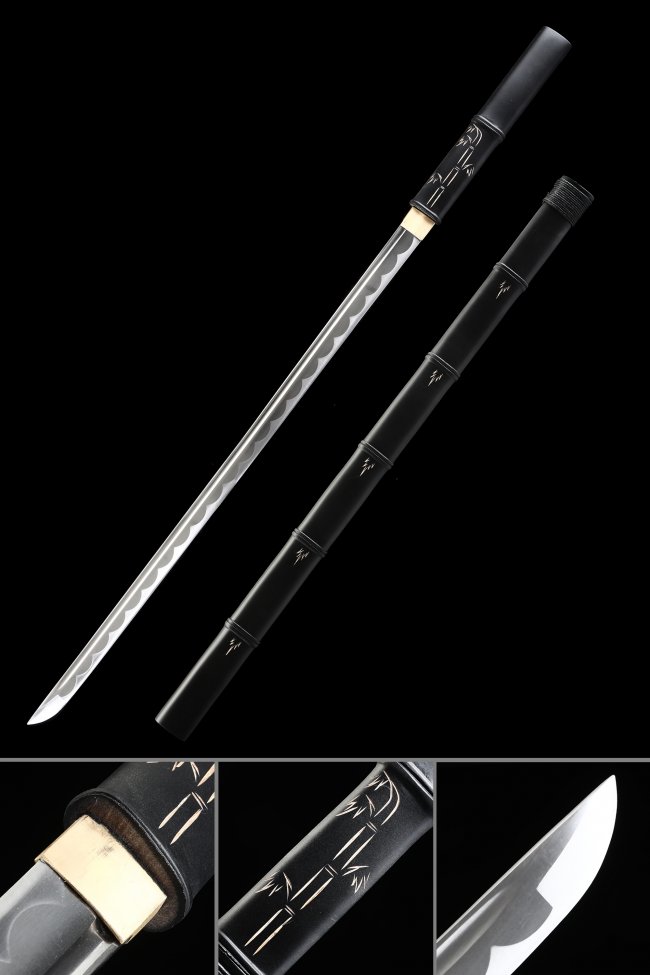
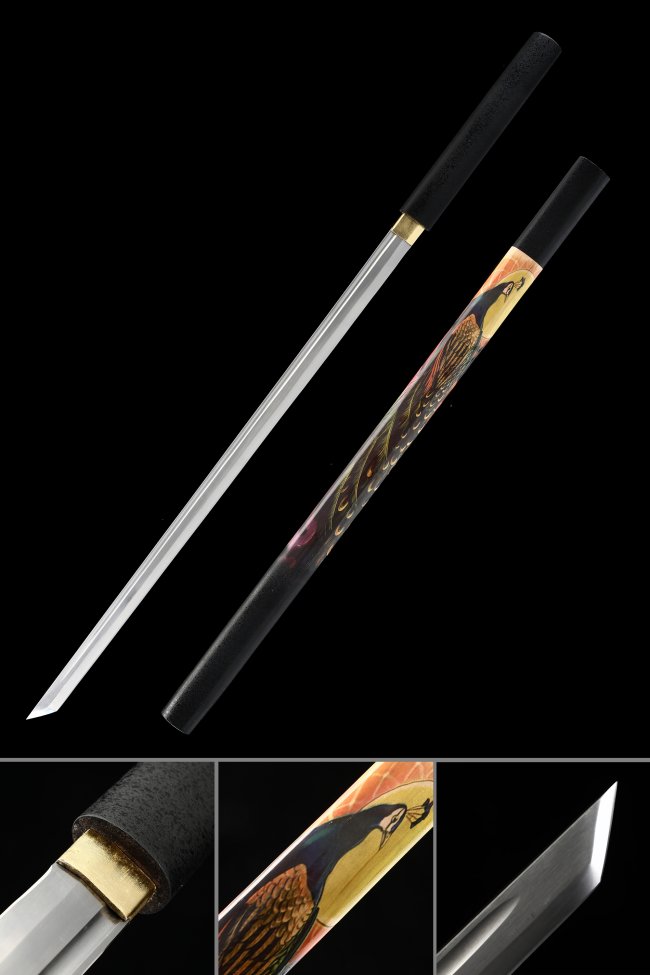
Full Tang 1045 Carbon Steel Ninjato, Black Bamboo Saya & Black Tsuka
83 Reviews
ON SALE 15% OFF
$139.00
$169.00
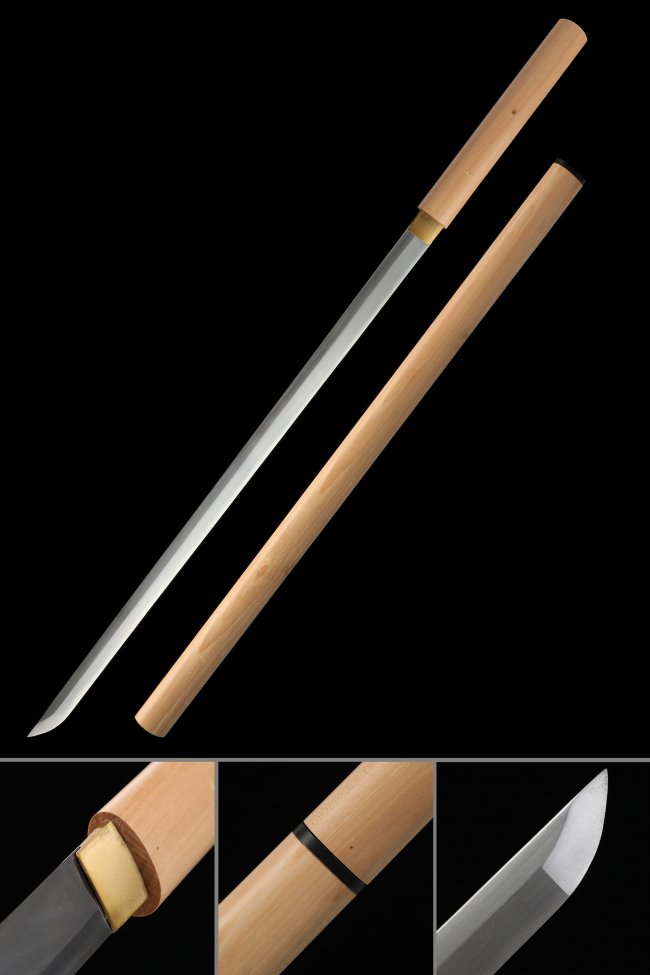
Full Tang 1090 Carbon Steel Ninjato, Natural Wood Saya, Natural Wood Tsuka & 40"
8 Reviews
ON SALE 15% OFF
$149.00
$179.00
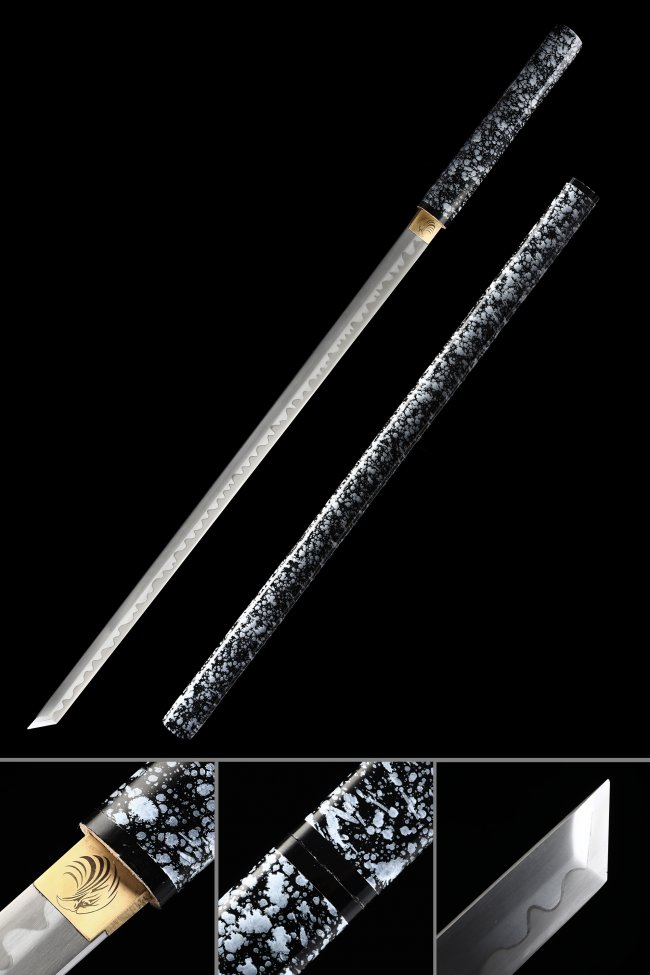
Related Collections
Customer Reviews
The quality and craftsmanship is excellent. More than I could of hoped for.
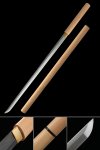 Full Tang 1090 Carbon Steel Ninjato, Natural Wood Saya, Natural Wood Tsuka & 40"
Verified Purchase
Full Tang 1090 Carbon Steel Ninjato, Natural Wood Saya, Natural Wood Tsuka & 40"
Verified Purchase
For the price this item is worth the money. The quality is OK there was a slight warp in the blade. Other than that it’s really well done for the price..
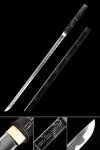 Full Tang 1045 Carbon Steel Ninjato, Black Bamboo Saya & Black Tsuka
Verified Purchase
Full Tang 1045 Carbon Steel Ninjato, Black Bamboo Saya & Black Tsuka
Verified Purchase
Very well built. Highly suggest if this is what you're looking for ,AAA quality.
Full Tang 1045 Carbon Steel Ninjato, Black Bamboo Saya & Black Tsuka
Verified Purchase
Excellent quality. Good weight. I wish the wood was a little darker and no gloss coat but it looks fabulous.
Full Tang 1090 Carbon Steel Ninjato, Natural Wood Saya, Natural Wood Tsuka & 40"
Verified Purchase
Nice blade good quality and it got here a day earlier then when I was supposed to
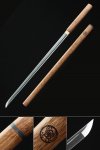 Full Tang Manganese Steel Ninjato, Natural Wood Saya, Natural Wood Tsuka & 41"
Verified Purchase
Full Tang Manganese Steel Ninjato, Natural Wood Saya, Natural Wood Tsuka & 41"
Verified Purchase
The sword arrived unscathed, excellent craftsmanship. Well balanced and blade was sharp, Plan to get more in the near future.
Full Tang Manganese Steel Ninjato, Natural Wood Saya, Natural Wood Tsuka & 41"
Verified Purchase
Very impressive. I would purchase this functional work of art again.
Full Tang 1090 Carbon Steel Ninjato, Natural Wood Saya, Natural Wood Tsuka & 40"
Verified Purchase
Its been years since I got this word and its as nice as when I first got it. TRULY QUALITY WORK.
Full Tang Manganese Steel Ninjato, Natural Wood Saya, Natural Wood Tsuka & 41"
Verified Purchase
This sword is beautifully made. It is nicely balanced and fully functional, with a sharp blade edge and a secure fit in the wooden scabbard. Kudos and thanks to the swordsmith for a job well done.
Full Tang Manganese Steel Ninjato, Natural Wood Saya, Natural Wood Tsuka & 41"
Verified Purchase
I was very pleased with my sword just as advertised. Thanks, Truekatana...
Full Tang Manganese Steel Ninjato, Natural Wood Saya, Natural Wood Tsuka & 41"
Verified Purchase
The sword is great i have not even taken the wrap off the blade yet
Full Tang Manganese Steel Ninjato, Natural Wood Saya, Natural Wood Tsuka & 41"
Verified Purchase
After looking at several reviews before receiving my swords I was pleasantly pleased with both. Thank you for making such a fine product that will last for years to come.
Full Tang Manganese Steel Ninjato, Natural Wood Saya, Natural Wood Tsuka & 41"
Verified Purchase
The sword is very nice & was packaged quite well. I like the weight & the blade is sharp.r
The only thing I seen was a hole in the bottom of the tsuka (hilt).r
I am looking forward to cutting with it in the spring.
Full Tang Manganese Steel Ninjato, Natural Wood Saya, Natural Wood Tsuka & 41"
Verified Purchase
Sword came earlier than expected. Razor sharp, and it was as advertised. The only knock I can give it is that it was slightly bent toward the top.
Full Tang Manganese Steel Ninjato, Natural Wood Saya, Natural Wood Tsuka & 41"
Verified Purchase
Great Sword just as described and shipping was fast
Full Tang 1045 Carbon Steel Ninjato, Black Bamboo Saya & Black Tsuka
Verified Purchase
Loading more reviews...