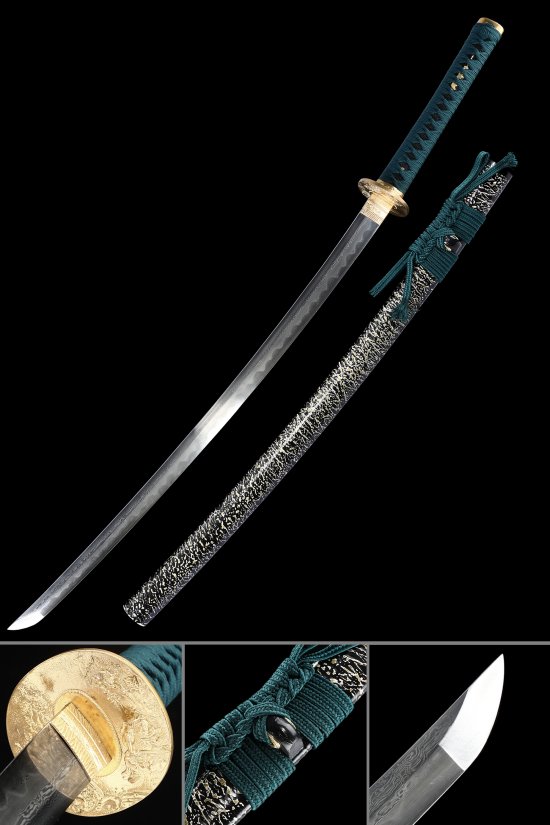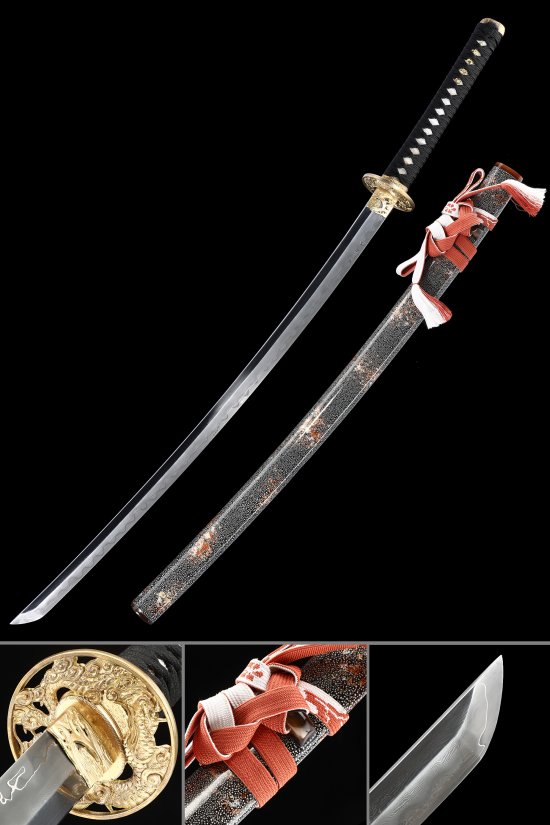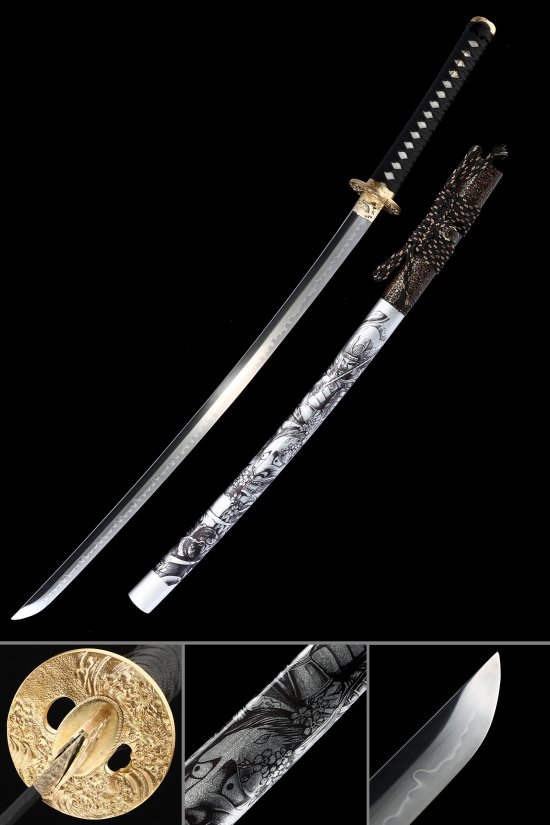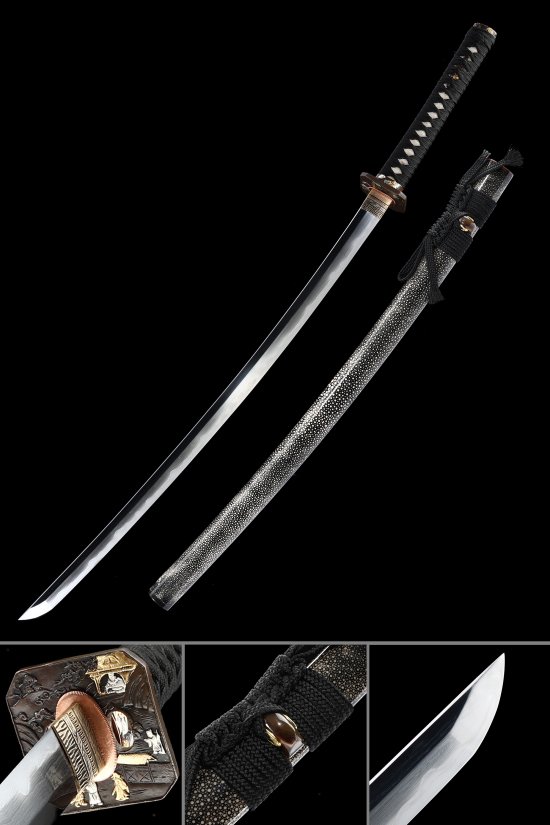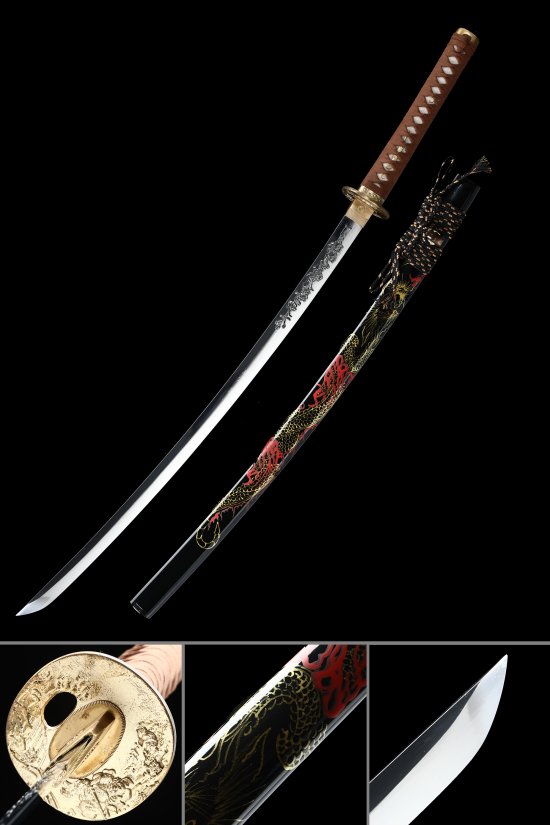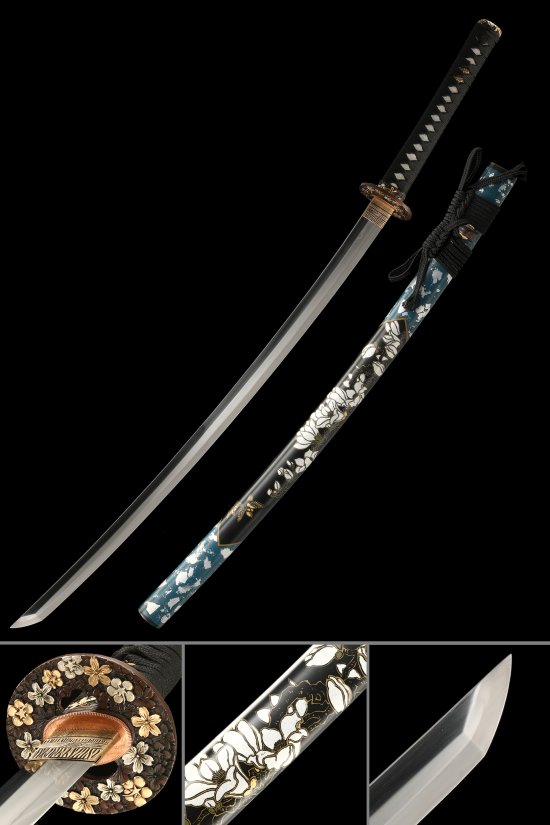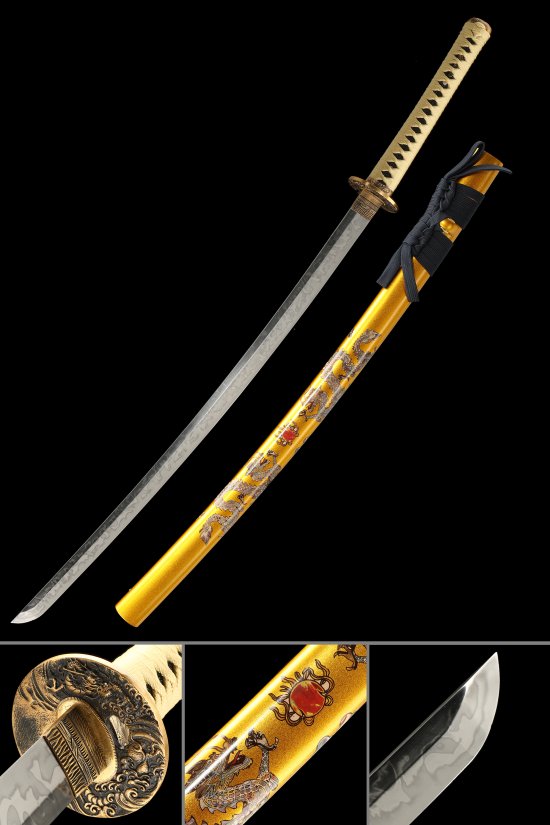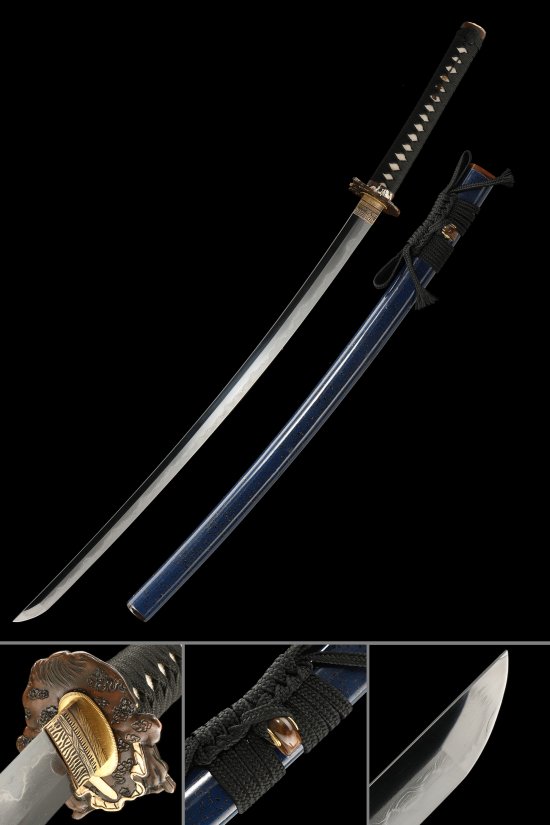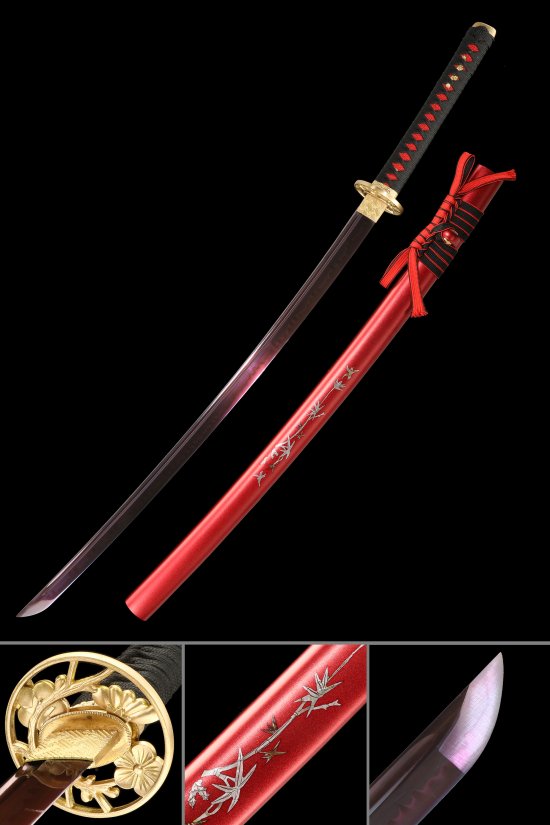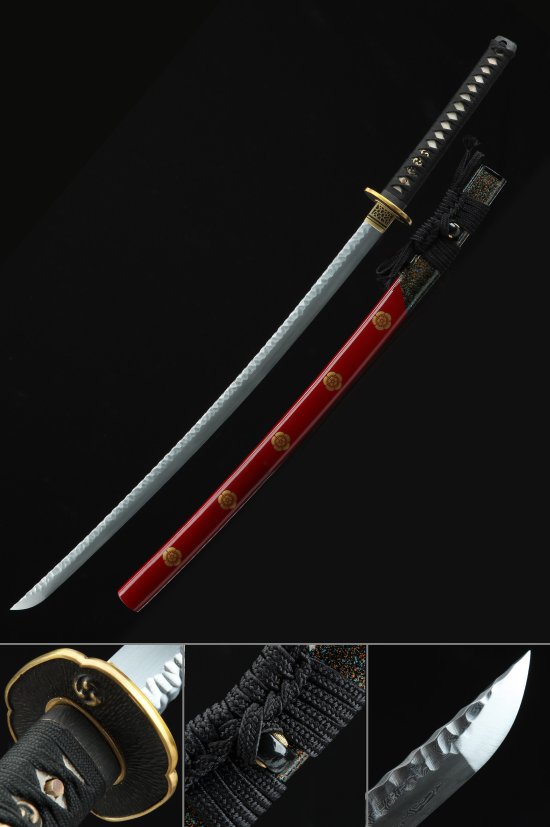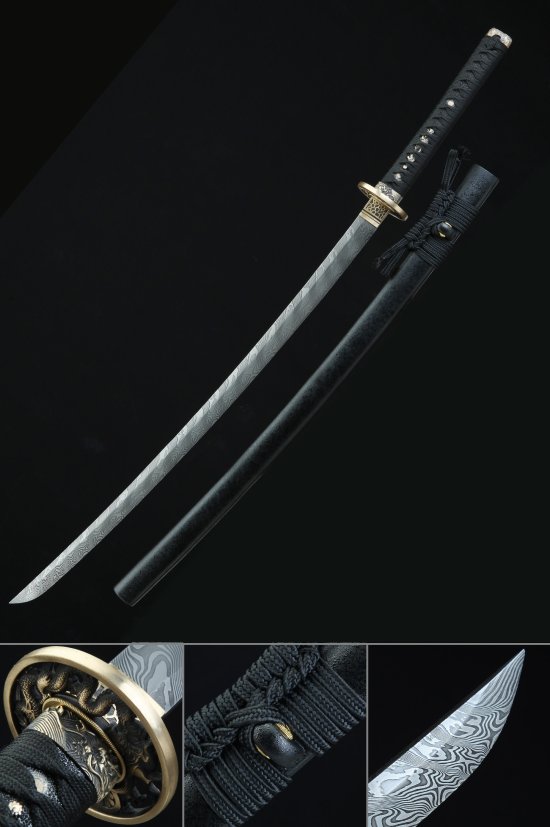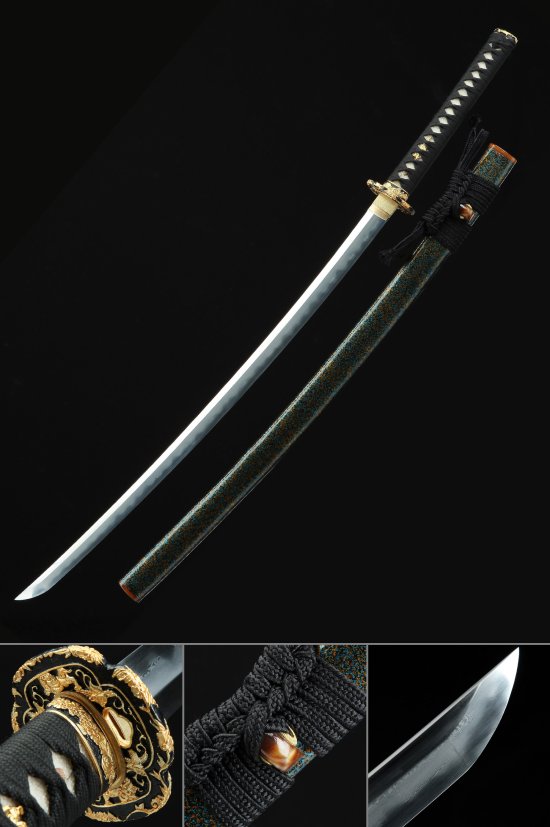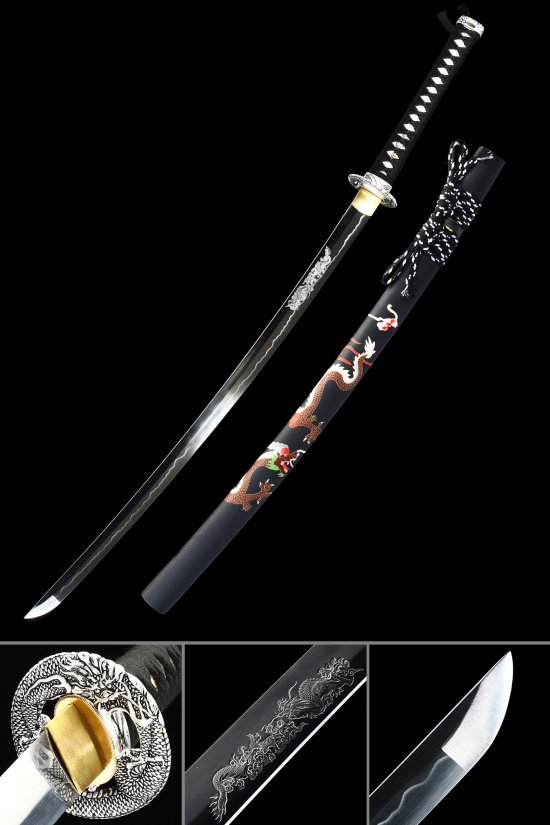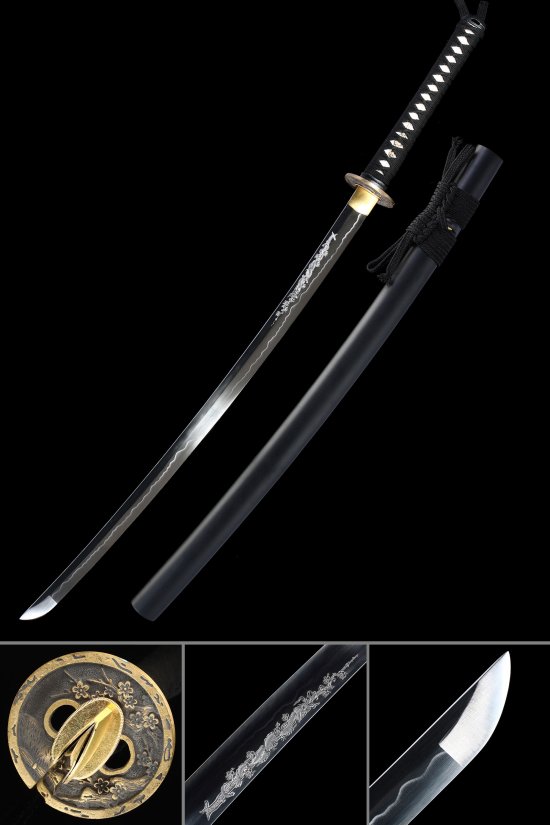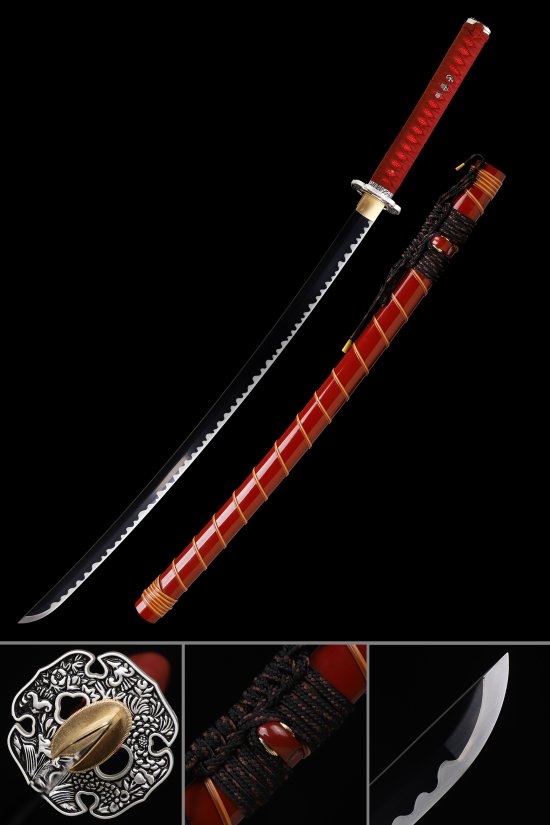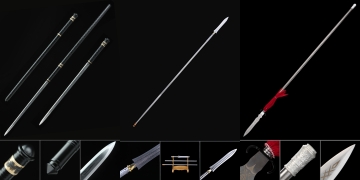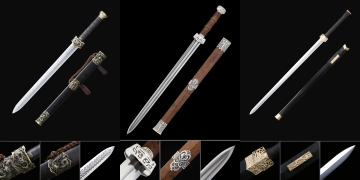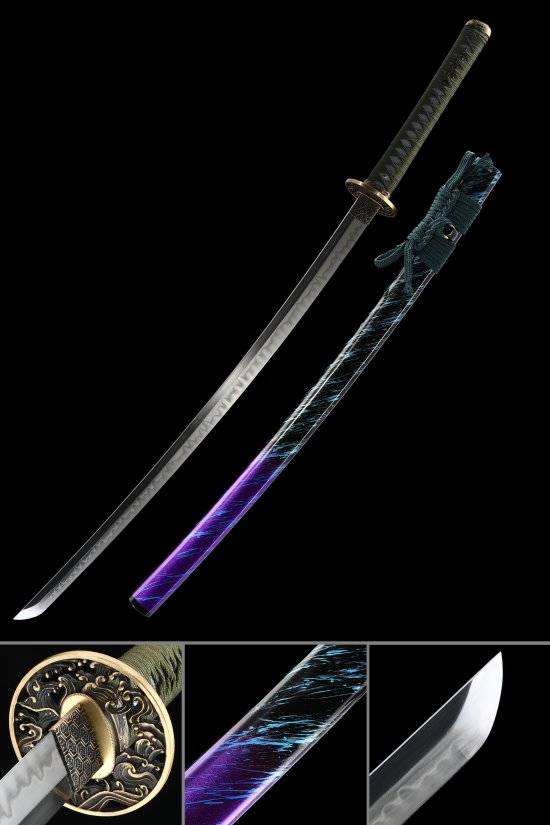
Full Tang Sword

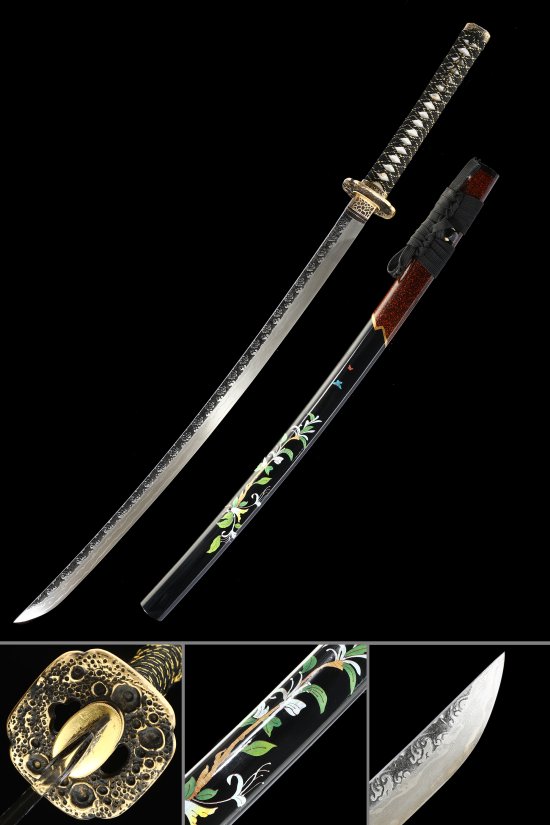
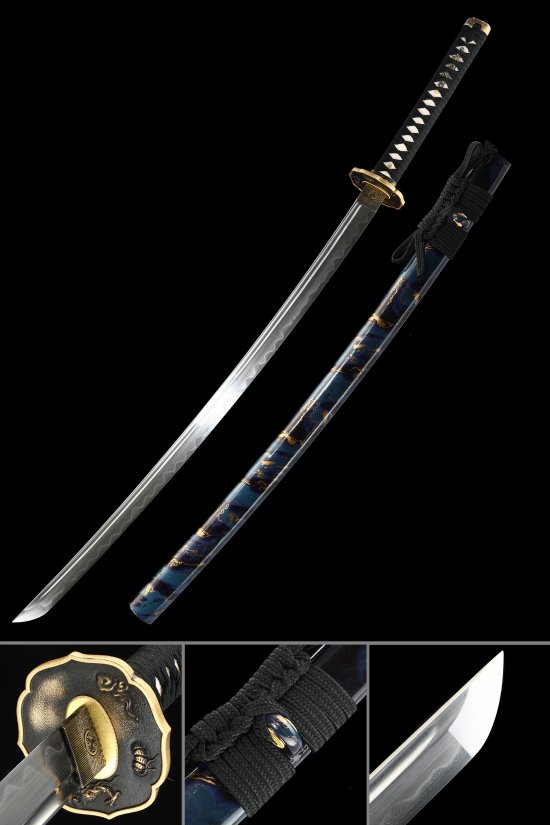
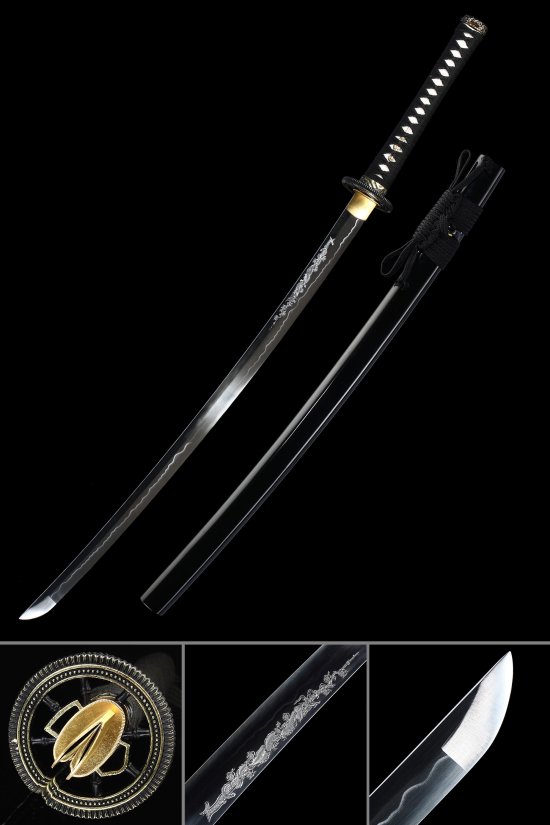
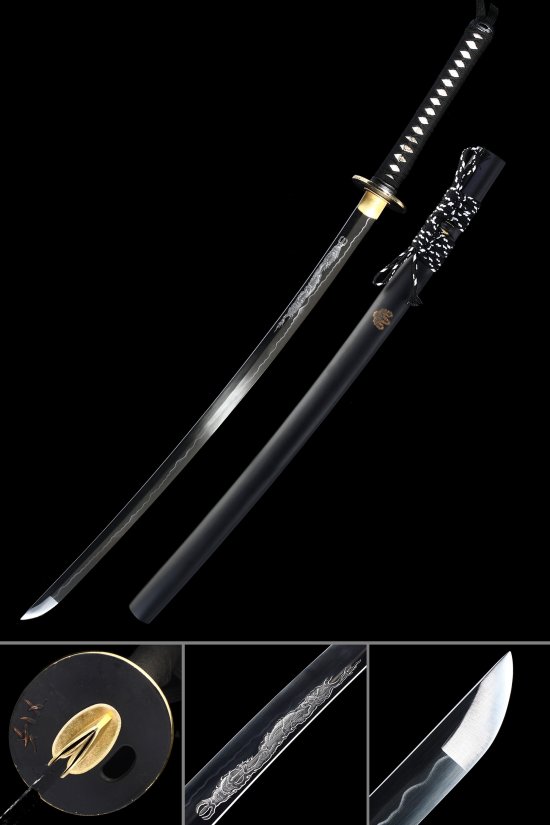
Browse our hand-forged full-tang swords, where every blade extends as a single piece of steel through the entire handle for maximum structural integrity. Full-tang construction is the traditional and strongest method of Japanese sword building, ensuring the blade and handle work as a unified structure. This collection spans katana, wakizashi, tanto, and tachi formats in steels from 1045 carbon to clay-tempered T10 and folded Damascus. Free U.S. shipping and hassle-free returns on every order.

Showing 100 Products

Related Collections
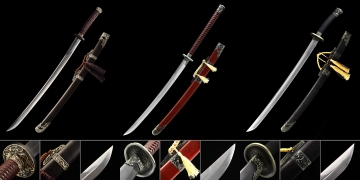
Sharp Katana26 items


30 Reviews

Full Tang Tanto27 items


276 Reviews

Fixed Tanto109 items


477 Reviews

handforged katana128 items


1194 Reviews

Frequently Asked Questions

What does full-tang construction mean in a Japanese sword?
Full-tang means the blade steel extends as a continuous piece through the entire length of the handle, from the cutting tip to the kashira (pommel cap). The portion of steel inside the handle is called the nakago, and it is held in place by one or two bamboo pins (mekugi) that pass through aligned holes in the tang and the wooden handle core. This is the traditional construction method used in authentic Japanese sword making and is considered the strongest structural approach. The alternative — rat-tail tang or welded tang — involves a thin metal rod attached to the blade base, which is far less durable and can loosen or break under stress. Every sword in our collection uses full-tang construction.
How can I verify that a sword is genuinely full-tang?
The simplest way to verify full-tang construction is to look at the mekugi pin on the handle. This small bamboo or metal pin passes through the handle and through a hole drilled in the steel tang beneath. If you want a closer inspection, you can carefully remove the mekugi pin and slide the handle off the tang. The exposed tang should be a flat, tapered extension of the blade steel with visible file marks, a rough forged surface, and at least one mekugi hole. The tang width should be consistent with the blade width at the habaki (blade collar). A rat-tail or welded tang will appear as a thin rod significantly narrower than the blade, often with a visible weld seam where it meets the blade base.
Does full-tang construction affect the balance of a sword?
Yes, full-tang construction has a direct impact on blade balance. Because the tang is a substantial extension of the blade steel, it adds weight to the handle end of the sword, shifting the center of gravity (balance point) closer to the guard. This produces a more controlled, maneuverable feel compared to a blade-heavy design. Japanese swordsmiths traditionally shaped the tang with a specific taper and curvature to fine-tune the balance point for the intended blade style. A katana typically balances about 10 to 15 cm forward of the tsuba, while a tanto balances closer to the guard due to its shorter blade. The full-tang design ensures this balance remains stable over time because there are no joints that can loosen and shift the weight distribution.
Are there different types of full-tang profiles in Japanese swords?
Yes, the nakago (tang) comes in several traditional shapes that reflect different forging traditions and historical periods. The most common profiles include kijimomo-gata (pheasant thigh), which tapers gradually and is the standard for most katana; furisode-gata (kimono sleeve), a wider tang found on some tachi; and tanago-bara (fish belly), with a slight outward swell. The tang tip also varies, with common shapes including kuri-jiri (chestnut tip, rounded), kengyo (symmetrical pointed), and ha-agari (asymmetric). While these profile variations are primarily of interest to advanced collectors studying forge signatures and dating, they all share the fundamental full-tang principle of continuous steel from blade to pommel.

Customer Reviews