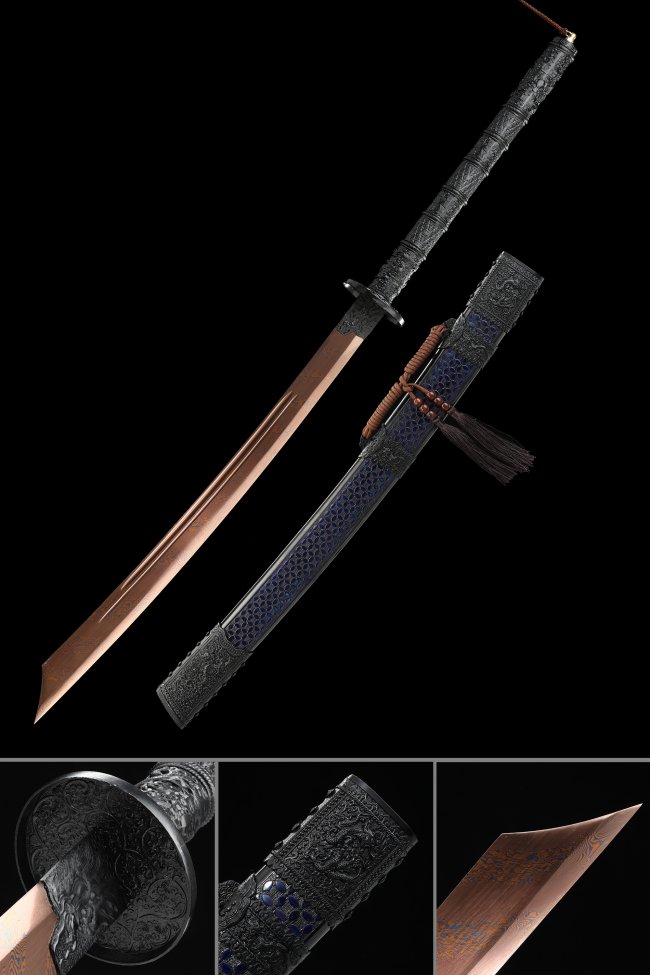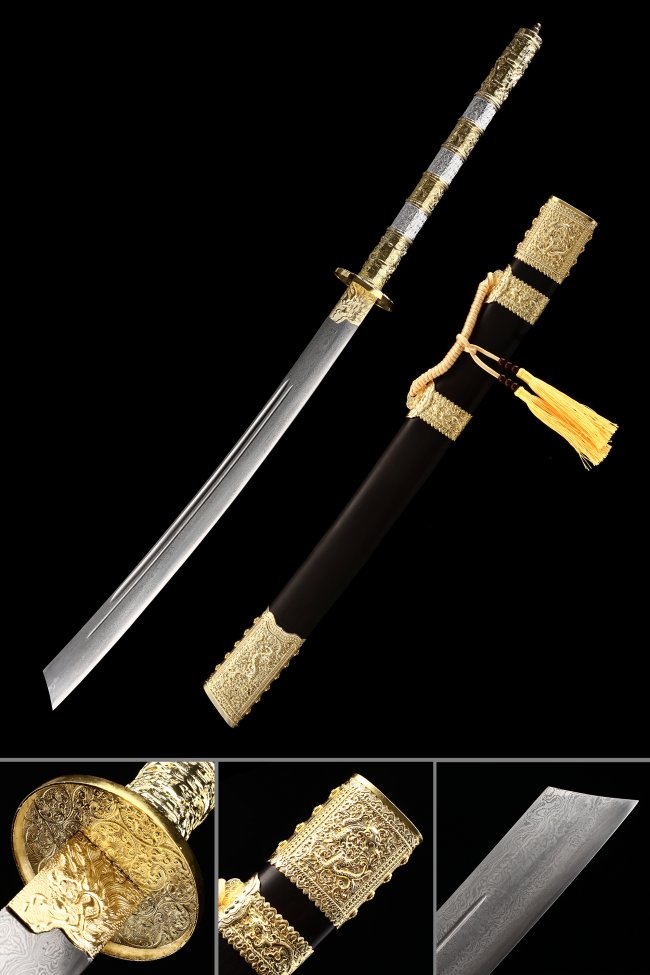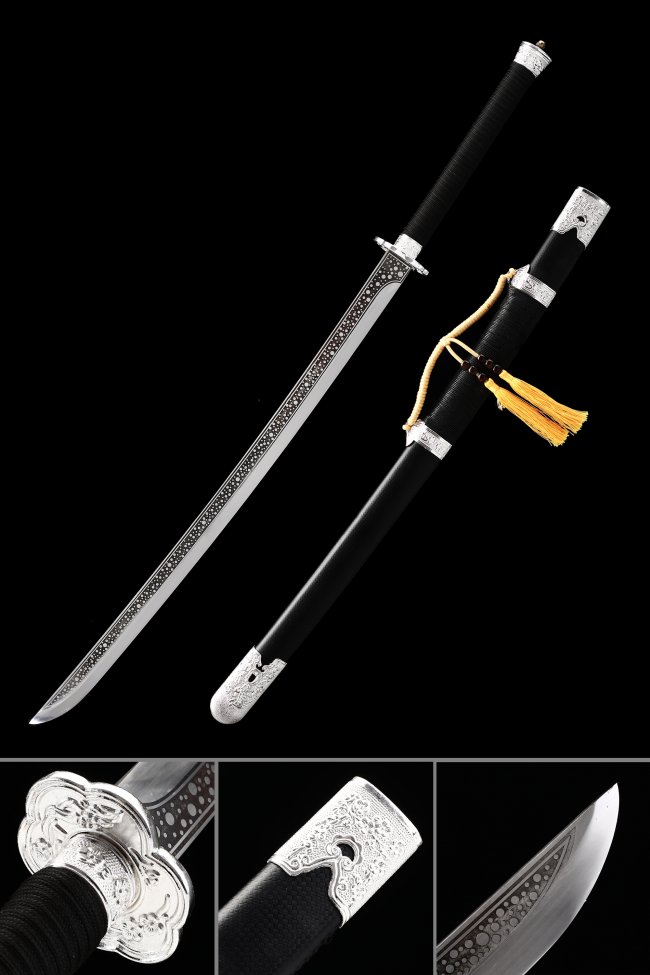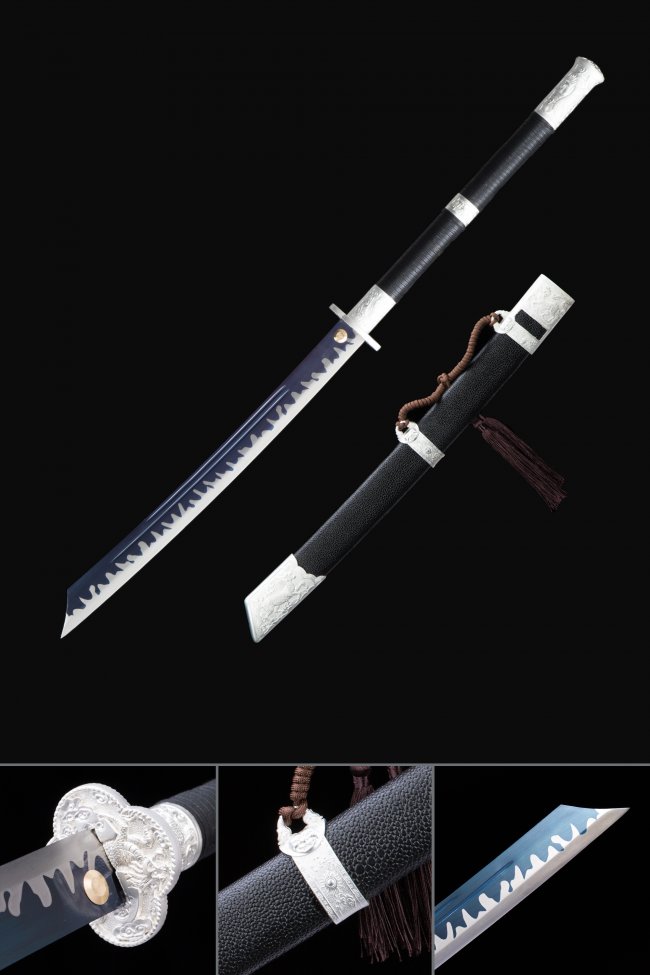
Free U.S. Shipping

GuanDao

Discover the majesty and power of the GuanDao, a legendary Chinese pole weapon known for its distinctive curved blade and formidable history. Perfect for martial arts enthusiasts and collectors alike, the GuanDao embodies the spirit of ancient warriors and the elegance of traditional craftsmanship. Whether you're looking to enhance your collection or practice your skills, our finely crafted GuanDaos offer unparalleled quality and authenticity. Join us on a journey through history and feel the strength and honor that only a true GuanDao can bring. Embrace the legacy and make a statement with your very own GuanDao today.
Showing 16 Products

Related Collections

Frequently Asked Questions

What is a Guandao?

A GuanDao, also written as Guan Dao or Kwan Dao, is a traditional Chinese pole weapon with a large curved blade mounted on a long shaft. It is often associated with Guan Yu, the famous general from the Three Kingdoms tradition, and is also known by the historical name Yanyuedao, meaning “reclining moon blade.” Unlike a regular sword, a GuanDao is closer to a polearm because it combines reach, leverage, and a heavy cutting blade. Today, many buyers choose it for martial arts practice, cultural collection, display, or historical interest rather than everyday handling.

Is a GuanDao a sword or a polearm?

A GuanDao is best understood as a Chinese polearm, not a regular handheld sword. It has a sword-like curved blade, but that blade is mounted on a long staff, giving it much more reach than a dao or jian. Some people call it a “Chinese halberd” or “Chinese glaive” because its overall shape feels similar to other long-handled bladed weapons. For shopping and display purposes, it is better to think of a GuanDao as a long weapon that needs more space, stronger handling control, and a sturdier display setup than a normal sword.

How long is a GuanDao?

The length of a GuanDao can vary depending on whether it is made for martial arts practice, display, or historical reproduction. A common modern GuanDao is often around 5 to 7 feet overall, with a long wooden or metal shaft and a curved blade mounted at the top. Some modern martial arts versions are shorter and lighter so they can be handled safely in training forms. Before buying, check the full product length, blade length, shaft material, and whether the weapon can be disassembled for shipping or storage.

How heavy is a GuanDao?

The weight of a GuanDao depends on the model. Modern martial arts versions may be much lighter, while strength-training or display versions can be noticeably heavier. Some sources describe modern practice guandao as usually weighing only a few pounds, while heavier training versions can be much more demanding. Historical and examination-style guandao could be extremely heavy, but those are not typical retail practice pieces. If you are buying one for training, do not choose by appearance alone. Check the exact weight and ask your instructor what is appropriate for your level.

Did Guan Yu really use a GuanDao?

The GuanDao is strongly associated with Guan Yu in Chinese legend, literature, opera, and popular culture. His famous weapon is often called the Green Dragon Crescent Blade, or Qinglong Yanyue Dao. Historically, the exact details are more complicated, because the weapon’s literary and cultural image developed over time. For modern buyers, the important point is that a GuanDao carries a strong connection to Guan Yu’s image of loyalty, strength, and martial honor. That is one reason many collectors choose it as a display piece rather than just another polearm.

Is a GuanDao legal in the United States?

Owning a GuanDao at home is generally possible in many parts of the United States, but laws can vary by state, city, and situation. The main concerns are public carry, transportation, schools, public events, and convention rules. Because a GuanDao is a long metal polearm, it may be treated more strictly than a small display item, especially in public spaces. Always check your local regulations before carrying or transporting it outside your home. If you want it for cosplay, check the event’s prop weapon policy first, because many venues restrict metal weapons regardless of whether they are sharp.

Where can I buy a GuanDao?

You can buy a GuanDao from a specialty sword or martial arts weapon retailer that clearly lists the overall length, blade material, shaft material, weight, and intended use. TrueKatana has a dedicated GuanDao collection for buyers interested in Chinese pole weapons, martial arts aesthetics, and collectible display pieces. Before ordering, check whether the model is meant mainly for display, practice, or collection. Since a GuanDao is much longer than a regular sword, also think about storage space, shipping, wall display options, and whether local laws or event rules affect how you can transport it.

How do I display a GuanDao?

A GuanDao needs more space than a regular sword, so it should be displayed on a sturdy wall mount, vertical stand, or dedicated polearm rack. Keep it away from narrow hallways, children, pets, and high-traffic areas where the blade or shaft could be bumped. If the blade is carbon steel, wipe it after handling and keep it dry to reduce the risk of rust. A GuanDao works especially well as a statement piece in a collection room, martial arts studio, or themed display wall because its long shaft and curved blade create a strong visual presence.

What was a GuanDao used for?

A GuanDao was used as a Chinese polearm, not as a regular one-handed sword. Its long shaft gave the user reach, while the large curved blade was suited for powerful cutting and sweeping motions. In Chinese martial culture, it is strongly linked with generals, guards, military training, and later martial arts demonstrations. Some sources also describe heavy guandao-style weapons being used in strength training or military examinations, which explains why people often see it as a weapon of power and presence rather than quick close-range handling.

Today, most buyers choose a GuanDao for martial arts forms, traditional Chinese weapon collections, cosplay photos, or home display. It should not be treated as a casual practice tool unless the product is clearly made for training and the user has enough space and instruction.

What is the difference between GuanDao and naginata?

A GuanDao is Chinese; a naginata is Japanese. Both are long pole weapons with curved blades, so they can look similar at first glance, but their shape and handling feel are different. A GuanDao usually has a broader, heavier blade, often with a strong curve near the tip and sometimes a rear spike. A naginata normally has a slimmer blade mounted on a long shaft, giving it a lighter and more flowing profile.

In simple terms, the GuanDao feels more like a heavy, powerful Chinese polearm with strong visual impact. The naginata feels more like a Japanese bladed pole weapon built around reach, control, and sweeping movement. For collectors, the choice usually comes down to culture and style: Chinese martial weapon vs. Japanese samurai-era pole weapon.

What is the difference between GuanDao and halberd?

A GuanDao is usually closer to a Chinese glaive or long-handled saber than to a European halberd. It has a large curved cutting blade mounted on a pole, often with a spike on the back. A halberd, especially in the European sense, usually combines several functions in one head: an axe-like blade, a spear point, and often a hook or beak for pulling or controlling opponents.

So the main difference is the head design. A GuanDao is more blade-focused, with a strong cutting profile. A halberd is more of a multi-purpose battlefield polearm, combining chopping, thrusting, and hooking features. They both belong to the broad polearm family, but they come from different weapon traditions and do not look or handle exactly the same.

What is the difference between GuanDao and PuDao?

A GuanDao and a PuDao are both Chinese long-handled bladed weapons, but they are not the same. A GuanDao usually has a larger, heavier, more dramatic crescent-shaped blade, often associated with Guan Yu and the “Green Dragon Crescent Blade” image. It has a strong ceremonial and display presence, and many modern people recognize it through kung fu, opera, games, and Three Kingdoms culture.

A PuDao is generally lighter and more practical-looking, often described as closer to a saber blade mounted on a longer handle. Compared with a GuanDao, it tends to feel less oversized and less ornamental. Put simply: the GuanDao is the more iconic, heavier-looking polearm; the PuDao is usually the more straightforward long-handled cutting weapon.

Customer Reviews

This is a beautiful sword that I have ordered It is a second time from Truekatana . The first one was Japanese Wakizashi. Both of them are apparently well made. I am making a review for this particular Chinese Broadsword. It is a very good looking hand made sword. But I found that some minor fit and finish issue on this sword.
I have contacted to Truekatana customer service team . They response me within 24 Hours. Kindly taken care of it. Next a few days later solved this issue.
Thank you. True Katana team.

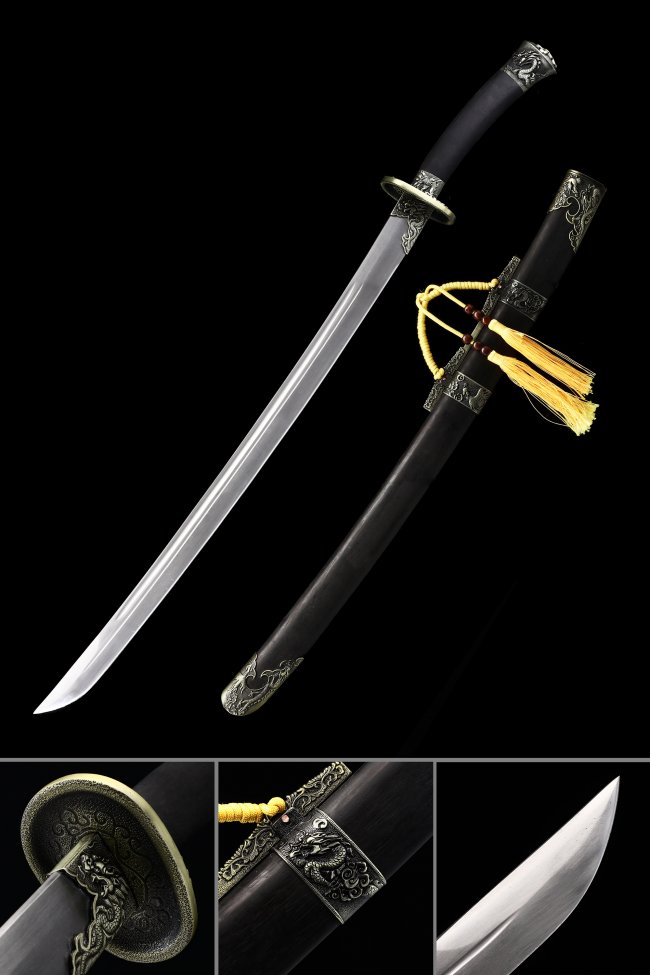
Oxtail Dao - Clay Tempered 1095 Carbon Steel Chinese Broadsword With Ebony Scabbard Oxtail Dao - Clay Tempered 1095 Carbon Steel Chinese Broadsword With Ebony Scabbard Verified Purchase

Subscribe to our emails

GET 20% OFF TODAY

Subscribe to our emails to receive the latest special offers and private events. We'll send a coupon code to your email shortly.

Get Coupon Code