Qin Jian

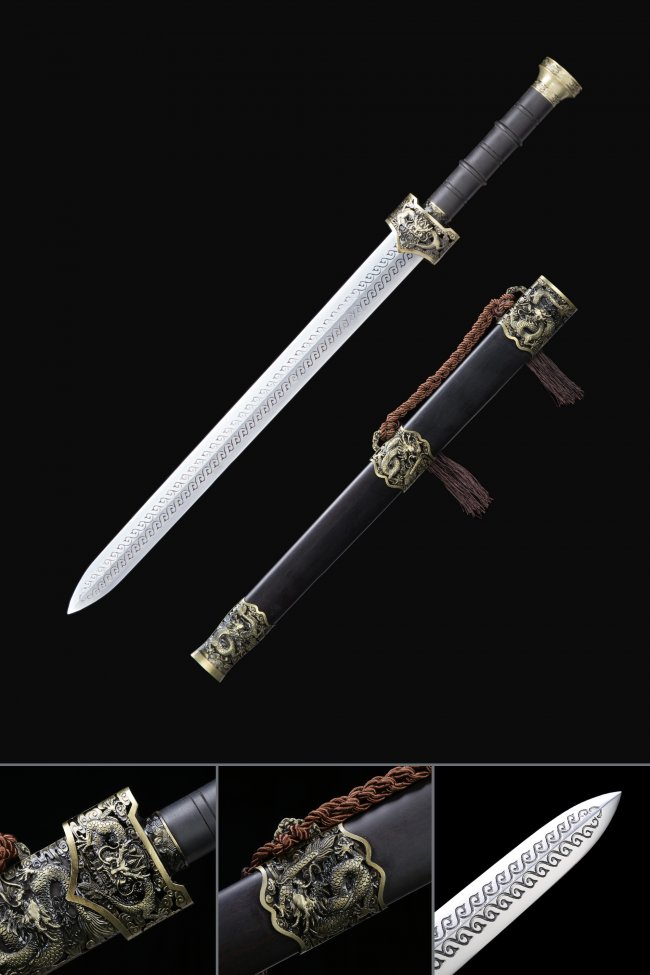
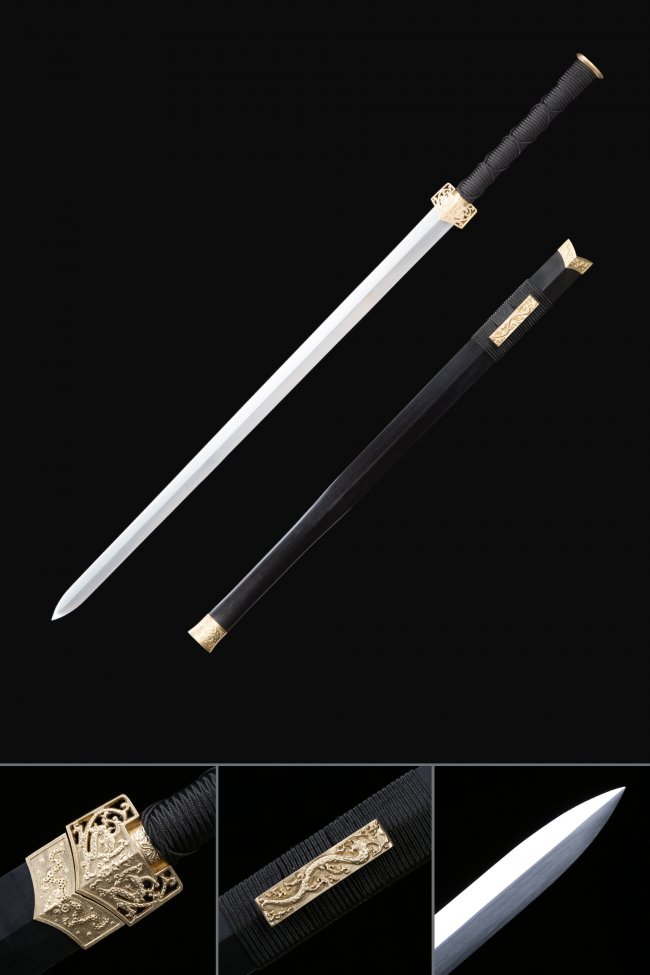
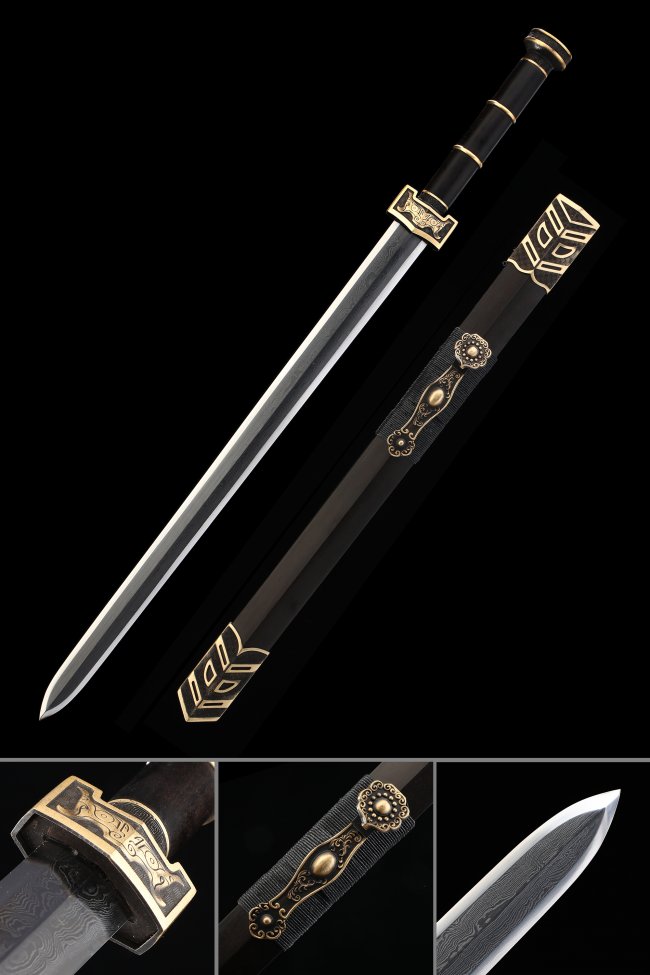
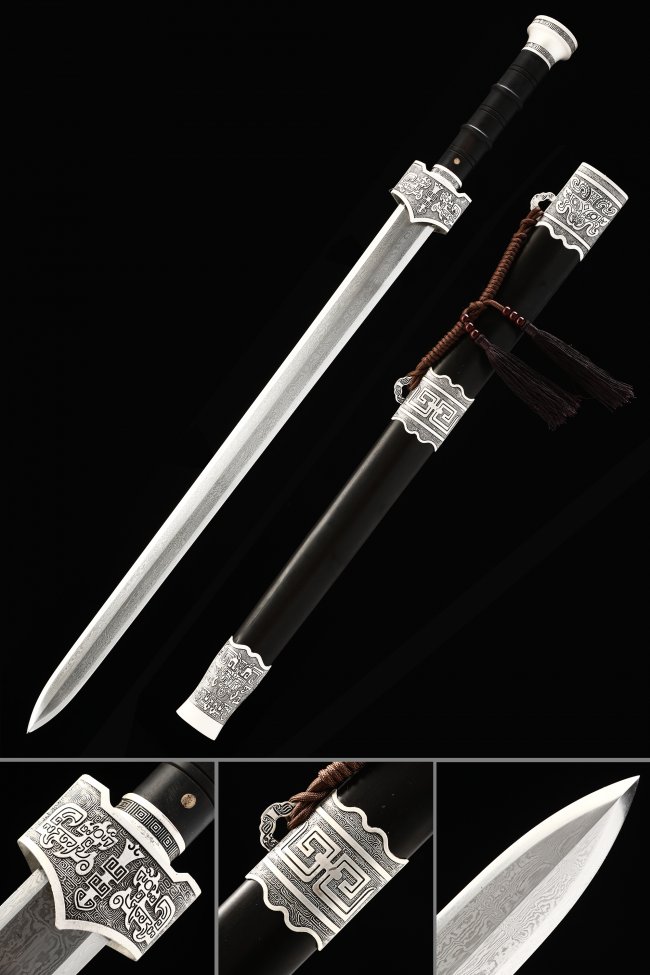
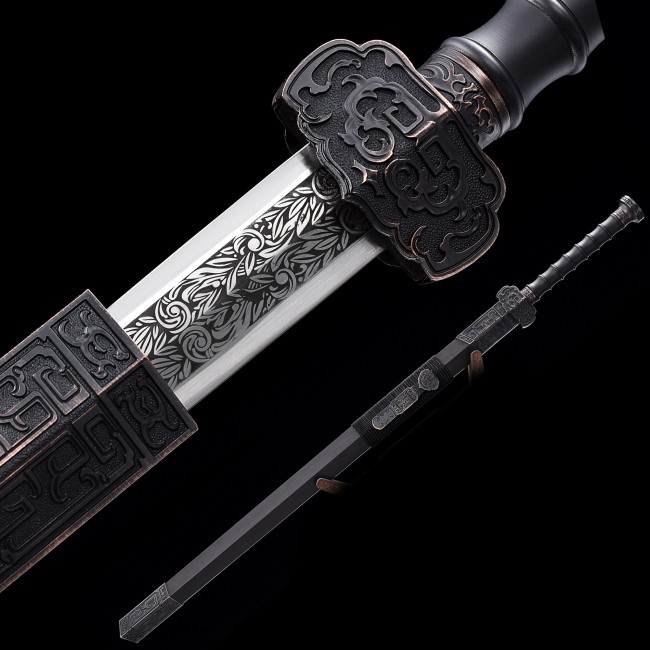
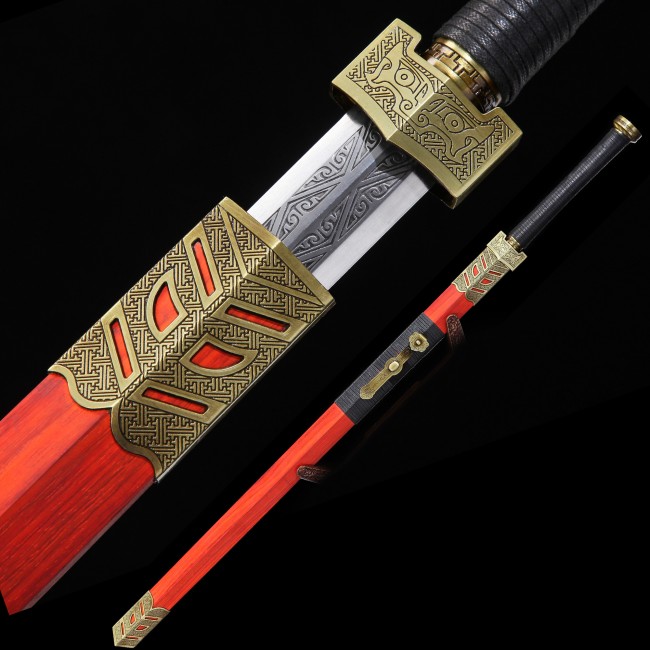
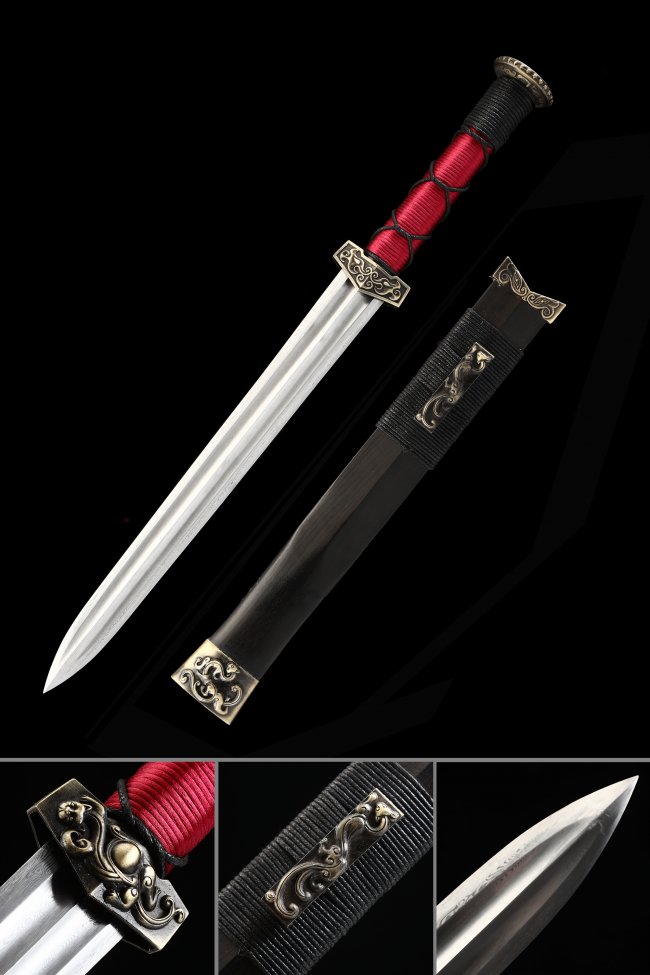
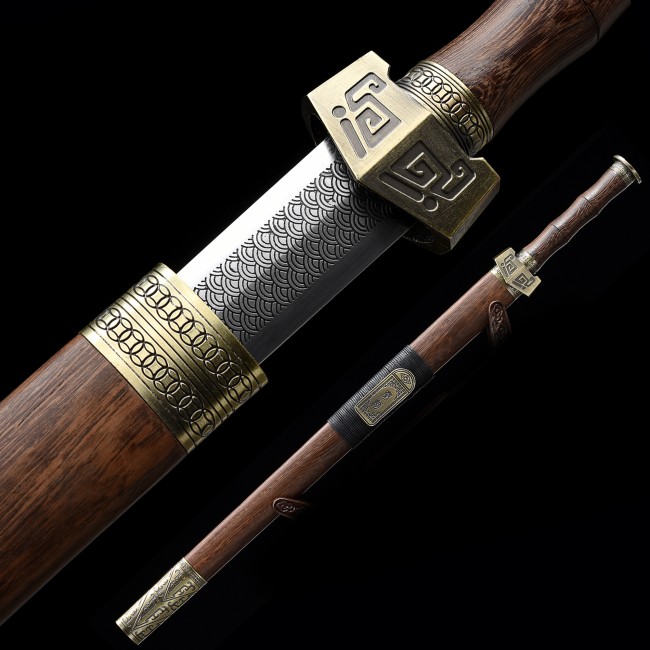
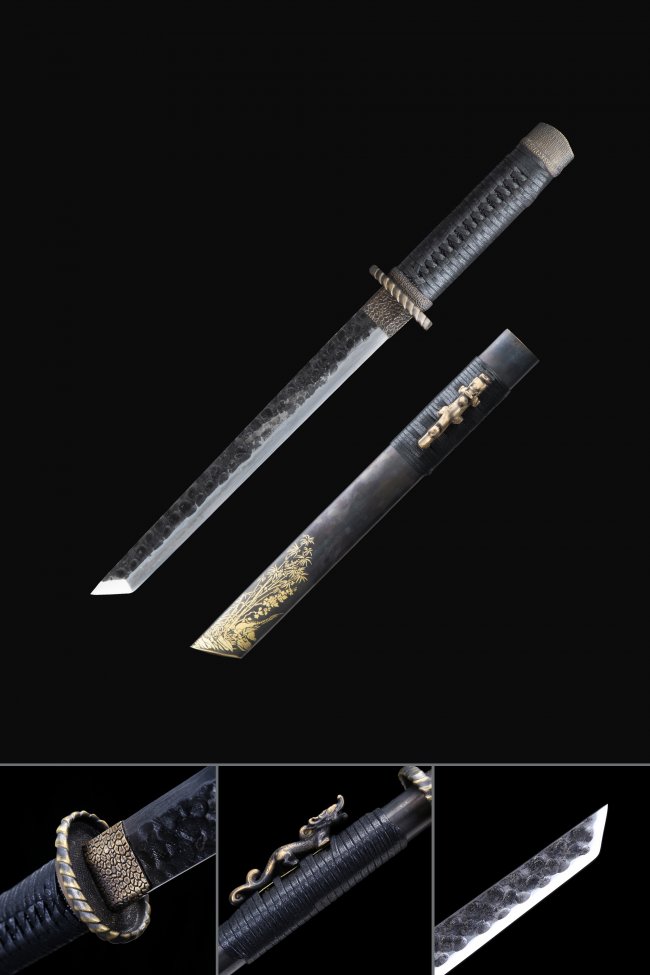
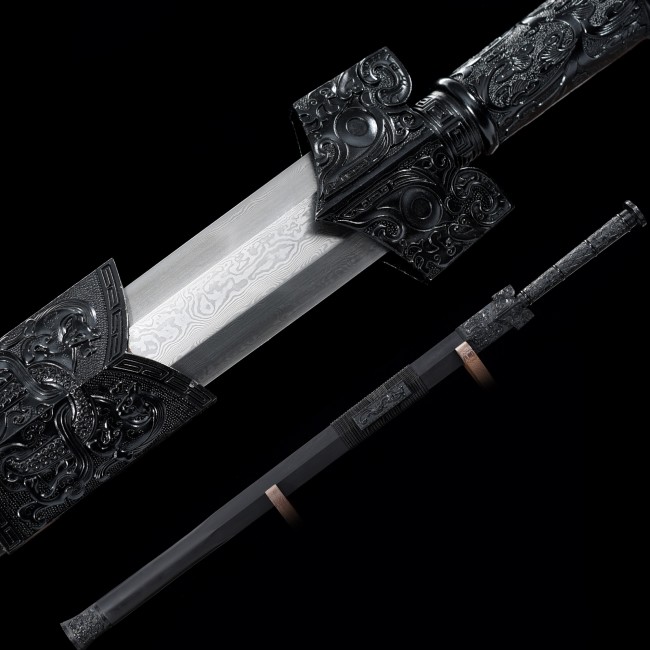
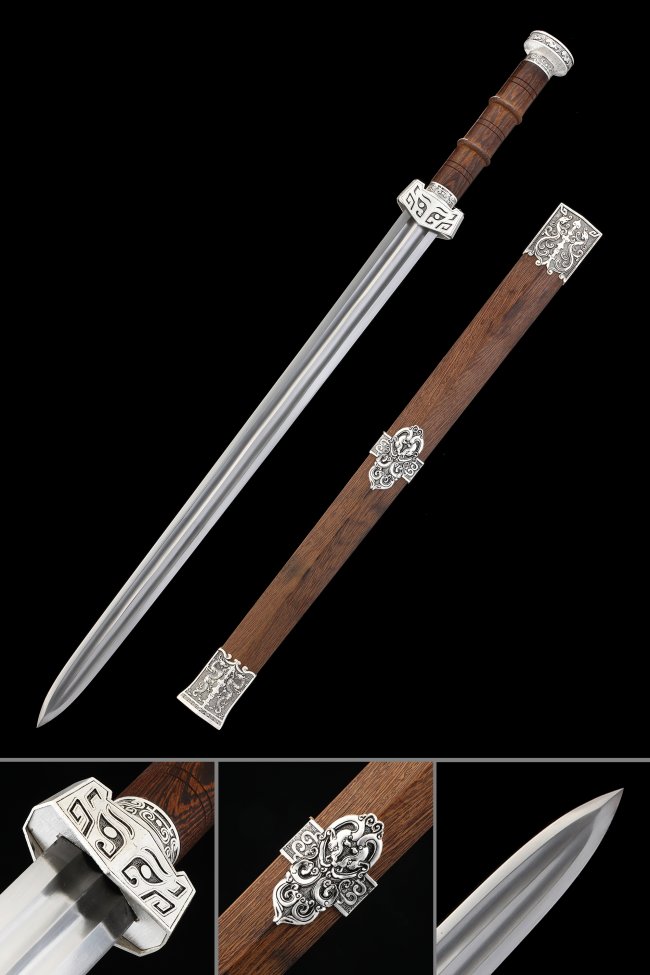
Qin jian swords in this collection are hand-forged Chinese straight swords in the classical jian tradition, crafted from Damascus and 1045 carbon steel with black sandalwood and fishskin-wrapped handles, lacquered scabbards, and full-tang construction throughout. Drawing on the Qin dynasty period that unified China and standardized its material culture, these jian connect to the earliest fully realized expression of the Chinese straight sword tradition. Free shipping and a 30-day return policy are included.

Showing 73 Products

Frequently Asked Questions

What makes Qin dynasty jian historically significant in Chinese sword culture?
Qin dynasty jian are historically significant for several connected reasons. First, the Qin unification of China in 221 BCE created the conditions for the first imperial-scale standardization of sword production - the same ruler who unified weights and measures and script also presided over a military that required standardized weapons production across a vast territory. Second, the Qin dynasty jian recovered from archaeological sites, particularly at the Terracotta Army burial complex of Qin Shi Huang, have revealed a level of metallurgical sophistication that surprised researchers. Analysis of the blades found chromium surface treatments, a technology that was not thought to have existed in that period, and blade geometries - specifically a cross-section with multiple faces and a long, narrow blade profile - that showed careful optimization of the relationship between blade geometry and structural performance. Third, the Qin period marks the point at which iron and early steel fully replaced bronze as the primary sword material in China, a transition that the Qin standardization system accelerated. For these reasons, the Qin jian occupies a foundational position in the history of Chinese sword making.
How does a Qin jian differ from a Han dynasty jian in design?
Qin and Han dynasty jian share the fundamental double-edged straight sword format of the classical Chinese jian, but they differ in several design details that reflect the different periods and their respective material cultures. Qin dynasty jian were typically longer and narrower than Han dynasty equivalents - archaeological examples show blade lengths of 80 to 95 centimeters with a relatively narrow, multi-faceted cross-section. This length gave Qin military jian significant reach advantage in formation combat. Han dynasty jian are generally proportioned somewhat differently, with a wider range of blade lengths and a cross-section that evolved from the multi-faceted Qin geometry toward simpler lenticular or diamond profiles. The fittings of Qin and Han jian also reflect the material culture of their respective periods: Qin fittings often incorporated bronze elements consistent with the bronze-to-iron transition of the period, while Han jian fittings more consistently used iron and jade in the more refined decorative styles of the Han period. The swords in this collection interpret the Qin tradition with Damascus and 1045 steel and sandalwood fittings that reference the period aesthetic.
What is fishskin wrapping on a Qin jian handle and why is it used?
Fishskin wrapping, known in Japanese sword culture as same and referred to similarly in Chinese traditions, is a grip material made from the dried skin of rays or sharks. The surface of ray skin is covered with small, rounded nodules of mineralized material that provide exceptional grip texture - the surface is rough enough to prevent the hand from slipping under the leverage forces of sword use without being so abrasive that it damages the hand during extended handling. Ray skin has been used as a primary grip material in both Japanese and Chinese sword traditions for centuries because it combines grip performance with durability and distinctive visual texture. In the context of the Qin jian in this collection, the fishskin wrapping references the traditional grip materials used in historical Chinese sword production. It is often used as the base layer under cord or ribbon wrapping on handled swords, or left exposed on shirasaya and simpler handle formats where the nodular texture provides both function and visual character.
Is the Damascus steel on the Qin jian historically authentic or a modern interpretation?
The Damascus pattern-welded steel on the Qin jian in this collection is a modern forging interpretation rather than a direct historical replication. Historical Qin dynasty jian were made from iron and early steel using Chinese metallurgical methods of the period - these included pattern welding techniques, but the specific visual effects associated with modern pattern-welded Damascus steel are a product of contemporary forging practice rather than a precise recreation of Qin dynasty production methods. The Damascus construction on these swords is authentic in the sense that it involves genuine forge welding of multiple steel types and produces a blade with real structural properties resulting from that process. The visual grain pattern is a genuine product of the forging and etching process rather than a surface treatment. What makes this a modern interpretation rather than a historical replication is that Qin dynasty smiths did not aim for the specific visual Damascus pattern - they were optimizing for blade performance using the materials and methods available to them. The Damascus finish is used on these swords to honor the spirit of sophisticated Qin period blade making while producing a contemporary collectible with visual character appropriate to the quality of construction.

Customer Reviews

Christian V Gomez Texas, United States

Shipping was lightning quick! However, the fit and finish aren't perfect, the center ornament on the scabbard is loose, the sword doesn't sheath well, and the ornaments on the hilt look rushed. At a distance, it looks fantastic which is not a bad thing but overall, It was good, not great but good

Han Dynasty Jian - Handmade 1095 High Carbon Steel Double Edged Chinese Straight Sword Han Dynasty Jian - Handmade 1095 High Carbon Steel Double Edged Chinese Straight Sword
Malcolm Nicholson North Carolina, United States

Every sword is better than the next. I am consistently impressed with the quality of Truekatana. Their colored blades are absolutely gorgeous, and the steel-grade appears to be exactly what they claim it is.r
Shipping was also very fast and well-packed.r
r
Handmade Chinese Straight Double Edged Sword High Manganese Steel Han Dynasty With Brown Scabbard: r
The "fishscale" engraved Jian is a work of art. Perfectly balanced and handsome redwood, I can see why they tout this model as something of a flagship.r
r
Handmade Chokuto Ninjato And Tanto Sword Set With Blue Blade:r
The blades are the selling point here. They are a lovely deep-blue with a slight reddish purple gradient in the light, with a striking pattern down the spine. The pattern is adhered very well to the surface. The grips and fittings are a bit on the cheap-side but they are designed for "minimalist, tactical use" so they may just what some people are looking for. The blades are still full tang, as evidenced by the great balance point.r
r
Handmade Japanese Katana Sword With Golden Blade And Brown Scabbard:r
This is a hidden gem. I feel like it resembles a "Dao" in many ways, but the blade does appear to have a traditional katana-style taper. The use of leather and the bronze-like highlights on the scabbard are stunning. The golden blade is a subtle hue, not overpowering, giving it a very classy appearance.r
r
All of these swords feel rock-solid in your hand. Highly recommended all around

Han Dynasty Jian Sword - 1045 Carbon Steel with Wenge and Rosewood Scabbard in Bronze Alloy Fittings Han Dynasty Jian Sword - 1045 Carbon Steel with Wenge and Rosewood Scabbard in Bronze Alloy Fittings