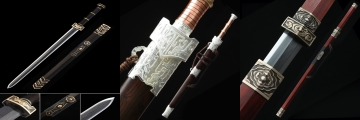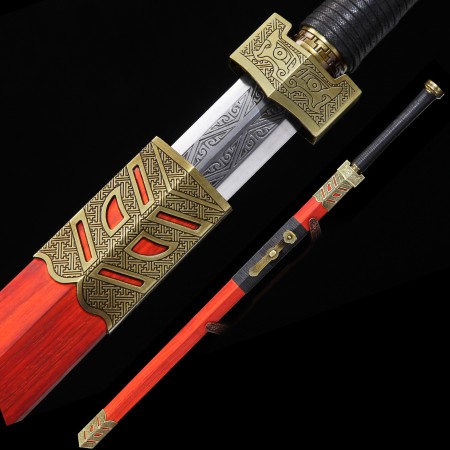
Han Dynasty Sword

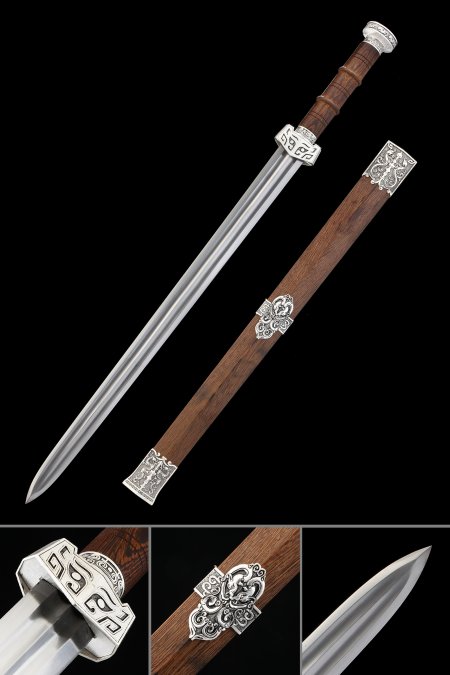
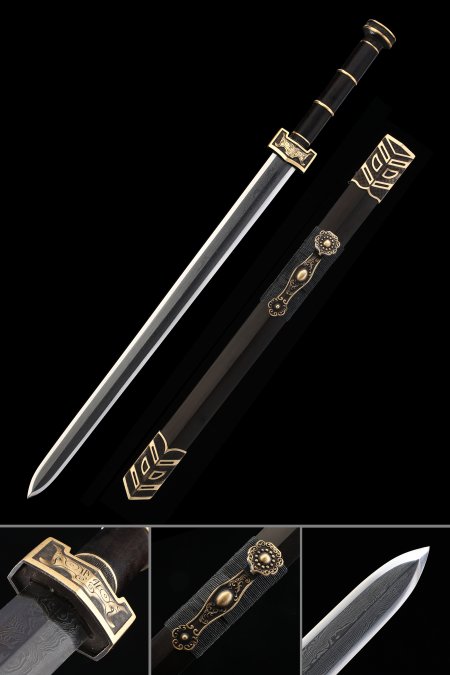
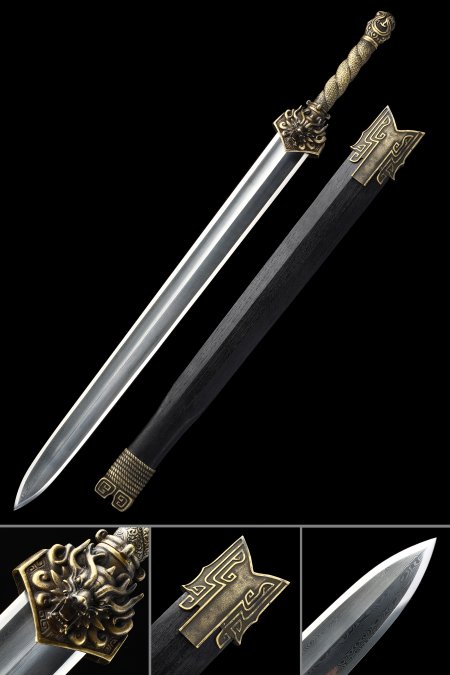
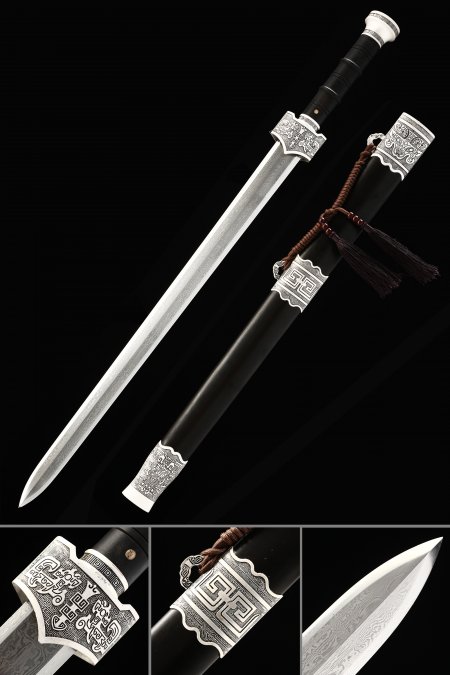
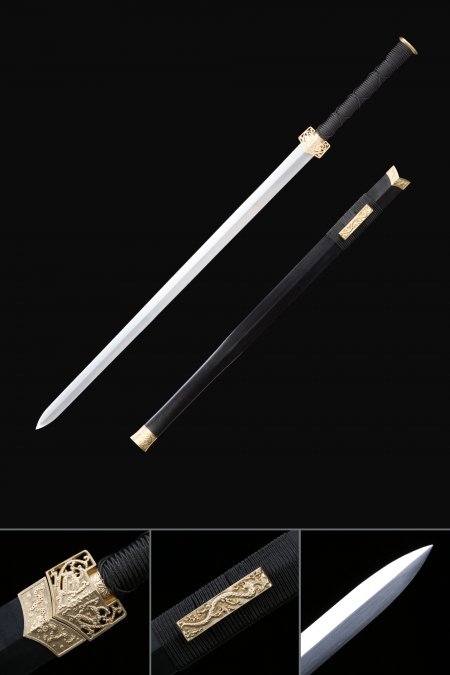
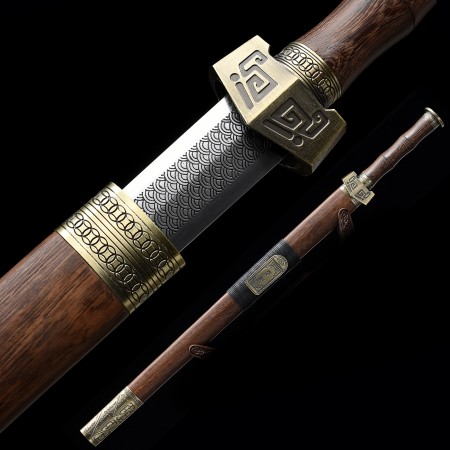
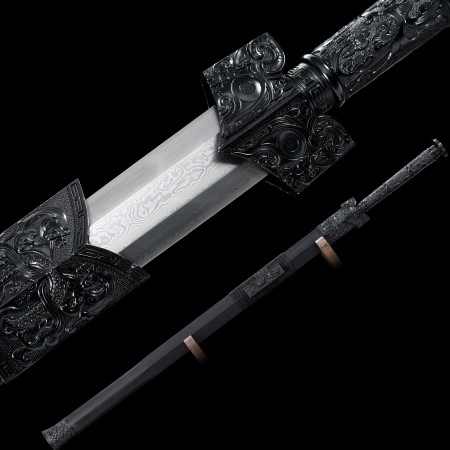
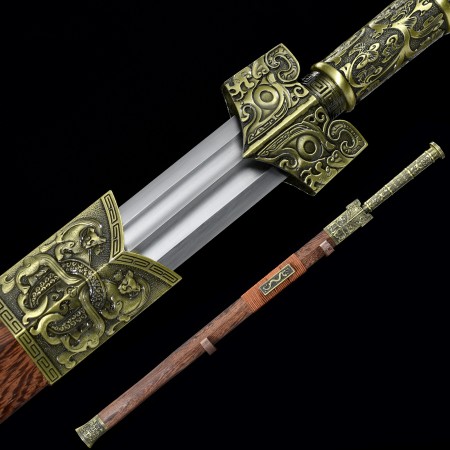
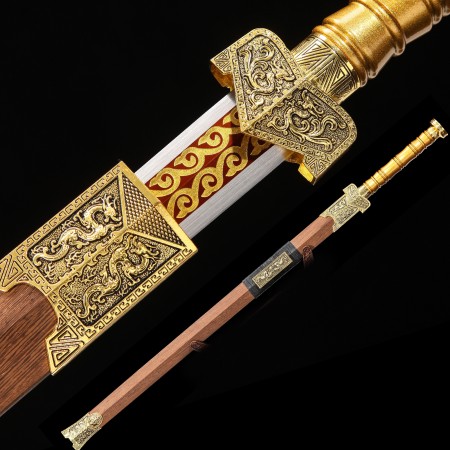
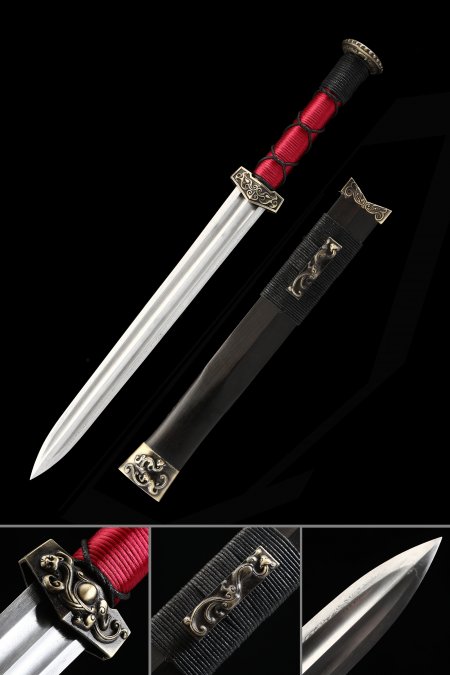
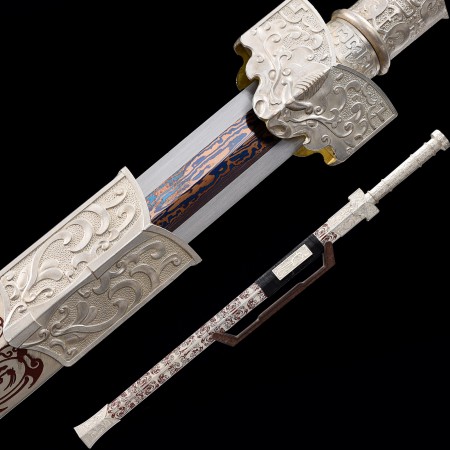
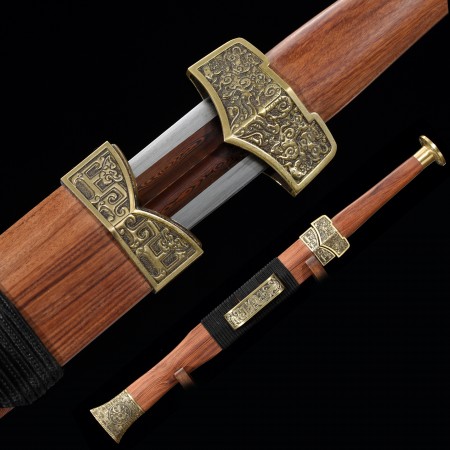
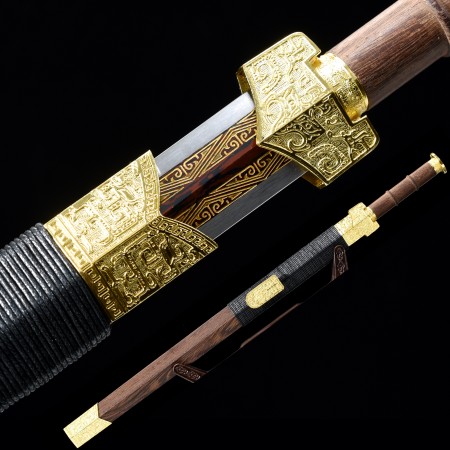
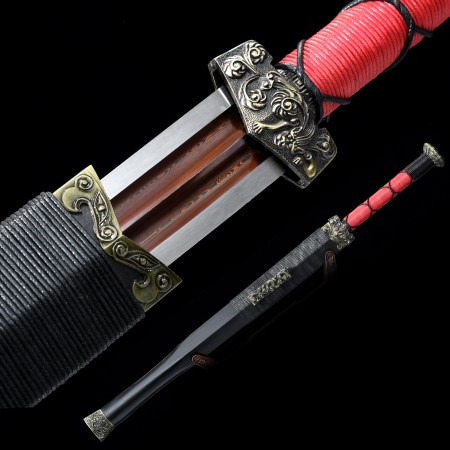
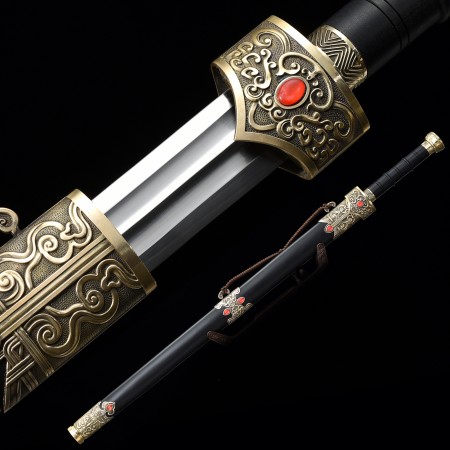
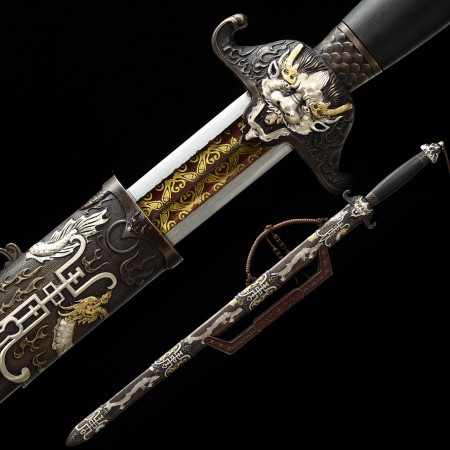
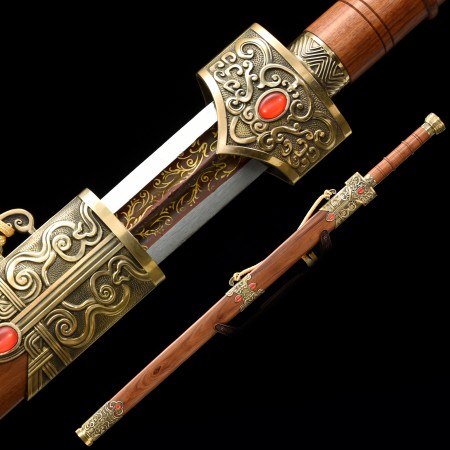
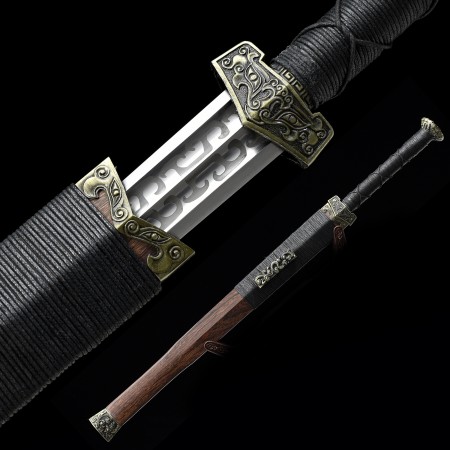
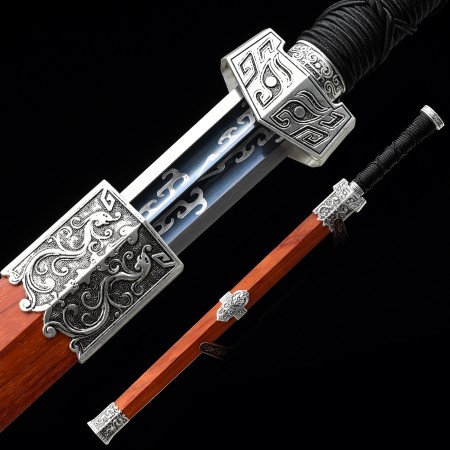
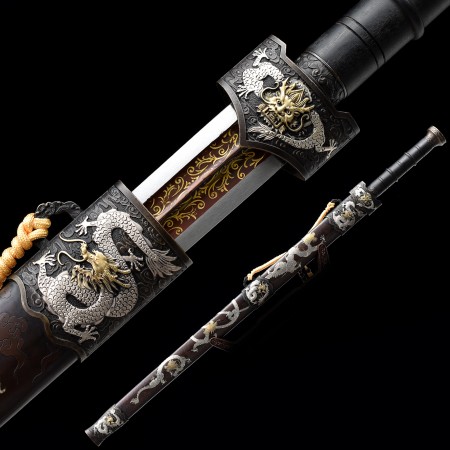
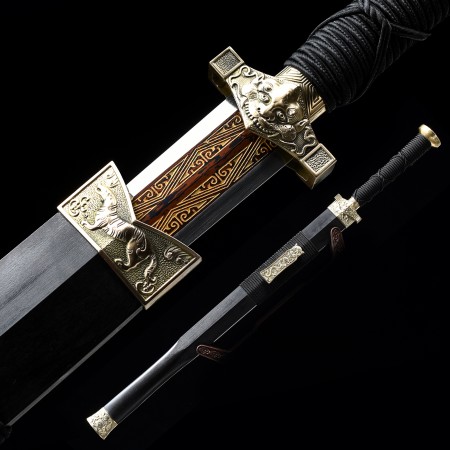
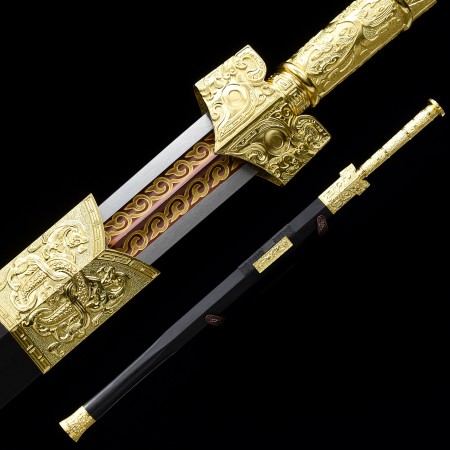
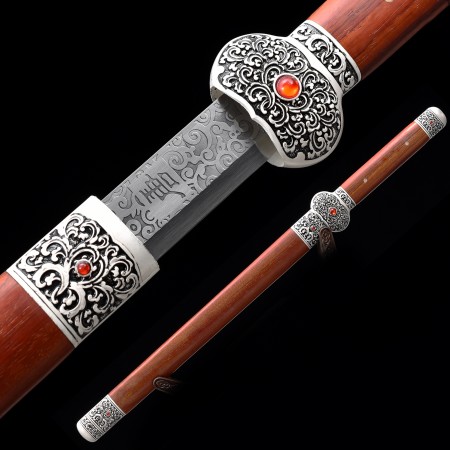
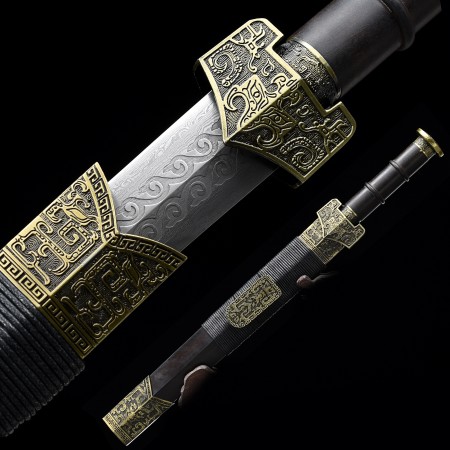
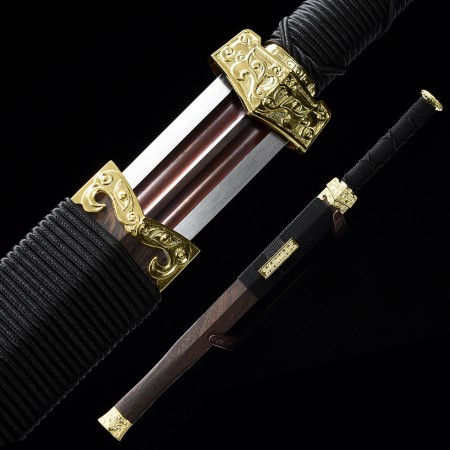
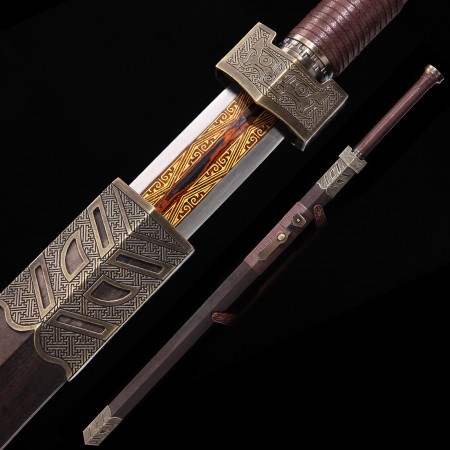
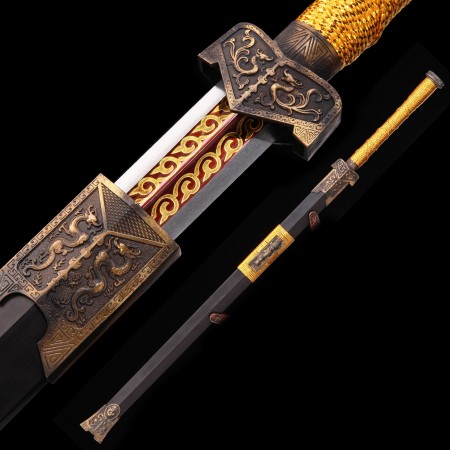
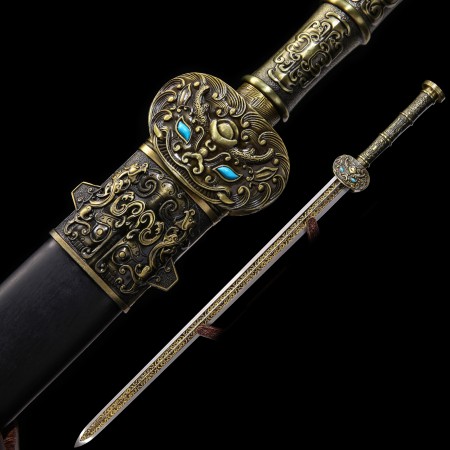
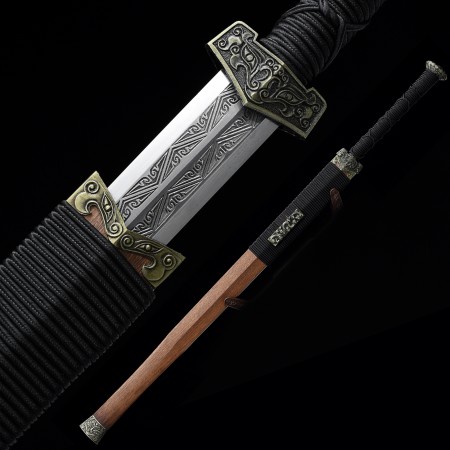
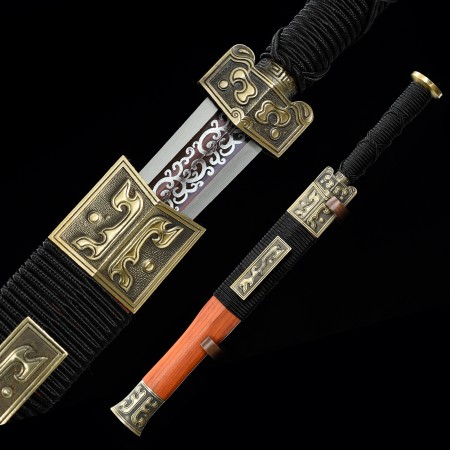
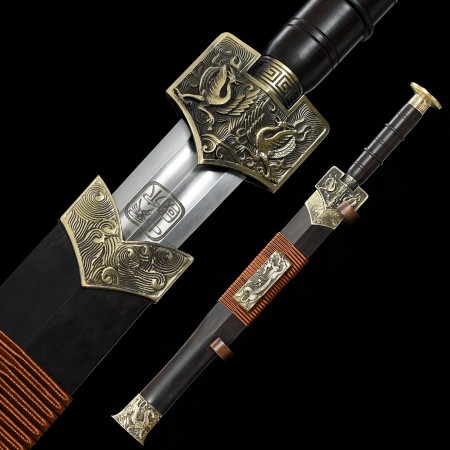
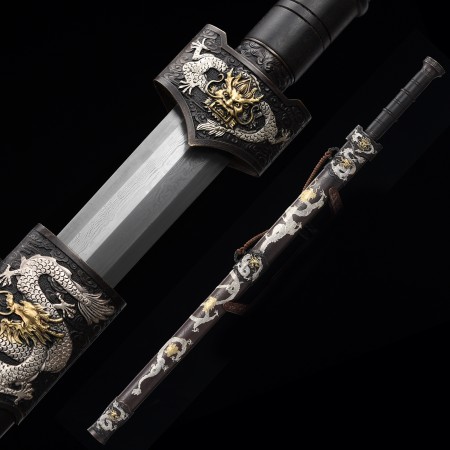
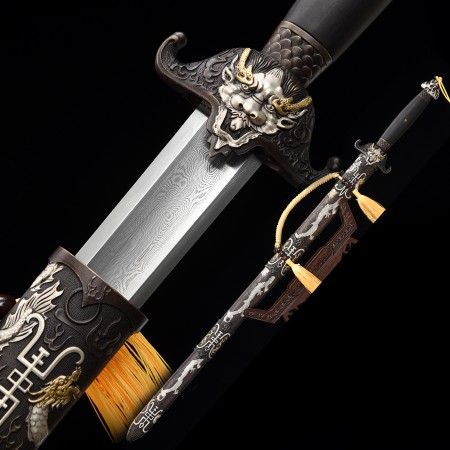
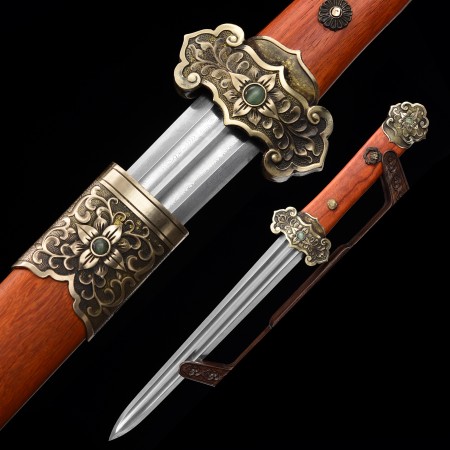
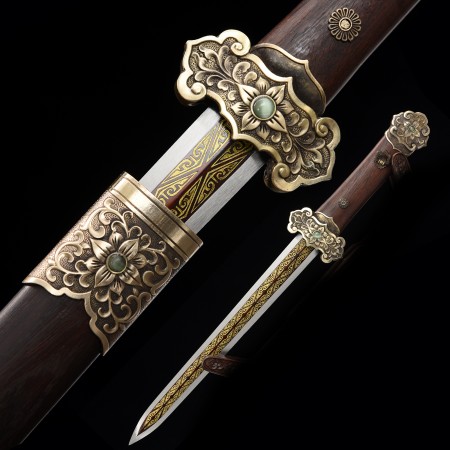
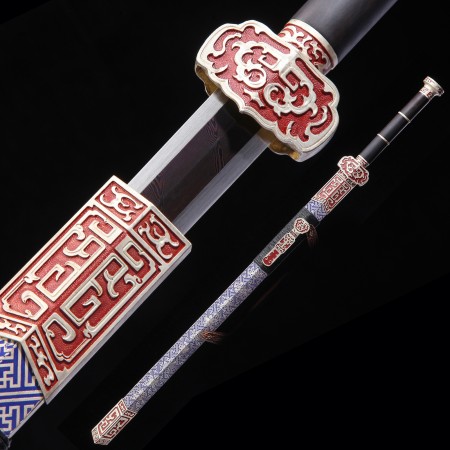
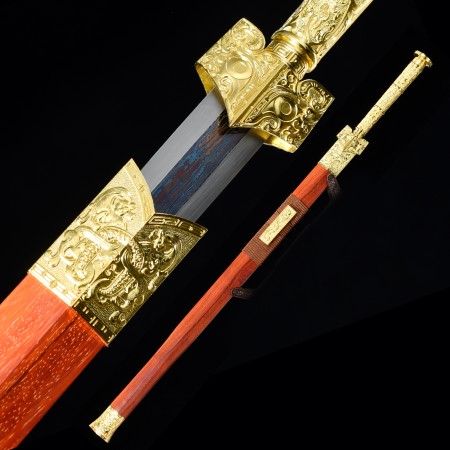
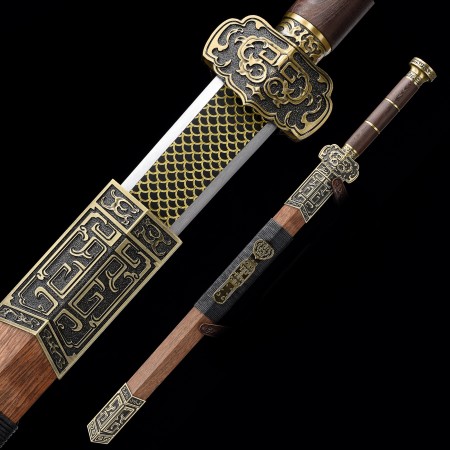
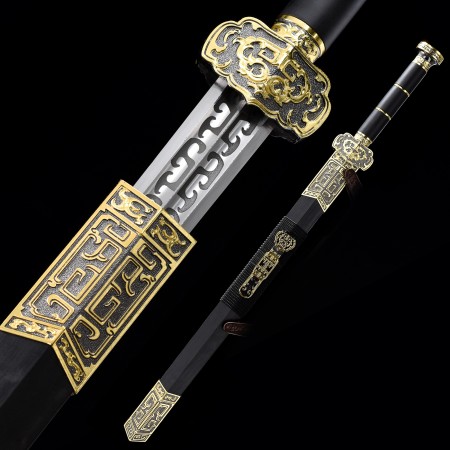
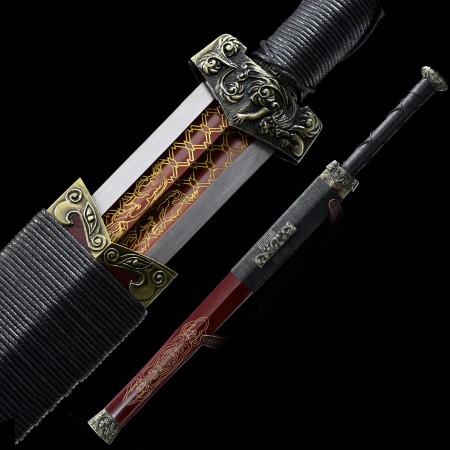
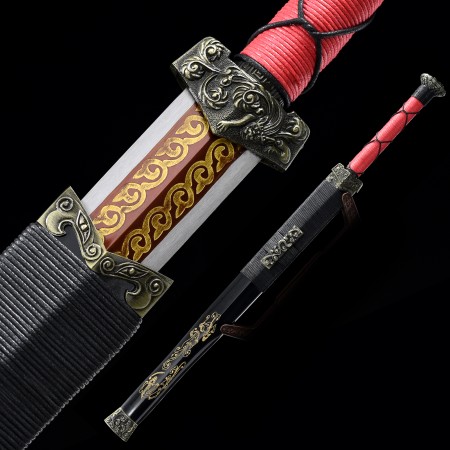
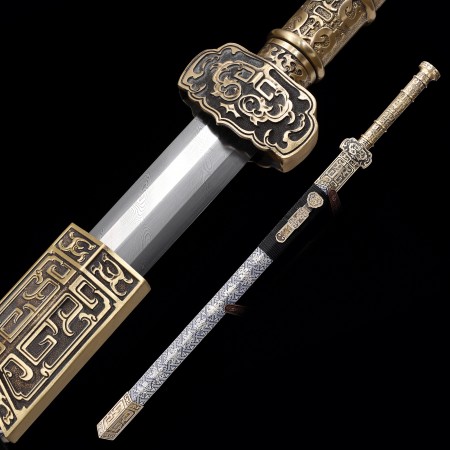
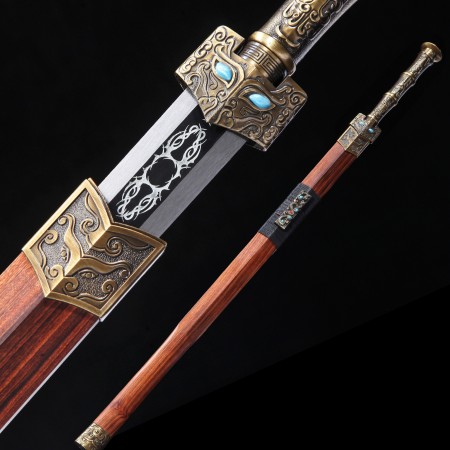
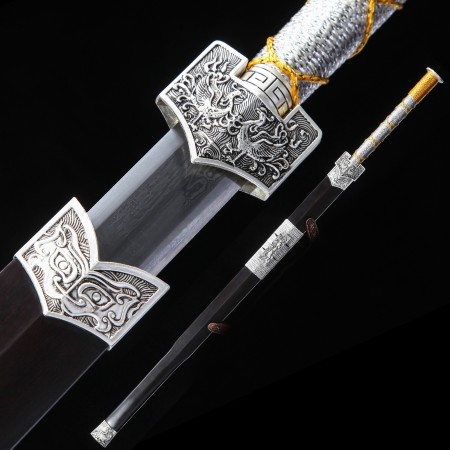
Han Dynasty swords in this collection are handcrafted Chinese straight swords in manganese steel, designed to the proportions and style of the Han Dynasty jian tradition - the historical period when the Chinese straight sword reached its classical form. Available in black, brown, silver, and red presentations with wood scabbards. Free shipping and a 30-day return policy included.
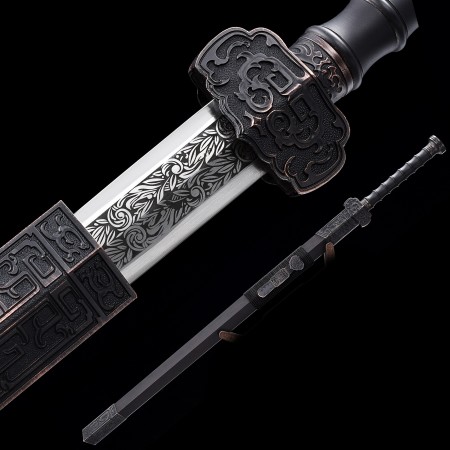
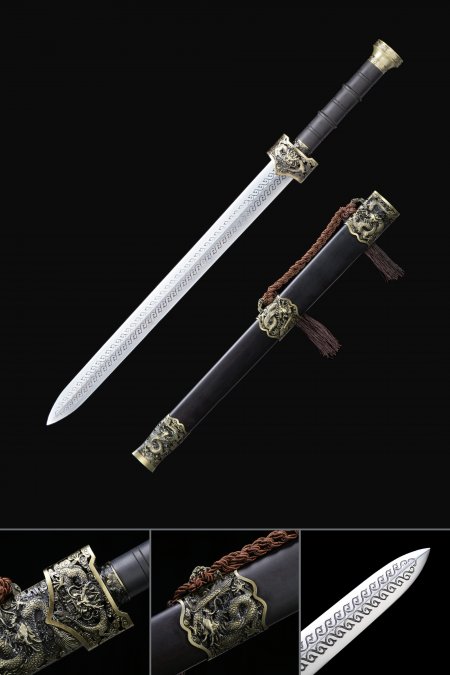
Showing 73 Products

Related Collections

Frequently Asked Questions

What is the historical context of the Han Dynasty jian sword tradition?
The Han Dynasty jian is one of the most historically significant sword forms in Chinese history, representing the mature expression of the Chinese straight sword tradition during a period of cultural consolidation and expansion. The Han Dynasty, from 206 BCE to 220 CE, was one of the two great formative dynasties of classical Chinese civilization alongside the Tang Dynasty, and the period produced significant developments in almost every area of Chinese culture including sword making. The jian of the Han period was made primarily from bronze in the earlier period and increasingly from iron and steel as metallurgical technology developed - the transition from bronze to iron sword production occurred largely during the Han and the generations immediately preceding it. The Han jian established the proportions that became canonical: a blade typically 70 to 90 centimeters in length, double-edged with a diamond or lenticular cross-section, with a handle and pommel configuration that provided a comfortable one-hand grip. These proportions were refined rather than fundamentally changed in subsequent dynasties, making the Han period the formative moment for what the Chinese jian is.
What makes manganese steel a good choice for a han dynasty sword replica?
Manganese steel is appropriate for han dynasty sword replicas because its material properties suit the blade geometry and construction requirements of the classical Chinese jian format. The Chinese jian's double-edged construction places both edges under the same stress conditions during use, which means the steel needs to perform consistently on both sides rather than having a designated hard edge and a tough back as in a differentially tempered single-edged sword. Manganese steel achieves this through its composition: the elevated manganese content improves hardenability throughout the blade rather than requiring the differential tempering of the edge zone alone. This produces a blade with consistent hardness and toughness across the full cross-section, which is the appropriate performance profile for a double-edged sword. Additionally, manganese steel's improved surface wear resistance helps the blade maintain its finish and edge geometry over time with standard care. The resulting blade has the weight, rigidity, and visual character appropriate for a historically styled display collectible of this type.
How do han dynasty swords display alongside Japanese katana in a mixed collection?
Han dynasty swords display effectively alongside Japanese katana and create a historically informative comparison in a mixed collection. The visual differences between the two traditions are clear and specific: the han jian's double-edged straight blade, ring pommel, disc guard, and carved wooden scabbard contrast directly with the katana's single-edged curved blade, wrapped handle, circular tsuba, and lacquered saya. To a viewer with any familiarity with either tradition, the two swords read as products of different but parallel martial cultures that developed sophisticated sword-making traditions independently during overlapping historical periods. In display terms, both sword types use the horizontal display convention, making them compatible on the same stand or adjacent stands. The black lacquer of a standard Japanese display stand is visually neutral enough to complement Chinese sword fittings. The display comparison is culturally interesting because it shows both the similarities - forged steel, carefully fitted components, traditional aesthetics - and the differences in how the two cultures approached the design problem of a personal sword.
What are the key design elements that identify a sword as Han Dynasty style?
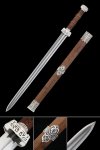
Several design elements identify a sword as being in the Han Dynasty jian style rather than in a later Chinese or non-Chinese tradition. The blade geometry is the primary identifier: a straight, double-edged blade with a diamond or lenticular cross-section, tapering gradually to a centered point. Unlike single-edged swords, the jian's symmetry is visible and intentional - both edges are at the same angle from the blade's centerline. The pommel design is the second key identifier: han period jian typically feature a ring pommel - a simple ring of metal at the end of the handle - or a disc pommel of simple form, rather than the more elaborate pommel shapes that appear in later periods or other traditions. The guard is typically a simple disc or thin cross form, positioned at the junction of blade and handle. The handle itself is proportioned for one-hand use, typically 16 to 20 centimeters, with the overall sword designed for a balanced one-hand technique rather than the two-hand grip of many later sword forms. These elements together create the recognizable visual profile of the Han Dynasty jian tradition.

Customer Reviews

Christian V Gomez Texas, United States

Shipping was lightning quick! However, the fit and finish aren't perfect, the center ornament on the scabbard is loose, the sword doesn't sheath well, and the ornaments on the hilt look rushed. At a distance, it looks fantastic which is not a bad thing but overall, It was good, not great but good
Han Dynasty Jian - Handmade 1095 High Carbon Steel Double Edged Chinese Straight Sword Han Dynasty Jian - Handmade 1095 High Carbon Steel Double Edged Chinese Straight Sword
Malcolm Nicholson North Carolina, United States

Every sword is better than the next. I am consistently impressed with the quality of Truekatana. Their colored blades are absolutely gorgeous, and the steel-grade appears to be exactly what they claim it is.r
Shipping was also very fast and well-packed.r
r
Handmade Chinese Straight Double Edged Sword High Manganese Steel Han Dynasty With Brown Scabbard: r
The "fishscale" engraved Jian is a work of art. Perfectly balanced and handsome redwood, I can see why they tout this model as something of a flagship.r
r
Handmade Chokuto Ninjato And Tanto Sword Set With Blue Blade:r
The blades are the selling point here. They are a lovely deep-blue with a slight reddish purple gradient in the light, with a striking pattern down the spine. The pattern is adhered very well to the surface. The grips and fittings are a bit on the cheap-side but they are designed for "minimalist, tactical use" so they may just what some people are looking for. The blades are still full tang, as evidenced by the great balance point.r
r
Handmade Japanese Katana Sword With Golden Blade And Brown Scabbard:r
This is a hidden gem. I feel like it resembles a "Dao" in many ways, but the blade does appear to have a traditional katana-style taper. The use of leather and the bronze-like highlights on the scabbard are stunning. The golden blade is a subtle hue, not overpowering, giving it a very classy appearance.r
r
All of these swords feel rock-solid in your hand. Highly recommended all around

Han Dynasty Jian Sword - 1045 Carbon Steel with Wenge and Rosewood Scabbard in Bronze Alloy Fittings Han Dynasty Jian Sword - 1045 Carbon Steel with Wenge and Rosewood Scabbard in Bronze Alloy Fittings