Damascus Steel Ninjato
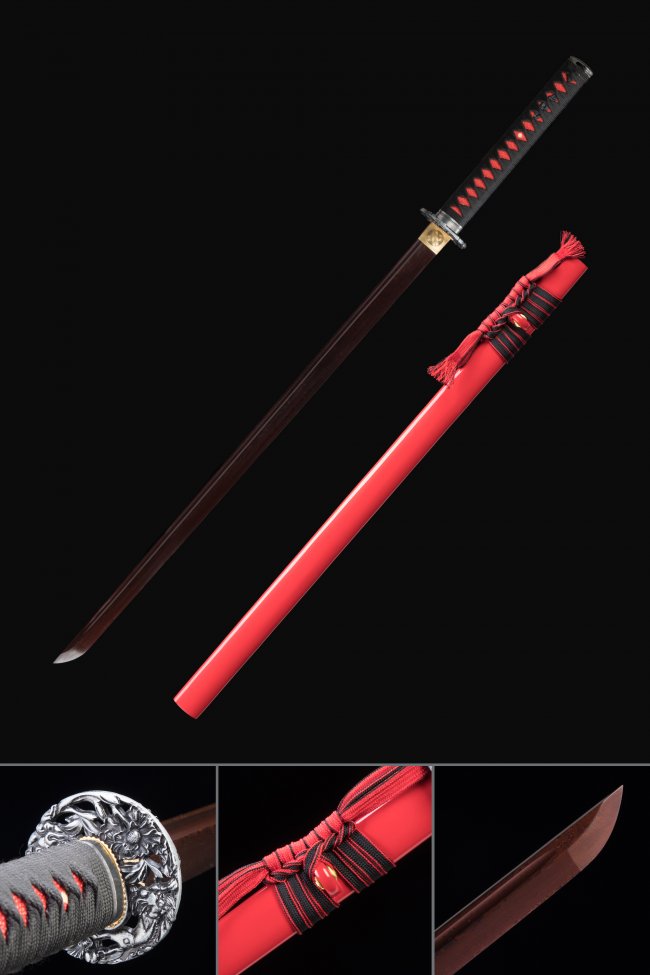
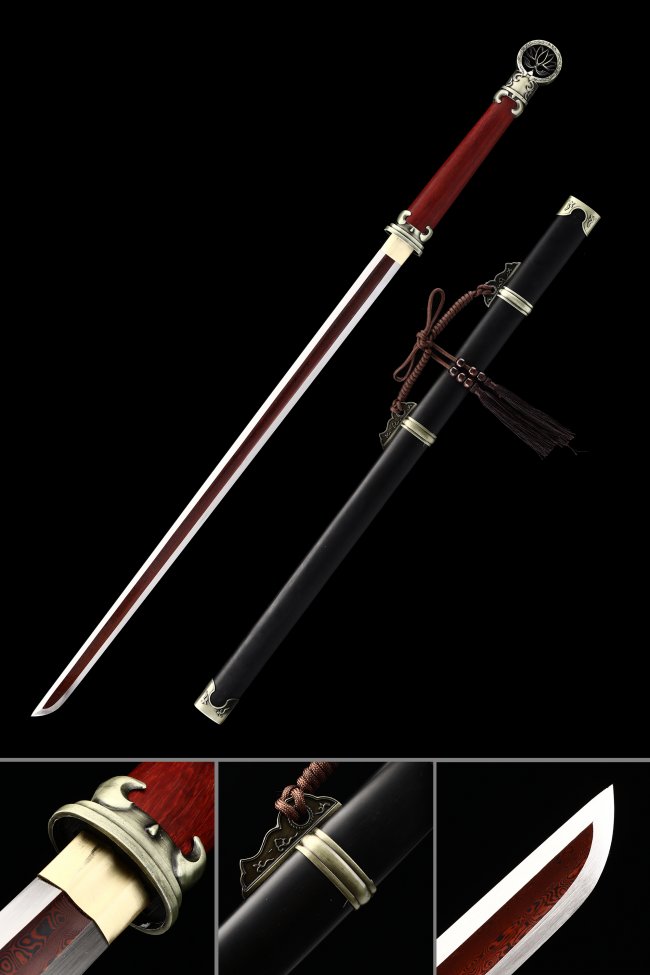
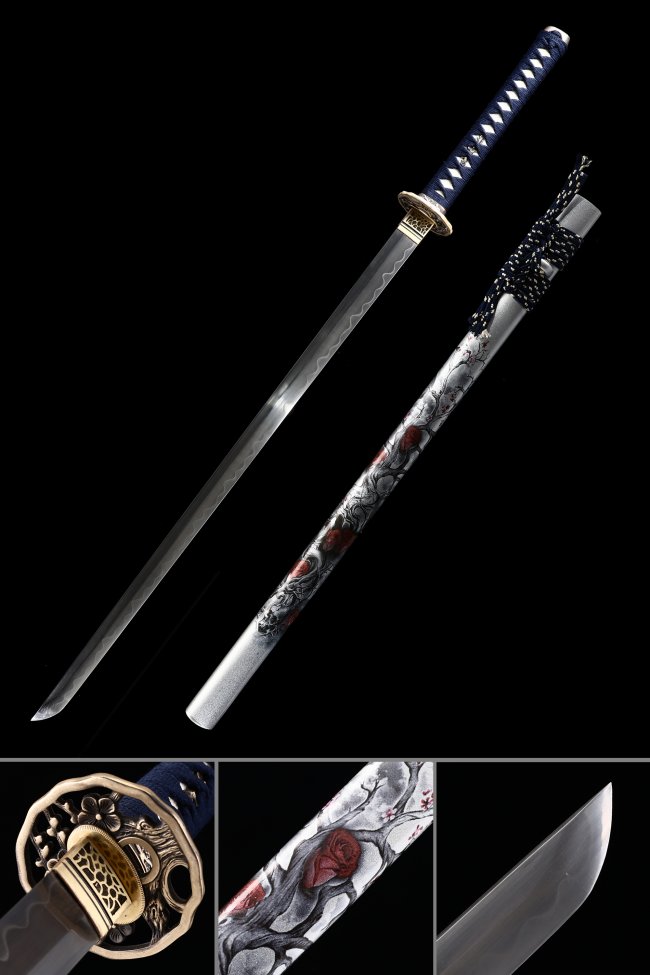
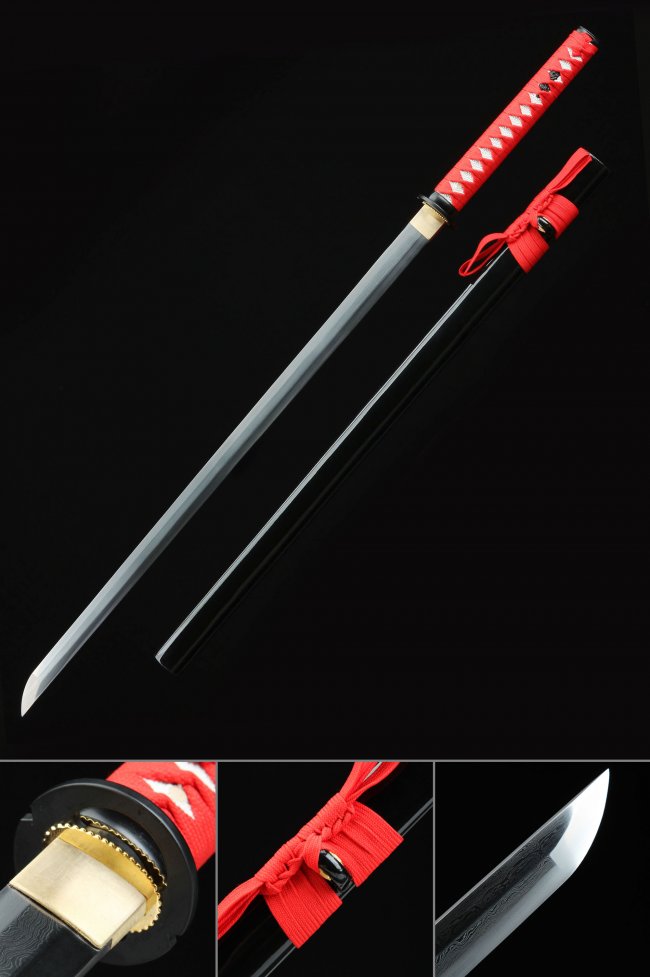
A Damascus Steel Ninjato combines the clean, straight profile of a classic ninja sword with the layered steel patterns that make Damascus blades so recognizable up close. The result feels more refined than a standard ninjato while still keeping that sharp, minimalist style many collectors prefer. Our Damascus Steel ninja sword collection includes forged blades with full tang construction, balanced handling, and visible folded steel textures that give each piece its own character. These swords feel solid in hand and carry much more presence than lightweight display replicas. Whether you collect ninja-inspired blades or appreciate Damascus craftsmanship, this collection has several pieces that stand out once you see them closely.
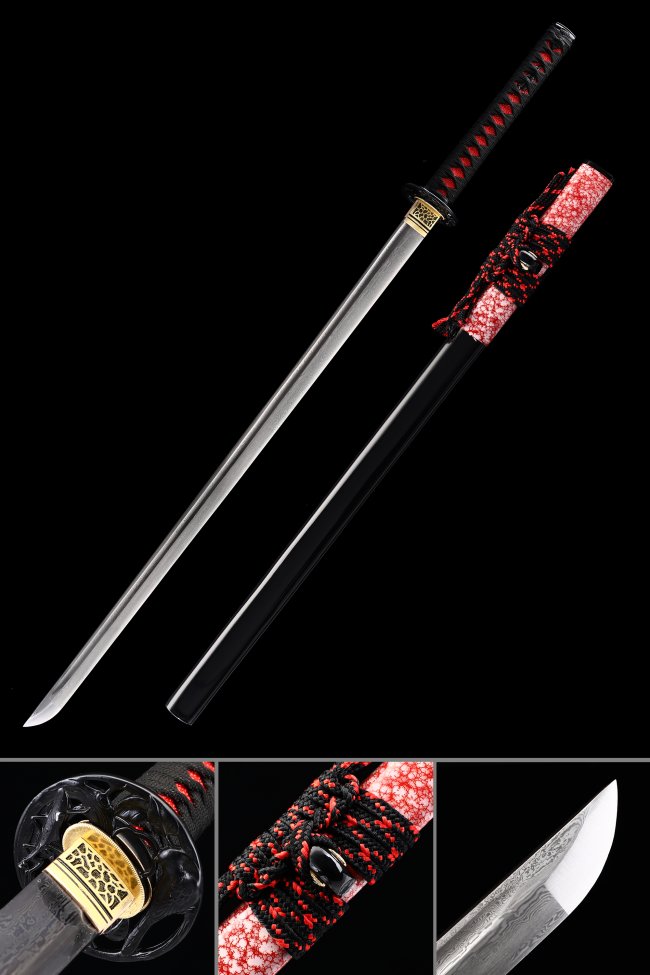
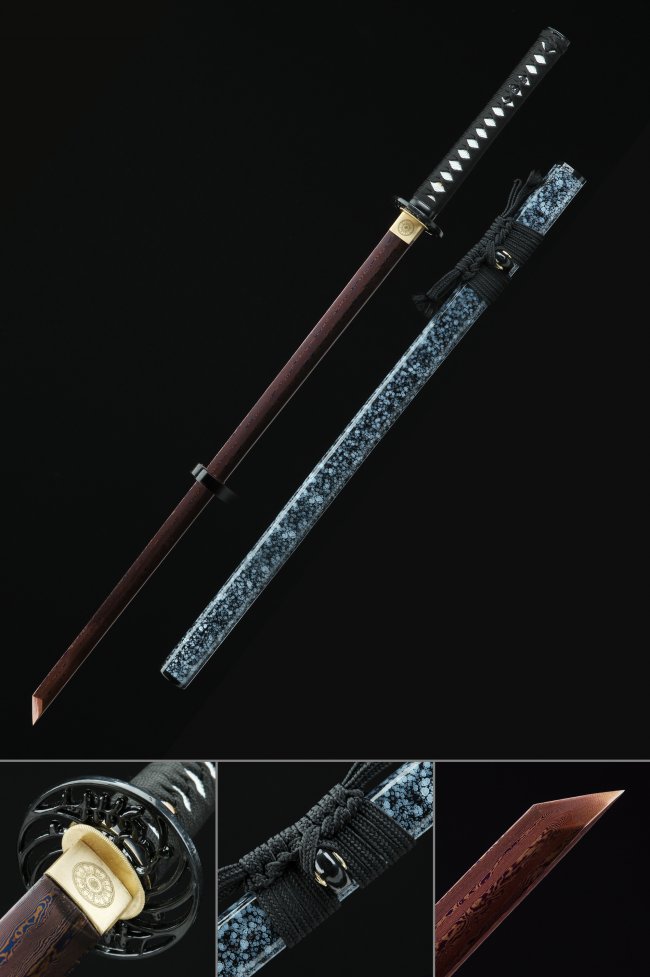
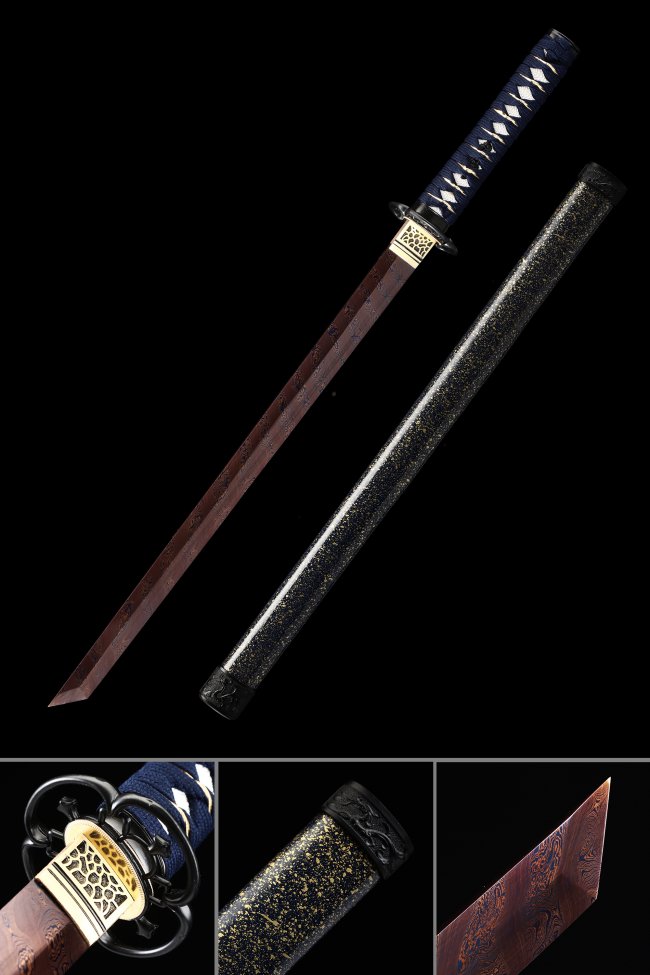
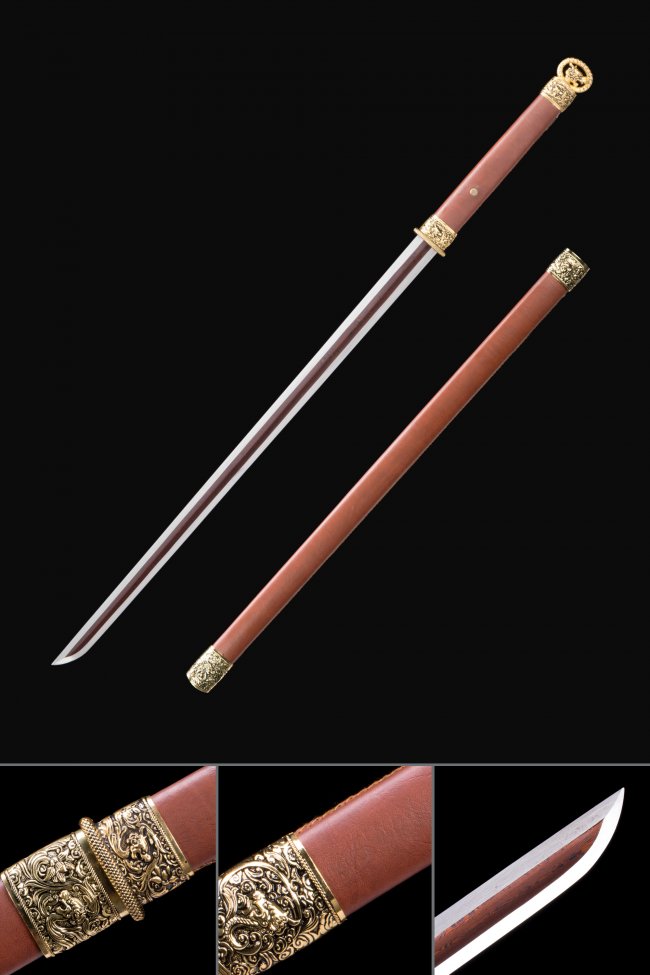
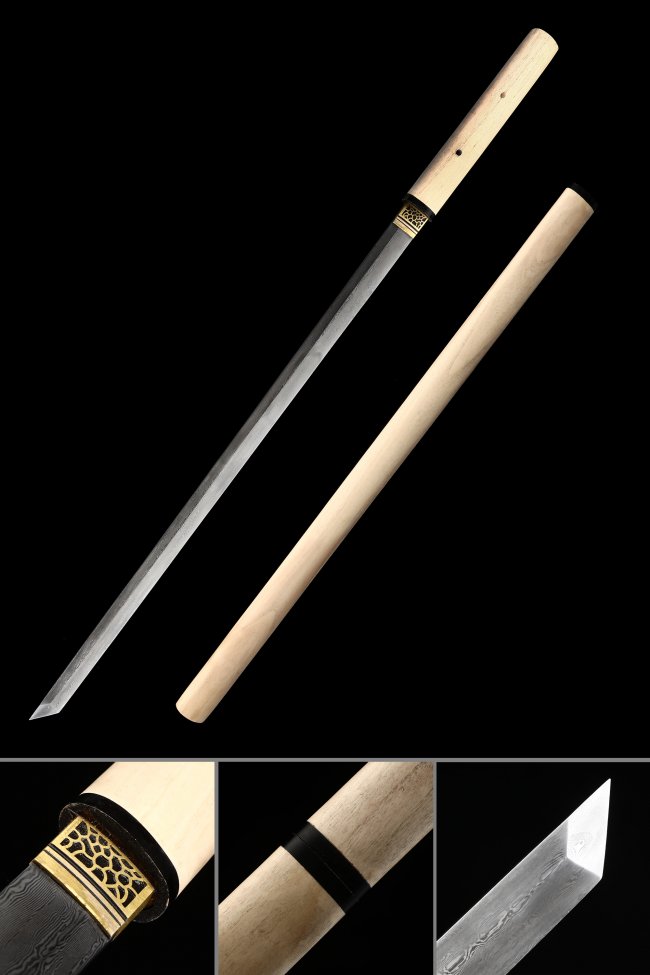
Damascus Steel Zatoichi Shirasaya Stick Sword - Natural Wood Saya, Gold-black Tsuba, Full Tang
3 Reviews
ON SALE 15% OFF
$299.00
$349.00
Related Collections
Damascus Steel Wakizashi 25 items
Damascus Steel Katana 257 items
Customer Reviews
It arrived swiftly and on time. Yes, in perfect shape, no damage, love it. Thank you for your professionalism. Outstanding quality. Very satisfied with this excellent purchase. Truly enjoying this purchase. Have fantastic Day!!! Lets go Denver Broncos!!!
 Damascus Steel Zatoichi Shirasaya Stick Sword - Natural Wood Saya, Gold-Black Tsuba, Full Tang
Verified Purchase
Damascus Steel Zatoichi Shirasaya Stick Sword - Natural Wood Saya, Gold-Black Tsuba, Full Tang
Verified Purchase
This is an awesome purchase , I would have given it 5 stars but by the time the sword got to me the little bit of glue that they used for both end caps came loose and I had to re-hot glue them back on . Not a big deal at all but I absolutely love the sword ! I’ll order from true katana again !!!!
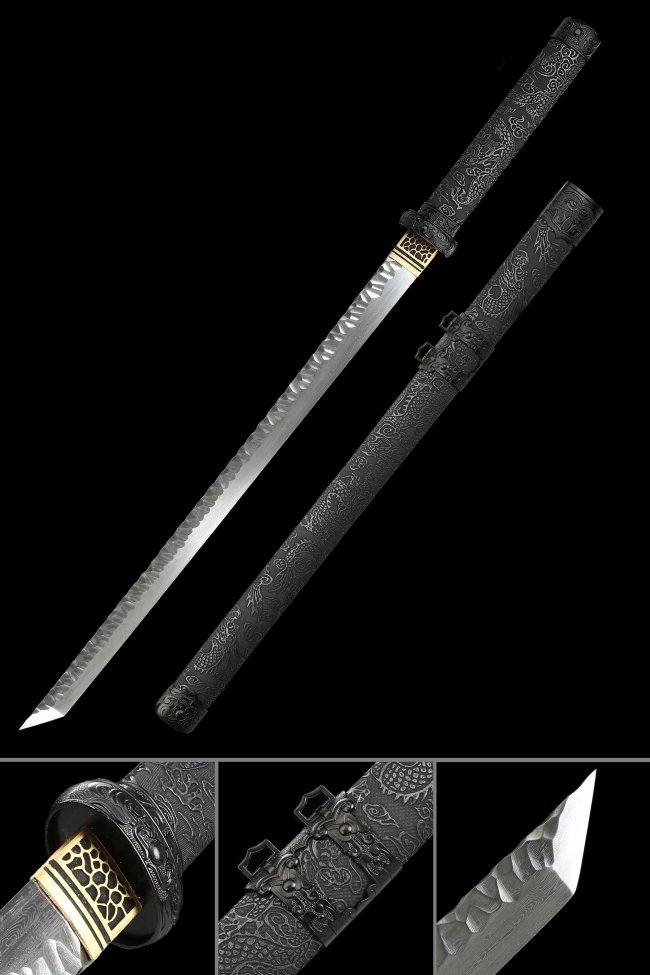
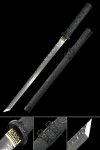 Damascus Steel Ninja Sword Full Tang with Dragon-Carved Black PU Leather Saya - Geometric Gold-Black Tsuba
Verified Purchase
Damascus Steel Ninja Sword Full Tang with Dragon-Carved Black PU Leather Saya - Geometric Gold-Black Tsuba
Verified Purchase
Love the quality.I’ve always been hesitant to buy a Damascus blade, but after purchasing the T10 blade and seeing the quality, I took the risk. I am so happy I did. The Damascus blade on my Ninjato is beautiful and well put together. The blade is sharp and the balance is superb
Damascus Steel Ninja Sword Full Tang with Dragon-Carved Black PU Leather Saya - Geometric Gold-Black Tsuba
Verified Purchase
This was my first sword purchase and it was an amazing experience. I like how the sword is designed to the feel of it and it's a fine looking sword.
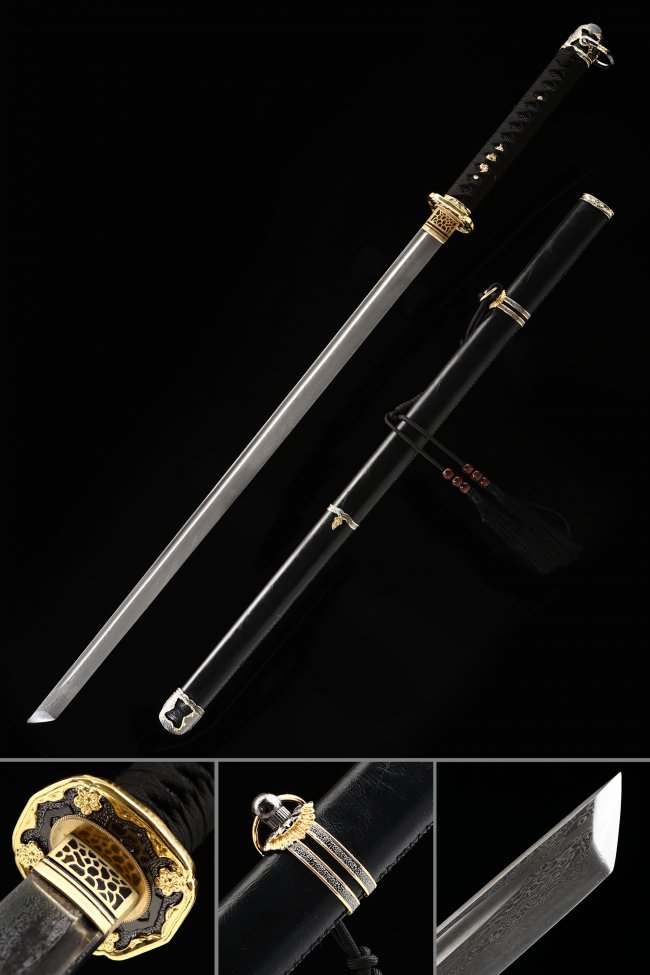
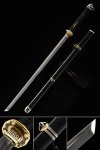 WWII Type 98 Shin Gunto Damascus Steel Sword with Gold-Black Tsuba in Black Lacquer Saya
Verified Purchase
WWII Type 98 Shin Gunto Damascus Steel Sword with Gold-Black Tsuba in Black Lacquer Saya
Verified Purchase
I've always wanted a sword for a long time but I didn't know where to get one until I found true katana and the sword I got I love it and it was truly the sword I was looking for I will be getting more and more soon to add to my collection it's truly a beautiful piece of art and hard work
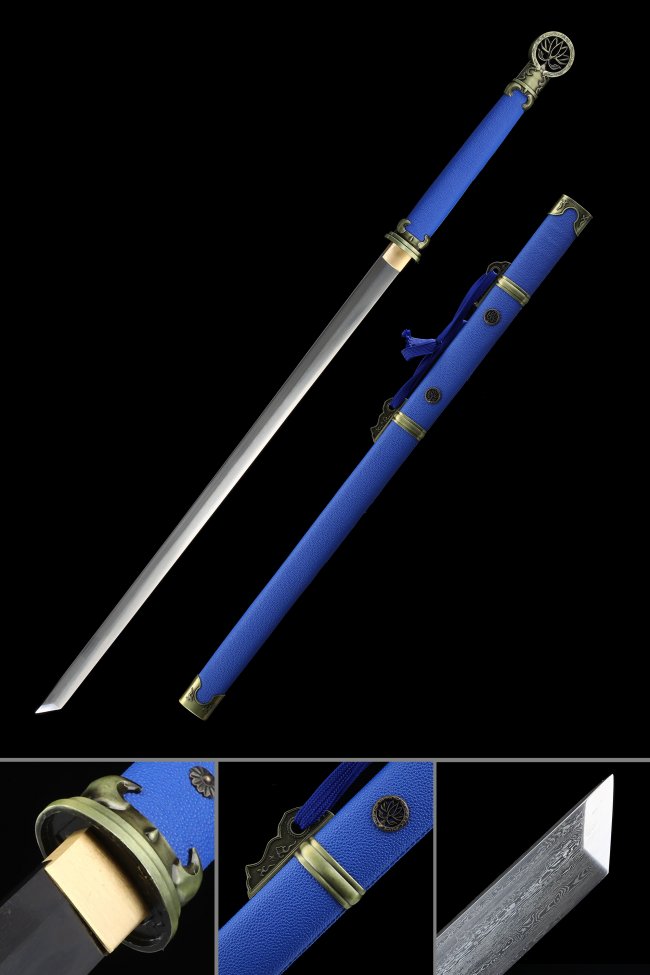
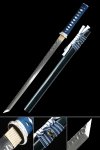 Damascus Steel Ninjato with Blue Ito, Real Rayskin & Dark Blue Lacquered Hardwood Saya
Verified Purchase
Damascus Steel Ninjato with Blue Ito, Real Rayskin & Dark Blue Lacquered Hardwood Saya
Verified Purchase
Love the sword. Perfect weight and balance and beautiful craftsmanship. Will definitely be buying again when I can
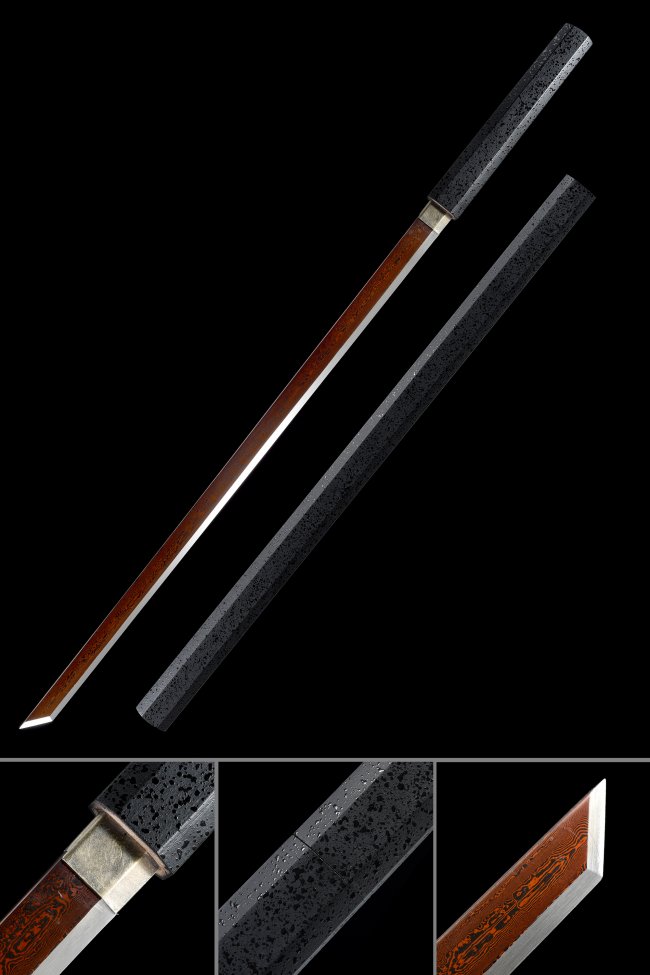
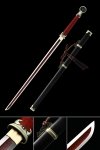 Damascus Steel Ninjato with Red Blade & Black Lacquered Hardwood Scabbard - Bronze Fittings
Verified Purchase
Damascus Steel Ninjato with Red Blade & Black Lacquered Hardwood Scabbard - Bronze Fittings
Verified Purchase
Clean, balanced, straight, and sharp. Worthy to not only have on the wall, but use in the dojo.
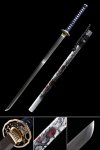 Damascus Steel Ninjato with Hand-Painted White Saya, Gold Plum Tsuba & Blue Ito Wrap
Verified Purchase
Damascus Steel Ninjato with Hand-Painted White Saya, Gold Plum Tsuba & Blue Ito Wrap
Verified Purchase
Looked great when arrived other than some light scuffs on scabbard and having to lightly file inside of scabard for smoother drawing of and sheathing of sword.
Damascus Steel Zatoichi Shirasaya Stick Sword - Natural Wood Saya, Gold-Black Tsuba, Full Tang
Verified Purchase