1 Reviews
Free Shipping
299.00 USD

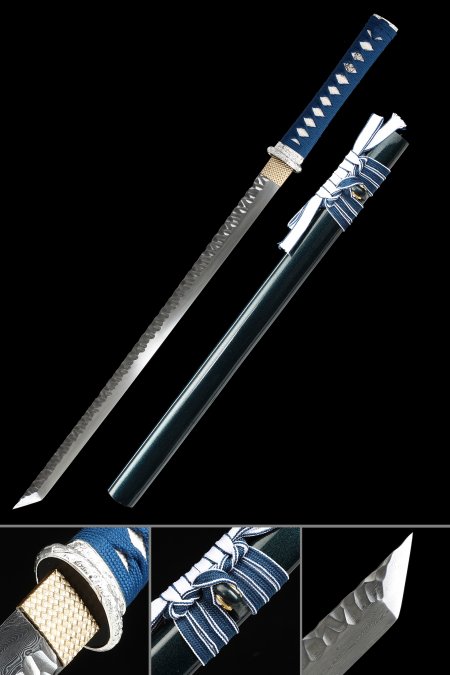
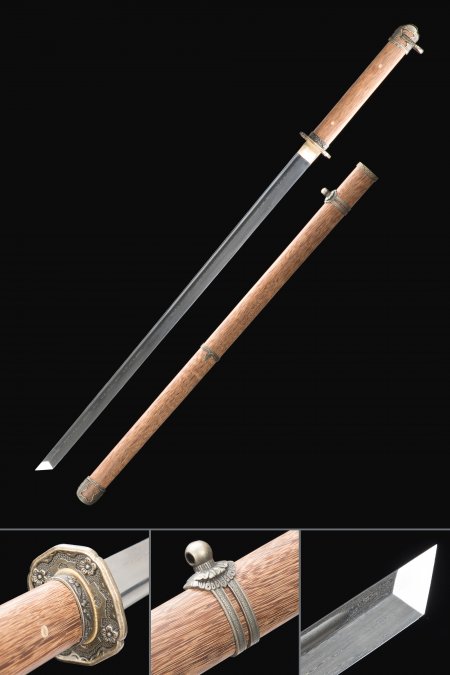
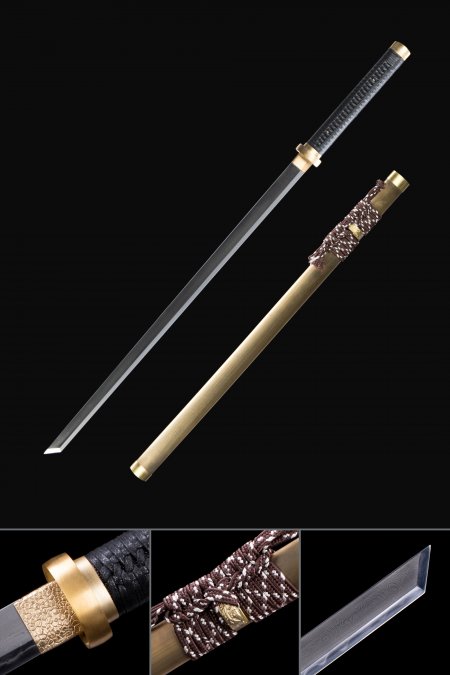
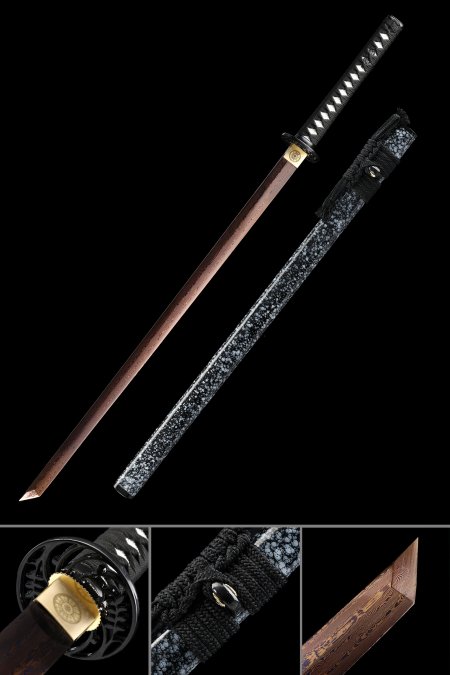
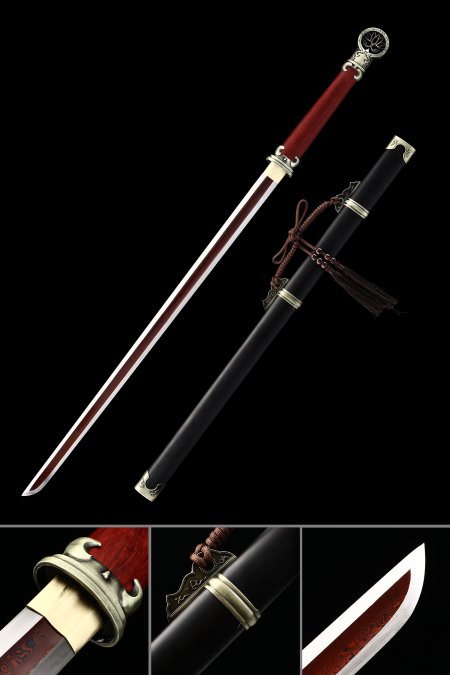
Explore our Damascus Chokuto collection — straight-bladed Japanese swords hand-forged from folded Damascus steel, each displaying distinctive layered patterns born from traditional metalworking techniques. These collectible pieces honor the oldest form of Japanese sword design with full-tang construction and meticulous fittings. Every order includes free shipping and hassle-free returns.
This is an awesome purchase , I would have given it 5 stars but by the time the sword got to me the little bit of glue that they used for both end caps came loose and I had to re-hot glue them back on . Not a big deal at all but I absolutely love the sword ! I’ll order from true katana again !!!!
 |
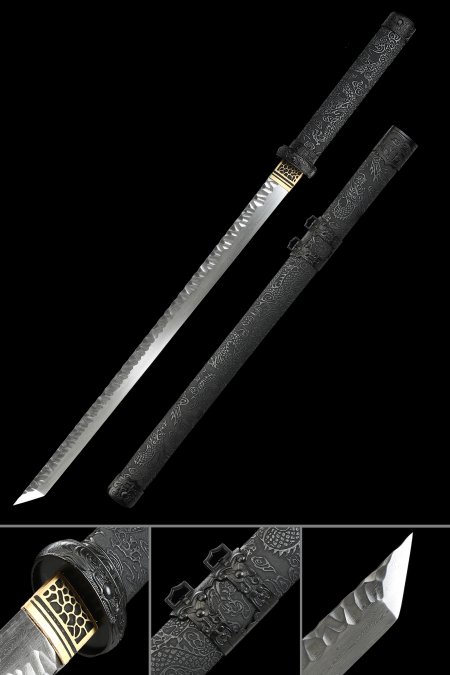
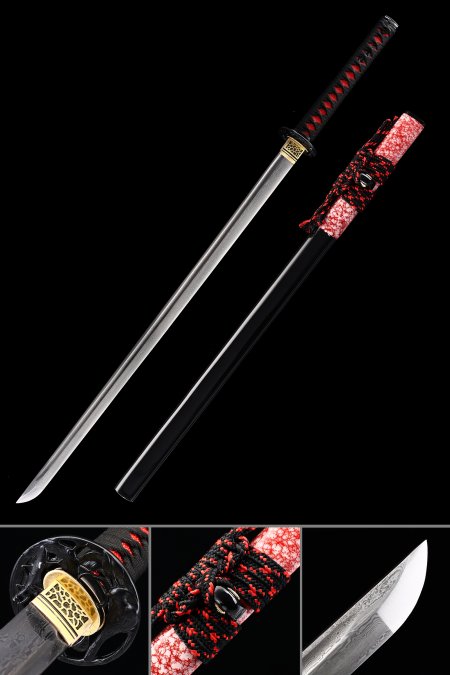
Damascus Steel Ninja Sword Full Tang with Dragon-Carved Black PU Leather Saya - Geometric Gold-Black Tsuba |
Love the quality.I’ve always been hesitant to buy a Damascus blade, but after purchasing the T10 blade and seeing the quality, I took the risk. I am so happy I did. The Damascus blade on my Ninjato is beautiful and well put together. The blade is sharp and the balance is superb
|
Damascus Steel Ninja Sword Full Tang with Dragon-Carved Black PU Leather Saya - Geometric Gold-Black Tsuba |
This was my first sword purchase and it was an amazing experience. I like how the sword is designed to the feel of it and it's a fine looking sword.
 |
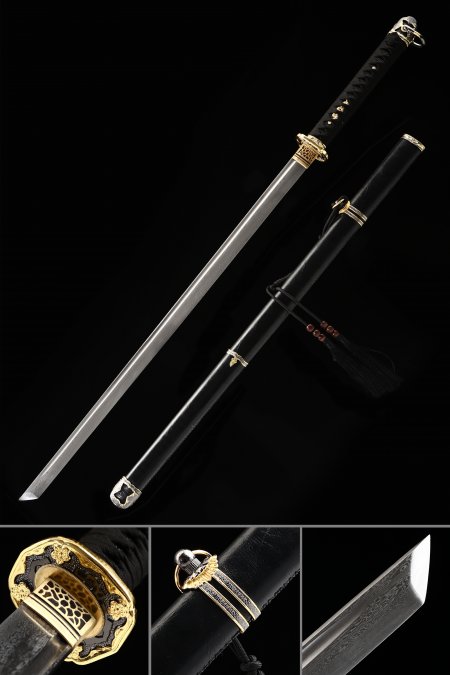
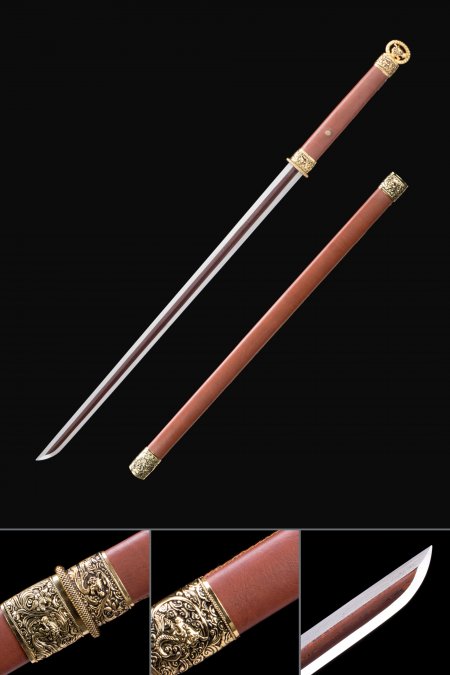
WWII Type 98 Shin Gunto Damascus Steel Sword with Gold-Black Tsuba in Black Lacquer Saya |
I've always wanted a sword for a long time but I didn't know where to get one until I found true katana and the sword I got I love it and it was truly the sword I was looking for I will be getting more and more soon to add to my collection it's truly a beautiful piece of art and hard work
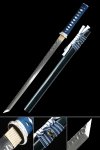 |
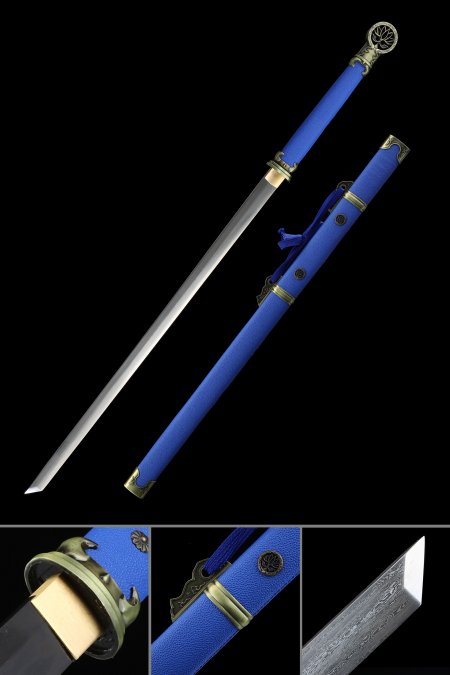
Damascus Steel Ninjato with Blue Ito, Real Rayskin & Dark Blue Lacquered Hardwood Saya |
Love the sword. Perfect weight and balance and beautiful craftsmanship. Will definitely be buying again when I can
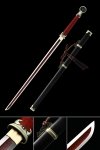 |
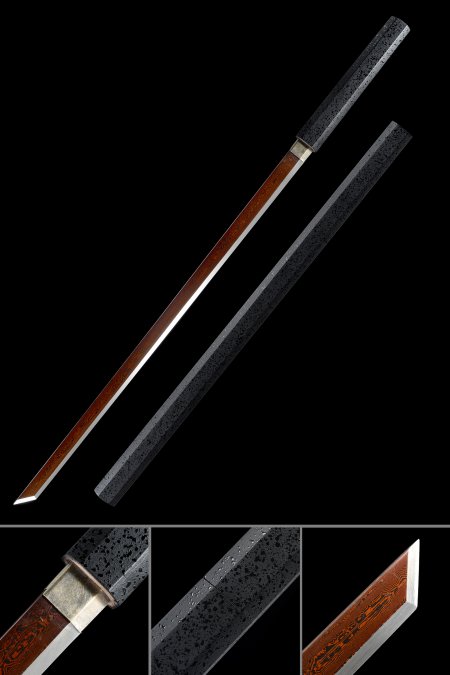
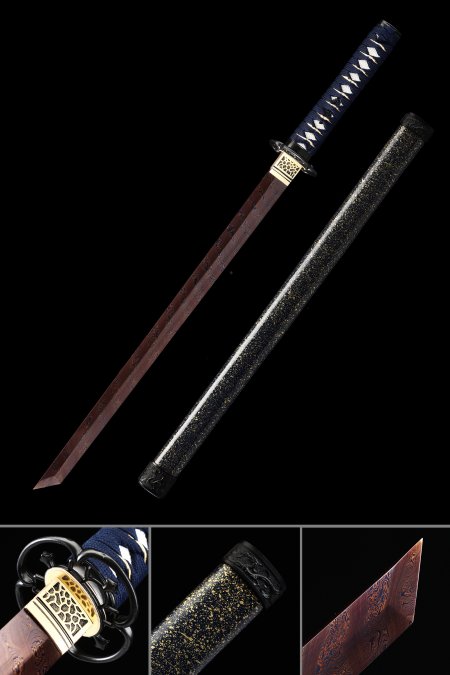
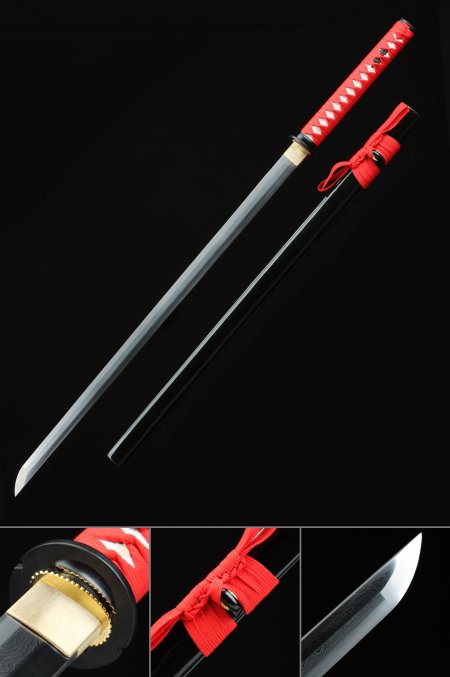
Damascus Steel Ninjato with Red Blade & Black Lacquered Hardwood Scabbard - Bronze Fittings |
Clean, balanced, straight, and sharp. Worthy to not only have on the wall, but use in the dojo.
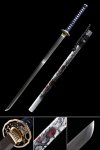 |
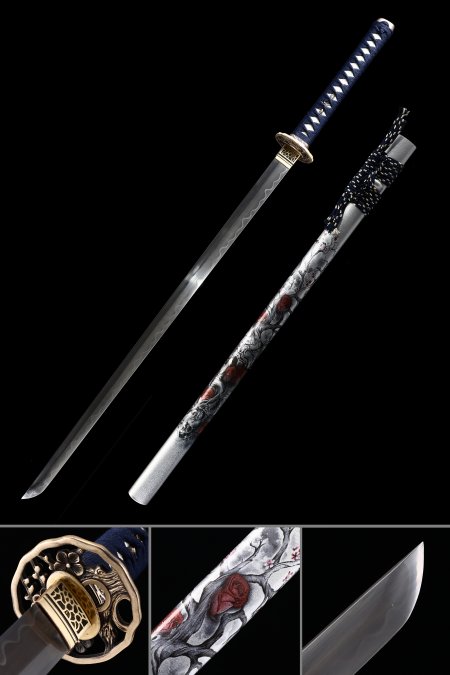
Damascus Steel Ninjato with Hand-Painted White Saya, Gold Plum Tsuba & Blue Ito Wrap |
Looked great when arrived other than some light scuffs on scabbard and having to lightly file inside of scabard for smoother drawing of and sheathing of sword.
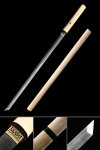 |
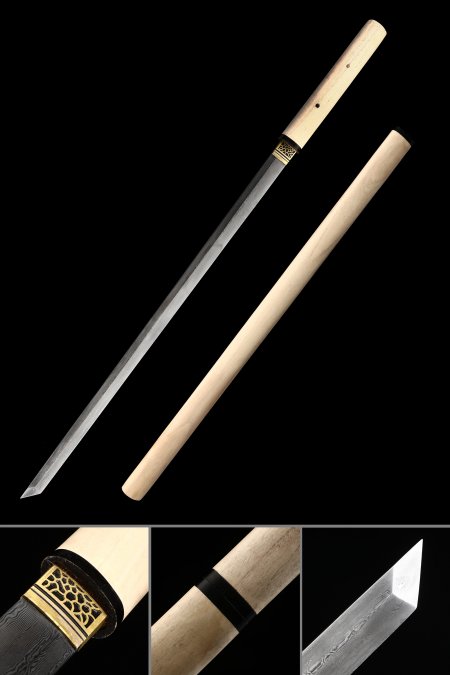
Damascus Steel Zatoichi Shirasaya Stick Sword - Natural Wood Saya, Gold-Black Tsuba, Full Tang |