Red Blade Damascus Steel Ninjato
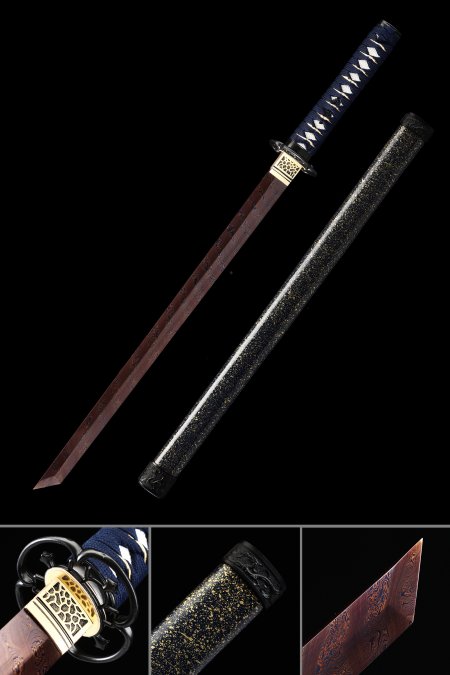
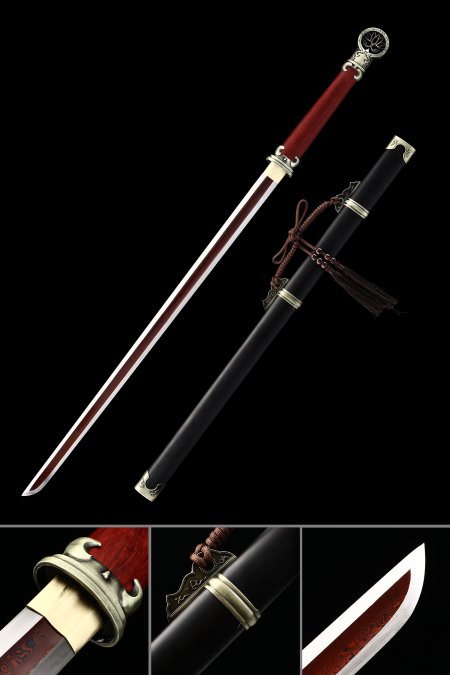
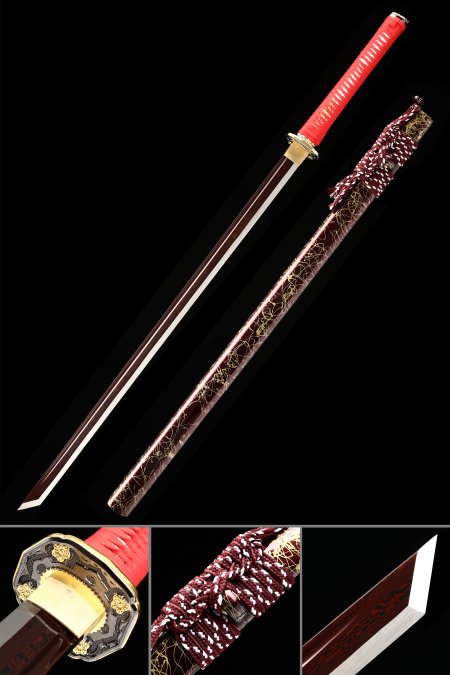
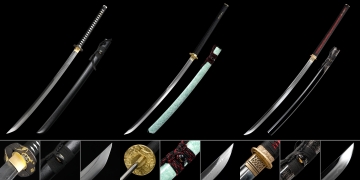
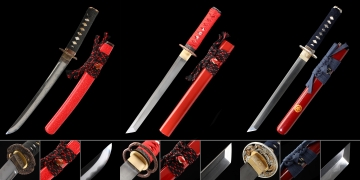
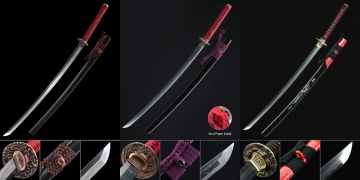
Red Blade Damascus Steel Ninjato swords bring together the raw, layered beauty of hand-forged Damascus steel and the striking visual drama of deep crimson blade finishes — a rare combination that commands attention in any serious collection. Each piece showcases authentic folded-steel construction with visible hada patterns, paired with thoughtfully matched koshirae including lacquered hardwood saya, ornate fittings, and hand-wrapped tsuka. Free standard shipping is included with every order, along with a hassle-free return policy for your peace of mind.
Related Collections
Frequently Asked Questions
What makes a Damascus steel ninjato different from a standard ninjato?
A standard ninjato is typically constructed from a single billet of high-carbon or stainless steel, ground and heat-treated into its final form. A Damascus steel ninjato, by contrast, is built from multiple steel billets — often combining 1095 and 15N20 high-carbon steels — that are forge-welded and repeatedly folded to create a layered internal structure. The result is a surface pattern called hada, which becomes visible after acid etching during finishing. This process means no two blades are visually identical, giving each Damascus ninjato genuine individuality. For collectors, this distinction is significant: a Damascus piece carries both a more complex manufacturing history and a surface aesthetic that develops its own character over time.
How is the red color achieved on a Damascus blade?
The crimson finish on these blades is the result of a specialized surface treatment applied during the finishing stage — distinct from standard acid etching, which produces the gray-to-silver tones seen on most Damascus pieces. Controlled heat application or chemical coloring processes introduce the red tone while the hada pattern remains visible beneath, allowing the layered folds to read through the color rather than being obscured by it. This is a deliberate design choice: the red deepens the visual contrast between the pattern's ridges and valleys, making the Damascus layers appear even more pronounced. It is worth noting that this finish, like all surface treatments on hand-forged blades, benefits from periodic light oiling to maintain its appearance and protect the steel from oxidation over time.
Are these ninjato suitable for wall display, and what hardware works best?
Yes — these ninjato are designed with display presentation in mind. Their straight-bladed profile actually makes wall mounting more straightforward than a curved katana, as horizontal sword brackets hold the geometry cleanly without the blade wanting to roll. Horizontal two-hook wall mounts in black or bronze finishes complement the dark lacquer and metal fittings found on these pieces. If you prefer a freestanding option, a tiered sword stand allows you to display the ninjato alongside a katana or wakizashi for a multi-piece arrangement. When mounting, ensure the saya — not the blade — rests against any contact point. The lacquered hardwood scabbard on each of these pieces is finished specifically to withstand the minor contact of display hardware without marking.
How should I store a red blade Damascus ninjato to preserve the finish?
Long-term storage requires attention to two main factors: humidity and contact. High humidity is the primary enemy of any hand-forged carbon steel blade — it accelerates oxidation and can compromise both the red surface treatment and the underlying steel. Store the ninjato in a climate-controlled environment, ideally between 40–50% relative humidity. Keep the blade inside its saya when not being displayed, as the lacquered hardwood provides a degree of environmental buffering. Apply a very light coat of choji oil or food-grade mineral oil to the blade every few months using a soft cloth, wiping away any excess. Avoid storing the sword in a sealed case with foam padding, which can trap moisture. Periodic inspection of the saya's interior is also recommended to ensure no grit or condensation has accumulated.
Does the ninjato's straight blade affect its display pairing options?
The ninjato's straight or near-straight profile makes it a visually distinctive companion to curved Japanese sword forms. When displayed alongside a traditional katana or tachi, the geometric contrast between the two profiles creates an immediately readable visual hierarchy — the curve of the katana reads as classical refinement, while the ninjato's straight line reads as structural precision. For collectors arranging thematic displays, this contrast is an asset. A red blade Damascus ninjato paired with a Damascus katana in a complementary finish tells a complete story about the range of Japanese-style blade construction without visual redundancy. The ninjato's compact overall length also makes it easier to integrate into display arrangements where wall or shelf space is at a premium.
Customer Reviews
William A Smith
Kansas, United States
Love the sword. Perfect weight and balance and beautiful craftsmanship. Will definitely be buying again when I can
 |
Damascus Steel Ninjato with Red Blade & Black Lacquered Hardwood Scabbard - Bronze Fittings |