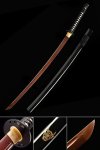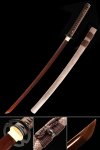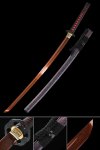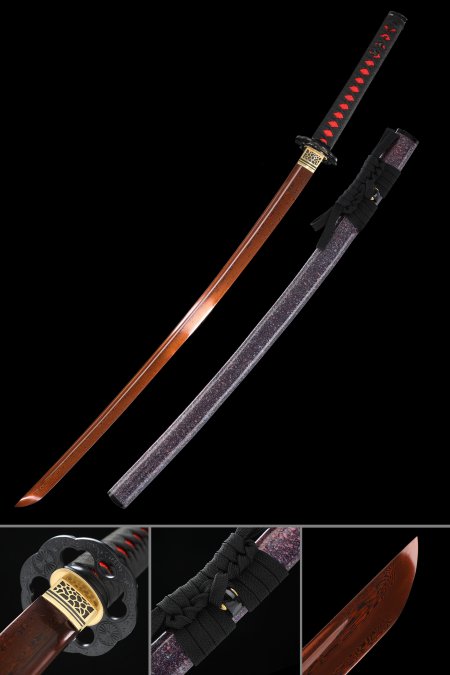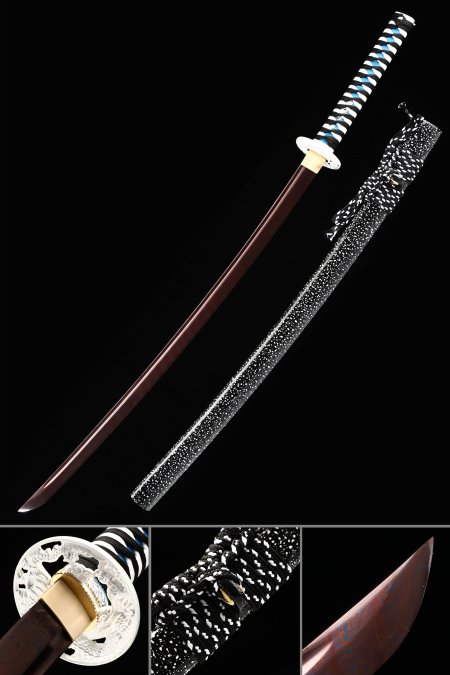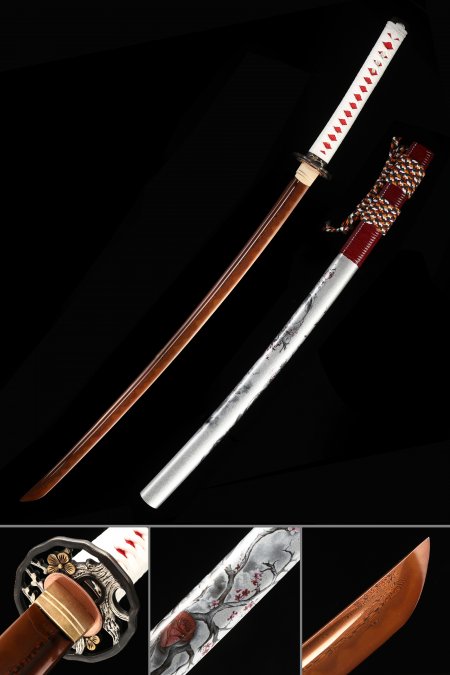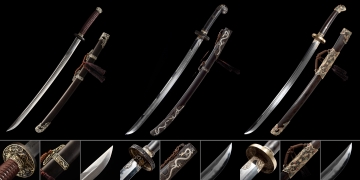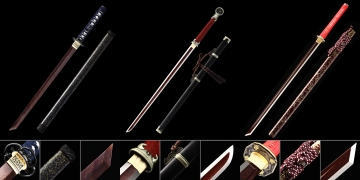
Red Blade Damascus Steel Katana

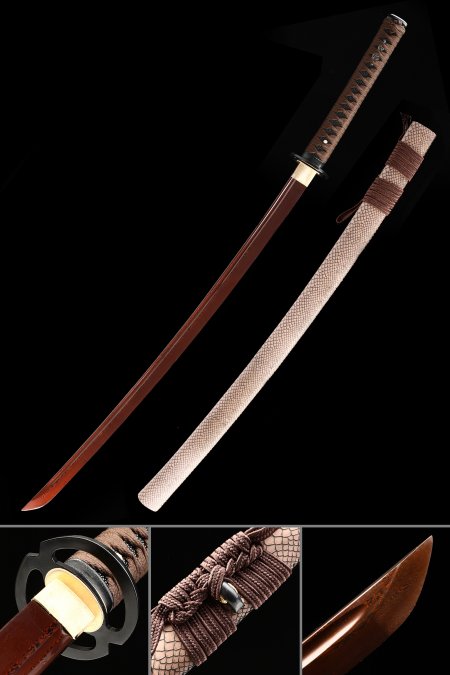
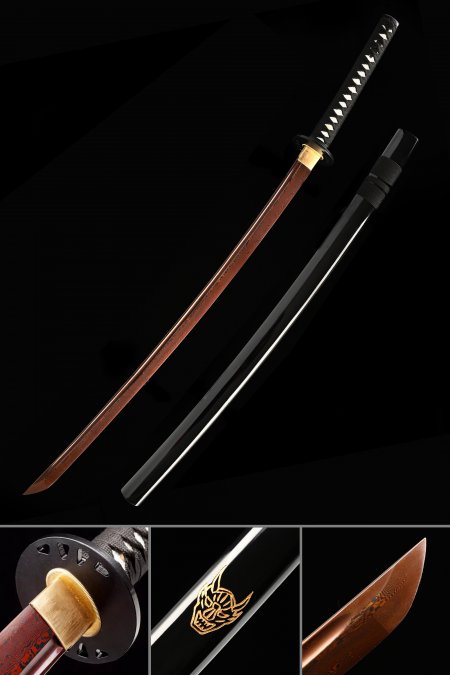
Each Red Blade Damascus Steel Katana in this collection is hand-forged from layered Damascus steel, producing a blade with a deeply patterned surface and a striking crimson finish that sets it apart from conventional katana styles. Mountings range from python-theme saya and geisha-painted scabbards to dragon tsuba and starfield lacquerwork, giving every piece a distinct visual identity worthy of serious display. Free standard shipping is included on all orders, and we stand behind every collectible with a hassle-free return policy.
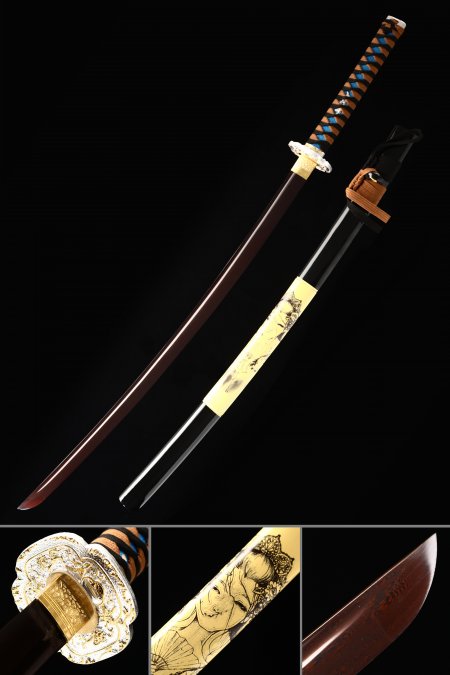
Showing 6 Products

Related Collections

Damascus Steel Sword78 items


337 Reviews

Damascus Naginata4 items


3 Reviews

Damascus Broadsword7 items


1 Reviews

Frequently Asked Questions

What gives a Damascus katana blade its red color?
The red or dark-crimson tone on these katana is produced through a controlled surface treatment applied after the blade is ground and fitted. The most common method is acid etching the layered Damascus steel, which causes high-carbon and lower-carbon layers to react differently and reveal the folded grain pattern. A secondary heat-coloring or chemical oxidation step then introduces the red-to-dark-amber hue. Because the coloring develops from within the steel's own layer structure rather than being applied as a paint or coating, the result is visually integrated with the grain pattern itself. No two blades produce exactly the same depth or distribution of color, which is a key reason collectors value these pieces as individual objects rather than interchangeable production items.
How does Damascus steel differ from high-carbon mono steel in a katana?
Mono-steel katana are forged from a single billet of steel—commonly 1060, 1075, or 1095 high-carbon steel—and produce a uniform, clean surface after polishing. Damascus steel, by contrast, is created by forge-welding two or more steel types together, then folding and drawing out the billet repeatedly. This process creates alternating layers that become visible as a flowing, organic surface pattern once the blade is etched. The visual complexity is the primary distinguishing characteristic for collectors. In terms of performance as a display and collectible piece, both constructions offer comparable structural integrity when properly heat-treated; the Damascus version simply carries an additional layer of visual craftsmanship that mono-steel cannot replicate.
Are these katana suitable as display pieces for long-term collection?
Yes. Every katana in this collection is built on a full-tang construction, meaning the steel extends continuously from blade tip through the handle core rather than being attached by a short stub or adhesive. This structural approach is the standard expected in quality collectibles intended for permanent ownership. The ornamental mountings—lacquered saya, alloy tsuba, wrapped tsuka—are selected and fitted to remain stable over time under normal indoor conditions. For long-term display, keep the piece away from high-humidity environments, apply a thin layer of camellia or choji oil to the blade every few months, and store in the saya when not actively displayed. These steps are sufficient to maintain both the red Damascus surface finish and the mounting materials in excellent condition for years.
What should I consider when pairing a red blade katana with a display stand?
The visual weight of a red Damascus blade is considerable, so the stand choice affects how the piece reads in a room. A horizontal two-tier wooden stand in dark walnut or ebony finish tends to complement the warm crimson tones without competing with them. If you prefer a wall mount, a single-blade horizontal bracket keeps the saya visible alongside the blade, allowing both the painted or patterned scabbard and the blade itself to be appreciated. For collectors building a multi-piece display, placing a full-length red blade katana on the upper tier alongside a shorter companion from the Red Damascus Steel Aikuchi collection creates a traditional daisho-style visual pairing without requiring matching sets. Lighting direction also matters—a low-angle spotlight raking across the blade surface will animate the layered Damascus grain far more than overhead ambient light.
Does the red surface finish on Damascus steel require special maintenance?
The etched and oxidized surface that produces the red coloring is more sensitive to handling oils than a standard polished blade. Fingerprints left on the surface can accelerate localized oxidation, gradually creating uneven discoloration over time. Always handle the blade with clean cotton or nitrile gloves, and wipe it down with a lightly oiled cloth after any handling session. Choji oil and camellia oil are the traditional choices—both are low-viscosity, non-reactive oils that form a thin protective layer without building up residue. Avoid modern petroleum-based lubricants, which can interact poorly with the acid-etched surface. If light surface rust spots appear despite regular care, a very fine application of uchiko powder followed by fresh oil can address them without damaging the underlying grain pattern.

Customer Reviews

Cart 0 Items

Your cart is empty