What makes an aikuchi different from a standard tanto?
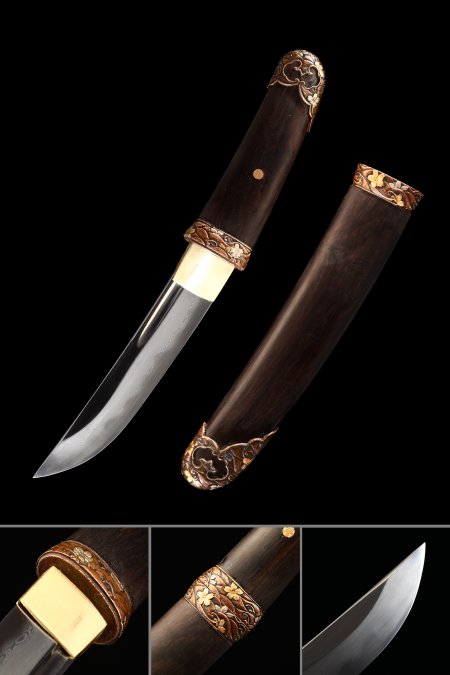
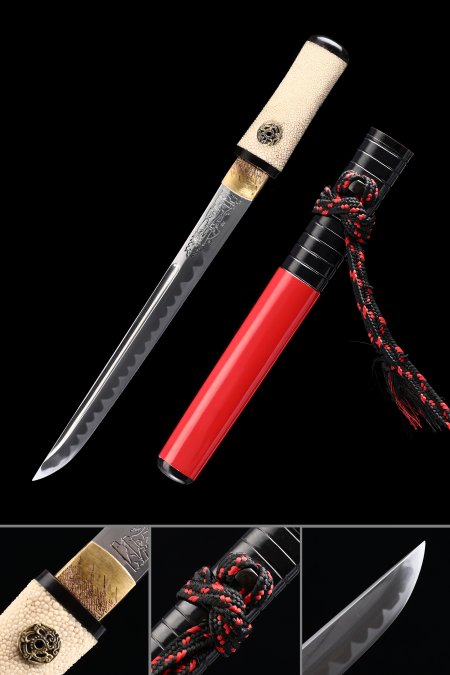
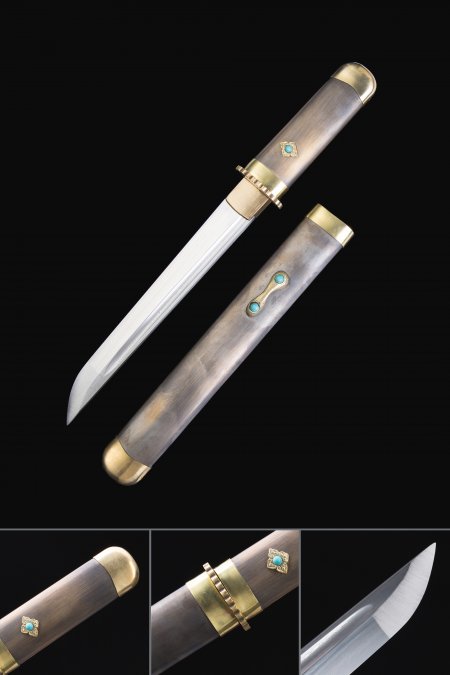
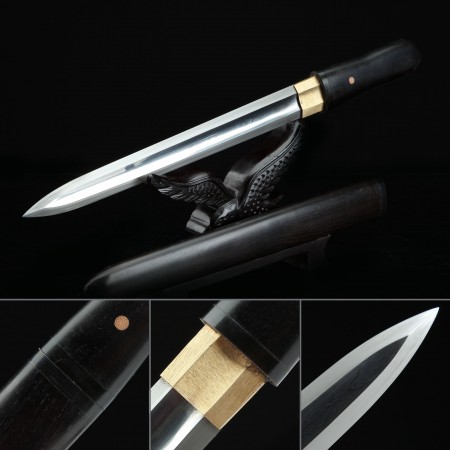
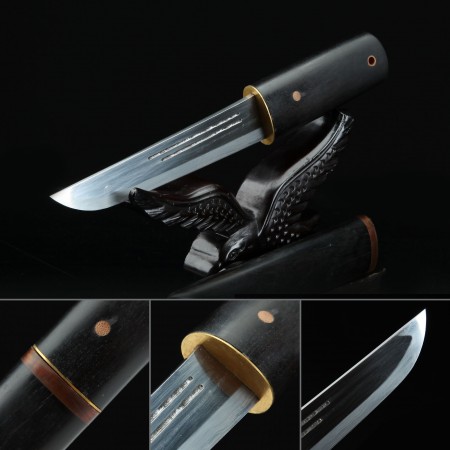
The defining feature of an aikuchi is the absence of a tsuba - the hand guard found on most Japanese bladed pieces. Without the tsuba, the handle and saya fit together flush, creating an unbroken silhouette from pommel to scabbard tip. This design was historically associated with civilian court dress and high-ranking individuals who prioritized elegance over practical guarding features. For collectors, this means the aikuchi presents as a cleaner, more sculptural display object, where the quality of the handle wrap, saya finish, and fittings become the primary visual focal points rather than an ornate guard piece.
How is the pattern formed on a damascus steel blade?
Damascus steel - sometimes called pattern-welded steel in modern forging terminology - is created by stacking and forge-welding two or more types of steel with differing carbon content. The smith folds and works the billet repeatedly, then twists, cuts, or manipulates the layers to create specific grain configurations before final shaping. After grinding and polishing, an acid etch reveals the contrast between high- and low-carbon layers, bringing the flowing, organic pattern to the surface. Because the pattern develops through physical manipulation of actual steel layers rather than surface treatment, it cannot wear off - it is structural to the blade itself. Every blade carries a genuinely unique grain signature.
What should I use to maintain a damascus steel aikuchi in long-term display?
Damascus steel is more reactive to moisture and humidity than stainless alternatives, so maintenance is important for long-term display quality. Apply a thin, even coat of choji oil or mineral oil to the blade every two to three months, and more frequently in humid climates or seasonal transitions. Wipe away fingerprints promptly after handling - skin oils accelerate oxidation on patterned steel. Store the aikuchi horizontally on a display stand or in its saya with the edge facing upward in the traditional orientation. Avoid sealed glass cases without silica gel desiccant packs, as trapped humidity accelerates surface changes. A clean, dry microfiber cloth is sufficient for routine surface care between oiling sessions.
Are the rayskin handles on these aikuchi genuine samegawa?
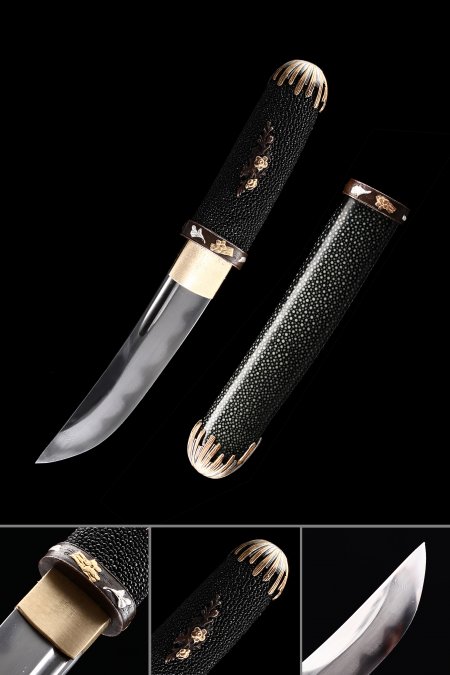
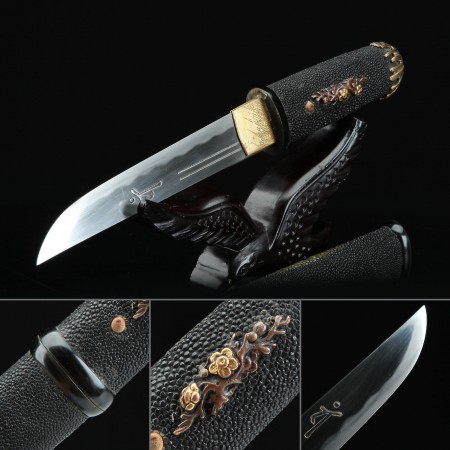
Yes. Products in this collection that list rayskin handles use genuine samegawa - the cured hide of the ray - rather than synthetic imitation material. Samegawa has been used in traditional Japanese blade furniture for centuries due to its naturally pebbly, high-grip texture and durability. On an aikuchi, where the absence of a tsuba means the handle is the dominant visual element, the quality of the samegawa is particularly significant. Genuine rayskin develops a subtle patina over time with careful handling, and the raised tubercle pattern on authentic hide remains visually distinct from the uniform texture of synthetic substitutes. Listings specify the color and fitting material so collectors can match pieces to existing display arrangements.
Is a Damascus Steel Aikuchi a suitable gift for a serious collector?
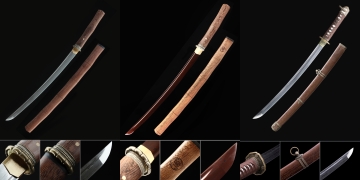
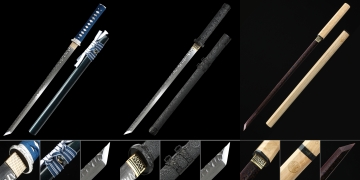
A Damascus Steel Aikuchi makes a considered gift for a collector with an established interest in Japanese blade culture or layered-steel artistry. The combination of a historically significant blade form with the visual complexity of genuine damascus steel gives the piece genuine talking-point value among knowledgeable recipients. For gifting purposes, the variety in this collection - ranging from understated dark wood saya with copper fittings to lacquered red saya with engraved motifs - allows meaningful personalization based on the recipient's known aesthetic preferences. Pieces arrive with fitted sayas and are ready for immediate display without requiring additional accessories, making the unboxing experience complete as presented.